Poison Ivy Doesn't Wanna Hurt You
This entire podcast is about the Poison Ivy & Mango Family, Anacardiaceae. Susan Pell , Executive Director of the U.S. Botanic Garden & John Mitchell from the New York Botanic Garden both specialize in the systematics and phytochemistry of this incredible family of plants.
In this episode we talk about the active compound in Poison Ivy, Urushiol, as well as some of the cool adaptations that dryland and desert-adapted members of the family have evolved to cope with their unique environments. We mention a ton of cool plants species you've never heard of before, some edible and some toxic, and spend 80 minutes discussing how cool this family of plants is.
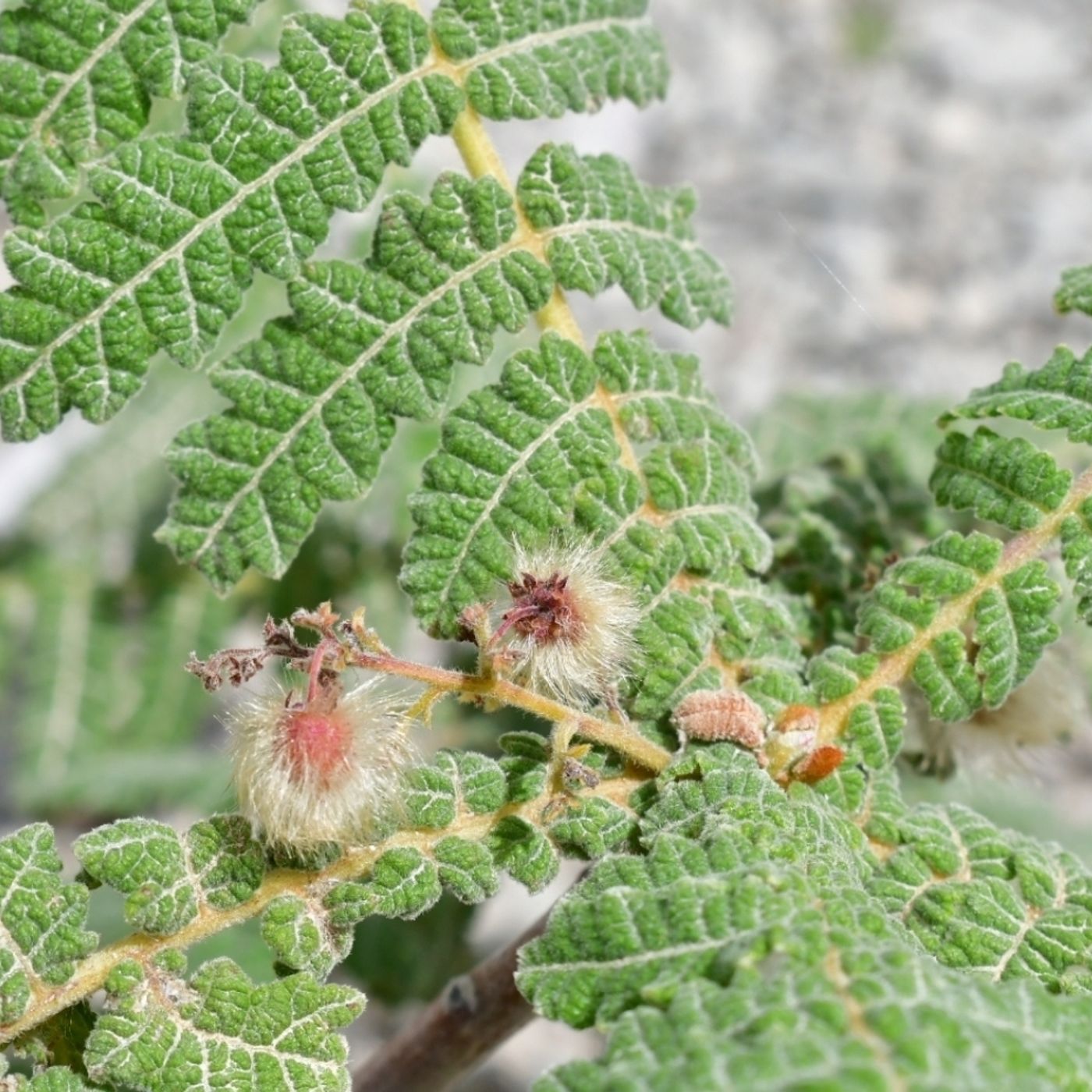
Plant in the thumbnail is Actinocheita potentillifolia from Puebla, Mexico.
In this episode we talk about the active compound in Poison Ivy, Urushiol, as well as some of the cool adaptations that dryland and desert-adapted members of the family have evolved to cope with their unique environments. We mention a ton of cool plants species you've never heard of before, some edible and some toxic, and spend 80 minutes discussing how cool this family of plants is.
Plant in the thumbnail is Actinocheita potentillifolia from Puebla, Mexico.
2023-11-15
88 min
Transcript
Available Results
Generated results are saved to the knowledge database for reuse and search.
No generated results are available for this episode yet.
Extract Knowledge
Pick what you want extracted first. Model, scope, and chapter options appear after a template is selected.
Generated results for public episodes are saved to the knowledge database so they can be reused and searched later.
Transcript
What's going on? Everybody. Welcome to another episode of Crime Pays, but
bond me doesn't the podcast. I have been flaking on videos lately, man,
I have not had time to do videos. I've been printing T shirts
and god, I must have printed fucking one hundred T shirts, which I
do as little pieces of art. You know, it's it's my fucking well,
the yoke drawing isn't mine, but the other ones are the Michael heterrotrophy
one all these other things. So uh, it's like it's like, you
know, a piece of wearable art. And it's been fun for me too,
So thank you to anybody who's bought one stickers, books, all that
shit. I have been I've been printing art, hanging out with my daughter
doing botany stuff. It's finally cooled off down here in South Texas. You
can go outside during the day without being in pain. Uh and uh you
know, just uh, just I'm about to go to Tucson for a week
week and a half. Uh and uh actually film a video on growing cacti
from seed, specifically peyoti, which my friend Leo does for the Native American
Church. It's all legal. He's got the papers and everything. So I'm
gonna go film his operation out there and hopefully see some nice Sonoran desert Botany
and just have a grand old time. Spend too much time sitting on my
ass driving on the I ten, so I'll probably be stopping enough. They
might be Jack's last time on the road. You know, Jack the dog.
He's old now, he's fourteen going on fifteen, and I don't know
he just you know, he's been starting to lose weight, he's had these
runny eyes, doesn't know where he is anymore. It's like it's like hanging
out with someone who's got dementia or something. You know, It's like my
my fat Italian grandma. God, I miss her every day. The attitude
on that woman, the attitude I know where I get it. Remember what
time she threatened to have me killed by the mob. I mean she was
joking, obviously, but she was indeed mad. But uh, she got
dementia bad in her in her old age. But before she went, you
know, full scale kind of losing it. You know, I did notice
she got extra spicy, she got she got she did get you know,
a little bit meaner in a loving way, the way that a Italian grandmother
would be. But uh but yeah, my uh, my dog is just
it's like that he wakes up in the middle of the night, doesn't know
where he is. I just see him standing and standing around, you know,
like I hear his little nails on the on the floor. But uh,
when he goes, I'm gonna I'm gonna fall apart and be a fucking
wrex. So uh, you don't bear with me here. But anyway,
the point is I haven't done any fucking videos and busy as shit doing other
stuff. I did some of that short form content for the generation with the
shortest attention span on history. You know. Anyway, today my guess our
Susan Pell and John Mitchell, both uh expert botanist that specialized in the family
Anna Cardi a c. Now you might be wondering, why the hell when
you do an entire podcast about one family that you know from the temperate zones.
Mostly what you think of are the genus russ or Toxicodendron poison ivy.
But this family is exceptionally species rich in low latitude areas in the tropics and
subtropics, and I've seen some incredibly cool fucking plants in this family that have
sufficiently blown my mind to have placed it on my radar for many years now.
And you'll hear me talk about some of those species. We talk about
a whole bunch of different species. If you want to get to the part
that focuses on you Russio, the phenola compound that is a hydroxyl group bonded
to a carbon atom with a benzene ring in there, you will want to
go. I think it's like twenty two minutes in, maybe twenty five minutes
in, But I suggest you list't know the whole fucking podcast, because there's
a lot of good stuff in here. We talk about specific species that occur
around the world, specific species in gene era, some of which are edible,
some of which are quite quote unquote toxic. They contain you rushi all
or other phenolic compounds that induce contact dermatitis if you touch them. And you
know, evidently when this these series of of secondary metabolites, so phytochemicals evolved,
they were so advantageous uh to this lineage of plants that they then spread
throughout and you know, and we're were inherited uh and kept popping up in
every all the descendants so obviously, if something keeps around that long, evolutionarily
speaking, there's got to be some kind of adaptive benefit member an evolution.
We don't ask what is it for, We ask what's the adaptive benefit?
Because it's it wasn't you know, it wasn't created for anything. The plant
didn't know what it was doing. Something evolved and it was so successful that
it stuck around. And then that the alleles, the copies of the genes,
whatever you want to think of this that coated for that specific trait spread
throughout a population and throughout a lineage. And so uh, this these series
of compounds of which you rush you all is one. There's a multitude of
of chemicals that are somewhat closely related in structure that do this. It it's
so common. I think that you rush you all occurs a year. Susan's
saying, a third of the plants and his family. So especially if you
live in low latitude areas, man, you gotta you gotta know this family.
And then of course you know you hear me talk about to the venation
of some of these fucking leaves are incredible. You look like poison Woodmtopium,
toxiphrum, which you get in the Miami area, or some of the roosts
species, the the uh god, some of the Mexicans, the Mexican sumex
a fucking wild. I remember seeing Roos muleeri growing on gypsum flats with all
these cool cacti and not flats, these undulating gypsum hills that the ground had
the consistency of like a bad batch of concrete somebody made. It was all
crusty, and it's just incredible habitat does these white, rolling, semi barren
gypsum hills. But this, this sumac species was just thriving there. So
anyway, Uh, this is a really cool and important family, both commercially
and economically and all that boring shit, but especially evolutionarily and ecologically. Uh.
You know, these most of the flowers of this this family are tiny,
and you get these panicles. You know, these inflorescence is composed of
a bunch of different tiny flowers are raved on arranged on a panicle or a
thirst. It's a you know, nondeterminate that's an inflorescence that that's not determinant,
that doesn't stop and so uh, you know, it's just and then
of course the fighter the phytal chemistry and this family. It's just fucking wild.
I mean, you know the Japanese lacquer tree, which of course we
talk about that too. I've just given you a whole fucking cliff notes so
that I should just shut up, you know, I should just shut up
and let you listen to the podcast. But either way, you rush you
Ally was named after you, rushi. It's a Japanese word, uh,
based around the Japanese lacquer tree, which I think was toxico dendron vernicolsam.
Either way, this is a good, uh fucking podcast. I had a
great time talking to both of these, both Susan and John, and I'm
grateful for the time. I also got this nice new recording device which makes
it hopefully the sound quality is a little better than previous, but I don't
think any of my listeners are going to be the type of complain about sound
quality, So you're all degenerous like me. You're anyway, enjoy this roughly
hour and twenty five minute podcast with Susan Bell and John Mitchell. Susan Pell
and John Mitchell about the mango, cashew and poison ivy family and so many
other cool genera that you've never heard of before. Anna Cardier state, that's
all I got. Go fight. I'm gonna show you what it's like,
or I'm not gonna show you. It's a part in your section. You
get through. You know on the outside are soft. They've got nice soft
liberal barriers, so that you started tagging each other and claws come out.
You know, I've seen a couple of nice things in that room before.
You get a bunch of hippies club on each others to keep how much shology
party to get the chief night for eighties. They're about for gobeb but they're
not heading Well, okay, so here we go. Welcome to the crime
page. But Bodany doesn't podcast. I just got this nice new recorder I
can record over the phone. Now I'm here with two well known botanists,
Uh Susan Pell who's the executive director of the United States Botanic Garden, and
John Mitchell, who is uh where was it you got a number of titles
with you adjunct scientist at uh New York Potento Garden, Honorary Curator is Institute
of Systematic Botany, et cetera. But you both specialize in one of my
favorite families Anacardi A C. The Mango, cashew and poison ivy family.
Yeah, that's right. We've been working together for a long time since the
late nineties. Man, we've got in nineteen ninety seven, I believe,
And so you you both, I mean, how did you both get interested
in this family? Because I mean, I I'll introduce my spiel about it
and why I want to do an entire podcast, just not it in a
minute. But how did you both get interested in this? John? You
want to start? Okay, Well, I'll mention. I've always been fascinated
by poison ivy. I you know, since I was a teenager, I
you know, thought of it as being, you know, a plant that
was disliked, reviled, you know, because of it causes dermatitis. And
but I I had an appreciation for the aesthetics of it. And that is
that you know, it's a beautiful plant in many ways, an important plant
ecologue, you know, in terms of the technological function. Its fruits are
eaten by many different animals, and you know, it's abundant, and so
I you know, I even my one of my hobbies was drawing and painting.
I was really interested in wildlife art. And he even used to sketch
it, you know, when I was out in the field in Pennsylvania when
I would enjoy my holidays. So I've always been intrigued by it. And
what happened is there was the guy at the church that I went to as
a member of the swedenborg In Church because of my mom and my grandfather being
a minister in Brnath in Pennsylvania. And this guy who was Nick Yardumian,
he mentioned to me at church. He said, there's a guy named Bill
Gillis over in Michigan. He's a big fan of my compositions. He plays
the Oregon not very well, but he did his PhD on poison ivy and
poison oak. And you should get in touch with him, you know,
you should write to him, you guys, should you know, touch base?
And I wrote to him about poison ivy and port and he sent me
an article which was published in Arnoldia, the popular journal of the Arnold Potanical
Guard Arboretum in Massachusetts, you know, right in the Jamaica Plains, I
guess, right near Boston. And the article was about poison ivy and its
relatives. And I was fascinated by the fact that poison Ivy was related to
these, you know, economically important plants which you're delicious to mango, the
cashiw the pistachio. I read this article and it just a light bulb went
off in my head and I was like, this is really amazing, and
I felt like I want to know everything I can about this family. And
I went on, you know, just wanted to photocopy every article, look
up and indexes, you know, in various books, anything about the poison
Ivy family, the Anna party a c and I just became completely upsets with
a family. And you were already studying boy, you were already studying botany
or what. Yeah, I mean I was, you know at that time,
I was, you know, I guess I was in college. And
when I was in high school, I had taken adentrology class. I was
my hobby was bird watching. I was also loved mammals. I love nature.
I used to keep a journal and but so I had an interest in
both plants and animals. The reason my interest in plant identification actually came out
of wanting to be able to identify the trees, shrubs, other plants that
were, you know, made up the habitat for mammals, and birds also
provided the fruits you know that they eat or you know, the you know,
just their inter relationship. I was interested in the inter relationship between plants
and animals. So I say, my interest in botany came through an interest
in and you know, passion for bird watching and for mammal watching, and
an interest in natural history in general. Yeah, like want wanted to figure
out the context for everything, how all this stuff worked. I mean,
what what what? What? What supported the birds and all the animals you
were interested in? So well, Susan, what about you? How did
you? How did you get bitten by the anacard bug? Yeah, so,
you know, there's a lot of synergies in John's history with the family
and mine and mine has really really started in graduate school. Well, actually
an undergraduate, I guess. I was doing a floristic survey of the nature
park in North Carolina as an undergrad, and you know, as I sort
of learned more about taxonomy and morphology, one of the things that that struck
me was that there were people that didn't recognize that toxicodendron, the poison ivy
genius, was distinct from the sumac genus. Roots and I just thought this
was really strange that there were people out there that just didn't recognize that they
were different. It seemed so different to me morphologically and chemically because they used
to be lumped in, right, it was to that's right all in the
genus roots. Absolutely. So when I was in grad school, you know,
initially I started working on on side kads actually for about a year,
and that just quickly became a project that wasn't gonna wasn't going to wrap up
in a graduate degree, you know time time frame. So I, you
know, I kind of came back to this, this question about Ruth's versus
toxicodhindron. And what I did was I I did a little research, you
know, library, and then I reached out to two people who published in
the family, uh, and one of those was John Mitchell, and I
wrote him a letter. It was it was the nineties, and I wrote
him a paper letter and he got back to me right away and he called
me and you knows, as you've already heard today and I'll hear more as
we continue to talk, John has an infectious enthusiasm for antacardiac. You know,
I was on the phone with them and I remember I I had,
like, you know, I had one piece of paper to take notes about
what he was saying. Then quickly that was completely insufficient. So I that's
so nice. I love I love it when you get that, when you
I mean, because there are people who are interested in the same plant creer,
I mean, I'm interested in everything now. But when I was starting
out I was there, I'd meet those people who are into the same things
that we could just talk. Man, I would get so excited. I
could feel the adrenaline going through my body talking having a conversation. Forty five
minutes go by, it feels like three minutes, you know. Yeah,
And you know, after talking with John, even just those initial conversations,
I realized that the difference between you know, Caussidan and Russ was one of
the things that had been pretty well resolved. That there were people that pulled
out, didn't believe it, but that otherwise it was pretty well resolved,
and that really the whole family needed to be the focus of my dissertation.
And so without d Dan, our partnership and collaboration on just understanding the family
more and traveling all around the world collecting it, and it's to this day
John's my closest colleague and a very very dear friend. That's that's excellent man.
Well, thank you again, thank you both for coming on this.
So I want to first off, you know, the family's known for mangoes,
It's known for cashoes, pistachios, you know, the crop plants,
and of course the toxicodendron, the poison ivy is poisoned sumex. But you
know, some of the coolest plants that I've seen in the deserts, because
that's where I learned Bodany was in arid areas, have been in this family.
I mean Rus lentii. That's a really beautiful sumac that grows on serpentine
soil on Sadros Island and Baja and in these serpentine, these blue blue steep
barren slopes in Baja California, Sir, there's Russ mulerii, which is another
sumac endemic to gypsum. In Nuevo Leone really cool habitat grows with all the
cool cacti Metopium toxiferum, the poison wood down in Miami. It's basically a
giant tree full of U. Russia, all the allergenic compound in toxicodendron comocladia,
of course, which is rife with U Russia, all which I learned
the hard way after fondling it, ever so sensually on a lime on a
dog tooth Kars Slope in the Dominican Republic, I was touching. I was
like, what because it didn't have fruits or flowers. I mean, I
was still being a jackass, but it didn't have fruits or flowers. So
I was, you know, I touch everything not thinking. Should have seen
the odd pinnate leaves and the glabrous nature of it and been like, okay,
stay away. But I was touching it, and like two days later,
my whole face just swelled up like a boxer, like I was itching
everywhere. It was brutal. But but there's there's a number, there's a
number of really remarkable plants in this family. Packacormas discolor one of the plants
known as elephant tree no relation to the other elephant tree Bursra. Well,
I guess they're in the same order, sapen Daili's right, but uh,
Pacacormas discolor and baha, these just they can be I mean, that's an
incredible species right there. It's and it's so there's so many different ecotypes of
that, you know, I guess I want to talk about all those as
well. But first let's let's just do a really good circumscription of a family.
All right. It's it's sister to the Frankinston's family, Bursa ratiates in
the order of maples and and buckeyes sapin Daily's unders They on species eighty three
genera. I guess, what are some other synapomorphies of this this family that
we can go by, like other you know, shared characteristics due to shared
ancestry. Yeah, that's a great question. There's a numbers that are sort
of commonly found in the family, but there's very few that are shared by
all of them. I don't know, John, if you want to touch
on that and I can fill in. Well, yeah, that's a good
question. I mean, there are a few things that are I mean,
it's so diverse, so it is hard to describe it in a nutshell,
but there are a few characteristics which hold it together. And one is it
has only one ovule perlocule, and the position of the lockule, I mean,
the position of the ovule within the lockule is distinct from the burse or
ace, so it has this centropis or apotropa is placentation. Then that is
you know, in terms of how the uticle which attaches the ovuel to the
ovary wall is oriented, you know, either if it's apically suspended or if
it's basal. And the other characteristic would be that you know, it has
resin canals and that is something that is shared with the verse Rasie or the
Frankensense and irph family. There are also some chemistry aspects of the oxy flavinoids
are you know, pretty much unique to the family, and there are other
types of of compounds that are similar. Also, many of the genera have
urusciol or other compounds that cause contact dermatitis, so the chemistry is similar.
They're basically, yeah, phenols of different types depending on where the oh groups
are substituted on de Benzene ring and the nature of the side chains. Not
all anacardiac or poisonous, but I mean many of them do have poisonous compounds.
Just back up to some of that morphology that you were talking about.
That ovule position, so there's a single ovule perlocule typically in antacardiac and that
ovule is apotropist, and so that's that sind of arrangement or orientation. And
the ovule that John was mentioning is different from from other taxa. Anacardiac also
lacks stipules. These are the sort of leaf like structures that are associated with
the leaf's petiole rights. Right, yeah, really quick, going back to
the ovule for for all the for all my fellow degenerates listening, right now,
ovule is a seed, and when you say placentation, it's how the
seed is attached to the you know, in the lockule, the little chamber
in the ovary, right, yeah, So the obvious is the precursor to
the seed. It's basically the part of the you know, the female flower
that is going to become the seed. Uh, you know if it's fertilized.
So yeah, and it's how that seed is attached to the essentially the
wall of the of the ovary, so attached to the to the inside part
of the female flower. Okay, and you said funicle too, which again
that funical way to think of that is like a like a placenta, right,
Like the the stringy part of the filament that attaches the ovule to the
I don't know what to the to the ovary. The Yeah, So if
you think about a way to visualize this is a lot of people have had
like sugar snap peas or or you held peas in your life. If you
open up you know, if you open up a pee of you know,
the sort of the beam pod, you see the little seeds in there,
there's like a little kind of a little stalk that attaches those seeds to the
rest to the and it's yeah that that little that little structure a little the
little stock that touches the seed. Perfect. Okay, so yeah, started
to interrupt. You just want to put that out there. So anyone listening
is like, you know, if they're like, what are they talking about?
There they go. And then there's a few characters sics someone which John
mentioned, like the five deoxy flabinoids, but that are really commonly in the
family, but not all members of the family have it. So really commonly
antacardiac the nectary disc that's in the flower is located between the stamens and the
ovary, but there are exceptions to that. In the family. Also,
there's typically what we call perient, which is both petals and the and sepals.
So the klyx and the corolla part of the flower are typically both present
and also have radio symmetry, meaning that you can draw sort of a line
down the flower in multiple different places and have them be symmetrical, right right,
yeah, as opposed to like bilaterally symmetrical, you know, for for
anybody listening. So, okay, so this there's so much I want to
talk about chemically. It feel free to interruptly at any point if you're like,
you know, oh wait, wait, wait, I got this to
say. Please don't hesitate the interrupt me. That's what makes a conversation fun.
But but I guess, so let's it. So we cover flowers.
But leaves, I mean, are leaves can be palmate, but they're they're
frequently also kind of like odd pinnate too, aren't they. Yeah? The
most yeah, sorry, yeah, the most common, you know, is
to be odd to eight. But then there are also many that have simple
leaves or but appear to be simple leaves that are derived from an ancestor that
is, you know, from a closely related taxa that are innately compound.
And you did mention, paulmate, that's a very rare characteristic only found in
one fue genus within the family, but the the other thing too. I
just wanted to add to some of the other aspects, you know, to
differentiated from birsta ace or Franken sense of mr. Family, that family always
has two ovules prolocule and in that case the sentation is epiitropis versus aplotropis or
centropus. Then the other thing is that the pollen is very similar. So
often, you know, so looking in from a paleo botanical perspective, looking
in the past, pollen grains can be assigned or putitatively assigned to the antacardias
if they're you know, triculporate, and you know, and and so that's
a common you know, one of the most common patterns is the type of
pollen grain. The other thing is that the wood anatomy is very it's pretty
consistent, so you know, fossil woods have been assigned to the family based
on wood anatomy. One of the challenges, however, is that the wood
anatomy of diverse race and the antacardias is quite similar. And what's upbout this
one is I want to mention a few other characters. Well, no,
no, keep going, It's great. What's up with the Wood anatomy would
you describe? I mean, is there a way that the tubes looking at
that the vascular looks looks in there because they've both burst raci and ANACARDIASI are
known for the resins they produce. Is there? How does that? What's
notable about the Wood anatomy would you say just out of carry out? I
mean, one of the things that be notable would be, you know,
the resin canals. But the other thing is is you know the types of
rays that you have, and one of these ali form rays uh sometimes occurs
in the family. I mean there's a little bit of variation. And I'm
not an expert on wood anatomy. I mean a very good reference to wood
anatomy was the PhD thesis I Teresa Tarasas who's at UHNAM, the National University
of Mexico, and she did her PhD thesis on the Wood anatomy of the
family and also looked at it in the context of the order of the seven
dailies and compared it with the verse race and she you know, saw different,
you know, some correlations between wood anatomical characteristics that supported the division of
the family into two SUBFAMILIESUS Bondioidi and the anacarioid. But anyway, just to
so that is not my area of expertise, I would have to you know,
I would refer you to that thesis. And it's actually available, you
know online. Yeah, no, it's it's good. Just good to get
it out there. Yeah, no, good stuff, because I want to
ask too, because one thing I've noticed about the leaves of its family is
that the veins are just I mean, oftentimes I can see a plant and
even if it's not in flower or fruit, if it's a new species to
me, say I'm in Mexico or somewhere Brazil, and I see the venation
of the leaves. It's so distinct. Remember when I saw rus Lentia for
the first time, I saw it, and later I saw it three months
later in flour and just pink, just covered in bees. It was one
of the most gorgeous plants I've ever seen. But when I saw the leaves,
it was these blue leaves, glaucous blue leaves, you know, adapted
to that serpentine desert in Baja where it grows. Just incredible habit that and
that the venation was so distinct. That was like, that's a roost,
that's the sumac. It's how would you describe the venation It's like a like
a pinnate venation or what is it about the venation that's so distinct? Mitopium
toxic from poison wood down there in Miami has the same look to it.
Let me just say this question first. I want to jump in to say
you're about to get an airfol because he happens to be the world expert on
anticardi ac venation, which seems very niche. That's awesome family. Yeah,
the family has a huge diversity of leaf the nation in it and really is
pretty much a model for you know, being able to show an example of
most types of venation that are out there. So I'll let John take it
away. Yeah, so I think what there are certain secondary venation types.
So actually, I mean all of them have personally all of them have a
pinnate venation, and that is where you have a mid vein or primary vein,
and then you have secondary veins that branch off at various angles, sometimes
perpendicular or forty five degrees or other angles from the primary vein, which and
pinnate refers to the fact that the venation is like a feather, and so,
I mean that's a common thing. But this is characteristic of so many
different you know, of most leaves, of a majority of leaves, you
know, in the the diacods, right, but I feel like with anti
cards, at least with ruse, it's so distinct, like and it's so
it's so beautiful, like like ruse, lengthy, eyemtopium all that, it's
just you know, gorgeous. Yeah, yeah, it's really really distinct.
I think, yeah, the clay you know what it is is there's this
venation which is common, especially within the more derived subfamily, the Anacardioid.
That is, if there are two subfamilies, which is still a little bit
unclear, but I mean it's a good convenient way to divide them. And
there is some support for at least two major groups being recognized within the family
the common pat And even if you're looking at leaf fossils, you know there's
to suggest, you know, you a sign the anacardiac is a likely family
for even fossil leaves. If you see clatodromas secondary venation and clatodromas is where
the the vein branch is dichotomously toward the leaf margin or leaflet margin. So
a good example would be the venation of the smoke bush or smoke tree catinas,
which is you know, commonly called cltivated. Often you know, as
you know, in the perennial gardens, I get the purple variety or other
colored variety. Particularly you know, what's attractive or he's quite a bit is
his purple variety of the smoke bush Catina's patria, or that rare one that
the limestone endemic that grows in Texas and Oklahoma and uh albo Vedas, all
right, rights, Yeah, the American smoke people. God, I just
saw it on a road cut limestone road cut of a cretaceous limestone up by
Austin, like west of Austin. Yeah, really cool one. So a
lot, quite a few species of russ also have the clatodromasphination, and there
you know, many others. You know, Homocladia sometimes has sort of alternating
Clatodroma's nation with crespito troma's veination, and that is where the secondary bin goes
all away, you know, goes into a tooth. For instance, you
know those Spino's teeth that are holly liked, and a number of the or
like mahoney, it looks a little bit like Oregon grape, you know,
the leaflets of some of the Comoclada species. Then the challenge is is you
know, it's not a consistent pattern throughout the family. So for example,
and you know the spondioid, either the family that's characterized by the genus Fondias
or the hog plum genus or the cirauella you know, the Mexican name for
i mean, the Spanish name for this form of Spondias, the Spandia's purporea,
which has often red fruits of juicy red fruits that are edible, called
cirauella. There you have an intra marginal secondary vein, which you know characterizes
most species as Spondias. And then there are a number of genera which have
a very almond pattern of the nation and that is they have you camped to
dromas secondary the nation and that is where the secondary veins approach the margin of
the leaflet or leaf tangentially you know, tangentially merge with the margin or you
can get you know, not an fairly common pattern within a number of the
anacoreaci, which is so widespread in many families is brokedodromas where you have looping,
but it's these distinct you know, secondary loops, you know, or
it can be pstumed broken to dromas, but you have loops outside the fundamental
loop. But it's super I mean, it's distinct enough, yeah, to
the to the to be notable, and you know obviously have its own its
own uh you know, lexicon around it, which I think is pretty cool.
So I well, moving on, Okay, I want to talk We'll
get to the fruits of anacardiers too, because if I mean, if you
look like a cashoe fruit, it's bizarre. So it's got that arrow on
it. But I want to talk about you Russia all because that's I mean,
I have a feeling we'll probably end up talking about this for a while,
which I'm all good with because I did not know until actually I heard
susan On on Matt's podcast. Then defensive plants talk about that, like I
think like a third of the species and his family have this highly allergenic compound,
which of course you know humans always think, oh, well is it
you did it? You know it didn't evolve for us. It's not.
It just happens to be allergenic to most people and induce contact dermatitis, et
cetera. But but tell me about you, Russia, all what what what
do you think? I mean? This is obviously it's got a big adaptive
benefit for the species that produce it because it's it's so common in the family.
What's what's what's going on with you, Russia? Yeah? Well so
it's about a third of the genera cause contact dermatitis and so so have your
shale? Uh yeah, And you're right, you know, it really evolves
not not to make people not want to touch these plants, but you know,
to really protect the plants from from infection you know, most likely,
and it's just retatock on us as a consequence, but not not really what
the compounds evolved to be. You know, typically the EU shoals are mixed
of phenolic compounds that are called catacols. They have a benzene ring with a
long side chain of fifteen or seventeen carbons attached to them. But what they
do to us, you know, is is they bind sort of think of
them as by binding to their skin cell proteins and and then your own immune
system recognizes your own body as you know, something that needs to be attacked,
which leads inflammation and a ration and all kinds of things. So it's
that it's that binding to skin cell proteins, which is the problem. I
mean, is that is am I correct? Is that what confuses the immune
system or what? Yeah? I mean? Well, I could say is
that it's a T cell media delayed hypersensitivity reactions. So it's not an allergy
where it involves antibodies. There's a you know, it involves you know,
the T cells, which are you know, produced in the thymus gland,
and as particular sub type of T cells are involved in mediating that reaction.
So what it is is when protein when there's bonding you know of these low
molecular weight compound, the erotiol like compounds are similar compounds blind to the skin
cells. The skin cell is perceived to be a foreign invader, so like
you know, perceived the T cells are involved in dealing with parasites or bacterial
infections or viral infections, et cetera. So it's perceived to be an you
know cell, and I want it also just to you know, go back
to erushi all that topic. So Urushiol is a term that was coined by
the Japanese. It goes back to the which refers to oriental lacquer that comes
from toxico ender. Right, this is this is the Japanese lacquertory. This
is a very important plant economically, right. And so there are a number
of genera that have you know, what you could say maybe erusial levy catecol
like uh, you know, fundamentally catacols with longside chains of hydrocarbons either branched
or unbranched. However, there are other compounds that also trigger contact dermatitis.
You know, they're P cell mediated and can In that case, the OH
groups are in a different position on the Benz ring. So there are resource
and als and quinnoles and resource is an example of resource and als which also
triggered you know, a strong contact dermatitis, or compounds that are in the
for instance, the shell wall of the it surrounds the cashew seed, which
we call the cashew or there are in the resin canals in the skin of
the mango are present in you know, related genera that are poisonous that are
in the you know, related to the cashew, but they're similar enough in
terms of how they're in terms of the how the T cells react to them
once they you know, initially had contact and then there's a memory of this
contact with these compounds to be cross reactive. So, for instance, if
you know you you're prone to getting poison ivy because you've been exposed to poison
ivy SAP before and had a case of poison ivy dermatitis, then you're exposed
to the SAP or the compounds and the shell of the cashew shell, then
you know you also get a reaction you'd end up getting dermatitis. So that
these are other phenolic compounds right now, you rush you all the Yeah,
so you got it's a hydroxyl group with a carbon atom and an aromatic ring.
But but around the cashew those that's not you rush you all. It's
a similar compound, but your body will react the same if it's already if
your t cells have already seen and been exposed to you rushia all. Is
that correct? That's correct? Yeah? And so in that case there you
know resource and all is the basic. So there's an antacartic acid and there's
anacardol and there's cardon all top pounds like that, and yeah, and I'll
just say, like, it's not always that you have that Creaster cross reactivity.
And I get this question a lot when I talk about poison ivy because
people will say, you know, I'm really allot at poison ivy, but
I love eating mangoes, and I, you know, have never had a
problem with that, So people can develop more of a sensitivity to things like
mangoes. Anacardium is a little bit a little bit worse. I'd say it's
from a dermatized protective but that's why we mostly don't have exposure to it in
non tropical countries because you're never going to have a cashew within its shell because
the shell part of it, you know, the fruit part of it,
and they endocarp you know, have have these dermatitis causing compounds. So we're
not really antacardi cash you as much. But mango is much more commonly exposed
to the skin of the of the fruit, which which can cause dermatitis and
which gives some people that sort of red ring around their mouth when they chew
it, but not all people that have a strong reaction to poison ivy are
kind of have a reaction to mango, And in my experience, there's a
lot of people who have a really strong poison IY reaction that don't have a
mango reaction even though they eat it commonly. But is it you rushi all?
I mean, is it you rush you all that's in the mango skin?
Or is it a different compound or what it's It's go ahead, yeah,
it's it's it's a resource based compound, so they owe age groups are
in a different position and resource and aals. But it is a phenolic compound,
you know, aromatic compounds. This is just I fin I find this
stuff so fascinating. I mean, phyto chemistry and plants is one of the
coolest. You know, a lot of people get into it all because,
you know, for psychoactive purposes or medicinal whatever, but I mean anything,
you know, there's a reason that these things evolve in plants, and I
guess that's what I find so curious. And so you know, at what
point in evolutionary history of this lineage did this evolve? And and you know,
obviously when it did evolve, it was so beneficial. It just spread
really quickly and or stayed within the lineage. And you know, it was
such an innovation that it allowed you know, this plant to and I wonder
what it evolved in. You know, was there a selection pressure in the
environment like there was was there some kind of fungus you know thirty million years
ago that was attacking members of Anta cardiac uh that was really calm. I
mean, you know, I'm just it's it's such a cool thing to think
about because it's it's so unique to the family and it's a I mean a
third of the plants in the family. That's a lot. Man. It's
like a really you know what's going on there? It's really interesting stuff.
So what what are the benefits of this compound to the plant? Are the
anti fungal, antibacterial both? What's it doing that? Do you want to
sus that you want to start off on the answer to that? And then
I'll also jump in. I mean, this is a challenge because yes,
why reasons are more difficult than other answers. Well, yeah, we don't
really know why or when. Honestly, you know, when these compounds evolved,
and we have we have some ideas about when lineage is evolved family based
on our phylogenetic studies and those of others other scientists. But you know,
when these compounds evolved is something that you know, that's that's much more challenging
to sort of pen down. And I think the why is really challenging too.
What the driver was in that evolutionary time period in which they evolved is
something that we might not ever might not ever know, you know, so
we can we can sort of study what they do. Now. There's certainly
been a lot of research also on other applications of these compounds, you know,
medicinal applications for people. Uh and and you know that's kind of a
fascinating area of studying within the chemistry of the family as well. But the
but the why and the when are you know, a challenge to pen down.
Yeah, well, what are what are some clues? You know,
like psilocybin, for instance, a psychoactive compound and quote unquote magic mushrooms.
A guy I interviewed a year ago, Jason Slott and actually a kind of
a friend of mine, did research that showed that psilocybin mitigated micro or bivery
by insects, that it's suppressed in sect appetite so again it's not the smoking
gum, but it kind of gives a hint. Is there anything like that
for you Russia? M not that I'm aware of, John, I mean
I probably the most I assume that the most likely I think explanation for the
these compounds is is that they're antire herbivy compounds for you know, especially insects
probably, but of course in the chemical arms race or insects that beat on
poison ivy leaves absolutely, you know, and and so you know, they
get around these compounds. And in the case of the related family the Frankinsens
and Murph family or turpenoid type terpenes and turpnoids which are the chemical defense in
the burst racey example, and in the case of that chemical arms race.
There have been you know, studies on the co evolution between beetles, certain
group of beetles I think chroso melods that have been studied and they feed on
the leaves of a birth reference sance that's been studied, and you know,
looking at that chemical arms race, but been you know there this is an
area where I think more research could be done, you know, the evolutionary
you know, the co evolution, right and you know, I think the
issue too is when you you know, back in time, as John said,
likely evolved to be you know, anti or bivery, but certainly that's
not realized today because everything's you know, continuously evolved in reaction to the as
John said, the chemicals and the chymical warfare of the other the other organisms
that they're trying to eat or trying to not be eaten by. So today
pins of insects and you know, mammals, uh and birds eat poison ivy,
various parts of poison ivy plant that did all have uroshiels and so you
know, it's not it's not realized today as a defense for the plant and
in that way anyway, right, Yeah, I just I for some reason,
I had it in my head that it was anti fungal, that it
was it resisted fungal, you know, and a lot of anti cardiac from
the tropics which can be really humid, and I don't know, I don't
know why I thought that, but it was in there. It was in
there regardless, So I guess it's just I mean, it's I'm all the
more fascinated now is that we don't really know. But either way, it's
it's obviously doing something. That's why it's stuck around Evolutionarily, it's gotta it's
gotta cost some energy to produce, but really quick. So is it a
good indicator? And hold that thoughts too. Don't forget that because I want
to hear what you had to say. But but uh, but is it
a good indicator if you see that black staining, like if you see it
on poison wood trees and you know, the remaining crumbs of pine rockland habitat
in Miami, or if you see that that black standing on toxicodendron or on
mangos, is that a good indicator of you Russia all oxidizing. Yeah,
I mean if you're seeing that on you know, on antacardi ac, Yeah,
it's a good it's a good indicator that you don't want to you don't
want to touch that. Don't be touching it, don't be gently caressing it
as I was with comocladia. Right. Yes, And you'll see it throughout
a much to leaf. You'll see it in any place where the stem where
the trunk is cut. In fact, one of the one of the kind
of nasty, nastiest members of the of the family as far as the dermatitis
causing capability is Sydney Carpas, which is an Asian and Pacific genus. Yes,
and uh, I've seen it in New Caledonia. Yeah, there's a
tree. It's like a it's like an oak tree. Man, it's huge.
Yeah, gorgeous fruits. But anyway, John and I am doing various
field work. You know, you come across a semi caarpas tree along the
trail and the people you know, indigenous to those areas will will take knives
and they'll cut the trunk so you can see the big black stripes on the
trunk. And that's just telling anybody who comes beyond them that don't without your
hand on this trunk to study yourself, don't pick up the leaves, don't
touch this plant. It's gonna give you hermatitis. And I'm cutting them down.
They recognize the value of it in the forest, but marking it simply
by exposing those contoents to oxidation to warn others pretty pretty common. They're like
flagging it. That's cool. Yeah, is there any truth to I know
you guys aren't doctors, but is there any truth because this seems like bs
that you can eventually desensitize yourself to it. I don't think that works.
No, you become more sensitive to it, if anything. I mean,
you're essentially just you know, the first contact, you're training your immune system
recognize it. Second contact is when you have a first reaction to it,
and then any subsequent contacts it's going to be additional reaction. I had a
friend. I had a friend without being too crash, I had a friend
who used to get poison oak really bad. She's she's half Japanese and she
would I only mentioned that because I'm not sure if you she I guess she
thought that it didn't it wouldn't affect her as much. I don't know why,
just because of her ancestry, but but she to try and desensitize herself.
She was eating leaves of poison oak, and all it did was give
her a really really itchy butt. Like that's all it did. I mean,
it was like it didn't obviously she's this was twelve years ago. She's
still really allergic to it, but she was trying to eat. I'm surprised
it didn't make her esophagus swell up or something. It was. I don't
know, but it was. It seemed like a you know, and she's
a scientist too, She's a she's got her you know, uh PhD in
wildlife biology. She's a burner. But it didn't work. Needless to Saynius
legends are hard to, hard to you know, turn down. I guess
people are very tempted at at the prospect of having a lifetime immunity, but
sadly now ten fifteen percent of the population that doesn't you know, will not
have a reaction to contact with poison ivy, and the rest of us are
just doomed to our fates. I'm so curious why some people don't react to
it. Man, It's so weird because I know people that really don't react
to it. They're out there every day, they get it all over themselves
and they don't have a reaction. And I'm I'm so jealous. But uh
but uh yeah, anyway, well, okay, let's I want to talk
about some of the desert groups because I was John, I was reading one
of your papers. I think it was both of you worked on it.
Uh it was New World uh Ana cardiac and I remember seeing some incredible species
in mainland Mexico. I think it was in Puebla Pseudosmodingium and drew ci Actino
Keita actino, kaita potentillifolia. So it's got leaves that look like totentilla.
I mean these things where I saw them, I found out one of them
had you you rush you. I could tell they were in anacardi asa,
even though they weren't flowering when I saw them. And these are like,
these are growing with Cephalo sirius, those totem pole cacti that bend towards the
sun or bend away from the sun. These were I mean, just the
habitat was incredible. So anything growing in that habitat, I'm already lurking at.
I'm already sniffing on. I'm already like this is really cool. It's
these limestone They're not really deserts. They're more like seasonally dry tropical scrub.
But uh but these both these plants, they were like, you know,
small trees, shrubs, but god man, they were just beautiful and really
pubescent leaves. You guys know, you guys familiar with either those genera or
what? Oh yeah, absolutely no, well yeah, Pseudo smodingian Is is
very cool, genius and it's endemic to Mexico. So pseudo Smodingium andreuxii or
Andrews the i, which you saw, that has innately compound leaves with the
didentate margin. But then there are other pseudo smodingiums that are very cool looking
and fairly local. There's a pseudo Smodingian Barkley eye, named after the the
Bodanists and taxonomous who did so much research on the anacardiac and wrote many papers
and described new genera of anacardiac, particularly from the New World, but also
you know, study the family in general. And then there's Pseudosmodingium perniciosa,
which is quite you know, with a more widespread tropical dry forest, dry
scrub taxon, which has entire margin leaflets. And and then there's another taxon
Perlettii, which is quite local as well. So and and actually there's been
some interest in you know, I've seen what I've looked online in pseudo Smodingium
as a cludysiform, you know, for people real fans of cladisiform. Yeah,
yeah, yeah. And then Comocladia also co occurs, so you get
a whole suite of different anac already acy in he's in Mexico in the same
environment you mentioned Puebla or Guerrero or Oahaka, also Mitchulla, Khan or Ratio,
et cetera. I mean these are the domain the other you know.
So there are some other wonderful species too. For instance, have you ever
bumped into Handpipterchian when you've been in this environment? No? Is it?
Is it Mexican arnament or what? Yes? Mexican? Yeah? There,
you know, that's the center of diversity. It extends down to Costa Rica,
northwestern Costa Rica, and the genus and Fittichium. It used to be
as treated as being in a separate family, the Juliani asi, but molecular
and chemical evidence shows and proves that it belongs with Indiana cardiaci and not as
a separate family the Giuliani asi. But it's a wonderful genus and Fyptorrichium,
widespread tax on and Phyptigium. It's stringents has really distinct bark, braddish brown
bark and with these interesting with these quirky ridges, and the bark is considered
to be very important for medicinal purposes. And Mexican has no body. Oh
yeah, I'm seeing it right now A M A M P H I P
T E R y G I U M. It's stringent. God, that
thing's incredible. It's like a pubescent too. Yeah, so you now you
know about and you know what I'm talking about. Yeah, wow, God
damn, there's some cool stuff that. Uh. Pseudo smodingium is that safe
to touch and is amphi amphoterrigium. No, right, well, I mean
pseudo Smodingium is very poisonous. It's similar to como play the terms of it's
and and coma Pladia also is found in those the same environment as well.
Often occurs Comocladia and melissima. There are other species that have treated been treated
as Comopladia in the genus coma Pladia that are in Mexico and extend as far
south as Guatemala. There's a tax on como Pladia guatemalensis. There's a species
of coma Pladi and Belize well Como pladi and Mayana. But uh, you
know, pseudo Smodingium is one that you want to avoid and act to Akita,
which you mentioned, that monotypic genus which is in Puebla and in U
Buerrero. You know fairly also endemic to Mexico monotypic genus. That one also
is believed to be poisonous as well as a and study to the same extent.
You're so glad I didn't touch it. I saw that black on the
leaves. I saw a little sumarios where the leaves had been damaged, probably
by herbivore some or and I saw the black and I was like, all
right, I'm not gonna I learned my lesson. But like you know,
I'm looking at a photo I took of comacladium molifolia. I'm touching it,
holding it, caressing it. In the Dominican Republic, growing God, the
habitat is wild. This dog tooth karst, you know, like semi barren
dog tooth cars. I remember walking on it. I was wearing red wing
boots, but I mean, you couldn't walk on this stuff if you were
just wearing gym shoes. It is it literally is like dog teeth, the
way that this limestone erodes or weathers with the rain. But I'm looking at
this panicle and it's got these red stems and these gorgeous, tiny red flowers
that are covered in a little bit of pubescents. I mean, it's just
just an incredibly beautiful plant. And it's again it's very glabrous, the leaves
are shiny. It's probably this is probably I was dosing myself with you rushi
all right here as well. Yeah, some of these plants are just so
it's you know, I see plants like this and I'm just like, it's
it's a crime that more people don't know about these. I mean they're so
cool phytochemically and also just the habitats they occupy, you know, whether it's
these dog tooth car slopes and the Dominican Republic near the Haitian bordering on the
drier side of the Dominical Republic, or if it's you know, limestone outcroppings
that you know, four thousand foot elevation and near the Pueblo a Hakka border.
But moving to South America really quick, Uh, Lithrea costica. It's
a really common plant in Chile that is also obviously by the species name as
it would imply caustic because this is that you rush you all. Or is
there another phenolic compound in there do you know that's causing that causes contact dermatitis
or what. Yeah, it's it's it's uh, you know, you're it's
one of the urushiols as well. You know, it's just you know,
very similar. So there's a whole sweet obviously, like you were saying,
and that one is and and the name is a good one, I mean,
and I've seen it. That's one that I guess have you been to
Central Chile as well? Yeah, yeah, yeah, yeah something, so
you've seen it. Yeah, it's very common. And this vegetation and of
course you bring up a knee topic, and that is that the vegetate,
the manta rale, what's called montaural, is very similar in terms of its
physiognomy to the chaparral of Californias of southern California, you know, California and
kind of you know, representative of this Mediterranean ecosystems, and you know the
type of vegetation you get in Mediterranean climates, right right, reminiscent. Yeah,
it's a little bit reminiscent. I mean in a way it looks a
little bit like some of the roofs species that one encounters in the chaparral of
California, but in this case it's it's poisonous and litria, you know,
that variables the other species of Litria, the very widespread Lita moleoides. This
pennate a compound versus the tree A caustica. Yeah, well keeps saying,
sticking with the desert theme. Uh, you guys want to talk about packet
cormers. I know we mentioned that before, but the pack of cormas this
color is just such a I mean, it's anyone who's you know, driven
through Baja or seen pictures. It's a it's a Baja endemic. I believe
maybe it's since Honora too, but I've seen them. I mean, that's
a plant that blows my mind. I've seen them where they're the size of
oak trees growing on a pile of volcanic rubble, you know, basalt that
just cooled in these chunks, and not basalt that probably was rhyolite or something
more felsic, but just cooled in these chunks. I mean it looks like,
you know, a bulldozer came and shoveled a you know, multiple football
field size pile of volcanic rubble and packet is discolor. One of the plants,
colloquially known as the elephant tree, is just growing out of it just
this huge, you know, succulent pachiccormu tree. And then I've also seen
it growing, you know, with with Ruce lentii in these serpentine areas in
Baja where it doesn't get tall. It's a tree, but it doesn't get
taller than a foot, but it's got like an eight foot spread. It's
like growing crumb holds down these slopes. Just just wild. I mean,
to think those are the same species, there's so many different ecotypes of that
on the Ba Peninsula. You you got much to say about that species.
What's going on with it? Says it? Do you want to say something
about it? You know, I've been talking so much. Yeah, yeah,
yeah, no, I mean you have been there and seen it,
so I haven't seen it, but it is endemic to Baja California pensula.
And yeah, I mean I think there's a lot of different species, you
know, around the world, different families where you can really see a huge
kind client a different range of different habits, different habits rather are in different
habitats. And you know what you just described as a as a great example
of that, where you know, the sort of conditions of the place where
the plant is are going to have a huge impact on its ability to to
grow very large or to be much much smaller. What's fascinating to me is
if you as you look at these tacks again across families, when you look
at the genetics of them, often it's the case that they are genetically the
same, that there is very very little, tiny, almost no difference between
the ones that are quite small and the ones that are quite large. I
don't know if that's the case of back Enormas discolor, but it's fascinating to
me the sort of environmental impact on plants to have such huge plasticity of a
big range and variability uh in their in their habit and there's sort of physical
form which is really just just a reaction to the environment. But it's but
they're otherwise the same, the same species, so pretty fascinating. So yeah,
it's it's wild to think about, man. I think there's there's supposedly,
at least on i AD it recognizes two different subspecies of varieties or something,
but I mean it's basically the same thing. It's just yeah, it's
just different ecotypes. But god, they look incredible. They're so weird,
man. And and actually, you know, Susan I, and you know,
I haven't and Joey I, I actually have not seen Paciccormis in the
field. I would love to. I've been to Baja California, but i've
you know where, I've never been in the right place to see it.
And I would love to see it in the field. I mean that because
I've just seen it, you know, or it's cultivated, and it's such
a popular plant with cordesic form or succulent enthusiasts, and it's a bit convergent
with this other genus that Susan and I encountered when we were in southwestern Madagascar,
will percula carrier. Yes, I want to ask that's on my list.
I'm so glad you brought that up. I wanted to ask you about
that one. They're both used. Both generally used for bone size because you
know, because condue farms are so great in the bone side form. So
yeah, really really cool diversity there. But it's the same. It's the
same strategy though to an arid climate. It's you basically just make a succulent
trunk. You you've got this storage and drought deciduous you drop your leaves when
times get super dry. Yep, absolutely, what's final? Go ahead?
Small leaves, you know, small leagues, you know, that's that's characteristic
of the percola carry is similar to pack ecormas, microphilla or small you know,
I mean these small leaves. The difference with some percular carriers the leaves
are are more coriaceous than some of the species. Pretty cool. They are
these tiny, you know, little tiny leaves that have you know, a
dozen leaflets or ten leaflets and leaflets on them. Well actually pinately compounds,
so they're you know, nine or whatever. But yeah, tiny tiny little
compound leaves. Super cute. Yeah, god, it's yeah. They're both.
They're both well I have both those growing in pots here in South Texas.
I live by the Mexican border. But packetcormas, I mean, that's
a plant. God, I remember, I just I remember so many beautiful
places I've seen packet kormas. Man, I'm looking at a picture here on
Ininet that it just it looks otherworldly. It looks like a snake. It
looks like a snake that's the diameter of a basketball crawling along this rocky outcropping,
and it's got a couple tufts of branches and leaves popping up. But
it's just the most bizarre. I mean, it's just growing on like a
talis pile, like rock. It's just a Phytochemically, are these do these
have any interesting anything going on phyto chemically or or what do you do you
know anything about that either either one of those genera. You know, it's
a good question because pack kormas, I'm not aware of any phytochemistry studies on
pakic kormas. And of course packy kormos is with in the anti cardioid e
and a percular carrea is in a different subfamily. It's in the spondias or
spondanoity group of subfamily, if that's recognized as being you know, sharing a
common ancestor being monophyletic. So it's more of a matter of convergence. And
actually you brought up something I wanted to just digress for a second too,
mentioned this, and that is I wanted to mention the fact that the Frankinsense
and Mer family, the burst Raci, that you know, the two families
actually are a bit convergent in appearance. So you probably noticed that too when
you've been in an orange desert or in Baja that the burs Us have a
similar you know, very low growing broad crown, very fat trunks. They're
popular with the succulent codesti form enthusiasts. They have you know, really cool
exfoliating bar The fruits smell incredible. Sometimes bark is amazing, you know.
Yeah, those little droops, those droops smell incredible. Yeah, you get
Yeah. I was going to say, you get the bursas of course in
Florida. You get Simaruba in South Florida, and then you get Microphila in
only a few places in California and the Colorado Desert, you know, which
is basically just the Sonoran Desert, you know, west out of Colorado River,
and then there's a couple of places in southern Arizona. But it makes
sense they're both in the same order. I mean, I didn't realize that
bursar Raci was sister to anacardia Ac, and now it makes sense. Yeah,
I was gonna bring that up that the reason you know, John keeps
talk of a bursara Ace is that it's the close most closely related lineage to
anacardi ac. So their sister sister lineage is chair our single common ancestor between
them, and also John works a lot in that family with one of our
colleagues at the New York at Temple Garden, Douglas Day. God, that
is man. That is a cool genus. Bursra. I mean, I
feel like there's got to be how many different species of Bursra other in Mexico
because I've traveled a Latin Mexico botanizing, studying plants, making videos, and
I feel like I've seen so many different species of Bursra It's kind of blown
my mind, you know, especially in the the more arid parts. Well
that's true, yeah, I mean, so you know, it's fairly diverse
in northwestern Mexico, but its center of diversity is in Guerrera. That's where
more species occur in Guerrero State than any other state in Mexico. But it's
also quite diverse and in Wahaska as well. This Mexico. What it's about
one hundred species somewhere on a hundred species. So this this genus has been
very ecologically successful. Uh, in the neotropics, is it is? It?
It's all New World? Are you getting on the other side of the
Atlantic or what? Well, there's one species that's still placed in Bursa.
There's quite an outlier Bursa a Tonkin ensus which is round and Vietnam. And
we actually collected it when we when so Doug Daily Susan and I was just
saying that, you know, it's just talking about commefer because you know we
were talking about first round commit for right. Yeah, we got that's that.
Of course, is quote unquote Old World really dominant in Africa. I
know people that are obsessed with that genus go ahead, yeah, and it's
so cool. I mean there's this you know, you're probably familiar with it
because you're so interested in in you know, Eric plants. I love the
genus Euphorbia. I never studied it, but I love Euphorbias and of course
that's such a huge genus and Euphorbia Journal which was published by Strawberry Press,
there was an article on you dealing with which had these wonderful pictures of commifers
from Somali and one of the species has cobalt blue inner bar jesus. So,
I mean, it's incredible. And of course you mentioned, you know,
so when you saw packet Kormas in Baja, it has this you know,
chlorophyll, chlorophyll in the bark, so it's photosynthesizing the time when the
leaves have fallen off. And you must have really enjoyed looking at you know,
the bark at that tree. Yeah, yeah, I mean in just
the form too. I actually I did a I used to do these landscape
and these ink paint things basically, and I did a landscape of packet kormas
once three three gnarled pack of cormas in a in an abandoned cemetery in a
in central Baja, near a place called elmar Mole. It's an old onyx
mine And yeah, man, I mean it's it's it's wild. It's just
uh. And you know, the one I've gotten the pot is you know,
I've got to we get to we get the occasional freezer in South Texas,
so I got to keep it in the pot. I can't put it
in the ground. But yeah, it's just a phenomenal plan. Man.
It's just it's so cool to see the same things evolving independently again and again
in these you know, in these lineages, you know, and I guess
in this whole this whole clade of burst RACI and anacardiac I mean, whether
it's a percular carrier or pack of kormus or a or comifer. Well,
comipher is I guess obviously burst raci, But but yeah, that was I
know people that are obsessed with that. Comipher has got a really distinct smell
to it too. I mean it's it's it's so, it's it's succulents,
and then it's these these vast amounts of resin and exit it that are in
the vasculature of the plant. Huh yep you there, yeah, yeah,
yeah, okay, cool, So just check it out. Okay, does
burst Raci have any It doesn't have any uh quote poisonous compounds. Does it
any dermatitis compounds that you know of? No? No, no, not
good. No. Any idea when burst racing and anacardiace split, you know,
like a molecular clock dating at all. You know, that's that's an
interesting question. I mean, well, Susan, I want you to jump
into if you if you like. But you know, it's interesting that there
are fugitive fossils, you know, fossils that have been assigned to both birth
race and are pretty easy. But the earliest you know, recognized fossils within
both families are post Cretaceous, so nothing that's been you know, definitively assigned
to the Cretaceous. But so, you know, but but the EEO scene,
you know, there are a lot of fossils from the EEO scene and
they've been mostly based a number of them been based on the endocarps of both
families because they have very distinct endocarps. And in other cases, leaf fossils
have been assigned to groos from the EO scene. And you know, also
some things from the you know, let's say the Paleocene EO scene boundary.
But then it's very likely I mean, and Susan, I love you to
jump in. I mean, when you look at when you use a molecular
clock hypotheses and you use fossils as benchmarks for calibrating the trees, you know,
the molecular phylogenetic trees, clearly the you know, the origin goes back
more deeply, and you know, it's a little bit of a challenge is
to know exactly when you know when the common ancestor, but it probably goes
back, you know, at some point inass right, and Susan, what
would you like to say about it, you know, based on trees,
right, sure. So we've donerally had a paper on this with our colleague
Indry Weeks and actually some other colleagues as well in twenty fourteen. And you
know what we see is that the uh, you know, around the sort
of late Cretaceous, you see a lot of diversification happening within Anacardiace versus in
the versaryce that diversification was really occurring in the Miocene. So that the sort
of when they were kind of you know, diverse fining like crazy and in
the various habitats is really it's really quite different. When when was the when
was the diversity? When was that occurring in in Antcardia a c again Cretaceous,
so they were around when the dinosaurs were still we're still kicking before they
got taken out. Antacardias was Yeah, that's that, I mean, you
know, based on the based on the reconstructions, yeah right right, and
this is molecular clock modeling, yeah yeah, okay, okay, but but
based on fossils on based on fossils that it's you know, the earliest would
be let's say paleo scene e O S and you know, there's there were
there's some you know, a wonderful papers, you know, and they just
keep coming out with interesting papers. There was a recent paper that was,
for instance, on dealing with the Paris basin the vicinity of Paris endocarps of
a putative certocarpa. And you're probably familiar with Certocarpao because when you were in
Mexico, did you see Certocarpa prossera. Yeah? Yeah, And there's there's
certocarpa edge lists in Baja California, sir too. That was another species that
was on my list to ask you about. Yeah. And then then the
other thing, there's a paper which was shared with you know what, we
weren't aware of that Another colleague of ours who works Indianna Cardier c Lizzie Joyce,
who did her PhD in Australia and now she's in Germany doing a post
doc. She pointed Doug and I to a paper dealing with you know,
the earliest possible fossil endocar of the birth or ac from the deck and traps
and you know the Decan region of India. Oh wow, quite quite old.
When was that that was around the k T boundary or what yeah,
around the KT boundary. Man, that's wild. But but center of diversity
for Antacardiac the origin, well, the center of diversity, and the origin
is probably New World or what you know. That's a good question, you
know, it's yeah, that's a really good question because you know, we
really don't know when originated. You know, the New World War really,
you know, that wasn't really a thing. So I think it's a little
bit tough, I think talking about diversity today though, the center of diversity
in Antacartia a c is is you know, Malaysia, that that area area.
Okay, so it's just it's just and I mean it's obviously it's pantropical,
but but yeah, there's disjunction so general that that have pretty broad disjunctions
across you know, between continents and whatnot, sometimes in some cases sort of
missing a step in between in the current you know, and the extent taxa.
So yeah, it's a it's a cosmopolitan, nearly cosmopolitan family that's sort
of absent conspicuously from a few different floras, but really diverse and various tropical
area mostly the more diversion top la areas in it. Yeah, right on,
Okay, Yeah, and then and then they're so yeah, sorry sorry,
oh no, I just I just had to throw that out there at
just Center at Diversity Origins all that, you know, just the baseline questions.
But uh, I know it's some of these things that are really hard.
So sorry, I'm not trying to like throw you guys carballs really quickly.
We could wrap up in fifteen minutes. I want to talk about in
your guys's paper, I wrote about if I think I'm pronouncing this right,
geozylic suffrutises in a lot of these, you know, uh antacards from seasonally
dry tropical and vironments, because most of them are from low latitude environments.
But of course the seasonal dryness is something you get around certain latitudes, you
know, due to the id c Z and the tilt of the earth.
I would interact with the sun, et cetera. But these geoxylic sehrutises,
what are they? Are they? These are like underground trees. I've heard
them described as are they the same as xylopodia? I mean these are basically
the stem is underground or what? Yeah, that's that's right. Yeah.
So I studied the cashew genus Anacardium and so there are you know, subshrubs
or two xylic subcriutacees in the Serrato of Brazil. So it's actually a savannah
environment of where you where you get it, and it's you get it within
more than one genus in the family. But so there are these two arf
cashews in the Serrato of Brazil, the savannah, that extensive savannah region of
Brazil. And so there was a species called Anacardium humilie. And then there
is another species, Antacardia nanum, which is a little bit more local.
Now those those species, those species named Nana and humulus are both indicators that
this thing is not going to get very tall. Huh yeah, no,
And so they had this extensive underground branching. Uh So I would I worked
with on the cashew genus with Scott Morey who was passed away a few years
ago, but he was an expert on the brazilma family, the Lysiita daisy.
But he and I traveled around Brazil in the in the early nineteen eighties
when I was working on this monograph under his his mentorship, and we actually
you know, dug out, we we actually you know, got out of
shovel where you know, Doug wanted to investigate, you know, personally the
underground trunk of this Antacartian humuli and it was just fascinating and actually well also
took photographs. I mean I looked at some of these antacardi and humanly you
have these horizontal branches off of this trunk and leading to all these shoots that
come up above the ground. And you'll see, you know, this like
it might take up I wonder if sometimes it takes up a whole heck care
you know one plant that's you know, the plant is not even you know,
like more than a meter tall, but it covers in a vast area,
so it just looks like a giant candelabra. But it's all underground.
So you would think these are all individual plants, but they're actually all connected
connected. And then the other gene, the genus that has a you know,
subshrub or this type of plant that I saw in Zimbabwe is uh Lania
edgulus, which has an edible fruit and it's into spondioid, so not related
at all the Anticardian, but just you know, has that habit. And
there are many different families that have this habit. For instance, the price
of Ballinesi family, the cocoa plum family, which was studied in detail by
Ian Prance. First, you know Surrey and Prance. We used to the
former director of Q Gardens in England. He studied the chrys of Ballinasi.
There's a species of Parrinari which is uh, you know, also a geocylic
footext in Africa. But then you know, other Parnaris are trees, similar
to like the situation with the cashew genus. You have these you know,
dwarf cashews, and then you have giant cashes. An example of the giant
cashue would be Anacardium excelsam, the incredibly common tree in Panama and Costa Rica,
Anacardium excelsam, which gets to be you know over you know almost you
know, two hundred feet or taller, and you know, with enormous trunks.
And then you have other Amazonian species like anacardiums such as Antacardium spruce on
the men Anacardium gigantean but sure emergent tropical rainforest trees. But this this,
it's really fascinating. Yeah, this habit of the geozilic suffruitises thing is just
nuts though, because it's it's it's just that this adaptation to basically grow like
a a candelabra underground. Me it's literally an underground tree. It's it's a
tree that branches underground and then only the tips of the branches basically poke up.
I mean, that's just God, that's so weird. And Chryso Balinasi.
Of course, for anyone listening, is you know the the cocoa plums
that you get in Florida. I think they're in a couple other places too.
There's a couple other genera I've seen in the American South, primarily in
the southeast. But uh, but you know, I think there's one genus
that that I've seen do that in the southeast too. It's got to you
could tell it's a it's all the same plant, but it's it's the main
branches are underground. It doesn't get very tall. I forget the geo Balanus
I think is the name of it. I'm not sure if it's doing the
same thing, but but yeah, that's that's that's LENEA edge list that was
one I read about. That's l A n N E A edge list for
anybody listening wants to look it up. So this is a this is a
pretty important plant from Africa. What it's got edible fruit and then supposedly medicinal
qualities to the to the roots or what. Yeah, I mean what it
is is the Landius's. Yeah, I'm mostly just familiar with it because you
know, it's it has an edible fruit. And the genus Lendia is a
very large genus centered in Africa. You know, it's it's one of the
more diverse genera in the family. Not the most diverse, but quite diverse.
And you're right, some of them do have medicinal properties as well.
But and and that is in the you know, spondiody or Spondius subfamily.
But yeah, it has it's and it's interesting too, and that it has
both simple leaves or unifolio leaves and also compound leaves. And it's a very
short plant. You know, it grows about you know, a half you
know, a foot tall, ortally great. Imagine just like if you came
across a bunch of grapes sitting on the on the you know, four of
a kind of open habitat, but they were attached to a plant that's mostly
underground, you know, these big, big pink fruits that grow in these
big bunches kind of things. So, yeah, it's a weird one.
I know, we don't have much time left. One thing that I wanted
to to just point out is that John and I have both really spent our
potanical careers at public gardens, and public gardens are such a rich source of
potential information the Temple science conservation and just want to take knowledge, you know,
our institutions and the great support that we've gotten through down and through your
b area associated with lots of lots of public gardens around the world. Really
definitely, and that's one thing that when people ask me, you know,
I'm really getting into botany, what do you think I should do? I
always recommend, oh, check out Plant Systematics by Michael Simpson, check out
Raven's Biology of Plants. Those are a couple of good books, and just
go to the botanic garden. Go go to find a good garden near you.
You know, all botanic gardens might have some of that stuff that's just
aesthetic. It's like ninety of the same thing planted together, you know,
or they've got like glass art or something that's kind of lame, not my
style whatever, but they've always got, you know, some cool stuff.
With the label, you look at the plants that interest you. You read
the label, you pay attention to what family it's in, and you start
to notice, you know, different similarities in the plants that you'll see,
Oh wow, I like this plant that was in this family. This other
plant that I see six months later it's also in that family. Wow,
that's kind of cool. I'm going to get into that family. What's up
with that? Why do they look like this? Why do they why does
this family have these traits? It's a I mean, it's it's been an
incredible resource. When I was learning botany, I was living in Oakland,
California, and you see Berkeley Botanic Garden, probably one of the best botanic
gardens in the country. Was was an incredible resource to me. I would
go there. What am I gonna do today? I don't know. It's
like going to church, go to UCB, go to the botanic garden,
you know, and I just I would hang out there so much, and
that was like going to class, you know. And I had my phone
with me too, I would look stuff up. It was just incredible.
I mean, it enriched my life so much having that having that available,
you know, you get to see plants from all over the world. I
mean, I love hiking, I love being in nature. I love experiencing,
you know, the floor of wherever I am. But it's such a
rich opportunity, rich treat to be able to go to a garden and see
plants from so many habitats, from so many countries, so many different regions
around the globe. And yeah, yeah, or conservatories. I know,
like you're Susan, you're in DC. The conservatory that that you have there
at the Botanic Garden, that's that's a rid You guys have some really cool
stuff. You have that jade vine from the Philippines. That was the first
time I've ever seen that that's strong glowed on. What a weird That thing's
incredible our, It's incredible. Yeah, really cool plant. Yeah, our
conservatory is about thirty five thousand square feet of glass under glass, so you
grow a lot of really cool plants there from from really around in the world.
Okay, well we'll wrap this up. Just to wrap it up,
there was one genus I want to ask you guys about. Just we got
like two minutes left this Seresia in South Africa, like you know Sears,
like the Sears catalog, Seresia cidophila was as it's a huge series, is
a huge genus. Sesia cidel philo was an incredible species I saw in South
Africa again Mediterranean climate, but had these folded pubescent leaves. You know,
what's going on with that genus Sisia? Do you know much phido chemically or
is it most it's mostly in South Africa or what? It's not restricted to
South Africa. It's you know, I would say primarily subsider in Africa,
but it occurs elsewhere as well. Yeah. Interesting thing about that. That's
another genus that was long within the genus roots for a long time and has
has rightfully been been taken out of it now. But you know it's a
huge emercy someone is it like a five? It is more than that.
Yeah, it's everywhere in that in that region. Yeah, yeah, who's
plaiting. I mean and I've seen it and I've seen it in the field
in South Africa and you'll see multiple species within one area. I mean,
it's a lot of local endemics, especially as South Africa would be the richest
area and there's you know a lot of local endemics, so much variety.
You're right, you mentioned the species that's characteristic of the Peru of this you
know, arid environment, and but you do get tremendous variety within that family
and habit habit and you know, you have some very low growing plants,
and then you also get trees. And then of course one of the species
in that genus has become an invasive plant in Arizona. The species series the
Atlancia you know you often see you know, mentioned the career tree. But
what a fascinating genus and it has an interesting distribution and that it extends all
the way to Asia. Oh wow, Oh that's really cool. Now there
are a few species that are in India, and then there's one species that
gets as far as China, and that's seriously of Pendiculata. And actually there
is a paper, you know, you can look it up on the malt
there's a a molecular phylogeny of the genus seriously and also with an interesting discussion
of its uh hio geography. Yeah that's cool. Right, Well we'll end
it there, and yeah, I just wanted to get that in there.
I had it written in my notes. I was like, oh, that
was another cool member of this family that I just remember seeing everywhere in South
Africa, you know, like, oh, it's so much divers all right,
Well, thank you guys so much. I really appreciate this, and
you know, I want to do more podcasts like that that. I just
like these systematics classes in particular families. So grateful for your time. Susan,
John, thank you so much. And uh, yeah, I don't
know, that's it. Everybody else so much, Yeah for sure. All
right, everybody, can you email me if you want to crimepace A body
does at gmail dot com. And uh, Susan Pell and John Mitchell,
everybody, all right, thank you and uh everybody have a good rest of
your eggs by thank you so much. Bye bye bye
Chapters
No chapters available.