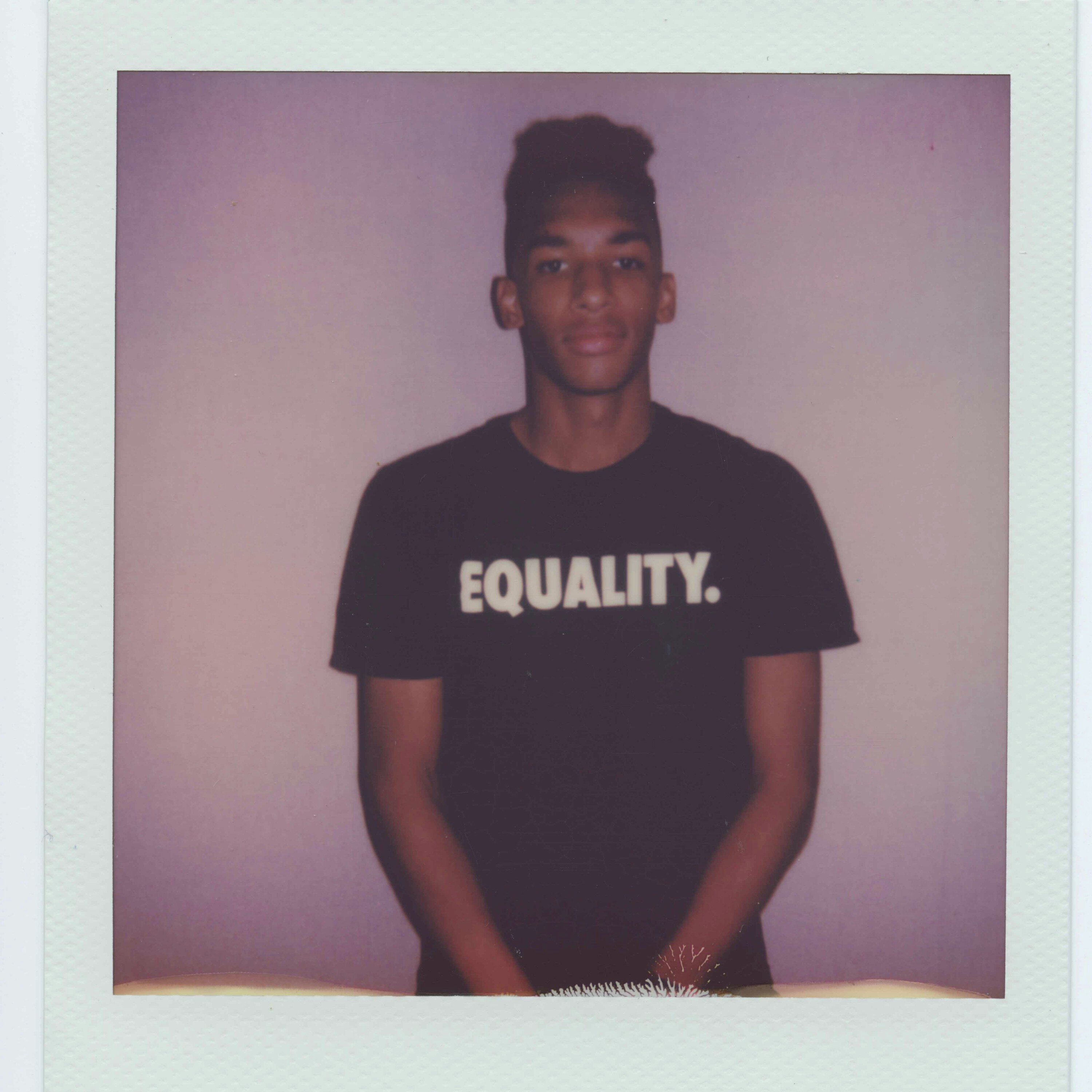
Felix Auger Aliassime & Jean-Yves Fillion
In this very special update from Tennis Paradise—obviously we're talking about the BNP Paribas Open at Indian Wells—Rennae sits down with Canada's Felix Auger Aliassime and BNP Paribas USA CEO Jean-Yves Fillion to discuss their joint efforts to bring more parity, diversity and equality to tennis.
Hosted on Acast. See acast.com/privacy for more information.
See omnystudio.com/listener for privacy information.
2023-03-16
15 min
Transcript
Available Results
Generated results are saved to the knowledge database for reuse and search.
No generated results are available for this episode yet.
Extract Knowledge
Pick what you want extracted first. Model, scope, and chapter options appear after a template is selected.
Generated results for public episodes are saved to the knowledge database so they can be reused and searched later.
Transcript
00:00:14
Speaker 1: Hey everyone, it's Renee. So I had the great pleasure of sitting down with a couple of really terrific.

00:00:20
Speaker 2: Men in Indian Wells.

00:00:21
Speaker 1: One of them was Felix Ogier Alissim and the BNP Parry bar Ceo of the USA, Jean Efilion, who have had on the show before. The three of us sat down, talked about the initiatives that BNP and Felix are putting together with the Osier al Yssim Academy that Felix and his father are initiating up in Canada, which is fantastic. We talk parody and equality in tennis, and the conversation that he had with his doubles partner this week, Dennis Shapovolov, after Dennis's terrific article in The Player's Tribune wanting parody in tennis with the men and the women. It's a fabulous interview both guys.

00:01:00
Speaker 2: We appreciate them so much.

00:01:01
Speaker 1: Felix is still going in Indian Wells and we wish him all the best. And we thank Johnny for his time and his support of men's and women's tennis because BNP Pariba really is the gold standard of sponsors, So thank you to them. Both and thank you for listening.

00:01:16
Speaker 2: See you soon.

00:01:20
Speaker 1: First of all, guys, welcome, thank you for joining me again for I guess it's the Renee Stubs Sennis podcast, so thanks, thank you for joining me.

00:01:29
Speaker 2: And Felix.

00:01:31
Speaker 1: Felix, I want to start with you. It's been an incredible particularly the last six months. Do you think about your match also against Ralpha at the French I really feel like that match, I felt like I saw a little bit of a window to your future a little bit. But winning Davis Cup first time in one hundred and nine years.

00:01:48
Speaker 2: I've been for Canada to win the Davis Cup? What did that mean for you?

00:01:52
Speaker 3: First of all, I mean we saw like some images and footage of you know, after MT of winning and I think emotions that I felt were really genuine. It was really kind of a dream come true. And I was lucky that my dad was there as well. Yeah, and to win for Canada, you know, it's just kind of a dream that we have as a kid to play for our country, but then to win the big thing and to win it all is it's extremely special. I was very proud of of the team, the effort and to be in that position like you know, I had some tough losses in the year, like you said, against Rafa, against Medvedev and Australian Open, and then on the kind of like last match of the year, big stage, you have an opportunity to win the Davis Cup. So there's a lot of pressure involved in a match like this, and to win it it was.

00:02:37
Speaker 4: Like the greatest satisfaction.

00:02:39
Speaker 3: Yeah.

00:02:39
Speaker 1: Yeah, So talk about also your indoor season at the end of last year and sort of opened a few eyes to everybody to say, hey, I know that I maybe I've had some tough losses. You're sort of waiting for me to break through and you did.

00:02:52
Speaker 3: There.

00:02:53
Speaker 1: What did that feel like for you to actually say to everyone, hey, sort of farm everyone on, just fine.

00:02:58
Speaker 2: What did that mean to you?

00:03:00
Speaker 4: Yeah? I think it was important.

00:03:01
Speaker 3: I had a top loss in the US Open and early in the you know, in the second round, and after I took the time to come back home kind of assess when I need to improve, because yeah, I didn't really want to accept to just finish the season like this, would I lost like this. I really wanted to to try to end the season better and it was it was tough to be better than than what I did the last few weeks.

00:03:23
Speaker 4: I think it was great for my confidence, uh.

00:03:26
Speaker 3: To show myself that I can do that and the others as well, because I think, you know, I was a player that maybe I had this reputation that I could play at a high level when you know, great matches, but then not be as consistent. So to win sixteen matches in a row, and to be consistent like I was at the end of the year, it was it was really you know, good to confirm my level among the best.

00:03:46
Speaker 4: Yeah.

00:03:46
Speaker 1: Do you I have to ask you from a personal standpoint somebody who also played, like, do you go into the locker room after you win a tournament like that and just be like, yes, you.

00:03:56
Speaker 2: Know, like like screw everybody?

00:03:58
Speaker 1: Yeah, yeah, I mean, I mean, because you're such a nice guy, but I feel like you sort of you trying to let everyone know this is your path and this is your journey and everybody's journey is a little different.

00:04:10
Speaker 3: Yeah, And at the end, that's what I've always done and think in my career. In my life, there's been of course I have I've had doubts, you know at times, but anytime, like I've had a tough period, I've always been able to, you know, come back to the source and be like, you know, I'm not here for any reason. I think I have what it takes to keep on improving and get to the to the next level. And I've been able to do that year after year. But definitely when I won the first tournament, I was like, Yeah, this is it. I'm playing good and I remember telling my coach. I was like, I feel pretty good right now and it's indoors for the rest of the year. I'm like, maybe I could be in those finals every week, Like I don't know, but I feel like I have what it takes. So I think I took my belief to another level. And I used to be maybe more of a player, like maybe let's see how it goes, but then I really felt like, no, I have what it takes to be consistent and try to be in finals.

00:05:00
Speaker 1: So I got a bit of a you know, fun question. What was it like to be a part of the Netflix show? And also I better turn that off? What was that like for you? And also do you feel like it had enough drama because you probably could have had a little more drama in there.

00:05:17
Speaker 2: What do you think and heard of season two, you're going to be a part of that.

00:05:20
Speaker 4: Yeah, it could have had more drama, of course.

00:05:24
Speaker 1: Uh.

00:05:25
Speaker 3: I think some episodes were maybe more dramatic than mine. Of course there was the whole story with Tony at the French Open that was a bit dramatic, and of course playing Rafa there and I think the scene of us warming up probably before we get out on the court was pretty iconic.

00:05:41
Speaker 4: But it was a great show.

00:05:42
Speaker 3: And also the crew and everybody involved, you know, they really made us feel comfortable while we were doing it. So as a first experience of kind of filming a documentary slash movie and to be a part of like a crew like like Netflix, it was.

00:05:56
Speaker 4: It was good and so surely I'll do it again.

00:05:59
Speaker 1: Okay, I'm gonna now she one more question, all right, your initiatives with BNP Pariba, What does that meant to you and can you give us a little more about it, particularly going back to Toga where your father's from, and what that what the BNP part of about relationship and partnership feels.

00:06:17
Speaker 3: Fear they've been They've been an amazing partner in all honesty stuff to ask for any better. I remember sitting down with people from BMB pair, but first in twenty nineteen and talking about how they could help me in with my you know, charities or humanitarian projects back in my dad's country of origin. And they've always been very helpful in all ways. And now today we're initiating another sphere of that is more centered on tennis and you know, helping again my dad's academy back in Quebec City in Canada. So they've been an amazing partner. I'm very lucky to have them by my side.

00:06:55
Speaker 2: Yeah, they're a wonderful company.

00:06:58
Speaker 1: I want to get to you, Joanief with the BNP initiatives, you've been such an incredible I mean amazing sponsor for tennis, for charities. I guess you know with the fiftieth anniversary of VMP PERIB, what's the what's different this year for you?

00:07:14
Speaker 4: Here?

00:07:16
Speaker 5: Fifty years is a milestone and I think that's that makes a difference already more specifically here at Indianueres, this is the fifteenth anniversary of this tournament that we took over no sponsors and today it's not a Slam, but it's themed a the Fisk Ground Slam. When I look at the attendance over the weekend, it's packed indible.

00:07:36
Speaker 4: Yeah.

00:07:36
Speaker 5: And by the way, Felix, you played so well today when a tough match you did it. Bit was packed And maybe I think that's and we just did it with wonderful partners here you're after year, then that's that's something that is very meaningful. But probably what's what's what's the most meaningful is exactly what Felix was speaking about, is leveraging tennis beyond tennis to serve the communities. You know, it's I have to say, we have players coming to us to look for support and financing and funding, which is which is one thing what was remarkable with Felix. It came to us not to speak about himself, to say, listen, I have this wonderful you know with project or humanitarian you know, development, and can you help me? And it was for that and it was so inspiring. And I believe going forward, what makes twenty twenty three special and it's looking at the next fifty years and I obviously you will see the Bank continuing to be very involved with with the wonderful tournaments and at the highest level, but you will see the bank very committed to club tennis to wheelchair tennis to what really makes you know, happy tennis fans and leveraging the sport to support the community is better here at Indian Wells. For the last seven years, I'm granting the bank is granting false scholarships. Two kids living in the Coachella Valley, not the most you know, wealthy young kids, and we send them, two boys, two girls to the best Californian colleges. And it's really about what you were speaking about, which is eventually you might be you know, some of them might become what Felix is an amazing player at the highest levels. Not everybody will go there. But if we can change lives quickly, can change their trajectory, if they can get an education through tennis, I think it's an amazing accomplishment. I am expecting more of that through the spot of tennis.

00:09:32
Speaker 2: Which everyone here is so appreciative of.

00:09:34
Speaker 1: You have the aces for trees as well. You want to talk about that a little bit and how many aces did you hit to that?

00:09:39
Speaker 4: Think? Ten?

00:09:40
Speaker 2: All right, no, two digits you're given back?

00:09:42
Speaker 4: Yeah, I'm giving back.

00:09:45
Speaker 1: Can you explain a little bit more about that? Initiative has been a few years now, but there is incredible and as you know, the sustainability of this tournament is very important.

00:09:53
Speaker 5: And you know, when we speak about going beyond tennis, it's a beau. It's obviously about equity, it's about communities, but it's about climate change, it's about sustainability, and that's another program with Felix. We started with I think we were planting one tree for one ace until they actually were planting three trees for one ace. And we've we've planted, by the way, thousands of trees in tenfold trees actually because he's playing so well in California, a three year old exactly, then you know, while watching him playing and scoring aces, even with.

00:10:25
Speaker 3: I'm trying, I'm trying to return all the service of my opponents. He didn't have any as today, so you know, I don't know if I'm.

00:10:31
Speaker 2: Helping like you're hurting the pick the call.

00:10:33
Speaker 4: Maybe I am a little bit, but I.

00:10:35
Speaker 1: Think you're winning is more important for everyone. I think, Felix, I want to ask you real quick about equity in tennis. Dennis Shop of all of your fellow can Ian but a great article in the Player's Tribute. I want to know what you thought about that article and what your thoughts are on that.

00:10:52
Speaker 4: Yes, we just we talked about it.

00:10:54
Speaker 3: We were playing doubles the other day, uh, the other night together and for the match. I mean, I congratulated him for for his article. It's nice to see, you know, a mail player talk about that. We know how much effort, you know, the w t A has been putting, you know, to try to to to raise uh the level of the sport and also the awareness to everybody that you know, it's not all all nice and pretty so, but I think tennis is a great in terms of equity. I think it's a great example for other sports in general. My my personal opinion is that of course there's always improvement to make. It's never perfect. We're we're we're aiming for that. But you know, we can see joint events like you know, the United Cup that was just made and really.

00:11:41
Speaker 4: Seeing the ATP, the I T of the w t A, the.

00:11:43
Speaker 3: Slams kind of all joining forces to to show to show an image of equity and and and I think that's very important. It's a great example for I think everybody in society and the other sports to kind of follow that that example.

00:11:57
Speaker 1: And Johnny if I know that you b and PTE Perry Bob with your DEI initiatives and also equity, it's super important for you as well at being.

00:12:05
Speaker 5: It is absolutely fundamental. I believe this is why you know the way the bank defines itself even though it's a bank, while defining ourselves as well tennis, because there are common values between tennis and the values of the bank, and obviously DNI is one of them. Just as a point of reference. When we took this tournament over fifteen years ago, we had one specific request to the tournament staff here and the terminal stuff are the very supportive to make it equal pair from the get go. And I can tell you at the time fifteen years ago, not that many tournaments. I think the only one was really doing it. But the US opened and I'm so delighted to see how contagious it has become. Not to say we're all were we should be, but that's another way to change the world we live in, and we're very part of that.

00:12:50
Speaker 1: Felix, just one or two questions for the both of you. Still, I want to get back to your tennis a little bit. What do you see, first of all, the importance of this tournament. I know how important this tournament is, but what are your goals this year? And I want to ask you specifically about that match with Rafa because I feel like, did that make you feel like if I can take him the distance there at the French Open, did you think about, like weeks later, you know good enough to win this particular tournament. Yeah, I mean experiences like that topically believe it.

00:13:23
Speaker 3: You have to go, you know, you have to have experiences. But I feel like at the end, you know, winning is the only truth, and like I can. I think I'm at this point now, Yes, why I'm starting to believe more and more like I can do it, But I still need to put actions behind the belief and my words. And it starts by being able to win tournaments like like here to eventually be able to win Grand Slams because you know, I pushed Rafa but then there was no back behind and then other great players. So it's nothing, nothing easy, But I'm aiming in that direction. I think I'm making prog as little by little, but I think, yes, this year, I want to start really preparing myself mentally to play well in events like this and the Grand slams and it starts by Yeah, I think doing the right scheduling and working well in the practices to really shape my my body, my mind to be able to support that kind of level match after March and to win the biggest events.

00:14:23
Speaker 5: He's ready for the French Open.

00:14:24
Speaker 4: I have to tell you.

00:14:27
Speaker 1: I tell you it's great to see you out there with you dad as well, Like I think, generational.

00:14:31
Speaker 2: Importance of passing.

00:14:33
Speaker 1: On this is huge and you're doing that for Sunday kids and lasting for you. Johnny, how happy I used to be back here and see this guy performing so well and it's the importance of this.

00:14:43
Speaker 5: Tournament we've behaved. It's amazing the values he carries. He's an illustration of what we'll be living. But you know, and when you know, it's so wet, it's it's walking the talk right and when I the development we have noways you know some you know the Alisim Academy in Canada, it's a real what I've done for the last two years with John and Patrick mcenwall, supporting young kids to the highest leblities and other it's just walking the talk, you know, Biddy drinking very well. We have a program with her in New York City Parks Tennis. We provide tennis to six thousand kids during the summer months. It's just walking the talk and I'm so excited.

00:15:22
Speaker 1: Well, I appreciate both of you so much today, Felix, I just appreciate you so much as a human being, as tennis player. You know how I feel that you're just so good for the sports. Thank your success and Johnny, thank you for being p support as always at this tournament and for equality and sustainability and all the things that we hope for.

00:15:41
Speaker 4: Thank you.

00:15:43
Speaker 2: Thanks guys,
Chapters
No chapters available.