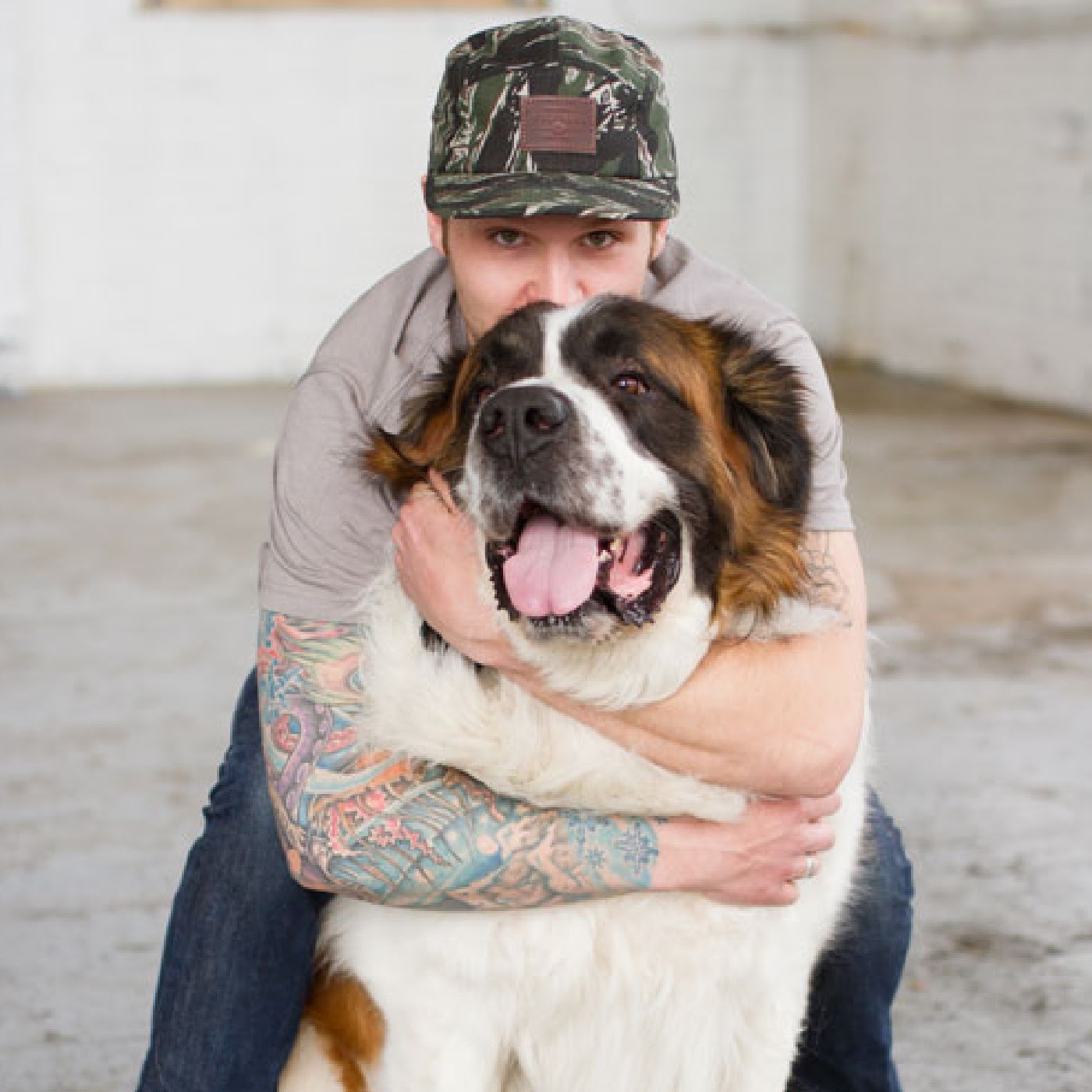
E 314- This Could Change Dog Training Forever
New York State had proposed a new law requiring dog trainers to be licensed — and it could change dog training forever. In this video, I explain exactly what the NY dog trainer license law means, who it applies to, when it takes effect, and how it could impact professional dog trainers, aspiring trainers, and dog owners across the state. The law has not passed and likely won't BUT here's some info on it!
If you’re a dog trainer in New York, thinking about becoming one, or you own a dog and work with trainers, you need to understand this law. We’ll cover the licensing requirements, potential costs, enforcement, and why this could be a big deal for the entire dog training industry — not just in NY, but nationwide.
NY residents should contact their State Legislators. Let their Senator and Assemblymember know they oppose S.7723 and A.6985. Urge them to reject unnecessary regulation that would eliminate consumer choice and harm the training profession.
Here's the steps -
Go to: https://nyassembly.gov/mem/search/
Enter your address or ZIP code.
The site will give you their name, district, and contact page.
Choose Your Contact Method
Most Assembly members have an online contact form on their profile.
You can also find their email address or mailing address.
Some have a phone number for their district office — you can call too.
Advertising Inquiries: https://redcircle.com/brands
Privacy & Opt-Out: https://redcircle.com/privacy
Available Results
Generated results are saved to the knowledge database for reuse and search.
Extract Knowledge
Pick what you want extracted first. Model, scope, and chapter options appear after a template is selected.
Transcript
[SPEAKER_00]: Let's do this.
[SPEAKER_00]: Hello, everybody.
[SPEAKER_00]: Welcome to what could be a new show that we're doing here on YouTube.
[SPEAKER_00]: And of course, I'm recording this for my podcast.
[SPEAKER_00]: So welcome to Tom Davis's new show.
[SPEAKER_00]: I just, I have a lot of thoughts.
[SPEAKER_00]: I have a lot of things that roll through my head, things that happen throughout the week that I thought would be helpful for you guys.
[SPEAKER_00]: And also just open the discussion.
[SPEAKER_00]: I love the no bad dog's community.
[SPEAKER_00]: I love the positivity.
[SPEAKER_00]: I love the
[SPEAKER_00]: No fluff call it as it is thing that we've built and so I thought this would be a good thing that and I'm just doing this by myself producing it and I just wanted to make it for you guys and so a couple people sent this new thing that's going on in the York state that I wanted to talk about which we're going to dive into that can absolutely and could affect every single dog owner in the world
[SPEAKER_00]: And it's basically a new dog trainer license or bill, right?
[SPEAKER_00]: So I'm not a lobbyist.
[SPEAKER_00]: I'm not a politician.
[SPEAKER_00]: I've worked with them, but I don't know much about how this stuff works, but I do know that anybody in any state can bring to legislation, legislative, new laws and bring it to legislation.
[SPEAKER_00]: And can say, hey, this is what we want to do.
[SPEAKER_00]: And we need to make this a new law.
[SPEAKER_00]: And then it gets brought up to
[SPEAKER_00]: Like the Senate and then all these things start to happen.
[SPEAKER_00]: Like, hey, should we do this?
[SPEAKER_00]: Should we vote on this?
[SPEAKER_00]: Should we pass this?
[SPEAKER_00]: Should we not?
[SPEAKER_00]: And literally you can put out, I think every dog in New York state needs to be brown or white.
[SPEAKER_00]: And so, every other dog needs to be destroyed.
[SPEAKER_00]: I mean, you could bring that and it would come up into these conversations.
[SPEAKER_00]: So anyway, it's just crazy how else works.
[SPEAKER_00]: But again, I wanted to give you my two cents.
[SPEAKER_00]: And more importantly, I think this let you guys know that it's happening.
[SPEAKER_00]: So many times these bills get kind of snuck in there and stuck under the rug and keep hush, hush, and be like, hey, we need to pass this because of these reasons.
[SPEAKER_00]: And the way that the written is extraordinarily subjective, right, to the person who is putting these things together.
[SPEAKER_00]: Like, if you don't pass this, the world and doom and puppies and babies die, if we don't do this.
[SPEAKER_00]: And so I just wanted to bring it to your attention, talk about it, give you my thoughts on it.
[SPEAKER_00]: And so what's happening in New York State?
[SPEAKER_00]: I'm reading this from the ICP.
[SPEAKER_00]: If you're watching this on YouTube, you can see it over here.
[SPEAKER_00]: What's happening in New York State lawmakers have introduced legislation Senate Bill S. seven seven two three in companion assembly bill A six nine eight five.
[SPEAKER_00]: That would establish mandatory licensing requirements for individuals providing basic obedience training to pet dogs.
[SPEAKER_00]: Now, I don't, I mean, my thoughts on having, okay, so I think that the licensey thing is more of a money grab from your estate than anything.
[SPEAKER_00]: We want every single pet related business because then they're going to do daycares in dog walkers and groomers and everything.
[SPEAKER_00]: There's a significant difference between having a license and having a credibility and an experience and certifications.
[SPEAKER_00]: I mean, they're all kind of different compartments, but a license would essentially be a way for New York State to collect money.
[SPEAKER_00]: And a lot of times, they then associate it with kind of checklist, and part of these checklist are now, and I think, I don't know, but that's why I want to talk about it.
[SPEAKER_00]: But these bills would direct
[SPEAKER_00]: The Department of Agricultural and Markets to create licensing standards that exclusively endorse non-aversive evidence-based positive reinforcement training methods and prohibit others.
[SPEAKER_00]: So that means if you train or you have a dog, you can't train a dog
[SPEAKER_00]: any other way than what they're saying, right?
[SPEAKER_00]: So non-versive, so again, like being objective, I'm gonna walk through these things, non-versive.
[SPEAKER_00]: So let's just like define a verse of online, right?
[SPEAKER_00]: A verse of causing strong dislike,
[SPEAKER_00]: this causing strong dislike okay okay so causing strong dislike right so that has to be defined right let's say you put a dog on a harness or on a leash and they want to go run to the ducks on the other side of the road you stop them that is going to cause a very strong dislike I don't like this I want to continue to go I want to chase the ducks
[SPEAKER_00]: I want to pull you, I want to jump on guests, I want so again, and I'm being objective here.
[SPEAKER_00]: I don't know what the details are on all these things, but not aversive would be, you can't do anything that dog doesn't like.
[SPEAKER_00]: A strong dislike.
[SPEAKER_00]: The dog wants your chicken sandwich, you tell them no, they're drooling, they're hungry, give it to them.
[SPEAKER_00]: I don't know, is that what that means?
[SPEAKER_00]: The dog would be really disappointed and strongly hate that, right?
[SPEAKER_00]: If we said that.
[SPEAKER_00]: And then evidence-based, again, to what evidence?
[SPEAKER_00]: Again, like objectively, I have
[SPEAKER_00]: thousands of videos I have I think we counted up the other day six to twelve million viewers across the channels a month that watched my stuff I don't even if half of them found it informal informative and helpful like what is the evidence that we would need to say that these types of trainings works and then positive reinforcement right so
[SPEAKER_00]: Okay, positive reinforcement by definition is to reward the dog for behavior we want to see again in the future and to tell the dog that they've done good, right?
[SPEAKER_00]: That's basic.
[SPEAKER_00]: Everyone with a leash should know that that if we tell a dog, hey good, I want you to sit or I want you to heal like the dog understands that this is good.
[SPEAKER_00]: So that means if your dog jumps on you and you move away, you're correcting the dog, you're using negative punishment.
[SPEAKER_00]: If, I mean, I could go on with all these different analogies, but again, like this is kind of, and I kind of have to transfer between dog owner and dog trainer here, but it's kind of scary because these things aren't defined.
[SPEAKER_00]: Like, if that gets passed as is, nobody could train dogs.
[SPEAKER_00]: Like, even if you're like, I'm gonna use a retractable leash, a harness and cookies.
[SPEAKER_00]: I could, I could stand under these,
[SPEAKER_00]: These, the verbiage here, I could stand there and probably tell you how you're correcting your dog and causing a verse of effects on your dog.
[SPEAKER_00]: Uh, a hundred times within a thirty minute session, right?
[SPEAKER_00]: Like these have to be defined.
[SPEAKER_00]: These are the scary things.
[SPEAKER_00]: And again, I don't know who's bringing these laws up to Congress or the Senate.
[SPEAKER_00]: I don't know what their motives are.
[SPEAKER_00]: I don't know.
[SPEAKER_00]: But I do know like when they were trying to pass the law of banning e-colors, they framed it.
[SPEAKER_00]: I mean, it's like when you see political parties running against one another, they frame them in such a grotesque and
[SPEAKER_00]: dark way of never you should never do these things your terrible human and what they did for the remote collar campaign or the is they call to the shot collar and then they just kept putting like these puppies in the ads like they would hold up puppies these cute little puppies and it would say stop stop animal cruelty and any person with a soul
[SPEAKER_00]: who I have dogs laying around all over my house right now would be like yeah I want to stop animal cruelty and then they would go to the say well if you want to stop animal cruelty we need to take away all e-colors I'm like well I train all my dogs to reliably and safely go off leash with my remote colors and all my clients all over the world so that's that's those are two separate things I think animal abuse is already defined in the New York state laws and it doesn't have anything to do with how you train your dog necessarily what tools you use
[SPEAKER_00]: There's just a threshold and an objective opinion on yeah, that's a real crappy thing to do You know, I don't know you want to talk about what people do with dogs, but So and again, I'm just I want to make this video and in this podcast that just talk about it
[SPEAKER_00]: So again, this is taken from the International Association of Canon Professionals, which is an organization that has a balance spectrum.
[SPEAKER_00]: They support all trainers out there that are helping all dogs of every walk of life.
[SPEAKER_00]: So it's not just positive reinforcement only to capture and teach puppies and new behaviors and teach things.
[SPEAKER_00]: It's also working with people like me who deal with dogs who have a bite history and who are insecure and who are nervous and have been beaten and abused and they don't trust people and they might want to bite somebody.
[SPEAKER_00]: We can't use positive reinforcement to stop a dog.
[SPEAKER_00]: Like if I had a dog on a leash right now and they went to bite you,
[SPEAKER_00]: And I pulled them back and corrected on the caller at an instinct.
[SPEAKER_00]: You would be held accountable with this law.
[SPEAKER_00]: You can't do that.
[SPEAKER_00]: You need to let them do what they want to do.
[SPEAKER_00]: So it's an illegitimate.
[SPEAKER_00]: It's just not realistic.
[SPEAKER_00]: It's not fair.
[SPEAKER_00]: Number two is basically what this says is it's a one size fits all in quotes approach.
[SPEAKER_00]: Mandating that only one methodology
[SPEAKER_00]: AKA positive reinforcement is acceptable excluding legitimate tools and techniques used by balanced certified trainers, multi-modal trainers, this approach is not only appropriate for this, sorry, this approach is not appropriate for every dog and every behavioral issue and may jeopardize the success and or rehabilitation cases of complex or behavior modification programs and quote.
[SPEAKER_00]: So
[SPEAKER_00]: I agree.
[SPEAKER_00]: I agree with that.
[SPEAKER_00]: Again, I, you know, if you guys watch my channel and you see the things that I do, I don't put out content very, well, I shouldn't say that because I have recently with my puppies, but I put out content usually on behavior modification.
[SPEAKER_00]: Dogs who have come in that have bitten other people.
[SPEAKER_00]: The owners are sitting there crying.
[SPEAKER_00]: They've worked with six trainers.
[SPEAKER_00]: Their arms have been pulled out of the socket.
[SPEAKER_00]: They've gone through surgery, plastic surgery.
[SPEAKER_00]: They're doing everything they can to keep their beloved dog and they've never told their dog no.
[SPEAKER_00]: I mean, you guys know, if you don't know, just check out my channel because we have about four years, every single week, four K documentation and evidence of all that stuff.
[SPEAKER_00]: So number three on their list is government overreach into a profession without defined standards, which is what I'm talking about.
[SPEAKER_00]: We have to define, like, under those circumstances, it would quite literally mean that what are we going to take away fences?
[SPEAKER_00]: Dog goes out into the yard.
[SPEAKER_00]: They smell their owners on the other side.
[SPEAKER_00]: They want to go.
[SPEAKER_00]: That's aversive.
[SPEAKER_00]: They want to get there.
[SPEAKER_00]: You're stopping them.
[SPEAKER_00]: You're using compulsion.
[SPEAKER_00]: You're using aversive techniques.
[SPEAKER_00]: You should let the dog go.
[SPEAKER_00]: Get rid of the fences, take down the fence.
[SPEAKER_00]: And again, you might be thinking, oh, Tom, that's crazy.
[SPEAKER_00]: That's a little radical.
[SPEAKER_00]: It's like, it is.
[SPEAKER_00]: But that's what this law is saying.
[SPEAKER_00]: Nobody can correct their dogs.
[SPEAKER_00]: Nobody can use tools that correct dogs.
[SPEAKER_00]: So again, if I had a client that says, Hey, Tom, I'm a forty year old single mom of three, we just got this big Labrador mix.
[SPEAKER_00]: The kids love him.
[SPEAKER_00]: He's the best dog in the whole world, but man, I can't walk and he drags me down the road.
[SPEAKER_00]: He's too powerful.
[SPEAKER_00]: He's too strong.
[SPEAKER_00]: He's too excited to see new people.
[SPEAKER_00]: You would basically say, well, we need to train the dog what we want them to do, which is heel.
[SPEAKER_00]: And they say, okay, cool.
[SPEAKER_00]: We teach the dog how to heel.
[SPEAKER_00]: But then the moment that they see a squirrel or another person or the kids get off the bus and they're here, we couldn't stop that behavior.
[SPEAKER_00]: We couldn't tell them that that was inappropriate and therefore the dog wouldn't be walked.
[SPEAKER_00]: Therefore, if you're in rescue and you're in shelters, you know how many dogs get put into the shelters because of dogs getting, you know, dragging people around.
[SPEAKER_00]: So all these things would be super harmful for the dog.
[SPEAKER_00]: So number four is this is it's hard, it's harmful for other states and in my opinion other parts of the world.
[SPEAKER_00]: If New York enacts this licensing framework, it could pave the way for other similar restriction and legislation across the country.
[SPEAKER_00]: Legislation that often lacks input from working trainers like myself, behaviorist and those who handle dogs professionally every day and for.
[SPEAKER_00]: So I agree, I agree with that.
[SPEAKER_00]: I think every, you know, this is just, and again, it's like,
[SPEAKER_00]: I personally think that my chair keeps falling down.
[SPEAKER_00]: I personally think that it is, again, my opinion, selfish and the amount of entitlement to go to state legislation, state legislative, Senate's and government and say, hey, this is the way that we train dogs.
[SPEAKER_00]: This is the way we believe that we need to train dogs.
[SPEAKER_00]: This is the way that dogs that we work with learn.
[SPEAKER_00]: And every single dog owner, professional trainer, behaviorist, et cetera, owner needs to abide by these laws.
[SPEAKER_00]: To me, that is, I would never, if New York State said, we, every nobody could use harnesses and flexing leashes ever again, I would have the same opinion.
[SPEAKER_00]: I would say, that's not fair.
[SPEAKER_00]: It's not fair or if they said every single dog needs to have an e-car or because they need to have reliable off-leash freedom.
[SPEAKER_00]: I would say, well, that's also not fair.
[SPEAKER_00]: We can't tell people what they can't do.
[SPEAKER_00]: A, not everybody can, not every dog is going to go down that same.
[SPEAKER_00]: It's like telling kids, it's telling people like, hey, I'm vegan.
[SPEAKER_00]: I'm a carnivore.
[SPEAKER_00]: I'm a vegetarian.
[SPEAKER_00]: I'm going to go to the state and I'm going to say every single person is eat the way I eat.
[SPEAKER_00]: Every single person needs to be a Christian, a Muslim, or a Jew, or like, you can't, that's just, I don't know.
[SPEAKER_00]: To me, it sounds crazy, but some of the conversations I've had with Dr. Caudi, which is a behaviorist that I spoke with, and some of my trainers at my facility, they're like, crazy or shit has happened.
[SPEAKER_00]: People, this has gone unnoticed before, which is crazy.
[SPEAKER_00]: So that's why I'm making this video.
[SPEAKER_00]: And again, I wanted to put out some different types of content for you guys.
[SPEAKER_00]: and just kind of get it out right like maybe like a I was thinking of my head like a morning show like every morning every other day you know maybe three times a week I don't know I come on here and I talk about what's going on current events
[SPEAKER_00]: Anyway, so I don't know.
[SPEAKER_00]: These are my thoughts on it.
[SPEAKER_00]: If you, if you, well, let's get into this first.
[SPEAKER_00]: What you, what you guys can do.
[SPEAKER_00]: Doesn't matter where you live, what you can do is let your senator and assembly member know that you oppose section or s dot seven seven two three and a six nine eight five.
[SPEAKER_00]: I'll put all the information in the show notes.
[SPEAKER_00]: Don't worry if you're driving or listening to this, where you're doing dishes, urge them to reject unnecessary regulation that would eliminate consumer.
[SPEAKER_00]: choice and harm the training profession.
[SPEAKER_00]: So if you're a trainer out there, if you're a dog owner who utilizes tools and has helped you in any way,
[SPEAKER_00]: This is the way that you can say, hey, whoa, whoa, whoa, whoa, wait a minute.
[SPEAKER_00]: Because here's the thing that I've seen is you get politicians.
[SPEAKER_00]: And I've worked like Andrew Cuomo, he just called me two days ago, right?
[SPEAKER_00]: He was the governor of New York State.
[SPEAKER_00]: He was for a long time.
[SPEAKER_00]: He's been in politics, and this family's been in politics forever.
[SPEAKER_00]: When the E-Color Bam was going on in New York State, it was kind of like, I was laughing about it on my guys.
[SPEAKER_00]: The governor uses the remote color, because I trained his dog, and that's what he wanted.
[SPEAKER_00]: It was off-leash freedom at the mansion.
[SPEAKER_00]: But when I was talking to him about it, it was like, when you're a senator or a congressperson or somebody in the government, you got to realize that people are handing these things to the government saying, hey, we need every single dog to not be abused.
[SPEAKER_00]: There's things out there.
[SPEAKER_00]: There's people out there are abusing dogs.
[SPEAKER_00]: That's what they believe, right?
[SPEAKER_00]: That's a hundred person, one thousand percent subjective, right?
[SPEAKER_00]: That's what they think, right?
[SPEAKER_00]: That's their opinions.
[SPEAKER_00]: Totally okay to have it.
[SPEAKER_00]: No worries, but that's what they're giving these lawmakers in these lobbyists of like, hey, we need to ban all these things that are super abusive.
[SPEAKER_00]: Do you like dogs?
[SPEAKER_00]: Do you want dogs to wear a prom collar?
[SPEAKER_00]: And if you would ask me, or in the majority, see the thing is, is majority of people actually use tools.
[SPEAKER_00]: Dog owners, the everyday people who have dogs use tools.
[SPEAKER_00]: There's a select small group of people who don't use tools.
[SPEAKER_00]: I have a new shirt that I don't have on right now unless I show you.
[SPEAKER_00]: It's called community of our cult.
[SPEAKER_00]: I think that those are more cult-like type of things and big, anyway.
[SPEAKER_00]: Anyway, so so so that's what you guys can do and this gives you an opportunity to speak out because these people don't know right like they don't they don't know they're like yeah, we should probably yeah, I don't want dogs to be abused.
[SPEAKER_00]: What do I where do I need to sign but didn't don't realize when the I think the e-collar band one of the bands was going on
[SPEAKER_00]: And I don't speak up often about these things because to be completely honest, I'm like, that is not going to get anywhere.
[SPEAKER_00]: But I wanted to make content around it because I just kind of wanted to do this new concept in this new show.
[SPEAKER_00]: I can't imagine this getting anywhere, but it's crazy how these things actually get to where they are.
[SPEAKER_00]: But in defense of that, anybody could also put this bill in.
[SPEAKER_00]: I could put a bill in right now with five thousand people say, we need to ban dogs that are brown, whatever.
[SPEAKER_00]: So anyway,
[SPEAKER_00]: That's what you guys can do.
[SPEAKER_00]: It's an interesting thing, I personally.
[SPEAKER_00]: It would even affect, right?
[SPEAKER_00]: Because here's what would happen is let's say this past, it would affect every dog trainer in New York State.
[SPEAKER_00]: Because there's going to be people that are going to go to people who have a license, sir, and they're going to go in and they're going to say, hey, your dog just wanted to walk out that door and you told them you couldn't, you're using aversive punishment.
[SPEAKER_00]: I'm writing you up.
[SPEAKER_00]: I'm taking a video I'm sending you in.
[SPEAKER_00]: It's not, this isn't going to be enforceable, right?
[SPEAKER_00]: It's like we have to define that because I could use a remote collar and condition it with a dog.
[SPEAKER_00]: Not aversive.
[SPEAKER_00]: More evidence than we know it to do with.
[SPEAKER_00]: And it's in conjunction with positive reinforcement.
[SPEAKER_00]: Like that's how I do the remote collar, right?
[SPEAKER_00]: So again, we'd have to define what these things are.
[SPEAKER_00]: We also would have to define like how the owner feels.
[SPEAKER_00]: The owner would say, I'm going to utilize or get rid of my dog, which would cause me tons of aversive, thoughts, trauma, depression, sadness.
[SPEAKER_00]: And then if we used any collar or a prom collar to correct the dog from that behavior,
[SPEAKER_00]: No, that's not aversive.
[SPEAKER_00]: That changed my life.
[SPEAKER_00]: All these things would have to be defined.
[SPEAKER_00]: None of this, none of this stuff would be, again, enforceable in my opinion.
[SPEAKER_00]: But again, I love dogs, but what I love more is the ability to be a trainer and to be able to think on my own and do things that I need for the dog's sake and not have to worry ever about.
[SPEAKER_00]: Oh, is this legal or is this not legal?
[SPEAKER_00]: Like, that's crazy.
[SPEAKER_00]: I've done tons of seminars in different countries worldwide and countries in areas in Australia and Netherlands and Portugal that don't have, they have rules and regulations on certain things.
[SPEAKER_00]: And I respect those things.
[SPEAKER_00]: But everywhere I go, people, we use them all anyway.
[SPEAKER_00]: That's a matter.
[SPEAKER_00]: Like, none of these things matter.
[SPEAKER_00]: We use these things because it helps the dog, right?
[SPEAKER_00]: And so,
[SPEAKER_00]: I don't know.
[SPEAKER_00]: This is crazy.
[SPEAKER_00]: In my opinion, as a dog owner standpoint, like, but as a professional, I would just say that this is not, this is not, it's not going to go anywhere because, I mean, again, like, I could say, well, what's not a, not a verse of training.
[SPEAKER_00]: Okay, again, the dog wants your chicken sandwich.
[SPEAKER_00]: You tell them they can't have it.
[SPEAKER_00]: That's a verse.
[SPEAKER_00]: They want it.
[SPEAKER_00]: How do you know?
[SPEAKER_00]: Dr. Hillier, Stuart Hillier, he's the Department of Defense, K-Nine, one of the K-Nine trainers there.
[SPEAKER_00]: And I was at a seminar talking to him about it.
[SPEAKER_00]: And he said, how do we know as dog owners and as trainers that withholding food from a hungry labored or retriever is not more punitive than correcting them for jumping with the prom collar?
[SPEAKER_00]: We don't know.
[SPEAKER_00]: like this is all subjective on every single dog in every single case and sometimes on every day, right?
[SPEAKER_00]: And so this would this would be so sad.
[SPEAKER_00]: It would be sad for every dog.
[SPEAKER_00]: People may think, Oh, we did it.
[SPEAKER_00]: You didn't do it because now all the people that you just blocked out of helping those dogs are going to be in your lobby watching your social media reporting you every single time your dog on a harness pulls past you and you say, Oh,
[SPEAKER_00]: Come here, sweetie, come back here.
[SPEAKER_00]: We're gonna be reporting you because that's aversive.
[SPEAKER_00]: You just told the dog they couldn't do what they wanted to do and you just put sixty to a hundred and sixty pounds of pressure on their front or on their front chest and in their organs and that's abusive and that's aversive and dog doesn't like it and it's punitive blah, blah, blah, blah, blah.
[SPEAKER_00]: It's like this crazy continual war.
[SPEAKER_00]: Not my war.
[SPEAKER_00]: Not my word all.
[SPEAKER_00]: I just want to give information to dog owners and help them in any way shape or form that I can.
[SPEAKER_00]: Sometimes we use equipment, sometimes we don't.
[SPEAKER_00]: It's not, it's not what I live in breathe by, right?
[SPEAKER_00]: So, I mean, behind me you guys can see, I have my e-collar.
[SPEAKER_00]: I also have peanut butter.
[SPEAKER_00]: I have my no-bed dog's treats.
[SPEAKER_00]: I also have some coffee.
[SPEAKER_00]: I also have a million plays or a million subscribers on YouTube, right?
[SPEAKER_00]: So, anyway,
[SPEAKER_00]: Thank you guys for watching.
[SPEAKER_00]: If you liked this, please let me know in the comments.
[SPEAKER_00]: If you're listening to this and Spotify, let me know in the comments because you can come out on Spotify now.
[SPEAKER_00]: And if you're watching this on YouTube, let me know if you want me to do this a couple of times a week.
[SPEAKER_00]: Just kind of do this.
[SPEAKER_00]: Tom Davis, wake up with Tom Davis.
[SPEAKER_00]: Or maybe I come down here with my matcha or my tea and I talk about what's going on this week.
[SPEAKER_00]: Let me know.
[SPEAKER_00]: Appreciate you guys.
[SPEAKER_00]: Talk to you next time.
[SPEAKER_00]: Peace.