West Texas Pine Harvest and Alternation of Generations
A rant about West Texas Pines and the sand blazing star. At the 40 minute mark we begin our dive into the convoluted, confusing but utterly cool phenomenon of Alternation of Generations we talk mostly about Bryophytes (mosses and liverworts) and Lycophytes ("spikemosses" and "clubmosses"), and the ferns, but not gymnosperms or angiosperms). This turns into more of a "lesson" on the subject than a podcast episode.
Key terms to remember :
Gametophyte (haploid), Sporophyte (diploid)
Haploid - 1 set of chromosomes aka 1 copy of the genome
Diploid - 2 sets of chromosomes aka 2 copies of the genome (one as a backup copy)
Meiosis (takes a diploid cell and produces haploid daughter cells, two of which later come together to form a diploid zygote/sporophyte)
Mitosis (Cell divides and produces cells identical to whatever the parent cell was, whether that parent cell was haploid or diploid. Mitosis doesn't reduce the chromosome number by half). Meiosis is synonymous with sex/reproduction/the production of haploid cells).
Evolutionary lineages referenced in this episode and their phylogenetic classification:
Bryophytes (An informal paraphyletic classification used to refer to the non-vascular Phyla Anthocerotophyta (hornworts), Marchantiophyta (liverworts), and Bryophyta (mosses)
Lycophytes : Class Lycopodiopsida, contains 3 orders: Lycopodiales (1 Family : Lycopodiaceae; 3 Subfamilies : Huperzioideae, Lycopodielloideae, Lycopoideae), Selaginellales (1 family : Selaginellaceae), & Isoetales (1 family : Isoetaceae).
Ferns : Class Polypodiopsida.
Contains 4 Subclasses : Equisetidae (Horsetails), Marattiadae (Marratioid Bastards including Angiopteris evecta with 20' long fronds), Ophioglossidae (Whisk Ferns, Grape Ferns, Moonworts), and Polypodiidae (Leptosporangiate Ferns, aka the "classic" ferns including the majority of what people think of when they think of ferns including Maidenhairs, Cinnamon Ferns, Sensitive Ferns, Filmy Ferns, Forked Ferns, Cheilanthoid "Desert" Ferns, Mosquito Ferns, Tree Ferns, Aspleniums, etc.
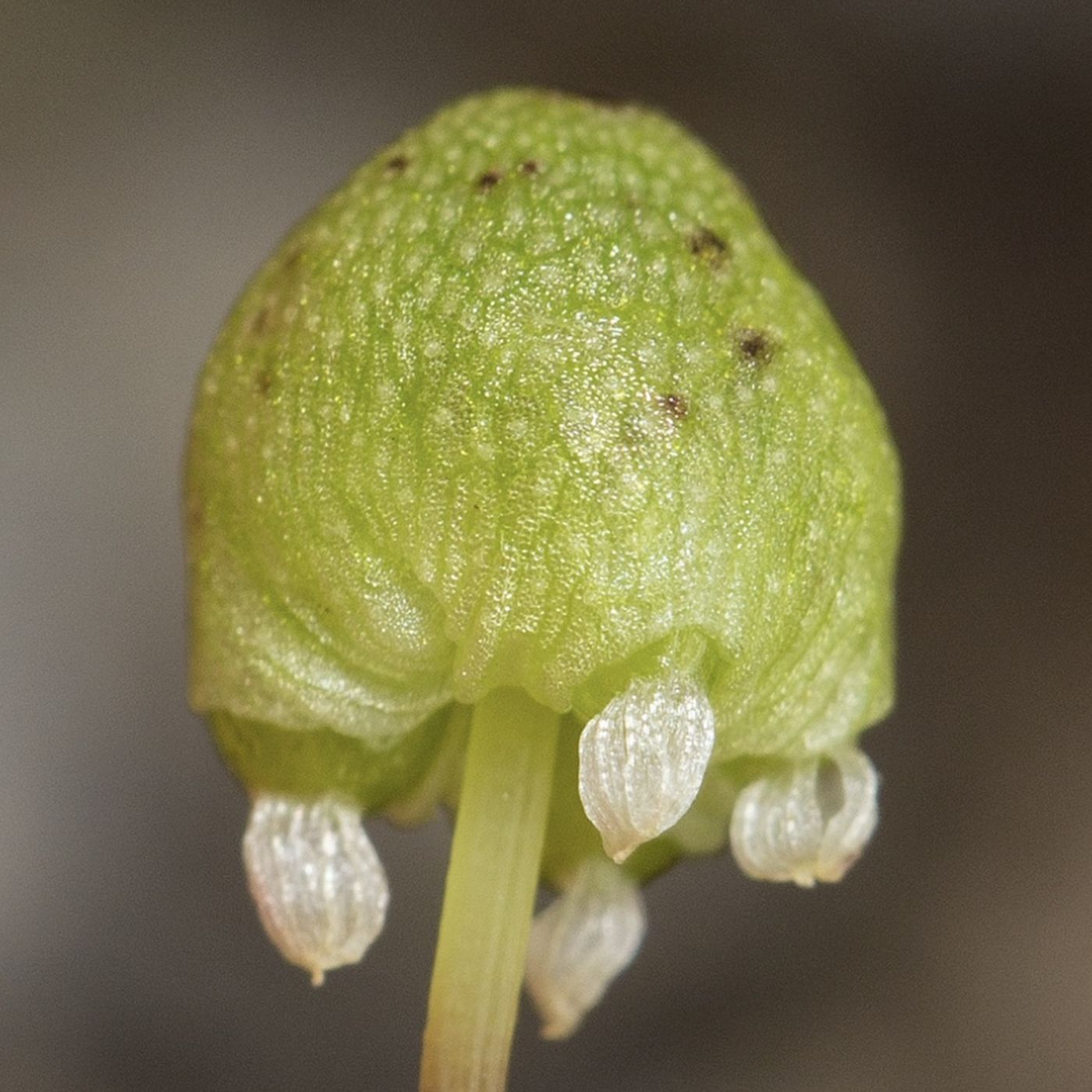
THUMBNAIL : Archegoniophore (haploid) and Non-photosynthetic Sporophyte (Diploid) of the Baja California liverwort Asterella palmeri, photo by Ken-Ichi Ueda
Key terms to remember :
Gametophyte (haploid), Sporophyte (diploid)
Haploid - 1 set of chromosomes aka 1 copy of the genome
Diploid - 2 sets of chromosomes aka 2 copies of the genome (one as a backup copy)
Meiosis (takes a diploid cell and produces haploid daughter cells, two of which later come together to form a diploid zygote/sporophyte)
Mitosis (Cell divides and produces cells identical to whatever the parent cell was, whether that parent cell was haploid or diploid. Mitosis doesn't reduce the chromosome number by half). Meiosis is synonymous with sex/reproduction/the production of haploid cells).
Evolutionary lineages referenced in this episode and their phylogenetic classification:
Bryophytes (An informal paraphyletic classification used to refer to the non-vascular Phyla Anthocerotophyta (hornworts), Marchantiophyta (liverworts), and Bryophyta (mosses)
Lycophytes : Class Lycopodiopsida, contains 3 orders: Lycopodiales (1 Family : Lycopodiaceae; 3 Subfamilies : Huperzioideae, Lycopodielloideae, Lycopoideae), Selaginellales (1 family : Selaginellaceae), & Isoetales (1 family : Isoetaceae).
Ferns : Class Polypodiopsida.
Contains 4 Subclasses : Equisetidae (Horsetails), Marattiadae (Marratioid Bastards including Angiopteris evecta with 20' long fronds), Ophioglossidae (Whisk Ferns, Grape Ferns, Moonworts), and Polypodiidae (Leptosporangiate Ferns, aka the "classic" ferns including the majority of what people think of when they think of ferns including Maidenhairs, Cinnamon Ferns, Sensitive Ferns, Filmy Ferns, Forked Ferns, Cheilanthoid "Desert" Ferns, Mosquito Ferns, Tree Ferns, Aspleniums, etc.
THUMBNAIL : Archegoniophore (haploid) and Non-photosynthetic Sporophyte (Diploid) of the Baja California liverwort Asterella palmeri, photo by Ken-Ichi Ueda
2024-09-13
104 min
Transcript
Available Results
Generated results are saved to the knowledge database for reuse and search.
No generated results are available for this episode yet.
Extract Knowledge
Pick what you want extracted first. Model, scope, and chapter options appear after a template is selected.
Generated results for public episodes are saved to the knowledge database so they can be reused and searched later.
Transcript
<v Speaker 1>Welcome to another episode of the Crime Page a Bond
<v Speaker 1>He Doesen Podcasts. Today, we're going to be talking about
<v Speaker 1>something called the alternation of generations, which is some really
<v Speaker 1>weird shit that plants do, animals don't do, humans don't
<v Speaker 1>do it. It's fucking weird. It's bizarre. There's nothing analogous
<v Speaker 1>to it, like I said, in animals, but basically alternation
<v Speaker 1>of generations. One of the benefits of it is it
<v Speaker 1>allows plants to produce exponentially more progeny than they otherwise would.
<v Speaker 1>That's one of the potential benefits. But also it's just
<v Speaker 1>you know, they evolve from algae. Green algae do it.
<v Speaker 1>It's weird, and flowering plants it's totally reduced. In mosses
<v Speaker 1>and all the other bryophytes, liver warts and horn warts
<v Speaker 1>have You probably even know what the shit a horn
<v Speaker 1>wart is. I didn't even have any photos of it
<v Speaker 1>on my i astrillists when I was putting together a
<v Speaker 1>presentation for this class later or earlier. But it's in
<v Speaker 1>the bride fights. It's just especially weird. In ferns it's
<v Speaker 1>weird too, you know. It's got to do with gametophytes.
<v Speaker 1>Sporo fights, haploid diploid mitosis, miosis, all this shit. If
<v Speaker 1>you're already familiar with most of this stuff, this might
<v Speaker 1>be boring to you. It might not be fun. I'll
<v Speaker 1>try to throw in some extra cursing and profanity and
<v Speaker 1>get lost in some anecdotal stories, some little cute stories.
<v Speaker 1>But if you're a lay person, this is really important
<v Speaker 1>to know because it's how plants reproduce and also it's
<v Speaker 1>just fascinating shit. It's what enables phenotypic change in plants.
<v Speaker 1>It's what enables well the haploid and the diploid cycle do.
<v Speaker 1>It's what enables natural selection to occur. In order for
<v Speaker 1>the environment to select for something, you've got to have
<v Speaker 1>phenotypic change, right, If everything was just a clone of itself,
<v Speaker 1>you wouldn't have any of that. But anyway, we'll get
<v Speaker 1>into that later. At first, I want to talk about
<v Speaker 1>the last couple of days, because I've been in some
<v Speaker 1>pretty lovely places, especially yesterday when I was collecting Pinus
<v Speaker 1>ramota seed, where Pinus ramota is a pinion pine. Sometimes
<v Speaker 1>it's classified as a subspecies or variety of Pinus sombroidies,
<v Speaker 1>which is another pinion pine that you get in northern
<v Speaker 1>Mexico and in a few places in the southwestern United States.
<v Speaker 1>They're edible obviously, you're eating mostly gometofitic tissue. By the way,
<v Speaker 1>when you're eating a pine a pine nut, you know
<v Speaker 1>where it's like if you're eating a seed of a
<v Speaker 1>flowering plant, you're mostly eating triploid endosperm. You know, angel
<v Speaker 1>sperms have a whole double fertilization thing, but don't worry
<v Speaker 1>about that anyway. But this the fucking landscape. God, these
<v Speaker 1>landscapes in West Texas are just so fucking intoxicating, man.
<v Speaker 1>I mean, just to be able to look for miles
<v Speaker 1>and not see anybody, and especially not see a fucking
<v Speaker 1>car dealership or a billboard for some sleeves bag pig
<v Speaker 1>attorney or you know, thousands of you or other primate relatives,
<v Speaker 1>you know, individuals of your same species, the Homo sapiens,
<v Speaker 1>you know, driving around in these career this is like
<v Speaker 1>especially United States thing where you know, everything is car
<v Speaker 1>culture predominates. You know, we've all been been stuck in
<v Speaker 1>this hyper cardependent lifestyle where you don't move. You come
<v Speaker 1>down with metabolic diseases early from living a sedentary lifestyle
<v Speaker 1>and you're also breathing in a whole bunch of nasty
<v Speaker 1>shit that comes off these things, these these automobiles. Anyway,
<v Speaker 1>it's nice to be able to just look out and
<v Speaker 1>see nothing. I was instead of seeing all the horrible
<v Speaker 1>shit that makes me want to puke in everyday human
<v Speaker 1>society here in the United States, probably the ugliest First
<v Speaker 1>world country that there is. All Right, we've really fucked
<v Speaker 1>up our landscape, just made it into a commercial cesspool.
<v Speaker 1>Instead of looking at those things I was looking at.
<v Speaker 1>I saw some prairie dogs. I saw a prong horn,
<v Speaker 1>I saw a whole bunch of really cool plants. I
<v Speaker 1>saw vast mountain ranges, cool cloud formations, the beautiful fucking sunset,
<v Speaker 1>et cetera. It's crazy to me how many people will
<v Speaker 1>never get to experience that, especially especially in the eastern
<v Speaker 1>half of the United States where there's no public land.
<v Speaker 1>There's no public land in Texas either, But you know,
<v Speaker 1>most of the bodany, most of the exploration you just
<v Speaker 1>do on the road sides, unless you're you know, well,
<v Speaker 1>in the trespass or you know, you know the property
<v Speaker 1>units and care or whatever. But once you get west
<v Speaker 1>to Texas, all the land, all the States have a
<v Speaker 1>large amount of public land, which is crazy to me that.
<v Speaker 1>I mean, so many people in Texas don't realize that.
<v Speaker 1>So many people don't realize that in most of the
<v Speaker 1>eastern United States, where eighty six percent of the land
<v Speaker 1>is private. Texas it's like ninety eight percent, but especially
<v Speaker 1>everyhere east the Mississippi River, most of the land is private.
<v Speaker 1>I think it is literally like eighty six percent. So
<v Speaker 1>there's all this land that you can't go on. And
<v Speaker 1>it's not because there's a house there, because there's et cetera,
<v Speaker 1>even a development there. It's just privately owned. In the
<v Speaker 1>case of Texas especially, everything's privately owned. There's no house,
<v Speaker 1>there's nothing you're not in. You're not encroaching at anybody's
<v Speaker 1>private shit. It's just you know, say five thousand acres
<v Speaker 1>that a family owns, or a trust or you know
<v Speaker 1>some rich freak who's the ex CEO of Cisco Corporation. Real,
<v Speaker 1>but who's probably not listening to this podcast, so I
<v Speaker 1>can I can say that. Otherwise, you know, some of
<v Speaker 1>those rich freaks they get real litigious, they get the chance.
<v Speaker 1>But anyway, yeah, it's it's fucking Nevada is all public land.
<v Speaker 1>I mean, you can literally just roll around anywhere, botanize anywhere,
<v Speaker 1>and you know, if it's a private property, they've got
<v Speaker 1>to hang a sign, the owner's got to hang a sign,
<v Speaker 1>they's got to fence it, et cetera. Otherwise, everything's fair
<v Speaker 1>game for you to walk on. And surprisingly not a
<v Speaker 1>lot of the land gets trashed, you know, until the
<v Speaker 1>federal government comes in and due to lobbying, tries to
<v Speaker 1>sell it off to like a solar farm or sit
<v Speaker 1>to fucking mining or drilling or whatever the fuck. But
<v Speaker 1>you know, there's always a lot of a lot of resistance,
<v Speaker 1>especially from the right wingers, about public land. They want
<v Speaker 1>it the you know, how's they They try to they
<v Speaker 1>try to mislabel it is a government thing. Oh, it's
<v Speaker 1>the federal government runs it, you know it's not. Actually
<v Speaker 1>it's yeah, it's the federal government might run it. But
<v Speaker 1>the public has open access to it. So fuck you
<v Speaker 1>if you want to take that away from people. You know,
<v Speaker 1>this this more this Reagan shit. You know that the
<v Speaker 1>the federal government can't do anything right. You know, they're
<v Speaker 1>just gonna fuck the land up. Really, I've seen more
<v Speaker 1>private landowners fuck parcels of land up you know, in
<v Speaker 1>their unthinking, mouth breathing choices they make. Then I've seen
<v Speaker 1>the federal government though, I mean it's possible either one.
<v Speaker 1>Can you know, fuck a landscape and an ecosystem into
<v Speaker 1>a coma. But to think that private landowners somehow innately
<v Speaker 1>know more, or care more, or take better care of
<v Speaker 1>their land, it's complete insane. A lot of them don't
<v Speaker 1>give a shit. They'll sell it off to the highest bidder.
<v Speaker 1>They'll divide it up into smaller parcels and build hideous
<v Speaker 1>tracked homes on it there. They'll I get a wild
<v Speaker 1>hair if they're ass you know, some drunk guy with
<v Speaker 1>his skids theor he just wants to go out in
<v Speaker 1>clear land that makes him feel fucking manly or some shit.
<v Speaker 1>I don't know. I've seen that appen too. You know
<v Speaker 1>a lot of these, you know, these men, especially if
<v Speaker 1>you get him hammerd you give him a skids theer
<v Speaker 1>or power quip, they just go out there just fucking around,
<v Speaker 1>try to like real line a creek, fuck up an
<v Speaker 1>entire watershed in the process or something. I've seen all
<v Speaker 1>kinds of goofy shit, you know. Anyway, it was a beautiful,
<v Speaker 1>a beautiful night yesterday and a couple of days before,
<v Speaker 1>I was passing through San Marcos, Texas again, and I
<v Speaker 1>had I was gonna go when I was going to
<v Speaker 1>talk with Dan Hostage and I hadn't met him yet,
<v Speaker 1>and he didn't know my dogs. I didn't know his dogs.
<v Speaker 1>One or two of his dog well, one of his
<v Speaker 1>dogs is fucking nuts, beautiful dog, absolutely crazy though, won't
<v Speaker 1>let you get close to it. I didn't want to,
<v Speaker 1>you know, mess up my well behaved healers, especially the
<v Speaker 1>geriatric one, the blue healer. So so I got I
<v Speaker 1>did something I will never ever do again. I got
<v Speaker 1>an Airbnb in someone's house, which is the fucking weirdest
<v Speaker 1>shit I've ever done. I can't believe they It's just
<v Speaker 1>like bottom of the barrel. Desperation ended up being like
<v Speaker 1>eighty bucks. I could have just stayed in the Day's
<v Speaker 1>in it probably would have. I should have. I should
<v Speaker 1>have endured the spiritual debasement of like staying in a
<v Speaker 1>motel six, which can be really bad. You know, it hurts,
<v Speaker 1>you know, you're left with the scar It's like I
<v Speaker 1>have to eat a subway sandwich or something like, why
<v Speaker 1>the fuck did I do that? You know, I ate
<v Speaker 1>a fish fillet from McDonald's. I fucking never eat McDonald's never.
<v Speaker 1>It's disgusting. But I was on the road, I was hungry.
<v Speaker 1>I'd certainly never put any of that fucking meat in
<v Speaker 1>my mouth. But uh, but I figure a fish fill
<v Speaker 1>a Whatever I ate, it was disguis. I fucking hated
<v Speaker 1>myself afterwards. Right, I should have just gotten subway Subway.
<v Speaker 1>I'd still hate myself, but at least it's one healthier anyway.
<v Speaker 1>I saw I stayed in this Airbnb, and it was
<v Speaker 1>funny because the neighborhood it was in was one of
<v Speaker 1>these new cul de sacs suburbs that they build in Texas,
<v Speaker 1>basically anywhere along the I thirty five corridor between San
<v Speaker 1>Antonio and Austin, which is also ironically the most hideous
<v Speaker 1>part of Texas. I would say, well, Dallas has some
<v Speaker 1>close contenders, but you know, it's just car dealerships, twelve
<v Speaker 1>lane mega highway frontage roads that are basically an extension
<v Speaker 1>of the highway. I mean, it is some fucking defiled shit.
<v Speaker 1>It is its hideous, it's a hideous landscape. Oh the
<v Speaker 1>amount of billboards, the gist of oh god, that's what
<v Speaker 1>hell would be like for me, as good as you
<v Speaker 1>might feel being in some beautiful mountains or in a
<v Speaker 1>remote you know, Florida swamp, or in a fucking prairie
<v Speaker 1>you know in western Louisiana, or a prairie or a
<v Speaker 1>cedar glade in Tennessee, or a fucking temperate rainforest in
<v Speaker 1>the Pacific Northwest. As good as you feel, imagine the
<v Speaker 1>exact opposite, you know, minus the fire and brimstone and
<v Speaker 1>someone's sticking a hot poker in your ass. That minus
<v Speaker 1>all that. That's what driving the I thirty five quarter
<v Speaker 1>between Austin and San Antonio was like, it is fucking horrendous,
<v Speaker 1>horrific ough anyway, But they build these little cul de
<v Speaker 1>sac communities, you know, with the curvy streets, to imply
<v Speaker 1>that there's more space that there than there is that
<v Speaker 1>you're like living in the countryside. Every house had a lawn,
<v Speaker 1>it was. Every house is also like six feet away
<v Speaker 1>from the one next to it. And uh, Anyway, this
<v Speaker 1>lady like she was probably I think she had just
<v Speaker 1>gotten divorced from her husband, who knows, and uh, I
<v Speaker 1>get it. I sympathize with her. You know, she's probably
<v Speaker 1>didn't want to rent out a room. But she did anyway,
<v Speaker 1>and she had like made all the airbnbs are always
<v Speaker 1>all the same too, they're like plastic plants, really, you know,
<v Speaker 1>non confrontational colors, gray, lots of gray. We love gray
<v Speaker 1>and uh and the fucking art on the wall was
<v Speaker 1>horrific too. It was it was like, you know the
<v Speaker 1>ship you buy at Pier One Imports or Marshals or
<v Speaker 1>fucking Michaels whatever, whatever the fucking you know, the depressing
<v Speaker 1>chain stores that you steal from when you're a teenager.
<v Speaker 1>I don't think anyone steals some Peer one Imports. What
<v Speaker 1>would you steal some plastic shit that came over in
<v Speaker 1>a Chinese shipping container. I don't know anyway, But it
<v Speaker 1>was like that had that decour and it was like
<v Speaker 1>ninety degrees in the room because the air conditioning wasn't
<v Speaker 1>reaching it for some reason. And go in the bathroom
<v Speaker 1>and there's there's no like, there's no soap. It's just
<v Speaker 1>all this that body wash that smells like a stripper
<v Speaker 1>that no offense to strippers, that comes out of a
<v Speaker 1>pump bottle, you know, it just like the fake floral
<v Speaker 1>scent that you know, bath and bodyworks scent. Just the
<v Speaker 1>really experience, a really rough experience I could have done without,
<v Speaker 1>you know it just this again, I felt spiritually defiled,
<v Speaker 1>you know, like someone had opened up my soul and
<v Speaker 1>taken a shit in it. Uh and so, and it
<v Speaker 1>was like again it was like I should have just
<v Speaker 1>stayed in the fucking days and you know when I
<v Speaker 1>got the waffle machine and then I woke up the
<v Speaker 1>next day and I just felt bad. Me and Pria
<v Speaker 1>both we just felt bad about ourselves. You know, we
<v Speaker 1>just felt pretty bad. You just feel bad. And I
<v Speaker 1>was trying to make the lady's there at her house,
<v Speaker 1>so I was like was talking with it was like
<v Speaker 1>trying to be friendly and stuff, and she's, yeah, yeah,
<v Speaker 1>you know that like really basic Caucasian woman thing that
<v Speaker 1>they do, you know, yeah, like just fucking surface conversation,
<v Speaker 1>no offense to her, but obviously fake. You know, he
<v Speaker 1>doesn't give a shit what I'm doing. She just wants
<v Speaker 1>to make money off this fucking transaction and give me
<v Speaker 1>the fuck out of there. Hope I don't knock a
<v Speaker 1>hole in the wall. And uh yeah, it was just
<v Speaker 1>it was I hate that too. I was like trying
<v Speaker 1>to be nice and she's just made me feel like
<v Speaker 1>a phony. I was like, all right, you know I
<v Speaker 1>was genuine, but just being talked to like that, Yeah, okay, well,
<v Speaker 1>oh god, all right, what I even try? That made
<v Speaker 1>me feel the filed. You know, it made me feel
<v Speaker 1>like I like I was, you know anyway, So that
<v Speaker 1>was unpleasant. But uh but I made up for it
<v Speaker 1>two days later when I was in when I was
<v Speaker 1>collecting pine seeds. So I was collecting this species of
<v Speaker 1>pine Pinus ramota because apparently it's very heat and drought tolerant.
<v Speaker 1>No shit, it grows in a desert. It grows in
<v Speaker 1>the I guess what you could call the high desert
<v Speaker 1>of West Texas, high being like elevation forty three hundred
<v Speaker 1>feet with all those cool kylanthoid ferns like Astrolepis. And
<v Speaker 1>there was a Thymophila. What was the thymophyla species? I saw?
<v Speaker 1>There was yuca everywhere too, Yuka torrie and Yuca elatta,
<v Speaker 1>And yeah, what was that thymophila? Oh God, saw so
<v Speaker 1>much good stuff. Yeah, Thymophyla Cetifolia croton dio week is.
<v Speaker 1>There was a buckwheat there too. It's at this little
<v Speaker 1>it's at this little like picnic area, which is what
<v Speaker 1>Texas calls arresto. They don't worry. They maybe the don't
<v Speaker 1>want to call it a rest stop because if they apply,
<v Speaker 1>if they say restop, that implies you can sleep there,
<v Speaker 1>and they didn't look the sure certainly won't allow that.
<v Speaker 1>But they call it a picnic area. You know, there's
<v Speaker 1>no spot to take a shit unless you want to
<v Speaker 1>dig a hole. But they got a little picnic table.
<v Speaker 1>You can eat, you can hang out whatever. Uh some
<v Speaker 1>lady ended up no one came into the spot. We
<v Speaker 1>were there for like two or three hours. Some lady
<v Speaker 1>came in later who was on in route to Portland
<v Speaker 1>from Houston. As much as I hate Portland, that's gotta
<v Speaker 1>be a nice transition to go from fucking Houston. Talk
<v Speaker 1>about a miserable, fucking area. Jesus Christ, no offense to
<v Speaker 1>anybody in Houston. I feel for you, buddy. You know,
<v Speaker 1>the car slum, the commercial slum, the retail slum. That's
<v Speaker 1>what Houston is, man, It's anyway. But uh, yeah, she
<v Speaker 1>was going route to Portland, so she hung out and
<v Speaker 1>we talked to her for a little bit. I guess
<v Speaker 1>she was going to sleep in her car there. But
<v Speaker 1>but yeah, there was a buckwheat species there to Aria
<v Speaker 1>agonam harass a fullium, which is a fucking gorgeous and
<v Speaker 1>somewhat narrow endemic buckweed. It grows in New Mexico, Texas.
<v Speaker 1>This whole area kind of felt like parts of southeastern
<v Speaker 1>New Mexico, which again is another like insanely beautiful spot.
<v Speaker 1>And again once you cross over at Stay Lined, you're
<v Speaker 1>in public land. Like once you leave Texas, you know, well,
<v Speaker 1>first off, you can feel the cultural repression kind of
<v Speaker 1>ease up a little bit, and uh, then you also
<v Speaker 1>have public land everywhere. But it just I love these landscapes. Man.
<v Speaker 1>The whole landscape is it's and it's all limestone. It's limestone.
<v Speaker 1>And then all the plants are like mint green, like
<v Speaker 1>chalky mint green from all the hairs on them tiny
<v Speaker 1>in most cases, tiny little oppressed hairs, you know, like
<v Speaker 1>a little coat like hairs that are parallel to the
<v Speaker 1>leaf that gives them that chalky mint green color. All right.
<v Speaker 1>Croton Dioecus was like that. Bauerjavia linear folio was another
<v Speaker 1>one I saw. It's a nick tadge. I'd never seen
<v Speaker 1>that one before. Dalia Greggy, I have seen that in
<v Speaker 1>Waivo Leone, all these chalky mint green species, you know
<v Speaker 1>what would sucked though. I saw a long billed curl curlew,
<v Speaker 1>really beautiful bird that had just gotten smacked by a truck.
<v Speaker 1>I presume that was on one of the roads just
<v Speaker 1>before this, and I was such a It was a
<v Speaker 1>rough injury. The thing was still alive. It felt so
<v Speaker 1>bad for it. So I picked it up and it
<v Speaker 1>made this little whimpering sound. It was just laying there
<v Speaker 1>in the sun. I wanted to just get it out
<v Speaker 1>of the sun. I picked it up very gently and
<v Speaker 1>went and placed it in some some tall grass that
<v Speaker 1>was off to the side. Such a gorgeous bird. I
<v Speaker 1>felt so bad for it. I hung out with it
<v Speaker 1>for a minute to it. Placed my hand on it,
<v Speaker 1>you know, I said, hey, peace, peace be, would you
<v Speaker 1>as you go into the the afterlife? No, seriously, I was,
<v Speaker 1>you know, gave it a moment of peace and uh.
<v Speaker 1>And I don't think it was freaking out at this
<v Speaker 1>point that already moved it. Hopefully I didn't fucking terrify.
<v Speaker 1>I think I'm sure under a lot of stress, but
<v Speaker 1>I think hopefully it figured out I wasn't gonna eat
<v Speaker 1>it after thirty seconds for a minute, but you know,
<v Speaker 1>I had a little moment then and and and wished
<v Speaker 1>it well on its journey into the next dimension or
<v Speaker 1>wherever the fuck it's going. So that was really sad.
<v Speaker 1>That was at the prairie dog spot. There's a prairie
<v Speaker 1>dog town in West Texas, which is pretty cool, little
<v Speaker 1>prairie dog town north of Marathon with prong horn just
<v Speaker 1>hanging out, you know, just just hanging out on these
<v Speaker 1>these vast epic plains with the nice landscape of mountains
<v Speaker 1>in the background. Pronghorn antelope more closely related to giraffes
<v Speaker 1>than to deer. So anyway, these pines had just dropped seeds.
<v Speaker 1>They'd been dropped. There were still some seeds in the
<v Speaker 1>cones up on the trees, but they had they had
<v Speaker 1>mostly dropped. They had dropped most of their seeds, so
<v Speaker 1>most of the seeds that we were picking up were
<v Speaker 1>on the ground, and a bunch of Germany already. I
<v Speaker 1>guess they'd gotten a decent rain the whole area too.
<v Speaker 1>Of course, it had rained. The whole area was green,
<v Speaker 1>Like the whole fucking drive there was green. The desert
<v Speaker 1>looked so good. Parthenium and Canum, a member of Asteraci
<v Speaker 1>and some somewhat closely related to Ambrosia to the ragweeds.
<v Speaker 1>But this is an insect pollinated parthenium or insect pollinated.
<v Speaker 1>Parthenium is an insect pollinated, not a wind pollinated like
<v Speaker 1>the ragweeds. Parthenium is an insect pollinated genus. And it
<v Speaker 1>was it was, yeah, they were. There was a whole
<v Speaker 1>hillside lit up in parthenium or in canam giving it
<v Speaker 1>this like chalky mint green color. And then there were
<v Speaker 1>just it only reaches a height of like two feet.
<v Speaker 1>But then there was Yucca tore i and a lotta
<v Speaker 1>just poking up everywhere. Another thing at this spot that
<v Speaker 1>was cool was the plant Hoffmann Segia glocca, which is
<v Speaker 1>a little p it's a little pea in the sasee
<v Speaker 1>alpinioid subfamily, so it's got safe alpinioid flowers, five distinct petals.
<v Speaker 1>They don't have that banner wings and keel flower more fun,
<v Speaker 1>you know, banner petal, wing pedals, keel pedal that members
<v Speaker 1>of you know, like the true p subfamily Faboidi, have
<v Speaker 1>a lot of the saytyu pennyways are cool Senna say
<v Speaker 1>Selpinia erythrostemmen. I've seen some really cool fucking Hoffman segia
<v Speaker 1>and the deserts of Baja California as well as Chile.
<v Speaker 1>But Hoffman Segia at Glaca is our local West Texas one.
<v Speaker 1>It's a little it's a little uh herb. Well, they
<v Speaker 1>get kind of woody. I think they get a little
<v Speaker 1>bit of woody stem. But either way, they're cool. They
<v Speaker 1>they got a perennial root, beautiful flowers like glands on
<v Speaker 1>the flowers like red sepals and bright yellow petals. But
<v Speaker 1>it was busting up through the fucking asphalt on the
<v Speaker 1>road at this spot near the Prairie Dog County, which
<v Speaker 1>I thought was pretty cool. Oh yeah, and there was
<v Speaker 1>Zenia anomaly there too. Another weird West Texas plant West
<v Speaker 1>Texas Northwest Mexico Zinia is astaraci. You've probably heard some
<v Speaker 1>granny talk about the zinnias in her garden, right, she's
<v Speaker 1>growing the Mexican species. No doubt. Those are the ornamental,
<v Speaker 1>showy ones that you'd see, you know, like in a
<v Speaker 1>fucking garden setting, unless it was like a native plant garden,
<v Speaker 1>you know, unless it was someone who's on the level,
<v Speaker 1>not saying you know, somebody who's grandma who's grown as
<v Speaker 1>zinnia isn't not a level, but you know what generally
<v Speaker 1>is a different taste. But this is a West Texas
<v Speaker 1>small little native zenia that's got vestigial lgules. So it's
<v Speaker 1>got vestigial petals. The petals you see on a daisy
<v Speaker 1>are not true petals, they're actually ligules or ray flowers.
<v Speaker 1>This zinia only has one or two. It's got a
<v Speaker 1>discoid mostly discoid flower, but it'll spit out one or
<v Speaker 1>two uhligules. I've seen this in the genus Laya before
<v Speaker 1>in California, which is another astoracy. You know, it's got
<v Speaker 1>like vestigial the same thing with these vestigial lgoles. It's
<v Speaker 1>not producing a full whirl like a daisy has or
<v Speaker 1>an in celia has, or a sunflower has of legules,
<v Speaker 1>but it's it's producing them stuff. It's only got one
<v Speaker 1>or two bright orange floria spride orange color to the
<v Speaker 1>individual floor. It's into the ligules and just a cool
<v Speaker 1>fucking plant. And that again that chalky mint green foliage.
<v Speaker 1>And it's a rare one. I don't know who knows
<v Speaker 1>when this thing's speciated or where it's distributed. I know
<v Speaker 1>it's in Mexico too, but anyway, yeah, Texas is basically Mexico.
<v Speaker 1>But it's a cool fucking plant. My friend Patty Manning,
<v Speaker 1>uh just uh grew it. My friend Patty Manning, who
<v Speaker 1>just passed away yesterday, she had ovarian cancer. Fucking great lady,
<v Speaker 1>great fucking woman. Man. She was just a cool fucking uh,
<v Speaker 1>just a good botanist and all the any erbarium record
<v Speaker 1>I would look at for cool West Texas plants. You know,
<v Speaker 1>half of them had her name on it, her Billy Turner.
<v Speaker 1>Really cool woman. She lived in Alpine, Texas, and she
<v Speaker 1>was growing a shit ton of the only person growing
<v Speaker 1>a lot of these plants. So many times that happens
<v Speaker 1>to me. I'm in West Texas. I look at the
<v Speaker 1>flora here, I look at some of these plants, and
<v Speaker 1>I'm like, why the fuck is somebody not growing these?
<v Speaker 1>These are such cool plants. You know, once we've fully
<v Speaker 1>eradicated the sick cult of the lawn, every last bit
<v Speaker 1>alon I'm coming for it. Least in West Texas, well
<v Speaker 1>in most of Texas. I think it's just doesn't make
<v Speaker 1>any sense. It's pretty shit for brain. Plus, native plant
<v Speaker 1>gardens are so nice to have, huh, I see, you know,
<v Speaker 1>there's so many plants that I see. I'm like, why
<v Speaker 1>is this not in cultivation more? You know, Instead these
<v Speaker 1>people fight this uphill battle of maintaining a lawn with
<v Speaker 1>a fucking sprinkler system. Oh god, it's just so nineteen
<v Speaker 1>fifties and just fucking bleak. God, get with it, man.
<v Speaker 1>I was at the my friend Michael Easton. He did
<v Speaker 1>this huge install of a native plant garden in Alpine.
<v Speaker 1>I did a video on it a few months back,
<v Speaker 1>and I was. I just walked by it the other
<v Speaker 1>day and it was fucking lit up. The humming words
<v Speaker 1>were chasing each other, you know, like little crackheads going
<v Speaker 1>in between all the different salveas. He put it in
<v Speaker 1>Salvia darcia, tetra neurs scaposa, little aster, little composite species,
<v Speaker 1>likes the rocky areas he was using as a groundcover.
<v Speaker 1>Some of the cool native grasses, the Mullnbergias were just huge,
<v Speaker 1>these beautiful bunch gray It was just so nice. It's like,
<v Speaker 1>God damn, why of course, Like, why the fuck why
<v Speaker 1>I try to have a lawn? Man? You know what
<v Speaker 1>plant I'm coming for as the fucking they call it
<v Speaker 1>the China berry. Invasive as hell in the Austin area.
<v Speaker 1>It's in the mahogany family Meliace cool flowers. I'm sure
<v Speaker 1>it's really cool where it's native nine thousand miles away
<v Speaker 1>from here, but on this continent and at least in
<v Speaker 1>Central Texas, it's extremely invasive. It's not invasive in West
<v Speaker 1>Texas because we don't have the rainfall for it, but
<v Speaker 1>I'm sure if we did, if we got a good mond,
<v Speaker 1>soon you get individuals popping up. But it's just, oh god,
<v Speaker 1>it's just one of those plants where you're like, man,
<v Speaker 1>what the fuck. And it's one of those things where
<v Speaker 1>it's the flowers smell good when they bloom, but it
<v Speaker 1>ends up taking over. I mean, it's a really bad
<v Speaker 1>noxious weed taking over, especially you know, uh, washes and
<v Speaker 1>creeks places where there is enough water. In the Edwards Plateau,
<v Speaker 1>there was a spot there was an old abandoned factory
<v Speaker 1>in New bron Folds. I remember going to it was
<v Speaker 1>I think it was on the Guadalupe River, you know,
<v Speaker 1>Denhim factory, and uh we were in there exploring it
<v Speaker 1>and then looking around at the landscaping ship and there
<v Speaker 1>was just h god, it was it was China berry.
<v Speaker 1>What is it? Melia Azida rock. I forget the I
<v Speaker 1>forget the binomial for it. But if you google China
<v Speaker 1>berry produced these little yellow berries, I don't even think
<v Speaker 1>it's from China. I don't know where that common name is.
<v Speaker 1>But you know, it wouldn't be surprising if there was
<v Speaker 1>a stupid fucking common name that led to uh, you know,
<v Speaker 1>misconceptions about a plant's origin or what it does. That's
<v Speaker 1>why we that's why we don't use common names. But
<v Speaker 1>I'm coming for that because it's in landscaping all over
<v Speaker 1>the place here and it's just you know, my chainsaw
<v Speaker 1>is ready carry us saw carried a chainsaw. I got
<v Speaker 1>an electric chainsaw. I fucking love it so much, so
<v Speaker 1>much nicer than those gas ones. They're loud as fuck.
<v Speaker 1>You know, if you don't use it for a month,
<v Speaker 1>you got to worry about the gas sucking up the
<v Speaker 1>fuel filter in there. If you leave the gas in there,
<v Speaker 1>you don't want to use old fuel. It's just a
<v Speaker 1>pain in the ass, loud as fuck, obnoxious, you know,
<v Speaker 1>makes it really hard to saw down things like crape
<v Speaker 1>myrtles and the dead of night or China berries and
<v Speaker 1>the dead of night, et cetera. You know, I mean,
<v Speaker 1>an electric chainsaw is loud too, but you don't have
<v Speaker 1>an internal combustion engine. But uh, you know, leave it
<v Speaker 1>to Texas meathheads. They'll find a way to politicize, you know,
<v Speaker 1>whether something's you know, internal combustion engine or powered by
<v Speaker 1>a lithium ion battery. Anyway, So moving, moving right along.
<v Speaker 1>Before this, before collecting these pine seeds, I on the
<v Speaker 1>way up from South Texas, I had stopped and seen prospibles,
<v Speaker 1>probably the coolest Liatris I've seen, next to Lyatris bridges. Alyatris,
<v Speaker 1>of course, is the genus known as Blazing Stars or
<v Speaker 1>Gaifa or what are they call it? Shooting I don't
<v Speaker 1>know what the fuck the name? And blazing Star whatever
<v Speaker 1>again Lyatris, it's just a really it's fifty species in
<v Speaker 1>the genus, common mostly in the eastern half, the central plains,
<v Speaker 1>the Midwest, the prairies. Uh. And you get a bunch
<v Speaker 1>of cool ones down in Florida, you get quite a few.
<v Speaker 1>In Central Texas. You get Liatris. What is it? Punk
<v Speaker 1>tatav righty Mexicana out here in West Texas down by
<v Speaker 1>Turlingua area, But this was on the South Texas sandsheet
<v Speaker 1>south of San Antonio, probably one of the hottest growing
<v Speaker 1>Liatrius species. I mean, this thing was growing on sand
<v Speaker 1>with all the with the usual cast of sand affiliate
<v Speaker 1>plants from that area, plants that are sand endemics essentially,
<v Speaker 1>you know, like Monarda particulosa Areagona multiflorum. I think there
<v Speaker 1>was that the Yuka species there that used to be
<v Speaker 1>called Yucca buckley eye but is now. I think it's
<v Speaker 1>Yuka constrict really thin leaved with fibrous leaf margins. Yuka
<v Speaker 1>species some really really cool. You know, it's like these
<v Speaker 1>sand prairies basically, it's it's it's hard for a lot
<v Speaker 1>of things to get tall on sand. It's hard for
<v Speaker 1>for trees to grow on sand. There's nutrient poor or
<v Speaker 1>too fast draining. But of course because of those stresses,
<v Speaker 1>sand just like limestone or gypsum or serpentine soil in California,
<v Speaker 1>you know, the sand acts as kind of like a speciator.
<v Speaker 1>It causes new species to evolve that that can tolerate
<v Speaker 1>the sand, and that end up only occurring on sand.
<v Speaker 1>They don't grow anywhere else, you know, probably because they
<v Speaker 1>can't tolerate the competition. You know, they're they're specialized on
<v Speaker 1>growing and sand. They don't get too tall whatever. A
<v Speaker 1>lot of edaphic endemism, soil endemism. And I said, only
<v Speaker 1>grow on a certain substrate, certain geology in the case
<v Speaker 1>this case it's sand dunees. But this was Liatris Currizana.
<v Speaker 1>I put a post up on anth Graham. I think
<v Speaker 1>I put on the Facebook tool. Video will be out shortly.
<v Speaker 1>But just a beautiful fucking composite man. Some of them
<v Speaker 1>were just you know, they get about two or three
<v Speaker 1>feet tall. They're blue, I mean you could see them.
<v Speaker 1>They're like bluish purple. But the blue is not caused
<v Speaker 1>by the ligules. Again, the rays, this is astra acy
<v Speaker 1>sunflower family terminology. They were It was caused by the fileries,
<v Speaker 1>the bracts that surround the involacar like on a sunflower.
<v Speaker 1>These fileries are just green. They're green pointed bracts that
<v Speaker 1>completely surround that flower head of a sunflower, you know,
<v Speaker 1>or on a daisy whatever. Fieries are really important. I'm
<v Speaker 1>always telling people, especially with the North American sunflowers. A
<v Speaker 1>lot of the DYCs are North American members of the
<v Speaker 1>sunflower family. A lot of them just look yellow. They're
<v Speaker 1>damn yellow composits. It's just really hard to tell. Apart
<v Speaker 1>if you're looking at the flower head on, you got
<v Speaker 1>to look at the sides, look at the fileeries, the
<v Speaker 1>filery structure, whether there's one series of fileeries or two
<v Speaker 1>or three stacked on top of each other, that that'll
<v Speaker 1>be a good way to identify different species of damn
<v Speaker 1>yellow composite. Well, the fileeries on this Liatrius had been
<v Speaker 1>morphed evolutionarily speaking into really bright blue attractant bracts to
<v Speaker 1>attract the bumblebee pollinators that pollinate the little flowers on
<v Speaker 1>this thing. And Lyatris carries on A C A R
<v Speaker 1>R I, Z A n A used to be grouped
<v Speaker 1>as a variety of Liatrius elegans, which is another great
<v Speaker 1>fucking species, really cool. There's also Liatrius hesper elagans from
<v Speaker 1>this whole same this general region like San Antonio east
<v Speaker 1>to East Texas, UH, Southern Arkansas, Louisiana, et cetera. But
<v Speaker 1>but anyway, so this is to be Lyatrius elegance variety
<v Speaker 1>Carrizana un guy nis. His botanists don't even know where
<v Speaker 1>the fuck he's located. But he wrote a paper, put
<v Speaker 1>a paper together, split him up into different species based
<v Speaker 1>on a couple of different traits. Of course, you get
<v Speaker 1>into the same old argument. What's the difference between a
<v Speaker 1>variety and a species? It fucking depends. It's just human interpretation. Really,
<v Speaker 1>when it comes down to it, what's the between an
<v Speaker 1>ecotype and a new species? Again? Human interpretation. It's you know,
<v Speaker 1>can you build a good case for it in a
<v Speaker 1>published peer reviewed paper or not? It's really often all
<v Speaker 1>it is, you know. And when you look at the DNA,
<v Speaker 1>I don't even even know if the DNA will tell
<v Speaker 1>you it's different, But is it? You know what? What
<v Speaker 1>aspects of the genome do you look at? What low
<v Speaker 1>side do you look at? The determine whether it's different
<v Speaker 1>enough to be considered a different species, et cetera. I
<v Speaker 1>know what that new composite species that was discovered in
<v Speaker 1>West Texas that I did a video on a few
<v Speaker 1>months ago. Uh, it came out close to psilostrophe or
<v Speaker 1>silos strophe, however you want to pronounce that p s
<v Speaker 1>I l O S t r O p h e H.
<v Speaker 1>When Isaac Lickor did the molecular work on it, it
<v Speaker 1>came out close to silas strophe psilostrophe, but not quite
<v Speaker 1>in it. And so he was able by looking at
<v Speaker 1>the DNA to determine that it's in. This constitutes a
<v Speaker 1>new genus. So a fucking new genus of astor. I'm
<v Speaker 1>getting a little sidetracked here from talking about the liantris,
<v Speaker 1>but a new genus of composite has been discovered in
<v Speaker 1>West Texas. That was the one that that lady deb
<v Speaker 1>Manning found in Big Ben National Park. Just a little
<v Speaker 1>fucking it's a little tiny annual. The seeds are just
<v Speaker 1>laying dormant in the soil seed bank out there in
<v Speaker 1>the middle of the blazing hot desert, and then when
<v Speaker 1>you get a good rain, they germinate generally in the spring,
<v Speaker 1>good spring rain, and uh, it just looks like, uh,
<v Speaker 1>you know it, little little white fluffball. The leaves are
<v Speaker 1>so ensconced and tom and toast and pubescent hairs, that
<v Speaker 1>toast hairs are wooly that it just looks you can't
<v Speaker 1>even see the green in them. But again there's an
<v Speaker 1>adaptation to the hot, dry, windy desert. But what's remarkable
<v Speaker 1>about it is that it's got these lgules, these the
<v Speaker 1>rays again, those lgules that are fucking super long and
<v Speaker 1>like candy cane striped, you know, along the length of
<v Speaker 1>the legule, and fucking weird. So they're calling it, I
<v Speaker 1>hope I'm not pissing. Well, no one's going to be
<v Speaker 1>listening to this biligula. I think Biligula anomala. So that's
<v Speaker 1>the genus Bilgula. But that's fucking exciting. I mean, it's
<v Speaker 1>in a national park. You could still be discovering an
<v Speaker 1>entirely new genus, not new species, but new genus, whole
<v Speaker 1>new genus to science of a very well known plant family,
<v Speaker 1>the astoracy, some flower family anyway. So but back to
<v Speaker 1>this liatres. So this Liatreus is essentially turning since Liatrius
<v Speaker 1>is all mostly I think they're all discoid flowers. They
<v Speaker 1>don't have any petals, any what you would call petals,
<v Speaker 1>the legos, they don't have any legals, they don't have
<v Speaker 1>any rays. It's all just discoid flowers. All the blazing stars,
<v Speaker 1>just discoyed feathers, gay feathers, just discoyed flowers. Excuse me,
<v Speaker 1>my fucking my mind, there's working over drive there. I
<v Speaker 1>was thinking of how silly the term gay feathers sound.
<v Speaker 1>What what a fuck comes up with these common names?
<v Speaker 1>Gay feather? Why what does that mean? You know it's
<v Speaker 1>a it's a happy feather? Is it a gay feather? Huh? Happy? Horny? Gay?
<v Speaker 1>And sassy? Fuck fucking common names. God, they just it
<v Speaker 1>drives me nuts. You know what really drives me nuts, too,
<v Speaker 1>is in Texas, a lot of people will staunchly stick
<v Speaker 1>to common names. It's probably like this in other areas
<v Speaker 1>of the southeast, too, will staunchly stick the common names
<v Speaker 1>instead of just learning the genus name. I rant about
<v Speaker 1>this all the time. I apologize if you've heard it before,
<v Speaker 1>but fuck learn my actress. Is it that hard? Jesus Christ,
<v Speaker 1>It's like, it's like you don't want to sound like
<v Speaker 1>you know what you're talking about. I don't get it, man.
<v Speaker 1>You know, coming here with your elitist six littered word
<v Speaker 1>you don't need that shit. Huh. You take your Yankee
<v Speaker 1>ass back up north. That was some fucking That was
<v Speaker 1>some shit I kept hearing in the public land argument
<v Speaker 1>that I was getting in with people when I posted
<v Speaker 1>something about the lack of public land in Texas, and
<v Speaker 1>these fucking eighties were like, you don't think you should
<v Speaker 1>be able to own land? No, it's not about whether
<v Speaker 1>you should be able to own land or not. The
<v Speaker 1>system shouldn't be built where so much land is tied
<v Speaker 1>up in private hands. It should be publicly owned. It
<v Speaker 1>should be owned by the BLM or the fucking Forest
<v Speaker 1>Service or whatever. It should be a national I mean
<v Speaker 1>they call it national or federal or whatever, but it's
<v Speaker 1>basically the public owns that you can go on there
<v Speaker 1>and no paranoid fucking tell you to get off of it. Right,
<v Speaker 1>Just so crazy, But that's something you'd always hear, Like
<v Speaker 1>the triggered Texan man in the comments, go back to
<v Speaker 1>where you came from. Why don't you go back to
<v Speaker 1>where you fucking came from. Your family wasn't here one
<v Speaker 1>hundred and twenty years ago, huh until the Texas Rangers
<v Speaker 1>made it safe enough by eradicating these those worrying natives,
<v Speaker 1>you know, for you to feel for your lily white
<v Speaker 1>family to fucking uh no offense. Maybe they're pink, you
<v Speaker 1>know you don't have a lot of melanin because it's
<v Speaker 1>you don't even come from a latitude where you get
<v Speaker 1>a lot of solar radiation. No harm, I'm not knocking. Yeah,
<v Speaker 1>you know I got a little bit of melanin, you know,
<v Speaker 1>the Italian side did at least, but uh, you know,
<v Speaker 1>did you go back to it? It's just such a
<v Speaker 1>meat heeaded fucking are you go back where you coming from? It?
<v Speaker 1>It plays in again all the stupid shit that talking
<v Speaker 1>points like, now come out here with your California ways.
<v Speaker 1>Don't come out here with your goofy fucking Southeastern Confederate ways.
<v Speaker 1>You guys weren't even out here one hundred and twenty
<v Speaker 1>hundred and forty fucking years ago. Goofy fuck God, just
<v Speaker 1>don't come out here with you. Yeah, shut up, get
<v Speaker 1>a fucking getting that, get a couple extra brain cells.
<v Speaker 1>Fucking empty headed and went anyway, So we're talking about
<v Speaker 1>this liactress. The only other genus of Asta race sunflower
<v Speaker 1>family is twenty eight thousand species. I guess should stop
<v Speaker 1>calling it the sunflower. For me, the composite family is
<v Speaker 1>more appropriate because sunflower, you know, applies to a subfamily
<v Speaker 1>of Astace. It doesn't look like well, a tribe, whereas composite,
<v Speaker 1>you've got a composite flower head one well, what looks
<v Speaker 1>like one single flower is actually composed of many composite
<v Speaker 1>flower head the composite family. The only other time I've
<v Speaker 1>seen this done is in the Paper Days. He tried
<v Speaker 1>in the Failia with a G G N A, P
<v Speaker 1>H I, L e AE, which you get not many members.
<v Speaker 1>You get a couple of genera in the northern hemisphere.
<v Speaker 1>Antenaria is one of them. One of h Antonary is
<v Speaker 1>one of them. But it's not not gonna, you know,
<v Speaker 1>knock your socks off. It's not gonna, you know, land
<v Speaker 1>you on your ass by how cool it looks. Some
<v Speaker 1>of them are cool. But then when you get to
<v Speaker 1>South Africa and Australia, the Paper Days he tried, goes
<v Speaker 1>fucking wild, and you've got, you know, nephaliate, members of
<v Speaker 1>tribed nephaliate that look like they have leaves like conifers,
<v Speaker 1>like spruces. They feel like plastic they're turning, But most
<v Speaker 1>importantly and relevant to this conversation, they're turning their fileries,
<v Speaker 1>those bracts that surround the invulakar. The vase that holds
<v Speaker 1>the flowers, the main you know, unit of the composite
<v Speaker 1>flower head. They turn those into attractant bracts like this
<v Speaker 1>Liatriss is doing so they you'll see them and look
<v Speaker 1>up like a paper daisy. Like God, there's some really
<v Speaker 1>weird ones. If you go to Iinaturalist, type in tribe
<v Speaker 1>Nephalia with the g let the suggestion come up, you know,
<v Speaker 1>in the tax on box, hit the explorer feature on
<v Speaker 1>the web page. Go to the tax on box box,
<v Speaker 1>hit tribe and Nephalia and then hit like location on mine,
<v Speaker 1>hit user Joey santor hit the location South Africa or
<v Speaker 1>location Australia. You'll see what I'm talking about. There's some
<v Speaker 1>really weird ones. And those fileries that they're using as
<v Speaker 1>attractant bracts basically to you know, make themselves visible and
<v Speaker 1>conspicuous to the things that pollinate them, which is mostly insects,
<v Speaker 1>maybe a couple birds and some of the red ones.
<v Speaker 1>Those fileries get turned into like this papery. They've got
<v Speaker 1>this papery text tip. That's why they call them paper daisies.
<v Speaker 1>So weird, but so only the other time I've seen
<v Speaker 1>members of the sunflower family. Do that you don't have
<v Speaker 1>legules because you got mostly discoid flowers. Fuck it, use
<v Speaker 1>your fieries. Turn your fileeries into these showy things. Lyatrius
<v Speaker 1>bridgesy I after some apparently after some dead guy named Bridges,
<v Speaker 1>which grows in East Texas, is probably the showiest fucking
<v Speaker 1>member of the genus Liatris. It does. It's so cool.
<v Speaker 1>I mean these in the structure of these fileries looks
<v Speaker 1>like the shit you'd see on top of you know,
<v Speaker 1>Corinthium columns, Greco Roman architecture, to ornamentation and stuff nice
<v Speaker 1>like you see on top of the buildings in downtown Chicago.
<v Speaker 1>You know. Great place to loiter and lurk, you know anyway,
<v Speaker 1>which I did much. I did a lot of as
<v Speaker 1>a youth. You know. You go lurk there and you
<v Speaker 1>go to Ronnie's Steakhouse, hang on the basement with your
<v Speaker 1>graffiti fens, drawing the books and shit, and listen to
<v Speaker 1>some music, you know, hide out in the little basement
<v Speaker 1>dining room of Ronnie's. I think Ronnie's is gone. Ronnie's Steakhouts,
<v Speaker 1>Oh those rid of the days. Yeah, that man, that
<v Speaker 1>fuck I you know, I spend like an hour and
<v Speaker 1>a half there. I was. It was so cool. I
<v Speaker 1>just you got to take everything in survey, check all
<v Speaker 1>what species are growing growing there, et cetera. Really cool stuff.
<v Speaker 1>So anyway, all right, so let's move on to alternation
<v Speaker 1>of generations. We're hitting the forty minute mark. This is good, okay,
<v Speaker 1>So let's talk about alternation of generations, all right, and
<v Speaker 1>why it's so fucking weird, but also why it's so
<v Speaker 1>cool in what the whole evolutionary purpose of it is. Okay,
<v Speaker 1>alternation of generations is completely different in the seed plants,
<v Speaker 1>the woody seed plants conifers aka jymnosperms and angiosperms. Then
<v Speaker 1>it is from ferns and bryo fights in quote spike
<v Speaker 1>mosses aka the lyco fights, all right, which are not
<v Speaker 1>technically ferns. I'll probably hear me ranting about Selaginella all
<v Speaker 1>the time, which is so fucking cool. I love I
<v Speaker 1>love celaginel. Of course, I'm ran thinking about it. I'm
<v Speaker 1>gonna have a guy on the podcast next week to
<v Speaker 1>talk about them. They're those you know, resurrection quote ferns.
<v Speaker 1>They're not a true fern, shitty common name that can
<v Speaker 1>completely dry out in the desert of West Texas, for instance,
<v Speaker 1>selaginal epidophla and then can come back to life within
<v Speaker 1>like thirty minutes of receiving some moisture. You also have
<v Speaker 1>the tropical ones that can't try up whatever anyway. So
<v Speaker 1>you got Celaganella's, the lycophytes, lycopods too, right. Laganella is
<v Speaker 1>a lycophyte, the lycopods, lycophytes, the bryophytes, and then the ferns. Okay,
<v Speaker 1>and the lycophytes in the ferns are vascular. They've got
<v Speaker 1>a they've got plumbing. They got xylum and flow them
<v Speaker 1>xyleum taking water up, flow them taking sugars back to
<v Speaker 1>the rest of us cells that you know, sugar's manufactured
<v Speaker 1>sugars and carbohydrates manufactured in photosynthesis. And the bryophytes, the mosses,
<v Speaker 1>the liverwarts, the horn wars are non vascular. Okay, they
<v Speaker 1>don't have any plumbing, all right, They just they're just
<v Speaker 1>taking it in directly through the cell. But the angiosperms
<v Speaker 1>and the conifers, okay, everybody does. Everybody does, alternation of generations.
<v Speaker 1>I'm all over the fucking place. I don't know where
<v Speaker 1>to start, because this is some really heavy shit, So
<v Speaker 1>sit down, all right, But it's this is really important
<v Speaker 1>shit to know. It's really cool. There's nothing analogous to
<v Speaker 1>it in humans. Okay, Alternation of generations means exactly that
<v Speaker 1>there are two separate generations, Okay, the gametophyte and the
<v Speaker 1>sporo fight. When you look at a maple tree, for instance,
<v Speaker 1>you're looking at the sporal fight. The sporal fight is
<v Speaker 1>the dominant plant. Pine tree, same thing, fern, same thing,
<v Speaker 1>like a fight, selaginella the resurrection plant. Same thing. When
<v Speaker 1>you look at a bryophight okay, a moss, a liver
<v Speaker 1>war to hornworth, the gametophyte is what you're looking at.
<v Speaker 1>The sporo fight is not photosynthetic in the bryo fights
<v Speaker 1>except for the hornworts, but still the dominant plant you're
<v Speaker 1>looking at in the mosses and the liver warts and
<v Speaker 1>all that shits. There's some really fucking cool desert liver warts.
<v Speaker 1>I just found that the one that grows with peyote,
<v Speaker 1>that risty species last year or two beautiful aquamarine color
<v Speaker 1>of that thing. Okay, you gotta pay attention to the
<v Speaker 1>liver warts. Nobody does liver warts and mosses. Maybe maybe
<v Speaker 1>not the mosses so much. Well, nice try. I've seen
<v Speaker 1>some cool bearded mosses, mosses in the Peyote gardens of
<v Speaker 1>West Texas and the limes Limestone. They've got like a
<v Speaker 1>these hairs on them, like, uh, looks like a fucking
<v Speaker 1>like it looks like a beard. Looks like there's a
<v Speaker 1>green moss and then it's got these white hairs. Sheriff
<v Speaker 1>Woody told me exactly what those hairs are, but like
<v Speaker 1>what tissue they're produced from, but I forget anyway, but
<v Speaker 1>they've got that beard. Obviously, hairs protect things from drying
<v Speaker 1>drying out. Of course, you live in a desert where
<v Speaker 1>the air is so dry it sucks up moisture like
<v Speaker 1>a dry sponge, and you get wind too, you're gonna
<v Speaker 1>need those hairs are gonna benefit you active benefit. So
<v Speaker 1>even the mosses are undergoing natural selection in a desert anyway,
<v Speaker 1>So you got the gametophyte. In the sporophyte generation the bryophytes,
<v Speaker 1>the gametafyte is dominant. That's what you're looking at, and
<v Speaker 1>in everything else, the sporo fight is dominant. The lycophytes,
<v Speaker 1>the ferns, the conifers, gyminal sperms, Ginko's psychads, all that shit,
<v Speaker 1>and then the angiosperms, okay, and the conifers, and in
<v Speaker 1>the gymnal sperms and the angiosperms. The gametophyte is not
<v Speaker 1>free living, it's not photosynthetic. It's entirely dependent on the
<v Speaker 1>sporophyte to live, and it's very reduced. Okay. What does
<v Speaker 1>gametafight in sporophy mean? Gametofyte means haploid. All gametafytes are haploid.
<v Speaker 1>When you think of gametafyt you should just it should
<v Speaker 1>be synonymous with the quality of being haploid. Okay, you
<v Speaker 1>think of sporophyte, it should be synonymous with the quality
<v Speaker 1>of being diploid. Okay, what the fuck is haploid and diploid? Right?
<v Speaker 1>Not everybody was graced with a decent biology course in
<v Speaker 1>high school. Many people dropped out of high school. Some
<v Speaker 1>people already know this, obviously this isn't for you, but
<v Speaker 1>you know, other people just had trouble paying attention in
<v Speaker 1>fucking biology and couldn't see the purpose of why any
<v Speaker 1>of this was interesting. That's kind of what school does.
<v Speaker 1>It's tragic, you know, when you're at least high school.
<v Speaker 1>Memorize this. Don't understand it, Just memorize it. We're not
<v Speaker 1>going to tell you what's cool about it and why
<v Speaker 1>it's worth paying attention to. Just memorize it. You're going
<v Speaker 1>to be tested. We got to get those fucking test
<v Speaker 1>scores up so you can get a degree and you know,
<v Speaker 1>go to college and then have a shitty job when
<v Speaker 1>you're older. Okay. Anyway, HAPLOYD means one set of chromosomes,
<v Speaker 1>one one copy of the genome, okay, like any humans.
<v Speaker 1>Like a human, humans have forty six chromosomes. A haploid
<v Speaker 1>human cell, which is either a sperm or an egxcell,
<v Speaker 1>has only twenty three chromosomes, okay, and whereas diploid has
<v Speaker 1>two copies, two sets of chromosomes, two copies of the
<v Speaker 1>entire genome. Okay, forty six. Right, You're all humans are diploid,
<v Speaker 1>all right, except for your balls or your ovaries, Okay,
<v Speaker 1>your gonads. That's where myosis occurs. It's another word you
<v Speaker 1>gotta remember. Myosis me e io s I s Miosis
<v Speaker 1>turns diploid cells into haploid cells. It produces haploid daughter cells.
<v Speaker 1>Miosis is what happens for reproduction, you know. And so
<v Speaker 1>you have every cell in your body, okay, in the
<v Speaker 1>nucleus of every cell in your body, you've got forty
<v Speaker 1>six chromosomes. You got your diploid. Every cell is diploid
<v Speaker 1>except for your sperm and X okay, ands same with
<v Speaker 1>the sporophytes in plants. They got two copies of the genome. Okay.
<v Speaker 1>Why would you need two copies of the genome? Okay,
<v Speaker 1>what's beneficial about that? Well, you need a backup copy, right.
<v Speaker 1>The benefit of being diploid means that if one of
<v Speaker 1>your genes located on this chromosome has an allele on it,
<v Speaker 1>a copy of that gene that's fucked up or deleterious
<v Speaker 1>or mutated or whatever. It didn't come out right, you
<v Speaker 1>got a backup copy that can write the correct code instead, okay,
<v Speaker 1>whereas the mutation is gonna you know, write the bad
<v Speaker 1>code all right, and so, oh god, this is even
<v Speaker 1>more confusing. Anyway, it's very beneficial. I don't want to
<v Speaker 1>fuck you up. I was going to talk about, you know,
<v Speaker 1>sickle cell anemia. Why having one copy of the sickle
<v Speaker 1>cell gene can be beneficial. It evolved in response to malaria,
<v Speaker 1>so there was malaria. The presence of malaria was selecting
<v Speaker 1>for this trait. Okay, having one copy of that sickle
<v Speaker 1>cell gene can be beneficial. But if you have two copies,
<v Speaker 1>it is you got sickle cell anemia. Okay, sickle cell
<v Speaker 1>anemia is not the same to have sickle cell anemia.
<v Speaker 1>You gotta have two copies of the gene, Okay, on
<v Speaker 1>both both sets of chromosomes have to have the same
<v Speaker 1>recessive aweel for the sickle cell whereas if you only
<v Speaker 1>have it on one of your sets of chromosomes, that's beneficial.
<v Speaker 1>That means you're going to be able to get over
<v Speaker 1>malaria quicker. So that was what was selecting for it. Okay,
<v Speaker 1>So it's beneficial to be heterozygous for the presence of
<v Speaker 1>the having only one copy of that sickle cell gene,
<v Speaker 1>versus being homozygous for the copy of that sickle cell gene,
<v Speaker 1>which means you're gonna get it right. You got two,
<v Speaker 1>you got both copies, it's gonna get it, gonna get
<v Speaker 1>fully expressed. If you got one copy, it's only going
<v Speaker 1>to be half expressed. Uh, you know, you need to
<v Speaker 1>remember all that now, Just remember the point. The point
<v Speaker 1>of being diploid is that you got a backup copy. Okay.
<v Speaker 1>It allows organisms to quote mask the effects of harmful
<v Speaker 1>recessive mutations. Okay, you got a safety net against genetic defects.
<v Speaker 1>All right. Some plants can have more than two copies
<v Speaker 1>of the genome though, you know, ophioglossom can have like
<v Speaker 1>a thousand copies, more than a thousand whatever. But don't
<v Speaker 1>worry about that. That's being that's called being polyploid. Don't
<v Speaker 1>worry about that now. Just focus on this, right, haploid
<v Speaker 1>and diploid, all right, Haploids associated with sex and reproduction. Okay,
<v Speaker 1>because when you're when you have two haploid cells coming together,
<v Speaker 1>one from one plant, one from another, or one from
<v Speaker 1>one human one from another, right, coming together, the form
<v Speaker 1>a diploid hole. Two haploid has come together to form
<v Speaker 1>a diploid hole. Sperm and egg cells only have one
<v Speaker 1>copy of the genome, and the sporophyte or the zygote
<v Speaker 1>that's created, and then the human that grows out of
<v Speaker 1>that is diploid have two copies of the gym. They
<v Speaker 1>got that backup copy. So remember the benefit of being
<v Speaker 1>diploid is if one copy of a gene located on
<v Speaker 1>a genome on a set of chromosomes is bad, the
<v Speaker 1>other the other set of chromosomes has that same gene,
<v Speaker 1>that same slot for the gene, that same slot for
<v Speaker 1>the code, whether it's a thousand base pairs or fifteen
<v Speaker 1>hundred base pairs whatever, but could potentially and hopefully have
<v Speaker 1>a different allele a different code. Okay. Eleeles are just
<v Speaker 1>copies of a gene, copies of the same gene, different
<v Speaker 1>copies of the same gene. That's all alleles are. You
<v Speaker 1>can have allele for blonde hair, allele for black hair,
<v Speaker 1>allele for the sickle cell gene for the sickle cell trait,
<v Speaker 1>et cetera. All right, it'd be a convoluted fucking mess.
<v Speaker 1>You're not gonna learn everything from everything about this from
<v Speaker 1>this podcast. Obviously, you get it. You should have questions
<v Speaker 1>if you're paying attention, that means you're actively thinking about it,
<v Speaker 1>and then you can look it up on the Google later,
<v Speaker 1>ask the fucking AI whatever, all right, which you should
<v Speaker 1>definitely do. The thing that's important to remember now is
<v Speaker 1>that it's beneficial to be diploid because you got two
<v Speaker 1>sets of the genome. Okay, you got a backup copy.
<v Speaker 1>Being diploid is what allows for the the trait of
<v Speaker 1>allele being dominant or recessive. Okay, without you know, just
<v Speaker 1>a haploid organist and only got one copy. You only
<v Speaker 1>got one copy of the genome. One set of chromosomes, Okay,
<v Speaker 1>one long line. Imagine it like a vertical line down
<v Speaker 1>like in the case of humans, just twenty three chromosomes,
<v Speaker 1>not the full forty six. Okay, so you got no
<v Speaker 1>backup copy. There's no dominant or recessive. You can only
<v Speaker 1>have a dominant or recessive trait. You know, if you
<v Speaker 1>have two to hold up next to each other, you know,
<v Speaker 1>one to override the other. That's what being That's what
<v Speaker 1>being dominant or recessive is. Okay, recessive alleles will be expressed.
<v Speaker 1>In order for them to be expressed. You got to
<v Speaker 1>have two, all right, the same gene on both sets
<v Speaker 1>of the genome, the one you got from your mom
<v Speaker 1>the one you got for your dad. Uh, the same
<v Speaker 1>gene has to have that trade for that recessive allele
<v Speaker 1>to be expressed. If it's recessive, if it's dominant, you
<v Speaker 1>only need one copy. Okay, So that's why dominant alleles
<v Speaker 1>will override recessive ones. That's why like you can have
<v Speaker 1>like and negative mutations I should mention too, are almost
<v Speaker 1>always recessive. Okay, They're always recessive because if they were dominant,
<v Speaker 1>they would be filtered out by evolution pretty quickly. If
<v Speaker 1>you had a deleterious allele that coded for a negative mutation,
<v Speaker 1>and it was dominant, not recessive, well then anything that
<v Speaker 1>got that one copy all you need, all you need
<v Speaker 1>is one copy for that to be expressed, that organism
<v Speaker 1>would be fucked. It wouldn't wouldn't last to be filtered
<v Speaker 1>out by natural selection. Whereas if it's if a negative allele,
<v Speaker 1>you know, like the sickle cell gene, well that's a
<v Speaker 1>bad that can be beneficial. But a negative mutation and
<v Speaker 1>a negative allele, if it's recessive, which again all of
<v Speaker 1>them are, it can hide because you'll need two to
<v Speaker 1>get you know, you'll need two for it to be expressed.
<v Speaker 1>So an organism can have that recessive allele, that negative allele,
<v Speaker 1>but if it doesn't have two, it's not going to
<v Speaker 1>get expressed. But meanwhile, that allele is still lurking in
<v Speaker 1>the genome, right so it's still there, it's just not
<v Speaker 1>being expressed because it's overridden by a dominant, non fucked
<v Speaker 1>up alile. So that's why you know inbreeding is bad.
<v Speaker 1>You get all these negative alleles, these recessive alleles stacking up.
<v Speaker 1>That's why you know, when the Spanish monarchy was fucking
<v Speaker 1>their cousins and all that shit, you got those recessive
<v Speaker 1>alleles stacking up because now you know both parents, you know,
<v Speaker 1>since they're related, might have that recessive allele. Now the
<v Speaker 1>zygot the embryo and the human goes like that. You know,
<v Speaker 1>zygote comes first. It's two haploid cells made up and
<v Speaker 1>sperm and egg form a zygot, which is diploid. That
<v Speaker 1>zygote starts undergoing mitosis, just normal cell division, producing a
<v Speaker 1>diploid cell, producing diploid cells and forms an embryo. And
<v Speaker 1>then a person whatever, and that person's got both recessive copies,
<v Speaker 1>you know, for the fucking h whatever whatever recessive allele.
<v Speaker 1>That's why you know, like for dog breeding, they want
<v Speaker 1>to you know, humans breed dogs. They want to make
<v Speaker 1>the dog you know with the fucking smash thin face
<v Speaker 1>or or look a certain way. You know they're they're
<v Speaker 1>having these dogs that are each other's cousins or brothers
<v Speaker 1>and sisters fuck each other. Yes, what's to do that?
<v Speaker 1>You know that's bad. So they're getting those recessive alleles
<v Speaker 1>that are already in that lineage stacking up. So you
<v Speaker 1>stand a greater frequency of the zygote that's formed from
<v Speaker 1>the two haploid halves, the mother and the father organism
<v Speaker 1>stacking up. You have that recessive allele, those recessive allele
<v Speaker 1>stacking up, and that zygot inherits both. It's got a
<v Speaker 1>greater probability that it's gonna inherit that both both both
<v Speaker 1>of its genomes in its cells when it's diploid, are
<v Speaker 1>gonna have that allele then negative allele versus you know,
<v Speaker 1>having a dominant allele from somewhere else because that recessive
<v Speaker 1>allele is already in the genome. You get what I'm saying.
<v Speaker 1>You're picking up what I'm putting down in my confusing
<v Speaker 1>ass way that i'm explaining it. It's okay again, you're
<v Speaker 1>gonna have to just look it up. I'm just trying
<v Speaker 1>to put these words in your head. So so far
<v Speaker 1>we have gometophyte, sporophyte, haploid diploid myosis, mitosis, dominant, recessive,
<v Speaker 1>what else I forget? I'm probably forgetting this shit done anyway.
<v Speaker 1>So the analogy the plants, well, no, it doesn't end
<v Speaker 1>there again, because not only does the benefit of being
<v Speaker 1>diploid allow recessive alleles, recessive copies of a gene to
<v Speaker 1>be overridden by dominant ones. And remember, most negative mutations
<v Speaker 1>are recessive because if they weren't, they would certainly be expressed.
<v Speaker 1>And that gives If they're expressed, they can't hide, all right.
<v Speaker 1>The organism actually displays those traits and then the environment
<v Speaker 1>can select on it, it can filter it out. You know,
<v Speaker 1>that organism doesn't get the reproduced it dies early. Whatever. Yeah,
<v Speaker 1>sickle cell anemia is kind of a bad example, because
<v Speaker 1>sickle cell anemia is beneficial if you're heterozygous for it,
<v Speaker 1>if you've only got one copy and it's only negative.
<v Speaker 1>If you've got two copies of that. You know, so
<v Speaker 1>if both your the cells, the genome that you inherited
<v Speaker 1>from your mother and the genome that you inherited for
<v Speaker 1>your father both has that same trait, the sickle cell
<v Speaker 1>trait at that point on the genome, so you get
<v Speaker 1>both copies, whereas if only your dad has it and
<v Speaker 1>your mom doesn't. Now you got resistance to the malaria,
<v Speaker 1>but you don't have sickle cell anemia. So that's why
<v Speaker 1>that's probably why it sticks around, because malaria has been
<v Speaker 1>fucking human beings up for quite a long time a right,
<v Speaker 1>it goes back far in our evolutionary past. So in
<v Speaker 1>addition to allowing in addition to having a backup copy
<v Speaker 1>and allowing recessive alleles, you know, negative negative alleles, negative
<v Speaker 1>mutations to be overridden by dominant alleles that are not negative.
<v Speaker 1>In addition to that, being diploid also allows for genetic diversity. Okay,
<v Speaker 1>it's basically it's the material of evolutionary change, all right.
<v Speaker 1>You have two haploid halves coming together to form a
<v Speaker 1>diploid hole. That diploid hole, that zygote is going to
<v Speaker 1>be a different phenotype from either of its parents. Okay,
<v Speaker 1>same genome, same species, but different mix of code. Okay,
<v Speaker 1>all the same genes, but different mexic code that goes
<v Speaker 1>in there. Okay, same slots for the genes at the
<v Speaker 1>same location on the same genome, but it's going to
<v Speaker 1>have a different mixic code. Okay. So that's phenotypic change.
<v Speaker 1>Is the material of evolution a right, it's what natural
<v Speaker 1>selection works on. In order for natural selection to work
<v Speaker 1>its magic and select a right organisms, the offspring has
<v Speaker 1>to be different from the parent okay, versus you know,
<v Speaker 1>let's let's look at the case of an agave, all right.
<v Speaker 1>Agave's form offsets. Those offsets are an exact clone of
<v Speaker 1>the parent. Okay, agave's form offsets at the base, so
<v Speaker 1>that they can hedge their bets. You know, since they're monocarpic,
<v Speaker 1>they flower once and then they die. When they grow
<v Speaker 1>for twenty years, cook up carbohydrates, stash it in that
<v Speaker 1>big pineapple looking heart of theirs, and then use it
<v Speaker 1>all all at once to send up this giant inflorescence.
<v Speaker 1>Massive amount of sugar and energy require these. In the
<v Speaker 1>case of Agave americana, that inflorescence can reach thirty feet
<v Speaker 1>tall within a span of like two months. Right. That
<v Speaker 1>takes a lot of energy. That's why they're monocarpic, all right.
<v Speaker 1>But say that they do that and they don't get
<v Speaker 1>pollinated or a deer comes by and choose the inflorescence
<v Speaker 1>off all right. A lot of agaves have evolved the
<v Speaker 1>to send out sideshoots, to send out offsets, okay, and
<v Speaker 1>that is an adaptive trade. If you can just send
<v Speaker 1>out a clone. Boom, all right, deer, something comes by,
<v Speaker 1>fucking groundsloth thirty thousand years ago, whatever comes by, choose,
<v Speaker 1>choose the inflorescence of If you don't get a chance
<v Speaker 1>to flower, all right, it's the process is already been
<v Speaker 1>set in action. That that plant is gonna die, That
<v Speaker 1>one rosette of leaves is gonna die, but the clones,
<v Speaker 1>the offsets, will survive. It'll get a chance to flower again,
<v Speaker 1>all right. So a lot of agave's form offsets, those
<v Speaker 1>offsets are the same clone, the same phenotype is the parent.
<v Speaker 1>But if the gave sends up an inflorescence and the
<v Speaker 1>flowers get pollinated by a bat or bees or whatever
<v Speaker 1>the shit. Some agaves are pollinated by hummingbirds, then that
<v Speaker 1>pollen that that bird that bad is bringing haploid pollen.
<v Speaker 1>Pollen only has one copy of the U of the
<v Speaker 1>genome uh to the over in the flower, the female
<v Speaker 1>part of the the flower on that that parent plant.
<v Speaker 1>So then that that agave gets pollinated. The egg sac,
<v Speaker 1>which is haploid egg sac is a is a part
<v Speaker 1>of a ovule an unfertilized seed inside the ovary the
<v Speaker 1>fruit of an agave. Of course, the ovary is is
<v Speaker 1>before it's a fruit. It's in there in the flower. Two. Okay,
<v Speaker 1>So one, the haploid of eggsack meets up with the
<v Speaker 1>haploid pollen grain and uh and forms a diploid zygotes
<v Speaker 1>a k A. That little flaky black seed that will
<v Speaker 1>mature in a number of months if pollination is successful.
<v Speaker 1>If that that the ovule is fertilized, and that's a
<v Speaker 1>new Once that ovule is fertilized, then that becomes a
<v Speaker 1>diploid sporophyte. Okay, The seeds are diploid. This is why
<v Speaker 1>why sperm spores are not analog to seeds, because fern
<v Speaker 1>spores are haploid, all right, same thing with mosses. There's
<v Speaker 1>spores are haploid, whereas seeds are diploid. Fern spores are
<v Speaker 1>analogous to a pollen grain. Okay, because they're both haploid.
<v Speaker 1>But that doesn't even really work out. That's a little bit,
<v Speaker 1>it's not quite how it works. So anyway, once that
<v Speaker 1>seed in that agave is produced, that seed will germinate.
<v Speaker 1>That's a new diploid sporophyte. That's going that if that
<v Speaker 1>seed germinates and as successful, that'll be the same species
<v Speaker 1>as the parent plant, but it'll be a different phenotype. Okay,
<v Speaker 1>So that that bag of genes of genetic code has
<v Speaker 1>already been mixed up. The same codes are there are
<v Speaker 1>the same slots for the same codes rather, but there's
<v Speaker 1>a different code. Okay. Man, that's a different set of alleles,
<v Speaker 1>all right. Remember day, alleles are just different copies of
<v Speaker 1>the same gene. So it might have you know, less
<v Speaker 1>spines on the margins of the leaves, or it might
<v Speaker 1>produce a thicker cuticle, a thicker coat of wax, or
<v Speaker 1>a thicker a thicker farina. It might you know, god
<v Speaker 1>knows what. There's a phenotypic change again is the hard
<v Speaker 1>material of evolution. That's what natural selection has to work with,
<v Speaker 1>all right. So compare that, right, The offsets from an
<v Speaker 1>agave are going to be the same phenotype, the same
<v Speaker 1>clone as the parent, whereas a seedling that germinates from
<v Speaker 1>seed will be a different phenotype. Okay. And that's why
<v Speaker 1>the genetic diversity is what's beneficial. Okay. So that if
<v Speaker 1>if everything was the same clone, some disease comes in
<v Speaker 1>or whatever, or some environmental stress comes in, like prolonged
<v Speaker 1>to drought. Since everything's the same clone, there's no variation,
<v Speaker 1>everything's gonna die. So that's why obviously genetic diversity is good.
<v Speaker 1>Whereas if it's there's a bunch of seedlings around, they
<v Speaker 1>grow into full plants. Now that whole hillside that's covered
<v Speaker 1>in a bunch of different phenotypes of a gavey instead
<v Speaker 1>of just the same clone. Some might die in a
<v Speaker 1>prolonged drought, some will survive. Some might get hit by
<v Speaker 1>a rust fungus and succumb some might survive, et cetera.
<v Speaker 1>In such an event like that a catastrophe, you know,
<v Speaker 1>a prolonged drought or a rust fungus coming in. That's
<v Speaker 1>natural selection in action. That is, that is the environment
<v Speaker 1>selecting picking some individuals out of the population they don't
<v Speaker 1>make it, the environment selecting for whatever something survives. Say
<v Speaker 1>some of the individual agaves a gave individuals on that
<v Speaker 1>hillside survive. Those have been selected for their slightly more
<v Speaker 1>drought tolerant. Not always maybe they had you know, they
<v Speaker 1>were grown in the shade of a rock or something,
<v Speaker 1>or there could be environmental effects to why there are
<v Speaker 1>environmental reasons to why they survive. Maybe not genomic, but
<v Speaker 1>but regardless, that's a filtering event. It's like a natural
<v Speaker 1>selection filtering event, prolonged drought, et cetera, a human fuckery
<v Speaker 1>on the planet. Is this mass extinction we're causing is
<v Speaker 1>a filtering event. Doesn't mean it's good. It's causing a
<v Speaker 1>lot of shit to succumb, but it's you could think
<v Speaker 1>of that as a filtering event, all right. I mean
<v Speaker 1>that's what a mass extinction is as well. So it's
<v Speaker 1>a very you know, exponentially catastrophic filtering event. So this
<v Speaker 1>brings us back to alternation of generations. It will start
<v Speaker 1>with bryo fights first, because that's they're the weirdest. It's
<v Speaker 1>hard to uh, it's hard to grasp. Ferns are kind
<v Speaker 1>of like that too, but ferns are at least a
<v Speaker 1>little easier to grasp because the dominant the dominant individual
<v Speaker 1>is the sporo fight, not the cometophyte, whereas in bryo fights,
<v Speaker 1>the dominant individual is the cometo fight. There's again, there's
<v Speaker 1>nothing analogous to this in humans. To think of an
<v Speaker 1>analogy to alternation to generations and humans would be like
<v Speaker 1>if instead of you know, your balls or your ovaries
<v Speaker 1>producing sperm and egg, you produced what's a good way
<v Speaker 1>to think of this? Okay, I can't use the sperm
<v Speaker 1>and egg analogy for what would be produced, but instead
<v Speaker 1>of you'll still produce sperm and egg. Okay, but instead
<v Speaker 1>of that, instead of just going straight to producing sperm
<v Speaker 1>and egg in you in an individual, let's say you
<v Speaker 1>produce spores or something instead. All right, you produce thousands
<v Speaker 1>of spores, and each one of those spores lands somewhere
<v Speaker 1>and turns into a whole other human, and then that human,
<v Speaker 1>like a mini me, think, turns into a minime. This
<v Speaker 1>is really getting fucking weird. I apologize. I just like
<v Speaker 1>Sci fi dystopia. You produce a whole other generation, a
<v Speaker 1>mini me, and that mini me has gonads, two balls
<v Speaker 1>or ovaries, and then that mini me produces the sperm
<v Speaker 1>and egg and then they got a bang. You know too,
<v Speaker 1>mini me's gotta gotta mate, and then that forms the
<v Speaker 1>actual diploid new human being, new human baby. But you
<v Speaker 1>you wouldn't. You're not doing that. You're producing spores or
<v Speaker 1>something analogous to spores that would land, and you're producing
<v Speaker 1>a lot of them, and so you're making new a
<v Speaker 1>bunch of new minimes, little fucking midgets. They don't like
<v Speaker 1>it when you call them midgets. What do they want?
<v Speaker 1>I don't know what the fuck? Little people? You're producing
<v Speaker 1>a bunch of little people, okay, that would be the
<v Speaker 1>gametophyte generation analogous and plants, and then those little people
<v Speaker 1>gotta meet up and bang, and then they form a
<v Speaker 1>diploid organism, all right, And the little people are haploid too.
<v Speaker 1>They only got one copy of the of the genome,
<v Speaker 1>you know, whereas you got two, so they got no
<v Speaker 1>backup copy. So you basically you like that analogy. You're
<v Speaker 1>producing a bunch of midgets, all right, not just one,
<v Speaker 1>but a bunch of midgets. You produce these spores that
<v Speaker 1>turn into midgets. The spores are haploid, the midgets are haploid.
<v Speaker 1>And then the midgets have to meet up. Two haploid
<v Speaker 1>midgets got to meet up and bang one haploid midget
<v Speaker 1>from someone else, and then they form a human baby,
<v Speaker 1>all right, And they have sperm and egg. You see,
<v Speaker 1>that's because that's plants have sperm and egg too. But uh,
<v Speaker 1>it's fun, I'm telling you, it's fucking weird. But the
<v Speaker 1>benefit of this is that since you're not just creating,
<v Speaker 1>you know, like humans, two humans get together, make a
<v Speaker 1>zygot sperm meets egg haploid sperm meets haploid egg forms,
<v Speaker 1>the new zygot embryo, human baby, et cetera. It's diploid,
<v Speaker 1>you only make one. But if humans were instead, you know,
<v Speaker 1>say you're shooting spores out of your balls or something.
<v Speaker 1>I don't know, you know, let's get nasty. Why not
<v Speaker 1>fuck it, let's roll with it. You're shooting spores out
<v Speaker 1>of your balls or spores out of your ovaries. You're
<v Speaker 1>not just gonna make one, you know. And and each
<v Speaker 1>one of those sports they you shoot a thousand spores
<v Speaker 1>out of your balls, and those a thousand spores turn
<v Speaker 1>into a thousand haploid midgets, okay, and then those So
<v Speaker 1>now you're you're exponentially increasing your progeny. You're not just
<v Speaker 1>making one human baby, You're you're this whole other generation
<v Speaker 1>is involved of these little haploid midgets, little people. Fuck sorry,
<v Speaker 1>I'm gonna get canceled little people. And those those haploid
<v Speaker 1>little people, each one of them, maybe half of them,
<v Speaker 1>don't make it. You know, they keel over it, they
<v Speaker 1>got whatever the fuck the environment takes them out. They
<v Speaker 1>don't land in the right spot, the spores can't germinate
<v Speaker 1>and turn into the haploid midget whatever. But say five
<v Speaker 1>hundred of those one thousand midgets do, and then they bang,
<v Speaker 1>They meet up with another haploid midget from another human,
<v Speaker 1>and then they bang and spur meets egg, their haploid
<v Speaker 1>spur meets the haploid egg from another individual. Then you
<v Speaker 1>get a diploid baby forming a diploid human baby. You're
<v Speaker 1>not just making one in that case. You haven't just
<v Speaker 1>made one human diploid human baby. You've made five hundred
<v Speaker 1>human diploid babies because five hundred of those haploid midgets
<v Speaker 1>fuck little people sorry, have met you know, have successfully reproduced.
<v Speaker 1>So that's the benefit, obviously one of the benefits. I
<v Speaker 1>don't know why the fuck plants do this, honestly, but
<v Speaker 1>they all do. So you're exponentially increasing how many offspring
<v Speaker 1>you've made, so hopefully it clears things up a little bit.
<v Speaker 1>So let's start with mosses, right, with mosses and liver wars. Okay, mosses, liverwarts, hornwarts,
<v Speaker 1>the three clades, the three evolutionary monophyletic groups of bryophytes
<v Speaker 1>of non vascular plants. All right, mosses, uh, you know,
<v Speaker 1>relatively simple. When you look at a moss, you're looking
<v Speaker 1>at the gametophyte. When you look at a liver wart,
<v Speaker 1>what you're seeing is the gametophyte. The sporophytes in liverworts
<v Speaker 1>is even fucking weirder than it is in mosses. The
<v Speaker 1>sporophyte in mosses is pretty cut and dry. Right. It
<v Speaker 1>looks like a little stalk, a little semaphore with the
<v Speaker 1>capsule at the top. It's not photosynthetic. It's brown, maybe
<v Speaker 1>it's orange, but it doesn't have any chlorophyll in it,
<v Speaker 1>and it's not making its own food. It's completely dependent
<v Speaker 1>on the gametophyte in a moss. Okay, what is making
<v Speaker 1>the food is what is photosynthesizing, is the gametophyte, which is,
<v Speaker 1>you know, the actual ma that you see. All right,
<v Speaker 1>So the gametafyte is haploid. A spore. A haploid spore
<v Speaker 1>germinates from a moss, It turns into a happ It
<v Speaker 1>germinates and turns into a haploid gametophyte and on that
<v Speaker 1>haploid gometophyte a. Then this is gonna fuck you up
<v Speaker 1>even more. Whole new term. We're learning Anthidium or archagonium,
<v Speaker 1>Anthidia or archagonia plural. Anthidia is produced, Anthidia produce sperm,
<v Speaker 1>Arcagonia produce uh eggs? Right, all this shit has been
<v Speaker 1>wiped out in the in the seed plants. Okay, there's no,
<v Speaker 1>there's no Actually, I think it's just angiosperms. Let me check. Yeah,
<v Speaker 1>Anthidia and arcagonia, right, which produces sperm and egg respectively?
<v Speaker 1>Don't angiosperms don't have them. They're still in conifers, but
<v Speaker 1>they've been lost evolutionarily lost in angiosp and some neales
<v Speaker 1>italies with the g ephedra and fucking wilwitchia and the
<v Speaker 1>genus need them. Okay, But in conifers and all the
<v Speaker 1>other shit ferns, lycophytes, mosses, they all produce anthidia and arcogonia.
<v Speaker 1>But we're talking about brio fytes. Okay, So the moss
<v Speaker 1>cometophyte produces anthidia or acogonia, some produce some avoid selfing
<v Speaker 1>by producing anthidia first and then arcagonia after, or maybe
<v Speaker 1>a devicerous. I don't know either way. They just avoid
<v Speaker 1>it by producing him at different times, avoid selfing because remember,
<v Speaker 1>you don't want a self you want genetic diversity. You
<v Speaker 1>don't want those recessive alleles stacking up. Okay, So on
<v Speaker 1>a moss, the Anthidia and arcagonia, this is all too
<v Speaker 1>tiny to see, of course, it's on a fucking moss
<v Speaker 1>for Christ's sakes. Anthridia produces sperm, Arcagonia produces egg. The
<v Speaker 1>sperm actually swims, this is why they need it wet.
<v Speaker 1>They need water to swim through. Swims to the egg,
<v Speaker 1>fertilizes it and produces a diploid sporophyte, which then starts
<v Speaker 1>growing out of that out of that cometophyte. And so
<v Speaker 1>the sporophyte again is like that little inch long, looks
<v Speaker 1>like an orange hair with a capsule at the top. Okay,
<v Speaker 1>the spora fight is nothing fancy. You see a green moss,
<v Speaker 1>some of them will have those little orange hairs that
<v Speaker 1>looks like an orange hair. That's the sporophyte. Okay. So
<v Speaker 1>it looks like a little semaphore with the capsule at
<v Speaker 1>the top, and that capsule that sporophyte is diploid. It's
<v Speaker 1>got both copies of the genome, two sets of chromosomes.
<v Speaker 1>And then it in that little capsule that's where miosis occurs.
<v Speaker 1>And then it produces haploid spores. And then those spores
<v Speaker 1>you know, get out of it, They blow out of
<v Speaker 1>the capsule, they start the whole fucking presses again, germinate
<v Speaker 1>form a haploid. Those spores germinate form a haploid go metaphyte.
<v Speaker 1>So again, the sporophyte is not photosynthetic in mosses. It's
<v Speaker 1>not free living. It's dependent on that cometaphyt for nutrition. Okay,
<v Speaker 1>let's move on the liver warts. New whole other evolutionary clade,
<v Speaker 1>monophyletic evolutionary clad Okay, meaning all everything that's in that
<v Speaker 1>clade is more closely related to everything else in that
<v Speaker 1>clad than it is to anything outside of that clay.
<v Speaker 1>All right, So everything in the liver warts that forms
<v Speaker 1>a monophyletic clad, So all the liver warts are more
<v Speaker 1>closely related to each other than they are to anything
<v Speaker 1>that is technically a moss. Right, duh. So I think
<v Speaker 1>I've talked, I've rant that enough about this monophyletic polyphyletic
<v Speaker 1>paraphyletic shit. If it's if it escapes, you don't worry,
<v Speaker 1>all right, You could look it up later. You could
<v Speaker 1>download the fucking PDF of Plants Systematics or a Raven's
<v Speaker 1>Biology of Plants. Plant Systematics I really recommend because it's
<v Speaker 1>it does everything from you know, oldest lineages to the newest.
<v Speaker 1>It's really great fucking reference, lots of nice diagrams. You know,
<v Speaker 1>you should buy the book. If you can't buy the book,
<v Speaker 1>it's a lot of fucking expensive, you could download the pdf,
<v Speaker 1>read it on a tablet or something. It's on libgen
<v Speaker 1>dot is and if you want, you can email me
<v Speaker 1>and maybe I can email you a PDF either way.
<v Speaker 1>Moving on to liver warts, all right. Liver warts can
<v Speaker 1>completely dry out. You can see them, you know. I
<v Speaker 1>remember seeing some cool liver warts in uh, you know,
<v Speaker 1>growing at the base of a fucking Browningia candelars in
<v Speaker 1>the in the desert's the northern out of Comma, the
<v Speaker 1>northern out of Coama Desert, northern Chile, all right, and
<v Speaker 1>they can completely dry out. They got a cool pattern
<v Speaker 1>when they when they dry out, when they get wet,
<v Speaker 1>they come spring back to life and start photosynthesizing and
<v Speaker 1>start actively photosynthesizing and metabolizing anyway. It's right or cool
<v Speaker 1>because they can basically grow almost anywhere. They don't need
<v Speaker 1>constant moisture. Some mosses don't need constant oil. A lot
<v Speaker 1>of mosses don't need constant moisture either. Actually, a lot
<v Speaker 1>of moist A lot of mosses are poikilo hydrich too.
<v Speaker 1>They can resurrection plants. They can dry out come back
<v Speaker 1>to life anyway. The liver wart does the same thing.
<v Speaker 1>It's this little leafy thalloid thing. That's the gametophyte. That's
<v Speaker 1>the that's the the haploid. Only only one set of chromosome,
<v Speaker 1>only one set of of only one copy of the genome.
<v Speaker 1>They they're they germinate from a spore, a haploid, spore
<v Speaker 1>goes out, germinates forms this little thalloid green liver wart.
<v Speaker 1>They got those sometimes they got those gemma cups. Like
<v Speaker 1>if you go to Garfield Park Conservatory in Chicago to
<v Speaker 1>fern room, it's a fucking wonderful place to be learning
<v Speaker 1>about this stuff. Those little gemma cups that they have
<v Speaker 1>looks like a little cup on the thallas of a
<v Speaker 1>liver ward. It's just doing a sexual reproduction, okay, just
<v Speaker 1>hedging its bets a right, asexual. It's producing asexual uh individuals,
<v Speaker 1>asexual spores. So where is the the sporo fight in
<v Speaker 1>liver warts? All right? That they some liver warts send
<v Speaker 1>up this little thing that looks like an umbrella. Okay,
<v Speaker 1>And you might assume, because it's you know, thinking of mosses,
<v Speaker 1>that this stalk thing gets like an inch sometimes less
<v Speaker 1>above the thous of a liver war you might think
<v Speaker 1>that that is the diploid sporophyte, because that's what it
<v Speaker 1>is in mosses. They said that some apour thing, it's diploid,
<v Speaker 1>that's the sporophyte. But remember, in liver warts, the sporophyte
<v Speaker 1>is not free living. It's not photosynthetic either, it doesn't.
<v Speaker 1>It's not green, right, these are green. These things are green.
<v Speaker 1>They look like a green umbrella. So it's photosynthetic. It
<v Speaker 1>can't be. It can't be the the sporophyte. What the
<v Speaker 1>fuck is it? Then it's an it's an anther radio
<v Speaker 1>for or an archagonio for Okay. So it's this structure
<v Speaker 1>specific to liverwarts that produces sperm an egg. Right, But
<v Speaker 1>it's photosynthetic. It's part of the gametophyte, right, so it's
<v Speaker 1>it's it's anther radio for producing sperm. Arcagoniaph producing eggs
<v Speaker 1>looks like a little green umbrella. When the sperm swims
<v Speaker 1>to the egg and fertilizes it, which the ante the
<v Speaker 1>radio four looks slightly most liver wars. It looks slightly
<v Speaker 1>dimment from the Arcagonia four the you know, and it
<v Speaker 1>looks like a cup like the the umbrella will be
<v Speaker 1>you know, when this is the case, the umbrella will
<v Speaker 1>be down on the Archagonia four and it'll look like
<v Speaker 1>it's been blown up by the wind, like a you know,
<v Speaker 1>convex shape upwards on the ant radiophoor, or just flat
<v Speaker 1>up top, you know, maybe it's a little little slightly curved.
<v Speaker 1>And so the sperm are produced on that anthra radiophour.
<v Speaker 1>Rain drop hits it hopefully splashes it to the Archagonia
<v Speaker 1>four and then the arca. The sperm is able to
<v Speaker 1>swim to the egg and the Archagonia four and then
<v Speaker 1>form forms a diploid sporophyte. And that sporophyte is a
<v Speaker 1>little capsule, all right. It's a fucking non photosynthetic little capsule.
<v Speaker 1>Sometimes they're yellow. You just look up, you want to
<v Speaker 1>see what this looks like. Dip or sporophyte of liverwarts.
<v Speaker 1>Look up sporofhyed liver warts and hopefully it gets some
<v Speaker 1>nice money shots. All right, they're fucking weird, all right.
<v Speaker 1>That's the sporophyte. That's where meosis occurs. That's the little
<v Speaker 1>yellow capsule. Is diploid. It's got two sets of chromosomes, uh,
<v Speaker 1>two copies of the genome. And then that's where meosis
<v Speaker 1>occurs and haploid spores are produced. A right totally, you
<v Speaker 1>would you you wouldn't notice it. In some cases it's
<v Speaker 1>you're able to see it. Uh, you know, it's readily visible.
<v Speaker 1>It's a little yellow dot on the archogonia for it's
<v Speaker 1>other cases. Sometimes it's up inside the archagonia four under
<v Speaker 1>the umbrella. And so that again, that's the that's the
<v Speaker 1>fucking spori fyte. It's a diploid sporophyte that makes haploid spores.
<v Speaker 1>That's where meosis occurs and forms haploid spores, haploid doughter cells.
<v Speaker 1>I moveing on the hornwarts. What the fuck is a hornwort?
<v Speaker 1>I looked at my eye naturalist, uh observations. I didn't
<v Speaker 1>even I don't even have any observations of a horn war.
<v Speaker 1>They look like a liver wart, but they've got this
<v Speaker 1>green horn on them, which is the sporophyte. The thing
<v Speaker 1>about hornwartz, it's cool, and that's different from mosses and liverwarts,
<v Speaker 1>is that the sporo fyte is photosynthetic. It's not considered
<v Speaker 1>free living because it's still dependent on the gametophyte for nutrition,
<v Speaker 1>but it is photosynthetic. It is green, and that's what
<v Speaker 1>that's where they call hornwarts. It looks like a little
<v Speaker 1>green horn poking up like an inch above half inch
<v Speaker 1>above this thallus. This the thallus is just the leafy
<v Speaker 1>shit the mat of green. Okay. And so that sporophyte
<v Speaker 1>is photosynthetic. It's not free living because it's still dependent
<v Speaker 1>on nutrition, but that sporophyte and a hornwart is where
<v Speaker 1>again it's diploid. It's where miosis is occurring. It produces spores,
<v Speaker 1>haploid spores. Those spores you know, fly off, germinate somewhere
<v Speaker 1>and for germinate into a haploid gametophyte. That haploid gametophyte
<v Speaker 1>then produces anthridia and archagonia, producing sperm and egg respectively.
<v Speaker 1>The sperm swims to the egg fertilized and then produces
<v Speaker 1>that that photo synthetic diploid sporophyte on a hornwart. That's
<v Speaker 1>a hornwart. A right, trying to find a fucking hornwart.
<v Speaker 1>I'm on the lookout now. I never gave a shit before.
<v Speaker 1>I'm always seeing liverwarts because they grow in deserts. I
<v Speaker 1>don't think hornwartz. I don't think there's any xeric hornwarts,
<v Speaker 1>any any dry adaptedt hornwarts. Okay, so that's the bryophytes.
<v Speaker 1>Moving on to the lycophytes, Okay, modern relatives of lepidodendron. Okay, lepidodendron.
<v Speaker 1>You might might have seen a lepidodendron fossil in a museum.
<v Speaker 1>The scale trees, you know, they were big into Carboniferous
<v Speaker 1>three hundred and fifty million years ago. They were some
<v Speaker 1>of the first large trees to evolve. Some of them
<v Speaker 1>got upwards as ninety fucking feet tall. They have that
<v Speaker 1>that scale bark looks like snake scales, kind of old
<v Speaker 1>abscision scars for the leaves. That is, those lepidodendron are lycophytes. Okay,
<v Speaker 1>this is a whole clade again, another evolutionary monophletic clade plants,
<v Speaker 1>that's comprised of lycopods. It's composed of that's one group,
<v Speaker 1>monophyletic group. The it's composed of the Selaginella selaginell a c.
<v Speaker 1>Which is another monophyletic group. And then it's composed of
<v Speaker 1>isoet isoe tasty isohetes, right, another monophyletic group, all right,
<v Speaker 1>which are called what's the common name for iceo weees,
<v Speaker 1>quill quill warts or some ship. There's a there's a
<v Speaker 1>really rare and endemic Isohetes that grows in those ephemeral
<v Speaker 1>ponds up in on what enchanted Rock, Chanted Rock, Fragle
<v Speaker 1>Rock up there on Fragle Rock north of Fredericksburg, Texas
<v Speaker 1>a big granite dome that just pops up on the
<v Speaker 1>Edwards Plateau, which is mostly limestone. And now you get
<v Speaker 1>this granite dome, you get these little ephemeral ponds up there.
<v Speaker 1>There's an Isohetes species up there, Isohetes selaganella and the lycopods. Right, uh,
<v Speaker 1>this is this is where shit gets weird. Right, So
<v Speaker 1>you got these three groups that are considered lycophytes, the
<v Speaker 1>lycopods Celaginelle, celagenellis, leagendell ac, which can be the like
<v Speaker 1>the resurrection quote fern that you know, Celaganella lepidofla, which
<v Speaker 1>you get in the deserts of West Texas, or they
<v Speaker 1>can be those tropical, more tropical growing ones. I remember
<v Speaker 1>I had a clagendella I ganked from h It didn't
<v Speaker 1>gank it, it was It took a little cutting from Garfield
<v Speaker 1>Park Conservatory's fern room and I put it in this
<v Speaker 1>humid It needs a lot of humidity. This wasn't one
<v Speaker 1>of the drought adapted ones. It needs a lot of humidity.
<v Speaker 1>And I put it in this little tupperware container on
<v Speaker 1>theer lights. I fucking forgot about it. I ended up
<v Speaker 1>cleaning house like six a year later, six months a
<v Speaker 1>year later. The fuck is this? I just threw it outside,
<v Speaker 1>didn't even you know, empty it out or anything. The
<v Speaker 1>celaganelle had taken over the whole, you know, tupperware container.
<v Speaker 1>This is I'm talking of like a thirty gallon tupperware container,
<v Speaker 1>like a like a big one you know, for like
<v Speaker 1>holand books around. It's not tupperware. It was a storage bin,
<v Speaker 1>but it had a gasket on it, so you know,
<v Speaker 1>it'd sealed all the humidity inside, and I just forgot
<v Speaker 1>about it. A year later, I went and checked this
<v Speaker 1>thing had been outside. You know, it's like one hundred
<v Speaker 1>and five degrees where I live, and sometimes, you know,
<v Speaker 1>this thing it was in the shade, mostly shade, but
<v Speaker 1>sometimes it was getting struck by sunlight, no doubt. It
<v Speaker 1>was getting upwards of one hundred and twenty hundred and thirty,
<v Speaker 1>probably even one hundred and forty degrees inside this tupperware
<v Speaker 1>slash storage container. And the fucking celagionella was happy as
<v Speaker 1>a pig and shit like one hundred percent humidity, hot
<v Speaker 1>as fuck, and this thing was just thriving. They're really
<v Speaker 1>remarkable organisms, the spike moss is. They're so fucking cool.
<v Speaker 1>So Laganella is super cool. That's why I'm having this
<v Speaker 1>guy in a podcast next week to talk about them.
<v Speaker 1>But uh, anyway, Selaginella and Isohetes, two of the three
<v Speaker 1>lineages that are called lycophytes. Leaganella and Isoetes are heterospores. Okay,
<v Speaker 1>everything else every other you know, from ferns to mosses,
<v Speaker 1>are homospores. They produce spores that are all the same.
<v Speaker 1>They're just unisexual. Celaginella and isoetes are heterospores. They produce
<v Speaker 1>spores that are either male or female. This is really weird.
<v Speaker 1>This is what conifers aka gymnosperms and flowering plants do,
<v Speaker 1>all right, this is why. But this evolved independently in soilaginella.
<v Speaker 1>The benefits of it, I haven't thought about that enough.
<v Speaker 1>I'm sure we could come up with something if we
<v Speaker 1>thought about what would the adaptive benefits of that be?
<v Speaker 1>But all you gotta know is that they celaginelle and
<v Speaker 1>isoetes produce male or female sports, which is really fucking weird.
<v Speaker 1>It's analogous to what happens in gymnosperms and angiosperms, and
<v Speaker 1>it's unusual for the quote lesser plants, the ferns and
<v Speaker 1>the bryophytes. All right, all ferns produce are their homospores.
<v Speaker 1>They produce all the same or bisexual. I guess not unisexual,
<v Speaker 1>because it's the sport can germinate and form anthradia and
<v Speaker 1>arcogonia and the a meta fight either way. But uh,
<v Speaker 1>this is really really weird. All right, So all you know,
<v Speaker 1>ferns are homosporous, uh, and bryophytes are homospores, right, same
<v Speaker 1>sport type is produced it selaginal isoweeds. You get two
<v Speaker 1>different sport types that are produced micro spores the male spores,
<v Speaker 1>or megasportes the female sports. All right, yeah, so selaginella
<v Speaker 1>would be unisexual. Sorry, I mean if fuck you up there,
<v Speaker 1>all right, homospores means they're bisexual sports. The spores are
<v Speaker 1>all uniform, they're all the same. They can uh, you
<v Speaker 1>know they're bisexual, right, there's no difference between them. They
<v Speaker 1>can form anthradia and arcogonia, whereas they can, say, Selaginella
<v Speaker 1>microspores can only form, uh, can only form, can only
<v Speaker 1>end up producing uh, anthridia and sperm, and megasportes can
<v Speaker 1>only produce arcagonia and the egg, whereas Lycopodiace doesn't do that.
<v Speaker 1>Lycopodiace is homosporus, all right, which is it's a lycophyte,
<v Speaker 1>just like selaginella and isoetes, but it's homosporus, so it's
<v Speaker 1>just producing the one sport type. All right. So this
<v Speaker 1>is where these are different from briophytes, and that now
<v Speaker 1>we've got plumbing. Right, they're vascular lycophytes are vascular. They've
<v Speaker 1>got xylem, they got fluam, they got internal plumbing. The bryophytes, remember,
<v Speaker 1>don't have that. So this is we're already, We're already.
<v Speaker 1>This is a later evolving lineage, all right, a later
<v Speaker 1>evolving lineage that's got all the plumbing, comes from all
<v Speaker 1>the plumb and installed and h And the sporophyte is
<v Speaker 1>now the dominant plant. So lycophytes, you know, just like
<v Speaker 1>everything else is not a moss, are the sporophyte is
<v Speaker 1>the dominant plant that you're seeing, Okay, whereas the gametophyte is, uh,
<v Speaker 1>you know, this little shit most of most of the
<v Speaker 1>time would be in conspicuous, you know, paying attention. So remember,
<v Speaker 1>sporophytes of lycophytes are free living. They're free living, they're
<v Speaker 1>the dominant plant. They're making their own food autotrophic. They're autotrophic,
<v Speaker 1>making their own food via photosynthesis. Uh. And yeah, they
<v Speaker 1>you know, they're they can live independently. They're not dependent
<v Speaker 1>on the gametophyte for nutrition. The leaves of lycophytes are
<v Speaker 1>called lycophylls, and the gametophytes in lycopodiace a family Likeopodiace
<v Speaker 1>the club moss family, right, as opposed to Selaginelle the
<v Speaker 1>spike moss family or iso iso we taste the leaves
<v Speaker 1>are or the gamtopytes rather can be the they're they're
<v Speaker 1>all micorrhyizals. So they all need they all need they
<v Speaker 1>all associate with fungus, they need symbiotic fungus. They can
<v Speaker 1>be either epiterranean and photosynthetic, or they can be subterranean
<v Speaker 1>and saprophytic. Okay, So dependent on that mico riise a. Uh,
<v Speaker 1>you know, the commediaphytes can be so spur sport germinates.
<v Speaker 1>It's going to form a non photosynthetic comtophyte and it's
<v Speaker 1>it's gonna be underground and it's going to be completely
<v Speaker 1>dependent on micro rhizol fungus. Okay, So either of two
<v Speaker 1>can be the situation photosynthetic and above ground or subterranean
<v Speaker 1>and uh non photosynthetic and and saprophytic on a sapara
<v Speaker 1>trophic on Michael rising. So now moving on to Selaginella's
<v Speaker 1>and isoetes. All right, The two other clades selage selagendell
<v Speaker 1>aalies and selagend l A c. The only family within
<v Speaker 1>the order se legend selegend Nacy is the only family
<v Speaker 1>within the order selagendell leales. Motherfucker. Remember aleis means order
<v Speaker 1>ends in alis means order ends in a C. That's
<v Speaker 1>a family. Jesus Christ, I'm fucking tongue twister. There, uh
<v Speaker 1>selegien l a C. The gametophytes are endosphoric, all right,
<v Speaker 1>same with isoetes. I'm sorry, I'm fucking I just gave
<v Speaker 1>you bad dope. There is no selagian lllees. Silaganell selagin
<v Speaker 1>lace and isoee tace are two families in Isoetales. Okay,
<v Speaker 1>the order iso eateales a right. Everything else I told
<v Speaker 1>you is right. But there is no silaginell Lees. There is,
<v Speaker 1>It's only iso eales and it contains two families selagin
<v Speaker 1>l A c and uh iso e tac. But that
<v Speaker 1>doesn't fucking matter that much. Just know there are two
<v Speaker 1>monophyletic lineages, the isoetes, the quill warts that grow at
<v Speaker 1>the places like enchanted rock or Selaginella, which uh grows
<v Speaker 1>all over the place deserts, West Texas, hot humid tropics,
<v Speaker 1>right ground and rainforests. Whatever. I got some really fucking
<v Speaker 1>cool ones. God, there was one that was like an
<v Speaker 1>aquamarine color. One of the hot humid uh Silaganella's like
<v Speaker 1>a like a turquoise color. Fucking beautiful. Some of them
<v Speaker 1>are really cool. Slagenellas can have two different kinds of
<v Speaker 1>leaves too, dimorphic, two different kinds of lycophyls. Okay, this
<v Speaker 1>is where it gets fucking weird. Though. The gametophytes of
<v Speaker 1>these two groups are not They're not well free living
<v Speaker 1>in like a poteas either. But the gametophytes aren't separate
<v Speaker 1>from the plant. They don't it spore germinates, and they
<v Speaker 1>gamata fight germinates inside the spor They're they're endosphoric. Okay,
<v Speaker 1>The gameta fight germinates or the gamataft occurs within the sport. Again,
<v Speaker 1>this is fucking weird. This is what gymnosperms and angiosperms do.
<v Speaker 1>The gametophyte is endosporic. This is another thing, okay, aside
<v Speaker 1>from heterospory a right, different kinds of spores male or
<v Speaker 1>female spores. That Selaganella evolved independently, and that the only
<v Speaker 1>other plants that do this, the ferns don't do it.
<v Speaker 1>The fucking bryophytes don't do it, but gymnosperms and flowering
<v Speaker 1>plants do it. So the only other plants that do
<v Speaker 1>it are the woody seed plants. And you know, aside
<v Speaker 1>from Selaginella and Isoetes a right, which is fucking weird.
<v Speaker 1>It's so weird. I mean, it's the again a pollen
<v Speaker 1>or excuse me, angiosperms and gymnosperms are endosporic, so the gametophyte,
<v Speaker 1>the gametophyte develops entirely within the spore wall. Okay, whether
<v Speaker 1>it's the pollen grain in an angiosperm or the embryo
<v Speaker 1>sac in an ovule, the gametophytes develop inside those respective spores.
<v Speaker 1>Pollen's technically a haploid microgamtafyte. Remember, anytime you're confused about
<v Speaker 1>this shit, you gotta ask, is it haploid or diploid?
<v Speaker 1>Is what I'm looking at? Haploid or diploid is what
<v Speaker 1>I'm looking at at this point in the cycle. And
<v Speaker 1>you should definitely download like a diagram if you are
<v Speaker 1>curious and you generally want to learn this shit, and
<v Speaker 1>believe me, it'll benefit you because there are fucking real
<v Speaker 1>life applications, all right, whether it's you know, genetic stuff.
<v Speaker 1>We're just understanding plant breeding or whatever. Uh, if you
<v Speaker 1>download a diagram, just ask where in that diagram, that
<v Speaker 1>circular diagram, that cycle, whatever you're looking at, is it
<v Speaker 1>haploid or diploid? If you're confused about it? What is this?
<v Speaker 1>What is this spore? What does the seed? What is
<v Speaker 1>a fucking what is a maple tree? What is it?
<v Speaker 1>Is it haploid or diploid? Is that have one set
<v Speaker 1>of chromosomes or two? One copy of the genome or
<v Speaker 1>two copies of the genome either way. The fact that
<v Speaker 1>Selaginella and Isoetes right, the two living genera, and in
<v Speaker 1>isoeet Tales, the order isoeet Tales, the two living genera
<v Speaker 1>are both heterosporous and endospores, which is fucking weird. That's
<v Speaker 1>whether it's so cool. So that's why again this my
<v Speaker 1>fascination with Selaginella grows. You got these adaptations that didn't
<v Speaker 1>appear again so far as we know, and the terrestrial
<v Speaker 1>plant lineage until gymnosperms and angiosperms evolved, till conifers and
<v Speaker 1>flowering plants evolved, they evolved in Slaginella and Isoetes, but
<v Speaker 1>they didn't appear again I mean they probably did. We
<v Speaker 1>just the lineage is extinct now. The whole lineage is
<v Speaker 1>extinct now. And you know, who knows what the fucking
<v Speaker 1>seed ferns were doing talk about an extinct lineage. There's
<v Speaker 1>so much shit that just there's so much shit that
<v Speaker 1>never got fossilized to begin with, and then there's things
<v Speaker 1>that they get fossilized. There's you know, there's so many
<v Speaker 1>fossil plants that have no living relatives today, so much
<v Speaker 1>weird shit. Remember, there's been a lot of mass extinctions,
<v Speaker 1>the Permian and the KT two hundred thirty million years
<v Speaker 1>ago in sixty six million years ago, respectively. Those both
<v Speaker 1>took out a lot of They cut a lot of
<v Speaker 1>branches off the evolutionary tree of life of plant life.
<v Speaker 1>But regardless, that's what makes the Laginella is so cool.
<v Speaker 1>They evolved these two traits, heterospore and endospory independently. Endospory
<v Speaker 1>cometophyte develops entirely within the spore wall, doesn't form this
<v Speaker 1>this free living gametophyte doesn't form a photosynthetic comtia, fight
<v Speaker 1>et cetera. Anyway, unless there's some se legend, I don't
<v Speaker 1>fucking think so. I don't think the spores are are
<v Speaker 1>right photosynthetic. No, lycophyte spores are not photosynthetic anyway, But
<v Speaker 1>that commediafyte still produces, at least in say the case
<v Speaker 1>of Selegendal, that comtaft still produces anthridia and archagonia, right,
<v Speaker 1>But it's inside the spore, so it anthridia and arcagonia
<v Speaker 1>can end up protruding through the spore wall, and then
<v Speaker 1>the sperm is still motile, it's still it still leaves.
<v Speaker 1>The spore has to swim, and I think with the
<v Speaker 1>arcagonia it protrudes out of the spore wall. So it's
<v Speaker 1>you know, so two spores still have to land next
<v Speaker 1>to each other when they blow out of those little
<v Speaker 1>spore aphil Lee, he was on something like a resurrection plant,
<v Speaker 1>the Selaginella lepid aphala. Has anyone seen I'd love to
<v Speaker 1>see a fucking some of those germinating who's ever germinated
<v Speaker 1>Celaganella lepidophala just chance encounter? You gotta get a male
<v Speaker 1>and a female sport of land next to each other.
<v Speaker 1>You know, it's weird. Oh yeah, I should I should
<v Speaker 1>mention to I I incorrectly called the reproductive part a
<v Speaker 1>Celaginella a sporophyl. It's not it's it's it's a strobolist, right,
<v Speaker 1>just like uh, like conifers, it's termed a strobolists. It's
<v Speaker 1>a conical structure composed of many sporangia's strobolists. And that's
<v Speaker 1>kind of what it looks like to celaganella. And the
<v Speaker 1>spores are ejected, which is weird. They're they're actively ejected
<v Speaker 1>from the sporangia, from the sporangia on that strobelust And
<v Speaker 1>I think most strobol eye on Selaginelle will produce both
<v Speaker 1>microspores and megasportes, male spores and female sports. So it's
<v Speaker 1>not like the plants themselves are unisexual, just the spores.
<v Speaker 1>And I don't think from what I've been able to find,
<v Speaker 1>I don't think that. I don't think. I don't think
<v Speaker 1>much is known about the actual stages of Selaginella reproduction,
<v Speaker 1>you know, like as in the you know, gometogenesis and
<v Speaker 1>how the how the sperm hits the egg, et cetera.
<v Speaker 1>So I don't fucking know. It doesn't matter, it doesn't
<v Speaker 1>matter for all intensive purposes. Just know they're fucking cool
<v Speaker 1>and they're weird. So Laganella is fucking cool and it's weird.
<v Speaker 1>And isohetes, the quill warts. The spores are produced at
<v Speaker 1>the base of those sheaths. Okay, the quill warts isohetes
<v Speaker 1>looks like a kind of like an onion, and it
<v Speaker 1>would be like at the base of the onion, that's
<v Speaker 1>where the spores are produced. And so that that you know,
<v Speaker 1>that onion leaf, you know, because you got a bunch
<v Speaker 1>of leaves, you know, wrapped around a little rosette pointing upwards.
<v Speaker 1>One of those leaves has to come undone for the
<v Speaker 1>for the fuck and sports to get out, for the
<v Speaker 1>spores to disperse. But quill warts again, remember mostly grow.
<v Speaker 1>I think they're all aquatic, all right. I know the
<v Speaker 1>one at the one at enchanted Rock is aquatic. So uh, anyway,
<v Speaker 1>you know, I'm gonna wrap it up there because the ferns,
<v Speaker 1>this is probably putting a lot of you to fucking sleep,
<v Speaker 1>if anyone's still listening. But again, it's immensely cool. We'll
<v Speaker 1>talk about, uh, maybe I'll do another one with ferns.
<v Speaker 1>Ship the ferns, you get basically the same thing going
<v Speaker 1>on the commetophyte, you know, the haploid spor germinates on
<v Speaker 1>a sporophyl of a fern. Many ferns have a vegetative leaf,
<v Speaker 1>a tropophyl, and they've got a sporophyl, a leaf that
<v Speaker 1>produces spores. It's why you look over look under every
<v Speaker 1>fern front on something like Astrolepis or osmundum or whatever.
<v Speaker 1>You know. Not every leaf, every not every fern front
<v Speaker 1>is gonna have spores on the underside of those leaves. Okay,
<v Speaker 1>the ferns, of course, all the quote unquote higher ferns, Well, no,
<v Speaker 1>because you've got maratioids too. But you got maradioids and equiscedum,
<v Speaker 1>the horse tails are grouped in there with the ferns now,
<v Speaker 1>and you got the ophioglossom which are weird ophioglossum horsetails,
<v Speaker 1>the whisk ferns, the ophioglossom those are in silotiles equisidum
<v Speaker 1>equisy tails, and the maradioid ferns like Angiopteris effecta, which
<v Speaker 1>can get like twenty foot long fucking fern fronds. Those
<v Speaker 1>are all U sporangiate, which means that the sperangi are
<v Speaker 1>developed from from a number of cells. Okay, angiosperms and
<v Speaker 1>gymnosperms are u sporangia too. You don't even need to
<v Speaker 1>understand what usparangia means, just knows that it's it's common,
<v Speaker 1>whereas leptos sperangiate, meaning it produces a leptosporangium is in
<v Speaker 1>the quote unquote classic ferns. All right, So we've moved
<v Speaker 1>on from Lycophytes okay, which has three different families in it,
<v Speaker 1>the lycopodiac Selagin lac and isoee tasty w is it
<v Speaker 1>two orders like Apodieles and isoetales, but anyway, three families
<v Speaker 1>that basically the lycopods, so Lajianella's and Isoetes. We moved
<v Speaker 1>on to that. Now we're in class Polypodiopsida, which are
<v Speaker 1>the quote true ferns, all right. And within Polypodiopsida, class
<v Speaker 1>polypodiops you have four subclasses. Subclass Equiscidity the horsetails, all right.
<v Speaker 1>Remember seeing Equisidum, Gigantium and chile growing in a fucking
<v Speaker 1>wash in these barren out of Comet desert. It was
<v Speaker 1>just growing at this little seep, this wet area. Then
<v Speaker 1>you have subclass Maradia D, which is Angiopterus e vectra.
<v Speaker 1>That one I was just telling you about with the
<v Speaker 1>twenty twenty foot long fern fronds saw giant one of
<v Speaker 1>those in fucking New Caledonia. Then subclass O fio gloss ophioglossidy,
<v Speaker 1>which is Silotum and ophioglossum and botrichium, the fucking grape ferns,
<v Speaker 1>the moonwarts, the whisk ferns, those are all you Sporangia
<v Speaker 1>sporangia developed from a number of cells. And then you
<v Speaker 1>have subclass Polypoda, which again are the true ferns that
<v Speaker 1>most people think of when they think of ferns. Those
<v Speaker 1>other three subclasses, the horsetails, the maradioid ferns, and the
<v Speaker 1>ophioglossity are outliers, okay, and people don't normally think of
<v Speaker 1>those when they think of ferns. Right. Those are kind
<v Speaker 1>of weirder there, and they're probably an older lineage than
<v Speaker 1>what most people think of when they think of like
<v Speaker 1>a fucking maidenhair or wood wardy or something. All Right,
<v Speaker 1>The classic ferns are all subclass Polypodia D, and those
<v Speaker 1>are the lepto sporangia ferns. Right, they have a lepto sporangium,
<v Speaker 1>which means the spores developed from a single the sporangia.
<v Speaker 1>Excuse me, the sporangia developed from a single cell. And
<v Speaker 1>there's this whole. This is a whole they got. The
<v Speaker 1>fucking lepto sporangia have an annualist they forcibly eject sportes.
<v Speaker 1>There's like a whole terminology that goes along with this,
<v Speaker 1>the lepto sporangium. The evolution of the lepto sporangium is
<v Speaker 1>what defines this group. Okay, there's no other group of
<v Speaker 1>terrestrial plants that produces a lepto sporangium. This is fucking
<v Speaker 1>weird when this is this is a novel snapomorphy of
<v Speaker 1>subclass polypodiady. All right, so just know that when you
<v Speaker 1>look at like a maidenhair fern or a fucking uh
<v Speaker 1>you know any name it name one I was mundum,
<v Speaker 1>fucking astrolepis. That's all. Those are all leptos sporangiat ferns.
<v Speaker 1>They have a lepto sporangium glycnia, which is the fourth ferns.
<v Speaker 1>Really kind of they form like these huge colonies like
<v Speaker 1>covering entire hillsides in a lot of tropical areas or
<v Speaker 1>at lower latitude areas, the Glyacnia again, leptos sporangia fern,
<v Speaker 1>the filmy ferns, hymenophi lec The filmy ferns they don't
<v Speaker 1>have fucking stomata because they're just there and they have
<v Speaker 1>some of their you know, the onesell thick leaves, right,
<v Speaker 1>that's why they called the filmy ferns. They grow on
<v Speaker 1>really humid places, quite a few cool ones and New
<v Speaker 1>Zealand when I was there, and you know, really wet
<v Speaker 1>forests of New Caledonia, et cetera. Again, let those sporangiate,
<v Speaker 1>let those sporangiut ferns, filmy ferns don't have any stomona,
<v Speaker 1>isn't it crazy? In the lepto sporangium itself can have
<v Speaker 1>you know, many different forms, right, there's like a whole
<v Speaker 1>chart of different leptos sporangium morphology. But just know that
<v Speaker 1>important there in the lepto sporangium, you have the annulus,
<v Speaker 1>which is a group of cells, a specialized group of cells,
<v Speaker 1>a single row of specialized cells that occurs in that
<v Speaker 1>lepto sporangium and that acts to actively eject the spores
<v Speaker 1>as it dries out. Okay, the capillary action of water
<v Speaker 1>as it dries out pulls it's it's thinner walled on
<v Speaker 1>one side than it is on the other. As it
<v Speaker 1>dries it pulls it back, and then is it when
<v Speaker 1>it fully dries out, it snaps it forward and it
<v Speaker 1>shoots spores out. So there you go. There's another adaptive benefit.
<v Speaker 1>Get your spores out onto the wind currents. That's why
<v Speaker 1>some of the ferns, some of these leptos sporangia ferns,
<v Speaker 1>are some of the first one to colonize, you know,
<v Speaker 1>say a lava flow, and it was a huge increase.
<v Speaker 1>I don't know if it was leptosporangia ferns. I would
<v Speaker 1>assume it was after the KT extinction. There's a shit
<v Speaker 1>ton of fern microfossils right there, fossilized fern spores in
<v Speaker 1>the layers of sedimentary rock, fossiliferous rock that occurred just
<v Speaker 1>above that layer of iridium that defines the KT extinction,
<v Speaker 1>the extinction that took out the dinosaurs. So a lot
<v Speaker 1>of the ferns were first to come back and then
<v Speaker 1>start diversifying after after this fucking comment had knocked out
<v Speaker 1>the really upended things on life on earth, you know,
<v Speaker 1>so Leptosporangium annulus, remember those, And I guess me, and
<v Speaker 1>we we'll do this some other time. Right, it's already
<v Speaker 1>been an hour four minutes. I got other shit I
<v Speaker 1>gotta do. But at least now you know about alternation
<v Speaker 1>of generations gametophyte, sporophyte, haploid, diploid, okay, one set of
<v Speaker 1>chromosomes or two, one copy of the genome or two.
<v Speaker 1>The benefits you can you know, you can mask harmful mutations.
<v Speaker 1>And it also provides the stuff of phenotypic change versus
<v Speaker 1>just being a clone, all right, which is you know
<v Speaker 1>what a lot of bacteria do. I think I'm not
<v Speaker 1>a fucking bacterologist, but bacteria can do horizontal gene transfer
<v Speaker 1>through so you know. And I got different DNA. They
<v Speaker 1>got circular DNA, not the not chromosomes like like you
<v Speaker 1>carry outs to do it anyway, I think I'll wrap
<v Speaker 1>it up there. God, there's so much cool shit we
<v Speaker 1>could get into. Oh, marsilliac, the fucking selviny alies they're
<v Speaker 1>oh you know what, selviny alies is a leptosporangia firm.
<v Speaker 1>But they're heterospores. So I lied to you it's not
<v Speaker 1>just sela janella and isoetes and uh and what he
<v Speaker 1>plants to do it the the the aquatic ferns are
<v Speaker 1>heterospores too, but yeah, fuck you know who really pays
<v Speaker 1>attention to them? All right? Except for marcilli ace is
<v Speaker 1>pretty fucking cool. Looks like clover leaves, but it's a fern.
<v Speaker 1>What the fuck else? Am I forgetting anything? Else? What
<v Speaker 1>else is in Ohola is selvini ac? Remember azola. We're
<v Speaker 1>the fucking mosquito fir and those are fucking cool, you know. Anyway, Yeah,
<v Speaker 1>selvini a Lei's I fucking forgot about that? God damn it.
<v Speaker 1>Oh well, all right, well if that uh that's sporadic
<v Speaker 1>and somewhat stuttery, well that's stuttery, just filled with a
<v Speaker 1>lot of ums. You know, fucked you up a little bit.
<v Speaker 1>What probably not the smoothest for learning, but at least
<v Speaker 1>you got some fucking keywords in there, and you remember
<v Speaker 1>some of this shit. It's fun stuff to think about,
<v Speaker 1>and if anything, it's a pleasant escape from the fucking
<v Speaker 1>droll reality of modern life in our the king dystopic,
<v Speaker 1>late stage capitalist, hyper unregulated capitalist the hellscape. So anyway,
<v Speaker 1>that's all. I gotta have a gracy day. Go fuck
<v Speaker 1>yourself by
Chapters
No chapters available.