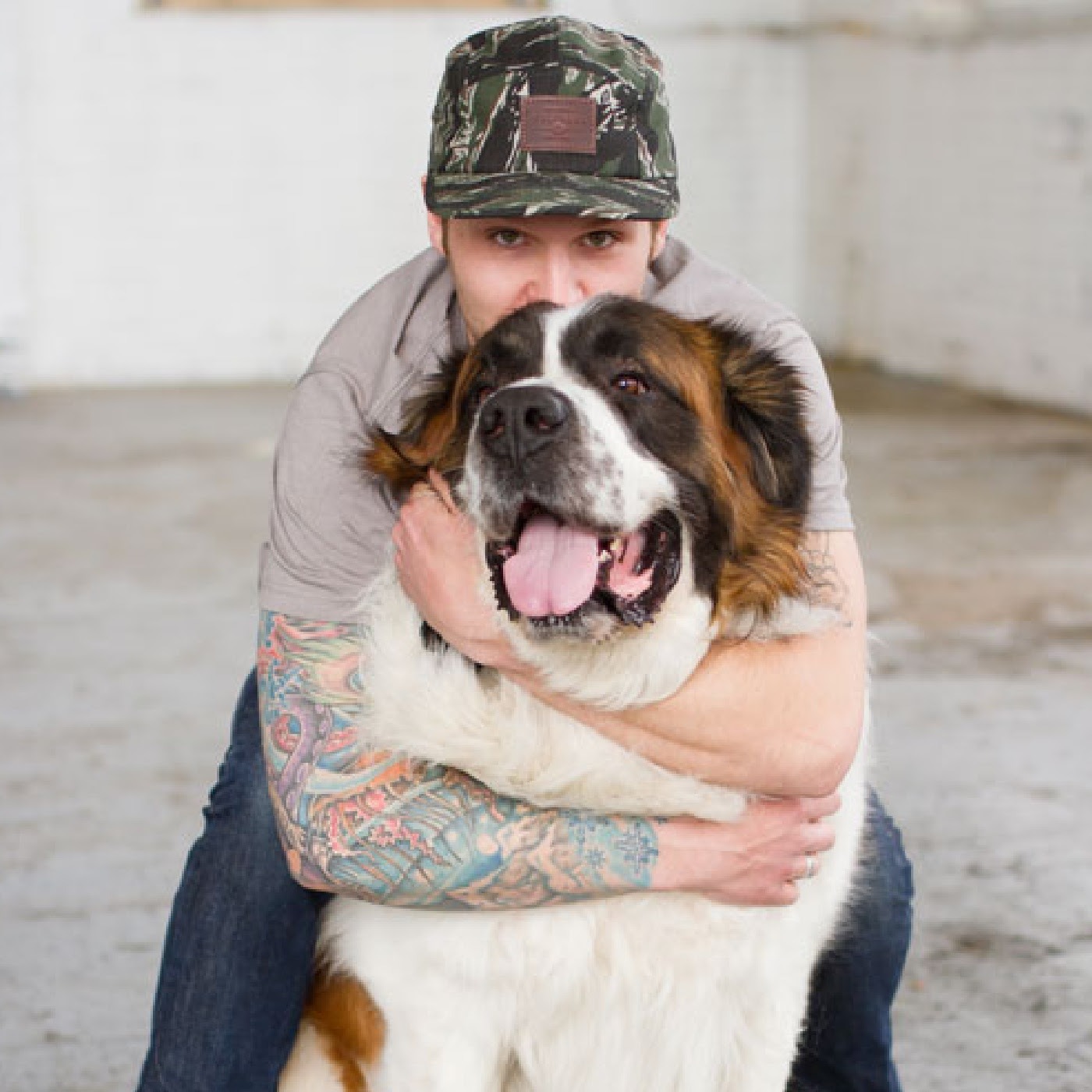
E327-What You Need to Know Before Dog Surgery — Dr. Kelly Might, DVM, MS, DACVS
Dr. Kelly Might is a Board-Certified Veterinary Surgeon (ACVS) specializing in advanced orthopedic and soft-tissue procedures. He earned his Doctor of Veterinary Medicine degree, followed by a Master of Science, and then completed a highly competitive residency in small-animal surgery before becoming an ACVS Diplomate in 2014.
With more than a decade of surgical expertise, Dr. Might focuses on procedures such as TPLO and other cruciate repairs, fracture stabilization, joint and soft-tissue surgery, and complex trauma cases. He is known for his precise surgical approach, clear communication, and his ability to help dog owners understand the “why” behind their dog’s treatment plan.
His hospital- https://www.violetcrownvet.com
Advertising Inquiries: https://redcircle.com/brands
Privacy & Opt-Out: https://redcircle.com/privacy
Available Results
Generated results are saved to the knowledge database for reuse and search.
Extract Knowledge
Pick what you want extracted first. Model, scope, and chapter options appear after a template is selected.
Transcript
[SPEAKER_02]: welcome you to the NoBed Dog's podcast.
[SPEAKER_02]: Dr. Mike, what we do here is we have a podcast of a bunch of different dog owners, dog trainers, and people all over the world that are like me hungry for new information and trying to learn more about their dogs and we started this podcast on
[SPEAKER_02]: dog training and behavior and and now it's kind of evolved to me just selfishly going around and trying to get as many other professionals on on the podcast to to answer questions talk talk talk dog and we've had so many different aspects of life.
[SPEAKER_02]: So we're excited to have you on what are you just explain it explain it explain to the guests or explain to the people explain to me
[SPEAKER_00]: Yeah.
[SPEAKER_00]: So my name's Kelly Might.
[SPEAKER_00]: I'm a veterinary surgeon in Austin, Texas.
[SPEAKER_00]: I think one thing that a lot of pet owners maybe don't understand is just a difference between a veterinarian and a veterinary specialist.
[SPEAKER_00]: Kind of like in human world where you can go to medical school, you get out and do general practice or if you want to specialize in something like internal medicine,
[SPEAKER_00]: As soon as we get out of school, we can do a rotating internship, which is a year of intensive training, typically in a large hospital setting.
[SPEAKER_00]: It may be a private practice, it may be a university setting.
[SPEAKER_00]: And then if you want to specialize in safe surgery or internal medicine, maybe you do a specialty internship.
[SPEAKER_00]: And then from there, you can go on and do a surgical or internal medicine residency, whatever it is.
[SPEAKER_00]: And so that's three years.
[SPEAKER_00]: So after that school I did five years of training to go specifically in the surgery.
[SPEAKER_00]: And so I finished that in 2013, Washington State University, my wife and I are from Austin.
[SPEAKER_00]: So we moved back home and I started a mobile surgery business with another surgeon who had been here a little bit longer.
[SPEAKER_00]: He had started this mobile company.
[SPEAKER_00]: I think in November of 2012, and I moved down the summer of 2013 and started.
[SPEAKER_00]: people think a mobile and think like going into homes and doing surgery there, maybe out of the back of a van or something, we basically would take our equipment into general practices and do specialty surgeries there and their general practice.
[SPEAKER_00]: And so I primarily got into orthopedics during that time.
[SPEAKER_00]: So
[SPEAKER_00]: When say mobile pigeon holds you, but it sort of does.
[SPEAKER_00]: It's what can be done pretty easily on a mobile basis in a general practitioner's office and where pets can go home the same day and don't require a lot of post-operative hospitalization.
[SPEAKER_00]: I've listened to a couple of your podcast before.
[SPEAKER_00]: I know you've had a dog that had a TPLO.
[SPEAKER_00]: So you're familiar with that process probably.
[SPEAKER_00]: So yeah, we can do that on a mobile basis pretty well.
[SPEAKER_00]: Yeah, exactly.
[SPEAKER_00]: So again, just instead of you having to go into a specialty hospital, a brick and mortar specialty hospital, there may be a mobile surgeon in your area that goes to your regular vet's hospital and they can do do the surgery there so that you're not having to go to another location to have that procedure done.
[SPEAKER_00]: The limitation there is just going to be the amount of staff at a specialty hospital, the amount of equipment, the
[SPEAKER_00]: level of care may be in a lot of instances a lot higher at the specialty practice but a lot of general practices offer really good level care so you can you can do those types of procedures and sure probably for your dog the TPLO and most of those dogs with cruise sheet tears are otherwise healthy dogs with no other underlying medical issues and so anesthesia is pretty straightforward on most of them.
[SPEAKER_00]: Um, let me ask you this.
[SPEAKER_00]: Yeah.
[SPEAKER_02]: So the TPLO, because I know a lot of my listeners have have either, I get a lot of messages.
[SPEAKER_02]: Hey, I, I, I know that your dog Lakota went through this and, you know, what, what can we, what can we expect what to do?
[SPEAKER_02]: And, you know, I had an interesting experience with this.
[SPEAKER_02]: And I'd love any, any insider or feedback you have on this because my dog Lakota, she said,
[SPEAKER_02]: She's a she's not actually a nine year old Dutch shepherd.
[SPEAKER_02]: She was eight when she had she's like 45 pounds.
[SPEAKER_02]: She's not a huge dog.
[SPEAKER_02]: Okay.
[SPEAKER_02]: And she is very active and she was limping on this kind of drag in this one leg lifting it off the ground.
[SPEAKER_02]: Very, uh, yeah, lay him on that leg.
[SPEAKER_02]: Not all the time just just after she had a good play.
[SPEAKER_02]: the the we brought her in in the veterinarian was like okay we're going to do this procedure there's a very very very small percentage like i think he's i think he even said a 1% chance that we'd have to go in and remove the screws and remove the bracket that you know causes
[SPEAKER_02]: infection or something potentially in the in the entry room or whatever.
[SPEAKER_02]: I don't know that is her dream.
[SPEAKER_02]: So so we do the surgery and my friend Abby has a German Shepherd and she kind of did the surgery the same time in a different hospital and she kind of got the same thing like hey there is a a very small percent just so you know there's a very small percent chance that you know we we may have to go in and potentially remove this screw if there's an infection or
[SPEAKER_00]: We had an infection too.
[SPEAKER_02]: Yeah, so both of our dogs got they had to go back under and get this thing removed and I felt awful because I don't like, you know, nobody likes putting their dog under, obviously, but it just sucks.
[SPEAKER_02]: So like, can you explain to me?
[SPEAKER_02]: In your experience, what that means and how that happens, and also maybe just go over the TPLO surgery for people who are listening, maybe what it is and what to look for or maybe there's ways you can maybe not do surgery if you don't have to and post post surgery any information on that would be super helpful
[SPEAKER_00]: I guess I'll get to infection towards the end, really.
[SPEAKER_00]: I mean, the basic idea with the TPLO, dogs get ACL tears just like we do.
[SPEAKER_00]: I always kind of think of ACL tears in people as being an acute onset injury.
[SPEAKER_00]: And maybe that's not the case.
[SPEAKER_00]: I don't know what the statistics are in humans for what percentage are degenerative, versus what percentage are acute injuries.
[SPEAKER_00]: But,
[SPEAKER_00]: I always think of an athlete that turns or leg the wrong way and that ligament completely snaps.
[SPEAKER_00]: And that is first off really not the most common form of the disease and dogs.
[SPEAKER_00]: It's much more common that this is a genetic.
[SPEAKER_00]: issue.
[SPEAKER_00]: There's actually a lot of research by a guy named Peter Muir out of Wisconsin.
[SPEAKER_00]: He has a lab at the University of Wisconsin looking into the genetics of ACL tears.
[SPEAKER_00]: And I think his research has found this is specifically in labradoras, but something like 62% of the risk of developing an ACL tear in labradoras is associated with genetics.
[SPEAKER_00]: 30% of it is environmental factors.
[SPEAKER_00]: So obesity, we know there's one paper that's, I don't know, probably 15, 20 years old at this point, but that obesity quadruples the risk of ACL tears and dogs.
[SPEAKER_00]: So a large amount of it is genetic and then there are certainly environmental factors.
[SPEAKER_00]: Obesity being the number one probably the activities that the dog partakes in, maybe if they're an agility dog, or something like that, maybe they're at a little bit higher risk, as well, just because of the acute cutting and pivoting that they're doing,
[SPEAKER_00]: You know, agility dogs are probably really fit and probably unlikely to be overweight.
[SPEAKER_00]: And so to some degree, the agility may be helping them a really lot or helping them a lot to keep them fit and healthy and have good muscle tones so that it's not just the ligament or the ligaments and the need that are responsible for this stability.
[SPEAKER_00]: So having all of that surrounding musculature is probably really beneficial by being an agility dog, but
[SPEAKER_00]: maybe they're pivoting motions somewhat predisposed and but any else so genetics is probably a large part of why they get ACL tears.
[SPEAKER_02]: Is there is there any way that you can detect a potential like ACL injury or do they have they do you just have to look at the genetics at the mom and the dad and the history of the breed and the and the genetics to say like okay there's a lot of ACL tears here but is there any way to kind of screen for like is there some sort of weakness in in in the ligament or is there anything that you can look at.
[SPEAKER_00]: So that research group out of Wisconsin, their research, I think, right now is limited only the labrador's.
[SPEAKER_00]: And so they basically looked at the genome for labs and found a lot of different genes that are responsible for tearing.
[SPEAKER_00]: It's not just one simple gene.
[SPEAKER_00]: And so, yeah, so there's, I guess your question specifically
[SPEAKER_00]: is it more genetic, or I guess can you say the question again?
[SPEAKER_02]: Yeah, like let's say we're getting a dog.
[SPEAKER_02]: If for an example, labs have a high risk of having having this injury, like are you able to look at a lab or door and preemptively and proactively look at their ligaments or knee and say like, okay, this dog is going to, this is going to have
[SPEAKER_00]: No, unfortunately, there's not.
[SPEAKER_00]: I mean, there's a lot of predisposing factors.
[SPEAKER_00]: Some people think that in some studies have found that maybe the anatomy of the tibia itself, the confirmation of the tibia, if they have what's called
[SPEAKER_00]: steep tibial plateau slope so the tibial plateau slope is kind of the slope on the top of the tibia are the shin bone and average in dogs is about 28 degrees and we call it excessive if it's over about 35 or 40 degrees and so there are some breeds.
[SPEAKER_00]: like West Island Terriers that are predisposed ACL tears in the small breed dogs and they are kind of notorious for having a really steep tribunal plateau slope and so it's not maybe those dogs that's a predisposing factor.
[SPEAKER_00]: Maybe dogs that have a fracture of the top of the tibia are the proximal tibia when they're puppies that leads to an excessive tribunal plateau slope.
[SPEAKER_00]: So maybe certain injuries as puppies may predispose, but to just be able to take a dog and say, oh, you're gonna get an ACL tear.
[SPEAKER_00]: It's pretty tough other than just simply saying, yeah, we know Labrador's or predispose.
[SPEAKER_00]: We know Rotweiler's or predisposed.
[SPEAKER_00]: I live in Texas and there's pits everywhere pit bulls.
[SPEAKER_00]: And so they're predisposed.
[SPEAKER_00]: We see a lot of mixed breeds, probably a lot of lab and pit mix that's in there and so they're really pre-disposed.
[SPEAKER_00]: So there are certainly breeds.
[SPEAKER_00]: There are other breeds that we know very uncommonly get ACL tears like winter dogs and gray hounds.
[SPEAKER_00]: They just very rarely get ACL tears.
[SPEAKER_00]: So it's hard to look at a dog and say they're going to get it even amongst labs.
[SPEAKER_00]: data says somewhere around 6% of labs will develop ACL tears.
[SPEAKER_00]: So, you know, they're pretty predisposed breed and it's only 6% of those dogs, which is high, but at the same time, to be able to look at a dog and say you're going to get an ACL tear and, you know, it's probably no higher than about 6%.
[SPEAKER_02]: Yeah, I just wasn't sure if it was if you guys could, you know, preemptively or proactively say, hey, this dog is is looking like the, you know, like you do blood work on something, if you could just at cancer.
[SPEAKER_00]: Yeah, unfortunately not there's, you know, there's some dogs also that I think are really common to get them at a younger age, so like cane corsoes when I see an ACL Terran, a dog that's a year old, it's almost always a cane corso.
[SPEAKER_00]: or some sort of really large mastiff, maybe a laboratory, maybe a pit, but really those large breed mastiffs are predisposed to them at such a young age.
[SPEAKER_00]: Yeah.
[SPEAKER_00]: But back to your point earlier about infections.
[SPEAKER_00]: I mean, that's that's unfortunately one of the risk.
[SPEAKER_00]: So with the surgery we're going in, we're we're not recreating the ACL.
[SPEAKER_00]: It just doesn't work very well in dogs, at least not up to this point.
[SPEAKER_00]: And so the surgery the TPLO was really geared at trying to level that 28 degrees slope on the top of the tibia.
[SPEAKER_00]: So we make a bone cut, we rotate that top section of bone and then we put the plate and screws on that you mentioned to hold everything together until that bone heals and it takes about eight weeks for that to heal.
[SPEAKER_00]: And so a lot of owners are like yeah you go in and you shave off the bone and no we're not we're not removing any bone we're not taking anything away we're just rotating the existing bone to get the top of the tibia flat so that the femur the thigh bone is now sitting on top of a flat surface instead of that 20 degrees slope.
[SPEAKER_00]: So that's how it tries to generate some of the stability, but anytime we put in plants in, there is a risk of infection.
[SPEAKER_00]: And so with this surgery, it is about 5% and certainly that's going to vary based on the surgeon, probably based on the hospital, based on surgery time, based on anesthesia time,
[SPEAKER_00]: And so I would say our experience as a general rule is about 5% and about half of those.
[SPEAKER_00]: You can get them on antibiotics and it clears up and you're done with it.
[SPEAKER_00]: But the other half, they just, you get them on antibiotics and that infection comes back.
[SPEAKER_00]: As soon as you stop the antibiotics, restart them, it goes away, it comes back and so it can be this cycle of it.
[SPEAKER_00]: of it basically seeming like it's healing and then it comes back.
[SPEAKER_00]: And in those cases, we do recommend removing the plate and screws and the reason for that is that they can develop what's called a biofilm.
[SPEAKER_00]: It's a polysaccharide or kind of a sugary layer that develops over the implants and it's a vascular.
[SPEAKER_00]: So there's no blood supply that gets to it.
[SPEAKER_00]: So you can put them on antibiotics and any bacteria that's peripherally around that surgical site and antibiotics will get to they eliminate the infection
[SPEAKER_00]: But there was bacteria in that biofilm that the antibiotics can't penetrate because there's no blood supply there.
[SPEAKER_00]: So you think you've helped the infection, you stop the antibiotics and improves.
[SPEAKER_00]: And then those bacteria that are in the biofilm just kind of come back out and wreak havoc and cause another infection.
[SPEAKER_00]: And so without getting rid of those implants.
[SPEAKER_00]: The infections are just going to keep coming back in those cases.
[SPEAKER_00]: So I would say you're not far off.
[SPEAKER_00]: I mean, my experience is about 2% infection rate 2 to 3% of cases that I remove plates on.
[SPEAKER_00]: So it can happen, but it's also in your case seems very coincidental that.
[SPEAKER_00]: You know, you and then a friend, a close friend having the surgery at the same time had it happen.
[SPEAKER_00]: So in terms of predispositions for that, we know that large breed dogs, I think there's one study that showed dogs over 50 kilograms, so over about 110 pounds.
[SPEAKER_00]: Had closer to like a 20 or 25% rate of infection.
[SPEAKER_00]: I don't know if that's because in those dogs that they're under anesthesia longer, we know that
[SPEAKER_00]: The duration of anesthesia and the duration of surgery both independently can increase the risk of infection significantly and so a larger dog probably going to take longer to to shave longer to prep maybe the surgery time itself is longer so I'm sure there's some of that.
[SPEAKER_00]: We know there's some resident bacterial flora on the skin as well, and so maybe when we're scrubbing there's more of that residual bacterial flora that we're getting on our gloves or something like that, and then we touch the plate or we touch the incision site.
[SPEAKER_00]: Maybe those big dogs are.
[SPEAKER_00]: easier have a, maybe they're harder to keep an e-colour on or harder to keep some sort of protective sleeve.
[SPEAKER_00]: We use a product called a lick sleeve a lot, which is basically I described owners.
[SPEAKER_00]: It's like a pair of sweatpants that covers leg and wraps around the belly a couple times and.
[SPEAKER_00]: I don't think it's a complete replacement for the collar, but it can certainly reduce the amount of time that those pets need to be in it.
[SPEAKER_00]: If you've got your dog around you all the time, and you can kind of keep an eye on them and make sure he's not looking or chewing at the incision site, then probably doesn't need any collar, and you could just wear the licks leave.
[SPEAKER_00]: And that works really well, but sometimes, you know, I've had dogs chew those off, I've had dogs lick the sleeve until it just kind of a moist cloth sitting on the incision site, which probably isn't doing a lot of good either.
[SPEAKER_00]: Yeah, just trying to keep those dogs away from licking or chewing and e-colors are hard enough to use the cone of shame hard enough to use in a lot of cases, much less a hundred pound dog that has a collar that can even fit through the door.
[SPEAKER_00]: I think owner compliance is probably not great on those big dogs too.
[SPEAKER_02]: Yeah, that, you know, that sleeve is what we used, uh, you just, for people who are listening, it's, it's, like you said, it's basically a, a little sweat, sweat sleeve for that, that leg and you just clip it and that worked really, really nice for us, we did, we did pretty well with it, you know, she slept with it great comfortable for her, but unfortunately she still had that and again, so when you, when you, so,
[SPEAKER_02]: Okay, so there could, so there's a lot of, there's a lot of risks that that inherited the go and with that surgery and it could be the hospital, it could be the recovery, it could be just, you know, the bad luck of the 2% that me and my friend did have, but that does happen and do you have any recommendations for people who are listening that that may be an outlier information of like a supplement or any type of
[SPEAKER_02]: Vitamins or any type of PT that you should be doing after you get a TPLO surgery for your dog.
[SPEAKER_02]: Have you have you what do you suggest?
[SPEAKER_00]: Yeah, I guess take this with a green assault because I'm a part owner of a fish oil company.
[SPEAKER_00]: So I strongly, there is no doubt in veterinary medicine that there is more evidence behind fish oil.
[SPEAKER_00]: Or I should back that up a little bit.
[SPEAKER_00]: There's without a doubt in veterinary medicine more evidence for omega threes than any other joint supplement.
[SPEAKER_00]: I was just doing a lecture on joint supplements the other day, so I went back to try and do a literature search, and this was from 2022, there were 20 articles that met this study criteria on Omega 3's and 18 out of the 20 found benefit in terms of whether it was improving lameness scores.
[SPEAKER_00]: reducing pain, reducing the requirement for using other pain medications like remedial, maybe slowing the progression of arthritis.
[SPEAKER_00]: So we've added out more evidence behind Omega-3s than anything else.
[SPEAKER_00]: I tend to go more towards fish oil because of a couple reasons.
[SPEAKER_00]: Number one, it's typically, it's easy to get in a liquid form and the dosing for orthopedic disease is a lot higher than it is for for other issues, whether it's cardiovascular skin or whatever it may be.
[SPEAKER_00]: What I typically have owners do is the Colorado State University, if you just Google Colorado State University Fish Oil Dosing Chart, it'll take you to a page and it has exactly how much EPA and DHA to give per day and it's really high and there are almost no there's art our product is called stride there's another product called well acting 3TA and those are really the only two that I'm aware of that are dose specifically for orthopedic disease and dogs.
[SPEAKER_02]: Um, can you define, can you define like orthopedic disease and dogs like what what is is that somebody that has an older dog at home that's limp and or what does that mean?
[SPEAKER_00]: Yeah, anything associated to me, I would say, where I think omega-3s can help the most is with a joint disease.
[SPEAKER_00]: So whether you're talking about elbow dysplasia or hip dysplasia or an acelter or a patella luxation or arthritis affecting any joint, whether it's the ankle or the wrist, the carpets, or a shoulder, that's where I would say, those orthopedic diseases,
[SPEAKER_00]: uh, fish oil or omega threes are probably going to have the best benefit.
[SPEAKER_00]: Other diseases where it's, it's still inflammatory like with a muscular disease, for instance, say you've got a, um, an achilles tendon tear that is going to cause inflammation and omega threes are anti-inflammatory.
[SPEAKER_00]: So could they provide some benefit?
[SPEAKER_00]: Yes, but I think there's less evidence to support their use for muscular diseases and there is for diseases of the joints themselves.
[SPEAKER_02]: So yeah, what about what about glucosamine is I'm not familiar with what what's in that, but what's the deal with that because I know growing up that was always like, you know, give a glucosamine to the older rickety dogs was I think they've got a really good lobby.
[SPEAKER_00]: I think they've been around for the longest like glucosamine sub glucosamine controlling supplements have been around for a long time and that's what everybody knows that's what's used in people.
[SPEAKER_00]: There is almost zero evidence and dogs to support the use of glucosamine can join and I think there was one study from like 10 years ago where they followed dogs out for I don't know 70 days or 100 days something like that and there was no benefit until the 70 day mark but that was the only mark in which there was any benefit.
[SPEAKER_00]: And so I think it's one thing if you do a study and you're looking to see like okay
[SPEAKER_00]: where we've got cells in a petri dish or whatever it is and a cell culture and we're going to these are our cartilage cells, condercites and you know we're going to introduce glucosamine conjoit and then see how that changes different inflammatory markers.
[SPEAKER_00]: That's really different than giving a product to a dog, having them ingest it.
[SPEAKER_00]: Having it be absorbed and then looking for any measurable impact on function on outcome and so whether it's a force plate like actually having the dog walk across a plate in the ground that's measuring how much force they're putting on a limb.
[SPEAKER_00]: There's.
[SPEAKER_00]: There's no evidence to support the use of glucose can enjoy it in the dogs.
[SPEAKER_00]: And so this study in 2022, this review finally was the first one I ever read that came out and said, please quit recommending glucose can be enjoyed for dogs because there's no evidence for it.
[SPEAKER_00]: That being said, I definitely have owners come in where they have been using glucose can be enjoyed and they think it's been working and whether that's placebo effect or not.
[SPEAKER_00]: I typically tell owners if you're already spending money on it and you think it's working, great, keep with it.
[SPEAKER_00]: But if you're giving glucose from me, and I would say 90 plus person alone or say, yeah, I've never noticed any difference with it.
[SPEAKER_00]: Then I'd probably put that money to fish oil instead of glucose from me, and enjoy it.
[SPEAKER_02]: Yeah, and it seems, and I'm not sure what's in glucose, I mean, I'm not sure what the ingredients are, but fish oil's, you know, it's natural, right?
[SPEAKER_02]: It's just fish oil.
[SPEAKER_00]: Yeah, I think the biggest thing is it becomes like sustainability because it's a the same in product or, you know, how are they harvesting that and how much overfishing is being done to develop the amount of fish oil and I think fish oil use is really gone up a lot and that's probably because there's more and more evidence for it than any other supplement.
[SPEAKER_00]: But that's probably not going to help the fishing industry or, well, it's probably not going to help levels populations.
[SPEAKER_00]: The problem with omega-3s is a lot of people want to say, oh, well, we can do something more like flax seed.
[SPEAKER_00]: Dogs can't appropriately convert or efficiently convert flax seed into EPA and DHA.
[SPEAKER_00]: And so flax seed isn't really a good option for dogs, unfortunately, trying to think of what other
[SPEAKER_00]: options there would be for acrylic oil, things like that can be used, there can be supplemented as well, but you still want to hit that same level of EPA and DHA that's pretty high, that's listed on that CSU official oil chart.
[SPEAKER_00]: So, and that was one of the reasons why we started that official oil was because we would always get owners say, how much should I give and every single product on the market was
[SPEAKER_00]: completely differently.
[SPEAKER_00]: And so it was really hard to tell them how to how to administer it.
[SPEAKER_00]: And so yeah, I think just following that CSU chart is really helpful.
[SPEAKER_00]: It makes it a lot easier.
[SPEAKER_02]: Yeah, is there any is there any downsides to fish oil?
[SPEAKER_02]: Is there any evidence of of of cons of of using that for dogs?
[SPEAKER_02]: Is there any risks?
[SPEAKER_00]: Yeah, great question.
[SPEAKER_00]: So, um,
[SPEAKER_00]: There's some evidence that shows that there's no plateau to the anti-inflammatory effect of omega threes.
[SPEAKER_00]: The reason why we kind of max out on a dose is because the more you give it's fat right so the more you give the higher calories your administering so if you've got to give 20 milliliters or 20 mills of official oil to a dog maybe that's getting close to 175 to 100 calories.
[SPEAKER_00]: And so you've got to make sure that you're factoring that end to their calorie intake for the day, just like you would a treat.
[SPEAKER_00]: So that's one thing is is calorie intake.
[SPEAKER_00]: And then number two, because it's diarrhea, high doses and every dog's different, some dogs have a more sensitive GI tract.
[SPEAKER_00]: And so some dogs can't take the oil because it gives them the runs.
[SPEAKER_00]: So you just have to be cognizant of that.
[SPEAKER_00]: There are other reported potential complications, at least in people, and there was actually a paper gosh, I don't know, probably 15 years ago out of the journal of veterinary and terminal medicine that went through kind of item by item, what are the potential risk of fish oil and people, and is that ever been noted in dogs, and things like increased risk of bleeding.
[SPEAKER_00]: And I think there's very minimal evidence to support any side effects in dogs other than
[SPEAKER_00]: uh... weight gain probably from the calorie intake and diarrhea
[SPEAKER_02]: So let me switch gears on you and I want to ask you like what is your daily routine like as a veterinarian when you come into the office, what time do you get there, you know, because because as dog owners, you know, we I value veterinarians, you know, in so much they've helped me out incredibly even recently, which I'll tell you about in a little bit, but like what's your what's your day like when you get into the office, what's that look like as pet pet owners were always like what goes on behind those colors doors when our dog, you know, like
[SPEAKER_00]: What's that like right so I kind of started this earlier and then didn't finish the idea, but so I did mobile for a long time and and I still do and I did it today that's really nice it's it's much easier on the mental health
[SPEAKER_00]: So in those scenarios, I get up in the morning, you know, leave the house, go pack up our truck, get all the equipment that we need for the day, and we just start going to the different general practices to do surgery.
[SPEAKER_00]: We do three to four surgeries a day, and then we'd come back, we'd restarilize all our equipment at the end of the day, and that was that.
[SPEAKER_00]: It was, it was pretty redundant,
[SPEAKER_00]: You know, that was nice because before surgery, there are some mobile surgeons that won't call owners ahead of surgery.
[SPEAKER_00]: I religiously call owners ahead of surgery because I want to make sure that
[SPEAKER_00]: They're fully understanding what the scenario is, what the surgery is that we're doing, what the recovery is going to be like, what the risk are.
[SPEAKER_00]: Just what to expect, because I think that there's no better way to ruin a relationship with a pet owner than to not really set appropriate expectations.
[SPEAKER_00]: And so that's a lot of it is just interactions, phone calls, records,
[SPEAKER_00]: On a mobile basis, we're going into general practices and so I'm getting the opportunity to speak with the veterinarians that are running those practices or the technicians that are there.
[SPEAKER_00]: We always have a technician at that hospital running in seizure for us and so, you know, it's gotten to be where we know these people really well and so it's like going to see a friend every time we go to mobile so I really do like that aspect of it.
[SPEAKER_00]: In 2023 we started a brick and mortar called violet crown veterinary specialist in B. K. Texas, which is a little suburb just west of Austin and and so we have surgery.
[SPEAKER_00]: We have oncology, critical care, and a 2470R.
[SPEAKER_00]: And so that flow is very different from mobile on mobile.
[SPEAKER_00]: It was myself in two or three technicians and my mom helped run the boats.
[SPEAKER_00]: And so that was like four or five employees.
[SPEAKER_00]: And now we've got a team of about 70 employees.
[SPEAKER_00]: And so as you can imagine, there's a lot more meetings.
[SPEAKER_00]: Get there in the morning.
[SPEAKER_00]: We have rounds at seven, excuse me, rounds at 730, so any impatience in the hospital, the overnight ER doctor will round off to the day staff to the technicians and the doctors that are there for the day, they'll go through every patient that's in the hospital and kind of do a run through of where they're at with that patient so that we can then continue to care throughout the day.
[SPEAKER_00]: And then we'll have our individual rounds for our department.
[SPEAKER_00]: So in surgery, we'll have our surgery rounds, talk about whatever cases are coming in for our appointments that day.
[SPEAKER_00]: Any surgeries that we have for that day?
[SPEAKER_00]: What to expect, what our anesthesia plan is, what to anything that we may need special for the recovery, any client communication aspects that need to be covered, anything along those lines.
[SPEAKER_00]: And then typically have,
[SPEAKER_00]: my partner and I will have a meeting for about an hour with some of the leadership.
[SPEAKER_00]: Depending on the day, maybe it's a whole staff meeting for the entire hospital to make sure we're on the same page, maybe it's a departmental meeting just to make sure for instance for us that everybody's on the in a good place in the surgery department, make sure we don't have any issues specifically there that we need to address.
[SPEAKER_00]: So yeah, lots of meetings making sure that that we're happy with how things are functioning or where we need to improve.
[SPEAKER_00]: And then.
[SPEAKER_00]: Typically, for me, I'll start seeing appointments at about 8.30, 8.45, something like that.
[SPEAKER_00]: See appointments.
[SPEAKER_00]: I typically see appointments through the morning.
[SPEAKER_00]: We'll see a few consults.
[SPEAKER_00]: We'll see a few re-checks, and then I do surgery in the afternoon, typically.
[SPEAKER_00]: So, most of my practice is orthopedic, so whether it's fractures or ACL tears,
[SPEAKER_00]: And then, yeah, for the afternoon, waking those patients up, making sure they're comfortable, doing mobile for a long time, I got to understand.
[SPEAKER_00]: Well, number one, it's hard to have a pet hospitalized overnight when nobody's there, because God forbid something happened with the patient recovering from anesthesia, and that there's nobody there at the hospital to be monitoring those patients.
[SPEAKER_00]: You know, that's that's a worst possible phone call you could have with an owner is to show up the next morning and have something have happened to that pet when there was nobody overnight to watch so.
[SPEAKER_00]: I'm a big proponent of as long as they can, dogs going home the same day, pet owners love it for the most part, because how many dogs are anxious going to the hospital and they'd be more comfortable going home.
[SPEAKER_00]: I think the big part again is communicating with the owners what to expect recovering from anesthesia.
[SPEAKER_00]: Their dogs probably gonna be a little bit drugged that night, maybe not wanting to eat.
[SPEAKER_00]: maybe even vomit or have diarrhea or something, just waking up from anesthesia.
[SPEAKER_00]: So for the afternoon for me in hospital, it's trying to get those patients ready to go home and we're lucky that we're 24-7.
[SPEAKER_00]: So where is a regular practice?
[SPEAKER_00]: May close at 6 o'clock and that dog may not be ready to go home by 6 o'clock.
[SPEAKER_00]: We're open 24-7.
[SPEAKER_00]: So if no one needs to come and pick up at 8 or 9 o'clock, oftentimes they'd rather do that than keep them hospitalized overnight.
[SPEAKER_00]: So
[SPEAKER_00]: So yeah, going through discharges with owners in the afternoon, making sure they're in a good spot to take their patient home, or if not, you know, talking to them about what our plan is for for hospitalizing overnight and trying to develop a plan for there for when we're going to send them home the next day.
[SPEAKER_00]: And that's on the orthopedic side of things.
[SPEAKER_00]: Most of these again are pretty healthy dogs unless they've been hit by a car and.
[SPEAKER_00]: for having to manage other trauma or other injuries, most of my patients are able to go home same day or next day.
[SPEAKER_02]: Yeah.
[SPEAKER_02]: That's incredible.
[SPEAKER_02]: Yeah, because it recently having my own dog in the hospital.
[SPEAKER_02]: And it was, you know, I did, I ended up did finding a good, a good hospital that took really good care of them.
[SPEAKER_02]: Their communication was great.
[SPEAKER_02]: But it was really stressful.
[SPEAKER_02]: The 24, seven hospitals is a whole different beast.
[SPEAKER_02]: And, you know, I was just looking up because one of my friends works in the vet hospital.
[SPEAKER_02]: We were kind of discussing
[SPEAKER_02]: is in the veterinarian field like you guys have a huge history not you in particular maybe even anybody at your hospital but you know you guys have a huge veterinarians have a huge history of mental mental anxiety and depression and and all that like
[SPEAKER_02]: Yeah, scary stuff.
[SPEAKER_02]: So like having a 24-7, you know, and I even talked to my friend who works at a 24-7 emergency care.
[SPEAKER_02]: It's like Your part of you is happy that it's available and you're probably grateful that you can go somewhere when you need that 11 PM my dog ate this or
[SPEAKER_02]: HPC hit by car, whatever, but at the same time, you probably have to deal with a lot of stuff.
[SPEAKER_02]: Like, how do you navigate that as somebody who obviously deeply cares about animals and providing that 24-7?
[SPEAKER_02]: Like, what's that in your head?
[SPEAKER_02]: Like, how do you be more optimistic and set up pessimistic and glass half full there?
[SPEAKER_02]: And like, what do you have to go through?
[SPEAKER_02]: And I'm sure you talk to your surgeons and your team about,
[SPEAKER_02]: things that you have to be, hey, you know, these things happen.
[SPEAKER_02]: And here's how we handle it.
[SPEAKER_02]: And I'm sure people may be just coming in.
[SPEAKER_02]: Have a difficult time.
[SPEAKER_02]: Yeah.
[SPEAKER_02]: With that.
[SPEAKER_00]: I think it's a really good question because like you said, you never want to have to, you don't want to have to go to the R yourself.
[SPEAKER_00]: You don't want to have to take your dog to any R.
[SPEAKER_00]: People having to come into the ER are very emotionally charged.
[SPEAKER_00]: They're in a situation.
[SPEAKER_00]: They don't want to be there.
[SPEAKER_00]: Emergency care is expensive, so then they get the sticker shock of whatever it is that they're having recommended to them for stabilizing their pet or treating their pet.
[SPEAKER_00]: So they don't want to be there.
[SPEAKER_00]: It's expensive and they're in a situation where their pet is sick enough that they feel like they even they have to be there.
[SPEAKER_00]: They don't really they feel stuck to some degree.
[SPEAKER_00]: So I think that's the hard thing with emergency is owners are just really sensitive understandably at that time.
[SPEAKER_00]: One of the things that we've done personally is, or at our hospitals, we've hired a social worker.
[SPEAKER_00]: There are a few in veterinary medicine at different hospitals.
[SPEAKER_00]: There's actually a veterinary social worker certificate that is available through the University of Tennessee.
[SPEAKER_00]: And so we hired a social worker with that intention of to what you alluded to earlier just high mental health disease rates in veterinary medicine.
[SPEAKER_00]: So a lot of why we hired her was to try and make sure that our staff was in a good place and try and make sure that we could be there for their mental well-being, but then also to be there for owners that are having degree,
[SPEAKER_00]: having really difficult decisions that they're having to make and so she's been an invaluable asset to our hospital and hopefully that's something that is
[SPEAKER_00]: becomes a little bit more common place to see.
[SPEAKER_00]: I think it's hard, maybe to justify in a general practice that's smaller, you know, maybe there's 10 or 12 employees.
[SPEAKER_00]: And so maybe it just doesn't make as much sense at a smaller practice like that, but for a large practice, you know, a lot of specialty hospitals will have 50 to 200 employees.
[SPEAKER_00]: And once you get to that mark, I think that,
[SPEAKER_00]: It's, it's like I said, invaluable to have an employee like that.
[SPEAKER_00]: So she's been fantastic.
[SPEAKER_00]: That's something that we've incorporated.
[SPEAKER_00]: And really when it comes down to it, I kind of preach this probably, um, overboard, maybe some of our associate veterinarians get tired of hearing it, but like it or not, we're in a customer service industry.
[SPEAKER_00]: And so, um, for us at a specialty hospital,
[SPEAKER_00]: And we have the referring veterinarian and so we've got to make sure that we're communicating well with all parties and that can be really difficult because often it's like playing a game of telephone between the referring veterinarian hospital and the pet owner making sure that
[SPEAKER_00]: We're doing what the referring veterinarian wanted or intended while also making sure that we're doing what's best for the pet and making sure that we're communicating that well to both parties and that can be a challenge, especially when it gets really busy and you've got, you know,
[SPEAKER_00]: You've got multiple patients that you're monitoring in hospital and then you have multiple people at the same time coming through the door with new emergencies and maybe some of them are quick and easy and you can get them out the door pretty quick but others maybe really sick and and requiring a lot of time and I think a lot of pet owners maybe to your point like asking the question earlier what is it like on a day-to-day basis.
[SPEAKER_00]: I think a lot of owners
[SPEAKER_00]: know how hectic it can be and how how backed up you can get and how much there is going on behind the scenes and and cost-wise how much it is to own a building, how much it is to employ staff, how much it is to have equipment, you know, you buy a CT machine, it's $200,000, or $300,000, whatever it is, and you're having to pay for all this equipment and unfortunately having a large specialty hospital and ER and keeping the lights on 24-7.
[SPEAKER_00]: cost a lot of money and so the the I guess revenue generated from veterinary hospitals is is pretty low like the profit margin is is very low and so I think a lot of people think they're just over charging completely they're in it for the money.
[SPEAKER_00]: You know, you can do well in veterinary medicine for sure.
[SPEAKER_00]: I'm not going to say you can't, but also there is a lot of work, a lot of equipment, a lot of time that goes into it.
[SPEAKER_00]: And so I think that's just always a challenge is making sure that we're doing the best job we can and make sure we're communicating well with owners with with referring veterinarians to make sure that in the end we're doing the best thing that we can for the pet.
[SPEAKER_02]: Yeah, and you guys are, you guys are kind of direct to consumer as well.
[SPEAKER_02]: I know we can talk about pet insurance in a moment, but a lot of times, you know, for other things like, you know, car repairs, car accidents, your own health, especially the United States.
[SPEAKER_02]: You just kind of, you send that off later.
[SPEAKER_02]: You ask questions, you ask questions later.
[SPEAKER_02]: I know, you know, from, from my experience here recently, and I can get into it in a moment, but, you know, I had to bring my, I have a boreble on, I have you ever heard of a boreble before?
[SPEAKER_02]: No, okay, so he's actually from Texas, but a borbol is a South African massive.
[SPEAKER_00]: Oh yeah, yeah, okay.
[SPEAKER_00]: Yeah, so it's right.
[SPEAKER_02]: Yeah, they're big.
[SPEAKER_02]: They're they're like really muscular.
[SPEAKER_02]: They're, you know, they kind of remind me of like a low low rider Massives like they're very muscular and big and protective and whatever.
[SPEAKER_02]: Anyway, yeah, when I brought him into the vet recently, they basically gave me a clipboard and said, Hey, this is what we think we're going to do with him.
[SPEAKER_02]: And we need $10,000
[SPEAKER_02]: just to keep him like we can't, you know, and I was, and in my head, like think, you know, I was really grateful that, you know, I did have the means to pay for it at that time, but it just led me to think, man, what a tragedy it would be for your pet to just, and he didn't get smashed by a car or anything.
[SPEAKER_02]: He just had an abscess and his neck that was an infection and they needed this ET and he needed emergency care and it wasn't like a huge
[SPEAKER_02]: at that moment it wasn't a life threatening issue right where you know I could have walked out of there maybe with antibiotics and hope for the best but you know it was like man I can't imagine being not being able to afford the services for your best friend and having to leave that hospital with potentially either having to put your pet down because you can't afford it and it's kind of this exploratory well we don't really know but this is what's going to cost for us to even
[SPEAKER_02]: And that's got to be to your point of of of emotion and and of course like I could see where but I own a business myself and I understand exactly what you're saying all that equipment.
[SPEAKER_02]: The staffing the insurance the payroll it's so expensive so like what is your what is your thoughts on that as you move through this like what is your hospital.
[SPEAKER_02]: Do you guys do care credit if somebody had a $10,000 bill and they go I got 500 bucks to my name like.
[SPEAKER_02]: Yeah, how can dog owners out there like be prepared we can talk about insurance if you want but like how competitors be prepared for something like this and kind of walk through that process
[SPEAKER_00]: Yeah.
[SPEAKER_00]: It's super hard.
[SPEAKER_00]: And this is, I mean, an ethical dilemma that comes up.
[SPEAKER_00]: I think on a regular basis about it because you could get into it almost as a angle of like, well, who deserves to be a pet owner?
[SPEAKER_00]: Because say, there's a homeless person deserve to have a pet.
[SPEAKER_00]: They can't afford for housing for themselves.
[SPEAKER_00]: Are they going to be able to afford appropriate care for that pet?
[SPEAKER_00]: Are they going to be able to afford in Texas?
[SPEAKER_00]: Heartworm preventative, or are they going to be able to afford fleet preventative?
[SPEAKER_00]: That's a really big moral dilemma, and so to your point, yeah, it gets expensive really quick and
[SPEAKER_00]: Veterinary Medicine has got an expensive, and I don't know how much of it is due to the corporations versus inflation versus whatever other economic factors, but it is absolutely expensive, and there's no way around stating the fact that it is priced a lot of people out to receive top-level care.
[SPEAKER_00]: I would agree it absolutely has.
[SPEAKER_00]: So in our hospital in particular,
[SPEAKER_00]: We do take care credit.
[SPEAKER_00]: There's another one called all pet card, which I don't think we use quite as much, but there's another one called scratch pay that we carry.
[SPEAKER_00]: So those are the three payment options that we have through the hospital.
[SPEAKER_00]: And so a lot of those are basically, you know, they're third party you're applying you're trying to see how good of credit do you have and they're giving you the funding.
[SPEAKER_00]: ahead of time, just like a credit card basically would, and so obviously there's interest that they've got to pay.
[SPEAKER_00]: But that's all dealt with through that third party company and not through our hospital.
[SPEAKER_00]: So those are options, but then there are people who get declined for that, and unfortunately, we are running a business and we've got to be able to pay our bills and keep the lights on and that's probably one of the biggest things that
[SPEAKER_00]: that we hear say on a bad Google review or something like that is like, all they care about is money and that's probably when there's high suicide rates and bets is because it's not all about the money, but you also have to be able to afford to keep the lights on.
[SPEAKER_00]: And so we can't just give away care all the time because everything that we're giving that pet costs us money.
[SPEAKER_00]: And so it's really a tough situation.
[SPEAKER_00]: So to pet insurance, I do think pet insurance is a great idea.
[SPEAKER_00]: I think the problem is just like what insurance do you get and I unfortunately don't know enough about all the different insurance companies, but we have so many people that come in.
[SPEAKER_00]: Maybe if you get insurance today and it's a year before that other side tears, maybe they'll cover that other side.
[SPEAKER_00]: But they're not going to cover this first side.
[SPEAKER_00]: And so trying to have people get it preemptively, you know, maybe when they're a puppy, where it can cover a large amount 80, 90% of emergency fees or surgery fees or anesthetic fees and just, you know, annual prevention and that sort of thing.
[SPEAKER_00]: I think it is really good idea to have
[SPEAKER_00]: But it's just like human insurance or our own medical insurance or car insurance or home insurance like you pay so much for those services and then at the end of the year you like I just been 15 grand on that and I didn't use any of it and so it's only when you need it that you really wish you had it and.
[SPEAKER_00]: And when you're really happy that you did have it, if you're in that boat.
[SPEAKER_00]: But yeah, it's tough because there are a lot of companies out there.
[SPEAKER_00]: I think the biggest thing a pet owner can do is make sure that they do their due diligence and research and based on what type of dog, what are they more likely to have come up?
[SPEAKER_00]: Or is it going to be more emergency type stuff that you're worried about?
[SPEAKER_00]: Is it preventative care if you've got a
[SPEAKER_00]: pit bowl or you've got a laberador that you are worried about an ACL tear, you know, maybe you need to make sure that that insurance playing covers orthopedic injuries.
[SPEAKER_00]: Yeah, that's I think insurance is great, but it also can add up in cost.
[SPEAKER_00]: I know some plans now are over $100 a month for one pet.
[SPEAKER_00]: So you're spending, you know, 1200 bucks or more for something that maybe if your dog's healthy,
[SPEAKER_00]: And all you need is annual prevention.
[SPEAKER_00]: I think heartworm preventive and fleet preventive.
[SPEAKER_00]: I don't know.
[SPEAKER_00]: I never prescribe it because I'm not in general practice, but when I've looked into it for my own dog now, I know it's expensive.
[SPEAKER_00]: Say you spend 100, 200 bucks a year on prevention in a couple hundred bucks on vet visits for vaccines and whatever.
[SPEAKER_00]: That maybe you cover 600 bucks out of that 1200 in a good year, but if something bad does happen, then you'll be glad you had the insurance.
[SPEAKER_02]: Yeah.
[SPEAKER_02]: And that's it, right?
[SPEAKER_02]: Like, you know, like with driving in the United States, you have to have it.
[SPEAKER_02]: You can't drive without it.
[SPEAKER_02]: And with dog ownership, it's becoming more and more.
[SPEAKER_02]: And I plan on doing a podcast with at least one, maybe two pet insurance owners that I've been in contact with ever since my dog got this whole thing.
[SPEAKER_02]: I mean, he went, but he got millions and millions of views.
[SPEAKER_02]: Like everyone was like, I got more text messages
[SPEAKER_02]: a long time that we're like, oh, is your dog okay?
[SPEAKER_02]: Like, you know, it was, I was like, wow, I did not think that this big doifice was going to have the impact that he did.
[SPEAKER_02]: And, you know, you know, to your point of who should own dogs who shouldn't own dogs, like, you know, if you have these large breed dogs, like the, they call the heart breed, the heart.
[SPEAKER_02]: break a breed like the Great Dane and and I've had I've had St. Bernard's in the past.
[SPEAKER_02]: I have a giant mast.
[SPEAKER_02]: Now I just like baked.
[SPEAKER_02]: I like a dog's dog.
[SPEAKER_02]: I like a big dog, you know, but you know, you got to be prepared and you got to make sure and part of that too is like the breeder doing their due diligence because I tell you like, you know, rather you are for pro or not breeders, you know, I have I have a long discussion about that on my podcast before about
[SPEAKER_02]: You know, why there are breeders with all the shelter dogs and what makes a good breeder and ethical breeder, right?
[SPEAKER_02]: Like, you know, not picking up your puppy in a Walmart parking lot at 10 p.m. probably not, you know, the best idea.
[SPEAKER_02]: But my, my breeder for my dog and Texas, he called me right away and he's like, what's going on?
[SPEAKER_02]: How can I help?
[SPEAKER_02]: And also he said he thanked me because I really appreciate you, he cared so much.
[SPEAKER_02]: Thank you so much, you know, for for spending the money like it was like his own dog still, you know, he was really like thank you me for for these like man, thank you so much for You know, doing that because there's a lot of the owners that I talked to that may not have been able to afford it and he said over the years he has been actually talking to people about their comfort ability and finances and
[SPEAKER_02]: having, you know, make sure they're not living paycheck to paycheck because these these dogs can be sensitive.
[SPEAKER_02]: They have allergies.
[SPEAKER_02]: They're from both of his mom and dad were born in South Africa.
[SPEAKER_02]: So they're, they're, they're immune systems and all the things that they're set up for.
[SPEAKER_02]: Like they're, they're, they're a whole body, like freaks out with all these allergens and stuff in New York and the snow and the cold weather and
[SPEAKER_02]: All that stuff.
[SPEAKER_02]: And so, you know, some of the things that he said, he's like, you know, these are things that I actually start asking people right now, you know, like, hey, what, what's your finances, like, I know this is just weird from your dog breeder to ask, but yeah, if something happened same thing, I think, you know, large breed maybe sounds like Labrador retriever, uh, breeder should be asking like, hey, be prepared for a TPLO surgery.
[SPEAKER_02]: You know, one of the things, you know, I wanted to ask you if you have any experiences is the gut bioman and gut health and because this is becoming a big topic of discussion for me because I started learning about the gut biome because of my dog's allergies and I'm kind of going down this rabbit hole and I'm trying to squeeze out all the information I can but.
[SPEAKER_02]: One of the things that they did is I'll give you just a quick synapses and then I haven't spoke about this in the podcast a lot of people want to know the kind of story and I'm just waiting to put it all together, but essentially I was in London doing a seminar and my mother and law who watches my dog was like, hey,
[SPEAKER_02]: your dog, Bert, his name is Burley, he's named after a beach in Australia.
[SPEAKER_02]: Anyway, he's today, he's been a superlitharge, he's not eating and that's very abnormal.
[SPEAKER_02]: He eats four pounds of raw food a day and so he eats a lot of food, you know, and so I said, yeah, that's off.
[SPEAKER_02]: And then when I got back a couple of days later, same thing, he wasn't in, I brought him in.
[SPEAKER_02]: I bounced around between three different 24, seven care and they said he needs a CT scan because
[SPEAKER_02]: And anyway, um, they ended up giving them all sorts of different antibiotics and intravenous antibiotics go home antibiotics and they wanted to give them another out of antibiotics after he was cleared and I was like.
[SPEAKER_02]: Well, his gut is already destroyed, right?
[SPEAKER_02]: Because a part of that antibiotic is killing all the bacteria.
[SPEAKER_02]: So it can save your life, which and everybody's grateful for, but it also wipes your gut out.
[SPEAKER_02]: Like, do you have any experience for knowledge or training or background in having these conversations about the gut biome and prescribing antibiotics and maybe talking to bed owners about,
[SPEAKER_02]: You know, make sure that you recover with the probiotic or, you know, pumpkin or, you know, chicken broth or key for anything like that.
[SPEAKER_00]: No, it's a good question.
[SPEAKER_00]: And I actually listened to your podcast a couple weeks ago, you had the owner of the raw pet food company on and I listened to that to that one.
[SPEAKER_00]: Um, I do not claim to have any solid background and gut biome and nutrition aside from supplement.
[SPEAKER_00]: So, uh, I am not a good person to talk to about that.
[SPEAKER_00]: It is definitively a hot topic and there are owners on a regular basis that,
[SPEAKER_00]: feet of raw diet and swear by it.
[SPEAKER_00]: I was an I am's rep when I was in vet school while the drug companies will have reps for the student body and
[SPEAKER_00]: So, you know, I was kind of brought up in the camp of you want something that's afko recognized or afko approved and that it is basically constitute with all the important nutrients and vital nutrients that are required.
[SPEAKER_00]: I would say the raw diet, I don't know if you want to call it a trend or whatever,
[SPEAKER_00]: I never really jumped into it and I really have not gotten the knowledge on it that I would that I think could be certainly could be worth having.
[SPEAKER_00]: I know that from our standpoint, we have owners who occasionally want to
[SPEAKER_00]: bring the raw food into the hospital and we often have immunocompromised pets.
[SPEAKER_00]: And so we try and avoid having the raw food coming into the hospital.
[SPEAKER_00]: I know there's what like different raw but frozen products that maybe a little bit safer if you've got them prepped ahead of time.
[SPEAKER_00]: Maybe we're a little bit more open to having those in the hospital.
[SPEAKER_00]: But I certainly think there may be some some theoretical risk with that.
[SPEAKER_00]: But I just
[SPEAKER_00]: I'm not familiar enough to really speak intelligently on the raw diet idea.
[SPEAKER_02]: Yeah, yeah.
[SPEAKER_02]: But do you have any information about gut health and gender besides the nutrition?
[SPEAKER_02]: Are those things on your mind as somebody who can prescribe antibiotics?
[SPEAKER_02]: Are these things on your mind when you're thinking, OK, we gave this dog intravenous antibiotics.
[SPEAKER_02]: He's feeling better.
[SPEAKER_02]: We're sending him home with more antibiotics.
[SPEAKER_02]: We're going to load him with it.
[SPEAKER_02]: Like are those because when I was when I was when I was talking to the vet.
[SPEAKER_02]: she was kind of like, oh yeah, you know, she was appreciative that I was, I was mindful of his, of his gut health.
[SPEAKER_02]: Because I was saying it's gonna take a long time for me to repair this because we just wiped his gut health out for whatever he did have.
[SPEAKER_02]: And he already had skin issues prior and we were working on it.
[SPEAKER_02]: So like, are these things that you think of before you send dogs home with that or?
[SPEAKER_00]: Yeah, I think it's a good question.
[SPEAKER_00]: So I, as a general rule for orthopedics, we give perioperative antibiotics, the main use is called sephasalin.
[SPEAKER_00]: So just an antibiotic and injectable antibiotic around the time of the operation, perioperative.
[SPEAKER_00]: So around the time of the operation.
[SPEAKER_00]: So, we typically will give one to two doses, so we separate them by 90 minutes, and really, so most of my patients will get one to two injections of an antibiotic, and that's it.
[SPEAKER_00]: I, unless there's an open wound like an open fracture or something along those lines, I try to avoid sending our pets home with antibiotics.
[SPEAKER_00]: Less towards the gut health idea, but more towards the fact that we know that
[SPEAKER_00]: Irresponsible use of antibiotics is more likely to lead towards resistant bacterial infections.
[SPEAKER_00]: So, you know, you hear about Marseille and people, metzone resistant staff areas and dogs.
[SPEAKER_00]: They can get metzone resistant staff suit intermedias.
[SPEAKER_00]: There's a common one that we see in dogs.
[SPEAKER_00]: And so that's kind of their resident flora that tends to be the most common really resistant in a bacterial resistant.
[SPEAKER_00]: infection that we see in orthopedics.
[SPEAKER_00]: And so I try and avoid antibiotics unless it is just something that we think is an open wound or we know, you know, hey, my glove got poked in surgery and I know I had to change gloves or something along those lines.
[SPEAKER_00]: So I'm more cognizant of it from the side of trying to prevent really resistant infections.
[SPEAKER_00]: But I will tell you to your point on
[SPEAKER_00]: We send a lot of dogs home now on probiotics.
[SPEAKER_00]: And I don't know that that was the case 10 years ago.
[SPEAKER_00]: Dogs that have come through the ER and just like to your point that have had to be on have been on injectable antibiotics.
[SPEAKER_00]: A lot of those dogs nowadays are going home with probiotics and then, you know, again, I'm not super familiar with all the different brands, but there are different every company now has a different brand of probiotic and what bacteria are they including in those probiotics, prebiotics and so.
[SPEAKER_00]: I don't know that they're all created equally.
[SPEAKER_00]: I'm going to guess they're probably not, but I do know that we are more attentive to that in the sense that are referring, or I'm a regular, I'm sorry, ER doctors are sending home a lot more probiotics than what I probably recognize 10 years ago, 15 years ago when I was doing my residency.
[SPEAKER_02]: Yeah, that's good to hear, that's really good to hear because that was one thing that I think education is really big.
[SPEAKER_02]: You know, as I talk to a lot of different veterinarians and have friends that are veterinarians, family members that are veterinarians, you know, one of the things that I don't think, like, a lot of veterinarians get is some of that education, like, and that's one of the things I want to ask you is how much education and training have you gotten, like, four behavior, like,
[SPEAKER_00]: minimal.
[SPEAKER_00]: Yeah, everyone says that.
[SPEAKER_00]: Yeah, minimal.
[SPEAKER_00]: Yeah, I mean, unless you I want to say we had a behavior elective and I think I even took it.
[SPEAKER_00]: But I mean, you can, you know,
[SPEAKER_00]: Yeah, that would have been like 20 years ago.
[SPEAKER_00]: I think they had an elective for us.
[SPEAKER_00]: And maybe it's more, you know, now, since graduating from vet school now, there's an American College of Veterinary Behavior, I think.
[SPEAKER_00]: And I don't think that really existed when I was in school if it was, it had had been in its infancy.
[SPEAKER_00]: So I do think there's,
[SPEAKER_00]: becoming more and more awareness of it.
[SPEAKER_00]: But I honestly don't know what that schools are.
[SPEAKER_00]: Is it a required class now or is it still an elective?
[SPEAKER_00]: I don't know.
[SPEAKER_02]: Yeah, yeah, because some of the experiences like I work a lot with behavioral cases and and I I've done a podcast recently where I brought my master van for when his skin basically dermatitis he had skin issues and winded up bringing him in to just I have like three different veterinarians depending on how severe it is and how quickly yeah how quickly I need to get in and you know and so we go in there and he's it you know he's a giant dog and
[SPEAKER_02]: It's just so fascinating, interesting, and somewhat taken back by the lack of
[SPEAKER_02]: Not the, the light awareness awareness is a good word.
[SPEAKER_02]: Awareness is a great word.
[SPEAKER_02]: Let's use that.
[SPEAKER_02]: And, and so they go in with this and he's 150 pounds and he Whale eyes and he looks at you funny.
[SPEAKER_02]: He's never bitten anybody's never been aggressive or anything, but he, he is the dog that you really can't read that well.
[SPEAKER_02]: And it kind of shocked me about the the vet tax and the veterinarians who come in, they don't even ask if they're friendly, they say, hey, it's friendly, you know, nothing they just go and starts, you know, and it's funny because
[SPEAKER_02]: Let me ask you this when because I'm assuming, and I'm just going to ask you because you're the person asked when when I if I bring in my dog and you're seeing my dog as a patient you would want your Vectx to handle the dog because they've either been trained to handle the dog for your safety is that how that works is that why veterinarians will do that.
[SPEAKER_00]: No, I think it's we've always been trained that it's from a legality standpoint.
[SPEAKER_00]: So if you come in with your pet and we're doing an exam and you know, make them uncomfortable and he bites you.
[SPEAKER_00]: then you could sue us for that bite that we did something to to make him bite you.
[SPEAKER_00]: And so no, it's more from a legality standpoint.
[SPEAKER_00]: Maybe a training standpoint to some degree as well, like you know, there's certain ways that you can hold the dog that try and make sure that they don't turn around and bite, or at least that you can control them.
[SPEAKER_00]: But I would say the number one reason that we're taught not to have an owner hold is from a legal standpoint.
[SPEAKER_00]: But to your point,
[SPEAKER_00]: you know your dog best.
[SPEAKER_00]: And so when I go into a room and I think the dog may be aggressive.
[SPEAKER_00]: I may ask, or hopefully the owner says something at the beginning, like, hey, better be careful.
[SPEAKER_00]: And like, maybe if you look over and they've got a basket muzzle already sitting there, you know what to be ready for.
[SPEAKER_00]: But also, I think there's something to like getting this dog on a smaller dog, putting them on an exam table and really already
[SPEAKER_00]: And so I am not a behavior expert by any means, but I do think one of the things that I do that seems to help me is just sitting on the floor and being on their level and you may tell me now that's stupid in the given scenario.
[SPEAKER_00]: If it's a really aggressive dog, I'm probably not going to do it because if I open the door and they're already lunging, I'm probably going to step back and say hey, do you mind putting this.
[SPEAKER_00]: muzzle on before I do anything.
[SPEAKER_00]: But then the first thing I try and do is sit down on the floor and just have a conversation with the owner and try and not make that much eye contact with the dog first.
[SPEAKER_00]: I don't try and go in and immediately have my technician hold the dog and put it in a chokehold and you know wrestling it to the ground.
[SPEAKER_00]: I try and have a conversation with the owner first make sure.
[SPEAKER_00]: We always joke like in veterinary medicine, the technician will go in and what an owner tells the technician maybe totally different than what the owner tells me.
[SPEAKER_00]: And so even though, you know, you go into the doctor and you had to give the nurse the history and you had to give the receptionist the history when you made the appointment what's going on and then you have to tell the doctor again.
[SPEAKER_00]: You know, then if your hospital lives, the new doctor comes in the next day and they're going to tell you, like, tell me what's going on, same thing like I often will just say, hey, I know you probably already done this three times, but I want to hear from you directly tell me what's going on and it may be repetitive, but I just want to make sure I'm on the same page.
[SPEAKER_00]: And so sitting down and having that conversation and giving the dog time to get used to me being on its level and not like standing over it I think helps in the vast majority of cases and not all cases and then I just try and go slow and sometimes.
[SPEAKER_00]: 100% less can be more like you know not getting the dog in a chokehold and wrestling it to the ground is often a much better strategy and so just trying to see what you can do without having somebody hold it and then if they're just like.
[SPEAKER_00]: You know, circling the room and won't stay still, maybe ask the owner like, hey, do you think we can hold them and maybe one thing that seems to help is having the dog face the owners to the owner and actually see the dog can actually see the owner and isn't facing a corner or something like that maybe can be beneficial and hopefully sometimes will ask or sometimes will just ask the owner.
[SPEAKER_00]: You know, do you think your pet's going to be better off away from you because some dogs will be super protective around the owner and then you take them into the back and they're like, Hey guys, and they just want to lick you and they don't care.
[SPEAKER_00]: They're totally fine with you in the back, but when the owner is around, they're they're really protective.
[SPEAKER_00]: And so I think every scenario is different.
[SPEAKER_00]: You try and read it, but absolutely like just jumping in and wrestling with dog down is not probably going to be a good scenario.
[SPEAKER_00]: I don't know how much you're aware of, I'm sure you are very aware of all the fear-free certification now, whether a hospital is fear-free or not, we just went to a hospital yesterday on mobile that I think was the first fear-free hospital in Austin, and they just had to get re-certified and they said that as that company has been out, whoever owns fear-free, the longer they've been out, and the more hospitals that have gone through that certification process, the more they've learned too, and the more
[SPEAKER_00]: the more they've changed their requirements to be a fear free hospital.
[SPEAKER_00]: And so this hospital that was one of the first one certified, didn't immediately get certified again.
[SPEAKER_00]: And then they had to spend multiple months like really trying to work on whatever it was that was required to get that certification back because of what had changed over the past few years.
[SPEAKER_00]: But I think what I was trying to get to was just that,
[SPEAKER_00]: the presence of fear-free, now so many technicians have worked at a hospital that was fear-free or whether they were even a certified fear-free hospital, they tried to practice fear-free techniques.
[SPEAKER_00]: And so maybe they don't know all the techniques and maybe they're not fear-free certified, but they have some idea.
[SPEAKER_00]: And so hopefully that awareness is kind of soaking in a little bit,
[SPEAKER_00]: We have dogs all the time now that come in on medications like Gavapenton and Trasodone before we even do the console.
[SPEAKER_00]: So hopefully they're a little bit more chill for the exam anyways just because of those medications that they've already come in on.
[SPEAKER_00]: And that was not, you know, 10 years ago we didn't have dogs always coming in on Gavapenton and Trasodone.
[SPEAKER_00]: So I think that's that awareness is probably changed.
[SPEAKER_02]: Yeah, for dog owners, I think it's interesting from their perspective, right?
[SPEAKER_02]: Because they, you know, they have, we get these questions all the time.
[SPEAKER_02]: It's like, hey, my dog doesn't like the vet.
[SPEAKER_02]: And I'm like, well, think about it.
[SPEAKER_02]: Your dog goes to the vet once or twice a year and gets stuck and prodded by something and then they leave.
[SPEAKER_02]: It's not a, you know, very good experience.
[SPEAKER_02]: So I'm not super familiar with fear free.
[SPEAKER_02]: I know that it's, it's, it's probably a great.
[SPEAKER_02]: The training for people who work in the vet field to just maybe know how to approach dog or, you know, get some, like you said, like so many people in the vet field, they work with animals every day, but they get zero training and behavior and handling and.
[SPEAKER_02]: And you know, from a training standpoint, it's like, what, you know, why wouldn't they, but you figure it out, you know, and like you have and you go through the process and I think, you know, to your point of just sitting on the ground and letting the dog get comfortable is great because like you said less is more the more the more you're in the dog's face and the more that you're trying to to get to know the dog or or whatever, you know, the dog's going to.
[SPEAKER_02]: respond negatively to that typically and be averse to that and say, hey, what are you doing?
[SPEAKER_02]: I don't know you.
[SPEAKER_02]: I'm in this room and it's loud and it's chaotic and the owner's stressed and you're stressed.
[SPEAKER_02]: But the other thing that I've been talking to different veterinarians about and I don't know if it's the same is probably not as much in the specialty realm that you're in.
[SPEAKER_02]: But the idea that the timing has been such an issue for your GP, if you will veterinarian clinics where
[SPEAKER_02]: you bring your dog in either for a shot or they got a lump or they got a bump or something like that and the clock's kind of taken you know they don't have a lot of time they typically have a have a small room to operate in and do an exam and and it's really the worst case scenario for a dog to be in because they're already you know stressed because the last visit they went to and and so two things well what what's your what's your thought on that like as a specialist or you
[SPEAKER_02]: From a time constraint standpoint to make sure that you're, I mean, obviously you have consults and you have a schedule, but like do you feel pressured to get things done fast and in the does the dog suffer from that.
[SPEAKER_00]: Um, probably some to some degree like self, we're a private practice.
[SPEAKER_00]: We're not owned by a corporation.
[SPEAKER_00]: So I don't have a corporation, you know, telling me I need to see 18 consults a day and or whatever it is.
[SPEAKER_00]: Right.
[SPEAKER_00]: Um, but if I'm in a room, I have 45 minute consults and we allow our doctors or specialists to set the time of how long they want for a consult.
[SPEAKER_00]: I started at 30 minutes and I talk way too much for a 30 minute consult.
[SPEAKER_00]: I want to make sure that the owners really informed before going into a TPLO.
[SPEAKER_00]: So I know that I need a 45 minute or an hour consult and so I do try and take a little bit longer time so that I can talk more with the owner and so that the dog can get a little bit more comfortable with me.
[SPEAKER_00]: Um, so if I have pressure, it's probably from my technicians being like, hey, TikTok, we're 30 minutes behind.
[SPEAKER_00]: We've got two patients waiting.
[SPEAKER_00]: You need to speed up.
[SPEAKER_00]: But it's not from a corporate standpoint, at least.
[SPEAKER_00]: Um, and so, you know, I think there are some dogs that
[SPEAKER_00]: You adopt this dog.
[SPEAKER_00]: You bring it home and it takes them months to even get comfortable with the owner.
[SPEAKER_00]: So is it really going to matter if it's a 30 minute consult or so 45 minute consult is that extra 15 minutes.
[SPEAKER_00]: If I sit down with that dog and try and talk with the owner not make immediate eye contact maybe kind of hold my hand out let it lick me smell my smell my hand for a minute before I really start to really touch it and do an exam let it smell my that stethoscope before I put it on its chest.
[SPEAKER_00]: Those sorts of things, um, is 10 extra minutes going to help.
[SPEAKER_00]: I don't know, maybe you can tell me if, but like there's so many scenarios where I think it takes dogs so long to get comfortable with somebody that I don't know the next 10 minutes is going to make a difference in my day.
[SPEAKER_00]: So if we get to that point where we have a pet that's.
[SPEAKER_00]: I've already spent 30 or 45 minutes in there with the owner and it's still not going to let me do an exam.
[SPEAKER_00]: I'm not going to stress the dog out.
[SPEAKER_00]: I'm going to say, hey, this isn't working well.
[SPEAKER_00]: We either need to do sedation or maybe send me a video if it's orthopedic.
[SPEAKER_00]: I can't feel your dog's leg because it won't let me touch it.
[SPEAKER_00]: But can you at least send me a video so I know what it looks like?
[SPEAKER_00]: You know, a stomach ache and you make an appointment with your doctor a week before and then by the time your appointment comes around, you don't have a stomach ache anymore, like owner makes an appointment for their dog limping on the back left leg and then by the time they come in two weeks later, the dog's not limping.
[SPEAKER_00]: And then the dog won't let me look at it.
[SPEAKER_00]: It's like, okay, well, how about you induce this lameness at home?
[SPEAKER_00]: Like, let the dog run, figure out, oh yeah, now the dog's really hurting, get videos of that, send it to me, because maybe that can be helpful in letting me know what joint may or may not be affected.
[SPEAKER_00]: And then maybe next time you come back in, let's already go ahead, give Gavapent and give Trasodona ahead of time.
[SPEAKER_00]: And if I still can't do an exam, then we probably need this to date.
[SPEAKER_00]: And then we can, excuse me, then we can do an exam under sedation.
[SPEAKER_00]: The problem with that is obviously they can't talk.
[SPEAKER_00]: And so if they're sedated, and I don't feel an obvious problem,
[SPEAKER_00]: knowing what's causing pain is a really important part of our exam in a lot of cases.
[SPEAKER_00]: And so if they come back in and they're stressed and they react to absolutely everything I do, well, that's not really a helpful exam.
[SPEAKER_00]: And then if I have to sedate them so that I can do an exam, if it's not something really obvious, like, oh, they're hips popping in and out of place, or they've got an ACL ter and they've got what we call cranial drawer, where the tibia is shifting forward in relationship to the femur.
[SPEAKER_00]: in a manner that it shouldn't.
[SPEAKER_00]: Or if there's not obvious instability and a joint, it can be really difficult for a sedated exam to work.
[SPEAKER_00]: So then we have to go to the next step.
[SPEAKER_00]: Okay, well, maybe X-rays.
[SPEAKER_00]: Maybe X-rays will show that, yeah, I'm not getting any instability in this knee, but maybe on the X-ray we can see that there's arthritis there.
[SPEAKER_00]: There's a little bit of swelling in the knee or in the ankle or whatever it may be.
[SPEAKER_00]: And maybe that helps tip us off a little bit more what's going on.
[SPEAKER_00]: And then you get to that point and you're like, well, no, his exam, he responded to absolutely everything I did on his exam, then we sedated them and I didn't give anything and then our x-rays are totally boring.
[SPEAKER_00]: Then you're stuck with like, okay, maybe this is a soft tissue injury like a muscle spring or a strain.
[SPEAKER_00]: Now do we need to do an MRI or something else?
[SPEAKER_00]: And then that requires another appointment where the dogs got to go in and see somebody else and be sedated again and anesthetize for an MRI or something like that.
[SPEAKER_00]: dogs with behavioral issues coming in, you know, whether it's fear aggression or whatever it is, it can be a really challenging exam to do and it can be hard to get to the bottom of what's going on.
[SPEAKER_02]: Yeah.
[SPEAKER_02]: In my suggestion, I always tell dog owners, you know, if the even if they get a puppy, just go to the vet office early, you know, early on, go in.
[SPEAKER_02]: And a lot of vet offices are pretty cool about, you know, treat.
[SPEAKER_02]: Yeah, leave.
[SPEAKER_01]: Yeah.
[SPEAKER_02]: Wayem and then leave, like just start associating that thing outside of the OM sick.
[SPEAKER_02]: I'm hurt.
[SPEAKER_02]: I'm going to go get a shot and, you know, we, you know, so I always tell people,
[SPEAKER_02]: Because a lot of people who have a bad experience, like if there's some people are way worse than others, some dogs, you know, my, my shepherd will go in and she'll just kind of shake and she's like, I don't want to do this, you know, she's had surgery so she doesn't, you know, that's a big thing for her and then my, my master if he's like, where's the treats, you know, who are you like he is the dip.
[SPEAKER_02]: You know, it's a different experience for him, and so some people who are like, you know, they've lived through that stressful, like, oh, I got to go to the vet on the calendars is going to be a nightmare and they go in their dogs react in and bark on everybody.
[SPEAKER_02]: the VETTex are running and I don't know, you know, whatever.
[SPEAKER_02]: I always say like, you know, when you get in there, just be proactive.
[SPEAKER_02]: Like make it a fun experience.
[SPEAKER_02]: Go in there once a week, once a month.
[SPEAKER_02]: Put them on a lot of vet hospitals.
[SPEAKER_02]: We'll have like the the scale in the front room and the in the waiting room and reception.
[SPEAKER_02]: And you just go in there pop them on the scale.
[SPEAKER_02]: Give them some treats.
[SPEAKER_02]: Maybe the VETTex can.
[SPEAKER_02]: pedum and cuddle with him from in the youth.
[SPEAKER_02]: And it just creates that good experience.
[SPEAKER_02]: And I recommend that to like, you know, really anybody that has a dog.
[SPEAKER_02]: So that way when you do go to the vet, you're not dealing with an injury or you're not dealing with a basic, you know, booster shot and then the stress of the dog reacting and being fearful and putting on the brakes and.
[SPEAKER_02]: You know, being way over-stimulated in their heart rates going crazy and it's just this whole thing.
[SPEAKER_02]: So just a lot of hospitals are cool with that, you know, going to do in that.
[SPEAKER_00]: Do you think it makes a difference if you take, you know, pet owner gets a new dog, rescue dog, whatever.
[SPEAKER_00]: And they start going into their regular vet and doing that on a on a regular basis, getting the treats weighing on whatever, saying hello to the staff.
[SPEAKER_00]: That association then they have with that one location, but then what if they go to they do get into an emergency and they have to go to a specialty hospital, do you think there's any crossover or is there association so much with smells and people at that one hospital that then they go to another location and it's a complete reset and that that maybe that doesn't cross over as well going to another location.
[SPEAKER_02]: Yeah, good question.
[SPEAKER_02]: I think that there is a little bit of a crossover.
[SPEAKER_02]: I think the smells, like a lot of the vet hospitals, they're all, you know, they're tired.
[SPEAKER_02]: They use probably the same cleaning companies, cleaning solutions, you know, it smells the same.
[SPEAKER_02]: There's a bunch of other dogs there, the lights are the same.
[SPEAKER_02]: So I think that there is crossover, but one of the things that you can, you can really keep like this stable date on there and keep it consistent is you.
[SPEAKER_02]: So you go in there and you go, hey, you know, get up on the scale because every vet hospital is gonna have a scale.
[SPEAKER_02]: So I think, yeah, definitely, you know, they, like, we, again, we have three different vets just depending, you know, I have one down my my work, I have one at my house, I have a specialty bed, I have, I've relationships with a lot of different vets for for many reasons just as I do with with my own my own care.
[SPEAKER_02]: Right, like I have a naturopathic doctor, I have a GP, I have different people, right?
[SPEAKER_02]: So anyway, when we go to this one vet, it's funny like he right from the beginning, this guy just got the cheese whizz out and now.
[SPEAKER_02]: When my dog goes to the vet, he's just like salivating.
[SPEAKER_02]: He's immediately drooling.
[SPEAKER_02]: He's like, yep, Jesus is coming out.
[SPEAKER_02]: Yeah.
[SPEAKER_02]: It's just going to be great, you know.
[SPEAKER_02]: But again, it comes from you too, so making that experience like, hey, we're at the place and you're going to get treats.
[SPEAKER_02]: I always bring my, I bring all my training equipment to the vet office.
[SPEAKER_02]: I bring my training pouch, I bring my treats, I bring my leashes, my collars.
[SPEAKER_02]: And when I go in, I make it a really good experience.
[SPEAKER_02]: And, and, and, and, and, and, and, and, and, and, and, and, and, and, and, and,
[SPEAKER_02]: A lot of that is the staff to, you know, if they have the time and they have the energy to come over and they can tell, you know, you look at a dog and they start waiting on their butt.
[SPEAKER_02]: I mean, those are dogs that you can safely go over and express love and an affection to and.
[SPEAKER_02]: You know, we get the dog that's barking and growl and that's a little bit different, but yeah, I definitely think that there's a crossover, but as long as you are staying to be, you know, stable But again, like having that, that way scale, or I think a lot of the vet offices are going to be smelling the same, feeling the same, same tile.
[SPEAKER_02]: It's, you know, not very often dogs go into a facility like that where there's tile and the fluorescent lighting and it smells like a bunch of other
[SPEAKER_02]: I think that the, I know you checked, checked all that.
[SPEAKER_00]: I'm going to hear other episodes you talked about going into one of your local bets that was more homeyopathic or kind of a more eastern medicine and surely the vibe there when it like.
[SPEAKER_00]: I don't know, we've got a facility here in Austin that kind of does more eastern medicine that's, you walk in and the lights are more dim.
[SPEAKER_00]: And there's, you know, candles and different smells than what you normally associate with the hospital.
[SPEAKER_00]: Do you think they do better in that scenario than the standard hospital?
[SPEAKER_02]: Yeah, and you know, I think that's a, you know, easy loaded question there.
[SPEAKER_02]: That's easy to like, yeah, exactly like I have a, I have a holistic vet that Dr. Chris Dallas here in Saratoga and that's the vibe right like you go in the the essential oils or diffusing low lighting.
[SPEAKER_02]: she's sitting on the floor, it's carpeted, but and they're also going there for acupuncture.
[SPEAKER_02]: They're going there for orthopedic massages, adjustments.
[SPEAKER_02]: So it's a completely different experience.
[SPEAKER_02]: Like when my dogs get acupuncture,
[SPEAKER_02]: It takes them a minute, but once the needles are in, they just sleep and they relax and they just chill, especially the older dogs as they get into their senior years.
[SPEAKER_02]: And so it's a completely different experience because my holistic vet doesn't they they work in conjunction with my regular veterinarians, so they're not giving the shots in the medication and probing and
[SPEAKER_02]: You know, all that stuff, they're really there just kind of support, you know, in, you know, in in conjunction like my older dog when she was in her senior years at almost 18 years old, she was, you know,
[SPEAKER_02]: Absolutely, there's a different vibe there because there's a different vibe for me too, you know, the sessions are an hour console you're sitting on the floor, you got the the salt lamps glow in it's completely different vibe and it's it's in that's the reason, you know, and and what I really love about Dr. Chris Dallas and many other holistic vets out there is they're not
[SPEAKER_02]: trying to say like go to us, there might be other people out there, like go to us and we'll take care of everything.
[SPEAKER_02]: She's very, very open and clear like, hey, we are the in-between, we're kind of like the holistic approach, more proactive approach.
[SPEAKER_02]: Same thing as my naturopath doctor.
[SPEAKER_02]: He looks at, he looks at my blood work every six months and make sure like, hey, look in good, or hey, let's what, why is this high?
[SPEAKER_02]: We need to, we should probably look at this, you know, your vitamin B's down, your testosterone
[SPEAKER_02]: And, you know, he always tells me, he's like, man, I wish some of the patients I treat now that are older than you are doing what you're doing because I'm again being proactive to make sure that we can catch anything that we need to early and and and see that stable information.
[SPEAKER_02]: So yeah, that's what I love about a doctor Chris Dallas, I'm sure there's a bunch of them out there, but yeah, it's a completely different vibe.
[SPEAKER_02]: Um, you know, and she kind of does it out as this house that she runs, you know, it's not this clinical environment by any means or sterile environment by look.
[SPEAKER_02]: Right.
[SPEAKER_01]: Yeah.
[SPEAKER_02]: What's your, what's your, what's your favorite.
[SPEAKER_02]: So, you know, when you go like as a dog trainer for me anyway, I get excited about certain breeds certain cases and then I, you know, get kind of not so excited about others like what is your.
[SPEAKER_02]: I'm excited about this case.
[SPEAKER_02]: I'm excited about this surgery.
[SPEAKER_02]: What do you like to do and what do you not like to do?
[SPEAKER_00]: Well, I primarily do orthopedic, so I do like, you know, TPLOs, it's the most common surgery I do at one point probably 80 to 90% of my case load on mobile was TPLOs and so got really good at them and and Those are nice because they're for the most part pretty predictable.
[SPEAKER_00]: One of the best things about orthopedic surgery is and why don't like things like internal medicine and oncology is because a pet comes in, their heart, you do a procedure and pretty soon after, there's a pretty remarkable difference in how they're doing and there's so much more comfortable
[SPEAKER_00]: So I'd like seeing things with a pretty immediate change.
[SPEAKER_00]: And so if there's something that doesn't have an immediate change, it's less exciting for me.
[SPEAKER_00]: So I do like ACLTAres a lot.
[SPEAKER_00]: I enjoy doing fracturing pairs.
[SPEAKER_00]: I think some of the things that require a lot more re-checks and a lot more time intensive.
[SPEAKER_00]: I'm less crazy about we've been getting a ton of Achilles tendon injuries recently.
[SPEAKER_00]: kind of like ACL tears, they can be more of a degenerative process than the acute tearing.
[SPEAKER_00]: And so those are a lot of rejects, a lot of alternative therapies, maybe what's called shockwave therapy, or PRP injections, or something along those lines, brace fittings, those sorts of things,
[SPEAKER_00]: not quite as excited about a lot of those things that can maybe have a higher complication rate because so many dogs get bandaged sores when they have to have a bandage on or a cast on or something along those lines.
[SPEAKER_00]: Or maybe the impact that the owner sees is not as good or maybe they're more at risk of recurring injuries just like when you tear a muscle, that muscle is always going to be more predisposed
[SPEAKER_00]: So I think I don't enjoy those quite as much.
[SPEAKER_00]: This morning, I did what's called a Tica, a total layer cannibalation.
[SPEAKER_00]: And so there are pets that have chronic ear infections.
[SPEAKER_00]: And since it sounds kind of archaic, but if these infections have gotten so severe and the ear canal is just completely stenotic and owners can't even put medications in the ears anymore because the,
[SPEAKER_00]: Dogs don't let them, or a cat won't let them put drops in anymore.
[SPEAKER_00]: The drops aren't doing any good, really resistant infections.
[SPEAKER_00]: One of the surgeries that we do is a total ear canal ablation, meaning we basically dissect out the entire canal all the way down to the middle ear, or the Ebola, the skull.
[SPEAKER_00]: We cut the ear canal at that level, and then we scoop out any infection from the middle ear, and
[SPEAKER_00]: That is a it's a pretty invasive surgery and there are a few potential risks, but I was remembering actually I just thought about that case a case this morning that we did when I first started on mobile surgery 12 years ago it was in like a 10 or 11 year old mast if that had chronic ear infections and we did.
[SPEAKER_00]: uh... ear canal ablations we call matika ticaboo booze for belastia on me we do these ticaboo's and we it's done one i don't remember october november and we did the other side like February or March a few months later that owner called and said
[SPEAKER_00]: This dog is acting like a puppy again.
[SPEAKER_00]: It's running, jumping, playing.
[SPEAKER_00]: I don't know that they realized, number one, the smell was horrific from inside, like how bad the ear smelled.
[SPEAKER_00]: The smell was a lot better immediately, but the dog is just able to run, jump play in a way that it hadn't done for a long time because their ears were so miserable.
[SPEAKER_00]: And so that is a fun surgery to do because as soon as they're,
[SPEAKER_00]: they get through the post-operative inflammatory period, there is so much more comfortable and so that's really rewarding.
[SPEAKER_00]: So yeah, I'd say anything that kind of has a quick reward to it, or the ones that I really enjoy.
[SPEAKER_02]: Yeah, what's the most dangerous surgery that you come across, that you guys will do at your hospital or that you'll do?
[SPEAKER_00]: dangerous.
[SPEAKER_00]: Oh, that's so that's a great question.
[SPEAKER_00]: Um, I know you're going to talk with Dr. Kennedy.
[SPEAKER_00]: My, my associate, I think you're going to talk with her Friday.
[SPEAKER_00]: She does a lot of soft tissue surgery.
[SPEAKER_00]: She, um, after her residency, she was a resident mate a year behind me and then she went on to do a surgical oncology fellowship at Colorado State.
[SPEAKER_00]: And so in our hospital, the ones that are probably at highest risk of complications and trooperatively are things like really large liver tumors, depending on where the tumor is.
[SPEAKER_00]: If it's really close to what we call the highest or where all the blood supply comes into the liver, those can be really challenging to remove really high potential risk of bleeding.
[SPEAKER_00]: be really invasive into the vasculature, so they can spread into the coltal venicava or the big vein that returns blood from the abdomen back to the heart.
[SPEAKER_00]: And so if those are invading the coltal venicava, then you actually have to open that vessel.
[SPEAKER_00]: remove the tumor and then try and suture that vessel and they can be really unstable anesthetic candidates.
[SPEAKER_00]: So those can be really tough cases.
[SPEAKER_00]: She could probably speak more to some of the more difficult procedures that she does.
[SPEAKER_00]: Some of the ones that I love still, I don't get to do it very often anymore, but I love doing different chest surgeries.
[SPEAKER_00]: So like the most common one we would do is called a PDA Peyton-Depthus arteriosis.
[SPEAKER_00]: So it's basically a remnant blood vessel that should basically constrict down soon after birth.
[SPEAKER_00]: And if it stays open, then it can cause pretty significant cardiac disease, so you can go in.
[SPEAKER_00]: ligate or close off that vessel and those speaking of like a high risk but high reward those dogs can immediately you know see a difference and have a meaningful impact.
[SPEAKER_00]: So those are some of the surgeries though that I think you know if that vessel is the bleed you have like three seconds to get that thing stopped before it or
[SPEAKER_00]: like it before, um, it could be over.
[SPEAKER_02]: So, well, that's, that's a lot of responsibility in your end, isn't it?
[SPEAKER_00]: Yeah, I mean, yes, but I mean, you know, everybody, I think everybody has a lot of responsibility in their job.
[SPEAKER_00]: If they do one thing wrong, it could really screw something up and maybe sometimes it's, you know,
[SPEAKER_00]: different ramifications, different potential risk in the end.
[SPEAKER_02]: But yeah, what's the risk of doing anesthesia in a larger dog?
[SPEAKER_02]: Like, why is that such a risky thing?
[SPEAKER_02]: I remember when they put my dog under, they were like, he did really good with anesthesia.
[SPEAKER_02]: I'm like, they like, really highlighted that.
[SPEAKER_02]: And I was like, okay, good.
[SPEAKER_02]: But that, you know, I had a Saint Bernard before and that was always like a topic of discussion, like, you know, he's older and he's large,
[SPEAKER_02]: Why is that matter so much?
[SPEAKER_00]: I don't know that I would say large breed in particular is a significant risk.
[SPEAKER_00]: Large breed doesn't really bother me as much as, I don't know how many Frenchies and English bulldogs you guys have in New York, but they are all over in Austin.
[SPEAKER_00]: And, uh, brachy-sophallic breeds are those kind of squish-face breeds.
[SPEAKER_00]: Those are the ones that really are concerning for me.
[SPEAKER_00]: Um, they, uh, have just a litany of congenital defects, um, within their respiratory tract, and they're, uh, much more prone to GI, uh, complications as well.
[SPEAKER_00]: So,
[SPEAKER_00]: I think there was a study back in the 90s maybe that showed that they basically used a pH probe that they put down the esophagus and they put patients under anesthesia and they were monitoring to see how many dogs had gastric fluid come back up into the esophagus and measuring that through the pH probe.
[SPEAKER_00]: It was something like 42% of dogs had some level of
[SPEAKER_00]: And so, breakeys, phallic breeds, in particular, are at a higher risk of regurgitation under anesthesia.
[SPEAKER_00]: They have a higher rate of G-idazes and a higher rate of high-adel hernia, so like where the stomach can slide up and back into the diaphragm or through the diaphragm.
[SPEAKER_00]: So they're at a really high risk of of re-gurgitation and then if they re-gurgitate and that fluid is then aspirated down into the lungs, they can get pneumonia.
[SPEAKER_00]: And so I don't know that I'm too worried about anesthesia and large breed dogs as much as brachysophallic breeds.
[SPEAKER_00]: So the squished face breeds and primarily English bulldogs and friendships.
[SPEAKER_00]: Those are the ones that I think have the highest rate of potential complications.
[SPEAKER_02]: Yeah, we have a we definitely have a lot of those dogs in our area, and they have so many health complications, because they're over bread.
[SPEAKER_02]: I think frankly is the biggest thing is they're so popular and people make a ton of money off them and I think that's that's part of the.
[SPEAKER_02]: the ingredients there to making those problematic dogs health wise.
[SPEAKER_02]: What dog breed do you guys see in your hospital?
[SPEAKER_02]: The most would you say if you could if you could put your finger on like what you see the most of.
[SPEAKER_00]: Geez, there are a ton of pit bulls in Austin.
[SPEAKER_00]: I would say something along the lines of of laboratories or pits or doodles, a lot of doodles.
[SPEAKER_00]: And then
[SPEAKER_02]: Yeah, that's that's that's probably the same for us too, especially in the training we see training wise.
[SPEAKER_02]: We see a lot of German shipboards, a lot of doodles.
[SPEAKER_02]: But again, I think it is just very popular breeds.
[SPEAKER_02]: It's not because they have particular training issues or behavioral issues.
[SPEAKER_02]: It's because you're going to see more of a breed if there's a huge influx in the breed in general, you know.
[SPEAKER_02]: For sure, for sure.
[SPEAKER_02]: What do you have for dogs?
[SPEAKER_00]: Uh, one of them is a doodle, um, cheap adult.
[SPEAKER_00]: Um, we had a friend years ago, that wanted to go get a dog and called us and said, hey, they've got an extra one.
[SPEAKER_00]: Do you want one?
[SPEAKER_00]: I'm like, okay.
[SPEAKER_00]: And so we kind of got it on a whim.
[SPEAKER_00]: Uh, are low.
[SPEAKER_00]: Uh, he's about 50 pounds.
[SPEAKER_00]: Uh, so we have a, a cheap adult.
[SPEAKER_00]: And then, um,
[SPEAKER_00]: The very beginning of COVID, we adopted a dog from, I used to do a lot of orthopedics at the Austin Animal Center.
[SPEAKER_00]: It was the city owned shelter.
[SPEAKER_00]: And so we would do consults for them on abuse cases.
[SPEAKER_00]: And so there was a dog that came through there that I saw, that was just sweetest dog in the world.
[SPEAKER_00]: So her name's June Cheese.
[SPEAKER_00]: They tried to sell her as a doodle of some sort as well, but I don't know.
[SPEAKER_00]: Sometimes I look at her and I think she's like part saluki.
[SPEAKER_00]: Sometimes I look at her and you know, think I can see the a little bit of poodle in her.
[SPEAKER_00]: She's just tall and lanky and super soft hair coat, but yeah, I don't know.
[SPEAKER_00]: She has any doodle in her not, but.
[SPEAKER_00]: China remember what they they thought maybe it was an Australian shepherd I can't even remember what they called her but she's a my third and through and then I've got two hairless cats interesting those are cool animals yeah archie and Pablo love that and you have I was read on the website you have kids as well right
[SPEAKER_00]: Yeah, to got a son who's 18 just left for college a couple months ago and another one who's 15 and in high school currently fun.
[SPEAKER_02]: Well, thank you, you know, I just want to say thanks for hopping on here and talking to me about all this stuff because as a as a dog lover and, you know, a professional, I started this podcast again because I was like, you know, I record all my stuff on YouTube, but I put it out there.
[SPEAKER_02]: I'm going to record my online consults and put it out there on podcast.
[SPEAKER_02]: And now this is grown into just more of an information hub of me just trying to figure so much
[SPEAKER_02]: You know, one more question I have before before you go is, how do you, how do you guys like stay informed with all the different information that's coming out like, you know, because every, every year it's like, oh, now this now don't do this and never do this like, because I know, you know, in the, in the dog training space, it's it's highly inundated with.
[SPEAKER_02]: with, you know, either crazy.
[SPEAKER_02]: It's political.
[SPEAKER_02]: It's like lobbyists, or it's, or it's radical ideologies, and it's tribalism, and it's really, it's actually really interesting what happens in the dog training space.
[SPEAKER_02]: And we just see so much information gets popped up, and you know, people are like running.
[SPEAKER_02]: like oh look we got this new thing and it's like it's crazy so like how do you guys in the vet veterinarian space stay updated and what what to believe and what not to believe and I just did a podcast with another I forget what his PhDs isn't is in but you know he was just talking about how every six months there's a new thing that comes out that basically contradicts an article they put out two years ago you know but this
[SPEAKER_02]: So how do you kind of read between the lines on that and and take that with a grain of salt and try to figure out what is real and not like it as a surgeon yeah.
[SPEAKER_00]: Well, number one, we have to have 17 hours of continuing education every year, and so there's a lot of different ways to get that.
[SPEAKER_00]: You can go to a little local CE meetings, which here are, you know, their general base for general practitioners.
[SPEAKER_00]: And so it doesn't apply as much for me in my day to day practice, although sometimes maybe it's a local neurologist that's talking about how to how to localize.
[SPEAKER_00]: neurologic disease and different lesions.
[SPEAKER_00]: And so that's helpful to see as a refresher.
[SPEAKER_00]: But then, you know, there are different, there's the American College of Veterinary Surgeons has their own conference.
[SPEAKER_00]: Actually, I think it starts today in Seattle.
[SPEAKER_00]: So they have their own conference once a year.
[SPEAKER_00]: where we can go there and get CE.
[SPEAKER_00]: I do a lot of orthopedics.
[SPEAKER_00]: So there's a group called the Veterinary Orthopedics Society.
[SPEAKER_00]: And so there's new research always being presented there.
[SPEAKER_00]: So I always go to that conference.
[SPEAKER_00]: The work can kind of get a little bit.
[SPEAKER_00]: I don't know, so it's not a source subject by any means, but is when the companies that make implants put, um, put CE events on, which I actually really enjoy because they will have surgeons that are paid consultants by that company, but.
[SPEAKER_00]: It's more like, hey, this is what we're doing.
[SPEAKER_00]: These are the new types of implants we're coming out with.
[SPEAKER_00]: And so you can see what new implants are coming out.
[SPEAKER_00]: You can hear from the surgeons that we're responsible for maybe creating them or for getting them into common use, how they're utilizing it, how it affects their daily practice.
[SPEAKER_00]: So I would say you've got required CE then they've got those events that are put on by a lot of the the manufacturers of the implants, which may be biased to some degree, but at the same time, it is a lot of the new equipment that is out and I think hearing from the surgeons who use it, you just got to kind of be cognizant of like how often is this really going to be able to be used,
[SPEAKER_00]: fitting with what I'm seeing in my daily practice.
[SPEAKER_00]: So there's some degree of that, but I think those CE's can be, you can still get credit for them towards your CE hours.
[SPEAKER_00]: I like those really because they're so hands-on as well, ACVS, American College of Veterinary Surgeons, as a conference where you sit in a lecture hall and you listen to people lecturing.
[SPEAKER_00]: The these ones that are put on by the
[SPEAKER_00]: We'll actually have a laboratory component, so we can go practice with these instruments and come back home and say, okay, now I'm comfortable.
[SPEAKER_00]: You know, one of the common things that we've seen recently, or I feel like I see a lot more than I used to, is called medial shoulder instability.
[SPEAKER_00]: You can maybe think of it kind of like rotator cuff disease and people.
[SPEAKER_00]: And so there are different types of bone anchors and sutures that you can use to try and stabilize the shoulder joint and and so getting to actually go and practice utilizing that equipment can be really helpful for them coming back and and putting it into practice refreshers we just hired a new surgeon who I'm super excited to have and she's really big and arthroscopy so we have scope equipment but on a mobile basis, I didn't use it very often and so getting to go to this course and and
[SPEAKER_00]: get a little bit of refresher on how to use the scope and then come back home and now we've got a new surgeon who uses that equipment and we'll get to scrub in with her and really try and get back up to speed on how to scope.
[SPEAKER_00]: And then there was another one I was going to mention too for C.E.
[SPEAKER_00]: But I think those are the big ones, just the labs.
[SPEAKER_00]: And then, oh, just literature reviews, you know, any time for me, I guess I really dive into a literature review.
[SPEAKER_00]: If I have a case that I just can't figure out like I told you earlier, we've been seeing a ton of Achilles tendon injuries.
[SPEAKER_00]: And so it was a really big, um,
[SPEAKER_00]: literature dive like over looking at the literature that's been published over the last 10 or 15 years.
[SPEAKER_00]: What's what's new on on Achilles tendon repair and it's definitely gotten to be more of a medically managed process unless it's an acute.
[SPEAKER_00]: You know, in Colorado, I think it's maybe up where you are, too, if there's a lot of backcountry skiing and you take your dog with you and your dogs running in front of you and the dog stops it immediately and your ski runs over the back of their Achilles, it can cut the Achilles tendon.
[SPEAKER_00]: So when I did my surgical internship in Colorado, we saw a fair number of Achilles tendon injuries.
[SPEAKER_00]: Now I'm in Texas, nobody backcountry skis here, so I don't see him.
[SPEAKER_00]: But, uh,
[SPEAKER_00]: But that can be helpful just to kind of dive into that literature and see how people are treating them differently now and how alternative methods like platelet rich plasma PRP or the shockwave therapy unit that we have.
[SPEAKER_00]: How those are being used, how braces are being used a lot more now instead of cast specific patient specific braces, so hopefully it limits the risk of Bandage source and they can be used more where an owner can take it on and take it off when they're going to bed, so hopefully there's fewer complications with them.
[SPEAKER_00]: So a lot of it's just diving into the literature whenever you get a case that comes across that you're not sure what you're
[SPEAKER_00]: For me, occasionally giving lectures, doing a literature dive before I go in and do a lecture, so that if somebody asked a question on what I think about a certain paper that just came out, I don't look like a jackass, and I know I've, you know, up to date on what's been out there recently.
[SPEAKER_02]: So yeah, that's how often do you do these seminars at these talks yourself like, are you doing them regularly or is this something you do annually?
[SPEAKER_00]: But like giving talks, I teach TPLO courses for a company, so a couple of times a year, I'll go, I'll go teach general practitioners, which is a touchy subject in and of itself, you know, the subject comes up like should we be teaching really advanced procedures to general practitioners or should that be limited to people with certain.
[SPEAKER_00]: surgical training.
[SPEAKER_00]: But we do put on courses for general practitioners.
[SPEAKER_00]: There are a lot of areas that are underserved and maybe your five hours away from a specialty hospital and and the owner doesn't want to drive that far doesn't have the capability to drive that far or getting back to the point that the question you asked earlier about like.
[SPEAKER_00]: can not everybody can afford a five or six thousand dollar TPLO, but maybe they can afford their regular doctor, their general practitioner if they're willing to do it for 2000.
[SPEAKER_00]: And so, so I do think that there's a place for general practitioners to be doing these advanced surgeries, especially if the owners are informed of, you know, their training versus just letting the owners know that
[SPEAKER_00]: That there is an option to have a specialty surgeon where that's what they've done thousands of.
[SPEAKER_00]: Yeah.
[SPEAKER_00]: So anyhow, I teach a couple of those courses a year and then one or two lectures a year, whether it's for our hospital or, you know, a hospital group in town if we, if we go do a presentation for them.
[SPEAKER_00]: So that's maybe three or four times a year.
[SPEAKER_02]: That's cool.
[SPEAKER_02]: That's exciting that you get to be a teacher and, you know, do something out of the norm of scrubbing in and doing surgery.
[SPEAKER_02]: You get to go talk about what you love and what you're passionate about as well.
[SPEAKER_02]: And that's that's important.
[SPEAKER_02]: I like, let me ask you this.
[SPEAKER_02]: Have you heard of Voltrex?
[SPEAKER_02]: It's called Gold Standard Herbs.
[SPEAKER_02]: It's called Voltrex?
[SPEAKER_00]: No, how do you spell it?
[SPEAKER_02]: It's V-O-L-T-R-E-X.
[SPEAKER_02]: Full-tracks, ligament, and spinal cord inflammation relief for dogs.
[SPEAKER_02]: So the reason why I'm asking you is because I had somebody in the podcast that
[SPEAKER_02]: had recommended it for me and and my friend who also had had the TPLO surgery and it seemed to really help with the inflammation and it's it's a very I don't want to say organic, but it's a very natural like supplement but I'm reading here on chat it's got it's got a bunch of different stuff but it's like it's a little wrong I don't know what that is, a little wrong
[SPEAKER_02]: Yeah, but it's I just wanted to mention it to you because it's yeah, it's a it's a powder herbal supplement for dogs marketed as supporting joints and ligaments and even spinal cord inflammation by improving blood flow and supporting healing rather than suppressing symptoms.
[SPEAKER_02]: So it's described as organically grown concentrated herbal extract and powder form.
[SPEAKER_02]: So it's pretty cool.
[SPEAKER_02]: I just wanted to put it on your radar because you you you do so much with TPL recovery and surgery and so.
[SPEAKER_02]: it's helped us for sure.
[SPEAKER_00]: And there's there's when I googled Voltrex the first thing that came up maybe immediately next to it is a product called Myos NYOS and there is research behind Myos to support and I can't remember the studies how exactly it was set up.
[SPEAKER_00]: But basically just finding that muscle mass was was was better maintained and dogs that received that supplement Myos.
[SPEAKER_00]: But
[SPEAKER_00]: to the point of Valtrex when I got on there and just very quick Google search.
[SPEAKER_00]: Yeah.
[SPEAKER_00]: I think their webpage says healing can occur without compromising paid nearly.
[SPEAKER_00]: But it has something to do with improving blood flow to areas of inflammation.
[SPEAKER_00]: So it ports normal blood flow to joints and ligaments.
[SPEAKER_00]: So, you know, that's the idea behind a lot of these.
[SPEAKER_00]: alternative treatments, whether it be low level laser therapy or shockwave therapy or maybe different supplements, I'm not familiar with that one, but it is to basically promote, almost promote inflammation in a way it's to promote.
[SPEAKER_00]: The development of different growth factors that are going to then promote the development of new blood vessels to an area that maybe is a vascular doesn't have good blood flow so that then you have blood flow coming to those areas and then it's able to deliver.
[SPEAKER_00]: growth factors that are important for healing.
[SPEAKER_00]: So whether it's fiber blasts, which is good for developing ligaments or osteoblasts, which is good for developing bone.
[SPEAKER_00]: So in some way, just being able to improve blood flow to an area is going to help with inflammation.
[SPEAKER_00]: So it sounds like that's kind of what the goal with this supplement is that whether it actually does that or not, I don't know.
[SPEAKER_00]: not hurt of it, but young, and that idea is certainly what a lot of this supplement or what a lot of the alternative therapies are trying to achieve, and probably even acupuncture, like you mentioned earlier, I mean, it probably provide blood flow to areas that maybe don't get enough blood flow, I don't know, maybe changing, altering the direction of blood flow.
[SPEAKER_02]: It's one of the things we have a chiropractor coming on who's kind of wrote the book on chiropractor therapy for dogs and like literally a book on it and we're excited to have her on the talk about that.
[SPEAKER_02]: Do you guys ever dabble or is it becoming popular in Texas stem cells for dogs in recovery and health.
[SPEAKER_00]: Yeah, good question.
[SPEAKER_00]: So when I was in my residency in like 2010 to 2013, stem cells were all the rage and it was like, you know, are they getting the stem cells from the bone marrow or are they getting stem cells from fat?
[SPEAKER_00]: And I think the evidence was kind of back and forth maybe not a lot of evidence for how exactly it worked or what the exact mechanism of action was.
[SPEAKER_00]: And now, I think it's gone more towards PRP or platelet-rich plasma.
[SPEAKER_00]: Maybe that's because all you have to do is draw blood and spin it down and try and concentrate the platelets.
[SPEAKER_00]: So it's probably less invasive than having to do surgery or, you know, getting a bone marrow sample and then having to harvest, I think the stem cell harvesting process and storage process costs a fair amount of money and so I don't know if I shouldn't say by any means that it's died out, but it doesn't seem to have quite as much.
[SPEAKER_00]: You know, when I get on to orthopedic listserv and read what other surgeons are doing for different disease processes when it comes to alternative therapies, it's much more based it seems like around PRP than stem cells and I think a large part of that is probably because of how invasive it is to harvest the stem cells, how expensive it is to concentrate the stem cells and then having the store those stem cells versus plasma is pretty darn easy.
[SPEAKER_02]: Yeah, yeah, I've done some PRP on my on my on my scalp to regrow some hairs as I get older and that it worked.
[SPEAKER_02]: Yeah, yeah, it's reg, it's reg, so what it does is it rejuvenates like the old like your your hair as men women too, but mostly men predominantly men, it will rejuvenate the old follicles, it's so I'm familiar with PRP, it's an interesting thing I've done quite a bit of research on it and they're saying that that is more superior than the stem cells, but then there's different types of stem cells because they have the, what is it the M.
[SPEAKER_02]: And it's actually, and Bellic, I forget where it's called it, but it's like the and biblical courts themselves with their pulling, they're pulling, I forget what the name of it is.
[SPEAKER_02]: But yeah, that's illegal actually here, but they do it in other countries, Mexico, places, but obviously that's the youngest stem cells you can get embryotic stem cells, maybe use what it's called.
[SPEAKER_02]: I cordurized or yeah, so that's, that's a different type.
[SPEAKER_02]: But all right, Dr. Kelly, my, I want to say this has been absolutely
[SPEAKER_02]: And I've learned a lot, I feel like I can keep going with you, but I really appreciate you hopping on.
[SPEAKER_02]: And we have people all over the world listening to this.
[SPEAKER_02]: It's a number one dog training podcast in the world, people all over 4 million downloads.
[SPEAKER_02]: So my point is, is a lot of people are going to listen to this.
[SPEAKER_02]: And there's going to be a lot of these people in Texas.
[SPEAKER_02]: So if you want to give a shout out to your hospital and where you guys are at and send some love your way if anybody's in the Texas area that needs especially.
[SPEAKER_00]: Awesome.
[SPEAKER_00]: Well, thank you for that.
[SPEAKER_00]: Yeah.
[SPEAKER_00]: So we have a brick and mortar specialty hospital at Surgery oncology ER in critical care, which is I like to say kind of like a ER doctor on steroids and so we're violent crown veterinary specialists and B. Cave Texas just about 20 minutes west of downtown Austin.
[SPEAKER_00]: And yeah, so that's that's our hospital and then I mentioned earlier, but we've got a official little company called stride.
[SPEAKER_00]: And so it's just it's those for orthopedic disease and dogs.
[SPEAKER_00]: And then we do have a website called tploinfo.com which is basically an educational resource for pet owners who are
[SPEAKER_00]: Having to go through with an ACL injury and kind of trying to understand what the ACL is, we have it split up into six steps, so what is the ACL, how it tears, how we diagnose it, what the treatment options are, and why the TPLO is superior to the other options, and then what the recovery period is like, so it's kind of like a full online consult.
[SPEAKER_00]: That's what we send a lot of owners to ahead of time.
[SPEAKER_00]: I think the most important thing,
[SPEAKER_00]: for us like I mentioned earlier is just trying to make sure that we inform our pet owners as much as possible so they can make a decision that's right for them and it's not always going to be surgery.
[SPEAKER_00]: And so yeah, whatever we can do to help on those in, whether it's, whether it's TPLO related or just trying to inform owners appropriately when they're in an emergent situation.
[SPEAKER_02]: Great.
[SPEAKER_02]: Well, thanks again, Dr. Mike for hopping on.
[SPEAKER_02]: Thank you, thank you everybody for listening.
[SPEAKER_02]: And we'll talk to you on the next episode.
[SPEAKER_02]: Thank you.