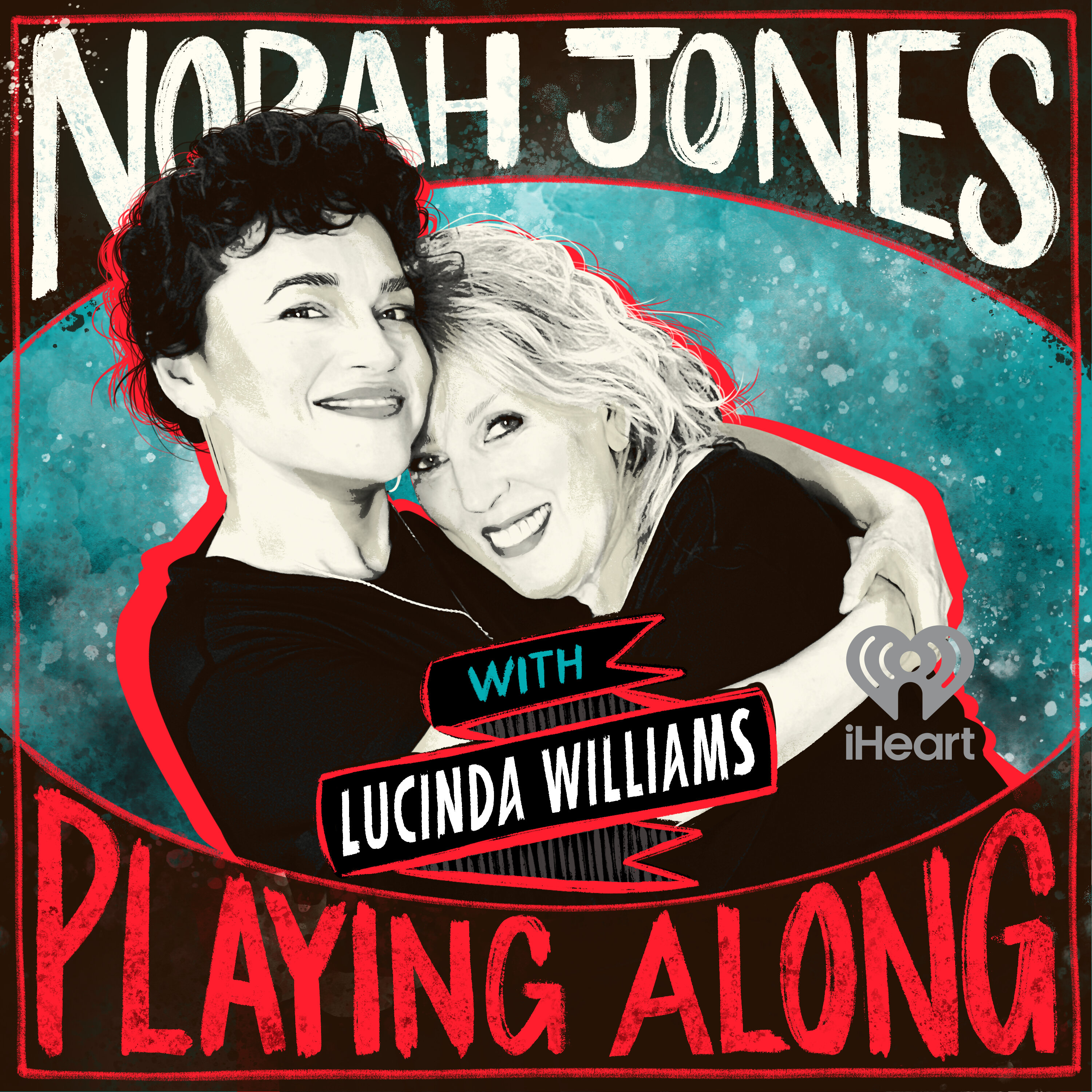
Lucinda Williams
Lucinda Williams, the multi-GRAMMY-winning singer songwriter, joins Norah for a laid-back conversation about writing her book, the experiences behind some of her iconic songs, and how a voice evolves with time. The episode features intimate performances as Norah gets to play alongside one of her true idols. Recorded 10/26/2023.
See omnystudio.com/listener for privacy information.
2026-01-06
68 min
Transcript
Available Results
Generated results are saved to the knowledge database for reuse and search.
No generated results are available for this episode yet.
Extract Knowledge
Pick what you want extracted first. Model, scope, and chapter options appear after a template is selected.
Generated results for public episodes are saved to the knowledge database so they can be reused and searched later.
Transcript
00:00:00
Speaker 1: Hey, I'm Nora Jones and today I'm playing along with Lucinda Williams.

00:00:04
Speaker 2: Yes, I'm just playing long Weezy. I'm just playing lone Weezy.

00:00:19
Speaker 3: Hi.

00:00:20
Speaker 1: I'm Nora Jones. And with me is Sarah Oda.

00:00:22
Speaker 4: Thanks for having me.

00:00:24
Speaker 5: You're always with me.

00:00:28
Speaker 1: Our guest today. Oh boy, oh boy.

00:00:31
Speaker 4: We have the incredible legendary singer, songwriter and guitar player Lucinda Williams. Her first album came out in nineteen seventy nine called Ramblin on My Mind and consisted of country and blues covers, but she followed that up shortly after with her own music on an album called Happy Woman Blues, and now fifteen albums later, she's still singing her heart out and writing these beautiful stories put to music is how I like to think of it.

00:01:00
Speaker 1: Is one of my idols, She's many of our idols.

00:01:03
Speaker 4: Yes, I am personally a big, big fan, and I feel like her songs have sort of woven their way through different chapters of my life and when I hear a song, it just takes me right back to a moment in time, and like her music has the power.

00:01:17
Speaker 6: To do that.

00:01:18
Speaker 1: She's incredible, She's on tour off and on. So we got to catch her when she was in New York playing at the Beacon Theater, and she's super generous with us with her time and her stories, and I really loved hanging with her. This is the first time I've really got to sit down and hang with her and play music, even though I've met her many many times over the years, so this was a very special time to spend with her. The first time I met her was at a Grand Parsons tribute in two thousand and two or three, maybe maybe four, I'm not sure. But we have a great picture of the three of us with Keith Richards and he has no shirt on. It's pretty great. But that was the first time I met her, and I just ever since, I've been just a huge mega fan. I've been to many of her shows and just stood in the back crying, you know, because her music really evokes a lot of emotion.

00:02:13
Speaker 4: Yes, for sure, she's a very moving performer. We also want to mention that her new album, World's Gone Wrong comes out on January twenty third, twenty twenty six, and you can check out her new single by the same title, which is out now.

00:02:26
Speaker 1: Joining us also in this episode on guitar is Travis Stevens, so you'll hear another voice chime in here and there. I hope you enjoyed this episode. It was my dream to play and hang out with Luscin to Williams, I'm.

00:02:51
Speaker 7: So excited, excited because you play piano.

00:02:57
Speaker 8: That's just such a great instrument.

00:03:00
Speaker 1: I read your book, so I know your connection with your mother and the piano. I love that.

00:03:05
Speaker 9: Yeah.

00:03:06
Speaker 1: Yeah, it was interesting to hear you talk about that because you said she had a complicated relationship with the piano, so you always had pianos coming and going.

00:03:15
Speaker 10: Yes.

00:03:17
Speaker 7: I'm not sure what that was about, but just I don't know. I guess she felt this pressure from some where in her mind from when.

00:03:25
Speaker 8: She was younger.

00:03:26
Speaker 7: I guess maybe that she didn't make something more of herself with it or something. You know, she never really talked about it openly. She was just kind of get in a certain mood about it. And you know, yeah, I think I said in the book it became kind of an albatross for her.

00:03:46
Speaker 8: Yeah that's now, I said, you read the book.

00:03:49
Speaker 1: I loved it, thank you. Yeah, it was really it was really special, you know, I didn't know that you had written a book, and Alinda Cigara from Hoay for the riff Raff told me about it, and I was so excited. The book is amazing. Was it hard to like go that deep and write about your life like that? Yeah? Kind of.

00:04:12
Speaker 7: It's it takes a lot of times, That's the thing.

00:04:16
Speaker 8: I didn't realize it was going to take be so time consuming.

00:04:20
Speaker 11: You know.

00:04:21
Speaker 8: Now that I've done it, I guess I guess I could do it again.

00:04:24
Speaker 6: Maybe.

00:04:26
Speaker 8: You know, they all they all talk about maybe a second book, and oh, yeah, I don't know.

00:04:31
Speaker 1: That's exciting. You know, it's interesting to think about telling your stories like that. Yeah, Like I've never really thought that way, But when I was I listened to it on audiobook because I like to hear you talk, so I was thinking about that, like, wow.

00:04:49
Speaker 7: Yeah, it's such a different thing from making writing songs and recording an album.

00:04:54
Speaker 8: You know, it's just kind of a different part of your brain.

00:04:58
Speaker 7: I guess.

00:04:59
Speaker 1: Yeah. It's cool though, because I like the way you talk about your songs in it.

00:05:03
Speaker 10: Yeah.

00:05:05
Speaker 1: Have you explained where the songs come from as much before you wrote the book, Like, did you ever explain where the songs come from and interviews when people ask or were you always like the shy away from that kind of person.

00:05:18
Speaker 7: No, I try to talk about it as much as I can, Okay, except for their super personal stuff like who I was in bed with or.

00:05:27
Speaker 1: Something, you know, like now that's in the book.

00:05:29
Speaker 8: That's in the book.

00:05:31
Speaker 7: Yeah, But like now the shows I'm doing, that's kind of what we're doing, is I'm telling sort of taking stories from the book and talking a little bit about that, you know, and then playing a song I tell a story about, like somebody I knew in my life or something, and then I'll sing a song that's connected with it.

00:05:52
Speaker 8: Oh wow, that's what the shows are right now.

00:05:55
Speaker 1: Great. So that's great, And people.

00:05:58
Speaker 7: Seem to really like it. They love hearing the stories behind the songs.

00:06:03
Speaker 1: They really do, I know, Yeah, yeah, they love that. I've always been shy about that. But when I was listening to you explain them on the book, it was so nice and I felt even more close to the song, even a song that I like. Some of these songs I've been close to for many years already because I love your music. Yeah, Like you talked about something what happened something about what happens when we talk. I love that song so much and I had a summer in La once where I listened to that song every single night on repeat, wow, for like a couple months. So hearing you talk about it was special.

00:06:46
Speaker 8: I can't only sitting here doing that.

00:06:50
Speaker 6: It's fine.

00:06:51
Speaker 8: You're so revered and everybody loves you, you.

00:06:54
Speaker 1: Know, ditto.

00:06:55
Speaker 6: I mean, you're like my idol.

00:06:57
Speaker 1: Are you kidding? I'm I'm so thrill that you were open to it. Course, yeah, let me see, it'd be cool if we could try let's try something about what happens.

00:07:10
Speaker 12: Okay, you want to try that? Okay, and if you want to, you just did it. You just hit a really good If you want to change the key, let me know. But okay, yeah, no big deal.

00:07:24
Speaker 7: I know. I was telling Travis, I said, do we have the keys? And he said, yeah, we can do them in your key and I said, yeah, but that's just it. I don't remember what the keys are.

00:07:35
Speaker 1: Oh yeah, no, I wrote him down.

00:07:37
Speaker 7: He listened to some recordings and he got the keys off. Cool, So yeah, I wrote him down to I think I was doing it either g or okay, yeah, because it's in a on the record.

00:07:49
Speaker 8: But that's okay, let's see that's what I couldn't remember. It was either G or A.

00:07:53
Speaker 1: Yeah, have you changed your keys over the years. I had to change a couple of keys to go lower.

00:07:59
Speaker 8: Recently didn't having to do that a little bit.

00:08:02
Speaker 1: Yeah.

00:08:02
Speaker 7: I hate when that happens, but I don't know, it's just part of aging, I think a little.

00:08:08
Speaker 1: I think it's cool. I like what happens to my voice as I get older.

00:08:12
Speaker 7: Joni Mitchell, you know that when she A lot of people commented on that that her You know, she couldn't hit the roh.

00:08:20
Speaker 8: I know, it's like she used to or something.

00:08:22
Speaker 1: Yeah, but her voice is she's turned into like something.

00:08:25
Speaker 13: Completely sounds different now. I think it's amazing. It's almost like two different singers. Yeah, and Emmylue Heroes she went to a similar thing. I think, like that that album she did with Daniel Neoi.

00:08:38
Speaker 1: I love that album me too.

00:08:40
Speaker 7: Because it brought I like that album the best of all her albums. I think, because she got this smoky thing in her voice that maybe Daniel brought it out in or something. I don't know, but I thought it was beautiful that the way she's sang on that album.

00:08:57
Speaker 1: I know she's so low now, yeah cool. I think when I was younger, I used to get excited to get older so that I would have a lower voice.

00:09:08
Speaker 14: Really yeah.

00:09:08
Speaker 1: I used to say that I can't wait until I'm older and I have a lower voice.

00:09:14
Speaker 7: Yeah, But mine went too much that direction when like I wasn't taking care of my voice enough, Like I was singing outside a lot without and or singing inside without proper monitors and stuff. So I was pushing and pushing all the time, and I ended up with nodes on a vocal.

00:09:34
Speaker 8: Coreally yeah, oh wow.

00:09:37
Speaker 7: I had singing for like six months and just vocal The only thing to do is just vocal rest.

00:09:44
Speaker 1: Oh god.

00:09:45
Speaker 6: And I had to do that.

00:09:46
Speaker 7: And eventually they went down so I didn't have to have them removed or anything.

00:09:51
Speaker 1: I think, yeah, that would be so scary.

00:09:54
Speaker 7: He did.

00:09:55
Speaker 1: You couldn't talk either, or you just.

00:09:57
Speaker 7: Couldn't say that at first they said no talking and singing, and for like six months and then eventually it's it came back. But I remember once I had a gig and I had I was so hoarse and I had to go and get a shot at Cortisone just to get the swelling to go down so I could sing.

00:10:18
Speaker 1: Oh wow.

00:10:20
Speaker 3: Yeah.

00:10:21
Speaker 8: So now I'm like, that's why.

00:10:24
Speaker 7: Now I do my vocal exercises and do all this sleep with the humid a fire and oh wow.

00:10:29
Speaker 1: You know, let's go. I warm up now before I sing. I didn't when I was really young. But it's just it feels better. Yeah, like I have more control.

00:10:43
Speaker 8: God, that sounds so beautiful.

00:10:44
Speaker 1: All this room it's nice. This is nice.

00:10:47
Speaker 8: Just feels so good that it's really nice. At the risk of sounding woo woo, like all hippie woo woo.

00:10:54
Speaker 7: I say that to my audience now sentimes when I'm talking to him about.

00:10:58
Speaker 8: Something, I go at the room was sounding whoo and they all laugh.

00:11:03
Speaker 1: That's funny.

00:11:04
Speaker 6: They know what I mean.

00:11:06
Speaker 1: Yeah, it feels good in here. This place is as long as you.

00:11:09
Speaker 8: Oh no, this isn't your I keep taking because it feels like your place.

00:11:14
Speaker 10: Though.

00:11:15
Speaker 1: I made, I think my first and second record. I did some stuff here though, so I've been here a long but this place has been here a really long time. I don't know how long. But they do a lot of jazz records here, so really, yeah, if I had my.

00:12:05
Speaker 6: Way i'd be in your time.

00:12:12
Speaker 9: I might not stay, but at least I would have been around because there's something about what happens when we talk, something about what happens when we talk.

00:12:37
Speaker 6: Does this make sense?

00:12:42
Speaker 14: Does it matter anyway?

00:12:46
Speaker 6: Is it coincidence.

00:12:50
Speaker 5: Or was it meant to be?

00:12:54
Speaker 14: Because there's something.

00:12:57
Speaker 15: About what happens when we talk, something about what happens when we talk.

00:13:12
Speaker 6: Conversation with you was like a trull. It wasn't no base so much as it was your word.

00:13:29
Speaker 3: And there's something about what happens when we talk, something about what happens when we.

00:13:45
Speaker 6: Talk.

00:14:19
Speaker 16: Well, I can't steal round.

00:14:24
Speaker 6: Because I'm going back south.

00:14:28
Speaker 14: But all regret now is I never kissed your mind.

00:14:37
Speaker 3: Because there's something about what happens when we talk, something about what happens when we talk, something about what happens when we.

00:15:05
Speaker 16: About what happens.

00:15:08
Speaker 10: We wow.

00:15:24
Speaker 8: I love the way you play, just beautiful, Thank you. I love the way you sink almost kind of like a guitar in a way, you know, hit certain stringth like you.

00:15:38
Speaker 6: Or the keys you hit.

00:15:40
Speaker 8: I could hear those notes on the guitar.

00:15:43
Speaker 1: Yeah, well, I feel like I listened to that recording from the album so many times that I was definitely kind of trying to play the guitar part.

00:15:52
Speaker 8: You know, do you ride on piano or I do a lot now.

00:15:58
Speaker 1: But when I started writing, I wrote on guitar because I was too It's like the piano. I played jazz piano for a long time and I had a block with writing, so I had to play. I learned like five chords on the guitar and then I wrote easily, you know, the sort of switching to an instrument you don't know as well. That helped me write.

00:16:22
Speaker 7: Yeah, yeah, wow, that's interesting because I feel like now if I knew piano besides guitar, I could stretch out more as far as.

00:16:32
Speaker 8: My songwriting goes. And yeah, like it would take me to different places.

00:16:37
Speaker 1: That's what I find. Yeah, different instruments will take you to a different place because you're not going to the same chords you're always going to. Yeah, definitely, have you ever sat down at the piano, like, you know, did you ever?

00:16:52
Speaker 8: I did want to.

00:16:53
Speaker 7: When I was a kid, my parents took me to this teacher and I was going to start, but then.

00:17:02
Speaker 8: I didn't like the teacher. I just didn't like the vibe. Yeah, I didn't feel comfortable.

00:17:07
Speaker 1: So yeah, it has to be right. Yeah, Yeah, I can't.

00:17:12
Speaker 8: Get over that. You were saying he's did some jazz for a while.

00:17:18
Speaker 1: Yeah, I kind of started out more doing jazz.

00:17:21
Speaker 7: Yeah, see that I can tell you know, that's a great that's a great background to have.

00:17:29
Speaker 1: Yeah. Did you grow up listening to a lot of jazz?

00:17:31
Speaker 7: Yeah, because my dad loved Coltrane and Chet Baker and yeah that's the good stuff.

00:17:38
Speaker 14: Yeah.

00:17:39
Speaker 7: Yeah, And it really helps when I'm playing with other musicians if they've had if they understand a little bit of that jazz thing, you know, Yeah, it really makes a difference.

00:17:53
Speaker 1: I love it. Wow, this is so fun. Thanks for playing.

00:18:00
Speaker 10: Thank you.

00:18:01
Speaker 1: I'm glad. Yeah, it's nice.

00:18:05
Speaker 6: Just tell me when you need me to.

00:18:06
Speaker 14: It just kind of helps me a little.

00:18:08
Speaker 8: Because then because I'm so used to hearing.

00:18:10
Speaker 17: Totally you know picking she has she's I was trying to explain this on the bus the other night.

00:18:15
Speaker 8: I know of her picking patterns.

00:18:17
Speaker 17: She uses her thumb and her first two fingers in a weird way that like, and I just every's like, how do you know how to do that? Because I tried to play listen to Williams songs for so long, like yeah, but she kind of lays up there's a thumb, there's a something, and then the finger thing and she lays the vocal right in here. Yeah, and she's always listened like like if you're just like she just she's like, yeah, you have you have a particular kind.

00:18:44
Speaker 8: Of right, I have a you know what I learned this new word or to just cadence.

00:18:51
Speaker 7: Yeah, you do have a kid, you know, And it's a certain thing and it's hard to explain to other people sometimes, you know.

00:19:00
Speaker 1: Yeah, it's well it's that magic part of music that you can't explain.

00:19:04
Speaker 8: You know, you have to feel.

00:19:06
Speaker 10: Yeah.

00:19:07
Speaker 7: Yeah, but see you go right there because I noticed, like when you first started playing, you gave it this kind of kind of it's almost bluesy kind of or jazz kind of vibe. You know.

00:19:24
Speaker 8: I love it, the soul thing it is.

00:19:28
Speaker 7: It's hard just to try to verbalize music, well, that's almost impossible.

00:19:34
Speaker 1: Yeah, That's why I enjoyed listening to the book, because you verbalize it in a way that but only because I knew the music so well, it kind of enhanced it, you know. But yeah, I always think whenever people are asking me questions about the music, I don't ever know how to answer it, and I well, just listen to it. I guess, you know, it makes more sense. I also really love the song bust to Baton Rouge, which you talk about in your book too.

00:20:04
Speaker 18: Yeah.

00:20:05
Speaker 8: I've really been enjoying doing that song lately. We've been playing it live a lot.

00:20:09
Speaker 1: Yeah. Well, I think people just love it too.

00:20:13
Speaker 7: Probably, Yeah, I think they do too, because when I announce it, when I say the name of the song, you know, people clap.

00:20:21
Speaker 1: Yeah, it's got that emotion. It's interesting because again, I know this song so well for so long from listening to the album, but I had my own relation to it. So it was nice to hear you talk about, you know, the places in your childhood where this came from. And I don't know, I almost started crying when I was listening to it because reminding me and my mom, and my mom's from Oklahoma and her whole family is, yeah, from down there, and I don't know, kind of just the she has a lot of stories of her childhood that kind of Yeah, it felt nostalgic to.

00:21:05
Speaker 5: Me in a way.

00:21:05
Speaker 7: You're you identified with a lot of it because if where brothers from.

00:21:09
Speaker 1: Yeah, I mean not me, but more through her. Yeah.

00:21:13
Speaker 7: Yeah, that's interesting. I didn't know that about your background.

00:21:18
Speaker 1: Yeah. I grew up in Texas mostly Okay. Yeah, but she's from Oklahoma.

00:21:25
Speaker 7: Yeah, and we're all from kind of not too far away from each other.

00:21:30
Speaker 1: Yeah.

00:21:31
Speaker 8: Travis is from West Virginia.

00:21:33
Speaker 1: Yeah, yeah, he'll Billy.

00:21:38
Speaker 8: You're from West Virginia. I'm proud of it.

00:21:41
Speaker 6: I am proud of it.

00:21:42
Speaker 18: Yeah.

00:21:42
Speaker 10: I love that.

00:21:43
Speaker 9: It's a beautiful place to be from.

00:21:45
Speaker 1: Do you live there, still live in Nashville? Where are you living now in Nashville?

00:21:51
Speaker 18: Oh?

00:21:52
Speaker 1: Nice?

00:21:53
Speaker 7: Yeah, there's a little scene there that's cool. You know, a lot so many people you were moving there, I know, and you know, and my husband Tom and I were always going back and forth so much there and staying there, staying in a hotel whenever we were there. And we decided, you know, this isn't really cost effective. You should probably get a house here. And the real estate was in a good place, so we went ahead and decided to buy the bullet and got a little house in East Nashville.

00:22:29
Speaker 10: Things.

00:22:30
Speaker 8: It's really easy to live there. It's things.

00:22:33
Speaker 7: They're so much closer together because we moved there from La and you know, we were just ready for change. I was just ready for a little bit smaller city.

00:22:43
Speaker 1: And it's a small big town, right, that's kind of exactly.

00:22:47
Speaker 8: Yeah, it's kind of like a college town.

00:22:50
Speaker 19: Yeah.

00:22:50
Speaker 1: That's always nice, I think.

00:22:51
Speaker 7: Yeah, and that's what I'm used to because that's those are the kinds of towns I grew up in. Yeah, you know, the college towns are so great because they're small enough to be comfortable, but then there's still enough culture there for it to be interesting. Yeah, and that's kind of how Nashville is.

00:23:11
Speaker 1: Always good coffee in a college town.

00:23:14
Speaker 8: Yeah, yes, always good coffee.

00:23:17
Speaker 1: You want to try bust the baton rouge?

00:23:19
Speaker 8: Yeah yeah, I'll just sing it, Okay.

00:23:25
Speaker 6: I had to go back to that house one more time.

00:23:32
Speaker 3: To see if the comunions were in blooms. For so many reasons, there's been on my mind, the house Billmont Avenue build up on center blocks off of the ground, what with the rain and the salt toppy lanes, all the sweet honeysuckle that grew around.

00:24:15
Speaker 14: We're switches.

00:24:17
Speaker 20: When we were bad, I took a boat to bat rooms. I took a boat.

00:24:33
Speaker 5: To bat room.

00:24:53
Speaker 6: All the front rooms were.

00:24:57
Speaker 14: Kept closed off.

00:25:00
Speaker 16: I never liked to.

00:25:03
Speaker 6: Go in their much. Sometimes the doors they be lockt.

00:25:15
Speaker 3: Because there were precious things that I couldn't charge.

00:25:24
Speaker 6: The company, capt covered and plastic. The book about Being Saved.

00:25:40
Speaker 5: The dotty room table that nobody ate out.

00:25:47
Speaker 3: In the piano that nobody played.

00:25:54
Speaker 6: I took a book to battle.

00:26:02
Speaker 8: I took a ball.

00:26:06
Speaker 5: To batter.

00:26:18
Speaker 14: There was a beautiful land.

00:26:22
Speaker 6: I always lost.

00:26:26
Speaker 3: A seashore was painted on the sade, and it would turn around.

00:26:37
Speaker 6: When you switched on the ball.

00:26:41
Speaker 5: And gently.

00:26:44
Speaker 16: Rock the ways.

00:26:49
Speaker 3: The javey was covered with tawny white seashells. A fig tree stood in the backyard. Other things I remember as.

00:27:10
Speaker 21: Well, but to tell them would just be to hall. Go stand the wind that blow through my life.

00:27:28
Speaker 6: Follow me wherever I go.

00:27:35
Speaker 19: I'll never be free from these chains inside, hidden deep down in my soul.

00:27:50
Speaker 6: I took a ball to Bacroum. I took a ball.

00:28:02
Speaker 4: To bad, to the board.

00:28:10
Speaker 6: To Bad.

00:28:37
Speaker 8: You're brilliant.

00:28:41
Speaker 1: Sorry I didn't go to the g eire.

00:28:43
Speaker 10: Wow.

00:28:43
Speaker 1: Oh there, I just did the.

00:28:47
Speaker 8: C I'm just trying to follow you.

00:28:49
Speaker 6: You're good on the interviews.

00:28:50
Speaker 1: I just kind of did the C to F thanks instead of go and doing the whole cycle got I didn't know if there was a solo. I can't remember when we started doing the Harmony band.

00:29:02
Speaker 6: It was so pretty.

00:29:05
Speaker 8: Is what's happening? Yeah, I'm sitting here with Norah, Joe.

00:29:13
Speaker 6: Sitting here Williams.

00:29:16
Speaker 7: We're singing together. It's amazing in New York City. Yet this wonderful studio.

00:29:26
Speaker 17: Sounds like when when Elf, when he's singing, singing, you're my dad, but.

00:29:34
Speaker 6: You didn't know about me.

00:29:35
Speaker 16: But I'm here and I'm.

00:29:39
Speaker 18: You.

00:29:39
Speaker 5: I love you, I love you.

00:29:42
Speaker 1: I was actually just telling Jamie. As I've gotten older, I don't cry a lot. I don't know if it's because I've become hardened or what. But there's only a couple of things that kind of helped me get it out. And one of them is Elf the movie, and one of them is listening to your music, which is a funny two thing to put together. But I get you laugh when you see when you see ll No I cry. Oh, there's this one part in Elf that I cry every year. It's like the whole year builds up. And then that's there's this scene where where the sleigh finally flies and they finally all realize then the magic of Christmas is real, and I just like I can't.

00:30:27
Speaker 8: I don't know.

00:30:27
Speaker 1: It's such a weird place to cry because it's not sad but so good. It's just so well done. But I do the same thing with your music. I don't know. I think I've cried. I've come to see you a few times too, and just like weeped in the audience, and it's it's interesting, like I think your music has. Obviously it has a really visceral like emotional quality to it. Maybe it's your voice, the songs, of course, the way you record. You know, it's not overly, you know, it's not the annoying thing about music. It's the real heart and raw soul of it.

00:31:04
Speaker 8: I love that word visceral.

00:31:06
Speaker 1: Yeah, I know I used it and I thought, wait, am I using this right?

00:31:10
Speaker 8: No, that's good. That's a good one. That's good.

00:31:13
Speaker 1: Yeah, it's it's done well for me. Thank you for all the good cries.

00:31:18
Speaker 16: You want to try.

00:31:20
Speaker 8: We've come too far to term.

00:31:22
Speaker 1: Yeah, I love this song, do you know I last time I saw you actually was that that love Love Rocks thing at the Beacon maybe in twenty nineteen or eighteen, and you came out and you did this song solo, and that's the first time I heard it.

00:31:41
Speaker 7: Wow. Yeah. Yeah, that was the one with where there were a lot of different artists and it was a tribute anyway.

00:31:47
Speaker 1: It was beautiful. You came out and I ended this solo and I.

00:31:53
Speaker 18: Was so.

00:31:55
Speaker 1: Into the song, really loved it.

00:31:58
Speaker 8: That's cool.

00:31:59
Speaker 1: Thank you. You did a version of it with Charles Lloyd not Yeah.

00:32:03
Speaker 7: Which I'll listened to last night, and I hadn't heard it in so long, and I was pleasantly surprised at how good it sounded.

00:32:12
Speaker 1: So good.

00:32:13
Speaker 8: Yeah, I just loved him so much.

00:32:15
Speaker 1: He's great. You did that in the studio with him.

00:32:18
Speaker 8: Yeah, and we did.

00:32:19
Speaker 7: We ended up going out on the road together and doing a bunch of shows.

00:32:24
Speaker 1: That's such a cool combination.

00:32:26
Speaker 3: I know.

00:32:27
Speaker 7: He just blows me away his playing. Yeah, he's got that Coltrane thing.

00:32:33
Speaker 1: Yeah, you know, No, it was great. I'm so glad you recorded it that way too. It was cool.

00:32:39
Speaker 8: Yeah, me too, I'm glad we have that down.

00:32:43
Speaker 10: Yeah.

00:32:44
Speaker 1: Yeah, let's try it. I'm nervous. Let me start over.

00:32:57
Speaker 22: We're just looking at like, oh my God, she's doing the thing that she does.

00:33:05
Speaker 8: All right, I'm gonna have to move to New York now I knew, I knew it.

00:33:12
Speaker 6: I'm in love.

00:33:15
Speaker 7: You're here, your piano and the studio, Like I want to transplant myself.

00:33:21
Speaker 1: If you come to New York, we'll do some stuff. We hang out, we get have dinner, we can pat musich.

00:33:28
Speaker 23: I know, you see that you need to do some shows together. That would be fun you on piano that I would.

00:33:41
Speaker 24: Love to do that.

00:33:42
Speaker 25: I would love that too, me too, because then because a handful of my songs, several of my songs had really benefit from this type of arrangement, you know.

00:33:55
Speaker 7: But it's hard to do that unless you're on someone's on piano like this, Yeah, and then like Charles Charles when he was doing the sax thing.

00:34:05
Speaker 1: Yeah, and then it's hard to carry piano around or find a different one in each place. It's kind of yeah, tricky.

00:34:13
Speaker 8: I mean, obviously you're not going to bring this on the road.

00:34:16
Speaker 1: So actually we do bring a grand on the road, you did. I know, It's kind of crazy how well I put it in my pocket. Now, I I have a great crew who packed there's like a case that it goes in and then it goes in the truck.

00:34:32
Speaker 8: Wow, there's an actual case. Yeah, grand piano.

00:34:35
Speaker 1: Do they take the legs off? Yeah, they take the legs out. That's amazing. It's kind of wild. But it's tricky because you know, if you're playing outside in the summer.

00:34:46
Speaker 8: Yeah, the change the yeah, tuning probably it can be tricky.

00:34:52
Speaker 1: Yeah, yeah, but you know, I haven't been able to switch to digital because it's.

00:34:57
Speaker 8: Just yeah, I can understand that would be a hard.

00:35:02
Speaker 1: Transition, maybe if I was playing in like stadiums, but I'm not. I'm playing in theaters, and yeah, it still feels like a real piano.

00:35:09
Speaker 24: Yeah, so.

00:35:12
Speaker 13: I had to.

00:35:12
Speaker 7: I had to learn it again too, because even though I've done it so many times.

00:35:17
Speaker 8: But I don't know why that is.

00:35:19
Speaker 7: I just like I have to have all the worst of my own songs, you know, when I perform them.

00:35:25
Speaker 1: I mean I was going to ask about that, actually, yeah, because you have so many songs and they have so many lyrics, I know.

00:35:34
Speaker 8: And I just got to where I had to.

00:35:36
Speaker 7: We had to use a teleprompter because I used to bring a notebook literally with all the song rics, this big notebook on stage and put it on a music stand and turn the pages and everything, and that got to be kind of cumbersome. Yeah, so we decided to go with the teleprompter thing.

00:35:56
Speaker 1: How do you know the number of songs that are input it into it?

00:36:01
Speaker 17: I don't know, if you know, I mean upwards of a hundred probably.

00:36:07
Speaker 1: Okay, but that's not your whole no, no, you know, just just the ones you're doing list.

00:36:12
Speaker 7: So it's just the songs that I'm doing, you know, on that got the stretch of tours shows.

00:36:19
Speaker 17: Yeah, there's a big database where in a Google drive and if and if a song pops up in the set that hasn't been done since the teleprompter days, oh yeah, it gets it's pulled from the Google drive and put into the teleprompter and then it lives there forever.

00:36:36
Speaker 7: Gotta love technology, so they know all this, you know, digital stuff that I still don't understand. No analog, your analog all the way. I'm being pulled gently along. That's good into the digital world. Just follow the music universe.

00:36:55
Speaker 1: Follow the music. It's all good.

00:36:58
Speaker 7: Well, it's it makes things convenient, yeah, you know, an easier to manage when you have to tour and do all these things, with all these songs and instruments and all this different people, and I have them.

00:37:12
Speaker 1: I have like four or five songs in the set usually that I kind of need a little help with lyrics, and I have them on the piano. But then it's like, you know, then I'm turning it, but it's not in a book.

00:37:26
Speaker 24: Yeah.

00:37:27
Speaker 7: I was doing the pages and the that was working until I was playing at the Bridge concert when you were did they blow off? Yes, when a gust of wind came along and blew all the pages onto the stage and there I was completely in a panic trying to grab all the pages and put them back on the music stand. And Emmie lu Harris saw the whole thing, and she joked with me about kind of teasing me about it later.

00:37:57
Speaker 9: You know.

00:37:59
Speaker 1: So that sounds like an anxiety dream that I've had, you know what I mean? Yeah, where you're on stage and all of a sudden you don't know how to finish what you're supposed to be doing.

00:38:09
Speaker 8: I know, that's all it takes is one time of forgetting the words. Oh you know, I know.

00:38:17
Speaker 7: Ever since then, I had to have kind of a little cheat sheet, just something to kind of just fall back on yeah, to spur you along, and it to me, it really gave me a sense of It was really liberating as far as singing goes, because I didn't have to think about Okay, what's that next line, or yeah, what words coming up next?

00:38:39
Speaker 8: I could just concentrate on the singing.

00:38:41
Speaker 1: Yeah, and just be in the moment, right exactly. That's great. I'm glad they have that now to help us.

00:38:50
Speaker 7: But you know, then I see people like Steve Earle get up and sing these needless to say, he had all of his songs, with all of his you know, a multitude of complicated lyrics, and he's up there wailing away, you know, with no words printed or anything, just off the cuff.

00:39:10
Speaker 1: Some people, I've noticed some people really laser in in that way. Yeah, it's nice when you can. I mean, we have moments of doing that. It's just hard to always do it. You have just so many songs.

00:39:26
Speaker 7: But it's weird because when I was when I first started out playing live and everything, I just you know, I never forgot the words. I knew them all and just yeah, you know, get up and sing without any kind of assistance like that. Yeah, I don't know how somebody like Bob Dylan does it.

00:39:47
Speaker 1: He probably has a prompter now, But I see all those videos from like the seventies and there's verse after verse after verse, and he's just laser focused on something else the song, you know. Yeah, yeah, it definitely inspired me when I saw that to learn my lyrics better.

00:40:09
Speaker 10: Yeah.

00:40:10
Speaker 8: Yeah, Like where it says instrumental, is that a solo?

00:40:17
Speaker 1: Yeah, I'll just do a little. Maybe I'll just do the same, like the intro where it's not a full on we don't go to the bridge?

00:40:24
Speaker 8: Right, Yeah, Okay, did I actually write a bridge?

00:40:29
Speaker 1: Well? When I say bridge, I think I come from the old school jazz standard, yeah, terminology where when they we used to say bridge and talking about jazz tunes and it was like kind of more of a chorus. But it's just not the same, so I always say it wrong and confuse people.

00:40:46
Speaker 7: I was just saying that because there's this running joke about how my songs don't have bridges.

00:40:52
Speaker 8: Yeah, I've told in my concerts.

00:40:54
Speaker 7: Like one of this record company guy had called me in for a meeting because he lies to my music and liked my songs, and he said, I think you need to go back to the drawing board though as a songwriter, because none of your songs have bridges, it's insane.

00:41:11
Speaker 1: You know which song was he talking about?

00:41:13
Speaker 8: Well, one of them would have probably been changed.

00:41:16
Speaker 6: The Locks.

00:41:17
Speaker 1: That's one of my favorites.

00:41:18
Speaker 7: It doesn't need a bridge, right, which was recorded by Tom Petty. So I didn't do too bad there.

00:41:25
Speaker 8: Yeah, but you know a lot. I just didn't think about that standard way of writing.

00:41:32
Speaker 1: I have a hard time with bridges. They if they're inspired, I love them, But sometimes they feel like they're come from a different song. Do you know what I mean? Yeah, I don't know. Have you ever written one?

00:41:45
Speaker 8: I don't think so. I don't know. I don't. I can't think of any of my songs you too, They're just you probably wouldn't call them bridges.

00:41:53
Speaker 17: I mean we were having this conversation that all right, this one that's kind I would kind of call that a bridge.

00:41:59
Speaker 1: To me was a bridging to a chorus. I think that's what the more pop terminology.

00:42:07
Speaker 14: The bridge.

00:42:08
Speaker 9: You have to do this thing in order to get into.

00:42:09
Speaker 1: The It's like a little other section between the verse and the court.

00:42:14
Speaker 8: It's the link between the end of the verse and the core. Into the court.

00:42:20
Speaker 1: It's like this other bridge, the bridge, but I don't know. Yeah, I wouldn't call this a technical bridge.

00:42:27
Speaker 18: I just called bridges from jazz jazz Land's see.

00:42:42
Speaker 13: I love that.

00:42:55
Speaker 5: Yeah.

00:42:58
Speaker 8: I keep here in a wreath in front Ecklan's voice in my head.

00:43:02
Speaker 1: You know, I keep hearing yours.

00:43:05
Speaker 8: Okay, Yeah, I'm ready, all right, here we go.

00:43:11
Speaker 1: Ready, mm hmmmm.

00:43:21
Speaker 6: Mm hmmm.

00:43:34
Speaker 5: Mm hmmmm.

00:43:50
Speaker 14: We are weary of these tries of tribulations.

00:43:57
Speaker 6: We are tired. But we have come too far to turn.

00:44:07
Speaker 9: From the city of Atlanta to Birmingham, Alabama.

00:44:15
Speaker 16: We have come too far to turn. We are here to bear.

00:44:26
Speaker 3: Witness to the small strussitius.

00:44:32
Speaker 6: We have come too far to turn.

00:44:39
Speaker 5: We have stared and to the eyes to evil.

00:44:48
Speaker 9: We are slow down with the denvel. We have sat down.

00:45:00
Speaker 5: His table.

00:45:05
Speaker 6: And shared it with him.

00:45:09
Speaker 16: In the feet.

00:45:13
Speaker 6: We have swallowed the letquid Off is low.

00:45:22
Speaker 3: Tolerated the one we despise, ben let Us stray.

00:45:34
Speaker 14: By has discuss.

00:45:39
Speaker 16: A bar.

00:45:43
Speaker 1: Is believed.

00:46:21
Speaker 14: We've been fixed himself his ride, and.

00:46:26
Speaker 6: We wigger from the path. And we have come too far, deterriz.

00:46:39
Speaker 26: We laid down the book of hate and separation because we have come too far Deternroight.

00:46:55
Speaker 27: For over four homes hundred years.

00:47:00
Speaker 6: We've been on this trail of.

00:47:03
Speaker 11: Tears, and we have come too far to turnround, have stared.

00:47:15
Speaker 5: To the eye of evil. We have slow down.

00:47:25
Speaker 9: With the desk. We have sat down at its table.

00:47:38
Speaker 6: And shared with him.

00:47:42
Speaker 5: In the fees.

00:47:46
Speaker 10: We have swung the liquid off and corn to tolerated the one.

00:47:59
Speaker 16: We just a.

00:48:03
Speaker 6: We let us train.

00:48:07
Speaker 14: By his discuss and food by.

00:48:16
Speaker 6: His belief.

00:48:21
Speaker 3: We are weary all these tries of tribulations.

00:48:27
Speaker 22: We are ta, but we have come too far.

00:48:34
Speaker 6: To turn around.

00:48:55
Speaker 1: That's great. That song is never gonna sound the same or oh man, that is a powerful song. It struck me the first time I heard it. I couldn't believe. Really just like straight to the thing.

00:49:10
Speaker 7: I was pretty angry about what was going on with the world, the world, the person who was trying to run the world.

00:49:17
Speaker 1: Yeah, yeah, I got that sense the mister DT. But it's funny how you can be so specifically angry about something and write a song like this and it can still cover so many eras of being angry about something.

00:49:37
Speaker 7: Yeah. Right, But I was also thinking back on the struggles from the civil rights movement and the women's movement and just all of these battles that everybody's been through.

00:49:53
Speaker 8: Really.

00:49:54
Speaker 7: Yeah, well, you know, it goes over the hundreds of years, the Native American struggle, the Black struggle. That's been so many struggles along the way.

00:50:05
Speaker 4: Yeah.

00:50:06
Speaker 1: When I was reading your book, it sounded like your dad and maybe your mom also, they were really involved. Yeah, progressive and it involved in things.

00:50:17
Speaker 10: Yeah.

00:50:17
Speaker 7: They well, my dad's dad was also my grandfather on my dad's side was involved in the Southern Tenant Unions farmers struggle when they wanted to unionize because they weren't being paid fairly and everything.

00:50:35
Speaker 8: You know, that was when there'd be.

00:50:37
Speaker 7: A plot of land like a farm, and people of color would be working the land. They would essentially rent a plot of land from the landowner and then work. Each person would work his plot of land, and but you know, there were some problems that went along with that. People gathered together and tried to help them unionize, and my grandfather was got involved in that, wow, and was you know, supportive of them and everything. And because sometimes they would have to have meetings in private, and some people would offer their homes, you know, for the activists to come in and have meetings to talk about what they needed to do. And my grandfather was one of those people who would let them hold meetings in his home.

00:51:34
Speaker 4: Wow.

00:51:35
Speaker 8: And he was real active and progressive.

00:51:37
Speaker 7: And of course he was a minister, so a lot of times that you know, he was fighting against the church at the same time because they wouldn't be as supportive.

00:51:50
Speaker 8: A lot of times.

00:51:51
Speaker 1: That's quite the line to walk at that time. Oh yeah, it's interesting.

00:51:57
Speaker 14: Yeah.

00:51:57
Speaker 7: I always when I tell this story and I'm doing my shows, I always say my grandfather was a Christian and the true sense of the word.

00:52:06
Speaker 8: Yeah, you know, he walked the walk and talked the talk.

00:52:10
Speaker 1: That's beautiful.

00:52:11
Speaker 8: Yeah.

00:52:12
Speaker 1: Yeah, you can tell the song comes from a deep yeah knowledge of the struggles.

00:52:19
Speaker 7: Yeah.

00:52:20
Speaker 1: That's what I love about it. It's so powerful.

00:52:22
Speaker 8: It's good not to forget it's important.

00:52:26
Speaker 19: Yeah.

00:52:27
Speaker 1: Yeah, that's why songs are good to help your.

00:52:32
Speaker 7: Help you helped to gently remind you to get off your ass and be progressive and move forward. Yeah.

00:52:42
Speaker 1: Do you do that song every night?

00:52:45
Speaker 8: No, not every night, but.

00:52:49
Speaker 7: I'm thinking I'm I'm gonna probably want to do it at the the tomorrow night at the Beacon. I'm like, I want to do it. Yeah, it's just so relevant. The audience just seems to really gravitate towards it.

00:53:03
Speaker 1: Yeah. Yeah, it was like the first time I heard it, I was I was like, it's one of those songs where you don't need to know it, it just strikes you as soon as you hear it.

00:53:14
Speaker 19: Yeah.

00:53:15
Speaker 8: Yeah, it reminds me, you know.

00:53:17
Speaker 7: Of course, I was inspired so much by a lot of the beautiful older Protest songs that we used to sing, like we Shall Ever Come, you know.

00:53:27
Speaker 8: Yeah, it probably reminds me of that one the most.

00:53:31
Speaker 1: Yeah, it does.

00:53:33
Speaker 7: Whenever those songs would be sung by group of people, it just felt so wonderful to be included in that group singing with other people the same song and feeling a similar way, you know, and there's just this such a strong connection between the people singing it, and you know, it's just a good feeling.

00:53:56
Speaker 1: There must Yeah, there's nothing like that.

00:53:58
Speaker 8: There's nothing like that.

00:54:00
Speaker 1: Wow.

00:54:00
Speaker 7: And so I was trying to I wanted to get that feeling again of you know, how that felt back then to you know, be doing marches and singing those songs and you know, yeah, and everything it's beautiful.

00:54:17
Speaker 1: The new album has a really beautiful song on it where the song will Find Me. Yeah, I was wondering if we should do that one.

00:54:25
Speaker 8: Yeah, that'd be great.

00:54:28
Speaker 4: This song.

00:54:28
Speaker 1: How how when did do you remember when you wrote this song?

00:54:32
Speaker 11: Well?

00:54:34
Speaker 7: The interesting thing about this is I actually got some help on this from my husband and manager, Tom Overbee, who, as it turns out, is it's come to my attention, is a pretty darn good songwriter. You know.

00:54:50
Speaker 8: Apparently he a long before we met, a long time ago.

00:54:53
Speaker 7: He had been interested in writing and all of that, and it came to the surface when after we met and I was working on songs, and he would come up and shyly show me some lyrics that.

00:55:06
Speaker 8: He'd written an idea oh cool.

00:55:08
Speaker 9: You know.

00:55:09
Speaker 7: He'd say, I got this idea for something. Now you don't have to use it if you don't want to. I just wanted to show it to you. And that's so sweet and it was sweet and as I would take it and I'd look at it and it would be good, you know.

00:55:22
Speaker 1: Yeah.

00:55:22
Speaker 8: So this was one that he came up with that I wrote the melody for Oh cool.

00:55:28
Speaker 1: These are his his lyrics. Yeah, I love the idea.

00:55:32
Speaker 8: I know, the idea behind it is really different, unique, It's.

00:55:36
Speaker 1: So sweet, just that. And then the last line, well, I won't give it away, but the last line is also so beautiful to me. Yeah, yeah, the feeling of where the song will find me? Yeah, all right, cool? And this is on the new album.

00:55:57
Speaker 8: Yeah, this is on the new album.

00:56:00
Speaker 1: Alright, let's try this.

00:56:04
Speaker 9: Mm hmmm.

00:56:08
Speaker 28: Mm hmm.

00:56:33
Speaker 24: Standing in the rain, in the pouring silver draw, I'll ride the whistling tribe.

00:56:55
Speaker 6: And I'll get off at every star. I wanna be.

00:57:12
Speaker 3: Where the song can find me, walk across the bridge, stir up at the.

00:57:29
Speaker 14: Store so close, jzy air, and all.

00:57:44
Speaker 3: The passing car because I wanna be where the songs to find me.

00:58:07
Speaker 22: I wan't wanna be.

00:58:14
Speaker 6: With the song.

00:58:16
Speaker 22: You can find me.

00:58:25
Speaker 27: I know the will find me like this songbow du.

00:58:33
Speaker 16: I know they will find me when it's time to.

00:58:41
Speaker 3: I don't fail to find me when they're ready to be found. They'll come up behind me, not making a sound, not making a sound, find.

00:59:15
Speaker 14: Myself alone.

00:59:22
Speaker 6: In the muddy crowd.

00:59:30
Speaker 3: On the bustling New York streets, people talking whow, sitting.

00:59:47
Speaker 6: An stood corner of ball on the earand of.

01:00:03
Speaker 19: A food.

01:00:09
Speaker 14: Has carried me this foe.

01:00:19
Speaker 6: You're a place.

01:00:25
Speaker 14: Where the song.

01:00:27
Speaker 6: Can find me.

01:00:35
Speaker 28: You're place where the song can't find me. I don't never find.

01:00:54
Speaker 16: Me like they always do, Hona. They will find me when it's time to.

01:01:08
Speaker 6: Honest.

01:01:09
Speaker 27: They will find me when ready to be found.

01:01:15
Speaker 9: They'll come up behind me without making a son, without making a sigh.

01:02:13
Speaker 27: I want to feel that, alum.

01:02:19
Speaker 22: With a song.

01:02:22
Speaker 27: And find me.

01:02:28
Speaker 22: I want to feel that mama when the song can save me.

01:03:07
Speaker 6: Yay, yay. That was beautiful.

01:03:11
Speaker 1: Wow, it was a beautiful song.

01:03:13
Speaker 8: Thank you. That sounds so good with the piano. I've never heard it like that before.

01:03:18
Speaker 1: The chords are pretty on this, they're really I like the little corners they go to.

01:03:23
Speaker 7: Yeah, yeah, I love that you picked that up, probably when you heard the recording, because some I guess Doug's doing that on the guitar or something that.

01:03:36
Speaker 1: Yeah, and then you know, I'm like, where's he gonna go, and he's like he slides. It's so pretty.

01:03:45
Speaker 8: I love that.

01:03:46
Speaker 1: That's beautiful. That's Doug Pettybone. Yeah yeah, I love his guitar playing so much. This was so fun, Thank you so much.

01:03:57
Speaker 8: Oh I'm just thoroughly enjoyed it.

01:04:00
Speaker 1: I'm so glad you were up for it.

01:04:02
Speaker 6: Yeah.

01:04:03
Speaker 8: Oh yeah, Well I've made myself up for it so well.

01:04:07
Speaker 1: I appreciate that. Man, when you're on the road, it's hard to be up for anything office.

01:04:13
Speaker 7: This was an exception. Well, I'm I always going to want to do this, and I wanted to do a good as best of a job as I could.

01:04:21
Speaker 1: You did great, you sound great.

01:04:23
Speaker 8: Thank you.

01:04:24
Speaker 7: Like when you were when we were first communicating about doing this, and you said, and I said something about rehearsing the songs first, and you said, no, we're just going to jump right in.

01:04:37
Speaker 8: And I totally got that.

01:04:38
Speaker 7: But when you get it, when it's spontaneous, there's nothing like that exactly.

01:04:42
Speaker 14: You know.

01:04:43
Speaker 1: Yeah, I'm glad you were down for that.

01:04:45
Speaker 8: Oh yeah, I understand that concept. That's how you record.

01:04:50
Speaker 9: Well.

01:04:50
Speaker 1: Yeah, yeah, I don't like to rehearse.

01:04:54
Speaker 8: I don't like to rehearse either.

01:04:56
Speaker 1: No, it's the kiss of missing it.

01:04:59
Speaker 8: Yeah it is.

01:05:00
Speaker 1: Well, thank you so much, thank.

01:05:03
Speaker 8: You for having me.

01:05:04
Speaker 1: I love you so much.

01:05:06
Speaker 8: I love you so much.

01:05:08
Speaker 10: Thank you.

01:05:09
Speaker 1: I hope you're having a great time out there.

01:05:11
Speaker 14: I loved it more, I really did.

01:05:14
Speaker 7: I mean, I've never just being able to sit here and hear you play piano this close up and everything.

01:05:21
Speaker 8: Just you know, I'm a fan.

01:05:24
Speaker 6: Yeah, I'm a fan.

01:05:27
Speaker 1: Thank you Travis for joining me.

01:05:28
Speaker 9: Hey, thank you for allowing me to be here.

01:05:30
Speaker 1: This was This was a treat.

01:05:32
Speaker 7: It was lovely and beautiful and I just one of the songs we were doing, I kind of got chills.

01:05:37
Speaker 8: A little bit.

01:05:38
Speaker 1: Good.

01:05:39
Speaker 8: My heart was just so big and just going, oh love love.

01:05:45
Speaker 7: Sometimes I just get these just overwhelming feeling and I just want to hug everybody and that's the good stuff.

01:05:55
Speaker 24: Yeah.

01:05:55
Speaker 1: Yeah, that's a good place to be. Well, I'm gonna hugg you now, is that okay?

01:06:00
Speaker 5: Yes?

01:06:02
Speaker 8: Please?

01:06:17
Speaker 1: Ah my Lou Oh so sweet. She's just so great. She's a hugger, yeah, of course, Southern Southerner. Yeah. I loved her stories. Also, I got to say to everyone out there and also you, I don't know if you read it, but her book is great. I have not read her book yet, but he's really going to now. I really enjoyed it. Just hearing her talk about her parents. It was really moving and it's an interesting story. It's called Don't Tell Anybody The Secrets. I told you, and it's great. She's very giving with her stories about her songs, which I really didn't expect. I always expect people to be a little more protective of that stuff. I don't know why, maybe because I am, Yeah, but I like when they're not, because it's really nice to get a little peek into stuff and really good stories to go with. Yeah everything, Yeah, that's beautiful. If you want to hear the names of the songs we played in this episode, the first one was something about what Happens when We Talk from Sweet Old World nineteen ninety two. That's one of my favorite songs. The second song also one of my favorites, bus to Baton Rouge from Essence, which was released in two thousand and one. The third one, which is also one of my favorite newer songs, We've Come Too Far to turn Around. She released this on an album called Vanish Gardens, which she made with saxophonist Charles Lloyd. From twenty eighteen, number four, we played where the song Will Find Me, which was from a newer record twenty twenty two called Stories from a Rock and Roll Heart. I love that song. Special thanks to Lucinda Williams and Travis Stevens for joining us today. We'll be back next week with Efa O'Donovan. Narah Jones is playing along as a production of iHeart Podcasts. I'm your Host, Norah Jones, thanks for listening. Today's episode was recorded at Seer Sound in New York City by Steven Sacho, assisted by Maximilian Trophy and Mose Wheeler and Jasper Leach. Mixed by Jamie Landry, edited by Sarah Oda, with additional recording by Matt Marinelli. Audio post production and mastering by Greg Tobler. Artwork by Eliza Frye, Photography by Shervin Linez, Coordinating producer Rachel Ward, Executive producers Aaron Wang Kaufman and Jordan Runtog, Marketing lead Queen and Nake, and produced by Norah Jones and Sarah Oda. Hey, that's us, Thanks so much for listening. Audios
Chapters
No chapters available.