Tucson Again, Agaves, Freezing in NM
Rants about freezing while trying to sleep in the back of a truck in Lordsburg, New Mexico, why Agaves are monocarpic, the importance of having a "target list" should you ever get diagnosed with a terminal illness, fruit dispersal in Frankenia johnstonii, how rhyolite is just like Satan's play-doh, the biogeography of peyote gourds (Lagenaria sp.), microdosing LSD in the arboretum, and more
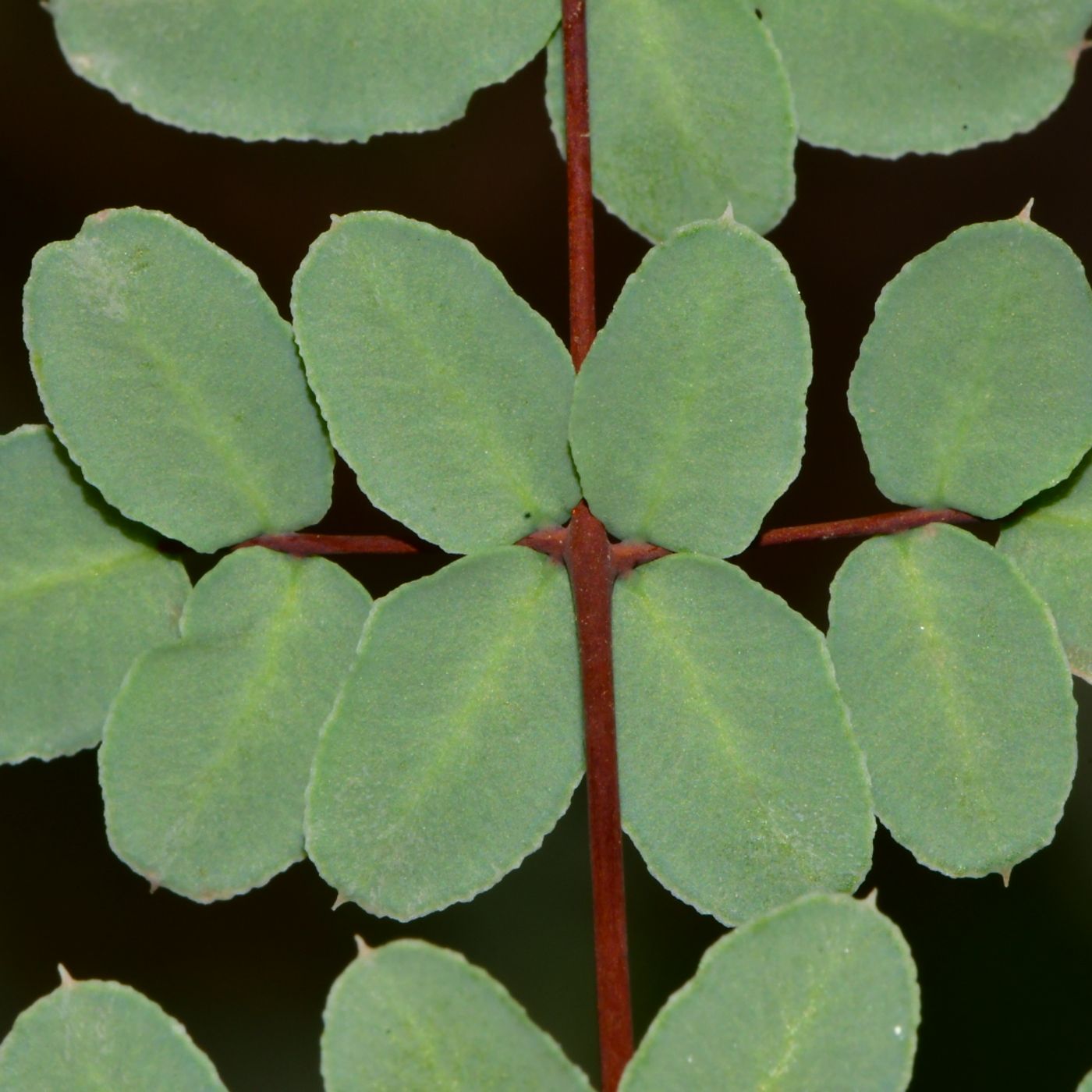
Thumbnail pic is Pellaea truncata (Pteridaceae)
Thumbnail pic is Pellaea truncata (Pteridaceae)
2024-01-06
93 min
Transcript
Available Results
Generated results are saved to the knowledge database for reuse and search.
No generated results are available for this episode yet.
Extract Knowledge
Pick what you want extracted first. Model, scope, and chapter options appear after a template is selected.
Generated results for public episodes are saved to the knowledge database so they can be reused and searched later.
Transcript
Yeah. This message is for Jeff Collins. Jeff, you fucking asshole,
you dirty prick, you schmuck. You. I know what you're doing,
and I know you're not actually a qualified CPA. I looked you up,
you dirty pig, you sleeze big, you fucking woven leather belt asshole,
with your khaki pants and your little tucked in shirt and tie, you prick.
I want my fucking money, Jeff, give me my fucking money back,
you rotten sleeze big. Eh. I'm gonna kick you in the dick,
Jeff. I'm gonna knock your ass in the grass, you filthy pig.
Hi and welcome to the crime Payers. But Botany doesn't podcast for Sunday,
December thirty first, twenty twenty three. I'd like to wish all of
you out there a happy New Year tonight. What are you gonna be doing?
Huh? You have fucking derelics. You're gonna be drinking. Ah,
You're gonna drink yourself into a coma. You're gonna be puking all over the
floor tomorrow. I know what you do. I was there once. You
know I would never puke. I rarely drank to the point of vomiting,
but have eight years sobered this July Well, California, so you know what
I mean, as they say in the parlance at of times, but fuck
booze. Anyway, Welcome to another episode of the Crime Pace podcast. I'm
here in beautiful Tucson, Arizona, and I say that somewhat sarcastically because Twoson,
like much of the United States, is just a giant parking lot filled
with retail slums. But I did, I did have a nice run today,
running along the little the creak and shit, you know where they got
all the tweakers intermittently, not all the tweakers, but there's tweakers every I
don't know what. Every three or four blocks, you'll see some guy who
looks like a cross between Steven Tyler and Richard Simmons, wearing like a pink
leopard print spandex thing you out of a free box next to a good will
and maybe some rubber boots, and you just the whole kaleidoscope of different colors
and types of apparel material. You know, It's so funny. Man.
The further west you start to go, like once you get west of West
Texas, the tweaker you just start dealing with more tweet You see more twea
in the cities. It's just the way it goes, you know. Wacky
shit, wacky shit, those tweakers. Anyway, I'm here, I'm recording
in a basement. There's some shit going on upstairs. I'm at a friend's
house. He's got some company over. It's getting a little wild. You
know. There's people that got a slipping slide up there, or slapping each
other around with the mops and the fucking you know what I mean. It's
just kidding, there is, but there is company over anyway. Ah,
God, it's been a nice It's been a nice week. I've been writing
this book, which feels like trying to assemble, you know, a five
thousand piece puzzle, composing a history of my life and my how I got
into botany and plant science and evolution, and then trying to write it in
a way that other people cannot be bored the fucking tears, and so that
they can actually understand what I'm talking about as well. Also, the heater
in my car went out, which made it really fun driving through New Mexico.
Last night. I slept and there's some sort of strange rock formation and
the outskirts of beautiful Lordsburg, New Mexico, a railroad town that probably was
at one point thriving but now is filled with abandoned storefronts. Kind of charming
in their own way, kind of depressing and spooky too. But yeah,
it was like a thirty five degrees and I had a fucking uh like a
little down sleeping bag. And then I got the you know, the two
dogs the space heaters with me, but Louis. Louis kept trying to curl
up into a ball rather than just you know, stay straight. We're sleeping
on the back of the truck on a food time. It was actually really
very comfortable. And then neither one of them had a horrific gas which was
nice. So you know, you get a truck you could sleep in,
it'll change your life, especially if you're in the western half of the United
States where there's actually public land to sleep on, and I can go do
botany and look at rocks and fuck around. You know, if all else
fails, why not, you know anyway, Uh so, yeah, it's
been a fucking weird My daughter was in a house, well, she got
the flu. I knew I knew it was coming, so I got her
a prescription for tamaflu the day before. I'd like begged the pediatrician to write
a script without actually seeing her because they always try to do that. The
fucking US healthcare system is still broken. Well we need to see her.
Well, they're not gonna. You're not gonna. You're not gonna see anything.
I don't know, there's no symptoms yet. It's a prophylactic dose of
anti viral. Come on, you know. And then she's got fucking leukemia,
can you just and they just you know. I finally convinced them,
but then I had to go get some for myself too, because I don't
want to be laid out and I'm taking care of her. So I tried
to go stand at the border. Saw the fucking pedestrian weight to get back
into the the you know, at the border, because I live right near
Mexico was gonna be super long, so I'm like, fuck, I might
as well just go wait at the the clinic. Then I did that,
and they tried to shake me down for a fucking forty dollars flu test,
and I had to explain to them it's not gonna come back. The PCR
test isn't gonna come back positive because I don't probably don't have significant viral load
in me yet, but I was exposed. Can you just write me a
prescription. I'll pay the fucking you know, exam fee, whatever the shakedown
fee is, you know, so the doctor can just look at me.
But uh god, it's it's some man, it's so infuriator. Remember when
I actually had health insurance, I had a general practitioner. I would just
call the guy and be like, yo, I need a prescription for tamiflu.
He's like, I got you, and then he'd send it in.
But you know, these fucking kids, that's such a scam. It's such
a fucking ripoff, and it's not gonna get any better. It'll never change.
And uh, you know how you're gonna put like a whole industry out
of business. You think all those fucking business leeves bags, all those businessmen,
everyone that works at United Healthcare. And I was gonna willingly give up
their gold plated toilet seats ha ha anyway, but uh oh yeah, and
then and then a friend of mine got a fungal ear infection. I don't
know how to fuck that happens. It's weird, but uh, she went
to the er, you know, did the whole fake name of the er
thing, which is good. You know, it's totally Remember, they can
treat you. You don't need to give ID when they ask you. People
always ask me, what do you say when they asked y D you say,
I don't have it? And then they fucking move right along because there's
a law that mandates. It's like a nineteen seventy eight law that mandates that
they have to treat everybody who comes in. And so in a place where
you know, greed has outstripped the healthcare system and rendered it useless, just
like you know, all these dirtbags in the eighties like Reagan and Thatcher and
everyone said communism would do well. Completely unregulated capitalism has done the same thing.
Go figure, you know, because you know, greed's outstripped the healthcare
system and rendered it basically, you know, unpragmatic and rendered with long wait
times and whatever. You just just give a fake name. So she did
that, and they the doctor looked that it wrote her a prescription for antibiotics.
Has assumed it was bacterial, which I assume, you know, ninety
five percent of the time it would be. And of course, since it
was fungal, it didn't go away, and she went back three or four
days later with like extreme pain in her ear. And so obviously the antibiotic
weren't working because either it was you know, methiscillin resistant staff or you know,
antibiotic resistant bacteria, or it was a fungus, and of course it
turned out to be a fungus. I don't know what genus or species yet.
It's probably Aspergillis, but I don't think much is known about many of
those species. I think, you know, I don't know if they may
not even know what species it is. Everything's just an Aspergillis. I don't
know how they sequence the DNA on those, or if anyone's stunning the ecology
as some of these broad you know, generalist fungi like Aspergillis is the same
organism that can cause mold on floorboards or on fucking you know, gypsum sheet
rock, and it can also because of I guess, according to what Damon
Ty was telling me, it's got you know, the enzymes that it has.
It's got a broad range of enzymes that can use to digest its foods,
since fungi are heterotrophs, unlike plants, which are autotrophs. You know,
fungi can't make their own food. They got to eat other things so
that they use enzymes to break it down. And that's why certain fungi can
only associate with certain substrates because their enzymes can only decompose that substrate. Well,
Aspergillis, I guess uh is very successful because it can generate it.
It has enzymes that can break down a lot of other a lot a broad
spectrum of material, including human flesh. So fucking gnarly. So she finally
went to an e n T after going to the er and uh twice on
a fake name, of course, and uh and then just I guess she
shelled out for the E n T. I don't know what the fuck she
did, but uh, it begged him to see her to and give her
a discount, so he he vacuumed all this shit out of her ear.
The thing was already sporulating, was already producing black spores, looked narly,
and it caused the crosis on the ear drum. So look out. That's
the moral of the story. She'll find out, I guess in a few
weeks if she's got to actually get it, uh, get surgery on her
center. What a fucking nightmare, though, Jesus Christ always got to remember,
right there's it could have? Could it be get sick? Could it
be viral, bacterial or funkal? Don't forget the funky right, don't be
Uh what is not species? Just what the tax on level would that be?
For funga I don't fucking know. Could always be a fungus and in
this case an asco my seat. And you know, Damon was telling me
something else about difference between how ascos and bisidios grow asco my sy fungi and
basiti miic fungi, and asco my seat can grow much faster. Asco my
seats can grow much faster because of the their hyphel cells, the way that
they elongate or something. I don't know. Anyway, it's not an interesting
but uh, you know, just kind of slightly discomforting too, because we're
talking about the substrate being human flesh. Anyway, Yeah, I'm gonna be
in Tucson for a few days, traveling through trying to find a quiet place
to right time to get the fuck out of Texas. And uh, you
know, these these dark, short, cold winter days, we're even in
the deserts. Got it was so crunchy last night. Tons of creasos or
I slept in Lordsburg, New Mexico, tons of uh create everything dead and
you know, just brown and crispy. But it was oddly soothing though too.
I just need to figure out why the fuck the heat went out in
my car. It's a coolanth issue. I didn't I haven't changed my coolant.
You know, you got to change your coolanth every sixty thousand miles.
That's gonna be the the theme of the podcast. If you learn one thing
from today's episode, always remember it could be fungy eating your ear drum that's
why you have an ear infection or any other piece of your body or uh.
And is your coolant every fucking sixty thousand miles? At least some places
say thirty thousand. But you can always push it. You know, they're
just trying to shake you. They're they're decreasing the mile of intervals because they
want to make a little bit more money off you. You know, it's
like they do in an oil change. You always push it a little bit
more net. But uh, anyway, Yeah, I've been running a lot,
which is nice to you know, just find a spot. Just look
on the map halfway through these long drives, find a spot to go run
four or five miles. Now, jack horse can't being that he's an old
dog, he's a senior dog, he can't go out and run too.
So I leave him in the truck, cracked the windows open a little bit.
And being that it's winter time in these lower latitude United States, he
could do that. You couldn't do that if it was summer. You know,
you'd need to. You need to rent a little spot for him,
a little Airbnb, you know, you put on you know, Judge Matthis
or Mary Povich for the dog. Make sure he's comfortable with the ac and
uh and then you go take a take a little run or something, you
know. So uh. But yeah, before I left South Texas, God
damn, I went to a nice spot with uh my friend Ken. We
went to this. We went to the only spot where a gave natively grows
or one of the only spots where a gave native agave can be found in
South Texas. And I always wonder, you know, are these anytime you
see in it? Got because they were, so they were such important plants
to humans that lived there over the last how many thousands of years, you
know, because you cut those leaves off and you just got this giant heart
of sugar that's all on a gave is That's why they're minocarpic. That's their
mo that's what they do. They put those leaf blades out, those rough
scabbard leaf blades, often covered in recurved teeth and spines, and they just
cook up a bunch of fucking carbohydrates over a span of ten to thirty to
forty years. They're not century plants. It doesn't actually take a century to
do that, of course, And so they just cook up carbohydrates, store
them in that center of the plant, in that heart. Excuse me,
I think it's just residual influenza from when I didn't get sick because I took
the Tama flu And so they just cook they store them in that heart.
And of course, if you cut those leaves off, you get this thing
that looks like a giant thirty or a forty pound pineapple, and that,
of course is then cut up with the machete. In places like Wahaca,
Mexico, or wherever else, and then you know, you use a donkey
with a party head on it to turn you know, the walking circles tied
to a matate that smashes those fucking gave bits. Actually, no, you
know what you're spos to roast them for. I'm fucking you up. I'm
really giving you a bad info here, but that's what they do. They
roast these fucking huge agave hearts, these thirty to forty pounds of gave hearts,
which again are so sugar rich and makes such a great material for making
tequila out of because they are just pure sugar. It's literally a couple decades
worth of photosynthesis cooking up sugars and storing them in that heart. And then
of course, you know, if a human didn't come by and uproot these
things and cut the leaves off and then you know, make food or booze
out of it, what kind of shitty food. It's like a really big
sugar rust rush. I remember eating a piece of roasted agave once. It
almost made me sick because it was just so like instant headache, like just
so rich and laden with sugar. And if a human is and come by
and you know, mrk, these things. Then that's how these plants and
agave can send up that in some cases thirty foot tall inflorescence, you know,
that giant asparagus looking inflorescence in a span of two or three months,
because it's got that energy reserve and it just boom. The hormones trigger it
all into shooting up this inflorescence at once and again. It's taken, you
know, in some cases, twenty thirty forty years to do that. I
don't think any more of them. I don't think any of them take more
than thirty or forty years, though. I think that's century plant mia.
These fucking common names, I just don't. Don't use common names. Use
a genus name. If anything you need to know species, but just use
the fucking genus name, you know, I get it. I'm so glad
that those that those days of attacking any fucking I think just people attacked Latin
taxonomy or binomeal nomenclature because they were intimidated by it, but they didn't want
to say it. I think that's why it was, you know, and
so they would just fucking I don't know, but don't be afraid to use
a genus name. You could use it. Learn the fucking name of a
plant. You know, Jesus Christ. At the end of the day,
it's just a human concept anyway, a fucking name. You could call it
whatever you want. You know, could go talk to it, you know,
massage it, get to know it. Butter, but she used to
call it a fucking you know. Learn the genus name. You don't need
to you don't need to get it down a species. You know a genus,
then you know a genus. It's that's good enough. But Jesus Christ,
I'm all over the place as usual. So uh but anyway, so
this anytime you see these atgave. So that's why some agaves send out quote
unquote pups, because that is obviously being able to clone yourself was a beneficial
adaptation to being monocarpic and your monocarpic because you can only flower once after you've
spent thirty years cooking up carbohydrates, storing them in a heart, and then
you shoot your shot all at once, producing this massive flower that towers you
know, and some, I mean some agaves only get like these ones in
the valley south Rio Grand Valley inflorescence has only got six to eight feet tall.
In some cases only four feet tall, but Agave Americana can get thirty
feet tall. And you know, and this inflorescence grows like six inches every
day, if not more. Just a massive and very quick eruption of tissue
growth. That's called being monocarpic. So if your monocarpic, if you flower
once and then die, if a mutation evolves in your lineage that that produces
prodigious offsets aka pupps as they're called, then that's going to be extremely adaptive.
Right, It's going to mean that if you flower once and then and
then die, that's it. Because some some agaves still do that. There's
some agave species that don't produce any offsets, and then there's some that do.
The ones that produce offsets tend to produce a lot of them. I
remember there was this. There was a when I worked in as a is
a brakeman, switchman, slash conductor, a trainman if you will. In
Warm Springs Yard and Warm Springs is a section of Fremont, California. It's
the suburb of the Bay Area in the South Bay. It's actually quite beautiful
now it's been turned into kind of a tech hell, just a shimmering tech
hell and a car slum. You know, it's got the way they designed
the roads, you can't really walk anywhere, Like you physically can't walk.
If you want to get from point A to point B on foot, you
got to fucking hop a fence across a freeway. You know, it's a
fucking nightmare. But when I was working down there, the Southern Pacific yard
down there had this whole hillside. There was an upper yard and a lower
lower yard. They were separated by like sixteen feet of elevation, the upper
yard the hill. It was a cool yard too, man. Some of
these old rail yards just had this really cool old field to them, you
know, Southern Pacific, the way they used to design some of their yards.
And they'd put those palm trees everywhere, those non native ones Phoenix canary
ansists, the Canary Island palm. It's not native. Can kind of be
invaded. It's not a bad invasive, but some of them were very beautiful
trees and they would plant these, you know, Canary island palms next to
all the old depots and ship But anyway, I remember there was this hillside
that had thousands of fucking agave Americana, and it was probably just a phenotype
that produces lots of offsets. They might all shit, half the ones in
cultivation might all be the same clone. But it was really cool to see
that these things had just taken over this whole fucking hillside. To be in
monocarpic is that you're basically producing a much larger inflorescence, a huge collection of
flowers, because it in Florence is just a compound. You know, I
always always assume people know what I'm talking about, and I just want to
make sure you fucking get it. So if you already know it, don't
be a fend. But a lot of people don't even know what a fucking
inflorescence is. So the benefits of being monocarpic are that if you can produce
this thirty foot tall flower spike in fucking three months and produce more nectar and
more, because remember nectar is very costly. It's a sugar, right,
and you can produce more nectar than anybody else any of the other plants.
You're gonna get pollinated. You're gonna get your flowers are gonna get hit.
They're gonna get pollinated by bees, probably by bats, by anything. I
mean, you're just you're this main thing on the menu. And this inflorescence
often has hundreds, if not thousands of flowers on it because it's so fucking
big, it's multi branched that it's even if one flowers start stopping to bloom,
because the actual flowers only like the size of a golf ball, maybe
a little bit less, then another flower is gonna be opening up. So
the whole lifespan of the whole inflorescence itself blooming is like a month. You
do that, and it can again. It can do that because it's spent
the last two of three fucking decades cooking up sugars and storing it in this
heart, and then it just saves it up for that one grand finale.
But then it dies. But in the process it's you know, each one
of those flowers gets pollinated and produces. You know, this one one Agave
americana can probably produce upwards of ten thousand seeds, if not more when it's
done, you know, because every flower is gonna have three carpols in it,
three little, three little or three lockules rather, and each locule is
gonna have, however many seeds, those little black seeds, and it so
like one flower could produce upwards of fucking eighty seeds in some cases. So
this is gonna be a massive and then the seeds go everywhere. And also
the benefit of having this massive inflorescence it's thirty feet tall, is that when
that thing falls over, it's gonna spread the seeds really far. And it's
got the fucking seeds are so high up in the in the in the sky,
thirty feet up that when those fruits, when those ovaries dry out,
the hiss crack open. You know, maybe five months down the line,
you know, they crack open, the seeds are still in them. You
get a big windstorm. It just that thing is so high up in the
air already it fucking blows seeds everywhere. So it's gonna it's it's a there's
a huge benefit to being monocarpet because you might think, why the fuck will
you just flower once and then die? That's kind of a weird strategy.
Well, it works so well because it's such an event and it's so it's
so big, you know, and in height and number of flowers and amount
of nectar produced. The drawback is, though, of course, that that's
it then you're done. So obviously, producing prodigious offsets is going to be
evolutionarily adaptive because it means the plant doesn't die. So those are going to
be selected for. The plants that produce prodigious offsets are going to be selected
for by the environment. Are the ones. Because you say, you produce
this big, you know, inflorescence it looks like a you know, you
know, but before when it's only halfway up, you know, before it
can really open up and flour because these things, these massive asparagus looking fucking
inflorescences, shoot out of in agave and again they do it in like a
span of a month or six weeks, eight weeks whatever. But say something
comes by and eats it, gnaws it off, Well that's it. Then
you're done. You're fucking done. You've spent thirty years cooking up this inflorescence
only for a deer or something to come chew on this thing or for it
to get damaged somehow. But you know, you could produce offsets, and
you could produce prodigious offsets. So there you go. You're not the show's
not over. You still got another chance. You know, it's not the
last. Still hear of you gut David so uh anyway, but yeah,
always think of that fucking hillside and that train yard. God, it was
so cool. That was when I was first getting into Agabes, probably twenty
ten, twenty eleven. We got sent down to work there for these fucking
remote control locomotives, which is a fucking insane concept. I don't think they're
doing it in many places anymore because some very unintentionally. I'd like to think
it was intentional, but it was unintentional. Some very well meaning switchman caused
so much damage. Human error caused so much damage. Go figure, because
you're giving someone in some cases that just hired out six months ago, the
ability to run a switch engine, which again the speed limit was fifteen on
these things, but still you know, and move tens of thousands of pounds
worth of rolling iron. You know. The damage was so great and it
was so funny because the company was so fucking sleazy. Anytime there was a
remote control locomotive caused in yard derailment, they would always try to cover it
up so it didn't make the remotes look bad because they wanted the remotes to
work so bad because it eliminated the engineer's job, and it meant they had
to, you know, pay one person less. They could downsize the crew,
but I think in the end even they had to a man like,
we just got to have man fucking switch jobs. You know, we can't
cut the engineer, Maybe we can cut another job and make the switchman do
twice as much work as he was before, because a lot of those switch
crews would have three people in it. Anyway, this is a fucking botany
podcast, not telling war stories about the railroad. But I remember being down
there and that with that A gave Americana, just good old gave Americana with
its chalky blue leaves and it's farina and it's kind of scabbard texture to the
leaf. So anyway, Gove's a fucking wonderful That's why, Uh check out
Hitting the gave my friend Jeremy Spath Spath the Spaths, Jeremy Spitch. You
go check out Jeremy Spitz a nursery. Just just channel Tony Santoro from his
from his West Side fucking barbershop goddamn club where he's work and he, dude,
he's running fucking card games. He knows you're trying to kill him.
You always got high blood pressure and you're trying to kill them matter. Fuck
these fucking assholes. It's just perpetually turned up here. They know I'm proud
to hide with that. They're trying to come. Uh. Anyway, we
check out Jeremy Spath's agave nursery, hitting a gave. He's got some really
quick keep. That motherfucker produces some incredible He hybridizes these these guys too,
you know. He makes them all interbang each other and stuff and just gets
wild variations. I think there's got to be at least three hundred and fifty
species of a gave, and some of them really can be hard to tell
apart. But a gave pollanti floora is always a nice one. That's a
tiny hummingbird pollinaded a gave with an inflorescence that only gets like three feet tall.
I remember he used to go gangs seeds u from UC Berkeley Botanic Garden.
It wasn't really ganking. They were just gonna fall away anyway. They
weren't growing this thing, and there were so many. I would only take
a couple, but I grew quite a few. A gave pollyant to flora
really pretty leaves on it too. It's got that white still model wax and
uh, it's just a fucking girl. I left fucking love of gaves Man.
They're so adaptable too. I'm growing a bunch of gentry eye right now
that I got a friend to send me from saro el Poto c in Nuevo
Leone because I tried bringing back a plant of two and that was when customs
fucked with me and they stole my whole plant press and everything, and I
tried to get it back and they were actually because they realized that, you
know, the next guy I got at these because you get these fucking mooks
right. One guy they dumb as a brick. One guy has got a
you know, real heart on, wants to fuck with you, probably reads
you the wrong way, or judges you to be someone you're not, and
you know, decides that you're gonna you're gonna be his, his punching bag
for the day. And guy after that you get after it's just a job
to him. He doesn't he doesn't have the same heart on, at least
not for making people's lives miserable. Maybe he's in the video poker or something.
That's what his heart on is for I don't know and uh, and
so he's easy going and you could talk to me like, look, man,
I'm just a fucking scientist. They took my plant press I didn't.
I forgot to declare it. There was a couple of things in there.
I didn't think of, because normally you could just declare it or burium specimens
and as long as they're dry, they're fine. They're totally fine. You
should write usda Aphis, ask them about it and get them to send you
an email back so that you have proof, and then you can show your
email to the fucking customs people and be like, look, this is the
deal. At the end of the day. The customs agent has final say.
But if you're nice and polite, they don't give a fuck, you
know, and you just explain it to him. But there's certain things you
obviously can't have in dangered plants, rare things, but if they're dry,
can't be propagated. There's no soil on the roots that you're good to go.
So anyway, but they lost my whole fight. There was a really
beautiful risk of LOCHI I collected, and all this shit was going through an
orbarium. Uh, it's gonna session it at Sewell Ross. I think I'm
gonna start a sessioning shit at Missouri Botanical Garden from from now from now on.
I like Sewel Ross and they digitize everything, but I think it'd probably
be better, you know, for collective, for the collective good, you
know, better for future scientists if it's a session that mobot so Uh.
Anyway, that was a bummer. But I had a little gentry eye pup
because again, gentry eye pups, and this is like three hours from where
I live. It's just in a different country, So what the fuck.
There's no risk of you know, you know what I mean, have taken
these things, so fucking stupid man. Gentry eye is one of the most
cold tolerant of gaves. They get incredibly large, they're incredibly beautiful. It's
one of the most gorgeous species. And nobody's growing it like I think nobody's
growing it here like it would fucking there's so many places like cold, deserty
places, deserty places they get very cold in the winter where it would be
such a great species to have, and the inflorescence is epic. It's this
huge candelabra with these giant bracts on it. So anyway, I got a
friend to send me some seed, and then I sent some seed to someone
else and because I there was more than I needed. But I got like
six or seven plants. The rest died because I fucked up. It was
too hot in South Texas. I mean, South Texas is not It's not
going to be a happy climate for gentry eye. But once you get them
big enough, they'll probably be fine. So I love all the agaves.
But anyway, back to South Texas. The species we saw there were a
Gave lofanta, which is a synonym for a Gave univitata, which doesn't get
very big. I think it gets like a foot and a half diameter of
most mean fucking plant recurved teeth on the margins of the leaf blades, so
this thing will cut you. But it's got like a yellow stripe in the
center of these rather dark green leaf blades. And I don't I wasn't able.
I didn't see any in bloom. But got a couple of pups and
I'll be growing them and uh, you know, put them in the ground.
Of course, I hate keeping shit in punts. It's fucking torture.
If it's a native plant that deserves to go on the ground, it's gonna
be safer, it's happier. You don't have to worry about the volume of
soil and the pot drying out too quick. It's just gonna be better for
It's better for everybody, but the native plants in the ground. Fucking pot,
you keep it in a pot, motherfuckers kill me, man, unless
you got a good reason, like you don't own your spot and you're renting
from some fucking absentee leech landlord who's overcharging you and he's probably gonna destroy the
garden if you were to plant one whatever. But anyway, so you go
find a public spot to plant, you know, where no one's gonna mess
with anything, and then if they do, you threaten to cane them.
You know, you get like very I love the idea of people taking over
public areas and planting gardens and then getting like, you know, getting violent
if anybody fucks with them. You know, non violence is not necessarily always
the way I want to put that out there. Non violence is not necessarily
all that's cracked out through for big things. I we're not talking about firearms.
We're not talking to, you know. But in the case of just
like punching someone, sometimes it's fine. Sometimes hitting someone with a stick,
you know, even especially if it's not that hard, just like little thwap,
you know, caning someone sometimes it's fine as long as they're not you
know, they don't have a big knife or a gun or something fucking a
anyway. And then god, that was such a great day though. This
spot we went to was one of the most beautiful places in South Texas I've
ever been to, and it was near the Rio Grande River, and I'm
sure you know, the whole substrate here was just a giant fossilized oyster bed.
I can't remember the name. I put the fucking name of the genus
of oyster in in the video that I put up, uh just last week.
It was actually it was released three days ago. But it's a super
common oyster. I mean, it's everywhere. It's it's you could be found
over a very broad area here in South Texas. The species but that is
like Gigantea or giganteas or something. But basically there are fifty million year old
oysters. So this is Eocene and you know, they just composed. I
mean it must have. It was a shallow ocean that was probably the Texas
Gulf coast back then. This is only sixteen million years after that kind of
took out the dinosaur. Remember, so we're just done during the age of
mammals. This is about the time that whales are leaving their terrestrial homes and
moving into the ocean because uh remember whales, whales started out on land,
Okay, buddy, I mean all life began in the sea. All life
began in the sea. But the whales, you know, they went back
so and I think it was like around yeah, forty to fifty million years
ago is when the terrestrial ancestors of whales were starting to get back into the
you know, started to get into the groove of swimming around and stuff and
getting their cute little flippers, you know. So, but this oyster is
fucking everywhere. So it's it's a foss calcium carbonate substrate and it's just it's
like forms a pavement almost like the same time way you'll see desert pavement in
the Mojave desert. Of all these little ventifact and desert varnished rocks that formed
this almost perfect pavement this these oyster shells, because they were all crushed.
Some of them are huge. You can still find ones that are the size
of a hubcap, but most of them are like the size of a dinner
plate or a coffee saucer. And here these had all been crushed up by
various tectonic forces and formed a little pavement of broken, crushed shell pieces.
But it was fucking wild, and there was, of course, there was
peoti growing there. There was a Frankinia john stony I from the family frankini
ace, which is in the cactus spinach beat order Carrio fight lealies, but
in its own family Frankini ac. And I think Frankinia is the only genus.
I think it's a monotypic family. I think Frankini is the only genus
in that family. But I've seen Frankinia everywhere. I've seen some in California,
I've seen some in Chile. They tend to like arid areas, arid
and hypersaline areas, so they're very tolerant of salty soil, and they're very
tolerant of dry air. But what I didn't notice about this species. It
used to be listed in danger, but I guess it just got delisted.
Is that the way that the you know, you've got these tiny like kind
of not inconspicuous, but they're small white flowers. But what's interesting about it
is, you know, after the flowers pollinated, the corolla falls off,
right crash course, one on one, you've got klic on a flower.
You've got a klyx in a corolla on most flowers. Some don't have it,
but ninety five percent of them do. Calyx is composed of the sepals.
It's one whirl of bracs. Corolla is composed of petals, it's the
other whirl of brax. Everyone knows what the fuck petals are on a flower,
and so the petals fall off, the corolla falls off once the thing
is pollinated, and then you've still got this klyx, this whirl of sepals,
of bracts, and uh, that whirl of that klyx encloses the ovary,
which is the fruit, which again is just the the you know,
where the seeds are. Doesn't mean it's like a squishy fruit like a fucking
apple or a strawberry or any of that, though those are all fruits that
strawberries technically a compound fruit. But but beneath that klyx, the first whirl
of leaves whirl w h r L turns yellow and basically the tissue dies.
And it's in this case, it's four leaves on this frank Kenya Johnstonia,
and it basically acts like a little wind propelled propeller to help disperse, you
know, to catch the wind and then spin and just help disperse the seed.
I didn't open the ovary. I didn't see if it's just a single
seed in there or if it's multiple seeds in there. Almost assume it's a
single seed. I don't know, but we could look that up right now.
Okay, there we go, Yeah, frank Kenya. This is from
What the fuck is this delta in Key? I don't know what the MJ.
Dalwitz shut out to MJ. Dalwitz, whoever to fuck that is?
Dalwitz? MJ. Rabinowitz. Okay, here we go, frank Kenya.
Loculicidal capsule, uh capsule, not inflated capsule without operculum. The operculum is
like a cap It's like a covering, like in a eucalyptus flower. You
know, it's eucalyptus has really weird flowers. It's you've got this waxy cap
operculum or ecalyptra that's technically I think it's analogous to pedals, but it falls
off and you've just got this looks like a cup with all these stamens pouring
out of it stamens and then uh, you've got a little nectar disc in
the center with a style in the center and the stamens ring around the nectar
disc. Uh, let's see within accessory organ within klyx to more than one
what the fuck? More than one? But less than ten seeded? All
right? There you go two to three seeded, I think is the common
for Frankena. So anyway, aeryl absent seeds larger than my You know,
this is why people don't get into it's so hard for some people to get
into reading floras, because you've got to learn, Like you read three sentences,
you got to learn eight new words. But it's good, might as
well learn them. Eventually you won't have to anymore. But anyway, it
was cool to see that. That's how you know, because I was like,
why would the leaves be turning yellow when the rest of the plant is
still green. They're dying and then I noticed all of them were doing it.
And then I noticed, oh, this is at the end of its
flowering cycle. All these flowers are withering. You've got the klyk still on
there, enclosing the fruit and the seeds inside. And so okay, this
is what this does. And then you look and there's a clear abecision scar
like there's a clear place where the plant is just cutting off the tissue from
the vasculature, letting it die right just beneath that that last whirl of leaves
and then those leaves and that's how you know they catch the wind. And
then that's how this Frankinea species gets around. I'd love to get some growing
in a yard. I wonder if anyone's ever grown them before. But again,
they like salty soil. It's a weird genus, man. So uh,
anyway, this thing is saying numb two. There's two genera and frankine
ac. I don't think that's true. I don't know, maybe I'm wrong.
Double check it. Go check the inin a taxonomy charts. There they
seem to be pretty good. They just moved Kupressus the old the cypresses,
the old world cypress genus they just moved the new the New World, the
North American and Central American cypresses into Hespero Cyprus, which it was clearly obvious
that they were you know, they're they're, they're despite how much the New
World cypresses like Arizona Cypress look like those hideous columnar uh Italian cypresses that could
used in you know, horrible suburban places all the time, they are very
different. And if you, you know, you look at the when they
Germany, you could tell the difference. The kindle Leaden number is much different
on the Old World versus the New World cypress. I think the Old World
have two and the New World Cyprusses have five. Cut of Leedens. So
and that would make sense because you know they occur on either side of the
Atlantic Ocean. Well you get quite a few in Asia to Capressus Gigania.
But you know there's been significant Vicarians. There's you know, significant geographic isolation
between the two genera, the two different clades. So what makes sense that
you know, it's a fucking different it's actually a different genus. Buddy Hasparo
Cyprus with the most diversity in California on that into Mexico. Bahja, New
Mexico has a population of Capressus Arizona or Hespera cypris Arizonica, and of course
Arizona I think has two is the glabor in Arizonica. But anyway, so
so that was really cool to see that frankena there and then that the fucking
peote just looks so good and he goes cool. You could see the payote
where it was growing, had this rich blue farina, which again is those
you know, listen to that podcast I did with Jim Mouseth when he talks
about the long chain fatty acids that compose the farina, the epic uticular wax
and how it just differs from cuticle. But these these payoties were so blue
and so gorgeous, and it looked like maybe they'd been cut, one of
them been cut twenty or thirty years ago, but because now it had three
heads, I don't think they really do that unless they're cut. Maybe they
do, but and the heads were big enough that they'd if it was due
to being cut. They had grown significantly since then, so and it was
cool where it was growing. It was growing, you know, in the
winter when the sun's at a lower angle. These things are getting full sun
when the temperatures are lower, and you know, the lower the temperature is,
the more light they can take. The hotter the temperature, the less
full sun they can take without almost any plant. And so when the sun
would be higher, I noticed this too because they were growing like in the
perfect place, like two feet out from the base of a shrub, and
the branches went right, you know, the the branch line, the drip
line of the shrub was right over where the peyote was growing. So in
in the uh, in the summer, when the sum be overhead, these
things would be partially shaded, but in the winter, when the sun is
at a lower angle, they'd be getting full sun. And it was just
a fucking ideal spot. And that's why it looked so good. And there
was another plant that was further in, you know, towards the base of
the shrub, more shaded, that was like a darker green uh. And
so you know, it wasn't doing as great, but it's always so great
to see such healthy plants. And there wasn't really much buffle grass there at
all. It was just a fucking wonderful parcel. And then to meet a
really cool Effedera species two I Federa pedunki lata, which the cones on those
man because they are you know, gymno sperms. If federa really common genus
in the western half of the United States, and it's related to the great
well Witchia, which is one of the weirdest fucking plants. It's featured in
every botany textbook you know. There's well Witchi is a very old lineage too.
I mean there's fossils of it in South America. The only place that
grows now is in the fog deserts of Namibia. And this little coat in
like along this coastal strip, and then Mibia is one of those places that
actually gets more barren the closer to the coast you get whereas you go inland
and it's more of like a tropical subtropical grassland. But this creaky ass chair
excuse me, but those the cones on Efederate's create's wild man, how much
they look like welwitchie. And they've got those little hairs at the ends of
the the ovules the seeds, which I noticed the Welwitchia too. It's like
it looks like a little hair it's what is the I should know that I
once knew the actual scientific name of what that appendage is. But it basically
aids. It creates a little drop and aids and catching pollen and then sending
pollen down the ovule into the seed. And a federa. This feder had
those two. But if federal Pedunculata unlike the other a federa species which yes
produce ephedrin, you know, I think pseudo fedrin, pseudo efhedron. This
this a federal species pedunculata, which is actually I guess it's quite rare.
It doesn't have a broad it's it can be common where it grows, but
it doesn't have a broad distribution across the US. I think it's Texas and
northern Mexico. It's it's a vine, so it grows up through other plants.
It's so bizarre to see an a federate do that because again, these
are normally woody shrubs. So anyway, that was really fucking great to see.
And it's got very you know, graceful stems, because that's all a
feder are really, They're they're photosynthetic stems. I think maybe they have vestigial
leaves maybe when you germinate them. I've never actually germinated a feder, but
when you germinate them, they might have leaves. But you know, you'll
never see an adult plant with h with leaves on it. I don't think
of any species I've ever seen, and some really weird of feders in South
America too. It's it's pretty widespread. And then, uh, you know,
Hibiscus marchianis was going off, good old heart leaf Hibiscus, beautiful red
flowers. And then we saw the other agave species which was known in the
valley, in the Rio Grande Valley as a Gave scaborough but uh, what
is the fucking name? I've always fucked this up, some of these things
I see. I learned these species is a Gave lofanta and a Gave scabor
a gave Asperima esperima, a gave askedparima, which kind of looks like a
Gave americana, but it's got much meaner teeth, like shark teeth on the
margins of the leaf blades, and it's got a different habit. And we
didn't see any that were flowering, so I don't know if it's just it's
so it's so weird to see a gave is in the fucking valley man like,
not planted like native ones, but it's got I think it was called
scaborough because it was scaburn. I'm both the upper and the lower leaf surface,
the ad axeal and the ab ac seal leaf surface. But you know,
they can get they get bigger than low fanta a Gave univitata, but
but they're much more blue. And again it's just growing. It's not dominant
anywhere. It's just kind of it might send a pump out here and there,
but it's not sending out prodigious amounts of offsets. And it was just
coming up amongst the shrubs and the other shit growing there, the you know,
all the other thornscrub. I got a really cool photo of an agave
esperima growing on top of a big colony of Hectia glomorada, which is a
mean fucking pineapple relative, a really mean bremeliad, which again you can go
to you know, Quaistaca Canyon in Monterey and see just thousands of these things
growing out of rock walls. But here it's kind of rare. It's they
don't get much further north than the river. But it's a beautiful plant and
the flowers are really pretty. There's these tiny white flowers, I mean,
and it's got just this leaf rose that really mean but really beautiful leaves,
really really sharp cuddy leaves. But they're again, they're beautiful, and they'll
sometimes have like red coloration in the in the center of them, et cetera.
Anyway, I'm gonna end it there for now. I'll get I'll get
back to this later. I just I went on a five mile run.
I was driving all day before that, trying to deal with shit with the
fucking radiator. The heat went out at my house too, because I never
need to use it. So uh, you can't trust any fucking contractors.
Man, you just gotta learn to duel yourself. You get some fucking slob
comes over, he charges you an arm and a leg, and then he
breaks more shit on his way out, and just fucking it's like that Dead
Kennedy song, Trust your mechanic. That's a good one. Anyway, I'll
get back to you all have more. Don't worry when I'm not done with
you yet. I'm just gonna take a break. I'll come back to this
tomorrow or something, because I'm fucking wiped out and uh my neck hurts and
I need to rest and eat something. So all right, that's all I
got for now. Go fuck is it by? Oh Jeff Collins? Your
back here, you fucking asshole, you insurance salesman looking motherfucker with your nasty,
goddamn teeth and your rancid Halotosi's breath, you prick. I'm so sick
of your fucking games and your fucking Ponzi schemes. You god damn concerned about
his money, You money grubbing a whore, you sleeze big. Who is
Jeff Collins? Why is he so? I'd never understood what with that a
joke? Is he joking or is that really anyway? So I'm back,
Welcome. It's been a couple of days. I uh got a fucking dad,
I didn't get any sleep, and then I went to this all night
meeting and it was just you know, all night meeting and a teepee and
everything. I probably should have just, you know, like an adult,
gone to bed at ten pm the night before instead of trying to drive.
Uh you know, I was. That was my thinking at the time.
As I'm just gonna drive until I get tired and then I'll pass out.
And of course I drove to like two or three in the morning and then
and then passed out and just felt like fucking hell the next day and just
totally kicked my ass. And I went on a five mile run that day
too, and just you know, it was not it was not an adult
decision. So anyway, but here I am. I needed a couple of
days to recoup Jesus Christ, and then I feel like the fucking flu I
was slowly getting over came back anyway. So now I'm posted here at on
Curtis's porch while us a work. My friend Curtis kind gentleman over here in
Tucson. There was a mean choy of forest probably fifty feet away from me
that I'm looking at. I just saw this little jackrabbit just dart into it
like it's nothing. But there's I don't know what species of choi it is.
I got to look it up, but it's one of those branching ones.
It gets like six feet tall. Holy fuck, It's got a dense
understory of fallen limbs and spines and all that shit. I just finished reading
or I finished doing this little bit, someone asked me to do a bit
about plant life of the Silurian for them, which is roughly four hundred and
forty to four hundred and twenty four million years ago, and so you know,
it's thought to be when plant life first evolved. So it was fucking
I had to read up on it. We're kind of refresh on it,
which is really fascinating stuff. I mean, this is when Cooksnia. The
two most prominent genera from this time period are Cooksnia and baragua Nathia. Baragwanathias
from Australia. I think Cosnia is known from the rhiny shirt up there in
Scotland. But Coosnia looks like a leafless, branching, green photosynthetic stem that
gets, you know, between six to twelve inches tall. But it did
have a vascular system so it had internal plumbing. And Baragwanathia looked more just
like a green pipe cleaner, kind of like a green lycophight. But god,
it's just it blows my mind thinking of what what Earth's landscapes must have
looked like back at this time. Oxygen levels were only fourteen percent today their
twenty one percent. Remember the carboniferous hadn't occurred yet, So those lycopod forests
that didn't didn't you know, sequestra all that carbon out of the atmosphere and
craterle that oxygen. Not yet. And also there wasn't much soil at this
point either. It's there's it's thought not to have been. I mean,
the only it's not the only life that really existed before that was lichens.
When did the first lichens move on to land? Fuck the plants? When
were the first terrestrial lichens? I think all lichens are terrestrial, aren't they?
But there might be some marine ones. But either way, so you
know, it's thought that most of the to get soil you need weathered rock
in organic material. The weathered rock is easy, there was already, of
course, plenty of rocks exposed at the uh un Earth Service back then.
But the organic material part is a little bit trickier. And it's thought that
any organic material that existed at this point when plants like Cooksonia were first moving
out of the shallow seas from which they are thought the shallow fresh water excuse
me, shallow freshwater ponds on the margins of seas inland seas from which they
are thought to have evolved. You know, what soils would they have grown
in. It's thought that those soils were probably composed of decomposing or dead lichens,
and of course the lichens that fungus and the like, and the fungal
symbiont would of course also be secreting enzymes to slowly break down the rock et
cetera. So again, we've only got a glimpse of, you know,
one percent or less of what was actually going on back then. I mean,
think of all the plants that never got fossilized. Think of all the
plants that got fossilized, and then the rocks that contained the fossils were destroyed.
To get rocks of this age four forty four twenty four million years ago,
would It's kind of rare, It's kind of hard. There's not that
many of them, you know, especially the ones that contained fossils that were
in the right place at the right time. Keep in mind, life had
already, you know, complex marine life had been going on since the Cambrian
explosion, which started I think roughly five hundred twenty million years ago. But
you know, the Earth's the foundation of Earth's ecosystems, the plants really just
got started in the Silurian at least that's when we have the smoking gun from
probably the Ordovician. But again we don't have any any for sure of fossils.
But you know, so COOKSONI and brag when not they are the most
common. And then of course there's I mean, there's a whole handful of
other genera. So you can go to Wikipedia and look at lists of Silurian
plants, but a lot of them, you know, just kind of look
the same. I mean, I don't know if you want to call it
convergent evolution or just you know, working with what you got. A lot
of them didn't really produce leaves. Yet they were kind of more kid They
basically I mean, they looked like fucking algae that basically moved, became terrestrial
and had to create their own internal plumbing or in the case of some of
them, like the genus kaya c Aia, they didn't even have a vascular
system. They were more akin to the bryophytes, you know, the mosses
and the hornwarts and shit. Thereophylum looked more like acoupon. Uh, there
were you know these these like green looked like green hairy worms that just kind
of crawled along the ground. But uh, it must have just been fucking
I would I would love to just be you know, I always think,
like, what time period if you get like a lens back into like a
time lapse video of any time period, what would you go for him like
man back then trying to see what what Earth's landscape looked like. That would
be fucking wild, I think, compared to anything. I mean, it
just it must have looked so fucking different, you know, I mean just
the totally foreign world. And again no no animals yet, no no utterly
complex life forms or what we think of as complex life forms on the surface
of the Earth yet. So anyway, yeah, it's it's fucking nuicte.
There's that paleobotany textbook. I think you can actually download it on libgen or
you can go to like a university library and seat. It's a massive fucking
tome. It's huge. It's got to be like a fifteen pound book.
But that that has a lot of these, I mean plants you've never heard
of before. And then again, the trick is looking at a two dimensional,
flattened image and trying to imagine what the what the larger plant and then
of course the ecosystem that it grew in looked like. On another note,
a friend of mine recently got employed in a position at the What the fuck
is he right, a famous botanic institution. I don't want to, I
don't want to put the spotlight on him if he doesn't want it. But
anyway, he's working. He's working their cultivation, cultivating plants more, you
know, in their dry garden. So he was asking me if if I
if I had collected any marrow feminist flebeliofolius from the Mibia, which, of
course is that weird ass. It's a relative of Gunnera, which are so
fucking Gunneras are so bizarre. Look up, Oh god, what's Gunnera?
And signus? I think is one of the most common one of the one
of the more common known species. But you know it's it's in gunner Aci
is the family, and then gunner A leies is the order, and Merothamnis
is the only one of the only other genera in that order. There might
be another one, Yeah, it is. It's the only two genera in
order. Gunner Ales are Gunnera and miro Thamis, and that was initially what
you know, stoked my interest in Mero. Theamis was just phylogenetically, it
was fucking weird, and it was, you know, a dis disparate member
of an order, you know, of a of the same. You know,
if you looking at like a cladogram at a family tree of a plant
that I already knew and I also already knew to be extremely fucking weird and
bizarre, which is gunner Gunnera is really weird. The plant known as chile
and rubarb. Now, of course there's like I think twenty different species.
I've seen one in New Zealand that was extremely small. It was, you
know, like thumb sized, and that was, uh the fuck was that
gunnera? And it was that was Gunnera o Weka, which I saw on
the side of a cliff at the base of a volcano, Mount Taranaki a
ka Mount tera Yaki in New Zealand. But gunner and signas, of course,
I think that's the Is it in signals or is it in there's another
one. I think it's I think it is in signa so they can get
you know, it can be upwards of eight to nine feet tall and just
these it's it forms a relationship with a symbiotic relationship with Nostock cyanobacteria, which
fixed nitrogen for it. They got a couple of really interesting specimens both at
San Francisco Botanic Garden and Arboretum and UC Berkeley as well. But but it's
just one of those, you know, phylogenetically, just those fucking weir just
one of those weird notable plants. And the angiosperm family tree definitely something I
got to put in the book, and so meural theamnis is a relative of
this. But what makes meal thamis even more interesting is that it's poikilo hydric
or poikilo chlorophyl it whatever, whatever the fuck you want to call it.
It's just the resurrection plant that can it can you can damn near completely dry
out, just like Selaginella or some of the lycopods, or like all lichens
or some you know, some other mosses and bryophytes. I can dry out
without dying and just kind of go dormant and then come back to life upon
uh any inundation, with moisture, upon any any rain. And so I
had to go find it when I was in the Mibia because one species of
gun of Miro faminis grows in the Mibia, and the other grows a Madagascar.
So I'd collected some, made some herbarian bouchers for it. I think
I accessioned them at Sewel Ross. I should have I should have put one
at Missouri Botanical Garden. But either way, you know, and you can
take a sprig of this completely dry, crispy brown plant. At least it
was when we saw it in the field, and when I collected some of
it and put it in the jar of water, and it comes right back
to life. It greens up, comes right back to life, starts photosynthesizing.
Of course, the twig eventually dies. It's not gonna root, you
know, contry to like what what every grandma will tell you. Of course,
you can't just put a fucking twig of anything in a glass of water
and it's gonna send out roots. Surely, with some things you can,
like Salvia is, but most plants you can't do that. So or epiphylums
too, or some of the hoyas, you can put those in a glass
of water and they'll just send out roots. But uh, miro Thamnus,
of course, being a woody shrub from the Namibian uh grasslands and scrublands.
It didn't. It doesn't do that, so but I would love to fucking
grow some of that. So I need to find out if anyone's got some
seed or if anyone's growing that. I wonder how hard it is to grow.
Somebody should totally one of these you know, desert plant nerds would be
would be you know, with these greenhouses, not even just the collectors,
because the collector shit weirds me out, it really does. But uh,
but I think having specimens on hand for educational purposes or for like a university
greenhouse, or especially about Tannet garden an institution uh for such a weird plant
both phylogenetically and then just physiologically, you know, to be poikilo hydric,
to be able to dry out. It's definitely something worth having on hand,
which then brings me to thinking about other poekuilo hydric plants I've seen, like
you know, members of the lozi a seed, a really weird family.
Velozia and Barbassinia are the ones that we saw in Minas Gerais. And then
uh, you also get zero Fighta, which I think is in Madagascar.
It might be a man I forget what hell else is it, but it's
in that same family. And there's Barbassini Apsis, so velozi ace is in
Brazil. It might be in a few other countries in South America, and
then it's in Africa and Madagascar as well. But these things are just fucking
weird. They just look like these torches, these blackened torches with these dry,
wispy leaves. Some of them actually look like, you know, tolanzi
is almost. I remember seeing some in Minas Gerais and those campos for pestors
that were that looked like like the same color as like almost a chalky blue
Telanzia. But the leaf blades have those tiny hairs on them. But they
were, you know, completely dried out. They were in their their drought
state, their dormant state, completely desiccated and dried and then uh and then
they would just spring back to life and the flowers on somebody. These were
fucking impressive too, I mean, for being monocots. And I guess they're
in they're in pandinalis. They're not very close to the grasses, they're not
in order poilies. They're and they're more closely related to the screw pines,
the pandanus. These are just really weird. They had really impressive flowers,
like really really cool parts. Some of them obviously adapted to at least the
ones in Brazil, like the barb Some of the Barbissinias we had seen it
adapted the hummingbird pollination, bright red flowers. Others were just you know,
big, big, juicy purple flowers. I mean I put an Instagram post
up about them a few months back. But just a really cool family velozi
ac and again Velosia and Barbissinia, maybe one or two other genera in Brazil.
And then zero Fyta is the fucking weird. I mean, the they're
monocots. So the forms of these things, they just look like these cool
candelabras with these you know, wispy dressina looking leaves with parallel venation on them,
and then uh, the old absision scars kind of make for this this
torch like looking material beneath where the leaves are currently coming out of the stem.
So just a really fucking weird, cool lineage of plant. Yeah,
okay, my bad, I'm sorry. So yeah, not just Madagascar.
I think zero Fyta is native to Zimbabwe, Mozambique, So Africa, Madagascar,
and then there's uh, I think there's a few a few species,
and the Arabian Peninsula as well, Saudi Arabia, Yemen, Oh man,
God, good luck, and the fucking those those places. How many people
are only there's only one observation from Saudi Arabia of what species is said Zerophyta
Arabica. A loo got that with only just a photo of the flower.
No picture of Saudi botanist. There's a there's an iinaturalist to count Saudi botanist.
Damn, that's some That's gonna be some obscure ship there. Holy hell,
receda that that kerse iiva? Fucking I rarely fuck up Latin that bad
like I just did, But receda that deck cersiva? What the fuck feel
like? Some geriatrics? What is it that curs? What? How do
you pronounce I do know how to pronounce it. I don't want him.
I can pronounce her fine ron Frumpken, Oh run frumpkin took that photo?
Okay? Anyway, that's uh, that's another monocot. Oh yeah, reside
order bres. What else do I know from residacy? Is that? Oh?
What what is that fucking plant? Aligomeris right, that's a weird member
of that Uh aligomeris? Is that one you see in the Mohabi it's an
annual we got we see one and see him in Texas too. But I
remember whenever I'd come across it in these basins in the Mohave Desert, it
was always always pretty cool to, uh see. I think it's just what
is it? Aligo maris linifolia. Yeah, but then there's two other species,
Dregiana and di pedola. Oh yet it just exploring exploring angiosperm phylogeny.
I'm good old einant, but anyway, some of these fucking I'm still man,
I'm still look at this Saudi botanist. Shout out to Saudi botanist for
putting for documenting the flora in a region where probably not many people are documenting
the flora, and uh that surely has a lot of endemics. You forb
a typhensis? Holy shit? Damn? Who is who is Saudi botanist?
What's his name again? What's his name? We gotta I gotta find him,
man Ali Mohammad al Sahrani. That's maybe Iranian god I'd love the fucking
interview that guy. That would be cool. What a cool Holy shit,
paraplocaviciformist another weird apostinacious thing. Anyway, So yeah, zero Fighter. What
other members of velosier are there in Africa? I think it's just it's Barbiscenia
zero fight not in Africa, but in the whole family at the genera are
zero fight up Barbisonia and Volosia. I think those are the most predominant.
H I think there's barbisceni Opsis too, but uh, anyway, I don't
know. I don't know so much, and surely some names that are not
on here. So much shit understudied and also little known. Zero phyto retris.
God, these things are insane. The flowers on these these showy bastards,
man, they look like fucking irises almost. Oh god, what weird
plants. Zero fhyto retin nervous from from eastern South Africa right right there by
the Botswana border. So uh anyway, but if you could do that,
if you can, you know, if you can, if you can survive
near complete desiccation without dying, then that's an adaptive benefit. Then you're gonna
be able to thrive ecologically, thrive and in places where a lot of other
things cannot. Way, I'm back after a brief pause. Actually it was
like a day. But uh, I'm still here. I'm still hearing beautiful
too. So I think I'm leaving tomorrow. I'm gonna make a brief stopover
in Deming. Beautiful Deming, New Mexico. Some of the best barbers in
the world. I don't fucking know, never mind gets his hair cutting Deming
once. But I'm gonna head to the Cook's Range to go check on a
population of Hespero ciprus arizonica, the Arizona cypress, This junk population that grows
in a refugium on the north side of the Cook's Range. You can totally
see how it's eked out a living in the desert, you know, as
is the rest of the you know, lower elevations dry up and got much
more disadvantageous for a growth of a site something like a cypress tree. These
things hung out on this pretty steep north facing cliff on the edge of this
mountain range. The Mountain Ranges. Yeah, like I said, is really
cool. It's got some really cool three hundred mill I think they're roughly carboniferous
age fossils, marine fossils, little bits of crinoids and shit, some nice
limestone. There's a point of contact between younger volcanics and limestone, and as
a result, you know, that point of contact, I think is why
there's quite a few mines in there. I remember being out there once,
got four years ago, and these these old white guys showed up, but
they were actually really nice, and they were like, oh, yeah,
you know, I just come from Texas to and I was ranting about how
there's no private land in Texas before I actually lived in Texas. I was
just bitching about Texas, which is something I do. I mean, granted,
I do that about wherever I am. I like to complain. If
that's some railroad shit or blame it on being a fucking whop or whatever,
I don't know, but I'd like to complain. I think it's cathartic.
I think it's good as long as you take yourself too seriously, you know,
as long as you take yourself with a great of salt. You know
you're a little full of shit too, you know, you can't take your
ranting too seriously. You fucking complain wherever we are. And you also,
you know, got to look at that. You gotta be happy about things.
I consider myself pretty fucking excited to be here alive on this earth.
Anyway, I remember meeting these guys and they told me about the fun.
They were kind of said some slightly racist shit. They were like, oh,
I think there was a one time there was a China man. I'm
sure they didn't mean it like that. I think they were just fucking old
white guys that lived in New Mexican. But they were like, oh,
there was a Chinese man that had been thrown in this uh in this mine
shaft, you know, by some fucking I'm sure you know, old racist
honkey minor in the late eighteen hundreds or something. But they were going to
this remote mine shaft and the road out there is really sketchying fucked up too.
But the cool thing about that range, though, is there's a lot
of cool native there, and I guess the Apaches, some band of Apaches
have been hiding out in that mountain range during some some famous UH war that
had gone on. I don't know either way, it's it's got a lot
of cool history there and you can kind of feel it when you're out there.
It's kind of a spooky place, but it's a nice it's a nice
hike out to this cypress grove on the north side of the slopes right there,
and it's again like the nearest cypress population in either direction, it's like
a couple hundred miles. So you could tell that this was once part of
a you know, a larger, more widespread population that slowly began to redact
or retract, I guess would be the more appropriate word, as the climate
change from the cooler, slightly moisture plisto scene through the hotter and drier present
day, you know, and I'm sure this population at some point will get
knocked out, especially as the climate gets hotter and drier. But I always
love that that mountain range Cook's Range north of Deming, New Mexico, for
hyspiro cypers Arizonica, because it was one of the first introductions to me of
a range contraction of a cypress. Because this those plants didn't get there by
bird dispersal. Those cypress seeds aren't bird dispersed, they're not wind dispersed.
They're just little soccer balls that you know, the scales open and dump all
the seeds out and then uh, and it's how they get on. So
it was, yeah, it's a fucking cool spot and there's all kinds of
other cool plants there, you know. It's it's the the lower areas are
desert. So this is again, this mountain range is like a sky island.
That is sea of lowland. Chihuahua desert, Kreoso desert, really dry
desert too. Sothern New Mexico is quite fucking dry. But anyway, on
that note, I was feeling kind of a funk yesterday. I had to
spend like two hours on the phone with different fucking banks. Got fucked by
cash app. I'm trying to set up all these shitty third party payment systems
for Thornscribes Sanctuary, which is the land project that we're moving ahead with.
So if you know any rich people, or you have any money and you
want to donate anything, it's tax deductible. We have a fiscal sponsor.
It is a nonprofit and you can donate to our little Land Fund and and
help purchase land for conservation in South Texas. And if you donate, you're
welcome to come visit someday hopefully this year. After we get it set up.
We gotta put it. We gotta The main things we're gonna be working
on are removing shit tons of buffalo grass. Yes, we will have to
use glyphosate. Some fucking asshole sent me a we just wanted you to know
that glyphosate is not safe, one of those fucking things. And I'm like,
listen, I'm not I'm not advocating putting it in your fucking you know,
brownie mix, man. I'm just saying for restoration, you have to
use herbicide sometime. All right. It's the lesser of two evils, Okay,
especially if you're spot applying it. I'm not talking about drinking it.
I'm not putting it, talking about putting on crops, I'm not talking about
being lazy, you know, and just not wanting to bend down to remove
invasive plants. I'm talking about needing it, you know, for wholesale eradication
of places that have been turned into monocultures by plants like buffalo grass which easily
succumbed to glyphosa. Right, and spot applying it, not just broadcasting it
everywhere, but spot applying it. But anyway, I was so fucking mad.
I just I was like, really, think fuck off man. Apparently
they were listening to a podcast where I was, you know, talking about
glyphosate two episodes back or something. No, thank you, all right,
but uh yeah, we got to remove a bunch of buffalo grass and then
we're gonna be replanting after we remove it, you know, with the glyphosate.
Then you just go back and you can then you can just remove it
by hand. You don't have to use glyphosate again. You only have to
use glyphosate initially to get rid of the big you know, inundations of it,
and then and then you can just go back and pull it. But
I mean, it's just you can't even pull it fucking buffal grass, man.
It's it forms like such a thick network of roots. You pull up
half the fucking soil and probably do more damage by ripping up the soil.
It's like plowing the soil. I mean, you can't the roots on that
shit go deep. Any of these assholes who think you know glyphosaatee is akin
to depleted uranium, I fucking invite you to come out and work your ass
off pulling buffalo grass for us. If you really think glyphosate's that bad,
Come show us what sissies were being by wanting to use glyphosate. And you
go out there and you pull that shit by hand, You pull thirty fucking
acres of buffalo grass by hand because you think glyphosate is so fucking terrible versus
the monocultures. That an invasive species that doesn't have any checks and balances and
any no bio control. You know it does to a landscape when it smothers
everything. Look at some of the landscapes of South Texas which are completely inundated
with this shit. The diversity that just has been choked out in a measure
of ten or twenty years, that's how new this shit is in some of
these areas down here you talked to. I was here in twenty fourteen and
it was a completely different scene. I mean, the cactus gardens I saw
beneath the misky canopy here were fucking mind I'm blowing, and they're all gone
due to faral pigs and probably have a Lina's too, and the lack of
predators or any kind of control or for the have alena and uh and the
buffalo grass and the guinea grass too, buffal grass and guinea grass. Buffalo
grass has more of like a dense uh foxtail inflorescence, and guinea grass has
more of like a branching kind of almost sparobolis looking in fluorescence, like a
more you know, panicle like uh inflorescence. So anyway, but yeah,
I'm excited because we could fucking you know, I was. We could.
We finally got we finally got the fucking venmo set up, so you can
venmo us Thorn Scrubs Sanctuary. You can also zell us. We take zell
Uh. You just gotta we gotta get you to give you a phone number
and and then we can. I think we're waiting on cash a cash af
fucked us someone trying to donate a like pretty decent sum of money, like
a few hundred dollars, and then cash app rejected it, even though I'd
already verified the fucking thing twice, you know, and they didn't give me
any notice. Like if they would have just said, no, you can't
take money right now, so don't ask, it would have been one thing.
But it just I had to figure out by these you know, people
donating, and then it's like then I have to look like a schmuck and
go back to the try and find the person who donating and be like,
hey, you know what, that didn't go through. Maybe if you're down
in a week or two, you maybe you can throw it at us again,
you know, and who knows. You know, people forget, people
got lives, They got shit to do it with, so fucking agribay,
these fucking companies, you know, and then they're always trying to convince you
to, you know, hop on their bitcoin train or whatever. These mother
I get so fucking mad these I fucking hate PayPal too. I fucking hate
PayPal. They're definitely on my list when I get a terminal illness and I
got my list the targets. You know, PayPal's going to be up there
right with the fucking health insurance companies and a bunch of others are going to
be on my fucking list of targets. Don't report me for saying that either.
Okay, we're an hour in thirteen minutes into the podcast. Anyone who's
still listening at this point is probably not a snatch. Okay. I don't
want to end up on some FBI watch list, you know. And I
don't even have a terminal littleness yet so far as I know, But were
I to get one, I would definitely be like that Steve Buscemi scene in
that fucking Adam Sandler movie Billy Madison. You know, Billy Madison calls him
to apologize about bullying him as a kid, and Steve Buscemi says, oh,
thanks, and kind of plays it off like it's no big deal and
puts on lipstick and puts his rifle down and crosses off Billy Madison's name on
his target list. You know. Anyway, so, uh, what the
fuck? So I was having a rough day yesterday and I had to be
on the phone with all these fucking banks, and then I'm here with Ruth
and David from morning Star Conservancy and uh and they they were fucking I had
to be on the phone with the bank. It was just a just a
rough scene. Man, It was just a rough fucking scene. Anytime you're
on I mean, that's gonna be a version of hell for me. He's
being on the phone with customer service of the bank or whatever. Who do
I have the pleasure of speaking with today? Oh God, fucking kill me.
But anyway, so then you know, me and Leo decided me.
Leo and Curtis decided maybe we'd go to go somewhere nice. You don't take
a little trip. So we end up going to Boyce Thompson Arboretum, which
is up there. It's like east of Phoenix and north of Tucson. So
we went up there, and then at some point the longer ride, Leo
gave me a couple pen microgram tabs of acid, like micro dosing acid,
like take a good dose of acid. And if you've never done acid before,
everybody needs to do acid once. And I will not trust anybody who's
never done acid once in their life. You know, aside from the twelve
hour stint you're in, it's actually a pretty low maintenance psychedelic. You're not
gonna get a bunch of weird emotional shit coming up like you might on psilocybin
or MDMA or any of these others. But it needs to be clear too,
Psychedelics are all that we're advocating here. Nothing else, No, certainly,
no other illicit compounds. I mean, I got seven years sober,
now, you know, and with this is cala feign is sober, but
still it's you know what I mean, So Uh, but it was like,
Man, I hadn't done the last time I'd microdosed acid, but it
had been a good year or two, and uh, what a fucking what
a what a just you know, just to really shook me out of the
funk, put me in a good spot and was barely perceptible and uh but
was certainly there in the background. And then we just walked around Boyce Thompson
looking at plants on a relatively chilly grade day in uh in, Arizona.
And it was such a nice fucking time. And I recommend god, I
wish you know what kit they get you. You get a nice ten microgram
dose. It's nothing like a good dose is one hundred. You get a
ten microgram dose of acid. That's nice. I was. We were just
watching the Grateful Dead documentary here and episode two they got on Scammazon and they
were talking about that time they dosed the coffee at the some Playboy party they
got invited to play that they didn't really want to be there, you know,
I guess they showed up at the party and they could tell, you
know, it was mostly populated by extras. It was kind of fake.
It was I didn't feel fucking didn't feel like a wholesome event, not just
because it was a porn mag but this Playboy's not really a porn mag,
but you know what I mean. But because you know, it was kind
of glitzy and phony. It was fake. So they said, well,
we're gonna spice it up a little bit. We're gonna put acid in the
coffee. And it fucking went from being like a fake party, a stage
party, to a real authentic party. And it was that way. It
would have been nice. You know, never underestimate the power of assid.
I don't think I've ever had a bad time on askeid. There's certainly been
times I've done acid and I've been like I want to get off this fucking
train and I can't. But uh, it's never it's never been that bad.
It's never And it's certainly never been as bad as any time I've smoked
too much pot or eaten too many edibles. I'm not a big pot guy.
You know, that is a fucking bad time. Remember the time I
took Rick Simpson oil. Somebody gave me Rick Simpson oil. It's some shit
they making humble. I don't really give it to aids patients and cancer patients.
It's like a little gummy paste that comes in a plastic uh plastic syringe,
just a little squeezer, not even really a syringe. There's no needle.
And I took what I thought. They said, don't take a little
bit, it helps you sleep, and so I took what I thought was
only a little bit. It was like the size of a grain of rice.
And I ended up being high for a day. It was fucking brutal.
It was so unpleasant, and by the end of it, I had
health insurance. At the time, I was called my general practitioner. I
was like, fuck, man, I want to get how do I make
this stop? I know I'm gonna be fine, but what do I do?
You know? Is there a lemon juice trick? I was watching that
video with the year or two high lady, you know repeatedly, you know,
the grandma the you know, no one's ever died from smoking marijuana,
and you're probably not insane like that lady. Really wholesome thing. I think
I've talked about this before in the fucking podcast. I'm just repeating myself at
this point. That's all I'm fucking doing anymore. In this career is repeating
myself and hoping some of it's getting through, at least the educational shit.
So anyway, it was a really nice time walking around the fucking I read
and they got a bunch of boot jump trees there for Carria Columnarris, and
I met this. This nice guy bumped into gave me one shout out to
Matt at Boyce Thompson. I read him, thank you, sir, you
kind sir. You better DM me so I can fucking send me an email
or something so I can send you a book. He gave me a free
boot jump tree seedling that he'd grown from seed. So we're going to see
how it does in South Texas and that uh, those brutally hot I'm sure
it'll be fine, brutally hot fucking South Texas summers. Anyway, it's still
like seventy degrees down there. It's not that it's fucking where I am now
in Tucson is like unbelievably cold compared to to where I live, which I
got to get back to. But yeah, so anyway, it was it's
nice out here. It's been nice. I'd like coming to two so maybe
I'll move here some time if I ever get thrown out of Texas, you
know, or get sick of it. I like Texas. I like the
flora, and I like the geology. The culture is very repressed, very
very repressed, and the political cultures corrupt as fuck. Holy shit. I
met up with a friend of mine who she's a writer for The New Yorker,
and we were talking Texas. She's got a little bit I mean,
she's no fucking expert on Texas politics, but she's got a little bit more
insight into it. And we were talking about, you know, all the
Attorney General Tony Busby, the fucking sleeves bag lawyer with the bad tan.
I guess he tried suing someone some what was it. She told me he
tried suing some magazine or some journalist or some publisher because he claimed they made
his tan look too bad, that they photo shopped his tan and made him
look more orange than he was. But he's got real greasy hair. He
slicks it back. I mean, you just look at this guy and you're
like, this is a fucking clo How is this guy real? This guy's
a fucking clown. Look. I mean, he looks like something that you
know, be cooked up on a fucking like a villain on a DC comic
or some shit. Oh god, with that, it looks like he fell
asleep in a fucking tanning booth. And then he's just took like a fucking
handful of axle grease. You just put that shit in his hair. You
know, you could see the guy just fucking smells like steak farts and bad
cologne. Ugh, and just corruption and low scruples and fucking three thousand dollars
suits. What a piece of shit, you fucking pig. I mean,
Texas is you know, Democrats are obsolete in Texas. So it's just Republican
on Republican violence there. You know, let's let's talk about let's talk about
how about what about the republican on Republican violence? What do you do there?
Eh? You get? You know, get like one money grubbing pig
next to one money grubbing pig. They're fighting, you know, the one
that's got slightly higher moral standards is chastising the one that's slightly more corrupt.
You know, they're all competing like pigs at a trough for the same fucking
bowl of fat off the oil company's tea. You know, trying to fuck
the public, you know, deregulate the power grid, more, privatize the
power grid. Ah god, you know who can fuck the consumer and the
working poor more? God? It's such an ugly stress between San Antonio and
Austin. Have you ever thought about that, Drew that sometime. That's a
dystopia. That's a fucking dystopia, the drive distress between San Antonio and Austin,
where it's just an eighteen lane freeway ringed by oceans of asphalt and ghoulishly
cartoonish plastic. You know, light up signs of businesses, you know,
dollar generals, car lots, auto shops, fucking walmarts, furniture stores,
you know, just the dumbest, most frivolous shit. It's you know,
this isn't even a bodany podcast. I'm just kidding negative anyway, So uh
shout out to Stinos Sirius, Alamo, Census, the Octopus cac this yesterday.
I really appreciated seeing you. They had a couple of those nice ones
of Boyce Thompson and the fuck. You know what I'm I'm slowly getting into
this fucking liver wart. This liver wart shit. I see these weird.
I saw that. Uh, I saw a weird liberal. I don't figure
which one it was. I have to look it up. I saw a
cool liver wart yesterday, these desert liver warts. Then I saw a cool
desert silaganelle. I think it was just Selaginella arizonica. But it's the one
that's completely dried out, forming a little dry mat beneath, you know,
beneath well, some of these were just open exposed on this rhyolite, these
massive bodies of rhyolite, of rhyolitic lava, high silica lava that probably you
know, had the consistency of very hot, dangerous plato putty like molten rock,
you know, very viscous because I had all that silica and it as
opposed to basalt, which is relatively low silica and pretty fluid, you know,
not like molasses. But this celaginella, I think it was, let's
yeah, Celaginella arizonica growing. You know, the celagonella's they're not pentnically ferns.
They look like ferns. They're more they're technically lycophytes. But you know,
they can all dry out really really really bone dry and crispy, and
then just come back to life when it gets h they get a little bit
of moisture and temperatures cool off. But Astarella, I think it was Astorrella
californica was the liver wort. But it was all kinds of cool shit,
you know. That's who is what I do now. I look at these
diminutive, little quote unquote boring things that I never used to pay attention to
before. But I don't know, there's just a fucking cool to me.
They're cool desert desert, liver warts, desert, you know, plants that
evolved in their relatively moist environments and have learned to thrive in extremely dry ones.
We also saw that that dwarf mulberry, not dwarf, but that small
leaved mulberry morris microphylla, which I think, I I think it gets you
get in West Texas to West Texas, southern New Mexico, in southern Arizona.
And then the coolest of all Larrea and Knightada. The Argentinian creoso bush
was fucking was on was on point. That was a nice thing to see.
It smelled just as good as our kreoso bush, very oily, but
it had much more grass style and beautiful leaves, very more fern like leaves
right almost uh, you know, almost looking more quote unquote leaflike like uh
like little leaf pinnate leaflets almost. It was hard to describe, but look
it up. Laria Knight Toda l A R R E A night that so
but yeah, man, you don't thank God for micro dosing acid, do
it? You get a tab of acid. You got a tab acid you're
sitting on you haven't wanted to take for two or three years. Just cut
the ship up, got it up into like four little bits and uh and
just micro doose. You'll be fine. You have a nice time. You're
not gonna it's not You're not gonna be on the the uh Mary go round
from Hell for twelve hours. It's just the night background, subtlety, you
know. And again none of the hard emotional trauma, trauma that comes out
with you know, something like mushrooms. So anyway, uh, yeah,
I just went on a nice fucking six mile run through the desert. That
was nice, up a nice little trail in one of the canyons here.
Tuc sounds so nice for that. Texas doesn't have anything like that. Imagine
just like a six mile long running trail anywhere in Texas where you didn't have
to worry about getting hit by a fucking car or you see it. They
got the rattle. They got the rattle. You should have heard them an
hour ago. There's people playing Payote music here. They've been playing Payote music
called day Boom boom boom boom boom boom. It's nice, but it's just
always there in the background. You know. They stopped. I just happened
to stop when I started recording the podcast. But David actually went to go
pick up more than gorgs, which is lagging area. Is the genus of
gordon. I think it's the Payot gourge specifically is Lagonaria syseria. Let me
see, I actually get you a species up at that. But it's a
beautiful gord. It's a little bottle gourd and the siseraia s I c e
r I s I c e r A r i A. They cut the
the ends off, both ends off the gourd, plug it up and then
put little stones, little pebbles inside and uh and then attach a a stick
to it through the center of it. And that's how they make a nice
little rattle. So that's all that's played in a payote ceremony. It's a
water drum and uh and the gourd and then just singing. It's amazing what
you can do with those two instruments, all percussions. So, but it's
weird because I think lagonaria. I think that genus is mostly African, the
one that occurs. It's thought that that species actually was already in the Americas.
But who the fuck knows who there might have been, you know,
who knows, maybe there was one that floated on a raft debris across the
Atlantic Ocean from Africa back in the day. Who the fuck knows. I
don't know. Well, listen, we got plenty of our own gourds here
in America, Okay, buddy, I just don't know if it's that bottle
gourd, I don't know. So anyway, and then I just I got
up insh writing these fucking books, getting this stuff together. So one one
of the books, I'm pretty excited, am it's going to be focusing all
on invasive, well not invasive, but unintentional ecologies, and the it's going
to be a mixture of both native and invasive plants, focusing on but just
basically a book about the kind of videos I was doing in Oakland and in
Chicago, just documenting what plants pop up in the places where humans don't mow
or spray or you know, really give a shit about, like the neglected
areas of human infrastructure. So anyway, well, it was nice. We
fucking hung out. It was Boyce Thompson was near Superior, Arizona. So
we hung out and then just drove back and got kind of lost, and
it was a nice fucking time. But you know, these these cold desert
winters, man, these cold desert nights are really nice. Like winter in
the southern Arizona desert. It doesn't get like this where I live. It
doesn't get this cold. You know. It's you take away that humidity in
the air like like you have here, and you know, the nights get
really fucking cold. So and I think it's supposed to freeze tomorrow. And
they just moved all their their peyote plants into the greenhouse here and it's getting
that cold outside. It's funny how the flesh on those the epidermal tissue starts
to wrinkle. And I'm not sure, I mean, I assume that's probably
partially protective, but that the same thing you see, the same thing happened
on the very cold tolerance species of a punch of you know, like a
punch of fragile or a punch of human fusa in Chicago. The prickly pairs,
you see them wrinkle and then kind of turn pink. Well, the
payotes are doing that too, kind of wrinkling. You know that they're obviously
the water in their cells is contracting, or they're using it up, or
they're stashing it into their roots. I don't know. It's it's a notable
thing, but I wonder physiologically what's going on with the cells as they start
to wrinkle, you know, and they'll come right back once the temperatures were
warm up, they'll suck water right back up and they'll be fine. But
it's just a it's an odd you know, I assume it's it's got to
be protective. You're basically increasing the you're increasing how many slutes you have in
your cells in proportion to the water. But then where does the water go,
you know, where does it go? Anyway? But yeah, we
moved a bunch inside, we moved the tables inside. They just finish setting
up that greenhouse, so they're getting good to go. But I really just
I think it's important to just get more people growing payoti and other cacti in
the ground here in southern Arizona. Seeing that elder's garden on the reservation of
like five hundred you know, peyote plants in the ground was so impressive to
me. It showed me that, wow, that they don't really give a
fuck whether it's limestone soil or not. They probably just grow in limestone and
sit to because they have a high tolerance for calcium and they obviously don't need
it. The plants that were in the ground and volcanic soil looked fucking great,
and they obviously made it through the winter's fine because they're in the ground.
So that's kind of the key to preservation of that plant at least.
So you know, just getting as many people growing it as possible and putting
it in the ground, and just having more fucking gardens to begin with.
You know, everybody should be grown every kind of plant that's native to their
region at least and isn't an ecological menace anyway. All Right, Well,
uh, I think that's all I got for now. Hopefully to fucking drive
back that Texas isn't too painful. And like I said, if you want
to donate money to our project and visit it later on in the year,
let us know the venmo Is Thornscrubs Sanctuary at gmail dot com and the the
email is that as well. Of course, you can mail us paper checks,
you can use fucking Zell whatever you want. If you want to mail
us paper checks, just make them out to morning Star Conservancy. That's uh,
that's where the checks will go. And then they get deposited into an
account strictly for this land purchase, and we'll be showing you the receipts there
soon, buddy. All Right, hopefully by March this should be done.
So all we got to do is raise an enough money. So all right,
that's all I got have a the rest of your day, go fuck
yourself, b
Chapters
No chapters available.