Non-invasive pressure sensor could revolutionize how brain injuries are diagnosed
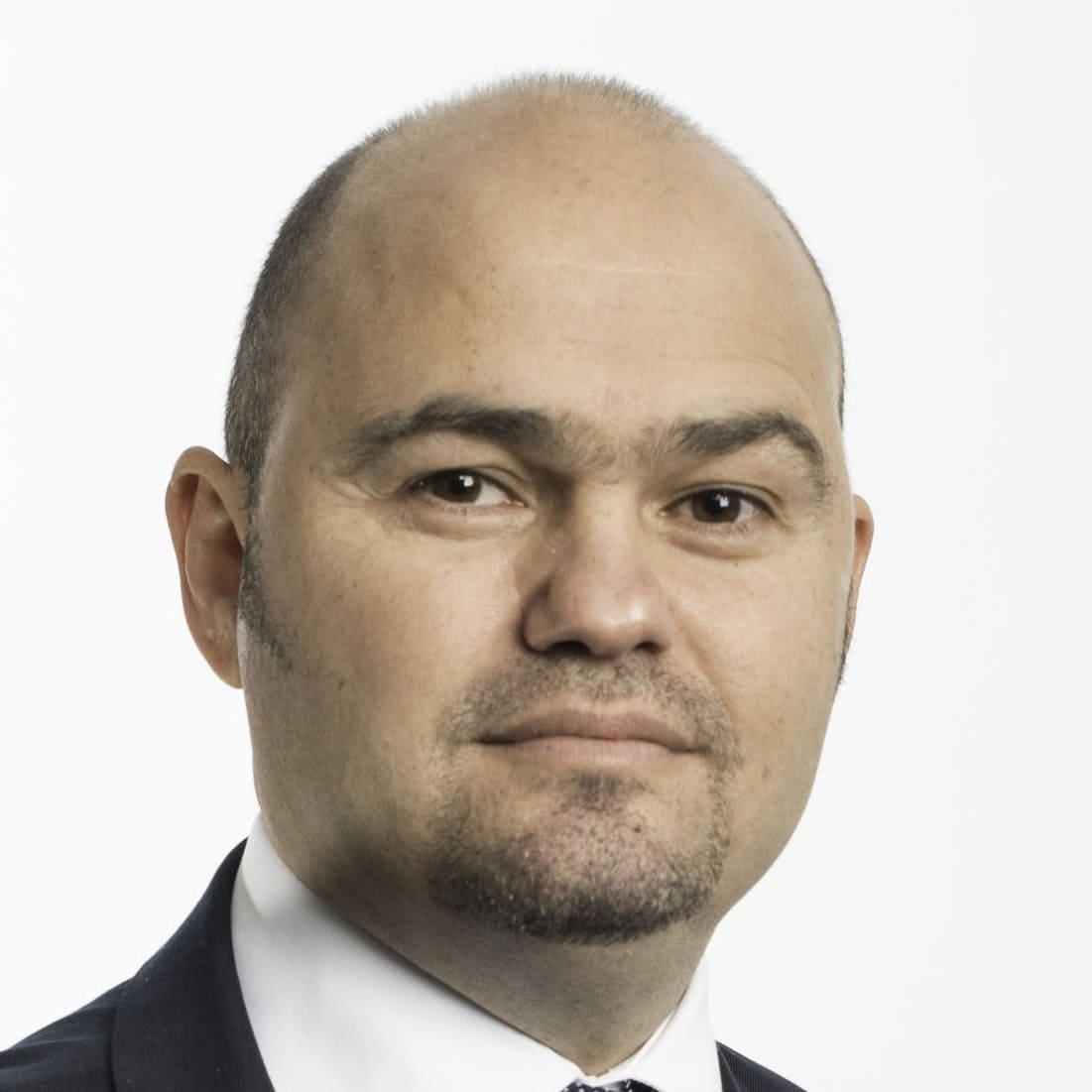
This episode of the Physics World Weekly podcast features an interview with Panicos Kyriacou, who is chief scientist at the UK-based start-up Crainio. The company has developed a non-invasive way of using light to measure the pressure inside the skull. Knowing this intracranial pressure is crucial when diagnosing traumatic brain injury, which a leading cause of death and disability. Today, the only way to assess intracranial pressure is to insert a sensor into the patient’s brain, so Crainio’s non-invasive technique could revolutionize how brain injuries are diagnosed and treated.
Kyriacou tells Physics World’s Tami Freeman why it is important to assess a patient’s intracranial pressure as soon as possible after a head injury. He explains how Crainio’s optical sensor measures blood flow in the brain and then uses machine learning to deduce the intracranial pressure.
Kyriacou is also professor of engineering at City St George’s University of London, where the initial research for the sensor was done. He recalls how Crainio was spun out of the university and how it is currently in a second round of clinical trials.
As well as being non-invasive, Crainio’s technology could reduce the cost of determining intracranial pressure and make it possible to make measurements in the field, shortly after injuries occur.
Available Results
Generated results are saved to the knowledge database for reuse and search.
Extract Knowledge
Pick what you want extracted first. Model, scope, and chapter options appear after a template is selected.
Transcript
1
00:00:08,320 --> 00:00:11,199
Hello, and welcome to the Physics World weekly

2
00:00:11,199 --> 00:00:11,699
podcast.

3
00:00:12,400 --> 00:00:15,044
Our guest in this episode is the chief

4
00:00:15,044 --> 00:00:18,725
scientist of a startup company that's developed a

5
00:00:18,725 --> 00:00:19,225
noninvasive

6
00:00:20,005 --> 00:00:21,864
way to measure the pressure

7
00:00:22,164 --> 00:00:23,385
inside the skull.

8
00:00:24,085 --> 00:00:25,785
If their optical sensor

9
00:00:26,324 --> 00:00:29,224
gets approval for routine clinical use,

10
00:00:29,559 --> 00:00:30,859
it could revolutionize

11
00:00:31,160 --> 00:00:33,340
how brain injuries are diagnosed

12
00:00:33,799 --> 00:00:34,619
and treated.

13
00:00:35,559 --> 00:00:38,140
Here is Physics World's Tammy Freeman

14
00:00:38,600 --> 00:00:39,420
in conversation

15
00:00:40,119 --> 00:00:41,020
with Panikos

16
00:00:41,640 --> 00:00:42,140
Kyriaku.

17
00:00:50,625 --> 00:00:52,005
Traumatic brain injury

18
00:00:52,465 --> 00:00:54,625
caused by a sudden jolt or impact to

19
00:00:54,625 --> 00:00:56,545
the head is a leading cause of death

20
00:00:56,545 --> 00:00:57,284
and disability.

21
00:00:58,280 --> 00:01:00,940
After such an injury, the most important indicator

22
00:01:01,159 --> 00:01:03,500
of how severe the injury is is intracranial

23
00:01:03,719 --> 00:01:06,299
pressure, which is the pressure inside the skull.

24
00:01:06,760 --> 00:01:08,359
But at the moment, the only way to

25
00:01:08,359 --> 00:01:11,000
assess this is by inserting a pressure sensor

26
00:01:11,000 --> 00:01:12,540
into the patient's brain.

27
00:01:13,954 --> 00:01:16,034
Aiming to eliminate the need for such an

28
00:01:16,034 --> 00:01:17,174
invasive procedure,

29
00:01:17,634 --> 00:01:21,015
UK based startup Cranio has developed a noninvasive

30
00:01:21,314 --> 00:01:23,494
way to measure intracranial pressure

31
00:01:23,795 --> 00:01:26,194
using a simple optical probe attached to the

32
00:01:26,194 --> 00:01:27,254
patient's forehead.

33
00:01:28,219 --> 00:01:30,879
I'm joined today by Panikas Kiriakou,

34
00:01:31,260 --> 00:01:32,799
Cranio's chief scientist,

35
00:01:33,340 --> 00:01:34,479
to find out more.

36
00:01:34,859 --> 00:01:36,560
Welcome to the podcast, Panikas.

37
00:01:37,340 --> 00:01:38,780
Oh, thank you. Thank you so much for

38
00:01:38,780 --> 00:01:39,519
having me.

39
00:01:40,394 --> 00:01:42,075
So the first thing, can you can you

40
00:01:42,075 --> 00:01:44,555
explain why traumatic brain injury is such an

41
00:01:44,555 --> 00:01:46,015
important clinical problem?

42
00:01:46,954 --> 00:01:48,894
Oh, goodness me. I mean,

43
00:01:49,594 --> 00:01:50,875
just to give you a little bit of

44
00:01:50,875 --> 00:01:51,534
a background,

45
00:01:52,474 --> 00:01:54,969
can you imagine that every three minutes in

46
00:01:54,969 --> 00:01:55,549
The UK,

47
00:01:56,409 --> 00:01:58,890
someone is admitted to a hospital with a

48
00:01:58,890 --> 00:02:01,049
head injury? So it's a it's a very,

49
00:02:01,049 --> 00:02:01,549
very

50
00:02:02,010 --> 00:02:04,729
common problem, and you can imagine people having

51
00:02:04,729 --> 00:02:05,229
accidents,

52
00:02:05,849 --> 00:02:08,569
whether it's road accidents, whether any impact on

53
00:02:08,569 --> 00:02:10,104
the head to their work environment,

54
00:02:10,884 --> 00:02:11,625
in sports,

55
00:02:11,925 --> 00:02:12,425
contacts.

56
00:02:13,044 --> 00:02:15,044
So it's pretty common people have a blow

57
00:02:15,044 --> 00:02:16,985
on the head. Now how bad it is,

58
00:02:17,205 --> 00:02:20,025
nobody knows until actually they reach the hospital.

59
00:02:20,324 --> 00:02:22,485
So the ambulance will pick them up. It

60
00:02:22,485 --> 00:02:24,164
would drive them to an A and E

61
00:02:24,164 --> 00:02:24,664
naturally,

62
00:02:25,260 --> 00:02:27,900
and there, the patients will start having an

63
00:02:27,900 --> 00:02:28,400
assessment.

64
00:02:29,099 --> 00:02:31,020
And there will be a point that somebody

65
00:02:31,020 --> 00:02:33,919
from the neurosurgical team will be asked to

66
00:02:34,060 --> 00:02:35,040
look at the patient.

67
00:02:35,819 --> 00:02:37,919
Is it a concussion? Is it more serious?

68
00:02:38,620 --> 00:02:40,800
And, at the time of impact

69
00:02:41,224 --> 00:02:43,865
to the time that the patient will reach

70
00:02:43,865 --> 00:02:44,604
the hospital,

71
00:02:44,985 --> 00:02:46,985
and he will receive an assessment by an

72
00:02:46,985 --> 00:02:47,485
expert,

73
00:02:48,185 --> 00:02:49,324
especially in neurocritical

74
00:02:49,625 --> 00:02:51,784
care or in a trauma unit. That is

75
00:02:51,784 --> 00:02:54,344
known as the golden hour, and nobody knows

76
00:02:54,344 --> 00:02:56,879
what's happening to the brain at that time.

77
00:02:57,439 --> 00:02:57,939
And,

78
00:02:58,800 --> 00:03:00,639
it it it could be it it could

79
00:03:00,639 --> 00:03:02,639
be in a in a disaster in a

80
00:03:02,639 --> 00:03:03,460
way because

81
00:03:04,080 --> 00:03:06,080
you don't know how best to manage the

82
00:03:06,080 --> 00:03:09,300
patient, whether this patient has a severe traumatic

83
00:03:09,360 --> 00:03:12,435
injury, so the intracranial pressure is rising in

84
00:03:12,435 --> 00:03:14,594
the head, or it's a mild, or it's

85
00:03:14,594 --> 00:03:17,235
just a concussion, or it's a medium traumatic

86
00:03:17,235 --> 00:03:18,215
brain injury.

87
00:03:19,235 --> 00:03:21,875
So for many, many years, and especially in

88
00:03:21,875 --> 00:03:24,219
the last few decades, people are trying to

89
00:03:24,219 --> 00:03:25,840
find solutions in medicine

90
00:03:26,300 --> 00:03:27,439
where we can assess

91
00:03:27,740 --> 00:03:28,240
disease,

92
00:03:28,939 --> 00:03:29,439
diagnose,

93
00:03:29,980 --> 00:03:30,480
screen,

94
00:03:31,500 --> 00:03:32,000
disease

95
00:03:32,379 --> 00:03:32,879
in

96
00:03:33,180 --> 00:03:33,680
faster,

97
00:03:34,540 --> 00:03:35,040
noninvasively

98
00:03:35,900 --> 00:03:37,280
at the point of injury.

99
00:03:38,085 --> 00:03:40,884
And in the in the context of traumatic

100
00:03:40,884 --> 00:03:42,805
brain injury, it's something that at the moment

101
00:03:42,805 --> 00:03:43,865
cannot be assessed,

102
00:03:44,645 --> 00:03:46,025
at the point of impact.

103
00:03:47,125 --> 00:03:49,764
And in many ways, if a patient has

104
00:03:49,764 --> 00:03:51,944
a severe traumatic brain injury,

105
00:03:52,500 --> 00:03:53,159
the neurosurgeons,

106
00:03:53,459 --> 00:03:54,840
they will have to assess

107
00:03:55,620 --> 00:03:57,239
how bad is their intracranial

108
00:03:57,539 --> 00:03:58,039
pressure.

109
00:03:58,739 --> 00:04:01,719
Is it really above the threshold that classifies

110
00:04:01,939 --> 00:04:04,659
them as severe? And in order to do

111
00:04:04,659 --> 00:04:06,500
that, they have to drill a hole in

112
00:04:06,500 --> 00:04:07,935
the head, literally.

113
00:04:08,715 --> 00:04:10,974
And they will place into the

114
00:04:11,355 --> 00:04:11,855
brain

115
00:04:12,235 --> 00:04:15,294
a sensor probe. It's an electrical probe.

116
00:04:15,675 --> 00:04:16,975
And this is really,

117
00:04:17,915 --> 00:04:19,435
I I I would say, one of the

118
00:04:19,435 --> 00:04:19,935
most

119
00:04:20,235 --> 00:04:20,475
non

120
00:04:21,115 --> 00:04:22,175
the most invasive

121
00:04:22,790 --> 00:04:24,250
non therapeutic procedures.

122
00:04:25,029 --> 00:04:25,430
And,

123
00:04:26,870 --> 00:04:28,810
you can obviously do this,

124
00:04:30,629 --> 00:04:32,149
to every patient that comes in with a

125
00:04:32,149 --> 00:04:33,209
blow on the head.

126
00:04:33,509 --> 00:04:35,750
So it's it's quite invasive. It has its

127
00:04:35,750 --> 00:04:37,944
risks. Firstly, it has to happen within a

128
00:04:37,944 --> 00:04:38,925
clinical unit,

129
00:04:39,464 --> 00:04:40,285
with expertise.

130
00:04:41,064 --> 00:04:41,865
It could be,

131
00:04:42,425 --> 00:04:43,725
there is a risk of hemorrhage.

132
00:04:44,105 --> 00:04:45,384
There is a risk of,

133
00:04:46,025 --> 00:04:46,525
infection.

134
00:04:47,305 --> 00:04:49,225
And, therefore, there is this sort of cry

135
00:04:49,225 --> 00:04:52,040
out to develop technologies that can we measure

136
00:04:52,259 --> 00:04:53,399
intracranial pressure

137
00:04:54,259 --> 00:04:55,079
more effectively,

138
00:04:55,779 --> 00:04:56,279
earlier,

139
00:04:56,660 --> 00:04:57,639
and in a noninvasive

140
00:04:58,019 --> 00:05:00,600
manner? And for some people for many years,

141
00:05:00,740 --> 00:05:02,419
that it was almost like a dream. They

142
00:05:02,419 --> 00:05:04,944
say, no. Impossible to do that. How can

143
00:05:04,944 --> 00:05:07,504
you access the brain and see if the

144
00:05:07,504 --> 00:05:09,745
pressure is rising in the brain, and you

145
00:05:09,745 --> 00:05:11,665
can do this by placing something on the

146
00:05:11,665 --> 00:05:12,165
forehead?

147
00:05:12,785 --> 00:05:13,285
Now

148
00:05:13,665 --> 00:05:16,404
coming to us in Cranio, obviously, Cranio

149
00:05:16,705 --> 00:05:17,764
was born in

150
00:05:18,069 --> 00:05:19,689
02/2022

151
00:05:20,230 --> 00:05:23,110
out of research, came out of City, University

152
00:05:23,110 --> 00:05:25,910
of London, now City, Saint George's University of

153
00:05:25,910 --> 00:05:26,410
London,

154
00:05:27,110 --> 00:05:27,589
and,

155
00:05:27,990 --> 00:05:30,490
within the research center for biomedical engineering.

156
00:05:30,949 --> 00:05:34,794
So this goes back in 02/2016,

157
00:05:35,735 --> 00:05:38,534
where the National Institute of Health Research gave

158
00:05:38,534 --> 00:05:40,875
us our first grant to investigate

159
00:05:41,254 --> 00:05:41,834
the feasibility

160
00:05:42,615 --> 00:05:43,754
of having a noninvasive

161
00:05:44,375 --> 00:05:45,675
intracranial sensor

162
00:05:46,294 --> 00:05:47,594
based on light technologies.

163
00:05:49,329 --> 00:05:52,129
The grant funded by the NHS was very

164
00:05:52,129 --> 00:05:55,110
successful. We managed to develop a prototype technology.

165
00:05:55,490 --> 00:05:58,389
We secured the intellectual property because we felt

166
00:05:58,529 --> 00:05:59,669
this is quite impactful.

167
00:05:59,970 --> 00:06:01,189
It has a commercialization

168
00:06:01,729 --> 00:06:02,229
value.

169
00:06:03,105 --> 00:06:06,464
And through that first study we did at,

170
00:06:06,865 --> 00:06:09,745
at the time, we managed to conduct a

171
00:06:09,745 --> 00:06:11,524
feasibility study on

172
00:06:11,904 --> 00:06:14,485
TBI patients, traumatic brain injury patients

173
00:06:14,800 --> 00:06:17,379
at the Royal London Hospital at the neurocritical

174
00:06:17,680 --> 00:06:19,680
care unit. And the Royal London in the

175
00:06:19,680 --> 00:06:21,680
East Part Of London is the biggest trauma

176
00:06:21,680 --> 00:06:23,139
hospital in U UK.

177
00:06:24,240 --> 00:06:28,340
And that was the time back in 02/2021,

178
00:06:28,879 --> 00:06:31,194
before Cranio was born,

179
00:06:31,574 --> 00:06:32,535
that we found

180
00:06:32,855 --> 00:06:35,675
we we discovered the first sort of positive

181
00:06:35,814 --> 00:06:36,314
news

182
00:06:36,935 --> 00:06:39,735
that the optical signals coming back from the

183
00:06:39,735 --> 00:06:40,235
brain

184
00:06:41,014 --> 00:06:43,415
after we apply an optical sensor. So we

185
00:06:43,415 --> 00:06:44,970
put a sensor on the head,

186
00:06:45,529 --> 00:06:46,430
on the forehead.

187
00:06:46,810 --> 00:06:49,209
We shine light into the brain. And a

188
00:06:49,209 --> 00:06:51,449
lot for many years and decades, people are

189
00:06:51,449 --> 00:06:51,949
studying

190
00:06:52,410 --> 00:06:55,129
the effect of light when it penetrates into

191
00:06:55,129 --> 00:06:55,629
tissue,

192
00:06:57,050 --> 00:06:57,550
including

193
00:06:57,850 --> 00:07:01,395
visible or infrared light, near infrared light. In

194
00:07:01,395 --> 00:07:03,395
in our lab, in my lab, we've done

195
00:07:03,395 --> 00:07:06,295
extensive studies on light tissue interaction

196
00:07:06,915 --> 00:07:09,235
and what happens to the light when it

197
00:07:09,235 --> 00:07:11,875
goes into the brain, passes through the forehead,

198
00:07:11,875 --> 00:07:13,814
through the skull, into the brain

199
00:07:14,240 --> 00:07:16,980
at certain colors of light, like near infrared.

200
00:07:17,439 --> 00:07:19,699
The light will come back, and the information

201
00:07:19,840 --> 00:07:20,740
coming back,

202
00:07:21,120 --> 00:07:24,819
this optical signal, also known the photopletysmogram

203
00:07:25,680 --> 00:07:26,580
or the PBG,

204
00:07:27,365 --> 00:07:30,105
it could really tell us there is information

205
00:07:30,485 --> 00:07:31,865
which within the signal

206
00:07:32,404 --> 00:07:34,965
that it keeps secrets of what's happened to

207
00:07:34,965 --> 00:07:35,625
the physiology

208
00:07:36,085 --> 00:07:36,985
or the hemodynamics

209
00:07:37,365 --> 00:07:38,185
of the brain.

210
00:07:38,645 --> 00:07:40,725
As you can imagine, when the pressure in

211
00:07:40,725 --> 00:07:41,865
the brain is rising,

212
00:07:43,500 --> 00:07:44,539
the pressure keeps

213
00:07:45,180 --> 00:07:47,979
the the the brain is swelling up, but

214
00:07:47,979 --> 00:07:50,060
it cannot go anywhere because the scalp is

215
00:07:50,060 --> 00:07:52,779
like concrete. And, therefore, the arteries and the

216
00:07:52,779 --> 00:07:54,860
vessels, they are compressed in the brain by

217
00:07:54,860 --> 00:07:55,519
that pressure.

218
00:07:56,324 --> 00:07:58,104
And this PPG signal

219
00:08:00,084 --> 00:08:01,305
shows us the changes

220
00:08:01,764 --> 00:08:03,865
due to the compression of the vessels.

221
00:08:04,485 --> 00:08:06,745
And, therefore, the optical signals

222
00:08:07,444 --> 00:08:07,944
change

223
00:08:08,430 --> 00:08:11,170
or components on the optical signal or features

224
00:08:11,389 --> 00:08:12,689
on the optical signal

225
00:08:13,149 --> 00:08:13,649
change

226
00:08:13,949 --> 00:08:14,449
with,

227
00:08:14,990 --> 00:08:18,189
changes in intracranial pressure. And there, people would

228
00:08:18,189 --> 00:08:21,009
develop the algorithms to be able to interrogate

229
00:08:21,550 --> 00:08:22,769
that optical signal

230
00:08:23,324 --> 00:08:25,104
and then develop models,

231
00:08:25,404 --> 00:08:27,644
machine learning models as we discuss in a

232
00:08:27,644 --> 00:08:29,264
minute, how to estimate,

233
00:08:30,524 --> 00:08:31,745
intercranial pressure.

234
00:08:32,365 --> 00:08:33,964
What is it that the the light's actually

235
00:08:33,964 --> 00:08:35,964
measuring? You say that the vessels are compressed.

236
00:08:35,964 --> 00:08:37,559
Is it is it looking at the actual

237
00:08:37,799 --> 00:08:39,639
size of the vessels or the the blood

238
00:08:39,639 --> 00:08:40,679
flowing within? Or

239
00:08:41,399 --> 00:08:42,220
The photoplethysmograph

240
00:08:42,919 --> 00:08:46,220
by its nature and definition, it measures volumetric

241
00:08:46,519 --> 00:08:47,019
changes

242
00:08:47,559 --> 00:08:49,740
of blood during systole and diastole.

243
00:08:50,440 --> 00:08:53,259
So as the blood pulsating through the arteries,

244
00:08:53,735 --> 00:08:55,355
through the cardiac cycle,

245
00:08:55,975 --> 00:08:58,154
the PBG, this optical technique,

246
00:08:58,615 --> 00:09:01,115
is able to show the changes in volume

247
00:09:01,174 --> 00:09:02,634
of blood within the artery.

248
00:09:03,095 --> 00:09:04,695
So you can imagine if you have a

249
00:09:04,695 --> 00:09:05,195
viscoelastic

250
00:09:05,654 --> 00:09:06,154
artery

251
00:09:06,549 --> 00:09:07,210
that is,

252
00:09:08,230 --> 00:09:11,110
opening and closing through systole and diastole, the

253
00:09:11,110 --> 00:09:12,970
volume of blood changes.

254
00:09:13,350 --> 00:09:15,590
And this is mapped, it's captured by the

255
00:09:15,590 --> 00:09:16,090
PVG.

256
00:09:16,629 --> 00:09:18,389
Now if you have an artery that is

257
00:09:18,389 --> 00:09:18,889
compromised,

258
00:09:19,334 --> 00:09:22,134
it is pushed down because of the pressure

259
00:09:22,134 --> 00:09:23,995
in the brain, that viscoelastic

260
00:09:24,454 --> 00:09:25,834
property of the artery

261
00:09:26,214 --> 00:09:27,274
is is impacted,

262
00:09:27,654 --> 00:09:29,355
and that would impact the PPG.

263
00:09:29,975 --> 00:09:31,754
So the changes of the PPG

264
00:09:32,509 --> 00:09:35,169
due to the volumetric changes it's experiencing

265
00:09:36,110 --> 00:09:38,669
due to the compression of the vessels in

266
00:09:38,669 --> 00:09:39,330
the brain

267
00:09:40,029 --> 00:09:42,210
can tell us information about the ICP.

268
00:09:43,389 --> 00:09:43,889
And

269
00:09:44,509 --> 00:09:45,649
following the research,

270
00:09:46,134 --> 00:09:47,434
within the university,

271
00:09:48,134 --> 00:09:51,735
Crennio was created. It brought together a team

272
00:09:51,735 --> 00:09:54,075
of experts, a lot of passionate people

273
00:09:54,934 --> 00:09:57,434
to aid the further development

274
00:09:58,100 --> 00:09:58,920
and commercialization.

275
00:10:00,340 --> 00:10:01,560
What makes this happen?

276
00:10:01,940 --> 00:10:05,240
CTE, the university, licensed the technology to NLC.

277
00:10:05,779 --> 00:10:06,279
NLC

278
00:10:06,740 --> 00:10:09,080
is a health technology venture builder

279
00:10:09,620 --> 00:10:10,019
based,

280
00:10:10,740 --> 00:10:12,120
headquartered in The Netherlands,

281
00:10:12,784 --> 00:10:14,884
And they work very closely with universities,

282
00:10:15,424 --> 00:10:16,485
medical schools,

283
00:10:17,745 --> 00:10:18,884
taking ideas,

284
00:10:19,345 --> 00:10:19,845
innovations

285
00:10:20,625 --> 00:10:23,044
in a way from bench to patient.

286
00:10:23,824 --> 00:10:26,384
So they gave us really that momentum to

287
00:10:26,384 --> 00:10:28,909
form the company. So Cranio is a UK

288
00:10:28,909 --> 00:10:29,730
based company.

289
00:10:30,829 --> 00:10:33,409
And The U and Cranio from the first

290
00:10:33,470 --> 00:10:35,889
initial days was very proactive,

291
00:10:36,589 --> 00:10:39,389
comprising of a small team with, people from

292
00:10:39,389 --> 00:10:39,889
expertise

293
00:10:40,269 --> 00:10:41,409
in medical devices

294
00:10:43,725 --> 00:10:44,705
and optical sensors.

295
00:10:45,245 --> 00:10:47,565
And the team worked tirelessly, really, in the

296
00:10:47,565 --> 00:10:49,664
last few years to generate,

297
00:10:50,284 --> 00:10:50,784
funding,

298
00:10:51,164 --> 00:10:53,325
to be able to progress further with the

299
00:10:53,325 --> 00:10:56,299
development of the technology, the optical sensor, to

300
00:10:56,299 --> 00:10:58,699
bring it to a technology readiness level that

301
00:10:58,699 --> 00:11:01,199
is ready for further clinical trials.

302
00:11:01,740 --> 00:11:02,240
So,

303
00:11:03,019 --> 00:11:04,559
in 2023,

304
00:11:04,620 --> 00:11:07,579
Cranio was very successful with the an Innovate

305
00:11:07,579 --> 00:11:11,735
UK biomedical catalyst grant, which will enable enable

306
00:11:11,735 --> 00:11:13,034
the company to

307
00:11:13,654 --> 00:11:16,074
engage in a clinical feasibility study,

308
00:11:16,694 --> 00:11:17,834
optimize the technology,

309
00:11:18,934 --> 00:11:19,834
to a more,

310
00:11:20,375 --> 00:11:21,434
advanced probe,

311
00:11:21,815 --> 00:11:24,750
both the optical sensor, the optical front end,

312
00:11:24,830 --> 00:11:27,230
and the analog back end, the analog front

313
00:11:27,230 --> 00:11:28,129
end, the electronics,

314
00:11:29,070 --> 00:11:30,929
and develop further the algorithms.

315
00:11:31,950 --> 00:11:33,409
Then later on,

316
00:11:34,269 --> 00:11:36,210
the company was awarded another

317
00:11:36,990 --> 00:11:39,169
National Institute of Health Research grant

318
00:11:39,584 --> 00:11:40,804
to be able to,

319
00:11:41,904 --> 00:11:44,564
move the technology more into a validation study.

320
00:11:45,024 --> 00:11:47,444
So now we reach the stage where Crenio

321
00:11:47,745 --> 00:11:50,485
redeveloped the sensor. It looks amazing.

322
00:11:51,345 --> 00:11:53,504
It looks very commercial when you look at

323
00:11:53,504 --> 00:11:55,209
it if you're in the business of, you

324
00:11:55,209 --> 00:11:56,750
know, medical devices.

325
00:11:57,169 --> 00:11:57,669
The

326
00:11:58,089 --> 00:11:59,629
technology has received,

327
00:12:00,490 --> 00:12:01,950
approval by MHRA,

328
00:12:02,330 --> 00:12:03,389
the UK regulator,

329
00:12:04,089 --> 00:12:07,309
in order to proceed to the clinical studies.

330
00:12:07,769 --> 00:12:08,429
The clinical,

331
00:12:09,209 --> 00:12:10,830
studies now are on route.

332
00:12:11,465 --> 00:12:13,245
Ethical approvals have been secured.

333
00:12:13,705 --> 00:12:15,085
We are again partnering

334
00:12:15,465 --> 00:12:17,725
with the Royal London Hospital.

335
00:12:18,425 --> 00:12:21,465
We also more collaborators came on board. We

336
00:12:21,465 --> 00:12:22,845
have people from Cambridge,

337
00:12:23,225 --> 00:12:26,585
from the traumatic brain injury team are joining

338
00:12:26,585 --> 00:12:26,879
us

339
00:12:28,320 --> 00:12:29,700
to support the team.

340
00:12:30,480 --> 00:12:32,580
And I think we're expecting to enter

341
00:12:32,960 --> 00:12:36,580
clinical trials by the end of this month.

342
00:12:36,960 --> 00:12:38,259
This will be an opportunity

343
00:12:38,720 --> 00:12:39,220
to

344
00:12:40,160 --> 00:12:42,580
work with a new technology, the new pro,

345
00:12:42,884 --> 00:12:46,024
much more advanced probe, much more advanced electronics

346
00:12:46,644 --> 00:12:47,625
that would enable

347
00:12:48,245 --> 00:12:52,425
more detailed acquisition of signals from TBI patients.

348
00:12:52,725 --> 00:12:54,804
So these are patients that are admitted in

349
00:12:54,804 --> 00:12:55,304
urocritical

350
00:12:55,684 --> 00:12:56,519
trauma units.

351
00:12:57,080 --> 00:12:59,080
And all of them, they do have an

352
00:12:59,080 --> 00:13:00,379
invasive intracranial

353
00:13:01,160 --> 00:13:02,300
ICP bolt.

354
00:13:02,679 --> 00:13:05,240
Hence, they will allow us to compare Yeah.

355
00:13:05,320 --> 00:13:07,179
Both standard with our signals.

356
00:13:07,800 --> 00:13:10,040
The signals then, they will be collated, and

357
00:13:10,040 --> 00:13:13,524
they will be analyzed by Kranios data science

358
00:13:13,524 --> 00:13:16,264
team. This is the team that is utilizing

359
00:13:17,044 --> 00:13:18,345
machine learning algorithms,

360
00:13:19,125 --> 00:13:22,105
basically looking at changes on the PPG signal,

361
00:13:22,565 --> 00:13:23,065
extracting

362
00:13:23,764 --> 00:13:24,264
morphological

363
00:13:24,804 --> 00:13:27,865
features from the signal amongst other parameters,

364
00:13:28,320 --> 00:13:31,299
and then building different models in order to

365
00:13:32,160 --> 00:13:34,980
develop the technology further in order to predict

366
00:13:35,200 --> 00:13:35,700
dynamically,

367
00:13:36,480 --> 00:13:36,980
noninvasively,

368
00:13:38,720 --> 00:13:40,019
intracranial pressure

369
00:13:40,480 --> 00:13:42,420
in either absolute measurements

370
00:13:43,184 --> 00:13:44,884
or indicative of,

371
00:13:45,904 --> 00:13:47,764
high ICP, low ICP.

372
00:13:48,384 --> 00:13:50,245
So we're at this stage now.

373
00:13:50,625 --> 00:13:51,125
The

374
00:13:51,504 --> 00:13:54,545
national and international interest in this project, it

375
00:13:54,545 --> 00:13:56,644
has been overwhelming. You can imagine

376
00:13:58,490 --> 00:14:00,669
the interest, first of all, from the neurocritical

377
00:14:00,970 --> 00:14:01,709
care communities.

378
00:14:02,889 --> 00:14:03,949
So the vibrations

379
00:14:04,250 --> 00:14:05,069
of cranios,

380
00:14:06,250 --> 00:14:07,629
you know, successes,

381
00:14:08,970 --> 00:14:09,709
have disseminated

382
00:14:10,089 --> 00:14:10,589
through,

383
00:14:11,065 --> 00:14:13,464
and there is a very positive feedback from

384
00:14:13,464 --> 00:14:15,245
the neurocritical care community.

385
00:14:15,945 --> 00:14:18,365
There is an active interest of the progression

386
00:14:18,424 --> 00:14:19,164
of the technology.

387
00:14:19,945 --> 00:14:22,424
But interestingly, now we we get a lot

388
00:14:22,424 --> 00:14:24,019
of interest, not peripherally,

389
00:14:24,480 --> 00:14:26,179
but from communities where

390
00:14:27,279 --> 00:14:29,059
injury to the brain is significant.

391
00:14:29,440 --> 00:14:31,539
It could be from sports associations

392
00:14:32,000 --> 00:14:33,299
like the rugby association.

393
00:14:35,199 --> 00:14:36,980
People are interested in concussion.

394
00:14:37,664 --> 00:14:40,644
People are interested in other pathologies relating to

395
00:14:40,784 --> 00:14:45,205
intracranial pressure. So even though Cranios' primary focus

396
00:14:45,424 --> 00:14:46,964
is to deliver a technology

397
00:14:47,745 --> 00:14:48,725
for utilization

398
00:14:49,184 --> 00:14:51,799
in your critical care, You can imagine

399
00:14:52,179 --> 00:14:54,919
that this technology could be used in emergency

400
00:14:54,980 --> 00:14:56,519
care, in ambulances,

401
00:14:57,059 --> 00:14:59,240
in helicopters. They transfer patients.

402
00:15:00,340 --> 00:15:02,759
So it can find this place in many

403
00:15:02,980 --> 00:15:03,480
NHS,

404
00:15:04,774 --> 00:15:07,654
places and beyond. So it's a very, very

405
00:15:07,654 --> 00:15:08,154
exciting

406
00:15:08,855 --> 00:15:09,355
journey.

407
00:15:09,894 --> 00:15:11,495
It's going well, and,

408
00:15:12,054 --> 00:15:14,134
we we are we are very positive on

409
00:15:14,134 --> 00:15:16,214
the outcome. Yes. So, I mean, the the

410
00:15:16,214 --> 00:15:18,454
device is portable, so it could be used

411
00:15:18,454 --> 00:15:20,250
at at the site of an accident.

412
00:15:21,029 --> 00:15:23,850
Exactly. The device being, one, noninvasive.

413
00:15:24,549 --> 00:15:26,789
The sensor, it's just a, like, a a

414
00:15:26,789 --> 00:15:29,769
sticky plaster that it goes onto your forehead.

415
00:15:30,149 --> 00:15:31,830
The back end is a little box with

416
00:15:31,830 --> 00:15:32,730
all the electronics.

417
00:15:33,284 --> 00:15:33,784
Obviously,

418
00:15:34,325 --> 00:15:36,325
from the past few years, we work in

419
00:15:36,325 --> 00:15:37,784
this research environment.

420
00:15:38,164 --> 00:15:40,884
So the technology, it was, connected into a

421
00:15:40,884 --> 00:15:43,524
laptop computer. This is what researchers do in

422
00:15:43,524 --> 00:15:45,865
labs. But now we are sort of transferring

423
00:15:46,004 --> 00:15:47,225
the knowledge into,

424
00:15:48,070 --> 00:15:51,289
a graphical interface. So you will have, obviously,

425
00:15:51,350 --> 00:15:52,570
device with a monitor

426
00:15:52,950 --> 00:15:54,169
to be able to,

427
00:15:54,950 --> 00:15:56,409
see the signals,

428
00:15:57,029 --> 00:15:59,610
see the values of ICP in a portable

429
00:15:59,750 --> 00:16:00,554
way. Yes.

430
00:16:01,195 --> 00:16:03,274
Okay. And then you you mentioned that the

431
00:16:03,274 --> 00:16:06,794
signals are analyzed by machine learning algorithms. So

432
00:16:06,794 --> 00:16:08,815
did you have to develop your own proprietary

433
00:16:08,955 --> 00:16:10,955
software? It was this part of the the

434
00:16:10,955 --> 00:16:11,455
process?

435
00:16:12,154 --> 00:16:14,894
That is correct. I mean, machine learning applications

436
00:16:15,034 --> 00:16:16,879
in health care, they are exponentially

437
00:16:17,259 --> 00:16:18,879
and, I would say, cataclysmically

438
00:16:19,340 --> 00:16:20,800
grown over the years.

439
00:16:21,660 --> 00:16:25,180
It allows people to develop models, whether it's

440
00:16:25,180 --> 00:16:26,160
in biosignals

441
00:16:26,540 --> 00:16:28,480
or imaging, using images

442
00:16:28,794 --> 00:16:30,735
to be able to diagnose disease.

443
00:16:31,514 --> 00:16:32,735
So the team

444
00:16:33,035 --> 00:16:35,855
within the university and later on by cranial,

445
00:16:35,995 --> 00:16:36,495
fortify

446
00:16:37,035 --> 00:16:39,274
the data science part of the team. We

447
00:16:39,274 --> 00:16:41,850
brought experts that they have spent years working

448
00:16:41,850 --> 00:16:42,350
with

449
00:16:43,210 --> 00:16:44,350
predominantly photopredismograms

450
00:16:45,610 --> 00:16:47,710
and be able to develop bespoke

451
00:16:48,490 --> 00:16:49,870
machine learning algorithms

452
00:16:50,170 --> 00:16:51,550
of extracting information

453
00:16:52,250 --> 00:16:53,470
from this physiological

454
00:16:53,850 --> 00:16:55,389
optical signal, the PVG,

455
00:16:56,154 --> 00:16:57,754
and built in models to be able to

456
00:16:57,754 --> 00:17:01,035
predict intracranial pressure. So, yes, it's correct. The

457
00:17:01,035 --> 00:17:03,294
algorithms developed by Cranio is almost

458
00:17:03,595 --> 00:17:05,134
like gold dust to the company.

459
00:17:05,755 --> 00:17:06,255
Okay.

460
00:17:06,875 --> 00:17:08,575
And as you say, you've done some preliminary

461
00:17:08,954 --> 00:17:11,609
tests on patients, and you're starting this this

462
00:17:11,609 --> 00:17:14,250
sort of new clinical trial. What do you

463
00:17:14,250 --> 00:17:16,169
what do you hope to achieve with with

464
00:17:16,169 --> 00:17:18,169
the next lot of measurements? What are you

465
00:17:18,169 --> 00:17:20,569
aiming for? Yeah. Absolutely. I mean, very good

466
00:17:20,569 --> 00:17:22,809
question. Of course, the first study, it was

467
00:17:22,809 --> 00:17:23,630
done during,

468
00:17:24,275 --> 00:17:26,755
the time where the project was within the

469
00:17:26,755 --> 00:17:27,255
university.

470
00:17:27,875 --> 00:17:30,914
It was the first feasibility study on a

471
00:17:30,914 --> 00:17:33,494
probe or sensor technology that was built,

472
00:17:33,954 --> 00:17:35,015
within the university.

473
00:17:35,869 --> 00:17:36,769
Since then,

474
00:17:37,230 --> 00:17:38,130
we've learned

475
00:17:38,750 --> 00:17:39,250
more,

476
00:17:40,269 --> 00:17:42,910
how we can you know, lessons learned from

477
00:17:42,910 --> 00:17:44,450
the first clinical trial

478
00:17:44,910 --> 00:17:47,309
on on a group of 50 patients or

479
00:17:47,309 --> 00:17:47,805
so.

480
00:17:49,565 --> 00:17:52,285
And the second round now conducted and let

481
00:17:52,365 --> 00:17:54,065
is is gonna be led by Crenio

482
00:17:54,365 --> 00:17:56,144
with a more optimized probe.

483
00:17:57,325 --> 00:17:59,025
So after the first experiences,

484
00:17:59,644 --> 00:18:00,465
we've learned,

485
00:18:01,485 --> 00:18:04,070
the technical challenges we had, and we're trying

486
00:18:04,070 --> 00:18:06,330
to mitigate them with the new probe design,

487
00:18:06,710 --> 00:18:08,089
whether it's in the optics,

488
00:18:08,549 --> 00:18:11,589
the configuration of the probe, the physical appearance

489
00:18:11,589 --> 00:18:13,190
of the probe, how it's placed on the

490
00:18:13,190 --> 00:18:13,690
forklift.

491
00:18:14,309 --> 00:18:17,190
So those lessons were learned. So, hopefully, this

492
00:18:17,190 --> 00:18:17,690
round,

493
00:18:18,055 --> 00:18:21,015
we will, mitigate some of the challenges we

494
00:18:21,015 --> 00:18:23,275
had before in the technical aspect.

495
00:18:23,815 --> 00:18:26,474
Also, through the first study, we've learned

496
00:18:26,855 --> 00:18:28,875
the challenges or the problems

497
00:18:29,335 --> 00:18:31,035
with the acquisition of signals.

498
00:18:31,480 --> 00:18:33,640
So the type of patients, how long we

499
00:18:33,640 --> 00:18:34,380
should monitor.

500
00:18:34,839 --> 00:18:36,919
So now we can do the study more

501
00:18:36,919 --> 00:18:37,419
rigorously,

502
00:18:38,039 --> 00:18:38,539
longer,

503
00:18:39,000 --> 00:18:41,259
more supervised in order to acquire

504
00:18:41,720 --> 00:18:42,940
high quality signals.

505
00:18:43,414 --> 00:18:45,434
This time around, we will record

506
00:18:45,815 --> 00:18:47,515
more information from the patients.

507
00:18:47,894 --> 00:18:50,294
We will, re we will look at CT

508
00:18:50,294 --> 00:18:50,794
scans

509
00:18:51,095 --> 00:18:54,294
to see how the scalp density, the thickness

510
00:18:54,294 --> 00:18:55,755
of the skull, perhaps

511
00:18:56,109 --> 00:18:58,029
it will have an impact on the light

512
00:18:58,029 --> 00:19:00,929
between, you know, different ages, different sexes.

513
00:19:01,470 --> 00:19:02,190
We will,

514
00:19:02,909 --> 00:19:04,769
monitor and collect data,

515
00:19:05,549 --> 00:19:08,929
from the commercial medical monitors within neurocritical

516
00:19:09,230 --> 00:19:11,255
care in order to see the relation of

517
00:19:11,255 --> 00:19:13,355
ICP with other physiological

518
00:19:13,654 --> 00:19:16,535
data acquired in these patients. So we are

519
00:19:16,535 --> 00:19:18,714
expanding the acquisition of data

520
00:19:19,015 --> 00:19:21,035
and the knowledge pool about

521
00:19:21,414 --> 00:19:25,480
what happens when a patient's intracranial pressure pressure

522
00:19:25,480 --> 00:19:25,980
rises.

523
00:19:26,359 --> 00:19:28,599
What happens to the blood pressures? What happens

524
00:19:28,599 --> 00:19:31,240
to the other physiological measurements of the patient?

525
00:19:31,240 --> 00:19:33,259
So we're enriching the study

526
00:19:33,720 --> 00:19:35,339
with a more advanced technology,

527
00:19:35,880 --> 00:19:36,539
and, hence,

528
00:19:37,480 --> 00:19:38,539
and fingers crossed,

529
00:19:39,674 --> 00:19:43,035
this would lead to more accurate machine learning

530
00:19:43,035 --> 00:19:46,095
models in relation to capturing correctly,

531
00:19:46,634 --> 00:19:47,134
dynamically

532
00:19:47,914 --> 00:19:50,255
the changes in intracranial pressure.

533
00:19:51,035 --> 00:19:52,880
And you and you said in this, in

534
00:19:52,880 --> 00:19:54,880
these patients, they're all they've also got the

535
00:19:54,880 --> 00:19:58,480
invasive probe. So Indeed. Compare the results and

536
00:19:58,480 --> 00:19:59,859
sort of check the accuracy.

537
00:20:00,240 --> 00:20:01,059
It is fundamental

538
00:20:01,599 --> 00:20:03,299
to be able to compare

539
00:20:03,679 --> 00:20:05,460
our results and our experiences

540
00:20:06,095 --> 00:20:07,714
in changes in ICP

541
00:20:08,494 --> 00:20:11,474
with the gold standard. So we will have

542
00:20:11,535 --> 00:20:12,355
all the,

543
00:20:13,214 --> 00:20:16,414
in real time, the traces, the physiological sick

544
00:20:16,575 --> 00:20:18,755
the signal coming from the ICP sensor

545
00:20:19,170 --> 00:20:22,210
into our own acquisition system so we know

546
00:20:22,210 --> 00:20:22,710
exactly

547
00:20:23,250 --> 00:20:25,750
what's happening to the patient's ICP

548
00:20:26,529 --> 00:20:29,170
according to the gold standard in relation to

549
00:20:29,170 --> 00:20:30,710
our own ICP technology.

550
00:20:31,970 --> 00:20:34,210
Okay. And then, you know, presuming all the

551
00:20:34,210 --> 00:20:34,724
the next,

552
00:20:35,605 --> 00:20:38,244
trials are all successful, how far away is

553
00:20:38,244 --> 00:20:40,884
the system from sort of being used clinically

554
00:20:40,884 --> 00:20:42,424
as as a standard tool?

555
00:20:43,044 --> 00:20:44,744
Well, Kranio is very ambitious.

556
00:20:46,085 --> 00:20:47,944
For those being in the medical devices,

557
00:20:48,644 --> 00:20:52,160
game, it's a long game, usually, medical devices.

558
00:20:54,059 --> 00:20:55,119
But the trajectory,

559
00:20:55,500 --> 00:20:57,759
we're hoping that within

560
00:20:58,299 --> 00:21:00,000
the next couple of years,

561
00:21:00,460 --> 00:21:01,200
we will

562
00:21:01,500 --> 00:21:02,000
progress

563
00:21:03,284 --> 00:21:03,784
adequately

564
00:21:04,404 --> 00:21:07,125
in order to enable us to, you know,

565
00:21:07,125 --> 00:21:09,704
jump all the regulatory sort of COPES,

566
00:21:11,125 --> 00:21:11,944
c marking,

567
00:21:13,444 --> 00:21:16,005
all the standards that are necessary to launch

568
00:21:16,005 --> 00:21:17,784
the medical a medical device.

569
00:21:18,250 --> 00:21:20,409
So we are quite optimistic. We think within

570
00:21:20,409 --> 00:21:21,950
the next two, three years, we'll

571
00:21:22,250 --> 00:21:24,089
be in a very good position actually to

572
00:21:24,089 --> 00:21:26,490
get very, very close to very close to

573
00:21:26,490 --> 00:21:27,150
the market,

574
00:21:27,769 --> 00:21:30,029
all all be well, of course.

575
00:21:30,890 --> 00:21:32,654
And then do you predict will this It

576
00:21:32,654 --> 00:21:34,494
sounds like it'd be sort of relatively low

577
00:21:34,494 --> 00:21:34,994
cost

578
00:21:35,295 --> 00:21:38,015
option if it's just based on optics for

579
00:21:38,015 --> 00:21:39,394
for hospitals to use.

580
00:21:40,255 --> 00:21:40,755
Well,

581
00:21:41,215 --> 00:21:43,295
usually, this is questions that speaks to the

582
00:21:43,295 --> 00:21:43,795
CEO.

583
00:21:46,440 --> 00:21:46,940
But,

584
00:21:48,279 --> 00:21:50,039
I mean, you are right. I mean, the

585
00:21:50,039 --> 00:21:52,619
ambition here is to the primary motivation

586
00:21:52,920 --> 00:21:53,579
of Cranio

587
00:21:54,200 --> 00:21:56,359
is to create solutions for health care. I

588
00:21:56,359 --> 00:21:58,220
mean, developing a technology

589
00:21:58,679 --> 00:22:00,299
which we can help clinicians

590
00:22:01,615 --> 00:22:02,275
to diagnose

591
00:22:03,214 --> 00:22:05,154
traumatic brain injury effectively,

592
00:22:05,934 --> 00:22:06,434
faster,

593
00:22:06,974 --> 00:22:07,474
accurately,

594
00:22:08,575 --> 00:22:09,075
earlier.

595
00:22:09,775 --> 00:22:11,875
It can only yield in the

596
00:22:12,255 --> 00:22:13,634
better patient outcomes,

597
00:22:17,210 --> 00:22:17,710
improving

598
00:22:18,009 --> 00:22:20,890
the quality of life of those patients. We

599
00:22:20,890 --> 00:22:22,589
work closely with the charity.

600
00:22:23,130 --> 00:22:23,529
And,

601
00:22:24,089 --> 00:22:25,150
through those discussions,

602
00:22:25,690 --> 00:22:28,170
they're very impactful for us within Cranio to

603
00:22:28,170 --> 00:22:31,034
see how the patients and the carers

604
00:22:31,414 --> 00:22:33,994
are impacted with traumatic brain injury.

605
00:22:34,615 --> 00:22:37,115
So that one that's one of our primary

606
00:22:37,335 --> 00:22:40,075
motivators. This is what gives energy to Cranio,

607
00:22:40,214 --> 00:22:42,349
really. Of course, as a as a company,

608
00:22:42,349 --> 00:22:45,549
we're interested in being successful commercially as well,

609
00:22:45,549 --> 00:22:48,190
but the ambition here is to keep the

610
00:22:48,190 --> 00:22:50,909
cost, first of all, affordable. We live in

611
00:22:50,909 --> 00:22:53,069
a world that take medical technologies, they need

612
00:22:53,069 --> 00:22:53,595
to be

613
00:22:54,154 --> 00:22:56,234
affordable, not only for the western nations, but

614
00:22:56,234 --> 00:22:58,315
the nations that they cannot afford state of

615
00:22:58,315 --> 00:22:59,214
the art technologies.

616
00:22:59,994 --> 00:23:02,015
So, this is, again,

617
00:23:02,394 --> 00:23:05,115
one of the primaries within Crenio to be

618
00:23:05,115 --> 00:23:05,855
able to

619
00:23:06,154 --> 00:23:07,934
create a sensor technology

620
00:23:08,549 --> 00:23:10,730
that it could be used widely. And

621
00:23:11,269 --> 00:23:14,090
used widely because there is a massive need,

622
00:23:14,230 --> 00:23:17,130
but also used widely because it's affordable technology.

623
00:23:17,590 --> 00:23:19,690
In the commercial journey of cranial,

624
00:23:20,954 --> 00:23:23,134
obviously, The UK is a big market.

625
00:23:23,755 --> 00:23:25,375
NHS, for us, it will be a primary

626
00:23:25,674 --> 00:23:28,315
a primary market. Obviously, our ambitions, they are

627
00:23:28,315 --> 00:23:28,815
beyond.

628
00:23:29,194 --> 00:23:32,015
We want to reach, obviously, the European market

629
00:23:32,315 --> 00:23:34,794
and, obviously, The US market, which is very

630
00:23:34,794 --> 00:23:35,294
big.

631
00:23:35,890 --> 00:23:38,210
So on our target is, at some point

632
00:23:38,210 --> 00:23:38,710
after,

633
00:23:39,089 --> 00:23:41,029
you know, the c marking approval,

634
00:23:42,529 --> 00:23:43,269
is to

635
00:23:43,970 --> 00:23:45,029
tap into The

636
00:23:45,490 --> 00:23:46,230
US market.

637
00:23:47,490 --> 00:23:49,329
So we need to obviously pass through the

638
00:23:49,329 --> 00:23:50,710
pathways of the FDA

639
00:23:51,595 --> 00:23:54,095
approval in order to enter The US market.

640
00:23:54,154 --> 00:23:56,394
So in the sort of short, medium, and

641
00:23:56,394 --> 00:23:57,615
long term, Crenio

642
00:23:58,234 --> 00:24:00,315
inspires by 2030

643
00:24:00,315 --> 00:24:01,534
to be able to penetrate

644
00:24:01,914 --> 00:24:03,054
The US market.

645
00:24:03,514 --> 00:24:06,869
Hopefully, the hopefully, The UK market as close

646
00:24:06,869 --> 00:24:08,150
as 2027,

647
00:24:08,150 --> 00:24:08,970
'20 '8.

648
00:24:09,990 --> 00:24:12,490
So we're ambitious. The team is amazing.

649
00:24:13,670 --> 00:24:16,170
All very passionate about the technology.

650
00:24:18,684 --> 00:24:21,825
So, yeah, that's the sort of endgame

651
00:24:22,205 --> 00:24:23,105
with the company.

652
00:24:23,644 --> 00:24:26,285
It sounds like a really promising tool that

653
00:24:26,285 --> 00:24:27,884
could you know, it has a lot to

654
00:24:27,884 --> 00:24:28,705
offer, Hunter.

655
00:24:29,164 --> 00:24:30,924
So I wish the company lots of luck

656
00:24:30,924 --> 00:24:33,164
for the future. That sounds great. Thank you.

657
00:24:33,164 --> 00:24:34,700
Thank you. Excellent.

658
00:24:35,399 --> 00:24:37,159
Well, thank you very much for joining us

659
00:24:37,159 --> 00:24:39,559
today. Thank you. Very welcome. My pleasure. Thank

660
00:24:39,559 --> 00:24:40,460
you so much.

661
00:24:48,585 --> 00:24:50,924
That was Kranios' chief scientist,

662
00:24:51,384 --> 00:24:51,884
Panikos

663
00:24:52,265 --> 00:24:52,765
Kyriakou,

664
00:24:53,384 --> 00:24:56,605
in conversation with Physics World's Tammy Freeman.

665
00:24:57,224 --> 00:24:59,144
I'm afraid that's all the time we have

666
00:24:59,144 --> 00:25:00,525
for this week's podcast.

667
00:25:01,069 --> 00:25:02,049
Thanks to Pankajos

668
00:25:02,509 --> 00:25:05,250
and Tammy for a fascinating conversation.

669
00:25:05,789 --> 00:25:08,349
And a special thanks to our producer Fred

670
00:25:08,349 --> 00:25:08,849
Isles.

671
00:25:09,470 --> 00:25:11,549
We'll be back again next week. But in

672
00:25:11,549 --> 00:25:14,625
the meantime, do check out the latest episode

673
00:25:14,845 --> 00:25:17,345
of the Physics World Stories podcast.

674
00:25:17,805 --> 00:25:20,704
Host Andrew Glester is joined by three

675
00:25:21,005 --> 00:25:22,065
expert guests

676
00:25:22,365 --> 00:25:25,744
to explore the impact of artificial intelligence

677
00:25:26,309 --> 00:25:27,049
on discovery,

678
00:25:27,750 --> 00:25:30,329
research, and the future of physics.

679
00:25:31,029 --> 00:25:32,569
That episode is called

680
00:25:33,029 --> 00:25:35,130
AI and the future of physics,

681
00:25:35,509 --> 00:25:37,509
and you can find it on the Physics

682
00:25:37,509 --> 00:25:38,409
World website

683
00:25:39,034 --> 00:25:42,095
or at your favorite podcast provider.