Costa Rica Habitat Synopsis Rants
Episodes of the Crime Pays podcast are available Ad-Free on the Crime Pays But Botany Doesn't Patreon at: www.patreon.com/crimepaysbutbotanydoesnt
In this episode of the podcast we rant about a myriad of topics and also discuss 4 main habitat types of Costa Rica :
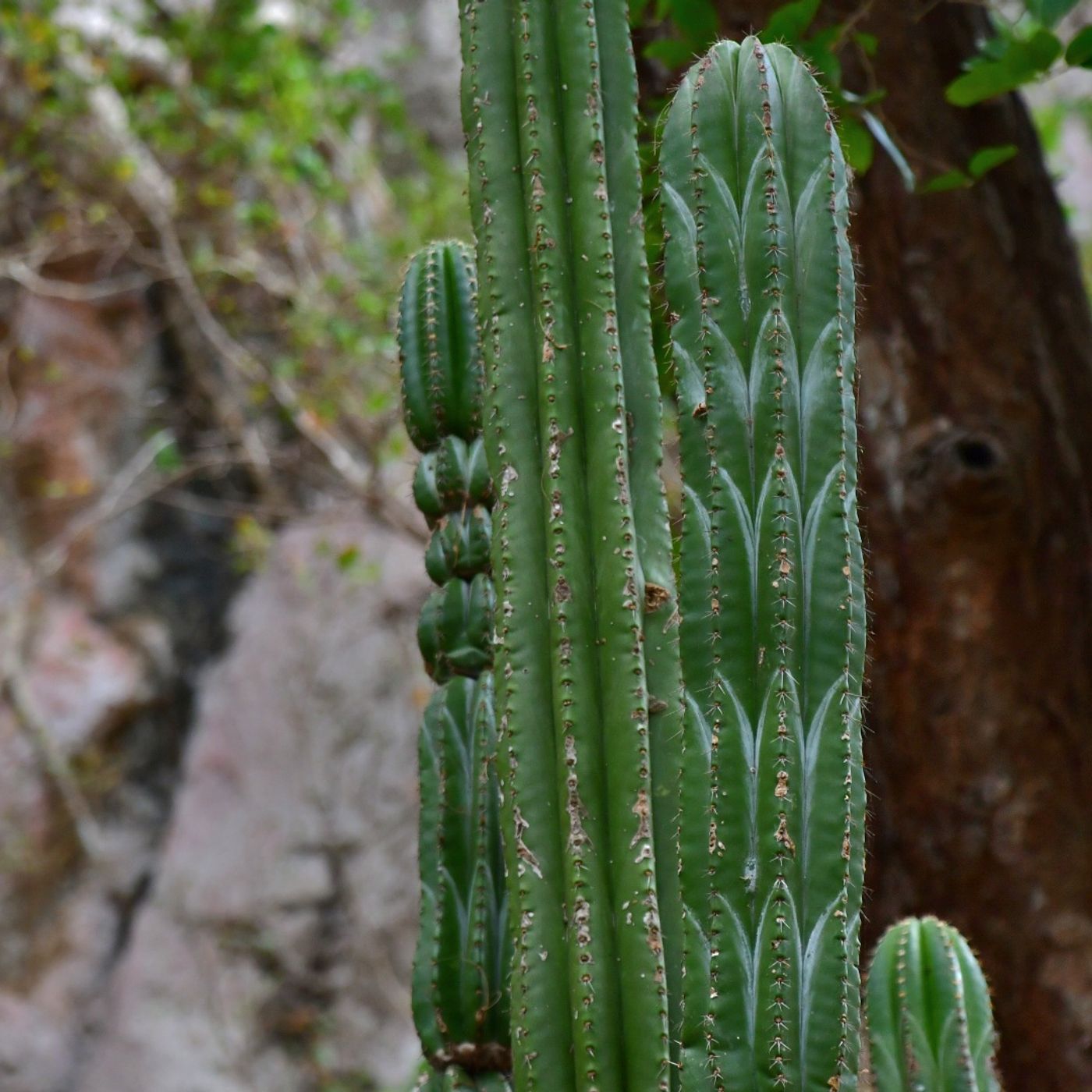
Lowland dry forest, where you can get pissed on by spider monkeys and capuchins while photographing columnar cacti growing on karstic limestone dominated by Bursera simaruba. We also talk about the dry forest oak Quercus oleoides which tolerates a 6 month long dry season and doesn't even receive that much rain during the wet season since it tends to grow on thin-soiled limestone.
Montane Wet Forest dominated by oaks like Quercus insignis, which produces acorns the size of baseballs and grows with epiphytic orchids and bat pollinated Bromeliads.
Cloud Forest dominated by ectomycorrhizal trees such Quercus costricensis and Comarostaphylis arbutoides (Ericaceae), a kind of habitat which also contains tropical variations of plant genera that are generally more associated with temperate latitudes.
Páramo habitat, where it's summer every day and winter every night due to the thin air at high elevations above 10,000' (3300 m) and plants produce layerings of hairs not to protect against drought but to protect against frost and increased Ultraviolet intensity.
In this episode of the podcast we rant about a myriad of topics and also discuss 4 main habitat types of Costa Rica :
Lowland dry forest, where you can get pissed on by spider monkeys and capuchins while photographing columnar cacti growing on karstic limestone dominated by Bursera simaruba. We also talk about the dry forest oak Quercus oleoides which tolerates a 6 month long dry season and doesn't even receive that much rain during the wet season since it tends to grow on thin-soiled limestone.
Montane Wet Forest dominated by oaks like Quercus insignis, which produces acorns the size of baseballs and grows with epiphytic orchids and bat pollinated Bromeliads.
Cloud Forest dominated by ectomycorrhizal trees such Quercus costricensis and Comarostaphylis arbutoides (Ericaceae), a kind of habitat which also contains tropical variations of plant genera that are generally more associated with temperate latitudes.
Páramo habitat, where it's summer every day and winter every night due to the thin air at high elevations above 10,000' (3300 m) and plants produce layerings of hairs not to protect against drought but to protect against frost and increased Ultraviolet intensity.
2025-04-11
152 min
Transcript
Available Results
Generated results are saved to the knowledge database for reuse and search.
No generated results are available for this episode yet.
Extract Knowledge
Pick what you want extracted first. Model, scope, and chapter options appear after a template is selected.
Generated results for public episodes are saved to the knowledge database so they can be reused and searched later.
Transcript
<v Speaker 1>Okay, we're gonna give it a little We're gonna give
<v Speaker 1>it some time for the ads, for the shitty ads
<v Speaker 1>to stop, so you could actually hear this song, because
<v Speaker 1>this is a banger. It should be what is it
<v Speaker 1>fifteen seconds? You got fingers that you can fast forward
<v Speaker 1>through the ads?
<v Speaker 2>There stand, Wow, Wow? Us down.
<v Speaker 1>Stands located cry Why don't you right? Job located looking girl?
<v Speaker 2>Stand?
<v Speaker 1>Why don't us down? No?
<v Speaker 2>Don't stand? Sir, sir, sir Sarah. Excuse me, sir, Sir, Sir,
<v Speaker 2>Sir Sarah, excuse me, sir, sir.
<v Speaker 1>All right, this enough of it?
<v Speaker 2>Sarah. Excuse me, sir sir.
<v Speaker 1>That's what they they're kicking us out. That's what they
<v Speaker 1>say when you're about to get kicked out, Sir Sarah.
<v Speaker 2>Excuse me.
<v Speaker 1>God, it was like a fucking nails on a chalkboard
<v Speaker 1>to me whenever I hear that, sir, God, I can't
<v Speaker 1>stand being called sir. In Texas, everybody calls you, so
<v Speaker 1>you just get used to it. I still don't like it,
<v Speaker 1>but it's you know, and even I'll do it sometimes
<v Speaker 1>it's a nice way. It's like a polite thing. Right.
<v Speaker 1>I don't know what that there's because everyone's packing heat here.
<v Speaker 1>Everyone's got to maintain this. Oh, it's like the old wist,
<v Speaker 1>maintain the surface layer of politeness even though you're I'm
<v Speaker 1>just kidding. People are People are generally nice here, if
<v Speaker 1>not somewhat insane, and uh, you know, the education system sucks.
<v Speaker 1>But okay, let's not tell me. Listen, I had to
<v Speaker 1>go to the bank today, which I would rather I
<v Speaker 1>would I would probably rather have to eat ass for
<v Speaker 1>like twenty minutes, like I don't and I'm not one
<v Speaker 1>who enjoys eating ass, so it would be like, I
<v Speaker 1>don't know, you know, it'd be like if I was
<v Speaker 1>eating Mitch mcconnald's ass for twenty Like that's like similar
<v Speaker 1>to going having to go to the bank, getting a
<v Speaker 1>call being like you have to you have to come
<v Speaker 1>in sir to uh to put your phone number because
<v Speaker 1>we ever we got the wrong addressers, you know, I
<v Speaker 1>think that's what it was. It was a wrong address.
<v Speaker 1>I don't know. I had to go in there. I
<v Speaker 1>try to turn myself, you know, off from reality. When
<v Speaker 1>I'm in there. You know, it'll be five minutes. I
<v Speaker 1>was in like forty five minutes. It was just fucking
<v Speaker 1>it's torture, the suits, the landscaping, the parking anytime. I mean,
<v Speaker 1>existing in modern American consumer society is painful enough for me.
<v Speaker 1>It's hell that is that alone is like eating Mitch
<v Speaker 1>McConnell's ass anytime I'm driving up the I thirty five
<v Speaker 1>corridor between San Antonio and also one of the most
<v Speaker 1>hideous stretches. Well, there's a lot of those, especially at
<v Speaker 1>the in the southeast, the lower latitude quarters. You know,
<v Speaker 1>I don't want to beat too hyperbolic, but you know,
<v Speaker 1>it's like eating Mitch McConnell's ass. So any and we've
<v Speaker 1>started the podcast off talking about eating the acid and
<v Speaker 1>aging Republican oligarch reporting supporting Senator. I guess we can
<v Speaker 1>get to the rest of the podcast if I've did.
<v Speaker 1>You know, it helps filter out the proofs, helps filter
<v Speaker 1>out the squares. Anyway, I just got back from god
<v Speaker 1>damn from Costa Rica. I just got back from Costa Rica.
<v Speaker 1>How many white girls in dreadlocks have you heard say it?
<v Speaker 1>I just got back from Costa Rica. I was the
<v Speaker 1>most amazing thing I had it. I went to an
<v Speaker 1>Iahuasca ceremony and it you know, because that's what I
<v Speaker 1>thought that Costa Rica was all about and I'll be honest,
<v Speaker 1>when I landed an airport, I kind of thought that too,
<v Speaker 1>because it was all Anglos. It was like all Americans.
<v Speaker 1>I said, this is just it's like a fucking United States.
<v Speaker 1>This is like, I mean, Mexico is so fucked up
<v Speaker 1>these days, well for the last decade. I guess it
<v Speaker 1>makes sense that, you know, the the gringos come down
<v Speaker 1>to Costa Rica and it's it's it's the wealthiest country
<v Speaker 1>in Latin America. I think, is that true? Most expensive
<v Speaker 1>at least one of them. But uh, you know, but
<v Speaker 1>I didn't know there was a diverse, such a diversity
<v Speaker 1>of habitat any any time a country is associated with beaches,
<v Speaker 1>I turned myself off to I just I just ignore
<v Speaker 1>it because I don't I'm not a beach pro. I
<v Speaker 1>think that shit is whack. I don't care about hanging
<v Speaker 1>out in the beach. Fucking lame. I got shit to do,
<v Speaker 1>you know, And there's hungry sharks in there, and I
<v Speaker 1>can't blame them. Shout out to the shark that ate
<v Speaker 1>that woman's leg in South Podtery Island last year. Uh
<v Speaker 1>Rome free, little buddy. So uh anyway, but I made
<v Speaker 1>the same mistake of perception with Dominican Republic. But holy shit,
<v Speaker 1>Costa Rica was you know, it was incredible. A gentleman
<v Speaker 1>invited me down there to go film some stuff and
<v Speaker 1>it was incredibly worth it. And shout out to him,
<v Speaker 1>thank you. And I'm the fucking dry force in the
<v Speaker 1>northwest part of the country, the cloud forest, the oak species,
<v Speaker 1>the fucking Jurassic Age conifers growing at nine thousand feet
<v Speaker 1>in cloud forest. So I think me and Allen and
<v Speaker 1>Mandy are gonna try to schedule some sort of like
<v Speaker 1>group tours, something that I don't want to call it
<v Speaker 1>a tour. It's not a fucking tour. You go out
<v Speaker 1>there with a bunch of science and biology nerds and
<v Speaker 1>you post up at a spot and it's all organized,
<v Speaker 1>which is way more than I can ever say for
<v Speaker 1>myself because I just get a shitty rental car and
<v Speaker 1>you know, gelevant all over the country going. I don't
<v Speaker 1>make a fucking itinerary, and I don't know what I'm
<v Speaker 1>gonna do it. I'm maybe I don't want to do
<v Speaker 1>that that day. Why would I lock myself into something,
<v Speaker 1>You know, I have no organization whatsoever when I do
<v Speaker 1>this stuff, and that's what makes it so fun. On
<v Speaker 1>a rewarding I was, you know, looking for corcasolioid. He's
<v Speaker 1>a dry tropical oak at ten o'clock at night near
<v Speaker 1>beehehe in uh Guanacaste, Costa Rica and the dry forest
<v Speaker 1>two hundred foot elevation. I didn't know I was going
<v Speaker 1>to be there. Had I stuck to a plan, I
<v Speaker 1>wouldn't have been able to see it. And I was
<v Speaker 1>just driving around looking for it, looking for oaks. It
<v Speaker 1>was fucking driving me nuts, man, I drove so much.
<v Speaker 1>But what an incredible oak and oak that grows in
<v Speaker 1>dry tropical forest at two hundred feet elevation and uh,
<v Speaker 1>just the habitat you never expect to see oaks in.
<v Speaker 1>But we might schedule we might try to schedule some
<v Speaker 1>group tour there in early July, which would be cool.
<v Speaker 1>It'll be lots of microscopy, d NA secret saying, we'll
<v Speaker 1>be giving presentations. It'll just be a clusterfuck of NonStop
<v Speaker 1>botanizing and my cologizing. Is that a word. That's the mushroom,
<v Speaker 1>that's the mushroom. Season is like May, it's the rainy
<v Speaker 1>season May through September and so in July. That's uh,
<v Speaker 1>that should be there should be plenty of mushrooms there.
<v Speaker 1>But it's just it's an if it comes to fruition,
<v Speaker 1>I'll let I'll be posting shit about it in a week,
<v Speaker 1>you know. But also the economy shit. So you know
<v Speaker 1>these things would cost like two grand or twenty five hundred.
<v Speaker 1>And before you freak out, that's all this shit is included.
<v Speaker 1>It's all paid for. And like you know, the one
<v Speaker 1>that Alan did a net quarter, they didn't make any
<v Speaker 1>money of it. They barely made They made like a
<v Speaker 1>couple grand. It was just how much it costs to
<v Speaker 1>run all that shit, all right. But uh, you know,
<v Speaker 1>since Trump's destroying the economy, since the game show host
<v Speaker 1>that his president is destroying the economy, people might be
<v Speaker 1>a little more and just fired, you know, two hundred
<v Speaker 1>thousand federal employees, people might be a little hesitant to
<v Speaker 1>spend money. So I totally understand that, But god, have
<v Speaker 1>you ever been to a fucking dry We're not going
<v Speaker 1>to be in the dry tropical force that we plan.
<v Speaker 1>This trip will be in the force like nine thousand
<v Speaker 1>feet elevation climbate of Humboldt County, California, but it's different though,
<v Speaker 1>because the air is so thin it holds, you get
<v Speaker 1>you know, greater temperature swings between day and night. So
<v Speaker 1>it's not really analogous to like lowland northern California because
<v Speaker 1>the air is so thin. So oh, and there's paramo
<v Speaker 1>up there too. I saw Puya desk larioides and this
<v Speaker 1>fucking blackn them black that it's a it's a fern.
<v Speaker 1>It's like a coalescent blacknum. You get these in South America,
<v Speaker 1>in high elevation South America or low elevation, higher latitude
<v Speaker 1>South America. These these black thems. They just look fucking
<v Speaker 1>I saw what was it? Lamerio psychus? Was it what
<v Speaker 1>I saw in Chile? What a we? It's psychis to
<v Speaker 1>you think it would be a psycha, but it's a
<v Speaker 1>it's a black them. Just incredible diversity. I was in
<v Speaker 1>like four or five completely different habitats when I was there,
<v Speaker 1>mid elevation, tropical forests, lowland, dry forest cloud for paramo,
<v Speaker 1>the paromo is fucking incredible. God damn it. Man. It's
<v Speaker 1>just you know, you get all these species in genera
<v Speaker 1>that you normally find at higher latitudes, like you'd expect
<v Speaker 1>to see in like the Rocky Mountains, or like far
<v Speaker 1>South Chile. There was Gunnera up there, and oh it's
<v Speaker 1>gonna I got a shit ton of videos to edit.
<v Speaker 1>I've got videos from Ecuador, Chile and fucking Costa Rican
<v Speaker 1>out I gotta edit. But I don't know what I'm
<v Speaker 1>gonna do it, but uh, we'll get a round to it.
<v Speaker 1>But that if you've never been to tropical dry forest,
<v Speaker 1>it's pretty incredible. It's it's I was like getting pissed
<v Speaker 1>on by He didn't piss on me, but he tried
<v Speaker 1>to piss on me from up on a tree. He
<v Speaker 1>was in a in a Cassia grandis tree for basi,
<v Speaker 1>and he tried to piss it. A little bastard tried
<v Speaker 1>to piss on me, which I can't blame him. I
<v Speaker 1>would probably do the same if I was a monkey,
<v Speaker 1>I'd be peeing on people from different trees and elevations.
<v Speaker 1>Just a natural response, especially humans to humanity, is that
<v Speaker 1>you want to you know, at least he wasn't throwing
<v Speaker 1>shit these little guys though. That was it was Jeffrey's
<v Speaker 1>spider monkey. I don't know who the fuck Jeffrey was.
<v Speaker 1>Some biologists one hundred years ago, some dead hawk I
<v Speaker 1>don't know anyway, but uh, and they were really like,
<v Speaker 1>not aggressive, but they weren't afraid. They came up and
<v Speaker 1>ran up at the Capuchins, the white faced Capuchins, those
<v Speaker 1>cute little bastards with their little vampire teeth, were afraid
<v Speaker 1>of me. I tried to give them a banana, which
<v Speaker 1>I know you're not supposed to do, but I couldn't resist.
<v Speaker 1>They weren't a fucking mango tree. Mangoes aren't even native
<v Speaker 1>to the Americas, so give me a break. Okay, what's
<v Speaker 1>the banana gonna do? All Right? They had and these
<v Speaker 1>animals had the run of the park too, because all
<v Speaker 1>the staff was gone. It was first, it was the
<v Speaker 1>week the weekday. Second, it was like the tail end
<v Speaker 1>of the dry season, so everything, all the plants, all
<v Speaker 1>the leaves were on the ground. It was felt, you know, crunch, crunch,
<v Speaker 1>crunch everywhere you walk there. It was high as balls.
<v Speaker 1>It was probably ninety five degrees that day, which now
<v Speaker 1>I'm used to after living in South Texas for how
<v Speaker 1>long I've been here four years. I didn't mean to
<v Speaker 1>live down here. It was an excellent you know, I
<v Speaker 1>just came down here for other reasons, for family obligations,
<v Speaker 1>and now you know, now I'm stuck. But we started
<v Speaker 1>a fucking you know, nonprofit conservation project, so you know whatever.
<v Speaker 1>And it's been good for fueling my hate of consumer
<v Speaker 1>society too, because that shit is everywhere. You know. It's
<v Speaker 1>a defficult done here. So there were three monkey species
<v Speaker 1>I encountered. God, the howler monkeys too. They're terrifying. Fuck me,
<v Speaker 1>I was in a I almost got a little buggered out,
<v Speaker 1>you know, I was filming Marshallow series. She's this beautiful
<v Speaker 1>columnar cac guy that branches, but the branches that it
<v Speaker 1>gets stayed close to the stem, so it's got this
<v Speaker 1>kind of parallel tuning for look to It was really
<v Speaker 1>cool parallel stem tuning fork look. And it's got this
<v Speaker 1>beautiful epicuticular wax where the growth stops and you can
<v Speaker 1>probably use that, you know, and then it'll get a
<v Speaker 1>green segment when it would burst of new growth like
<v Speaker 1>six inches, so you got towards the top of its stem,
<v Speaker 1>you got like six to eight inches of green interspersed
<v Speaker 1>with the probably like half a inch or an inch
<v Speaker 1>of white like this white wax. And that's where you know,
<v Speaker 1>it's got this pattern, this zigzag pattern on the ribs
<v Speaker 1>because that's where all the you know what, that was
<v Speaker 1>the end of the plant. That was the end of
<v Speaker 1>the stem where it's growth ceased for the dry season,
<v Speaker 1>and then when the rainy seasons start up again, then
<v Speaker 1>you get a burst of new growth. So it's kind
<v Speaker 1>of analogous to tree rings on cacti. And I've seen
<v Speaker 1>it on another columnar cactus species, like in western Chiapas, Mexico,
<v Speaker 1>et cetera. And so these marshallow series I was in
<v Speaker 1>dry tropical force put up towards the top. The kars
<v Speaker 1>was exposed and there was thin soil, so it was
<v Speaker 1>dominated by burs Simaruba, which you get in South Florida.
<v Speaker 1>To the tourist tree is the common name Frankinson's family,
<v Speaker 1>Elephant tree family. You really shouldn't use common names. So
<v Speaker 1>I'm just telling you just learned a fucking genus name.
<v Speaker 1>I gotta say that, sorry, got it, hey, coming name?
<v Speaker 1>Some of ours are so stupid, so uh, you show
<v Speaker 1>some respect for the plant, all right, learn the fucking
<v Speaker 1>genus name. It's not that Hardimaruba and uh and Marshall
<v Speaker 1>is series dominated. And I was checking this out, and
<v Speaker 1>then you know the there's leaves all over the ground too,
<v Speaker 1>and there's a couple of venomous snake species. There's a
<v Speaker 1>venomous crotalus, and they're all vipers. Of course, I guess
<v Speaker 1>there's a couple of coral snakes. You don't got to
<v Speaker 1>worry about those, they're small and you know, cryptic. Uh.
<v Speaker 1>And then the fertile lance. Fucked the fertile lance. That's
<v Speaker 1>the only viper I would possibly if it was on
<v Speaker 1>my property, I would probably kill it because they they're
<v Speaker 1>so aggressive and territorial, and they're not like rattlesnakes. They're
<v Speaker 1>not kind enough to let you know when they're you know,
<v Speaker 1>when you're nearby, and they reproduce like fucking rants too.
<v Speaker 1>There's so many of them. I met some lady whose
<v Speaker 1>dog got bit. And they don't give you any warning again,
<v Speaker 1>They'll just there. It's like stepping on a land mine,
<v Speaker 1>you know, or stepping close to a landmine, because you
<v Speaker 1>don't even have to really step on them. They'll just
<v Speaker 1>bite you whatever. And it's fucking nasty venom too. It
<v Speaker 1>just causes rotting flesh and just anyway, so I was stepping,
<v Speaker 1>I was stepping around as Marshallow series filming it, and
<v Speaker 1>I later realized I lost the video. The video It
<v Speaker 1>was cool, It was only like two or three minutes.
<v Speaker 1>And then I heard this like it sounded like this
<v Speaker 1>guttural wine, and I thought, is that a fucking cat?
<v Speaker 1>What the hell is that? Like? Is that a jaguars?
<v Speaker 1>And then I heard another one from sixty feet away,
<v Speaker 1>and uh, and I realized the other monkeys, they're like
<v Speaker 1>up in the trees. And obviously it's not a cat
<v Speaker 1>because cats are outry, but it was still totally terrifying
<v Speaker 1>at first. And then I looked up and I saw
<v Speaker 1>like this little spider monkey like the size of a cat,
<v Speaker 1>maybe a little bit bigger, giant pair of nuts on
<v Speaker 1>the sky too. I mean, I said, wow, like he
<v Speaker 1>had a giant it looked like the truck nuts, like,
<v Speaker 1>you know, because the truck no pair of human balls
<v Speaker 1>ever looks like the nuts that these meatheads, these double
<v Speaker 1>digit IQ dumb as a brick fucking retards hang on
<v Speaker 1>their their trucks like in a in a you know,
<v Speaker 1>the lower in the lower latitude US Arizona to Florida,
<v Speaker 1>anywhere in between. But this monkey's balls looked just like that.
<v Speaker 1>I was amazed. I said, that's amazing, you know, to
<v Speaker 1>get to when he was like crawling headfirst, upside down, swinging,
<v Speaker 1>you know, going to different trees. Yeah, it was. I
<v Speaker 1>saw Kawai too, giant paar of nuts on him. I said, wow,
<v Speaker 1>just I've just like OBJECTI fight these animals. So but anyway,
<v Speaker 1>so this is towards the top of this cart and
<v Speaker 1>the cars. If you've never been on dog Tooth Krst,
<v Speaker 1>it's really it's bizarre rocks. It dissolves really easily in
<v Speaker 1>the high rainfall areas because these are dry forces. They'll
<v Speaker 1>be dry for six months. By five to six months
<v Speaker 1>no rain, you're still low latitude, so it's hot as shit.
<v Speaker 1>So all the plants just drop their leaves. They just
<v Speaker 1>go drought deciduous. I didn't even know what it was
<v Speaker 1>a thing until I saw it in David Attenborough movie
<v Speaker 1>a decade ago, you know, talking about drought deciduousness, Like
<v Speaker 1>so many people have no clue. This is like a
<v Speaker 1>dominant forest type around the world at the same given latitudes,
<v Speaker 1>the tropical latitudes. You know, it doesn't happen at the
<v Speaker 1>equator really, but it happens in between twenty one degrees north,
<v Speaker 1>and I mean even kind of in South Texas where
<v Speaker 1>I am twenty six degrees north. Anywhere at the same
<v Speaker 1>latitude India, you know, North hemisphere, Southern hemisphere, southern hemispheres
<v Speaker 1>obviously reversed, the dry seasons reversed, and it's all just
<v Speaker 1>because of those low pressure systems causing thunderstorms at a
<v Speaker 1>certain time of year. And then as the Earth, you know,
<v Speaker 1>it goes to the other side of its orbit, then
<v Speaker 1>that low pressure system moves to the other side of
<v Speaker 1>the equator, causes the dry or causes the dry season
<v Speaker 1>where it just was six months previous, et cetera. But
<v Speaker 1>I was the karst is wild because it's it's literally
<v Speaker 1>like a dog dog's tooth. It's you can't walk on
<v Speaker 1>a barefoot. It would fucking cause you to bleed, so
<v Speaker 1>you need really thick soled boots. Would probably tear up
<v Speaker 1>tennis shoes really quickly. But that's in those thin soiled
<v Speaker 1>areas where you get to the top of it and
<v Speaker 1>there's no soil, then you get a different plant community,
<v Speaker 1>you know, your typical rocky arid microsite in a otherwise
<v Speaker 1>dense forest type thing. And that was really cool to
<v Speaker 1>see because there was a Gave Workley eye up there,
<v Speaker 1>which is the syndemic A Gave. I mean, the plant
<v Speaker 1>community just totally changed you for me. A schlechtin Dally eye.
<v Speaker 1>I've seen that name before. I don't know who Shlecton
<v Speaker 1>Doll was. I should probably look him up, but god,
<v Speaker 1>it's just stupid. You know. It's bad enough to know
<v Speaker 1>I always say that sorry obligatory rant that I was gone.
<v Speaker 1>It's bad enough to name plants after people, but it's
<v Speaker 1>when you've got that ridiculous ass European sounding name. I
<v Speaker 1>don't you know, and no offense to you know, I
<v Speaker 1>don't know what is it? Scandon Navy, no, Norwegia. What
<v Speaker 1>is he German? What is the Schlechtindhal? What is it German?
<v Speaker 1>I think it's German. When you got a name like
<v Speaker 1>it just sounds goofy as fuck when you try to
<v Speaker 1>latinize it, Why would you do that? Put his name
<v Speaker 1>in there? Maybe his name was Ernie. You know, you
<v Speaker 1>for be an Ernie. I you know, shout out to Ernie.
<v Speaker 1>How many Ernies do you know in your life? You know? No,
<v Speaker 1>there's no no one's name in their kids Ernie anymore.
<v Speaker 1>And I think that's the real travesty you want to
<v Speaker 1>talk about, you know, corporate fascism, moralagarch Yet it's sad,
<v Speaker 1>But the real tragedy is no one's naming their kid
<v Speaker 1>Ernie anymore. Ernest God schlechtin you forb be a schlechtind
<v Speaker 1>you get the fuck out of here. Jesus just named
<v Speaker 1>the fucking thing after or what it? You know, it's
<v Speaker 1>got cherry, it's got bark that looks like a cherry tree,
<v Speaker 1>like peeling, red, beautiful bark. Name it after that. But
<v Speaker 1>you name it after this fucking dead guy. You know this?
<v Speaker 1>How long is this plant in a species? For a
<v Speaker 1>few million years? And your name Schlechton Dolly, Hushchlechton Doll.
<v Speaker 1>I should Oh my god. It's a guy with a
<v Speaker 1>hand in his uh, in his in his in his coat.
<v Speaker 1>Remember when they used to do that in his stick
<v Speaker 1>the hand half in your coat. Diedrich Franz Leonard, We
<v Speaker 1>get the fuck out of here. He was a professor
<v Speaker 1>of botany and director at the botanical gardens at a
<v Speaker 1>Martin Luther University of hal Wittenberg. From why the fuck
<v Speaker 1>that guy lived? How long did he live to be
<v Speaker 1>sixty to fifty years. I don't know. Maybe he was
<v Speaker 1>a nice guy, you know, Maybe he was a nice guy.
<v Speaker 1>Maybe he was giving blowjobs at a truck stop. That's
<v Speaker 1>not bad either. I don't know. I do know that
<v Speaker 1>it doesn't make sense to name a plant after him, though,
<v Speaker 1>that's anyway, schlechtin doll God, I fucking hate that. I hate,
<v Speaker 1>I hate, I hate, hate hate such a cool plant
<v Speaker 1>anyway for me shlectin Dhali, I is, I guess I
<v Speaker 1>can get medium tree size. The one I saw was small.
<v Speaker 1>It was growing on a carstick cliff, overlooking a beautiful vista,
<v Speaker 1>a mirrored ore, with two black vultures eyeing me somewhat
<v Speaker 1>skeptically from a completely leafless tree. Everything there was waiting
<v Speaker 1>for the range. The range had start in May. But oh,
<v Speaker 1>this is this thing going on? But anyway, and then
<v Speaker 1>there was a guy where cosma tear. There was, which
<v Speaker 1>is tarrat a c a fern. It was all shriveled
<v Speaker 1>up and dry, but I could see the white farina
<v Speaker 1>on the undersides of the leaflets of the fronz uh
<v Speaker 1>and a gave werkley. Nowhere else did I see this
<v Speaker 1>in this habitat except on these rocky outcroppings, so you
<v Speaker 1>get it. It's you know, it's basically stuck. It's sydemic
<v Speaker 1>to these micro sites that are otherwise because it needs
<v Speaker 1>full sun, in full exposure, and it you know it can.
<v Speaker 1>It's it's adapted to grow on thin to no soil.
<v Speaker 1>And what a cool species it was. I saw it
<v Speaker 1>on another site too, which I'll we'll get too later
<v Speaker 1>in the podcast. I saw it much closer to San Jose,
<v Speaker 1>the capital city of Costa Rica, growing on a sketchy
<v Speaker 1>cliff composed of crumbly shale talus that was really hard
<v Speaker 1>to get up and sketchy as fuck, but uh, definitely
<v Speaker 1>worth it. Yeah, so guys, just getting up there, I
<v Speaker 1>got the mosquitoes got really bad towards the top to
<v Speaker 1>it because the monkeys were there and so they had
<v Speaker 1>some defeast on or what, but they were horrible. I
<v Speaker 1>wish I had one of those little electric tennis records.
<v Speaker 1>Just swat the fuckers because they were making filming really hard.
<v Speaker 1>They're making taking photographs really hard. That Euphorbia was completely
<v Speaker 1>leaf list, but it was flowering and tiny scyathia everywhere.
<v Speaker 1>That's how I realized it was a euphorbia because otherwise
<v Speaker 1>doesn't really look like one. It's got papery, it's got
<v Speaker 1>like bark that looks like peeling birch bark, but it's
<v Speaker 1>like a deep blood red beautiful. And then there was yeah,
<v Speaker 1>marshallow Sirius aragoni eye, that blue tuning fork cactus, candelabra
<v Speaker 1>cactus and our gave Werkley eye and that cool, cool
<v Speaker 1>ar gyracosma. Just it's such a wonderful habitat. And and
<v Speaker 1>then coming down there was just so much animal life too.
<v Speaker 1>Like the animal there's there was no staff there, so
<v Speaker 1>the animals had the whole run of the park. I
<v Speaker 1>saw a white tailed deer in this habitat, which is
<v Speaker 1>wild to see him in a dry tropical forest. Yeah,
<v Speaker 1>same species, you know, the Virginianus. But uh, but it was,
<v Speaker 1>you know, it was a really rich site. And just
<v Speaker 1>being in those in those kinds of forests. Man, there's
<v Speaker 1>Leana's everywhere too, which that was what struck me. Maybe
<v Speaker 1>it's just because it was the last day. It was
<v Speaker 1>the last thing in the memory. But like everything I
<v Speaker 1>encountered was new, every plant was new, every species was new.
<v Speaker 1>I had no clue half the stuff I was looking at.
<v Speaker 1>I mean, maybe I could get it down to family,
<v Speaker 1>but it was just a wonderful experience.
<v Speaker 2>I love that.
<v Speaker 1>I love being disoriented. There's so much excitement, curiosity, and
<v Speaker 1>the habitat is so different because it'll get two meters
<v Speaker 1>of rain during the rainy season. That's more rain than
<v Speaker 1>most places in North America in the United States. But
<v Speaker 1>then it's got this six month dry season where it's
<v Speaker 1>hot as balls, you know, and then of course there's
<v Speaker 1>not much of a change in daylight, very minuscule. You know,
<v Speaker 1>it's generally around twelve hours twelve hours slightly because you're
<v Speaker 1>not right at the equator, you're ten degrees left to
<v Speaker 1>you get slightly longer days in summer, but not by much.
<v Speaker 1>But god man, yeah, it was it. And the crunch
<v Speaker 1>of the leaves too, like every the leaf litter is everywhere,
<v Speaker 1>which you know, what fun guy are eating those when
<v Speaker 1>it does rain, you know. And I love to be
<v Speaker 1>there in the summer too, and just see the night
<v Speaker 1>and day contrast because it's you know, most dry places
<v Speaker 1>in North America or in the United States are most
<v Speaker 1>most dry climates, you know, they're just dry all the
<v Speaker 1>time you'll get rain a little bit, they'll be lush
<v Speaker 1>for like a month, like Sonora doesn't. There'll be lush
<v Speaker 1>for a month. Then it just it's but you could
<v Speaker 1>still tell it's a doesn't. But this is like a forest.
<v Speaker 1>It's an actual forest, and two meters is a fucking
<v Speaker 1>lot of rain. It gets six feet of rain a
<v Speaker 1>year during the wet season, but then it doesn't rain
<v Speaker 1>for five or six months. And what that brings out
<v Speaker 1>in plants, like the kinds of shit that they have
<v Speaker 1>to do to deal with that is crazy to me.
<v Speaker 1>Like it's just like so tolerating so much rain, bursts
<v Speaker 1>of growth and then sitting tight for six months. I mean,
<v Speaker 1>it's basically the same thing that plants do in a
<v Speaker 1>temperate climate you know where used to before before climate change,
<v Speaker 1>Like when it plays like Chicago still used to get
<v Speaker 1>actual winters, but it's instead of it being the cold,
<v Speaker 1>it's just a complete dry Like that's the only changing factor.
<v Speaker 1>I just had to stop and give a online presentation,
<v Speaker 1>So I'm back with you give an online presentation about
<v Speaker 1>long killing. It's always fun, it's always so rejuvenating to
<v Speaker 1>hear how many people are on board with that. And
<v Speaker 1>how insane people think lawns are. It just doesn't make
<v Speaker 1>any sense. Those roots don't go deep. You're not holding
<v Speaker 1>water in in areas that are prone to flooding, and
<v Speaker 1>you're requiring a lot of steroids pesticides, you know, steroids,
<v Speaker 1>pesticides and herbicides to infund it's eyes, to keep the
<v Speaker 1>thing alive. In dry areas, you're keeping up perpetually bonds.
<v Speaker 1>I think, God, I fucking hate lunch. Okay, anyway back
<v Speaker 1>to the what we were talking about. So these dry
<v Speaker 1>forests were in but what was kind of disheartening was
<v Speaker 1>that to get to them, I had to drive through
<v Speaker 1>miles of agriculture that was previously dry forest. So so
<v Speaker 1>much you know, it's like anywhere you go in the world,
<v Speaker 1>I mean, there's the human impact is so intense, and
<v Speaker 1>a lot of that agriculture is of course being used
<v Speaker 1>to grow hay to feed cattle and livestock. Not the
<v Speaker 1>most efficient system. Hopefully we'll figure that out in the
<v Speaker 1>next century or two before we annihilate ourselves. Unlikely, but
<v Speaker 1>you know that's what we So we got existentialist philosophy
<v Speaker 1>for you know, and apocalyptic humorous nihilism. Oh God, anyway,
<v Speaker 1>I'm sorry. Okay, So, but to get to these yeah,
<v Speaker 1>to get to these forests, I had to go. Thank god,
<v Speaker 1>Google Maps fucked me, as they usually do. They sent
<v Speaker 1>me on this backwards ass loop. And this is the
<v Speaker 1>thing I remember when I was traveling a lot right
<v Speaker 1>in freight transitionship. There was no smartphones yet. Thank god,
<v Speaker 1>it was such a wonderful, wonderful time. I'm like the
<v Speaker 1>last generation that got to experience that. So to get around,
<v Speaker 1>we didn't have navigation systems. We had maps. So you
<v Speaker 1>would actually go to library, print out a map, or
<v Speaker 1>maybe jack one. It's from a you know, change store
<v Speaker 1>or they like Walgreens and all these dructures used to sell,
<v Speaker 1>you know, these foldable maps. I don't think they'd do
<v Speaker 1>that anymore, like these foldable laminated maps that would fold
<v Speaker 1>into like little pamphlet size and so, and you actually
<v Speaker 1>had to think about where you're going and navigate and
<v Speaker 1>remember street names. Shit like that you have to do anymore.
<v Speaker 1>So anyway, Google Maps fucked me. It took me through
<v Speaker 1>this backwards ass way down what ended up being a
<v Speaker 1>private road through agriculture. I had to turn around and
<v Speaker 1>then one of them the irrigation canal had overflowed, the
<v Speaker 1>had flooded the road, and I was driving this little
<v Speaker 1>beat up, said Dan that it's like little Euroca, and
<v Speaker 1>so blessed that thing. I took it some places that
<v Speaker 1>it definitely should not have gone so anyway. But because
<v Speaker 1>of that, I got to see some cool stuff. I
<v Speaker 1>got to see cashew trees not really being invasive but volunteering.
<v Speaker 1>And it's like, actually they suck the cashew fruit, which
<v Speaker 1>I don't recommend doing because it's got you rushi all oil.
<v Speaker 1>It's got allergenic oils as one third of the plants
<v Speaker 1>and the family Antacardiaci do similar to you rushia, all
<v Speaker 1>the same compound in poison oak, you know, Lithrea costica.
<v Speaker 1>In Chile, Lithrea costica produces a similar compound called litriol
<v Speaker 1>that can cause an allergenic reaction. But I think it's
<v Speaker 1>like poison ivy, like you have to get sensitized to
<v Speaker 1>it first. I don't know, But the point is is
<v Speaker 1>I wass going through these agricultural fields too. I saw
<v Speaker 1>a lot of cool fucking birds. I saw a fasciated
<v Speaker 1>tiger heron beautiful bird, a jabberou which is like this stork,
<v Speaker 1>Like this big white stork with a black hood, looks
<v Speaker 1>like some ount of like a Star Wars you know,
<v Speaker 1>like it's like one of the creatures you see, you
<v Speaker 1>know in the New re with the Congress, Like you
<v Speaker 1>see the politicians in the robes in the Star Wars movies.
<v Speaker 1>Sometimes they look like one of these storks. You know,
<v Speaker 1>this real weird looking guy. Beautiful wasn't vibed out by
<v Speaker 1>me either, uh, And I saw what I see a
<v Speaker 1>Cordia species. Cordia is the genus of Texas olive. Cordia
<v Speaker 1>bassierra is the Texas you see in San Antonio and
<v Speaker 1>South Texas barage in ace. It's got those little hairs
<v Speaker 1>in the leaves, scabbard leaves, sandpaper like leaves, big white
<v Speaker 1>flowers and a two forked style and stigma in the center,
<v Speaker 1>which was a giveaway later for or can be a
<v Speaker 1>giveaway for family. And some of these you know baragi
<v Speaker 1>and ace trees like Aredia or Cordia et cetera. You know,
<v Speaker 1>the Boris family produces a lot of tree forms species
<v Speaker 1>that have it that are trees and in lower latitude
<v Speaker 1>tropical environments. Yeah, so that was fucking great.
<v Speaker 2>To see.
<v Speaker 1>I saw Cordia then and Cordya. I forget the other one,
<v Speaker 1>but but lots of interesting stuff along the way. I mean,
<v Speaker 1>it was so it's so exciting everyone because everything is new.
<v Speaker 1>Everything I was passing by was worth stopping to take
<v Speaker 1>photos of and and try to document so that I
<v Speaker 1>could remember it. And that's all I'm doing in places
<v Speaker 1>like this. I saw a really cool fucking corvid called
<v Speaker 1>a white throated magpie. J looks like a blue jay
<v Speaker 1>with this big, big ass, you know, plumage on top.
<v Speaker 1>Fucking gorgeous bird. It was hanging out in Bursra. I
<v Speaker 1>don't know if it was Bursra simaru, but I looked
<v Speaker 1>like a different Bursra species. It didn't have the red
<v Speaker 1>bark and had different leaves. But uh, it was eating
<v Speaker 1>the Bursra berries or I guess they're droops. They've only
<v Speaker 1>got one seed in them. Gorgeous birds though, And there
<v Speaker 1>was a bunch and they were just fucking Corvids are
<v Speaker 1>always so funny too. They're so loud and have so
<v Speaker 1>much personality and are just like kind of a pain
<v Speaker 1>in the ass, which is like a good quality. I
<v Speaker 1>like person too. I hope on my tombstone. It says that,
<v Speaker 1>you know, great guy, but he was kind of a
<v Speaker 1>pain in the ascidt times. That's if I would, I'll
<v Speaker 1>settle with that. You know. There was a really cool
<v Speaker 1>palm I saw that was used just you know, on
<v Speaker 1>marginal on the margins of agriculture, and that was cool
<v Speaker 1>too us because a lot of the most of the
<v Speaker 1>plants you saw on the sides of the agriculture were natives,
<v Speaker 1>you know, as used to be the case before corporate monoculture.
<v Speaker 1>Agriculture in the Midwest, you know, annihilated all these milkweed
<v Speaker 1>strips and shit like this horrible fucking not even leaving crumbs,
<v Speaker 1>like the strips of greenery along the farm fields, not
<v Speaker 1>even leaving those for native plants anymore anyway. But they're
<v Speaker 1>still doing it in northwest Costa Rica. But Bactris guianensis
<v Speaker 1>was this spiny palm species and it's got these like cups,
<v Speaker 1>these like eight to nine inch cups, like elongated oval cups.
<v Speaker 1>It's like a bowl shape thing, and it's just it's
<v Speaker 1>just this the like the little space that protects the inflorescences,
<v Speaker 1>the flowers and then later the fruit. Okay, apparently I
<v Speaker 1>naturalists is saying Backtrisky and ensiss is invasive in Coasta Rica.
<v Speaker 1>I don't really buy that because it's native three hundred
<v Speaker 1>miles away. You're telling me it never it never fucking
<v Speaker 1>made it there prior to humans. I mean, I saw
<v Speaker 1>it in the forest there. That's got to be a bullshit.
<v Speaker 1>There's got to be a bullshit assessment with how plant
<v Speaker 1>distributions shift and change over millennia and how climates change
<v Speaker 1>over millennia, and it's crazy to think that that's right. Someone.
<v Speaker 1>I heard someone calling Verbusina and Coelioides invasive in southern California,
<v Speaker 1>and I was like, how the fuck is that in
<v Speaker 1>its native like two hundred miles away. How the fuck
<v Speaker 1>would it have never made it there? I don't I
<v Speaker 1>think this. I think a lot of peoples and understandably,
<v Speaker 1>so I understand why this is a lot of people's
<v Speaker 1>understanding of invasive and native is flawed because they don't understand. Again,
<v Speaker 1>it's zooming out, how did this thing get there? Right?
<v Speaker 1>It's much harder to go across an ocean if you're
<v Speaker 1>a seed or a little plantlet on a debris raft
<v Speaker 1>or whatever. A three thousand mile ocean than it is
<v Speaker 1>to go across a two hundred mile expanse of mostly
<v Speaker 1>tropical forest. I guess there's a there's not even really
<v Speaker 1>a mountain range in a way there. Yeah, it's native
<v Speaker 1>three hundred miles away, and like northern Colombia. Hey, yeah,
<v Speaker 1>I don't know. I don't think I buy that and
<v Speaker 1>verbosena and see, I mean there's always cases. But I
<v Speaker 1>was saying this before, Like the most generally speaking, and
<v Speaker 1>take this with a grain of salt, the worst invasives
<v Speaker 1>are always from other continents because those are what have
<v Speaker 1>been separated the longest. There's a reason for it, right,
<v Speaker 1>And this is what idiots who deny invasion biology who
<v Speaker 1>shouldn't be taken seriously at all because they're generally not
<v Speaker 1>botanists or collogists. They're either from the permaculture community, no
<v Speaker 1>offense to them, or don't know plants at all. The
<v Speaker 1>whole thing you're talking about with native and invasive is
<v Speaker 1>was it adapted to this region? Did it evolve there?
<v Speaker 1>There's a reason behind it. There's a method to the madness.
<v Speaker 1>It's not just human purity. It's not just like the
<v Speaker 1>how far back in time do you have to go
<v Speaker 1>out well, it's not even about that. When you look
<v Speaker 1>at all the things, all the other organisms this species
<v Speaker 1>has relationships with it, starts to make sense. You realize that, okay,
<v Speaker 1>this is connected to this, and you've got a specifict
<v Speaker 1>pollinator here and a fungus here, beneficial fungus, and it's
<v Speaker 1>evolved defenses against this certain insect because it's been in
<v Speaker 1>an evolutionary arms race with it for you know, five
<v Speaker 1>million years. For fuck's sake. I mean, this is not
<v Speaker 1>that hard of a concept to think about. So someone
<v Speaker 1>was busting my balls about that too. God, he was
<v Speaker 1>fucking annoy He was on the Facebook. What would you know.
<v Speaker 1>Shame on me for reading comments on a Facebook page.
<v Speaker 1>But I do enjoy interacting with people some on there
<v Speaker 1>sometimes cause it's you know, a lot of people are
<v Speaker 1>cool and they're just curious and I get to answer
<v Speaker 1>questions whatever. But some guy is some blowhard. You know,
<v Speaker 1>he's responding like six paragraphs to every thing, either trying
<v Speaker 1>to like it felt like showboating, or it's always men,
<v Speaker 1>it's always fucking men to do this showboating, or you know,
<v Speaker 1>oh yeah, but it's just shit like that. I ended
<v Speaker 1>up just blocking them. Take a fucking hike. But talk
<v Speaker 1>to your shrink, all right. I'm not your fucking therapist.
<v Speaker 1>This isn't your space. Chill out, you're not being friendly,
<v Speaker 1>being a dick, all right, Just fucking block and delete.
<v Speaker 1>I mean, especially Facebook, it's so full of morons and
<v Speaker 1>just bored, lonely people. And I have sympathy for them
<v Speaker 1>to an extent, but just fucking go outside, Go do something.
<v Speaker 1>Go teach yourself fucking piano or astronomy or Spanish, you're
<v Speaker 1>fucking Czechoslovakia whatever, you know. God, it's just it's it's horrible.
<v Speaker 1>It's it's like the what it does to the human mindset. One.
<v Speaker 1>People are posers because they get you get to you know,
<v Speaker 1>you get to decide what you look like to other people.
<v Speaker 1>You get a filtered, choreographed and uh and tailored uh
<v Speaker 1>wayed to you know, portray yourself. But also, you know,
<v Speaker 1>you remove the face to face interaction. People has become
<v Speaker 1>some people has become total cunts. And that's what this
<v Speaker 1>guy was, he's becoming. He was just like a cunt.
<v Speaker 1>So I said, just fucking you know, he was arguing
<v Speaker 1>about something. He's like, well, not really, because how do
<v Speaker 1>you explain and I was like, listen, man, I've been
<v Speaker 1>all over the world. I've seen this. There's exceptions, take
<v Speaker 1>with a grain of salt, but generally the continents, it's
<v Speaker 1>the whole ecosystem. It's not just the plant species. When
<v Speaker 1>you're thinking about invasive versus native and how something behaves,
<v Speaker 1>it's all about checks and balances. It's invasive because there's
<v Speaker 1>nothing that's evolved to take it down, like cacti in Australia.
<v Speaker 1>Cact I never would have made it to Australia because
<v Speaker 1>they were separated by a fucking ocean. Right one cack,
<v Speaker 1>this species made it to Africa. Not surprisingly, it's a
<v Speaker 1>bird dispersed species and only one in the last however,
<v Speaker 1>many millions of years since cacti evolved. That tells you
<v Speaker 1>it's you know that the chances are pretty rare that
<v Speaker 1>these long distance dispersals happen, because not only does it
<v Speaker 1>does it need to get dispersed it it's got to
<v Speaker 1>be self fertile. If it's only one seed, it's got
<v Speaker 1>to get established, it's got to land in the right spot,
<v Speaker 1>et cetera. Versus what humans have done moving shit around
<v Speaker 1>exponentially more. You know, thousands of times in the last
<v Speaker 1>century or two all over the world anyway. Yeah, so
<v Speaker 1>back Terris skiinensis it was everywhere. So it's got these
<v Speaker 1>spines on it. I'm so interested in palms now because
<v Speaker 1>they a lot of them have such defenses. You could
<v Speaker 1>tell they were getting fucked with. They were like the
<v Speaker 1>kid that got kept getting beat on, you know, it's
<v Speaker 1>school and then learn jiu jitsu or fucking Muay Thai
<v Speaker 1>or something, you know, because they just some herbivore was
<v Speaker 1>just destroying so many palm speed I mean everywhere you go.
<v Speaker 1>I mean some of the what was it Coco Thrinac
<v Speaker 1>species I was seeing in Dominican Republic armored as hell.
<v Speaker 1>And the way they use you know, whatever whatever they have,
<v Speaker 1>whatever tools they have, petioles, you know, leaf bracts, whatever,
<v Speaker 1>to turn into spines is remarkable. You could tell something
<v Speaker 1>was or the herbivores were basically selecting for meanor plants.
<v Speaker 1>They were they were breeding meanor plants because anything that
<v Speaker 1>didn't have these spines, they were just gnawing to the
<v Speaker 1>ground or killing. And so the stuff that evolved the
<v Speaker 1>meanor spines was what was left. So Bactris ski and
<v Speaker 1>enssce is one of these really cool bactor species. I
<v Speaker 1>saw another species of bactriss it's one of that edible
<v Speaker 1>palm species, really ethnobotanically important in Ecuador. But yeah, this
<v Speaker 1>was bactris ki and enceince and it forms these little
<v Speaker 1>palm thick it's you know what's palms are not. I
<v Speaker 1>mean they're monocuts, but they're not closely related to grasses either.
<v Speaker 1>They're the closest family is Dazapoganas, which is predominantly Australian
<v Speaker 1>and makes some really fucking cool monocots in Australia too.
<v Speaker 1>Kingya australis the one of the quote grass trees again,
<v Speaker 1>which is a bad common name. It's like elephant tree
<v Speaker 1>because there's completely unrelated taxa, completely unrelated genera that are
<v Speaker 1>both called grass tree. But one of the grass trees
<v Speaker 1>Kingya Australis, is in dazopogan Ace, which is related to palms.
<v Speaker 1>And then Dasipogon is another cool genus that I saw
<v Speaker 1>in Australia in Western Australia that's in the same order
<v Speaker 1>as palms. Another cool native plant that I saw planted
<v Speaker 1>and this elevation was probably what are we like two
<v Speaker 1>three hundred feet elevation, I think planted along the irrigation canals,
<v Speaker 1>and this really beat up their road. That was mostly
<v Speaker 1>you know, I would see a farm truck every like
<v Speaker 1>thirty minutes or something. God, it was fucking great out
<v Speaker 1>there though, and it was just hot as balls. I
<v Speaker 1>really love the heat. Now, I can really enjoy the heat.
<v Speaker 1>Just get yourself a good hat and some baggy clothing.
<v Speaker 1>None of these skinny jeans these guys are wearing, you know, Remberies,
<v Speaker 1>punk kids, the punk scene back in the fucking Bay Area,
<v Speaker 1>you know, twenty tens, show my age here. They were
<v Speaker 1>these skinny jeans, these black skinny jeans. You can't do
<v Speaker 1>that shit. And the subtropical latitudes pal all right with
<v Speaker 1>tropical latitudes.
<v Speaker 2>Uh so.
<v Speaker 1>Tababouya rosia. There was a couple species of tababuya, which
<v Speaker 1>is in Bignonia seed to Catapa family, and you could
<v Speaker 1>see it in the flowers. But these were all leafless
<v Speaker 1>because again we're in the dry season, which is roughly
<v Speaker 1>what is December to May, the dry season, when that
<v Speaker 1>that low pressure intertropical conversion zone is down in Brazil
<v Speaker 1>in the southern hemisphere, not just in Brazil, southern hemisphere,
<v Speaker 1>you know what I mean, right now, and it'll be
<v Speaker 1>coming back up. It's probably crossing the equator right now,
<v Speaker 1>coming back up. It'll be coming back to these latitudes
<v Speaker 1>in May or June when the rainy season starts, and
<v Speaker 1>so they're leafless, but they're flowering, just lit up with flowers.
<v Speaker 1>There was a couple of different tababooa species and again
<v Speaker 1>cool birds everywhere. There was Another interesting thing I saw
<v Speaker 1>was guazuma on myfolio West Indian elm, which is not
<v Speaker 1>an elme at all. It's in malvas. You can see
<v Speaker 1>it in both leaves and flowers. Really got to learn that.
<v Speaker 1>You got to learn the flower structures of different families.
<v Speaker 1>It's really worth it. Tribotany in a day, or plant Systematics,
<v Speaker 1>or just fucking download deep seek AI and ask that
<v Speaker 1>I do use deep Seak because that's the AI that
<v Speaker 1>showed up all the all the sleazy American billionaires. Alan
<v Speaker 1>got me on it. My friend Lily was busting my
<v Speaker 1>balls about it. I said, hey, you know what fuck
<v Speaker 1>you pell this is leave me alone. We each have
<v Speaker 1>our vices, so I can't She said, I can't believe
<v Speaker 1>you use that. I said, yeah, well, well I can't
<v Speaker 1>believe you.
<v Speaker 2>Uh.
<v Speaker 1>And then I tried to think of something rude to
<v Speaker 1>say to her, but I couldn't because she's the lovely
<v Speaker 1>But uh, you know, I think it's Ai is going
<v Speaker 1>to be here whether you like it or not. You're
<v Speaker 1>gonna be eating the ship, so you might as well,
<v Speaker 1>you know, have a couple you know, delicious fruits too,
<v Speaker 1>figuratively speaking, use it to teach yourself something. Ask you know,
<v Speaker 1>I can have Ai read research papers for me and
<v Speaker 1>dig out the information I want that would otherwise take
<v Speaker 1>me forty five minutes so and if Alan Rockefellers for it,
<v Speaker 1>it can't be all that bad. You know. I trust
<v Speaker 1>that guy's I trust, I trust his uh, his intuition.
<v Speaker 1>He's a solid fucking human. Yeah, but uh, guazuma A
<v Speaker 1>my folia little yellow flowers MALVESI exerted stamens. That was
<v Speaker 1>that was abundant. You know. What I was excited to
<v Speaker 1>see was the calibash tree Crescentia kuhete. And there's a
<v Speaker 1>which is native down there. And then there's another one,
<v Speaker 1>Chrishentia a lotta, which is also big noniac, but it
<v Speaker 1>may make these fucking gourds. The fruit is like a gourd.
<v Speaker 1>It looks like a gourd, and it's what they make
<v Speaker 1>the bowls from any Amazon. You can slice it open,
<v Speaker 1>you gotta, you know, obviously have the proper tool to
<v Speaker 1>do so. I don't know if they just slice them
<v Speaker 1>with a machete. Probably not. They probably use some sort
<v Speaker 1>of you know, electric vibrating saw. That is, you know,
<v Speaker 1>sounds like a dildo, but isn't They just had to
<v Speaker 1>throw that in there. I hope you appreciate it. But
<v Speaker 1>but it's got it's it's got a weird form too.
<v Speaker 1>I thought it was like a rainforest tree, but it's not.
<v Speaker 1>It's it's dry forest tree. It's got fascicled leaves, no petiole.
<v Speaker 1>It looks like a lot of the thorn scrub plants
<v Speaker 1>that you might encounter in South Texas. But it's got
<v Speaker 1>these huge gourds. So that's what Again, these are not deserts.
<v Speaker 1>They're dry forests. They get two meters of rain a year.
<v Speaker 1>No desert gets two meters of rain a year. But
<v Speaker 1>you know, they get two meters around a year. But
<v Speaker 1>they also get six months of dry of just bone
<v Speaker 1>dry as balls throughout deciduousness. But uh god, I would
<v Speaker 1>love to grow this tree in South Texas. I'm surprised
<v Speaker 1>nobody has yet see anything. We can grow a lot
<v Speaker 1>of stuff here in South Texas. It'll because it's the
<v Speaker 1>hottest place in the United States by far, hotter than Phoenix.
<v Speaker 1>Phoenix has individually hotter days. We have more accumulated heat
<v Speaker 1>throughout the year. Phoenix gets cold. It doesn't really get
<v Speaker 1>cold where I live. But anyway, but you know, you
<v Speaker 1>can grow this stuff, but then it'll get knocked back
<v Speaker 1>during you know, the one or two days it freezes
<v Speaker 1>at five in the morning or it gets close to freezing.
<v Speaker 1>So yeah, anyway, Oh you know what I saw too,
<v Speaker 1>there's fucking neme everywhere. It's it's uh, it's neem oil,
<v Speaker 1>as as that rak the Indica, And it's like an
<v Speaker 1>invasive plant in some of these some of the more
<v Speaker 1>disturbed areas, human areas. So mahogany family, you know, same
<v Speaker 1>family as that invasive China buried tree that's so bad
<v Speaker 1>in Texas, like in central Austin with those little golden
<v Speaker 1>berries pinnate leaves, horrible invasive tree. But this name is
<v Speaker 1>in the same family. It's the mahogany family. Meliac Yeah,
<v Speaker 1>as that Eacta indica, and it's you could see it
<v Speaker 1>in the flowers. Of course, if you're catching the theme,
<v Speaker 1>I've mentioned that all the time. Look at the flowers.
<v Speaker 1>Flowers are the most diagnostic. But but it's got they've
<v Speaker 1>got a really cool flower structure they do, and of
<v Speaker 1>course ethnobotanically, it's a massively important plant. Makes little droops
<v Speaker 1>as well. Are they berries or droops? I don't know.
<v Speaker 1>I think cut one open to see if it's got
<v Speaker 1>many seeds or one. But they've got this white corona
<v Speaker 1>like tube with these white, five distinct petals. Neme. As
<v Speaker 1>a Directa indica, you can pronounce whatever you want. You
<v Speaker 1>speak Spanish as your native tongue, you're going to pronounce
<v Speaker 1>things differently. But we haven't even gotten to the cloud
<v Speaker 1>for us. We're just fucking around with with dry tropical
<v Speaker 1>forests yet. But that was really wonderful to see that everywhere.
<v Speaker 1>And then there was the elephant ear tree, which is
<v Speaker 1>this massive fucking legum man. I saw a whole it's
<v Speaker 1>so big. It took only three of these trees to
<v Speaker 1>cover to shade a soccer field, a dirt soccer field
<v Speaker 1>in this little town. I stayed in just little off
<v Speaker 1>the beaten map town and so it created like this
<v Speaker 1>almost like indoor auditory, indoor arena feeling with these giant
<v Speaker 1>elephant ear trees. They're a legum and terra Loobium cyclo carpum.
<v Speaker 1>Was that it was it siiclo carpum. I forget, I'm
<v Speaker 1>let me check this, yeah, And Terolobium ciclo carpum. It's
<v Speaker 1>a memosoid. So it's got these little clusters of white
<v Speaker 1>spherical inflorescences, little white, tiny white flowers, pinnate leaves. It
<v Speaker 1>looks like a lu cana, like a tepewahe or something,
<v Speaker 1>you know, one of these one of these memos sooid
<v Speaker 1>legas they get fucking the ones I saw are they
<v Speaker 1>can get huge, like really big around like three four
<v Speaker 1>feet diameter almost. And then the fruit is it looks
<v Speaker 1>like an elephant there. It looks like some sort of
<v Speaker 1>like weird baguette or croissant or something. And you cut it,
<v Speaker 1>you break it open. The seeds a r attle around
<v Speaker 1>in it, and you break it open and it makes
<v Speaker 1>like a It's got this really distinct smell to it.
<v Speaker 1>It smells sugary and sweet, kind of like a tamarind
<v Speaker 1>and the goo is really sticky. You'll get all over
<v Speaker 1>your hands. But but it's not I wouldn't. It's probably edible,
<v Speaker 1>but it's not like it doesn't smell delicious. There's like
<v Speaker 1>a smell of a little bit of rank in there,
<v Speaker 1>no offense to the tree, a little bit of rank,
<v Speaker 1>like feet and ass smell slightly slightly. It's mostly sweet,
<v Speaker 1>but there's a little bit of foot and ass smell
<v Speaker 1>in there. But you know, you crack those little crescient
<v Speaker 1>there's some crescent crescent shaped croissant leg and fruits open
<v Speaker 1>and there's some cool The seeds are cool, like they're
<v Speaker 1>they're like size, and they've got a cool design. I'm
<v Speaker 1>like tear drop, tear drop shape within a tear drop,
<v Speaker 1>a tear drop shaped striation within a tear drop shaped fruit. Beautiful,
<v Speaker 1>but yeah, it'll becose. I'm gonna try to grow one
<v Speaker 1>of those in South Texas. I'm sure it's not I'm
<v Speaker 1>sure it's not prone or it's not I'm sure it's
<v Speaker 1>aceptule to frost. I'm sure it's supple to frost, and
<v Speaker 1>we get knocked back in a freeze. But you get
<v Speaker 1>to enjoy it while you can, and a lot of
<v Speaker 1>these things grow fast and if it you know, if
<v Speaker 1>you get it big enough, it wouldn't die in a freeze.
<v Speaker 1>We just get knocked back. So yeah, it'd be great
<v Speaker 1>to try it. And Cassia grandez too. So many legumes
<v Speaker 1>down here, so many legumes in these dry tropical forests,
<v Speaker 1>legumes and anti cards. There was a really cool anti card,
<v Speaker 1>Anacardium excelsum. Anacardium occidentel is the cashew which is native
<v Speaker 1>which is native to uh Southeast Asia, I think where
<v Speaker 1>is it Southeast Asia and India. But ana Ardiem excelsam
<v Speaker 1>is native to the neotropics and it's produces a cashew
<v Speaker 1>like fruit. It's got that little arrow and then the seeds.
<v Speaker 1>What what what did these fruits evolve with them? Wonder too,
<v Speaker 1>because they're really distinct and huge, and also it's got
<v Speaker 1>to be something that's not allergic to that you rush
<v Speaker 1>you all like oil. But anyway, Anacardium excelsum is the
<v Speaker 1>native one, the native neotropical one, also known as the
<v Speaker 1>espa vet, and another massive tree. They can get huge
<v Speaker 1>and you can really see it, you know, like a
<v Speaker 1>lot of members of Anacardiac the Sumac and the poison
<v Speaker 1>oak and the mango family. You could see it in
<v Speaker 1>the leaves and the leaf a nation. They've just got
<v Speaker 1>a gestalt around them, if you're interested in that. I
<v Speaker 1>did an interview with Susan Bell, doctor Susan but really, Pelle,
<v Speaker 1>Susan Pell. My bad, God, damn it. This I sound
<v Speaker 1>like fucking Joe Biden, you know with these wait wait,
<v Speaker 1>come on, man, if they did it and then ah fuck,
<v Speaker 1>we broke medicaid man, we beat medicaid man. Susan Pell,
<v Speaker 1>wonderful botanist. She's and uh she's at the uh uh
<v Speaker 1>National God damn it, my fucking memory, the National Botanic Garden. No,
<v Speaker 1>the National Yeah, that was a botanic garden. Jesus christ
<v Speaker 1>Man like remember plant names, but I can't remember someone
<v Speaker 1>I had like a three hour conversation with six months ago.
<v Speaker 1>Maybe it was a year ago, Yeah, I think it
<v Speaker 1>was it. Maybe it was I can't remember when. Maybe
<v Speaker 1>was a year ago. But she studies Antacardier say, and
<v Speaker 1>it was a great conversation, soup. It was super enlightening too,
<v Speaker 1>because I learned a whole ship lot of stuff about
<v Speaker 1>that family that I didn't know. But these these we
<v Speaker 1>really get into the fyto chemistry of these plants, and
<v Speaker 1>that that conversation, which is really cool. I mean these
<v Speaker 1>compounds like you rush you all is an anti fungal
<v Speaker 1>and anti herbivalry compound and just happens to cause contact
<v Speaker 1>dermatitis and people. Same thing with litterol two. I wonder
<v Speaker 1>how many different similar compounds there are in that family
<v Speaker 1>that can cause you know, allergenic sensitivity. Okay, okay, there
<v Speaker 1>we go, there we go. Do your tight chi. Do
<v Speaker 1>your fucking tight chi. Do it? Do it in the
<v Speaker 1>morning when you wake up, go get the sun on
<v Speaker 1>your face, they get outside. Do your tight chi? You
<v Speaker 1>know this? Would you move it? Move it smooth and graceful,
<v Speaker 1>stretch those muscles. Do you do your tight chi? Do
<v Speaker 1>your fucking tai chi. Huh, what's up? I'm back. It
<v Speaker 1>took a little break, you know. Is the tight she
<v Speaker 1>really does help? You know, you get old, you start
<v Speaker 1>having you know, muscle issues take you're creatine or something.
<v Speaker 1>When you do a workout, you gotta do your taichi.
<v Speaker 1>Do your tight chi. I can't. I don't have to,
<v Speaker 1>you know, I have too too quote neurodivergent for yoga.
<v Speaker 1>I got Badie can't do yoga, but I could do
<v Speaker 1>the tight chi. So we'll do the we'll do the taichi.
<v Speaker 1>Got to go and get you smooth. And then you know,
<v Speaker 1>we're taking a little break here from talking about plants
<v Speaker 1>where we're uh, we're going down a different road now,
<v Speaker 1>you know, it's a little bit different. Check this out.
<v Speaker 1>We're just gonna we're just gonna jam for seconds. Give me,
<v Speaker 1>just give me forty five seconds here, just stay with me.
<v Speaker 1>Now we're trying to learn the song on piano.
<v Speaker 2>Just got it up.
<v Speaker 1>Lobby free, surfree. How you pronounce it? How you do
<v Speaker 1>that stuff? Nika? How you supposed to play? I don't
<v Speaker 1>know how to say this stuff. But just wait for
<v Speaker 1>the chorus because you'll know the chorus because somebody else
<v Speaker 1>ripped that off. They sampled it. Here we go, Here
<v Speaker 1>we go, wait, hold on, hey, hey, stay with me, now,
<v Speaker 1>come here, stay.
<v Speaker 2>Uh uh.
<v Speaker 1>You know what that is? The originals are always better
<v Speaker 1>than the one the songs they use, the samples. What
<v Speaker 1>does it starts off in a G sharp? No, no,
<v Speaker 1>G G sharp than a then f? There you go, yeah,
<v Speaker 1>G sharp G G sharp a F. It's a banger.
<v Speaker 2>Hey, it's a banger.
<v Speaker 1>That's nice, all right anyway, So, uh, we're gonna talk
<v Speaker 1>about this is this is kind of new. This article
<v Speaker 1>just came out. A tree that benefits from being struck
<v Speaker 1>by lightning. This is wild and speaking of tropical lowland forests,
<v Speaker 1>dipturis oliifra, let's turn this. Let's let's can it for
<v Speaker 1>a second. There we go, Uh, recruitment dynamics in the
<v Speaker 1>tropical rainforest tree. Oh maybe it's a rainforest tree. It's
<v Speaker 1>not a it's not a dry forest. Oh, I'm sorry,
<v Speaker 1>my bad, dip tur This was wild. I came across
<v Speaker 1>this a couple of days ago and realized, God, these
<v Speaker 1>fucking man, these tropical trees are just blowing my mind.
<v Speaker 1>I was, like I said, I was at that one spot.
<v Speaker 1>I got a Airbnb for like thirty bucks. Didn't have
<v Speaker 1>ac but it was fine. I had a fan, and
<v Speaker 1>it was in the lowland for I was like two
<v Speaker 1>hundred feet above sea level. It was as hot as
<v Speaker 1>where I live in South Texas. South Texas is basically
<v Speaker 1>tropical for nine months of the year. It's like a
<v Speaker 1>tropical lowland and forest, and it's got the same kind
<v Speaker 1>of plant community. Doesn't get as big obviously, but it's
<v Speaker 1>that thick scrub, the same density of vegetation, which the
<v Speaker 1>dominant culture here hates. Of course they hate. It's messy.
<v Speaker 1>The plants are messy. We have to cut them down.
<v Speaker 1>We want to mow if it's messy. I got that
<v Speaker 1>fucking that that idea that the native vegetation or just
<v Speaker 1>vegetation in general is messy. It's messy, so okay, so
<v Speaker 1>what's clean? Just like concrete and brick and asphalt. Like
<v Speaker 1>you realize you live in a place where, you know,
<v Speaker 1>it's such a low latitude, you're just getting blasted by
<v Speaker 1>the sun. Like, why don't you want anyway, it's such
<v Speaker 1>as not the case in these these tropical forests. So
<v Speaker 1>like even the dry forest that I was in, it
<v Speaker 1>was so the uh, it was so such a tall
<v Speaker 1>canopy and there's so much vegetation that it's shady and
<v Speaker 1>generally cool, and you can still get a nice brea ease,
<v Speaker 1>so you're out of the sun, so it doesn't feel
<v Speaker 1>as bad even though it's like ninety five degrees fair night,
<v Speaker 1>what is that? Thirty five celsias? All right? So anyway,
<v Speaker 1>this paper just came out and it's not on SI hub,
<v Speaker 1>yet I asked somebody to send it to me. I
<v Speaker 1>just put a call out.
<v Speaker 2>You know.
<v Speaker 1>The only thing is, you know, I get like fifteen
<v Speaker 1>people sending me papers, and which is really nice. But
<v Speaker 1>then I have to I have to thank everyone because
<v Speaker 1>I can't just get I can't have someone email me
<v Speaker 1>a fucking paper, go to the trouble to do so,
<v Speaker 1>and then not say thank you. So then I got
<v Speaker 1>to go through fucking fifteen to twenty emails and say
<v Speaker 1>thank you, thank you, because yeah, it's just the kind
<v Speaker 1>of person I am, you know, beneath the crusty, spiny exterior,
<v Speaker 1>I'm very soft inside. And uh anyway, so when I
<v Speaker 1>put shit like that on Instagram into stories, I got
<v Speaker 1>to make sure I go in after I've received it
<v Speaker 1>and actually delete it. Otherwise I get all these emails
<v Speaker 1>and then I don't. If I don't respond to them,
<v Speaker 1>they're gonna, you know, say he's an asshole. They're gonna,
<v Speaker 1>I'm gonna hurt their feelings. So anyway, new Phytologists. Just
<v Speaker 1>paper just came out by Evan am Gora at All,
<v Speaker 1>Helene C. Mueller, Landoc, Casey Cushman, Janine Richard shout out
<v Speaker 1>to Jannine Philip Bitzer, Jeby Birchfield, Jeffrey Birtzfield, Poplin RD. Anyway,
<v Speaker 1>how some tropical trees benefit for being struck by lightning
<v Speaker 1>evidence for dipterix oliifra and other large stature trees summary.
<v Speaker 1>Lightning strikes kill hundreds of millions of trees annually, but
<v Speaker 1>their role in shaping tree life history and diversity is
<v Speaker 1>largely unknown. Here we use data from a unique lightning
<v Speaker 1>location system to show that some individual trees counterintuitively benefit
<v Speaker 1>for being struck by lightning. Oh shit, there's pdf download
<v Speaker 1>never mind, I guess it's free. Oh no, you can't
<v Speaker 1>download it. You can look at it, but you can't
<v Speaker 1>download it. They'll take a bunch of screenshots. I don't care.
<v Speaker 1>Someone's gonna put it on SI hub anyway. Lightning killed
<v Speaker 1>fifty six percent of ninety three directly struck trees and
<v Speaker 1>cause an average of forty one percent crown die back
<v Speaker 1>among the survivors. However, among these struck trees, ten direct
<v Speaker 1>strikes cause negligible damage to dipterix olifra, while killing seventy
<v Speaker 1>eight percent of their lianas and two point one mg
<v Speaker 1>of competitor tree biomass so dipterix oliifra is an enormous tree.
<v Speaker 1>It's in the pa family Fabasi, specifically faboid subfamily, and
<v Speaker 1>it's it's got pink flowers and I guess it's a
<v Speaker 1>you know, is it a pioneer species. I don't know.
<v Speaker 1>And it occurs in Costa Rica, but it doesn't occur
<v Speaker 1>in the lowland dry forest that I was in, it's
<v Speaker 1>too dry. It occurs on the east side of that
<v Speaker 1>mountain range that receives the rain off the warm Atlantic waters,
<v Speaker 1>of course, because the warm waters cause more rain than
<v Speaker 1>the colder waters and colder ocean currents, and so rains
<v Speaker 1>you know, are coming from the east hit that mountain
<v Speaker 1>range gets you know, squeezed up to higher elevations. As
<v Speaker 1>they cool and condense, they dump all their water, they
<v Speaker 1>dump all their rain, and then the air that comes
<v Speaker 1>they don't they don't reach the west, the west side
<v Speaker 1>of those mountains. So this is this is a much
<v Speaker 1>more a wetter tree, a more music tree than the
<v Speaker 1>stuff that I was seeing, you know, stuff like in
<v Speaker 1>terra Lobium cyclocarpum, the elephant theater tree, which was just
<v Speaker 1>fucking massive. Man. There was at one spot I saw
<v Speaker 1>there was like a soccer field under the under these trees,
<v Speaker 1>you know, like I said, the indoor auditorium, you know,
<v Speaker 1>And it was only like four of these massive trees
<v Speaker 1>that were really doing most of the shade. They get
<v Speaker 1>that big, they're just they're beautiful, beautiful angiosperms. So yeah,
<v Speaker 1>So it occurs in wet forests, you know, rainforests northern
<v Speaker 1>northeastern Costa Rica, eastern Panama. What's the rain, what's the
<v Speaker 1>rest of the range. It goes into Columbia a little
<v Speaker 1>bit maybe, but apparently this tree benefits from being struck
<v Speaker 1>by lightning. It can it can recover, it's adapted to it,
<v Speaker 1>but it kind of sheds all the leanas. There's lots
<v Speaker 1>of leanas in these forests. I was seeing even in
<v Speaker 1>the dry force, I was seeing these massive twisting vines
<v Speaker 1>because you know there's during the even in the dry forest,
<v Speaker 1>in the rainy season, they get upwards six feet of
<v Speaker 1>rain a year. It's very wet. Stuff grows very lush,
<v Speaker 1>very tall, very dense, and so to get light these things,
<v Speaker 1>you know, this is a common growth habit, the leana's
<v Speaker 1>and the vines and so, but they can also be
<v Speaker 1>a pain in the ass to the tree. Obviously, you
<v Speaker 1>know you got like a tree with a bunch of
<v Speaker 1>shit growing all over it. It's going to be stealing
<v Speaker 1>light and also burdening it with a little bit of weight. Anyway,
<v Speaker 1>we'll cut to the chase with the paper results the
<v Speaker 1>minor costs and major benefits of direct lightning strikes to
<v Speaker 1>d Olifra trees to dip direct soliffra trees, the observed
<v Speaker 1>costs of being directly struck by lightning were negligible for
<v Speaker 1>d Oliifra trees. This species survived all ten direct strikes
<v Speaker 1>to nine individuals with only minor visible injuries. And these
<v Speaker 1>are big trees. I mean they have to be the
<v Speaker 1>tallest thing in that immediate area to get struck by lightning. Obviously,
<v Speaker 1>with only minor visible injuries, damage was so minimal that
<v Speaker 1>peak crown dieback of directly struck do oliferate did not
<v Speaker 1>differ significantly from die back among the general population of conspecifics.
<v Speaker 1>Repeat digital surface models from drone photogrammetry photogrammetry what is
<v Speaker 1>photogrammar confirm that these directly struck trees did not decrease
<v Speaker 1>in crown height or crown area during the two to
<v Speaker 1>three year interval encompassing the strike date. In contrast with
<v Speaker 1>the minor damage to these directly struck de Oliphra trees,
<v Speaker 1>directly struct trees of other species exhibited high damage immortality.
<v Speaker 1>The majority sixty four percent of the other eighty three
<v Speaker 1>directly struck trees died within two years of the strike,
<v Speaker 1>as compared to zero deaths for directly struck de Oliphra trees.
<v Speaker 1>The difference in mortality between doliffer and other species cannot
<v Speaker 1>be explained by differences in mean mortality rates among species.
<v Speaker 1>Why is Diptrix olif for surviving? That's what I want
<v Speaker 1>to know.
<v Speaker 2>How is it?
<v Speaker 1>How's it doing that? How's it doing it? Stuff? I
<v Speaker 1>don't know's doing it stuff? Did they look into this
<v Speaker 1>at all? Among trees surviving after one year post strike,
<v Speaker 1>mean crown die back was five point seven times higher
<v Speaker 1>for directly struck trees of other species than for d
<v Speaker 1>oli ifra trees five point seven times higher mean crown
<v Speaker 1>die back Jesus and crown loss was three times higher, respectively.
<v Speaker 1>Lightning caused significant damage and depth to trees neighboring the
<v Speaker 1>directly struck d oliiphra. On average, direct lightning strikes. The
<v Speaker 1>d olipher killed nine point two neighboring trees and costs
<v Speaker 1>two point one mg. Is that mill graams? I don't
<v Speaker 1>know what the fuck mg means two point one mg
<v Speaker 1>SD equals to they're using units. I don't know what
<v Speaker 1>the fuck this is. This is some shit. I'm not
<v Speaker 1>schoolding of biomass on average direct lightning strikes the do
<v Speaker 1>olifer killed nine point two neighboring trees. There you go there,
<v Speaker 1>removing the competition and cost two point one mg of
<v Speaker 1>biomass mortality among neighboring trees. Oh MG, it is milligrams,
<v Speaker 1>but it's it's in relation to another unit, like milligrams
<v Speaker 1>perconmet bio biomass density can be expressed as milligrams per
<v Speaker 1>unit area, you know, like milligrams per square centimeter. Okay,
<v Speaker 1>that makes sense. Now they were leaving out that centimeter part.
<v Speaker 1>Direct strikes. Direct lightning strikes that d oli ephra trees
<v Speaker 1>also reduced LEANA loads. Oh, they got a video. Leana
<v Speaker 1>abundance has decreased on all six directly struck the oli
<v Speaker 1>effer that were initially infested with leanas four others struck
<v Speaker 1>the oli effra had no leanas before. After the strike,
<v Speaker 1>the average number of leanas in a tree decreased seventy
<v Speaker 1>eight percent. So this is like, gad, this just like
<v Speaker 1>if God went in there with the hedge trimmers and
<v Speaker 1>just pruned all that shit off. Let the tree breathe,
<v Speaker 1>get a little bit more light, increase the airflow around it,
<v Speaker 1>which is very important in these very these human four
<v Speaker 1>trust too leads to less rot, more airflow, less rot,
<v Speaker 1>less fungal pathogens, less propensity for fungal pathogens to attack
<v Speaker 1>things like bark or you know, crotches of trees or whatever.
<v Speaker 1>I would assume this decrease far exceeds the expected mortality
<v Speaker 1>of these leanos over the same time period based on
<v Speaker 1>community wide rates of leano mortel. Yet duh, they're not.
<v Speaker 1>They're getting struck by lightning. They're gonna die a lot
<v Speaker 1>faster and more abundantly than if they're just you know,
<v Speaker 1>for then a control. So that's cool. So the lightning
<v Speaker 1>this tree is benefiting, is benefiting from getting struck by
<v Speaker 1>lightning and suffering minimal minimal costs. Again, that's the thing,
<v Speaker 1>minor costs and major benefits. And so now something is
<v Speaker 1>selecting for it the lightning in these tropical forests where
<v Speaker 1>every you know, I think it's like every day there's
<v Speaker 1>a thunderstorm. God, it's such a wonderful fucking feeling to
<v Speaker 1>be in these forces and hear the thunder.
<v Speaker 2>Ah.
<v Speaker 1>There's such special places. They really are. If you can,
<v Speaker 1>If you ever get a chance to visit a tropical forest,
<v Speaker 1>whether it's a dry forest or a rainforest, whatever it is,
<v Speaker 1>it's so worth it. It's so incredible. Even you can't see.
<v Speaker 1>It's disorienting and it's overwhelming because it's you know, even
<v Speaker 1>from a bondness perspective, because you can't tell what the
<v Speaker 1>fuck you're looking at half the time because the trees
<v Speaker 1>are so high up, can't see the flowers, which you
<v Speaker 1>need for identification. Every once in a while you'll get
<v Speaker 1>flowers on the ground like the you know, after their
<v Speaker 1>post mature and the corolla falls off over and shit
<v Speaker 1>is still up there whatever. But so you could there,
<v Speaker 1>you can figure it out. There's stuff you could do.
<v Speaker 1>I got this, uh you know, I use a Nikon
<v Speaker 1>of take photos. I got this. I found this old
<v Speaker 1>eighteen to three hundred millimeter lens I had purchased. It's
<v Speaker 1>like a five hundred dollars lens or some shit. I
<v Speaker 1>got it a couple of years ago, and I hadn't
<v Speaker 1>been using it because it wasn't very good for macro photography.
<v Speaker 1>You know, it's like an extendable lens. But now I'm
<v Speaker 1>all about it, you know, because you know, you can
<v Speaker 1>still take decent photos even though you have to be
<v Speaker 1>you know, like a foot back from the subject, which
<v Speaker 1>if you're photographing a small flower, whatever it's, you can
<v Speaker 1>still do it. But also just for you had to
<v Speaker 1>have that telephoto capability to zoom in up to three
<v Speaker 1>hundred millimeters, which is like a you know, a really
<v Speaker 1>it's like a telephoto lens. Is great, and to do
<v Speaker 1>it on the fly too. I'm not getting like, you know,
<v Speaker 1>these big two thousand dollars burden nerd lenses or something
<v Speaker 1>like that. I would I would break that, but I
<v Speaker 1>need this stuff. I take so many fucking photos. I
<v Speaker 1>probably took twenty thousand photos when I was there, because
<v Speaker 1>it's it's a kin to taking herbarium specimens, and I'll
<v Speaker 1>use them. I learned so much from the photographs I take.
<v Speaker 1>I take at least six or seven photos of every
<v Speaker 1>plant from different angles leaves, stems, pubescents on the stems, flowers,
<v Speaker 1>et cetera, habit habitat, et cetera. Both habit and habitat. So,
<v Speaker 1>you know, but if you're just starting out, get like
<v Speaker 1>at eighteen to fifteen millimeter fifty five millimeters stock lens
<v Speaker 1>and if you can afford it, like a decent one
<v Speaker 1>oh five macro. I use Nikon because they got a
<v Speaker 1>nice so they got nice software. You know, Cannon doesn't
<v Speaker 1>have nice software. It's a fucking pain in the ass.
<v Speaker 1>But you know, especially for geo tagging, Nikon is the
<v Speaker 1>only one that snaperdge app as much of a pain
<v Speaker 1>in the ass that can be at time, still works
<v Speaker 1>pretty good. So anyway, so I had this telephoto lens,
<v Speaker 1>I could, yeah, I could zoom in on all this
<v Speaker 1>shit and get photos of these leaves way up in
<v Speaker 1>the canopy, one hundred feet up in the canopy, so
<v Speaker 1>I could at least tell what it is. I could
<v Speaker 1>take a picture and then zoom in on it on
<v Speaker 1>the camera on the screen and see what it is.
<v Speaker 1>It was incredibly helpful. And also you see cool birds
<v Speaker 1>and shit, I get a photo of a bird, it's
<v Speaker 1>not going to be a fucking uh. You know, it's
<v Speaker 1>not going to be like a magazine photo. I could
<v Speaker 1>still tell what it is and it's clear. So anyway,
<v Speaker 1>walking down, we'll finish with the drive force and move
<v Speaker 1>on to different habitat in a minute. But I want
<v Speaker 1>to stick with these drive forces for a minute because
<v Speaker 1>they're so you know, in their own way. And it's
<v Speaker 1>also nobody was there because it's the dry season and
<v Speaker 1>it's so fucking hot. It was at least ninety five
<v Speaker 1>degrees walking around, you know, crunching on the leaves on
<v Speaker 1>the ground everywhere. But you know, the heat doesn't face
<v Speaker 1>me anymore because I live and I've gotten so accustomed
<v Speaker 1>to it living in South Texas at a low elevation
<v Speaker 1>in South Texas too, more like one hundred and twenty
<v Speaker 1>feet here at twenty six degrees latitude. So it's hot
<v Speaker 1>as balls most of the time, you know, unless those
<v Speaker 1>odd odd days in the winter you get like a
<v Speaker 1>cold front from up north. But and so I've gotten
<v Speaker 1>used to just sweating all the time. You wear baggy clothes,
<v Speaker 1>you wear a baggy shirt, you sweat all the time.
<v Speaker 1>Light colors and never fucking wear black anymore, and you
<v Speaker 1>get used to it and you just learn to appreciate
<v Speaker 1>the sweat and roll with it. But yeah, just you
<v Speaker 1>gotta watch your heart rate, make sure your heart rate
<v Speaker 1>doesn't get too elevated because of the heat, you know
<v Speaker 1>above like one forty one fifty hit the one fifty area,
<v Speaker 1>you got to stop and take it easy, you know,
<v Speaker 1>which I definitely did going uphill in some of these areas,
<v Speaker 1>Like when I was climbing to the top of the
<v Speaker 1>karst the car stereo hitting one fifty one sixty, It's like, fuck,
<v Speaker 1>you gotta take it easy because that's when you're gonna
<v Speaker 1>have an issue, So when you're gonna keeel over. But
<v Speaker 1>uh yeah, got cacti and howler monkeys, fucking nuts man
<v Speaker 1>cacti growing in the understory of forests, like tall columnar
<v Speaker 1>cacti growing in the understory of these dry forests with
<v Speaker 1>burst ros simaruba on dog tooth karst limestone that's been
<v Speaker 1>so so eroded by the rain, by the tropical rains,
<v Speaker 1>you know, in a rainy season, and you learn to
<v Speaker 1>you learned to love the heat so and it was
<v Speaker 1>cool too because a lot of those what I noticed
<v Speaker 1>is a lot of those legume seeds need scarification to germinate.
<v Speaker 1>So what I was doing. I got one of those
<v Speaker 1>dog electric nail files. It's like a you know, it's
<v Speaker 1>just a spinning grit disc, not disc, but like a
<v Speaker 1>you know, a roller. You can get them on Scamazon.
<v Speaker 1>I hate to fucking advertise it. There was a alternative
<v Speaker 1>to Scanada. You can get them on Scammazon for like
<v Speaker 1>fifteen twenty bucks. And that's you know. I usually that
<v Speaker 1>to cut the dog, to file the dog's nails down,
<v Speaker 1>because I don't want to. I don't want to, you know,
<v Speaker 1>mess them up. Back when we used to live in
<v Speaker 1>a climate that wasn't hot as balls, I would just
<v Speaker 1>take the dogs out on the bike all the time
<v Speaker 1>and they the concrete would file their nails down. But
<v Speaker 1>now I got it, and now I use this thing
<v Speaker 1>right because we're a bunch of fatties living here in
<v Speaker 1>South Texas. That's what happens, you know, when you move
<v Speaker 1>to Texas, really anywhere in the South. So anyway, so
<v Speaker 1>I use that to scarify these seas. And I did
<v Speaker 1>it with Dermatophylum. Texas Mountain Laurel probably one of the
<v Speaker 1>dumbest common names that exists because it doesn't grow in
<v Speaker 1>the mountains, and it's not a laurel but a Dermatophylum
<v Speaker 1>secunda florum, really common native plant here. I guess it's
<v Speaker 1>on that band that State Bill eighteen sixty eight banned
<v Speaker 1>substances list that you know, only it's so retarded it
<v Speaker 1>could only come out of a place like Texas, out
<v Speaker 1>of the Texas politician's mouth. So some guys filing this bill,
<v Speaker 1>State Bill eighteen sixty eight. I think he was an
<v Speaker 1>accountant before he became a politician. I'm sure he's got
<v Speaker 1>a wealth of world experience. He wrote this bill banning
<v Speaker 1>all these plants that no one in their right mind
<v Speaker 1>would ever use to get high. Most of them are toxic.
<v Speaker 1>They're mildly psychoactive, like I guess a lot of poisons are.
<v Speaker 1>I guess you get I guess you feel a little weird,
<v Speaker 1>you know, in the head before you you have blood
<v Speaker 1>pressure raised and you start vomiting blood. I don't know,
<v Speaker 1>I don't know, but but but it supposedly it's, you know,
<v Speaker 1>you have to show intent to you know, to produce
<v Speaker 1>these for consumption. But they could make that up. That
<v Speaker 1>could be easily weaponized against anybody who's growing any of
<v Speaker 1>these plants like heimiasilisifolia in the loose strife family Lithraci
<v Speaker 1>or Dermatto philem secundaflorum, which has been used for beads
<v Speaker 1>and was used for beads by native people Cohill Tecans
<v Speaker 1>among other tribes in Texas for so long. So anyway,
<v Speaker 1>the mezcal bean, which is where mescaline came from, It
<v Speaker 1>was a confused with peyote a lot when Honkey Death
<v Speaker 1>Cult was you know, initially starting the first culture War
<v Speaker 1>against the natives in the late eighteen hundreds, the first
<v Speaker 1>culture war against the natives in Texas. So anyway, but yeah,
<v Speaker 1>but you could scarify all these things, any seeds, any
<v Speaker 1>legumes that need scarification used that dog nail file works,
<v Speaker 1>works like a charm. So before we move on, what
<v Speaker 1>are the dominant plant families in these ecosystems in these
<v Speaker 1>neotropical dry forests. Fabees, the legume family euphour bac just
<v Speaker 1>exceptionally specios, especially in you know, Brazilian and Katinga in
<v Speaker 1>Central America. You know, crotons Sapium et cetera, burser ace,
<v Speaker 1>the frankinsense family like Bursra simaruba, and burso, Graviolens, Palo Santo, apostanac,
<v Speaker 1>the milkweed and oleander family. You know, species like Espidosperma
<v Speaker 1>or genera like Espidosperma and ruby ac.
<v Speaker 2>So you know.
<v Speaker 1>That's that's those are gonna be the some of the dominant,
<v Speaker 1>dominant families that you'll end up seeing. And lots of mimosoids,
<v Speaker 1>but again like dipteryx Oliiphra is not a mimosoid, that's
<v Speaker 1>a faboid. It's from the phaboid E subfamily. And I
<v Speaker 1>we'll take a little break for some shitty commercials, all right,
<v Speaker 1>and now to talk about some of my favorite habitat
<v Speaker 1>besides deserts, is neotropical cloud forests. So anywhere in the tropics,
<v Speaker 1>elevation plays such an important part in the type of
<v Speaker 1>plant community you're gonna get, the type of clades of
<v Speaker 1>plants that is, evolutionarily related groups of plants, you're gonna encounter,
<v Speaker 1>the rainfall, the imperatures, you're gonna get it. And there's
<v Speaker 1>so much variation, all right. It's it's such a there's
<v Speaker 1>so many different kinds of habitats depending on elevation. Whether
<v Speaker 1>you're in Wahaka, whether you're in the mountains around Mexico City,
<v Speaker 1>whether you're in Sonora, Mexico, whether you're in Peru, Ecuador.
<v Speaker 1>You know, you get the you get the lowland forests,
<v Speaker 1>you get lowland dry forests, and on the in the
<v Speaker 1>rain shadow of mountains, you get tropical more tropical music
<v Speaker 1>forests where you're not in the rain shadow of mountains,
<v Speaker 1>like on the on the warm water, warm ocean current
<v Speaker 1>side of a mountain range. And then up at the
<v Speaker 1>mid elevations you get a little bit not necessarily dry forest,
<v Speaker 1>but you get you know, a different plant communities, start
<v Speaker 1>encountering plants you're not going to see down below. And
<v Speaker 1>then up at the higher elevations like eight thousand and
<v Speaker 1>nine thousand feet, you're gonna start encountering cloud forests, which
<v Speaker 1>is totally bizarre. It's unlike anything you'd ever experience in
<v Speaker 1>more temperate latitudes like the United States or Europe. You know,
<v Speaker 1>you'll see a lot of temperate lineages of plants, plants
<v Speaker 1>you would see at more temperate latitudes, but they're growing
<v Speaker 1>at tropical latitudes and they can do that because they're
<v Speaker 1>so high up. And that was where I spent a
<v Speaker 1>lot of time bodanizing and looking at plants, you also
<v Speaker 1>get a lot of cool mushrooms, many more cool mushrooms
<v Speaker 1>than you get at lower elevations. Up in the higher
<v Speaker 1>elevation forests, you know, in places like Mexico, like where
<v Speaker 1>the Monarch reserve, those are all Aby's forests, those are
<v Speaker 1>all coniferous forests. You don't normally don't get members of
<v Speaker 1>the pine family that low latitude, unless it's of course montane,
<v Speaker 1>unless it's a high elevation area, and they are of
<v Speaker 1>course Michael riislhosts to a lot of cool mushrooms, just
<v Speaker 1>like oak trees, And there was a shit ton of
<v Speaker 1>oak trees I encountered in Costa Rica at the like
<v Speaker 1>around a five thousand to six foot mid elevation forests.
<v Speaker 1>I saw Corcus in signus, one of the largest acorns
<v Speaker 1>in the whole oak family, size of a baseball kind
<v Speaker 1>of tomatos. Pubescent leaves, beautiful leaves, very coriaceous and leathery too,
<v Speaker 1>but having like a glabrous ad axial surface upper side
<v Speaker 1>of the leaf, and then a more pubescent like a
<v Speaker 1>rusty indument on the underside of the leaf on the
<v Speaker 1>ab axial surface. And of course these are huge trees,
<v Speaker 1>and they were all over this this mid elevation forest
<v Speaker 1>that roughly, I think it was like fifty five hundred
<v Speaker 1>feet what is that a meters fifteen hundred meters sixteen
<v Speaker 1>hundred meters maybe nah, probably that's a little bit higher
<v Speaker 1>than that. Seventeen I don't know anyway, but really interesting
<v Speaker 1>stuff there. But you're still getting a lot of the
<v Speaker 1>gazaniriads and interesting stuff from lower elevation wet forests as well.
<v Speaker 1>And this was right around San Jose, Costa Rica. So
<v Speaker 1>in Costa Rica, the mountains go from northwest to southeast.
<v Speaker 1>On the east side of the mountains and the lowlands
<v Speaker 1>you've got the more amusic kind of rainforest habitat. On
<v Speaker 1>the northwest side you've got the dry forest, the dry
<v Speaker 1>tropical forests where all the cool cact iron at gaves.
<v Speaker 1>There's even a melo cactus you get in the far
<v Speaker 1>northwest of Costa Rica. You know, melo cactus is the
<v Speaker 1>cake this It looks like it's wearing a FETs like
<v Speaker 1>the fucking Shriners on a big Kennedy's album, you know.
<v Speaker 1>And then you get Paramo really high up, which is
<v Speaker 1>where it's you know, summer every day, winter, every night,
<v Speaker 1>really thin air. The plants have hairs and pubescents on them,
<v Speaker 1>not because of drought like you would encounter in a
<v Speaker 1>desert like in western North America, but they've got hairs
<v Speaker 1>to protect against ultraviolet light, which is much exponentially stronger
<v Speaker 1>up there, like by an order of magnitudes stronger at
<v Speaker 1>higher elevations because there's less atmosphere for that light to
<v Speaker 1>travel through that breaks it up. And also because it's
<v Speaker 1>so high up the air is so thin, it loses
<v Speaker 1>warmth really really quickly, and so it it can get
<v Speaker 1>down to freezing, It'll be eighty degrees during the day,
<v Speaker 1>and they can get down to freezing at night, and
<v Speaker 1>so those hares act as an insulation against the freeze damage,
<v Speaker 1>you know, to deal with those drastic temperature swings. And
<v Speaker 1>I saw, you know, an illustration of the benefit of
<v Speaker 1>hairs when I was growing Helianthus argo fhylus during the
<v Speaker 1>Texas freeze. The spot I was staying at, I had
<v Speaker 1>some of these, you know, the hairy sunflower get fifteen
<v Speaker 1>feet tall. It grows in the Texas sand sheet. I
<v Speaker 1>think there's a disjunk population in Louisiana, which is cool too,
<v Speaker 1>like in coastal Louisiana somewhere on sand, but it's a
<v Speaker 1>sand endemic like many sand plants, many sand dune plants.
<v Speaker 1>It's very hairy and it gets a big taproot. And
<v Speaker 1>during that Texas freeze it got down to like twenty
<v Speaker 1>six degrees fahrenheit where I live. And Helianthus argophylus, despite
<v Speaker 1>being an annual, a non woody plant with just you know,
<v Speaker 1>soft tissue, it survived. It came out through the freeze
<v Speaker 1>because that thick layer of wool. I mean, the leaves
<v Speaker 1>are almost white Argophilus silver leaf. The thick layer of
<v Speaker 1>wool protected against the freeze. It insulated a little bit.
<v Speaker 1>It'll you know, same thing that like if citrus growers
<v Speaker 1>do they wrap their trees with frost cloth when they
<v Speaker 1>know it's going to freeze, and they're you know, in
<v Speaker 1>Florida or South Texas or something. It's a it'll it's
<v Speaker 1>not going to save the plant in a deep, deep freeze,
<v Speaker 1>but it'll buy you a few degrees celsius of protection,
<v Speaker 1>which is exactly what it did. And so that's why
<v Speaker 1>many of the plants in the Paramo are hairy. It
<v Speaker 1>was the Paramo was fucking insane. I mean, it's a
<v Speaker 1>whole other it's above cloud forest. It's like a whole
<v Speaker 1>other world. Esclonium ortilioides is the dominant tree there, you know,
<v Speaker 1>forms these short forests to like fifteen twenty feet tall
<v Speaker 1>seven meters tall, and everything's covered in epiphytes, and there's
<v Speaker 1>epiphytic liver warts, these red liver warts everywhere that don't
<v Speaker 1>they're not like the Thallus rewards the uh, you know,
<v Speaker 1>not the thallus what is the word on the leafy
<v Speaker 1>liver They don't look like that. They're like they look
<v Speaker 1>more like a moss almost, but they've they're just covered
<v Speaker 1>in these they've got these these red and orange pigments
<v Speaker 1>to protect against the increased ultra violet light. Least, that's
<v Speaker 1>what I would assume, just wild shit everywhere. That pooyasilerioides,
<v Speaker 1>which is a bromeliad, was the target plant that I
<v Speaker 1>was looking for. It's the northernmost species in a genus Puya,
<v Speaker 1>which is a fucking dope genus of bromeliad. That's mostly all.
<v Speaker 1>It's all South American except for I think a couple
<v Speaker 1>of species, this being one of them. And this grows
<v Speaker 1>of course at high elevations. And what's remarkable is Pooya
<v Speaker 1>is a really drought tolerant genus, like Puya Alpestros, Puya venusta.
<v Speaker 1>You see them in Chile. They form these huge clumps
<v Speaker 1>of really razor sharp, serrated leaves that would be a
<v Speaker 1>horrible thing to fall into because they they've got these
<v Speaker 1>recurved teeth that would just turn into yours. But they
<v Speaker 1>get these inflorescences, these flowering stalks that look like wooly
<v Speaker 1>blue torches, just fucking incredible flowers, a lot of them.
<v Speaker 1>Most of them are bird pollinated. There's a whole group
<v Speaker 1>in the genus Puya and evolutionary clade of plants in
<v Speaker 1>the genus Puya a number of species that produce sterile
<v Speaker 1>inflorescence branches. So it's a branching inflorescence, but the branches
<v Speaker 1>don't produce any flowers. They're sterile. They literally just provide
<v Speaker 1>a perch for birds to hang out on so they
<v Speaker 1>can stick their heads in the flower, suck nectar and
<v Speaker 1>pollinate it. And the pollen is like this orange. Puya
<v Speaker 1>Alpestros gets these iridescent blue flowers and then gets like
<v Speaker 1>orange pollen It's just incredible. I just one I planted
<v Speaker 1>is just about to uh. One I grew from seed
<v Speaker 1>and plant that on eighteenth. The Mendela in West Oakland
<v Speaker 1>is just starting to flower. Someone sent me photos. I
<v Speaker 1>think that I already mentioned that probably who knows anyway,
<v Speaker 1>So this was Pooya dasillarioides because it looks like Dasileian,
<v Speaker 1>the genus of sodaal, which you know people make booze
<v Speaker 1>from and generally don't grow. They just go take it
<v Speaker 1>from habitat, which isn't very cool. There's got it. Come on, guys,
<v Speaker 1>figure out a way to get around it. You can
<v Speaker 1>grow Desilarians so easily. Someone started dasillian farm. It's worth
<v Speaker 1>the investment. It'd be fucking cool regardless, right, Just start
<v Speaker 1>planting a bunch of Dasillyrian, uh texanam or Leophylum, which
<v Speaker 1>are the main ones we get in Texas. You get
<v Speaker 1>Dasillarian wheeleraye in Arizona and uh Dasillarian some of the
<v Speaker 1>colescent ones that look like the Kingy Australis the Australian
<v Speaker 1>grass tree. You know, they got like a stem wild
<v Speaker 1>looking plants down in Correthoro, Mexico and tom alipis. It
<v Speaker 1>was a desialarian logisimum. I forget, well, I forget what
<v Speaker 1>they are, the collescent thesillian. But anyway, this puya apparently
<v Speaker 1>whoever named the things that it thought that it looked
<v Speaker 1>like a dasillarian, which it does. It's got a similar
<v Speaker 1>form to it, but it's it's a clumping bromeliad with
<v Speaker 1>recurved teeth. But it grows in fucking bogs. It grows
<v Speaker 1>in sphagnum bogs. It's not drought tolerant at all. It's
<v Speaker 1>it grows in Sphagnum bogs at nearly twelve thousand feet
<v Speaker 1>elevation in Costa Rica with a really cool fern species
<v Speaker 1>that looks like a psycat. It looks like some sort
<v Speaker 1>of what, you know, what you would call a sago palm,
<v Speaker 1>what a fucking layperson would call a sago palm, you know,
<v Speaker 1>which is like, you know, it's like a plant that
<v Speaker 1>gets planted. I have terrible visions of sago palm surrounded
<v Speaker 1>by blankets of Saint modes, freshly mode Saint augustine grass
<v Speaker 1>kept alive with a morphine drip of irrigation and fertilizers
<v Speaker 1>and pesticides and like the Florida suburbs. Horrible vision, horrible
<v Speaker 1>place to be, But that's a sago palm is a pycat.
<v Speaker 1>It's not a palm at all, but they call it
<v Speaker 1>sego palm. And that's what this black num species look like,
<v Speaker 1>which I guess is now in the genus Lamerio Psychis,
<v Speaker 1>and Psychis is a genus of psychad. It's a fucking
<v Speaker 1>super confusing so you would think lamerio Psychus is a psychat.
<v Speaker 1>It's actually a fern species black them black nacy is
<v Speaker 1>a very common family of ferns at lower latitudes, and
<v Speaker 1>so Lamerio Psychis Buktinia or was it blackham buctina. I
<v Speaker 1>think it's Lamerio Psychus book tinII. Now was growing all
<v Speaker 1>over the place with this puya Puya des larioides and
<v Speaker 1>cheskeaa subteslada species of bamboo. In these really low growing
<v Speaker 1>Sphagnum bogs, there was fucking Sphagnum peete everywhere, like living Sphagnum,
<v Speaker 1>you know, like red and yellow. I think it was
<v Speaker 1>Sphagnum magillanicum was the species. But there was I mean, god,
<v Speaker 1>it was just such a fucking wild habitat. It was
<v Speaker 1>so cool. You know, in these PuYas, they weren't blooming
<v Speaker 1>when I was there. I guess if you can be
<v Speaker 1>there when they're blooming. It's literally a wooly torch. The
<v Speaker 1>inflorescence is a wooly torch. There's so much hair and
<v Speaker 1>wool on theeds things to protect them against the UV
<v Speaker 1>and of course that frost. Especially Espiletti, which is like
<v Speaker 1>the iconic genus of paramo plants. It's an astorace E
<v Speaker 1>s p E l E. T I A. It's a
<v Speaker 1>fucking wild looking genus that's had an adaptive radiation. Many
<v Speaker 1>different species at the higher elevations in Colombia, and even
<v Speaker 1>there's a couple disjunct populations in Ecuador. They're very remote though,
<v Speaker 1>you have to hike to them. They're far the fuck
<v Speaker 1>out there. And when I was in Ecuador, I read
<v Speaker 1>about this disjunc population that was it was the southernmost
<v Speaker 1>population of Espaletia and it was just north of Mara,
<v Speaker 1>where I was staying. But it's again it's you got
<v Speaker 1>to like hike way the fuck in there. It's way
<v Speaker 1>in there, but it's an interesting disjunk. It's like, you know,
<v Speaker 1>the rest of the population is much further north, and
<v Speaker 1>then this by the Colombian border, and there's just one
<v Speaker 1>stand farther south. But all the espialetias are. You know,
<v Speaker 1>they've got this same form that a lot of plants
<v Speaker 1>at the high elevation. It's a convergent form, an evolutionarily
<v Speaker 1>convergent form that a lot of plants that are not
<v Speaker 1>related end up evolving when they grow at very high
<v Speaker 1>elevations at tropical latitudes. The spiletti has looked like that.
<v Speaker 1>You know, they get like and they retain their old
<v Speaker 1>leaves because it acts like an insulation skirt. You know,
<v Speaker 1>as the thing grows up, it acts like an insulation
<v Speaker 1>skirt along the stem again protect it from frost and
<v Speaker 1>I guess from UV to a lesser extent. But this
<v Speaker 1>where this pooyu was growing, it was so foggy it was.
<v Speaker 1>It rained on and off, it pissed on and off. God,
<v Speaker 1>it was just so fucking cool. And all the other
<v Speaker 1>plants there there's ferns on growing on everything. It's but
<v Speaker 1>it's scrub vegetation too, and it must have been hard
<v Speaker 1>panned beneath it, because I could see it was the
<v Speaker 1>dry season now, but I could see there were areas
<v Speaker 1>where water certainly pulled up and formed little bogs. And
<v Speaker 1>I bet there's so many cool amphibians up there too.
<v Speaker 1>I came across the paper that talked about some sort
<v Speaker 1>of salamander species that uses Puya dasa leary oides to
<v Speaker 1>hunt arthropods like it climbs up the stem. But we're
<v Speaker 1>getting ahead of ourselves, so we'll talk about the paramol
<v Speaker 1>in a minute. If there's anything left to actually get
<v Speaker 1>to tons of cool lycopods and ship up there too.
<v Speaker 1>But uh, but anyway, so the main things. I started
<v Speaker 1>off in Santa Sidro General down there on the other
<v Speaker 1>side of the mountains and got like a little fucking
<v Speaker 1>Airbnb and took this little shitty sedan that I almost destroyed,
<v Speaker 1>took it up and started. You know, the road starts
<v Speaker 1>getting interesting. Right around five thousand feet. You start seeing
<v Speaker 1>gunnera and sickness with you know, the Chilean rhubarb. It's
<v Speaker 1>called a lot of plants that you see at these
<v Speaker 1>higher elevations you also see at lower elevations in Chile,
<v Speaker 1>like gunnera. That was a good it was. There was
<v Speaker 1>a couple other ones too, or at least you know,
<v Speaker 1>related species in the same genus because those temperate rainforests
<v Speaker 1>of southern Chile have some floristic affinities with the higher
<v Speaker 1>elevation paromo or higher elevation cloud forest. So Gunnar run
<v Speaker 1>Sigmas was there on five six thousand feet there was
<v Speaker 1>wigandhia urins, which is a giant borage. They can get
<v Speaker 1>like eighteen feet tall. It's one of the coolest rutural plants.
<v Speaker 1>What do I mean What do I mean by rutural plants? Well,
<v Speaker 1>ruteral comes from the word rubble, the land word for rubble,
<v Speaker 1>which which is you know, just means human disturbance. So
<v Speaker 1>like on the edge of the city or a developed area,
<v Speaker 1>a neglected area with gandy urns will pop up. It's
<v Speaker 1>got it's a fucking great plant. It's got leaves that
<v Speaker 1>are probably a foot and a half two feet, you know,
<v Speaker 1>half a meter long by out of I fuck, I
<v Speaker 1>don't know what a foot wide, big peltate leaves, big
<v Speaker 1>big peltate leaves. And and they got you know, those
<v Speaker 1>little urticade hairs all over them, like so many members
<v Speaker 1>of bridge. And they see the flowers at the size
<v Speaker 1>of golf balls. They're purple. This is a really common
<v Speaker 1>plant you see in Mexico, and it's a ruteral plant
<v Speaker 1>in Mexico too, like Mexico City wahaka, especially growing on
<v Speaker 1>the side of the road. It's it's everywhere. I think
<v Speaker 1>there's a couple of trees. If you want to see
<v Speaker 1>some cool stuff and you're in California, go hit up.
<v Speaker 1>You see Berkeley Botanic Garden, right. I don't know what
<v Speaker 1>they're charging to get in there now. It's probably way
<v Speaker 1>too much. It's fucking Berkeley. I'm sure it's charging way
<v Speaker 1>too much. But there's other ways to get in. You
<v Speaker 1>can go around a bag in the fence. Whatever. I
<v Speaker 1>don't recommend that, I would never recommend it. I recommend
<v Speaker 1>purchasing a membership and then using the fuck out of it,
<v Speaker 1>you know, because you get the reciprocal admissions. You can
<v Speaker 1>go to any botanic garden that they got that's part
<v Speaker 1>of that program. But purchase a membership for like eighty bucks.
<v Speaker 1>They're probably charging more the fuck no than God. Everything's
<v Speaker 1>such a goddamn rip off now, but go there. They
<v Speaker 1>just go the religious and that's you know, it's like, oh,
<v Speaker 1>you'll fucking learn something every time. One of the best
<v Speaker 1>botanic gardens in the country. None of that just esthetically
<v Speaker 1>pleasing Hallmark greeting, card board housewife shit, you know, like, oh,
<v Speaker 1>I need something to do, so I'm going to go
<v Speaker 1>volund there at the botanic No offense to board housewifse.
<v Speaker 1>But that was the thing in the fifties I noticed,
<v Speaker 1>and that's why a lot of botanic gardens are garbage.
<v Speaker 1>They're scientifically worthless, and they're just for looks. They're just attractive,
<v Speaker 1>you know, five hundred of the same thing planted because
<v Speaker 1>it applies color whatever. I've been saying this like nine
<v Speaker 1>thousand times on this podcast. But you see, Berkeley is
<v Speaker 1>not like that. You see, Berkeley's got a lot of
<v Speaker 1>good stuff, and they've got an amazing cloud force collection,
<v Speaker 1>partially because my friend Martin Grantham worked there and was
<v Speaker 1>really interested in cloud forest stuff and was collecting and
<v Speaker 1>growing a shit ton of it. And so that's where
<v Speaker 1>I encountered many of these higher elevation neotropical music forests.
<v Speaker 1>High elevation music forests, montane force, or even cloud forest
<v Speaker 1>cloud forests generally very high, like just below Parmo, the
<v Speaker 1>central Pogons, the all the cool Obelioids, you know the
<v Speaker 1>central pogon Lobilia bermistera, which is bat pollinated central pogon
<v Speaker 1>normally hummingbird pollinated. Libilia can be anything. I guess. The
<v Speaker 1>difference between Lobelia and central Pogon too, is the way
<v Speaker 1>the fruit the hisses, among other characteristics, but they can
<v Speaker 1>be really hard to tell apart. But the fruit splits
<v Speaker 1>laterally at the hisses laterally in central pogon, you know,
<v Speaker 1>like up and down the fruit and then it op
<v Speaker 1>the In Lobilia, the fruit just opens at the end.
<v Speaker 1>But I've seen lobelias that produce like a a berry
<v Speaker 1>fruit too. But in all these things, the seeds are tiny,
<v Speaker 1>and that's how what makes them so ecologically successful and
<v Speaker 1>so good at getting around. It's like the fruits produce
<v Speaker 1>tons of seeds and then the seeds can get around.
<v Speaker 1>Bermistra produces these like inflated little leathery bag fruits, like
<v Speaker 1>the size of a golf ball, maybe a little bit less.
<v Speaker 1>And then the seeds are on this little structure that's
<v Speaker 1>in the center of that air filled bag. It's it's wold,
<v Speaker 1>but the seeds are still tiny. And Bermestra bremeistro looks
<v Speaker 1>it's a lot looks a lot different than lobelia, but
<v Speaker 1>they've all got that same flower structure with the rod
<v Speaker 1>and the fused anther tube, no visible sexy parts inside,
<v Speaker 1>just that single rod sticking out of a bioletterally symmetrical flower.
<v Speaker 1>But anyway, so I started off with Gunnara and Signus
<v Speaker 1>and then just started photographing and stopping a check out
<v Speaker 1>everything I saw. On the way up. I was at
<v Speaker 1>like five thousand feet and on the other side of
<v Speaker 1>the mountains in the kind of a more music forest,
<v Speaker 1>you know, getting more rainfall from the Atlantic. That's where
<v Speaker 1>that quirkus in Signus was that giant oak and h
<v Speaker 1>Micuna was it or was it moocuna? Hold on, Yeah,
<v Speaker 1>it was moocuna mcuna monte coola, which is a legume
<v Speaker 1>that produces these like bean pod fruits with this really
<v Speaker 1>weird texture to it, like it's broken up into I
<v Speaker 1>don't know, man, it's not smooth. It's not a smooth text.
<v Speaker 1>It's got a weird fucking texture. I don't know what
<v Speaker 1>that's about. But the it's a leana. So it's this
<v Speaker 1>big ass vine that goes like sixty feet up the
<v Speaker 1>tree and you'll see them draping across the middle of
<v Speaker 1>the canopy, and then when it has the flower, it
<v Speaker 1>sends down this pendent influorescence. It can sometimes be, you know,
<v Speaker 1>hanging twenty feet down from the vine, well, maybe like
<v Speaker 1>ten feet down from the vine. Was the three four
<v Speaker 1>meters down from the vine. And it's got these big
<v Speaker 1>p shaped flowers. They look like a p flower banner
<v Speaker 1>wings and keel petals, but they're they're kind of pendant
<v Speaker 1>and like a light lime green color, and they're pollinated
<v Speaker 1>by bats. I guess all the mucunas are pollinated by bats.
<v Speaker 1>But it's a cool genus that I did not know
<v Speaker 1>about until just recently when I saw it. It kind
<v Speaker 1>of looks like the jade vine, which is in the Philippines.
<v Speaker 1>I forget the name of the jade vine. Forgive me
<v Speaker 1>for using a common in this case, it applies. But
<v Speaker 1>jade vine's a cool fucking legume, a cool leana, a
<v Speaker 1>cool vining legum with incredible inflorescences like those iridescent blue
<v Speaker 1>anytime you see an iridescent blue, iridescent blue flower. But
<v Speaker 1>the mukuna was like in the foothills of volcan POAs,
<v Speaker 1>which we went up to but it was blowing up,
<v Speaker 1>so they had the road closed and there was like
<v Speaker 1>the fucking plastic horses they had to protect the road
<v Speaker 1>to block against going up like the plastic you know,
<v Speaker 1>road horses. They had had volcanic ashole over it, like
<v Speaker 1>grains of pumps and shit all over you. Like the
<v Speaker 1>thing was freshly blowing up. They're worried about some tourists
<v Speaker 1>getting killed, getting cooked, but you know, even just going
<v Speaker 1>up that high, there was a bunch of cool shit
<v Speaker 1>on the side of There are giant chef flearras and
<v Speaker 1>Oreo panax and god, there was where Rawia I think
<v Speaker 1>it was, what was it mont I think it was
<v Speaker 1>where Rawia montana, which is a bromeliad. There was a
<v Speaker 1>a tree. It was Drimus granit edensis. Drymus is in
<v Speaker 1>the family winter racey. It's one of the more basal
<v Speaker 1>angiosperm families. Got Appocarpus fruits. The carpals aren't fused, you know,
<v Speaker 1>typical snapomorphies and traits characteristics of the more early branching
<v Speaker 1>lineages of angiosperms, and winter Race is normally a southern
<v Speaker 1>hemisphere like almost Gondwanan genus there's some I saw some
<v Speaker 1>really cool drymis. There was drymis and dina and another
<v Speaker 1>one was it d was drymus winter in Chile, you know,
<v Speaker 1>but it's more of this Gondwana and flora. But up
<v Speaker 1>here at like seven thousand and eight thousand feet, drymus
<v Speaker 1>granted dentist was everywhere. It looks almost similar, like glabrous leaves.
<v Speaker 1>You crack the leaves open, they smell kind of like sassafras,
<v Speaker 1>which is another trait of a lot of early branching angiosperms,
<v Speaker 1>and Lora or Magnolia leis or any of those orders canalales,
<v Speaker 1>pipe rayles, Magnolia alies, loreleis, the four orders of the
<v Speaker 1>Magnoliods and winter aces and the canalales. And then you
<v Speaker 1>know like Aristolochia the pipe vines, and piper uh and
<v Speaker 1>Soroa soura lizard's tail, which is a kind of plant
<v Speaker 1>you get the Midwest and in East coast like it's
<v Speaker 1>a wetland plant. Those are all pipe raleys. And then
<v Speaker 1>Magnoli a lies is like the anonas, the pawpause and
<v Speaker 1>an ac uh. I'm really going off the fucking deep
<v Speaker 1>end here with these magnoliods, and then Loreles lorace monimiace
<v Speaker 1>athospermatase is like a southern Hamshere a lot of these plants.
<v Speaker 1>You crack the leaves open, they've got that sassafras smell.
<v Speaker 1>They've got this distinct smell that they produce volatiles in
<v Speaker 1>the leaves and dry mass. Of course, winter ace is
<v Speaker 1>u does that same thing. So that was I did
<v Speaker 1>not expect to see that genus up there either. It
<v Speaker 1>was wild, but there was a dry miss covered in bromeliads,
<v Speaker 1>which turned out to be the genus where rawi at
<v Speaker 1>w E r a u hia. And you know these
<v Speaker 1>epiphetic promeliads producing these upright stalks, these upright inflorescences everywhere
<v Speaker 1>with these white flowers that were very obviously bat pollinated.
<v Speaker 1>That was fucking cool to see, just like the perfect
<v Speaker 1>shape of a bat's head, like these flowers, just you know,
<v Speaker 1>very obviously these things didn't evolve for for bees. It
<v Speaker 1>was very obvious and probably produced a ton of starchy
<v Speaker 1>nectar too, But some epiphytic promeliads that evolved with bat
<v Speaker 1>pollination bats being their main pollinators. I'm sure there were
<v Speaker 1>probably hummingbirds that hit these things too, but uh, you know,
<v Speaker 1>hummingbirds generally go for more red flowers, and then I'm
<v Speaker 1>sure the nectar chemistry will be different, like the nectar
<v Speaker 1>content will be different. It'll be a richer sugar, most
<v Speaker 1>likely for humming words. But POAs was it was wild
<v Speaker 1>they end. There was gultheria everywhere, and all these cool
<v Speaker 1>epiphytic blueberries and you know family Eric Casey, but Macleania Satyria,
<v Speaker 1>big red flowers, delicious fucking fruits. I think it was Satyria,
<v Speaker 1>or maybe it was Macleani. I forget, but I was
<v Speaker 1>eating the fruits of one of them later on in
<v Speaker 1>the cloud forest and uh in the Talamanca range, and
<v Speaker 1>it was just it was so fucking good. It was incredible.
<v Speaker 1>We were at our friend Nacho's house, who grows shittaki
<v Speaker 1>mushrooms and lives with his family, and it is an
<v Speaker 1>amazing chef. He lives in this this Qrcus coasta ri
<v Speaker 1>Kansas forest, these massive beautiful oak trees h courses Corcas
<v Speaker 1>coco coasta ri Kansas and Corcus copaiensis. Uh, there was
<v Speaker 1>a zanthoxlim. There was a zenthoxlum milano sticktum which I
<v Speaker 1>thought was uh. I almost thought was a sumac of first,
<v Speaker 1>because I had glabrous leaves and similar flowers, tiny white
<v Speaker 1>flowers in a panicle, and one of the leaves had
<v Speaker 1>black spots all over it, which I guess was probably
<v Speaker 1>just the fungus, but I assumed it was one of
<v Speaker 1>the allergenic you rush you all oils, because they tend
<v Speaker 1>to do that when they're oxidizing, so that if you see,
<v Speaker 1>you know, the same leaf structure, same flower structure, and
<v Speaker 1>you're in you know, the pinnate or odd pinnate leaves,
<v Speaker 1>tiny white flowers, a bunch of flowers in the inflorescence,
<v Speaker 1>tiny flowers, and the inflorescence in a panicle, and it's glabrous,
<v Speaker 1>like the leaves are glabrous, and you're in like lower latitudes,
<v Speaker 1>stay the fuck away. Especially see the black spots because
<v Speaker 1>it's probably in anacardiac the mango family, and it's probably
<v Speaker 1>producing one of those super allergenic oils that's going to
<v Speaker 1>give you an as rash, you know. Comocladia, of course,
<v Speaker 1>was the one I touched the Dominican Republic that really
<v Speaker 1>fucked me up. And then there's Amphipterygium and pseudo Smodingium,
<v Speaker 1>which are Mexican genera Mexican. They might go into Nicaragua too,
<v Speaker 1>Mexican genera Nicaragua hinders, the you know, neotropical genera that
<v Speaker 1>produced those same volatile oils too, and you can see
<v Speaker 1>it on the leaves some of the neotropical bamboos. The
<v Speaker 1>chiscaeas that I saw, and I was midland, those mid
<v Speaker 1>elevation cloud forests were fucking incredible too. What was it chskeaa?
<v Speaker 1>Was it piti Ei? I think they were massive and
<v Speaker 1>they had this wax on them. They had this white
<v Speaker 1>wax which made them give them like a blue hue,
<v Speaker 1>and they were like twenty feet tall. It was fucking great.
<v Speaker 1>I wish people when they want to go wild with
<v Speaker 1>bamboos in North America, I wish they'd planted some of
<v Speaker 1>the Chiskeaya species instead of the invasive Asian ones. I
<v Speaker 1>just feel like it's better to have something that's a
<v Speaker 1>little more local that at least has been on the continent,
<v Speaker 1>you know, for longer than the Asian ones. Another cool
<v Speaker 1>plant I saw, and this was on volcan poass it's
<v Speaker 1>like eight thousand feet was clebadium Surinamnse, which is astoraci.
<v Speaker 1>It's a member of the sunflower family that produces berries
<v Speaker 1>like almost like a viburnum. It looks like it looks
<v Speaker 1>like a viburnum kind of, but then you get up
<v Speaker 1>close you see those discoid flowers. They don't have any
<v Speaker 1>any rays, there's no ray flowers, and you realize it's
<v Speaker 1>a composite. It's asta Raci. I saw viburnum too, I
<v Speaker 1>think was what was it by Burnham? Maybe it was
<v Speaker 1>by Burnham coast re Kents, but that was at nine
<v Speaker 1>thousand feet on the other side of the mountains. There
<v Speaker 1>was God, there were so many cool epiphytes in these
<v Speaker 1>these trees though, in these Quirkus in Signus, especially Jesus
<v Speaker 1>Christ and the yeah, you know, so it was mecuna
<v Speaker 1>growing in Quircus in signess. And this is probably the
<v Speaker 1>lower extent of the range of Qurcason signas. You get
<v Speaker 1>Carcason signas in Veracruz, Mexico two, which is probably one
<v Speaker 1>of the closest. You know, vera Cruz has a lot
<v Speaker 1>of it's the northern extent of the range of many
<v Speaker 1>of the Central American meso American wet montane forest plants,
<v Speaker 1>and there's a lot of cool stuff and vera Cruz God.
<v Speaker 1>I'd love to fucking go there some time, So Fido
<v Speaker 1>lacar ugosa to the poke berry. It looks like a
<v Speaker 1>poke berry with more vivid pink flowers. You know, a
<v Speaker 1>poke weed. You get phytal whaca, one of the final
<v Speaker 1>locas you get in in uh in the Midwest. They
<v Speaker 1>could be really weedy. You have to eat the berries.
<v Speaker 1>They'll make you puke. I think they're toxic, but they're
<v Speaker 1>really beautiful plants. And there was there was monina too,
<v Speaker 1>which is a genus of Polygalaci. It's like a polygalacy,
<v Speaker 1>little spikes of purple flowers. Uh Polygalasis, the family and
<v Speaker 1>the peace order for Bailey's which the flowers kind of
<v Speaker 1>look like peas in some cases. Some a bunch of
<v Speaker 1>different moninas, Uh yeah, Gunnar and signats again. There were
<v Speaker 1>climbing hydranges, fourth ferns, h a bunch of acanthoids acanthace,
<v Speaker 1>and a bunch of Uh saw a few peppermias. I
<v Speaker 1>saw Heliconia torturosa right there, which is in those same
<v Speaker 1>mid elevation forests just below Volcano POAs and uh, Heliconia
<v Speaker 1>of course is ginger orders in Gibberele's heliconi ac a
<v Speaker 1>lot of them are bird pollinated. It's a fucking dope
<v Speaker 1>family of plants with you know, often bright red flowers.
<v Speaker 1>They they've got the table cale almost looking like a bird,
<v Speaker 1>a quote bird of Paradise, which you know we say
<v Speaker 1>for for Strilizia, for the genus Strilizia, which is in
<v Speaker 1>South Africa, same same order, but unrelated. Then there was
<v Speaker 1>a ton. I mean, it's like anywhere in the neo tropics.
<v Speaker 1>There's a shit ton of melostomatas University too. The melastomes
<v Speaker 1>with those anther connectives, those really in those those three
<v Speaker 1>veined leaves that are so distinct, you know, one of
<v Speaker 1>the few plant families where you could see the leaf
<v Speaker 1>and know automatically what family it's in. Okay, we'll take
<v Speaker 1>a break to listen to some shitty edge, then I'll
<v Speaker 1>get back here we go. Okay, so anyway back to
<v Speaker 1>the other side, the south side of the Talamanca Range
<v Speaker 1>where we're starting off with Gunner written Sickness. We talked
<v Speaker 1>about the mid elevation forests just beneath the POAs Volcano,
<v Speaker 1>which was closed due to the fact that wash there
<v Speaker 1>were some slight explosions, but that was you know, that's
<v Speaker 1>that's a little bit closer to San Jose. Now we're
<v Speaker 1>on the other side, a little bit south, on the
<v Speaker 1>other side of the Talamanca Range, starting off, and they're
<v Speaker 1>Sandy's Seedra de can Aral. Going up. We started off
<v Speaker 1>with Gunnerra and signus massive peltate leaves, leathery, correaceous. This
<v Speaker 1>genus of course forms a symbiotic association with nitrogen fixing
<v Speaker 1>bacteria in a genus nostoc photosynthetic bacteria cyanobacteria. Remember the
<v Speaker 1>word algae blue green algae. Remember the word algae is
<v Speaker 1>a polyphyletic term. Doesn't mean that they're related at all,
<v Speaker 1>doesn't mean they're all the same. It's just it's like
<v Speaker 1>calling you know, it's like saying birds if you had
<v Speaker 1>a word for birds and bats, just because they both
<v Speaker 1>have wings, but they're not related. You know, it's a
<v Speaker 1>polyphyletic term. The word algae is unrelated clad It's just
<v Speaker 1>means generally photosynthetic and very small. Photosynthetic, very small, generally aquatic,
<v Speaker 1>not always its terrestrial alergies too, as we see here
<v Speaker 1>with Gunnera insignus, but it was it's such a weird
<v Speaker 1>fucking lineage.
<v Speaker 2>Man.
<v Speaker 1>I had just seen the same plant in southern Chile
<v Speaker 1>and videos I still have to edit, which hopefully I'll
<v Speaker 1>get around with it. They get fucking massive. They've got
<v Speaker 1>these kind of prickly petioles to the leaves. They're an
<v Speaker 1>herbaceous plant, but they can be sometimes twelve feet across
<v Speaker 1>by eight feet tall, just absolutely massive. Again, if you
<v Speaker 1>want to see a good one, go to UC Berkeley
<v Speaker 1>Botanic Garden. They're also invasive, I guess in the UK,
<v Speaker 1>but hey, whatever, it's the UK, it's trashed anyway, No
<v Speaker 1>offense to the UK. There was also Dahlia imperialis there,
<v Speaker 1>which is another plant which is that I knew from
<v Speaker 1>just horticulture in the Bay Area of California. It's like
<v Speaker 1>it looks like basically like a pink, a big ass
<v Speaker 1>pink sunflower that hangs down from a stalk. You know,
<v Speaker 1>it's an herbaceous plant. Well, I guess it can get
<v Speaker 1>a little woody towards the bottom, but they'll be you know,
<v Speaker 1>fifteen feet tall in some cases with these pendant flowers.
<v Speaker 1>Almost certainly evolved for hummingbird pollination. I'm sure bees hit
<v Speaker 1>them too, But it was cool to see that these
<v Speaker 1>giant dahlias, you know, and they're easy to root. You
<v Speaker 1>can cut them, and then they don't like it dry.
<v Speaker 1>They like it cool and wet, which is why they
<v Speaker 1>do so well in the Bay Area of California. But
<v Speaker 1>of course they need an irrigated garden there. They don't
<v Speaker 1>like the dry Mediterranean summer. There was a Biden's species
<v Speaker 1>as well, the same bidens that you get in a Midwest,
<v Speaker 1>East coast whatever, with those those seeds that can stick
<v Speaker 1>in your to your pants. You know, you get those bidens.
<v Speaker 1>That's the goddamn it. Thanks Joe Biden. You got those
<v Speaker 1>two prongs you know at the top of the sunflower seed.
<v Speaker 1>Bidens is in the sunflower family. Asked the racy. But
<v Speaker 1>this was this Biden's was like a scrambling shrub. It
<v Speaker 1>was almost like a Leana Biden's reped hands and it
<v Speaker 1>had you know, it was just like like like yellow
<v Speaker 1>sunflower with less rays, less ray flowers with less rays
<v Speaker 1>around the flower head. But yeah, it was fucking like,
<v Speaker 1>you know, twelve feet tall, like twelve feet scrambling through
<v Speaker 1>another plant. That was pretty uh, pretty cool to see,
<v Speaker 1>you know, just the variations on a theme. That's the
<v Speaker 1>main reason I traveled to see this shit is to
<v Speaker 1>see what evolution is produced in all these different climates, latitudes, elevations,
<v Speaker 1>different environments, cast of pollinators, cast of antagonistic fungi and
<v Speaker 1>herbivores and insects whatever. So anyway, so that was that
<v Speaker 1>was fucking wonderful. Still only like six thousand feet, So
<v Speaker 1>we keep going up and then the alders appear, Yes,
<v Speaker 1>the tropical alder all this Acuminata which also has nitrogen
<v Speaker 1>fixing bacteria that it associates with. It associates with nitrogen
<v Speaker 1>fixing actino my seat bacteria actino my seat because it
<v Speaker 1>was thought to be a fungus for the first like
<v Speaker 1>eighty years that it was now to exist, I think,
<v Speaker 1>and that was later realized to be kind of a
<v Speaker 1>mycelium producing bacteria essentially is what it is, a filamentous bacteria,
<v Speaker 1>but in the genus Frankia. But they produce, they can
<v Speaker 1>fix atmospheric nitrogen using nitrogenase enzymes, and they still require
<v Speaker 1>root nodules because that nitrogenase enzyme requires a low oxygen
<v Speaker 1>environment to function. But all alders do this so far
<v Speaker 1>as I know, so all the Sacuminata is no exception,
<v Speaker 1>and it was growing when I first encountered it. Here
<v Speaker 1>was growing in kind of a waste theea. It looked
<v Speaker 1>like a quarry, like it had once been a quarry.
<v Speaker 1>There was disturbance there. There was rock talus everywhere, but
<v Speaker 1>there was also a lot of cool shit growing, including
<v Speaker 1>Hemichina fruticosa, which is a monkey flower if you know,
<v Speaker 1>aaryth rant, and the plachis and the genus Mimulus. They're
<v Speaker 1>all monkey flowers because I guess because the flower head
<v Speaker 1>looks like a monkey. I don't fucking know. It does
<v Speaker 1>maybe really cool and specios uh out West, very species
<v Speaker 1>rich out West, Like in California, there's a Death Valley
<v Speaker 1>monkey flower. There's a there's a mojabbi monkey flower. There's
<v Speaker 1>a fucking uh the play is pict This is like
<v Speaker 1>the really rare looks like a rat fink, you know,
<v Speaker 1>bloodshot crackhead eye monkey flower. The flower head looks like that.
<v Speaker 1>And there's a bunch of earth rant species you get
<v Speaker 1>in Chile as well as in uh all over California.
<v Speaker 1>There's a couple of earth rants we get in UH
<v Speaker 1>Texas to UH and then you get you know, the
<v Speaker 1>genus Frima. Anyway, frim Ac is the family order is
<v Speaker 1>lamey A LEAs so opposite leaves bi ledosymmetrical flowers for
<v Speaker 1>stamens Hemmikina fruiticosa. Again, it was another plant that I
<v Speaker 1>had seen in Wahaka. Tends to colonize disturbed sites, roadsides,
<v Speaker 1>gets five feet tall, big yellow flowers, probably bumblebee pollinated,
<v Speaker 1>I would assume, but it's very sticky, like incredibly sticky,
<v Speaker 1>uh and just a really fucking cool plant. Another plant.
<v Speaker 1>I think they used to sell it at Antie's annuals
<v Speaker 1>or something in the uh I wander whatever happen in
<v Speaker 1>that place and in a Bay area and it was
<v Speaker 1>in It was another plant that was you'd find in
<v Speaker 1>like San Francisco Botanic Garden or Berkeley Botanic Garden. You know,
<v Speaker 1>it was nice when the botanic gardens used to be
<v Speaker 1>free and you get you know, everyone from like graffiti
<v Speaker 1>kids to just any degenerates going They're like, hey, let's
<v Speaker 1>go hang out in the botanic garden like they would
<v Speaker 1>just you know, because it was a culture to just
<v Speaker 1>like to fucking be around plants, even they didn't know
<v Speaker 1>what they were, you know, so you get like fun
<v Speaker 1>people to hang out with. You just degenerates and mischievous
<v Speaker 1>bastards whatever, going to enjoy the botanic garden. Surely probably
<v Speaker 1>taking forties and smoking weed in there, but still enjoying
<v Speaker 1>the botanic garden. You know, much different get up than
<v Speaker 1>you might expect, a much different demographic than you might
<v Speaker 1>expect to see botanic gardens. You know, the region to
<v Speaker 1>a country, you know where you might get kicked out.
<v Speaker 1>You tried it edit Chicago Botanic Garden. I'm just kidding.
<v Speaker 1>They got a nice library. Shout out to the region.
<v Speaker 1>Stein Library. I had a dream that it was closing.
<v Speaker 1>But then when I gave that presentation in Chicago last month,
<v Speaker 1>I talked. I spoke to somebody who works at the
<v Speaker 1>Botanic Garden and she told me that they're not closing
<v Speaker 1>a fucking reagan Stein Library, Reagan Stein, Reagan Stein Stein.
<v Speaker 1>So anyway you get so if you get a membership,
<v Speaker 1>you get in there free too, reciprocal admissions. They can't
<v Speaker 1>throw you out unless you're peeing in the bushes like
<v Speaker 1>they did to me. Where is the security guard that
<v Speaker 1>kicked me out. However, long ago in two thousand and nine.
<v Speaker 1>He kicked me out in two thousand and nine because
<v Speaker 1>I was peeing in the bushes. He he accused me
<v Speaker 1>he was exposing myself to old ladies. I said, hey, pal,
<v Speaker 1>I didn't know they were in that trailer. Why the
<v Speaker 1>fuck are they looking at me? I didn't know there
<v Speaker 1>was a trailer. Donal way. I don't think they could
<v Speaker 1>see my schlong though I was. I was pissing in
<v Speaker 1>the bushes. It was, you know whatever. Maybe they were
<v Speaker 1>just they called the cops to me because I peed
<v Speaker 1>in the bushes. Which if you do that to someone
<v Speaker 1>who pees in the bushes a botanic garden, you're dick
<v Speaker 1>because that person's nourishing the plants. They're providing nitrogen and
<v Speaker 1>as long as the irrigations on that spot, it's not
<v Speaker 1>going to burn the plants or be too much. It's
<v Speaker 1>they're doing a favor. Yeah, fucking prude, somebody's somebody's genteels.
<v Speaker 1>You know, you gotta you gotta know, you gotta dose them,
<v Speaker 1>you gotta do something with them. I can't take them.
<v Speaker 1>I can't take these fucking people, these stiffs, these prudes,
<v Speaker 1>these genteels, these pearl clutchers, you know, I want to
<v Speaker 1>live in a world that's free of them. Anyway. Uh
<v Speaker 1>hesperomile's uh ubtusifolia was there as well, which sometimes has thorns,
<v Speaker 1>sometimes doesn't like other members of the rose family, the
<v Speaker 1>rose a see. But I'm not thinking about it. Don't
<v Speaker 1>think about roses. I'm talking about, like, you know, Pyracanthus
<v Speaker 1>probably one of the worst there's plants I've ever encountered
<v Speaker 1>in my life. I'm sure they're great where they're native.
<v Speaker 1>They're not native in North America, but people they'll plant them.
<v Speaker 1>I don't know why they cause not only do they
<v Speaker 1>jab you with this razor sharp spine. They're in the
<v Speaker 1>rose family rose cy, but they also can be really
<v Speaker 1>hard to get rid of. They form colonies, they spread
<v Speaker 1>by rhizomes, send up shoots, and once that thorn goes
<v Speaker 1>in you, it like breaks off and it hurts for
<v Speaker 1>like six days after. It's fucking wild. I don't know
<v Speaker 1>if they're I doubt they're injecting anything, but maybe they
<v Speaker 1>just leave little pieces of barbed you know, woody tricomb's.
<v Speaker 1>I don't know who knows, I don't who the fuck
<v Speaker 1>knows anyway. Hesperomilees is in the same family Hesperomiles of
<v Speaker 1>two sifolia cool flowers, edible fruits as well white rosaceous
<v Speaker 1>flowers rose cy typical flower morphology the rose c five
<v Speaker 1>white petals, dentate leaf margin, they're glabrous. I also saw
<v Speaker 1>this same species, just like escloni and Murdalloides, growing in
<v Speaker 1>eck at higher elevations as well. That Dahlia imperialis was
<v Speaker 1>all over this quarry site on the side of the
<v Speaker 1>road too. I saw a white flowered phenotype which was
<v Speaker 1>nuts and then there was Fuschia piniculata, evening primrose family
<v Speaker 1>on a graycie. But it forms these dense clusters of
<v Speaker 1>pink flowers, four petals, four sepals, a prominent pink stigma
<v Speaker 1>and style indicating you know, exerted out of the flower
<v Speaker 1>indicating it's hit by hummingbirds. Lots of hummingbird pollinated plants
<v Speaker 1>in the cloud forest, lots of reds, lots of pinks,
<v Speaker 1>lots of orangish reds, whatever, you know, because the hummingbirds
<v Speaker 1>get going.
<v Speaker 2>There's that.
<v Speaker 1>David Edinburgh had a nice documentary on his stuff. He
<v Speaker 1>talked about why hummingbirds tend to prevail in higher altitude
<v Speaker 1>montane neotropical areas because it's generally a little bit cooler,
<v Speaker 1>especially because that air is so thin. Cold air at
<v Speaker 1>higher elevations is not the same as cold air at
<v Speaker 1>lower elevations. You've got that much thinner atmosphere at higher altitudes,
<v Speaker 1>which means that the air is not as dense, it
<v Speaker 1>can't hold as much heat. Things cool off a lot quicker,
<v Speaker 1>there's more UV, et cetera. So anyway, now we're going up.
<v Speaker 1>We're continuing to go up in these forests in the
<v Speaker 1>Tallamaca range, and it's getting it's getting darker. Well, the
<v Speaker 1>trees are getting taller, uh, and it's it's we're starting
<v Speaker 1>to see some really cool stuff. Massive oaks start appearing.
<v Speaker 1>There's a tree carrot, a member of the carrot family
<v Speaker 1>apac Merhidendron M. M y R R H I D
<v Speaker 1>E N D R O N Donald Smithy I was
<v Speaker 1>the species that I saw, I believe, but there's quite
<v Speaker 1>a few species in a genus looks like a giant angelica.
<v Speaker 1>It's got the whole leave, it's got the leaves and
<v Speaker 1>the floral structure and the inflorescent structure of the carrot
<v Speaker 1>family of a partially celery carrots, et cetera. But it's
<v Speaker 1>fucking eighteen feet tall. And one of these I saw
<v Speaker 1>later in the paramo, growing above a little pond. It
<v Speaker 1>had a trunk that was easily a phot across. It
<v Speaker 1>was wild. I mean, these are massive forms. Plants that
<v Speaker 1>are normally herbs or small perennials in more temperate latitudes
<v Speaker 1>turn into giant trees and take on these arborescent forms.
<v Speaker 1>Not giant trees, giant shrubs, small trees and take on
<v Speaker 1>arborescent forms at these higher elevations in the lower latitudes,
<v Speaker 1>these neotropical montane forests. This mirodendron was massive, though. I mean,
<v Speaker 1>this thing blew my mind. It was so obviously you
<v Speaker 1>see and you're like, that's a fucking carrot. It's an apac,
<v Speaker 1>it's got leaves like an angelica, it's got influorescence, it's
<v Speaker 1>got you know, the compound dumble looks like an umbrella
<v Speaker 1>that's been blown upwards, like blown upside down. Just just
<v Speaker 1>wild shit. And I'm sure it's got tons of phyto chemists,
<v Speaker 1>like toxic phyto chemistry, weird chemicals. It's it's synthesizing. I mean,
<v Speaker 1>to be that big and not be getting chewed on
<v Speaker 1>by giant ground sloths, you have to evolve some chemicals,
<v Speaker 1>some fucking chemicals, my friend. Many members of APAC, of course,
<v Speaker 1>are toxic or can produce photodermatitis, you know, compounds that
<v Speaker 1>upon exposure to sunlight, burn your skin and cause blistering,
<v Speaker 1>et cetera. I don't know. Maybe so with myrodendron. And
<v Speaker 1>of course there's tons of cool obeliads everywhere, centripogons. There
<v Speaker 1>was a fucking raspberry. I don't rubis is such a
<v Speaker 1>nightmare of a It's such a cluster fuck of a
<v Speaker 1>They all look the same except for very subtle differences,
<v Speaker 1>all the raspberries and blackberries. This was very obviously a
<v Speaker 1>native one, though it was clambering up a tree night shade,
<v Speaker 1>a tree solanum, you know, that was probably the so
<v Speaker 1>I think it was Solanum storky. It was probably like
<v Speaker 1>fifteen feet tall, like five meters tall. This raspberry or
<v Speaker 1>BlackBerry produced delicious fruits, though fucking delicious. There were a
<v Speaker 1>number of native blackberries that I encountered here. You can
<v Speaker 1>tell their native because they're not forming these massive monocultures
<v Speaker 1>and overtaking things. They're kind of just you know, taking
<v Speaker 1>their place amongst the other species. And they were all delicious.
<v Speaker 1>They were all incredibly delicious. They produced delicious fruit. They
<v Speaker 1>had cool flowers, pink flowers. I think this one I
<v Speaker 1>saw had white flowers. I saw one later in the
<v Speaker 1>Potocarpus forest. I couldn't believe there was potocarps there either,
<v Speaker 1>these massive Jurassic fucking conifers in the cloud forest. There
<v Speaker 1>was one in the potocarp forest I saw later in
<v Speaker 1>near Eyok that had big pink flowers, just stunningly gorgeous,
<v Speaker 1>all cords, all kinds of fucking jupatore, you know, the
<v Speaker 1>Stevia tribe of Astraci, the joe pieweed tribe of Astraci,
<v Speaker 1>with those long styles, large shrubs, opposite leaves, big leaves.
<v Speaker 1>I mean just this is a really pleasant environment to
<v Speaker 1>grow in if you're a plant. I'm sure there's ample moisture.
<v Speaker 1>It never gets too hot, it never gets too cold.
<v Speaker 1>This is why I love these forests. There's so much diversity,
<v Speaker 1>and they're so cool, and there's tons of epiphytes too.
<v Speaker 1>It never freezes, it'll freeze up in the paramo maybe
<v Speaker 1>at twelve thousan thirteen thousand feet, but down here at
<v Speaker 1>eight thousand feet elevation, nine thousand feet elevation, it's not
<v Speaker 1>going to freeze. Well, maybe sometimes it can, and it's
<v Speaker 1>not going to get too hot either. I'm sure you
<v Speaker 1>can get upwards in ninety degrees on certain certain days,
<v Speaker 1>maybe certain hot days, but otherwise it's not going to freeze.
<v Speaker 1>I went and saw. I knew it was there. I
<v Speaker 1>wasn't looking for it, but I went to this one
<v Speaker 1>area that was again really boggy. There's sphagnum. It probably
<v Speaker 1>just didn't drain for whatever reason. There was a black
<v Speaker 1>num there. Another Lamerio Psychis species looks like a psycha,
<v Speaker 1>but it's a fern. It's got distinct vegetative leaves and
<v Speaker 1>then distinct sporophylls. The sporophyll is like a rusty orange
<v Speaker 1>leaf that comes up in the center of the plant
<v Speaker 1>that doesn't you could tell. It's not built for photosynthesis
<v Speaker 1>as much as the vegetative leaves are. This is a
<v Speaker 1>leaf that's just built predominantly for shedding spores, for shedding
<v Speaker 1>those haploid spores so that the fern can reproduce. But
<v Speaker 1>this fern was I don't know, eight feet tall, almost
<v Speaker 1>three meters tall, you know, six foot spread on it,
<v Speaker 1>two meters spread in a fucking bog with just such
<v Speaker 1>a cool habitat man again, they look like psychads. They
<v Speaker 1>look like some sort of short palm. Palms and psychads,
<v Speaker 1>of course are not related, but they have that same
<v Speaker 1>similar form. And down on the ground I realized was
<v Speaker 1>this member of the coyote bush clade, the Backerus clay,
<v Speaker 1>but it was a spreading herbaceous plant, the creeping crawling
<v Speaker 1>herbaceous plant, Talamancaster saccharanas, which was I guess just describe
<v Speaker 1>in twenty seventeen. But you look at the flowerheads and
<v Speaker 1>they look like backars flowerheads. They've got that very distinct
<v Speaker 1>yellow little rod. This looks like a you know, it's
<v Speaker 1>the pollen pushing pollen pushing rod, a little style poking
<v Speaker 1>out of it. And I think there was only one
<v Speaker 1>other observation on I naturalist that I had seen up
<v Speaker 1>to this point, and it was just described in twenty seventeen.
<v Speaker 1>The taliman casters are a relative. I think it's like
<v Speaker 1>six or seven speaks and the genus some are much
<v Speaker 1>larger than this. This was tiny. It was just a
<v Speaker 1>little spreading, creeping plant, but it was still cool to see.
<v Speaker 1>It was, you know, this little known plant endemic to
<v Speaker 1>Costa Rica, only described in twenty seventeen, and a relative
<v Speaker 1>of the coyote bush. The bacharis was in the Baccaris
<v Speaker 1>claye of astrac and I love the fucking bacharis. I
<v Speaker 1>love that clay. Whether it's backers Helmutholia that I saw
<v Speaker 1>growing on the Newtown Creek and Queens and near my
<v Speaker 1>friend Pauli's illegal houseboat, or whether it's backris pillolarius, which
<v Speaker 1>used to come up in the destroyed fucking mad Max
<v Speaker 1>like train yard in West Oakland, which later turned into
<v Speaker 1>like a massive bummy camp, a bummy camp and tweaker.
<v Speaker 1>It was like an outdoor tweaker lab. You know, they
<v Speaker 1>would have tweakers and it was a chop shop too.
<v Speaker 1>There were all kinds of cars there. They'd flip over.
<v Speaker 1>You know, why would they flip over these cars that
<v Speaker 1>were stolen, because that they didn't have a lift and
<v Speaker 1>that was the easiest way to pull parts off the bottom.
<v Speaker 1>So they'd flip the fucking thing over like a tortoise
<v Speaker 1>on its shell. And then you know, looted for parts.
<v Speaker 1>Oh that brings back memories to twenty nineteen, when you
<v Speaker 1>know where I used to live in West Local, My
<v Speaker 1>neighborhood really got just fucking wrecked. And it was all
<v Speaker 1>because housing prices went up, rent went up. People got
<v Speaker 1>pushed out on the street, and when they get on
<v Speaker 1>the street, they get into dope, you know, heroin or
<v Speaker 1>meth or fentanyl. Obviously no one does hero anymore. It's
<v Speaker 1>all fendanyl. That's why people just dropped. They just turned
<v Speaker 1>fucking zombies. And then of course there was this ment
<v Speaker 1>that just came out. God, this is what drove me.
<v Speaker 1>I'm all for harm reduction to a point, but when
<v Speaker 1>it comes to the point that people are shitting in
<v Speaker 1>the park, like shitting on like children's playground equipment, and
<v Speaker 1>like setting fire at the oak trees, like these beautiful
<v Speaker 1>seventy year old oak trees that have been in the park,
<v Speaker 1>you got to you gotta crack down a little bit.
<v Speaker 1>You gotta be you can't do this. You're destroying the commons.
<v Speaker 1>Like a harm reduction my ass. At that point, you're
<v Speaker 1>just enabling fucking degeneracy. You gotta there's gotta be some
<v Speaker 1>some level of discipline now in stigmatize Fuck that, if
<v Speaker 1>you're gonna it's more not stigmatizing homelessness, We're stigmatizing shitty
<v Speaker 1>behavior that ruins the park for everybody. You know, how
<v Speaker 1>did I go from a cloud forest in Costa Rica
<v Speaker 1>to talking about, uh, you know, the bummy camps and
<v Speaker 1>mad max degeneracy of the homeless problem caused by the
<v Speaker 1>obscene hustle for wealth in the Bay Area and these
<v Speaker 1>grotesque housing prices by these shitty corporate landlords and investment
<v Speaker 1>firms that base caused the homeless crisis. And then, like
<v Speaker 1>the fucking weird blend of all that shit, those Republicans
<v Speaker 1>say too. I hate it that they're right about some
<v Speaker 1>of this stuff. I fucking hate it because it's they
<v Speaker 1>have so little experience and so much of this stuff,
<v Speaker 1>but on some of that stuff they absolutely are right.
<v Speaker 1>Like the shit I saw in California just got got
<v Speaker 1>it got so gnarly, man, it got so crazy. Pardon
<v Speaker 1>the pardon the digression. You'll be all right, don't worry
<v Speaker 1>about it. Shut up. I don't want to you whine
<v Speaker 1>about it. I'm talking. I get a chance to vent
<v Speaker 1>now too. That's how I keep this that's how I
<v Speaker 1>could do a two and a half hour podcast. It's
<v Speaker 1>not all you, okay, part me too. All right, I'm
<v Speaker 1>I'm treating like my therapist. It just got so gnarly, man,
<v Speaker 1>God damn like it just would look like everyone was
<v Speaker 1>living in RVs, of course, because you know, rent cost
<v Speaker 1>five thousand dollars for a fucking two bedroom, and they
<v Speaker 1>were living in RVs and then like every once in
<v Speaker 1>a while. But then at the same time they were
<v Speaker 1>on meth in fentanyl. So it was just you know,
<v Speaker 1>if you've ever been around junkies, I have. I've had
<v Speaker 1>plenty of friends that are now dead that got into
<v Speaker 1>heroin or whatever, you know, wise life choice. They decided
<v Speaker 1>to make no offense to them. I always love them,
<v Speaker 1>but for fuck's sake, man, And so anyway, so if
<v Speaker 1>you ever been around and you see the behavior, just
<v Speaker 1>totally shit the bed and go down and you just
<v Speaker 1>see the fucking trash. They start like pack rat style
<v Speaker 1>behavior like bringing garbage home and just I mean, I'm
<v Speaker 1>gonna use that one day, I'm gonna I'm gonna do something.
<v Speaker 1>And then in these failed projects everywhere that they swear
<v Speaker 1>they're gonna do, you just watch as you watch their
<v Speaker 1>life fall apart, and did you so you just get
<v Speaker 1>these explosions of garbage spilling out of these RVs like
<v Speaker 1>cartoon style, you know, like a water balloon that got
<v Speaker 1>filled up too much, and instead of water, it's just
<v Speaker 1>like garbage, the detritus of consumer society.
<v Speaker 2>You know.
<v Speaker 1>God, it was gnarly though. But when they set the
<v Speaker 1>oak tree on fire in Remande Park, that really bumm
<v Speaker 1>me out that way. I said, this is fucking too much.
<v Speaker 1>Like you can't go to the park anyway. Used to
<v Speaker 1>like to go to the park and hang out, walk
<v Speaker 1>the dogs, whatever, just to like have some open space.
<v Speaker 1>You can't do that anymore because there's human shit and
<v Speaker 1>like rigs, needles and anyway. I don't know how I
<v Speaker 1>got to talking about it. I need event though, so
<v Speaker 1>you know we're gonna keep going and just let that go.
<v Speaker 1>I don't I don't know how we got anyway. We
<v Speaker 1>were talking about back rists. So telemancaster Saccharinus sakkaranus was
<v Speaker 1>growing all over this boggy area and it was like
<v Speaker 1>an opening in an otherwise thirty foot tall canopy forest
<v Speaker 1>ten meters tall canopy forest. But it was God, it
<v Speaker 1>was just so cool. I think it was mostly Escalonia
<v Speaker 1>murteloides the main tree, but again just covered in moss,
<v Speaker 1>bryo fights, probably a few orchids I missed, just wild shit, bromeliads,
<v Speaker 1>there was a Greggia species and you know, and I'm
<v Speaker 1>sure there's a peck and other things. There was some
<v Speaker 1>animal that was producing a lot of shit that we've seen.
<v Speaker 1>We've seen the turts, I've seen the evidence. Pal you know, tapeiers.
<v Speaker 1>Did the tapeiers go up to the high elevations? You
<v Speaker 1>bet your ass they do. The tapers do go up
<v Speaker 1>to the high elevation. So does pecori ta jaku? What
<v Speaker 1>is that? Does have a lina collared pecory the muskhog anyway, Yeah,
<v Speaker 1>so that is uh, what is them? I'm looking at
<v Speaker 1>the mammal diversity and igh naturalist Jesus got puma con
<v Speaker 1>color bassariskus Suma crasty. What is that?
<v Speaker 2>What is that?
<v Speaker 1>Weird little man? It's just ringtail. Coco missile is a
<v Speaker 1>primarily nocturnal, arboreal omnivorous member of the carnivor the pro scionage,
<v Speaker 1>the raccoon family of course, the pro Scionage prosyonity. It
<v Speaker 1>just looks like a ringtail, but I guess it's like
<v Speaker 1>a lower latitude neotropical ringtail. The cocko, missile cake, a
<v Speaker 1>missal basariscus, Sue mccrasty, Jeffrey's spider monkey. That's got to
<v Speaker 1>be at lower elevations. I don't think they're up in
<v Speaker 1>the parmo. I've seen those guys, leopardess part Dallas. What
<v Speaker 1>is that? Ocellent? My high naturalist is set to use
<v Speaker 1>scientific names only because I fucking hate common names, especially
<v Speaker 1>for plants. They don't help me. But obviously with this
<v Speaker 1>it doesn't. The mantled howler, Oh there's that howler monkey?
<v Speaker 1>Is that the same one? I don't think that's the
<v Speaker 1>same one I seen. That's a terrifying sound they make.
<v Speaker 1>Listen to this, Listen to this, Okay, that's one. That's
<v Speaker 1>the difference. I think there's a couple of different species,
<v Speaker 1>because the ones I heard didn't sound like this. They
<v Speaker 1>sounded like a damn giant cat. It was terrifying. I
<v Speaker 1>mean this would be terrifying too, But okay, yeah, this
<v Speaker 1>is what I this is, This is what I heard.
<v Speaker 1>There's a different species. You listen to this, Okay, this.
<v Speaker 2>Is the fuck?
<v Speaker 1>Is it? It's terrifying. It's not a howl, it's like
<v Speaker 1>a guttural. It's like being it's like being accosted. It
<v Speaker 1>sounds like some sort of fucking horror movie, you know,
<v Speaker 1>all right? Anyway, yes, anyway, the point is there were
<v Speaker 1>tapers up there. They were shitting, so, uh, they were
<v Speaker 1>shitting a lot. It must have been a tapers up
<v Speaker 1>there at ten thousand where we had ten eleven thousand feet.
<v Speaker 1>So anyway, so up now I'm getting to the paramo,
<v Speaker 1>and there's the forest has all but disappeared. Now I'm
<v Speaker 1>going up. I'm high enough up the paramos disappeared. And
<v Speaker 1>I actually went to this little outcropping to see if
<v Speaker 1>I could look over this hill which looked like looked
<v Speaker 1>like it went for miles, to see if I could
<v Speaker 1>see any of this puya or any of these bogs.
<v Speaker 1>I knew it grew in bogs. It grew with the
<v Speaker 1>corded area, a pampas grass and a chiskeaa, and that
<v Speaker 1>bleck num which is now lameriopsychis that coalescent tree fern
<v Speaker 1>looking black num. And when I climbed up to uh,
<v Speaker 1>there was a small outcropping with one a single tree
<v Speaker 1>of Esclonium or todya on it that was otherwise looking
<v Speaker 1>over all this scrub vegetation, and on that tree was
<v Speaker 1>a species of Epidendrum, a flowering pink orchid here at
<v Speaker 1>what had to have been eleven five hundred feet so
<v Speaker 1>roughly thirty three hundred meters. And it turned out to
<v Speaker 1>be Epidendrum pastifolium, which is only known. It's a Costa ricanandemic,
<v Speaker 1>bright pink flowers. It's hummingbird pollinated. It's an epiphyte. It's
<v Speaker 1>growing on Esclonium murder looides again. And I think the
<v Speaker 1>only other trees there there was bud Laya Nightada bud Leya,
<v Speaker 1>the butterfly blues genies. But this is a this is
<v Speaker 1>a wonderful but layd. This isn't a bud lay It.
<v Speaker 1>It's gonna make you see red and want a sept
<v Speaker 1>fire at that the home deepot garden section. This has
<v Speaker 1>got little orange flowers and very white pubescent leaves, almost
<v Speaker 1>tomatos leaves that grows in the parimo. I mean it
<v Speaker 1>grows further down too. I saw it at my friend
<v Speaker 1>Nacho's house at the nine thousand feet with camaro staphless arbutoids,
<v Speaker 1>which is again a Kamara staffless arbutoids I. I haven't
<v Speaker 1>really talked about that much, but the mushrooms that come
<v Speaker 1>up beneath that tree and some of the quircus in
<v Speaker 1>that habitat have got to be fucking incredible. There's got
<v Speaker 1>to be so many different mushrooms. There's probably silasiby, maybe
<v Speaker 1>even new species of silasibe because there are some endemics,
<v Speaker 1>you know, in terms of just plants and fungi that
<v Speaker 1>have apparently have been isolated in these mountains in Central
<v Speaker 1>Costa Rica enough long enough to not have spread very far,
<v Speaker 1>you know, or to be physically distinct, morphologically distinct from
<v Speaker 1>you know, the mountains to the east in Panama or
<v Speaker 1>Nicaragua doesn't really get any tall mountains like this. I
<v Speaker 1>guess Honduras gets some pretty tall mountains similarly tall mountains,
<v Speaker 1>but uh but yeah, you know, and then of course
<v Speaker 1>most of eastern Panama's lowland. So these mountains right here
<v Speaker 1>from central Coasta Rica that go south into southeastn to Panama,
<v Speaker 1>I mean, they're kind of an isolated little island. So
<v Speaker 1>there's going to be some endemics. But that Kamara Staphlis
<v Speaker 1>Arbuti's I don't think it grows up into Mexico. Maybe
<v Speaker 1>it does a little bit. Maybe it does a little bit.
<v Speaker 1>I would assume it does because the berries are bird dispersed,
<v Speaker 1>so there's probably some birds making the long flight. They
<v Speaker 1>don't take a shit, apparently, probably if they're you know,
<v Speaker 1>or maybe it takes a long time for them to
<v Speaker 1>pass the seed. But when I saw this Camaro staphlus.
<v Speaker 1>Now we're out of the Paramo, we're back down at
<v Speaker 1>nine thousand feet. Will I distract you from talking about
<v Speaker 1>the paramo to talk about this fucking oak forest because
<v Speaker 1>it was so cool. I'm trying to cover a lot
<v Speaker 1>of material here. So we're back down at nine thousand feet,
<v Speaker 1>we're not at thirteen thousand feet where this epidendrum was.
<v Speaker 1>And U Camara Staphlus arbutoids. When I saw it, I
<v Speaker 1>thought it was a madrone. I thought it was arbutus.
<v Speaker 1>That's the name rbutoids because it looks like an arbautist
<v Speaker 1>looks like a madron. But of course all these this
<v Speaker 1>ar buttoid clade of the blueberry family Eric Casey, the Manzanitas,
<v Speaker 1>the Arctostaphalos, the Kamara Staphalus, the arbutus, the Texas madron,
<v Speaker 1>and all the cool manzanitas you get in California and
<v Speaker 1>highlands of Mexico, et cetera. They are all they they
<v Speaker 1>all form endopitic relationships with or endo micro hizel relationships
<v Speaker 1>with Ecto micro hyzol species. So they kind of let
<v Speaker 1>these ectomycro hizel species penetrate the cortex of their roots
<v Speaker 1>and form associations with them, like me and Allen saw
<v Speaker 1>happening with the Baja bird bush or not those staphlos
<v Speaker 1>in northern Baja and the chaparral of northern Baja Mexico,
<v Speaker 1>Baja California, Mexico. And so I would assume the mushroom
<v Speaker 1>diversity there is insane, because you know, the oaks and
<v Speaker 1>this Kamarastaphlus are all micro hizel, they're all ecdo micro hizol.
<v Speaker 1>They form, you know, relationships not just with the glomero miceats,
<v Speaker 1>the small fungi that don't produce fruiting bodies that you
<v Speaker 1>can't see, not just with those micro risey, but with
<v Speaker 1>the Ecto micro rise that produce a lot of the
<v Speaker 1>choice edible mushrooms and some of the toxic amanitas and
<v Speaker 1>some of the edible aminitas et cetera. So I want
<v Speaker 1>to go back this summer and check out some of
<v Speaker 1>the the fungal diversity there because it's got to be nuts.
<v Speaker 1>And some of these oaks are just fucking massive. There's
<v Speaker 1>such cool oaks Corcus Coast, three Kansas. I believe that
<v Speaker 1>is an endemic oak. It might it might go on
<v Speaker 1>the Panama a little bit. But this Camaro staffleus was
<v Speaker 1>really cool. Camara stafflus. I think we only get one
<v Speaker 1>species in the United States. It's in California. There's quite
<v Speaker 1>a few in Mexico, and then of course this, but
<v Speaker 1>you know there's shrubs there, like the one in California
<v Speaker 1>is a shrub or a small tree. This was like
<v Speaker 1>a forty foot tall, maybe fifty foot tall, you know,
<v Speaker 1>fifteen meter tall tree. It was nuts, but it's still
<v Speaker 1>got those ersy lit flowers, those white blueberry shaped flowers.
<v Speaker 1>That whole habitat down in that oak forest was just incredible.
<v Speaker 2>Man.
<v Speaker 1>I saw Nasa speciosa hiked down in this ravine, three
<v Speaker 1>hundred feet down this ravine, super steep. It was good,
<v Speaker 1>though I needed it was like a Brazilian butt work up.
<v Speaker 1>Get down to the ravine. There's Nasa speciosa down there,
<v Speaker 1>which is a member of Lois sace, the Loasa family.
<v Speaker 1>The Menzilia family known for the stinging hairs. Sevalia sinuata,
<v Speaker 1>which we get in Texas, is a member of the
<v Speaker 1>same family. Savilla is the only one that stings. Yuk
<v Speaker 1>Nitie and Menzilia don't sting. Menzilia get. You get a
<v Speaker 1>couple in the Midwest to it, but they generally all
<v Speaker 1>like dryer sites. They're more like a Western plains, Western
<v Speaker 1>plains like the northeast end of their range. California there's
<v Speaker 1>a ton of diversity. Deserts there's a ton a ton
<v Speaker 1>of diversity. Mexico there's quite a bit of diversity. Chile
<v Speaker 1>there's a lot of diversity. There's a one disjunct species
<v Speaker 1>in the Mibia in South Africa that's got really cool
<v Speaker 1>little helicopter like fruits like it's got those the sepals
<v Speaker 1>form these little propellers. But the whole family is cool.
<v Speaker 1>It's got little barbed hairs, the velkral leaf family and
<v Speaker 1>so this. But this Nasa was it's evidently hummingbird pollinated.
<v Speaker 1>It's got a big you know, baseball sized orange flower.
<v Speaker 1>The whole thing stings like hell. And it was just
<v Speaker 1>growing in this one of the few sunny openings in
<v Speaker 1>this otherwise dense forest near this creek, at the bottom
<v Speaker 1>of a ravine that certainly seems like, you know, it
<v Speaker 1>gets a lot of puma traffic. It certainly seemed like that.
<v Speaker 1>I definitely had nightmares day, nightmares of being pounced on
<v Speaker 1>by a large, you know, two hundred pound cat in
<v Speaker 1>this forest. And anyway, so this isn't in the forest.
<v Speaker 1>Then when I came back out and hiked back up
<v Speaker 1>past all these cool aeroids, I mean, the cloud forest aeroids,
<v Speaker 1>cloud forest and thorium, there was Chiscaia everywhere. It's all shady,
<v Speaker 1>it's all generally cool.
<v Speaker 2>Uh.
<v Speaker 1>And I get to the top of the redge again,
<v Speaker 1>and then that's where I saw. I saw this viburnum,
<v Speaker 1>a fucking viburnum coaster ricanem again one of these more
<v Speaker 1>temperate latitude ude genera. But this is growing in the
<v Speaker 1>tropical attitude. But it said, again, it's at nine thousand feet.
<v Speaker 1>That's how can do that? Really really cool? I did
<v Speaker 1>not expect to see if I burn them there, it's wild.
<v Speaker 1>It's always cool being in the tropics but at high elevasions,
<v Speaker 1>and then seeing these more temperate North American or temperate
<v Speaker 1>South American lineages just so cool. Then you think about
<v Speaker 1>the biogeography, like how they got there, were they you know, uh,
<v Speaker 1>how is it? How how long did it take, how
<v Speaker 1>their distribution spread, how did they speciate once they got there,
<v Speaker 1>et cetera. I remember seeing Klethra too, which Clethra is
<v Speaker 1>in Clethracy order Eric Hayley's blueberry order. I don't know
<v Speaker 1>what clethrough species it was, but it certainly had the whites,
<v Speaker 1>the spikes of white pendent flowers almost they almost look ersiolate.
<v Speaker 1>And there's I think, I think Clethra in the United States,
<v Speaker 1>it's almost all eastern US, right, It's like southeast pretty sure,
<v Speaker 1>but you know, you get Clethra. The only places I've
<v Speaker 1>seen it was in Mexico, so another I think it's
<v Speaker 1>a neotropical genus. There might maybe there's Asian species. I
<v Speaker 1>saw a Loopinus two up there. Anyway, So this is
<v Speaker 1>we go from the forest now to up to the Parrimo.
<v Speaker 1>So now we're back up at thirteen thousand, twelve thousand
<v Speaker 1>feet thirty two hundred meters thirty three hundred meters scrub
<v Speaker 1>vegetation interspersed with like this short these patches of short
<v Speaker 1>canopy forest dominated by Escalonia myrtiloides. There's cordaderia there. There's
<v Speaker 1>entire thickets like you can stand on a ridge and
<v Speaker 1>look out over this thicket of chiskeya bamboo, you know,
<v Speaker 1>like corn maze height, like six or seven feet tall,
<v Speaker 1>seven to eight feet tall, maybe corn maze height, and
<v Speaker 1>it's just the thicket of chiskea that extends for three
<v Speaker 1>hundred four hundred yards. There was a Loopinus species I
<v Speaker 1>saw there as well. I forget what it was. And
<v Speaker 1>then I went up to this. I hiked up to
<v Speaker 1>this like little TV tower area, looking again, just looking
<v Speaker 1>to see what I could find, what wild shit I
<v Speaker 1>could find. Getting a little hypoxic, losing a little bit
<v Speaker 1>of steam, you know, the lack of oxygen, the low
<v Speaker 1>air densities getting to me. But uh, you know, as
<v Speaker 1>I keep going up and I just start seeing more
<v Speaker 1>weird ass members of Astorasi, but they've all got arochoid leaves.
<v Speaker 1>What do we mean by arochoid leaves? Leaves like in Erica,
<v Speaker 1>you know, like the genus erica like you would see
<v Speaker 1>in South Africa and some of these Mediterranean climates. You know,
<v Speaker 1>these these you know, that kind of candelabra shape sometimes
<v Speaker 1>or monocolus a single stem, but then the leaves looking
<v Speaker 1>like almost snake scales around the shoot. No petiole, glab
<v Speaker 1>you know generally sometimes glaber's up top and then pubescent
<v Speaker 1>down below. There was a couple massive thistles uh circium,
<v Speaker 1>I think it was pretty sure was circium, circium subcoreacium.
<v Speaker 1>There was another member of the coyote bush lineage, the
<v Speaker 1>Backerus leneas Lino Kylis coast three knses had that same form.
<v Speaker 1>It was well, it was mildly. It was mostly glabrous
<v Speaker 1>on the top surface of the leaf, mildly plute, pubescent below.
<v Speaker 1>This is obviously so it can shed water, doesn't You
<v Speaker 1>have hairs in the top of the leaf. Water is
<v Speaker 1>going to collect Your leaves are going to be more
<v Speaker 1>likely a rat and the stomata are generally on the
<v Speaker 1>underside of the leaf anyway. Lino Kylas coast three kinches
<v Speaker 1>it was a shrub six foot by six foot, but
<v Speaker 1>like purpleish flowers, coyote bush looking flowers on it in
<v Speaker 1>a panicle, but or a syme rather, but they had
<v Speaker 1>this kind of purple texture to them. There was monte
<v Speaker 1>Kellia two, another genus of Astoraci, which is in Sinisio,
<v Speaker 1>the Sansio tribe, so unis syriat you had multi syria fieries,
<v Speaker 1>yellow flowers, but same general leaf structure like no petiole
<v Speaker 1>glaber's up top, smooth up top and then pubescent beneath.
<v Speaker 1>Monte Calia fermipes was up there too, just wild stuff.
<v Speaker 1>There was Jamisonia, that cool fern up there as well,
<v Speaker 1>and and what other shit? So this is so yes anyway,
<v Speaker 1>so we're this is again parmel vegetation. I'm looking out
<v Speaker 1>over all this just scaya. There's hesperomalles of twosofolia. I
<v Speaker 1>saw some of that cora, liking that pisidio lichen that
<v Speaker 1>looks like it's almost a little shelf mushroom, but it's
<v Speaker 1>like papery and it's just growing on the ground with
<v Speaker 1>a bunch of other lichens. So it's a basidio like
<v Speaker 1>in instead of a asco my seat lichen. It's meaning
<v Speaker 1>its forms a relationship with basidio my seat fungi instead
<v Speaker 1>of asco my seat fungi. There was Gaeodendron punctatum, which
<v Speaker 1>is a parasitic shrub hemiparasitic shrub in Lori anthesi, the
<v Speaker 1>tropical misletal family. But it was growing in a much
<v Speaker 1>different form here, like it wasn't forming a shrub, it
<v Speaker 1>was forming these little stems of opposite leaves and they
<v Speaker 1>were all red and yellow, probably probably due to the
<v Speaker 1>increased UV, remember, because there's there's much more intense, exponentially
<v Speaker 1>more intense UV up here. And there was a wine
<v Speaker 1>mania two q nona, which is not surprising because you
<v Speaker 1>generally see wine manias in similar climates, like you know,
<v Speaker 1>Lose New Zealand temperate rainforest. You know, they like it
<v Speaker 1>chili and wet. And then you know, getting to the
<v Speaker 1>Puya dass larioides spot was once I finally got you know,
<v Speaker 1>I started seeing the inflorescences from thirty or forty feet away,
<v Speaker 1>those stalks, you know, those so tall like stalks, and
<v Speaker 1>that's when I knew I was there and just lost
<v Speaker 1>my shit, lost my absolute shit. It was just felt
<v Speaker 1>like I was on another planet, just the wildest flora.
<v Speaker 1>And then of course that red Sphagnum mog bog mad
<v Speaker 1>mog that way that Sphagnum peats fag the magillanicum. I
<v Speaker 1>got this fish eye lens too, so I was taking
<v Speaker 1>much of cool habitat photos. Fucking great for doing that.
<v Speaker 1>You know, you could feel like you're like a nineties
<v Speaker 1>like a nineties alternative CD cover, but you could do
<v Speaker 1>it with habitat shots, which was great. And then it
<v Speaker 1>was there that I realized my macro lens took a
<v Speaker 1>shit and the little plates that spiral around to change
<v Speaker 1>the aperture size were fucked and fell off. So I
<v Speaker 1>got to send that in. But but overall, I mean
<v Speaker 1>the whole day I went so hard. I went from
<v Speaker 1>like eight am to like eight at night. I mean,
<v Speaker 1>the sun's only out from five to five pm. But
<v Speaker 1>I was fuck it. You know, it's the sun going
<v Speaker 1>down at five point thirty like it does in the
<v Speaker 1>tropics is not going to affect my my botanizing. Those
<v Speaker 1>those red liver warts were nuts too. It's so weird
<v Speaker 1>to see again again. Why red y orange because of
<v Speaker 1>that increased UV intensity. They're protective pigments. You know what
<v Speaker 1>else I saw too, There was that uh Gentian that
<v Speaker 1>neotropical gentian genus. Let's see where the fuck did it go?
<v Speaker 1>Where was it that neotropical gentian genus? I saw it
<v Speaker 1>in Ecuador too. It's another paramol plant. They'll be videos
<v Speaker 1>out on all these. It was, where the hell did
<v Speaker 1>I put it? I hit it thought, oh, hold on,
<v Speaker 1>that was it Helenia. Yeah. I wonder if it's I
<v Speaker 1>wonder if that's how I parasitic because it looks like
<v Speaker 1>it's not producing as much chlorophyll a is it otherwise?
<v Speaker 1>But it's not as green as you would normally expect.
<v Speaker 1>I couldn't find anything Helenia aqualgiella because I guess it's
<v Speaker 1>supposedly looks like aqualsia, a little bit like columbines. But
<v Speaker 1>you know, some of those Gentians and Gentian ac like
<v Speaker 1>especially the Voyrhea clad are micoheterotrophic, so they're parasitizing fungi.
<v Speaker 1>But some, I mean, Helenia is not in that clade.
<v Speaker 1>But it certainly looked just the just you know, the
<v Speaker 1>same way you could look at some members of oor
<v Speaker 1>bank cacy and tell that they're they're a little parasitic.
<v Speaker 1>There's just the there's just the look about them when
<v Speaker 1>you look at the leaves at the veg they're not
<v Speaker 1>as green as they could be, or they're off they
<v Speaker 1>look kind of you know, there's something about like that
<v Speaker 1>helenia that I made me wonder is it partially mico heterotrophic.
<v Speaker 1>It's obviously it's got chlorophyll in there, so it's not
<v Speaker 1>fully mico heterotrophic. It's not fully parasitizing fungi, but maybe
<v Speaker 1>it is a little bit. There's no studies. It does
<v Speaker 1>grow in shady ass environments, so form where you know,
<v Speaker 1>in a place where forming a symbiosis with fungi or
<v Speaker 1>parasitizing them a little bit taking more than you give
<v Speaker 1>would prove beneficial. I mean no doubt. Genti and ac
<v Speaker 1>is you know mico rhizals. So it's there's fungi doing
<v Speaker 1>someone the work. There's an exchange there, but is it
<v Speaker 1>an unequal exchange a little bit? I wonder it would
<v Speaker 1>make sense because where it's growing is very shady, so
<v Speaker 1>who knows. Anyway, I could keep going on and on,
<v Speaker 1>We'll say for another podcast. It's been two hours and
<v Speaker 1>a half the paramo. It's fucking wild. Look for the video,
<v Speaker 1>which should be out. I'm trying to figure out what
<v Speaker 1>I should do, like a long ass just go fucking nuts,
<v Speaker 1>like totally insane, do an hour twenty minute video which
<v Speaker 1>nobody will watch, or like break it up. I'll probably
<v Speaker 1>break it up. But because I filmed a lot of
<v Speaker 1>footage that day, and I don't cut a lot of
<v Speaker 1>stuff unless it's repetitive, I just I'd like to put
<v Speaker 1>everything in there, because there's so much. You never know it.
<v Speaker 1>I mean, the coast of Greek is pretty protected, but
<v Speaker 1>you never know what will happen, especially in the US,
<v Speaker 1>or especially in Texas or in other places in Mexico.
<v Speaker 1>What'll be what habitats will be gone in thirty forty years,
<v Speaker 1>maybe even sooner. So anyway, hopefully got something out of that.
<v Speaker 1>I didn't even talk about the herb farm that I
<v Speaker 1>went to, This guy, Harrvor Thomas, wonderful man. It was
<v Speaker 1>growing i boga. He had the little sacred garden area
<v Speaker 1>with a whole bunch of cool psychedelic plants in there,
<v Speaker 1>which are all legal, those three tabern anti boga and
<v Speaker 1>Banisteriopsis and really cool, really cool guy, really cool garden,
<v Speaker 1>really wonderful spot. That the giant cicadas were out. They
<v Speaker 1>were fucking insufferable, But I love them just in saying
<v Speaker 1>they were just so loud. It's amazing. I love it.
<v Speaker 1>It's so pleasant, though, it's so I'd so much rather
<v Speaker 1>hear loud, obnoxious cicada noise than than the the noise
<v Speaker 1>you hear in dense population centers, human population centers that
<v Speaker 1>you just become accustomed to, and you don't realize it
<v Speaker 1>until you're like standing on a boat, you know, in
<v Speaker 1>the in the San Francisco Bay looking at Oakland, or
<v Speaker 1>in the you know, the the East River looking at
<v Speaker 1>at New York, and you hear that that rory, Like God,
<v Speaker 1>I live in that What the fuck? That horrible road
<v Speaker 1>noise and fucking morons with their stupid revving engines and
<v Speaker 1>oversized cars and shiitas, oh, you know, all the sounds
<v Speaker 1>that just start debilitating. It blows my mind that people
<v Speaker 1>find shit like Cicada's annoying, and then they live and
<v Speaker 1>some of the loudest, most insufferably just like offensive, cacophonous shit,
<v Speaker 1>you know, the fucking car noises, especially, God, it's such
<v Speaker 1>an awful, awful noise, you know. I just I find
<v Speaker 1>so much about our current predicament as humans just totally revolting.
<v Speaker 1>You know, it's like every day I just I hear
<v Speaker 1>people say shit, whether it's on a form of media
<v Speaker 1>or in person, that just blows my mind. God, it's
<v Speaker 1>the dumbest shit I've ever that's like the most or
<v Speaker 1>it's just the most vile shit whatever, you know. And
<v Speaker 1>then of course the places we build, at least here
<v Speaker 1>in first world America. Who doesn't love car dealerships and billboards?
<v Speaker 2>Eh?
<v Speaker 1>God, may they may they all burn and fall over. Anyway, Okay,
<v Speaker 1>that's all I got, have aggressive day. Probably do another
<v Speaker 1>podcast here next week following up on this, talking more
<v Speaker 1>about a little bit more about the Parmo and some
<v Speaker 1>of that more cool Lowland forest shit. Alright, have a
<v Speaker 1>gross to day, Go bike
Chapters
No chapters available.