Zola with Jameelah Nasheed
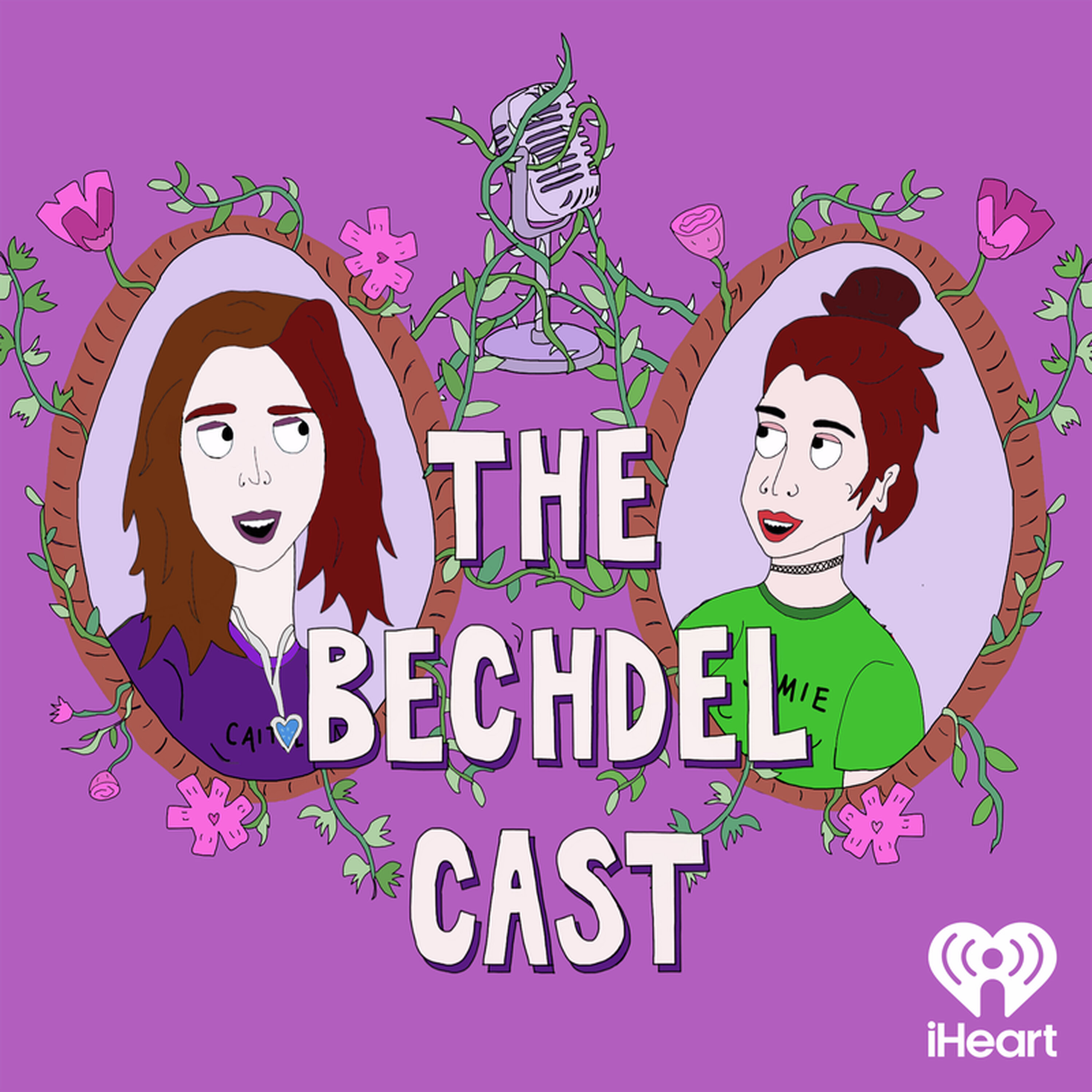
On this episode, Caitlin and Jamie take a wild road trip down to Florida with special guest Jameelah Nasheed to discuss Zola!
(This episode contains spoilers)
For Bechdel bonuses, sign up for our Patreon at patreon.com/bechdelcast.
Follow @meelanash on Twitter. While you're there, you should also follow @BechdelCast, @caitlindurante and @jamieloftusHELP
Learn more about your ad-choices at https://www.iheartpodcastnetwork.com
See omnystudio.com/listener for privacy information.
2022-02-24
100 min
Transcript
Available Results
Generated results are saved to the knowledge database for reuse and search.
No generated results are available for this episode yet.
Extract Knowledge
Pick what you want extracted first. Model, scope, and chapter options appear after a template is selected.
Generated results for public episodes are saved to the knowledge database so they can be reused and searched later.
Transcript
00:00:00
Speaker 1: On the Doe Cast, the questions asked if movies have women and um, are all their discussions just boyfriends and husbands? Or do they have individualism? The patriarchy? Zef and best start changing it with the bec Del cast. Hey, Caitlin, Yes, Jamie, you look really familiar. Um do you want to go on a road trip to Florida and just see what happens? I think that's a great idea and I don't see how anything could go wrong. Every story that starts with an unsolicited invitation to Florida has canonically ended well, so I would encourage you to, you know, come along, and it's gonna it's gonna be so regular. Um, who's all going, Oh? Well, um? You know, so a couple of guys. Okay, cool, sounds good and safe. Yeah, it's going to be safe regular and I'm telling the truth. So nice, shall we Let's go? All right, let's do it? Well, you know, I did my best. That was my intro. I loved it. They're not all hit, but it is related to the movie. Welcome to the Backtel Cast. My name is Jamie Loftus, my name is Caitlin Durante, and this is our show where we examine movies through an intersectional feminist lens, using the Bechtel test simply as a jumping off point to initiate a larger conversation. But what is the back del test. I don't remember. I'll tell you. It's a media metric created by a queer cartoonist, Alison Bechtel, sometimes called the Bechtel Wallace test. There are many versions of it. This is the one that we use currently. Two people of a marginalized gender must have names, and they must speak to each other about something other than a man for a two line exchange of dialogue at least, and ideally that exchange of dialogue is narratively meaningful and important. And today we're going to be covering a movie that has It's a newer movie, but it's been requested on the show since I think the trailer came out. I feel like that happens with a newer movies sometimes, like the second the trailer jobs, our listeners are like good. But due to the pandemic, it's kind of taken a while for this movie to really become accessible. But now that it has, we're thrilled to be covering it. And we have a wonderful guest coming to discuss the movie of the day, which is Zola. And our guest is a writer and op ed columnists for teen Vogue. It's Jamila Nasheede. Okay, thank you so much for having me. Welcome, thanks for coming, Thanks for coming on. So tell us about your relationship with the movie Zola, or just kind of your general feelings about your general experience with it. Yeah, well, so I saw it in UM at Sundance Festival. Cool. Yeah, it was really cool. That was my first Sundance UM. That's it was. It was definitely amazing. And it's funny because I had no intention on seeing like you know when you take a look at the program initially and you kind of read like the synapsis of all the films, and I don't know, for some reason, I just it wasn't at the top of my list. But I was chatting with my editor at teen Vogue on like which films they'd like me to cover, and they specifically asked for Zola. So I was like, sure, I'll do it, um, but I wasn't like pressed to see it immediately. UM. So I didn't go to the premiere, but quickly as I'm there like I'm there for maybe like a day or two before I saw it, and it's hands down the movie that I was hearing about the most, like everyone, because you know, you're out, you're at dinners again. This is pretty pandemic um, like right just before the pandemic to really like weeks. It was literally the last thing that I did before the pandemic that's soiled lifetime ago. Um. But yeah, so everyone was talking about this movie and I'm like, what is going on? Everyone just had nothing but amazing things to say about it. So I was really excited to see it. Um. And then I finally like fitted into my schedule and I had a plan to see it. And I actually say that two different hotels while I was at Sundance because I was learning the ropes Sundances like a whole like you have to I think you have to go at least once to kind of figure it out, and then after the first time, you're like, Okay, so this is what to do, this is where to stay. So I checked into my second hotel and it's the day that I'm going to see Zola and there's a steam room there and that's like that's my jam. So I go down to the steam room. It's park City, Utah. All I brought lower like my snow boots, so I have like, you know, like my swimsuit, but I have a robe on over it and just like snow boots. And I'm going into this theme room and come out and I'm just looking kind of crazy and I see Jeremy o' harris in my hotel and I'm like, oh my gosh. And he's um, one of the co writers of the film, and I'm like fan girling over him and I'm just and I'm like, are you Jeremial Harts? And they were like chatting a little bit, and I'm like, I'm actually gonna see it's a lit to night. He's like, I'll see you there and I'm like cool. So, um, this story has no purpose, but no, it's exciting. It's all very exciting, though, it's like any Sundance story. I'm like, yeah, tell me, was the steam room what? So he wasn't in the steam room, So that's what That was the embarrassing part, because I feel like he was looking at me like what are you doing? Like why are you wearing this? What is happening? I don't think he knew what, you know. And then I bumped into him at least two more times in the hotel, and I was wearing the same thing each time, so I was coming from the same room each time. I was like, I feel like he probably thinks I'm stalking him, and I'm just like kind of being a weirdo. But yeah, So I went to I went to the screening later that night, and of all the films that I saw there, the audience was just like it was so lively. It was just you could feel it. Everyone was just having it was it felt like a ride. It was I don't know, the energy in there was just so big. And you know, the film is complex, it addresses so many different things, but at the same time, it is just like just from beginning to end, you're just like in it. So it's such a romp. It's such a wrong that's that sounds like so much fun. I want to go to Sundance some day. I know, like's if it's it's happening as we record this. I think it's going on right now, but it's like still a digital I was supposed to be there, you know, and then they're like no, They're like it's virtual. So I've been watching Sundance films for the past several days here at home, so basically the same thing as being a steam room and running into JEREMYO. Harris basically Jamie, what about you, what's your experience and general thoughts towards the movie. I was very, very excited to see this movie because when the Twitter, I mean, I just remember being on Twitter. I'm I've been to online my entire life, and I remember being on Twitter the day that the Zola Twitter threat was like happening, and so it was. I made sure I got the date right. It was October, which means I had just moved to l A and I was just so lonely and on my phone a million percent of the time, and so I I forget who it was, but someone like put me onto the fact that this was like a story being told in process, and then a few days later I read the whole story and quickly it was if I'm remembering the sequence of events correctly, it was very soon after and this speaks to it all that James Franco acquired the rights to this movie, and this was a time where we were all still supposed to be like who James Franco? Which we But anyways, I remember the I remember being everyone who read it like very very taken in by the Twitter thread. Um. The discourse around Twitter thread at the time was all over the place. So when I found out that that the movie was actually coming out, I was really excited to see it. And I don't know, I mean, there's just so much to talk about with with this movie, um, and I'm excited to discuss. I mean, I of the many takeaways of this movie, Taylor Page is so good is one of my main takeaways. What's your history with this movie? I don't think I knew about the Twitter thread until after the movie came out, or like I mean, I saw it. I saw the movie in theaters in summer of when it was like right at the beginning of We're Vaccinated and theaters are opening back up, and well, I die if I go to see Space Jam. I don't know, but I'm willing to take the risk because it's Space Jam. You know, that was my thought process. Anyway, I felt okay about going to the theater, and I had heard good things about Zola, and I think by that point knew that it was based on a Twitter thread, but I hadn't read it, and I just kind of went into the movie not knowing much about it at all and was blown away by the humor of it and the just wild events of what is a mostly true story. And like we've said, it's uh, there's a lot to unpack. There's a lot of like commentary the movie is doing that's really interesting and I'm excited to get into it. But yeah, I uh, I saw it a little less than a year ago in theaters. I really liked it. Have watched it a couple of times since then. And how is your theater experience? Was it there? It was not very crowded. But the other thing is like I will go to the movies on like at Tuesday at eleven am by myself a lot of the time, where like no one else is there. So it might have been one of those. Because I know the movie didn't make a ton at the box office. I think it had a pretty limited release, and you know, it wasn't a huge blockbuster and it was so crazy because at Sundance. I could be wrong, but I feel like it was, if not the first big cell like it was one of the first films to sell like it had a lot of hype and I don't know, and after I saw it, I was like, Oh, this is gonna be like huge the box office. This is going to be something that like it's going to come out in the summertime and everyone's gonna be there and it's gonna be like sold out theaters. So just the fact that it didn't really get to come out, you know, during the normal time. Yeah, right, it does seem like that. It bumps me out because it, yeah, it seems like it would have been way more of like a big hit in terms of like just people seeing it if it had come out. I don't know, because they know that they delayed the release of it so many times. And then it was like, it feels wild to say now, but there was a time where a summer seemed like a pretty safe bet. And even then, I mean, I feel like it came out and then Delta was that and like it was up against a bunch of other stuff that also had gotten delayed for the past year and a half that were like major, you know, highly anticipated blockbusters. You know, you're like James Bond movie, a couple of Marvel movies, things like that. So it was up against those things, and I think that if it had been released closer to like the end of the year, it would have gotten more like Oscar buzz and stuff like that. But yeah, I think that there's just like kind of there were a few things that were like kind of working against it. I don't remember a lot of marketing for the movie either, so I don't know. I do wish it had performed better at the box office though. Anyway, should I get into the recap and then we'll go from there, sure? Sure, and then Jimmila feel free to jump in whenever. Alright, So we opened on two women, Zola played by Taylor Page and Stephanie played by Riley Kyo. Kyo. Yeah, she's uh, because every movie has some sort of weird nepotism attached. She's Elvis nepotism. Whoa, Yeah, I did not know that, but like a niece or something, I think granddaughter? Oh my, is that right? I think so it should be wrong, but I just know that Elvis connection to yea, how about that Elvis nepotism. You don't get that. You don't get that every day? Yeah, Elvis's granddaughter. Huh wow. Uh So the two of them are putting on makeup, and then Zola breaks the fourth wall and says, I think verbatim of the tweet that also kicked off the Twitter thread, you want to hear a story about how me and this bitch here fell out. It's kind of long, but it's full of suspense. Then we get text on the screen that says, on October at Underscore, Zola our moon tweeted the following in a hundred forty eight tweets, and then it says most of what follows is true. So we flash back to Zola meeting Stephanie at a restaurant where Zolo works as a server. I think canonically, in real life that restaurant was Hooters. Shout out to the place where I did work as a delivery driver. True story. I was a Hooters delivery driver for a summer in State College, Pennsylvania. Thank you so much, Thank you. I have a lot of stand up material about it. Um So, Zola meets Stephanie. Stephanie recognizes her because they both dance slash work as strippers. We then see them dancing together, they're hanging out, they're becoming friendly, and the next day Stephanie invites Zola on a trip to Florida so they can dance at some clubs and make a bunch of money. We see Zola say goodbye to her boyfriend, and then she sets off on this trip with Stephanie, as well as Stephanie's roommate, whose name Zola won't learn for a while. He's played by Coleman Domingo, but we'll come to find out he goes by X. We also meet Stephanie's boyfriend, Derek, who is played by cousin Greg Nicholas Braun, who is most famous for Succession, but also he's also famous for sky High. I was going to say, a sky High kid, I'm seeing him. He's in sky High as Zak. Good for him and Coleman Domingo has been in a bit jillion things. I feel like he's on a real hot streak right now with him. I'll watch anything with him in it. He's great. So it's a twenty hour drive to Tampa, and on the way we can start to sense that Zola is getting uncomfortable and apprehensive about this trip, mostly because of the people who are on it and their behavior. They arrive in Tampa and drop Derek off at this grungy motel. Then they head to the strip clubs. It's pretty uneventful at first. Then Stephanie takes some photos of the two of them and sends them to X, and it turns out he is Stephanie's pimp, and he uses these photos to set up and add on back Page, which I think is now defunct. But there's it's so funny because it's like canonical to the story that this sixth place uh sometime in but it's just so wild. I was like, oh, that's like five, you know, less than five years after this movie comes out, and so much of the Internet that they're using and referring to is like feels so old and so like using a Facebook status for revenge. I'm like, where were we ever so young? Right? So back Page, as Zola point, it's out as a place where you can buy and sell sex. Um. Zola is not interested in this whole back page ad thing, so she tries to leave, but X threatens her so she has no choice but to stay, and then he takes Zola and Stephanie to a hotel where he has arranged for several men to meet them there for sex. Zola confronts Stephanie saying, you know, no shade and no shame, but this is not what you told me. I was coming here to do. I just thought we would be dancing. And then Stephanie is saying, oh, I didn't know this was going to happen either, but I'm scared and I don't want to be alone. So Zola feels kind of guilted into staying. We will later learn that this is Stephanie being manipulative, but Zola lets the first guy into the room. Stephanie has sex with him while Zola just has to awkwardly by the door and stare at the wall. We get her voice over it says they start fucking. It was gross. My favorite line to the movie. It gets called back to later. It's amazing both times. Yes, Uh, this first guy, that the John. He leaves after paying Stephanie a hundred and fifty dollars, which Zola comments is way too low. She says posty is worth thousands, and she posts a new ad for Stephanie for five a pop. Meanwhile, Derek is trying to call Stephanie. He can't get a hold of her. He doesn't know what's happening. He's clearly insecure about what she does for a living. He leaves the motel room to find some food and then meets this guy another name we won't know for a while Slash. I don't know if we ever do learn his name. I don't know. That's actually a good question. But he does some magic tricks and kind of befriends Derek. Then back in the hotel room, we get a montage of Stephanie having sex with several men. She makes a lot of money eight thousand dollars, which she has to hand over to X the next day. He takes most of it. He gives Zola some, doesn't give Stephanie any. He's also immediately suspicious of the guy Derek had befriended the night before. X thinks that this guy is going to slit their throats and steal the money they made, so they have to rush out of there and go to another hotel. X's behavior gets even more erratic. He continues to intimidate Zola. He brings in this random woman who's pointing a gun around. We find out, or if you like read the Twitter thread, you learned that she is X's fiance Yeah, or at least like his serious girlfriend. Or something like that. But yeah, there, that's a contextuals I. I reread the thread for to prepare for for this and it holds up. It's classic American literature. I'm serious, truly, I agree. Yeah, so she's pointing a gun around. Then X gives Zola a gun. Zola also finds out that Stephanie has done the same thing before with other women, where she kind of invites them along and it turns out to be set up. Zola is obviously very betrayed and pissed. Derek is also mad at Stephanie for kind of just having this general profession and lifestyle. He tries to quote save her by shaming her on social media. She says, I don't want to be saved. Then they head to this house, another thing that X had apparently arranged for them. A group of men are about to gang bang Stephanie, and then the point of view shifts to Stephanie's point of view and we get her version of the story based on a series of her posts on Reddit from October, a few days after Zola had posted her original Twitter thread. Um she explains how she meets Zola, how it was Zola's idea to take the trip, not hers how Stephanie doesn't know anything about stripping because she's a Christian. She talks about how Zola is jealous, and Stephanie's version of the story is extremely racist toward Zolo specifically, Yeah, which very much comes across in the movie as well. I mean in the way that that whole sequence is like framed and told and totally h Then we cut back to Zola's point of view. She and Stephanie go to another hotel to meet more clients, but it's a setup. The client is the guy who Derek had befriended. The magic trick guy says he's the rival hustler. Yes, so he's also a pimp. He and this other guy c c abduct Stephanie. Zola manages to get away and calls X, who drags Zola back to the hotel along with Derek to get Stephanie back. It's a very intense hostage situation. Guns are being pointed around, but then X finally gets the upper hand and everyone gets out and goes back to X's Tampa house. Uh. Zola is like, I gotta get out of here. Derek begs Stephanie to leave with him. It's kind of implied that she wants to stay and make more money, which is also how the true story goes as well. Um, and then he threatens to suicide and then jumps off the balcony, but he doesn't die because we cut to x Zola, Stephanie, and Derek, who is bleeding and badly injured there in the car, driving presumably back to where they all live, which I think is Detroit. Um, that is the end of the movie. Let's take a quick break and then we'll come back to discuss and we're back. Um. Before we get into it, I just wanted to something that I thought was like one of the funnier details or one of the things that I remembered from the Twitter account that got changed for the movie. I'm like, I wonder, why is that when in Zola's Twitter thread when Derek or the Derek his name is Jarrett in real life, same energy. But when when Derek jumps off the balcony and the Twitter thread, like so the true story, he doesn't even hit the ground because his pants get caught on something, so he's just like hanging and then Stephanie and Eggs have to like pluck him off like he's like a little cat stuck in a tree. Right, But then I also read that real life Zola, whose name is Asia King, she admits to having embellished some of the details of the story and jared that one suicide attempt Apparently, unless I'm misunderstanding this, but the way I read it, he threatened suicide but never attempted it. So that's something that like Asia King embellished to make the story a bit more cinematic. I suppose. I mean it worked on me. I think about that all the time. I'm like, he got caught and he was just hanging there. Wow. Alright, she's an amazing writer. That's the right, right, Like where, yeah, where where to begin? Where do we want to start here? Good question. I will say that I don't know that there's a lot about this movie that I feel a little out of my depth with in terms of, like the representation of sex work in general and specifically black stuck workers, which is something that like media has not represented well or thoughtfully or meaningfully throughout history. From what I could tell with the various you know, articles I read and accounts from sex workers responding to Zola's story, and I found stuff that was mostly a response to the Twitter thread rather than the movie itself. Um. I couldn't find a lot about like sex workers responses to Zola the movie, but I did find some stuff from black sex workers who comment on how they felt seen by this Twitter thread. How um For example, UM pulling from a quote in an article from Now Toronto entitled how Zola made space for Black sex workers st worries with a Twitter thread quote according to Ellie, I'm not sure if it's aud a Ker or Ellie aid Ker from Maggie's Toronto sex Worker Action Project. Every black exotic dancer remembers the moment they were reading that thread for the first time. Um. And then this is Ellie quoting it spoke to so many workplace dynamics that a lot of us were used to. It was so exciting because it was a narrative told from the perspective of another black sex worker. That's what made it so relatable. End quote. So I saw a lot of responses like this to the story, especially the Twitter thread, and I imagine that would extend into the movie as well, because the movie seems so faithful to the thread and is a well directed movie by j Nisa Bravo. Yeah, so yeah, I kind of feel the same, Like after seeing it before I even wrote my review, which you know, it's it's not even a deep dive review because this at the time, I was still processing it because I had to write it like immediately, and my gut reaction initially, like after I saw it, I was like, there was a lot going on here, but I'm into it. I liked it. I like the packaging of it, like the presentation of it overall. But then again there's there's the whole fact of it being about such heavy, heavy topics, you know, like sex work and sex trafficking, um, and it's and then also just having a black woman on screen, and I'm personally I'm I mean, I'm a black woman, and I am a little sensitive about the depiction of black women on screen and just like exploitation and just making sure that you know. But as I was reading more about it, because Jamie, unlike you, I was not familiar with the Twitter thread, and I feel like I can't I shouldn't say that as a black person. But I wasn't really heavy. That was like my first semester of grad school. I was not really on this. I wasn't on Twitter like that, but then understandable. But as I was doing research, as I was writing about it, I became much more comfortable with the film because, like you said, Jamie, initially it was going to be in James Franko's hands and that is terrifying, and I believe I read I don't know if it was really Stone. I've I read somewhere where Asia was talking about it and just saying that things were progressing because there were two different writers I believe attached to it when James Franko was attached to it, and they were also white men, and it was just changing. The story was not it didn't feel honest to her. And reading more about her perspective just like as a person, as like a human and her relationship with Jim Nixa and Jeremio Harris and like and also Taylor Um, it made me a lot more comfortable. I was like, well, regardless of what the content is like, whether or not it makes people uncomfortable or it makes people just question things, I'm like, if this is her story, then I'm here for it. So like I appreciated the film as just being like this black woman had the opportunity to tell her story and you know, and she also spoke in some interview about people were questioning her at first, like the validity of it, um, but she was saying if she was a white woman, she felt very confident that people would just believe her. Um. So there was like fact checking done like Rolling Stone did. Yeah, they did, like an article. Yeah, because that's like part of what the story. I think that that's like it's based on the Twitter thread and the Rolling Stone, right, I'm pretty sure. Yeah. Yeah, So she was like after the Rolling Stone piece, She's like, that is when people really started to pay attention to it or like engage with it in a way like, oh, this is like an actual story. Yeah. I read Asia talking about that as well. And just the fact that, you know, her story was treated with such a hefty dose of skepticism until it, like you were saying, Jimmie, like until it was fact checked and formally quote unquote endorsed by a white journey list at a legacy publication. And then once that happened, it's like, oh, okay, well now we can we can take this seriously. Which is I feel like just so telling Yeah for sure, Which, Yeah, the Rolling Stone article. It recounts part of this story that the movie doesn't cover, where after Zola gets back to Detroit with Jerrek and it has told the Stephanie character, whose real name is Jessica. She's told Jessica like, I'm never talking to you again, lose my number, don't call me kind of thing. She gets a call from her a few days later. She's calling from a jail in Vegas or she's been arrested in Vegas on like human trafficking charges, because I mean, it's obvious from the movie that the X character who in real life goes by Z, so a different letter at the end of the alphabet. This this Z guy was like a known trafficker. There's another part of the story where like they had basically abducted these two young women and we're trafficking them and they got arrested and then z Z had a long history of doing this and like a few murder yes, which makes me kind of like, so, I'm I'm kind of like in a in a weird headspace now after having read that article and thinking like, oh, this this story gets so much darker. It's already quite dark and manages a comedic tone, but also appropriately like lets you know when a serious thing is happening, and then when it's appropriate to laugh it lets you laugh. But the story, the dark story does get darker, and now I'm like, oh my, like I kinda even though the guilty for like laughing, and yeah, and in in a way that I'm like, well, is it okay that this movie kind of makes, like, I mean arguably sort of makes light of sex trafficking? And is that distinction between like sex work that sex workers do willingly and sex trafficking that people are obviously forced into and doing against their own free will. Is that distinction made clear enough in the movie? I think so, But I now kind of have different questions about Yeah, some aspects of the whole story, I agree it is really I mean, especially I think in particular with the issue of human trafficking, because it is such a historically poorly portrayed and dealt with topic in movies and still now is like barely discussed. I know that I, like personally don't have the knowledge base to be able to make any sort of call of like how this movie in particular portrayal fairs. But I'll say as a viewer, I did find it a little bit confusing, where I guess there were moments where I was as a viewer as I didn't feel like the lines were made completely clear, which in some ways could just be another way of putting you in Zola's shoes of like Zola slowly realizing that this has crossed from one area to another. But there I don't know, Like I I struggled with that element of it. And then it's it's tricky because when you're dealing with real life people who are still I mean, this happened six years ago, very much alive, I feel like it gets into this accistential question that we kind of can't really answer of like can you make omitting something that huge creative choice? You know, like it's just it's and I don't have an answer to that. I don't know. It definitely also felt really conflicted just because of everything you just said about just because I enjoyed the film so much and I didn't walk away from the film feeling the way that I would have thought that I would have felt if I was told that I was about to walk into a theater and see a movie about sex traffic, Well, that's like that like has sex trafficking and a lot of violence, and just like the topics and the issues that this film you know, covers, But I don't know, like, I don't know if it does a good job of of really separating, you know, sex work from sex trafficking kind of like depicting them in totally different ways. But I part of me feels like it did an okay job, just because, like with the Zolo character, I felt like she was very comfortable with who she was in her identity as a sex worker from the very beginning, and even like when they got to the when I got to Florida and they're in the strip club, but just like that little scene where she's like who even be to day? And she's like dressing up and it's like it's her thing, Like she's like shining and she's just in it. And then even when she's on stage before that guy says she looks like will Be Goldberg, which was which is that was? That was so strange? But her face was just like everything Taylor Page. She was amazing in it. She's so good, she's so good. But I just felt like I felt like her identity and you know, her ownership of being a sex worker. I felt like she felt comfortable in that, and then when the sex trafficking came along, like she made it clear, like you know, where her boundaries were. But it also didn't feel like she was necessarily shaming Stephanie. Yeah right, which she Steven says in a line of dialogue that I think might have been added for the movie. I don't know if this was included in the twitter throat is something that like, I think it was added. But I thought that that was a really smart addition because she says, no shade, no shame, do you, but that is not what you told me I was coming down here to do. So like the Zola character is, you know, saying, if that's what you want to do, by all means, knock yourself out, but like you told me something different and now you're betraying my trust and so like. But yeah, I think the movie does make the clear distinction. But I guess my concern is that people, you know, like the swerf's out there who already conflate sex work that's done willingly and consensually and being a victim of sex trafficking, those people might see this movie and like jump to the wrong conclusions and mistakenly think that this movie proves their point because of how close Zola comes to becoming a victim of sex trafficking. But I don't know to your point the question and does remain like because I'm not well versed enough in it either to like really feel like I can really just stand in the firm just stance on this. But like it definitely, like I said before, I didn't feel as heavy as I feel like it could have been or maybe should have been to some people's points, you know, because of the topic. But at the same time, I think the fact that it didn't for me, I was like, maybe this is the film's way of kind of showing how easy it is to kind of get swept into it. I don't know, that doesn't even make sense. Yeah, I know that totally. It does. Yeah. Actually, that's that's one thing about the movie that I was like, Zola is a passive observer of the events of the story more so than a like traditional protagonist of a movie who's like especially like a hero's journey type story, who is like making way more active choices. Um. I guess that's just like the nature of the like things that happened to you in real life. Uh. It make for an interesting movie adaptation though, because it's like, Okay, well we have this this like character who's the protagonist, who is mostly an observer of events. She is making active choices here and there. But um, I found that kind of I don't know, just interesting, I guess I kind of. I mean, maybe I'm like reaching here, but I kind of liked I mean, I feel like the movie puts you in, like, even though it's like, yeah, she's not like super active in the traditional sense of like I'm doing this and I'm doing this, I feel like Janik's Bravo did a really good job of making the act of observing feel active, because it's like Zola has to be so like watching everyone's every move to the point where it's obviously very very draining in order to like survive the experience. So even though it's like it didn't feel like I mean, obviously it's like this movie is also just following a Twitter thread of someone recounting observing people. But I felt like she did a really good of putting you in, Like it's not that she's not being active, because like it's because she feels like she can't and like has to be so careful about what she chooses to do, not do, say and not saying stuff like that. And I don't know, I thought the movie did a good job of like putting you in that headspace. Definitely, it definitely did that for me too. And and also just like I don't know, like her, like how quiet she was and and just the observing I think that was kind of like her superpower. And I think that's kind of how she made it out alive or how she was able to kind of re established or just like just get her own power or get like get her own authority throughout the story, because it felt like the story was it was kind of going off the rails and then it was, but it was like, but she's still felt so firm in her power as like a character or as a person. So I think I think that silence and I think that the observing of everything kind of just like helped her navigate it. But it also just felt it also felt really telling, just like or just interesting to watch her just like a black woman on screen, just like navigating all of this stuff and just like she's experiencing so much violence, Like even the like the non physical violence, just like just the whole experience, the chaos of it all, and and just like it's just so much violence just coming at her and she's just like internalizing it and just like looking at it. And that just felt very relatable to me, um and just like for like my existence or even the existence of like other black women. So that was really interesting to me, just like watching how she just kind of dealt with all of that and then found wait, found a way to like navigate a space. And then hearing Asia talk about it, she just talks like the Twitter threat, she like says it. It was her like the writing of it all, because I mean it's comedic in the Twitter thread as well, but it's like but the writing of it all was like healing for her. It was like it was traumatizing when she you know, it was a trauma, like it's a it's a funny and you know at certain points, but it was at its heart like a trauma. And like that was how she processed it, I think, turning it into something that I guess we could all like get on board with. But also sometimes like the scariest things when when you're out of it, they're like sometimes it can be kind of funny. I mean, yeah, that's like humorous coping mechanism of like yeah right, yeah, yeah, you like laugh so that you don't cry every day for the rest of your life kind of thing. Yeah, So I guess it's like the tone that I was like a little like, is this kind of is this tone sort of like mean that it's maybe making light of this scary and dangerous situation where again, yeah, she's she's often the victim of violence. Is that making light of all this? But it is maintaining the same tone as the original Twitter thread, So they're adapting her. Yeah, since that's how like Zola chose to present this story, then, like, you know, who am I to say anything about tone and a person's healing process. I can totally get someone who does. Like, whenever someone tells me they've seen it, I'm like, so what do you think? What? Like I can if someone came to me and said, I feel like it was like it minimizes it and it wasn't Like I could totally understand how someone could have that experience seeing it. So there's that because you know, part of me like I get that. But yeah, like you said, for me. It was more like, well, if this is her story and this is how she presented it, and she and like she's on board with how it was told, and I'm like, I will take it as it is. But like, but then there's a question of amplifying it, Like you said, like, is it is it problematic to amplify a story if it is something indeed that you know minimizes it. But I don't know, it's so hard. It's like it's it almost feels like, well, it's like, well, of course one movie couldn't tackle all of that, but it is like it's an interesting discussion. I don't know. I feel like the way that I was able to too, I still don't like love the choices, and I very much understand the criticism. And it's like I feel like, in order to engage with the movie on its terms, you have to view it as like this is adapting the Twitter threat, like including apparently the embellishments that Asia King made that I didn't I thought this guy was hanging off the side of a building from his pants. Uh, Like nope, And of course the writers of the movie would have known that, but they choose to include it anyways, because it's they're adapting her story and the tone of how she told it, in the way that she told it, and in that way, I feel like it's successful. But I also very much see how it's like and again it's like this isn't on anyone involved in this movie, but just because it's like the topic of human trafficking is so huge and so poorly represented in movies, I feel like it always becomes like triple scrutinized when anyone even attempts to talk about it, because it's like, I'm I think about the sex trafficking and human trafficking story that I think I first saw in movie theaters unfortunately would have been like taken. That's what I was going to say, and that I haven't analyzed it from that perspective. And again I'm not an expert, but like not good, safe to say, not useful, And I feel like there's so many stories about human trafficking that you know, it's like some guy, some action hero bus in and resolves human trafficking and the way that bodies are shot is very exploitative and very trauma porn essentially, so the hero can come in and solve this societal ill in one scene. So I mean, I think that it is very bold for a movie to even take on this topic because it's so loaded. But I also like, yeah, obviously I don't think it was like handled perfectly, but I don't know what that would look like. I don't know, say, what could they do to make it right? Like what could have done right exactly? So I'm just like, and I know what would have been horrible is James Franco's version of the We know it wouldn't work, and we have seen many examples of what doesn't work. I don't know. I mean, if we have any listeners who have more knowledge on this topic than we do, or maybe could direct us to movies that that you feel has handled the subject of human trafficking relatively well, I would be very interested to hear. I can't imagine that there will be for me, like a single film that will address it. Like the more I read on it, I just can't. I can't picture one film or one piece of just work or artwork I can really depict it, and it's in all of its complexities, you know, So I think, I don't know. I kind of take it. I take Zola as being just a contribution to the conversation, just like one perspective and one specific experience. I think the only like for me because it again, like to go back to what I said, I do feel like it just kind of shows how easily you can kind of just like tread that line and just the next thing, you know, it like happens. And also just I don't know because when I, like, when I first learned about you know, sex trafficking and human trafficking, it seems so big, right, like it's going to be a big operation, Like you're gonna know what's happening when it's happening, you know, And then this movie it kind of just I didn't know what was happening until it started, like you know, so it almost presents it in a way that and this is gonna I'm gonna try to phrase this in a way that isn't It almost makes human trafficking accessible, and by that I mean like it like makes it so that you can understand that this is a thing that can happen on a very small scale where like basically two people are orchestrating a sex trafficking operation. There are obviously other examples of like human trafficking where away bigger thing. But I think it it just sort of sheds a light on yeah, this this is sometimes how this goes down in a way that was like kind of eye opening for me, because yeah, when I think of like, because of the way it's represented in media, I think of sex trafficking is like, yeah, someone gets abducted when they're on vacation in Europe and then Liam Neeson has to find a movie has to find this enormous like outfit of criminals. There are hundreds of them who were just going on the phone and like, yeah, I mean I think going back to what you were just saying, Jamila, I feel like there is such a wide variety of of how this can take place, and Zola is showing you one way that it can take place. And I mean and literally did in the case of this story, which I do, I do still wonder. I don't know. I mean, the decision to withhold what ends up happening, I don't I just don't know. I agree, I agree, I think the ending it definitely falls flat like that. That was definitely a missed opportunity and I think that definitely could have been something that that kind of just tied it together in a way that acknowledged the severity of what happened. I think that may have been something that would have made because like when I walked away from the film, like I really enjoyed this film, but there's something I don't know, And then I think that acknowledgement and that like really just addressing like what really happens next, and like who these people were and like how bad it was. Like I think that would have helped, right, because the movie kind of lets the Stephanie character slash real life person Jessica off the hook for being very culpable for being part of this sex trafficking operation in a way that she should be like should be held more accountable by the movie. I think I just kind of I also think that it's like knowing that information also serves Zola. I know that the movie is very focused on, like obviously Zola, it is the name of the movie, but I think it also like serves Zola's character to like that heightens this like knowing what happens with Ze and Jessica X and Stephanie whatever and the real life consequences, like that heightens the entire story that happened to Zola because it very easily could have been her. Like, I feel like it's all very very relevant. And also it's like you can address that in a couple of I don't know, like title cards at the end of the movie of like those classic like here's what happened to this character, here's what Like I feel like that happens at the end of most true story movies. I wonder if that was ever I'll just be curious enough that was like included in any drafts or like what conversation led to that not being included? Yeah, because if you don't google, it literally just looks like they get away right right, and like everyone just gets away, and it's just like I don't know, I'm like, so it did this happen? You know? When the reality is like a week later things have changed, so and it's like and it also is like, so Zola got out of this situation truly in like the nick of time. Like it's just so, I don't know. There's a lot of other stuff to talk about with this movie, but I'm uh, and it's all it's all challenging. Let's take a quick break and then come back to talk about those things. I wanted to talk about how the movie provides commentary on race, Like you have the character of Stephanie and her boyfriend, who are both white, appropriating elements of Black culture in the language they use, they're kind of style hairstyles, and the way they talk, the way they talk, and then direct a bunch of like racist microaggressions or macro aggressions at Zola. And I feel like the movies like providing this effective commentary on you know, how white people like Stephanie can appropriate blackness when it's convenient for them, which they can then exploit to kind of give them more perceived coolness quote unquote or like perceived credibility, but then obviously still benefit from all the privilege that being white affords them, right and fall back on that. I mean, it's like that sequence with like Jessica's story or Stephanie's story perfectly illustrates her, you know, like we've seen her appropriating Black culture and like observing Zola so carefully in this creepy way for the whole movie. And then the second she needs to play the part of like innocent white girl of like I'm a Christian, I don't know what huh she plays that part to a t and like is very like it's just very clear what she's doing. Yeah, yeah, yeah, it's a lot. Um the black scent. That was definitely a lot to get past in the beginning. And but yeah, throughout the film just watching her just appropriate black culture and misappropriated I don't know, it was a lot. But it was also like and it was uncomfortable. It's like so uncomfortable, but it's also just like unfortunate because it's like still realistic because there are definitely people like that. Um, maybe not to that extreme, but definitely that's definitely a thing. And then but in this at the same time, like just being racist, it's just there's that. And then there's like the scene in the car where she's she turns around and she's talking to she's telling Zola some story about some other neural just being so it's it's just very racist. And then just Zola's just like looking at her. And I think that's one of the moments where Zola was like, Okay, like I made a mistake coming on this trip and Asia, she said Jessica Um and her boyfriend in real life, she said, they were like using the N word, the whole time. And that's definitely the energy that you get from just the film, even though they left it out of the film, I don't know, I haven't really unpacked it because it's just very unfortunately, just feels very familiar, just like I've definitely I've I've witnessed this this type of energy in real life. Um and just like you know, just I don't know, I don't know. I'm curious your thoughts on this. I was surprised throughout the whole movie because Stephanie never drops this. This is like how she talks and like how she behaves throughout the whole movie. I expected at a certain point for Zola to like start calling her out for it or mention it or something. It never happens, and I'm I'm curious, is to your thoughts and like, is that just like another kind of like mechanism the Zola and other black people. One of those things is like a choose your battles kind of thing where like it's not worth it or she's not worth it, or you know, something like that or I don't know, I just I was surprised that you never see that character who seems quite good at advocating for herself and like understanding kind of boundaries and things like that. Why she never calls the Stephanie character out for doing that. I mean, it made sense to me just because I've definitely met white people like that. And while I will have so many thoughts in my head and I will talk to all of my black friends about it because it's just like, what is what is happening here, I won't say anything to them because I mean, I do think it's kind of like a pick your battles, but it's also just like sometimes I'm like, maybe this person really thinks this is who they are, and I don't have the energy to sit here and to just like let them know because also like if if that is really like the persona that you're taking on unnecessarily, I feel like you might be someone who is not who is not going to be receptive to like a conversation on like why you're doing this right true and like and like who you because it's just I just can't imagine like like that character, I can't imagine she would have been any kind of receptive to it. I feel like she would have kind of just duck her heels in even further and just like gone harder to prove, like, no, this is who I am. It just seems it seems realistic to me because I can't imagine saying anything until a white person who's like that, I'd just be like, okay, okay, like I know that I need to avoid you moving forward. Yeah, yeah, you might not be someone that I can um trust. But but Zela, again, you know, I forget this sometimes that she was nineteen when it happened, because sometimes some people were just like why would you go I'm like, what are you doing? Why would you go on this trip with this? But then it's like she's nineteen. Nineteen year olds do a lot of things. Yeah, they do a lot of things, and it's like you might make some money and you might just have it's a road trip, you know. I don't know. On the surface, maybe it sounded like it could have been like an adventure and when you're nineteen is all you want, right. I mean, I'm thirty five and I make horrible choices frequently. So she contextualizes it in the Twitter thread by saying, like I had gone down to Florida to do something similar before and made fifteen thousand dollars and so it's like I understand why she would like accept the invitation and also why it would have been clear to her. I mean, and it was clear to her very early on that like this was not going to be the fifteen thousand dollar trip she was sort of it was alluded to it maybe being I thought it was interesting that Janniksa Bravo was asked about basically like building the Stephanie character and Riley Kio. I mean it it's interesting reading about how the actors approached their parts differently, because Asia King and Taylor Paige spoke quite a bit like in the forming the movies, Zola Riley Kyo did not speak to Jessica. That was not a part of the approach, but it sounded like um Jenneck, So Bravo and Riley Kio had discussions about like, well, how are we going to present this character? How is she going to talk? Like how I basically it sounded like a conversation of like how far into this are we going to go? And it sounds like Asia King has said to multiple press outlets like that's how Jessica talked, and like that's just reflective of the experience. And I think that that should be reflected in the movie, and Jenneck so Bravo agreed on that point. And I do think. I mean, it's like I don't know, I mean, it's it's so ugly and cringe e and painful to watch, and it's like, I'm I don't know. I it seems like it was the right creative choice for the movie to do that, because it's just an early indicator of like who this character is. Yeah, yeah, yeah, I agree. And I also I read all that too about you know, well Asia saying that that is how the character spoke, but honestly, even if she didn't say that, that's exactly how I would picture this character. Um. And then I also, you know, Jannisa, she like she really wanted to go all the way and like she got I believe, like a dialect coach or everything varilly like it was, and then she was like, now go deeper, and it was cringe e. But it just like I can't picture this character any other way, even just from reading it, and just like this is this is the kind of this is the kind of white woman that I would expect to have in this situation. Um. Yeah, It's like it does make It's like it's supposed to be cringe e. It's not like I mean because I feel like that the last time we've had a calm reversation about about black scent in movie, it was about Aquafina, where it was like her characters using it in it like a completely not self aware way in a way that was extremely misappropriative and exploitative and like stealing an offensive stereotype of black culture in order to like lift yourself up. And that's not what's happening here, especially because of who is behind the camera in this movie right exactly, and who's telling the story, who's telling the exactly. What if James Franco would have kept this film and it would have been like that would have been not at lant, that would math have landed well for a lot of us, right exactly. It reminds me of like every time like Quentin Tarantino puts himself in his movie and then he's like saying the N word and we're just like, why did what? I can't? I can't, I can't. Yeah, at least he doesn't seem to do it anymore. I guess, well I'm not allowed to do it. Yeah, It's like check the date of when you're listening to this, give a time, not that you said that we're going to see a trailer in a month, so something. I'm sorry everybody. He said his name three times and now he's uncanceled. But truly what a horrible person. No, but yeah, like totally. I like, it's totally different from the ho Aquathina thing, and it's I think that's the biggest part of Zola for me, because again, going into it, I wasn't super familiar with the Twitter threat. I skimmed a few things before I walked in there because I was like preparing in my mind to write the article, and I learned more about the story, so I was I was definitely cautious and nervous, and then when Stephanie began speaking, I was like, oh, for the whole week I had to sit through this. But but just like holding onto the fact that Jannisa jeremyo Hairs co writer, like there are black people who were behind the telling of the story and the presentation of it, and also like Asia and just the fact that she still had it seemed like she still had a lot of control over the narrative. I don't know. That made me feel like more comfortable with like what was happening. I mean, but it's still like it sucked, but it just but it also felt authentic. There there are a lot of there are a lot of white people out there who who speople with glass or like non black people in general. Like you said, like and it it's always cringe e for sure. This is maybe a good point to mention. Yeah, like because we've made a lot of reference to the like key creatives in this movie, but just to like shout everybody out. Um. So it's directed by Jennie Bravo, screenplays by Jenisa and Jeremy oh' harris. Um. But there's also I mean it's mostly women and people of color who are making the movie at the highest level, top to bottom. Um. Obviously Asia is involved. Dave Franco is still credited as a producer, which I have to imagine is some like leftover Franco related I'll talk about it. Um. But um, we have a woman as the primary cinematographer, Ari Wegner, who also just did the Power of the Dog. We have a um my women and a black woman editing the movie, Joy McMillan, who had previously done Moonlight. Um, and had worked on Jennis's first feature Lemon, that came out in also edited If Beale Street could talk, She's like huge, Yeah, she's done so much. And then also the music was written by Micah Levy, who I believe is non binary. Yeah. Yeah, so so it is a very diverse team that's making this movie. And I feel like, yeah, I mean it's again, it's like I hate that we have to keep bringing up what the James Franco iteration of this story would have been, but it's like it would have been extremely different if there were different creatives at the helm of this story. And I really like how everything I've read about the production of this movie sounds like Asia King was like meaningfully involved in every step of the way and sort of like giving her blessing as things were developing to be like, no, this is reflective of like the story that I want to tell, and like giving her that agency I feel like is rare for any person who's whose writing is being adapted or whose story is being told, But in particular a black woman describing a story of sex work like that, I feel like that's never That's something that just doesn't happen in movies. At all. So it's cool to to see for sure. I love that call out, your call out of all of the people who you know, were in charge of bringing this film to was you know, from the top level, um and just like being very or just pointing out the fact that there were so many women, women of color, people of color, non non binary people. I think that's why because this film also, like if you think about how it was visually, it could have been a lot more chaotic and exploited, like like I don't recall seeing very many new naked women. I mean you know, yeah, or just like in a way about yeah, yeah, I think we don't see female nudity. We see full frontal male nudity. Boy do we? Uh, I've got to I've got a quote from Janet's Bravo here about her like approach to the visual because I was curious about that because it was like, I don't know, midway through the movie, I was like, wow, that is of course, like if you didn't know that a woman wasn't making this movie going into it, I feel like that is the key tell is like that she doesn't jump to exploit women's bodies unfortunately, I mean, and that's not. You know, there are some mail filmmakers that don't, but statistically they do. Um So, here's what jenneks So Bravo said about specifically working on like the framing with her cinematographer Ari Wagner. She says, um quote, I wanted things to feel consensual. I talked with Ari, who shot the film, and Katie, the production designer, about what consent looks and feels like in American films. Sometimes nudity on screen doesn't feel consensual. I was thinking about some Helmet Newton photographs and why they work for me. They're often so naughty and so sexual, but it feels like there is this consent between the photographer and the model, and the model feels in control of the narrative even though she is not behind the lens. I wanted to find that the women felt taken care of and exposing the men. It wasn't a ha, I get to do it, or I'm a woman and this is a woman's gaze. There was maybe some politics there, but it was really about being so much inside what the women who were being bought were seeing unquote, which I feel like comes across pretty clearly in the visual language of the movie. I agree. I also love this kind of ties back to what we were talking about a little earlier. Just those mirror scenes. It's so Alice in wonderlandy to need to like it's such a cool setup for a shot, but just even how she uses those shots where there's that scene you were talking about earlier, Jamila, where Zola is looking at herself and all these different outfits and like who are you going to be today? Zola? Like that is such a cool way of showing like how this woman views herself in the different and also just like a cool I feel like it's I guess that's technically like a dress up montage in the movie, but it's just like telling you how different clothes make her feel, and like that's a I just loved it. And then in the mirror scenes where Stephanie's present, I feel like it's used in a totally different way where it's like Zola is able to see herself in the mirror, Stephanie doesn't seem to really see herself. She's she's looking at Zola because she's like there's so much of Zola's behavior that Stephanie is trying to imitate and take on as her own and I just I don't know if those scenes were I thought were so well done and interesting, no male gaze cinematography here, some gnarly dick shots m in a way that I'm also like, is that shamy of different penis types? Because a lot of them, like you get like I remember the one in particular that's like a very large penis. I remember that getting a big laugh in the theater and then they had a heart on it got a like yes, which, um, what about people with small penises and those are nice to you anyway? Yeah, I mean it's like I think that's definitely a discussion, but it's like, I don't know, very low in this movie, like on the list of priorities I have to talk about with this movie, right Ridge, Right, Yeah. And I thought it's interesting that it's like I feel like people are so quick to apply that like it's the female gays when I don't know, I like that Jennick's a Bravo and she's like pretty consistently done this throughout her career kind of like pushes back against the very the more obvious interpretations of her own work, and it's like, no, here's where I was coming from this is what I was thinking about, and like, you know, don't jump to the easiest interpretation of my work, please. Yeah. Also, like I think red or heard her say something about like because typically when it comes to sex work on screen, it's it's I mean, the women's bodies who you know, are the ones that are just all out there. But then like she wanted to kind of just shine a light on the men who are involved with it because I feel like so many times we'll see like a whole scene like context where and I'll just be like the woman, the woman, the woman, the guy will kind of have like it's like he's not even present in what's happening. So it's kind of like I feel like her way of really including them in the conversation and like saying no, like no, the act of what's happening here, whatever the situation. Maybe what's happening here is there's a man who's actively involved in it. He's not just like a passing figure and I owe another um. And again it's like where I can't speak on this with any sort of authority, but something that worked for me in watching this movie was the subtle and not subtle ways that the story acknowledges the stigma that comes with being a sex worker. Um, and that kind of spans I mean, the two examples I'm thinking of are in Stephanie's case, when Derek, I mean, like Stephanie is awful, no doubt about it. But when when Derek basically outs her as a sex worker to her entire family, the response that that prompts from her, I feel like, kind of addresses the stigma that is applied to her by her own family by knowing how she's supporting herself even though she is a terrible person. That that was like an interesting in text way of addressing that. And then in Zola's case, Um, it's I feel like, even more subtle, but it made me so frustrated and sad for her. Where there's two times where people in her life, like Zola has a support system, she has people checking in with her from her life. But my interpretation, and let me know if I'm off here, but was that she didn't I mean, she talked to her boyfriend and her mom briefly throughout this trip, and it just seems like she was not in a place with either of them where she felt comfortable being like, hey, I'm in danger and that like I don't know. I it's not something I can like completely relate with. But it's like, you know, I don't know, especially remembering that this character is supposed to be nineteen of like you were in a horrible situation and there is like this level of shame and embarrassment attributed to that situation, to the point where you don't ask for help when someone who could probably help you reaches out. I don't know, it's just that those moments, those like two moments for Zola really hit for me. Also, Yeah, I forget if that was in the Twitter threat or not. I think that she does mention her boyfriend reaching out and her not cluing him into what's happening. I think that happens in the thread. I didn't even think about it, and it's like an excellent point. That's another part of this movie that I really just have the process because I'm just like, I don't know. That's like it's either a discomfort because I think, I mean, her boyfriend knew to an extent, like he knows, he knows that she's a dancer like a stripper, right, I don't know, I don't know. It's checky. I don't know, Like there's like so many and there's so many little moments in this movie like that we're like because that, I feel like you could also interpret that as, like, you know, whatever, embarrassment for being in a dangerous situation, or it could be a stigma issue, or it could be a little bit of both, and it's like, you can't really know. I don't know. I wonder if one of the reasons we're so perplexed by a lot of this is we've just hardly seen this type of representation of sex workers in movies, like representation that is more nuanced and complex and actually centers sex workers as major characters and doesn't just put them in the background or make them a minor character. And we're just not used to seeing that because most of the representation of sex work we have seen has been very stereotypical, very harmful, not very nuanced or meaningful. And even Asia King has discussed that, you know, pop culture gets sex workers wrong all the time and says, uh quote, either it's too glamorized or it's too dehumanized. It's never about just a sex worker who is confident, enjoys their job and that's just who they are. So I wonder if it's like partially because we've just seen so little representation on screen of that type of sex worker who you know, enjoys what they're doing and it's just like her job. She's just her job. Yeah, she's like, yeah, didn't I didn't tell my mom, my boyfriend. I'm literally just at work. They'll find it so, which I mean just speaks to the need for more meaningful representations of sex work and sex workers on screen so the general public can have a better understanding of what it's like, and because sex work is such a large spectrum, the whole spectrum needs to be represented. Because the only media I consume that involves sex workers on a regular basis is the porn that I watch, which is also often I mean, not that respectful to women. But I found a few websites that are way better at it anyway, I watch porn. Everybody brag. I think that should be the tagline of this episode. Uh yeah, it's like and and like even speaking like going off what you're just saying. The fact that there are not more stories about sex workers where sex workers are meaningfully a part of the creative process puts an undue amount of pressure on the movies that do address sex work, like we've sort of talked about in a few points in this episode so far of just like there shouldn't be this much pressure on a single movie to address so much. But the reason that that pressure, the temptation to apply that pressure exists because there's so few options. So it's like this very it's it's fucked. I guess so yes, yeah, Um, I just want to shout out. Another shot that I really liked was the overhead shot of them peeing, and I just was like a perfect character, Like I really loved Jennicks Bravo's work, but like little stuff like that of like Zola is going to squat above the seat, Stephanie is gonna plant, and that tells you so much about those characters in a single shot. And then and then Zila uses tissue, Stephitely does not use tissue, and then the color of the p it's I loved that shot so much a man could not have And it's like that's like a uniquely like corret a thesis on that, like that's right, that shot, Like I embarrassingly took a picture of it on my phone because I was like, this is so like I just another big laugh from the theater and conclusion, Stephanie needs to drink more water. Oh my god, she's hatred. I was like, well, I unfortunately I've seen that piss before and I was never in a good place when I was pissing it. Um just like, no no wiping at all. I was. I know that's how you know she's the villain of the story. But yeah, I just wanted to shout that shout out because it really um got a big old reaction out of me, such smart and cool, like there's no dialogue. That's like amazing story talk show don't tell anyways. Does anyone have any other thoughts about the movie? I guess, I mean, I don't really feel they need to talk about Derek that much. I do feel like, I mean, and this is again, this is like it's hard to like, you can't really put it on. Janet's a Bravo and Jeremy o'harris, but it's like the the way that suicide is presented in this movie is very jokey he he ha ha. When it's implied in the story that he was seriously suicidal, and like the Derek character. I mean, there is a little bit to talk about there, because he's like, I don't know, I maybe this isn't the episode to like open this discussion, maybe because it is like pretty fraught and the like there's a lot but like the way that quote unquote beta male characters traditionally are presented in movies, I just find it very interesting because and this this movie seems conscious of it of like the Nicholas I mean the Nicholas brauncast. Staying tells you everything you need to know in a way, but like you know, he's presented as like you're supposed to feel a little bad for him. He's harmless, he doesn't quite know what's going on, like he's being left out of the loop, he's being mistreated by his girlfriend, which he is, but then also views himself as this hero in this story that is not happening and puts his girlfriend, who he claims to love, in a very dangerous situation by like outing this and in a way that also puts Zola in immediate danger. Where anytime Stephanie or Derek do something to one up each other, it puts Zola in danger also, and no one ever addresses that Zola is clearly aware of it, but it's like they're just so like caught up in their own bullshit that I don't know that whole that character, I just I don't know if it's it's like the move, it's one of the the movie seems very aware of, Like this guy is like, in some way you have to have you have some empathy for him, because he's clearly not in a good mental state. But in the other way, he's putting people in danger right and left, and is like shaming of the work that his girlfriend does. It's not clear exactly to what extent he under stands that she's part of this sex trafficking thing. Well, later there's a scene where he said something and zlose like, what do I look like? I wanted this? And then he turns to Stephanie AND's like, you brought another girl or something else. So he does he knows, and I feel like he kind of plays it off by being like, I'm the goofy boyfriend. You should feel bad for me because my girlfriend doesn't love me, which is like all seems to be true, but you're also very much aware of what's going on, and you're not doing anything that doesn't serve your own interests, and so it's like it's interesting because he's he's he is like I think the most the character presented the most comedically in the movie, and he's been I mean, definitely if you're too online, that character has been like memed and like jift to death on Twitter, and so I just kind of wonder. I'm like, I think that it comes across clearly who he is in the movie, but I don't know how much the like cultural takeaway from that character was like this is not a great guy, like he's presented, you know in pop culture is very like look at this kind of sad sack kind of guy. He's he doesn't know what's going on, he's left out of the loop and he's sad, and it's like he does know what's going on and he's complicit in all of it. Yeah, especially like in just the light of the world we've been living in in the past several years. Like I didn't think of it that way, but definitely like a character like that, I mean, I don't know, or just portraying it and just like giving them that just writing them off a little bit. I think it also like leaves room for all of these dangerous type of characters in real life, just like yeah, you know, it reminds me again, I feel like I've I've made this comparison that it's like it's not quite what I'm trying to say, but I don't know, but like almost like the nerd character and like, oh, we're supposed to feel bad for them, like when it's like, well, but think about what actually doing and what knowledge they have and how they're weaponizing it against other people around them, And like I think we've gotten there with the nerd character, but maybe this character, I don't know, I don't know. It's tricky because again it's like that's not even a criticism of the movie, because I think the movie is aware of that, um and tells us that. So I think it's an interesting conversation. Maybe well, maybe I'm sure that this stock character will endure. We'll come back, we'll circle back to it. And then the last thing I wanted to there's so many little moments in this movie, um, but the moment that really stuck with me as well as of just like how isolated Zola is made to be in this movie and also just sounds like in the story itself is the moment where Zola is at the pool. She's in public at the pool, and X is pretty aggressively threatening her, say like this, you know you're going to do this, this, and this. You're going to be complicit in this human trafficking operation or I'm going to hurt you, basically, And there's like this little moment where a waiter asked her if she's okay and then is kind of intimidated by X into like move along, there's nothing to see here, and like again, I mean again, it's there's a lot of ways to look at that scene, but I just thought that, like, even like I don't know if this was in the Twitter threat or not, but just even having that included in the movie, I feel like just makes her predicament so clear. It's like you can be in broad daylight and still in in in public and not be protected. Yeah, and yet it's kind of a funny movie. It's wild and yet it's a romp um. Yeah. Does anyone have any other thoughts about the movie? Probably? But right I know, I'm like I feel like in a year or something, I'll have you know, there will be more written about it and more perspectives, because there's already a lot written about it, but we haven't even we didn't even talk about like the height of the movie's action where it's like Zola is like assaulted by like when she when after Stephanie has been knocked out, so you know, very clearly physically assaulted Zola is, Like I mean, it's just it's a very very difficult scene to watch because her being calm through an assault. There are like lives on the line in the way that the scene is working, Like if she it is a really really hard scene to watch where it's like, if she can't survive this abuse, then everyone including her is going to get shot possibly. Yeah, it's a it's a terrible Yeah. That moment does not get mentioned in the Twitter thread. Interesting, Okay, I don't think does anyone I can double check that. I don't think it at least not in that much detail because in the Twitter thread, and again I didn't reread the Rolling Stone article because that whole damn website is paywalled, so I don't know the fact checking of it. But um, but in the original Twitter thread, uh, it's said that z like shoots that guy in the head, like that the rival. Uh was it the rival Hustler? The rival Hustler is like shot in the head by z But I don't think that there is that like moment of Zola being explicitly abused in the original story. I think also that z shooting the rival Hustler is one of the things that Asia King admits to having embellished in the Twitter or thread. So if I remember correctly, the like according to the thread, so I think the movie embellishes on the thread, and then the thread embellishes what actually happened. Um, I do not believe this is this assault even happens in the Twitter thread, although it could be something that like Asia King just it did happen and then just left out because it's extremely It's Twitter. It's a very triggering thing. You know, it's a very traumatizing thing. But maybe you know, she told the screenwriters like this did happen. I'm only speculating here. We we don't know. UM. I kind of feel like like Jamie, like to your point, just even describing the scene, whether or not you know what happened or not, just like as a scene in the in the movie, and just like watching her endure it and just like knowing how much is at stake. That kind of goes back to the questions of you know how this movie interrogates like race or intersectionality just as a black woman, because even like her role as she got in on all of this, she kind of ended up becoming uh, Stephanie's protector um and like that's literally like that's her job. She's supposed to be there to make sure nothing happens to her. And that's when she has that moment where she says, well, who's looking out for me? And like I felt like that was a powerful moment and I feel like or just the stakes of everything with her and just like trusting her, or like when Coleman demingoes X, like why do I not remember I'm like everyone's government names um. When when takes her on the balcony and like gives her the gun and that's the moment that he's like, Okay, so this is this is now your burden? You know that felt like something worth mentioning, Like when it comes to just just discussions on race and intersectionality and just what it's like to exist as a black woman and just so many different spaces. But here's an example of it and just it kind of you know, it felt familiar, right she She's expected to be this like white woman's protector. There's at least one scene where as like Stephanie starts selling sex and Zola is like basically being the hostess of this like letting the people in. The first guy looks Zola up and down and says, I ordered a white woman or something like that. Just every step of the way on this trip, Zola is being devalued and put in dangerous and traumatizing situations because as a black woman, her life isn't seen as valuable by these people around her. Stephanie is weaponizing her white woman hood in like kind of like playing the hits Um in terms of what that looks like where she's in a way that like as if you were you find out twenty minutes later she's completely lying like she knows exactly what's going on. And there is I mean, that's not to dismiss a power dynamic between she and X which is never made quite explicitly clear, but it is like she is in danger in that situation with him to an extent, and we see that she doesn't have access to money and that she is completely dependent on him in order to be able to continue to survive. And I don't mean to dismiss that power dynamic, but in the way that like she's acting like this is the first time this has ever happened. I have no idea what's going on, And she starts crying to Zola saying, like you need to protect me, like this is I mean, like you're just saying Jamila with a different pair of characters, like it is your burden to protect me, even though you never asked to be here, And like watching Zola have to deal with that and like have that unnecessary pressure put on her, and then to find out twenty minutes later that it was complete total bullshit, like she knew exactly what was going on. It's it's it's it's tricky, it's it's a lot. And that's the thesis of today's episode. Today. Is there is there anything else anyone else wants to touch on before we wrap up? I don't think so well. This movie passes the Bachdel test. Tell you what it does. It does in scenes that are again very cringe e because it's Stephanie doing a black scent and lying to Zola's face and lying and manipulating Zola the whole time. But that's how the story went down in real life, so it is representative of real life conversations that happen sometimes as far as our nipple scale goes, the scale of zero to five nipples, based on how the movie fares examining it through an intersectional feminist lens, it was hard. It's another tricky one, I would say, because of who told the story originally and the way they presented the story, the tone that Asia King used, the just unfolding of events the movie is. It seems to be a pretty faithful adaptation from the tweets the people making the movie, particularly the writers and director, and the lens by which they are delivering this story. The fact that Asia King was involved in the process of that, so it's like her story as told by her, told on her terms. That's what makes the movie effective. I'll give the movie four nipples. I think, just kind of based on the uncertainties we've had throughout the episode, just sort of the questions, although maybe I don't know, maybe that's too low. Maybe that's like I'm judging it too harshly based on the things that we said about like how we there is like too much pressure placed on movies like this because they're having to do so much to like represent something that's been underrepresented. I'll stick with four nipples though this is something that you know, maybe looking back on the movie in a year or two, it'll be higher or lower. I'm not sure, but um, for now, it's four nipples. I will give one to Jennison Bravo, I will give one to Jeremy o' harris, I will give one to Taylor Page, and I will give one too Common Domingo. I'll go for as well. I think that, um, you know again, I hope that the conversation around this movie continues, mainly just because like more people should see this movie. Um. I hope that it continues to like find its audience over time, because I feel like the pandemic really screwed this movie in a way that wasn't fair, and I hope that people continue to see it. Um yeah, I mean I there's a lot of heavy stuff addressed in this movie. I think the team behind this movie is fucking incredible, and I just like love Jenexa problems work so much and am so like I can't wait to see future stuff she makes I think, really like the main thing that sticks with me here is I just I don't know enough about human trafficking to be able to um make any sort of definitive call on that front. But I do wish that we had been given because the movie is has such invested interest in telling the story of Zola. I mean, maybe they just don't include what ends up happening as it pertains to human trafficking because that wasn't included in the Twitter thread. But I personally think it would have been helpful for the audience and wouldn't have hurt the tone of the movie in any way to um in include that information. That's my opinion. But I mean, this movie is I I really enjoyed it, and it also like it's just so challenging in so many ways. I feel like we all have acknowledged that. It's like, I don't know, I gotta keep thinking about it, um because there's just so much going on. Um Jadeck's a Bravo and an interview with I Think a Slate said that ultimately this movie is a cautionary tale about making friends with white people actually, and I'm going to leave it at that, and with with that, and giving Asia King, you know, like the agency to like tell her own story, being the core missions of this movie. I feel like it's super super successful in accomplishing those things, and then there's also all this other stuff. But I'm gonna go four nipples. I will be watching this movie again. I feel like I think I'm gon wait a year and then watch it again and see if I've become a smart her person or not. Um, but I'll give four nipples. I'll give one to Jenik's Bravo. When did Jeremio Harris, one to Joey McMillan, the editor, and one to Ari Wagner, the cinematographer. I thought everyone did a great job. Jimmie, La, what do you think? You literally said everything that I was gonna say, Jamie, I agree. I will give this four nipples. And I did wait a year, a year more than a year, two years. I saw this movie initially played Commas two years ago January twenty UM, and I just rewatched it again today. So um, and I still don't feel smarter. So there's sad to have two years to get smarter. I will say, you know, you know, um, but you're like, we're already on the same level. So it's like, really, it's really sad for me, but yeah, I give it four nipples for the same reason I feel like, I mean, the main reason that it worked for me I was start with that is again, as I mentioned, just the fact that it gave Asia, a black woman, the opportunity to have control and agency over her story and to tell her story. And also just the fact that she just it started on Twitter, like it literally started on Twitter. There are so many black women, or women of color, or non binary women just or non binary women, non binary people, or just people in general whose stories just aren't being told on a platform like a Sundance or the big screen in general. And the fact that her story was able to go from Twitter to the big screen and that she was able to be involved with it throughout the process, and the fact that she seemed I mean, she was at Sundance with all their interviews, she sat she sat in with them on every on every conversation, and the fact that she seemed so comfortable with it and just so on board with it and just so proud of it. Like that's what kind of spoke to me. I'm like, well, this is her story and she seems out of the finished product, And to me, that's like just to see a black woman have that type of control who like, it's not in this industry. She didn't go to film school, she didn't like learn how to you know, write scripts on a professional level, but she was able to tell her story and share it in such a on such a big platform. And I think that's that's powerful to me. Whether or not the story resonates with you, just the fact that it's told, I think is just like meaningful. Um So, there's that. But then again, you know the shortcomings of it, and just like I do feel like the main shortcoming from me is just like there was just a missed moment with the ending, and I agree, just like if if we were shown a little bit more of what actually happened when it's all said and done, that definitely would have I think that would have had a really big impact. And like you said, Jamie, I don't think it would have taken away from the story at all or the film. Sorry if that car was really loud? Um so yeah that so yeah, I give it for nipples. I think it's I think it's a really good film. I think it's really interesting. I think it's also something that I don't think I've seen before. Like when I saw it, I was like, this feels different. So you know at the end of the day that that's an accomplishment in itself. Because there's so many things I just feel so like we've seen them before, or even the use of social media, and just like how it was shot, and just I heard Jenexa talk about how she like pictured like cellophane, kind of like the way she wanted it to look like on top of I don't know, I can't remember how she explained it, but like the shininess at certain moments of it, especially in the mirror sequence, just like so many things, like it was just shot in such an interesting way. But again just the fact that there were some there were black women at the top just controlling all of this, and so I'm here for it. But yeah, so for an apples, I will give one to jenex Appravo, I will give one to Taylor Page, I will give one to Colman Domingo. And Okay, so like I want to give this one to Jeremo Harris, but I also I just I think Riley Kyo did a great job in the depiction of his character, I mean her performances, I mean noteworthy. Yeah, the performance is great, Like I hate the character deeply, like more than more than most, but the performance is great. So I you know, I just want to give her a shout out. But I'm going to give the fourth one to jeremal Hair. It is just because co writing it and just like it's just unique. It's and I really I'm hoping that we get to see a lot more stories that that make it all the way to the big screen. But they start off like just you know, simple and small and just you know, just I don't know, beautiful. Plus, Jeremo Harris is a close personal friend of yours. Now based on all the times you bumped hotel and hotels, we are best friends. We're best friends, and he just does not know it yet. Um so you will, you will give it time. I also, I wanted to double gift all four of my nipples to the P shot. I forgot that that was what I was oriinking to do, give four nipples to the P shot because it is now my favorite shot in all of movies, is a shot that will go down in history. Yeah, yeah, I kind of want to go to film school just I can talk to somebody about that. I truly, I like, I really do think that there's there's a whole paper in there. It's God. I guess I love P driven storytelling. I'm learning P visibility. It's finally, your pizza says a lot about what's going on in your life and the way you pee, while that tells just as much in this essay, I will well, Jimmila, thank you so much for joining us. It's been an absolute treat. Thank you so much for having me. This has been wonderful, Like having the opportunity again to rewatch this movie two years later, just like, really think about all of the things. This has been great. Come back anytime to cover, to cover anything, whatever. Where can people follow you online and check out your writing and all that good stuff? Um? People can find me on Twitter or Instagram at Mila nash um and I write regularly for teen Vogue. UM So if you just check out teen vows website, search my name, I'm there nice but yeah beautiful, And you can follow us on Twitter and Instagram at pecktel cast. You can go to our Matreon which is at patreon dot com. Slash pecktel Cast and get to bonus episodes every month, plus access to the back catalog of bonus episodes. This month, we're observing Jane Austebruary because you all won't stop requesting Jane Austen adaptations. And it took us five years, but we're gonna do it, and we're gonna read a book. I'm reading a book. Everybody, I said I'd never do it, but I'm doing. I'm reading Pride and Prejudice. Wow, we're like regular tenth graders over here. So tune in to Jane Ary or Austin August all your heart or the thing that you said, Jamie, And uh yeah, so that's it. Patreon dot com, slash specktel cast, and you can find our merch at t public dot com slash the pectel cast. Get it or don't get it, none of our business. And with that, um, let's get the hell out of Florida. Gang. Let's let's please leave, please yes, Bye bye
Chapters
No chapters available.