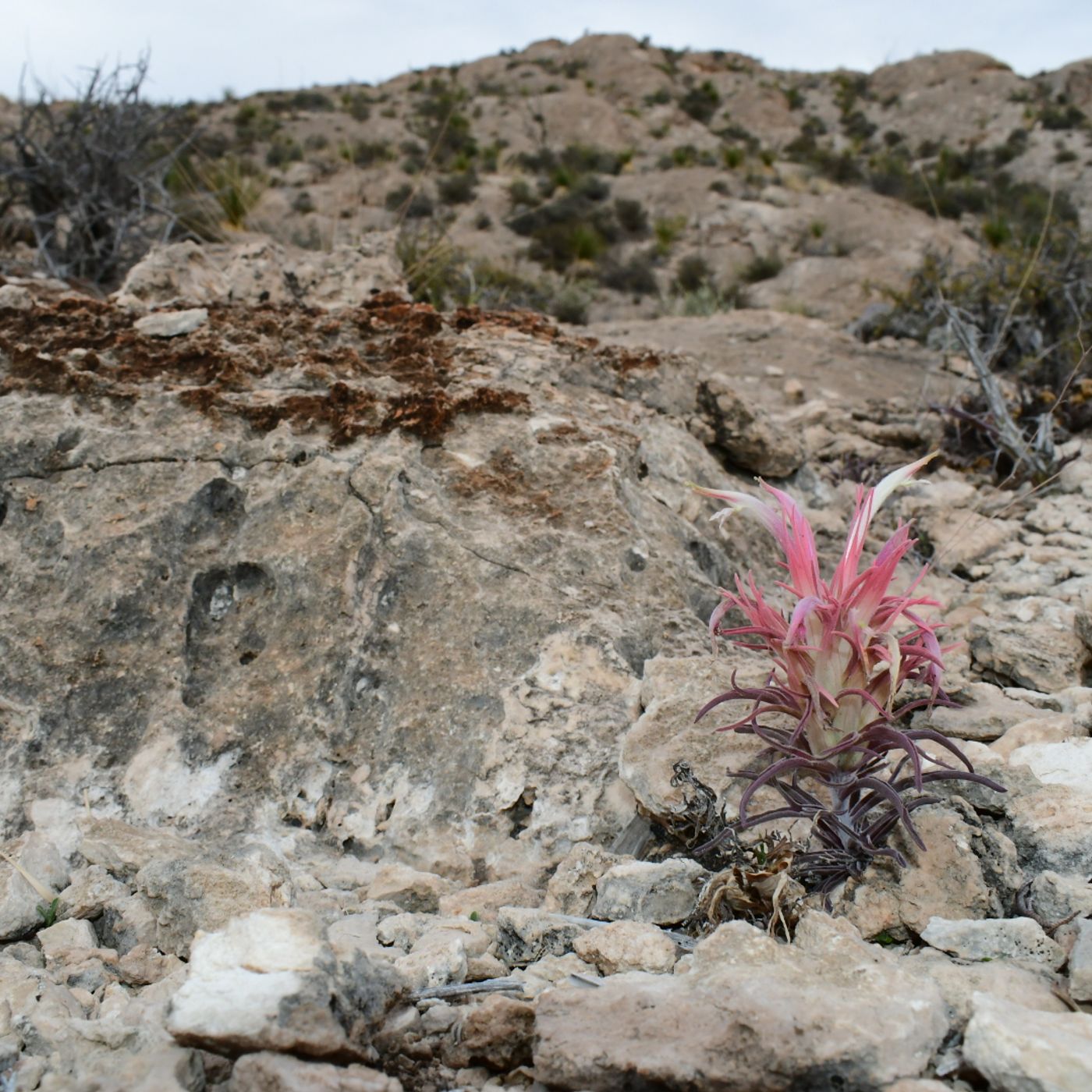
Relict Oaks, Sky Islands, Austin Texas Botany & Texas Madrones
In this episode we rant about pleistocene relict oaks growing on desert sky islands, paintbrush species in the desert, plant communities of the hill country West of Austin, how it's actually not that hard to grow 'Texas" Madrones, how silty sandy loams work great for cactus seedlings, doing CRIME PAYS plant ID classes on Patreon & much more.
2023-03-16
71 min
Transcript
Available Results
Generated results are saved to the knowledge database for reuse and search.
No generated results are available for this episode yet.
Extract Knowledge
Pick what you want extracted first. Model, scope, and chapter options appear after a template is selected.
Generated results for public episodes are saved to the knowledge database so they can be reused and searched later.
Transcript
I'm talking about your baby, thinking about too hide. I feel like buz
Heal's loving. I feel like because he'll do it every time my ween you
and everything that we do. I feel like because he's a mom. I
feel like I want to get smarmy bastard. He's always been a smarmy bastard.
He's always been a smile army bastard. Ever since I first known him,
He's always been a little smart ass. God, I can't get that
out of my someone I know a friend of mine. I heard her saying
that about another friend of mine. They're both older, they're like sixty or
seventy, I don't know, but I just couldn't get it out of my
head. That smarmy bastard, You smarmye bait, you dumb bastard, You
hid day or you do that. You've done, bastard bass not where I
go anyway, I'll quit impersonating a West Texas accent anyway, So I'll try
to make this quick, like an hour. We'll do an hour, okay,
but I got a lot of shit to talk about today. I always
say that and then I go over so uh. Anyway. That was the
band which from the album we intend to cause havoc it. We'll see if
they get me on licensing issues later, maybe not. I just like sharing
good music. That's a that's a psychedelic rock band from Zambia. They did
a little uh they did. Someone did a documentary on him in twenty nineteen.
I suggest you watch it. You might cry. It's a good it's
a good fucking documentary. Actually I haven't seen it yet, but I've seen
the trailer and it was good. I love the fucking band. I've been
listening to the band for years. I think I shared them on here before,
but yeah, check it out that they're like MF doom. They're like
every fucking song they've made, there's not one that you're like, they're all
pretty good, you know, there's not one you're like, oh god,
let's get that. But uh anyway, greetings from beautiful West Texas. It's
dry as hell. U it has it rained. We're about to get our
windstorms. It's always Windy's fucking March. It's been pretty mellow lately. The
vultures are in town. They came through coming up north. They'll hang out
for a month and then they'll they'll dip out. I was in Austin.
I got a bunch of shit went down. We were checking on first I
was in South Texas. We were checking on a sleepy as prostrata in a
fizaria them nafola populations right by where they're developing the border wall. One of
the most beautiful laces in South Texas, right on the river. There's a
beautiful old Taxodi muchranatum on the river too that I want to go check out
sometime. But border patrols got their little sensors up, so every time you
go down there, they come and ask you what you're doing. And I
don't mind it. They just fucking sniff on you. And you know,
I don't get freaked out by cops anymore. I'm over that phase of my
life, especially border patrol out. Them are just like you know, blue
color moos. Not the smartest, not the meanest certainly, you know,
they're just whatever. Man. They just remind me of some of the dudes
I worked with at the railroad. But you know, they will they'll They
might come at you hard first, but then I'm always like, what the
fuck, I'm just looking at plants, but I'm not doing anything wrong.
I've noticed that when you get nervous around cops or you fuck with them,
you give them attitude, they just come back at you twice as hard,
like that's all they know how to do. You know, they obviously don't
know how to diffuse any situation or what. It's just like, I don't
know whatever. It's fucking But I always I always kind of just taking that
tone because you do, even out here in West Texas, you get stopped,
you know, especially to me, I kind of look like a criminal.
It's just like, all right, yes, stiff on me. I'm
not doing anything wrong, I don't have anything. Let me to fuck alone.
But uh, we got stopped by cops by the border Patrol sniffed on
us for a minute and then just let us alone. But that whole area
one of the most beautiful places in South Texas. Uh. The landowner I
talked to him and uh, this guy Jorge, and he told me he's
like, yeah, I basically had to sell because if they if you don't
sell, all they eminent domain you and uh they're gonna cut you know,
they put the border wall in it. Then they cut one hundred feet on
each side, just clear it so the border wall can drive the Border Patrol
can drive their their trucks down. There was a fucking bummer, man,
it was a real bummer to see um. But they're clearing it now,
and there's a there's endangered there's like federal listen endangered species are gonna clear,
which it doesn't make any sense to me. So that was a drag.
But uh, they're not gonna destroy the milkweed. At least, they're probably
destroying a few. A kind of serious possegri which is blooming right now.
One of the coolest cacti. I've probably ranted about it before, A very
narrow, kindo serious used to be in the genus Wilcoxia big pink flowers.
It's one of those cacti, like many like glenn Dula Cactus incinatus, which
we just saw yesterday in West Texas at Big Ben Ranch Day Park blooming.
A lot of these cacti seem to bloom in March because remember they've got all
that moisture stored up, so even though it hasn't rained, they still go
off in spring when a lot of the pollinators are active before it gets so
brutally hot. But anyway, this is kindo serious. I think I've ranted
about it before many times, and it roots easily from cutting. So I
just sent some to a friend who's gonna hopefully propagate more of them, get
him out there. It forms a little peanut like tuber in the ground.
My friend Ernesto's got like a fifteen branched one that had like thirty flowers on
it, thirty baseball sized pink flowers, even though the stem is you know,
less than a pinky finger in ameter, and it gets like, you
know, thirty inches tall, grows up through shrubs in the time of leaping
thorn scrub. So yeah, we were doing I went out to the same
parcel of property like three times and in South Texas last week doing surveys,
making videos and uh, you know, there's just there's a lot of shit
that document out there. And then I was at a friends ranch where he's
got like thousands of payotes he's conserving. He's a Native American church member and
he's basically, you know, putting all these payotes in the ground that have
been that would have otherwise been destroyed from all the habitat destruction going on in
Star County right now and probably around Laredo too. Because it's not gonna stop
anytime soon. So anyway, then I got I went. I got offered
a chance to do a presentation what I thought was a presentation at Austin at
this place called the Food Forest, which is like a like a bunch of
people took over these grassy knolls in this park and turned it into like a
little perma culture thing. I'm not really into perma culture. I don't care
for it too much. I'm glad people are out there working with plants if
that's someone's gateway drug to ecology and evolution and a more phylogenetic approach just with
the you know, a biophilia approach, just with plants that don't even directly
benefit human beings. I mean, they all kind of benefit us when you
think about it, you know, being the base of the food chain and
this interwoven, connected web of life here, really try to get away from
the anthropocentric focus on what plants are useful not just doesn't it just doesn't get
me at all. But you know, again, if that gets people into
the viewing things through the larger lens, cool. But anyway, it was
this place called the Food Forest. I wasn't really sure what I was,
what I was going to do. The person who called me wasn't very clear
about it. Really nice guy, but it ended up just being a nice
question an answer session and a little shoot the shit session, etc. And
uh, that was cool, it was it was fine whatever, And then
I dipped out and got Austin is so weird. It's like what it's become
one of those towns where there's like techis in board shorts. No offense to
techies, okay, especially if you listen. No offense to techies that are
listening to this podcast. Okay, but there's like a very cartoon version of
this demographic. It's funny and I feel like I saw all them when I
had the misfortune to enter the whole paycheck it a Whole Foods in Austin,
m But yeah, it's just a It's one of those places where you buy
like seven dollar you know, bottled pH adjusted water, which is the biggest
fucking snake oil scam. You know, at least it's not gonna poison you,
like a lot of the snake oil that used to get sold one hundred
and twenty years ago, you know, the turn of the twentieth century here,
But it's just gonna fucking rob you. But uh, anyway, all
these expensive food trucks with like these sexually overcharged new age burner looking people hanging
out of it. Real weird scene. I'm not not throwing shade. It's
just not for me. But then I went I met up with Eric Knight,
who's an igh naturalist guy in Texas, really fucking cool guy, mellow
guy, and knows his plants really well. We went out and looked at
a bunch of cool shit. We saw a Morpha romeriana, which is a
pe a morphas, the genus tribe a morphie same as Amorpha connessance, which
you get in the mid prayers of the Midwest, supercanessant. I forget the
name of lead plant. They call it really fucking cool plant. All the
Amorphas only have one pedal instead of the standard five petaled banner wings and kiel
pea flower, and it's a diverse genus. There's a lot of really rare
ones out there. We saw a Morpha crniolata in Florida and we planted it
in a couple of yards. Shout out to Lydia Cooney over there in Miami.
All right, great Miami botanist works at the fair Child. All right,
she's awesome. One of my favorite Cubans. How many favorite Cubans do
I have? I think I gotta I got a couple of favorite Cubans.
Maybe Charlie's another favorite Cuban. But um, who's doing reforest Miami? And
it's just like coming up with these these hyper hyper focused, hyper intellectual ways
to like fucking destroy all that tacky quasi paradise cartoon paradise landscaping of South Florida.
The fundament that just just exudes that that landscaping that just exudes the fundamental
denial of place. Um. But anyway, went and saw a Morpho Romeriana
and it was this, you know, this the ash juniper woodland, which
is a kind of plant community out here, just wild. I mean,
there was a bunch of cool shit out there, limestone, bedrock, ash
juniper everywhere, you know, creating this relatively shady understory. And then ash
juniper duff everywhere. Again. Whenever you get a thick stuff like that,
I always get curious about the fucking micro you know. I was asking,
Damon Tie, what's the easiest way to get like a you know, survey
from microbes and soil. Get like a good soil analysis of what comes up,
you know, like you just sequence it. Throw different you know,
DNA primers in there. See what pops out, like bacterial primers, fungal
primers. I don't know, but it sounded more involved and somewhat expensive.
But you know, I don't have time for that shit. I don't have
time for anything anymore. I haven't been responding to emails. Fuck, I
don't even respond to text messages anymore. It's just too overwhelming. But someone
should do that out there. So if you're out there and you're in the
sequencing stuff, you should go sequenced soil, especially some desert soils, which
reminds me. I was trying to get ahold of this dude that works at
UT or not UT excuse me, University Arizona, Tucson, funk. What's
his name? I forget anyway, I can't remember, but I wrote him
an email. I'm trying to get him on the podcast to talk about cryptobiotic
cruss dessert microbes in desert soils, because all this shit is fascinating and what
got me fascinated by it? I mean fascinated about it. Was seeing some
of the soils in South Texas where it's like this sandy loam that's you know,
again it's powdery when it's dry, and then when it's wet it's super
spongey. Stays wet for a long time really, which is a really beneficial
thing when it's so fucking hot. Like they have soil that's kind of spongy
in your hand, you know, almost kind of like Plato. And so
you get all these likings growing on the ground, you get nostock growing on
the ground. It's the perfect substrate for cactus ceilings at least at high temperatures.
And actually germinated. I just germinated a bunch of astrophytum seed links,
and so, you know, seeing how they respond. I did a test.
I did like regular peat mixed with pearlite, which was generally shit.
And then I did this sandy loam, which is it's surely got organic stuff
in there, but it's been so decomposed and by microbes already that it's not
you know, what you want to avoid is you want to avoid it's least
with stuff that's rot sensitive. Is you want to avoid organic material that can
still get eaten and decomposed by fungi, because they will go for that,
you know, like fresh organic material. They'll go for that. And then
once that's done, then they'll start going for your little seedlings, whether it's
like conifer seedlings that are prone to damping off, or you know our bautist
Hilapensis Texas madrone ceilings that are prone to damping off, etc. So you
know, you want like a rocky mineral mix for mikuelite perlite, or I've
just been using this sandy loam which probably has microbes in it. There was
algae germinating out of the soil, the same algae I've seen out in habitat,
so really interesting stuff. But the astro seedlings that I germinated on the
sandy lum did fucking great, you know. And you keep tempts like seventy
seven, seventy eight above. A friend of mine grows these ceilings at like
eighty four. So put some ancestral cactus sharia in there too. Haven't got
any up yet, Hamado cactus Hamado canthus the rio grand very rio grand valley
barrel cactus, which you'll see on like the Brownsville shipping channel. All right,
how does balls out there growing in the scrub, in the thorn scrub.
Some of them are like two or three feet tall, and got these
fucking yahoo's go out there and shoot them. Just the most shit for brain,
I tell you, man, We're getting so close to idiocracy being the
reality that we all live in. Like America just gets dumber by the day.
I mean, people have always been like this, but it's just weird
this, especially with the car dependence and the consumer retail and now social media,
people have just lost all social skills. I feel like like these this
generation of kids, some of them just have They just don't know how to
fucking interact with people. They're raised in like these suburbs where you can't get
out, there's no sidewalks, you know, these single use zoning car slums,
and then they just online all the time. And you know, it's
just I think it just it's a grandiose experiment in human psychology. You know,
it's like the opposite of like kids that grow up in a city being
relatively street smart. You know, grow up in like like if you grow
up in fucking you know, Brooklyn, versus if you grow up in like
a suburb of Dallas, and you're just online all the time, Like,
how are those two people gonna approach the world differently? You know, it's
gonna it's weird. It's fucking weird. Is it autism or is it just
growing up in the twenty first century and it fucking you know, in twenty
first century America. This guy's name that I'm trying to get ahold of is
a Ferrand Garcia Pitchell. He's an ASU in Tucson. He's got a he's
got his own lab. I guess they specialize in soil microbial biology, biological
soil crusts. God damn it, it looks I'm looking at his website right
now. There's some fascinating shit here. So if anyone knows this guy,
convinced him to come on a podcast and talk about biological soil crust so we
could tell us all what's going on with somebody's different groups of bacteria and fungi
as well, because I feel like biological soil crust in deserts, especially where
there's been so much selection pressure, where it's such a stressful environment. You
know, you go to like gypsum habitats in southwestern Utah where that rare Arctomicon
grows, Arctomicon humilists that bear poppy, and you look at the fucking likings
there, which is sadly, I think, you know, it's a mountain
bike trail, which is good. I'm glad people are mountain biking, but
I wonder how many people just never pay attention. I think it probably a
lot of people do, though. You know, the guy that started cowscape
dot org got into native plants from just mountain biking around seeing all this shit
and being blown away by it. But uh, you know, anyway,
it's I just wish they weren't pearing up the soiler, you know. I
think I think there's some areas where it's safe, and that that bear poppy's
fucking cool too. So if you're in Southwestern thought, if you're in Washington
County, you thought, why don't you go check it out? But the
liking diversity there is fucking nuts. So I wish I would have talked with
Carrie Canutes in that self taught liking uh liking scientist about about biological soil crust,
because goddamn they're fascinating. Um So anyway, yeah, I want to
get a hold that guy. Uh what else do we got so anyway,
Yeah, so, um, I did that. I did that thing in
Austin. Then me and uh Eric went out looked at a bunch of rare
plants in this u ash juniper woodland, and I met my new favorite grass
species seat muley Mullinbergie revert chonii, which is which was coming up in the
openings that is asked juniper for a super curly uh inflorescence. Doesn't get that
tall, maybe eighteen inches at most, but just a really cool fucking grass.
And it forms this nice matt over this limestone like this, not not
even mat, but like a cover. You know, it'd be really nice
for a fucking groundcover in someone's you know yard in the area if you live
in like a you know in hill country right where you know, you start
to get elevation when you leave Austin, when you go west to Austin.
But um, and then I'll talk about this later too. But there's Texas
madrone out there, which I didn't realize grew so close to Austin, like
thirty minutes outside. Someone just sent me, whoever was, thank you,
by the way, just sent me the email or the sent me an email
with info on this place called Texas Natives Nursery and Curville that sells Texas madrone,
which is ninety percent of the populations in Mexico are baudhist hall of Pensis,
which is weird. This tree grows in the cloud forests of Mexico,
like the cloud forests of Wahaka at like eight thousand feet, but it also
grows in on the like you know, almost soil lists limestone out of Texas
hill country. Again, it's got you know, that whole clade. All
of eric Casey have cool Michael rise ericoid microL rise, but the arboid class,
which is Manzanita's camaro staff list madrone. I think Pirola's in there too,
have our buttoid micro riz a, which form a sheath around the roots
like ectomicro riz the same micro rizing you find on pines and oaks, but
they also penetrate the cortical cells of those roots as well, like more like
an endo Michael rise, like the kind of like am Michael ries arbuscular micro
rise, a am micro rize that's fucking redundant. Whatever, But anyway,
you go, you know what I'm saying, But this Mullenbergier was a fucking
banger. It was so cool. There was budaalua hersuta out there too,
U bunch of cool grasses. One thing that I didn't even know was out
there, wasn't even my radar yet, was SHANEA Colon texanum, which is
a in the order lily Alies. It's in melanthier Sa, same family as
Trillium, you know, those toxic lilies. Corn lily is in that too,
which you see in the mountains of California and the rockies, you know,
which looks I guess it kind of looks like corn. It gets like
four feet tall, beautiful fucking hours, really important for pollinaires, But all
these things have some pretty toxic phytochemistry. But I didn't even know. I
don't even know if I was familiar with Shane of colon as a genus before.
Let's see how many species are in a genus, you know, But
it's it's just like a little you know, monocots sending out these long falcate
leaves kind of folded and then it sends out a flower spike. So it's
always cool to meet a monocot that's not in asparagales, you know, like
a geophyte. You know, got a little bulb in the ground that's not
in asparagays, because I feel like everything is in fucking asparagelies and I'm not
not going asparagales. The fucking order, the order of agave and yucca and
orchids and irises and fucking dori anthes down in Australia. That really fucking wonderful,
you know, ten foot tall, giant formium looking thing that puts out
a red bird pollinat of flower. But it's nice to see, you know,
Order Lilyales, to which the other big banger order. So how many
how many plants in Sina colon Holy shit, there's a ton Plumosum pellucidum afis
and aalep tusome waha kents wahaka what it's nice? Calcicola, carrissa whatever the
fuck You get the point. There's like thirty species and Sina colon Um,
and uh, what the fuck else? What do we see? Um Tanantia
anamola, which is a coomolin ac Salvia romeriana with a basal rosetta leaves not
getting too tall. Um and Verbusina lenheimerai et cetera. So this is all
you know, And this was like in a The hiking trail started in a
fucking bleak looking office park of Austin, of which there are many of which
it's so it's so weird to be in like one of these kind of like
hip gentrified American cities. Um, you know, like San Francisco, Oakland,
Uh, fucking New York. Helvi me out here. Where's another one
where's like a night where's a spot where it's like generally progressive people, lots
of wealth whatever. But you know, normally when I'm in those places,
you know, and they're nice except for the insanely high cost of living now
but uh, you know, you got walkable streets. But it's weird to
be in a city like that that's you know, rents it through the roof.
There's lots to hit people walking around whatever, except you have to drive
everywhere. It's still it's still got that like love affair with the car that
Texas does so well or so bad. If you look at it like that,
like you know, you could see something that you could walk there and
it would take you three minutes. You'd have to cross a deadly fucking highway
whatever. But because everything's built for the car. Here. You got to
go a mile down the frontage road, waited the stoplight, make a U
turn, come back around, waited another stop. But I take you fucking
twelve minutes to get someplace you could walk through in two Just like car hell,
just total car hell. I was driving. I was going to visit
a friend in Austin, and and uh and there was a bike lane next
to the frontage road. And the bike lane had a bunch of fucking gravel
in it and ship like you could tell no one used it. And I
don't blame them because it's next to a frontage road where people, oblivious Texas
drivers are going like seventy miles per hour. It's a fucking death sense.
It's like why even try, you know, like like they tried to put
a bike laying in there, But what's the fucking point? I mean,
it's it's deadly. You're taking your life into your hands going out there.
So it was kind of funny, uh, kind of funny in a morbid
American way. Um, but then I was I went out to visit another
friend of mine. He lives, He lives like forty minutes outside of Austin.
And I went crashed at his house, and then we were going to
the coffee shop the next day and h and we passed this all this fucking
development too, like just tracked house development, thirty five hundred square foot houses
lined up, you know, like just like fucking rows of nineteen fifties suburbia.
This landscape that is so impractical and untotally unsustainable, like just ship for
brained building, like single use zoning, just ship for brained urban planning or
suburban planning or sprawl planning, whatever you want to call it. And we
saw this, you know, little parcel that hadn't been developed yet it was
about to. And then there was like a mountain bike trail next to it,
and there was fucking Madrones there. And again this is again back to
the Madrones. I had no idea that our bautist Holopensis screw there. I
normally associated with high mountains of West Texas, Cheesos Mountains, Guadaloupe Mountains,
but here it was growing thirty minutes outside of Austin. I couldn't believe it.
I was so stoked. The trees looked kind of rough. All the
juniper had been cleared around them. There was Nolina lindheim rye, which is
a really beautiful grass looking. Imagine it's it's the look that people are going
for when they're planning something tacky, like you know, fucking pampas grass,
which is a really bad invasive you know, when they're planning something like pampas
grass and arden nolina is. I forget what the taxoni means, and I
think it's it's in its own subfamily of asparagays, you know, ever since
they lumped like twelve distinct families all into one family, the collective asparagaysee which
is which was such a ship or brained idea taxonomically and so confusing. Erasing
an evolutionary story by putting families, you know, reducing them to subfamily and
then lumping them all in the asparagus family doesn't make sense. It's it's so
now the asparagus family is like ten times bigger than it was before APG,
the Angio Sprut Biologeny Group did this. But it's a whole other conversation.
Listen to my conversation with Chris Pierres from like a year or two ago before
me it was two years ago. We talked about that anyway. Um,
but yeah, that Nolina was everywhere. I think it was Lynn Himry or
it was Texana. But what a fucking beautiful plant they called the beargrasses.
That's another thing you don't see plant that out that you should. They should
be planting that and fucking, you know, shopping center parking lots for Christ's
sakes, you know, I mean, in an ideal world, shopping center
parking lots wouldn't exist. But I'm just saying, if you know, since
they already do, they should be planting ship like that, you know,
incorporating these really cool native plants, these native members of the ecosystem into an
everyday human infrastructure. There was also Garia Lindheimer there, which is a cool
hill country plant that I've seen before, but it was flowering. Now.
Silk tassels. Anyone in California knows the silk tassels, right, especially in
northern California. They're common in horticulture, beautiful plants. The flowers are wind
pollinated, they're pendant, they hang down forming these like tassels that are like,
I don't know, ten inches long in some cases, really beautiful.
That Garia species that's common in California but they, I mean, all Garia
species form these kind of pendent inflorescences. I saw. I figured what species
of Garia was in the Dominican Republic in the cloud forest like seven thousand feet,
which blew my mind. Didn't realize it was in the Caribbean. By
the again that the climate of the cloud force in the Dominican Republic are like
that of northern coastal northern California. But yeah, it was cool. So
plants and gary of course are dioecious, either male or female, and so
this thing was, you know, just going off full. I could see
the fucking anthers they've got. They're really weird. It's got a really weird
flower structure, looks like a little cage, you know, like a little
bird cage, and then the anthers are inside this cage. It's like the
petals fused, are fused, and they just kind of open up at the
sides, you know, so it's almost like an operculum, and they open
up at the they open up at the sides, and then you know,
you tap the thing and all this pollen comes out. So I don't know,
maybe people are allergic to it. It's not a lot of pollen.
You'll be fine. But there's another one of those plants people should be planting
out here, and no one is why the fuck not? This is basically,
you know, it's a little bit higher than Austin and elevation but not
much. So, you know, I don't get why people don't plant this.
Guy I talked to with Texas Natives and Curville says, oh, yeah,
you grow my dra was an Austin. No problem. You know,
we'll tell you how to do it. Uh, you know, it is
tricky. They're finicky as hell. But I got one in the yard here
in West Texas is doing fine, you know. Sew we're also university and
the Alpine's been selling them for twenty years. They got two big, big
trees in their in their little greenhouse Greenhouse Native Plant Demonstration garden, which you
should check out if you get a chance. They got that Hesperello funifera too,
which is a giant hesporello which is not related to alo at all,
but uh it's it's another esparagacy monocot. But it's got these beautiful hummingbro pollinative
flowers that that interesting too. You may not know this, but I was
just talking with a friend about it yesterday. Hesparello parviflora, which you've probably
seen. It's overused in California horticulture all the time. I think it's common
in Texas too. It's one of the it's like an it's a native plant
they actually sell at the big box stores. But uh, you know,
it's it's native to like the Seminole Canyon area, you know, like along
the Picos River where the Picos hits the border, which is a really cool
area to botanize. But it just got these pink flowers hummingbird pollinia obviously,
but um yeah, a friend was just looking at the other day and was
telling me about it. Just seeing these plants, and you know, these
native plants in their wild habitat is so cool. You know. Of course,
the ones you plant in your yard are probably a few decades removed,
you know, they've been in the horticultural industry, a few decades removed from
you know, sharing jeans with the wild population. But it still interesting.
And on that note, we saw Salvia greggy yesterday in West Texas and a
wash and this really dry, generally really dry area. You know, tons
of cool cactus around aeral carbus everywhere on the limestone. But Salvia GREGGI I
mean this, you know, that's another plant that's really common in horticulture.
You know, generally hummingbird pollinated. We be pollinated to the lower petals.
You know, Salvia's have a bilateral symmetrical flower and uh, you know they've
got that that big lower lip pedal labium. And so the pedal on the
Salvia greggy looked really wide, really broad, like perfect landing pad for a
bee. And then it's got those lever mechanisms on the anthers too, so
that when the bee six is head in there, the anthers bend down like
one of those little bird dippers, dust dust the bees back with pollen,
and then you know, fly off to another flower in the style of course
comes out out up top of the hood. But we'll get to that later.
So that was cool. It was It was great seeing all these fucking
plants that I'm not as familiar with as I should be because I don't get
out the Austin I don't get out the hill country that much. Normally,
just blazed through en route to West Texas. Um there was Corophanta sylcana there
too, which is another hill country plant, little little golf ball of a
cactus, pretty rare. I don't think it's a tech. It's not a
Texas yendemic get in northern Mexico too. But it's a cool fucking plant and
it should certainly be cultivated more. You know, you, why don't you
grow? Why don't you? Why don't you go out there and you get
seed of these things when they fruit and you grow a bunch of Corofanta sylcata
seedlings, all right, you could figure it out. You might not have
luck at first, ship might die. What else are you doing? You
know, you're doing pot and playing video games? Okay, why don't you?
Why don't you start growing native plants instead in your fucking backyard wherever?
You know a lot of there's not a lot of native plant nurseries throughout the
country and so and it's a really fulfilling though. It's fucking nice. You
know, you you grow some ship from seed, figure out, cracked the
code, how to do it? Plant it out, you know, watch
it fucking grow, watch it. You know, whatever it is. If
you're growing prairie plants and the fucking Midwest, if you're the East Coast growing
cool. Uh cool East Coast plants, you know that growing a grasslands out
there. Um So anyway, uh yeah, and then coming out to West
Texas, there was a bunch of shit going off just on the side of
the road. Saw our native, our beautiful native Rodium texanum, which is
in the geranium family, and you get Erodium cicutarium, which is a really
nasty, fucking invasive. I have memories of going out to look for that
rare ariophyllum, that wooly sunflower in Bakersnow in Barstow, and going out to
the point where it was collected twenty years prior, and it was just a
sea of this invasive rodium with the little bird beak fruits, fucking brutal god.
I hate that plant, you know, which is not the plant's fault,
of course, Sure it's great where it's native. Here it's a fucking
disaster. But our native Rodium texanum is so much cooler, so much prettier,
cooler leaves, bigger flowers. Uh, you know, little pink bastards.
All this shit going off on the limestone gravel on the shoulder of the
highway out here in West Texas. So I had to go lurk it for
a while. You know, it's one of those things you like, you
get out the piss or just to look at one thing, and then you're
there an hour. You've seen so much cool shit. You know you'd get
in good photos, get a nice macro photo for taxonomic comparison of flower morphology.
Oh really quick, back to back to the hill country though. Some
shit. So these housing developments are going up everywhere, but there's still you
know, you're still able to catch some of the little crumbs that they left.
I don't know if they're going to develop it or what. God,
it was fucking ridiculous. They were planting bull biny, which is a South
African plant, which is what can be really invasive in Nuevo Leon. They
got a really bad problem with invasive Bulbini in Nuevo Leone, fucking up the
hydride deserts of the Sierra Madre Orientile. You can find it in Huasteca Canyon.
It's it's horrible, Like my Mexican biologist friends hate it, like this
plant is a motherfucker and they're planting that's that same genus. I don't know
if it's the same species in these landscape beds of this this fucking housing tract
in the hill country where was it was like near beat cave? I think
is it the name of it? I don't know. I don't know these
fucking town names. But it blew my mind. And it's so goofy,
It's like you got It was such a funny contrast. They had a nice,
you know, edged with plastic edging landscape bed with a sidewalk, which
was kind of blew my mind because you don't normally see sidewalks in these places
because everyone drives, all right, and then stuffs they're colling with fucking enough
meat the feet and army, which is hilarious. I'm not knocking meat,
but I'm just saying, if you spend all your time sitting on your ass
in your car, you probably don't need to be eating fucking water burger every
day. All this, you know, calorie intensive red meat. If you
run a marathon, go ahead by all means, you know, if you're
doing a cross country running. But Jesus Christ, this fucking country just gets
anyway. What am I gonna be like when I'm an old man? You
know, I propefully I won't live here anymore. My plan is to eventually
fucking leave the country. But Jesus Christ, my fucking Moi Tai teachers to
always say that he's a black Muslim dude. He was always going off.
He's like, I gotta get the fuck out of here. It's like I
feel you, brother, Um anyway, uh so, uh yeah, but
there was all this cool ship go on. If there was a pyropapis passa
flooris just coming up as a weed on the side of this on the side
of the sidewalk calero involucrata, cool pink mallow almost looking like a sperrausia and
the leaf, you know, it doesn't get that tall, just coming up
on the median strip of you know this two lane road two lane, one
way, two lane the other way in the median strip. You know what
the fucking roundabouts everywhere, so people can just drive. There's no stop signs.
Um, it's jarring. You know these developments. I just wonder what's
gonna What are these developments gonna be like in thirty years, you know,
Jesus Christ, it's gonna be like that Dave Kennedy's song. This could be
anywhere. Uh but you know the landscaping bed they planted was just insane.
It was like, you know, the dyed wood chip mulch, a straight
line, a row of you know, bullbiny, a row of this fucking
euphobia from the Mediterranean, and then the edging and it just fucking tacky and
stupid, and then right uphill from it where all these fucking cool natives.
Vernonia lindenheimer Ie. You ever seen that thing bloom? It's like a it's
a because we're starting to dry out as we move west across North America or
right on the hundred meridian here, you look at a satellite map, the
like the east of Austin, it's all the country east to Austin. Half
of a country east to Austin's all green. The half of the country west
of Austin it starts to dry out. Vernonia lindenheimer Ie has been selected for
by its arid environment to have you know, pubescent leaves. It's a vernonia.
It's an iron weed, which if you live in like Ohio, you're
familiar with in the native plants, you're familiar with. Some of the Vernonia's
out there, really incredible fucking plants lit up, you know, pink or
magenta flowers. They can get five or six feet tall. This is one
that's adapted to you know, air conditions. And of course you go further
west Texas, you know, northern Chihuahua desert area, you get Vernonia larcini,
which is, you know, like a fucking white leave. Like it's
so ubscent. You know, it's just been there's been so much selection for
drought tolerance in this plant. And that's what always gets me about this shit,
right, it's seeing the variations on a form you already know, and
how evolution has selected for those things. It's so fucking cool. But it's
of course this desert vernonia still has those you know, hot magenta flowers,
among other snapomorphies that you know, obviously make it obvious, Obviously make an
obvious. Then make it obvious. It's a fucking vernonia, so Vernonia lennheimer
growing right uphill from this shitty landscaping bed, along with you know, Quercus
buckley eye. It's cool oak Quercus fusiformius. Another cool look you get out
there, Poligila alba. There was a Casteleia out there. There's Castilla lenheimer.
I think one of the paintbrushes. All these cool plants coming up.
I mean, it's just it's just nuts. It's like, you've already got
this beautiful, really cool fucking landscape in front of every want to say beautiful,
because what does that mean? It sounds corny, it's subjective, It
doesn't mean thing. It's like nice. You know, you got this really
incredible, fascinating and diverse ecosystem, native ecosystem right uphill from where you're planting
all this tacky shit that looks just fucking goofy plastic edging. You're planting shit
in the line dyed woodchips. What the fuck? You know? You think
this ship doesn't matter? It does? This is like, these are the
places we inhabit. You know, being around this kind of landscape makes us
collectively dumber, just like being around a landscape of you know, six lane
ten lane roads and plastic light up signs with corporate logos on them makes us
collectively dumber as a society. You know, tell me it doesn't. Jesus
Christ, totally fuck channeling that. George Carlin ramped about stripmall hell, the
Transcontinental Commercial Cesspool. I just made stickers that say transcon Commercial Cesspool. You
know, send me fifteen bucks on a venmo if you want that in the
biosphere collapsed one and some other ones. So I gotta make the evolutionary filter
sticker though, you know, explaining how evolution works, and a fucking two
and a half inch by four point two five inch vinyl sticker. Oh yeah,
there was blackfoot days here where two Melanpodium leucanthem. It's such a cool
The hill country is such a cool, fucking h landscape. Man. But
anyway, so back to West Texas. Now, some of the species we
were looking at over there, coming up gilly Astrum ascosum, which is a
beautiful purple member at a Flox family. Polemonier say it was a weird plantago
of course. Xanthisma spinulosum, which is a little yellow daisy, very glandular,
dentate, leaves, narrow, you know, glandular as hell. Smells
so good. It's one of those plants to pick a leaf off, you
know, putting your ear sniffet put in your ear, smells fucking great.
Hebacarpa macridenia, which is probably galazier. It's a little tiny, purple flowered,
you know plant you probably most people probably wouldn't notice at all, but
it's cool because I always see it at growing limestone deserts. We get another
cool heiba carpet in South Texas growing with payote and uh and theolo cactus under
under the blackbrush out there of a Chilia ridgidula. There was Linum puba ruleum,
which Mike, doctor Mike Powell at the sewer Elserbarium, was convinced was
linum for landy ride. But it doesn't really look right. It was like,
so it's a flax Linum is the genus of flax, flax seed,
the same ship you put in a smoothi or something. But uh, there's
a bunch of native ones which I don't generally pay too much attention to,
but I'll snap a photo for the Eynet, you know, just to log
it, just so it's on my radar at least a bunch of cool verbenas
and glandularias and ship which are I love seeing them. But it's like that,
you know, bourbon A says the family Lami alias is the order so
generally opposite leaves. Glandular often got a nice smell to them. Lantana isn't
that same family, but uh, you know, adapted to the aridity too.
There's a whole bunch of cool verurbon ac diversity in Chile, Northern Chile
that I saw. There's ones that look like a fedra that form a bush.
There was one I think it was a species of Aloisia that you know,
we were making tea out of. After someone showed us how to do
it. We went to this little like it was like an old These old
hippies ran his cafe at like ten thousand feet were drinking coca tea, so
we didn't get a hypoxic from that fucking elevation. That was such a crazy
feeling, man, that elevation, and so coca tea actually does help with
that, but it also it makes you feel kind of weird, kind of
stimulant, but also gave me kind of a headache. But they made this
tea out of that Aloisia and it was so pleasant. It smelled so good.
I forget this species. Actually, you know what, I'm on fucking
eye that right now. I can look at up pom Okay, Yeah,
Aloisia terra pacana. Holy shit, that thinks incredible. So I gotta eye
in that photo of it. Really cool leaves too, really it looks like
a juniper. They're so oppressed and a imber kid that was it like ten
thousand feet It smelled so good, made a wonderful fucking tea. Curious what
the phytochemistry is on that one? Um anyway, So you know, anyway,
there's hope for verbon Ac. It's just you know, it takes a
minute to get It's like all these things, it takes a minute to get
into. You gotta see what's cool about them, how they speciate, what's
their ecology? You know, quit looking at plants like it's still it's just
a pretty flowers. What's what's interesting about it? Where it's growing? Is
it growing out of a fucking crack and a limestone cliff face? You know
that's pretty good. Okay, uh So I've been taking pictures of fucking grasses
too, because you know, why not. They're fucking cool. They're important
that you know. They're also the base of the food chain, made your
food source, fraulity, herbivores and especially the desert ones. There's a lot
of really cool ones out there. Um So, anyway, moving along,
so let's talk about about West Texas. Now, all right, we were
already talking about West Texas, but just you know, just just off the
fucking freeway on one of the fronted roads. So headed down to beautiful Presidio
County, down to the Mexican border. I stopped at this spot yesterday where
I collected all this purple rhyolite, these gravels right and thrown them in my
yard. And this is last year. I was at Martin Terry and a
bunch of cool shit came up, like a bunch of weird plants. There
was something that was obviously a Mentzelia super scabbard leaves. Menzila leaves are so
distinct, you know, they're so easy. You know when you see them,
basal rosette sends up escape. This one had a white stem. A
bunch of cool ship came up. We're brassica, which turned out to be
Selenia dissecta a bunch of milkweeds. I would just been doing that, and
you know my yard I had just clear and shit and just clear away all
the weeds, create bare soil, throw some seeds down because I don't know,
I just don't have the resources to be grown A bunch of ship from
seed right now, and see what comes up. Patty Manning gave me in
Ceoscaposa that really cool limestone loving in celia, which actually turned out to be
a florenzia. Once I sent material to Alan rockefell out a sequence which a
whole other interesting story, but uh, you know, a bunch of good
ships coming up. So I wanted to go see what was growing there now,
because that's obviously that seed was in that purple rhyolitic gravel. It's not
even gravel, it's like a fine dust. It's really nice, beautiful again,
purple color, all right, purple in the way it only rhyolite can
be purple, right, rhyolite, of course, extrusive igneous rock crumbles really
easily can be sharp high in silica. Not sure what gives it that purple
or pink color a lot of the time, but uh, you know when
you see it though right opposite ended at chart from basalt in terms of chemical
composition and anyway, So we went down there and there was there was that
Menzilia was coming up. I still forget what species it was. I still
haven't keyed it out yet. There was a cool cirsium coming up, a
cool thistle. There was a bunch of good shit. What a cool fizaria.
There a Cyrenia camporum, which is one of the most common mustards native
mustards in West Texas, and it doesn't get enough respect. You see it
all over the place. It's super common, Okay. At synapomorphies of the
mustard family. Four petals concave, kind of folded like a little boat,
like keeled sepals, and then um, you know, uh, six stamens
with the anthers tend to be curly too, like a little fucking m curly
cue a semicolon or quotation marks or a paisley. You know, we're talking
about princh now, Okay, but it's about purple rain anyway. I'm just
trying to fuck your mind up. Um. So that Selenia, Yeah,
Selenia, that's a genus that I was not familiar with in California, but
there's quite a few Selenia species out here in Texas. So we stopped at
that spot lurked plants there for a while. The Neo Mexicana was going off
everywhere, which is such a cool plant. It's Dalia, another member of
tribea morphia p family for Basium, and the dalias are always fucking cool to
see, right, super diverse in Mexico. In the United States, there's
some A lot of them are really well adapted to arid climates. There was
a really cool one, I think it was, what was it, I
can't remember the name, but there was a cool you'll see it if you
look up, if go to anat look up Dahlia, you know, observed
by me and uh, observed by Joey Santor user name Joey Santor in South
Dakota. That was a really cool one. And the kaluses tend to be
hairy again, super distinct shape of those kalises. Dalia neo Mexicana has just
these beautiful leaves, doesn't get taller than like two or three inches. At
least it didn't hear growing roadside, you know, a bunch of piss spots
at this little pull off too. I always got to notice that because I
was getting down to photograph Baalia multi radiata, really hairy q tip of a
fucking composite of astoracy, but beautiful yellow yellow flowers, like another great plant
for a desert garden, you know, And uh, it was like,
oh, bike, I recognition is a sticky piss spot. You know,
some trucker pulled over to dump out his mountain dew on his way to Ohanaga,
you know, mountain dew out of his fucking urethra. You know,
why do I gotta make it? This is such a profane pie. Should
I turn the cursing down a little bit, make it more family friendly?
Maybe maybe one day should do that, you know, because I want everybody
to be able to listen to this and hear about these plants instead of just
people with you know, a low brow sense of humor like myself. But
yeah, Dahlia, the thing I noticed about the leaves there, they're super
hairy pinnate leaves, and they've got these they're kind of like they're folded in
all right, like a lot of desert plants will do with their leaves,
like fold them up reduce, you know, so you're not having a flat
surface area exposed to the sun. It's folded a little bit more of an
angle. Uh, you know, you're reducing but you're also reducing heat.
And then the margins were undulating, you know, kind of like wavy,
which again, so I think it's a you know, another another another way
to basically reduce a incoming UV and infrared light. So uh, but yeah,
the thing is just super hairy, like growing in in a possibly hot
place, full exposure. Um. And so then continuing on down the road,
Uh, we went and there's a spot where you could see a couple
lofafras and some other cool plants just roadside. I shouldn't even be saying this
in the fucking podcast because some no one, no one who listens to crime
Pace I think, is going to go poach shit. But I'm sure it
certainly happened, and it is so frustrating some dipshit or whatever. You know.
I don't even need to slander people, but just going out there to
take shit, it's just such a fucking juvenile approach to understand, you know,
just to any of this, it's so aggravating, you know, getting
too too greedy, wanting to just whatever, you know, and uh,
anyway, I don't, I don't know, I don't. I'm sure people
have probably poached this area before, but uh, you know, I'm all
for people getting excited about plants, but there's just much more sustainable ways to
do it. So maybe you just show them how to do it, you
know, you show them how to get seed as some of these plants grow
them so you don't have to dig up rare cacti, you know, that
have spent fifty years growing out of bare limestone surrounded by eupourbi anti cyphilitica as
a nurse plant whatever. There was a couple growing underneath miskite too. But
um, you know it was cool because this population I stopped by a year
ago and they were just so sucked in, you know, wrinkled. They
were just struggling. They've got remember peyotes had that big tap root they can
store everything in, so they've got reserves. You know, it's not like
just what you see on the surfaces. The plant that goes down eight inches.
There's a big route down there. But um, yeah, they were
rough up man. And then it was you know, they got fifteen inches
of ro here in West Texas in August of twenty twenty two. So these
things just plumped up, probably still running on reserves they had there. But
it's always cool to see these things and just how you know, how resilient
they are, you know, I mean just growing. It's such a fucking
impossible place. And then there was glendula cactus going off there too, which
is always great. The sea big red flower. It's such a it's so
remarkable because that cactus, Glendula cactus, has so many spines. It's you
know, again, a lot of these cacti out here use their spines as
kind of an impromptu shape cloth. They shade their epidermal tissue from the sun
so it doesn't get cooked, and they probably grow as slow as hell.
But again, when it's so warm, your metabolism, if you're a plant
adopted at the deserts, is running as fast as it should be, you
know. Versus if it's cold you're not, then you're really not going to
be growing. So even if you're reducing your light, if it's fucking ninety
degrees out, I think you're gonna be okay. So Glendula cactus, I
mean when you see them, you go to the same spot that you were
at before, but now they're flowering and you can see you know, oh
my god, they've been here the whole time. I just didn't see them
because now they've got a big, bright red flower on it. I'd love
to do pollination studies on some of these things to see what the most common
species of insects are that are hidden these things, and it's nuts that we
don't know that yet. I mean we don't. We still haven't figured out
so many of these puzzles that hold the fucking ecosystem and therefore the entire landscape
together. And then of course we're going out there to clear it and destroy
it as well, you know. So Uh, anyway, all you gotta
do is go sit out there. You don't go sit there, go fucking
meditate with a camera, and uh just watch a flower for fucking two hours.
You know, some of these kids that smoke a lot of pot and
played a video games, they could go smoke a lot of pot and go
sit and stare at a flower for two hours. See what insects come by.
You know what do you got to lose? Fuck? Anyway? So
yeah, then moving on along, we go to we went to a Big
Ben Ranch State Park. Okay, came from the east. Uh, you
know, went through Big Bend all that shit, and then uh then went
to Big Ben Ranch. It's like it's a big it's a fucking man,
it's a task to get out there. You know. Big Ben Ranch was
a became a state park in nineteen eighty eight, I think, um,
And it's got this rock structure, this geologic structure called the solitario on it,
which is basically layers of rock that have been bubbled up like a pizza
crust from below. Um, I forget when this happened. I don't have
to have to look when this happened. But there was a magma plume,
you know of grantite. So you get this nice hot granite. Is it
granted or is it it's got to be granted probably cold cooled very slowly um
as opposed to like rhilite, which cools fast granted, will sometimes take a
million years to cool. And so this this magma plume boiled up deform the
rock crater what looks like an impact crater, like a meteor crater from up
above. I mean, it doesn't really look like that because it's swelled up.
It didn't you know a meteor crater would be open, you know,
see like the one you got in Arizona. Right. So, uh,
you know the fucking bend the curve is pointing the wrong way, all right,
junior. So the this magma plume caused the crust the boil up or
buck up, and so it exposed all these different rock layers, and there's
no vaculte out there, which is cool. No vaculite, which you also
get in West Texas near Marathon. A bunch of cool and then a cacti
on it. Is a silicious rock. So it's like chirt right, very
smooth, has a fine edge when it breaks, kind of can be kind
of sharp, can cut you if it breaks the right way. Very pretty
rock. The novaculating Marathon is white. The novaculate down here was generally white,
but I think it might be older too. I don't know the exact
age of it. You gott you don't have to check that that app rocked,
which is just the geologic map overlay, a broad geologic map overlay.
It's not super specific of you know, the entire United States, in Mexico
as well as other places, and I think it's all over the world.
I haven't been to a spot where it didn't work for me yet, but
I've certainly been to places where it was too broad and didn't really you know,
get into detail it was. But I'll give you age and it'll give
you rock type. And so I haven't checked out on the solitario. But
it's cool. There's some really old rocks, there's some Paleozoic stuff there,
there's a lot of sedimentary it's a lot of sedimentary rocks. And then I
didn't get to any of the areas where there was actual grant. I don't
even know if you could see it. But there's volcanics all throughout West Texas,
so you know, which is extrusive agnus grant. It's intrusiveing MEAs But
I did notice the limestone in some places, like when you get to West
Texas, limestone, especially if it's cretaceous, it's white, it's kind of
it's probably the limestone you're familiar with if you're from the Midwest or from you
know, eastern half of the country. But when you get to like the
Mohave Desert, the limestone there is what they call tear pants limestone. It's
very rough. It roads in a particular way, or it chemically weathers rather
with rain water that it creates this dimpling effect. It feels like sand paper,
like really rough sandpaper, you know, whereas the younger limestone from the
Cretaceous is a lot smoother. I'm not sure exactly why this is, if
it's just the way it's whether if it's chemical composition. But I've noticed the
older limestone it is certainly rougher, and we saw some of that out,
like you know, seeing that, I could tell this is some old ship.
This is not the limestone you see in the road cuts on the Edwards
Plateau. This is the older material. It's rougher, it's the tear pants
stuff. It's the stuff I'm familiar with in the Americans Southwest and the Mohave
Desert especially, which is like four hundred and fifty million year old limestone in
some cases. So yeah, the road getting out to the Solitaria was absolute
hell. It's like ten miles of driving on just shit, sketchy. I
mean, I've been in a lot of cuddy places with the truck I got
now, and so it doesn't, you know, fuck with me as much
as it used to. But there's certainly places where, like Jesus Christ,
we just like the chassis just hits something high clearance and you've got four wheel
drive, but you're still hitting the bottom fucking you know, it's just a
skits a sketchy, fucked up road, you know, and you just want
to be sure you don't some of the limestone and some of the shirt especially
can be sharp, so you want to make sure you don't puncture a tire
on it. But anyway, that said, we get out there, stop
a couple of times, look at cool plants, and then we're just hiking
up this wash to a point that we had where this relict oak that in
cultivation will get twenty feet tall. They got some at San Antonio Botanic Garden
Quercus hinkle i, but here grows as a shrub at most. And there
were plants, there were colonies of this Quercus hinkle i that were only ten
inches tall and post you know, the whole fucking plant, and you could
see it was clearly a colony. It's spreading by rise on its spreading by
route. You see multiple stems six feet apart, but you could tell it's
all the same plant. They're all following the same fissure in the rock.
You know, it's it's just growing again. It's a good indicator for climatic
change over the last ten fifteen thousand years since the pleisucene. These things were
probably forming a nice canopy, albeit small, ten thousand years ago, but
now they're just clinging on and they're reduced to this shrub form. Uh.
You know, I don't know how high up the vego, maybe nine hundred
feet thousand feet of vertical change from the desert floor. And it's funny and
the desert, you know, you're growing up the deck, coming from the
down below, you're passing all these spiny, just fucked up plants like Hectia
tech sensis, which is a bromeliad that is just fucking brutal. Leave Legia,
which you know is a lie stone loving a gove it. It's just
mean as fuck. Um. A whole bunch is the dassolerion, which will
also tear you up. It's got those recurved teeth in the margins of a
leaf blade. Hectea by far has the worst, you know, recurved teeth
on the on the margins of the leaf blade that break off in your skin.
Two weeks later, you got a little you know zip for me.
You lance the thing and it's tip of a spine comes out. It's like
two millimeters long. Um, so really spiny down below. But then as
you get up, uh, the landscape starts changing. There's there was Bernardia
up there, which is uh euphobia sa cool eupour bias those spines on it.
There was polio Minta glabressings, which is a rare member of a mint
family of lamy ac Um, a couple of different crotons. You know,
it's it's not as spiny once you get uh, get up a ways.
Oh god. There was epithy Lantha boky i everywhere too, which is that
little golf ball with a pink flower. Again, it's a cactus using spines
as its own shade cloth. It's creating its own impromptu shade cloth, appearing
like a white golf ball. Um in this limestone habitat, so the rock
is all white. It's limestone talents everywhere. It's all white. And uh,
the epithe these epithey lanth are cool. There's micromerits, which you get
as well. You get that in New Mexico. But boky I, I
think is don't quote man, it's it's primarily Southwest Texas. But um,
god, damn it just it blends right in, you know. So in
the spines aren't sharp at all or just they've got like this. They make
like a sandpaper texture when you touch it. But to see this thing it's
it's again. It's just it blends in so well, and you're like,
oh, it's you know, this is this is what evolution does. It's
natural selection. It's selecting for you know, this dense network of spines so
that it reduces the incoming UV and infra red light. Thing probably grow as
slow as hell too, but you know, whatever, you gotta You gotta
crack a couple of eggs to break an omelet, right, You got to
sacrifice some things in order to survive and even thrive out there. But the
flowers were incredible, just you know, beautiful pink, multiple flowers coming up.
There was so much cactus diversity out there. There was a couple of
different Escobaria, Mammalaria, Lasia cant that which also looks talk about convergent evolution.
Also looks like a like a white golf ball, but the spines look
different. That one is a little spiky. The flowers look different too,
but it's just a little white golf ball. I mean you could barely see
green beneath that that net like patchwork of spines and Malakomaly's then Tiiculata member the
rose family, kind of spiny leaves leathery leaves maybe I don't know, an
inch long, and most small shrub gets like, I don't know, eight
feet tall maybe like okay, large shrub. But the flowers just smell fucking
horrible. They smell like just every gross bodily fluid, starchy, bodily fluid
makes a little bit of feces. It's like it's I gotta be but flies
it Seeing the same thing in the wavele own too, like eight thousand feet
down there, Um, there was a really cool grass ever it too,
I don't know what it was, and I had these these or the leaves
kind of turned orange the older ones did. Um there was a boodoloo up
there too. I don't know if it was. I don't even know what
boodoloo it was. But you know, the eyebrow grass. The inflorescence looks
like one of those glue on eyebrows. M another cool kind of serious What
the fucking kind of serious was that? Or Daisy acanthus, Yeah it was
daisy. No, it's a daisy a cantus, I don't think so.
Who knows Faizaria everywhere? Fen Lara rupacola, which is that another shrub?
What the fuck was that? What family is it in hydrangeas? Right,
because I saw fend lorella, so a bunch of cool stuff, you know,
more more music stuff, stuff that's not as adapted to the harsh,
dry, desert less spiny, et cetera. When you get up high and
then you know, you first see these oaks and yeah, they're like they're
two or three feet tall. It's a wild and then you get up higher
and you realize they're everywhere. I couldn't. I didn't realize there were so
many individuals of them. You know, there were probably I don't know,
a few hundred trees, but again none taller than three feet and most and
most not even that tall, most like a foot and a half. It's
so wild to think that that thing has just been hanging out there for thousands
of years. I believe it's the only place in the world that grows.
There's probably another another one or two mountain ranges in Mexico, you know,
just south in in Chihuahua that it grows in, and maybe Cohuela too,
maybe not Coheela, maybe chiuwah you know, but it was just I don't
even think it produces acorns anymore. I'm not sure they got the trees to
San Antonio Botanic Go and I think they just I think it was cuttings.
But Adam Black's actually done a lot of work work with that one anyway.
But you know, so then we just lurked and explore the plant community,
you know, check out everything that's growing there, figure out what it is.
If you don't know what it is, take photos whatever, which is?
Which is? That's the fun of all this shit is seeing like the
whole community, the whole ecology of these places that haven't been tampered with in
any large scale capacity by humans, Just seeing how they all, you know,
they've had. The important thing there is, of course, is that
they've had so much time to evolve together and form form these relationships, you
know, so that everything's kind of in check, nothing's getting too out of
control. Whatever. There was a cool crowton up there too, and Themnosma
Texana, which is routaste ad citrus family, but has these the West Texas
population of course, as these reddish or pinkish flowers. Then the fruit looks
like a little ass, like a little dimple dass with all those all those
glands all over. It smells fucking incredible, but uh, you know,
and it was nice too. We were lucky, it was. It was
hot going up. I was worried about Louis, you know, my dog,
because she's not too She's not in shape anymore, you know, she's
been I'm looking at her right now. She's like laying down, you know,
just like sprawled out. She looks dead, and so you know,
she's ganked a little weight. But uh, you used to take her out
running all the time, and just don't take her out anymore. Especially in
South Texas is so fucking hot. But uh, you know, I don't
even West Texas it's not so bad. You get cool nights at least there's
not as much humidity. But uh, you know, she she took it
like a champ um and uh, you know, jumping over all the agabas
and hectics and shit. Um. And then it was kind of overcast,
just a beautiful, beautiful desert night. As the sun set and it was
gray, it cooled off. It's like perfect temperature. You know. It
just felt really good, like walking nine hundred feet vertically uphill. Um.
Yeah, it was, I don't know, it just it felt great.
Coming down. It's always harder it's just harder on your knees. But I
saw a bunch of good stuff on the way up, and and then just
hung out there in this really quiet place, you know, right on the
border, so many different rock types, looking out over a valley across a
canyon. Wasn't really a valley, it's like a a royo, you know.
But the caste laya. We saw a cool casta lay up there too.
I don't even know what it was parasitizing because it was just growing directly
out of the rock, out of this limestone slash and the evaculite stuff,
and it turned out to be I thought it was castile A mexicana at first,
which is an annual even though if the flower color didn't really look right,
you know, which is more looking at like the form of a paintbrush
flower, which paintbrush flowers are always fucking weird, right. You've got that
bract that subtends the whole perianth, the collective flower of the kalyx and corolla
together, and then the kalyx on paint brushes can often be mistaken for petals.
They're not, you know, they don't they don't really look two klyx
like the sepals, and then the corolla is just that tube that is super
narrow, super elongated, super narrow, the opening super narrow. You've got
that lip that comes out, which is like I guess called the teeth.
It's like three teeth. It's like a like you think like a salvia flower,
but basically paintbrush flowers look like a salvia flower bilattery symmetrical salvia flower,
but just stretched out way more. And then you've always got the style coming
out the top. The anthers are included inside that their long narrow opening,
and then the bracts of course that subtend each flower are like the showiest parts.
They've got that weird transition from green, like gray green to like pinkish
or red or whatever. I mean, paintbrush are fucking cool, man.
I like to have I would like to have Mark Egeron who studies them.
Um, but you know they're all also hymi parasites, so they photosynthesize and
they also steal a little bit. I couldn't even figure out what this was
stealing from. I mean, the nearest plant was like two feet away,
and this is like a plant that's only eight inches tall. At most maybe
six inches tall. Um. But it turned out anyway, I thought it
was Castle. It makes it kind of turned out to be Castile as Cessila
Flora. Total fucking banger of a paintbrush. Really cool, you know,
Castile and Nina is probably the coolest one I've ever seen, that small one
that grows on top of Sero Elpoto c in the Wuave of Leon and like
ten thousand feet elevation. But uh, you know, town's out like an
inch. But this one was. It was a fucking banger two and it's
not rare. I mean, it's you know worth. I think we were
like the generally southern end of its range. Um. And then so coming
down, you know there's there was areo carpets everywhere. You just see like
a random aerial carpets just that you know they're sunk into the ground, the
living rock cat. But you would you see that geometric pattern, you'd be
like, oh shit, yeah, there's there's that that little star in the
ground, you know, because they got that star shape to them. So
coming down, right as the sun was setting, you got in the truck,
take off driving through this wash and uh, there was an Anathris White
flower evening primrose. Of course they opened up at night because their moth pollinated.
There was you know, a sphinx moth, you know, hovering around
it like a humming bird. Um, and uh so I stopped to check
it out, and then we were looking further and there was an earth rant.
There was a monkey flower growing there too, which I don't know if
it's glad bressings or what. I gotta take it to the irbarium and figure
out what it was. But um, but yeah, fuck, it was
really cool, really cool to see that. Really cool is the earth ranty,
which again, you know, there's a few species in Texas, but
it's much more diverse in California. So just a great fucking night, just
I mean being up there and just thinking about how that landscape has changed too.
I mean, this oak that is just just basically land locked on top
of this single mountain in West Texas. There's one there might be one other
location and just surviving but certainly not thriving, but just hanging on. You
know, maybe it would produce acorns if you got a lot of rain,
If there would maybe have a master year if you get a lot of rain.
Who knows, but right, now it's just it's just the relict.
It's just the place that scene relict, you know. And it's stuff like
that that is so cool. Tells us how things have changed over time,
gives us some perspective even though it's still just a blink of an eye in
terms of geologic time. Gives us some perspective on the local landscape, how
long things have been there, you know, just like the pack rack middens.
You know, when you find juniper and pinion pine in a pack ratm
in a cave sealed in their own urinees, they tend to do. You
know, you got a fetish for that thing in a spot that's now like
a hot dried desert where the nearest junipers are like two thousand feet higher in
elevation. Gives you some good insights. So anyway, I think I'll wrap
that up. I think that's all. It is all we got for now.
But anyway, email me if you want. Can't promise I'll get back
to you. I'll try to do the shorter it is easier. It'll be
still selling books with drawings in them for fifty five, stickers for fifteen.
If you want a little doodle, nothing fancy, but just a little doodle.
Any envelope throwing another five Venomo is society as hell. Don't use the
purchase production because they fucking rob me. They shake they shake me down,
or you can't use it, then I gotta charge your sales tax and Venmo
fees and all that. So h, and I got a lot of videos
to do, but I'm just burnt out, and I got too much shit
to do, and I'm burnt out, and I'm trying to start another book
and I'm burnt out. So I'm just generally fucking burnt out. So you
know, bear with me. Okay, anyway, thanks, thanks for your
I'm going to support and H. I'm going to hopefully I'll have a class
on a Patreon. So I signed up with Zoom. I got actual Zoom
accounts. I have like a hundred viewers. We can do like a little
Zoom session on a you know, phylogeny evolution plant, I d whatever.
So, uh, if you're interested in that, sign up for the Patreon
five bucks a month, write me a message, let me know what you
think, when I should do it, when it's be available, what you'd
like to know, et cetera. So other that, so I got go fund yourselbody
Chapters
No chapters available.