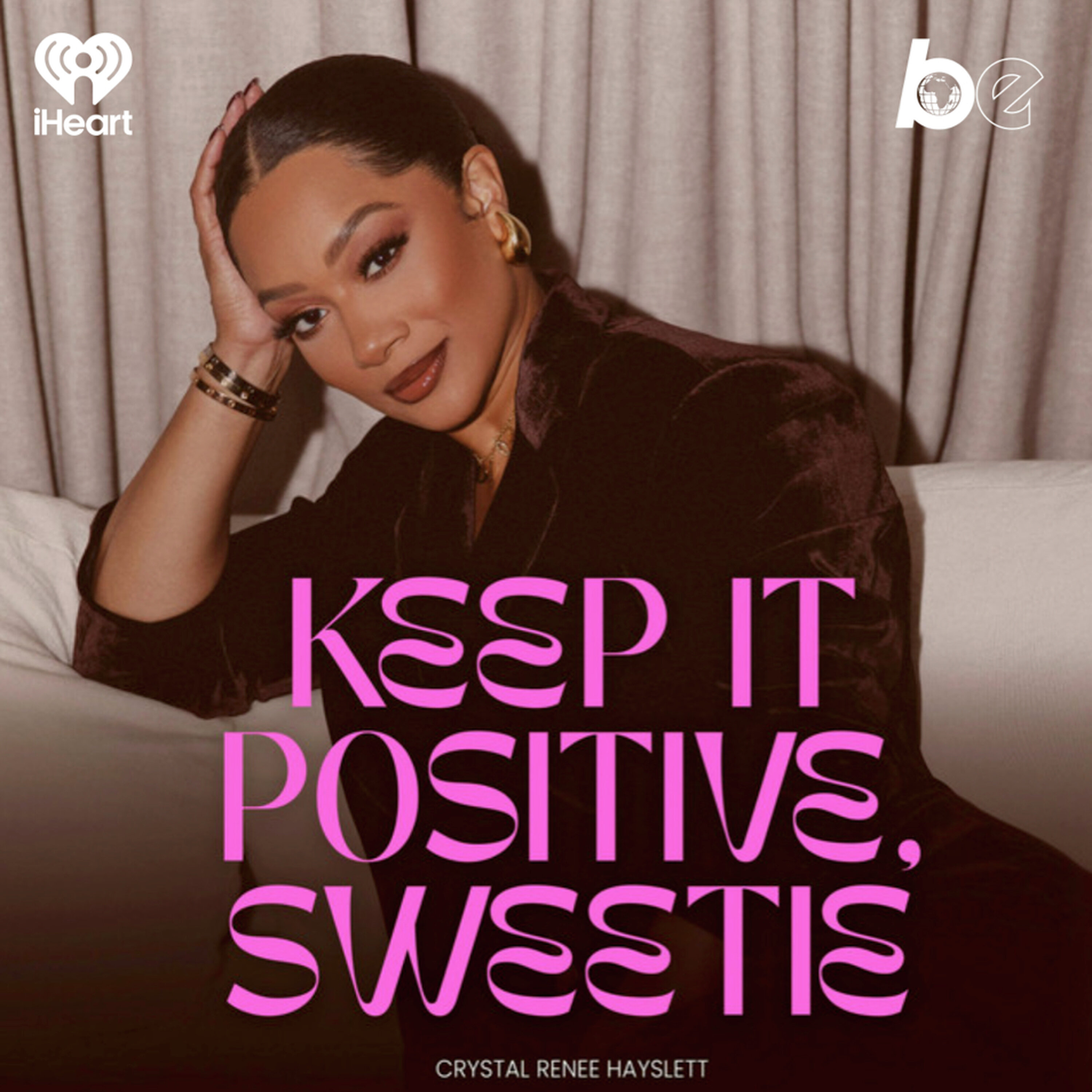
Silencing My Shame with Shanti Das
This week I brought my friend and powerhouse, Shanti Das, on the show to share her story with us. After an unstoppable career as one of the most impactful women in hip-hop, she stepped away from the music industry and started on her own journey of healing and uplifting the community with her non-profit, Silence The Shame. I get a lot of letters from you all about mental health and wanting to give up. If you are any of your loved ones struggle with suicidal thoughts, please call the suicide hotline at 988. I love you Sweeties!
See omnystudio.com/listener for privacy information.
Available Results
Generated results are saved to the knowledge database for reuse and search.
Extract Knowledge
Pick what you want extracted first. Model, scope, and chapter options appear after a template is selected.
Transcript
00:00:00
Speaker 1: Trigger warning. This episode contains content about suicide. If you are a loved one are struggling with suicidal thoughts, please call the National Suicide Prevention Lifeline at one eight hundred two seven three eight two five five, or message the Crisis text line at seven four one seven four to one. Both programs are free and provide confidential support twenty four to seven. Hi, and welcome to this episode. Will keep it positive, sweetie. I'm CHRISTINEE. Hazlet and today I am talking about silencing the shame with Ashanti das Hi. Hi, how are you doing it?

00:00:44
Speaker 2: I believe up sitting at yours.

00:00:47
Speaker 1: I'm so proud of you. I'm like, it's.

00:00:49
Speaker 2: Weird for me to like think of you like as this like media personality actress and I just know you from back in the day in Atlanta. Interest to see where God has moved your life. And it's an honor to be.

00:01:04
Speaker 1: No, thank you so much. And when we were going through a list of people and I was like, we have to have Shanti das On. So when I called you and You're like absolutely, I was like, she said, yes, so thank you.

00:01:15
Speaker 2: I seen you since I last night.

00:01:17
Speaker 1: I know, yes, yes, we gotta do that again. Yes, when I think of you, I think of I don't look like what I've been through. You've been through so much, and a lot of people don't. Yeah, we have a t issue somewhere. We'll grab it if we need it. But a lot of people don't know that you started in the music industry. Like, that's when I met you. You were working in the music industry, and you are a mental health advocate. You are a CEO and founder of Silence of Shame, and you have your own podcast called Mebo The Mebo Show. Yes, amazing, So make sure you guys check that out. You did twenty five years. I mean I had ten years at Capitol Records, La Face Records, Columbia Records, Sony Urban Music, and Universal Motown.

00:02:08
Speaker 2: Wow, long time.

00:02:09
Speaker 1: That you gave a lot of your life to the industry.

00:02:12
Speaker 2: I did.

00:02:13
Speaker 1: Wow. I remember in two thousand and nine, I moved here and I worked at the front desk of Divine Stevens's office.

00:02:19
Speaker 2: He has when I met you, because that's when I was really just come back to Atlanta.

00:02:23
Speaker 1: Yep, exactly. Yeah, And it was I always saw you. You were always everybody came to you. It's like, yeah, and I was like, it's something special about her. But I never knew all the things you had done until later on. I was like, oh, my goodness.

00:02:37
Speaker 2: Yeah, it's been a real journey. And you know, I'm an Atlanta native, so I grew up here, and to come back and be able to work in the entertainment industry and help to really launch the music scene was a real pleasure and honor. A little surreal, I can imagine, because I went to Syracuse University, Wow, way up north. Most of my friends, you know, kind of stayed down south, but I just wanted to get away do something different. And when I was at Syracuse, I started like dabbling in radio. I had a radio show, Graveyard Shift Girl in the Morning, Yeah, and I was assistant promotions director. And then when I came back to Atlanta the summer of my sophomore year, I got my first internship at Capitol Records. So I was working in industry in college. In college, going to Jack the Rapper and all the conventions. What. Yeah. So I did that for two summers and then graduating in nineteen ninety three. You can call me, Yes, I'm fifty two. I'm proud of it, Yes, but I came back and worked at Tony Music for free as an intern, which you know, if y'all are listening, any up and coming folks want to work in music, sometimes it's okay to work for free to get their foot in the door. And so then after that because I tell people also it's important to keep good relationships.

00:03:49
Speaker 1: Yes right, you don't have to like everybody you worked with, but.

00:03:52
Speaker 2: Try to stay positive, to keep the door open to come back and call on somebody. So the guy that the gentleman, mister Keith Fry, who was my men, he started consulting with La Face and La Reid was like, y'all, we're looking for a promotions director. We need some help, and we got the job thirty thousand dollars right out of college.

00:04:10
Speaker 1: You could tell me nothing nothing I know, that's right, and with greats like La Red.

00:04:16
Speaker 2: First record I ever worked was Outcast Players Ball first record.

00:04:20
Speaker 1: Did you even understand?

00:04:21
Speaker 2: How did big? And remember it was on the Christmas album Wow. So you know, we had a lot of songs, a lot of artists. TLC and Tony Bradson was on the Christmas album and this song started like getting a lot of good feed back in DJs, and La was like, well, and you know Dungeon Family Reco. They were like, we should just make this the first single. Wow, that's kind of how it all kicked off.

00:04:45
Speaker 1: That's how it kicked off. And you worked with Outcasts?

00:04:47
Speaker 2: I did. I worked with them on all of their albums. I did the marketing, well, the promotions, initially did the marketing for the first four albums.

00:04:55
Speaker 1: I have to ask you, because I am a huge outcast. Yes, I love Andrea. I mean I love a big boy and Andre. But Andre just has a piece of my heart.

00:05:04
Speaker 2: He is just.

00:05:06
Speaker 1: Incredible. What was it like working with them too?

00:05:10
Speaker 2: Like esentially, they were just like little teenagers that used to get on my last nerve on the road. They would come knock on my door after we get back from promo runs and I'm.

00:05:20
Speaker 1: Like, y'all need to go to bed.

00:05:21
Speaker 2: So they would just hit a regular teenager. But I will say they were hard workers, incredibly creative. You know a lot of times when you think of the music industry and back in the day, you think of label executives having to like give the artists a direction or a sense of self or personal sense of style. You understand styling, but No, it wasn't like that with them. They knew what they wanted to do, they knew who they were, and we just kind of came in to enhance their brilliance and their greatness along with the Dungeon family. And so that's what I loved about them. You know, one of the I think your favorite, one of your favorite albums of the Qumeni rite, Yes, I think I read that. And so what I loved about a quen I was it was a real combination of the two of them. So Quieminine stood for Aquarius in Gemini, and that made the word equiminie. So you know, big Boy being the player and Andre being the poet, and it was just like a perfect combination, right, It was a perfect storm for a hip hop group, and it was just amazing. And I was there the night in nineteen ninety five. You know, we're celebrating hip Hop fifteen and yes we're those iconic moments in hip hop. And that night at the Source Awards was when Dre gave that infamous speech the South got something to say, it was it was myself, their manager Blue Williams there and I was the only girl repping with them that night. Wow. And to date that picture of us, the three of us, is circulated a gazillion times on social media. And I have to pinch myself sometimes to say I was right there with you, were right history. But they did all the hole in the wall clubs. They had to deal with a lot of criticism from people saying, oh, their country, we don't like this music.

00:06:56
Speaker 1: Wow.

00:06:57
Speaker 2: They weren't always accepted and nor was Southern hip hop. True, but you know, they put the work in and we did what we had to do to make them, you know, household names. Yes, I love that.

00:07:06
Speaker 1: Oh my goodness. Speaking of artists, you work with, y'all starts with Usher, Tony Braxton.

00:07:12
Speaker 2: Usher Boys. He on a fight, on a fight.

00:07:14
Speaker 1: I still have not gotten I am shot, I am yeah. I saw that you went yes and he shouted you out.

00:07:23
Speaker 2: And that was a total surprise. But I was there when we signed him. He was like fifteen, very early on doing all his promo and getting to see his brilliance. Even then, I we knew that Usher had the it factor. He's one of the hardest working artists I've ever met.

00:07:39
Speaker 1: Wow.

00:07:39
Speaker 2: He always knew like what he wanted, like he always believed in going hard like Noah was never an answer for him. He would just figure out a way to yes. Wow, even like he was very involved in the promo, ideas, what he wore, how he wanted to look, just everything that's very involved. So it's no surprise to me that he'd be doing the Super Bowl now it's.

00:07:59
Speaker 1: His Are you gonna go?

00:08:01
Speaker 2: I don't know, you know, I don't wanna ask somebody for tickets and that sort of thing. If I get, you know, opportunity to find a ticket that is reasonable, yes, If not, I will be cheering on from the sidelines of my house with you know, watching it on TV. But I'm so very proud of him and Tea.

00:08:17
Speaker 1: I love that you released a book in twenty twenty in the middle of the pandemic, Silencing My Shame, and you have built this whole brand around merging the culture and therapy and mental health. What was it that made you say I needed to bridge this gap?

00:08:37
Speaker 2: That's a great question. Can I take you back a little bit please? Yes. So a lot of people don't know that my dad died by suicide when I was seven months old, and that was hard. By the time I got to be safe four or five years old and really understood that my father was deceased and he wasn't coming back. I was really angry. You know, when you go through the grief process, there are a lot of emotions, absolutely angersinly one of the stages of grief, and so then you add suicide on top of that. It was embarrassing and so it's interesting my late sister we used to talk about how when friends would ask us where our dad was, we'd be like, oh, he died, he had a heart attack, or he had this, or he anything other than suicide. And so my mom never went to counseling, never went to therapy, which we know has been an issue for the times for us in the black community, is we don't deal with those type of traumas and issues had on when they happen. So fast forward, we all kind of dealt with it on our own. And it was my sister, Angelie Maria dos Arnold who broke the cycle and put herself into therapy in college. Wow, this is like that late eighties early.

00:09:43
Speaker 1: Nineties when it wasn't even like popular, No.

00:09:45
Speaker 2: Nobody was really talking about it. So fast forward. I after I left La Face and moved up to New York City. It was the first time I was working in a more corporate environment and one of the larger labels there, and I was in a kind of a toxic environment and at the time, my boss was yelling and cursing all the time, and I just wasn't used to that. And so once I started dealing with adversity in the workplace, I didn't know how to deal with my emotional side of things, and so it started bringing back a lot of the feelings I'm my dad and different things. And so that was the first time I had ever said maybe I should just kill myself.

00:10:19
Speaker 1: Wow.

00:10:20
Speaker 2: That was in two thousand, So that was twenty three years ago. And it scared me because I knew that there were something in the back of my head that I always said, well, when the going got tough, would that be something I would consider?

00:10:32
Speaker 1: Wow.

00:10:33
Speaker 2: So I went to therapy for the first time in my early thirties and went for about three or four months. When it was okay, and I kind of jumped back into my work. I think it was my ego. I was like, oh, I'm okay, I don't know I need to see a therapist that long. So I just started doing what I did best. Yeah, and I had some amazing times in New York doing the marketing for prints for his musicology album, which was a dab oh. I literally was on tour at Prince I have to like pinch, right, so you know, on tour prints was really amazing. So I had some good times in New York. But then I think I was still not dealing with my emotions properly like I should have. And so you know how now in the workplace there are resources around mental health, or you could talk to the HR department. I didn't do any of that or really didn't know about any of those resources. So I was internalizing a lot of my stress. So by the time I had gotten to Universal Motown Girl, I was making almost a half million dollars a year corner office, range, rover, all the stuff that we think we need and want, but still not addressing my health concerns, right. And I say health concerns because sometimes people put mental health in a box. It's still our health. We have mental health and we have physical health, right, And so long story short, I was taking naps at like one o'clock in the middle of the day. That's not like me. Now, you know me and my work ethic type, a personality go getter. So when I started noticing that, I was like, things just aren't really right. And so I remember one day I was in a taxi going to a meeting, riding uptown in New York City, and my whole right side went num like I couldn't feel my hands, my arms, my legs. So it scared me to death. Started taking all these tests, went to the doctor and had all these like CT scans and MRIs done, and I got diagnosed with what was called cervical spinal stenosis and it's a it's directly related to the stress in your body. And my sister was like, this, ain't it. You need to rethink what's going on. And I thought I had to have surgery on my spine in my back, and so shout out to Sylvia Ron who was Lucky Sylvia who was my boss at the time, and she was like, well, let's figure it out if you need to do surgery. But my sister was like, you're killing yourself, like you're just not healthy. And so I made the tough decision and I walked away and came back home, and that's when I met you and like probably late two thousand and nine, early twenty ten, and then I came back home and started doing a lot of communities service work because of course I was depressed from walking away from a huge career, because I probably could have kept going and maybe you would have become general manager of a label or a president or managed artists or whatever. So it was can you imagine what it was like like walking away from something you had done your whole life and worked so hard for. But I started doing a lot of community work in Atlanta, feeding the homeless, working with the United Way. God was just moving me to like do something different, and who knew that he would set me up, you know, for the greatest assignment that I had ever had. But it didn't come without difficulties. So the first few years I was home, I started doing some consulting, started consulting with Devine Stephens at up Front Entertainment. I started working with Johnny Gill and Kelly Price, and I started at Alive on the Park that it was like the hotest shop, so much fun, but we had a ten year run. But again, I'm doing, I'm just doing, I'm going and I'm going, I'm doing, but I'm not looking internal. You never stopped, never stopped to look within. So twenty fourteen came and I remember I was going on vacation to visit a family friend in Switzerland, and I was about to board the plane and my best friend had called me and she said, Hey, have you gotten on the plane? And I said, no, what's going on? She said, Oh my god, it's the worst day of my life. And I said, Okay, hold on, let's figure it out. I know she was dealing with some physical health issues which caused some mental health issues, and so I talked to her for about twenty minutes, and I said, while I'm on the plane, I'm going to have you text my sister so we can try to find you a new therapist. And I'm gonna also try to find you another medical doctor to help with the situation we're dealing with. Long story short, I land, drop my bags, go to lunch with my bonus sister over there, and got a call that she had shot herself. What when I tell you that that was one of the worst days of my life. I had to immediately find the flight back to America. By the time I got back and got to Great, she was on life support and she passed, And so that year was a really dark year for me, even though I was still working, I was so depressed and trying to figure out, like going back to retrace that phone call, what did I miss? So I was kind of blaming myself, which I know we're not supposed to, but we're human, and so I just blamed myself and that sent me in a downward spial And it's funny. I tell this story all the time because I speak all around the world now sharing my story, trying to be vulnerable and help others. But I almost took my own life in September of twenty fifteen. I had gotten to a point where between my best friend's suicide, my father's suicide, walking away from my career, and I'm pretty I'm an open book. I mean, I have gone from having a lot of money to no money. I walked away from it all so that nest egg went away. And you know how when you consult with artists, some one so are better than others. So I almost lost my home twice and I was like, Okay, God, I don't know what else to do. I think I'm done. I have done all that I think I could do here. I've worked with some of the best artists, and more importantly, I just needed that pain to go away. Yeah, Crystal, I didn't want to die stuff, but I didn't know what else to do. And so I counted up all the pills in my cabinet and I knew that had I stayed in my house that night, I was gonna take them. And so I got out and just started driving around town. And God makes no mistakes. He placed one of my friends in my pathway that night, way on the other side of town.

00:16:38
Speaker 1: I'm like, what are you doing on this stown?

00:16:41
Speaker 2: But she knew something wasn't right. I was trying to make a joke of it, but she was like, what's going on? Something's not right. And so I called my sister, who was living in Charlotte at the time, and she convinced me to call the National Suicide Prevention Lifeline, which is one eight hundred and two seven three talk, but now you can call nine eight eight if you're in crisis. And then I texted my pastor, doctor Warnock, who is now centered to yes cause I'm a member Ebenezer, and he was like, you gotta go to the doctor. Said I'll pray with you.

00:17:07
Speaker 1: But you need to go to gis some help.

00:17:09
Speaker 2: Yeah. So I got the help that I needed, went to see a psychiatrist and started on my antidepressants, first time I was ever on an tied the presence and it helped. And so I came up with the hashtag silence for shame. Yeah, and that's how it really all started, just as a hashtag from And I know I probably went a long way around no this. I wanted everybody to know, like, this is a journey. It wasn't like me jumping on a bandwagon or trying to do something. I mean, I was talking about these issues in twenty fifteen before a lot of people in our community were comfortable with opening up, you know, to share, at least people in the music space right in our circle. Right.

00:17:48
Speaker 1: Yeah.

00:17:49
Speaker 2: So then it turned into a nonprofit and yeah we've been hope, you know, hopefully saving lives ever since.

00:17:56
Speaker 1: Wow, what was that healing process like for you when you finally said Okay, I'm gonna go get help.

00:18:02
Speaker 2: It was emotional because again I was dealing with a lot of honors off trauma about my dad and thinking something was wrong with me anyway, even though I was this high achiever, and so it was a lot of like you know, late nights and tearful nights, but it was a sense of relief and I was like, goodness, you know, is this what I should have done or we as a family should have done years ago. And again I have to credit my sister and thank her for just always pushing me to be my best self and to get the help that we need. Like anybody that has sisters, y'all got sisters out there, hold on to them saying the best thing ever. And it was just really tough. But then as things were going great with silence to shame, you know, So we started our first probably PSA in twenty sixteen, and we had started doing a lot of like community work with organizations like Jack and Jill of America and other groups. And then in twenty nine I felt like my world stopped.

00:19:07
Speaker 1: My sister passed away.

00:19:12
Speaker 2: Unexpectedly from a blood clot and she had gone back to get her degree in counseling. She was she was very passionate because we also have another family member that suffers, and so she was dedicated and so we were gonna be like these warriors and mental health together. And she was about to start her own practice, and so that you talk about the healing process. I thought I was doing so good, but then when that happened, that was a real setback for me. And there were times. If anyone has ever lost anybody close to them, it was a worse day of my life. And there were times where I felt like I couldn't even feel my like like it was almost as if like my chest was caving in. And so it set me back so much, and I was trying not to become deeply depressed again. And I finally, like maybe five months in, went to grief counseling. It was an organization called grief share dot org, which was kind of from a Christian perspective. So it really helped me a lot, cause I leaned heavily on my faith, even though I had a lot of questions about why it had happened. And so I knew that I had started this powerful movement and I couldn't give up, but I still had. It was almost like starting the healing process over again. And then I also had become my mom's sole caregiver cause my mother had Alzheimer's and I just lost her yea in twenty twenty two. So it's been a lot. Yes, it's been a lot, but I'm still here and I serve a a really good guy. And it's every day I thank and for his grace, mercy and favor over my life. Yeah cause I know every day's not gonna be a good day, but I'm equipped with the tools between silence and shame and all the resources that we have, and then everything that I've learned as a child of God, knowing that you He's gonna take care of us either way. He's gonna see us through the storm, or he's gonna be with us on those great days and allow us to bask in all the blessings of His glory. So absolutely, I live my life one day at a time now, Crystal like life be lifing, as we'll say. And you know, as I get older and started dealing with more just different things in life, I just try to be more present for my friends, for my family members, you know, trying to be more present, you know, as a leader, you know, running this nonprofit and just you know, try to help share and heal in so much darkness in the world. That's what I love about you, and I love about this show and the name of it being keep it positive because there's so many people dealing with a lot of negative things out there, whether it's from a gossip perspective or hating on other cultures and different things that we're experiencing. The world needs more keep it positive, needs more light. And I just want to be a light in health and culture and just try to help people be their best self mentally and physically. Yeah, I love that, and I feel like it really is an assignment from God because he'll take you way down in the valley, but if you trust him, he'll pull you back up in ways that you could have never imagined. And I feel like I'm on my way back up from the valley.

00:22:20
Speaker 1: That is so good. You spoke about leaning on your faith, and I think a lot of times Christians we feel like we don't need there because we have God. You know, like I'm good. I'm good. But it's okay to lean on your faith and still have questions, like you said, And I'm happy that people are now leaning into knowing the having that awareness to get help, you know. And I love how everything you've been through, I still see the light on you. How you can still say God's bringing me out of this and still speak positively because so many people get stuck in that dark place and it's really hard to dig yourself out of it.

00:22:55
Speaker 2: It is, and it's easy to fall back into the track. That's why even for me, like my mornings, I try to start my mornings from a place of gratitude. Excuse me. I try to start my mornings from a place of gratitude. And I have some prayers that I watch on YouTube, but then I might get on Instagram and I'll scroll for a minute. I'm like, you know what, let me put this over there, because it's easy to get caught up in the cycles and then you get down on yourself and then you're looking at somebody else's speak why don't I have this? Or why didn't I get invited to that? Or you know, being a young black female entrepreneur and just a person in society now, we're constantly comparing with all to others, and so I have to feed my own soul and my own spirit. And you know, it's important for us as humans to have accountability partners, but we also have to encourage ourselves. We do, and so I try to take again my mornings to be grateful and to be at one with God and to find my encouragement there first before I go out to the world.

00:24:00
Speaker 1: You have to because this world is crazy. If you don't go out armored, you are going to get banged up. That is so true.

00:24:07
Speaker 2: I have your own protection and ways of support and know that, you know what, at the end of the day, like I feel like I know my father, my earthly father, that's the way, but I still have a dad. God is my father, that's it, and he protects me at all costs.

00:24:24
Speaker 1: Yeah, that's so good. As you were going through your depression and suicidal thoughts, at what point did those feelings become shame? And what could you tell Because I know other people feel the shame as well. I felt it. What would you tell somebody else who may be feeling it?

00:24:42
Speaker 2: Heavy question? You know, as I was dealing with my depression and my anxiety and contemplating suicide, I was embarrassed in a shame to see a crystal renade or to see a big boy or did my brother didn't even know my blood brother didn't even know I was contemplating suicide. There is so much shame and stigma around mental health and mental illness in this country that it can be smothering at times. And so it was my own ego and my own shame that kept me from really talking a lot about it and getting the help a lot sooner. Maybe had I silenced my own shame back then and gotten the help sooner, I would not have gotten to the point where I seriously contemplated work in my own life. But I didn't want to walk up in an event and have somebody say like, oh my god, Shanty's crazy or.

00:25:43
Speaker 1: Right, because that's what people would think.

00:25:45
Speaker 2: Yeah, of course, and I'm sure people think it all the time. I remember the first time, it was maybe in twenty seventeen or twenty eighteen. I had gotten into the jay Z Brunch in Rock Nation Runch and it was the first time I had been around my peers, you know, since everything had happened, And even then I was a little nervous, and you know, I didn't have I'm gonna get emotional. I don't know why, but people don't. It was hard. It was hard going from being on top to being at the lowest point in your life and having so much complete shame about feelings that are natural and normal. If we would normalize feelings in this country, we wouldn't have the shame and stigma. But you know, working into an industry like the entertainment industry, and you know, it's very aspirational and everybody's always in their Sunday.

00:26:41
Speaker 1: Best outfit and you.

00:26:43
Speaker 2: Know all that stuff. But I remember being at the Rock Nation brunch feeling less than and feeling like I didn't belong and it was oh, I know, but again it's just it was a low point for me. And even walking in then, how having overcome a lot of that, people still weren't talking about mental health. This was pre pandemic. And so it was my friend John Platt who helped me get in, who's been a complete blessing in my life. He's a chairman and CEO of Sony Music Publishing, but we go way back. He still saw me, and I appreciated that for him seeing me, but I had so much shame and embarrassment. I didn't want jay Z and Beyonce and all of them to know, you know that here I am Shanty Dyes, who was number two under Sylvia Rohn, had worked for Donnie iron Or, had worked for Prince, had worked for La Red. Was you know what they call crazy. I don't think the word crazy should be used at all. And I don't think I was crazy. I just don't think I was able to control my thoughts and emotions and I just needed some help exactly. But now everybody talks about now, but I wasn't through a lot of personal shame and again shame within my own family. I opened up to my sister, but very few people in my family really knew what I was going through and knew the story until it started coming out. Because you know, again, you know, we don't do a good job of giving people enough grace in this world. And let me tell y'all something, as my mama used to say, keep on living and you will go through things in life. Well you wish that you had the grace or that you could bestow grace upon people who need it. Everybody is going through something. We wear these masks on social media, we hide behind these posts, and however many amount of characters when all of us are going through something, and if we would just hold on a minute and try to lead with a little bit more empathy and less sympathy, I don't need you to feel sorry for me. I just need you to understand that my wife took a turn and it was tough, but through the grace of God, I got back up on my feet to do something even greater than I thought I ever could. And I, even working in the entertainment industry, I used to think professing my love for Christ and for the Lord was corny. Nobody really talked about God in the business that much. And I know it's like church and states sometimes with business in any company, right, But it was until I went through and hit rock bottom that I was like, never will I ever be as I said, never have you ever, Never will I ever not say how much I love the Lord, how much He has gotten me through with you. And so it is me flipping that right and silencing my shame, leading with grace and bestowing grace upon people who even have maybe you know, turned their head to me, you know, or not return the phone call when I was in the valley. And I try to lead by grace and create safe spaces for people to be able to open up and be vulnerable, more importantly, to heal. I want people to know that hope is alive and that healing is always possible. And you get yourself some good friends around you, some good accountability partners, some faith friends and spiritual leaders, and and just mind your own business and focus one day at a time. Yes, And so that's how I was able to silence my shame and to just not worry about what the Joneses were saying and trying to keep up with everybody. Yeah, I just keep up with shanty Joys. That's enough. So if I focus on me in my life, you know, I'm okay now. Now I can walk into those rooms, and I know that I shouldn't have held my head low, but I'm human. But I walk into the rooms now with my head held high. You do, whether I have file out five dollars in my bank account of one thousand dollars, it doesn't matter. Yeah, you know, none of that matters at the end of the day. We can't take any of it with us. It's about how you treat people while you're here. And so I am letting God and Grace lead me. And that's enough for me. I love that, and that's why I feel like I'm enough now.

00:31:01
Speaker 1: Yes, you are, we are, so really, I guess what inspired the shift was really you going through your own.

00:31:09
Speaker 2: It was, Yeah, the shift was definitely from or the shift or pivot, whatever you want to call. It was me going through my own troubles right and my child's and tribulations. And I always knew that I had a heart forgiving because growing up my mom we would go to church, and we would drive downtown and we would see men living under the bridge, and my mom would literally cook for them. Really, we would pack meals. You saw that girl like you really bring it dinner, Like she's like, yeah, So my mom had a really good heart. Like you know how you have different family members, Like I got my faith and my love of giving right and community from my mother, and so, like I mentioned when I first met you, I started doing so much community service work. Like even right when I left Motown, I read about the city of Detroit. Shout out to Detroit. Yes, I don't really have any connections there, but the city had lost funding and there were bodies buried in the more people couldn't bury their families for like months because families just couldn't afford it. So the last thing I did before I left New York was I raised like almost forty thousand dollars or thirty thousand dollars, and we buried thirty people, just complete strangers in New York.

00:32:23
Speaker 1: Oh my goodness.

00:32:25
Speaker 2: And I didn't want nothing from it. I just wanted to give some dignity back, you know, to some of these families. And that just struck a nerve in me. And it was the first time I think I listened to God saying like, I have bigger plans for you. Yeah. It's like the music was one thing, but He placed me over here so that I could really could be a servant leader. And that's when I started understanding what servant leadership was and what it was to like really like put others before myself to try to give back. And so I love that God gave me a heart of service. It's a beautiful thing. That word.

00:32:59
Speaker 1: He was coming up in episodes when I talk to people, Yes, service serving. Yeah, when people ask like, well how did you, they always say my service and honoring what God has given me.

00:33:10
Speaker 2: You have to do that?

00:33:11
Speaker 1: Yeah, what is it?

00:33:12
Speaker 2: What's the saying too much?

00:33:16
Speaker 1: Absolutely?

00:33:17
Speaker 2: Yeah, it's what I love now. And so that pivot and that shift was something that was natural, which I didn't even realize that, yes, that God would have me in this place now running a nonprofit and being a voice. I would like to think of a critical voice in the community as relates to wellness for our community.

00:33:37
Speaker 1: Yes, for sure. I noticed that during the pandemic is when our culture really started getting into therapy. What do you think that shift was?

00:33:47
Speaker 2: Well, you know, I tell people the pandemic was the first time I think that we all realized we had mental health. Because people be like, oh, yeah, mental health, that thing mental health. I'm like, try, we all got mental health and mental illness. And so mental health is how you think, how you act, and how you feel. Right. It's the ability to get up and have the wherewithal to go about our day, right. And so in the pandemic, it was like, whoa, what's going on? We can't go outside, we can't go to work. Some people are losing you know, money, jobs, you losing a sense of family and community. You couldn't go to weddings or funerals. Can you imagine not being able to go to a funeral of your loved one or not even be able to have a service, right, So it stripped that dignity from us, and the isolation. More than anything else, I think it allowed us to have to sit and deal with our feelings. You got people that are in domestic abuse situations, toxic households and families. Aside from the loving families, it's a lot of people that are in tough situations in their home life. And so people are stressed out beyond belief. And then you think about a lot of people that thrive like being in the in the space and presence of others, Like you might like to be around people, so you might be a bartender right yes, or in your industry right working on movie sets. All of that was stripped away, and so I think it was an extremely scary time. So especially for creatives and people like us girl, we had to sit and be all up in our feelings, as they say, more than we wanted to be, and people weren't really they didn't understand or were equipped with some of the tools of how to cope. So that first year twenty twenty was tough on everybody. And that's why I started. I started interviewing celebrities. I started my own little ig live show called Yeah Wellness, and I interviewed everybody from Chuck d to Common to Tisha Campbell, all different folks, Swiss beats about mental health and you know D Nice. Shout out to d Nice got us through a lot. You know that saying last night, a DJ saved my life could have never rang true or more true, right, right. But everybody was dealing with their feelings, I think for the first time, because I think a lot of times in our community and beyond, we try to compartmentalize our feelings and we were like, Okay, let me place this over here, put this in my pocket, and I deal with it later. We couldn't really do that as much in the pandemic. And then you add what we experienced in terms of racial trauma as a culture, and we saw what happened with George Floyd. May he rest in peace and blessings and prayers of comfort to his family. We literally watched the brutality over and over again, a mode obvary like so many different people, and so there was a lot of trauma on us as a people and as a nation, and so we didn't know how to get through one day to the other. And so the interesting thing is I thought that I wouldn't have a lot to do during the pandemic, and I was busier than I had ever been. I did more webinars and ig Lives and talks, and God again set me up for that moment, you know, from a mental health perspective, to be able to help heal our culture and out of that I was just, you know, so inspired, and my team was so grateful to people like Kerrie Hilson, who spoke about her depression for the first time on a Silence of Shane panel, and you know, Celo Green and artists like Big crit You did a one on one with me talking about what he had experienced with substance abuse. And you know, so many artists g Herbol that I talked to, and I even did a talk with Sweedi, you know, during the pandemic, a lot of young and older artists, and it was I was very humble to be in that position, but very grateful to be able to assist the community. And so I feel like people felt like Silence to Shane was a safe place and I think still is a safe place because even just earlier this year, in May, which is Mental Health Awareness, my DJ Drama, who we all love, yeah, the hottest artists and mixtape DJs out there, he spoke publicly for the first time about his addiction and he's been sober for over year now, and he waited to have that conversation with me. That's all God, yeah, you know, allowing me to be vulnerable and transparent and humbling myself so that I can put others first and all that they're dealing with. But I don't think I would have been able to do all of this again, going back to your question, had I not been in the valley and gone through my own level of trauma and stress and for people to see me coming out on the other.

00:38:31
Speaker 1: Side, yes, it's encouraging. Yeah.

00:38:34
Speaker 2: And I still have my moments, you know, I still struggle with the grief. I still struggle every blue moon. You know, there'll be like a fleeting moment of or am I supposed to still be here? What am I doing? And then I feel like that's just the devil and I have to block it out or I'll you know, book a therapy session or travel. I love to travel too, and that is what keeps me saying. But I love I love the work.

00:39:00
Speaker 1: I love that you talked about all the artists that you spoke with during the pandemic, and now I see a lot of artist, especially rappers, that are speaking out publicly about the importance of therapy from Giz. He just came out with a book and he spoke about how therapy has helped him he knew he needed it. Jay Z has talked about it, Kendrick Lamar Andre is spoken out about it, so many artists and black men. What do you feel like it is about our black men in our community that is making them realize I need to get some help.

00:39:33
Speaker 2: That's a great question. And then you know, shout out to to g Z, jay Z Andre, Kendrick's whole album pretty.

00:39:40
Speaker 1: Much literally I love.

00:39:45
Speaker 2: You know, black men I think have been taught for years, right in centuries, to suppress their feelings and that they always have to be the strong ones and that they're weak, you know if they, you know, show sign of vulnerability, and that can be the farthest thing through, you know, from the truth. And so I do think black men are now at a point, having dealt with so much from racial inequality and police brutality, that they're now finally getting this sense of you know what, it's okay not to be okay and those leaders that you mentioned in the culture and in the community coming out saying it's okay to open up and talk to someone. And then also I have to credit, you know, our black women for giving the black men permission, you know, to be vulnerable within their own families.

00:40:36
Speaker 1: We have to do that.

00:40:37
Speaker 2: We have to do that. We got to come together as a collective unit and family, you know. And I'm not saying, you know that we dwell on the negativity, but you got to allow the man and the woman each you know, to deal with their own, you know, vulnerabilities and frustrations, and especially teaching our young black boys that it's okay to be vulnerable, because suicide rates in the last three years have been up for black youth thirty six percent. And so we're just at a critical point in our country and in our nation so that we allow and empower our black men to be able to tell their truth and tell their stories. I have to also applaud.

00:41:16
Speaker 1: King J.

00:41:17
Speaker 2: Doctor King J. Barnett, who is a former NFL player and is now a therapist, and my friend Lamar Rucker, who.

00:41:24
Speaker 1: I'm sure your friend.

00:41:26
Speaker 2: They have a tour called Just He'll bro and they go into major cities and host these intimate conversation for black men and black boys, and it's just such a beautiful thing. To see that our black men are finally embracing all sides of their feelings, right and not suppressing any of it. And they're not, you know, using it as a sign of weakness, right, They're actually looking at it as one of their superpowers, right. And so I love that and I think we're seeing a lot of transformation in a positive way. And hopefully people in our communities, especially in athlete our athletes and entertainers will continue to use their voices for good and let people know that it's okay to have a vulnerable side, right and more importantly, to get the help that you need. You don't want you to just open up those steelings just to sit with them, sit with them with a therapist right on somebody's it gets Yeah.

00:42:20
Speaker 1: Absolutely, your life has so much purpose, Shanti, And I'm just so grateful that you didn't let those urges get the best of you because the world needs you, like seriously, with everything that you've been through, what do you want your legacy to be?

00:42:40
Speaker 2: I just want people to always know that I care.

00:42:42
Speaker 1: Yeah, I feel that I do every time around you.

00:42:46
Speaker 2: I meet strangers all the time, Crystal. I just met a lady the other day I'm running errands in the mall and she was like, are you a lady And I said yes. She said, oh my god, I've been following you for five years wow, since she was in graduate school and now she has her own practice. She was like, you were a big part of why I wanted to start my practice. I was like, what I mean? And then I was in the airport and ran into another lady literally six in the morning, waiting to get breakfast, and I had like the morning look on my face, try to pull it together the same thing. Are you shanty Das And she said, oh my god, can.

00:43:24
Speaker 1: I just hug you?

00:43:24
Speaker 2: And I was like okay, and she was like, no, you don't understand. You helped my family so much, wow a couple of years ago because they had a family. And I try to you know, people a DM me and I try to respond we in silence a shame. We don't do direct services, but we try to push people to the resources. So if I can can just continue to be a light. I thought I wanted my legacy to be Shanty Das the music executive, but I wanted to be Shanty Dos the health advocate right and just the human being I want people to see me and I want people to know I see them and I'm there to support them.

00:44:01
Speaker 1: Well, guess what, I see you, I do it. I'm so so proud of you, and I'm glad that you made the pivot and the shift to do this because you are making an incredible change on the world. Thank you.

00:44:13
Speaker 2: It's all again God ordained. And now to be able to have my own personal thing with the Mebo Show, I'm excited about that because that podcast focuses on mental and physical health. So like being able to talk to hip hop artists Eric Sermon about heart health.

00:44:27
Speaker 1: Yes, which heart.

00:44:28
Speaker 2: Disease runs in my family. Diabetes runs in my family. You know, I really want to just continue putting out so much information so that we can be our best selves physically and mentally.

00:44:39
Speaker 1: I love that, Shaty, Thank you, thank you, so.

00:44:42
Speaker 2: Proud of you.

00:44:43
Speaker 1: Thank you.

00:44:43
Speaker 2: You didn't get to talk about how much I love you.

00:44:45
Speaker 1: I'm so proud of you. Like, but no, this is about you today, like seriously, Like I wanted to spread the word and let people know what you're doing because it's so impactful. It means a lot to me and to our community and a lot of people don't know where they can go, so I wanted to make sure that if they had a question, we got.

00:45:02
Speaker 2: Something on my website www. Dot Silence to Shame dot com. We have a ton of free resources available, and we just want you to know that it's okay not being okay. Can we repeat something that I love that I say when I do talks. Absolutely, I am love, I am love, I am peace, I.

00:45:19
Speaker 1: Am peace, I am joy, I am joy.

00:45:22
Speaker 2: I am everything I need to be.

00:45:24
Speaker 1: I am everything I need to be.

00:45:26
Speaker 2: I I am am enough.

00:45:30
Speaker 1: Oh enough. I love that.

00:45:33
Speaker 2: As long as we know that we are enough in this crazy, crazy world, we'll be okay.

00:45:38
Speaker 1: Yes, I love that.

00:45:40
Speaker 2: I love you. I love you.

00:45:41
Speaker 1: Thank you so much. We're going to get into. One of my favorite parts is when the listeners write into us. It's called positive outcomes, and we give them advice.

00:45:53
Speaker 2: Oh I saw somebody, Yeah, I watch yeah, Okay.

00:45:56
Speaker 1: And this one says, hello, Crystal. I am twenty six years old. Growing up, I've had many struggles with older men, and I've been sexually abused multiple times. Sometimes I really don't know where I am and what it is that I want. I often lose touching my faith and I get really depressed. My anxiety keeps me up at night. If I don't find a way to drain myself to sleep, I have nightmares most of the time that keep me from having good days. I've talked about my struggles with my family and friends. I just don't see the youth because I keep getting back into this place. I would love to get out of this cycle, but I just don't believe that I can do it. The only person who really knows what battle I deal with is my partner, who is my biggest supporter. I often try pushing him away so that he doesn't have to suffer for my constant anxiety and depression. I can't see a way out of this. A couple of times I've tried to end my life and just go away, but I am still here and I do my best to find a purpose. I have no clue where to find it. I just got my own apartment, and that's a huge accomplishment. Can you please give me advice to strengthen my heart and mind? Oh, oh my goodness. First of all, thank you so much for writing in I Too as a I just opened up about this in season one about me as a child, having suicidal thoughts and I'm never speaking about it publicly because you know, in the black black family, you just don't talk about certain things. You know, and what happens in the house stays in house. Certain things you just don't even talk about those thoughts. So I know what this is like. Ooh. I would say, first of all, I'm being sexually abused multiple times, having issues of older men. That's that in itself is already absolutely you know, creating a problem that one you have to deal with that first, and for me, therapy has really helped, and that's what I was I would definitely say go to therapy and start unpacking a lot of this. Because you have someone who loves you and supports you, you don't want to push them away, but it starts internally, and until you seek the help and get it and really heal from these things, you're going to continue to push this person away.

00:48:16
Speaker 2: And there are so many wonderful organizations out there that help with victims that have been abused sexually. So I think you need to get someone who really understands the magnitude and the scope of what you've been through, right, So get someone that is experienced in dealing with victims in that area, and I don't even like really using the word victims, so I probably would just say get someone who's experience in that area. And the other thing, too, is when you're trying to find a therapist, I don't know if this listener is you know, African American or another personal color, or you know, right white or non Hispanic, whoever you are, try to find a therapist that worked for you. There are some really great organizations out there that ask a lot of questions, Like there's a website that I like call betterhelp dot com. And of course, you know, I'm not a doctor, so I always consult with your physician before you try to find a therapist. But there's some great resources out there and betterhelp dot Com. They ask you a ton of questions, which is why I like it, and so you can really find someone to understand the nuances of your experiences. I also think finding a really good if you are a person of faith, find a good spiritual based home.

00:49:36
Speaker 1: Yep, she did say she often loses touch and faith, so she is.

00:49:39
Speaker 2: And partner and that's hard. But I will say for me, when I was in the valley of It, I remember going to Ebenezer. Like every other Sunday or one, I go to church. I'm one of them church girls. I still tell you, she come to church, but I'm not traveling. But I say all that to say is it allowed me to be so vulnerable in church and I'm were going down to the altar for prayer calls and just crying uncontrollably, And that's when I really knew that. But the tears were good because I felt like it was those tears of a breakthrough coming and I had to let it out, and it was like a spiritual cleansing almost that I was letting myself get it all out so that I could really get to a point where I could trust God and listen to him and know what I needed. So finding yourself a good counselor and advocate from a physical abuse perspective is great. It's almost like you got to put your team together. You need a spiritual counselor, you need a regular therapist or a psychiatrist. I don't push medications on people, but I myself personally had to take So I personally had to take antidepressants, but that worked for me. So talk to your doctor about that and see if you're a right candidate for that, but then also getting accountability partners. I love that you let your partner in, but I'm hoping that you have a couple of other family members or girlfriends or male friends that will give you the grace that you need to help you because it is a lonely road of trying to heal on your own. And I tell people all the time, you know, we were born connected to our mother's umbilical cord, so humans were meant to be connected. We came into this world with a level of connectivity. And so allow your tribe and your crew to love on you. You know, I call it my starting five. I say, who's in your starting five? Those are your accountability partners and people that are going to help you through those really tough times in your life. So my prayer is that you allow yourself and pray and ask God to help you pull this tribe around you and your accountability partners and seeing the right doctors. It's not going to be easy, but with love and support and giving yourself the grace that you need to know that it's okay, that what you've been through right, it does not define you. It does not dictate what your future is going to be. If you allow people in and open up and be a little bit vulnerable, it will allow you, hopefully to get that help that you need. Yeah, even when you're in those darkest of places.

00:52:09
Speaker 1: Yeah, that's so good. Yes, I'm definitely praying for you. Yes, and everything that Shanty said I echoed, because I know you have more expertise and guidance in that area. That was really good about.

00:52:21
Speaker 2: Yeah. I couldn't do it by myself. I needed my pastor, I needed my sister, I needed my girlfriends who told me that my life mattered, you know, and my doctors who told me this is what you need.

00:52:32
Speaker 1: Yeah, that's awesome. So we're going to do next what I'm going through and what I'm growing through.

00:52:41
Speaker 2: Oh I like that.

00:52:41
Speaker 1: Yes, And sometimes for some people it's the same thing what they're going through their girling at the same because some people are like, well what am I They're trying to figure out which one to say. But for me, as retains what we talked about today, I am constantly going through a process of evolving my mental health. I got into therapy this year. Found Denor helped me find an amazing therapist Finally I feel like somebody, like you said, like you just told the young lady, find somebody that speaks to you, that understands you in your needs. And for me it was I needed somebody who had been through some things who could actually understand when I broke down everything that I had been through, that could help me through it. So that right now really just trying to evolve more, unpack more. I found myself opening up to Donor yesterday about something that I talked about in therapy that I didn't realize had happened to me as a child, and just constantly learning new things and realizing, okay, this is another reason why I may bee like this.

00:53:47
Speaker 2: And do you find that something like triggered you at times? Maybe taking you back to that point?

00:53:52
Speaker 1: Oh yeah, yeah, that's yes.

00:53:55
Speaker 2: You're starting to notice little things that can trigger things, and you know that's what you need to open up and talk a little bit more about, Yes, so you can kind of learn how to process it better.

00:54:03
Speaker 1: Every time I'm trigger then well I'll tell her. She goes, okay, this, let's figure out where this is really coming from.

00:54:09
Speaker 2: That's right, My gosh, that's though. Yeah, that's positive.

00:54:13
Speaker 1: Yeah, So that's what I'm going through and growing.

00:54:15
Speaker 2: Oh so proud of you.

00:54:18
Speaker 1: Thank you, that's awesome. Thanks what about you?

00:54:21
Speaker 2: Oh gosh. So I'm still going through the loss of my sister and my mother. I have some days that I can just go outside and have a wonderful day, go hang with friends. And then I have some days and it can be sunny and I don't want to open up my blondes. And that's when I realized I still have to seek therapy.

00:54:45
Speaker 1: Yeah.

00:54:45
Speaker 2: I was seeing therapy my therapist rather for probably a good two years, and then I realized I hadn't seen her for about six months. And I'm now back in therapy because for some reason this year, my sister's birthday hit me really hard, and I talk about her constantly all the time, and I try not to talk to my family so much about it because everybody has their own healing process. But for me, I'm still struggling. I lost my best friend, yes, my big sister, and she got it everything in my life. And my mother, you know, it's still mom, even though she had Alzheimer's. You know. It's funny. I feel triggered sometimes, Like I was at the store the other day and I saw a lady walking.

00:55:34
Speaker 1: With her mom.

00:55:35
Speaker 2: Her mom was probably in her late eighties holding the door for her. But like I would take my mom to get her nails done, and you know, we had our things that we did, and the holidays make it really tough for me. So yeah, you know, I am still going through and then growing through the fact that they are in a better place, that they loved so much wonderful knowledge and and still so much in me. That makes me the woman that I am today. Yeah, I feel like from a spiritual perspective, like how there's the Holy Spirit, right, there's a father son in the Holy Spirit, there's my mom, their sister, and there's me, and that makes it complete for me. So I try to every day pull from a little bit from my sister, a little bit from my mom, and stay true to who I am, and that makes me the complete woman that I am today. So I'm growing through the loss of them. I'm going through the loss of them brother and growing through just knowing that I still represent them, you do, and I know they're proud and I can keep their legacies going on to.

00:56:41
Speaker 1: That's amazing, so good. So we end the show with keep It Blank. Sweetie. And I will say for this one, keep it real, sweety, because when you're real with yourself, you understand where you need help. Sometimes we can be in denials. So I'll say keep it real, sweetie.

00:57:01
Speaker 2: I was thinking about that too. That's a good one. I would say, keep it transparent, sweetie. That's because when you are not transparent with yourself and with your friends, you know, sometimes it causes us to again go back to going back to compartmentalizing certain things and not dealing with things. But when you're transparent with yourself and the people that you love, you put it all out on the table right and you're able to deal with things and process things in an effective manner and get the help that you need. And that's what leads to you know, getting help or seeing a therapist. But you know, you gotta be real to your point. You gotta be real with yourself and transparent and know what your needs are exactly, because if we keep trying to fight it, we'll never get the help that we won't. So look in that mirror and talk to yourself every morning and be transparent about what your needs are.

00:57:54
Speaker 1: Yeah, it's so good. Hunt. You have been a blessing last thing.

00:58:00
Speaker 2: I try not to break down. I was like me, not do the ugly cry you guys.

00:58:04
Speaker 1: So I was already over here. I was getting real moist. Now the door over there, like no, but thank you so much you.

00:58:14
Speaker 2: I appreciate you. I have a gift for you. Oh you already got my book?

00:58:17
Speaker 1: Yes, so excited.

00:58:19
Speaker 2: Thank you. Know we love you as Silence and shame. I know she has so many wonderful hairstyles.

00:58:26
Speaker 1: It is.

00:58:28
Speaker 2: And then we got shirt.

00:58:32
Speaker 1: I love it and it's thank you make your own. Yes, sorry, that's okay, thank you so much.

00:58:39
Speaker 2: So May fIF is National Silence of Shame Day, so hopefully we'll be doing some stuff.

00:58:43
Speaker 1: Yes, I love it. Thank you so much.

00:58:46
Speaker 2: I love you.

00:58:46
Speaker 1: I love you too. Thank you guys. Thank you so much for tuning in to this episode of Keep It Positive. Sweetie. If you want to write into our Positive Outcomes open listener letter, you can write into Keep It Positive Sweetie at gmail dot com. That's Sweetye with an Ie. You can follow kIPS on all platforms at Keep It Positive Sweetie, and you can follow me on all platforms at Love Chris Surinee and that's luv c R y S. T L. I want to make sure that I shout out Shanty. She has Silencing My Shame, this book that you need to get. And also if you are into the entertainment industry or trying to figure out how to get into it, you can read The Hip Hop Professional two point zero. Make sure you get both of these. Shanty let the people know where they can find you.

00:59:26
Speaker 2: Yes, you can follow me on I'm pretty much only on Instagram vs days at shanty Dots four four and you can get my books on my website at www dots www dot shanty doss dot biz. And then you can follow my organization Silence for Shame at Silence of Shame, and then we have an app coming out with my I know that's come on so many great things that we're doing, just trying to provide free resources to the community. So the app is coming, but for now, just visit our website and if you want to donate to our little organization, you can do that as well on Silence and Shame dot com.

01:00:03
Speaker 1: I love it all right, guys, get these. Thank you so much for tuning in in the meantime in between time, Keep it pausitive, sweet and as Shanty said, you are enough. We are enough.

01:00:14
Speaker 2: We are enough. Yes.

01:00:15
Speaker 1: Love you guys have it last week.

01:00:25
Speaker 3: Father God, we thank you so much for this moment. We thank you so much for getting Shanty here.

01:00:29
Speaker 1: Safety.

01:00:29
Speaker 2: Father.

01:00:30
Speaker 3: I just pray Lord, that you speak through Shanty and Crystal. Father God, guide their tongue, guide their heart, to guide their souls as they speak on this platform.

01:00:38
Speaker 2: Lord.

01:00:38
Speaker 1: And for those that will hear everything.

01:00:40
Speaker 3: That they have to share, Father God, we pray that they will hear a word that will transform them from the God that will transcend them, from the God that will open up their ears, heart and minds to whatever you want them to receive. Lord, we love you, and we honor your and your name. We pray Amen.

01:00:52
Speaker 1: Amen,