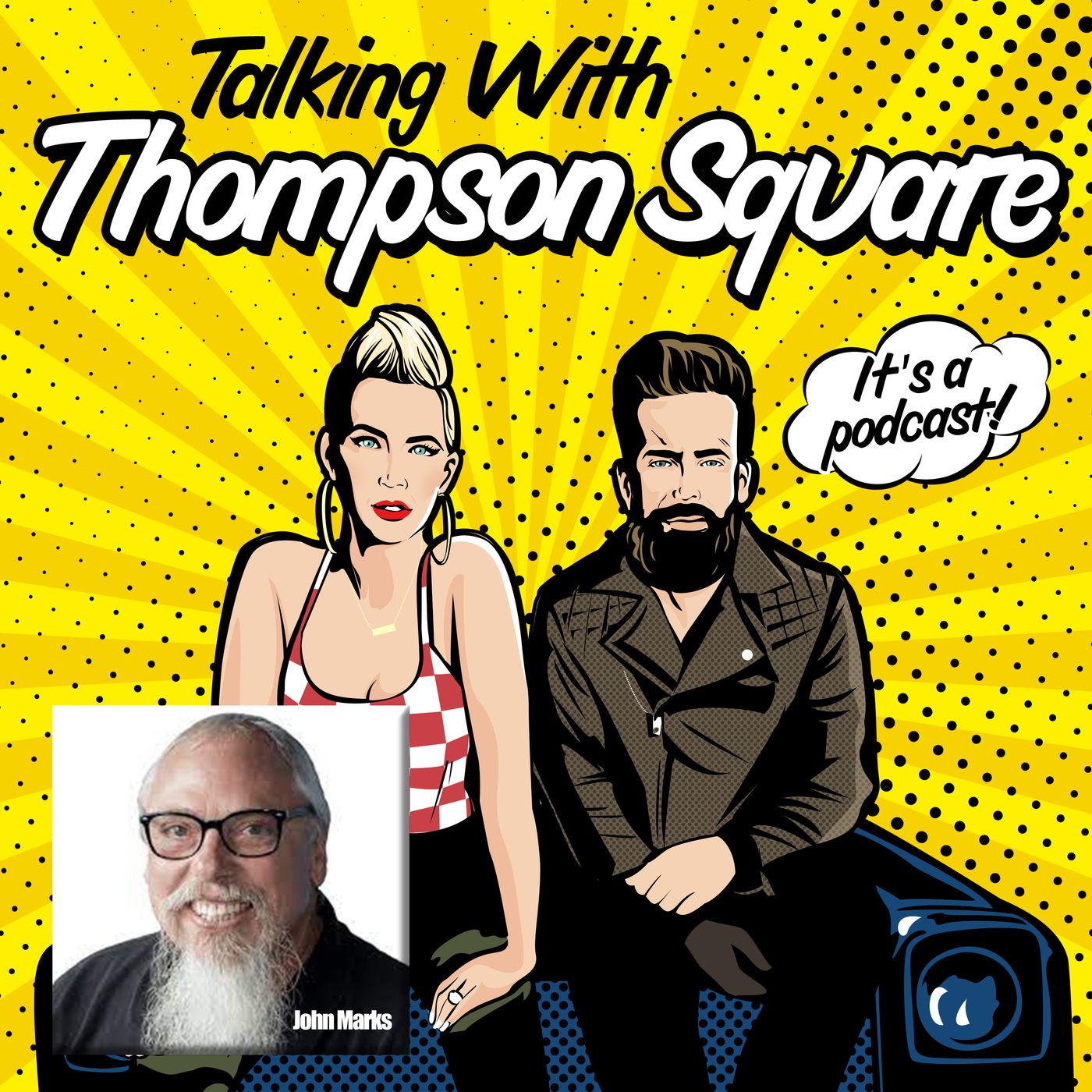
Talking With John Marks About His Ability to Adapt And Succeed In The Changing Music Format Scene
John Marks is one of the biggest names in country music. He has blazed a path from terrestrial radio to XM to Spotify and beyond leaving his impression on all of these. He has witnessed the many changes that have happened in all formats of music over the past few decades and has learned to pivot, stay relevant and make a huge impact on songs and artists alike. This is an education in the music business. John is one of our favorite people on the planet as well and I'm so thankful for his time. Please enjoy.See Privacy Policy at https://art19.com/privacy and California Privacy Notice at https://art19.com/privacy#do-not-sell-my-info.
2023-01-08
71 min
Transcript
Available Results
Generated results are saved to the knowledge database for reuse and search.
No generated results are available for this episode yet.
Extract Knowledge
Pick what you want extracted first. Model, scope, and chapter options appear after a template is selected.
Generated results for public episodes are saved to the knowledge database so they can be reused and searched later.
Transcript
<v Speaker 1>Standing by.
<v Speaker 2>You're just talking with Thompson Square. It's a podcast. Who
<v Speaker 2>you were sitting up there on your mama's hoop talking
<v Speaker 2>about everything, you know, the moon, this middle hode, It's
<v Speaker 2>up you op if you all I could think about
<v Speaker 2>was my next move over. You was so show so
<v Speaker 2>is out. Maybe that's why it was so high to
<v Speaker 2>believe when you smiled and said to me, you gonna
<v Speaker 2>kiss me on night. Hey, what's up everybody? Hey, this
<v Speaker 2>is talking with Thompson Square. Brand new episode, brand new year,
<v Speaker 2>and uh I'm your host, Keifer Thompson. I am playing
<v Speaker 2>this song because it is very significant in the guest
<v Speaker 2>that I have today. It's a guest, but it's also
<v Speaker 2>a good friend. And this guy has been in country
<v Speaker 2>music seems like forever. He's been a staple and mentor.
<v Speaker 2>I mean he's helped so many artists along the way.
<v Speaker 2>He's helped us along the way. But without any further ado,
<v Speaker 2>I'd like to welcome to the program our friend and
<v Speaker 2>Wow country music. He's a staple, he's an icon, you know,
<v Speaker 2>and mister John Mars.
<v Speaker 1>Is that my brother? Hey, life is good. I can't
<v Speaker 1>complain and excuse me while I'll make a wardrobe change.
<v Speaker 1>I love it.
<v Speaker 2>Make Thompson Square grade again, man, that's awesome.
<v Speaker 3>I'm willing to do my part.
<v Speaker 2>Brother.
<v Speaker 3>I love it for you and Shanna. You just say it.
<v Speaker 2>I love it, man, I love it.
<v Speaker 3>Out.
<v Speaker 2>Yeah, I'm glad you still have him. Glad it's not
<v Speaker 2>in the bargain been in a good way or something.
<v Speaker 1>I would never discard that one.
<v Speaker 3>That's thank you man.
<v Speaker 2>Well, for everybody who doesn't know, John marx Is has
<v Speaker 2>been our country music forever and uh, you know, we
<v Speaker 2>have a lot of history together. We probably go back
<v Speaker 2>what at least ten years at least.
<v Speaker 1>You know, I was familiar with her music before you
<v Speaker 1>got signed to your record label and had heard some
<v Speaker 1>tracks before that that you had released, and certainly when
<v Speaker 1>that song came out, that's when we first got connected
<v Speaker 1>in a true way. And it's I'm honored and pleased
<v Speaker 1>to say we've been friends ever since, and I'm proudly
<v Speaker 1>call your friends, both.
<v Speaker 2>Of them, absolutely so. So John and I and Shauna.
<v Speaker 2>John started when Shawn and I started in twenty ten.
<v Speaker 2>We do what it's called a radio tour, So you
<v Speaker 2>go out and you're promote your single at the time,
<v Speaker 2>kiss Me or not. We had just begun. Actually it
<v Speaker 2>was a song called That's Fight. It didn't really last
<v Speaker 2>that long. Uh, we switched to are You Gonnakiss Mirocs.
<v Speaker 2>Everybody thought that that was the better song. Turns out
<v Speaker 2>they were right. Uh, but we go back forever man.
<v Speaker 2>And and uh, you know it was San Diego, San Diego,
<v Speaker 2>that's San Diego. And you were our first stop along
<v Speaker 2>the first radio tour that we ever did.
<v Speaker 3>That's right.
<v Speaker 1>We were at somebody's house. I can't remember whose it was,
<v Speaker 1>and uh we were we were just having some fun,
<v Speaker 1>drinking some wine with some of some of your music.
<v Speaker 3>It was it was really I still remember that night.
<v Speaker 3>It was.
<v Speaker 2>Yeah, it was so cool man, because we were we
<v Speaker 2>were so nervous, and we know, we didn't know what
<v Speaker 2>to expect. This is our first radio tour. The didn't
<v Speaker 2>even know what a radio tour existed. And uh so
<v Speaker 2>here we are, you know, trying to to put on
<v Speaker 2>our best, you know, foot forward and and look good
<v Speaker 2>and sound good and everything else. And uh and man,
<v Speaker 2>you know that song took off and and uh you know,
<v Speaker 2>as as we elevated our career throughout that whole time,
<v Speaker 2>you did the same thing man, and and uh, but
<v Speaker 2>I don't think that I ever knew kind of how
<v Speaker 2>you because you've been You've been a huge part of
<v Speaker 2>FM radio, You've been a huge part of XM radio,
<v Speaker 2>You've been a huge part of Spotify, and then now
<v Speaker 2>you're doing this new thing and we want to talk
<v Speaker 2>about that later. But man, how did you how did
<v Speaker 2>you get into the radio in the first place?
<v Speaker 1>You know, music was always Yeah, I don't come from
<v Speaker 1>a musical family. I don't, you know, it's like it's
<v Speaker 1>we didn't sing on the porch on Sundays. You know.
<v Speaker 1>It was just one of those things where music really
<v Speaker 1>caught my attention early in life. And I've always loved
<v Speaker 1>it from the minute that I can remember. And you
<v Speaker 1>know it, I tried to manifest it in a lot
<v Speaker 1>of different areas, trying to play an instrument or sing
<v Speaker 1>a song, join a local band, and I just knew
<v Speaker 1>early on that that was not.
<v Speaker 3>Going to be my future.
<v Speaker 2>Just the talent, You're not that guy.
<v Speaker 1>I did not have the work ethic, I did not know,
<v Speaker 1>so I just knew that was not it, you know,
<v Speaker 1>And you know, as I you know, listened to the
<v Speaker 1>little transistor radio for those of you know, the audience
<v Speaker 1>that don't remember that thing under the old pillow. That
<v Speaker 1>was my kind of introduction to hey, maybe I can
<v Speaker 1>do this, And so I more or less pursued and
<v Speaker 1>dedicated myself to going into music through radio, and I
<v Speaker 1>actually have been employed at it since I was sixteen
<v Speaker 1>years old. I found a job at my local radio
<v Speaker 1>station in my hometown at sixteen and have been blessed
<v Speaker 1>to be able to do some form of music my
<v Speaker 1>entire life since then, and it's it's a great blessing.
<v Speaker 1>And my final radio job was KASWIN in San Diego,
<v Speaker 1>where we met, and I left in twenty ten to
<v Speaker 1>be able to go to Sirius XM and work at
<v Speaker 1>satellite radio and headed up their country division twenty ten
<v Speaker 1>to twenty fifteen, and then to Spotify in twenty fifteen
<v Speaker 1>until April of this year. So it's been a fun traverse.
<v Speaker 1>I've gotten to learn all about the different geographies of
<v Speaker 1>the United States and the music differences, you know. Sirius
<v Speaker 1>XM helped me understand, you know, programming music to America
<v Speaker 1>and Canada as a whole, and Spotify helped me understand
<v Speaker 1>the global implications of music. And it's just been a
<v Speaker 1>fun traverse over over the years, and every day I
<v Speaker 1>continue to learn.
<v Speaker 3>Wow.
<v Speaker 2>So when you were listening to that transistor radio, like, so,
<v Speaker 2>what are some of the things that you like that
<v Speaker 2>you really got the music that you really got off on,
<v Speaker 2>like when you started out, you.
<v Speaker 1>Know, the.
<v Speaker 3>First song that infected my brain.
<v Speaker 4>You know.
<v Speaker 1>It's like I've always was was at music. I know
<v Speaker 1>it exactly. I can see it exactly how it happened yesterday.
<v Speaker 1>I don't know how old I was. I was in
<v Speaker 1>the gymnasium at the y m c A uh, and
<v Speaker 1>on the jukebox this thump and drum came up, and
<v Speaker 1>then the guitar and it was Roy Orbison, Pretty Woman.
<v Speaker 1>And after that I said, man, you know, I've got
<v Speaker 1>to do it. I got to do some form of
<v Speaker 1>music and and uh and it's just ever since. I mean,
<v Speaker 1>you know, I grew up with it in Middletown, Ohio,
<v Speaker 1>which is a you know, smallish town right in between
<v Speaker 1>Cincinnati and Dayton and perch between Cleveland, Detroit, Memphis, Nashville. Uh.
<v Speaker 1>And there were so many musical influences north and south,
<v Speaker 1>up and down the highway that was able to experience
<v Speaker 1>Motown and stacks and you know the music coming out
<v Speaker 1>of Detroit.
<v Speaker 5>Do you want to create professional graphics for your business
<v Speaker 5>and social media without wasting time or overspending. Get three
<v Speaker 5>years of Canvapro for just one hundred and fifty nine
<v Speaker 5>dollars a five hundred and forty dollars value, and it
<v Speaker 5>includes a live canva an Ai workshop to help you
<v Speaker 5>design faster, create better content, and look professional online if
<v Speaker 5>you post for your business, brand or social media. This
<v Speaker 5>gives you the tools and training and one simple package.
<v Speaker 5>Spots are limited, and the offer in soon secure your
<v Speaker 5>spot at design Faster now dot com. That's design faster
<v Speaker 5>now dot com.
<v Speaker 1>Froyd and Cleveland and even Cincinnati I had its share
<v Speaker 1>of artists coming through and breaking through those areas, and
<v Speaker 1>so yeah, it was you know, it was just a
<v Speaker 1>lot of musical influences that really captured my attention during
<v Speaker 1>that time. And I just loved all of it, you know,
<v Speaker 1>I would. I was working part time at gas station,
<v Speaker 1>so I just blow my entire paycheck on records, singles,
<v Speaker 1>forty fives and albums, and it was just an infection
<v Speaker 1>that I have yet to get rid of, you know,
<v Speaker 1>and I love every second of it.
<v Speaker 2>No, I tell you, you talk about spending your whole
<v Speaker 2>paycheck on music, and I just I sound old, man,
<v Speaker 2>I sound old when I say this, but I'm grateful
<v Speaker 2>to grow up at the very tail end of that.
<v Speaker 2>I remember going to a place called Stick It in
<v Speaker 2>your Ear and Drop on Missouri and it was albums
<v Speaker 2>and cassettes and CDs had just come on the scene,
<v Speaker 2>and uh, man, I would go in there and literally
<v Speaker 2>spend every penny I had, and I would buy albums
<v Speaker 2>based upon artwork. I would buy albums. You know, people
<v Speaker 2>will talk about it. They'd be playing records in the
<v Speaker 2>shop and I'd be like, what is this? And you
<v Speaker 2>get to talking to tifferent people and you had ten
<v Speaker 2>to fifteen people and go, hey, man, have you heard
<v Speaker 2>this thing from led Zeppelin? Mayb you heard this thing
<v Speaker 2>from Haggard or whatever?
<v Speaker 3>You know.
<v Speaker 2>It's it was such a community just in the record shop,
<v Speaker 2>and it's such a It's really I know that people
<v Speaker 2>now coming up, you know, especially kids now coming up,
<v Speaker 2>it's like they just will never be able to experience
<v Speaker 2>it because that part of that part of our business
<v Speaker 2>is never coming back. I mean, There's gonna be a
<v Speaker 2>few little things here and there for the most part. Man,
<v Speaker 2>it's just dead and it's so freaking sad, it really is.
<v Speaker 1>I mean, the the album artwork was the chief not
<v Speaker 1>a chief element, but a primary element of many of
<v Speaker 1>the things that I bought and still probably have on
<v Speaker 1>vinyl today out and some storage in it somewhere, and
<v Speaker 1>I had a lot of them framed and they're back
<v Speaker 1>in another state that I'm hoping to retrieve.
<v Speaker 3>One of these days.
<v Speaker 1>And it was I mean, I would, I would hang
<v Speaker 1>them on my wall and because they were so cool
<v Speaker 1>and the music sometimes the music matched the artwork. Sometimes
<v Speaker 1>it didn't, but that's okay. But that is a lost
<v Speaker 1>form and the liner notes that just aren't as readily
<v Speaker 1>available to come back as it is now. I mean
<v Speaker 1>on the streaming platform. To see this little image like that,
<v Speaker 1>what the hell will they look like? I can't tell
<v Speaker 1>it well. And it's like, you know, I remember, I'm
<v Speaker 1>a metalhead. I love blues gospel jat I listened to
<v Speaker 1>Frank Sinatra just about every day at some point in
<v Speaker 1>my day, usually drive into school just to make Cooper mad.
<v Speaker 2>But it's you. I remember those Iron Maiden album artwork
<v Speaker 2>and it always scared me. But I was like, I
<v Speaker 2>put their posters up and stuff in my room and
<v Speaker 2>I didn't lie. I didn't. I wasn't really an Iron
<v Speaker 2>Maiden guy, but I loved their artwork because it was
<v Speaker 2>so freaky and it was dark, and I was like,
<v Speaker 2>oh my mom and dad will hate this. I want
<v Speaker 2>to put this up in my room, you know. But
<v Speaker 2>it's it's weird, you know. What I hate now on
<v Speaker 2>the artwork is like every like our label included all
<v Speaker 2>the artwork now is like this really clean just picture pictures,
<v Speaker 2>you know, just front end shot of you. Now you
<v Speaker 2>gotta smile, you gotta smile. And I'm like, man, you know,
<v Speaker 2>there's a few artists that do some really cool Zach
<v Speaker 2>Brown does some really cool stuff with his artwork, you know,
<v Speaker 2>it's not just about his face, and and there's some
<v Speaker 2>other artists too that really get out there, you know,
<v Speaker 2>and I wish that we could get back to that.
<v Speaker 2>And I just have a I mean, then you guys
<v Speaker 2>know what we look like. I mean, I know branding
<v Speaker 2>is part of it, but it's just like, I'm like,
<v Speaker 2>come on, man, let's let's get cool with it. You know.
<v Speaker 2>But so you started out, when you started out with
<v Speaker 2>your in radio at sixteen what at what point did
<v Speaker 2>you start becoming a DJ at sixteen?
<v Speaker 1>I mean sixteen formerly on the air well at the
<v Speaker 1>small town radio station.
<v Speaker 3>Uh, it was a little bit of everything.
<v Speaker 1>I mean, you know, they would block program music and preachers,
<v Speaker 1>you know, so so depending on the preachers and the
<v Speaker 1>time of day and the day of the week, you know,
<v Speaker 1>it would be we'd call it the God squad where
<v Speaker 1>the preachers had come on and you'd play some gospel
<v Speaker 1>music and then at night you play some Top forty
<v Speaker 1>music and you know, bluegrass music. And and I even,
<v Speaker 1>you know, dabbled in because the radio station did some
<v Speaker 1>black gospel music back in the day. And and I
<v Speaker 1>loved it because it was it was, and you don't
<v Speaker 1>have anything like it today. The streaming services have a
<v Speaker 1>wide and deep variety of music, but radio stations were
<v Speaker 1>programmed very narrowly today. And I loved it because each
<v Speaker 1>piece of the day was dedicated to some form of music.
<v Speaker 1>And I was able to be exposed to it on
<v Speaker 1>the radio, all of this Southern gospel and you know,
<v Speaker 1>all of it, and and it's kind of carried me
<v Speaker 1>through my life, you know, because you know, I didn't
<v Speaker 1>just have this one element of taste. I mean, rock
<v Speaker 1>was always the hip, you know thing in my age category,
<v Speaker 1>you know, but I loved country back in the day,
<v Speaker 1>you know, even though a lot of my friends hated it,
<v Speaker 1>and bluegrass was unspoken of in my age category. But
<v Speaker 1>I just loved all of that music and came to
<v Speaker 1>love it by being forced to play it, you know.
<v Speaker 1>And and the nice thing of it was was back
<v Speaker 1>in the day, that time of day and the year
<v Speaker 1>and era, whatever you want to call it, you could
<v Speaker 1>play whatever you wanted. And there was even a lot
<v Speaker 1>of times, especially in the Top forty times, when I
<v Speaker 1>h be on the air at night, I just bring
<v Speaker 1>them in my own box of records and play.
<v Speaker 2>The man, those are the days, right, those were the days. Yea.
<v Speaker 2>I can tell you, you know, it's it's it's so weird.
<v Speaker 2>But even with like I noticed, like you know, if
<v Speaker 2>you even looking back in the eighties and listen to like,
<v Speaker 2>you know, countdowns or whatever, like the Top forty countdown
<v Speaker 2>from from seventy eight or or eighty five or whatever else,
<v Speaker 2>you would have like led Zeppelin, then you would have
<v Speaker 2>the Thompson Twins or you would I mean, it was
<v Speaker 2>all it was such a variety of music, and you
<v Speaker 2>had DJs? Did you have it? I just wanted to
<v Speaker 2>did you have a DJ name?
<v Speaker 3>Actually, well, my DJ name is John Marx.
<v Speaker 1>If you want to know the truth, I'll tell I'll
<v Speaker 1>tell you a secret that that is not my legal name.
<v Speaker 1>I've been on many people.
<v Speaker 2>Our whole relationship has been based upon a lie.
<v Speaker 1>Yeah, it's like, uh, and it's my my legal name,
<v Speaker 1>I will say, is Mark Sebastian. That is. But I
<v Speaker 1>will tell you there are about five people left in
<v Speaker 1>the world beyond my bill collectors, that know me as
<v Speaker 1>Mark Sebastians.
<v Speaker 2>This podcast.
<v Speaker 3>Mark it is.
<v Speaker 1>It's like the and and a lot of people are
<v Speaker 1>surprised to know that you know and Uh. And I
<v Speaker 1>had to take the name uh a name because when
<v Speaker 1>I got hired into Cincinnati, Ohio at w s A, I,
<v Speaker 1>uh there was a at the time, a controversial DJ
<v Speaker 1>by the name of Mark Sebastian.
<v Speaker 3>Uh is are these beeps bothering you? Yeah?
<v Speaker 2>I was trying to figure out that it was me
<v Speaker 2>or you.
<v Speaker 3>No, it's me. Uh let me.
<v Speaker 1>And I've been trying to ignore. But just every once
<v Speaker 1>in a while, these darn strings get crazy and it
<v Speaker 1>comes through on my computer too. I don't know how
<v Speaker 1>to stop that one.
<v Speaker 2>Uh So it's all good man, thank thank you.
<v Speaker 3>Sorry, that makes it real. So there's there was this.
<v Speaker 1>Cutting edge DJ. I guess the best of it wasn't
<v Speaker 1>anywhere in the neighborhood of Howard Stern or any of
<v Speaker 1>the things that we know of today. His on air
<v Speaker 1>name was Mark Sebastian. And and I was coming in
<v Speaker 1>with my name, Mark Sebastian, my legal name, and union
<v Speaker 1>rules at the time said you could not take a
<v Speaker 1>name that was taken in the market, so I had
<v Speaker 1>to choose one.
<v Speaker 2>You're popular, man, this is this is your deal. You
<v Speaker 2>do that popular, You're freaking computer blowing up.
<v Speaker 1>But so I had to take a different name. Uh
<v Speaker 1>And I had no idea what it was. And there
<v Speaker 1>was a columnist who was in and I was just
<v Speaker 1>a lowly weekend announcer, you know. I wasn't anybody big
<v Speaker 1>or important, but just the name contrast was something that
<v Speaker 1>somebody found it was worth a column. And uh so
<v Speaker 1>what's your name, you know? I said, I don't know. Yeah,
<v Speaker 1>I've had my ear name. I said, I don't know. Well,
<v Speaker 1>what's your dad's name? And I said John what's your
<v Speaker 1>first name?
<v Speaker 3>Mark? So why not John? Mark?
<v Speaker 1>And I said, that's two first names. You know, I
<v Speaker 1>had no thanks and uh, and I just turned it,
<v Speaker 1>took it to John Marx. And that is the story
<v Speaker 1>of how I got my name. And it's been with
<v Speaker 1>me ever since after college.
<v Speaker 2>And does anyone call you in your family Mark Sebastian?
<v Speaker 1>Uh, my sister and my nuclear family do uh. And
<v Speaker 1>relatives when I see him uh. And and the bill
<v Speaker 1>payers that send the envelopes still or email me uh.
<v Speaker 1>But the world at large, to the world at large,
<v Speaker 1>I'm John and Uh and I'm I won't say reconciled,
<v Speaker 1>but that's just what I'm used to. It's kind of
<v Speaker 1>odd to hear my legal name out loud from time
<v Speaker 1>to time. You know, it's Uh, you love me?
<v Speaker 2>Why is miss Colley is?
<v Speaker 1>Is?
<v Speaker 2>Is she a Sebastian or Marx?
<v Speaker 1>Uh? She is a Mark, She's a John person. So okay,
<v Speaker 1>she calls me John. She's known me all her life
<v Speaker 1>as John and uh. And so that's her last name
<v Speaker 1>is Sebastian.
<v Speaker 3>My my legal last name is Sebastian.
<v Speaker 2>But your wife's name is Sebastian.
<v Speaker 1>No, No, she kept her name She's okay. Her name
<v Speaker 1>Colleen Leela's son.
<v Speaker 2>She didn't want either. Yeah, yeah, you're lucky. She even
<v Speaker 2>took you, man, lucky about that one took me. One
<v Speaker 2>thing I loved about Radio Man when w r k
<v Speaker 2>r P R w k r P came out. You
<v Speaker 2>had this great personality and Johnny Fever and all these guys.
<v Speaker 2>And when I hear about when I hear the word
<v Speaker 2>radio DJ, I always go to Wolfman Jack, you know,
<v Speaker 2>and and these personalities that we used to have. He
<v Speaker 2>was a little bit before my time, but I remember
<v Speaker 2>hearing about him and hearing some of the stuff, you know,
<v Speaker 2>repeats and stuff. The days of those DJs are just
<v Speaker 2>are kind of gone as well. Why do you think
<v Speaker 2>that is? Because it seemed like in that time period,
<v Speaker 2>DJ's had the power to play a whatever the heck
<v Speaker 2>they wanted and be to actually break artists, and they
<v Speaker 2>were they were personalities. I mean, you would, I mean
<v Speaker 2>they would go out in public and they were walking
<v Speaker 2>red carpets and they were personalities. Then we have personalities now,
<v Speaker 2>but it seems like it's a little bit muted by
<v Speaker 2>the corporate blanket, you know, it is, the freedom's not there.
<v Speaker 2>What do you why do you think when did their
<v Speaker 2>DJ die?
<v Speaker 1>You know, it's uh, you know it started dying when
<v Speaker 1>it when it became more corporatized and formulaized. I think
<v Speaker 1>you have a Wolfman Jack and uh, it's like cousin
<v Speaker 1>Brucey And I'm just trying to think back, you know,
<v Speaker 1>I just don't have any at the top of my
<v Speaker 1>mind others. But I mean that's what formulated my interest
<v Speaker 1>in radio. And on the local DJSUH in my hometown
<v Speaker 1>Cincinnati and Dayton that Uh, Steve Kirk and Jim Scott
<v Speaker 1>and Dicky Shannon and there were so many that that
<v Speaker 1>influenced me, Bud Stag and uh. And they influenced me
<v Speaker 1>because they were so spontaneous and would throw people on
<v Speaker 1>the air and play whatever they wanted.
<v Speaker 4>Uh.
<v Speaker 1>And and the the large ones too, like Wolfman Jack
<v Speaker 1>and others who were who really influenced me beyond the
<v Speaker 1>music to I wanted to be on the air, That's
<v Speaker 1>what I wanted to do and uh, and that that
<v Speaker 1>kind of made me want to be able to do
<v Speaker 1>that and uh, and you know about you know, I'd
<v Speaker 1>say it's it started going away, you know, back in
<v Speaker 1>the in the in the early nineties, late eighties, I
<v Speaker 1>think is when it really kind of cascaded and crashed
<v Speaker 1>in because you know, that's when the clear channels of
<v Speaker 1>the world started buying up the multiple properties and toning
<v Speaker 1>down the DJs and and corporately choosing the music and
<v Speaker 1>and all of that kind of came to a bit
<v Speaker 1>of a whole time. I just extrapolate, just thinking back
<v Speaker 1>around that time, why did they do that? Well, I
<v Speaker 1>think for ratings and revenue, I mean, why why do
<v Speaker 1>they why do they do anything? You know, it's simply
<v Speaker 1>for that.
<v Speaker 2>I don't know if you get hear between the lines
<v Speaker 2>or see between the lines. But John's are a big fan,
<v Speaker 2>uh and of corporate radio, I think right now, I mean,
<v Speaker 2>I know, let me retract that.
<v Speaker 1>Hey, it's it's I will say, I'm I I really
<v Speaker 1>don't consume the product. I will say that, huh. And
<v Speaker 1>why because it's dull, boring and predictable, and and the
<v Speaker 1>ratings methodology for radio has really you know, in addition
<v Speaker 1>to corporate uh interest, the ratings methodology has forced radio
<v Speaker 1>stations because to to go to cat more catalog and
<v Speaker 1>familiar music because it punishes new music.
<v Speaker 3>And so between those two you're kind of forced into.
<v Speaker 1>This box that's boring and and you know, bland uh
<v Speaker 1>and and no wonder people are vacating and going to
<v Speaker 1>other areas of interest for music and other things. And
<v Speaker 1>it's kind of like, yeah, it's just a cause and
<v Speaker 1>effect as far as I'm concerned. It's not if I'm a.
<v Speaker 2>Fan or not, right, it just it's just weird. Man.
<v Speaker 2>It happens in all in so many industries where you
<v Speaker 2>have this wonderful thing that's working, yes, and then this
<v Speaker 2>big corporation comes in, and I would assume that they
<v Speaker 2>it's like a marriage. I mean, you look at this,
<v Speaker 2>it's like dating. I guess you look at this beautiful
<v Speaker 2>woman and go, hey, man, she's beautiful. I want to
<v Speaker 2>go over there and talk to her. See if I
<v Speaker 2>hook up, and and uh, you know, start dating or
<v Speaker 2>marry or whatever else. And then you get into the
<v Speaker 2>relationship and then you try to change the whole thing.
<v Speaker 2>But what initially brought you to the table was these
<v Speaker 2>great DJs playing music and these people. It seems like
<v Speaker 2>these corporate people, these corporate heads or whatever else they
<v Speaker 2>were around when that stuff was going on. They have
<v Speaker 2>to have liked it. They loved it. You know, they
<v Speaker 2>listened to it. That was that, that was their outlet,
<v Speaker 2>you know, and it's like to take that and then
<v Speaker 2>just completely destroy it. It just seems counterproductive. And I
<v Speaker 2>don't know, man, I just I'm not a purest when
<v Speaker 2>it comes to like a lot of things. But and
<v Speaker 2>obviously I love it when someone's playing my song twenty
<v Speaker 2>times a day, I love that. But when they're not,
<v Speaker 2>you don't like that, you know, because you want new
<v Speaker 2>music and everything else. And the Spotify is of the
<v Speaker 2>world and Pandora and everything, and they've you know, they've
<v Speaker 2>expanded that. But I could even see how the spotifys
<v Speaker 2>and stuff of the world are now. It's playlisted. So
<v Speaker 2>you can't just turn on a playlist like you did
<v Speaker 2>it back in the day in the seventies and listen
<v Speaker 2>to you know, they play a Haggard song and a
<v Speaker 2>Robert Plant song or it just it doesn't happen, you know.
<v Speaker 1>Oh, I mean that, And that's that's how I grew
<v Speaker 1>up too. I mean, you had Tammy when that and
<v Speaker 1>Frank Sinatra, the Roger Miller, I mean, all in one
<v Speaker 1>on one radio station, in one list. And that's how
<v Speaker 1>I grew up listening to radio, you know, and and
<v Speaker 1>to me, Tammy whenet was just as pop is the Beatles,
<v Speaker 1>you know, in that moment, because they were all on
<v Speaker 1>the same radio station, the same thing, presented the same way.
<v Speaker 1>And now it's just all gotten, you know, smashed together
<v Speaker 1>and sliced and diced to death. That you know, it's
<v Speaker 1>so narrow and so really nondescript. I think people just say, okay,
<v Speaker 1>I can you know, I can listen for fifteen minutes
<v Speaker 1>and got it, you know, broadload commercials and a song
<v Speaker 1>or two and you kind of look at as you know,
<v Speaker 1>the music we play is the thing we do between commercials.
<v Speaker 1>Now it's not a feature orientation of a lot of
<v Speaker 1>audio products, unfortunately.
<v Speaker 2>Yeah, it's like the vessel just to sell soap. Yeah,
<v Speaker 2>in between what you're doing, you know. And it's it's
<v Speaker 2>a little sad, but no, you know you can't. I
<v Speaker 2>have to embrace it because that's the reality that I
<v Speaker 2>live in, you know. So you're in Sandy.
<v Speaker 1>It's free too, So I you know, I kind of
<v Speaker 1>love it and you know, mourn it at the same time.
<v Speaker 1>Uh and uh, And you know, I think that it
<v Speaker 1>just came down to money too, because when when corporate
<v Speaker 1>interests were buying up radio properties. Over time, it just
<v Speaker 1>became a dollars and cents move too on on big
<v Speaker 1>name personalities and local markets and how much you had
<v Speaker 1>to pay them to retain their services. Uh. And it
<v Speaker 1>just got to a point where we'll just move that
<v Speaker 1>expense item out the door. Uh. And that was kind
<v Speaker 1>of what began it, I think. I mean, somebody from
<v Speaker 1>the industry could probably dispute it or argue with it
<v Speaker 1>or not, but I think that's because I saw it
<v Speaker 1>happening in a lot of places I was during that time.
<v Speaker 2>Yeah, it's just like, you know, they look at someone like, say,
<v Speaker 2>the same wolfman's making a million bucks a year. Hey,
<v Speaker 2>these people are to listen to radio anyway. They weren't music.
<v Speaker 2>They're going to listen to radio anyway. So we can
<v Speaker 2>take that million bucks and we can hire someone for
<v Speaker 2>thirty grand exactly, and we can tell then you know,
<v Speaker 2>it's just the bottom line. It's just corporate bottom line.
<v Speaker 2>It's a it's I guess it's the way of the world.
<v Speaker 2>But it is kind of sad.
<v Speaker 1>It is sad, and but it's it is that reality. Uh,
<v Speaker 1>you know, driving profit, you know, is is what makes
<v Speaker 1>America great, I guess. But yeah, it's it's it's sad
<v Speaker 1>to have lost it. We can agree on that. It's
<v Speaker 1>because that's what you know, and you have an entire
<v Speaker 1>generation of people now, you know, who don't even know
<v Speaker 1>what FM radio is. You know, they have never heard
<v Speaker 1>of it or will never consume it no matter what, right,
<v Speaker 1>And it's a loss for all people, the certainly the
<v Speaker 1>corporate interests at radio and for the artists because that
<v Speaker 1>audience is shrinking. And so you know, it's it's a
<v Speaker 1>it's not good for anyone, but that's just kind of the.
<v Speaker 3>Reality of it.
<v Speaker 1>And and that's why the other services are starting to
<v Speaker 1>see some really exponential growth right now.
<v Speaker 2>So San Diego was your last radio gig, So why
<v Speaker 2>did you Why did you actually leave?
<v Speaker 3>Because of one of mine?
<v Speaker 2>They cover bottom line is pretty badass when they give
<v Speaker 2>it to you. You know what, I love this traditional radio,
<v Speaker 2>but I know sounds.
<v Speaker 1>Pretty good, you know. I kind of look at it
<v Speaker 1>like I was operating one step ahead of the law,
<v Speaker 1>you know, for such a long time. And I was
<v Speaker 1>very lucky, uh to uh to be able to uh
<v Speaker 1>work in personality driven radio. I was able to work
<v Speaker 1>in in uh, in markets and radio station conditions where
<v Speaker 1>I could make my own programming choices and music and
<v Speaker 1>who to hire and who to put where. Uh. And
<v Speaker 1>and I just saw that end coming. It was like
<v Speaker 1>the light at the end of the tunnel, you know,
<v Speaker 1>is the freight train. And so my contract ended uh
<v Speaker 1>in San Diego. And we had just resolved that we
<v Speaker 1>were that was going to be it me and my
<v Speaker 1>wife Colleen, you know, that we're done with radio.
<v Speaker 3>I was just done with it. It was boring, predictable,
<v Speaker 3>and and was not going to get better.
<v Speaker 2>Uh.
<v Speaker 3>And that was just me.
<v Speaker 1>So it's just a personal opinion, my own, you know,
<v Speaker 1>looking at conditions and where things were and going uh
<v Speaker 1>and deciding, well, you know, I've had fun. It was
<v Speaker 1>a good run.
<v Speaker 3>And uh.
<v Speaker 1>That was nice and UH and a chance meeting uh
<v Speaker 1>at a country radio seminar, which is a convention in Nashville,
<v Speaker 1>Tennessee for for radio country radio industry people. I met
<v Speaker 1>an on air personality on Serious XM UH and we
<v Speaker 1>were chatting it up and she told me about a
<v Speaker 1>job opportunity there. UH, And I said, eight, you know,
<v Speaker 1>that's nice, and it's like and the thing of it was,
<v Speaker 1>it's like the the the programming opportunities at FM radio
<v Speaker 1>was so limited and small, and you couldn't play a
<v Speaker 1>wider variety of music like I like to play. And
<v Speaker 1>and it turns out that the job included not only
<v Speaker 1>just the top forty country music, but you know, a
<v Speaker 1>wide variety of country music, from southern gospel to to
<v Speaker 1>Elvis to bluegrass, to all the things that I'd grown
<v Speaker 1>up with.
<v Speaker 3>And that was very enticing to me.
<v Speaker 1>And and and so I made the proper queries, and
<v Speaker 1>throughout the process I was able to be lucky enough
<v Speaker 1>to be hired into that position.
<v Speaker 3>And I was there for five years. And I think
<v Speaker 3>that what I think what helped me through that was.
<v Speaker 1>Was my experience, however fleeting it was with all of
<v Speaker 1>those other music forms that came under that umbrella, in
<v Speaker 1>the serious ex some family.
<v Speaker 3>Wow.
<v Speaker 2>So you run a huge radio station in San Diego,
<v Speaker 2>and then it's gotta man, You've got to have like
<v Speaker 2>some serious nuts to just leave what you know, you know.
<v Speaker 2>I think for a lot of people, a lot of
<v Speaker 2>people stay in job forever, man, because they just they
<v Speaker 2>know that it's like know the devil, you know, stay
<v Speaker 2>with the dell, you know, and and to be able
<v Speaker 2>to do that. Man, it's it's commendable because I know
<v Speaker 2>it's very difficult. It's just like us asking out of
<v Speaker 2>a record deal.
<v Speaker 1>You know.
<v Speaker 2>That's we spent our whole life trying to get one,
<v Speaker 2>and then we were trying like hell to get out
<v Speaker 2>of one, you know. And so it's a it's a
<v Speaker 2>but it is, man, if you if it's one of
<v Speaker 2>those things where if it's not fun anymore, you have
<v Speaker 2>to look at it and go, man, I just you know,
<v Speaker 2>there's got to be something else out there. Luckily for you,
<v Speaker 2>you slid right into this other thing in XM. And uh,
<v Speaker 2>that's amazing. Then that so now you're running you know,
<v Speaker 2>there's there's there was three four big dogs, you know,
<v Speaker 2>and now you're running this huge thing in XM and
<v Speaker 2>do this for five years years? How did how did
<v Speaker 2>that change?
<v Speaker 3>Uh?
<v Speaker 2>How did how did you take that from where you
<v Speaker 2>got it to where it ended up?
<v Speaker 3>You know?
<v Speaker 1>The uh and local radio you know, and I loved
<v Speaker 1>it because you you you found the local market taste
<v Speaker 1>and you programmed to that, you know, as as best
<v Speaker 1>as you could, uh and uh and appeal to the
<v Speaker 1>local marketplace with you know, lifestyle and uh uh and
<v Speaker 1>back in San Diego it was like back during the Wars,
<v Speaker 1>it was heavily military oriented. So we do a lot
<v Speaker 1>of UH coverage on on that and and touching base
<v Speaker 1>with the community and and going to serious exem you know.
<v Speaker 1>That was a great lesson UH and taught me so
<v Speaker 1>much in instead of being you know, this small and
<v Speaker 1>appealing to a micro market, you know, which was great,
<v Speaker 1>UH is is now you're you're working to appeal to
<v Speaker 1>all of the United States and Canada too, because you know,
<v Speaker 1>the satellite broadcasting was was country wide and also Canada wide,
<v Speaker 1>and you know, the programming UH schemes needed to be
<v Speaker 1>UH taking taken a little bit differently, a lot differently.
<v Speaker 1>Uh and and so that was really part of the
<v Speaker 1>fun of learning that piece of the puzzle is how
<v Speaker 1>to program to a larger population base UH together as
<v Speaker 1>opposed to a local market community.
<v Speaker 2>Yeah. And that's one thing I really loved about listening
<v Speaker 2>to XM because if we're driving across country or whatever else, man,
<v Speaker 2>if I started a song, I hated that when we
<v Speaker 2>were driving. When I drive back to Oklahoma and I
<v Speaker 2>have a jam or and I get it, you know,
<v Speaker 2>a little bit outside the radius and then I have
<v Speaker 2>to go to you know, I don't know whatever. In
<v Speaker 2>some areas it's like all you can get is gospel
<v Speaker 2>or or you know, some places in the South, like
<v Speaker 2>every station is like preaching, or you know, that's still
<v Speaker 2>a huge thing in the South, you know, which is
<v Speaker 2>really cool that's still going on. So you're an exam
<v Speaker 2>And what I want to do is is obviously educate
<v Speaker 2>this audience on on who you are, but like especially
<v Speaker 2>like artists, you know, and hopefully they'll learn something today
<v Speaker 2>because I want to get into some some other things
<v Speaker 2>specifically about the music business, uh, for legacy acts acts
<v Speaker 2>like ourselves, uh, and then for new artists as well.
<v Speaker 2>But before we jump to that, I see, you know,
<v Speaker 2>Spotify starts and the whole music industry is just like
<v Speaker 2>this is this is the knife that's going to kill everything. Uh.
<v Speaker 2>And you know if it started, you know, the knife
<v Speaker 2>started with m P three's you know, the German engineer
<v Speaker 2>they developed at MP three. You know, some say they
<v Speaker 2>killed the music business. That's a valid point.
<v Speaker 1>Uh.
<v Speaker 2>Some say killed the retail business and music. It's a
<v Speaker 2>pretty valid point. But it also created something that it's
<v Speaker 2>a whole lot bigger than it ever dreamed about being.
<v Speaker 2>And what's funny to me now it's like, you know,
<v Speaker 2>even not from then. You know, now it's like it's
<v Speaker 2>not it's all everything's on your phone and everything. It's
<v Speaker 2>even less, you know, but we're still using that format
<v Speaker 2>to consume and play and music. And it's it's always
<v Speaker 2>it was always silly to me to we go into
<v Speaker 2>a ten million dollar studio, we spend one hundred thousand
<v Speaker 2>dollars on a record, and then we squash it down.
<v Speaker 2>I have all these brilliant things that we all these
<v Speaker 2>great ideas we had, and we squash it down so
<v Speaker 2>tight into this NB three you can't hear half of
<v Speaker 2>what the nuances of what you created. But that's just
<v Speaker 2>kind of way it is. But how do you make
<v Speaker 2>the jump from XM and go, hey, here's an even
<v Speaker 2>bigger fish And then here you go from a a
<v Speaker 2>big deal in San Diego, now you're a big deal
<v Speaker 2>at XM. It's like you're the most interesting man in
<v Speaker 2>the world, and you should be drinking so you should
<v Speaker 2>be on those commercials. And now you're now you're the guy.
<v Speaker 2>You're the guy at Spotify. I mean, how the hell
<v Speaker 2>does one person do that well?
<v Speaker 1>You know it's it's and and I will say this
<v Speaker 1>is coming into Sirius XM. Back in that day, they
<v Speaker 1>had just gone through a very painful merger. Uh, and
<v Speaker 1>their stock was below a dollar and they weren't in
<v Speaker 1>great shape financially or otherwise.
<v Speaker 3>Uh and uh and it's it's easy to forget that
<v Speaker 3>piece of it.
<v Speaker 1>Uh. And when I came in, you know, it's like
<v Speaker 1>and that opportunity came just by chance, by a chance meeting.
<v Speaker 1>And we were packing our boxes literally to head back
<v Speaker 1>to Utah to uh uh to go to my wife's
<v Speaker 1>hometown and hang for a little while. And uh, that
<v Speaker 1>job opportunity came on us, and I said, well, what
<v Speaker 1>the hell, what do we got to lose? You know,
<v Speaker 1>we got you know, we're we're headed to Utah. You know,
<v Speaker 1>we don't have a paycheck, not that we were too
<v Speaker 1>worried about it at the time. And let's just go
<v Speaker 1>and see what this has to offer, you know, or
<v Speaker 1>what I remember that and if it if it works out, great,
<v Speaker 1>if in six months or a year, you know, we're out.
<v Speaker 1>We knew where we were going in the first place,
<v Speaker 1>so it's no big deal either way. It's win win
<v Speaker 1>and so that's kind of where it was back in
<v Speaker 1>that moment. And uh, and I will say the you know,
<v Speaker 1>the whoever the financial people were at the time, were
<v Speaker 1>able to turn that around in a in a really
<v Speaker 1>great way with Howard Stern and product improvements. I mean,
<v Speaker 1>and back then, you know, the the the channels were
<v Speaker 1>really poorly programmed. You know, the music was terrible. Uh.
<v Speaker 1>And and I think the you know, product improvements that
<v Speaker 1>were made over time really helped to bolster it. In
<v Speaker 1>addition to you know, program enhancements with sports editions and
<v Speaker 1>Howard Stern and all those other things. And that really
<v Speaker 1>brought more listeners and more profile to that to those
<v Speaker 1>platforms over time and increased the opportunities to give you know,
<v Speaker 1>great exposure to artists. Uh. And when when I went
<v Speaker 1>to Spotify, it was more or less the same thing,
<v Speaker 1>you know, they were. It wasn't what it is today. Uh.
<v Speaker 1>It was actually the record companies really were not fans.
<v Speaker 1>I think it's a kind way of people of the uh.
<v Speaker 1>And uh certainly, yeah, the songwriters had something to say
<v Speaker 1>about it.
<v Speaker 3>Uh And uh still due to some respects.
<v Speaker 1>But I think that back even then, uh, it was
<v Speaker 1>it was really tough to uh to gain some ground
<v Speaker 1>because the record companies didn't like it because they weren't
<v Speaker 1>making any money from it, and they were pissed because
<v Speaker 1>all the revenue was draining.
<v Speaker 3>Away from them.
<v Speaker 1>Uh. And and so there was just this, you know,
<v Speaker 1>a couple of year, two or three year period, a
<v Speaker 1>couple of years where you know, they were uh sucking
<v Speaker 1>air profit wise, losing money. Spotify was gaining audience, and
<v Speaker 1>they were saying, well, they're we're not getting paid by
<v Speaker 1>you guys worth anything. And then you give it a
<v Speaker 1>couple of years and their subscriber growth goes and now
<v Speaker 1>the record companies are on them like a cheap suit. Uh.
<v Speaker 1>And so it's uh now that and now, were it
<v Speaker 1>not for streaming, you know, Spotify in particular, but all
<v Speaker 1>the streaming services, the record companies would be in the dumpsters.
<v Speaker 1>Uh and uh and now they're they're there, lions choice
<v Speaker 1>and lions share of the revenue UH is going to
<v Speaker 1>the record labels. Uh with streaming, and you know there's
<v Speaker 1>a lot to be discussed about that and and other matters. Yeah,
<v Speaker 1>how many hours do we have?
<v Speaker 2>Yeah, I don't want to keep you on all week.
<v Speaker 3>And and so and and now all of a sudden,
<v Speaker 3>you know, over the course of one year. This is
<v Speaker 3>no kidding.
<v Speaker 1>I had a record executive call me and say, you know,
<v Speaker 1>I used to hate used to hate Spotify. And it
<v Speaker 1>was at the end of the year and we were
<v Speaker 1>just sitting down shooting the ship. Uh and and he said,
<v Speaker 1>but here's what happened. You know, we were seventy eight
<v Speaker 1>percent off of our revenue for the year. We got
<v Speaker 1>our Spotify check and it made us profitable. And that
<v Speaker 1>was a turning point right there. And all of a sudden,
<v Speaker 1>the record labels fell in love a streaming and that's
<v Speaker 1>kind of where that went. And in addition to that,
<v Speaker 1>the subscribers grew and and and you know, we were
<v Speaker 1>put in charge of bolstering the genres. You know, part
<v Speaker 1>of my job is to bolster the genre in Nashville
<v Speaker 1>and represent the genre in Nashville, which we did not
<v Speaker 1>an easy job at the at the time because of
<v Speaker 1>what we've described. But also as time went on, and
<v Speaker 1>you know, subscriber rates grew, revenue grew for the labels,
<v Speaker 1>everything was got a little bit more peaceful as time
<v Speaker 1>went on.
<v Speaker 2>Yeah, it's interesting too, because once sewn I got out
<v Speaker 2>of our record deal and started our own label and
<v Speaker 2>released the master Piece record. You know, I don't think
<v Speaker 2>we ever saw a penny from streaming as an artist
<v Speaker 2>or really even a songwriter. And I mean that's obviously
<v Speaker 2>a whole I mean, I need to have you back
<v Speaker 2>on that course, man, I tell you what, because it
<v Speaker 2>really is. I mean, the artists seriously gets screwed. The
<v Speaker 2>songwriter is not.
<v Speaker 1>Even existent, right, And that is absolutely right.
<v Speaker 2>And I never understood, well, I understand that because I
<v Speaker 2>know what artists are artists or idiots. Songwriters are really idiots.
<v Speaker 2>We're all stupid because we do all this creation and
<v Speaker 2>we just give it away. We say, we give it away.
<v Speaker 2>We'll get a publishing deal, you know, and you can
<v Speaker 2>make twenty thirty thousand dollars a year if you're lucky
<v Speaker 2>as a big songwriter doing that, and you give away
<v Speaker 2>all your publishing. And then so then Sony or whoever
<v Speaker 2>one of the big ones, or any label really cut
<v Speaker 2>the master on it. Well, they own a master recording rights,
<v Speaker 2>and then they put it on streaming, and then you
<v Speaker 2>get a million streams, you make five thousand bucks. Well,
<v Speaker 2>the five thousand bucks goes to the label, and then
<v Speaker 2>guess what, you get. I mean, it's it's insane to me.
<v Speaker 2>It's like it's it's like if you're a painter and
<v Speaker 2>you just you paint all these great paintings and then
<v Speaker 2>you just give them away.
<v Speaker 1>Just for.
<v Speaker 2>Exposure and we hear, kid, we I hear people do
<v Speaker 2>that now. Like, man, it's really great. You know I
<v Speaker 2>got you know, I got on this Spotify. You know,
<v Speaker 2>I got on the Spotify playlist. You know, thank you
<v Speaker 2>for you know, the ten thousand streams whatever. This is
<v Speaker 2>monumental for me. I'm going, what yeah, you know, I'm like,
<v Speaker 2>do you own the do you own the music? I
<v Speaker 2>had a there was a couple of uh uh Warren,
<v Speaker 2>the Warren brothers were they're really good friends of mine
<v Speaker 2>and everyone loved they're the greatest guys. But they wrote
<v Speaker 2>a song with this guy who was independent and he
<v Speaker 2>put it out. They did a demo for a few
<v Speaker 2>hundred bucks, put it out on Spotify. It blows up
<v Speaker 2>ten million. This guy makes like six figure. It makes
<v Speaker 2>like one hundred thousand dollars in the song. And they
<v Speaker 2>didn't see any of it. Yeah, and I'm going, how
<v Speaker 2>is that right? How did the rates? I don't want
<v Speaker 2>to get it that, but like just the rates of
<v Speaker 2>songwriting and all that stuff. It's just it's it's so skewed, man.
<v Speaker 2>It's just it's so crazy.
<v Speaker 3>It's an insidious system.
<v Speaker 2>Uh.
<v Speaker 1>And it's just and over time, but it's always been
<v Speaker 1>that way, right, I mean the artists always end up
<v Speaker 1>getting you know, screwed, and.
<v Speaker 2>It's just a dawn of time.
<v Speaker 1>Yeah, and it's uh and it continues today. Uh And
<v Speaker 1>and you know the there are there are fixes that
<v Speaker 1>need to be made. I think we can agree on
<v Speaker 1>that for sure. And the songwriting category and the artist category.
<v Speaker 2>So much improvement, man. I mean these people, I throw
<v Speaker 2>myself into that mix you as a writer and a
<v Speaker 2>producer and artist. It's like we create everything and the
<v Speaker 2>people who get make all the money create nothing and
<v Speaker 2>can't create anything.
<v Speaker 3>Right.
<v Speaker 2>They don't know how to write a song, they don't
<v Speaker 2>know how to sing or produced, they don't have they're
<v Speaker 2>not inspired. But you know, and it's just like these
<v Speaker 2>online shows you know over over COVID, who know the
<v Speaker 2>stage here at the house, and we were doing these
<v Speaker 2>online shows and we would get these offers to do
<v Speaker 2>online shows. I'm like, is that a serious offer? I'm
<v Speaker 2>not doing a show I can't do a show for that.
<v Speaker 2>And you know, it's like, well, you know what, We'll
<v Speaker 2>do a show. We'll do a show like, oh man,
<v Speaker 2>you have the potential to make literally a million dollars
<v Speaker 2>in one night. You know, global, it's a global thing.
<v Speaker 2>I'm like, okay, so well, how much your tickets wherever
<v Speaker 2>we're going to do these tickets for five bucks or
<v Speaker 2>ten bucks or whatever it is, and they sell one
<v Speaker 2>hundred tickets or whatever it is, And is the potential there, Yeah,
<v Speaker 2>the potential is for me to go, hey, guys, I
<v Speaker 2>spend ten let's just say, I have to spend ten
<v Speaker 2>thousand dollars on Facebook and I reach all the streaming
<v Speaker 2>and I reached my three four to six million people
<v Speaker 2>that I have that that follow us in all the platforms,
<v Speaker 2>and you go, hey, I got this show. It's going
<v Speaker 2>to be today at noon, blah blah blah. Tickets are
<v Speaker 2>a dollar.
<v Speaker 3>Cool.
<v Speaker 2>So we get here and globally, you know, you have
<v Speaker 2>let's say you have two you should be able to
<v Speaker 2>get two million people to either view that show live
<v Speaker 2>or in retro like after the fact. And it just
<v Speaker 2>doesn't translate because artists are stupid artists. They'll go on Facebook,
<v Speaker 2>to go on Instagram, and they'll go on TikTok or
<v Speaker 2>whatever and it'll do these shows for free and hope
<v Speaker 2>for tips. And I'm going, guys, we're worth more than this, right,
<v Speaker 2>you know, but they just won't do it.
<v Speaker 1>Well. I think that it depends on your your digital platform,
<v Speaker 1>and and and and that's kind of the you know,
<v Speaker 1>it's an opportunity uh and uh, you know, for for
<v Speaker 1>a lot of artists, uh in in streaming, because you
<v Speaker 1>have an opportunity to build and create your own audience,
<v Speaker 1>of your own tribes. Uh. It's it's not without some
<v Speaker 1>doing uh As. I work with artists in that area.
<v Speaker 1>That's more or less what what I'm doing now. Uh
<v Speaker 1>And uh it's it's not an easy slog. And and
<v Speaker 1>when you look at country music, uh as in terms
<v Speaker 1>of impact uh in the global spectrum, uh, it's really
<v Speaker 1>minimal compared to hip hop Top forty Latin. And when
<v Speaker 1>you look at the global scale, and I think again,
<v Speaker 1>it's it's being happy with profitability. And you look at
<v Speaker 1>you know, the in the country music space. You know
<v Speaker 1>the chime I hear all the time as well. We
<v Speaker 1>don't have time or the expense to be able to
<v Speaker 1>chase that other fifteen or twenty percent of revenue now
<v Speaker 1>costs too much, and so they it's becomes a self
<v Speaker 1>limiting area for the artists because the country music spectrum
<v Speaker 1>is considered as a regional format, you know, in the
<v Speaker 1>worldwide scheme of things, where hip hop, Top forty even
<v Speaker 1>Latin is regarded as worldwide. And so the very things
<v Speaker 1>that people are doing to protect their revenue in the
<v Speaker 1>United States is limiting the growth potential worldwide for artists.
<v Speaker 1>And you know, that's that's been kind of a battle
<v Speaker 1>cry I've had, you know, since Spotify, to work to
<v Speaker 1>globalize the country spectrum more in whatever forms it takes,
<v Speaker 1>you know, across the world. And it's really difficult because
<v Speaker 1>you look at Hot Country, the big playlist, everybody on
<v Speaker 1>that Spotify it's like, and I'm pardon me while I'm
<v Speaker 1>looking away from the camera because i want to make
<v Speaker 1>sure my numbers are right. But Hot Country has six
<v Speaker 1>and a half million followers worldwide, Today's Top Hits thirty
<v Speaker 1>million followers worldwide. Wrap Cave are fourteen million followers worldwide.
<v Speaker 1>So when you look at that, those two i'll call
<v Speaker 1>them genres. But music approaches you know, dwarf country music,
<v Speaker 1>and it becomes limiting in terms of what you're talking
<v Speaker 1>about and trying to sell tickets and try to find
<v Speaker 1>a global audience, and it just creates some difficulties for
<v Speaker 1>everyone from legacy artists on down to people who are
<v Speaker 1>trying to start out.
<v Speaker 2>Yeah, I think what what what's happening? And what's happened
<v Speaker 2>is we as artists now have to write and create
<v Speaker 2>the songs and give it away just to build use
<v Speaker 2>the music as a vessel and a tool to build
<v Speaker 2>our social media following for sponsorships or any any of
<v Speaker 2>these types of things. You know. So the music is
<v Speaker 2>it kind of it's kind of going back to teristraal
<v Speaker 2>radio where music is just a tool to sell something else,
<v Speaker 2>you know, and with your YouTube channels and getting your uh,
<v Speaker 2>your your numbers up or or you know. There's a
<v Speaker 2>lot of people making a lot of money on Patreon
<v Speaker 2>and uh and I've been They've been bugging me forever
<v Speaker 2>to start a Patreon page, and I was like, man,
<v Speaker 2>I just it just seems like asking for money and
<v Speaker 2>it just seems kind of weird, you know. But I'm like,
<v Speaker 2>you know what, there might be something to it in
<v Speaker 2>the way of like, let's say I probably write one
<v Speaker 2>hundred songs a year, maybe more, and these are one
<v Speaker 2>hundred songs that probably all my fans would want to hear,
<v Speaker 2>but they're never going to hear it because I can't,
<v Speaker 2>you know, I can't afford to go cut master's sides
<v Speaker 2>on all these things. But I can record them at
<v Speaker 2>my house. I can video that process at my house,
<v Speaker 2>and I can put them all up on Patreon and say, hey,
<v Speaker 2>for five bucks a month, you can listen to every
<v Speaker 2>song and then if we if we hit certain benchmarks,
<v Speaker 2>we'll make a video just for you guys on Patreon.
<v Speaker 2>And I think it'd be a cool thing. And I
<v Speaker 2>started looking at it and I was like, you know what,
<v Speaker 2>that might be a really cool thing. I think I
<v Speaker 2>would do that if Springsteen started a Patreon or some
<v Speaker 2>of these other people, you know, And I think that
<v Speaker 2>might be kind of a cool thing. And it's it's
<v Speaker 2>not as negatively looked at as I think it was
<v Speaker 2>in the in the very beginning. But you know, who knows,
<v Speaker 2>who knows what happens, but just we're just all trying
<v Speaker 2>to figure it out, especially you know artists. You know,
<v Speaker 2>maybe a little younger than me and older I think
<v Speaker 2>are having a more difficult time getting their head around
<v Speaker 2>what the hell to do to get your music out
<v Speaker 2>there and everything else. It's it's one thing to get
<v Speaker 2>your music out there, but you got to get on
<v Speaker 2>hot country. Well that's not easy anymore as the it's
<v Speaker 2>reserved for the major labels a lot a lot of times,
<v Speaker 2>and they're being kind of treated like the big country
<v Speaker 2>the reporting radio stations now where it's like exactly, you know,
<v Speaker 2>and once again, here we go again. It just happened
<v Speaker 2>a lot, a hell of a lot faster than it
<v Speaker 2>did in radio.
<v Speaker 3>Go ahead, No.
<v Speaker 2>I was just saying, yeah, I've heard for probably a
<v Speaker 2>decade now that radio is dying. Radio is dead. Radio
<v Speaker 2>is dying, and it still seems like it's the driving
<v Speaker 2>force for commercial country music. That it equates ticket sales
<v Speaker 2>and and everything else. And you know, there's still a
<v Speaker 2>charting system. And I hope the chart never dies because
<v Speaker 2>that's that was my dream when I was a kid,
<v Speaker 2>to get on the chart, have a number one. I
<v Speaker 2>know what it feels like to have number one. I
<v Speaker 2>know what it feels like to accept awards and all
<v Speaker 2>these things, and you know, without that element, it's going
<v Speaker 2>to be a different thing. And I know that Spotify
<v Speaker 2>and streams and all these things kind of those numbers
<v Speaker 2>are kind of extrapolated and put into the grand scheme
<v Speaker 2>of things in order to have your numbers and everything else,
<v Speaker 2>you know, But I hope that never goes away. Do
<v Speaker 2>you think that radio is ever going to die?
<v Speaker 1>Like?
<v Speaker 3>No, not at all.
<v Speaker 1>It just has to evolve to the you know, business climates,
<v Speaker 1>just like every business uh endeavor does. I mean you
<v Speaker 1>look at their their moving more to uh you know,
<v Speaker 1>nationalizing their playlist to be more competitive to uh to
<v Speaker 1>to even the same DJs all across the United States
<v Speaker 1>in the same times of day. Uh. And they're just
<v Speaker 1>adjusting to market climates and business and revenue climates. Is
<v Speaker 1>everybody needs to when when their market changes, advertising revenue
<v Speaker 1>and the like. Uh. And and you know Spotify is
<v Speaker 1>is and and the streaming I should say more the
<v Speaker 1>streaming services, not just Spotify, moving you know more toward
<v Speaker 1>a radio paradigm. And you know, even I can see
<v Speaker 1>it as I work across those platforms, and you know
<v Speaker 1>it's just and and I could say that they're making
<v Speaker 1>some appeals to listenership that and people are leaving that form,
<v Speaker 1>and why are they wanting to do that thing that
<v Speaker 1>is stale and people are leaving. That's a that's a
<v Speaker 1>question for the streaming business people to answer. I think
<v Speaker 1>some of it's a bid to gain a bit of
<v Speaker 1>an older audience, because streaming platforms are still more youthful
<v Speaker 1>in nature. But that's just me expressing an opinion, right, right.
<v Speaker 1>But I do tell the artists I'm working with, and
<v Speaker 1>and to your point was very simply this, it's getting
<v Speaker 1>back to those days where you know, back in the fifties, sixties,
<v Speaker 1>even seventies, you know, people were breaking out regionally and
<v Speaker 1>building their national constituencies. Were talking about Detroit and Cleveland
<v Speaker 1>and Memphis and you know, Nashville. All of these music
<v Speaker 1>forms were breaking out of these regions. Bob Seger broke
<v Speaker 1>out of Detroit, you know, and as a local uh
<v Speaker 1>and the James Gang, Joe Walsh broke out of Cleveland,
<v Speaker 1>and and there are many many others. Motown was a
<v Speaker 1>regional thing, as was Memphis and Stacks and and and
<v Speaker 1>that's kind of where I think I suggest people to
<v Speaker 1>start building is is taking your market strengths from where
<v Speaker 1>you have an audience already. And I'm working with some
<v Speaker 1>audience that are that have Louisiana uh uh strengths, and
<v Speaker 1>others have the South Carolina's a southeast as strengths. And
<v Speaker 1>and and we start building our constituencies based on where
<v Speaker 1>you strong and how can we use that to expand
<v Speaker 1>the geography and and and that's generally the approach this
<v Speaker 1>day these days for younger artists and even legacy artists
<v Speaker 1>who have a national audience. But how can you how
<v Speaker 1>can you translate to streaming numbers?
<v Speaker 2>It seems like just hearing you say that, like if
<v Speaker 2>you're big in Ohio, you know you've got Cleveland wrapped up.
<v Speaker 2>It seems like those regions have become applications. So now
<v Speaker 2>instead of having a you're big in Cleveland, I'm huge
<v Speaker 2>on TikTok or I'm huge on Instagram, And then you
<v Speaker 2>take those and those are your regions now, and then
<v Speaker 2>you know, do you have a record label. It's like
<v Speaker 2>Walker Hayes, you know, uh, great guy, great artist, very
<v Speaker 2>very original. You know I've heard you know, you know
<v Speaker 2>Shane McAnally say, you know, I didn't know what to
<v Speaker 2>do with you, but I know you're just too good
<v Speaker 2>to say to ignore, and then he puts this song
<v Speaker 2>out and it blows up on TikTok, and then the
<v Speaker 2>label puts it out on you know, and they chase
<v Speaker 2>the radio thing down. They chase everything else down. But
<v Speaker 2>it seems like, and I know that the label that
<v Speaker 2>we used to be at is like no longer going
<v Speaker 2>to radio first for some of their acts. It's like,
<v Speaker 2>if you build something good enough on your on the
<v Speaker 2>on the social media's and the DSP, then we'll take
<v Speaker 2>that to radio. And it's like I've talked to the
<v Speaker 2>artists and they're like, man, this really sucks. It's like,
<v Speaker 2>you know, it just puts all the work back on
<v Speaker 2>the artist, you know. But I don't know, you know,
<v Speaker 2>But now I don't think that's necessarily a bad thing.
<v Speaker 2>I think artists in a lot of ways are have
<v Speaker 2>become lazy in that way and very uneducated. I know,
<v Speaker 2>I was uneducated on how the business works, how my
<v Speaker 2>thing works. I mean, I'm doing you know, I'm doing
<v Speaker 2>this podcast today, and you know, just recording my own music,
<v Speaker 2>producing my own music and do all that sort of things.
<v Speaker 2>When you have someone doing everything for you, and then
<v Speaker 2>when we found ourselves, it's it's you just get kind
<v Speaker 2>of get lazy and you don't know what's going on
<v Speaker 2>around you, and it's and you become ignorant. And that's
<v Speaker 2>really a bad place for an artist to be because
<v Speaker 2>you can let a lot of things slide, you know.
<v Speaker 2>And I found out, you know, a guy that owns
<v Speaker 2>the label that we went to after our last label
<v Speaker 2>was stealing literally stealing money from me from an album
<v Speaker 2>that I owned. Wow, was stealing streams, you know, like
<v Speaker 2>twenty five grand worth. You know. It's just like a
<v Speaker 2>you know, so, But I have a really great admin
<v Speaker 2>girl now and she hunts down every penny. She knows
<v Speaker 2>where every penny's going. So I'm like, Okay, I have
<v Speaker 2>all these pieces in place, and it's made me a
<v Speaker 2>better artist going into this new deal that we're getting
<v Speaker 2>ready to go into, which I think when I'm told now, man,
<v Speaker 2>we cut some great music and I think the lead
<v Speaker 2>single is just amazing, and late February early March next year,
<v Speaker 2>we'll have a new single out, new deal and very
<v Speaker 2>very excited. We didn't think that we ever wanted to
<v Speaker 2>do it again, but but here we are. Just when
<v Speaker 2>I thought they were I was out, they pulled me
<v Speaker 2>back in.
<v Speaker 3>You know, so you know, and what you're saying is
<v Speaker 3>so true.
<v Speaker 2>Is the.
<v Speaker 3>Even with the younger artists who you'd think would be.
<v Speaker 1>You know, more savvy about streaming and about you know,
<v Speaker 1>the digital marketplace. It's really interesting, you know, about the
<v Speaker 1>lack of education in those areas, which helps my business
<v Speaker 1>prospects a little bit, you know. And and also uh
<v Speaker 1>that that that element that you described about you know,
<v Speaker 1>having a number one on the charts and wanting a
<v Speaker 1>number one on the charts and I want to go
<v Speaker 1>to radio and I need to be on the radio
<v Speaker 1>is a culturally ingrained thing from you know, from kids
<v Speaker 1>all the way up UH to UH to the legacy artists.
<v Speaker 3>And beyond uh.
<v Speaker 1>And and it's it's like, well, radio is not out
<v Speaker 1>of reach, it's just the steps to get there are
<v Speaker 1>different than it used to be.
<v Speaker 2>Uh God, there are some steps.
<v Speaker 3>There are still steps because there were.
<v Speaker 2>No steps before streaming services, either.
<v Speaker 3>You on a radio or where you weren't.
<v Speaker 2>That's right, if you ate you eating probably because you
<v Speaker 2>you it's a big eight if that's the case.
<v Speaker 1>And at least now you know there are steps you
<v Speaker 1>can take or even ways that you can formulate, uh
<v Speaker 1>to make your music, living making music, you know, if
<v Speaker 1>you get creative about it, and and and you're right,
<v Speaker 1>if you do your own sets of work instead of
<v Speaker 1>waiting for the labels or someone else to do it
<v Speaker 1>for you. And that's the other element that people are
<v Speaker 1>just used to is other people doing that. And and
<v Speaker 1>now today it's it's really the best opportunity in the world,
<v Speaker 1>I think for anybody who wants to make music, because anybody,
<v Speaker 1>no matter how good or not good you are, or
<v Speaker 1>whatever it is, you can find an audience in the
<v Speaker 1>world now for your music.
<v Speaker 2>And to use your social media to drive that. Like
<v Speaker 2>it's all ancestral. So you have to be you have
<v Speaker 2>to be We have to be better artists, We have
<v Speaker 2>to be smarter artists.
<v Speaker 1>You know.
<v Speaker 2>One thing when I was in college, I was at
<v Speaker 2>a fraternity as I was, and one thing I took
<v Speaker 2>away from that is they just they drove into our hit.
<v Speaker 2>They drove into our heads over and over and over
<v Speaker 2>again about learning all the preambles and all the things
<v Speaker 2>of your fraternity, know your shit, know your ship. And
<v Speaker 2>so that's one thing that I took away from that
<v Speaker 2>that I've tried to apply to my life across the board.
<v Speaker 2>It's like I need to know what I'm doing and
<v Speaker 2>how it gets there and everything else in order to
<v Speaker 2>otherwise you're just giving it all away probably, But anyway,
<v Speaker 2>I want I want to I want to know you
<v Speaker 2>with radio with me next m And now you're the
<v Speaker 2>guy at Spotify, and now you leave. Something that's wrong
<v Speaker 2>with you. Man, you're ready for president next I think
<v Speaker 2>you might have a shot. By the way.
<v Speaker 1>It's like, you know, it's Uh, that's probably the saddest
<v Speaker 1>truth of all, isn't it.
<v Speaker 2>I think he got a shop, but I know I
<v Speaker 2>damn sure to vote for you. You know, it's not
<v Speaker 2>good there today.
<v Speaker 1>But you know it's I'll just say it was time
<v Speaker 1>to leave. H It was you know, mutual in nature.
<v Speaker 1>And we're still friends at Spotify, and I love the
<v Speaker 1>people that I used to work with, and and you know,
<v Speaker 1>a lot of the you know, some of the things
<v Speaker 1>that we've covered, you know, are kind of part and
<v Speaker 1>part uh, conditions of why both of us felt we
<v Speaker 1>we needed to get a change of scenery. And and
<v Speaker 1>it's not bad at all, you know. And uh, I
<v Speaker 1>still work with my friends at Spotify on artists and
<v Speaker 1>and things that I'm doing, and so Uh. But after
<v Speaker 1>after five six years, however long it was, and and
<v Speaker 1>where it started, you know, when I came in was
<v Speaker 1>you know, Spotify needed some credibility uh in in the
<v Speaker 1>music area. Uh and some representation in the country music space. Uh.
<v Speaker 1>And as as the subscribership grew, as all of these
<v Speaker 1>other things grew, uh, the methodologies of curation uh were
<v Speaker 1>evolving and and and that's uh, you know, that's good
<v Speaker 1>for them, you know, as they they're changing the way
<v Speaker 1>they need to do things. They're adapting due to their growth.
<v Speaker 1>And not only that, the the the amount of releases
<v Speaker 1>that are that come out every week it's impossible to maintain.
<v Speaker 1>And so they're they're changing their curation methods to be
<v Speaker 1>able to address that. Uh. And you know I won't
<v Speaker 1>entirely disagree with their thought behind it. You know, we
<v Speaker 1>could debate the merits all day long, uh, but but
<v Speaker 1>I won't argue the need for that thought uh.
<v Speaker 3>And uh.
<v Speaker 1>And so everything was peaceful and friendly and and it
<v Speaker 1>was an impetus to help me go out on my own.
<v Speaker 1>I've never been an entrepreneur even a business person all
<v Speaker 1>your life making music uh and uh and this is
<v Speaker 1>a brand new experience. For me.
<v Speaker 4>Uh.
<v Speaker 1>And I'm able to work in elements and facets of
<v Speaker 1>music that I want to work in which I really
<v Speaker 1>love and enjoy and so and I'm working without constraints, uh,
<v Speaker 1>you know. And uh and with Spotify and Serious Exam
<v Speaker 1>and and radio. If I fell in love with an artist,
<v Speaker 1>I could only do so much due to the rules
<v Speaker 1>of engagement and all of those platforms. And rightfully so
<v Speaker 1>those rules exist. So I'm not saying that that's a
<v Speaker 1>bad thing. All I'm saying now is, you know, I can.
<v Speaker 1>I can work with anyone I want to and in
<v Speaker 1>any form I care to and uh and it's all
<v Speaker 1>takes different matters depending on the artists or the entity
<v Speaker 1>I'm working with. So I'm really enjoying my time doing it.
<v Speaker 1>And uh uh I started, I left Spotify in April,
<v Speaker 1>you know, formed my company.
<v Speaker 2>H And I'm just not hearing about it experience.
<v Speaker 3>I'm sorry.
<v Speaker 2>It just recently the last couple of weeks I've just
<v Speaker 2>heard hearing about I want to talk about that. I
<v Speaker 2>do want to thank you real quick. And I know
<v Speaker 2>I speak for a lot of artists too, though, but uh,
<v Speaker 2>you stuck your head out, you stuck your neck out.
<v Speaker 2>A lot for certain artists that weren't being played on
<v Speaker 2>the radio, and you put them on playlist. That made
<v Speaker 2>a difference and actually made their careers. You made You
<v Speaker 2>had people who didn't have anything get record deals and
<v Speaker 2>didn't have any streams, and you took a chance on him.
<v Speaker 2>And and you were the you were the weird guy
<v Speaker 2>that was like, hey, this song doesn't sound like traditional
<v Speaker 2>country music, or it's got that it sounds rappy, or
<v Speaker 2>it sounds whatever, and you played it, you know, and
<v Speaker 2>it's that was I thought. You thought that was so bad.
<v Speaker 2>Asked to be able to do that, and and it
<v Speaker 2>really made a difference for a whole lot of artists.
<v Speaker 2>And you know, the time that we were independent. Uh,
<v Speaker 2>I took you over to Nathan Chapman's house. I asked
<v Speaker 2>you and calling over there and we had some wine
<v Speaker 2>and we listened to the Masterpiece record and you playlisted
<v Speaker 2>that you know, and and because of that love like this. Uh,
<v Speaker 2>it's probably the fourth most stream fifth most stream song
<v Speaker 2>you know, in our in our top catalog or whatever.
<v Speaker 2>But I had radio stations man that that played uh,
<v Speaker 2>that played some of those songs at a high frequency
<v Speaker 2>and pissed a lot of people off because they were
<v Speaker 2>getting it for free, you know, or we were getting
<v Speaker 2>it for free. But thank you for that, man, because
<v Speaker 2>that that was a that was a big deal. And
<v Speaker 2>I really want people to walk away from this being
<v Speaker 2>a little bit more educated than what they were before.
<v Speaker 2>But I did hear recently that you did start this
<v Speaker 2>new company. And is it with Jimmy Allen? Is that
<v Speaker 2>is that the what's what's the relationship with Jimmy?
<v Speaker 1>Uh?
<v Speaker 3>That is I'll say a part of my my company.
<v Speaker 1>Uh. The the thing with Jimmy Allen uh is jab
<v Speaker 1>Management and and we're behind uh a new duo called
<v Speaker 1>uh you know, Neon Union uh and uh and that
<v Speaker 1>is is a piece of of my company and their
<v Speaker 1>company and we're just working together to develop this this
<v Speaker 1>this artist basically management.
<v Speaker 3>You want.
<v Speaker 2>So what's the name of what's the name of your company? H?
<v Speaker 1>My name of my company is John Marks Worldwide.
<v Speaker 2>It's very you're going to say Sebastian.
<v Speaker 1>And uh and and I won't put in the shameless
<v Speaker 1>plug for my website John Mark's dot me uh and
<v Speaker 1>uh and it kind of tells what what I'm involved with.
<v Speaker 1>But that's a piece of it. I work with artists individually.
<v Speaker 1>I work with entities with their artists. It could be
<v Speaker 1>publishing management, uh, you know, distribution companies, uh, publisher whoever,
<v Speaker 1>whoever has an interest in artist development, you know, is
<v Speaker 1>where I want to be and care to be. And
<v Speaker 1>I have you know, business relationships now with people in
<v Speaker 1>all of those secretaries and uh. And I really love
<v Speaker 1>it because each artist is a is a different case
<v Speaker 1>scenario uh and uh.
<v Speaker 3>And you know it's fun, you.
<v Speaker 1>Know, plotting uh, plotting strategies and and putting puzzle pieces
<v Speaker 1>together to try and you know, help artists find or
<v Speaker 1>grow their audience, grow their touring, grow their streaming, you know,
<v Speaker 1>get them to a place where radio will make notice
<v Speaker 1>of them and and so you know, unfortunately it's not
<v Speaker 1>an easy process. But but those are the things I'm
<v Speaker 1>doing every day now and I just love it.
<v Speaker 2>That's awesome, man. And do you think what's the future
<v Speaker 2>is this? It seems like you're a five year cycle guy,
<v Speaker 2>you know what I mean, It's like it's very five years.
<v Speaker 2>I'm out, you know, Uh is just something that you
<v Speaker 2>do you think of it that way? Yeah, yeah, you
<v Speaker 2>were saying five years, five years. I was like, well,
<v Speaker 2>this guy's gonna stop after five years? Is this something
<v Speaker 2>that you think that you want to take beyond that
<v Speaker 2>five years and like be the kind of the last
<v Speaker 2>rodeo for you? And did you want to do this
<v Speaker 2>until until you just don't want to do music anymore?
<v Speaker 3>And yeah, I'll keep doing what I want to do.
<v Speaker 1>And all of those different phases and and the I'll
<v Speaker 1>just say either the universal forces or the human forces
<v Speaker 1>in combination. You know, it was each one was kind
<v Speaker 1>of a natural end and a natural beginning. It wasn't
<v Speaker 1>like I got fired and I had to look for
<v Speaker 1>a job or whatever.
<v Speaker 3>It's like radio.
<v Speaker 1>I wanted it to end, and we were going to
<v Speaker 1>end it, and I didn't really care if I had
<v Speaker 1>another job right away. And the Serious XM thing happened.
<v Speaker 1>You know, I left Serious XM uh and uh of
<v Speaker 1>my own volition and and wish to uh take a break,
<v Speaker 1>and Spotify came along, uh and was able to join
<v Speaker 1>into that, which was a cool venture. And I just
<v Speaker 1>and and you know, at the end, at the end
<v Speaker 1>of all that, it's like in broad general terms, Uh,
<v Speaker 1>my love and enjoyment of it was on the way
<v Speaker 1>uh and and it's uh and it just kind of
<v Speaker 1>came to a natural end, and I think it'll be
<v Speaker 1>the same with this or whatever else I find, you know,
<v Speaker 1>and I just love with in this that just the
<v Speaker 1>world is much larger and much more broad.
<v Speaker 3>My learnings are every day. Really, I'm learning even more.
<v Speaker 1>Uh. I'd never come across to myself or to people
<v Speaker 1>that I know everything in the music business. But you know,
<v Speaker 1>and the more I do this, the more I know
<v Speaker 1>I don't know and uh, and the more I'm learning
<v Speaker 1>and uh and and that for me is what challenges me.
<v Speaker 1>You know. If I start feeling like I'm hitting the
<v Speaker 1>top and whatever I'm doing, I just need to move
<v Speaker 1>on to something else.
<v Speaker 2>Man, I know exactly how you feel. I'm terrible at
<v Speaker 2>reaching goals.
<v Speaker 3>You know.
<v Speaker 2>I'll reach a goal and I go into this depression
<v Speaker 2>every time we've won an award. I mean, we won
<v Speaker 2>our first a c M and I was like, this
<v Speaker 2>is amazing. And then I was in the corner of
<v Speaker 2>the bar and everyone was celebrating. I was there smoking
<v Speaker 2>a cigar and just like, what's wrong with you?
<v Speaker 1>Now?
<v Speaker 2>What do I do? Now?
<v Speaker 1>You know?
<v Speaker 2>So I definitely uh, and I kind of feel that
<v Speaker 2>way in my life right now. It's just like it's
<v Speaker 2>things are too things are too good, things are too easy.
<v Speaker 2>You got to shake this up. Something's going on you now.
<v Speaker 2>So hopefully this new deal and everything else will shake
<v Speaker 2>that up for me. But man, I've thoroughly enjoyed talking
<v Speaker 2>to you today as as a as A as A.
<v Speaker 2>It's a different format and just two guys sitting down
<v Speaker 2>and talking. I mean, I've learned some stuff today about you.
<v Speaker 2>And you know, the resume that you have is incredible.
<v Speaker 2>I can't imagine anybody not wanting to to work with
<v Speaker 2>you as far as in your consulting firm because because wow,
<v Speaker 2>I mean, there's not going to be anybody else that
<v Speaker 2>I can even think of that's going to have the
<v Speaker 2>kind of deal or the beard that you have. You know,
<v Speaker 2>the beard. Really I hope you really need to make merch, man,
<v Speaker 2>you really need to make merch with the outline with
<v Speaker 2>your beard, because that's that's if you guys are.
<v Speaker 3>Hang on a second, hell okay, hit pause, I'll be
<v Speaker 3>right back.
<v Speaker 2>All right, Oh gosh, all right, so uh so.
<v Speaker 3>We'll we'll I'll take it from it.
<v Speaker 2>You ought to do merch, okay, okay, So man, with
<v Speaker 2>that beard, you really should have your own merch that's
<v Speaker 2>for sure.
<v Speaker 3>Well, uh funny you should mention that, Keifer right here
<v Speaker 3>it is.
<v Speaker 2>Look at that. There's the outline too, that's the gem.
<v Speaker 2>I gotta get me one of them. I gotta get
<v Speaker 2>and no, it's.
<v Speaker 1>Like a tour on the way, you know, and I haven't.
<v Speaker 1>I don't sell it, you know. It's like actually a
<v Speaker 1>friend of mine, a colleague of mine, sent me a
<v Speaker 1>box of these things just for fun, because that's my
<v Speaker 1>logo on the website. And he sent me some hats,
<v Speaker 1>so I said, I just quite frankly, I haven't quite
<v Speaker 1>figured out what to do with them now, just to
<v Speaker 1>send a couple to you.
<v Speaker 3>How's that?
<v Speaker 1>I love that?
<v Speaker 2>I love that, And then I will I will be
<v Speaker 2>wearing Yes, thank you very much. Has Miss Colling ever
<v Speaker 2>seen your face?
<v Speaker 3>She has not.
<v Speaker 1>Actually, I've always had I've always had facial hair as
<v Speaker 1>long as I can remember. I was like, I kind
<v Speaker 1>of I kind of get curious about it myself. I
<v Speaker 1>probably scare myself if I saw my face.
<v Speaker 2>Yeah, I didn't do that to us.
<v Speaker 5>Brother.
<v Speaker 2>I can't thank you enough for doing our podcast, and
<v Speaker 2>it's great to see you. I'm glad you're doing well.
<v Speaker 2>I'm glad you're doing exactly what you want to do
<v Speaker 2>and you're happy and you and you and your wife
<v Speaker 2>are just the just two of the most beautiful people
<v Speaker 2>that we know, and we deeply care about you.
<v Speaker 1>And back to you. I love you and Shauna and
<v Speaker 1>UH and I can't wait to hear what you're working
<v Speaker 1>on music wise, and I know when you're ready send
<v Speaker 1>it over.
<v Speaker 4>To me and I'll send it to you when we
<v Speaker 4>get done with this. I'm sorry, I'll send it to
<v Speaker 4>you when I get done with this. Okay, right on,
<v Speaker 4>brother man. I will talk to you soon. And Keifer
<v Speaker 4>is great talking with you, and back to you. I
<v Speaker 4>just love shooting the breeze about music. I never get
<v Speaker 4>tired of talking music. That's thank you, you got it. Brother, Well,
<v Speaker 4>good luck, God bless man.
<v Speaker 3>Back to you much love, I'll see you.
<v Speaker 2>Okay.
<v Speaker 1>That was.
<v Speaker 2>Mister John Marx. I hope you guys enjoyed that. I
<v Speaker 2>hope you. I hope you learned something. If you're an
<v Speaker 2>artist out there, I hope you learned something and I
<v Speaker 2>think you should check it out. UH John Marks Worldwide.
<v Speaker 2>Thank you guys so much for UH for listening, and
<v Speaker 2>we will We'll see you next time,
Chapters
No chapters available.