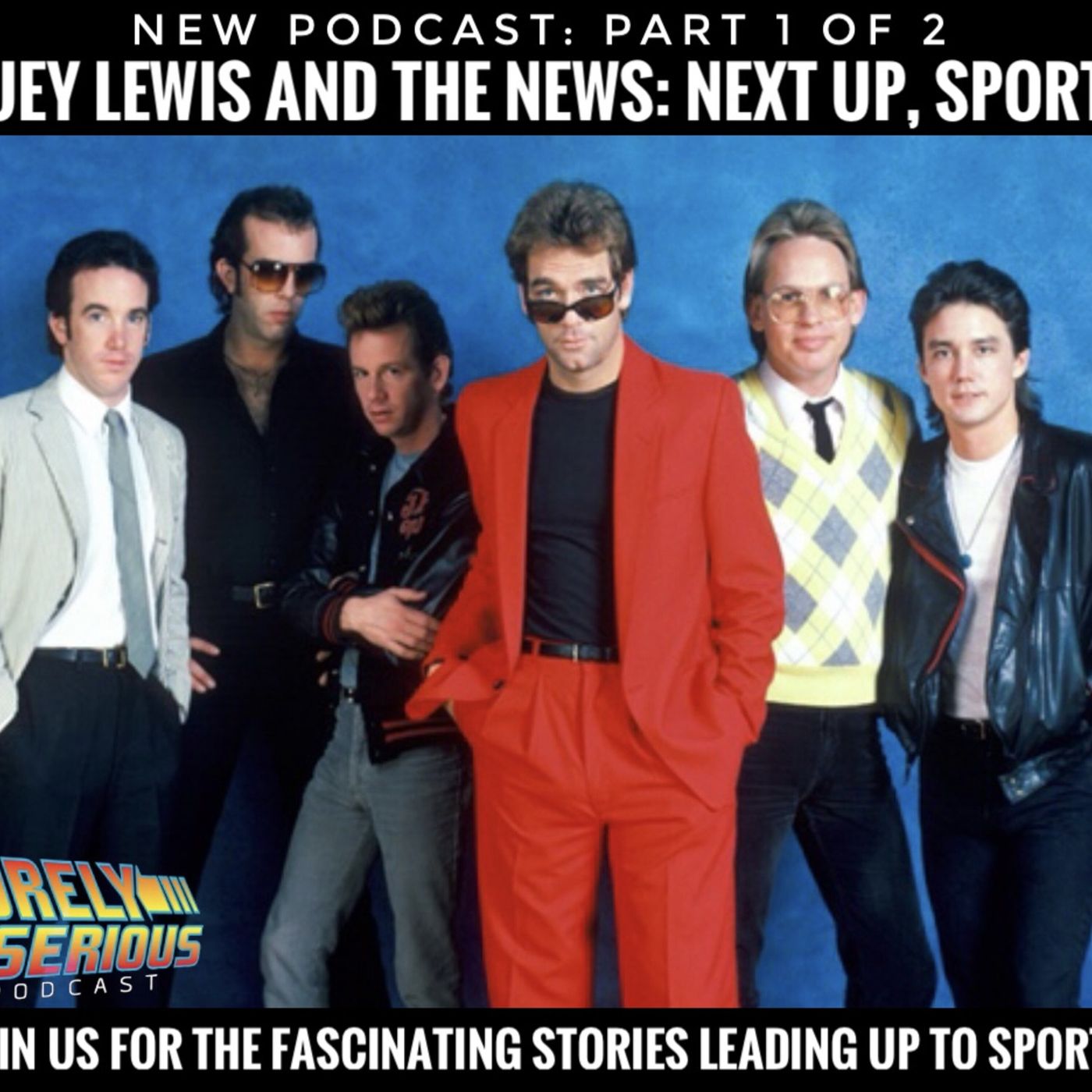
Huey Lewis and the News: Up Next Sports!
Before Huey Lewis and the News' breakout album, "Sports" became only one of five total #1 albums of 1984, the hand a long and interesting journey. Join us as we explore the days of young Huey the athlete, how he first realized he could earn a living by playing harmonica in Africa and how rock and roll earned him enough money to buy a passport and return to the US. The stories of how this local bar band went big after hiding their album from the record company will blow you away! Let's go back in time!
2021-05-25
48 min
Transcript
Available Results
Generated results are saved to the knowledge database for reuse and search.
No generated results are available for this episode yet.
Extract Knowledge
Pick what you want extracted first. Model, scope, and chapter options appear after a template is selected.
Generated results for public episodes are saved to the knowledge database so they can be reused and searched later.
Transcript
<v Speaker 1>Hello everybody, and welcome back to the Shirley You Can't
<v Speaker 1>Be Serious podcast. We are in the midst of our
<v Speaker 1>run of nineteen eighty four. We've got all kinds of
<v Speaker 1>good nineteen eighty four things going on right now. And
<v Speaker 1>here's an interesting fact. Everybody, nineteen eighty four had five
<v Speaker 1>number one albums, only five. This is the shortest list
<v Speaker 1>of number one albums in music history. And they are
<v Speaker 1>all iconic.
<v Speaker 2>They are iconic. I can't wait to discuss. We've got
<v Speaker 2>two albums from nineteen eighty four that were could compare
<v Speaker 2>the two favorites. Yeah, and then the week after that,
<v Speaker 2>we're going to talk about two movies from nineteen eighty
<v Speaker 2>four that our favorites, followed by.
<v Speaker 1>Two more movies with great albums with great album I mean,
<v Speaker 1>and that's it, okay, So let's talk So nineteen eighty four,
<v Speaker 1>we've already covered it. Thriller, right, Thriller has the number
<v Speaker 1>one record for two years in a row, which is
<v Speaker 1>the only album to ever have done that. So nineteen
<v Speaker 1>eighty three, in February, it becomes number one. It is
<v Speaker 1>number one until April of nineteen eighty four, when what album.
<v Speaker 2>Takes over Footloose.
<v Speaker 1>There you go. So Footloose takes over in April and
<v Speaker 1>stays there until the end of June. Where June thirtieth,
<v Speaker 1>Huey Lewis and the News Sports hits the number one spot.
<v Speaker 2>That is awesome, awesome. How long do they keep that.
<v Speaker 1>Title for it? Exactly one week? And then who takes
<v Speaker 1>over Born in the USA? Right right? So, which the
<v Speaker 1>album that we're comparing today, Those two guys middle of
<v Speaker 1>the year and Bruce holds it for a good four weeks.
<v Speaker 1>He's got all of July and then last guy to
<v Speaker 1>take over for the rest of the year. It's pretty easy.
<v Speaker 1>Guess it's Princess Proble Ray exactly. So teaser for a
<v Speaker 1>few weeks from now, we will have Footloose the movie,
<v Speaker 1>and Purple Rain the movie, and Footloose the album in
<v Speaker 1>Purple Ran the album that we're going to compare all
<v Speaker 1>of those things together. Super excited for that, and we
<v Speaker 1>will have hit every single of the five number one
<v Speaker 1>albums of nineteen eighty four.
<v Speaker 2>Man, it's gonna be amazing. I can't wait. Nineteen eighty
<v Speaker 2>four best year for music in the eighties.
<v Speaker 1>I think it's time to go back in time.
<v Speaker 2>Okay, wait, wait, okay, I'm sorry, fellows, you're just too
<v Speaker 2>darn loud.
<v Speaker 1>Fantastic. Okay, So we had a fantastic experience that Jason
<v Speaker 1>probably doesn't think as fantastic as I do. He had
<v Speaker 1>a flat tire today just before we started recording. Now,
<v Speaker 1>Jason has come and saved me before when I ran
<v Speaker 1>out against Yes, I'm a forty five year old man
<v Speaker 1>who did not fill up the time. I got so
<v Speaker 1>many practices going on the last I didn't have time
<v Speaker 1>to stop for gas, and so he came while I
<v Speaker 1>was stranded on the side of the road and filled
<v Speaker 1>me up with gas. I got to repay that favor
<v Speaker 1>today by picking him up when he got his flat tire.
<v Speaker 1>His was a little nicer for him because he made
<v Speaker 1>it to the tire fixing place. But we rode to
<v Speaker 1>the recording studio today listening to sports.
<v Speaker 2>And we put the top down, yep, we turned it up, yep,
<v Speaker 2>and we're blowing out I want a new drug.
<v Speaker 1>It was awesome. Yeah, it really really was.
<v Speaker 2>We're back to being eleven, except we can drive.
<v Speaker 1>Yeah. So I've got to say I'm so excited to
<v Speaker 1>talk about Hugh Lewis and the News. This is the
<v Speaker 1>best album that I went back to in our entire
<v Speaker 1>history of doing everything so far. Wow, this was a
<v Speaker 1>huge album for me back in the early mid eighties,
<v Speaker 1>but one that I kind of lost touch with over
<v Speaker 1>the years. I mean, there are some songs that you
<v Speaker 1>know you're going to continue to hear on the radio
<v Speaker 1>no matter what. But I couldn't have told you three
<v Speaker 1>weeks ago that Bad is Bad was a song by
<v Speaker 1>Hue Lewis and The News. But when it came on,
<v Speaker 1>I knew every single word and I was it was
<v Speaker 1>the definition of nostalgia. I was taken back to that
<v Speaker 1>moment in time where I'm listening to my cassette tape
<v Speaker 1>of sports and loving every single song.
<v Speaker 2>Now, this is one of those unique albums where it's
<v Speaker 2>hard to find somebody who doesn't like this album. Yeah,
<v Speaker 2>Like this appeals to my dad and it appeals to
<v Speaker 2>my son. People can listen to this, just turn it
<v Speaker 2>on and enjoy. It's just everything is like a toe tapper,
<v Speaker 2>feeling good, top down, turn it up song.
<v Speaker 1>I've talked to you about my brother before. He's the
<v Speaker 1>one that said we got to go watch Back to
<v Speaker 1>the Future. He's the one that said we got to
<v Speaker 1>go watch Diehard. He was huge influence in my life
<v Speaker 1>and it was because of him that I heard hue
<v Speaker 1>Lewis Sports Like. He was the one that had the tape.
<v Speaker 1>And so whenever we started talking about comparing these two albums,
<v Speaker 1>I texted him. I let him know, and he's like,
<v Speaker 1>call me, and so I called him and he told
<v Speaker 1>me about how at that time he was going into college.
<v Speaker 1>He went to college in eighty six, and so at
<v Speaker 1>that time he would try to tell people, you know, hey,
<v Speaker 1>what they meeting people for the first time. Who's your
<v Speaker 1>favorite band? He would start, He would say, Huey Lewis
<v Speaker 1>in the news. But at that point he almost felt
<v Speaker 1>like he had to apologize for it, because it was
<v Speaker 1>like people were like, oh, popular music whatever, And he
<v Speaker 1>kind of got to where he just automatically said, well,
<v Speaker 1>you know, I know it's pop, but I really do
<v Speaker 1>like Huey Lewis in the News. And so we started
<v Speaker 1>talking about that album together back and forth, and he
<v Speaker 1>texted me a little while later he said, I'm listening
<v Speaker 1>to it right now. I am no longer hiding the
<v Speaker 1>fact that I am an Avid Huey Lewis fan. I
<v Speaker 1>am free I liberated. I am liberated. I could wear
<v Speaker 1>my Huey Lewis badge with pride. So I told him
<v Speaker 1>sometimes there are folks out there who stick their nose
<v Speaker 1>up at popular music, and we just kind of give
<v Speaker 1>those people the finger.
<v Speaker 2>That's right, we celebrate it.
<v Speaker 1>Yeah, it's popular, and that's okay. It's popular because it's good. Right,
<v Speaker 1>We're not fooled here. It's popular because it's good. So
<v Speaker 1>come enjoy this album with us. But first, let's talk
<v Speaker 1>about the history.
<v Speaker 2>Let's go back in time.
<v Speaker 1>Before we get going, I just want to point something out.
<v Speaker 1>We have been talking to each other now for a
<v Speaker 1>couple of years, face to face. And one of the
<v Speaker 1>reasons that I can do that is because you don't
<v Speaker 1>have nose hair. Have you been talking to people and
<v Speaker 1>like you can't even concentrate on what they're saying because
<v Speaker 1>of their nose hair.
<v Speaker 2>Absolutely, they like tuck to you.
<v Speaker 1>It dangles, yes, it wiggles. It's a total distraction. Absolutely,
<v Speaker 1>And so let me let me say, if you are
<v Speaker 1>one of those guys, we have a product that is
<v Speaker 1>supporting the podcast that you need to check out is
<v Speaker 1>called The weed Whacker, and it is from Manscape.
<v Speaker 2>It is an amazing product. It trims your nose hair.
<v Speaker 2>It's not embarrassing. You just stick it up there. It
<v Speaker 2>takes care of it.
<v Speaker 1>You're not gonna look at people and bother them, right,
<v Speaker 1>And I'm one of those guys who's self conscious about
<v Speaker 1>my nose hair. So somebody that you're gonna see me
<v Speaker 1>and I'm gonna be like yanking them out and wincing
<v Speaker 1>in pain, don't do that. There is a special thing
<v Speaker 1>that they make and they've also just released in addition
<v Speaker 1>to the weed whacker, they have just released something called
<v Speaker 1>the lawnmower if you have other areas of your body
<v Speaker 1>that you're looking to trim up. And I'd like to
<v Speaker 1>point out that a giraffe is easier to see in
<v Speaker 1>the plane than it is in the forest, So that's
<v Speaker 1>that's wonderful. Yes, yes, it is.
<v Speaker 2>So very It's very good around sensitive areas, if you
<v Speaker 2>know what I'm saying.
<v Speaker 1>Yeah. They have also an entire shavekit called the Ultra
<v Speaker 1>Smooth Package package. You get the idea. So who doesn't.
<v Speaker 2>Want their package Ultra smooth?
<v Speaker 1>Right, right, So don't forget to go to manscapes dot
<v Speaker 1>com and use the promo code fan Sided twenty to
<v Speaker 1>get twenty percent off your order and free shipping.
<v Speaker 2>Whack it perfect.
<v Speaker 1>So we talked about Bruce Springsteen last episode. Right. Bruce
<v Speaker 1>born September of forty nine at Monmouth Medical Center in
<v Speaker 1>Long Branch, New Jersey. Just a little over nine months later,
<v Speaker 1>Huey Lewis is born fifty miles away. Okay, isn't that crazy,
<v Speaker 1>Like they're so close in age, born just you know,
<v Speaker 1>a stone's throw away from each other in hospital in Manhattan,
<v Speaker 1>Long Branch in Manhattan. Worlds apart economically, But it's just
<v Speaker 1>interesting that these guys were so close together. But hue
<v Speaker 1>did not stay there very long. His mom had escaped
<v Speaker 1>from Poland during the war. Right, this is nineteen fifty, Right,
<v Speaker 1>the war has been over for five years, just a
<v Speaker 1>little while after he was born. Her parents had come
<v Speaker 1>to kind of join them, and they were pretty well
<v Speaker 1>to do or company owners. And then really in a
<v Speaker 1>bizarre thing, they both commit suicide. And it's just devastating
<v Speaker 1>to his mom, and she's like, I just can't, I
<v Speaker 1>can't live here anymore. And so they move all the
<v Speaker 1>way across the country to California, where Huey Lewis grows.
<v Speaker 2>Up Wow, I had not heard that. That's interesting.
<v Speaker 1>Yeah, so he his dad is a radiologist by trade,
<v Speaker 1>but a drummer by heart. Right. He loves music, loves jazz.
<v Speaker 1>When hue Lewis is a kid, he teaches him how
<v Speaker 1>to play the drums. Oh, by the way, Huey lewis
<v Speaker 1>not his given name.
<v Speaker 2>Right, his given name. His birth name is Hugh Anthony
<v Speaker 2>Craig the third right.
<v Speaker 1>So doctor Craig taught young Huey how to play swing
<v Speaker 1>drums because if you've got time, you've got the foundation
<v Speaker 1>of music. So he's a really bright kid. He skips
<v Speaker 1>second grade. Yeah, his mom they're out like near Berkeley
<v Speaker 1>and stuff. She really gets into the hippie scene, like
<v Speaker 1>they're in the baby Hippie. Yes, she goes full blown hippie.
<v Speaker 1>She ends up having an affair with this Beat generation
<v Speaker 1>poet named Lou Welch, who also has a weird like
<v Speaker 1>He is believed to have committed suicide but just like
<v Speaker 1>left a note and then nobody's ever seen him since then.
<v Speaker 1>It's but Huey credits him as inspiring his early teenage years,
<v Speaker 1>and I think probably has a lot to do with
<v Speaker 1>his songwriting and musical tastes. Huey's first albums are Gary
<v Speaker 1>Us Bonds and Bobby Waddell. Okay, and then he gets
<v Speaker 1>to go to a concert of Paul Butterfield at the
<v Speaker 1>town Hall and the only seats left are the seats
<v Speaker 1>on the stage. I don't know how that happens, Like,
<v Speaker 1>I mean, do they do that anymore? I don't think so. Right,
<v Speaker 1>So he gets to sit on stage and watch this
<v Speaker 1>concert and he's like, this is what I want to do, right,
<v Speaker 1>this is incredible. So she has the affair, the parents
<v Speaker 1>get divorced. He's about thirteen at this time. It's tough
<v Speaker 1>experience for him. The judge asks him what he wants
<v Speaker 1>to do. He doesn't want to pick between him and
<v Speaker 1>his dad proposes, Hey, why don't you go to this
<v Speaker 1>prep school? Right? And so he ends up at this
<v Speaker 1>prep He gives his dad gives him a brochure for
<v Speaker 1>the prep school where it's like a beautiful campus and
<v Speaker 1>this guy walking with this you know, kind of buffy
<v Speaker 1>hot sorority girl looking girl hot pants, right yeah, and
<v Speaker 1>he's like, oh, this sounds good. And then he goes
<v Speaker 1>over there and it's an all boys school.
<v Speaker 2>Yeah exactly, Like that's a bait switch.
<v Speaker 1>If I ever heard it.
<v Speaker 2>I heard him talking about it. He said, think dead
<v Speaker 2>poet society.
<v Speaker 1>So he comes in and he wants to set himself apart.
<v Speaker 1>So he becomes the guy who how to play the
<v Speaker 1>harmonica right, and he becomes an R and B snob.
<v Speaker 1>He said he wouldn't listen to anything contemporary at the time.
<v Speaker 1>He was only listening to old R and B blues,
<v Speaker 1>that type of stuff, And so that's who he was
<v Speaker 1>growing up. He ends up graduating because he skipped a grade.
<v Speaker 1>He ends up graduating at age sixteen. Now he's no slouch.
<v Speaker 1>He scored a perfect eight hundred on the math portion of.
<v Speaker 2>The SAT I know.
<v Speaker 1>In addition to that, he's also like a world class pitcher.
<v Speaker 2>He's a very good baseball player.
<v Speaker 1>Yeah, so he's got this plan. He's going to go
<v Speaker 1>to Cornell. He's all States, so he's going to play
<v Speaker 1>ball over there. And his dad says, you're your own guy.
<v Speaker 1>I've let you run your own life. Do this one
<v Speaker 1>last thing for me, go to Europe and bum around
<v Speaker 1>for a year. He didn't really want to do it,
<v Speaker 1>which is just the absolute reverse, right right, right, No,
<v Speaker 1>don't go directly to college. You're a year young, go
<v Speaker 1>out there and bum around Europe.
<v Speaker 2>I want to make one comment. Yeah, when you're talking
<v Speaker 2>about his perfect math score and his baseball ability, I've
<v Speaker 2>heard him talk about this, right. He very much under
<v Speaker 2>sells his talent. So he's like, yeah, you know, I
<v Speaker 2>kind of got lucky on the math portion. And David
<v Speaker 2>Letterman's like, you don't get lucky in math, right, you
<v Speaker 2>don't get lucky.
<v Speaker 1>Yeah.
<v Speaker 2>And then the guy was interviewing me and said, now
<v Speaker 2>you were going to play baseball like you were a
<v Speaker 2>good player, and he's like, ah, you know, I thought
<v Speaker 2>I wanted to be a baseball player, but then I
<v Speaker 2>turned eight. Oh, but yeah, he was gifted as an athlete,
<v Speaker 2>played baseball and basketball in high school and then this
<v Speaker 2>amazing feat in math and said nah, I.
<v Speaker 1>Just got like yeah. And so he's excited to go
<v Speaker 1>to college and his dad says, yeah, go be a hippie,
<v Speaker 1>hitchhike and bomb. So he hitchhikes just to get over
<v Speaker 1>to New York. Right, he's in California, hitchhikes just to
<v Speaker 1>get over to New York where he's going to try
<v Speaker 1>to fly. Although he's only got about three hundred bucks
<v Speaker 1>on him, and so what he does is he's talking
<v Speaker 1>to people about how to sneak on to like a
<v Speaker 1>cargo plane, and so he ends up driving out to
<v Speaker 1>the cargo thing. He can't figure out how to get on,
<v Speaker 1>so he ends up back in the regular passenger flights.
<v Speaker 1>He befriends somebody at the ticket counter and he's like,
<v Speaker 1>I've heard this secret about a silver pin. And the
<v Speaker 1>guy's like, well, until I get a FOURK in an hour,
<v Speaker 1>and I'll tell you what to do. He's like okay,
<v Speaker 1>and so sure enough, like these are the days of
<v Speaker 1>very lack of security planes and basically you could buy
<v Speaker 1>a ticket for anywhere you just and then take a
<v Speaker 1>silver pen. You write Europe or whatever it is on
<v Speaker 1>your ticket, and all they do is see your ticket
<v Speaker 1>and send you on your way. Examine what it is.
<v Speaker 1>And so he ends up basically scamming a flight out there.
<v Speaker 1>They hand him a pack of cigarettes as he gets
<v Speaker 1>on the plane. That's how long ago this was. Here's
<v Speaker 1>a pack of four cigarettes for the flight.
<v Speaker 2>See enjoy, enjoy, Hey smoke up, Johnny.
<v Speaker 1>So he ends up in Europe and hitchhikes again down
<v Speaker 1>front from London down to North Africa and then he says,
<v Speaker 1>I wanted to leave North Africa, but I was so
<v Speaker 1>stoned I couldn't. He needed a new drug.
<v Speaker 2>Yes, exactly, exactly, so you know when you talk about
<v Speaker 2>North Africa. Yeah, he said he played in the town
<v Speaker 2>square in Marrakesh.
<v Speaker 1>Yeah.
<v Speaker 2>So he's out there with like snake charmers and like
<v Speaker 2>fortune tellers, and he's got a harmonica and a hat,
<v Speaker 2>and he said, so he would play. He said to
<v Speaker 2>earn you know, three or four durham I think is
<v Speaker 2>their currency. He said it costs one durham to stay
<v Speaker 2>in the youth hostel and half a durham to eat.
<v Speaker 2>He's like, what else do I need? Man, I'm making it.
<v Speaker 1>Yes. So he stays out there busking on the harp
<v Speaker 1>for like three months, and then eventually he gets back
<v Speaker 1>to the United States, sking on the harp. Yeah, busking
<v Speaker 1>is playing music for money on the streets and the
<v Speaker 1>harp is there. You go.
<v Speaker 2>So, I got to tell you about this great story
<v Speaker 2>that I heard Huey Liwis talking about while he was
<v Speaker 2>in Europe. Okay, he's hitchhiking all over Europe and he
<v Speaker 2>meets this guy named Michael Jeffries. So he's decided, Okay,
<v Speaker 2>I'm leaving Marrakesh. I want to get to Portugal and
<v Speaker 2>eventually work my back to the States. So they're hitchhiking
<v Speaker 2>and they get picked up by this Dutch guy who
<v Speaker 2>likes to drink a lot. So he's like, the guy's
<v Speaker 2>willing to give me a ride, and it was a
<v Speaker 2>Chevy and he was like, man an American taking a
<v Speaker 2>ride into Chevy. He's like, I was so thankful, he said.
<v Speaker 2>But this guy stopped every bar along the way. So
<v Speaker 2>by the like the seventh bar, he's really drunk, right,
<v Speaker 2>and he crashes into this like pond, like ramps over
<v Speaker 2>a levee and goes into the water, and so like
<v Speaker 2>there's water like up.
<v Speaker 1>To their chev the levee.
<v Speaker 2>Drove a Chevy to the levee, but it wasn't dry right,
<v Speaker 2>so the guy gets out, they push it out or
<v Speaker 2>whatever he says. He he squirts a fire extinguisher on
<v Speaker 2>the distributor to dry it out. I guess I don't
<v Speaker 2>really know. So they continue on. They get to the
<v Speaker 2>Portugal border and Hue realizes I've lost my passport. What
<v Speaker 2>had happened was when they hit the water, it floated
<v Speaker 2>out of his knapsack, so his buddy says, sorry, dude,
<v Speaker 2>see ya. So he leaves. Even so, he's got a
<v Speaker 2>hitchhike back into Seville and he hears rock and roll
<v Speaker 2>music playing and he's like, what am I gonna do.
<v Speaker 2>I've got no passport. I don't speak the language.
<v Speaker 1>I speak rock and roll.
<v Speaker 2>Right, So he goes and he knocks on the door
<v Speaker 2>and he's like, hey, I like rock and roll. You
<v Speaker 2>like rock and roll. Let me show you how to
<v Speaker 2>play some songs. I've got a harmonica. And he finally
<v Speaker 2>tells them basically I've lost my passport. And he's like,
<v Speaker 2>I need a ride to the embassy. So they said,
<v Speaker 2>no problem, will help you. So they take him to
<v Speaker 2>the embassy like it's like Friday like ride. At closing time,
<v Speaker 2>he's like, I lost my passport. They're like, do you
<v Speaker 2>have twenty bucks? No I don't, so they slammed the
<v Speaker 2>door in his face say come back on Monday.
<v Speaker 1>With twenty bucks, and he's like, oh crap.
<v Speaker 2>So we've got a hitchhike back to town and he tells
<v Speaker 2>his friends. He's like, I don't have twenty bucks. I
<v Speaker 2>got to have twenty bucks to make a passport. And
<v Speaker 2>they're like, no problem, will throw you a concert.
<v Speaker 1>It's great.
<v Speaker 2>So they tell all their friends. They put up all
<v Speaker 2>these posters. They say, whatever it is in Spanish, you
<v Speaker 2>know Huey and the Blues.
<v Speaker 1>Okay, so come and listen.
<v Speaker 2>He said, there's twelve hundred people.
<v Speaker 1>There's packed.
<v Speaker 2>He said. When he gets out there, he's performing, and
<v Speaker 2>he said, it's like pin drop silent, and the whole
<v Speaker 2>time he's playing his harmonica, he's like, man, we are dying.
<v Speaker 2>We are dying here. And he said, once we finished
<v Speaker 2>that first song, the place erupted in applause, and he said,
<v Speaker 2>this is what I.
<v Speaker 1>Want to do. That's awesome. That is awesome.
<v Speaker 2>There you go. Now we're going back to the States.
<v Speaker 1>So he gets his passport, makes it back to the
<v Speaker 1>States and starts college. Yes, and an engineering major. Well,
<v Speaker 1>the prep school that he was at was so good
<v Speaker 1>that he was just like, they're doing the same stuff
<v Speaker 1>we were doing. I don't really have to go to class,
<v Speaker 1>and so he didn't go to class. He started a
<v Speaker 1>band called Slippery Elm and he would play, go take
<v Speaker 1>the tests, and then go play. Is what you got
<v Speaker 1>to do, right, if you can manage it, I guess
<v Speaker 1>and they've got the band was actually doing pretty well.
<v Speaker 1>They but everybody was saying, hey, you could be a success,
<v Speaker 1>except for your bass player. He sucks.
<v Speaker 2>Right.
<v Speaker 1>His bass player was named Bill Benson, right, And so
<v Speaker 1>Hughey is kind of the leader of the band. It
<v Speaker 1>falls to him to tell Benson he's no longer in
<v Speaker 1>the band, and so he he's like, hey, buddy, come on,
<v Speaker 1>we need to go for a ride. So you get
<v Speaker 1>in the car snowy day. He's driving along and he says, listen, man,
<v Speaker 1>I'm sorry, but he can't be in the band anymore.
<v Speaker 1>What he does know is that Bill took some acid
<v Speaker 1>about thirty minutes before the car, and so he turns
<v Speaker 1>sheet white and he says, can you pull over? So
<v Speaker 1>Hue like pulls over and he starts yacking his belts
<v Speaker 1>out all over the snow, and he was like, this
<v Speaker 1>is the worst experience I've ever had in my life.
<v Speaker 1>This is important for later on. This set sets the
<v Speaker 1>stage for later on experience.
<v Speaker 2>He did make the comment that when they hired a
<v Speaker 2>new bass player, it wasn't any different. It wasn't that
<v Speaker 2>dude's fault.
<v Speaker 1>Yeah, it was just he just had somebody.
<v Speaker 2>He was the skateboat right.
<v Speaker 1>Right. So after the first year, the second year is
<v Speaker 1>a little bit harder and he has to go to
<v Speaker 1>class for the second year, and he forged out, you
<v Speaker 1>know what, I don't like this. I don't like engineering,
<v Speaker 1>despite the fact that he's a math savant, right, I
<v Speaker 1>just want to play, and so we quit quits college.
<v Speaker 2>Yeah.
<v Speaker 1>He goes back to San Francisco and he meets up
<v Speaker 1>with some friends that he had from junior high with
<v Speaker 1>this band called Clover Yeah, Clover Yeah. He sang a
<v Speaker 1>little bit, but he is an R and B guy
<v Speaker 1>and he has a gravelly, deeper voice, which is not
<v Speaker 1>right for a seventies hairband. Right. One of his junior
<v Speaker 1>high friends did have a super smooth voice, and his
<v Speaker 1>name was Alex Call. You know Alex Collins. I'm going
<v Speaker 1>to say seven numbers and you're gonna know who he is.
<v Speaker 1>Eight six, seven three nine.
<v Speaker 2>He's Tony two tone.
<v Speaker 1>Well he's not. He's the guy who wrote the song
<v Speaker 1>for Tommy two tone, Okay, which, by the way, there
<v Speaker 1>are all kinds of stories about that song out there
<v Speaker 1>and the real girl Jenny in the bathroom wall and
<v Speaker 1>all that, and Alex calls that's all he said, I
<v Speaker 1>wrote that song in my backyard. He said, I had
<v Speaker 1>the name, I had the number. I didn't really know
<v Speaker 1>what they meant. I just knew that that was a
<v Speaker 1>good way. That the numbers sounded good with the name,
<v Speaker 1>and that's what I went with. And the guy from
<v Speaker 1>Tommy Tutone, who's a friend of mine, showed up and
<v Speaker 1>he's like, it's got to be a phone number, and
<v Speaker 1>that was how the song was born. Okay, awesome. Huey's
<v Speaker 1>other friend was guitarist John McPhee. He would later end
<v Speaker 1>up with The Doobie Brothers and his third friend, Sean Hopper,
<v Speaker 1>who eventually makes his way to the News Exactly. They
<v Speaker 1>play the club circuit over there, and they're kind of interesting,
<v Speaker 1>like they're a hippie country band like Clover's First. They
<v Speaker 1>had a couple albums before hue joins up with them,
<v Speaker 1>and one of them has a picture of one of
<v Speaker 1>them in like overalls with no shirt standing next to
<v Speaker 1>this gigantic marijuana plant. So they were kind of an
<v Speaker 1>interesting mix of music that you can't really define. But
<v Speaker 1>they played the clubs over there in San Francisco in
<v Speaker 1>the Bay Area, and there's another band that they run
<v Speaker 1>in who quite frequently. They're both kind of the bands
<v Speaker 1>of the Bay Area at the time, and it's a
<v Speaker 1>band with a very unfortunate name, Soundhole.
<v Speaker 2>Sometimes my dog makes no noise from the sound Hole.
<v Speaker 1>So a couple of the guys who are members of
<v Speaker 1>Soundhole saxophonist and guitarist Johnny Cola and bassist Mario Sippolina.
<v Speaker 2>Okay, yeah, So Clover's.
<v Speaker 1>Playing the Bay Area. And in nineteen seventy six, a
<v Speaker 1>CBS Records convention is held in San Francisco, and the
<v Speaker 1>industry's hot shots are all coming in from all over
<v Speaker 1>the world. And one of the bands that is playing
<v Speaker 1>at the convention is this British band named Doctor Feel Good. Okay.
<v Speaker 1>They have a manager who is kind of known for
<v Speaker 1>being a little bit of a crazy guy. His name
<v Speaker 1>is Jake Riviera, and he's with them, and they have
<v Speaker 1>a guitarist, Rody, who really is just like they just
<v Speaker 1>like him, and so they're like, you know, come with
<v Speaker 1>us and you can play guitar when you need to
<v Speaker 1>and help us with the equipment. His name is Nicolo.
<v Speaker 1>He comes up later to Nick Lo. Okaylo, So Jake
<v Speaker 1>Rivia Nike Lo. It turns out that Nick's band was
<v Speaker 1>actually fan of Clover. He was in another band called
<v Speaker 1>Brinsley Schwartz that was like a Clover copy band. They
<v Speaker 1>even had a lyric in one of their songs that said,
<v Speaker 1>We're going to saddle up right away back to the
<v Speaker 1>hills where Clover plays. So nice. It's kind of neat
<v Speaker 1>that they are not a well known band, but they've
<v Speaker 1>already got like this following of other bands. And so
<v Speaker 1>the record label sees Clover and thinks, hey, country rock
<v Speaker 1>is the next big thing. We're going to fly these
<v Speaker 1>guys out to London where they call it pub rock
<v Speaker 1>instead of country rock. Okay, we're going to fly them
<v Speaker 1>out to London and they are going to be the
<v Speaker 1>inspiration for all of the big pub bands to come.
<v Speaker 1>So the plane just happens to land in London on
<v Speaker 1>the same day that Johnny Rotten spits in the face
<v Speaker 1>of an enemy reporter and the punk movement takes flight.
<v Speaker 2>Wow, Yeah, what incredibly bad timing.
<v Speaker 1>Yes, very bad timing. So they are a pub rock
<v Speaker 1>country rock band in the world of punk, and so
<v Speaker 1>they're just getting booted off the stage.
<v Speaker 2>Yeah, I heard him talk about this. He said, we
<v Speaker 2>thought it was a success if we made it through
<v Speaker 2>our set and didn't get booed off like booze would happen.
<v Speaker 2>But did we get booed off? No, we made a
<v Speaker 2>good job, guys.
<v Speaker 1>Right. They learned to play their songs fast enough, sequentially,
<v Speaker 1>not leaving any spaces for silence. That was the key. Okay.
<v Speaker 1>So I'm coming up on a story that I think
<v Speaker 1>is maybe the best pivot, head fake fadeaway shot in
<v Speaker 1>music history, and I'm excited about it. But okay, I'm
<v Speaker 1>just laying the foundation. Okay, it's starting now. Okay, So
<v Speaker 1>they're miserable, right, the record label sticks with them, but
<v Speaker 1>they're out there doing their best but really getting booed.
<v Speaker 1>But the record label says, hey, we're still going to
<v Speaker 1>produce your album, don't worry. But they Dickham with this
<v Speaker 1>still wet behind the ears. Staff producer at Phonogram's name
<v Speaker 1>Mutt langat.
<v Speaker 2>Get Out YEP, Mutt freaking Lang, Mutt Lang before Mutt
<v Speaker 2>Lang is Mutt Lang, Like he's He's done a few albums,
<v Speaker 2>but nothing of any notoriety.
<v Speaker 1>Right, this is seventy six, seventy seven, So he's just
<v Speaker 1>a guy. He's a guy who works at the studio.
<v Speaker 1>That's it.
<v Speaker 2>For those of you who are not familiar with Robert
<v Speaker 2>mutt Lang, he produced Back in Black, he produced Pyromania,
<v Speaker 2>he produced Hysteria, He produced Shania Twain and all of
<v Speaker 2>her big stuff. Yep, he's a mega producer. That blows
<v Speaker 2>me away.
<v Speaker 1>Yeah. Hughey said that even at that time seventy seven,
<v Speaker 1>he had an incredible work ethic, but no hits in
<v Speaker 1>nineteen seventy eight. So two years later, record deal is over,
<v Speaker 1>Clover has gone nowhere. They go back to San Francisco
<v Speaker 1>and John McPhee says, guys, I'm leaving the band. I've
<v Speaker 1>got an offer from the brothers and I can't do
<v Speaker 1>it anymore. And without him there is no Clover.
<v Speaker 2>Yeah, so Clover dies.
<v Speaker 1>Yeah. So this is heartbreak. This is like we think
<v Speaker 1>we've made it and we don't, and we've been doing
<v Speaker 1>this eleven years and now the band's breaking up. Huey
<v Speaker 1>Lewis wept yeah at this. Yeah. So it's seventy eight.
<v Speaker 1>Record deal is over, the band is broken up. Hue
<v Speaker 1>is stuck in England and he's thinking, here, I am
<v Speaker 1>a harmonica player. So he ends up going back to
<v Speaker 1>San Francisco and he opens up a health food store.
<v Speaker 1>What yeah, natural Foods Express, and he's just thinking about,
<v Speaker 1>you know, what is his future going to be. He's
<v Speaker 1>twenty eight years old, he has no money, no band,
<v Speaker 1>and he plays the harmonica. What do you do?
<v Speaker 2>That sounds like a man who's on the fast track
<v Speaker 2>to nowhere?
<v Speaker 1>Right, So he thinks, you know what, I'm gonna do
<v Speaker 1>this a different way. I don't need to be world famous.
<v Speaker 1>I can make money as a club band guy. And
<v Speaker 1>so he hits up his friends that had been a
<v Speaker 1>part of Soundhole. He's got Sean Hopper with him over
<v Speaker 1>there to help him out on the keyboards, and he says,
<v Speaker 1>we're going to get a job as a club band.
<v Speaker 1>He decides they're going to be a club band. They're
<v Speaker 1>gonna play every week and that's how they're going to
<v Speaker 1>make their living and it'll be great. And they recruit
<v Speaker 1>Chris Hayes, who's a guitar player, who says, and I
<v Speaker 1>thought at the time, hey, it'd be an extra one
<v Speaker 1>hundred and fifty bucks a month.
<v Speaker 2>Yeah, sure, right, I'll throw in with these guys and
<v Speaker 2>make a couple of you know, a couple extra dollars.
<v Speaker 1>So they go to this club called Uncle Charlie's to
<v Speaker 1>become the house band, right, and they say, we'll take
<v Speaker 1>Monday Nights and they develop their show. They have lots
<v Speaker 1>of fun they do. They put on little dance moves
<v Speaker 1>and eventually it becomes called Monday Night Live and they've
<v Speaker 1>got comedians coming in and doing bits and they put
<v Speaker 1>on a crazy show that everybody loves. And they've got
<v Speaker 1>this time, they've only got about three original songs. And
<v Speaker 1>also in their silliness, you know the movie Exodus, the
<v Speaker 1>theme from Exodus. Yeah, so they do a disco version
<v Speaker 1>of that song. Right, It's just it's just playing goofy and.
<v Speaker 2>So wait, wait, wait, yeah we got to hear that.
<v Speaker 1>Let's put it on. Okay, so you hear that, so
<v Speaker 1>that there's a reason that we're listening to that right now. Okay,
<v Speaker 1>it is because a studio came by saw them and said,
<v Speaker 1>you guys are awesome. How'd you like a free day
<v Speaker 1>at the studio? Yeah. They're like, heck, yeah, this is great.
<v Speaker 1>And so they get Pee Wee Ellis from James Brown's
<v Speaker 1>band to come in and play horns on Xodisco. And
<v Speaker 1>so then a few months go by, he gets a
<v Speaker 1>call from Nikolo. Nicholo says to him, I just wrote
<v Speaker 1>the song and I think I stole it from h
<v Speaker 1>He's like what. He's like, yeah, I'm pretty sure I
<v Speaker 1>saw it. He's like, what's called. He's like, it's called
<v Speaker 1>what looks Best on You is Me? And he's like, man,
<v Speaker 1>that was just a joke. You know. That's I told
<v Speaker 1>you a joke. That's not you. That's you did not
<v Speaker 1>steal that from me. He's like, I really feel like
<v Speaker 1>I owe you something. And he's like, you know, I
<v Speaker 1>just feel like this is kind of your song. He's like,
<v Speaker 1>you know, want to tell you what? Give me a
<v Speaker 1>ticket out to London. I'd love to come see you.
<v Speaker 1>We can have some fun, okay. So it's like, let
<v Speaker 1>me see what I can do, and so he calls
<v Speaker 1>him back a little while. He's like, you're gonna play
<v Speaker 1>harmonica on some songs over here, so you're gonna get
<v Speaker 1>to fly over here to London, and so yes, so
<v Speaker 1>he gets to fly over there. He plays on Nicklow's
<v Speaker 1>album called Labor of Lust and it's the songs called
<v Speaker 1>Born Fighter and he wrote a song. Huey Lewis wrote
<v Speaker 1>a song that he gave to Dave Edmonds and it's
<v Speaker 1>on his album Repeat when Necessary, and Huey Lewis plays
<v Speaker 1>the harmonica on that one as well. You know what
<v Speaker 1>the name of that song is?
<v Speaker 2>I do because you told me otherwise I wouldn't have
<v Speaker 2>that song. Is bad is bad?
<v Speaker 1>Yeah, let's listen to the Dave Edmunds version here real quick,
<v Speaker 1>cool man, your son is bad? Time is bad? Okay,
<v Speaker 1>So you can tell it's the same song, but it
<v Speaker 1>is a completely.
<v Speaker 2>That sounds blasphemous to my ears.
<v Speaker 1>The harmonica is fan but this it's definitely different style.
<v Speaker 1>It's definitely a different style. Yes. So they get done
<v Speaker 1>recording these two songs. It's three o'clock in the afternoon
<v Speaker 1>and the record label comes in. The executives are listening.
<v Speaker 1>They're like this sounds great. I'm really you know, yeah,
<v Speaker 1>nice to meet you, Huey, Yeah, yeah yeah. And then
<v Speaker 1>there's kind of this lull and hue says, hey, you
<v Speaker 1>want to hear something funny and they's like sure, and
<v Speaker 1>he puts in exodisco. He's got the tape. He puts
<v Speaker 1>in exodisco and lets him listen to it and they
<v Speaker 1>love it. They love it, and they're like, we would
<v Speaker 1>love to put this on record. Can we do this?
<v Speaker 1>And he's like, I don't know. Let me and they're like,
<v Speaker 1>you think about it. We're gonna go put some paperwork
<v Speaker 1>together and come back and you tell us what you
<v Speaker 1>want to do. Okay. So he leaves. Jake is there
<v Speaker 1>still the manager from Doctor Feel Good, and Jake is like,
<v Speaker 1>ask for thirteen points and three thousand pounds up front.
<v Speaker 1>He's like, what, ask for three thousand pounds up front
<v Speaker 1>and do not do it unless they give you the
<v Speaker 1>money up front. And he's like okay, Yeah. The guys
<v Speaker 1>come back. He makes the pitch. They said, sure, sounds good.
<v Speaker 1>Pay for whatever recording studio time you need, but we
<v Speaker 1>want you to put some more vocals on it. There's
<v Speaker 1>just we feel like it needs more vocals. He says,
<v Speaker 1>no problem, right, So here's where the pivot fake happens.
<v Speaker 2>Okay, I'm ready for this. I thought the pivot fake
<v Speaker 2>was mut Lane. We keep going now.
<v Speaker 1>So he goes back to the studio. The engineers at
<v Speaker 1>the studio end up erasing thirty seconds of the demo
<v Speaker 1>that they had already recorded of Exodisco. They just mess
<v Speaker 1>it up. So he calls the record label and He's like, hey,
<v Speaker 1>these guys just erased thirty seconds of this. I got
<v Speaker 1>to have more studio time because I got to re
<v Speaker 1>record that part. They say, no problem, we will pay
<v Speaker 1>for your studio time. How much do you need. He's
<v Speaker 1>like five days okay, and they say sure, five days,
<v Speaker 1>no problem, You've got it. Okay. He re records Exodisco
<v Speaker 1>in four hours and uses the other the other four
<v Speaker 1>and a half days to record the three original songs
<v Speaker 1>that they have, which then he uses as a demo
<v Speaker 1>tape that he sends out, which gets him a manager,
<v Speaker 1>Bob Brown coming to see him play, ultimately lands him
<v Speaker 1>the record deal. Fade Away, Shoot and it's good.
<v Speaker 2>He shoots the scores. Hey that's brilliant.
<v Speaker 1>I love what a hustle is that?
<v Speaker 2>Seriously savvy businessman?
<v Speaker 1>I love it. I love it so so yeah, so
<v Speaker 1>he he sends out. He ends up sending out this
<v Speaker 1>demo tape. Bob Brown hears it and is like, this
<v Speaker 1>is interesting. He goes to listen to him play loves
<v Speaker 1>how the band plays. He meets Huiye after the show
<v Speaker 1>and he's like, I love your voice, and Hui Luis says,
<v Speaker 1>you are the first person who has ever said that to.
<v Speaker 2>Me, that's tragic because Huey Lewis has a great voice.
<v Speaker 1>Yeah, I tried to think earlier. I was like, what
<v Speaker 1>do we call this comparison? Right, it's the comparison of
<v Speaker 1>the not metal, gravelly voiced have a sacks a phone
<v Speaker 1>in their songs band. I don't know what passionate rasping
<v Speaker 1>two guys who had number one hits in the middle
<v Speaker 1>of nineteen eighty four. I don't know it's but it's
<v Speaker 1>it's interesting because they were not the singers that you
<v Speaker 1>would expect mid eighties, right, right, but one of only
<v Speaker 1>two guys, two blue eyed guys, to have hits that year,
<v Speaker 1>that's right. The other part of the story is they
<v Speaker 1>have this company called Video West out in California who
<v Speaker 1>calls them and says, hey, we're shooting things on videotape.
<v Speaker 1>It's this new medium. We would love to shoot a
<v Speaker 1>video for your songs for free if you'll just let
<v Speaker 1>us play it on our videotape station. And he's like, Okay,
<v Speaker 1>it sounds like a deal to me. So yeah, so
<v Speaker 1>you get demo tape, you get manager who really fought
<v Speaker 1>for him. He's by the way, he's the guy in
<v Speaker 1>the part of rock and roll video who's playing a
<v Speaker 1>crossword puzzle while beating one of the guys at are wrestling.
<v Speaker 2>Yeah, yeah, that's Bob Brown. He's in the I Want
<v Speaker 2>a New Drug video. When Hughey takes the stage, he's
<v Speaker 2>like running late. He runs up and the guy pulls
<v Speaker 2>the sunglasses out.
<v Speaker 1>Yes, yeah, that's right. So Brown scores them a record
<v Speaker 1>deal and they produced their first album, which is just
<v Speaker 1>called you Listening Listen to the News.
<v Speaker 2>Making a brand you want them on time. Before we
<v Speaker 2>dive into their second album, Picture This, I did want
<v Speaker 2>to mention one thing. They were originally called Huey Lewis
<v Speaker 2>and the American Express and Bob Brown. Their managers like, hey, guys,
<v Speaker 2>the name's okay, but I don't want to get sued, right,
<v Speaker 2>so let's change it to something. And so they come
<v Speaker 2>up with this great name, which I think is really cool.
<v Speaker 2>He listened the News, and that's the one that sticks.
<v Speaker 2>And if you'll notice, sports is you know, sort of
<v Speaker 2>TV station related, and their latest album Weather, you know,
<v Speaker 2>it's kind of a play on the news. All right.
<v Speaker 2>So their second album is called Picture This after their
<v Speaker 2>first album really didn't do anything. They needed a hit, right,
<v Speaker 2>And keep in mind.
<v Speaker 1>They're still figuring out who they are, right, Yeah.
<v Speaker 2>This is the time in life in the early eighties
<v Speaker 2>when radio is everything, right, MTV is new. Yeah, it's
<v Speaker 2>up and coming. They haven't quite hit their stride yet.
<v Speaker 1>Just a bit before this, you've got push button radio
<v Speaker 1>for the first time, like where you could pick your
<v Speaker 1>favorite stations, hit a button and who, and the radio
<v Speaker 1>would automatically go there. Right. You didn't have to use
<v Speaker 1>the little dial to try to find it, which was
<v Speaker 1>a total pain. Well, what a result of that was
<v Speaker 1>is if they didn't enjoy the song they were hearing, right,
<v Speaker 1>then they're changing the station. Yeah. And so what somebody
<v Speaker 1>figured out is, well, then we just need to play
<v Speaker 1>the most popular songs. We'll pick forty of them, and
<v Speaker 1>top forty is born. Yeah, and so that is really
<v Speaker 1>what was the programming method at the time that these
<v Speaker 1>guys are starting their rise. If you weren't top forty,
<v Speaker 1>you weren't going to be making any money.
<v Speaker 2>So they decided, look, this second album, we need a hit.
<v Speaker 1>Uh huh.
<v Speaker 2>So here he calls his old buddy met Lang, Yeah,
<v Speaker 2>and he says, listen, dude, I gotta have a hit man,
<v Speaker 2>Can you help me something?
<v Speaker 1>And this time Muttlang has become Mut Lang.
<v Speaker 2>Yeah, I mean back in black. Yeah.
<v Speaker 1>I was gonna say he's got the he's got the
<v Speaker 1>ac DC albums under his belt at this point, yes, yes,
<v Speaker 1>So Matt Lang says, well, I've got this song that
<v Speaker 1>I think is pretty good and it's called We Both
<v Speaker 1>Believe in Love?
<v Speaker 2>Huh right? Yeah, And so here he listens to it.
<v Speaker 2>He's like, ah, this sounds like a hit. I mean
<v Speaker 2>it sounds good, you know, right.
<v Speaker 1>Do you know the lyrics to the to the original?
<v Speaker 2>No?
<v Speaker 3>No, no, tell me Okay, So here's Mutt Lang's lyrics. Okay,
<v Speaker 3>we both believe in love, we both believe it's ours.
<v Speaker 3>You really give enough? Yeah, you make me really see
<v Speaker 3>the stars.
<v Speaker 1>Swing in a spell.
<v Speaker 2>Well, you know what though, he takes it and he says,
<v Speaker 2>I think we could work with this. Yeah, that song
<v Speaker 2>we Both Believe in Love becomes do You Believe in Love?
<v Speaker 1>Yes?
<v Speaker 2>Down on One Way Street, and that's what they needed
<v Speaker 2>and they had this successful video. It has a funny
<v Speaker 2>scene where he's like serenading his girlfriend while she's asleep
<v Speaker 2>in bed, and all everyone in the news is like
<v Speaker 2>in bed singing you know.
<v Speaker 1>Yeah, it's kind of funny. I got a story on
<v Speaker 1>the video. Okay, So they hadn't had a professionally done
<v Speaker 1>video before they get this video director that's supposed to
<v Speaker 1>be really well known, really renowned, and he makes this
<v Speaker 1>video and when they walk in and they watch the video,
<v Speaker 1>they're like, this sucks. They've all got way too much
<v Speaker 1>makeup on. Yeah, he says the whole time. The video
<v Speaker 1>is just kind of like mirroring what you have in
<v Speaker 1>the lyrics and you know this like they had, they
<v Speaker 1>had producers produced their records initially, but after a little
<v Speaker 1>bit they're like, hey, we've been doing this long enough,
<v Speaker 1>we're going to produce our own record, right And after
<v Speaker 1>they saw the video, they said, you know what, we
<v Speaker 1>can do this, We'll direct our own videos, which again
<v Speaker 1>Top forty MTV modeled what it was playing right off
<v Speaker 1>of what radio was playing. So that's why you have
<v Speaker 1>all of these videos that are horrible because they these
<v Speaker 1>music artists new music, but they didn't know videos. Huey
<v Speaker 1>Lewis is like, we're going to make our own videos
<v Speaker 1>and from now on, if the song zigs the videos act,
<v Speaker 1>we are not going to have the videos related to
<v Speaker 1>the songs as much as we can help it.
<v Speaker 2>Okay, Okay, And you make an interesting point there. They
<v Speaker 2>produced their own albums, starting with Picture This. They also
<v Speaker 2>produced Sports, which is their third album. Yes, are we
<v Speaker 2>ready to dive into that a little bit?
<v Speaker 1>Yes, let's start talking about the production of Sports.
<v Speaker 2>Okay. So I've got this great story that I want
<v Speaker 2>to tell you.
<v Speaker 1>Okay.
<v Speaker 2>So their their record label is Chrysalis. So they finished
<v Speaker 2>the album that eventually they're going to name Sports, and
<v Speaker 2>they've got the master tape, and Bob Brown, their manager,
<v Speaker 2>goes to call the office at Chrysalis, and when he does,
<v Speaker 2>he doesn't get an answer. Unusual, right, He gets one
<v Speaker 2>of those this line's been disconnected messages.
<v Speaker 1>You used to get into.
<v Speaker 2>Yeah, it's not like nobody answered, right, Like the secretary
<v Speaker 2>is not in the bathroom.
<v Speaker 1>Right.
<v Speaker 2>So he calls Huey Lewis later and he says, hey,
<v Speaker 2>I think we might have a problem. He's like, I
<v Speaker 2>called the office and nobody. He goes, I got that
<v Speaker 2>disconnected message and Huey Lewis says the one in Los
<v Speaker 2>Angeles and Bob Brown says, the one in Los Angeles,
<v Speaker 2>New York.
<v Speaker 1>And London oh, oh gosh.
<v Speaker 2>So they are like, holy crap, Chrysalis is about to
<v Speaker 2>go under. They are going out of business. They didn't
<v Speaker 2>pay their phone bill. How in the world are they
<v Speaker 2>going to support a band. So what they say is,
<v Speaker 2>we can't give them this record.
<v Speaker 1>Right, Yeah. The Chrysalis guys eventually get a hold of
<v Speaker 1>them and they're like, hey, we're ready to have those recordings,
<v Speaker 1>and they're like are you are you sure?
<v Speaker 2>Yeah, no, we really you need to turn in your record. No,
<v Speaker 2>we're not going to do it.
<v Speaker 1>Right. So, what was going on at this time is
<v Speaker 1>that Chrysalis had basically eliminated its distribution the part of
<v Speaker 1>the company, Chris Liss became just a name and CBS
<v Speaker 1>handled everything else. But obviously that Hugh Lewis in the
<v Speaker 1>news didn't know that was going on.
<v Speaker 2>So it took some convincing, right, And so Bob Brown's like, look,
<v Speaker 2>we need money, number one, we need to make a living.
<v Speaker 2>Number two, we have this album that's ready to go.
<v Speaker 2>And so Huey Lewis said he kept the masters for
<v Speaker 2>this for Sports under his bed and like they carried
<v Speaker 2>it around because he was too afraid, like the house
<v Speaker 2>might burn down and stuff. So he carried it around
<v Speaker 2>with him. He's so scared, but he couldn't turn it in.
<v Speaker 2>He had nowhere to go.
<v Speaker 1>But he knew the value of what they had because
<v Speaker 1>when they started this album, we talked about top forty
<v Speaker 1>and we've talked about it before when we've talked about
<v Speaker 1>Mutt Lang and Quincy Jones. Right, we want to make
<v Speaker 1>an album where any one of the songs could be
<v Speaker 1>a top single. That was their objective with this album.
<v Speaker 2>A bellti fastball right down Main Street for everyone. Yes,
<v Speaker 2>and they did it. Obviously they did it. They did it.
<v Speaker 1>Oh, yes, they didn't. They just wanted one. They were like,
<v Speaker 1>as long as one of these is the top forty hit,
<v Speaker 1>we got it. They did not expect six.
<v Speaker 2>Right, right, So this is interesting. So they have an
<v Speaker 2>album that's complete, they think it's great. They don't feel
<v Speaker 2>comfortable giving it to the record company, so it cannot
<v Speaker 2>be sold, right, So they're like, well, what do we do? Well,
<v Speaker 2>we got on the road. Got to go on the road,
<v Speaker 2>gotta go travel. So they the tour I think is
<v Speaker 2>called the working for a Living tour. They are playing
<v Speaker 2>the songs on sports out there, Yeah, to crowd a
<v Speaker 2>little bit, a little bit.
<v Speaker 1>Well, they've they've got it reserved. So I know this.
<v Speaker 1>The reason I know this is because my brother told
<v Speaker 1>me a story. In addition, you know, when we're talking
<v Speaker 1>on the phone, in our conversation about U Lewis, He's like, so,
<v Speaker 1>when I went to high school, there was a kid
<v Speaker 1>who was a year older than me. His name is Denny.
<v Speaker 1>If that you know, Hey Denny, if you're listening out
<v Speaker 1>there and you're reporter for the Greenwood, Arkansas High School paper,
<v Speaker 1>I've heard a story about you. So Denny for the
<v Speaker 1>high school paper got a press pass and so on
<v Speaker 1>the Working for a Living tour, Huey Lewis was matched
<v Speaker 1>up with Joan Jet and he was the opening band
<v Speaker 1>and she was the main attraction. Yes, right, yes, And
<v Speaker 1>so I looked it up and sure enough, Fayetteville saw
<v Speaker 1>barn Hill Arena April of nineteen eighty three. There it is.
<v Speaker 1>It lists their set list and everything, and it's mostly
<v Speaker 1>picture this songs that they're playing. Okay, but Denny with
<v Speaker 1>his press pass goes in and interviews Huey Lewis from
<v Speaker 1>Huey Lewis and the news. I just I'm just like,
<v Speaker 1>give credit to this guy for realizing Hey, I'm you know, sixteen,
<v Speaker 1>but I've got a press pass.
<v Speaker 2>My name is Denny.
<v Speaker 1>And so he said that Huey Lewis was kind of
<v Speaker 1>pissed off because he thought that they should be the
<v Speaker 1>main band and that Joan Jet should be the opening band.
<v Speaker 2>Wow.
<v Speaker 1>I mean that's that's imperson, and I couldn't. I had
<v Speaker 1>to think, I'm like, Okay, in eighty two, she's coming
<v Speaker 1>off of I Love Roca, which is huge.
<v Speaker 2>I Love rock and Roll is huge, and Crimson and
<v Speaker 2>Clover was big, you know, and she was in Runaways.
<v Speaker 1>Yeah, but that was like in this even Yeah.
<v Speaker 2>But Huey Lewis had a couple of songs.
<v Speaker 1>I mean, you know, you're working for a living and
<v Speaker 1>do you believe love? Sorry? I was like, we both
<v Speaker 1>believe him. Good for him for having confidence. I don't
<v Speaker 1>think he was a jerk about it. I think he
<v Speaker 1>just felt like that they they were special and probably
<v Speaker 1>a pretty good band. I don't know how good Jone
<v Speaker 1>Jet was as a live performance. Right, So say all
<v Speaker 1>that to say, this is mid eighty three and they
<v Speaker 1>are all crammed in one bus, but the lids about
<v Speaker 1>to come off, right, Beendorsbox.
<v Speaker 2>Yes, so sports. Eventually they feel confident enough to turn
<v Speaker 2>it over to Chris List. They produced the album, they
<v Speaker 2>distribute it, they support it. It's released September fifteenth of
<v Speaker 2>nineteen eighty three. It goes on to become the number
<v Speaker 2>two overall selling album of nineteen eighty four. It's a
<v Speaker 2>smash hit, yes, and like you said, it's one of
<v Speaker 2>only five albums in nineteen eighty four to reach the
<v Speaker 2>number one spot and one of the most competitive music
<v Speaker 2>years of all time.
<v Speaker 1>So they become obviously world famous within just a short
<v Speaker 1>amount of time. Yeah. They have a guy who's their
<v Speaker 1>tour manager called Loel Halsey, and he's got this real
<v Speaker 1>Cockney accent. He's like, we go through all these special things,
<v Speaker 1>get the band back into the hotel, bring them in
<v Speaker 1>through the back door, get them in the back and
<v Speaker 1>then hughe go down to the bar and have a
<v Speaker 1>beer with all.
<v Speaker 2>The fans and Jim Jurry.
<v Speaker 1>So hughe is not you know, he's not a guy
<v Speaker 1>who's afraid to just hang out. He's such just a
<v Speaker 1>regular guy kind of guy.
<v Speaker 2>It's so great. That's what his mass appeal is. You know,
<v Speaker 2>I don't know if this is the best place to
<v Speaker 2>tell the story. But it after sports kind of been
<v Speaker 2>mid nineteen eighty five, think back to the future time period, right,
<v Speaker 2>Michael Jackson had pepsi commercials, right, and he was the
<v Speaker 2>choice of a new generation whatever. Well, Coke came knocking
<v Speaker 2>on Huey Lewis's door and they had this scale that
<v Speaker 2>basically combined popularity and how likable you are, and Huey
<v Speaker 2>Lewis basically was the highest you could possibly be on
<v Speaker 2>both charts. Oh wow, And Coke said, basically, we have
<v Speaker 2>a scale that we measure cokeness and so your top
<v Speaker 2>of the list cokenus wise, and they threw millions of
<v Speaker 2>dollars on him and he said, nah, no thanks.
<v Speaker 1>So before we jump full on into the album, Yes,
<v Speaker 1>a couple of things that I want to just say
<v Speaker 1>that happened after the album, but I want to say
<v Speaker 1>them now. Okay, okay, Yes. Number one, Huey Lewis was
<v Speaker 1>one of the artists on We Are the World. I
<v Speaker 1>know it's your favorite song, and I know you're talking,
<v Speaker 1>but I've got a little bit of information that I
<v Speaker 1>thought was that priceless. He's one of the solos, he's
<v Speaker 1>one of the singing by himself, and you've got all
<v Speaker 1>kinds of people there singing, like the Pointer sisters didn't
<v Speaker 1>have any solos. Dan akroy didn't have any solos.
<v Speaker 2>Dan ackroyd how in the world did dan Akro get
<v Speaker 2>invited to this party?
<v Speaker 1>And so I heard him talking and he's like, They're like,
<v Speaker 1>how did you get the solo in there? And he's like,
<v Speaker 1>I got Prince's part? Oh? Is that right? Right? So
<v Speaker 1>the part that Huey lewi Us sings was written for Prince.
<v Speaker 1>The Prince didn't come, and it's higher, it's a higher
<v Speaker 1>you listen to it, it's a little higher register for
<v Speaker 1>ye Okay, he sings right, think about it. He sings
<v Speaker 1>to write after Michael Jackson sings, Wow, it's with Cindy
<v Speaker 1>Lapper yep, and.
<v Speaker 2>Yeah yeah, yeah, yeah, yeah, yeah.
<v Speaker 1>It's great. But yeah, he got Prince's part of it.
<v Speaker 2>Interesting. Interesting, Any word on why Princeton.
<v Speaker 1>Show Probably because Michael Jackson was Probably because Michael Jackson
<v Speaker 1>is too competitive.
<v Speaker 2>Yea.
<v Speaker 1>I will find out the answer to that. I will
<v Speaker 1>find out the answer as to why Prince didn't sing
<v Speaker 1>on We of the World. But you're gonna have to
<v Speaker 1>wait until our Purple Rain episode. To find out.
<v Speaker 2>Okay, great, that's awesome.
<v Speaker 1>Okay, So nineteen eighty four, mind you, this is where
<v Speaker 1>we are is when they're filming Back to the Future.
<v Speaker 2>Huge longest movie of the nineteen eighties.
<v Speaker 1>Right, And so Hue gets a call from this guy
<v Speaker 1>named Bob Zamechas who really hasn't done much other than
<v Speaker 1>the movie called Romancing the Stone at this point. Sure,
<v Speaker 1>and he goes He's like, we would love for you
<v Speaker 1>to be a part of this movie. We think that
<v Speaker 1>Marty McFly, our main character, that his favorite band is
<v Speaker 1>Huey lewis in the news, and somehow, with his hustle
<v Speaker 1>pivot fake fade away, he lands himself a part of
<v Speaker 1>the movie.
<v Speaker 2>This guy's awesome.
<v Speaker 1>Yeah. What he says to him at the time, though,
<v Speaker 1>is I don't really want to write a song called
<v Speaker 1>back in the Future, right, And he's like, I don't
<v Speaker 1>want you to write a song called back in the Future.
<v Speaker 1>I want you to write one of your songs and
<v Speaker 1>we're just going to use it.
<v Speaker 2>That song is called Power of Love. Yes, And that
<v Speaker 2>video was filmed at Uncle Charlie's, which was where he
<v Speaker 2>got his start as the stage.
<v Speaker 1>Band exactly, and as it turned out. They released that
<v Speaker 1>song before the movie came out, and it was topping
<v Speaker 1>the charts right when the movie was released. And so
<v Speaker 1>when you as a theater goer, imagine this, Yes, Marty says, damn,
<v Speaker 1>I'm late for school and it hits. Yeah, everybody knew.
<v Speaker 2>That song playing the number one song in the country.
<v Speaker 1>It's perfect. And he did a movie. Hue Lewis did
<v Speaker 1>a movie later on with Quyneth Paltrow, Yes, which also
<v Speaker 1>had a fantastic song on it, but it didn't get
<v Speaker 1>released until after the movie and the movie didn't do
<v Speaker 1>so well. And he said, I think if they'd released
<v Speaker 1>the song before they released the movie, the movie would
<v Speaker 1>have done a lot better.
<v Speaker 2>And I'll tell you what. We've got a story about
<v Speaker 2>another movie that Huge Lewis was involved with against his will,
<v Speaker 2>and there is money that there's some suits involved in.
<v Speaker 2>It was very unpleasant situation. Next week, so.
<v Speaker 1>We're ready to jump in track by track.
<v Speaker 2>We are ready to jump in track by track next week.
<v Speaker 1>Next week, and that's when you'll hear the story of
<v Speaker 1>the mysterious movie that stole he would lose his song
<v Speaker 1>as though anybody
<v Speaker 2>Doesn't know, right, they totally slammed him on this thinge
<v Speaker 2>oh yeah,
Chapters
No chapters available.