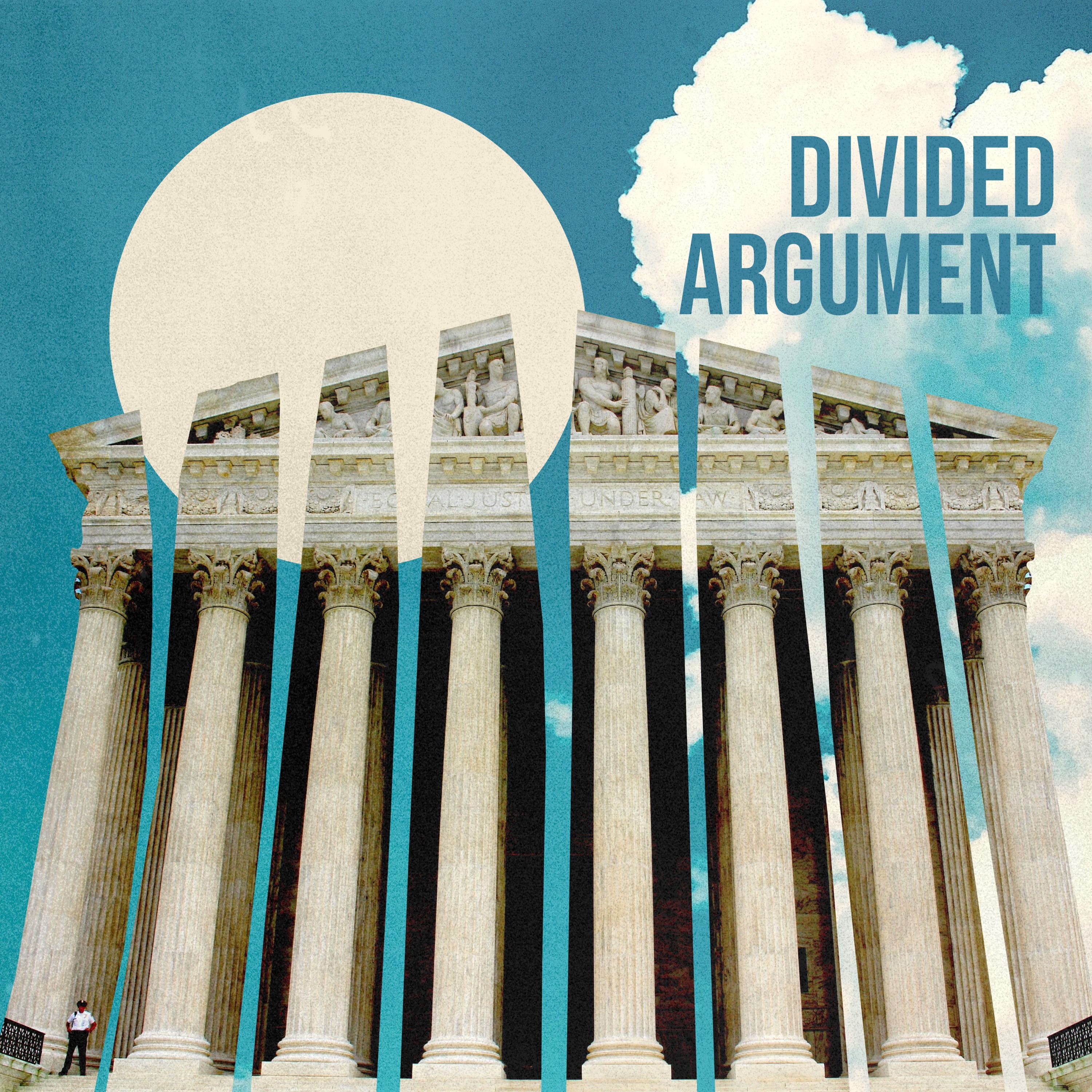
Separation-of-Powers Police
After a long hiatus, we're particularly unpredictable with an episode that isn't about the Supreme Court. We're joined by NYU law professor Daryl Levinson to talk about his exciting and important new book on constitutional theory, Law For Leviathan: Constitutional Law, International Law, and the State. Listen to learn why the Supreme Court's constitutional pronouncements on separation of powers might not matter as much as you thought—and along the way you'll find out what might happen to Will if he starts breaking into his colleagues' cars at the University of Chicago parking lot.
Law for Leviathan: https://global.oup.com/academic/product/law-for-leviathan-9780190061593?cc=us&lang=en&
Available Results
Generated results are saved to the knowledge database for reuse and search.
Extract Knowledge
Pick what you want extracted first. Model, scope, and chapter options appear after a template is selected.
Transcript
And then moving from that baseline of skeptical realism, you get rational kinds of theories of longer term or broader self-interest. So, in international law, this is rational institutionalism. The constitutional equivalents have been developed by various political scientists. And the basic lines of argument are repeat play in a prisoner dilemma situation or coordination games, where it is in the enlightened, long-term self-interest of powerful political actors to coordinate or cooperate around constitutional rules and constitutional institutions. And those stories can be developed at the level of specific arrangements, like Senate filibuster, “I don't know whether my party is going to be in the majority or the minority over the medium term. So, I'm okay allowing minority vetoes even when I'm in the majority, because I'm going to get to veto when the table turns to democracy.” “I don't know whether we're going to be in the majority or the minority, but I'm willing to respect the results of this election because I think I'm going to win the next election.” And in any event, it's better than fighting a war or a civil war about who's going to control the State.