What Is Orphism, History's Most Enigmatic Art Movement?
In the early 1900s, art movements within the then-burgeoning category of modern art were exploding in multiple directions, and among them was a strand called Orphism.
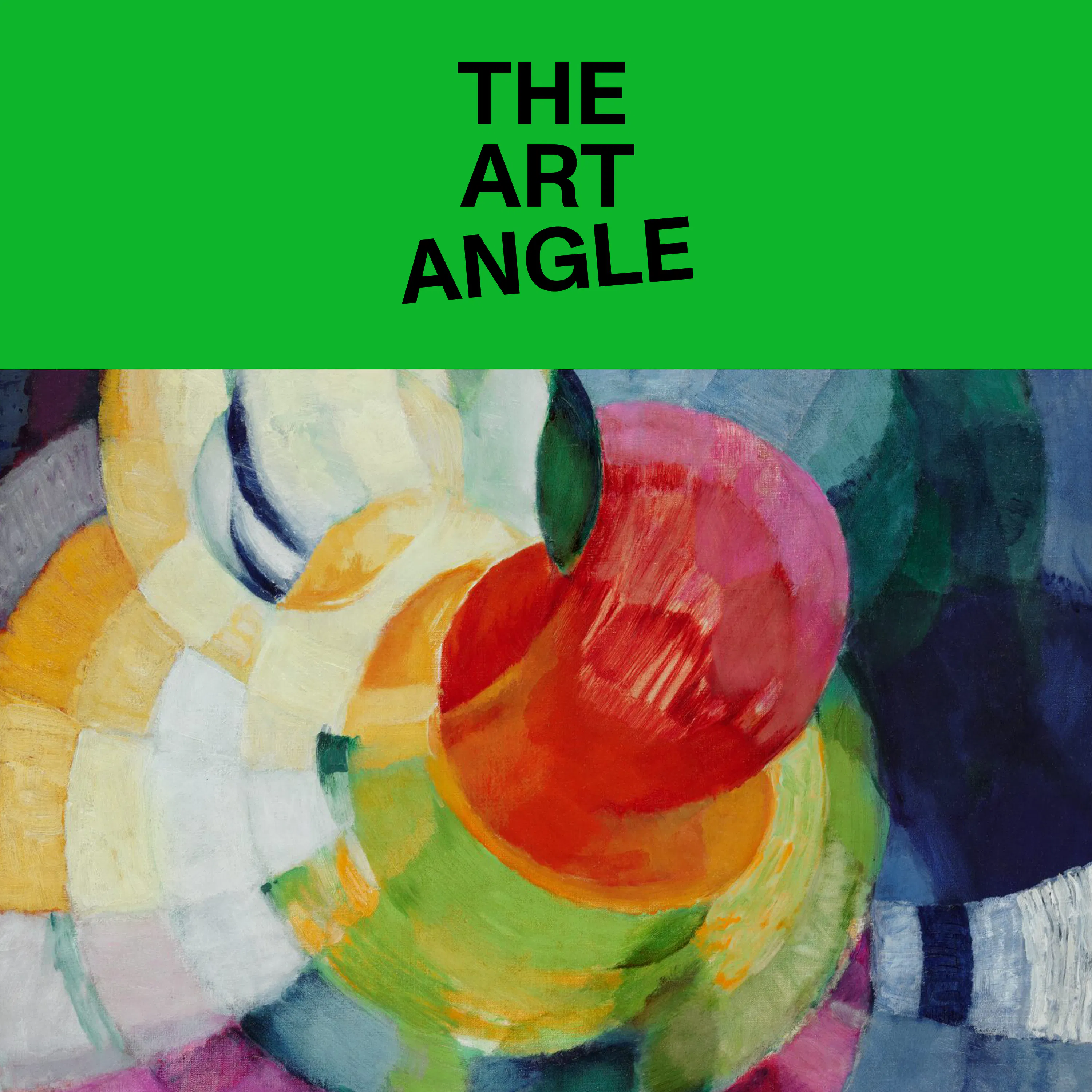
What was it? In some ways, it is hard to say. Relatively short-lived and debated even as soon as it was coined around 1912, Orphism was a form of abstract art, informed by motion, radial shapes of vibrant colors.
Most known and neatly associated with Orphism are Robert and Sonia Delaunay, who thought colors could be used to create visual harmonies, where form and hue worked on a canvas in the same way that notes worked to build a piece of music. The artist could be thought of as composer.
And yet the contours movement is still somewhat vague. In fact, there were debates about what Orphism was or meant from within the group that was most often associated with it. It remains elusive. My co-host, the art critic Ben Davis, recently went to a major showing of Orphist works, an exhibition called “Harmony & Dissonance: Orphism in Paris, 1910–1930” at the Guggenheim, in New York that opened earlier this month and will run until March 2025.
We discussed about the art form and its impact as well as some of the the unanswered questions he left the show with.
Available Results
Generated results are saved to the knowledge database for reuse and search.
Extract Knowledge
Pick what you want extracted first. Model, scope, and chapter options appear after a template is selected.