From Bubble to Bubble
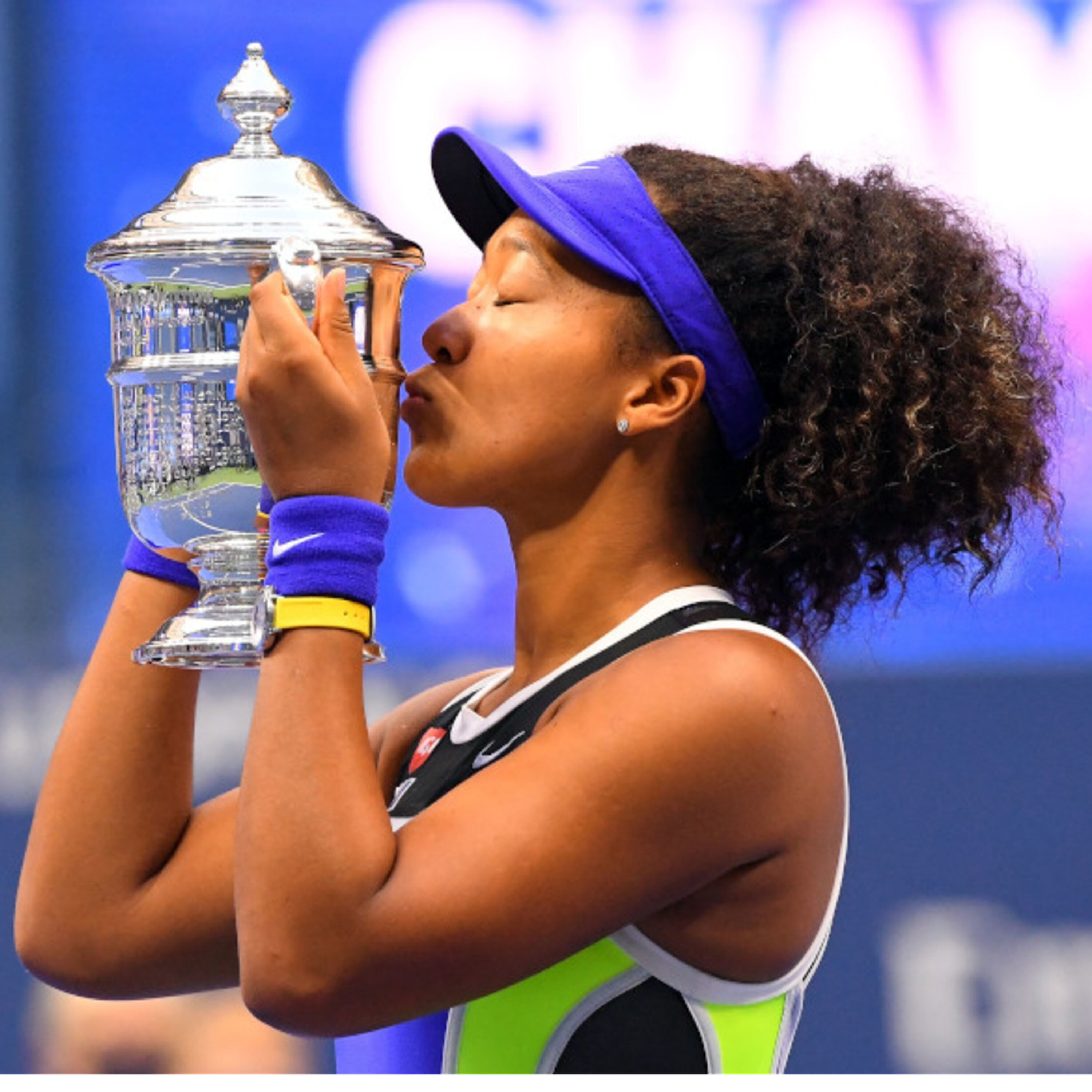
Rennae and Caitlin stay in their respective bubbles to recap the US Open—from deefs to Dominic Thiem, NCAA to Naomi Osaka—while looking ahead to the better-late-than-never European clay swing.
Hosted on Acast. See acast.com/privacy for more information.
See omnystudio.com/listener for privacy information.
2020-09-15
48 min
Transcript
Available Results
Generated results are saved to the knowledge database for reuse and search.
No generated results are available for this episode yet.
Extract Knowledge
Pick what you want extracted first. Model, scope, and chapter options appear after a template is selected.
Generated results for public episodes are saved to the knowledge database so they can be reused and searched later.
Transcript
00:00:13
Speaker 1: Hey, okay, okay, what a time to be alive to Well, you know, you could have just walked over to my house.

00:00:18
Speaker 2: Well, I wanted to respect the bubble. You've been in a bubble. I can't. I can't reintroduce you to society too shockingly, you'll freak out.

00:00:24
Speaker 1: Yeah. Well, I've had five COGA tests in the last like three weeks, so I think I would have been I know that I'm negative. You could have sat across the other side of the room. But instead of choosing to zoom me to do our podcast.

00:00:34
Speaker 2: You know what, I wanted to maintain a professional distance. I too, have been getting lots of coronavirus tests because my son has now entered his bubble. We're potting for his school, so everybody's real uptight about it. But my pod is pretty boring compared to your pod. First things first, you spent the last couple of weeks in a bubble. What's that been like? What give us the inside details.

00:00:55
Speaker 1: Inside details of the year sart of the bubble?

00:00:57
Speaker 2: Is it like et where he like goes and gets attacked by everybody in biohazards. That's kind of what I was picturing.

00:01:03
Speaker 1: Well, okay, I'm going to be really honest here because you know me, I wasn't in the player bubble. The player bubble was different to what I was in. I was in a different bubble with the ESPN crew and the ESPN talent. We were at the La Guardia Marriott Hotel and we were all there, so we were shuttling back and forth in our own private cars to the courts so we could stay you know, COVID free as much as possible. We were having tests. We were getting tested every four days. Like the players. The players were in a different bubble. They were in a really massive hotel outside in Long Island. You literally got i mean every player, every single one of them, was getting bussed in and out. It was kind of like junior days, you know, no private cars, no nice Mercedes bands picking them up, and they were getting picked up in buses and brought to the courts and shuttled through. You had to have a certain like tag around your badge to prove that you had done you COVID test, that you were your temperature was okay, and we had to do that as well, all the ESPN crew because we were the only media that were around the players, so They really were tight on us, making sure that we were absolutely you know, as COVID free as all the players. So you know, we went through every protocol. I mean you saw me anytime I got onto the TV courtside, I always had a mask on. I mean, everything was done as well and as appropriately as anyone could have asked for. And you know, we were calling matches even in our booths in separate booths. We were not in the same booths, so it was you know, the fact that we were actually calling matches not being able to see one another was pretty remarkable. And when I was courtside, so there's three of us in three different spots, so the fact that it came across on television like we're in the same booth was pretty pretty amazing. But for the players, I think a lot of them were fine with it. They provided a lot of you know, extra extra fun events at the hotel and you know, golf simulators and pool tables and you know, all the stuff that you can you want, and I mean for a week or two, you can deal with it. And I think a lot some players even really liked it because they like sort of isolating and they don't necessarily don't necessarily love the nightlife or anything of New York. They just want to go about their business. And a lot of them did that, a lot of them did well, or people kind of like that. Yeah, it was interesting to watch, first of all, the players watching each other. It seemed like a big source of entertainment was sitting in those earth or ash suites and watching the other matches. Sometimes you can see players watching each other, scouting each other maybe, but it looked like they were actually just watching for fun, right, Like it was maybe one of the few things you could do when two were on the grounds, and it was really nice, Like it felt like they were spectators like we were. Yeah, I actually said on the air, I think I said, I'm kind of requesting that the USTA get a suite and make it for players only. I think it'd be so cool because so many times, you know, players love to just like love to see and watch. And one thing we do is when we're waiting for matches, we all sit and watch the television in the locker room. So this time, rather than sitting and watching a locker room, you saw the players out watching it live and in person in their suites. Obviously, those suites won't be available next year, hopefully as long as the crowds are back. But I think it'd be cool to have one suite available just to the players and see who kind of goes up there and watches matches. Obviously it's a lot of money for the USTA to lose out on, but I don't know, maybe we can get a sponsor out there. Maybe we get a sponsor out there, the sponsors, the players, the players suite so you can see players go up there and watch matches. Because it was super cool to see it. And obviously Alex, I mean zvereventein we're out all the time. They're always watching the women and you know you saw you saw Sophie Kennon and as a Rank and Kim Klysis and yeah, it was cool. It was great to see.

00:04:50
Speaker 2: Look, when you're in ash and you're invited to go to one of those suites, and sometimes those are you know, the most luxurious experiences, get a ticket that also corresponds with a seat, and for whatever reason, the extremely rich people who are invited into the suites don't always use up the seats in the stadium, So it would be really cool if they were just to allow players to take those seats whenever possible, and then you can like you know, scan the crowd and see them, see them watching and cheering. For me, it was like a really really cool value add just because they like tennis as much as we do, as it turns out, and they like spectating as well.

00:05:26
Speaker 1: One yeah, but I and the problem is the great thing for the players is that they didn't have to and I don't want the fans to take this the wrong way, but they didn't have to deal with the fans. They didn't have to deal with the fans asking them for autographs and asking for pictures. And you know, most players don't get to go and watch tennis matches live because they get kind of hassled for photos and tickets and autographs. So I mean, you know, for autographs and things. So in this respect, they knew that they go and sit and watch a match and not be kind of, you know, harassed by the public. And I mean that in the nicest way, but you know that's part of it. I Mean even players talked about, hey, I'd never walked out to the court the Court of Champions that you know, the entrances, and they hadn't even seen their pictures up or there, so it was nice to them to sort of walk around the actual grounds and because I didn't usually get to do that.

00:06:16
Speaker 2: That's actually really interesting and cool for everybody who doesn't know the Court of Champions is that entrance. It's sort of the south part of the stadium that you come in, sort of opposite Arthur Ash when you don't come in on the seven train or the L double R and it's a part of the stadium. I don't think, yeah, a lot of people see because a lot of people just go to Ash and you know, I think my favorite part of the US Open is just getting a grounds pass and going and wandering around. So it's really cool to think the players could do that too. So, while we're still on the subject of the bubble, most people seem to be able to handle the pressure protocols rule following that a bubble requires, but not all of them, including my favorite Benoa Pere.

00:07:00
Speaker 1: Well, if there was ever a player that was going to get in trouble, it was going to If we had to take a guess out of ten players, I think that Ben Wi would be at the top of the list, and as much as I know, Caitlin that he is without question your favorite player on tour. He is also a bit of a disaster, as you know. So the fact that he's the one that got the first positive COVID test for a player and then subsequently cost many many players an opportunity to play, that he's open isn't a surprise now this word on the street of how we got it and why he got it and etc. Etc. And why the test came back positive and then apparently had another test positive, and any tested negative eventually who knows, but of all the players, it's not a surprise it was our little ben Hua pair.

00:07:49
Speaker 2: Do you think it was fair for the USTA not getting into the gossip that we've heard that maybe some of his extracurricular activities were to blame. We don't know that, but we do know that what you just alluded to, which is a whole bunch of other players, some of them French, some of them very prominent. Christina Bladenovitch and as a sort of casualty, her partner to Mayo Babosh and among others, were removed from the tournament because they in the county that they were residing in the bubb All the rules were that they could not be outside. What do you make of that? If you're Kiki Moladenovitch, are you pissed?

00:08:28
Speaker 1: Well, you know, unfortunately it was kind of out of the hands of the USTA, I mean once it was in that county. Those were the Those are the sort of the rules or the laws that if anyone was exposed to someone with COVID within a fifteen minute window that they had to quarantine as well. And you know, I know because I spoke to Kirsten Flippins and she basically came downstairs and was standing around those guys while they were playing cards for fifteen minutes and then went back up to her room, and so she was exposed to them for you know, ten to fifteen minute time frame. She wasn't quite sure, but you know she got lumped into that group as well. You know, it's it's I don't even know how to put it, Caitlin, Like, I feel sorry for everyone that went through it. Everybody knew sort of like what the protocols were and what the rules were, and and everybody knew if someone someone was exposed to somebody else that they were going to have to deal with the ramifications of that, and sadly that's what happened. You know, I don't think we're ever going to see this situation again. But unfortunately, those were the laws and where they were in Nassau County, those were the rules. Now from what I heard, Manorino apparently had left the bubble to go play his match before the ladder or information had been sent to the USTA that he was not supposed to leave the bubble, and once he was on site, they kind of it was kind of out of their hands as far as I'm concerned. I think he had to have permission to play that day, but once once he was, I mean, if he had won, that would have been a very different story. It would have been almost even more controversial. But he lost, and so therefore he had to go into quarantine. And Miladanovich had not left the courts and that left to the courts by the time they knew the rules, and so therefore she could not leave the hotel. So that was kind of what happened, and it was a little bit out of the USTA hands. I feel sorry for Stacy. I feel sorry for the USDA, because I mean, they really did everything they could to keep everyone safe and abide by the rules, and unfortunately we had that incident.

00:10:28
Speaker 2: I mean, honestly, I'm not surprised, kind of to your point that a something happened and that be my guy, Benoir, who is not my favorite player on tour. He's my favorite personality on tour, and that is a different distinction that I just want to make sure our listeners appreciate. There's a lot of things about ben I appreciate that it has nothing to do with the way he swings a tennis racket. If anything, that is one of the lesser the lesser appealing moments. But I think, truly, considering how high the degree of difficulty was for pulling this off, the USCA did any phenomenal job. This was a high wire act. And the fact that only a few people got deefed for this reason anyway, is I think kind of incredible. And I want to come back to what they pulled off, because now all our eyes are going to be shifting to Europe as Rome and others, notably Rolandgaros is going to try to do the same thing. But we cannot get off the subject of being deefed without talking a little bit about Novak Djokovic. Your commentary that day stood out to a lot of people for its clarity, it's passion, but also the concise and comprehensive way that you explained for those of us following along at home what had happened. So very briefly walk us through what happened, and then let's get into the whys and the house and the back splash to the backlash that's still going on about it that we're probably never going to get clear from.

00:11:57
Speaker 1: You know, Novak was obviously a little bit paved. It was either that game or the game before, and he belted a ball on the side of the side of the court, and I remember James Blake saying he's going to be really careful to do that because if he hit somebody, he'll get defaulted. Literally the game before, and so then he lost his serve and he probably felt like he could have won the set. It was a very close game or two, and he probably felt like he should have already won the set. Anyway, he got very annoyed, and when he lost his serve, you know, he took the ball out of his pocket and he just he didn't really look and he just kind of hit it to the back fence. Now, did he absolutely rip it. No, he didn't rip it like he did the game before, but he still hit it backwards in he was angry. He lost the game, so there was no doubt that he was frustrated and angry, and so he hit the ball back in the backstop, which to a tennis player is really dumb, okay, because you know that the one place that you can hit someone is when you hit it backwards, because you know there's ball boys and linesmen back there. And so you know, he did that, and the lines lady was standing in right in her position behind court, and you know obviously wasn't paying attention to him because she may have been able to put her hand up, but he hit a ball and hit her in the neck. And I mean, you know, as a tennis player, when you do something like that, you're done. And he knew immediately that he was going to be done. I could you could tell from his reaction. You could see it on his face. Every single person. I was watching it on the in our green room at ESPN because I was on the desk that day, and I stood up and I go, guys, we've got to go to the desk. He's done. There's no that's it. He's done, you know, And everyone was kind of reacting differently, and I said, he is done. There is no chance he's not going to be defaulted. We've got to go to the desk and you know, I mean, Brad was trying to make it just a comment on that he would like to have the umpire have a television screen to be able to review something like that. And my answer back to Brad and in the end was yeah, we would all like to see a TV. I think the umpire should have more looks at something. I think they should have. But the issue is, that's not the issue today. The issue today was black and white. He turned around, everybody knew it was him. He hit a ball, hit a line Slady very dangerously in the neck. She couldn't breathe for a second. It must have been very scary for her. And he was done, and there was there was no choice from the umpire. I know from the referee. He walked out there. He did not know the referee what had happened because he was in a meeting. So he took the word of the umpire and they went through it blow by blow. Another referee, Andy Egglely, was there and explained what he saw as well, and there was no choices on him. He just said to he to Novak, you know, he gave him his piece. Let him speak his speak his mind. But everybody knew that there's no way around this. And it was sad for the tournament. It was sad for Novak, it was sad for Karano Buster who had just broken him. Who knows, who's to know what would have happened in that match, and he was sent packing. And you know, obviously a lot of people thought he didn't do it in anger. It's got nothing to do if he did it in anger, if he meant to hit the lady. Clearly he didn't mean to hit the lady. We all know that no one would ever try and hit anyone on a tennis court. But the rules are in place for the rules to protect the linesmen, the ball kids and the fans if they're there. And we've seen stuff happen in the past where you know, Shapovolov hit and hit a ball that didn't of course, didn't mean to hit the umpire, hit the umpire in the eye, a guy almost lost his eyeball, so you know, we have those rules for a reason, and whether someone has intent to hurt someone or not is not the reason why they get defaulted.

00:15:33
Speaker 2: Anybody who plays tennis knows the second you hit your racket, a ball, anything that is in your control on an umpire, there's not a need for a review. The rule is black and white. As a matter of fact, I had a coach who took my racket away anytime I slammed it on the ground, which is why I hate when players abuse their rackets just because it seems so you know, on Unsporting. I think your commentary on ESPN was so amazing to me because it was in the moment and you so clearly articulated that you knew what it was like to be a hothead on the court, and you knew every time you would take that gamble that if something God forbid would hit somebody, then you're out. Now, what I want to sort of bring up with you is that there are a lot of players who snack balls around and do it pretty carelessly. Novak is definitely one of them and has been for a long time. I'm a little surprised this has never happened before. There was an incident where he threw a racket in Rome. The umpire would have been hit had he not been looking and moved out of the way. You know other players, players we know in love, but who have thrown rackets and if they get unlucky, they get unlucky. Do you think that there's any sort of contrite niss to Novak based on what you saw from his reaction, Did he seem to grasp what had happened or does it not matter because he got the deef and losing in a tournament where he very clearly was the favorite. Maybe his punishment enough. What do you think about that?

00:16:57
Speaker 1: Yeah? I think the punishment was enough. I think it was a massive lesson learned by him. He now didn't didn't add to his Grand Slam record, which you know may come back to buy it in one day. I don't know. Yes, he has been contrived before in press conferences. We showed it. I believe we may have showed it on ESPN when he was asked by a reporter at a tournament in Europe when he hit a ball that went very close to alignesmen in the past, and he said, aren't you worried you may hit someone? One day and he really blew it off and was like, come on, you guys, like you know, and I mean it's on the internet. You can you can look it up. So I think this was a lesson for him. I mean it's a lesson for it's a lesson for everybody that you have to control what you're doing with your racket and with a ball in your hand. And he actually threw his racket the week before in the Western Southern and he almost he almost hit a security guard, so you know, they I don't know if you'll stop doing it, and maybe just a reaction that he can't help himself because he does hit the ball back quite a lot a lot in matches. But I hope it's a lesson learned by him and for a lot of tests by is that you got to be careful or if it can happen to him, it can happen to anybody.

00:18:06
Speaker 2: Yeah, for sure. And I think, you know, obviously we'll see a few responds by going out and winning the French Open with like a newly sort of invigorated sense of mission, or if he kind of goes on a walk about. But there is something else we should briefly talk about when we're talking about Novak Djokovic, which is the and this our tweeters asked us to talk about a little bit, which is the creation of the PTPA, the Professional Tennis Players Association, along with Vashek Prospicil, which aims to do something. And I think I'm not trying to be glib about what it's aiming to do. I think John Wortheim, in some of his famous fifty Takeaways from the US Open column, kind of listed the efforts he had made to try to get an answer out of various folks who had signed up for this thing. Is it a union, is it an association? Does it violate the Sherman Act by being a union of independent contractors? There's a lot of questions, but the biggest one is why didn't they include the women? If this really is supposed to be about making sure players are treated fairly as a as a group, and they don't currently feel very well represented, why not include the women. The picture that they had announcing their new organization, which was I think majority white guys and all men, was not terribly terribly inspiring, you know, And I think I reacted with a lot of skepticism. I'm open to hearing that maybe I'm not being fair, but given the history of the folks involved, I'm not really excited to give them the benefit of the doubt. But I wonder, what, if anything, you kind of make of this.

00:19:46
Speaker 1: Well, apparently Novak said on out a couple of women had been approached, but that's I have not heard that. So even if a couple of women had been approached to discuss this matter, they should have been in that picture. They should have been a part of that conversation when it happened, And the fact that they weren't proves to me that this was not the right timing. And some people might say, well, when's the right timing. The right timing is when you do have women sitting at the table representing the players only. I think the premise behind getting a union for players or having a players representative solely is a great idea. I think it definitely needs to be. If you talk to any pro they will all tell you it's a good idea, but there is a lot of work to be done with it. And I think what we saw with that picture and with the subsequent you know, sort of running around the questions, is that they didn't have women at the table, and they still haven't brought them to the table enough to be able to be out in the public. So that bothers me. And if anyone watched the US Open, they clearly know that the storylines with the women are starting to become a lot more interesting than the men, and without Rafa and Roger, it's a problem and they need to recognize that, and they need to understand that Tannis is cyclical. You have stars in both sides when it's the WTA or the ATP. And clearly the men have reaped the benefit of having two of the greatest sports athletes and most loved universally loved athletes in Roger and Rafa, you know, looking like, how long do they have left in this sport? Now? Novak is undoubtedly an international superstar and could possibly go down as the greatest tennis player of all time when he's finished, but his university he's not universally as loved as Roger and Rafa, and that's just a fact. And when they go away from a sport, can Novak turn into that person? Absolutely? I think Steffie sort of took over that mantle because she was very quiet and shy, and didn't really wasn't seen in the public very much. But then you know, as she got older and people started to really appreciate her and really love her so much, you know, And maybe that might happen with Novak and Ruffa and Roger retire. I don't know, but they have to understand the men that the women as vital to them and the future of tennis as anything. So I mean, my little bit of it is the timing was not great. It should not have been during the USOP and when they were trying desperately be put on the biggest sporting event in the world during the coronavirus time and to give support when they needed support, and that was not the time to do it. And at the end of the year it should it should have been at the end of the year when both of these tours are struggling financially. The usopram was, you know, struggling to put this event on, and it just wasn't It wasn't good timing.

00:22:40
Speaker 2: I also thought, you know, look, it's it's coming up on the anniversary of a lot of notable moments for women's tennis, the WTA's creation, Billy Jean King, you know, what a missed opportunity to sort of say, to your point, we know tennis's cyclical. There's been some chatter. Roger and Raffa both expressed some support about a joint tour. I think had Novak and Vas come out and said, yeah, and we have five women already excited and signed up for this from the WTA tour, what a different message it would be. I have to imagine they don't care about the women, and that's sort of an unforced error. Maybe I'm reading into it, but these are not players who have expressed any interest in securing equal pay for women or talking about the women's game very much. You know, I'm not particularly inclined to give them the benefit of the doubt, but maybe that's unfair. I don't know, what do you think.

00:23:33
Speaker 1: Well, when you've got people on the record saying what they've said about women's tennis in the past, I think we've already answered that question.

00:23:39
Speaker 2: There you go. Let's talk about the next generation of men stars. I was really pleased, truly, truly that we had two men not in the Big three contending for the final. Truly. I have a lot of opinions about the final itself, but This is not a podcast where we want to necessarily break down somebody's service motion, although Zverev serve at times looked like my service motion, which is not a good thing.

00:24:30
Speaker 1: You know.

00:24:32
Speaker 2: Look a comeback, a very very very tightly contested, if not really well contested final on the men's side, and we have a new champion who I don't think anybody would take it away from the dominic team. I mean, he deserves it. He's been in three Grand Slam finals prior to this, each time inching closer. You know, I think that that's a great result. I hope he can win more, even when Rafa, Roger and Novak are still in the draw at later stages. Do you have any takeaways from the men?

00:25:01
Speaker 1: Yeah, listen, I agree with you. Look that I think the standard of the final. Both of those players will agree that they did not play at their best. But interestingly enough, what we saw was two guys trying to win a Grand Slam for the first time, knowing if they had been playing Roger or Rafa or Novak, they would have played better. In my opinion, they would have played better because they would have brought the standard up to such a level. Knowing I mean, we saw it from Dominie. He was so close to being Novak could be straight open. I mean, that was such a great match. So I think, you know, they both sometimes you play to the standard of your opponent, and not saying that they're both not two great players, meaning that they know they probably if they played really well, they can win, as opposed to against the other three, they probably feel like they have to play one of their best matches. So I think down the end, I think what we saw was two players. I mean that will be the first to say that they were choking their balls off. Okay, they were choking so bad. I mean the fact that Zverev, who six foot six, served what was it, sixty eight mile an hour for seventy.

00:26:04
Speaker 2: Eight sixty eight sixty eight it was in the sixties.

00:26:07
Speaker 1: Was it really, Oh my god, it was, you know, and it barely got over the net, and I thought, oh my god, Like I felt so badly for him because and on the other side, you've got team who's choking in the fact that he's cramping. I mean, I don't think that was physical for him. That was emotional that was causing him to cramp. You won't get a fitter guy, you know, and he hadn't played super taxing matches, so I think he's choking. Came in the form of his body saying, oh, just just tightening up so bad, and he was cramping, and poor old Sasha was like, had more opportunities than anyone I've ever seen in history to win a Grand Slam, and neither of them could close the door. And I thought Jerry's comment on Twitter was classic when she said, you know, you can hit the winner to win a win this match, and it was I mean, but having said that, Caitlin like, I have not been there for a win, to win a single semi final, but I have been there and felt those emotions of feeling like my arm was like picking up sixty four bricks instead of just a tennis racket, and that your heart rate is racing and your whole body is shaking, and I'm sure that both of those guys were going through that, and it was just nice to see two really nice guys play to the bitter end and that handshake between the two of them. I love that they hugged. I know it was in COVID appropriate, but I love that they hugged each other and gave each other the respect that they did, and I think Dominique deserves it because he's been so close for so long now, and there's no doubt that Sasha will win another one. But I don't know the speech at the end when he cried and he couldn't have his parents there because of COVID and just everything. I mean, the match was not at the highest equalities, but I'll tell you what the drama was, and that's what we loved tennis.

00:27:49
Speaker 2: Yes, the drama certainly was, and look, I only made it to collegiate tennis. But actually, in a weird way, what I was watching yesterday reminded me a lot of our collegiate matches where you're the last one on the teams. Have you have leveled it, You're carrying your whole team on your court. Maybe the level isn't great, but you're just trying your hardest to get something over where your body won't cooperate. I mean, it was relatable, if anything, which made it seem as hard as I'm sure it is to win a Grand Slam, right Like winning a Grand Slam is not easy, and the people we've had playing them have made it look like a walk. In the park. And what yesterday's match actually was kind of refreshingly illustrative of is that it's really, really, really fucking hard to win a Grand Slam match, and it showed in their faces.

00:28:33
Speaker 1: Well, I mean, just to finish it and put a button on it. The fact that you saw Roger Federer lose a Wembledon final with two match points serving proves to you how hard it is to win a Grand Slam. So yeah, I mean, kudos to both of them. I like them both so much as people, and I hope I see them play another Grand Slam final. It's just a little bit better quality, but I hope that they bring just as much drama.

00:28:56
Speaker 2: I think they probably will. And I want to make a note just because I do want to talk about the women a little bit before we talk about the clay swing that is upon us it's happening, which is you know, I mentioned college tennis a little bit ago. There was an NCAA champion into the Semis who played an amazingly good match, coming up a little bit short against Nami Asaka, who is Jennifer Brady, who's having a bit of a breakout moment after having a couple of years on tour middling success, goes to Germany, gets a bunch of serious training under her belt for I guess a year or so, and then comes back rejuvenated. Let's talk a little bit about her run and whether college tennis might or might not have had anything.

00:29:39
Speaker 1: To do with it. Well, listen, first of all, Jay Bray is some of the one of the coolest chicks onto her. She's so fun, she's so great to be around, she's so humble, and you know, I remember a couple of years ago when she played Carolina Pishkovin I think it was the third round of the USO, and she was so it was so beyond her. She was so overwhelmed by the moment. And then to see her couple of years later have gone to where she's gone emotionally. Michael Guesser, her coach now, has done such a great job at sort of bringing all the ex's and o's into her game, making her train hard, making her work hard physically. She's got the fitness coach, she's got you know, she's got all the right ingredients is around her now. And when once you once you have the game, which she always had, and then once you have the right people around you, then you can reap the rewards. And that's what she's done. And she has everything in her game. She doesn't have a weakness. She has a huge serve, she has great Grade fourhand, her back end has improved so much. Her movement around the court is exceptional. She bollyes, well, look, this kid can win a Grand Slam. There's no doubt about it. I just think when you think about how close she took Naomio sack in that match, she didn't. In my opinion, I don't think she really, really, really deep down inside believe she could win that match, and I think that's the only thing that cost her, because her game was good enough to win that match, and then you saw what Naomi did my subsequently winning the tournament. So I hope Jen takes a lot of positivity away from this and knows that, you know what, next time, I'm not going to let that chance slip and I'm going to really believe in myself, which is a reminded me of Sam Stoza first time she made the semi finals of the French Open and then subsequently won the US Open a few years later. But I think with Jan she wasn't mature enough, wasn't good enough player, she would say. Before she went to college, she was kind of, you know, a very shy kid and wanted to leave Florida and get as far away as she could from her family. I mean she says that, not her and not not because she doesn't like her family, just because she wanted to get away and you know, have that moment. So she went to USA Land. She had great coach there in Stella Sampress, of course, Pete Sampras's sister, and Stella basically pushed her out and so Jenny, you're ready, like, let's go after two years, similar to someone like e. Lisa Raymond who dominated a college and was like, get out there and start proving yourself to the professional world. And then it took her at a little time to get comfortable. But we now see how good she is as a player, and there is no question in my mind if she continues to do and play the way she does and believe in herself that she can win a grandson. There's no doubt in my mind.

00:32:05
Speaker 2: Well, I do want to address the fact that, you know, college tennis is sort of a little bit more prominently discussed nowadays there are a lot of pros men and women who have played at least a year or two, which for a long long time wasn't the case. You know, if you have to go back to the days of McEnroe really and Jimmy Connors and a few others who who played a couple of years of college tennis. Obviously the Max played at Stanford UCLA had a really good team, but for the most part players would would skip straight to pros And I think that obviously works for a lot of players, but I don't think, you know, it should be counted out that some can get I mean not if you're a player like me who like you're lucky to play college tennis and get a free education, but if you're somebody who's really really good and maybe just needs a couple more you know, years in the barrel, as it were, to you take her strength to get that variety.

00:32:55
Speaker 1: You need refining and you need confidence, and you need to have time away from your family and home to know if you can't make it in college, you can't make it on the tour. That's just bottom line. So if you can make it in college and realize that you have the fortitude to play in a team environment, which is not easy to do, and have the responsibility of winning all the time on your team. You can then take those lessons learned on the tour. I stress so much for people out there that have kids that they're not quite sure about. Send them to college for a year. It can, It won't hurt them if they're not ready, if they're not lighting the world on fire, don't take that opportunity away from them. When they can have that, they can turn pro. Daniel Collins is a great example. Semi finals a franchise Austrain and Open. Now Jenny Brady semi finals of the US Open. These girls both went to college. Daniel Collins finished college, so there's plenty of time. Women and men are now playing into their mid to late thirties on the tour, there's plenty of time. It's not a sprint anymore, it's a marathon. And if your kid is an emotionally avail, isn't emotionally ready to be a professional, college is a great option to send them to a good college team with a good college coach.

00:34:07
Speaker 2: And it would be great to see more local kids take advantage of it, just because there's a lot of these teams are sort of under threat of being defunded. And for me, you know, most of my college team was Eastern European players who I loved and became really good friends with. But it was interesting to sort of see how few American kids seem to want to be able to make that part of their experience, you know. So for me, college tennis was you know, obviously a transformative experience. But I would also say some of my contemporaries went on, you know, and had decently successful pro careers. But let's talk about the final. Let's talk about Vika Osaka deserves attention. Naomi has had such an amazingly poignant moment. I don't think I can add to a lot of what's been said. You interviewed her on court a lot of this tournament. Naomi deserved it. I'm so thrilled this is her moment, you know. But Vika, for me, what a fantastic, fantastic turn of events that we have her back. She's back. Do you think she's back?

00:35:08
Speaker 1: Oh yeah, she's fully back, you know. I mean, obviously we had her on the podcast, and you know, we heard how tough the last year or two has been for her emotionally career wise, you know, just all the ups and downs that emotionally she's had to go through. So yeah, for us, it was so great to see her do so well at the Western and Southern and end up, you know, winning the tournament. Obviously she got the default in the final, but still so such a deserved tournament there and then and then to back it up, back it up to get to the finals of the US Open, and honest to god, the two women's semi finals. Wow, I mean the standard of tennis between Serena and as a ranker was out rageously good. And I was courtsied, and I mean they were they were just giving everything. It was so nice to just sit and watch two amazing champions just go at it and then you know, shake hands at the end of her tap rackets or whatever, and then that proceeded. That was after that Jenny Brady and Osaka semi final. That was unbelievable. So, you know, the women's standard and the fact that Vicker could get through all of those matches again back to back, I mean she won you know, as I said, she played all those matches at West and Southern and back it up and have the run that she had in singles and make the final. And I tell you she was in my opinion, if she makes a better backhand shot at too Love in the second forty thirty and wins her service game, I don't think she loses that match. It was the first shot of the day that I saw her get nervous, was the backhand that she should have in my opinion, put hit down the line and won the game. And she got a little tight and I noticed it right away and I went, oh god, that was the first tight shot she's hit. And Naomi sensed it and it was the same as what she did against Serena the night before when Serena mister backhand returned and got too Love. I saw tightness in Serena, and a great champion like Veka picked up on that and said, Okay, I'm still in this match's going She's not going to blow me off the court today. I'm hanging in there. And there's exactly what Naomi did in the final. So you know, everybody out there, just because you're getting blown off the court doesn't mean that you can't win that match. I mean, look at the Semis the finals and look at the men's final. You just got to sometimes hang in there because it's really really hard to play a perfect match.

00:37:22
Speaker 2: Yeah, it is. And I think that that evening of tennis following the Osaka Brady match that you just mentioned is the that was the night of the tournament. Those are the two best matches of the tournament by a large margin. I mean, it was so thrilling to watch because I truly didn't know who was going to win any of those matches, and I kind of decided going in I was going to be so happy for whoever emerged only from that night, but also holding the trophy over their head. And I'm really pleased with how it played out because I think Naomi this is her moment. It's a really really profound and mature and amazingly stoic thing she was able to do, and she did it, which was not only play lights out tennis to lift her third Grand Slam trophy over her head, but also have a narrative about police killing black people unjustly in our streets in a way that was so impactful that she turned questions around on interviewers and Japanese media is now doing profiles of young, middle aged women, men, people whose names have been on banners and on masks and are now coming to life and the imaginations of you know, people across the world who are trying to get an understanding of what's going on in our country. And it's because this girl was playing not only for herself but for an idea. And it's really really inspiring and it makes me feel really good about where tennis is, especially on the women's side, just as a way to sort of speak to the culture and using a platform to lead. I thought the tournament did a great job. I thought ESPN did a great job, and most notably, nami Osoka just all the credit in the world for not only making that her moment, but backing it up with a win. Because, as Billy Jean King says, you know they're not going to listen to you unless you win. She knew that she wanted to put her money where her mouth was, and she achieved greatness for gender equality. Nami Osaka is in the middle of fighting for the same thing, and I think we're all we're all behind her. So with that said, going into Clay, I was so happy this morning, Renee, when I woke up very early. As you know I do, and I turned on the TV and it was already like middle of the match from Rome today. It was so nice to see Clay Courts on my screen. It was so nice to have the European timing, so matches were already happening in the morning. I'm thrilled. What can we expect in the next couple of weeks as the tournament, as is, the center of gravity in the tennis world, goes to Europe and then culminates. I guess with the with Rolangaros, a French Open that's going to be held under some kind of normal circumstances, what.

00:39:59
Speaker 1: Were we well. I think the French Federation has to do a bit of tweaking to their protocols, is what I'm hearing. So we'll see what happens. They know what the USCA went through, they know what the US Open went through. They also know, other than a one or two situations with Benoir and those players, how successful it was for them. So I think they start to get a little bit panicky when they're you know, COVID cases in Europe are definitely not flat. They are definitely going up in various places, including Paris, including France, so I think they're going to have to tweak a little bit of the protocols about how players house, what hotels, what they're doing, how they're getting around the site, how they're getting around the city, because it's very different to how the US Open was put on. So I think they have to be very very careful. If they managed to get the tournament going, they're reevaluating how many fans they're going to be letting in, which it's pretty incredible that they're even thinking about doing that. It's going to be interesting to see when the first ball is hit at Roland Garris what the protocols are going to be, because I have a feeling they're going to change a lot in the next couple of weeks. Now. Having said that, players are also in Rome, they are supposed to stay in the hotel, supposed to stay in the bubble, but again I don't think it's as tightly monitored as it was at the US Open. So on that note, players are going to have to really behave themselves to get through this time without having a positive test, because if you have one or two positive tests, that really can turn the whole tournament into a shit show. So we'll see Caitlin. I mean, I know that you love the red clay, and I'm hoping that Roland Garris goes off with no glitches. That's up to the players to behave themselves.

00:41:48
Speaker 2: Let me just ask you a question. Look, we're sitting in a country where half of this nation, or at least the vocal minority, can't handle wearing a mask to safeguard the well being of others. And they can go fuck themselves because my kids not allowed back.

00:42:02
Speaker 1: And that's what that's what I was about to say. And they can go fuck themselves.

00:42:06
Speaker 2: They truly can. What is it about these tennis players that's hard about staying in a bubble? It's it's just kind of human fallacies. There's something specific about the individual nature of tennis that makes you really, really really have a hard time far.

00:42:19
Speaker 1: I don't think it's got any to do with tennis, to be honest with you, Ka, I think it just it's just a human It's just a human nature to hug and to you know, high five, and to want to go to dinner out and not have room service in your room every night, and like want to walk the streets of Paris or Rome or New York or you know, Istanbul or Praug. You want to go out, you want to see people, you des I'm fine, I'm not sick, like maybe I can just go for a quick dinner, you know. So it's just it's it's human nature. It's really not tennis players. It's I think it's human nature. And I think that there are some people that really are very you know, adverse to causing any problems or being troubled, you know, being the one that's going to be the problem child. And then you've got the ones like the you know, Benoipers who are like, I'm just skirt around the rules a little bit and I'll be fine, you know. So it's up to the individual players and to protect all the players, you have to protect yourself. And you know those ten or eleven players that were around Benois playing cards, I'm sure they're not too happy with him either. So it's a double combination. You want to be the one go ahead, go out, go have dinner, go to a bar, whatever.

00:43:37
Speaker 2: Who On a more positive note, and we can leave it here because I'm sure we'll be checking in at least at some point in the tournament. Favorites, who's well poised for this. You have to imagine Rafa on the men's side, is I mean, in any situation, he's the presumptive favorite, but especially because he's been training unclear the whole time, like you didn't even bother with the hardcourt season. He's just in there getting his mind perfectly aligned to win yet another Rollongaro's title. Can anybody come close to stopping him?

00:44:08
Speaker 1: Yeah, I think Dominique team and I think Novak will be there. I think that they are good enough on clay to beat him. But he definitely goes in as the favorite again. Shocker, what is this twenty team he's gonna win? I mean, it's just seven.

00:44:23
Speaker 2: I don't even know. I lost camp.

00:44:24
Speaker 1: I mean, it's just insane. So he definitely is going in the favorite. But I think Dominiq team's got to feel really good about That's a huge amount of confidence to win a Grand Slam. You know, even if you haven't beaten top the top three, you still believe that you can do it.

00:44:35
Speaker 2: Any think the finals for the past two years, slowly creping up on Rapha last year he got a set, two years ago had a single set, and maybe he finds himself there again. You know, only needs his three sets.

00:44:46
Speaker 1: Well, and when you have beaten someone and when you've done it and you know how to win a slam and you know what emotions it's going to be, and you believe in yourself, I think you believe in himself. So yeah, I think Dominique and Novak would the only two that can even remotely be close to Rafa. And on the women's side, I mean, you know, I'll give it a I'll give it a beat or two just to see how Rome goes. Rome has always got such a great indicator for me. But Simona hall Up is going to be there, obviously, because again she's been playing only on clay this whole time, so I think she'll definitely be She's the definite, definite favorite. Naomi, I'd be surprised if he not only plays. To be honest, the French open on.

00:45:25
Speaker 2: The surface under the best of circumstances, and I was a little bit of an injury with that hammy, which is notice.

00:45:31
Speaker 1: I just I don't think clay's her best surface. And you never know, we'll see, but Soa goes in and his favorite and then you know the usual suspects that are hanging around from time to time, but you know, with the way women's tenus is going, who the hell knows is going to work.

00:45:49
Speaker 2: French one dark horse who you have gotten to know very well in the last couple of months, and we should leave it here. You know, you're you're your friend. The Montrealer Eugenie Bouchard was announced to have a wildcard and the main draw. Such great news just because she's had such a like great couple of weeks getting the final, from making qualities into Istanbul just a couple of days ago, had a good crack at maybe winning that championship, coming up short, but like you know, into a third set breaker, like she's she's playing well, she's on the app. I'm sure you've you've connected with her. She thrilled to be getting into the main draw.

00:46:28
Speaker 1: Yeah, I'm really proud of her obviously, you know, going through a bit of a tough year or two with the ranking dropping down and I think it was three forty when I started working with her, So so the fact that she's you know, wants to be willing enough to grind it out. She went and played Prague, you know, a tournament in Prague about what we went about five weeks ago. She made the couters there and had some really good wins over Koota Matoga, who beat pushed over at the US Open, and she lost a really tight match against Mertons, who we know had a great US Open as well. And then you know, she just made the finals in istanbul Be Kuznetso, a former French Open champion en route to that, winning seven matches there getting through Coullie. So yeah, I think it was a really deserved wild card. She's made the semis of the French Open before, you know, she's obviously top five former player. She's really grinding and working her way back. She's working with Gil Rayes and he's done a great job with her physically. So yeah, I think it was really very thankful to the French Federation for giving it to her. But you know, sometimes when someone has deserved it, and she I feel like ha Is deserved it over the last six weeks with her wins and from her past and what she's done there in the past, I think it's. Yeah, we'll see how she goes if she gets through a round to two. She's definitely one of those players that believes in herself, so we'll see.

00:47:41
Speaker 2: Well, there's lots to watch her, so obviously we'll have to check back in, and we'll do it in prison, because I'll make the effort to walk over to you after an hour.

00:47:50
Speaker 1: Yeah, can you walk like three friggin' blocks. It's not that far to me. You know. Maybe I've had enough of zoom. Okay, I've just called the US open talking to commentators that are in different I'd like to at least get into a room.

00:48:04
Speaker 2: I know, I want to see me in person. I get it. Everybody does skin in line. All right, until soon, my friend, you will.

00:48:10
Speaker 1: All right, are Reva.

00:48:14
Speaker 2: And that's it for this episode of the Racket Magazine podcast. Thanks for listening. Our host is Renee Stubbs. Our co host and producer is me Caitlin Thompson. Music by international renowned DJ Stretch Armstrong. Thanks to Tim or Jerry and then the team at ACAST. Find us at racketmag dot com, slash podcast, and subscribe to us at any of your favorite podcatchers
Chapters
No chapters available.