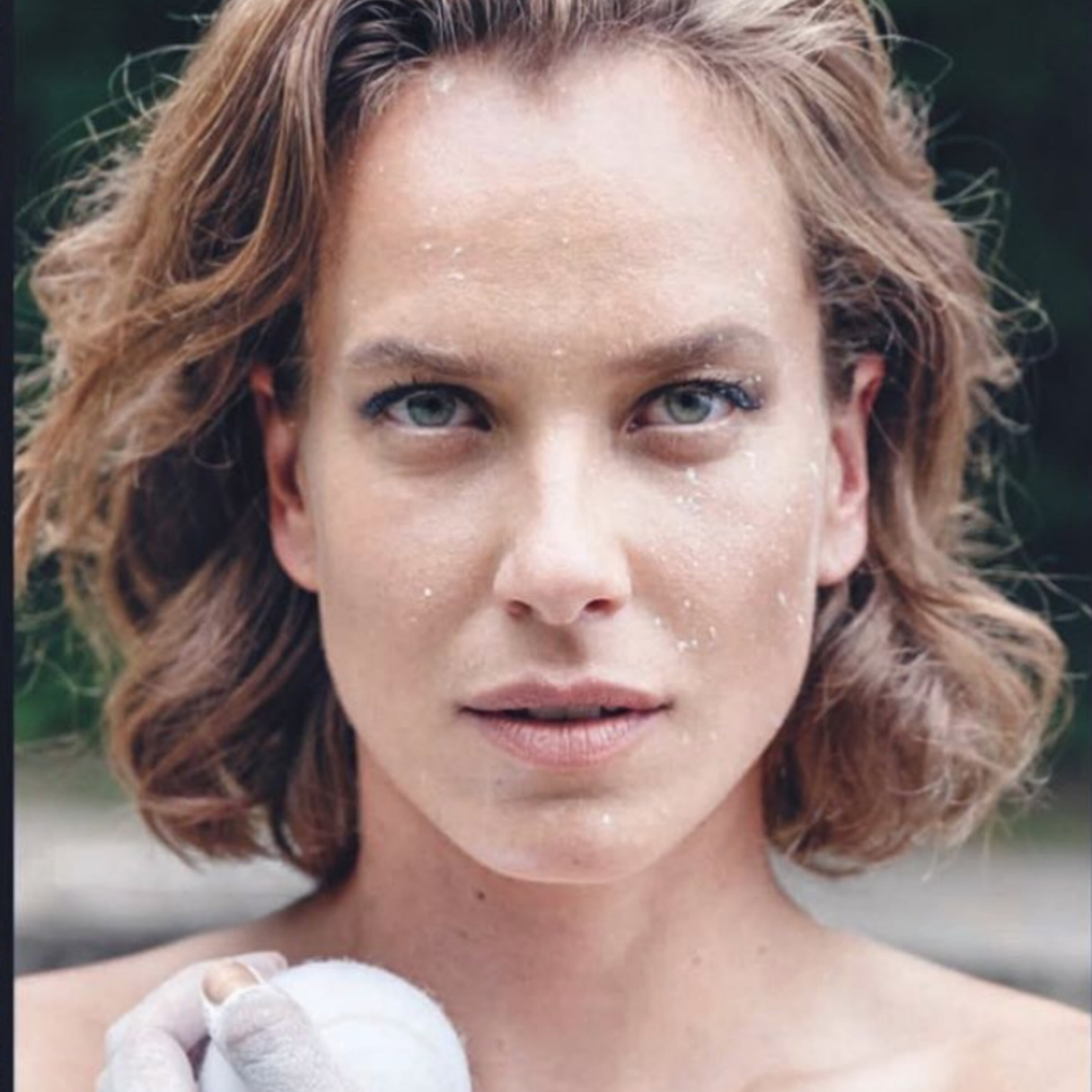
Bonus Episode: Barbora Strycova
Between matches in China, our cultural attaché Andrea Petkovic sits down with the ever-stylish Barbora Strycova to talk about life, fashion and moms.
Hosted on Acast. See acast.com/privacy for more information.
See omnystudio.com/listener for privacy information.
2019-12-18
32 min
Transcript
Available Results
Generated results are saved to the knowledge database for reuse and search.
No generated results are available for this episode yet.
Extract Knowledge
Pick what you want extracted first. Model, scope, and chapter options appear after a template is selected.
Generated results for public episodes are saved to the knowledge database so they can be reused and searched later.
Transcript
00:00:16
Speaker 1: So one of the episodes that we have for you on Recket Magazine is actually a very interesting one with our fashion correspondent Andrea Pekovic, and you sat down with a very interesting Barbora streets about in China, And you have any words to say about that event.

00:00:31
Speaker 2: Well, it was my first interview ever to conduct with somebody else, so I was very nervous, and I came early, and I had all these questions written down. And Barbora was somebody that's one year older, so I've always watched her in juniors. She was the best junior in the world, and I was very nervous to ask her to get her talking right. So I had this whole strategy in my mind made up where I'm like gonna ask her about a fashion to get her talking and then get into more in depth stuff. And like three minutes before she's about to appear, I look in my hands and I forgot my notebook of my question, so I'm like running coming back sweating. She's already there, like rolling her eyes that I'm late, and I'm like, I'm so sorry. But she was amazing. She really opened up. I'm not sure it was my strategy of making her talk about fashion first, but I just wanted to get her eclectic side into it because I think she really is someone special and eccentric on the court, on the court and off the court. So it was a great experience for me just for I mean, you've done many of those, but it was my first one and it was it was nerve wrecking in the beginning, but then I kind of got into it.

00:01:36
Speaker 1: I'm glad we got this virgin virgin to do this great interview with Bbora Streetzba, Sorr Andrea. Let's take a listen.

00:01:47
Speaker 2: Okay, if you want to hear it, I can send it to you. So I think I want to what do you want to start talking about the window or so I want to talk to you about your You have the other Instagram account right where you do your fashion and what I went through today, the whole I went to it before, but today I went through all of it. And what is really interesting to me. Your fashion sense is very casual, very cool, right, very Western in the sense. And when I come to think of somebody who's a fashion icon and the Eastern European states like Domitibukoa, her style is very different, very different. I don't want to judge mine either. I don't want to judge, but that's what normally Because I'm from Serbia, I know that's what Eastern Europeans normally go for, right, like fur and very out there and very sexy and like high heel shiny exactly to us westernners, it's always a little cheap, but that's what the Eastern Europeans like, and I know it. In Serbia, all the girls always wear like high heels, shortressice. So why do you think you have this difference.

00:02:58
Speaker 3: I love fashion. I like to shop, but it's not the most important for me. I love how they create stuff.

00:03:06
Speaker 4: I like to read about it. How was this T shirt great? Why this T shirt is so expensive?

00:03:12
Speaker 3: So this is really for me interesting and sometimes well most of the time in this house is like door channel. They make it by hand, and when you see how they create a dress by door, it's something really special and I'm like, okay, that's why we paid this money for that.

00:03:31
Speaker 4: Like twenty five people did the dress, And this is for me really interesting.

00:03:35
Speaker 3: But the fashion, what I like is that you don't have to look shiny and wearing high heels, but you can still look.

00:03:45
Speaker 4: Sexy different and sophisticated. For example, and this is really for me.

00:03:51
Speaker 3: You can have a Zara T shirt, secondhand short and really expensive shoes, and this is really nice, you know. And I like to combine and stuff and I like to play with it.

00:04:02
Speaker 2: Yeah, I think I can see it definitely. But do you feel like you're different in the sense when you walk out? For example, if you go in New York, you probably feel very comfortable. I do, But when you're in prag I wonder.

00:04:15
Speaker 4: Yeah, my family is like, what are you wearing? My mom can't go out like that?

00:04:21
Speaker 3: My mom, for example, these shoes, I'm like, yeah, it's brickerstruck Mom.

00:04:28
Speaker 4: I like breakers, Mom, Why you have to wear orange?

00:04:31
Speaker 3: And then I wear for example, short, like crazy short, and she goes like, no, no, you cannot go.

00:04:36
Speaker 4: But I feel in my clothes. I feel me and I.

00:04:40
Speaker 3: Really don't care what the other things because I feel comfortable. I feel confident, and this is really important for me.

00:04:48
Speaker 2: And do you think it was always even when you were young? I mean I remember you always dressing cool. But when do you think did it start you just had a Do you think you just have a hand. Do you think fashion is just your career. It in your mind, it's you or yeah.

00:05:02
Speaker 3: Yeah, that's a that's a good one because sometimes like we go for dinner and I'm already thinking I was gonna what I'm gonna mix, and I.

00:05:12
Speaker 4: Really like it. I really like to create something in my head.

00:05:15
Speaker 3: But I will like, whoa, this is a really nice combination, or this is nice combinations the.

00:05:19
Speaker 4: Colors, you know, and yeah, I think I start.

00:05:23
Speaker 3: To feel it a little bit more, maybe mid thirties, like twenty five, why six, and then I.

00:05:30
Speaker 4: Create the account was like half year ago.

00:05:32
Speaker 2: Yeah, just so it's not really Yeah, so it's not not really I am really focusing on I just just when you wear something that how it looks, You're like, oh, this is what I.

00:05:42
Speaker 3: Wanted to create, Like stuff like oh TD sometimes I put there, but I don't want to write you just hashtags.

00:05:49
Speaker 2: Yeah, it's more a fun thing for you to do to keep your mind off. That's it.

00:05:54
Speaker 4: And you don't have to think all the time about tennis.

00:05:56
Speaker 3: Sometimes you think about something else, and you know, we have so much time here, oh my god, where I'm like, Okay, what I'm gonna do.

00:06:02
Speaker 4: I like to read whatever, but sometimes I like to also do what I like create. And this is what I was thinking.

00:06:10
Speaker 2: Could you see yourself after tennis to do something in the fashion world.

00:06:14
Speaker 4: I would love it.

00:06:15
Speaker 2: You would love it.

00:06:15
Speaker 4: I would love to be a stylist.

00:06:17
Speaker 2: Oh really, that's amazing.

00:06:19
Speaker 4: I think you would be really good. For example, Andrea, you know, when we were playing double sometimes she was lovely, well I'm gonna wear tonight.

00:06:26
Speaker 3: And I was like, hey, you should wear this this and she asks me, and I love to help.

00:06:31
Speaker 4: Really, so many people like that already.

00:06:34
Speaker 2: That is so cool. So you already built your reputation. That is so interesting that that's very unique. But actually, speaking of that, I mean I thought about now. When I was preparing for this interview, I was thinking about you and what came to my mind. Also, the guys you're attracted to. Your boyfriends, they were always creative types whenever I could remember. I mean even in juniors, you were dating Patch now, who is not like a normal ten player. Then I remember your musician boyfriend. Now, your boyfriend is a photographer and editor of l magazine magazine.

00:07:09
Speaker 4: Yeah, he's also very creative.

00:07:11
Speaker 3: I know, and I don't know why, but I feel like the people or the character of the boys I was dating, and I'm dating.

00:07:21
Speaker 4: They. I love when when they see something in a.

00:07:27
Speaker 3: Wall and I'm like, yeah, it's a really nice words I'm building and I'm like, okay, what is nice on this bold and they are telling me the story they know about it, and then this is what I like. You know, it's just so different and sports people. I'm not saying that sports people are right, but for me, this is more interesting and I see really beauty in it.

00:07:46
Speaker 2: Yeah. Do you feel like you missed out on some kind of world because you play tennis? And do you think you would have been uncreative? Maybe whatever? Maybe No, I choose it.

00:07:57
Speaker 3: Okay, And I think, well, I know that I I had a great childhood, a really nice one, and I feel like I didn't miss out on anything.

00:08:05
Speaker 4: Okay, I really I was a happy child. I choose the sport and I follow what I like to do.

00:08:12
Speaker 2: I mean. And also the way you play is very creative, so in that sense you have this creative side and the court.

00:08:19
Speaker 3: Did you know my dad, I think, oh, yeah, he's all a fighter.

00:08:23
Speaker 4: He is a hero for me.

00:08:25
Speaker 3: Because he's disabled for legs and he had an accident and everything. What happened I wasn't born yet, so I saw him like he learned how to walk again, you know, he learned how to do some sports. And to see him and being creative of Okay, I'm going to try to snowboard, but I have to find a way how to do it, you know. So these ways showed me also like maybe I have it after my father.

00:08:53
Speaker 2: Yeah, that's interesting, that's very interesting. Do you how did it feel for you because you were a number one junior, right you were always the next big talent. I remember. Did you feel the pressure when you came to the water and the expectations of that, Yes.

00:09:08
Speaker 4: A lot. I don't.

00:09:10
Speaker 3: I didn't feel it just from the people around me, but I put it on myself.

00:09:15
Speaker 4: And this was the most hard thing for me to go from number one.

00:09:21
Speaker 3: In the world playing seniors. It's just totally different world, totally different tennis. And the pressure was so huge that I couldn't handle it. And I didn't know how to handle it because I was winning so much engineers and suddenly you have losses like first week, second third, and then somehow like what I'm gonna do? Like I'm losing and everybody like what's happening? But it's so different. And now if my kid would be playing, I would go like, Okay, this is just normal. You just have to get in there and feel the vibe of everything.

00:09:59
Speaker 4: It's gonna take time, you know, and tennis is.

00:10:03
Speaker 3: Very very difficult sport for women, I think for a mental mental part.

00:10:08
Speaker 2: Yeah, definitely. Do you feel like you how long do you think did it take for you to go through that phase?

00:10:16
Speaker 3: I think two and a half three years really, because I start playing, no one expecting anything from you, so you're right away.

00:10:23
Speaker 4: I was top fifty, and then next year I was too fifty. Yeah, and then I'm like, okay, I am.

00:10:30
Speaker 3: I'm depressed, I think, yeah, and my my family was like, what's going on with you?

00:10:35
Speaker 4: I was grumpy, I was unhappy. I hate that sport.

00:10:39
Speaker 3: Yeah, and then it really took me a long time to to know that loses are okay, and they come and they come every week unless you win the tournament. Yes, but you have to you have to really get into it and get kind of.

00:10:56
Speaker 4: Like get used to it. Yeah, you know, and it's not really easy, you know.

00:11:01
Speaker 2: Do you think I know, don't tell me. That's what I wanted to ask you. Do you think that now.

00:11:07
Speaker 3: Yeah, of course I'm now thirty three, and I take loses a little bit differently because then it's not anymore for me the everything, Yes, but it was for such a long time. Yeah, everything, my life, my everything, yes number one.

00:11:23
Speaker 4: Also boyfriends were number two.

00:11:25
Speaker 3: Yeah, you know, And I don't know if it's really also good. I'm not sure if it's a good approach, but this is how I am and how I take. If I do something, I do it on hundred percent. But now sometimes when I lose, I also take it really hard in a way like did I.

00:11:42
Speaker 4: Do something well? I could do this better. I'm hard on myself. You know.

00:11:45
Speaker 3: I had doubts like why I didn't do that? You know, I have experience for this, so why I didn't do it differently? So sometimes I.

00:11:52
Speaker 4: Still have it.

00:11:53
Speaker 3: And I think when if you have kind of these thinkings, you still it's still good that your playing.

00:12:05
Speaker 4: Yeah, because when you're like I don't care.

00:12:07
Speaker 3: Yeah, then it's all three years, you know, I know that it's going to be over soon.

00:12:12
Speaker 2: Yeah, how soon? Maybe soon?

00:12:18
Speaker 4: Well, I don't know.

00:12:19
Speaker 3: I was saying this year, it's finished this year, but I like Australia.

00:12:24
Speaker 2: Okay, so you want to plays and decide.

00:12:28
Speaker 3: It's also very hard to finish when you're number one in the world in doubles, the forty in singles, you know, and you're like, Okay, it's maybe hard to finish like right now.

00:12:38
Speaker 5: But.

00:12:40
Speaker 3: I feel like maybe it's the time, you know, And when I feel it one hundred percent, I know I will.

00:12:46
Speaker 2: Go and you will not come back like classic, No, you will have to get three kids.

00:12:53
Speaker 3: But I well, see, I am thirty three and I am playing twenty seven years this sport and it gave me so much where I want to just leave the sport with a good feeling.

00:13:06
Speaker 2: Yeah, with happiness.

00:13:07
Speaker 4: Yeah yeah, I don't.

00:13:08
Speaker 3: Want to finish like grumpy, nervous baho is like hating the sport.

00:13:14
Speaker 2: Yeah, but I noticed that in maybe the last two or three years, you really, I mean, you're still grumpy and emotional. But I don't want to stay grumpy. I want to say emotional because that's why a lot of people love watching you, because you show emotions. You're out there, you're living what every point you're playing, you're living it right. You fall down, you're happy, you're sad, you're angry, and that's what we all go through and some show it, others don't. But I noticed in the last few years that you have gotten better in controlling yourself. Did you do it yourself? Did you have somebody that helped you?

00:13:46
Speaker 4: Oh? I have five years mental coach.

00:13:48
Speaker 3: Okay, I'm working with and I also did it by myself in a way that I also meditate, and I tried to.

00:13:59
Speaker 4: Every now and then to.

00:14:00
Speaker 3: Check myself how I feel, you know, how how I really react on things, or how I react on people they pissing me off sometimes you have I have to do it that I control myself. But I don't want to control my emotions all the time because when you control them too much, they for me.

00:14:22
Speaker 4: I want to be me, you know, and I need it. I need to be.

00:14:26
Speaker 3: Sometimes a little bit crazier on board because I push myself in a limit that I play well. So I got better in the controlling and being in balance.

00:14:38
Speaker 4: With my emotions.

00:14:39
Speaker 2: It's so interesting that you say, because I have one question written down here and said, where does the fire that you have come from? What methods do you try? And do you ever feel like cooling the fire would change who you are too much? And that's probably what you answer just now, because that's I think it is a fine line with somebody who feeds off the emotions like you, because I and you many times get angry and play better. I've seen you a few times get angry and play worse, but there were a few times so I see you get like and then the adrenaline pushed you to play better. So it's a fine line of.

00:15:11
Speaker 3: But it's a fine line but also very difficult to find it all the time because there are so many things, like.

00:15:17
Speaker 4: You are tired, you're traveling, and I don't know, you have to you have to play and.

00:15:21
Speaker 3: You have to get like emotional in a way like okay, it helps me, but I don't want to you know something thinking and it's it's hard.

00:15:30
Speaker 4: But I think training your.

00:15:33
Speaker 3: Head is really important, the same as you train your forehand, cross or observe. And I find out that in a way like that, I when I'm getting older, I have to train my head much more interesting than I did before, which I'm doing with the meditation a lot of there is a lot of exercise things and also sometimes going just being in yourself in a way like go for a walk and thinking about life, about the tree, how it's growing maybe what sounds you know, and then you realize, Okay, we are in the world, and I have to appreciate it because I live beautiful world, like beautiful life, and being appreciated. It also helps me because Teresa gives me so much.

00:16:19
Speaker 2: Yeah, definitely, I mean I feel the same way. Yeah, it's it's the best sport. I hate it, but I always feel like if you really love something, you have to hate it also just as much. That's true, Otherwise it's not the real thing.

00:16:33
Speaker 3: You know.

00:16:33
Speaker 2: I hate my boyfriend so many times and then I know I really love him.

00:16:38
Speaker 4: But I think it poses you to me.

00:16:40
Speaker 2: I think it's only extremes. There is no in between. M And actually, speaking of this during Wimbledon, did you feel in a different state of mind totally?

00:17:00
Speaker 3: What it was?

00:17:00
Speaker 2: What happened? Because first of all, I'm going to tell you last year I saw it. I already thought you should have played semifinals last year because you lost that crazy match against Julia. I watched the Ale match and I felt like you were better the whole time, and you just missed the chances for some reason. It wasn't even all your fault. She sometimes served an as stupid network. It was like it wasn't meant to be really, as if somebody.

00:17:22
Speaker 4: I was saying that. After that, it was.

00:17:25
Speaker 2: So crazy because I watched the whole third set and it was really like you did everything, you played better, you were the better player, and every time you were disclose, some shit would happen. Yeah, like some audience member falls into the crowd. It was crazy. So I wonder how you bounced back from that and then coming back to Wimbledon and just winning everything basically play off the tournament.

00:17:49
Speaker 3: It was something I cannot really describe, but I tried, because at the beginning of this year, I was like, Okay, my focus in on Membledon, just wing bulletin.

00:18:01
Speaker 4: Okay, I'm gonna play.

00:18:02
Speaker 3: But we try to everybody try to.

00:18:04
Speaker 4: Do everything for me.

00:18:05
Speaker 3: I will perform wmblood okay, but you know sometimes when you put much pressure, Okay, now it's here and I'm gonna do it.

00:18:14
Speaker 4: No.

00:18:16
Speaker 3: But then I was playing Birmingham and I was thinking a lot about maybe being my last wimblaodon, you know, being my last grass court season, and I'm like, okay.

00:18:27
Speaker 2: Did it make you sad both ways? Okay?

00:18:31
Speaker 4: So I was like okay, but I love to play on grass.

00:18:35
Speaker 3: It's gonna be sad that I will not be playing anymore and this and that, so I try to enjoy every moment of it. But I try to enjoy also the fairness, also the doubts. And I practiced my head a lot the days. And then when I arrived to rembledon, I was playing first rounds, which I played last.

00:19:01
Speaker 2: Year in the first round.

00:19:05
Speaker 3: Possible, yeah, the second I played the second round year and I was like, well, anyway doesn't matter. So the first rounds are always.

00:19:14
Speaker 2: The toughest ones.

00:19:16
Speaker 3: And I approached the match and I felt like wow, but I really looking forward to play that match. You know, sometimes the nerves takes you that feeling like I'm tired going to the matches, and that time like wow, I am full of energy and this and and I was like this is a new feeling.

00:19:34
Speaker 4: Okay, just just playing. I want six three six too, And it's good. And second round you play see the moon.

00:19:42
Speaker 3: But the hours between the first and second round, like this one day off and we were also playing doubles, was like so different in a way that I really felt I didn't feel anyone around me.

00:19:57
Speaker 4: I just was in my world.

00:19:58
Speaker 3: Okay, there was two coaches of mine and I had a house like every every year. But I was so calm in myself that I was like, nothing's gonna break me, nothing's gonna happen.

00:20:12
Speaker 4: And then this was getting better and better, and I was feeling like more fresher pressure.

00:20:18
Speaker 3: I found nothing. I was feeling my body like you see nothing. And it comes to the quarterfinal against and I'm like, wow, being in the semi final, trying to be in the semifinal of Grandson would be nice, but to be honest, I was really nervous playing on second.

00:20:38
Speaker 4: I don't slay.

00:20:38
Speaker 2: There every Yeah, so I'm against.

00:20:42
Speaker 3: Player and I go there one flour and okay, it doesn't matter, but I'm gonna still fight every freaking point and I don't care what's the score. I didn't I lost the track of the scores.

00:20:54
Speaker 4: Also, you know how.

00:20:55
Speaker 3: I was into my head and I was realizing, okay, really and.

00:21:02
Speaker 4: Blah, and then suddenly I want And it was.

00:21:07
Speaker 3: The calmness I had insight of my body was incredible.

00:21:12
Speaker 2: Where do you think it came from?

00:21:13
Speaker 3: Well, I think it came from being free of fearness because we are scared. Everyone is scared, but allowed the feeling and the thinking of being scared helped me. Okay, it's here, it's here, but just be here and I don't care.

00:21:33
Speaker 4: I just focus on what I have to do.

00:21:35
Speaker 3: And that was it really simple, and that helped me to play good. And that helped me to win in doubles number one because so many things happened. I could be number one in first Grandston in doubles then if in single?

00:21:49
Speaker 2: I know, but how do you combine? How did you combine it? Is it separate to you? Is it together? Do you see yourself as a singles player, as a doubles player, just as a tennis.

00:21:57
Speaker 4: Player, well as a tennis player.

00:21:59
Speaker 3: I don't really take it. Okay now I'm doubles now singles, but it helped me. The double helped me for not thinking too much about the singles.

00:22:08
Speaker 2: You know.

00:22:09
Speaker 4: So everything okay I want huh, yes, good, but I have doubles. Now I have to focus on doubles, you know.

00:22:14
Speaker 3: And the most difficult for me was the wait for.

00:22:17
Speaker 2: The final because it was Sunday.

00:22:21
Speaker 3: Well, it was supposed to be on Saturday after the men's doubles, but they played five and a half hours.

00:22:26
Speaker 4: They cancel us after five hours.

00:22:29
Speaker 3: Then we played after the singles of men, which they played five hours.

00:22:34
Speaker 4: We were the last match of the tournament.

00:22:37
Speaker 3: We finished at eight thirty in the evening, winning and going to the gala, and so many things happened.

00:22:42
Speaker 4: And I was like, stop, stop, I just want to realize.

00:22:45
Speaker 2: What just what is going on? And you have to run from what?

00:22:48
Speaker 4: And I have to say, like two weeks later, I realized it.

00:22:51
Speaker 2: Really I cried.

00:22:52
Speaker 3: I was like so exhausted, and I was like, what was going on? And I tried to realize the feeling. It was so special, and to be honest, I think it was the highlight of my life, of my tennis career.

00:23:06
Speaker 2: It was just it, yeah, I'm getting this, but it's you have a really nice way of telling it and like explaining the feelings because but it seemed to me also like you just trusted yourself.

00:23:26
Speaker 3: They helped me to do maybe some tactic or help me what I'm doing, but I was just with myself.

00:23:33
Speaker 4: There was no one else. Okay, I know what I had to do there.

00:23:36
Speaker 3: I know when I was in in a hit, I know what I had to do there. And on the court I just saw the lines the tennis bowl and my movement.

00:23:45
Speaker 4: That was it. Nothing else.

00:23:47
Speaker 2: You were like in a supermeditation. Yes, like supermeditation.

00:23:53
Speaker 4: And that's what I said.

00:23:54
Speaker 3: After for an interview, they asked me like, okay, what was the best thing?

00:23:59
Speaker 4: I of course we want. I am number one and semi final.

00:24:03
Speaker 2: It's great.

00:24:05
Speaker 3: But for me, the most the biggest trophy was that I overcome my thoughts.

00:24:12
Speaker 2: Did you overcame your doubts and your fear.

00:24:14
Speaker 3: Totally that this is the biggest success for you?

00:24:18
Speaker 2: Yeah? And do you think you can do that on a regular basis.

00:24:22
Speaker 4: It's tough. I tried to be honest.

00:24:26
Speaker 3: It's also very difficult when you have so high and to go.

00:24:30
Speaker 4: Suddenly again there practice from there. Okay, now it's.

00:24:33
Speaker 3: Again and I have to practice, I have to go to a tournament.

00:24:37
Speaker 4: It's really difficult for me.

00:24:38
Speaker 3: It was difficult for me, and I try every day to find this, this moments of calmness.

00:24:47
Speaker 4: But it's different.

00:24:50
Speaker 2: Do you see yourself in ten years with a family or do you see yourself? Do you see yourself in Czech Republic? Do you see yourself in New York? In Paris?

00:24:59
Speaker 4: So sure, I see my self is a family.

00:25:01
Speaker 3: I would like to have a kid very soon, and I for right now, I feel like being in check.

00:25:08
Speaker 4: In check with a family. And but I don't want to miss out on traveling. I want to travel, but differently than now.

00:25:16
Speaker 3: This is for me, not really traveling, but to see the world in a perspective like, Okay, I want.

00:25:23
Speaker 4: To see Rome, not the courts, but I want to see Rome, you know, so I want to do that. But also with the kid.

00:25:33
Speaker 3: Why not I want to be stuck in home for ten years with a kid.

00:25:38
Speaker 2: No, I think you will also get bored.

00:25:39
Speaker 4: I don't know, child, I don't know.

00:25:42
Speaker 2: No, not yet, I don't know. We'll see. I mean, I'm you're eighty five.

00:25:45
Speaker 4: Right, eighty six?

00:25:47
Speaker 2: Eighty six? Yea, I'm eighty seven, so I'm close to you. Yeah, we'll see. I don't know yet, do you. I want to ask you one more thing, and it doesn't have to be really personal. I just want to ask you from a state of mind. When you with Yakub, how was it for you to differentiate the relationship and the coaching. Do you think that was healthy? Do you think it taught you something or was it just a mess? I mean we were both young also were.

00:26:12
Speaker 4: We got married. I was twenty, he was twenty six.

00:26:15
Speaker 3: But Yakoop is a great person, and at the beginning we were he was still playing and he was not really at the time doing well. So we decided he will coach me and he will train me, and this and that. Of course, first one two years were great, but suddenly the tennis is so involved in your life and in your relationship that we both forget that we have a marriage, so that we also sometimes have to go for a date not.

00:26:49
Speaker 4: To think about what we need.

00:26:52
Speaker 3: And it was more and more these things, and from my point of view, I would never do that, never date a coach, because it doesn't help you for your love life. It doesn't help for anything because I am emotional and he is also in a different way, and we couldn't combine it together. Yeah, but he taught me also now looking back that then.

00:27:19
Speaker 4: It's not everything.

00:27:21
Speaker 2: Oh yeah, that's where you learned to that you have two differentiate.

00:27:24
Speaker 4: Sometimes you realized it pretty late.

00:27:26
Speaker 2: Yeah, but I mean you were super young. You were twenty, very young, Because I mean that's now I thought when I was twenty, I thought, I'm so wise and I know everything. About life now that I'm thirty two, I think back I was like you were a kid, like, calm down, slow your role. What do you think you know? But you don't know that. Back then you think you're so smart and you're the smartest person in the world. So yeah, I mean, I'm just gonna I think I asked you everything that I asked wanted to ask you, or maybe uh, this is something they've wanted to know. He wanted to know how it was growing up. That's the last thing I'm going to ask you. I don't want to take too much of it. Okay, how is it to grow up in the Czech Republic as a tennis player? Because there are so many good tennis players, so many talented girls, it's crazy. How was it for you? Because in many other countries you would have been number one probably or two for twenty years, and here you are in the Czech Republic. You're one of the best players in the world and you're four in the country. Five. I mean, probably it pushes you also to get better. But how do you why do you think first of all that is and what is in the check water?

00:28:35
Speaker 3: Well, so many many people ask me this question, and the answer is I really don't know, but.

00:28:39
Speaker 4: I think in the women's side, I think we push ourselves.

00:28:44
Speaker 3: Yeah, it's motivates us that if Petra do do well, I'm like, okay, I want to be well as well.

00:28:50
Speaker 4: So maybe we.

00:28:53
Speaker 3: Push ourselves to play better and better, and especially in fed Cup like we sometimes you know, girls can be not really get.

00:29:02
Speaker 4: Long, but we can do that. For one week we can or three weeks it was.

00:29:09
Speaker 3: We could do that, and that was the power of I think our team. But when when we grow up or when I grew up, I was playing miss Eva hear Ginova and Bilsen and we have so many tennis courts around the country, and I think we also have really good coaches.

00:29:25
Speaker 4: Yeah, you do have good coaches and the good technique. They think just the way how we.

00:29:30
Speaker 3: Should practice and also that helps us for the for the later years.

00:29:34
Speaker 2: Do you were you happy to have this one moment in Wimbledon for yourself? I mean, you know, it's nice when the other I know how it is. It's nice when the other girls do well. But for once there was your Wimbledon.

00:29:50
Speaker 3: You know, this was the was the most every person I think because I try this for thirty three years and then I.

00:29:58
Speaker 4: Was two years old.

00:29:59
Speaker 3: I will there is my grandpa in the news room and I was telling him, okay one day that I'm gonna play here, and then that happens.

00:30:06
Speaker 4: And you try every year. This time didn't work against Julia. It's never gonna work. Yeah, no, suddenly this happens. It was something like, wow.

00:30:17
Speaker 2: So special. Yeah that's nice. I mean it makes it more special. But did you do you have? I mean, this is not for this I'm asking you. Did you did Was the match against Julia in your head in this year? Not at all?

00:30:30
Speaker 4: I didn't think about it once.

00:30:31
Speaker 2: That's really good. Do you think about it now that I asked you? Did you think after? Maybe? I just think about it right now when I ask, because to me it was amazing. I followed tennis like I love to watch match. I love it, and many times I see things like this where a match is like cursed for one of the players, where she's the better player and it just doesn't seem to be happening. The other one gets lucky, you get a bad car, whatever it is, it's like cursed. And most of the time the girls come back to your place. Yeah, And like Nomi Osaka when she wondered Use Open a year before. She had five to one against Madison Keys in the third round on Arthur Ash and an easy volley like this, and somebody in the crowd yells like ah, and she like and misses the volley and loses the match, right, And she was crying and she was devastated and impressed, and everyone's like, oh my god, she's never going to recover from this. I mean she was seventeen, she was young, but still, you know, it was a tough one to lose. And she comes back next to you and whins the whole tournament, right, I mean nobody expects it. Maybe that. But what I want to say, when you put yourself back in positions, something.

00:31:40
Speaker 3: Something click or something, maybe you don't expect anything anymore.

00:31:44
Speaker 4: Yeah, because you are devastated.

00:31:46
Speaker 3: You were like bumped after that match, so you're like, okay, I'm here again.

00:31:50
Speaker 4: But whatever.

00:31:51
Speaker 2: Yeah, even like as if a higher power is looking it too, and it's like, Okay, last year I fucked you over, but this year I'm here for you. Well, thank you very much for.

00:32:03
Speaker 5: This, and that's it for this episode of the Racket Magazine podcast.

00:32:09
Speaker 2: Thanks for listening.

00:32:10
Speaker 5: Our host is Renee Stubbs. Our co host and producer is me Kitlin Thompson. Music by internationally renowned DJ Stretch Armstrong. Thanks to Tim Or Jerry and then the team at ACAST. Find us at racketmag dot com, slash podcast, and subscribe to us at any of your favorite podcastchers.
Chapters
No chapters available.