Raising Money-Smart Kids: The Financial Talk Every Parent Needs to Hear
What if the most powerful gift you could give your kids isn’t love or protection—but financial literacy?
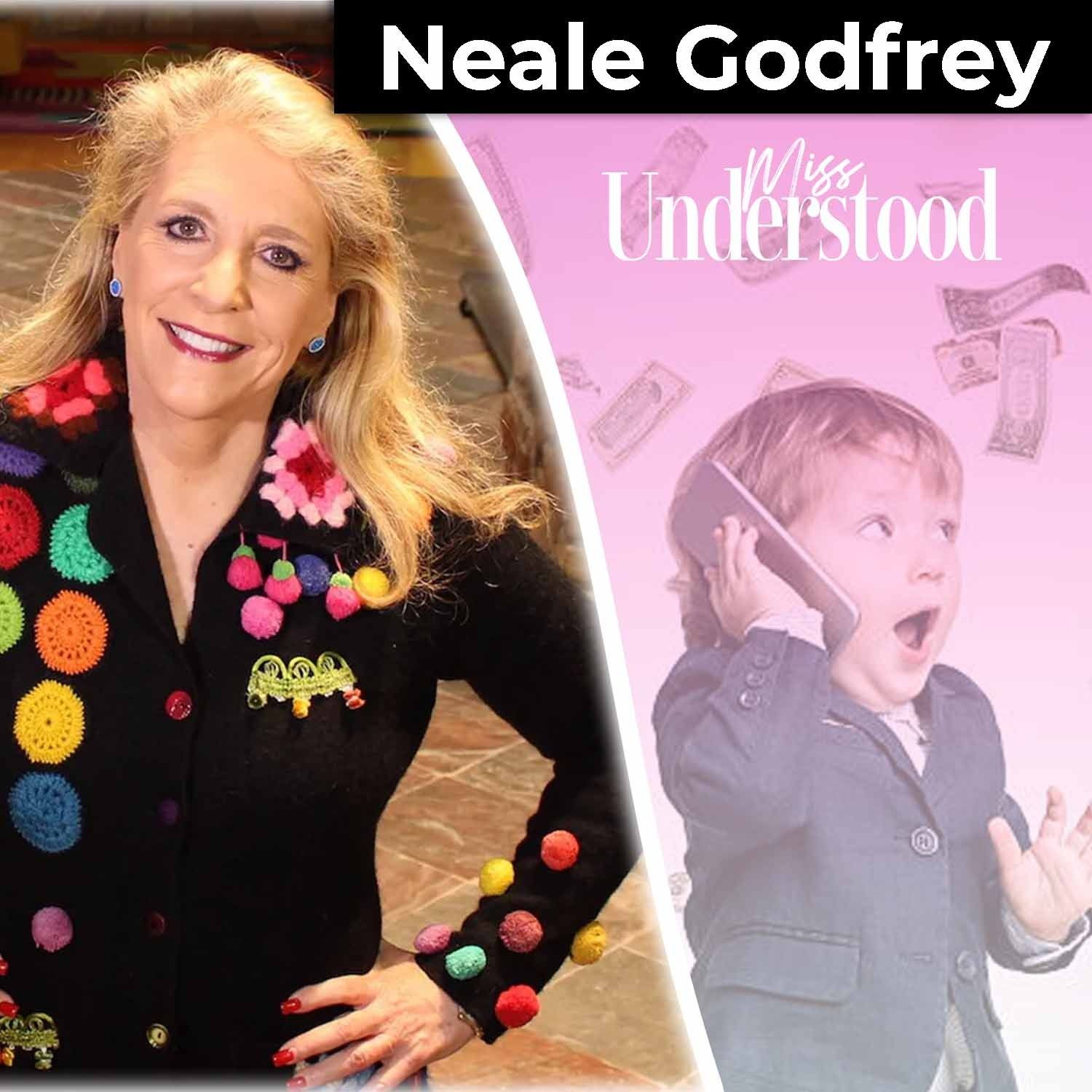
In this eye-opening episode, trailblazing financial expert Neale Godfrey returns to Miss Understood to talk about why money should never be a taboo topic in your home. As the first female president of a major U.S. bank and a New York Times bestselling author, Neale has spent decades helping families rewrite their financial futures—starting with the youngest generation.
From teaching toddlers about saving to preparing teens for credit cards and budgeting, Neale breaks down how parents can build strong financial foundations that last a lifetime. This isn’t just about allowance or piggy banks—it’s about raising confident, independent kids who grow into financially empowered adults.
Whether you’re a parent, grandparent, teacher, or just trying to break a cycle in your own life, this conversation is packed with practical tools and bold truths.
Follow Neale Godfrey:
Website: www.nealegodfrey.com
Instagram: https://www.instagram.com/nealegodfrey/
-- --- --
PLEASE LIKE, SHARE, SUBSCRIBE, AND GIVE US A 5-STAR REVIEW!: ratethispodcast.com/missunderstood
Become a Patreon Member: https://www.patreon.com/c/MissUnderstoodwithRachelUchitel
Shop Miss Understood Merch https://mumerch.com/
Follow Rachel on Instagram! https://www.instagram.com/racheluchitelnyc/?hl=en
Follow Rachel on TikTok! https://www.tiktok.com/@itsracheluchitel
Executive Producer: George Carmona
Do you have show ideas, media requests or sponsorship opportunities? Email the show at: ru@missumedia.com
Listen on Apple, Spotify or wherever you get your podcasts.
YouTube: https://www.youtube.com/channel/UCw13NrSKD-nD_8E0vBHt5hA
Rumble: https://rumble.com/c/RachelUchitel
Website: https://missunderstoodpodcast.com/
Hosted by Simplecast, an AdsWizz company. See pcm.adswizz.com for information about our collection and use of personal data for advertising.
Available Results
Generated results are saved to the knowledge database for reuse and search.
Extract Knowledge
Pick what you want extracted first. Model, scope, and chapter options appear after a template is selected.
Transcript
[SPEAKER_00]: Today, on misunderstood with Rachel, you could tell. [SPEAKER_01]: Financial consultant Neil Gottfried, she says that you have to teach your kids what money kid buy. [SPEAKER_01]: I became Oprah's money person and I worked on air doing all her shows for almost five years. [SPEAKER_00]: You've had twenty nine books come out on the topic of teaching our kids financial freedom. [SPEAKER_01]: topic of teaching kids about money in the eighties didn't exist. [SPEAKER_01]: If I wasn't going to do it and start the topic, who was? [SPEAKER_00]: In the day and age, where cash really isn't exchanged anymore, you will end up not really having a concept of money unless you learn it early. [SPEAKER_01]: If you don't learn it, chances are there's going to be a train wreck. [SPEAKER_01]: Then you have to learn it. [SPEAKER_01]: Or you become dependent upon someone else. [SPEAKER_01]: Right? [SPEAKER_01]: We'll actually stay in a lot of abusive relationships just to be financially taken care of. [SPEAKER_00]: What would you say is the most misunderstood thing about teaching kids about money? [SPEAKER_01]: The misunderstood part is really a secret part. [SPEAKER_00]: What do you wish you'd known about money when you were a kid? [SPEAKER_00]: Most of us were taught how to drive a car before we were taught how to balance a budget. [SPEAKER_00]: We were handed credit cards in college without ever learning how interest works. [SPEAKER_00]: And for many of us, money was either a taboo topic or a source of constant stress. [SPEAKER_00]: But what if that cycle didn't have to continue? [SPEAKER_00]: What if we could raise a generation of kids who are financially fluent? [SPEAKER_00]: Kids who understand saving, spending, earning, giving and investing before they ever leave the house? [SPEAKER_00]: That is exactly what my next guest Neil Godfrey has devoted her life to changing. [SPEAKER_00]: Neil isn't just a financial expert, she's a pioneer. [SPEAKER_00]: She was the very first female president of a major US bank. [SPEAKER_00]: She's a New York Times bestselling author. [SPEAKER_00]: She's been the go-to voice on financial literacy for families for decades, appearing everywhere from Oprah to CNN to Good Morning America. [SPEAKER_00]: She's not just talking to adults, she's talking to younger generations and helping parents talk to them too. [SPEAKER_00]: I loved having her on the show. [SPEAKER_00]: I was struck by how she breaks down these complex and timidating topics into simple, powerful truths. [SPEAKER_00]: Teach your kids how money works early and they'll have power over it for life. [SPEAKER_00]: Avoid it, hide it, or fear it, and money will always have power over them. [SPEAKER_00]: In today's episode, we go deep into what it actually looks like to raise financially empowered kids at any age. [SPEAKER_00]: Whether you're a single parent trying to instill saving habits, a new couple figuring out how to talk about money, or just someone looking to heal your own financial wounds while teaching your children a different path. [SPEAKER_00]: This conversation is for you, because teaching kids about money isn't just about dollars in sense. [SPEAKER_00]: It's about freedom, confidence, [SPEAKER_00]: and security. [SPEAKER_00]: And that's a lesson that's never too early or too late to learn. [SPEAKER_00]: Please enjoy my conversation with Neil Godfrey. [SPEAKER_00]: Neil, thank you so much for joining me today on Miss Understood. [SPEAKER_01]: It is great to be here with you, Rachel. [SPEAKER_00]: Thank you. [SPEAKER_00]: So I want to get right into this. [SPEAKER_00]: I think it's such an interesting topic as I was mentioning to you before we started. [SPEAKER_00]: I have a daughter who's about to be thirteen and we live in a world where I think kids these days and maybe it's of all generations all the time, but I've noticed kids have no concept of money. [SPEAKER_00]: It would be great to get some help to learn how to give them a concept of money. [SPEAKER_00]: And I'm betting you're going to say that that starts with me. [SPEAKER_00]: But I'd like to get into how you got into this. [SPEAKER_00]: You've had twenty nine books at this point come out on the topic of finances, financial freedom, women taking ownership, teaching our kids. [SPEAKER_00]: How did you come up with this idea of what to make your life's mission about? [SPEAKER_01]: Well, actually, Rachel, it has to do with my daughter. [SPEAKER_01]: And I was president of the first women's bank. [SPEAKER_01]: And I watched women be uncomfortable handling their money. [SPEAKER_01]: And that seemed ridiculous. [SPEAKER_01]: So here I was single mom of two little kids. [SPEAKER_01]: So I took my kids [SPEAKER_01]: to bookstores to look for books to teach them. [SPEAKER_01]: There weren't no books to teach kids about money. [SPEAKER_01]: The topic of teaching kids about money in the eighties didn't exist. [SPEAKER_01]: So my three-year-old daughter said to me, Mommy, why don't you write the books? [SPEAKER_01]: So I was like, ooh, I know how to bank president. [SPEAKER_01]: I know how to do big deals. [SPEAKER_01]: I don't know how to write books. [SPEAKER_01]: And so she immediately said to me, oh, you're afraid. [SPEAKER_01]: And I was like, wait a minute. [SPEAKER_01]: So being the great mother I am, I crouch to establish eye contact with this three-year-old and say, no, I'm not afraid. [SPEAKER_01]: So I figured it out. [SPEAKER_01]: And if I wasn't going to do it and start the topic, who was? [SPEAKER_01]: So that's how it happened. [SPEAKER_00]: So it's interesting in doing some research about you. [SPEAKER_00]: I was watching decade and a half ago, let's say, an interview you did with Oprah, where you had your own son on red. [SPEAKER_00]: Is that the same? [SPEAKER_00]: Who was just adorable? [SPEAKER_00]: And he was talking about almost, it looked like an allowance sheet. [SPEAKER_00]: And you had, you know, he had to, [SPEAKER_00]: scoop the poop for the cats and feed the cats and whatever wasn't he got seven dollars a week and then it should um Oprah was showing and you were showing Oprah the different jars and it was a you know a jar that he was gonna pay for college and he wanted to go to the Galapagos and it was so cute on there. [SPEAKER_00]: He's like this will take me about four years but you know I should raise enough money to do that. [SPEAKER_00]: So did he ever go to the Galapagos? [SPEAKER_01]: Yes, he did. [SPEAKER_00]: No way. [SPEAKER_01]: Yep, he did and actually the deal was [SPEAKER_01]: a long time before that. [SPEAKER_01]: He had wanted to go to the Galapacos and as a little kid, he had seen something on it. [SPEAKER_01]: And it was a throwaway line that I said to him, you have to leave me alone. [SPEAKER_01]: I'm writing my book. [SPEAKER_01]: And he said, when can we go to the Galapacos? [SPEAKER_01]: And I said, when my book hits number one on the New York Times best seller list, we'll go to the Galapacos. [SPEAKER_01]: But you have to save money for it too. [SPEAKER_00]: Right, adorable. [SPEAKER_00]: So was he able to help you pay for that? [SPEAKER_01]: Yeah, he did it. [SPEAKER_00]: My gosh. [SPEAKER_00]: And then another jar was his college fund. [SPEAKER_00]: So did he did he actually save all the way to college? [SPEAKER_01]: Well, what I did with my kids is they had to pay a year of college. [SPEAKER_01]: Now, yep, now they could take AP courses, they could take summer courses, they could have loans, they could earn the money, there was a combination thereof, and both of my kids actually paid for a year of college. [SPEAKER_01]: Incredible. [SPEAKER_00]: Incredible. [SPEAKER_00]: Well, all right, so let's get into what age should parents start talking to their kids about money? [SPEAKER_00]: And what should that first conversation look like? [SPEAKER_01]: Well, what I do is teach the natural consequences of money. [SPEAKER_01]: The only way you get money is to earn it. [SPEAKER_01]: There's no entitlement program. [SPEAKER_01]: You can't win for it and get what you want. [SPEAKER_01]: So our kids learn the most between ages three and five. [SPEAKER_01]: They learn language and their brain is able to absorb something that's so abstract. [SPEAKER_01]: So I start the lessons then when they're little. [SPEAKER_01]: Now, the test is though, Rachel. [SPEAKER_01]: If they understand what mom and dad and grandma grandpa do with money in a store, then they're ready to understand, meaning you use money where that magic piece of plastic to pay for things, then they can start. [SPEAKER_01]: It's not just that you walk into the store and take stuff. [SPEAKER_00]: Got it. [SPEAKER_00]: Okay, so it's about that. [SPEAKER_00]: The given take, if you're giving something, they're giving something back, but they're not understanding the math of it. [SPEAKER_00]: Yeah. [SPEAKER_01]: And they don't have to. [SPEAKER_00]: They don't have to. [SPEAKER_00]: Okay, so that's interesting. [SPEAKER_00]: So at what point though, are you saying, but you have to earn this yourself to be able to pay as opposed to mommy always paying for these things and just making you happy? [SPEAKER_01]: same age. [SPEAKER_01]: And what I do is we incubate them in our home as near. [SPEAKER_01]: That's what we do. [SPEAKER_01]: And what we do is we teach them the values and life skills that you want them to live within the real world. [SPEAKER_01]: So you've done that from birth with your daughter. [SPEAKER_01]: You know, don't run into traffic. [SPEAKER_01]: Be nice to people. [SPEAKER_01]: Be polite. [SPEAKER_01]: Share your toys. [SPEAKER_01]: All those things. [SPEAKER_01]: So my thing is [SPEAKER_01]: You're going to learn how a house works. [SPEAKER_01]: You're going to do little tiny chores and earn money. [SPEAKER_01]: I separate the chores. [SPEAKER_01]: They're work for pay chores. [SPEAKER_01]: And they're also, I call them their behavioral chores, but they don't get paid for those. [SPEAKER_01]: So those are citizen of the household chores. [SPEAKER_01]: And those are getting up on time. [SPEAKER_01]: you know, making your bed, doing certain behavioral things. [SPEAKER_01]: And I don't pay for good grades either. [SPEAKER_00]: Right. [SPEAKER_00]: Okay, but do they get so give us a little, you know, tangible thing. [SPEAKER_00]: Do you suggest that parents create a real chart and use stickers and use stars and so break that down. [SPEAKER_00]: How would you say? [SPEAKER_01]: So what you do is you pick little chores for them to do. [SPEAKER_01]: So a three year old five year old can do little tiny chores. [SPEAKER_01]: They can take napkins to the table. [SPEAKER_01]: They can bring them back and put them into recycling. [SPEAKER_01]: They can take the little tiny garbage cans and bring them down so you can put them in the big garbage cans. [SPEAKER_01]: They can do little stuff as the kids get older. [SPEAKER_01]: They can do laundry. [SPEAKER_01]: They can do dishes. [SPEAKER_01]: By the way, don't have them do your laundry. [SPEAKER_01]: Make sure they do their laundry because everything comes out pink and [SPEAKER_01]: and it can fit a Barbie doll. [SPEAKER_01]: So I want them to ruin your stuff. [SPEAKER_01]: But you're teaching them the way a real household works. [SPEAKER_01]: That's all. [SPEAKER_01]: And you're not killing them. [SPEAKER_01]: They're not indentured servants. [SPEAKER_01]: What you're doing is just saying to them, these are the things that you need to know before you're able to go out into the world. [SPEAKER_01]: That's all. [SPEAKER_01]: And you're paying them for that. [SPEAKER_00]: Many parents think that giving an allowance is enough. [SPEAKER_00]: But what way would you approach allowance and chores? [SPEAKER_00]: We talked about the earlier ages, but when you get a little bit older, how do you really approach the best way to give an allowance and chores? [SPEAKER_01]: Well, first of all, if you just keep giving your kids money, [SPEAKER_01]: You are supporting the entitlement program. [SPEAKER_01]: I want something I get it. [SPEAKER_01]: So what I do for the older ones, first of all, I put them on and allowance. [SPEAKER_01]: They still have to do stuff by the time they're twelve years old, thirteen years old. [SPEAKER_01]: They should be doing little jobs outside the home, which means, you know, raking leaves, cleaning up, doing pool, whatever that is with neighbors. [SPEAKER_01]: so that you still have them in a controlled environment, but they're still earning money. [SPEAKER_01]: Right. [SPEAKER_01]: Still have them learn to budget, though. [SPEAKER_00]: Right. [SPEAKER_00]: Okay. [SPEAKER_00]: So we're going to talk about budgeting in a minute. [SPEAKER_00]: But I'm not sure. [SPEAKER_00]: Do you, are you a TikTok person? [SPEAKER_00]: Do you watch these like memes on TikTok? [SPEAKER_00]: Okay. [SPEAKER_00]: So I get these things all the time that I see or my daughter forwards them to me of like, you know, the mom saying like, I'm trying to create, you know, a child that understands money. [SPEAKER_00]: But then you see the kid. [SPEAKER_00]: Sipping out of our Stanley Cup, going into Sephora, and the mom's saying, please pray for my child. [SPEAKER_00]: I've asked them to do the dishes tonight. [SPEAKER_00]: And it's like the worst thing you've ever asked them to do. [SPEAKER_00]: This seems to resonate with people because it means that everyone is repeating. [SPEAKER_00]: So how do we, first of all, in this day and age with these kids that are going through all this stuff, and it seems to be so common, [SPEAKER_00]: that there is no value associated with money or your parents will just buy you something or if the latest fad you have to have it no matter what you do if you do things wrong or right. [SPEAKER_00]: How do you sort of I guess you're talking to parents first how do you have a conversation with the adults to say okay this is what we have to do to create some financial responsibility in yourself as the adult and then in in that trickling down to your child at any age well [SPEAKER_01]: First of all, when you grew up, did you have what I would call a grand job, a regular job, and earn some money? [SPEAKER_00]: Yeah, I mean, I got my first job, I would say, well, in my building, I was a dog walker, and they would take me, you know, five, ten dollars, whatever it was to go walk. [SPEAKER_00]: But I think, I think as a kid, you almost thought it was fun, you wanted a job. [SPEAKER_01]: Well, you do want a job because you want that empowerment to earn your own money and make your own decisions. [SPEAKER_01]: When I ask parents, if you had a job, when you grew up, most of them say yes, number one, number two, I ask them what they saved their money for for the first thing they bought. [SPEAKER_01]: And they will tell me, [SPEAKER_00]: And what did they mostly say? [SPEAKER_01]: I'm trying to remember. [SPEAKER_01]: I bought a barbie. [SPEAKER_01]: I bought a walkman. [SPEAKER_01]: This is before buying an iPhone. [SPEAKER_01]: And they took care of it. [SPEAKER_01]: It meant a lot. [SPEAKER_01]: When you just give somebody something and they are suffering from over abundance, nothing means anything. [SPEAKER_01]: It just doesn't mean anything. [SPEAKER_00]: So I remember now, I used to get like stars and I don't think I was paid in dollars. [SPEAKER_00]: I was paid in like gummy bears for playing the piano, which to me was like the worst thing ever having to practice my piano and do the little chores and feed the dog. [SPEAKER_00]: And I can't really remember the equation of money that I had, but I knew that that made it possible for me to buy a cabbage patch doll. [SPEAKER_00]: And at that time, that was the biggest deal, do you remember those? [SPEAKER_01]: Of course, I remember cabbage batch. [SPEAKER_01]: And yes, that's exactly what I'm saying. [SPEAKER_01]: You're building like, wow, I did this. [SPEAKER_01]: I did an accomplishment. [SPEAKER_01]: I did something. [SPEAKER_01]: Because remember, we track our kids. [SPEAKER_01]: It's not the same world that I grew up in. [SPEAKER_01]: We track these kids. [SPEAKER_01]: We watch these kids. [SPEAKER_01]: And of course, we had peer pressure when I grew up. [SPEAKER_01]: I mean, we were advertised to on TV. [SPEAKER_01]: The kids are drinking from a fire hose today in terms of peer pressure. [SPEAKER_01]: What you want them to do is have that self-esteem. [SPEAKER_01]: I can earn money. [SPEAKER_01]: I can make my own decisions. [SPEAKER_01]: I can buy something that I want. [SPEAKER_01]: And if they just handed it, it has no value after a while. [SPEAKER_00]: Right. [SPEAKER_00]: I agree with that. [SPEAKER_00]: And how would you say that people can incorporate different attainable things to do if there isn't that much money to give? [SPEAKER_00]: There are people struggling with money. [SPEAKER_00]: There's a lot of single parents. [SPEAKER_00]: They don't have the extra dollars in sense to be giving away as it allowance. [SPEAKER_00]: Can you give us ideas of other tips to get your child financially astute without necessarily handing them dollars? [SPEAKER_01]: Well, what you can do with the kids if you really can't afford it, that you can put them on an allowance that in essence, here's the amount of money that I'll give you for clothing this quarter. [SPEAKER_01]: You can do work and add to that. [SPEAKER_01]: I want you to write out a list of what you think you need and put a price next to it. [SPEAKER_01]: And then as a pair, go through it. [SPEAKER_01]: And I have a lot of money. [SPEAKER_01]: You know, the kids may think I need, you know, three pairs of Versace jeans. [SPEAKER_01]: Well, you actually don't. [SPEAKER_01]: But I will pay this amount. [SPEAKER_01]: And if you want to do extra work, you can go ahead and buy something that costs more. [SPEAKER_01]: And then we'll be setting the kid as invested in it. [SPEAKER_01]: Again, regardless of the amount of money you have. [SPEAKER_00]: Well, that's very good sentiment. [SPEAKER_00]: Here's the other thing. [SPEAKER_00]: In this day and age, where cash really is an exchange anymore. [SPEAKER_00]: I mean, these kids have their green cards. [SPEAKER_00]: They have their or whatever those little things are called that are credit cards for children. [SPEAKER_00]: They have Apple pay. [SPEAKER_00]: They have all these things. [SPEAKER_00]: So they don't necessarily know what even goes into a dollar. [SPEAKER_00]: How would you say people can get around that? [SPEAKER_00]: So they know the value of what they're spending on these digital cards. [SPEAKER_01]: In the very beginning when the kids were little, I actually want parents to pay them an actual cash so that the kid understands when we go to the bank, those little green things get translated into something that's digital. [SPEAKER_01]: And then you show them the bank account. [SPEAKER_01]: This is real money. [SPEAKER_01]: If you just start them on a digital basis, it's another game to them. [SPEAKER_01]: is a video game. [SPEAKER_01]: It's a we're winning stars and I'm buying moons and it doesn't mean anything to them. [SPEAKER_01]: So I want you to start having them understand that this the odd currency turns into digital currency which turns into my buying power and it can be loaded on a debit card and by the way with a debit card [SPEAKER_01]: And you know, Greenlight is one of the cards. [SPEAKER_01]: I'm an advisor to Greenlight going back to the beginning when they started, but the deal with Greenlight is when you're out of money, you're out of money. [SPEAKER_01]: So you're teaching them the concept of finite. [SPEAKER_00]: The nice thing about that car too is it offers you a plan to sort of set some money aside so they understand the value of saving. [SPEAKER_00]: Can you also explain why that's valuable and like we were talking about earlier where you had your son's jar set aside for a bigger thing not just the weekly stuff or the you know the fun stuff that they're trying to get now. [SPEAKER_01]: Exactly what I do is I teach them [SPEAKER_01]: everything from giving to charity and instant gratification through to saving for things that they want, but also long-term savings. [SPEAKER_01]: Rightfully so you can say, Neil, a three-year-old does not understand the concept of long-term savings. [SPEAKER_01]: You're right. [SPEAKER_01]: A ten-year-old doesn't understand the concept of long-term savings. [SPEAKER_01]: Well, the adults in America don't understand the concept of long-term savings. [SPEAKER_01]: So if you start that habit when they're young to have them understand, you are going to have to put some money away. [SPEAKER_01]: And then say, get older. [SPEAKER_01]: They'll understand. [SPEAKER_01]: Your thirteen-year-old isn't going to think about retirement. [SPEAKER_00]: No. [SPEAKER_01]: I think about saving for a car. [SPEAKER_00]: Right. [SPEAKER_00]: And she said, it's funny. [SPEAKER_00]: You say that. [SPEAKER_00]: She's already started saying, which kind of car she wants. [SPEAKER_00]: That's a great jar to start putting aside now. [SPEAKER_00]: What would you suggest for parents is a target amount that makes sense in that age group for an allowance per week. [SPEAKER_00]: And also from that, how much should they save from that a week? [SPEAKER_00]: Like give us a little bit of a weekly, you know, monetary spend. [SPEAKER_01]: I don't want them to have a ton of disposable income. [SPEAKER_01]: I mean, when my kids were growing up, it was a dollar per year, but seven, you know, for a seven year old. [SPEAKER_01]: So seven dollars when you saw my son isn't gonna go very far. [SPEAKER_01]: I double that or triple it, depending upon what you want to do and the chores that they're doing. [SPEAKER_01]: And again, you work around their schedule unless, you know, they have to feed the animals every day. [SPEAKER_01]: If they're feeding your dogs, you don't want them to skip. [SPEAKER_01]: a few days. [SPEAKER_00]: Right. [SPEAKER_00]: You would hope not. [SPEAKER_01]: Yeah. [SPEAKER_01]: Right. [SPEAKER_00]: And what's the best amount for them to put in a jar to save out of that amount? [SPEAKER_00]: Let's say they're getting twenty dollars a week. [SPEAKER_00]: Let's just round it to that. [SPEAKER_01]: But what I do is ten percent comes off the top to charity. [SPEAKER_01]: Get them involved in giving charity in money, but also in volunteer work. [SPEAKER_01]: You have to agree to also volunteer with them. [SPEAKER_01]: Then I take the remaining ninety percent and divide it into thirds. [SPEAKER_01]: I make it really easy. [SPEAKER_01]: Next third is instant gratification. [SPEAKER_01]: I call quick cash. [SPEAKER_01]: You work hard. [SPEAKER_01]: You get to spend your money. [SPEAKER_01]: You get to make your decision as long as it's something you allow them to have. [SPEAKER_01]: Next chart. [SPEAKER_01]: Next third is medium term savings. [SPEAKER_01]: They push off instant gratification say for something larger. [SPEAKER_01]: She's saving for a car. [SPEAKER_01]: Then long term savings. [SPEAKER_01]: And that to me is college or a home or something beyond. [SPEAKER_01]: But it's not going to be touched at all right now. [SPEAKER_01]: Yeah. [SPEAKER_00]: No, I'm just wondering how flexible are you now that you've, let's say somebody's fallen behind. [SPEAKER_00]: They haven't been great at this. [SPEAKER_00]: They decide, okay, we're going to start this allowance. [SPEAKER_00]: Does that mean when your child says on a Saturday night, oh, I really want ice cream and you say, well, you spent your money, you make them realize the value of money and they're not going to get it or you still flexible with getting them treats here and there. [SPEAKER_01]: Um, if it's going to be a family outing, I'm not going to punish them and shame them in front of the family. [SPEAKER_01]: You didn't save the money, but I make it very clear with little ones when you're in a grocery store with the kid, they're going to start filling your cart up with stuff that they want. [SPEAKER_01]: Right. [SPEAKER_01]: And you say to them, did you bring your quick cash, which you have to bring for them? [SPEAKER_01]: And if you buy this, then that's it for the week. [SPEAKER_01]: Then you hold tight. [SPEAKER_01]: You're teaching them because it's the same thing we have to deal with. [SPEAKER_01]: We can't. [SPEAKER_01]: I don't care how much money you have. [SPEAKER_01]: You can't get everything you want. [SPEAKER_00]: Right. [SPEAKER_00]: And I do think that that is valuable to show them that they can't always get everything you want. [SPEAKER_00]: Because you do, you know, it there is a fine line between, you know, now that you've allowed it to happen for so long, you really do have to course correct. [SPEAKER_00]: And that almost is sometimes it feels more painful for you to have to course correct because you haven't done it before. [SPEAKER_01]: But you know what, as parents, we course correct both the time. [SPEAKER_01]: When they're little ones, you don't cover, you know, drinking and smoking dope. [SPEAKER_01]: But when they go to your, you know, to a party when they're twelve, thirteen, fourteen, fifteen, you're going to have that conversation. [SPEAKER_01]: Yeah, get older and they're driving. [SPEAKER_01]: You're going to say, let me explain what you're not going to do. [SPEAKER_01]: So, of course, correct. [SPEAKER_00]: Yeah, you're right. [SPEAKER_00]: So the value of this is that it starts us younger now. [SPEAKER_00]: In our generations now, the more we start to talk to our kids about this, this is great for generational understanding, financial freedom. [SPEAKER_00]: For me, I don't know that I learned it so well, growing up with a single mother. [SPEAKER_00]: I think I was kind of left to the side for the housekeeper to handle. [SPEAKER_00]: So I didn't get that kind of lesson. [SPEAKER_00]: And I found that I'm course correcting myself later on in life. [SPEAKER_00]: I realize later in life the value of being financially independent, not waiting for a man to take care of me, loving that I don't have to ask for anything. [SPEAKER_00]: That is so important to me and gives me so much power that I can make my own decisions and I don't have to ask anyone for what I have. [SPEAKER_00]: I wish that I learned that earlier. [SPEAKER_00]: I had many jobs growing up in my life that I [SPEAKER_00]: got paid a ton of money and did not know what to do with it. [SPEAKER_00]: I worked in a nightclub, for example, where you get paid in cash. [SPEAKER_00]: This is before you were really taxed it. [SPEAKER_00]: On the money you got weekly and all they said to us is you can't go into the bank with more than nine thousand five hundred dollars ever in cash because then they'll flag you. [SPEAKER_00]: So I literally put it in a box under my bed. [SPEAKER_00]: And I bought Range Rover, a Porsche. [SPEAKER_00]: I used cash to buy a house in Vegas. [SPEAKER_00]: This was years ago, but it was a lot of money. [SPEAKER_00]: There was a point in my life where it all disappeared. [SPEAKER_00]: And, you know, even you'll hear about these athletes that are making hundreds of millions of dollars. [SPEAKER_00]: And you can't understand why at some point they're like, I got to a point. [SPEAKER_00]: I was completely broke. [SPEAKER_00]: But you end up not really having a concept of money unless you learned it early is my long-winded point here. [SPEAKER_00]: And it's very important to start early. [SPEAKER_00]: So I do understand how important that is. [SPEAKER_00]: It's just been hard for me to course correct because I think that I almost use giving things as a way to make my daughter feel better because it's just her and I sometimes. [SPEAKER_00]: You know what I mean? [SPEAKER_01]: Absolutely. [SPEAKER_01]: And if you don't learn it, [SPEAKER_01]: chances are there's going to be a train wreck and you will have to learn it. [SPEAKER_01]: And my thing is wouldn't we as parents like to proactively [SPEAKER_01]: Interrupt that and teach them, you know, welcome to Planet Earth. [SPEAKER_01]: This is the way it works. [SPEAKER_01]: So, you know, when I grew up, money was the biggest secret in the family. [SPEAKER_01]: The like people didn't talk about money. [SPEAKER_01]: So it was sort of just went by the way. [SPEAKER_01]: And yeah, most people, if they haven't learned it, will hit the wall. [SPEAKER_01]: Right. [SPEAKER_01]: And then you have to learn it. [SPEAKER_01]: Or, or like you said, you've become dependent upon someone else. [SPEAKER_00]: Right. [SPEAKER_01]: And we'll actually stay in a lot of abusive relationships just to be financially taken care of. [SPEAKER_01]: Now think about that. [SPEAKER_00]: Yeah. [SPEAKER_00]: So I think that that is so common. [SPEAKER_00]: I have so many friends who are in marriages. [SPEAKER_00]: They can't get out of it because they don't even know how to go balance the checkbook. [SPEAKER_00]: They don't know where the money comes from. [SPEAKER_00]: They don't know what bank they use. [SPEAKER_00]: I mean, it's shocking to me, but it seems very, I hate to use the word normal, but it does seem very common for a lot of women to let themselves get into that situation. [SPEAKER_00]: And not know how to get out of it. [SPEAKER_00]: And I've found that there are kind of two routes that people really have no idea and they let the husband take care of everything where there are families that live completely above their means, whether or not they have no idea also. [SPEAKER_00]: But living above your means is just going to end blowing up as well. [SPEAKER_00]: Both things are terrible options. [SPEAKER_01]: Great. [SPEAKER_01]: And all I'm trying to do is empower people to be able to be proactive, design the life you want, design what you want, how are you going to get there? [SPEAKER_01]: And I never want them to confuse net worth with self-worth, or not the money you earn. [SPEAKER_01]: You are the choices that you make around that. [SPEAKER_01]: Right. [SPEAKER_01]: And it's exactly what you said. [SPEAKER_01]: I loved when you said how great you feel to be able not to be dependent. [SPEAKER_01]: How great is that? [SPEAKER_00]: I don't even think people that haven't gotten out in their lives don't understand that value. [SPEAKER_00]: When you get to that point, you're like, oh my God, what have I been doing this whole time? [SPEAKER_00]: You know, and by the way, [SPEAKER_00]: Maybe it's because I'm a New Yorker, maybe it's because I'm a single mother and I was raised by a single mother, but I'm a hustler. [SPEAKER_00]: I like to work. [SPEAKER_00]: No matter who I marry, no matter what my financial situation is, I like to work. [SPEAKER_00]: I like having that money come into my bank account and know that there's more there and it's not just diminishing, you know? [SPEAKER_00]: I always will be someone that likes to work and I think that that putting that value and instilling that in my child is also very important to me and I think should be important to parents and what they teach their kids as well. [SPEAKER_01]: exactly, and that's what it's about. [SPEAKER_01]: And I'm just saying, don't make it a big deal and incorporate it into your life. [SPEAKER_01]: Teacher kid, the expenses of running a household, your electric bill, and say, this is what it costs. [SPEAKER_01]: And by the way, if you have that conversation with a refrigerator open, you know, the door open, because you can't figure out why you were there, it's cost money. [SPEAKER_01]: It's real. [SPEAKER_00]: I love that, leaving a light on, explaining it, and then hopefully by the time, all the times when they leave the house, they'll make sure they turn off the lights. [SPEAKER_00]: I love that. [SPEAKER_00]: I know you have a new book out. [SPEAKER_00]: Get off your assets, a woman's guide to avoid getting screwed in a divorce essentially, right? [SPEAKER_00]: Let's talk a little bit about that, because we were talking about being financially free. [SPEAKER_00]: What are people missing the boat on when they're getting divorced? [SPEAKER_00]: How do they figure out how to start thinking about themselves? [SPEAKER_01]: Well, it's exactly what you said before in terms of women being dependent. [SPEAKER_01]: There are so many women who've indicated any responsibility in terms of being involved in money. [SPEAKER_01]: And unfortunately, in a divorce, women's standard of living goes down and men's standard of living goes up. [SPEAKER_01]: There are a lot of reasons for that, too. [SPEAKER_01]: Men look at money generally as a business side. [SPEAKER_01]: of a relationship or or anything. [SPEAKER_01]: Women still having their mind wait a minute. [SPEAKER_01]: He loved me. [SPEAKER_01]: I loved him. [SPEAKER_01]: He'll take care of me. [SPEAKER_01]: He won't hurt me. [SPEAKER_01]: It doesn't work like that. [SPEAKER_01]: So in my book, basically, I'm talking about grade divorce, which is divorce over fifty. [SPEAKER_01]: It's the largest segment of divorce in our country, which is pretty amazing. [SPEAKER_01]: Yeah. [SPEAKER_01]: We're living longer and we're not going to stay in unfulfilled relationships. [SPEAKER_01]: But if you haven't been involved, you have to be involved. [SPEAKER_01]: And it's not that scary. [SPEAKER_01]: You know, once you started being involved in your financial life and taking charge, it's not that tough. [SPEAKER_00]: Right. [SPEAKER_00]: So what are some tips and tricks that you're giving to these women now, especially in your book, to start paying attention? [SPEAKER_01]: Number one, they have to hire. [SPEAKER_01]: I call it team you. [SPEAKER_01]: So they need their lawyer, their accountant, their financial person who are going to sit down and decide actually what they can afford to build the life that they want. [SPEAKER_01]: That's number one. [SPEAKER_01]: So before they walk in, you have to think about what do you want? [SPEAKER_01]: Where do you want to live? [SPEAKER_01]: What card do you want to drive? [SPEAKER_01]: You know, et cetera, the biggest mistake that women make in a divorce is hanging onto the family home. [SPEAKER_01]: Why is that emotional? [SPEAKER_01]: I, I lived here. [SPEAKER_01]: I raised the kids here. [SPEAKER_01]: I have memories here. [SPEAKER_01]: I can't let it go. [SPEAKER_01]: Well, cost of maintaining a home, a large home, is can be really, you know, a financial yoke around your neck. [SPEAKER_01]: Think about the life. [SPEAKER_01]: Think about you can carry your memories with you. [SPEAKER_01]: It's really not the house. [SPEAKER_01]: It's really the life you want to decide that you want to have. [SPEAKER_01]: Do not use his lawyer, by the way. [SPEAKER_01]: A lot of people, don't worry. [SPEAKER_01]: The divorce will be fine. [SPEAKER_01]: We can use the same lawyer. [SPEAKER_01]: It'll save money. [SPEAKER_01]: No. [SPEAKER_01]: You need your own team. [SPEAKER_01]: I'm also not necessarily crazy about mediators. [SPEAKER_01]: I think it's fine if it's really going to be amicable. [SPEAKER_01]: But in most cases, you need your own team. [SPEAKER_01]: You need your own financial people. [SPEAKER_01]: You need the people who are going to be, you know, worried about your back. [SPEAKER_00]: Right, a hundred percent. [SPEAKER_00]: What about we were talking earlier about financial infidelity and couples hiding money? [SPEAKER_00]: I've heard about this from some of my friends that have gotten divorced and they keep saying, oh, there's no money there or my husband's hiding all this money, what's the reality behind all that? [SPEAKER_01]: The reality is that we start even the language of financial infidelity in a very innocent way within a relationship. [SPEAKER_01]: You can be hiding bills. [SPEAKER_01]: Don't tell your father. [SPEAKER_01]: Don't tell your mother. [SPEAKER_01]: I've seen a bazillion women go out by something for their kid and say, I'll buy it for you, but don't tell your father. [SPEAKER_00]: Oh, right, right. [SPEAKER_00]: Yeah. [SPEAKER_01]: So it starts with dishonesty. [SPEAKER_01]: And then in a lot of cases and you know with a lot of your friends, all of a sudden they wake up and find out he has accounts in Nassau. [SPEAKER_01]: He's got he's hiding stock. [SPEAKER_01]: He hasn't told me about the business and it could be positive or negative. [SPEAKER_01]: It could be if you you could be signing joint tax returns and all of a sudden find out [SPEAKER_01]: that he owes tons of taxes. [SPEAKER_01]: Well, if he owes tons of taxes and you signed a joint return, guess what? [SPEAKER_01]: The IRS will go after you, too. [SPEAKER_01]: Stupidity or ignorance is not a defense with the government. [SPEAKER_00]: I was just going to say, a lot of people watched the whole Erica Jane thing. [SPEAKER_00]: Did you follow that? [SPEAKER_00]: And she claims she didn't know anything about what was going on. [SPEAKER_00]: And you're saying that's not an excuse. [SPEAKER_00]: Either way, if you're married, you're responsible. [SPEAKER_01]: Absolutely. [SPEAKER_01]: And if you're signature, if you can pick up a pen and sign up, you know, or do it electronically, guess what, you're on the hook. [SPEAKER_01]: And the government will come after you. [SPEAKER_00]: Yeah. [SPEAKER_00]: Yeah. [SPEAKER_00]: Some of you wanted to ask you about it said that you founded the Children's Bank at FAO Schwartz. [SPEAKER_00]: Yeah. [SPEAKER_00]: It sounds like genius and adorable at the same time. [SPEAKER_00]: What was that? [SPEAKER_01]: Well, what happened was, here's the real truth that if you're going to start a topic, you go to the world's largest publisher, which was Simon and Schuster. [SPEAKER_01]: So I wrote a book, ran into them and said, Ta-da, we can educate the world about money and empower our kids. [SPEAKER_01]: They said, thanks for stopping by. [SPEAKER_01]: There are no books to teach kids about money. [SPEAKER_01]: It's not a topic of interest. [SPEAKER_01]: So, you know, I made it outside before I burst into tears, carrying my manuscript. [SPEAKER_01]: And then I walked a couple of blocks and I said, oh, come on, put your big girl panties on. [SPEAKER_01]: They need proof of concept. [SPEAKER_01]: So that's when I thought of opening a real bank for children to show the market. [SPEAKER_01]: that it was something that was, you know, was really important. [SPEAKER_01]: And FAO shorts in those days was the coolest toy store in New York City. [SPEAKER_01]: Of course. [SPEAKER_01]: And yeah, and so I convinced them to give me a hundred and fifty square feet just to open up a little teeny bank and it would just [SPEAKER_01]: Blue, it was so popular. [SPEAKER_01]: Princess Diana flew over with the royal children to open up the camps in the Bay. [SPEAKER_00]: No way. [SPEAKER_01]: How cool is that? [SPEAKER_00]: Wait, so did kids stand in line and have their little accounts and give you dollars and cents? [SPEAKER_01]: Yeah, I found a law in New York state that said, if you're six years old and you can sign your own name, you can open up a bank account. [SPEAKER_01]: How crazy is that? [SPEAKER_00]: Oh my gosh. [SPEAKER_00]: So kids actually go to like a Wells Fargo and Manhattan and do that. [SPEAKER_01]: Well, no. [SPEAKER_01]: Well, yeah, I mean, could they legally? [SPEAKER_01]: Yeah, the law still exists. [SPEAKER_01]: I don't know, but yes, the answer is yes. [SPEAKER_01]: But I only have the first children's bank for three years, because I didn't want to be associated with just an incredibly wealthy market. [SPEAKER_01]: I had cheeks and jaws flying over and opening up a million dollar account for their kid. [SPEAKER_00]: No way. [SPEAKER_00]: Oh, I thought we were talking about twenty bucks or a hundred bucks or something. [SPEAKER_00]: Oh, these are real accounts. [SPEAKER_01]: Real accounts. [SPEAKER_00]: Wow. [SPEAKER_01]: It was like. [SPEAKER_00]: So when you finally close that, where do you send all that business? [SPEAKER_01]: Well, what I did is, I mean, what we did is incorporated into the big bank. [SPEAKER_01]: So you know, the first one is bank just absorbed. [SPEAKER_00]: Got it. [SPEAKER_01]: You're going to love this, too. [SPEAKER_01]: David Letterman called me up and said, let's do a kid robbery in the kid's money bank. [SPEAKER_01]: Don't you love that? [SPEAKER_00]: I love that. [SPEAKER_01]: I know. [SPEAKER_01]: I said, David, this is a real FDIC ensured bank. [SPEAKER_01]: It's a real bank. [SPEAKER_01]: I can't as a president of a bank plan a bank robbery on my own bank. [SPEAKER_01]: Right. [SPEAKER_01]: Oh, no, we didn't do that. [SPEAKER_01]: But it's an F funny. [SPEAKER_00]: That's hysterical. [SPEAKER_00]: So did you, I mean, did you find, and obviously you did, if you were able to eventually publish the book, but did you find that kids were really using the bank and really found the value of money? [SPEAKER_00]: Or was it just the parents then kind of still doing all the work? [SPEAKER_01]: Yeah, the kids did, and the parents started getting the kids involved. [SPEAKER_01]: And then around the same time, little bit later, [SPEAKER_01]: Oprah found me and then I started doing Oprah and that super validated the topic of teaching kids about money. [SPEAKER_01]: I mean, I sold millions and millions of books. [SPEAKER_00]: Right. [SPEAKER_01]: People, you know, parents said, you know what, we need to do this. [SPEAKER_00]: How did Oprah find you? [SPEAKER_01]: Her senior producer, Lickron Green, came up with looking for how not to have spoiled children. [SPEAKER_01]: and Oprah had me on the show and then I became Oprah's money person and I worked on air doing all her shows for almost five years doing money. [SPEAKER_00]: Amazing. [SPEAKER_00]: And do you feel like, because I saw the one episode with you and your own son and then some other kids were kind of getting involved. [SPEAKER_00]: Did you find that the kids were really taking your advice and they were excited about this or they were like, oh God, this is terrible. [SPEAKER_00]: I don't want to hear it. [SPEAKER_01]: Well, you know, it's so funny because when I do the first show with Oprah, she has spoiled kids on and I said to her when we broke for commercial. [SPEAKER_01]: Oprah, let me work with these families with these kids. [SPEAKER_01]: And let me come back in three months to see if I can do it. [SPEAKER_01]: And I thought, oh my God, I am putting my entire reputation on the line. [SPEAKER_01]: I was petrified, Rachel, but you know what? [SPEAKER_01]: The kids rallied, they loved it. [SPEAKER_01]: The parents were going into debt every single Christmas to buy these kids' stuff. [SPEAKER_01]: And I said, life is different and they listened to me, which I thought was amazing. [SPEAKER_01]: And they came back and they did almost that next show, all by themselves, showing their allowance jars, showing which stores they did, showing how the parents should not go in debt. [SPEAKER_01]: I have Christmas and I thought, you know, [SPEAKER_00]: Wow, that's amazing. [SPEAKER_00]: What would you say is the most misunderstood thing about teaching kids, especially girls, about money? [SPEAKER_01]: Number one, don't make it a secret. [SPEAKER_01]: The misunderstood part is really the secret part. [SPEAKER_01]: For God's sake, you're not your money. [SPEAKER_01]: If you make it a secret, then it becomes more important than it is. [SPEAKER_01]: And if you do have money, people are going to say, especially with the internet today, you know, I can find out we all can exactly what someone's worth. [SPEAKER_01]: If someone says to you, hey, you're rich, you pay for it. [SPEAKER_01]: You need language to give those kids around that to say, that made me feel uncomfortable that the only reason you wanted to be with me is because my parents are rich. [SPEAKER_01]: Why don't we go buy a pizza and we'll go back to the dorm or whatever. [SPEAKER_01]: And I don't want to think that you're my friend because you think that [SPEAKER_01]: You know, I'm rich. [SPEAKER_01]: So talk about it. [SPEAKER_01]: Give the kids language. [SPEAKER_01]: Give them involved and we spent half our like telling our kids, you don't know how lucky you are. [SPEAKER_01]: Take them into a soup kitchen. [SPEAKER_01]: Let them understand what that is. [SPEAKER_01]: Now all of a sudden, wow. [SPEAKER_01]: You don't have to keep saying, you know, look. [SPEAKER_01]: You're lucky. [SPEAKER_00]: Yeah. [SPEAKER_00]: If somebody's listening and they have never had a healthy relationship with money, where should they start today? [SPEAKER_01]: They should start. [SPEAKER_01]: They can go on the internet. [SPEAKER_01]: They can research money. [SPEAKER_01]: What to do. [SPEAKER_01]: They can buy my books. [SPEAKER_01]: They're on Amazon. [SPEAKER_01]: What they can do is start engaging in whatever that process is and take little tiny bits start with something small. [SPEAKER_01]: Hey, I want to get on a budget. [SPEAKER_01]: But what I have is an exercise called a no magic money log. [SPEAKER_01]: Don't start moving forward. [SPEAKER_01]: Look in the rear view mirror. [SPEAKER_01]: How have you been spending money? [SPEAKER_01]: Track your spending over a few months. [SPEAKER_01]: Decide, is it a one? [SPEAKER_01]: Is it a need? [SPEAKER_01]: Do, is this impulse? [SPEAKER_01]: Was it a planned purchase? [SPEAKER_01]: Start having the conversation with yourself. [SPEAKER_01]: Then you can decide, okay, moving forward. [SPEAKER_01]: I can take coffee to work. [SPEAKER_01]: I mean, even a little tiny things, you know, I can teach the kids to lower the electric bill. [SPEAKER_01]: We can save, you know, twenty dollars a month. [SPEAKER_01]: Wow. [SPEAKER_01]: Okay. [SPEAKER_01]: Congratulations. [SPEAKER_01]: You did that. [SPEAKER_00]: Yeah. [SPEAKER_01]: You know, I can, I can buy posh mark. [SPEAKER_01]: I don't have to do, you know, whatever, a new Versace something. [SPEAKER_01]: I'm not tracing any, any brands. [SPEAKER_00]: No, when I get it, it's the need versus the want and being gluttonous or extravagant. [SPEAKER_00]: Only when it's necessary and second hand stuff does not have to be like seen as being poor either. [SPEAKER_01]: I mean, and also there's a keeping up with the Jones syndrome. [SPEAKER_01]: want to not have that with your children because by the way, you have to tell them there are always people who are richer and always people who are poor. [SPEAKER_01]: This is what we can afford. [SPEAKER_01]: This is where we are. [SPEAKER_01]: And these are my priorities. [SPEAKER_01]: It's more important for me if that's a conversation you want to have to get you to college than it is for you to have the thousand dollar sneakers. [SPEAKER_01]: Those are my priorities. [SPEAKER_00]: And by the way, we're in the day and age where Amazon makes dups of everything now. [SPEAKER_00]: So parents should be a little more wiser about which things they really need to purchase and which things they can go on Amazon for because the knockoffs are pretty much the exact same. [SPEAKER_01]: Exactly. [SPEAKER_00]: Yeah. [SPEAKER_00]: All right. [SPEAKER_00]: So if people are interested in getting your book where can you find your books and where can they find you? [SPEAKER_01]: If they look at Neilgottery.com, which is my website, they can go on that. [SPEAKER_01]: If they're interested in any books, just go on to Amazon and look up Neilgottery, and it's NEL, E-G-O-D-F-R-E-Y. [SPEAKER_01]: You know, they can Google me, they can whatever. [SPEAKER_01]: And I'm here to help. [SPEAKER_01]: I give speeches. [SPEAKER_01]: I talk to people I write books. [SPEAKER_01]: I'm out there. [SPEAKER_00]: Do you have any speeches coming up? [SPEAKER_01]: Um, actually, I just came back from Kansas, but I'm, I work with also wounded veterans. [SPEAKER_01]: Program called Vy's out of Syracuse University. [SPEAKER_01]: I'm going to Tempe, Arizona in a few weeks. [SPEAKER_01]: And then the next speeches in Dubai. [SPEAKER_00]: Oh, wow. [SPEAKER_01]: So I go all over the world. [SPEAKER_01]: Yeah. [SPEAKER_00]: Amazing. [SPEAKER_00]: All right. [SPEAKER_00]: Well, hopefully our listeners will reach out to you by your books. [SPEAKER_00]: I think this was very informative. [SPEAKER_00]: Thank you. [SPEAKER_00]: I'm going to have a conversation with my daughter later today and see how it works for us in a month's time. [SPEAKER_00]: And I'll let you know. [SPEAKER_00]: So yeah. [SPEAKER_00]: So thank you for your time. [SPEAKER_00]: And I know that our viewers thank you as well. [SPEAKER_01]: Thank you, Rachel. [SPEAKER_01]: It was great to be with you. [SPEAKER_00]: Thank you so much for listening to Ms. [SPEAKER_00]: Understood. [SPEAKER_00]: I'm your host, Rachel, you could tell. [SPEAKER_00]: Please be sure to subscribe to the show and give us a five-star rating and review. [SPEAKER_00]: You can support the show by joining our Patreon at Patreon.com slash Ms. [SPEAKER_00]: Understood with Rachel, you could tell. [SPEAKER_00]: Do you have ideas for the show or want to reach out email us at info, Ms. [SPEAKER_00]: Understood podcast at gmail.com that's spelled MISS. [SPEAKER_00]: Understood. [SPEAKER_00]: Thank you so much and I'll see you next time.