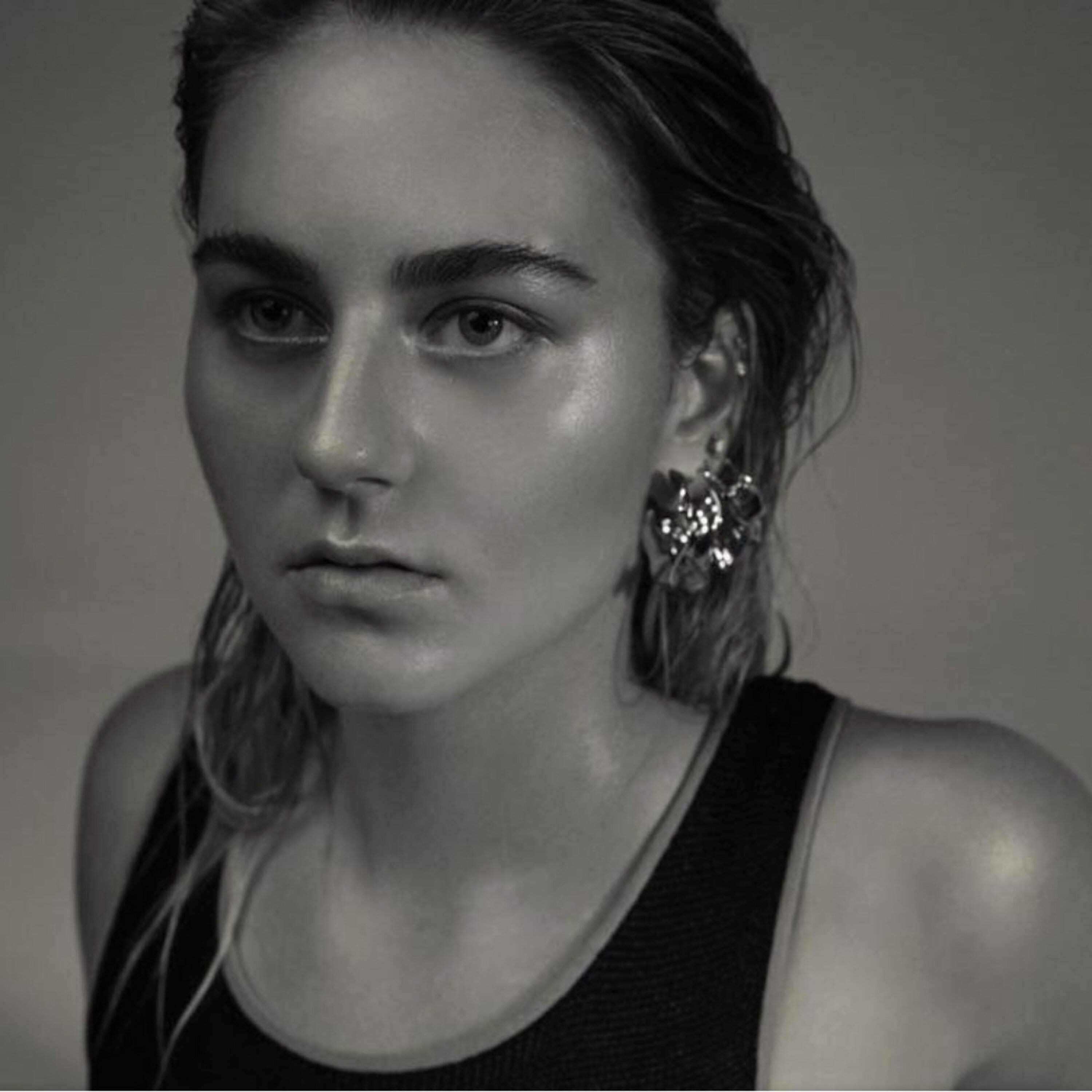
Marta Kostyuk
The Ukranian player opens up about growing up on tour, traveling with her mom and playing pro tennis while a war rages in her homeland.
Hosted on Acast. See acast.com/privacy for more information.
See omnystudio.com/listener for privacy information.
2022-05-04
57 min
Transcript
Available Results
Generated results are saved to the knowledge database for reuse and search.
No generated results are available for this episode yet.
Extract Knowledge
Pick what you want extracted first. Model, scope, and chapter options appear after a template is selected.
Generated results for public episodes are saved to the knowledge database so they can be reused and searched later.
Transcript
00:00:16
Speaker 1: Renee. We have a topical political guest on the podcast today where you're talking with Marta Kostyuk of the Ukraine.

00:00:25
Speaker 2: Yeah, marta great kid. Spent a lot of time talking to her, really a lot over the last couple of years, her and her mom. Her mom's terrific as well, and who's been her longtime coach for a long time, but terrific kid rising up the rankings is really someone to keep an eye on.

00:00:40
Speaker 3: I think she's going to be a very good player for a very long time.

00:00:44
Speaker 2: But you know, Caitlin, she's been through a lot has as has every Ukrainian player over the last couple of months. But just to hear her stories in this and to hear how she's been dealing with it's pretty pretty incredible. There were times Caitlin where I had to really like hold back how I felt and not get to upset because I didn't want to upset her because she's having to deal with so much for such a young such a young kid, but dealing with so many things in her life right now.

00:01:08
Speaker 1: Yeah, well, I think I mean one of the things that I'm constantly reminded of and love about the sport of tennis is that it takes us all over the world, and that these conversations that we have with people are you know, really really relevant. Like anybody who's tempted to keep politics out of sports is either being purposefully naive about how much politics are already in sports or has a you know, vested interest in the status quo. So it was a really really insightful conversation. Obviously, you guys get into the conflict, you know, Putin's aggression into into its neighbor Ukraine, but also hearing about her mentality, hearing about how she's really been you know, grown up in the last couple of years and turned into a really, really excellent player.

00:01:51
Speaker 3: It was really lovely to hear from her.

00:01:52
Speaker 1: You guys had a long chat, which is why we're going to keep this intro short, but yeah, keep them coming. This was a great, thoughtful chat about it, very complex, cohesive and really intelligent young woman. And I was really really excited to hear the whole thing. So I guess we should just let let you get to it. It's a whole hour with Mustard Cutia. Thanks again for joining us, and thank you.

00:02:13
Speaker 2: Renee Hey, You're welcome, and I hope everybody enjoys it and gets behind all the Ukrainian plays going forward this year. Thanks Caitlin. Today I want to welcome the ever awesome Marta Kostchuk. He's now dressing her way up the rankings in a way that I think is great. Keep your eye on and hope. But Marta, thanks for joining me today. I want to always I always ask my people that I have on the podcast how they got into tennis. I kind of have an idea why you got into tennis, but let the people who don't know you've that well or want to know more about you, how you got into the sport?

00:02:59
Speaker 3: Hi, everyone hire any very nice of uh you too call me podcast.

00:03:08
Speaker 2: Very tanned, So you know you make a lot of people jealous. But anyway, go on.

00:03:15
Speaker 3: So I have two sisters, older, younger. Both of them I don't like tennis. They were never into tennis. They never enjoyed it, they never saw benefits in it. I don't know how to call it any way. And I was the only one who just who could just hit, uh, hit the ball for three hours in a row and just just just pure inner enjoyment of playing tennis. I don't know there is I don't think there is a good explanation to it, because it's just pure feelings. So it's toff to explain. You know, I have my mom that was coaching me full time for many years and travel with me, to travel with me all the time, still travels from time to time now, and you know, some people say it was just my way of being closer to her. You know, some have other opinion it. I don't know what's the reason, but it is what it is now and I'm just enjoying it.

00:04:21
Speaker 2: Listen, your mom is a pretty Your mom was a decent player in her own right, and so your dad was involved in tennis too, So I think that's probably got a lot of reasons why you ended up picking up a tennis record.

00:04:33
Speaker 3: Well, I think it's enough of reasons. But yet my sisters hate, don't.

00:04:39
Speaker 2: Well there you go. So you travel a lot with your mom. I know, maybe not as much anymore, but when I was around you, you have been coached by your mom. How difficult sometimes is that to be coached by a parent.

00:04:56
Speaker 3: It obviously has it's privileges. You know, I'm not going to hide it to be coached by a parent, But you know, we all know, horrible stories of how this relationship ended in other players' lives. So you know, it's you cannot say it's it's the fluid one. You know, it's that it's just an easy one. I don't travel with much with my mom as much anymore. You know, she's in and out. Sometimes she's just a doorist. Sometimes she comes with stays on court, you know. So it's it's like in and out thing. But it obviously requires a lot of work. Just because she's my mom, it doesn't make it automatically a like easy journey that you know, we understand each other, that everything's great, you know, everything is perfect. So it's another part of the work because if you have some problems with the coach, usually like if you can figure out the problem, you just change the coach. Okay, but here here is not it's not that kind of concept I have to say, because if you have a problem, you can't just like can I have change a month please, or you know, something like this. So that's you know, that's that's like that's an extra work that you cannot avoid because if you keep on avoiding it, eventually you'll face a huge problem that you might not both handle. So I think the moment you face something, you face some difficulties, I think it's best if you figure them out straight straight away, as you know, as it becomes like like, because then it just grows and it just becomes a huge problem.

00:06:54
Speaker 2: Oh my god, man, that's one of the most honest answers I've ever heard from a player and also made me laugh, probably the hardest of doing my podcast. I love that you recognize if things aren't working sometimes, you know, if you want to put the blame on the coach, you can just fire them, but you can't fire your mom. I love that. It's a classic. So so you know, you had a great like I mean, you had an early career that was really a lot of eyes on you. I wanted you to explain to people out there the pressures on you at a young age. You won junior you know, one Orange Bowl, and everybody who follows tennis knows that the Orange Bowl is a very prestigious junior tournament where a lot of agents are there. They're looking at the next who's going to be the next right top player that they can grab a hold of and and sort of utilize to make money for them, right and then and then you win you know, Australian Open singles at seventeen, so you know you were progressing the way that most great players do. How much pressure was on you from that period of like being I mean really up till now, like how much pressure have you felt to be the next of course from your country Switzelina, Let's say, mm.

00:08:05
Speaker 3: Hmm, it's been so many years ago, not that long ago. I'm no, no, like for from my life was you know, still pretty short. So for me, it's been many years ago. It happened many years ago. See, there was a pressure I couldn't handle. Because if I could handle it, I think I would be If I would be in a different position right now, I would probably be rain differently or you know, I would be different person. Let's go that way. But it's pretty obvious.

00:08:44
Speaker 2: So wait, let me stop you there, go back to that period of time. What would you change?

00:08:53
Speaker 3: Nothing? Because that made me who I am today. If things were different went differently, I wouldn't be here right now. I don't know where it'd be. So and having this guarantee knowing that I'm here, it's you know, I'm at peace most of the time. Where I'm at and how I'm working, how I'm progressing. So I wouldn't want to change that if things were like really like terrible or whatever. Honestly, even in that situation, I probably wouldn't change something. I don't know. I don't think it makes sense to go back, and you know, even like think, oh what could I change? What would I change? Because I had this conversation actually many times with my mom, with coaches, with a lot of people, and every time my answer was the same, I wouldn't. So yeah, I was. I mean I was fifteen when I played the third round of Australian Open.

00:09:48
Speaker 2: YEP.

00:09:49
Speaker 3: I was fifteen, and there was this age eligibility rule that wouldn't allow me to play as many tournaments as I wanted to, and which was putting a lot of pressure on me. Just just the fact that this rule exists. I know players for whom this rule worked that they felt better with it because you know, they knew, oh, I have this amount of tournaments I have to push. I was not like that because I was pushing every match, every tournament I was playing, and you know, at times it was just not enough, like not enough matches, not enough tournaments, I mean not enough time spent on court playing matches. So that's that's the That was the first pressure like pressure point. The second one was that I didn't know, uh, I didn't know how I'm gonna defend the points from Australian Open the next year. This is the This was the first thing I saw after I played third round of Australian Open, and this this these thoughts. They were hunting me till next year when I lost the last round of qualis and I dropped to one hundred ninety I don't remember, but then eventually I even dropped to three hundred and ten by April twenty nineteen because I couldn't defend any of the points that I that I got from twenty eighteen. So you know, obviously I didn't handle it at all.

00:11:20
Speaker 2: But I know how I think you probably would go back, if you know, when I say, what would you go and tell yourself at that time? I think you would probably go back now and say, don't worry about defending your points from twelve months in time, like you keep winning and you keep progressing and being a good player, that those points would be taken care of, right, I mean, that's probably something you would have told yourself now, I hope.

00:11:47
Speaker 4: Because I don't think this is specifically like this is exactly what I would tell myself, because ummm, because for me, the problem and it's still still is my problem that I don't get enough matches, so doesn't matter, and at that time especially, it didn't matter on what level I played the matches like.

00:12:12
Speaker 3: It could be sixty K to fifty w T a Grand Slam, even twenty five K back then, even twenty five K, because this is the this is the this is the part of my career that I just skipped. I won one twenty five K, but that's it. I played maybe like three of them in my life. Four I don't know five but nothing you know, and this you know, so it wouldn't harm me to play more. And don't don't even think about the points that they're like they exist or they matter, like you on you were right one on one side of this advice, but on the other side, it's just for me. It was the matter of the amount of matches and the amount of time I spent on court, which I didn't get enough in all these years, and I still don't get enough of it, and I'm and it's haunting me like it. It does, like you can see it's in some big matches that are happening, or or some tournaments, or you know, some moments that I have a lack of it that I'm trying to gain. Yeah, by plan.

00:13:16
Speaker 2: So do you I know this is probably I mean an obvious question. So, I mean this rule, as you know, was put in place, you know, to prevent burnout by the time of twenty four twenty five. And I mean, look at someone like Ashes just retired at twenty five. I mean, it's a tremendous amount of pressure on these top players to continually win every week and deal with the pressures of what they're dealing with. But I guess you're sort of saying in some respects, yeah, but for some of us, we actually really do want to play more. I don't know. It's a it's an interesting conversation with you because you really have you really feel one way. Maybe in ten years time, Marta, you might change your mind. You might think, oh, I'm glad I didn't really play that much. I don't know, but it's an interesting conversation. Shouldn't have with someone who's your age now, I mean, you're nineteen right. I mean, so.

00:14:06
Speaker 3: You know, we actually had very I just remember we started talking about we had very funny conversation, very interesting. One it was Chained twenty seventeen and Dead Masters was in that Masters played Kaya Yvan, Whitney, Sigue Vang Su. Who else was there? Camillo, Saia Serrano, Maria Carle, Lenbakina uh and two? Who was who's that? Try? Young?

00:14:46
Speaker 2: This is the young tournament right in in China that it was under.

00:14:51
Speaker 3: It was under eighteen, but it was eight of us and I don't remember, but like in the middle of the week, the WT representatives come come the and they have like a presentation meeting with us, like like they're representing WT Tour, how it works and all the details, what's the how it's functioning and stuff like that. And I remember by the end of the conversation they were like, do you have any questions? And you know, I'm sure they were like ready to leave, you know, they've done their part one hour presentation, you know, ready to go to the hotel room whatever. They were like, yeah, we actually have a question. So it ended up being one and a half our conversation that actively involved me, my mom, Whitney her father, and I think there were a couple more people who were involved, but mostly it was it was us and and I don't remember if it was Whitney or it was her father who said, but what if like we signed the paper saying that we will end our career at twenty five years old, but you give us a chance to play as many tournaments as we want. And it was actually funny because I think, like like I knowing my personality, knowing how I am, knowing that I'm sure I can do a lot of other things in life, you know, not I'm sure that you know I'm going to be great or whatever, but I know that, you know, tennis is not the only thing in my life that it's just like my life. I think someone like I would probably sign this paper. I don't know, but it was actually a very funny idea.

00:16:44
Speaker 2: That's interesting. I'm going to be the first person on your twenty fifth birthday to call you and say, okay, so would you stop now?

00:16:52
Speaker 3: Yeah?

00:16:52
Speaker 2: But anyway, but I.

00:16:54
Speaker 3: Was underage of the bility rules, so I don't think I'll stop.

00:16:59
Speaker 2: Well, the point, I think, whether you make an interesting point, because in some ways I think the WTA tried to. I know this for a fact that they one of the things they wanted is to keep the really great players like yourself in and on the tour un till you know, they're later at least twenties and into their thirties, so that we can keep them those great players, you know, I mean, selling tickets and being great names for the sport. So it's an interesting conversation. I'm glad that you are talking about it because you're, as you said, you're right in the middle of it. So it's a it's an interesting dichotomy of a conversation. I hadn't really thought about it for you, but I'm great now moving on to like where you're at now. You have been pretty vocal about, you know, obviously everything that's going on in Ukraine, and we're going to get to that, but you recently hired and you said you're talking to a psychologist to deal with a lot of the stuff that's going on. Is that also something that you would advise for any player to take aside from what's happening in Ukraine, which we'll get into, but is it something that you probably felt like could have helped you deal with some of these moments is to have somebody always to talk to you about it other than you know, your parents.

00:18:11
Speaker 3: Or your coach or honestly, one hundred percent, But there are honestly a lot of butts in this story. Because I was working with the psychologist in twenty eighteen, twenty twenty and twenty one. Yeah, the one who I had in twenty eighteen is the person who I can obviously cannot say the aff word, but he asked my whole life like two pieces. Two pieces. I'm not kidding right now. And I don't know if I think because he was just terrible psychologists. I don't know, Like it's just he didn't help me figure out things. He didn't help me. I was very devastated at that time. It was end of twenty eighteen. It was getting closer to the defending as an open point, and you know, there are other things happening in my life, like regarding my relationship with my family, and relationship with Tennis, and just relationship with the world and myself. So I was obviously in the huge need of psychologist, but it just ended up that I just got a terrible one, and you know, I still kind of tried to trust him. With didn't work for long, but it had enough impact to destroy my life. Then I worked with another person for you know, from time to time just a little bit. But I don't think like it's such a big impact on me. And now the psychologists I'm working with is She's an incredible woman and you know, I'm extremely grateful and you know, thankful that she ended up being in my life and in this very difficult moment for me. So it definitely, you know, I think it's part of everyone's life. Has nothing to do if you're an athlete or not. You know, we're all facing our difficulties that you're just you know, you're just facing throughout the life, and it just makes your life better and more understand Like do you understand it better when you do some work as the psychologists. I'm not saying you have to be in it your whole life, but definitely part of your life. You need to when you feel like you want it, do you feel like you're ready for it. I think you just have to go for it, but you have to be extremely careful because you know, now, unfortunately there is a lot of stories of the psychologists that don't help. You know, you have to be careful that they are psychologists that you are going to for ten fifteen years in a row, which I don't think is normal. I honestly don't think like you need ten or fifteen years to keep on figuring out your life and yourself. Like it's just a bad work if you're constantly in need of someone for so much time. Obviously someone needs it for two months, someone needs it for a year, for two for three. But I don't think it can exceed these numbers. You know, you can go in and out. You know you need someone, you talk, you know, then you do like a break, then you come back to it again when you need it. But you know, it's a very sensitive and extremely important topic that you need to take super serious. This is important. You need to know people. You need to know a person who are talking to you need to you know. But I think if someone helps you, you feel it straight away.

00:21:48
Speaker 2: So how did you don't fool yourself? How has this person helped you? How did you feel like they helped you immediately this time?

00:22:00
Speaker 3: You know, there are different techniques that everyone is using. Okay, the one I'm using works extremely deep with your brain neurons. I don't know it's right if I call it right, and it basically heals your childhood traumas that I myself have a lot, and some of them are, you know, keep on bothering me even though I talk them through one hundred thousand times before you know, they're still deep inside of me that are bothering me. How it helped me that I started feeling like it's helping me. I started to breathe better. Yeah, on the court, I don't feel like I'm out of breath obviously long point, yeah, whatever, But I don't feel like I'm out of breath. And when I'm nervous, I don't get this extreme tension in my body or in my die I have reckoned that I cannot barely like just get some air, just some amount of air. So this was the first like signs that I knew that it's helping me, but extremely deep because because in my thoughts, in my in my words, in my thoughts, you know, it was all changing as quickly, but it already started. I was like, oh my god, the things I'm thinking. I haven't been thinking, you know, like this for for years. So you know, I had some like my stories. So this was like the first one. I'd say the breathing for me was the first significant like change.

00:23:37
Speaker 2: I remember I called your match, actually commentated your match when you played Switz Elena in Australia. In that okay, and I you know all the talk about you being so young, and you know you're going up against somebody that you know, you would have looked up to for a long time and Lena Switzelena, and I could tell in that match, for example, that's you were overwhelmed. You know, you weren't breathing. You were so it was almost like you wanted to run off the court in that match.

00:24:04
Speaker 3: Yep.

00:24:05
Speaker 2: You know if you had some of these tools younger would have helped you. I remember that match when you went to the net and you and Elena just hugged you because it was kind of like she could tell that you were just overwhelmed by a match like that and how important that was for you going forward.

00:24:21
Speaker 3: That match I actually remember partly because this again it's been many years ago for me, and.

00:24:33
Speaker 2: I was not like.

00:24:35
Speaker 3: Out of breath because I was nervous.

00:24:38
Speaker 2: Yeah.

00:24:38
Speaker 3: First of all, the temperature of the surface was seventy degrees seventy degrees celsius. I don't know fign hat is.

00:24:47
Speaker 2: I don't even know, as we say bloody hot.

00:24:51
Speaker 3: Yes exactly. Then the temperature of air was forty, which is one hundreds ten. I think feign hate. I don't know how much it so everyone understands.

00:25:04
Speaker 2: Uh.

00:25:04
Speaker 3: And it was my sixth match, so.

00:25:08
Speaker 5: It was like extremely difficult, like like just the circumstances, you know, the situation around it was extremely difficult, just for anyone.

00:25:19
Speaker 3: And obviously I was overwhelmed playing her. I was nervous. I was super young, you know, very new to everything, and I didn't know how to deal with it. I didn't know how to handle and none of the players who I was, none of the people who I was surrounded by, knew it as well. It was new to everyone. And I don't remember me like rushing or something, but you know, it was just the game played. So it was just it just was not working perfectly that I was like witting whatever. So that's why I was just missing a lot. And I think that it looked like I'm trying to get out of the court. But obviously it was extremely tough for me physically because of the everything around.

00:26:03
Speaker 2: And what I want people to know is that in the last round of qualifying that year. I believe you beat Barbara Kurdikova.

00:26:09
Speaker 3: Yes, yes, I.

00:26:12
Speaker 2: Mean that's crazy to think that, you know, just not too many years later win a Grand Slam. Just just thinking back on beating players like that and knowing that they sort of were in a position that you are, and also seeing what's happened in the last couple of years and women's tennis with Emma Radakanu winning a Grand Slam, and you know, there's lots of you know, Sophia Kennon and all these players, like does that help someone like you think, hey, why not me?

00:26:42
Speaker 3: At times it helped, but then you're it can easily turn into like putting pressure on yourself like when is this gonna happen to me? Like why not this grand lamp? Why? And then you lose another one like why not this one? You know, So it's a very line of like looking up to like looking up to it, or just putting yourself down because you're not as good. So I'm trying to find this balance, but you know, I'm always always trying to stick to the thinking of everyone has their own path and everyone has their own way, and if you know that at this time, you're doing the best you know and the best you can. You know, it just happens how it happens. You know, you cannot control things. So when you're at peace with yourself knowing like moving forward that okay, this is okay, even if I didn't play great match, but I know what I did wrong, and I come back on court and I work on it. Then I felt again, and I felt again. But you know, then eventually something happens and you learn and you do your best. Then I think it's I think it's the most important part of the process and not the actual like when of something, because everyone is capable of completely different things. Like everyone like someone's physicality, you know, allows them to play thirty tournaments a year. Someone physicality allows them to play ten tournaments a year. And we all know, you know, who are the players who can play thirty and who are the players who can play ten? And some players are born that you know, they can win ten Grand Slams, five Grand Slams. But someone's born that they're just happy to be in the main row over Grand Slam because they know their capacity and they know they really they're reaching the maximum of their like potential, And I think it's just important to know and always believe that and to be like, to be honest with yourself, you know, not like oh I'm doing my best, but you know that, you know, you go to sleep always like one am, you eskipe practices, you don't warm up, you eat like cakes and desserts every day, which I do, which I do sometimes deserts every day. But you know, if you know that you're really like not doing things that you know they are leading you or like that are progress like making you progress, then you know you cannot have this conversation with you like why am I not twinning? And they do because obviously you're not doing the right things. So I think the answer is pretty clear. You just have to be honest with yourself.

00:29:27
Speaker 2: Well, I can tell you what you just said. It is going to help a lot of people out there understand that they're on their own timeline. So that was really well said. I'm glad that you said that.

00:29:36
Speaker 3: But but don't forget this. Sometimes I also fail to understand. It's just now I'm looking like I'm extremely you know, calm and smart and like, oh I understand it so well, But you know, ask my coaches and ask my mom how I approach this advice myself.

00:29:53
Speaker 2: You're a classic, You're so funny, m m M, so Martin. I want to get into you know, you have spoken about, you know, working with a psychologist and how much that's helped you, and throughout this last few months, I would anticipate that having a psychologist and having the closeness of a lot of people around you has meant a lot to you. Can you even remotely explain to us what your life has been like over the last little period of time.

00:30:53
Speaker 3: Pure roller coaster, but but scary one, you know, not the fun one, because it can be very different. You know, since I was not there when everything started, meaning in Ukraine, when the war started. I I'm living through trauma, but the one that I can't process into something because the people who are there, who are volunteering, who are helping in any way, who are there, who are you know, fighting for their life or fighting for someone's life. You know it's you. You get the trauma you are in in this nightmare, but you're processing it, you are transferring it into something else, which I don't have a possibility to because I never got an actual like trauma of hearing the explosions, of running away, of you know, trying to save my life or or whatever. But yet I'm living in the nightmare so without like actually like witnessing it. You know, like I'm waking up every morning, peaceful life, peaceful sky. I have no worries about water, the food, the basic you know, human needs. And and yet you know it's a nightmare constant that you're just you know, I just I think after a couple of weeks, I just basically got used to it. I just, you know, unfortunately I rained we're.

00:32:41
Speaker 2: Talking for my members, and I know your mom was there at the beginning. Correct, Yes, my.

00:32:46
Speaker 3: My whole family was there whenever I started accept me and my older sister, and it was it was pretty scary. I mean, I wouldn't again, extremely difficult to explain all this is just just unexplainable. I would say, pure roller coaster that you know. I eventually I came to the point where, you know, before all these things happened, you had your goals in life, you had some perspective, you had some plans something, you know, you had something, and then when all the madness started to happen, the killings, the rapings that you know, the danger of your family to to die. That just just the pure I don't know, I don't know what it is. Everything stopped to matter everything, And this is where the little prom began for me. Because I don't own something huge or expense or like apartment house. I'm not directly responsible for someone. I don't have kids, I don't have boyfriend, and you know, I don't have husband that you know that. It's like I don't have this like you know, Okay, I'm gonna put myself together because I'm responsible for for whoever or for whatever. And it made the process at some point extremely difficult because it was just like why am I living? Like, what's the what's the what's the purpose now? Playing tennis? Okay, I'm gonna win something, title, Grand Slam, whatever, but what's the point if all this is happening right now? And it's just you don't even like like consciously understand of like of the whole situation, like you're not aware of it fully, but yet you don't understand what to do with your life now because everything else just doesn't matter. Did it feel like.

00:35:08
Speaker 2: Did it feel like you like tennis and winning and being happy and succeeding and having that. It just felt like it's kind of like, you know, when somebody dies, you feel like you can't ever be happy again because you feel like you're being You're not you're not appreciating what's happening, you know, to somebody else and how sad they are, and yet you're happy and you're safe and you're all that sort of stuff. I mean, it's like a I don't know, survivors remotes almost.

00:35:39
Speaker 3: Did you feel like a guilt?

00:35:41
Speaker 2: Yeah?

00:35:43
Speaker 3: First week, Oh horrible because I have this like amazing I'm you know, I'm living in this amazing apartment in Monaco that have an extremely beautiful view. Amazing, just wow. And I was waking up in the morning and I couldn't look outside. I just I was like, this is so you know, this is just terrible. You know that I'm here. I don't deserve it, Like why am I here and everyone's there?

00:36:09
Speaker 2: Uh?

00:36:10
Speaker 3: You know I have to be there? What should I do? You know? So it was I was in this situation for for a week. For a week, then you know I had enough strength I would say to turn this thinking into a different perspective, like, Okay, how can I help, what should I do? I'm not in that situation. What should I do now? But you know, I I tried to find happiness for myself in small things because Ukrainian people they are happy m hm, that you are safe. Yeah, everyone who like everyone who went through that nightmare, people, especially the people I spoke to, they were like, oh, I'm just honestly so glad you are not here. Just like extremely happy for you, you know, and they're like, just enjoy your life, like you have the possibility, like do whatever you want doing, like do whatever you feel like doing, because they like, they just they just want me to cherish every moment that I have, Just to cherish my life a little bit more than I usually do. And this is extremely strong. And all the Ukrainian people who are you know, most of them, okay, I cannot say all of them. Most of them have this way of thinking, which is what I mean. It's it's pretty impressive but also very helpful. As on the other side, I have people who have nothing to do with this work, I mean, nothing to do with are not citizens of Russia, Ukraine, US, Okay, so they're not like directly involved in the in the horror and yet they tell me like, how can you post the happy pictures when people are dying in your country? Exactly this, And I'm like oh wow, oh wow, Like okay, what should I do now? I don't know, should I die as well? I don't know. So you know, I'm like everyone or you know, so you know this obviously these kind of comments. You know, most of people like how do I say, like I cannot say famous people, but people, athletes, whatever, people who are inside you know of other people obviously get this kind of like stupid comments that have no sense on different kinds of topics. But you know, I get these comments, but never from Ukrainian people. So it definitely helps me to go through this like feeling of guilt in the best possible way because I know this is what they would all want to do, and this is what they are doing if they can, so why why not me?

00:38:58
Speaker 2: It's important? Yeah, you obviously know Dogopolov and Stahovski, you know, former tennis players that you I'm sure would have looked up to and throughout your young career. You know that they're they're fighting, and I mean we see photos of them and videos of them with their guns, and you know, in terrible situations. I mean, is it just crazy to you to think that you know, you're playing tennis and they were formal tennis players, you know that they're there right now? I mean, is that just wildly confusing for you to even process?

00:39:37
Speaker 3: You know, there are a lot of things that I just don't process. You know, if I'm Ukrainian, it doesn't make me the person who like read every piece of news and cries and gets terrified and everything, because I'm not being traumatized, like directly, but yet I think all these news and and my brain it just doesn't allow the information to go through so because it's basically nothing is going on, but yet I'm trying to traumatize myself, you know, so my brain is just protecting myself.

00:40:13
Speaker 2: And you know, have you spoken to those guys? Have you texted them?

00:40:19
Speaker 3: Yes? Yes, we are. We're in touch, actually a lot more than everyone might think, especially now when he is, you know, safe, I mean not safe. There's a lot of information I just cannot process. I just don't process, not because I don't want to, but just because I cannot. And this information includes these two players ex tennis players being there fighting and holding the gun and you know, praying every day to see another day, I don't know, to see their family again, to whatever. And it's it's obviously all of this is so terrifying, you know, it's just impossible to imagine at times that I just I don't know, you know, it's it's so funny because it's not it's so funny, but it is funny that you know, I read the news. I read a huge amount of news and articles, interviews, you know, so much information and there is you know, one week it cannot get to me nothing, and then suddenly I read like one one sentence about whatever somewhere happened or someone said something in this like way that like that touches me so deeply and I can start crying. So it's just so it's so random, like I don't pick on what I cry and what I don't cry, what I get, what I don't get, just extremely random, and it's completely out of my go that you know, and the information about these players, you know, being in the army. It's just I yet haven't processed it, have you?

00:42:02
Speaker 2: And obviously your dad is still there? Correct? How is that for you?

00:42:12
Speaker 3: Oh? I mean the part we're living in was pretty okay, yep, like there were pieces of missile that hits the neighbor house, neighbor in our neighbor's house. So I don't know, like I just I'm trying to to think of it, but I cannot. I cannot. Maybe at time, maybe if you would ask me, if you maybe if you asked me this like when everything started, like when we remember we had a conversation with you need us about doing that podcast. If you ask me these questions there, maybe you know there is a good chance I would start crying or something.

00:43:00
Speaker 2: But now.

00:43:03
Speaker 3: The brain it just works on the completely new level for me that I haven't even like experienced before that. You asked me questions about how do you feel about your dad? And I don't know what to answer because I don't know. I think nothing happens now, everything is fine, So you know, it's just the raises from my brain.

00:43:26
Speaker 2: I guess that's where Dad's come into play a little bit when they I'm sure he's told you a thousand times a week, everything's okay, don't worry about us, We're fine, Everything's okay, right, I mean, that's the protecting us.

00:43:40
Speaker 3: About this right A lot a lot of times.

00:43:42
Speaker 2: Yes, I just cannot even fathom to deal with Have you other Ukrainian players on tour? How close have you all become throughout this situation, you know, being competitors and I'm sure there's parts of certain people that you maybe didn't see either eye with before or I don't know. I mean, I've never talked to you about how do you feel about Serenco or it's Lena whatever, But like, has this brought you guys to a place of being closer than before, or what's your relationship like with all the other Ukrainian players.

00:44:21
Speaker 3: Obviously, situations like this once, uh are very like I don't know, they're very They bring a lot of things up, Yeah, everything that is inside of you, how you really are because it's extremely stressful and stressful and difficult situation. You know you you cannot like put hands on and pretend like nothing is going on, okay, like especially Ukrainians. So I have to tell that there are players I got very col and there are players that I don't talk to anymore, not because of their political position. Obviously not everyone is I'm sure I swear everyone is obviously on the same page. But just like human relationship, it broke apart, like it broke apart a little bit, I don't know how to say it. And I got extremely close with Elena, and I was already close with Lesia to Renko, but we got even closer now and this is like, let's talk about good things only. So this, you know, these these are two people that you know that I got extremely close during the everything that was happening, because there's a lot of decisions that has been made by I have that there's a lot of decisions that have been made by I asked they you know, they needed, you know, they needed the decisions, needed us to be united, to be on the same page, to look in the same direction. And obviously, you know, by talking more, by sharing your feelings, what you think and.

00:46:16
Speaker 2: So on, you just just.

00:46:18
Speaker 3: Brings your relationship on new levels. So these are two girls that I got very.

00:46:23
Speaker 2: Close with, obviously, And you have been you and I have talked, and you have been very open with saying that recently that you feel you're sad, that you feel like there are some Russian or Belarusian players or whoever, and not to name names, but some that you feel like they haven't come to you privately. What what do you what what upset I mean, it's pretty obvious what upsets you about it? But was that surprising to you? And how hard was that for you because you guys were friends.

00:46:58
Speaker 3: Well, first of all, none of them players came up to us personally, especially not even like my message. I don't know if it counts, but personally, no one came to us. I mean, tennis a very individual sport, and you know, you pick your friends, you pick who you talk to. You know, you can decide, and everyone was making mutual decisions of being friends with Russian players bell Russian players throughout like years, ten years, fifteen years. I mean, obviously I'm the one that is young on tour, so I'm friends, but for just a couple of years, not for tens or fifteen years. But yet it was extremely disappointing for me, especially when we arrived in India wells and nothing happened, because we were expect everyone was expecting, like, oh, you know, we're like we're friends. They definitely will like run to us, they will come up to us and ask how we are and how is our family. You know, we're not even talking about like some political views or whatever, just some basic human relationship I don't know of asking how are you? I don't know, and this didn't happen and you just kind of like you had to accept it. I don't know. We all had to accept it at some point and just realize that this is kind of like not our friends anymore, and I'm not sure they'll ever be. I don't think what. I don't think they have to do something to gain the friendship or relationship back, because I don't think there is something you can do to bring it back. You can make it better, but I don't think you can bring it back. But of course, I mean, it's just disappointing, not much more to it, just little thing on the on the Wimbledon band. Yeah, what are.

00:49:04
Speaker 2: Your thoughts on that?

00:49:09
Speaker 3: You know? One thing?

00:49:10
Speaker 2: Can I say something before you say something? And I didn't bring this up on the pod last week when we spoke about it, Caitlin and I, but one of the things that we I was somebody said to me is that can you imagine having to play as a Ukrainian player having to play against a Russian player? And I hadn't thought about that very much. And I just can you, like even remotely explain how that felt? Because have you played any Russian players since this started?

00:49:43
Speaker 3: Thankfully no, but we had their so we'll played Russians and when everything was so fresh, you know, the emotions were fresh and everything was so new, I think you don't want to win the match against this person. I think it would come to the point that I, I don't know, I would probably want to harm this person physically mentally, I don't know, because this is what their country is doing to us, but obviously not physically directly, but mentally. And this is just I think this is just like a part of payback we could get, you know, by beating these players, but not just on the court, but in other ways. Obviously it would never go to this point, but you know, the will to do it is still huge to this day, especially that especially that their approach to things doesn't change. They started to defend themselves, They started to bring lawyers on the calls because they are being discriminated and all the possible nightmare like this is keep on happening, and you just you keep on being surprised more and more with every action they make. And it doesn't you know, because we in this situation like this, I think we are acting as like in extremely respectful way way.

00:51:26
Speaker 2: And.

00:51:28
Speaker 3: We you know, we're trying to be like as much as possible, like polite. I don't know the uunderstanding, but yet no one is trying to understand us. So you know, I think at one point we will, you know, we will just not being able to handle it anymore being this nouns and polite.

00:51:55
Speaker 2: I think it's look, it's an ongoing situation. We'll see what the WTA depeat does. I had to do, you know, in the end, but you know, I hadn't thought about it from that point perspective. I can imagine like standing at first round, walking onto the tennis court, having to play against the Russian player, And of course we all know, you know, you're a smart young lady. I'm a smarter olderly. But we understand that they're not the cause of the war, right we know that we know that the Russian tennis players have nothing to do with the war. But as you said to me a couple of weeks ago, Putin likes to propaganda. He's propaganda and using athletes is pretty well known, and so unfortunately, you know, they're also paying a price for this horrific war. But I thought I hadn't thought about it from the perspective of you guys having to actually walk onto the tennis court and play them, and how difficult that must be. So you know, I, you know, I so appreciate you talking about it. You know, it's like we could talk about it as you do. You and I do often talk about it for hours, but you know, I just want you to know, and also, you know I do. I feel badly for the Russian players and Valarusian players. Look, they're going to pay a heavy price if they don't get to play wimble and I think about someone like Saba Lanka, who made the semis there last year, might not be able to defend a point. But in the end, unfortunately, you know, this is something that it's sometimes out of all of our hands, you know, and I know for you how difficult this last month has been. And I think it's pretty remarkable. I mean, look at Elena for example, she's not even playing because she just can't handle the emotions that she's having to with on the tennis court. But it's been remarkable to see you even play the way that you've played over the last month. And it's incredible.

00:53:43
Speaker 3: Yeah, thank you, thank you. I just, I mean, I don't, but don't think that I'm handling it the great no, no one, It's not as easy.

00:53:57
Speaker 2: I can't even remotely understand. I mean, you know, you tell these stories about things that and you and I have talked about, and I just it's inconceivable to think that we could even remotely think how you're doing traveling the world and having to worry about your homeland and your family and your friends back there. So it's we very much think about you all the time.

00:54:21
Speaker 3: Thank you, thank you so much.

00:54:24
Speaker 2: But let's end it on a positive a note on this pod, because you know me, I'm usually a bit of a jokester, and I like, I usually like like like to have us have good conversations. But what's what's the focus other than dealing with this whole situation? But what's your what's your want over the next six months besides what's happening in Ukraine, which we know the obvious say you like the water stop, but what are your hopes for the rest of this year and going forward to stay alife.

00:54:54
Speaker 3: I don't know. It sounds probably extremely horrible, but I think to to to be alive too too to handle it in the best possible way to to do everything that depends on me. Mm hmmm, And you know, to to try to progress, to try to make as much progress as I can, because you know, I don't know it's you know, I haven't even actually like give it a thought about what you just asked me, because I'm not living in that way anymore. I'm thinking about you. I have to play as many matches as possible. Uh, you know, I have to to work on this, on this, on this on court. But I'm like, can I even like handle it? Like can I go out there? How many more tournaments? Can I handle where I'm gonna be two months, like physically, mentally anywhere. So you know, I just think I have to wake up every morning and do the best I can that day that I wake up, and I just move on. Was this thinking because I think it's the best way I can dealt with it.

00:56:14
Speaker 2: You know, we always say live in the present, and we always say, you know, in tennis, it's always like it's not about the last point, it's the next point. So yeah, I think that that's a great mantra for you going forward, even in these dire circumstances with what's happening at home, and I want everybody at home to know that you You're a lot of fun to be around. I think you have aous, tremendous future ahead of you as tennis player. I think you're going to get better and better because you have every shot. I mean, you really do very, very confident in every part of the game. Coming forward with your serve, your ground is like, I think we're going to see a lot. I expect you to be top ten in the next couple of years. No pressure matter, but no pressure, everything goes smoothly and okay. And you're saying and your family and everything at home is okay. I mean, I see big things for you in the future. And thanks for joining me on this podcast today.

00:57:10
Speaker 3: Thank you, Thank you so much.
Chapters
No chapters available.