The National
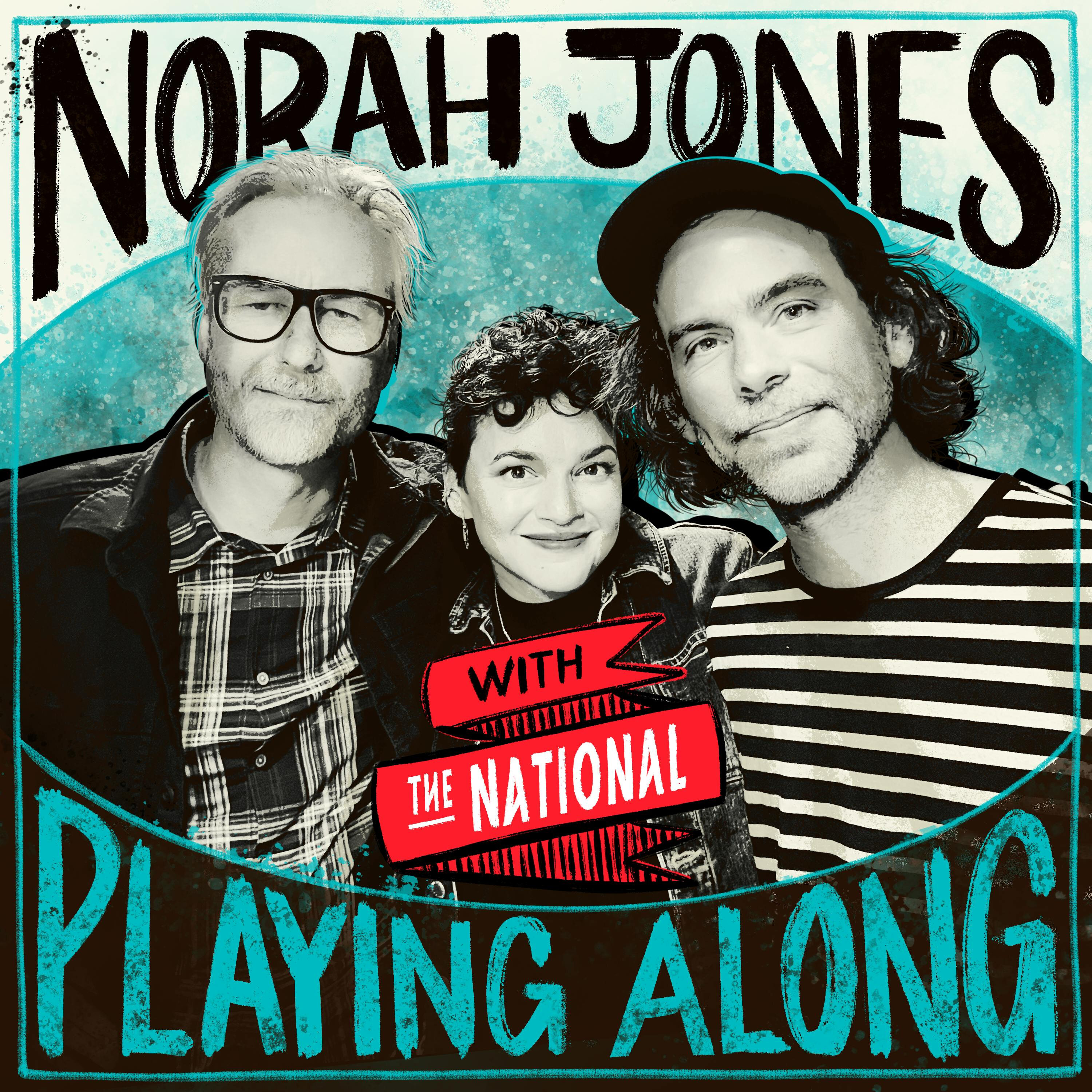
Matt Berninger and Bryce Dessner of The National join Norah by the fireplace to talk about and play songs from their amazing new album, The First Two Pages of Frankenstein. They fill her in on what it was like to come together as a band while living in far away places, the inspiration for the album, and writers block. Matt's warm baritone inspires Norah to ask for a duet on the first-ever acoustic performance of a decade-old song. Recorded 4/29/23.
Learn more about your ad choices. Visit megaphone.fm/adchoices
See omnystudio.com/listener for privacy information.
Available Results
Generated results are saved to the knowledge database for reuse and search.
Extract Knowledge
Pick what you want extracted first. Model, scope, and chapter options appear after a template is selected.
Transcript
00:00:00
Speaker 1: Hey, I'm Norah Jones and today I'm playing along with Matt Berninger and Bryce Desner from The National.

00:00:05
Speaker 2: I'm just playing long with you. I'm just playing in lone with you. Hey, everyone, welcome to the show. I'm Nora and with me Sarah Oda.

00:00:23
Speaker 3: Hi.

00:00:23
Speaker 1: Oh how are you? I'm good.

00:00:26
Speaker 4: Today we have two fantastic musicians in the studio with us, vocalist Matt Berninger and guitarist, piano keyboard player Bryce Destner of The National.

00:00:35
Speaker 1: The National. We had fun doing this episode. This was another one from our packed La trip. Yeah back in When did we do this? We did this right around the time their album came out, which was April. I want to say May April. It was April. It was Willie's birthday week. Yes, that's right, that's how you remember it. We had a lot of fun. I've been listening to this band for a long time and I was so excited to get to hang. I've met Bryce many times, but I've never met Matt, and it was so fun to hear his voice in the room. Yeah.

00:01:09
Speaker 4: To set the scene, it was like a pretty tiny little studio space with the piano in there, and there was a TV monitor with a crackling fireplace video like Yeah aulon.

00:01:20
Speaker 1: If you will in the corner. It was super cozy.

00:01:24
Speaker 4: Since our self titled debut album in two thousand and one, they've released nine studio albums, including their latest release earlier this year, titled The First Two Pages of Frankenstein.

00:01:34
Speaker 1: It's a great album. Got to check it out and check their tour dates in case they're in a city near you. They're an incredible live band. I hope you enjoyed this episode. We had a lot of fun. Check it out. Matt Berninger and Bryce Desner from The National, Please enjoy.

00:01:58
Speaker 5: To make you.

00:02:00
Speaker 6: Hollered up everybody's way, walk ons almost over teenagers in the house. Try to keep my distance, talking of forgiveness once upon a pool side underneath the lads.

00:02:20
Speaker 5: What was the way thing you said to me?

00:02:28
Speaker 6: I'll follow you everywhere while you work the room. Don't know how you do it, tangerine for fun. I'm not doing anyone any kind of favors. Watching everything's lud and sinking to the pavement.

00:02:50
Speaker 5: What was the wordy thing you said to me?

00:03:00
Speaker 6: Can keep talking, can stop shaking, can keep track of everything I'm taking?

00:03:09
Speaker 5: Everything is different. I do a few of the same. Am I ask him for too much? Kenny? What you was saying? What was the worry thing you said to me? I thought we could make it through anything. This is the closest week ever been. I have no idea what.

00:03:53
Speaker 6: And then is this this whole thing again?

00:04:02
Speaker 5: Gonna this is the closest we ever being.

00:04:13
Speaker 6: Don't make this any hard. Everybody's we walk on's on a store teenagers and as try to keep my distance talking of forgiveness once upon a pull side underneath the lads.

00:04:35
Speaker 5: What was the wordy thing you said to me? I thought we could make it through anything.

00:04:58
Speaker 1: I love hearing you say.

00:05:00
Speaker 6: I realize that you probably couldn't even hear me sing cause they okay, yeah, I think it's better with my headphones off.

00:05:04
Speaker 7: Like I can hear the room better, so this will be better. No.

00:05:07
Speaker 1: I love hearing your singing because I've always loved your voice so much.

00:05:11
Speaker 7: Thanks.

00:05:12
Speaker 1: I feel like it's so unique and there's not a lot of men out there with low voices these days. Yeah, they're really I can't think of one.

00:05:21
Speaker 6: Yeah, although somebody they did the whole I did an interview about baritones, and I didn't realize it's like Frank Sinatra and Elvis and Bowie and like I was like, oh, yeah, all these people are baritones, Like yeah, that's apparently.

00:05:33
Speaker 1: Sing high a lot they do. Yeah, I try. It was a baritone.

00:05:38
Speaker 8: Apparently, Matt's oxy range has been progressively getting bigger over the years.

00:05:42
Speaker 3: Like you've been well, I used to singing pink rabbits. You go up there.

00:05:45
Speaker 6: It's funny you hear the old record, I'm singing in it like I'm singing in like a specific sort of manner that's like, whoa, it's way more ere than it than it is now, I think.

00:05:55
Speaker 1: But it's still pretty ere, but it changes. I listened to my first album sometimes and there's this thing I do with my throat and I'm.

00:06:02
Speaker 6: Like, what, yeah, it's exactly the same thing. Oh, it's like a it's a funny. You have to It takes a while to learn to just like don't try to like let the.

00:06:13
Speaker 7: Noise the sound come out.

00:06:14
Speaker 1: It's almost like, don't even think about singing. Just let the sentiment of the lyrics. Think about the lyric, and that helps.

00:06:20
Speaker 7: Don't think about.

00:06:21
Speaker 6: Notes, don't ever think that's because that's when you're like you're like you're thinking like a keyboard and like, don't let you don't sing that way.

00:06:28
Speaker 1: Yeah, and then you sound funny. Did you sing as a kid?

00:06:33
Speaker 6: No, No, really, no started singing until till well college. I had a band that was like a guided my Voices, you know, sort of pavement type of band, and that's but that was more just screaming, you know, okay, and or shouting or yelping.

00:06:49
Speaker 7: But it wasn't ntil till this.

00:06:51
Speaker 8: Till we got We used my brother and I to say, like Matt would come hear our college band, because we all moved to New York around the same time.

00:06:56
Speaker 3: But they that was working in Project Nim.

00:06:59
Speaker 8: It was Aaron and I had a little band and we'd play it like the coffee shop and Matt and Scott would come.

00:07:04
Speaker 3: Wonder Woman says, we were kind of that's like the older brother.

00:07:07
Speaker 8: We were kind of obsessed with him, and Aaron would always be like, God, if only he could sing.

00:07:11
Speaker 1: Ah, that's so funny. You just had the vibe.

00:07:14
Speaker 3: He had the vibe he had like, yeah, he had a vibe of like the front man.

00:07:17
Speaker 1: But so how did it actually happen?

00:07:22
Speaker 6: We're just saying anyway, I mean yeah, we just like, well maybe he can't.

00:07:26
Speaker 3: He could write before he could sing.

00:07:27
Speaker 1: Yeah, yeah, were you writing poetry?

00:07:29
Speaker 7: And actually no, yeah, I don't know at all.

00:07:33
Speaker 8: I started it all around the same time we used so we had a band in college and we'd write the lyrics ourselves and it was so refreshing when finally, like like just to handle, we wrote wonder Woman says we didn't write that, okay, but Brian wrote that.

00:07:48
Speaker 3: Actually Brian writes good lyrics. Or drummer your drummer.

00:07:52
Speaker 1: He's one of my favorite band rock drummers. Yeah, he's an incredible drummer. He's unique.

00:07:57
Speaker 3: What does Scott calls him? More machine organic or something.

00:08:00
Speaker 1: Oh, that's a good way to describe it.

00:08:02
Speaker 8: Yeah, yeah, yeah, he's well, in the national he's machine organic. But the minimum you put him on like other kinds of music, he's like he can be like he's like a he can do anything. I can play jazz or you know. But in the band he definitely has a sort of machine like quality.

00:08:16
Speaker 1: No, there's a sound for sure, but it's special. So he writes lyrics too.

00:08:22
Speaker 8: He's he was a book editor in New York in the early days, and he's like very literate, like very very incredibly smart, and so yeah, he's good at writing lyrics, but he doesn't write national lyrics.

00:08:34
Speaker 7: That's me.

00:08:34
Speaker 6: He doesn't write it. He needs to write more. Yeah, he's he's got other projects. But but he's Yeah, I think he's timid about it or something.

00:08:42
Speaker 1: But lyrics are one of the hardest things ever.

00:08:45
Speaker 7: I always talk about lyrics.

00:08:46
Speaker 6: It's like, I mean, seventy five percent of the thought process is just trying to avoid bad lyrics, you know.

00:08:52
Speaker 1: Yeah, you know, but then you kind of edit yourself as you're going.

00:08:56
Speaker 6: Yeah, it's sometimes you'll try to let go of that, you know, and just like who cares, Like, like, even if it's a cliche, it's like it's appropriate at this moment, you know.

00:09:04
Speaker 1: Yeah, if your heart feels it and you mean it when you're saying it, cliches are okay, Yeah, it's well.

00:09:10
Speaker 6: Yeah, it's like like anybody, like whenever somebody can work in love into a song anywhere.

00:09:14
Speaker 1: You know, I mean I try to avoid the word love at all, Yeah, but.

00:09:18
Speaker 6: Sometimes like happens, that's that's the only word that works here.

00:09:22
Speaker 1: You know exactly. Yeah, And like if you try to change one of those words for something more clever. It sounds pretentious. Yeah, you know, yeah, so.

00:09:31
Speaker 6: It's it's, it is, it's it's mostly it's a trick of trying to not annoy yourself.

00:09:38
Speaker 7: See what else's last?

00:09:39
Speaker 6: If I take everything that's awful away, like I try to see it, that's a song.

00:09:42
Speaker 9: Yeah.

00:09:43
Speaker 1: I stopped caring as much until it's time to record or something, and then then once I actually hear it recorded, I'm like, that is horrible. Let's change that. But you know, no one will ever hear except us. It's the best. Where did you guys record this? Did you record it up at the Upstate at the Long Pond?

00:10:05
Speaker 8: Most of the recording of this album was done at Long Pond, which is the studio that Aaron built near Hudson and Steveson. But then we also because of like the pandemic, and then we had a tour that kind of was planned for the album released, but we didn't finish the album, so we ended up on the road.

00:10:24
Speaker 3: With there were some Berlin sessions.

00:10:25
Speaker 1: With Berlin that's kind of exciting Omaha and.

00:10:31
Speaker 8: South of France near me, and it kind of and so it's interesting part of the story is that it's sort of the record. We also recorded a bit on the road, like on stage like live, you know, because we travel with approach tools rig and say, like I tracked a lot of live guitars from stage actually, which is we've never We've always wanted to do and never did.

00:10:51
Speaker 1: That's cool. You just kind of threw stuff at it as you.

00:10:53
Speaker 8: Went, yeah, and it kind of gave it a chance to like breathe a little bit. And because we've always had this sort of process in the studio, that's one thing. And then when the songs go on the road, they naturally change and become sort of more full blooded. So this one felt like a good you know, there's some of the songs really do feel live.

00:11:10
Speaker 1: Yeah, I mean songs are alive, I think, and I think they have they go through different things.

00:11:17
Speaker 6: Yeah, they evolve, and they get they get older, and they.

00:11:21
Speaker 7: Change a lot.

00:11:22
Speaker 6: Is I think we've been pretty good about letting our songs.

00:11:26
Speaker 7: Like go through like stages of life or whatever.

00:11:30
Speaker 8: I mean, I think it's part of like the type of band we are that we never sound like there's one sound. I mean, you know, maybe Matt's voice or Brian's drums. It's probably the sound. But and then the whole songwriting side up were pretty harsh with our songs, so like they need to stand up. Like what we're doing right now, we're just reinventing them completely. Like if the songs can't stand up to that, then they're not they might not be worthy.

00:11:52
Speaker 3: Songs or something.

00:11:53
Speaker 8: Yeah, there might be a couple examples of things that were more like sonic experiments that only work in a certain way or something.

00:12:00
Speaker 7: Like all of our.

00:12:00
Speaker 6: Records, all of our records are songs in their young baby form.

00:12:06
Speaker 9: You know.

00:12:06
Speaker 1: I feel like that too. Unless you're working stuff out live before you record them, there's no way for it to be anything else.

00:12:13
Speaker 7: Yeah, yeah, yeah, exactly. Yeah, And we don't do that.

00:12:16
Speaker 6: We don't do that as much as is maybe I think, I don't know, I think it'd be good to take things live there whenever we do, it's just like it turns into something else.

00:12:28
Speaker 1: But I'm not sure I did that a few times early on. I used to do songs before I recorded them for a long time. And I have this one song that we did for like a year on the road and then I recorded it and I just could not find it, you know, I mean, and the song was solid. I loved the song, but it couldn't find the version. And I think because there's something about that first baby version of songs that is really special personally. But I've never had good luck in the reverse.

00:12:59
Speaker 3: Music before you know it that way.

00:13:02
Speaker 8: Like for me, for instance, I have I find my guitar parts, and the most interesting moment is before I really know them, like when I'm just and something will happen. But the minute you like get on stage in front of a lot of people and it becomes a sort of confidence like that. You know, there's a sort of performative thing that if then, is not always super interesting on record, you know. Yeah, I mean it can be, but it can also feel cocky or it can feel like totally sort of hammed up or something where you're overdoing a part or whatever, so that thethinghurst.

00:13:29
Speaker 1: Yeah, so it's not it's not as raw. So I don't know.

00:13:36
Speaker 7: Yeah, it's a weird.

00:13:36
Speaker 6: It's weird about some songs just like to be in a like to be stay in a studio and have that intimate you know, headphone vibe, and the other ones just want to whatever.

00:13:47
Speaker 7: They just want to be something else. You kind of let them see what happens.

00:13:50
Speaker 1: Yeah, they want to fly. Do you guys change your arrangements up based on years of doing stuff and letting that happen on stage.

00:13:58
Speaker 8: I mean we often you and because we like to improvise on stage. So sometimes songs will like very often what happens is like a crazy outro or something. It's like about today is this old song of ours that has this like insane ultro that just happened once. So that's always fun.

00:14:14
Speaker 7: You know.

00:14:15
Speaker 8: All we probably should do is just make a like make a live record someday.

00:14:18
Speaker 3: Squalar Victoria, does that have an outro on them?

00:14:20
Speaker 7: No?

00:14:21
Speaker 8: Scholar Victoria is another one that became this It's a Boxer song that was always a weird song. Frankly that that's a good example of something that like even on the record, it's just it's like this has this crazy string arrangement and it's even calling it a song. It was a piece of music that usually like Matt gets the final say on what becomes a song because if he doesn't finish the lyrics, yes, song on Boxer there wasn't a song, but we we liked the music.

00:14:44
Speaker 3: So much that.

00:14:45
Speaker 8: We kept it right up until the last night and then Matt and then Matt finally wrote something that's almost more like a like this was like a very underwritten song, and Peter Katis, who would produce that record, was.

00:14:57
Speaker 3: Like, Matt, you're ruining the song. Why are you singing on it?

00:15:04
Speaker 2: Yeah?

00:15:04
Speaker 3: He literally told me ied it.

00:15:07
Speaker 7: I'm just tried.

00:15:08
Speaker 3: That's funny, but it's become really cool live the whole thing.

00:15:10
Speaker 1: Yeah, yeah, it's different, it becomes something totally different. Yeah, funny, that's cool. Well, you want to try another song from the new record?

00:15:19
Speaker 10: Yes?

00:15:19
Speaker 1: I love the new record. I'm so excited, are you?

00:15:22
Speaker 5: Guys?

00:15:23
Speaker 1: You feel good now that it's out. It's always like so long until you can put it out right.

00:15:28
Speaker 6: I'm glad I don't have to talk about it anymore. I just have to play it.

00:15:31
Speaker 1: Yeah, yeah, I won't make you get too detailed.

00:15:34
Speaker 3: No, this is the last time.

00:15:36
Speaker 1: This is the last time we'll talk about it.

00:15:38
Speaker 9: Yeah.

00:15:39
Speaker 1: I was reading that New York Times piece today and I was like, oh my gosh, they're really you're putting a lot out there talking about it as well, like talking about depression and everything.

00:15:49
Speaker 6: I mean, when we finally finished the record and like listening to the songs and knowing like what the actual process we got there, It's like I can't, I can't. It's like the whole record is is saying this is where what was happening? So yeah, trying to turn to avoid talking about it was was gonna be silly, but yeah, yeah, it was. It was, it was. It was.

00:16:11
Speaker 7: It was a.

00:16:11
Speaker 6: Struggle to get out of a long, dark writers block period for me and under depression. And yeah, we were we were very much not sure if if this continuing, this whole band thing was such a great idea, you know, it's like it would you know.

00:16:27
Speaker 7: And I and because I didn't have any songs, but.

00:16:32
Speaker 6: We eventually sort of just back getting back in the studio and get them back on the road and just getting reconnecting. You know that I think that all the isolation had caught up with me and that was the one thing that.

00:16:41
Speaker 7: Sort of broke broke the spell.

00:16:43
Speaker 6: And it took a while before we were able to you know, start to pull pull together a record. And when we did, we then when at some point we started writing a lot and a lot of these were written. This one that was written pretty late, right and then.

00:16:59
Speaker 1: Yeah, for me, one of the last ones, this is.

00:17:02
Speaker 6: The last song on the record, and it was it was the one the finally like getting all the depression stuff out of my system and then writing one that's just like like like being supported, trying to be there for other people where all the yeah, you know.

00:17:15
Speaker 1: It's beautiful. I can feel that, the lyric is so great and I just feel like, you know, man.

00:17:25
Speaker 6: Yeah, this is the this is the song where where the clouds finally it's we made a very dar dark record, but yeah, the clouds were pretty interesting.

00:17:35
Speaker 3: I have to say.

00:17:35
Speaker 8: It was Britial, but it was like really the process of coming out of the storm, and it was really you know, it was like this journey personally, lyrically, musically, yeah, and so you know every step of the way. It's kind of like there's the album that people here now and you hear some of that, but there was also this sort of longer arc that wasn't just suffering, you know that I think that in that there there was a lot of beauty in there. Like there would be moments where Matt would sing like two words but they were really powerful, you know, and like it was kind of and then yeah, this song is sort of the big time, the clouds partying and the words.

00:18:14
Speaker 3: Fuck me, no, they weren't, they weren't. There was none of that.

00:18:22
Speaker 7: Yeah, it was.

00:18:23
Speaker 6: It was once it started, once it started kind of taking sort of a shape.

00:18:29
Speaker 7: It was.

00:18:30
Speaker 6: The record itself was kind of like the thing that kind of changed the whole dynamic.

00:18:36
Speaker 7: And you know, the record itself changed the weather, you know.

00:18:38
Speaker 1: Yeah, So music is magic, shall we say.

00:18:43
Speaker 7: It can be medicinal.

00:18:45
Speaker 1: It can be medicinal. It can also be really hard. So that that being stuck and not not knowing when it's coming back must have.

00:18:57
Speaker 7: Been very Yeah.

00:18:59
Speaker 6: Yeah, you know, I was definitely like that, I don't it seems to be gone. Yeah, that was that was it, because I've been doing it for twenty years. And my brother was like, why don't you just like write about like the depression, make something out of it. And that's like, it's all I've been doing, you know, for twenty years.

00:19:16
Speaker 7: That's all.

00:19:17
Speaker 6: Like all of our songs are about that one way or another. I think most songs are, you know somewhere I have that in there. But so like I was like I did, I didn't want to write any more about it.

00:19:28
Speaker 7: But I had to.

00:19:28
Speaker 1: You know, you just you write what you're feeling. And but that's why people respond to it, because everybody it's like a real, true, raw feeling that people can relate to.

00:19:38
Speaker 3: Yeah, so I like to.

00:19:38
Speaker 6: Say this record about Franko zeon Er, this is about aliens or stuff like that. But all those songs about aliens are all about you know, not none of them about aliens, you know.

00:19:47
Speaker 1: So yeah, it's hard to play choy. Yeah, yeah, well I love this one.

00:19:55
Speaker 7: Send for me, the.

00:19:56
Speaker 6: One, and it's where the clouds finally park.

00:20:17
Speaker 5: If you ever sitting at the airport and.

00:20:21
Speaker 6: You don't want to leave, don't even know what you're there for, send for me. If you ever hurts again in an evader full of bachelorette.

00:20:41
Speaker 5: Corner it in and it's taken for a.

00:20:44
Speaker 10: Please don't forget.

00:20:48
Speaker 6: Send for me wheneverwhere, Send for me, I'll come and get you.

00:20:56
Speaker 5: Send for me whenever where.

00:21:04
Speaker 6: If you ever had a glass top table selling your ideas, just swivel chair in under lyne suit, just stop.

00:21:18
Speaker 5: See if you're singing in a song music with that to drop to.

00:21:25
Speaker 6: Drink and you can't even make eye contact, can he.

00:21:32
Speaker 5: Even think.

00:21:35
Speaker 6: Seem for me OneWorld, Send for me, I'll can get you. Sound for me one er world, seem for me, weneverworld, send for me.

00:21:56
Speaker 5: I thought you'd never send for me. Run over, wear out, run.

00:22:06
Speaker 6: Out, run out, run out to me, Now run out, run out, I'm pulled le a right, run out, run out, run out, run out to me. Now run out and run out, run out to me. Now run out, run out, I'm pull run around, run.

00:22:30
Speaker 5: Out and run out, run out, run out to me.

00:22:34
Speaker 6: Now, if you're ever in a Sikia trop greenhouse, will slip on shoes?

00:22:47
Speaker 5: What a smile on the shadow proof wonders, I'll know what to do.

00:22:54
Speaker 6: If you're ever in a gift shop of time inside filling up with you.

00:23:02
Speaker 3: Because you thought of somebody you.

00:23:05
Speaker 5: Love when you haven't seen you, send for me? Will never aware ever send for me. I'll come and get you. Send for me, will ever aware?

00:23:26
Speaker 10: Send for me?

00:23:27
Speaker 5: Will never aware am.

00:23:30
Speaker 6: Send for me?

00:23:31
Speaker 11: I thought you'd never send for me. Whenever send for me? Will ever awarever?

00:23:46
Speaker 1: Send for me?

00:23:48
Speaker 5: I've come, s been got you send for me?

00:23:51
Speaker 9: Will ever awherever?

00:24:03
Speaker 1: That's great. That's a fun one to play, really nice. Yeah, that seems like when I want to hear your version anytime. I like singing harmony on it. Yeah, it was like a it feels good to say those words. It's just like special.

00:24:21
Speaker 6: Yeah, this one is like the comfort Yeah, at the end of a kind of a I mean, the whole record is kind of a comfort record honestly, you know.

00:24:30
Speaker 3: Yeah, but this one's where it's like the fever breaks, you know.

00:24:34
Speaker 1: Yeah, it's beautiful. We should jam war. This is fun. Let's do another one from the new record? Is that cool? Or should we mix it up? Or let's do an We're a new record mode.

00:24:46
Speaker 7: So this one, let's do This isn't helping, okay, which is before.

00:24:51
Speaker 1: The Sun's hence the title. Yeah, how does it feel talking about all this?

00:24:58
Speaker 7: I'm I'm I'm happy to get it out of my system.

00:25:03
Speaker 6: Yeah, it's like I mean, like I said, there was no where to talk about this record without talking about it.

00:25:08
Speaker 1: Is it slightly therapeutic to kind of revisit.

00:25:10
Speaker 5: It in or not?

00:25:13
Speaker 3: No?

00:25:13
Speaker 6: I think it's it'll be good to I think it'll be good to take the like sing them live and put in front of people and stuff like that.

00:25:20
Speaker 7: Yeah, it's it's.

00:25:22
Speaker 6: These they it's kind of like a wound that needs some air and sunlight, you know. Yeah, it's like so yeah, I feel like releasing the record is like finally.

00:25:32
Speaker 8: I mean I think, like all your lyrics for me, that there's this story, the personal story, which felt important. You know, we've been sharing it because it's what happened and there's no way around it. But I think that the work stands apart from it. Also that like many I mean how much, I think it's also sort of for us been this. We kind of got away with it for so many years of sort of just doing our thing and and it never grabbed us. And then you know, this was sort of this period of time where it was hard. But I think that so much, so much art and so much music, you know, does have pain in it, but it also has beauty and it has you know, so that like did I hear all kinds of other things and these like when I listened to that song, it doesn't I'm not hearing your.

00:26:16
Speaker 3: Depression at all.

00:26:17
Speaker 8: Yeah yeah, actually, yeah, So I think in probably in five years and ten years, we'll look back and be like, oh wait, how.

00:26:23
Speaker 3: Are we doing back then?

00:26:23
Speaker 1: And I remember yeah, yeah, yeah, yeah, it's it's it's like yeah, or the other.

00:26:28
Speaker 8: Thing that's come up in this you know, there's been every every band member has had their period of you know, and actually we've.

00:26:37
Speaker 7: We've all struggled, I know, everybody else.

00:26:39
Speaker 8: I mean there was I had my own sort of like there was a I was supporting you, but I was also to rest, you know, that was the pandemic was. It was a tricky time for me too, just being so far away from everyone.

00:26:50
Speaker 10: Yeah.

00:26:51
Speaker 8: Yeah, I live in France and I was you were in France. Yeah, it was the longest I've not seen any of my bandmates or you know.

00:26:57
Speaker 3: My brother or my family.

00:26:59
Speaker 1: Yeah, you were isolated over there.

00:27:01
Speaker 3: Really isolated.

00:27:02
Speaker 8: We already live in the countryside, and it was just and I think that, Yeah, it was just it was kind of, you know, a moment of reckoning with a lot of things, and probably you know, for quite a while, I was thinking this is probably the end of the band, and so it was sort of facing that down. That's very Yeah, yeah, you know, just missing it. But I was saying, like, you know, we've all we've been a band for more than twenty years, so we've each you know, each of us have had our periods where you know, we've each gone through things, and so there's this kind of and it's it's woven, whether it's in the lyrics or not, it's sort of woven into the history of it, you know, and like a family, you.

00:27:39
Speaker 1: Know, yeah, well it is a family.

00:27:41
Speaker 9: Yeah right.

00:27:41
Speaker 6: The truth is these songs are all about those guys. Really, it's mostly about their problems. This isn't about me.

00:27:50
Speaker 1: But it must be so weird to be in a band for so long and then all live in different places. That seems difficult. But I just have to get together.

00:28:00
Speaker 8: Yeah, we we we lived in the early days, we were like properly a band and working stuff out in the rehearsal room. And then but even by Alligator two thousand and five or so, I remember I lived in a house with Matt, but we were emailing each other demos, you know, working.

00:28:16
Speaker 7: I used to make him dinner.

00:28:17
Speaker 8: I would make him I would make him dinner and leave it outside his door when he was writing, and then he would he would open it and he just pushed it played out like empty.

00:28:26
Speaker 3: Yeah yeah yeah, so yeah, but but but yes, it.

00:28:31
Speaker 8: Was a period of like we all lived in Brooklyn on the same street for at least ten years, I think, you know, we're and it was like a beautiful time, you know, it was a wonderful And I think that's part of like missing that, you know it. We'd kind of we'd been touring so much, we'd gotten so used to being around each other, but we'd also become sort of like, you know, like we were phantoms of ourselves, like we weren't we were there, but we weren't really there, just sort of going through the motions of being you know, like just doing what we could do to get by and play the music.

00:28:59
Speaker 5: You know.

00:28:59
Speaker 8: But I think this whole process has been sort of good for us to reconnect with the actual humans, you know, like with each other and.

00:29:06
Speaker 1: With the Yeah, well it's easy to for it's easy to skate over stuff when you're so busy and you know, everybody's got family, right and you're playing music on tour and there's a schedule to keep up with, and then the pandemic just everything stopped and you realized you needed that connection I did anyway with people that you know.

00:29:26
Speaker 8: The other thing I didn't realize is like like playing music with people, you know, there's no other nothing replaces it, you know, Nope, it doesn't. And I don't mean like playing in front of ten thousand people. I mean actually just playing three people in a room. There's a there's it like an energy and a connection.

00:29:41
Speaker 6: The wires are literally like cross crossing and the current like but when we when you send stuff back and forth, sometimes that that just the electricity you know, of of different vibes and people are just are mixing at the same time.

00:29:55
Speaker 7: Yeah, all it's happening in the same bowl of soup a little bit.

00:29:59
Speaker 8: But that has a harder job because he doesn't have an instrument to hide behind. But but we love like just even doing It's like one thing I love is I playing music in a room with Matt and you can see if he's reacting physically that it's you know, like you like see his foot tap.

00:30:11
Speaker 6: And we could just move the piano in the front and I'll just and I'll just hide behind the piano.

00:30:18
Speaker 1: You can just that's what I usually do.

00:30:20
Speaker 6: Yeah, I'll just be back there, like looking over like kil Roy with my microphone over, are.

00:30:24
Speaker 1: You playing piano? On a lot of who's playing piano?

00:30:27
Speaker 7: And I don't play anything?

00:30:27
Speaker 1: Don't you just want to hide behind?

00:30:29
Speaker 7: I just literally underneath.

00:30:31
Speaker 1: It's a good one to hide behind.

00:30:32
Speaker 8: Aaron and I play. We both learned piano. I think actually I was the first to start like fake Empire was me and that was like the first piano song on Boxer.

00:30:40
Speaker 1: That's my favorite piano part. It's really hard to cop to.

00:30:45
Speaker 7: It.

00:30:46
Speaker 3: It's like chopsticks but with a difficult rhythm.

00:30:49
Speaker 5: I'm not even gonna.

00:30:51
Speaker 1: I wanted to do that one, and then I was trying to learn it, and then I will happily right now, yeah to me, after we're doing let's do this news song from the new record. This isn't helping.

00:31:02
Speaker 7: This isn't helping.

00:31:05
Speaker 6: This was about trying everything and just none of that really working until just time and friendship, I think is the thing that made it anyway.

00:31:14
Speaker 10: Sorry, I cannot believe what you get away with.

00:31:41
Speaker 5: You find beauty and the thing I never you look down into a sue, you see diamond.

00:31:58
Speaker 6: It isn't fair how you know, like you trap It's if you couldn't care any left. And I'm here kicking myself to keep from crying. You see you're around cry But this isn't.

00:32:19
Speaker 5: Handling, and it only makes me want to get it further wrong. This isn't handling and this is a helping.

00:32:40
Speaker 6: You can say that this doesn't have to hope get there if you need to be found. Can't you see that that makes it's so much worse. I'll always see you. Maybe in time we can give one more shock. But let's think of bout what matters now. Keep kicking yourself to keep from cry.

00:33:18
Speaker 5: That you're so bad because this season hand be. I know you think it's kindness, but it's not. This is a happy this season, Candy, don't say that all your phone. I know your back cannot come in. But would your life.

00:33:57
Speaker 6: Be so bad.

00:33:59
Speaker 5: If you know every single thought I had?

00:34:04
Speaker 12: Because I only have two things to say to you, but you say two things about everything be.

00:34:17
Speaker 5: Well, just when I thought you don't even noted me at this season have been.

00:34:29
Speaker 4: Had?

00:34:30
Speaker 13: It only makes me want to get further. This season haven't been. This season have been?

00:34:47
Speaker 5: This season haven't been.

00:34:50
Speaker 13: And I know you think it's carry its burst now, this season't have been.

00:35:02
Speaker 3: This is yeah cool, that's cool, Yeah cool.

00:35:17
Speaker 1: Who's singing on that one?

00:35:20
Speaker 3: Phoebe Bridges singing from Yeah it sounds great.

00:35:24
Speaker 7: Yeah.

00:35:25
Speaker 3: She sings on a couple of songs, that one and another one.

00:35:29
Speaker 6: Yeah, she really she brought in like that sort of that it needed some like tender tender voices and yeah real you know, and she's got one of those voices that just sounds like like a cashmere, you know, sweater that just feels just really comforting.

00:35:47
Speaker 7: So yeah, so you have a lot of these.

00:35:51
Speaker 6: There's like my my wife writes with me a lot, So we've we've incorporated a lot of different vocalists I think, to give to give songs in like some other layer of perspective and some other other you know, not literally another voice, but like metaphorically and other voices coming in because she writes.

00:36:09
Speaker 1: So much with me, So I like that. And also your voice is so deep and manly. It's really such a nice juxtaposition to have.

00:36:22
Speaker 7: You know, it can lift, it can sometimes.

00:36:24
Speaker 3: They know, I'm not saying you need it.

00:36:26
Speaker 1: I'm not saying you need it. I'm just saying it's a beautiful. It's a beautiful combo, you know.

00:36:31
Speaker 7: Yeah.

00:36:31
Speaker 6: Yeah, yeah, we've been really lucky to have so many, so many Soufian included and stuff.

00:36:36
Speaker 1: Oh yeah, Stevens.

00:36:39
Speaker 8: Yeah, we always thought there were like two ways to do the band one would be just the five of us and sort of staring at our shoes or whatever, which there's other bands that do that way better than us, you know, or to kind of have the wind windows open and the doors open and let you know, others in. And it's been since really pretty early on that we've had like really amazing collaborators and Yeah, and then it kind of went to it's like Apex and on the last record where we really Matt kind of handed the the mic over, where you know, half the songs are really sung by other people, by women, which is really like a wonderful album for us. But this record we wanted to come back to kind of more to what we do as the five of us. But once we heard it was sort of.

00:37:24
Speaker 9: This song and.

00:37:26
Speaker 8: You know, the song once Upontiple Cybersuian sings or the alkaht wor Tailor sings that we felt like those songs really felt like they could use we kind of you know, but we weren't. We didn't plan for it, but just felt like musically like it really made a lot of sense to have guests on those.

00:37:40
Speaker 6: Yeah, I've actually never wanted to like hide behind like have other people sing these songs more so than in this record. But Aaron was like, no, no, let's let's like I don't want any even to look at me or you know, I don't want to talk about anything. And he's like, great, we're going to put a spotlight on you and like turn you way up.

00:37:56
Speaker 7: And yeah, he's right.

00:37:58
Speaker 6: He's like he's as kind of really found really a good way. He's hones in on, like where the emotional center is like the most you know, it's the most important part or something. Yeah, and he's like working with Taylor and working with people like, I think he's really starting to kind of do that.

00:38:19
Speaker 7: More now, you know more. Sometimes I'm like bury me, and I'd much rather be buried.

00:38:24
Speaker 1: No, but you can't be buried with with lyrics like this and emotion like this and a voice like you have. It's like, it's the thing if somebody else were to sing these.

00:38:33
Speaker 7: Songs, Yeah, this one had to be pretty.

00:38:37
Speaker 1: It had to be you. Yeah, you know, it's it's great. And when you're talking about Taylor, you're talking about Taylor Swift. Yes, just for people she sings on on the album. Yeah, yeah, yeah, she said.

00:38:51
Speaker 6: A song called the Outcot, which I was writing kind of about about writing with my wife and stuff and so and so she kind of came in and brought in this perspective as a writer who writes, you know, with collaborates with with people, and and so she she jumped in and kind of put the other perspective and wrote all her lines and all her lyrics are just responding to me.

00:39:12
Speaker 3: I like that at the time.

00:39:13
Speaker 1: I like that that way of writing. Yeah, nice.

00:39:16
Speaker 6: And she wrote it really fast and just kind of listened to what I was saying and then and then answered back and just get a gay you know, just just filled in the whole other side of the conversation.

00:39:25
Speaker 1: It was.

00:39:26
Speaker 3: It was very cool.

00:39:27
Speaker 1: It's cool. It's like a real exchange.

00:39:29
Speaker 7: Yeah.

00:39:30
Speaker 1: Yeah, don't you think that collaborating feeds you? I find That's what kind of I'm doing this, you know, is that I feel like collaborating with other musicians. I can't really be in a room just by myself playing only. I feed off of that and it informs everything I do. And like even learning your songs today, you know, who knows what's going to pop out in the future from certain chord changes that I'm putting together, listening to your songs. You know, I just find that it's my favorite thing and it's it's the most exciting thing to me musically. Has been lucky to bounce around like that.

00:40:06
Speaker 6: We've been able to collaborate with so deeply with people like souf Yaan and Phoebe and Taylor, but then also like the Grateful Dead, you guys like you know, like the two thirds of our band, like was you know, played with Bob Weird for for several months of a tour and.

00:40:20
Speaker 1: Like, wait, I didn't know that.

00:40:21
Speaker 3: Yeah, have you not heard our six hours?

00:40:23
Speaker 5: I'm sorry you.

00:40:25
Speaker 3: We probably called you for it, but we couldn't get through the walls.

00:40:27
Speaker 5: I didn't know about that.

00:40:29
Speaker 8: Yeah, it's it's we'll let We'll let you. We'll list leave that in the air so you can go here. But yeah, we made it for the Red Hot charity. They did a thing called Day of the Dead, which was yeah, big sprawling, Grateful Dead tribute records.

00:40:43
Speaker 3: We had some spare time.

00:40:44
Speaker 6: So but then like I remember, like I think collaborating with Kim and Kelly Deal like was also one of those like oh, there's like all kinds of ways to think about song.

00:40:54
Speaker 8: It's to learn you know, it's wonderful to hear like how you phrase and how you like how you'll take a chord and just voice it differently or you know, it's every time that happens. And I think probably for my brother and I because we're not you know, the lead singer or like, it's it's just by nature of being twins and being born collaborators. It's kind of that is the thing basically that music is. And yeah, it's also the thing that music is something that's we're better you know, not in isolation for the most part, you know, And so yeah, that's yeah, but that that thing is like always learning, Like even I love, you know, working with people who are really different, who are not coming you know, coming from a totally different you Always there's always something, even if it feels sort of uncomfortable at first, there's always something to be to be found, you know. So yeah, like or like it could be processed, or it could be something they're doing with technology or something that you know, yeah that you know.

00:41:51
Speaker 1: I used to sort of think, oh, technology, it's not real music. I mean, I'm completely on the other side of that now. There's no wrong way to do music, and there's there's always something to learn, no matter how good you are. You know what I mean. It's the best. It's my favorite thing. Did you guys want to try that song? You made this song for a movie.

00:42:15
Speaker 7: Made a song for well, this wasn't in the play.

00:42:18
Speaker 3: This is for Serrah No the movie.

00:42:20
Speaker 9: This was in the movie, right, and it actually was.

00:42:22
Speaker 7: It was it was. It was the title sequence at the end of the movie.

00:42:26
Speaker 3: And it's never been played.

00:42:27
Speaker 1: You've never played it, no, oh no.

00:42:30
Speaker 8: And in fact, the version we wrote it Matt and I on guitar and that, and then the version of the movie is with piano, so we could yeah.

00:42:38
Speaker 3: We could try it.

00:42:38
Speaker 1: I like, I want you to take the lead on it so I can sprinkle a little.

00:42:42
Speaker 8: The film is Syrraho where we it's a it's actually a musical, and we wrote all the songs Oh my god, yeah, and which was yeah.

00:42:51
Speaker 7: Hayley Bennett sing all the songs.

00:42:52
Speaker 8: Yeah, it's so crazy. It was a crazy experience. Joe Wright directed it and I know him.

00:42:57
Speaker 7: Yeah.

00:42:57
Speaker 3: It was like a beautiful Yeah.

00:42:59
Speaker 6: It was a lot that has a long, like really fun creative adventure through through you know, New York theater and then into in the film and then you were there when they shot it in Italy, right, you were during COVID.

00:43:13
Speaker 3: But yeah, and this song was like.

00:43:16
Speaker 8: We wrote like we would write a national song, and then it just made sense for to put at the end of this film.

00:43:20
Speaker 1: I think that's great. What I'm also what a fun experience to do that different?

00:43:27
Speaker 8: Yeah too, it was it was like for years of just writing songs for ourselves and sending to write songs for other people to sing was not not the easiest leap, but we it was really fun.

00:43:38
Speaker 3: Yeah.

00:43:38
Speaker 6: Yeah, for me, the biggest challenge was like trying to write for all the literally different characters and also moving story along and trying.

00:43:47
Speaker 1: To like and that that's a totally different way.

00:43:50
Speaker 3: Parst of my.

00:43:51
Speaker 6: Songs are such collage bits and pieces, but to like have you know, write with conversations back and forth and like, you know, moving it moving up a plot points along inside songs.

00:44:03
Speaker 7: Yeah, because like it was was really fun and challenging.

00:44:06
Speaker 1: But I might call you. I might be working on a musical, so I might help me.

00:44:11
Speaker 10: What do I do?

00:44:13
Speaker 3: Yeah, it's an it's an advanture, it's a call. Yeah, Yeah, I have some good advice about that. Okay, I try this.

00:44:21
Speaker 7: Yeah, M.

00:44:35
Speaker 5: What can I say anything? It never has no means. I can't read them, can't speak. I don't know what I feel.

00:44:58
Speaker 1: That wasn't me.

00:45:00
Speaker 5: I don't know who that was.

00:45:03
Speaker 6: That was somebody desperate, someone in love. Why can't I tell anybody the truth? I'm somebody desperate.

00:45:17
Speaker 7: I don't know what to do.

00:45:24
Speaker 5: You have no d do, but I do. I just don't know what to say because I'm so so afraid.

00:45:43
Speaker 6: That was in me.

00:45:45
Speaker 5: I don't know who that was.

00:45:48
Speaker 6: That was somebody desperate, someone in love. Why can't I te anybody the truth? Somebody desperate, somebody just like you.

00:46:09
Speaker 5: No, you won't on the stand, but go away through.

00:46:15
Speaker 6: But sometimes I think, Yo, my twins, Sometimes I'm so confused.

00:46:28
Speaker 5: I wasn't me. I don't know who that was.

00:46:32
Speaker 6: That was somebody desperate, someone in load. Why can't I tell anybody the truth? I'm somebody desperately. Don't know what to do, just don't want a little.

00:47:32
Speaker 1: That was pretty?

00:47:33
Speaker 7: That was great, right?

00:47:34
Speaker 5: Yeah? Yeah?

00:47:35
Speaker 3: The version never played before And you've never done this live. No, you've never played it in the same room.

00:47:41
Speaker 1: Oh really, you recorded it?

00:47:43
Speaker 3: Kind of you send a Guitar Party.

00:47:45
Speaker 1: This came out. That movie came out not like during the pandemic era.

00:47:49
Speaker 7: Yeah, in the pandemic and and shot in the pandemic.

00:47:56
Speaker 9: Oh yeah yeah.

00:47:58
Speaker 8: I think people will come to it over time. It's it's beautiful. Peter Dinglish is like amazing.

00:48:03
Speaker 1: He's incredible, you know.

00:48:04
Speaker 3: He's like such a well.

00:48:05
Speaker 1: I think it's such a cool I didn't see it, but I did read about it, and it's such a cool idea to remake that story.

00:48:13
Speaker 7: You and Aaron performed live with him on what television show? It was a Colbert.

00:48:18
Speaker 8: He's saying, Peter has a remarkably similar range vocally to Matt, which was like a terrible handicap for him at first because he was so like, because he loves Matt, It's just like I just selling Mat but not as good. But eventually he started to kind of find his own way with So we wrote these songs with Matt and then gave him the Peter and then yeah, he just inhabited this character.

00:48:41
Speaker 6: I remember I kept saying, like, I like, don't sing, don't even I mean, like the notes are there, but like you like, just like I think I'm more I feel like I'm acting more than I am singing.

00:48:52
Speaker 7: You know, I don't think like if you start thinking about your voice, like we.

00:48:55
Speaker 1: Were saying, yeah you embody, those sounds weird.

00:48:57
Speaker 6: So most of the time I'm just I'm actually just trying to like sing as little as possible and just be genuine inside the content.

00:49:05
Speaker 7: Of the words you or whatever.

00:49:07
Speaker 6: Yeah, and it'll naturally, you know, fallow a melody. So I think really getting him to not worry about his singing at all was was the thing.

00:49:16
Speaker 7: I think.

00:49:18
Speaker 3: Enough actually sing.

00:49:19
Speaker 1: Yeah, you have a non singer trying to sing, and you're like, don't think about singing. It's like it's probably bad.

00:49:24
Speaker 8: Words for theaters, like a great stage actor. He comes from New York theater and so, and he was doing this thing like naturally to like sing to the back of the room, you know, in film, because it's they can make it up. So it's like sort of convincing him that like the softer sounds and his voice were also interesting, and so he kind of started to really inhabit these more interior which is what Matt does, you know, instead of just like projecting all the time. It's like some of the softer sounds are good, and but it was interesting as a musical, you know, the Nationals. It was like the best version of that I think that we could do. But obviously our our music is not the sort of like full hearted Broadway sound or whatever.

00:50:04
Speaker 1: It was very different.

00:50:05
Speaker 8: It tends to be what people expect out of a film musical as a sort of like show numbers, you know, and so this is this very understated version of that.

00:50:13
Speaker 1: You know.

00:50:14
Speaker 6: Yeah, it's somewhere between between with the Tom Waits Black Writer and Le Mis or somewhere between those in terms of the musical.

00:50:24
Speaker 8: But there's some really like we're really quite proud of a bunch of the songs in it, and this one was like a sort of interesting one where it kind of like we did it and sort of forgot about it. And when you asked us to do this podcast, I thought we could do that songs we've never done it.

00:50:37
Speaker 1: Yeah, it's fun to do stuff that you forget about.

00:50:41
Speaker 6: Speaking of things we've forgotten about, this is you wanted to do a CEO love which which ever done like an acoustic version.

00:50:48
Speaker 3: No, but we're happy to try.

00:50:50
Speaker 1: Let's try it. I love this song and I thought it could be cool stripped back, And I also loved the idea of singing maybe maybe the verse and then and then you want me to step out for maybe maybe just for the first and then, but you got to come back in on the the rest of it pretty much, So you want me to stay out in the I don't know, and I don't know what the.

00:51:14
Speaker 3: Switch that you this is trouble will find me, which is ten years old.

00:51:20
Speaker 1: Yeah, and.

00:51:22
Speaker 7: Come in on. I see people on the floor, I see people.

00:51:26
Speaker 1: Maybe, Yeah, definitely come in there. Also, I'll need a little help, but I kind of feel like, yeah.

00:51:33
Speaker 3: Let's just try whatever.

00:51:35
Speaker 1: Yeah, I think definitely come in there. Definitely be in on that. Yeah, because I'll be in with you and it'll be cool. I just want to sing in octaves with you so bad because I never get to sing with someone with a voice as low as yours, and it's it's really special for me.

00:51:51
Speaker 3: Actually, yeah, yeah verse that' that'd be great. Okay, Okay, we got it, we do got it.

00:51:57
Speaker 1: This is actually really my heart's like racing a little bit. It's so fun.

00:52:13
Speaker 14: Oh we say love me jump Parma supposed to no.

00:52:31
Speaker 5: Where you go and.

00:52:34
Speaker 14: Ways word of mass supposed.

00:52:42
Speaker 9: To say, I see people on the floor. They slid into the.

00:52:57
Speaker 5: See can't stay here round. We're sending to fie.

00:53:11
Speaker 6: If I stay here, trouble find me. If I stay here, I believe.

00:53:25
Speaker 5: If I stay tru find me, I believe. Should always think of you as coming the child who knew. Mm hmmm this was never going a life. Old Joe, you feel so fat?

00:54:11
Speaker 15: Hey Joe, Sia Hurdship. They say love is a merch You don't thing, hey, jo Sia Hurship. They say love is a virtue. Don't he job, Sarah Hurshiper. They said love is a virt you tell thing, Hey, Joe, Sara Hurdship.

00:54:42
Speaker 5: They said love is a virtue, tell't thing?

00:54:47
Speaker 9: Some people love the floor.

00:54:52
Speaker 16: They slam to the see can't stay here? Meeting them to.

00:55:09
Speaker 5: I see you Russian? Then tell me how to reach you?

00:55:14
Speaker 9: I see you Russian?

00:55:16
Speaker 5: Then what if har I teach you? I see you Russian? That tell me how to reach you?

00:55:25
Speaker 9: I see you Russian?

00:55:27
Speaker 5: Then what did I have to teach you?

00:55:30
Speaker 6: I tried su tell.

00:55:33
Speaker 5: Me how to reach you.

00:55:36
Speaker 1: I tried to see.

00:55:39
Speaker 9: What did ham to teach you?

00:55:41
Speaker 5: I try.

00:55:44
Speaker 1: Tell me how to.

00:55:46
Speaker 5: I tried what in habit teach you? I see.

00:55:55
Speaker 14: Tell me Heaven beat a frig mans.

00:56:10
Speaker 3: That feel pretty really good. That's super good. Yeah, good, we did it. That's cool.

00:56:16
Speaker 1: Yay, that was fun.

00:56:19
Speaker 3: It's good to work on something and now we don't.

00:56:21
Speaker 12: Have to hear it for tour.

00:56:22
Speaker 4: Yeah.

00:56:22
Speaker 1: I know you're good and you can do your acoustic.

00:56:24
Speaker 3: Version now and we want to do it, like perform it now. You can call you and you like come join us on stage on dis Yeah.

00:56:30
Speaker 7: That was awesome. That was great.

00:56:31
Speaker 1: That was fun. Thanks for letting me sing it with you.

00:56:34
Speaker 5: Yeah.

00:56:35
Speaker 8: Yeah, are you available as a session musician because you're really good.

00:56:38
Speaker 1: I'm always available, just so you know.

00:56:41
Speaker 3: I don't believe it.

00:56:42
Speaker 1: I love doing that stuff.

00:56:43
Speaker 3: Really, I'm down.

00:56:45
Speaker 1: I'm not going to make music anytime.

00:56:47
Speaker 3: Okay, we'll call you.

00:56:49
Speaker 1: Thanks for doing this so fun, so fun. I love you guys. It was awesome and I want to come see you now. Look me up in New York. I'm around. Thanks for doing it. We brought it. I think it's great. Yeah, thanks for listening. That was a great episode. We had so much fun. That was beautiful. Matt's voice is so deep and pensive, all of it.

00:57:16
Speaker 4: The music, the lyrics really sets a mood that you can just kind of wallow in, you know what I mean?

00:57:21
Speaker 1: Oh my gosh, totally. Thanks to Matt and Bryce for making it work out. Songs from this episode were Once Upon a Pool side from the first two pages of Frankenstein their new album Send for Me, also from that album, This Isn't Helping, also from that album, Somebody Desperate from the Sierra No soundtrack in two thousand and one, and See of Love from Trouble Will Find Me, the twenty thirteen national album. Don't Forget to like and subscribe us. Please please like us, Please like and subscribe to us. This episode was recorded at Night Bird Recording Studios, Los Angeles, California. Recorded by Colton Lakey, assisted by Greg Buchanan, and mixed by Jamie Landry. Edited by Sarah Oda. Additional engineering by Greg Tobler and Pete rem artwork by Eliza Frye. Photography by Shervin Linez, Coordinating producer Rachel Ward. Produced by Norah Jones and Sarah Oda. Thanks for listening, y'all,