Paleoforaging - The Ethnobotany of Some Central Texas Plants w/ Cyrus Harp
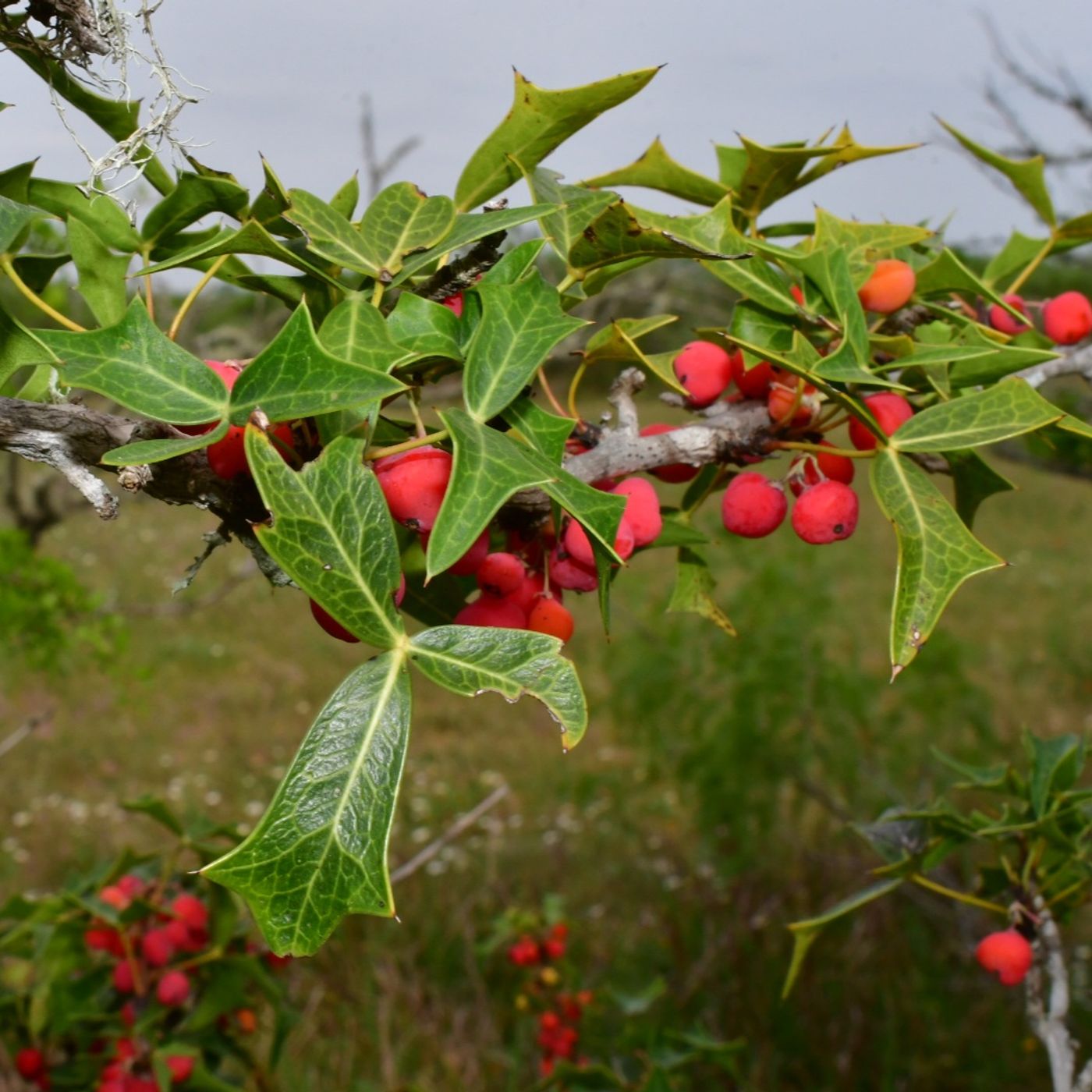
Cyrus Harp is an ethnobotanist, ethnobiologist and author based out of Cetral Texas. In this episode we talk about a number of different plant species, chipping chert, using Agave & Yucca for fiber, Agarita (Berberis trifoliolata) as dye, Mescal Beans and the history of pre-European human settlement and botany in Texas.
2025-10-30
139 min
Transcript
Available Results
Generated results are saved to the knowledge database for reuse and search.
No generated results are available for this episode yet.
Extract Knowledge
Pick what you want extracted first. Model, scope, and chapter options appear after a template is selected.
Generated results for public episodes are saved to the knowledge database so they can be reused and searched later.
Transcript
<v Speaker 1>All right, welcome to the Crime Page A Body Doesn't Podcast.
<v Speaker 1>Now today I've got a guest whose page social media
<v Speaker 1>page I've been admiring for a while. And if you
<v Speaker 1>know me and follow this podcast, you'll know that I normally,
<v Speaker 1>except for a few chants, a few chants I guess creators,
<v Speaker 1>I tend to get bored with the foraging content. But
<v Speaker 1>a few months ago, or maybe a year ago, I
<v Speaker 1>found a page based here in Texas, based out of Austin,
<v Speaker 1>that I found fascinating and the foraging information was presented
<v Speaker 1>through a lens with a lot of focus, especially on
<v Speaker 1>indigenous cultures and Native Americans and historical the keyword historical
<v Speaker 1>uses of these plants. And so with me today is
<v Speaker 1>Cyrus Harp, who's an author you just put a book
<v Speaker 1>out too, right, Yeah, and author and ethno biologists and
<v Speaker 1>to me, you're an ethno bondist. And yeah, man, thanks
<v Speaker 1>for coming on the page. I'm excited to talk to you.
<v Speaker 2>Yeah, thanks for having me man. Yeah, I've been admiring
<v Speaker 2>your work since I first started with the social media
<v Speaker 2>a couple of years ago. You really got a bunch
<v Speaker 2>of really interesting stuff, especially with Texas. I've only seen
<v Speaker 2>cool Texas plants that I never really looked at and
<v Speaker 2>shown them to me. So that's been really cool.
<v Speaker 1>Yeah, the plants in the geology here are the most
<v Speaker 1>the most interesting thing. And but you know, at the
<v Speaker 1>end of the day, the page I do isn't for everybody,
<v Speaker 1>but it's you know, for those that it is for,
<v Speaker 1>they seem to like it. But but first off, I
<v Speaker 1>guess I mean, I want to talk to you about
<v Speaker 1>a number of the things that I that you know,
<v Speaker 1>you put out on social media and just the interesting
<v Speaker 1>facts and historical information. But but first off, I guess
<v Speaker 1>I should ask how did you get into all of
<v Speaker 1>this and and how did your focus on plants and
<v Speaker 1>especially the historical the history of it? Where'd that, where'd
<v Speaker 1>that come from? How did it start?
<v Speaker 2>Well, it really kind of fell into it just encountering
<v Speaker 2>some ethnographies in grad school. So I was I did
<v Speaker 2>a biology degree or ecology degree at ut and then
<v Speaker 2>I was more focused on like plants and insects, and
<v Speaker 2>so I applied got a PhD program at Berkeley studying
<v Speaker 2>actually trunk coal force ecology with the you know, looking
<v Speaker 2>at insect or bivery on tree canopies. So my, my
<v Speaker 2>advisor was a botanist, and so I went into there
<v Speaker 2>thinking I was going to do that, and about a
<v Speaker 2>year or so and so I had already been into
<v Speaker 2>like forging and just like primitive skills stuff from young age,
<v Speaker 2>but really just sort of goofing around. The one thing
<v Speaker 2>that I always had back of my mind is like,
<v Speaker 2>where where's all this stuff coming from? Especially with the forging.
<v Speaker 2>You would see people saying like this is edible, but
<v Speaker 2>it was just never really clear to me how this
<v Speaker 2>was known. And I also had long standing interests in
<v Speaker 2>American Indian uses of the land and how they lived
<v Speaker 2>off the land for thousands of years, about all this
<v Speaker 2>like modern development, and so California was one of the
<v Speaker 2>last states to be colonized, and so we had this
<v Speaker 2>really unique period around I think eighteen ninety six is
<v Speaker 2>the term ethnobotany was coined. And then from around then
<v Speaker 2>and through like the nineteen forties, there's a lot of ethnographers,
<v Speaker 2>anthropologists and ethnobotanists actually studying the Indians who were still
<v Speaker 2>you know, living their traditional life ways at the time,
<v Speaker 2>especially in California, you have people living true hundred gather lifestyles.
<v Speaker 2>In the early nineteen hundreds, and then we had anthropologists
<v Speaker 2>going around actually documenting it. So it was throughout like
<v Speaker 2>global history. This is kind of an unprecedented sort of
<v Speaker 2>combination of things. And so out of that comes a
<v Speaker 2>huge body of work ethnographies and ethnobotanys just describing the
<v Speaker 2>lifeways of indigenous peoples and more. Really in North America,
<v Speaker 2>there's a lot of them. But I was in California
<v Speaker 2>and that's some really good ones there, and so I
<v Speaker 2>started reading those. And you know, when I had applied,
<v Speaker 2>I had said one of my interests was ethnobotany and
<v Speaker 2>ethno entomology or uses of insects, and so I was like,
<v Speaker 2>I'm gonna do this as kind of like a little
<v Speaker 2>side project. I started out doing the native uses of
<v Speaker 2>California natives of insects specifically for eating, and so I
<v Speaker 2>did some research on that and came up with a
<v Speaker 2>few research posters for conferences and a couple of lectures
<v Speaker 2>on that. But at the time too, I was like, wow,
<v Speaker 2>there's all these plant uses and a lot of these
<v Speaker 2>plant species are also in Texas, and I plan on
<v Speaker 2>going back there. So I started building up a manuscript
<v Speaker 2>so I would go in any plant genus that occurred
<v Speaker 2>in Texas. I would record all of its uses for food, medicine,
<v Speaker 2>and material by indigenous people's and so over like ten
<v Speaker 2>years I built up you know, well, I dropped out
<v Speaker 2>of graduate school after like four years because I was like,
<v Speaker 2>I don't really want to do this. I started teaching
<v Speaker 2>forging classes on the side based on what I learned,
<v Speaker 2>and I just didn't like the direction it was going with.
<v Speaker 2>It was so much with like politics, like you've got
<v Speaker 2>to you have to be very well liked, I think,
<v Speaker 2>and you have to be very concentrated on like buying
<v Speaker 2>for grants and publishing and stuff.
<v Speaker 1>Yeah, it sounds like total health.
<v Speaker 2>Yeah, And as my my work for DRESS, I started
<v Speaker 2>to realize I was much more interested in that's eth
<v Speaker 2>no bodanyth no biology stuff. And I didn't really see
<v Speaker 2>a way that I could publish any sort of thesis
<v Speaker 2>that would satisfy the requirements of my degree because it
<v Speaker 2>was going to be descriptive science and they want me
<v Speaker 2>to do like, how am I going to do some
<v Speaker 2>sort of statistical analysis on this WARFA? You really can't.
<v Speaker 2>And descriptive science is just like completely pushed to the wayside.
<v Speaker 2>It used to be that was like the majority of
<v Speaker 2>what was done, but now it's like not even considered science.
<v Speaker 1>So what do you what do you mean explain to
<v Speaker 1>everybody what you mean by descriptive science. What would that be,
<v Speaker 1>like a paper or something that just describes how something
<v Speaker 1>was used, or how something occurs or how something grows
<v Speaker 1>in habitat and what kind of ecology it exists. Is
<v Speaker 1>that is that kind of what you mean or what?
<v Speaker 2>Yeah, basically just describing patterns of nature something where you're
<v Speaker 2>not really the lack of statistical analysis of like numerical
<v Speaker 2>data sets is the only real difference. Like if you
<v Speaker 2>go to some island like Darwin and they're just recording
<v Speaker 2>all the species that you happen to come across, that's
<v Speaker 2>descriptive science. But if you were to, you know, do
<v Speaker 2>a sort of a regular transsect of the island and
<v Speaker 2>then take notes of what species you find at each
<v Speaker 2>you know, point on that transsect and do a statistical
<v Speaker 2>analysis of you know, the distribution of species and the
<v Speaker 2>diversity and all. I thought that would be real science.
<v Speaker 2>But I mean, like there's huge value just in describing
<v Speaker 2>and I would say, uh, in the initial stages in
<v Speaker 2>many sciences, the descriptive science is really the backbone of it.
<v Speaker 1>Yeah, yeah, one hundred percent. And I think, you know,
<v Speaker 1>there's for the more statistical stuff that's really important, especially
<v Speaker 1>if you're you know, you're measuring you know, pollinators or
<v Speaker 1>you know, pollinator ratios for a certain species of plant
<v Speaker 1>or something like that. But there's got to be room
<v Speaker 1>for the stuff that you're talking about, for the descriptive science.
<v Speaker 1>And certainly when I come across papers that are like that,
<v Speaker 1>those are always the more fun ones to read.
<v Speaker 2>Yeah, there's a lot of interesting stuff like that. But
<v Speaker 2>it's like I guess also the lack of an experiment
<v Speaker 2>would be a definition of the descriptive science.
<v Speaker 1>Yeah, yeah, definitely, Yeah, Like what's what's the point? If
<v Speaker 1>there's no point, then we you know, that's not public.
<v Speaker 1>There'sind of like that thinking like you know, and descriptive science,
<v Speaker 1>there's not well what are you hoping to achieve? What
<v Speaker 1>are you measuring? And it's like I just wanted to
<v Speaker 1>study this landscape. There's no end goal of you know.
<v Speaker 1>I think if I could just interject for a second, two,
<v Speaker 1>I get people. I don't know if people do things
<v Speaker 1>like grad school. I mean, I guess for some things.
<v Speaker 1>It's interesting, but especially when you live in a country
<v Speaker 1>where you know science is just going to be perpetually defunded.
<v Speaker 1>You know, people ask me what should I do, and
<v Speaker 1>I'm like, oh, get an electrical you know, license electricians degree,
<v Speaker 1>you know, like and then study. But make sure you
<v Speaker 1>have time to study your stuff on the side, and
<v Speaker 1>don't get off into a lot of debt. Don't buy
<v Speaker 1>dumb shit you don't need, because there's just you know,
<v Speaker 1>the future. People spend all this money going to school
<v Speaker 1>and then come out and can't get jobs because our
<v Speaker 1>society doesn't respect science.
<v Speaker 2>You know.
<v Speaker 1>It's not like India or China where people are getting
<v Speaker 1>paid to write floras or getting paid you know, where
<v Speaker 1>they actually fund science people. Science isn't really funded here,
<v Speaker 1>especially now. So I can definitely see. So you dropped
<v Speaker 1>out of the graduate program.
<v Speaker 2>Yeah, so I was. I had a fellowship for five years,
<v Speaker 2>and so I was, and I kind of about two
<v Speaker 2>years in I started to have doubts and then by
<v Speaker 2>the third year I was like, yeah, I don't think
<v Speaker 2>I'm gonna do this. But I still stuck around for
<v Speaker 2>the fourth year for that funding. And during that time
<v Speaker 2>I just like went all in on doing my research
<v Speaker 2>manuscript for like going through all these ethnographies and stuff
<v Speaker 2>and kind of just doing the bare minimum outside of that.
<v Speaker 2>But I didn't take the fifth year. I'm honorable like that.
<v Speaker 1>Yeah, yeah, yeah, no, I feel you. It's you know
<v Speaker 1>when you said California was this last state to be
<v Speaker 1>colonized when I was living out there, because I lived
<v Speaker 1>out there for twenty years, that was something I always
<v Speaker 1>thought about. I'm like, oh, the death cult reached here last.
<v Speaker 1>That's why there's still so much compared to the rest
<v Speaker 1>of the country. And that's why there's not only a
<v Speaker 1>lot of public land, but a lot of intact habitat
<v Speaker 1>left too. And I I think, you know what, who
<v Speaker 1>was it, Ishi? What was the There was a gentleman.
<v Speaker 2>I was just about to mention, Yeah, people are interested
<v Speaker 2>in this sort of thing. It's it's a very famous book. Ishi.
<v Speaker 2>I thinks the Last wild Indian some on my bookshelf
<v Speaker 2>right here, written by a very big anthropologists at the time.
<v Speaker 2>Well actually this book was written by his wife. But uh,
<v Speaker 2>I think Kraber, Alfred Kraber, he uh was the one
<v Speaker 2>who was like basically the caretaker or the guardian and
<v Speaker 2>essentially for ishi. His his tribe was completely murdered by
<v Speaker 2>my settlers, and then he just showed up in at
<v Speaker 2>like a some some town in reading, California, I think,
<v Speaker 2>and the sheriff just like didn't know what to do
<v Speaker 2>with him, so locked him up. And then Alfred Krab comes,
<v Speaker 2>he hears about this, and he comes from he was
<v Speaker 2>at Berkeley, and he comes and like gets the guy
<v Speaker 2>and takes them back to UC Perkeley. It just like
<v Speaker 2>has him living like in the museum essentially like doing
<v Speaker 2>flint napping and like making bows and then like writing
<v Speaker 2>about him. It's a very like sad story if you
<v Speaker 2>really look at it and think about it. But it's
<v Speaker 2>also very interesting to see because he was living it
<v Speaker 2>was a traditional hunter gatherer for his entire life until
<v Speaker 2>you know, maybe his late thirties or mid thirties, when
<v Speaker 2>he the last of his tribe died and he'd didn't
<v Speaker 2>want just wandering around for a while. I think they
<v Speaker 2>called him stealing or killing some like livestock or something. Yeah,
<v Speaker 2>it's a really crazy story.
<v Speaker 1>I remember I was in I forget what county it was,
<v Speaker 1>if it was Butte County. It was somewhere near Chico,
<v Speaker 1>but I was there was a McNab cypress stand that
<v Speaker 1>was on private land that I wanted to go document
<v Speaker 1>because I was really obsessed with the cypresses, the California cypresses,
<v Speaker 1>the genus Hespero Cyprus. They used to be in Compressis.
<v Speaker 1>But that got it got the whole, it got split
<v Speaker 1>up when the DNA was looked at and was realized
<v Speaker 1>there you know, Old World and New World cypresses, they're
<v Speaker 1>different genara, They're they're pretty diverged. But I was I went,
<v Speaker 1>you know, you had to go on this. I was trespassing.
<v Speaker 1>I was like, this is like ten years ago. And
<v Speaker 1>I ended up meeting the owner when I was there
<v Speaker 1>and he was cool with it. But yeah, I had
<v Speaker 1>to like hop this gate and then I took a
<v Speaker 1>bike because it was like an eight mile ride in.
<v Speaker 1>I took a bike in my dog and made it
<v Speaker 1>to this cypress grove because you could see it on
<v Speaker 1>the satellite. I mean, cypresses are very distinct. This like
<v Speaker 1>blue foliage and that was growing on this gabbro soil,
<v Speaker 1>which is like this weathered oxidized, bright red soil. And
<v Speaker 1>it was right across from I guess the cave where
<v Speaker 1>she had been living on this big canyon, like this
<v Speaker 1>vast like canyon. You know, it was like half a
<v Speaker 1>mile across, and it was it was out there. I mean,
<v Speaker 1>it's still so rugged out there. It's crazy like out
<v Speaker 1>by like you know, Oraville, Chico, Feather River. It's fucking crazy.
<v Speaker 1>But but yeah, it was a cool It was a
<v Speaker 1>cool story. I remember, you know, reading that when a
<v Speaker 1>friend who had told me about that, had done a
<v Speaker 1>survey at that population for PG and E that cypress
<v Speaker 1>population mcnabbs cypress, really cool tree. It smells incredible. It's
<v Speaker 1>got resin glands and fire dependent cypress got seraoninous cones
<v Speaker 1>that don't open unless they're supposed to fire. But he
<v Speaker 1>told me about it and he's like, yeah, it was
<v Speaker 1>right across from Echi's the Echi Wilderness, and so yeah,
<v Speaker 1>that was how I first learned about it, and I
<v Speaker 1>looked more into it who he was. But anyway, okay,
<v Speaker 1>sorry not to not to digress, but so you were
<v Speaker 1>you were you dropped out of the grad program, but
<v Speaker 1>you were still you obviously had a passion for this stuff.
<v Speaker 1>It wasn't just you know, I'm doing this because you're
<v Speaker 1>supposed to go to college and get a job and
<v Speaker 1>whatever you were. You were very passionate about this. So
<v Speaker 1>where'd you end up going after that? What happened?
<v Speaker 2>Yeah? So it was funny you say people should do
<v Speaker 2>electrician or something did, because I mean I wasn't then
<v Speaker 2>become electrician. But I basically spent like six seven, maybe
<v Speaker 2>even eighty years just doing a remodeling and property management
<v Speaker 2>and Austin. So I bought I had like saved up
<v Speaker 2>a bunch of money in my for my fellowship my
<v Speaker 2>last two years of grad school because I was already
<v Speaker 2>planning to split, and so I bought an r V
<v Speaker 2>and so I didn't have to pay rent because Berkeley
<v Speaker 2>is super progressive like that, they'll just allow you to
<v Speaker 2>park an RV on the street and live out of that.
<v Speaker 2>So I bought an RV for like three thousand dollars
<v Speaker 2>and just saved as much as I possibly could for
<v Speaker 2>my fellowship. And then because the housing market in Austin
<v Speaker 2>was booming at the time, and my family had been
<v Speaker 2>doing some sort of real estate deals in the town,
<v Speaker 2>so they knew how to do it. So I moved
<v Speaker 2>back in town. With that that money I saved for
<v Speaker 2>my fellowship, I put a down payment on a house
<v Speaker 2>and just remodeled the whole thing myself with like I
<v Speaker 2>was like going around town, like tearing down people's decks
<v Speaker 2>that they were trying to get rid of, to get
<v Speaker 2>scrap lumber and all this stuff, and just spent like
<v Speaker 2>a couple of years doing that, and then flipped that
<v Speaker 2>house and made a big profit, and with the profit
<v Speaker 2>of that, bought two other houses and did the same
<v Speaker 2>thing with those. And I was also doing a lot
<v Speaker 2>of uh like repairers handyman work on the side and
<v Speaker 2>property management work and just trying to save up money
<v Speaker 2>and build a sort of base. But also at the
<v Speaker 2>same time, basically all my free time I would spend
<v Speaker 2>doing my research and then also just going out in
<v Speaker 2>the field making sure I knew how to identify every
<v Speaker 2>plant and trying to replicate all these historical indigenous practices
<v Speaker 2>that I was reading about in my research. So I
<v Speaker 2>was planning eventually to do well what I'm doing now.
<v Speaker 1>And so but you and you basically moved back to
<v Speaker 1>Austin from California then after you left the GRAB program, right, yeah, yeah,
<v Speaker 1>So you took that lens you had in California for
<v Speaker 1>and you would had you already been into plants already,
<v Speaker 1>I mean like studying, were you studying Bonnie or you
<v Speaker 1>knew some of the genera out there or what.
<v Speaker 2>Yeah, definitely into Bonnie from since since my undergressure years.
<v Speaker 2>I would say that the plants and the insects were
<v Speaker 2>my biggest interests.
<v Speaker 1>It's cool, It's it's really cool to learn, you know,
<v Speaker 1>to become familiar with the genus or a family a
<v Speaker 1>thousand miles away and then come to you know, to
<v Speaker 1>a place like Texas and see variations on that same
<v Speaker 1>genus but that have speciated for Texas conditions, you know,
<v Speaker 1>summer rain instead of summer dry, heavy limestone soils because
<v Speaker 1>limestone basically it creates new species of plants because of
<v Speaker 1>how stressful it can be to grow in. I guess
<v Speaker 1>that must have been really exciting for you too, to
<v Speaker 1>see genera you were already familiar with, but different variations
<v Speaker 1>on them.
<v Speaker 2>Yeah. It definitely totally opened my perspective on things to
<v Speaker 2>out there for a long time and learn all the
<v Speaker 2>plants in California. It's actually California is more plant species
<v Speaker 2>than any other state. Yeah. And then also at the
<v Speaker 2>time I wasn't flying back like I would visit back
<v Speaker 2>to Austin for holidays and stuff, but I never flew.
<v Speaker 2>I would always drive all the way there and back
<v Speaker 2>because there's so much beautiful landscapes along that whole route
<v Speaker 2>in the Southwest and throughout you know, the mountains of California. Yeah,
<v Speaker 2>and so I just so many different variations of plants
<v Speaker 2>and ecologies, and so I definitely turned them around my
<v Speaker 2>old perspectives from just like living in one place. Yeah, yeah,
<v Speaker 2>you mentioned Cyprus thing in California. I didn't not know
<v Speaker 2>that that was there because I've heard of that in
<v Speaker 2>like central Mexico.
<v Speaker 1>Yeah, it's it's loose Hispera Cyprus loose to tanicas the
<v Speaker 1>Mexican one, and they grow at like nine thousand feet,
<v Speaker 1>you know, and these like really relatively cool basically like
<v Speaker 1>the climate of San Francisco, but with summer rain. But
<v Speaker 1>then there's like nine species in cal and they're all
<v Speaker 1>really rare. They're all you know, they're all relative, and
<v Speaker 1>they're relatively restricted to soil special soil types. I think
<v Speaker 1>all of them are restricted just you know, unique soil
<v Speaker 1>types like Hespero sippers sargentii only grows on serpentine McNab.
<v Speaker 1>Cypress only grows on serpentine and gabro, you know, ultramafic
<v Speaker 1>rocks Hespero, cipprss bakeriye, grows on old lava flows where
<v Speaker 1>it's like the only thing that can colonize some of
<v Speaker 1>these lava flows. Like if you got to like Timbered Crater, California,
<v Speaker 1>Cuyamaca cypress down south grows on I think that grows
<v Speaker 1>on Gabro too. Tacate cypress grows on gabro. You know,
<v Speaker 1>like all these soils that only exist because of the
<v Speaker 1>subduction zone that once existed off the coast of California.
<v Speaker 1>It's all these you know, ultramafic rocks that you normally
<v Speaker 1>encounter on the ocean got basically shoveled off onto the
<v Speaker 1>side of the former continent or the old California, you know,
<v Speaker 1>the North Americ count But anyway, but yet I think
<v Speaker 1>Texas the only one that we get Isspera ciprus Arizonica
<v Speaker 1>and Big Bend. There's like a little disjunct population down there.
<v Speaker 3>But anyway, so the one in central Mexico, where does
<v Speaker 3>that grow on some weird soil types.
<v Speaker 1>No, it's just like a forest tree. It's more common
<v Speaker 1>and it grows all the way down. It's planted in
<v Speaker 1>Costa Rica. They say it's not native, but I mean it's,
<v Speaker 1>you know, Costa Rica. I'm sure it was there at
<v Speaker 1>some point because it's Costa Rica's not far from Mexico,
<v Speaker 1>and it's got a lot of the same conditions and
<v Speaker 1>high elevations, you know, like these cool foggy forests. But
<v Speaker 1>you know, if you like just outside of Mexico City
<v Speaker 1>in the mountains, you can see Uspera ciprus lusatanica and
<v Speaker 1>they formed these big trees, like beautiful trees, tall forest trees.
<v Speaker 1>But the ones in California are all adapted to fire,
<v Speaker 1>and I don't think Lusatanica has adapted to fire. Maybe
<v Speaker 1>it is, maybe it's adapted to some sort of disturbance
<v Speaker 1>or something. But yeah, they're cool though. They all smell
<v Speaker 1>really good, and they were great. I was using them
<v Speaker 1>for illegal tree planting because if you plant them in
<v Speaker 1>the winter in full sun, they'll sit tight through the
<v Speaker 1>dry summers and then just continue growing. They grow fast too.
<v Speaker 1>They're really fucking great. They smell good. The foliage kind
<v Speaker 1>of smells like lemonye pine, you know.
<v Speaker 2>Yeah, apparently Cortes when he was pillaging the area. He
<v Speaker 2>built all these palaces out of that species and like
<v Speaker 2>totally deforested the surrounding areas in that species, which kind
<v Speaker 2>of makes sense to all. The cypress family has great
<v Speaker 2>wood for construction.
<v Speaker 1>Oh yeah, super resistant. Yeah, they did the same thing.
<v Speaker 1>Where I am on the border, on the south border
<v Speaker 1>by mccollan in the Rio Grand Valley with all the
<v Speaker 1>monazuma cypress unrelated. I mean it's in the same family
<v Speaker 1>but different genus, but there used to be these gargantuan trees.
<v Speaker 1>I mean, it's the same species you get in Austin,
<v Speaker 1>you know, the one they call bald cypress in Austin
<v Speaker 1>is actually just the northern end of a monazuma cypress
<v Speaker 1>population that goes all the way down to Wahaka and
<v Speaker 1>I think the Guatemala two. But but yeah, they took everything.
<v Speaker 1>It's fucked, you know, it's a fucking death cult. But anyway,
<v Speaker 1>but yeah, so, okay, so you're back in Texas and when,
<v Speaker 1>So when did you really get into doing what you do,
<v Speaker 1>into things like flint napping, learning, like do you how
<v Speaker 1>to use fibers? Uh, you know, food sources, stuff like that,
<v Speaker 1>Like how when did you really get get into, you know,
<v Speaker 1>doing that as much as you are now.
<v Speaker 2>Well, I started that back in grad school in California,
<v Speaker 2>and the flint mapping specifically there was Uh, I just
<v Speaker 2>started to get into that in my own. It's at
<v Speaker 2>the same time, you know, I was just really into
<v Speaker 2>ethnal models. Just like one of the things that's been
<v Speaker 2>fascinated me since childhood is like how indigenous people living
<v Speaker 2>off the land, like completely like hunter gatherers, styling a
<v Speaker 2>lot more of course horticulturists and stuff, but I was
<v Speaker 2>just like fascinated by that, that lifestyle, living directly with nature.
<v Speaker 2>And so I was like looking on YouTube videos how
<v Speaker 2>to flint nap and all this stuff, because they also
<v Speaker 2>have an obsidian in California. And I went out my
<v Speaker 2>mine some oubsidy on my own and there was a
<v Speaker 2>guy with a website, Dino Labisi's some Primitive Skills website,
<v Speaker 2>and he had regular meetings at like a public park
<v Speaker 2>in the Bay Area. So I just started showing up
<v Speaker 2>to that and some of these like I didn't know
<v Speaker 2>it at the time, but they're like big old school
<v Speaker 2>names and the flint napping game, and so I would
<v Speaker 2>go and nap in the park with them, and then
<v Speaker 2>I basically just kept that up because I also knew
<v Speaker 2>and Austin had some of the best quality flint in
<v Speaker 2>North America. So I can get any high quality shirt
<v Speaker 2>for flint mapp anytime I want. Here the fun thing
<v Speaker 2>to do, just like I like the things where I
<v Speaker 2>can go out and interact with nature. So doing that
<v Speaker 2>and also with the plants and the quarter, it's just
<v Speaker 2>like I'm always trying to figure out, like how what
<v Speaker 2>it would be like to be a human and paleolithic,
<v Speaker 2>like actually relying on nature entirely for your survival, wild nature,
<v Speaker 2>Like what all of those things would look like?
<v Speaker 1>Yeah, oh yeah. For me, I think the thing I mean,
<v Speaker 1>I'm like, I'm really interested in how a gave can
<v Speaker 1>be turned into a fiber, you know, take just from
<v Speaker 1>the leaf blades, you know, and I've seen videos on it.
<v Speaker 1>It's really fascinating stuff. But for me, it's more like,
<v Speaker 1>you know, I love these plants so much, and I
<v Speaker 1>love what they do. I love, you know, the millions
<v Speaker 1>of years of evolution they've spent on this landscape, forming
<v Speaker 1>relationships with the insects and the fungi and the people
<v Speaker 1>and so it's kind of like a way for me
<v Speaker 1>to pay homage to them. Like I just you know,
<v Speaker 1>there was a lady here who made she would make
<v Speaker 1>like jewelry stuff. I'm not like a jewelry guy either.
<v Speaker 1>I don't wear jewelry. And I had like a I'm
<v Speaker 1>wearing like a bracelet I picked up in Ecuador in
<v Speaker 1>a market for like two bucks made out of palm fiber.
<v Speaker 1>But aside from that, I don't really wear anything. But
<v Speaker 1>she she had made, she was making like beads. She
<v Speaker 1>was turning like you know a lot of legumes, their
<v Speaker 1>seeds memozoid trees, the mimosoid subfamily that where they're so
<v Speaker 1>they're so common in the deserts. There are seeds you
<v Speaker 1>could turn into a beachs like senegalia, berlandiery ebony seeds
<v Speaker 1>Texas ebony, which is a memosoid legume. And so I
<v Speaker 1>was like, could you make a necklace and not to wear,
<v Speaker 1>but I just want to like hanging on the wall
<v Speaker 1>out of like Dermatophylum, the mountain laurel, which is a
<v Speaker 1>horrible name for a plant. It doesn't grow in the
<v Speaker 1>mountains and it's not related to laurel at all. It's
<v Speaker 1>a beam. But can you make a necklace out at
<v Speaker 1>Dermatophylum and the Rapdodis snail shells, I think you get
<v Speaker 1>you get rapdotas snails up there too, right where the
<v Speaker 1>habitat is still intact.
<v Speaker 2>I don't know about that one.
<v Speaker 1>I've seen it. I saw them in Fort Worth. I
<v Speaker 1>saw him in Fort Worth at a at a prairie
<v Speaker 1>site near a bus stop, and I was like, oh,
<v Speaker 1>I didn't know that came up this this north anyway.
<v Speaker 1>So she made like a little necklace out of that,
<v Speaker 1>and I just I just love having that stuff around me.
<v Speaker 1>You know, it's like it's part of the land. That's
<v Speaker 1>just it's just won't make sense. But I guess you know,
<v Speaker 1>for all this like finding information about this stuff, did
<v Speaker 1>you have trouble doing that because a lot of this
<v Speaker 1>information is lost or it's just it's I mean, what
<v Speaker 1>how are you doing research on this? Were you having
<v Speaker 1>to like consult old books? How did you go about it?
<v Speaker 2>Well? First time I say that about the like appreciation
<v Speaker 2>of the nature, that is one of the biggest reasons why.
<v Speaker 2>I mean, for me, it's like kind of one and
<v Speaker 2>the same. I think I'm fascinated by this stuff because
<v Speaker 2>I appreciate nature, and I also think that other people
<v Speaker 2>would appreciate nature more if they knew just how fascinating
<v Speaker 2>it was, and that's why I share it. I've also
<v Speaker 2>made necklaces out of I mean a Boodhist prayer beads
<v Speaker 2>out of the Texas Mala marl cool.
<v Speaker 1>Yeah.
<v Speaker 2>The research I started out in like university libraries like
<v Speaker 2>at Berkeley, and then when I moved back to Texas,
<v Speaker 2>I started I also looked at the University of Texas
<v Speaker 2>library here, and I would just like go through all
<v Speaker 2>the sections where I knew that such references would be in.
<v Speaker 2>But then I also got pretty good at finding them online.
<v Speaker 2>There's a lot of like like archive dot org is
<v Speaker 2>a good source for a lot of these old like
<v Speaker 2>public domain publications, and just like a lot of I
<v Speaker 2>don't know, just searching online and building up a massive
<v Speaker 2>reference library, like I have a digital library that has
<v Speaker 2>many thousands of files, and also have a physical library
<v Speaker 2>too that's substantial, but not nearly as much as a
<v Speaker 2>digital one. So I just kind of read through all
<v Speaker 2>of those. That's why it's taken so long, because a
<v Speaker 2>lot of them are just like I don't know, like
<v Speaker 2>an early expedition in account like a Spanish expedition. Like
<v Speaker 2>the diary. You can read that whole thing. It's like
<v Speaker 2>five hundred pages and you'll maybe get like a dozen
<v Speaker 2>sort of references to some use of plants. That's not
<v Speaker 2>like so Ericans to be useless. But when you do
<v Speaker 2>find those, it is can be very fascinating and I'll
<v Speaker 2>still give you some interesting context all that. But there
<v Speaker 2>are a lot of like ethno botanies like strictly and
<v Speaker 2>those were have been the most useful front research on
<v Speaker 2>what I've prioritized, like for my im both I recently
<v Speaker 2>published that's basically every ethnobotany that I've found from North
<v Speaker 2>America is included in that because there's you know, usually
<v Speaker 2>one hundred or so or plant species, and some of
<v Speaker 2>them are from Texas. A lot of a lot of
<v Speaker 2>them are from Texas.
<v Speaker 1>Offs mm hm for the amount of philum for the
<v Speaker 1>Mountain Laurel. Do you know. I've got some guy once
<v Speaker 1>who told me he had he had ground that up
<v Speaker 1>and consumed it when he was a kid. And he's like,
<v Speaker 1>I get what he said. I think he said it
<v Speaker 1>was like it sent his ass to the moon. But
<v Speaker 1>then he puked and he was just like it wasn't pleasant.
<v Speaker 1>He's like, I never did it again, but they do
<v Speaker 1>get you fucked up. He was some old Texans, some
<v Speaker 1>old dude I met in San Antonio. He didn't seem
<v Speaker 1>like the kind of kid that the kind of guy
<v Speaker 1>who had have a story like that either. But you know,
<v Speaker 1>I definitely thought higher of him after he had done that.
<v Speaker 1>I was like, Oh, wow, you were kind of loose
<v Speaker 1>back in the day. What's yeah, do you know, Uh
<v Speaker 1>was that used a lot for that or what's the
<v Speaker 1>history of.
<v Speaker 2>Yeah, that's one of the most important plants, uh, at
<v Speaker 2>least ceremonially for for American Indians and Texas Historically hunters
<v Speaker 2>that do not recommend anyone try anything with those beans.
<v Speaker 2>There extremely poisonous for one of most poisonous plant species
<v Speaker 2>in Texas. A single bean can kill a grown adult.
<v Speaker 2>But you know, if you do swallow a whole bean,
<v Speaker 2>it's probably going to pass through digestive system. But if
<v Speaker 2>you were to crush up old bean, there's a good
<v Speaker 2>chance that it will kill you. But well, he crushed
<v Speaker 2>it up.
<v Speaker 1>He said he didn't die. Yeah, he said he crushed
<v Speaker 1>it up, but he didn't die. But it was fucking
<v Speaker 1>it was. But anyway, sorry, go ahead.
<v Speaker 2>Yeah, you it's possible to survive he ate a whole
<v Speaker 2>one maybe, but that's not the way it was normally
<v Speaker 2>consumed historically. So the way they did it was just
<v Speaker 2>a weak cold infusion of a small amount. So they
<v Speaker 2>would take one or maybe multiple beans and then crush
<v Speaker 2>them up into a powder, mixed that with cold water,
<v Speaker 2>and then they would pass that bowl around and then
<v Speaker 2>each take a six of it through a straw. And
<v Speaker 2>it's had to be sort of a stimulant and u
<v Speaker 2>fork effects, but it's pretty clear that they're consuming rather
<v Speaker 2>small lots of it. I haven't tried it myself. I
<v Speaker 2>want to, but I'm also just.
<v Speaker 1>Like it's I mean, if you do, definitely take notes,
<v Speaker 1>but but yeah, I'm just you know, because that's what
<v Speaker 1>you know, the mescal beans, that's what mescaline was was
<v Speaker 1>named after. And there were were there were a bunch
<v Speaker 1>pulled out of White Shaman Cave. They were found in
<v Speaker 1>White Shaman Cave on the Pecos with like a five
<v Speaker 1>thousand year old drive payoty button.
<v Speaker 2>Yeah, it was a big part of the ceremonial culture,
<v Speaker 2>especially the payoti ceremonial complex. There's a few good articles
<v Speaker 2>Shorties wrote about that. But if they were, they probably
<v Speaker 2>were consumed rich realistically along with payoty at least at
<v Speaker 2>some point or in some times and places. But they
<v Speaker 2>were also more into the nineteenth or the twentieth century
<v Speaker 2>being used more just as a ceremonial object in paired
<v Speaker 2>payoty ceremonies. So they would have beads, bead necklaces of
<v Speaker 2>the Texas model moral being for those ceremonies. And they're
<v Speaker 2>also just used for what would you call it a
<v Speaker 2>sort of medicine like not in like the modern medicine
<v Speaker 2>tern but it's kind of like for for luck, for
<v Speaker 2>for sort of metaphysical purposes. It would be kept on
<v Speaker 2>the person by some of some authors say, uh, every Indiana,
<v Speaker 2>Texas was carrying Texas nonin ol being just for those
<v Speaker 2>ritualistic purposes. But they're also very commonly used for beads
<v Speaker 2>like on on legging fringes and stuff like that.
<v Speaker 1>Yeah, it's a beautiful seed. It's I mean, it's it
<v Speaker 1>doesn't surprise me at all. Do you know, uh, any
<v Speaker 1>other any of the other of those leggings, like like
<v Speaker 1>Texas Avenue are you familiar with any uses for those
<v Speaker 1>or how they were used in the past.
<v Speaker 2>Yeah, Evanopsis at Bono, Yeah, that has an edible use.
<v Speaker 2>It doesn't occur in Austin, so I haven't been able
<v Speaker 2>to try it.
<v Speaker 1>Yeah, I'll bring you some seeds sometimes because uh, I
<v Speaker 1>think especially with climate changes, you know, who knows it'll
<v Speaker 1>maybe it'll. I know they're they're frost tolerant. But I've
<v Speaker 1>heard with the seeds, you know, they occur in these
<v Speaker 1>like thick woody pods, and the pods beautiful too. After
<v Speaker 1>the seeds come out, they look like a keyboard on
<v Speaker 1>the inside, like a piano keyboard. They've got the you know,
<v Speaker 1>the holes where the seeds sit. But I've heard you
<v Speaker 1>can pop the seeds like popcorn. You can roast them
<v Speaker 1>and they'll kind of pop like that. And if you
<v Speaker 1>get them when they're soft, when they're still green before
<v Speaker 1>they turn that like beautiful burgundy brownish red, that that
<v Speaker 1>they're edible too. But goddamn, that's one of my favorite trees.
<v Speaker 2>Man.
<v Speaker 1>They smell incredible when they bloom. Their heat tolerant as hell.
<v Speaker 1>They're slow to get going. They need a little bit
<v Speaker 1>of cover. They're not like a pioneer species. They're slow
<v Speaker 1>to get going. They need shade when they're young, but
<v Speaker 1>once they get established, I mean they turn into the
<v Speaker 1>size of oak trees, you know, just these beautiful, really
<v Speaker 1>fragrant and really important nitrogen fixing plants. So yeah, I'll
<v Speaker 1>bring you some seeds, man, I want to get I
<v Speaker 1>want more people to grow those up there too. I'm
<v Speaker 1>sure they probably survive in San Antonio or their marginal maybe,
<v Speaker 1>I don't know.
<v Speaker 2>I have seen I found one growing. And also I
<v Speaker 2>don't know who it was planted or not. It was
<v Speaker 2>kind of in an area possibly was planted, but it
<v Speaker 2>was grown all right, But yeah, I do you have
<v Speaker 2>it recorded? My research is being eaten. I also follow
<v Speaker 2>a person down in South Texas. Is just similar stuff
<v Speaker 2>to mean, who's eaten them? But so, the seeds were
<v Speaker 2>eaten by early Texans and Mexican folk. The soft beans
<v Speaker 2>were boiled with milk and served with pepper and salt,
<v Speaker 2>and the hard black beans were made into a coffee substitute,
<v Speaker 2>which they always say coffee substituting. People think that means caffeinated,
<v Speaker 2>but that just means some dried roasted plant material made
<v Speaker 2>into a detoxin or infusion.
<v Speaker 1>Yeah, it was.
<v Speaker 2>It was reported that if a large amount of the
<v Speaker 2>beans were eaten, it can cause a discharge from the
<v Speaker 2>urethra like that caused.
<v Speaker 1>By It's amazing. I'm gonna have to try that. It's
<v Speaker 1>a it's a fucking great genus. There's there's one that
<v Speaker 1>grows in Baja California, sir. Which gives you an idea
<v Speaker 1>of you know, which is like four thousand miles away,
<v Speaker 1>three thousand miles away, So it gives you an idea
<v Speaker 1>of how old this lineage is. If there's one, you know,
<v Speaker 1>they there's the lineage diverged. There's a one in South Texas,
<v Speaker 1>one in way down in Bay, California, sir. And then
<v Speaker 1>there's one in Sinala. I think that's really rare, and
<v Speaker 1>another Eponopsis species. But I love the genus, man, It's
<v Speaker 1>one of my favorite trees. And they're really easy to
<v Speaker 1>grow too. They just you know, you just got to
<v Speaker 1>collect the seeds. So I think I'll, yeah, I need
<v Speaker 1>to do that. But all those leggings are so fucking dope,
<v Speaker 1>man like like misky, Like what's up with misky? That
<v Speaker 1>was obviously a really important one.
<v Speaker 2>Yeah, the most important wild flat food in the Southwest,
<v Speaker 2>no question. It's most underrated wild edible for sure. And
<v Speaker 2>the way it gets hated on Texans is just so
<v Speaker 2>shameful because people are like, oh, it takes over and
<v Speaker 2>it's invasive. But it's not invasive and it doesn't really
<v Speaker 2>take over. It's just because the land was clear, clear
<v Speaker 2>cut for like ranchers. Yeah, then it and it springs
<v Speaker 2>back so easily, be says the deepest taproot of any
<v Speaker 2>plant species in the whole world, go to two hundred
<v Speaker 2>feet deep.
<v Speaker 1>Yeah, it's a fucking great plant.
<v Speaker 2>Yeah. Wait, what'd you call it?
<v Speaker 1>Freato fight p h r E A t O and
<v Speaker 1>you know, and and the reason is common. I mean,
<v Speaker 1>it kind of drives me enoughs and people call it invasive.
<v Speaker 1>It's that's so ship for brain, It's it's like not
<v Speaker 1>invasive at all. It's a pioneer species. And when you
<v Speaker 1>graze the ship out of a land and don't do
<v Speaker 1>don't do rotational grazing, it's the only thing that's left
<v Speaker 1>that in prickly pair because the cows don't eat it
<v Speaker 1>because it's you know, misky has big spines when it's young.
<v Speaker 2>Yeah, it was probably being dispersed by gomf theers and megafauna,
<v Speaker 2>which is why livestock eat it now. And I think
<v Speaker 2>that's also why it produces so many giant pods, and
<v Speaker 2>why that has all that sweet and messa carp tissue,
<v Speaker 2>and also why the wood is very strong and but
<v Speaker 2>also pretty uh, pretty springy. It was actually used by
<v Speaker 2>bows by some natives, and also has the thorns to
<v Speaker 2>deter excessive breakage from dompier browsing.
<v Speaker 1>But let's talk about companies like that's like mammots basically, yeah,
<v Speaker 1>kind of like.
<v Speaker 2>An elephant type thing, big old. I think they have
<v Speaker 2>more like shovel shapes. Uh what's it called tusks? Yeah,
<v Speaker 2>probably also giant sloths could have been browsing on them.
<v Speaker 2>They definitely seem to be coated for megafauna dispersal that
<v Speaker 2>and fact then nothing really stirses them now. The livestock
<v Speaker 2>is uh what do they call them? That? Uh?
<v Speaker 1>An anachronism some of these some of these plants and
<v Speaker 1>evynopsis is like this too. It's got that zig zag branching,
<v Speaker 1>which you know, that's a whole phenomenon in New Zealand,
<v Speaker 1>the divaricating branching. I mean that's that was a result
<v Speaker 1>of co evolution with MOA's. You know, I just love
<v Speaker 1>being able to look at a plant you could tell like, Wow,
<v Speaker 1>something was fucking with this hard in its past. You know,
<v Speaker 1>like that's next, something was selecting for this. This kind
<v Speaker 1>of shit doesn't just evolve unless something is there that's
<v Speaker 1>really really putting a lot of herbivore pressure on it.
<v Speaker 1>And you know, I look at this stuff and I
<v Speaker 1>just am so curious about some of the large mam.
<v Speaker 1>You know, it wasn't a result of deer and bison.
<v Speaker 1>You know, you can look at this stuff and you're like,
<v Speaker 1>that's not deer. Like deer, something wouldn't evolve that extreme,
<v Speaker 1>like you know, two or three inch long spines in
<v Speaker 1>some cases and zigzag branching as a result of deer.
<v Speaker 1>So you know, what was it? Like, what is It's
<v Speaker 1>gone now? But the evidence that it was here for
<v Speaker 1>millions of years is still around and you can see
<v Speaker 1>it in the plants.
<v Speaker 2>So what's the explanation to the zig zag branching because
<v Speaker 2>I definitely noticed that.
<v Speaker 1>Ski well for yeah, and you see even like Colubrina
<v Speaker 1>tech census to hog plumb, which is buckthorn family, but
<v Speaker 1>that it deeters herbivy, it makes it. It creates a cage.
<v Speaker 1>The branching creates a cage around the plant, and if
<v Speaker 1>the branch dies, you know, it creates a cage and
<v Speaker 1>then the plant can re sprout from the center, but
<v Speaker 1>it's now got this cage around it. In the case
<v Speaker 1>of MOA's, I think a lot of it was. You know,
<v Speaker 1>it's not just the zigzag branching. Moas are the giant
<v Speaker 1>flightless extinct land bird in New Zealand. It went extinct
<v Speaker 1>before European settlers even got there. The Maori drove it
<v Speaker 1>to extinction. But the branching is zigzagging, it's divcating. And
<v Speaker 1>then it's the leaves are axillary, they don't have a petiole,
<v Speaker 1>and they're small, and so you can't just like grab
<v Speaker 1>a hole. You know. You contrast that with like the
<v Speaker 1>leaves of you know, another hardwood species. It's just got
<v Speaker 1>luxuriant draping foliage where a nerve of work and just
<v Speaker 1>chew off a huge you know, grab a mouthful and
<v Speaker 1>show it off. In the case of this zigzag branching,
<v Speaker 1>you've got to kind of go from point to point,
<v Speaker 1>and there's long nodes in between them and the the
<v Speaker 1>the leaves are small, so you're not getting that much
<v Speaker 1>return on your investment, and I think it just discourages
<v Speaker 1>that way. And it's they normally have thorns on them too,
<v Speaker 1>like all the zigzag plants you know. But but yeah,
<v Speaker 1>Colabrina tex census ebony, miskit does it. But miskit has
<v Speaker 1>thorns too, you know. And then once they reach a
<v Speaker 1>certain height, like miskuits stop producing thorns at like eight
<v Speaker 1>or nine feet. It's a lot of people don't realize
<v Speaker 1>it's because there's you know, above the height of which
<v Speaker 1>a herbivore could reach. It doesn't make sense to expend
<v Speaker 1>calories into producing spines anymore. So Parkinsonia Texano does that too.
<v Speaker 1>But but but yeah, but anyway, but back to miskit.
<v Speaker 1>I mean, I love just taking like misky fruits, the
<v Speaker 1>bean pods and just putting the you know, the fleshy
<v Speaker 1>meso car with the seeds in it in my mouth
<v Speaker 1>as long as it's like already starting to turn light brown,
<v Speaker 1>if they're still green, it's kind of bitter, and then
<v Speaker 1>just kind of sucking on it and then spitting the
<v Speaker 1>seeds out like you would sunflower shells. What was the
<v Speaker 1>whole I mean what this was used for flower though,
<v Speaker 1>I mean this was used for a bunch of different processes, right.
<v Speaker 2>Yeah, so it would be the staple carbohydrate for all
<v Speaker 2>Southwest snake. Essentially everywhere mosquite grows, mesquite pods would be
<v Speaker 2>the staple carbohydrate. So yeah, a lot of people more
<v Speaker 2>familiar with it in recent times grew up in the
<v Speaker 2>areas of a mosquite are consuming a lot. I could
<v Speaker 2>just describe just tune it up and spinning out the
<v Speaker 2>fiber and so from a squite. I have more research
<v Speaker 2>on my scheite than any other plant specieds, like by
<v Speaker 2>far in my book where I try to keep it
<v Speaker 2>as condensed as possible, it's still like ten pages long.
<v Speaker 2>So use in a lot of different ways. But it
<v Speaker 2>can be summarized pretty easily into two main consumption methods,
<v Speaker 2>either a drink or a flour. So the drink is
<v Speaker 2>the easiest way, and I'm pretty much til all the
<v Speaker 2>news we're using it as both. So the drink would
<v Speaker 2>be made simply by crushing up the whole pods and
<v Speaker 2>a mortar and pestle or then you know, so maybe
<v Speaker 2>sometimes a mono matasse and then taking that whole crushed pod,
<v Speaker 2>mixing water with that and then straining it, and then
<v Speaker 2>that messic tissue is just like it's eighty seven percent carbohydrate,
<v Speaker 2>and so that those sugars just easily leach out into
<v Speaker 2>the water like almost instantly, and it produces a sweet
<v Speaker 2>drink that's kind of got like a camera in caramel
<v Speaker 2>flavor to it. So that's for sure the easiest way
<v Speaker 2>to process it. I don't know the traditional method a lot.
<v Speaker 2>You can't even just do it with a couple of
<v Speaker 2>rocks in a bowl of water. But one way it's
<v Speaker 2>even easier if you have modern technology, is just to
<v Speaker 2>throw a bunch of those pods whole into under with
<v Speaker 2>water and just blended up and then strain that their
<v Speaker 2>water mess strainer. It takes hardly any effort at all
<v Speaker 2>because that would.
<v Speaker 1>Be seeds too. You just put the seeds in there too,
<v Speaker 1>you do, but.
<v Speaker 2>The seeds aren't really where you're getting the nutrition. So
<v Speaker 2>this is a very very common thing I get with
<v Speaker 2>people not understanding the difference between the beans, the seeds,
<v Speaker 2>and the pods. I mean, now, I'm sure you know,
<v Speaker 2>but the like in internet comments, I'll get people who
<v Speaker 2>are just absolutely convinced that the beans were the food
<v Speaker 2>source from mesquite pods, which you know, it's excusable because
<v Speaker 2>they're referred to as mesquite beans most of the time,
<v Speaker 2>and people just don't really understand where the nutrition is
<v Speaker 2>coming from. So that you have the mesquite pod, which
<v Speaker 2>is the whole fruit, and then you have the outer
<v Speaker 2>layer of fiber skin, and then just inside that you
<v Speaker 2>have the messo carp, there's a spongy tissue layer that's
<v Speaker 2>like almost entirely sweet carbohydrates, and then inside that you
<v Speaker 2>have the bean or what most peop would call the bean,
<v Speaker 2>which is really the indocarp or like this hard shell
<v Speaker 2>that surrounds the seed inside. And so the seeds were eaten,
<v Speaker 2>but not by many natives. I think only four tribes
<v Speaker 2>I found in my research is you know, probably thirty
<v Speaker 2>five or forty other indigenous people's in my research, only
<v Speaker 2>about four of them eight the seeds at all. And
<v Speaker 2>so if you want to eat the seeds, you have
<v Speaker 2>to crack open that indocarp, the bean shell, and then
<v Speaker 2>you get that seed inside, which is kind of a
<v Speaker 2>hard seed, has a pretty thick seed coat, and so
<v Speaker 2>the endocarp is edible, but It also has highlight high
<v Speaker 2>concentrations of trypsins, which is like an anti nutrient, and
<v Speaker 2>its digestion which can be cooked cooked to make more digestible.
<v Speaker 2>And three of the four tribes that ate the seeds
<v Speaker 2>did cook it. But you know, it's a lot more
<v Speaker 2>effort to get the seeds.
<v Speaker 1>Yeah, and most of the nutrients is going to come
<v Speaker 1>out of that mesocarp too, because that's the sweet stuff. Man,
<v Speaker 1>that is like, that's sweet. Have you ever had They
<v Speaker 1>call it ice cream bean? They're like these four foot
<v Speaker 1>long but they're only like the diameter of maybe two
<v Speaker 1>of your thumbs put together, like smaller than the diameter
<v Speaker 1>or a golf ball, inga inga edgeless. It's another it's
<v Speaker 1>another mimosoid legging. Have you heard of that before?
<v Speaker 2>Oh? Yeah no. In my undergrad years I did some
<v Speaker 2>study broad and Coasta Rica and traveled through Central America
<v Speaker 2>and then my beginning of my graduates school research.
<v Speaker 1>It's so good, it's me it's brilliant. Yeah, it's the
<v Speaker 1>same thing. You're eating the mesocarp, you're eating the fleshy stuff,
<v Speaker 1>and that that of course is evolutionarily advantageous. That's what
<v Speaker 1>the thing evolved with That's why the mesocarp evolved. It
<v Speaker 1>tastes sweet so that you know you're yeah, and I'm
<v Speaker 1>supposed to eat the seeds. Was to eat the whole thing,
<v Speaker 1>shout out the seeds or discard the seeds and eat
<v Speaker 1>the the sweet stuff inside. But goddamn they sell those.
<v Speaker 1>I went to this market. My my buddy Cruise took
<v Speaker 1>me to this market in Ecuador when we were down there,
<v Speaker 1>and he kept he wouldn't shut up about he was
<v Speaker 1>so obsessed. And I was like, oh God, fine, we'll
<v Speaker 1>go to the fucking market. I'm not really into that,
<v Speaker 1>but whatever. I went there and I was blown away.
<v Speaker 1>I didn't want to leave. They had all this cool stuff.
<v Speaker 1>They had fibers made from the the native palms down there.
<v Speaker 1>I mean it was like I did a video on it.
<v Speaker 1>I was so fucking taken with it. You would have
<v Speaker 1>loved it. It was such incredible. It was such an
<v Speaker 1>incredible place, you know, and it wasn't and it wasn't
<v Speaker 1>hokey or fucking corny or anything like that. It was
<v Speaker 1>like just the Yeah it was. It was dope. It
<v Speaker 1>was a really cool spot. But yeah, I mean it
<v Speaker 1>was like an ethnobotany uh field trip. Basically, I didn't know,
<v Speaker 1>you know, it was unintentional. I didn't know it was
<v Speaker 1>going to turn into that, but that's what it was.
<v Speaker 1>It was so cool.
<v Speaker 2>But anyway, Iane, it's just like a whole different world there.
<v Speaker 1>Yeah. Oh yeah, And they had they were island these
<v Speaker 1>like necklaces and bracelets with the fibers made from I
<v Speaker 1>don't know if it was a I think it was
<v Speaker 1>a bactress species of poem B A C. T r
<v Speaker 1>I s. And then the the beads were just legume species.
<v Speaker 1>I could tell they were legume seeds, but they were
<v Speaker 1>like black and red and some were just red and
<v Speaker 1>then some were brown. It was just it was such
<v Speaker 1>a fucking cool Maybe some area, Yeah it was Arethrana.
<v Speaker 1>They've got like eighty foot tall erth Rhna's down there,
<v Speaker 1>like the erth Rhyna and the upper Amazon are completely massive,
<v Speaker 1>you know, but and Aerithryna's toxic too, right, those bright
<v Speaker 1>red seeds the coral beans they used to.
<v Speaker 2>Come Yeah bean those are Travis County two. They're just
<v Speaker 2>in central Texas. I don't really ever see those though. Yeah,
<v Speaker 2>it's yeah, definitely.
<v Speaker 1>Very Yeah, they're like a more that Erathrena are basic
<v Speaker 1>as a more eastern species. But then when you get
<v Speaker 1>into to uh like the Tucson area, there's Arethrina. There's
<v Speaker 1>a fucking rest stop where they've got arethrina. I forget
<v Speaker 1>the species name. And if I look at my one
<v Speaker 1>app but it's everywhere. It's like all over this shitty
<v Speaker 1>rest stop. It's amazing, you know. So it's it's and
<v Speaker 1>they're beautiful. The seeds are beautiful, and the flowers are
<v Speaker 1>really cool. They're all hummingbird pollina of course by them. Anyway,
<v Speaker 1>I hope you don't mind my.
<v Speaker 3>Oh it is supposedly in small doses, uh possibly valued
<v Speaker 3>as agen in Mexico that the Chalctaw name for the
<v Speaker 3>local species we have is translates to the spirit beings
<v Speaker 3>and they're associated also with uh those day sure and
<v Speaker 3>Cooti ceremonies.
<v Speaker 1>Mm hmm. Yeah, oh, I got it. There's so much
<v Speaker 1>I want to ask you, but I hope you don't
<v Speaker 1>mind my rambling. I like it, you know, I've got again.
<v Speaker 1>I like that. I like that sound of a conversation
<v Speaker 1>between two friends after a long day. But but but yeah,
<v Speaker 1>so so Miski was important as hell, and you can
<v Speaker 1>make a drink from it, and it was at all.
<v Speaker 2>Yeah, So the the other main way of processing the
<v Speaker 2>ski was to turn that messa carp into a flour,
<v Speaker 2>which is relatively simple but more laborious than the drink.
<v Speaker 2>You do start out just sort of the same way
<v Speaker 2>pounding it, but for that you have to really make
<v Speaker 2>sure they're super dry. So when you on the tree,
<v Speaker 2>they dry for the most part. If you like shake
<v Speaker 2>them a little bit, you feel little bit of rattling.
<v Speaker 2>And that's also the time when they're dropping. That's when
<v Speaker 2>they're basically fully matured. But a lot of times if
<v Speaker 2>you try to pound them up at that stage, they'll
<v Speaker 2>just turn into a sticky mass and you'll you'll not
<v Speaker 2>be able to get a flower team at all. So
<v Speaker 2>you gotta do some additional drying, either in the sun
<v Speaker 2>or sometimes they use the oven a little bit. To
<v Speaker 2>the sire and Bay the California, they used hot sand.
<v Speaker 2>The would sprinkle hot sand over them to sort of
<v Speaker 2>just get a little bit of toasting on them to
<v Speaker 2>make sure they're fully dried out. But if they are
<v Speaker 2>fully dried, you can pound them up and those that
<v Speaker 2>MESSI carb tissue sort of powders and then you just
<v Speaker 2>shift out the beans and the fibers, and what's left
<v Speaker 2>over is that that MESSI car powder tissue, and then
<v Speaker 2>so it would take that then the cakes by like
<v Speaker 2>spreading out into a layer, then sprinkling a little bit
<v Speaker 2>of water over that, and spreading out some more of
<v Speaker 2>the powder on top of that, sprinkling more water and
<v Speaker 2>just doing that to build up big cakes that they
<v Speaker 2>would use for They would dry those in the sun
<v Speaker 2>and then use that and their household for just storage
<v Speaker 2>of just a carphydrate stores so they can use anytime.
<v Speaker 1>God, I want to try one. I want to try
<v Speaker 1>one of those. I bet they taste good because misky,
<v Speaker 1>you know, misky pods are. I'll use those to stay
<v Speaker 1>up if I got like a long drive at night,
<v Speaker 1>you know, and I don't want to do sunflower seeds
<v Speaker 1>because they're too salty. I'll just grab some misky fruit,
<v Speaker 1>which if it's the right time of year, the pods
<v Speaker 1>at the right you know, and they if they're dry enough,
<v Speaker 1>they're not still you know, green with some of the
<v Speaker 1>red streaks in them, and just chew on those while
<v Speaker 1>I you know, it helps keep me awake, just I
<v Speaker 1>think just the you know, chewing on something, but with
<v Speaker 1>the putting it in the blender, wouldn't that I mean,
<v Speaker 1>because you don't want to grind up the seeds? How
<v Speaker 1>do you How do you avoid grinding up the seeds
<v Speaker 1>or does it not? Really? You just do like a
<v Speaker 1>light blend or what.
<v Speaker 2>Well, at least in my blinder, which is a pretty
<v Speaker 2>powerful one. It every day, and the seeds don't grind
<v Speaker 2>up in the blender, and you know, maybe they'll some
<v Speaker 2>will kind of crack a little bit or something, but
<v Speaker 2>it's not really getting much into the drink there. Mostly
<v Speaker 2>they're going to stay intact. Often they'll stay in that
<v Speaker 2>into a car bean show. So I don't really worry
<v Speaker 2>about it.
<v Speaker 1>Yeah, okay, okay, cool, and then it's like a sweet drink.
<v Speaker 1>Then you produce yeah yeah, damn. What is okay? I've
<v Speaker 1>got again, I've got a shift ton of stuff. I
<v Speaker 1>want to ask you about agarita? Have you made agarita
<v Speaker 1>like lemonade before? What's the use for that? And that's
<v Speaker 1>also I mean that was I know. It's the roots
<v Speaker 1>have berberine in them, that yellow compound. I learned about
<v Speaker 1>that with some of the Mahonia species. The plant they
<v Speaker 1>call Oregon grape the common name another bad common name
<v Speaker 1>in northern California. The relative of that that we have
<v Speaker 1>here berberous trifolio lota. What's what is that? What can
<v Speaker 1>that be used for?
<v Speaker 2>So the roots are in the I think just all
<v Speaker 2>the way tissue that has that berberine. And they keep
<v Speaker 2>on changing these these genus names in the al Berbers recently,
<v Speaker 2>and yeah, back to berbers. I'm just I just call
<v Speaker 2>it berbers. Yeah, but I don't I haven't found any
<v Speaker 2>medicinal use in my research of indigenous pequels of the Agarita,
<v Speaker 2>but a lot of modern herbalists will claim that the
<v Speaker 2>burberine is good, the only good pull us to mine
<v Speaker 2>make sure, because sure, I don't remember any medicinal uses offhand,
<v Speaker 2>but those fruits are for sure one of the best
<v Speaker 2>wild area edibles in the area. Yeah, no medicinal uses.
<v Speaker 2>I found them every six strong indigenous peoples at least.
<v Speaker 2>But for sure that that yellow wood, and especially in
<v Speaker 2>the roots, is a popular dye. It makes a really
<v Speaker 2>beautiful bright yellow dye. And you don't need like a
<v Speaker 2>mortgage or anything but that you that you just boil
<v Speaker 2>it in some water. But the fruits are nice because
<v Speaker 2>they're berries. Those seeds are so small you can just
<v Speaker 2>tune up and swallow them a whole, and so I
<v Speaker 2>don't really do anything fancy with them. I basically just
<v Speaker 2>gather a whole bunch and eat them fresh and plain,
<v Speaker 2>or making the preserves, or more than anything, dry them.
<v Speaker 2>So for basically any fruits or really any plant product
<v Speaker 2>in general, that indigenous peoples were forging, drying them was
<v Speaker 2>just the number one way to preserve anything. And you know,
<v Speaker 2>you can take a whole bunch of dried agorita fruits
<v Speaker 2>and just silk them and water and reidrate them if
<v Speaker 2>you want them fresh or to do something else with them.
<v Speaker 2>But I actually invented a whole like forging net set
<v Speaker 2>up to specifically forage algorita because they're small and they're
<v Speaker 2>kind of dis burst throughout the plant, and they're so
<v Speaker 2>spiny you can't really it's senseless to pick them one
<v Speaker 2>by one. You're just gonna get a whole lot of
<v Speaker 2>pokes in your hands and it's gonna take forever. So
<v Speaker 2>I have this little tool that I made. I take
<v Speaker 2>a piece of picks plumbing tubing, I mean, I also
<v Speaker 2>use like a hoop of willow. But you just make
<v Speaker 2>a ring about a foot and a half or two
<v Speaker 2>feet in diameter, and then I sew like a canvas
<v Speaker 2>cloth to the edges that like I cut it in
<v Speaker 2>a circle that's bigger than the hoop, so and then
<v Speaker 2>a soa edge on so it kind of hangs down.
<v Speaker 2>It's kind of like a little net or a shallow
<v Speaker 2>little collection surface because I was used to use like
<v Speaker 2>a baskets, but they'll like when So you put the
<v Speaker 2>collection container underneath the plant, and then you hit the
<v Speaker 2>plant with the stick.
<v Speaker 1>So I so you've got like a wingdsick. You've got
<v Speaker 1>what looks like a wind sock with the plumbing hoop
<v Speaker 1>forming the frame and then the canvas acting as like
<v Speaker 1>a funnel beneath it.
<v Speaker 2>Pretty much, it's not quite that deep though, it's all
<v Speaker 2>I would say. It only hangs down maybe six inches
<v Speaker 2>because I want to be able to like shove it
<v Speaker 2>in between layers of branches. So this is a very
<v Speaker 2>popular method of collecting like small seeds, small fruits, grass
<v Speaker 2>grains by indigenous peoples. They would take a basket or
<v Speaker 2>some sort of collecting receptacle, put that underneath the plant
<v Speaker 2>and then just strike the plant with either stick or
<v Speaker 2>a special like basketry racket, and it causes the fruits
<v Speaker 2>or seeds to dislodge and be propelled into the receptacle.
<v Speaker 2>And so start doing that with agorito with this little
<v Speaker 2>stuff that I have, because I noticed when I do
<v Speaker 2>that with like a basket, that would tend to bounce
<v Speaker 2>off the bottom and bounce out. So it was like
<v Speaker 2>the soft cloth will be a that absorb that impact.
<v Speaker 2>So I just stut that in the plant and then
<v Speaker 2>whack it with the stick, and you can get insane
<v Speaker 2>amounts of agorita in a good season. I'm talking like
<v Speaker 2>twenty pounds in an hour of like agorita fruit. So
<v Speaker 2>you're gonna get like a bunch of debris along with
<v Speaker 2>that in this method. But you can either window that
<v Speaker 2>away or put it in like a big bowl of
<v Speaker 2>water and like a bunch of that debris will float
<v Speaker 2>to the top and you can skim it off or
<v Speaker 2>like pet the hands in there and the debris will
<v Speaker 2>stick to your hands and you can just sort of
<v Speaker 2>sling it off and keep cleaning it through that way,
<v Speaker 2>or strain it through a basketry strainer or something. It's
<v Speaker 2>not too hard to remove all the debris, but you
<v Speaker 2>can get a whole lot of that agora.
<v Speaker 1>That's the plant that I wish more people crew. I
<v Speaker 1>don't see anybody selling that in any of the native
<v Speaker 1>plant nurseries.
<v Speaker 2>You know.
<v Speaker 1>It's I don't know if it's just an aversion to
<v Speaker 1>spiny plants or what, but it's such a great I
<v Speaker 1>grew a couple of seedlings. The seedlings can be really fragile.
<v Speaker 1>There's just it's just that, you know, they need that
<v Speaker 1>window of not too wet, not too dry, and then
<v Speaker 1>kind of probably a little bit of shade when they're young.
<v Speaker 1>And then once they get old or once they reach
<v Speaker 1>you know, like ten inches not old, once they reach
<v Speaker 1>like ten or twelve inches, then they can take full
<v Speaker 1>sun depending on where they are. But goddamn, is it
<v Speaker 1>a beautiful plant, man, Just those like those glaucous blue
<v Speaker 1>leaves and then the red berries and yellow flowers. It's
<v Speaker 1>I wish it was more common in cultivation, you know.
<v Speaker 1>That's the whole thing I try to get people to do,
<v Speaker 1>is learn the plants around you and appreciate them. Don't
<v Speaker 1>pretend you're somewhere else, and don't plant Nandina domestica if
<v Speaker 1>you live in Austin, you know, I need I encourage people.
<v Speaker 1>You know, you find some teenagers that are hungry for vandalism.
<v Speaker 1>You know, they just everyone's like that. When they're a teenager,
<v Speaker 1>you get like a shitty attitude full of piss and vinegar.
<v Speaker 1>You know, instead of, you know, get them, instead of
<v Speaker 1>like you know, going out to destroy mailboxes, convince them
<v Speaker 1>to just go out and start vandalizing Nandina domestica. Public property,
<v Speaker 1>private property, doesn't matter. Just go find some Mandina domestica,
<v Speaker 1>destroy it, rip it out. You know, it's it's you're
<v Speaker 1>doing a good service. It's vandalism for the public good
<v Speaker 1>because that thing is that's invading.
<v Speaker 2>Those Nandinas. They have very fragile stin. I typically are
<v Speaker 2>just have one fixed stin. So what I'll do is
<v Speaker 2>I'll be walking down a trail and every time I
<v Speaker 2>see one on the side, I'll just take my hand,
<v Speaker 2>just grab the stem and then snap it away from
<v Speaker 2>me and just basically destroys the whole plant. But it
<v Speaker 2>feels like a losing battle.
<v Speaker 1>Yeah, I mean, it's it can be done. I mean,
<v Speaker 1>you get just get we need to just get people
<v Speaker 1>to stop planting them. You educate people. A lot of
<v Speaker 1>people won't care, but a lot will, and a lot
<v Speaker 1>will be like, oh, this is invading the you know,
<v Speaker 1>the land that I love, and it'll it's it's smothering
<v Speaker 1>the plants that make Texas Texas. Maybe I shouldn't plant it.
<v Speaker 1>And it's just like a tacky horticultural filler. It's garbage.
<v Speaker 1>It's a garbage horticultural plant. You know, it's associated with
<v Speaker 1>like suburbs and like the Wells Fargo Bank landscaping. But anyway,
<v Speaker 1>going to matatees, I saw something you had done about
<v Speaker 1>grinding stones and matates and how to like basically start
<v Speaker 1>setting one up. How how did you? How did you
<v Speaker 1>do that? What's the process of that?
<v Speaker 2>So that would just be pecking, so you just like
<v Speaker 2>you take a softer stone, which you're gonna like I
<v Speaker 2>had made a limestone mortar and pestle in this way.
<v Speaker 2>But a lot of different stone working methods use the
<v Speaker 2>principle of pecking, which is just hitting a hard a
<v Speaker 2>soft stone with a harder stone. So I'll just get
<v Speaker 2>like a chirt cobble which is pretty hard, and then
<v Speaker 2>just start wailing on a softer limestone rock and then
<v Speaker 2>they'll cause little divots and then you'll make the sweet
<v Speaker 2>those out and just keep going. I mean, my life's
<v Speaker 2>one moretar in about four hours, just hitting it over
<v Speaker 2>and over and then I mean, as you get down
<v Speaker 2>to it and want to have more finished product, use
<v Speaker 2>a sand to as like an abrasive. So I just
<v Speaker 2>use like river sand, put it in that bowl, and
<v Speaker 2>then use like a quartz cowweal to sort of move
<v Speaker 2>that sand around and grind the edges to make it
<v Speaker 2>a smoother surface, and then you can clean that out
<v Speaker 2>the whole time too. Is very helpful to have water
<v Speaker 2>on hand to rinse out all that slurry being produced
<v Speaker 2>by the pecking and the yeah.
<v Speaker 1>Yeah, yeah, I'm sure it makes this really smooth surface
<v Speaker 1>having the water there too, because you could it just
<v Speaker 1>it's less friction and easier to go at it. Where
<v Speaker 1>would you find the cobbols? I mean, are you just
<v Speaker 1>taking chirt? Because the cool thing about the geology of
<v Speaker 1>Texas is it's mostly limestone, at least in Central Texas,
<v Speaker 1>but you will get these chirt comp These they're basically
<v Speaker 1>these delicious concretions that end up weathering out of the limestone.
<v Speaker 1>And I've been on properties in West Texas where you
<v Speaker 1>can see where the shirt comes from, like the shirt
<v Speaker 1>nodules are still embedded in the country rock, in the limestone,
<v Speaker 1>and then you realize, oh, well, this just this is
<v Speaker 1>how it happens. It's rain water just slowly weathers it
<v Speaker 1>and then this thing falls out. Where are you finding
<v Speaker 1>a quartz or shirt, Like in the Austin area or
<v Speaker 1>in the Edwards Plateau.
<v Speaker 2>Just in any creek bottom. Pretty much certain areas produce
<v Speaker 2>more than others want to creek open near River where
<v Speaker 2>I live, on the east side, you get a little
<v Speaker 2>bit more, maybe on the eastern side, like other side
<v Speaker 2>of the Edwards Plasa or the Balcony's escarpment, because the
<v Speaker 2>harder stuff has weathered out of the plateau and then
<v Speaker 2>been washed out and deposited in these creeks. Whereas if
<v Speaker 2>you're like on the Plaza, a lot of the creeks
<v Speaker 2>will have to be so much limestone hard to find
<v Speaker 2>the cobbles or the hardest stuff in that. So I'd
<v Speaker 2>say just on the very edge of the scarpment is
<v Speaker 2>probably gonna be the highest concentration of the harder cobbles.
<v Speaker 2>Also a ton of fossils. For the same reason I
<v Speaker 2>got it that.
<v Speaker 1>That's so cool. Yeah, So that's kind of where it's
<v Speaker 1>all funneled off into is in the in the creek.
<v Speaker 1>So you would take these, you know, a slab of
<v Speaker 1>limestone and just kind of gently peck at it and
<v Speaker 1>then once you've got a decent divt just basically whether
<v Speaker 1>it was sand, and you would use the quartz to
<v Speaker 1>grind it, or not to grind it, but to really
<v Speaker 1>sand it down.
<v Speaker 2>Yeah, the quartz was more just like a surface, like
<v Speaker 2>a quartzite cobble would be like a surface to sort
<v Speaker 2>of define how the bowl is shaped. But the sand
<v Speaker 2>is doing the real abrasive grinding at that point. Yeah,
<v Speaker 2>it's yeah, definitely going to take some force to to
<v Speaker 2>peck it out and probably gonna feel a little bit
<v Speaker 2>of a jarring vibrations you're doing it.
<v Speaker 1>I was at a site in uh in the Davis
<v Speaker 1>Mountains at a friend's property that he was probably that
<v Speaker 1>he had access to, and we found a bunch of
<v Speaker 1>old matatees that like in this cave like this, Now
<v Speaker 1>it wasn't a cave, it was like under you know,
<v Speaker 1>it had been weathered out at the base of a cliff,
<v Speaker 1>and thank god, nobody had taken them, you know, over
<v Speaker 1>the last one hundred and fifty two hundred years. But
<v Speaker 1>it was pretty spectacular to be able to be there
<v Speaker 1>and look at this and think, like Jesus Christ went,
<v Speaker 1>how long ago were you know, did human hands do this?
<v Speaker 1>You know, was it two hundred years, five hundred years,
<v Speaker 1>a thousand years? I was pretty wonderful. And there were
<v Speaker 1>spots inside that because there was a little bit it
<v Speaker 1>was a the cave went in, it was a divot,
<v Speaker 1>and then like three feet above the ground. It came
<v Speaker 1>back down to the ground at like a forty five
<v Speaker 1>degree angle, and in that forty five degree angle they
<v Speaker 1>had like carved out a little shelf too, and there
<v Speaker 1>were more more grinding divots in there. But it's just
<v Speaker 1>it makes me think about how much is out there
<v Speaker 1>that's on private life and in this state that you know,
<v Speaker 1>I mean, so much archaeology has been destroyed. You know,
<v Speaker 1>you probably heard a spirit I cave in West Texas
<v Speaker 1>in Persidio County that was a site that was the
<v Speaker 1>landowner would just let looters come in and you know,
<v Speaker 1>pay me fifty bucks and I'll let you keep whatever
<v Speaker 1>you can dig in a day. And so these collectors
<v Speaker 1>would come in the forties and fifties and do that.
<v Speaker 1>And they they took two bodies out of there, I
<v Speaker 1>mean in a guy I know had done DNA sequencing
<v Speaker 1>one on a tooth from one of the bodies and
<v Speaker 1>found a living descendant that you know, shared the same
<v Speaker 1>haplotype as the DNA from that tooth in al Paso
<v Speaker 1>and then invited him to come out to the cave.
<v Speaker 1>And I was there with him, with this old old man.
<v Speaker 1>It was really cool just to I mean it was
<v Speaker 1>really you know, intense as well to sit there with
<v Speaker 1>this guy and be like, what do you think of this?
<v Speaker 1>How does it feel to be here? You know? And
<v Speaker 1>needless to say, it was you know, jarring four him
<v Speaker 1>him to know that his ancestors have been basically stolen
<v Speaker 1>from this cave. But you know, yeah, it's a really
<v Speaker 1>special site spirit I cave. I did a video on
<v Speaker 1>that too. There was there was like thirty thousand year
<v Speaker 1>old sloth dung way in the back too, which was
<v Speaker 1>fucking nuts. I mean, it was a it was a
<v Speaker 1>crazy site. But have you come across many archaeological sites
<v Speaker 1>in Texas.
<v Speaker 2>No, Yeah, there's a lot of like caves like that.
<v Speaker 2>It was a really great site because you know, they
<v Speaker 2>don't have the water destroying all the material. But I
<v Speaker 2>haven't heard about that one. I haven't really found that
<v Speaker 2>many artifacts myself. I found I don't know. I have
<v Speaker 2>found a lot of like pre forms or byfaces, which
<v Speaker 2>you know, it's the not really useful thing. It's probably
<v Speaker 2>just some engaging in quality to the rock or someone
<v Speaker 2>fashioning or really a quick and rude tool. But I
<v Speaker 2>found a handful of like arrowheads and knives and all.
<v Speaker 2>And yeah, yeah, the worst part about Texas is like
<v Speaker 2>all of it is private property and I don't have
<v Speaker 2>any public lands, especially in Central Texas, there's like absolutely nothing.
<v Speaker 2>You have some national forces in the east, but like
<v Speaker 2>the National Park in the west. But yeah, yeah, everyone
<v Speaker 2>just goes and like sells their dig sites essentially. Yeah,
<v Speaker 2>a lot of people in Central Texas specifically, they're just
<v Speaker 2>like all they do this is a business. They have
<v Speaker 2>people come with like excavation machinery and dig up a
<v Speaker 2>whole bunch of stuff and just sort of sift it
<v Speaker 2>all out, and.
<v Speaker 1>Then it's so sleazy and all that information that valuable,
<v Speaker 1>you know, human information is lost and lost to science
<v Speaker 1>and not to mention to the people who you know,
<v Speaker 1>whose ancestors it was. It's it's just so this fucking
<v Speaker 1>state anyway. Sorry, Okay, well let's moving on. Uh So
<v Speaker 1>the grinding stone thing is really interesting. What about you know,
<v Speaker 1>there was a piece that you did you had done
<v Speaker 1>about bows, like you were researching what wood was used
<v Speaker 1>for bows and arrows. What were all the pieces of
<v Speaker 1>the bow, like what different species were they?
<v Speaker 2>So it was surprising when I first learned this in
<v Speaker 2>my research. But mulberry would have been the top species
<v Speaker 2>for bos in Texas in the southwest, now that it
<v Speaker 2>comes to the caveat that if they were able to
<v Speaker 2>obtain osage orange by trade, they would have probably preferred that.
<v Speaker 2>But morris my croffolil was probably the number one species,
<v Speaker 2>which is kind of weird to me because I don't
<v Speaker 2>really find individuals that seem to be large enough to
<v Speaker 2>be able to make a bow out of it. But
<v Speaker 2>I imagine, you know, back in the day, there's probably
<v Speaker 2>a lot more larger specimens.
<v Speaker 1>Yeah, but before the aquafer had been drained and when
<v Speaker 1>there were still springs.
<v Speaker 2>Yeah, yeah, exactly cool because so central Texas is unique.
<v Speaker 2>But because we have both morris rubra and morris mycrofla,
<v Speaker 2>and then of course it introduced Morris albo. So I
<v Speaker 2>don't I think there's one county in Oklahoma that also
<v Speaker 2>has all three species of mulberry and North America, but
<v Speaker 2>we had those two native ones here, and I know
<v Speaker 2>for sure that the Apache, Comanche and Dona with them.
<v Speaker 2>They preferred morris my krofla above all for bows because
<v Speaker 2>you know, it's also just like osage orange and the
<v Speaker 2>mulberry family, and the wood is very uh I think
<v Speaker 2>what's the term for. It has a lot of elassisky,
<v Speaker 2>a lot of spring to it, so you can bend
<v Speaker 2>it a long ways, it's not going to break. It
<v Speaker 2>was spring right back into shape. And uh So I
<v Speaker 2>actually used Morris alba because it's more common in Austin,
<v Speaker 2>and I didn't have to feel bad about using it's
<v Speaker 2>branch also because also a lot of historical negative bows
<v Speaker 2>were just made out of branches, not the whole trunk,
<v Speaker 2>although both were done. So they had had to get
<v Speaker 2>two different bow types, either recurved or stealth bow. The
<v Speaker 2>recurved bow would have been preferred for warfare, and that's
<v Speaker 2>where the tips of it sort of curve away from
<v Speaker 2>you when it's unstrung, and so when you string it,
<v Speaker 2>the tips kind of go straight up and down, but
<v Speaker 2>the middle is still bent. It just gives more power
<v Speaker 2>to the bow with the same amount of length, and
<v Speaker 2>so specifically it's better for like on horseback, you have
<v Speaker 2>more power, but you don't have a long, unwieldy bow.
<v Speaker 2>So I just made a very small straight bow or
<v Speaker 2>self bow, and just I tried to pick the simplest, smallest,
<v Speaker 2>easiest bow to make. Sale is going to use only
<v Speaker 2>stone tools the whole process, and that takes a lot
<v Speaker 2>longer and if you have metal knives and you know there.
<v Speaker 2>I actually was not able to find any like descriptions
<v Speaker 2>of how bows were made with stone tools, because by
<v Speaker 2>the time anyone's written down how these bows were being
<v Speaker 2>traditionally made, metal tools had a long and introduced and
<v Speaker 2>of course were the preferred method of processing the material.
<v Speaker 2>But I had read some stuff about how stone and
<v Speaker 2>the antler tools were used by Pacific Northwest Natives. They
<v Speaker 2>did a whole lot of woodwork, especially with through applicado
<v Speaker 2>they do with the western red seedar and those other
<v Speaker 2>similar species, and so they were kind of doing this
<v Speaker 2>sort of splitting method a lot of wedging, and so
<v Speaker 2>I just kind of goofed around until I figured out
<v Speaker 2>something that worked, which is and you know, they also,
<v Speaker 2>I did read that when they were using stone tools
<v Speaker 2>that they did prefer to work the wood green. Well,
<v Speaker 2>any other modern bosure is going to tell you have
<v Speaker 2>to dry the state, you have to cure the wood
<v Speaker 2>completely before you do any work on it at all.
<v Speaker 2>But that's actually it doesn't That is not the way
<v Speaker 2>to go if you're using stone tools. So the way
<v Speaker 2>I was doing it was, ah, I would just take
<v Speaker 2>a kind of stone wedge and then pound it into
<v Speaker 2>the end of the tree branch, and then you get
<v Speaker 2>a little bit of grasp in there, you get a
<v Speaker 2>little way into it, and then you can just kind
<v Speaker 2>of peel away an entire layer. I mean you're kind of, yeah,
<v Speaker 2>will split away, and you're not gonna be able to
<v Speaker 2>get the whole section of the branch, but you can
<v Speaker 2>get quite a bit off at once, and then you
<v Speaker 2>just keep on going down the boat and driving in
<v Speaker 2>that stone wedge. I mean, how you use like a
<v Speaker 2>quartz kyle wolls a hammerstone, and then a chert wedge,
<v Speaker 2>and then in between those I put like a piece
<v Speaker 2>of bison hide to absorb the force so it doesn't
<v Speaker 2>cause that splint.
<v Speaker 1>W So you're you're you're basically going for the heartwood.
<v Speaker 1>You're taking the outer layers of wood off and then
<v Speaker 1>just going for the heartwood. And would you find a
<v Speaker 1>like what type of shape of a branch would you
<v Speaker 1>find would you want it to be slightly bent or
<v Speaker 1>would you prefer it to be mostly straight or what?
<v Speaker 2>Well? Yeah, so well, for I'm not really going for
<v Speaker 2>the heartwood. The way I was doing it, it was basically
<v Speaker 2>just for one half of the branch should be the
<v Speaker 2>working like blank the stave, and then I shaved that
<v Speaker 2>down even further, so it ends up with the heartwood
<v Speaker 2>is almost entirely shaved off, and what I'm left with
<v Speaker 2>is just the sap wood basically from just inside the
<v Speaker 2>inner bar, the outermost layer of sap wood, and then
<v Speaker 2>into you know, the very early slayers of heartwood, at
<v Speaker 2>least in the middle of the bow. At the ends
<v Speaker 2>of the bow, it's going to be thinner, but the
<v Speaker 2>branch should either be straight or if when it curved,
<v Speaker 2>it should actually be curved the opposite way. You might
<v Speaker 2>think where the ends the face, like if you're holding
<v Speaker 2>the bow. The ends should be curved away from you.
<v Speaker 2>I've curved at all, yeah, but I just use a
<v Speaker 2>straight one because it's just easier to look at and
<v Speaker 2>to process. And then so once you get that sort
<v Speaker 2>of blank shape, which is just the sap from the
<v Speaker 2>outermost layering inside the bark to around the middle of
<v Speaker 2>the branch, you start shaving down from the inside. You
<v Speaker 2>never want to cut the outer part of the sack
<v Speaker 2>wood like that. My finished bow, the side that's facing
<v Speaker 2>away from me is going to be that first layer
<v Speaker 2>sack wood just inside of the inner bark, but inside
<v Speaker 2>I see.
<v Speaker 1>So you're doing this basically, so it's thicker on the
<v Speaker 1>outside edge, so that that's what kind of creates the spring.
<v Speaker 1>It's a more that's the more sturdy or the more
<v Speaker 1>strong side of the bow. And then the side that
<v Speaker 1>would curve would be that's where you're moving the sapwood from.
<v Speaker 2>Yeah, And so to define the curve, what you're doing
<v Speaker 2>is just sort of gradually shaving away the limbs or
<v Speaker 2>each side of the bow. So the very it's a
<v Speaker 2>very tapered profile, so that the tips it's going to
<v Speaker 2>be you cut away some on the sides, but most
<v Speaker 2>of it is coming away from the belly of the bow,
<v Speaker 2>or where the bow is facing you on the where
<v Speaker 2>it would be the inside of the branch. Yeah, and
<v Speaker 2>you just sort of gradually scrape that and then I
<v Speaker 2>bend it over my knee to gauge how well it's bending.
<v Speaker 2>And then if it's I just wanted to curve into
<v Speaker 2>a smooth, even arc, And any place it's not curving
<v Speaker 2>enough or curving too much on one side and the other,
<v Speaker 2>I just shave away and then that will allow it
<v Speaker 2>to curve more.
<v Speaker 1>God damn, that's cool. That's I never I never knew
<v Speaker 1>that was how bows were made.
<v Speaker 2>Yeah, what you're trying to use is like those solid
<v Speaker 2>layers of wood, because that's why you never want to
<v Speaker 2>cut the outside because anywhere you cut the layer of wood,
<v Speaker 2>it's like that whole layer is now useless and not
<v Speaker 2>doing anything for the bow.
<v Speaker 1>Yeah. Yeah, And most of the spring is going to
<v Speaker 1>be on the outside of the curve, correct, Like, most
<v Speaker 1>of the strength that's pulling back is going to be
<v Speaker 1>on the outside if like, if you're holding it would
<v Speaker 1>be on the outside, the side away from you.
<v Speaker 2>Yeah, because that's where you have all these continuous layers
<v Speaker 2>of wood stacked up.
<v Speaker 1>Yeah, and so what would you use for fiber?
<v Speaker 2>For fiber, so the most popular fibers would have been
<v Speaker 2>animal based. So the sinew, raw hide or actually intestine
<v Speaker 2>was the most popular with the Commandity, because that doesn't
<v Speaker 2>that's not impacted by wet conditions as much as you know,
<v Speaker 2>sinew or draw hide is basically useless and it gets
<v Speaker 2>wet for a bowstring. But for plant fibers, excuse me,
<v Speaker 2>the agave or yucca are for sure going to be
<v Speaker 2>the number one sources of fiber in Texas, at least
<v Speaker 2>mainly just because of the way the leaf is formed.
<v Speaker 2>You already have all these longitudinal fibers that are very strong,
<v Speaker 2>and so with the agave, it's a little bit harder
<v Speaker 2>than the yukka. But that's what I used for bo
<v Speaker 2>I have made both strings out of yucco. But so
<v Speaker 2>the gave, you take the whole leaf and you cook
<v Speaker 2>it just to make it softer and easier to process,
<v Speaker 2>and then you just scrape away everything besides the longitudinal fibers,
<v Speaker 2>and so you can't can't use anything like too hard,
<v Speaker 2>so it'll break the fibers. So I just looked at
<v Speaker 2>what the Mexican people are doing because they still do
<v Speaker 2>this to make like lariats, the lasses using a gave fibers,
<v Speaker 2>and so they have like a flat board which they
<v Speaker 2>insert the one end of the gave leaf that like
<v Speaker 2>pound it into a hole insecure with like a wood wedge,
<v Speaker 2>and then so it's laying flat on this board, and
<v Speaker 2>then they use another piece of like a sharp wood,
<v Speaker 2>so I she's like a fence board that I kind
<v Speaker 2>of carved an edge to and scraped away the cuticle
<v Speaker 2>and all of the you know, the fibers and the
<v Speaker 2>fleshy stuff. It's pretty easy to do, and you've just.
<v Speaker 1>Got a leaf. I mean, it's just from a leaf blade,
<v Speaker 1>like a like a still soft, freshly cut a guy
<v Speaker 1>of a leaf blade. And I saw it done once
<v Speaker 1>on a board with a bunch of nails stuck into it,
<v Speaker 1>which obviously that would be process.
<v Speaker 2>So that would be after you scrape away like the
<v Speaker 2>cuticle and all the flesh, you have kind of a
<v Speaker 2>bunch of fibers and you still have to kind of
<v Speaker 2>culmb away the last remaining bits of fibers cleaning to
<v Speaker 2>that not fibers, but just a leaf material that's still cleaned.
<v Speaker 2>Those longitudinal fibers, and also you want to have them
<v Speaker 2>all oriented in the same direction. Yeah, they throw it
<v Speaker 2>over that like nail bed and then pull it towards themselves.
<v Speaker 2>I didn't really have that sort of setup. I use
<v Speaker 2>like a it's like a for cleaning paint brushes. It's
<v Speaker 2>basically the same thing, just a bunch of nails with
<v Speaker 2>the point sticking outward in kind of a comb form.
<v Speaker 2>But it's not quite well, you've.
<v Speaker 1>Got a video on it. This, Sorry Starry to interrupt
<v Speaker 1>you with you got a video on this on your
<v Speaker 1>page and using a gave Damn, that's fascinating. I should
<v Speaker 1>mention too. I should have mentioned that for all the
<v Speaker 1>stuff we're talking about, there's videos and paleo foraging on
<v Speaker 1>the Instagram page. Are you do? Do you do Facebook two?
<v Speaker 1>Or a YouTube channel or anything in case people want
<v Speaker 1>to see this.
<v Speaker 2>Yeah, I got the YouTube and the Facebook. I have
<v Speaker 2>probably more in depth stuff on the YouTube. Th I
<v Speaker 2>have the long term stuff, but I try to cut
<v Speaker 2>everything into reels and short.
<v Speaker 1>This is fascinating, man, this is fucking great. This is
<v Speaker 1>really cool. Yeah, I can see. Yeah, you've got a
<v Speaker 1>video showing the whole process. I love it. I think
<v Speaker 1>I think it's one of the things that first attracted
<v Speaker 1>me to your page and wanted me to have you on.
<v Speaker 1>It's like it's it's so unpretentious and it's so like
<v Speaker 1>just basic. It's just straight up information. You know, it's
<v Speaker 1>it's not and there's no like corny look today, but
<v Speaker 1>I'll show you how to. It's just this is how
<v Speaker 1>you do it, and this is how it was done.
<v Speaker 1>And yeah, I love I love seeing stuff like this.
<v Speaker 1>So the agave wasn't I mean, what were there in
<v Speaker 1>the Edwards Plateau. Were there any native agave species or
<v Speaker 1>was it just sodall? Because I know there's a there's
<v Speaker 1>a Gave have already ona out west and here in
<v Speaker 1>South Texas there's a Gave univitata and a Gave scaborough.
<v Speaker 1>But they were brought. I mean, there's I know one
<v Speaker 1>site above the Rio Grande River right on the border
<v Speaker 1>where those two agave species are, but they're they're not
<v Speaker 1>doing well like they're you could tell they're stressed out.
<v Speaker 1>It's just too hot for them there and they're growing
<v Speaker 1>on basically a fossilized oyster reef. And then when I
<v Speaker 1>was in the Wavo Leone I saw. I saw both
<v Speaker 1>those species Agave univitada and scabor, which is like blue
<v Speaker 1>and his scabbard leaves and Univiatada's got that yellow line
<v Speaker 1>through the center and like really fucking mean recurved teeth
<v Speaker 1>on the margins of the leaf blades. But I saw
<v Speaker 1>both those at like five six thousand feet in the
<v Speaker 1>mountains of the Siamandra, and I was like, this is
<v Speaker 1>and they were fucking happy as hell, Like they were
<v Speaker 1>happy as a pick and shit, they were all flowering
<v Speaker 1>and doing, you know, And then I realized, wow, like
<v Speaker 1>this is where they grow. The ones on the Rio
<v Speaker 1>Grande in Star County are not they were brought there,
<v Speaker 1>Like they were very obviously brought there. They did not
<v Speaker 1>get there naturally. They're just you know, they would not
<v Speaker 1>have established without being planted by people because it's so
<v Speaker 1>different from the habitat that they grow in in these
<v Speaker 1>oak forests at six thousand feet in the Sierra Mandre.
<v Speaker 1>And that was really cool to see. But in like
<v Speaker 1>the Edwards Platoria, were there any native a Gave species
<v Speaker 1>or was it mostly sod all that people were working
<v Speaker 1>with or what?
<v Speaker 2>Yeah, I highly doubt that there was a Native a
<v Speaker 2>gave species. It's possible some could be growing here and there,
<v Speaker 2>but those will be kind of outliers. They I think
<v Speaker 2>in like a southwest air portion of central Texas, you'd
<v Speaker 2>probably start to see them. And I do find them
<v Speaker 2>wild in Austin, but these are all going to be
<v Speaker 2>escaped from cultivation. They were super popular landscaping plant in Austin.
<v Speaker 2>So the ones that actually lived with the video I
<v Speaker 2>have about it that one wasn't just some random tract
<v Speaker 2>of woods that someone owns and just hasn't done anything
<v Speaker 2>within ages and that was you know, basically descendant of
<v Speaker 2>something that was planted there ages ago. But yeah, I
<v Speaker 2>don't think if there grow wild in Central Texas for
<v Speaker 2>the most part, so natives would have been using yucca
<v Speaker 2>for sure. Yucca probably even better for both strings, maybe
<v Speaker 2>even a little bit easier process the way a process
<v Speaker 2>that is just like killing it. I tried. I tried
<v Speaker 2>a lot of different methods, a lot of premierent skills.
<v Speaker 2>Guys will tell you to like pounded up with stone,
<v Speaker 2>like scrape it with like a spoon and all this
<v Speaker 2>other stuff. And I tried all those methods, and there
<v Speaker 2>was always just so frustrating, and I never really was
<v Speaker 2>happy with it, and then I read that some Indians
<v Speaker 2>were like cuing it up mascerting to obtain the fire,
<v Speaker 2>and so I tried that and it was just a
<v Speaker 2>million times easier because your teeth don't break those longitudinal fibers,
<v Speaker 2>and it's kind of like a passive activity, you know.
<v Speaker 2>The yuck is like poisonous obviously, and like you swallow,
<v Speaker 2>it's gonna feel like your throats on fire. Really can
<v Speaker 2>make it a lot easier.
<v Speaker 1>The the Edwards play tell Yuga.
<v Speaker 2>Yeah, yeah, it's like so actually I use it for soap,
<v Speaker 2>and that's one of the biggest uses.
<v Speaker 1>For the The sapinins would suck up your throat. Yeah
<v Speaker 1>that makes sense. Yeah, yeah.
<v Speaker 2>The roots actually make amazing and soaked flatteries, and even
<v Speaker 2>after modern soap is introduced, a lot of the natives
<v Speaker 2>in the Southwest would preferentially use yucca roots soap, especially
<v Speaker 2>for washing hair and woolens. But if you boil those leaves,
<v Speaker 2>it kind of uh deactivates the sapinins, and it also
<v Speaker 2>makes a lot softer and easier to chew on. So
<v Speaker 2>the easiest way to do it is just to boil
<v Speaker 2>up a bunch of those leaves will turn kind of
<v Speaker 2>a little bit of more brownish color and become a
<v Speaker 2>lot softer, and you can just kind of chew on them,
<v Speaker 2>and then you spit out all the flesh and the
<v Speaker 2>cuticle tissue and all the you know, interstitial virus everything
<v Speaker 2>that you don't want. You're basically washing it with your
<v Speaker 2>saliva and chewing up and your teeth don't destroy those
<v Speaker 2>longitudinal fibers, and so you get a pretty good finished
<v Speaker 2>product just straight out of your mouth. But on top
<v Speaker 2>of that, I'll put it into a bowl of water
<v Speaker 2>and sort of rinse off all this stuff between those
<v Speaker 2>longitudinal fibers, and then I'll usually also do a final
<v Speaker 2>scraping with my thumbnail, just get every last bit of
<v Speaker 2>the clinging tissue. I think those are very very strong.
<v Speaker 1>People should and don't. I don't want people to do
<v Speaker 1>this with plants from habitat, obviously they want them do
<v Speaker 1>it from do it with plants from human landscaping. Like
<v Speaker 1>you see in a gave that just produced an inflorescence,
<v Speaker 1>it's gonna die, you know, in front of it. I
<v Speaker 1>just saw this at whole paycheck. I was at fucking
<v Speaker 1>whole paycheck in Lakeway, and they saw I saw, you know,
<v Speaker 1>a gave of atafolio they plant everywhere. They're all the
<v Speaker 1>same clone that was collected by John Ferry from Peckerwood
<v Speaker 1>Garden in East Texas, which they renamed some candy ass name.
<v Speaker 1>Now I don't know. Peckerwood Garden sounded great. He was
<v Speaker 1>John Ferrey was like an eccentric gay man, uh and
<v Speaker 1>like fucking great botanist. And he was friends with a
<v Speaker 1>lot of friends of mine who are much older than me.
<v Speaker 1>And he would go to Mexico and just Jesus loved plants,
<v Speaker 1>and he loved Mexico, and so he brought back a
<v Speaker 1>gave of adafolia. And there was one of those growing
<v Speaker 1>outside this whole Paycheck, you know, the Whole Foods overpriced
<v Speaker 1>health food store. And I just went and straight up
<v Speaker 1>cut it had already flowered. I took the stock, you know,
<v Speaker 1>the stocks waxy as hell. I just want to get
<v Speaker 1>people out there interacting with these things. It's so fucking important,
<v Speaker 1>even if people don't know what they're doing, go out
<v Speaker 1>there and just you learn, Just touch the fruits, get
<v Speaker 1>your hands fucking their already cut, you know, take these
<v Speaker 1>things and especially grow them to like Yuka rup pecola,
<v Speaker 1>the native Edwards Plateau yuka. Nobody's growing that. I mean
<v Speaker 1>a few native nurseries are, but not enough. And you know,
<v Speaker 1>plant these things out and put them in your yard
<v Speaker 1>if you have a yard, and just you know, after
<v Speaker 1>they die, like, yeah, look at the fibers. Touch these things,
<v Speaker 1>fondel them in your hands and and uh and just
<v Speaker 1>you know, it's it's That's one of the things I
<v Speaker 1>love about foraging. About what you're doing too, is it's
<v Speaker 1>not just even edible uses. It's fibers, uh, you know,
<v Speaker 1>fibers grind, you know, just getting people out in the
<v Speaker 1>nature and finding the different uses for these things and
<v Speaker 1>engaging with the life around them. And yeah, that fucking
<v Speaker 1>yucca species is such a such a great one. Yucka rupecola.
<v Speaker 1>And then there's you know, we get we get yucka
<v Speaker 1>trakouliana down here, do you The fruits are supposedly edible too, So.
<v Speaker 2>That's the kind of compl pid topics. So some yucca
<v Speaker 2>fruits were extremely important food sources for Southwest natives, specifically
<v Speaker 2>yucca bacada. That was a huge food source. But so
<v Speaker 2>that one the majority of the food sources coming from
<v Speaker 2>the pulp. It's like a pulpy tissue in between the
<v Speaker 2>outer part of the pod and the seeds.
<v Speaker 4>Banana, yeah for day tail, and that would be the
<v Speaker 4>biggest yucca fruit food source by far, but several other yuccas.
<v Speaker 2>The fruits were eaten in several ways, mostly similar to
<v Speaker 2>the detail where the pulp was eaten others. The other
<v Speaker 2>main way it was eaten was the immature whole fruit
<v Speaker 2>pods when they're green, they were roasted and eating a
<v Speaker 2>whole and some also the seeds were eaten, probably like
<v Speaker 2>roasted and ground up. I don't remember offhand, but not
<v Speaker 2>all yukas have that sweet, fleshy pulp. Yukarubu cola does not.
<v Speaker 2>And you know, it might be possible to eat the
<v Speaker 2>immature fruits if you you roast them or something. I
<v Speaker 2>know yucca arkansanna might possibly be eaten that's native to
<v Speaker 2>the area, that has a little bit of fleshy, sweet pulp,
<v Speaker 2>but you know, it's probably not really worth much of
<v Speaker 2>your time. The flowers, on the other hand, of all
<v Speaker 2>of the yuccas are edible. I wouldn't recommend raw because
<v Speaker 2>they still have a little of those sappenings. They cause
<v Speaker 2>a little bit of darning sensation in your throat. But
<v Speaker 2>if you cook them in anyway, they're really delicious, and
<v Speaker 2>if you like batter and fry them, they're incredibly good.
<v Speaker 1>What about what about Soto would the Dasileyrian? Was that that?
<v Speaker 1>I mean, you can, I guess you can roast the
<v Speaker 1>the hearts of it, because that's all sodall and a
<v Speaker 1>gave are there. You know, they're they're leaves protecting this
<v Speaker 1>internal battery of carbohydrates that are produced via photosynthesis. And
<v Speaker 1>then you know, like if you cut the leaves of
<v Speaker 1>an agave off before it flowers, you're left with what
<v Speaker 1>looks like a giant pine cone or a giant pineapple,
<v Speaker 1>and it's just a giant ball of sugar. And that's
<v Speaker 1>how that plant is able to send up that inflorescence
<v Speaker 1>that's twenty or thirty feet tall in a matter of
<v Speaker 1>two months. Is so tall? What was that? What was
<v Speaker 1>that used for?
<v Speaker 2>Yeah? So it was used similar to a gave, So
<v Speaker 2>I yeah, all these what you'd call them e sparagaceous
<v Speaker 2>or gaviaceous plants in the Southwest were used in the
<v Speaker 2>same way for their flowering stalks. So all of them
<v Speaker 2>had their flowering stalks historically eaten by indigenous peoples in
<v Speaker 2>the area. So it's so tall yucca and a gave,
<v Speaker 2>it'd be in the main And the flowering stalks were
<v Speaker 2>all eaten when they were young, like basically around when
<v Speaker 2>they're about the same size as the leaves, like after
<v Speaker 2>they start emerging too tall from the plant, Like if
<v Speaker 2>you get them a couple of feet higher than the
<v Speaker 2>plant and higher, they're gonna start becoming two fibers to
<v Speaker 2>be worth doing anything with. But if you find them
<v Speaker 2>they're only about a foot taller than the leaves, they're
<v Speaker 2>still probably pretty good. And at that stage they do
<v Speaker 2>just look like a giant asparagus. So those are all
<v Speaker 2>cooked and eaten, those are pretty good. But the hearts
<v Speaker 2>of yucca, I don't know. I don't think that they
<v Speaker 2>were really I've seen some hints that they were possibly
<v Speaker 2>eaten some species, but I think for the most part,
<v Speaker 2>the amount of tissue that you're gonna be able to
<v Speaker 2>get from yucca processing the hearts that way is probably
<v Speaker 2>not really worth the time when you have other things available.
<v Speaker 2>But so tall definitely was eaten that way, just like
<v Speaker 2>a gobba where you cut off all the leaves and
<v Speaker 2>you have that internal you know where all the leaves
<v Speaker 2>meat in the center that the heart or the basal rosette.
<v Speaker 2>They cut off all the leaves and you have that
<v Speaker 2>heart left and then they would roast that in the
<v Speaker 2>earth oven, just like a gave where you uh dig
<v Speaker 2>a pit and then you line that pit with rocks,
<v Speaker 2>build a fire on those rocks, sort of sweep away
<v Speaker 2>the ashes and coals, and then you put a layer
<v Speaker 2>of vegetation, like maybe some bear grass. That's another one
<v Speaker 2>that's in the same family that those flowering stalks were eaten,
<v Speaker 2>but also probably not for the hearts of the.
<v Speaker 5>Bear grass, Yeah, Nona, and those leaves were preferred for
<v Speaker 5>lining earth ovens because they don't burn very easily.
<v Speaker 2>So the line the earth of and then you put
<v Speaker 2>your planets. You're like you're a gave or stows all
<v Speaker 2>heart on that, and then another layer of bear grass
<v Speaker 2>or maybe just some actual grass and damp in some
<v Speaker 2>grass and then you bury that whole thing in earth.
<v Speaker 2>And so what you're doing is just allowing that heat
<v Speaker 2>to transferred from the rocks to the plant material to
<v Speaker 2>slow roasted over a really long period. And if you
<v Speaker 2>have a whole lot going and you want to cook
<v Speaker 2>it for longer. You can build a fire on top
<v Speaker 2>too to keep the heat going. But that wasn't always done.
<v Speaker 2>So that was done with so tall, but so tall
<v Speaker 2>they actually had an extra step where they would be
<v Speaker 2>after there were cooks that were pulled out from that
<v Speaker 2>earth oven and were dried and then ground into a meal,
<v Speaker 2>and then that meal could be mixed with water like made.
<v Speaker 1>Oh, the roasted hearts were pulled out.
<v Speaker 2>Yeah. So with a god, they're ready to eat straight
<v Speaker 2>out of the earth oven. But with the soshall for
<v Speaker 2>some reason, I haven't tried this, but they would dry
<v Speaker 2>it and then grind it up before eating it.
<v Speaker 1>Yeah. Yeah, man. Sosol is another plant that I wish
<v Speaker 1>people were growing, and especially now since there's a sodoal industry.
<v Speaker 1>And I met a couple I met some of the
<v Speaker 1>guys that have one of the sothal distilleries. I hate alcohol.
<v Speaker 1>I don't drink, but I met a couple of guys
<v Speaker 1>that that have a soda distillery, and you know, they
<v Speaker 1>were cool, but I was like, man, you know, because
<v Speaker 1>they just go out and everyone that has a sodall
<v Speaker 1>distillery in Texas just goes out and gets it from land.
<v Speaker 1>They just basically rip it out of a habitat, and
<v Speaker 1>so they say it's sustainable, but it's not. It doesn't.
<v Speaker 1>I mean maybe if you survive, you know, but that
<v Speaker 1>they generally no. So I was like, you guy should
<v Speaker 1>really start growing these. You know, they're easy. They just
<v Speaker 1>take time. But if you start, you know, the best
<v Speaker 1>time to start ten thousand now is now, you know,
<v Speaker 1>ten thousand ceilings And it's an extremely easy plant to get.
<v Speaker 1>And it's an extremely easy plant to get ten thousand
<v Speaker 1>seeds of, Like you could get ten thousand seeds from
<v Speaker 1>shaking two or three inflorescences, you know, off a Highway
<v Speaker 1>ninety in Terrell County. Like it's not it'd be really easy,
<v Speaker 1>but nobody's doing it. I just it's like another you know,
<v Speaker 1>I always wish it was more common. I'm just going
<v Speaker 1>on a rant there. I apologize, Okay, moving right along.
<v Speaker 2>It does well. Another thing thing about sotal I mean, first,
<v Speaker 2>I agree about that. I think the liquor thing is
<v Speaker 2>kind of a new the fad basically like there was
<v Speaker 2>mescal popping off there for a while, or which is that.
<v Speaker 2>I also don't drink. I forget the names of these things,
<v Speaker 2>but the you know, it's like a tiquil of it,
<v Speaker 2>not made from the blue agave that it feels like
<v Speaker 2>soalls and the new version of that. But the seeds
<v Speaker 2>of sotal actually probably were historically eaten by natives in
<v Speaker 2>Texas and southwest Texas. They've been found in archaic period
<v Speaker 2>ovens and in a five thousand year old copper lights.
<v Speaker 2>But I haven't found any evident like historical evidence in
<v Speaker 2>the ethnographies or anything of any uses of sotal besides
<v Speaker 2>the flowering stalks and the hearts. But I did find
<v Speaker 2>some like nutritional composition evidence that there's a different so
<v Speaker 2>tall species in Mexico. There's Desalarium cedrosanum, and they're like
<v Speaker 2>super rich and protein, fats and carhydrates and are probably
<v Speaker 2>really nutritious. So I think that the seeds of so's
<v Speaker 2>all were probably being historically eaten because they're kind of
<v Speaker 2>they look like bear grass a lot where those inflorescences
<v Speaker 2>are actually just packed with tons of these tiny little seeds.
<v Speaker 2>I mean they're not really tiny, they're they're kind of
<v Speaker 2>like almost pea sized. Yeah, there can get a whole lot.
<v Speaker 1>It's so weird because everything you know, so much of
<v Speaker 1>the plants, so many of the plants and a spara
<v Speaker 1>gaelees have that phytomelanin pigment pigment that black seed. Whether
<v Speaker 1>it's you know, quote unquote rain lilies or whether it's
<v Speaker 1>you know, a gave seeds or yuckas seeds, they're little
<v Speaker 1>black flakes. But the sodall seeds are like these little
<v Speaker 1>beige balls inside of a winged capsule. You know, it's
<v Speaker 1>it's really bizarre. I'd be curious to see how they
<v Speaker 1>process those. How they got that little ball, the little
<v Speaker 1>sphere outside of that winged I guess it would probably
<v Speaker 1>just come out naturally if once you let the fruits age,
<v Speaker 1>the winged fruits. But man one inflorescence can produce thousands
<v Speaker 1>of fruits, you know, and when you go, yeah, I.
<v Speaker 2>Really want to experiment with those, I think that they would.
<v Speaker 2>You would sort of lightly pound them to loosen up
<v Speaker 2>those those winged pods from the seeds, and then you
<v Speaker 2>just winnow off all that those fibrous winged pods, Yeah,
<v Speaker 2>just to bust over and then those seeds, I'm sure
<v Speaker 2>the best thing to do is to grind them up,
<v Speaker 2>maybe toast them first and then grind them up into
<v Speaker 2>a meal. I really want to try this.
<v Speaker 1>I drive out to Alpine a lot to West Texas,
<v Speaker 1>and I'll take like Highway ninety through Sanderson, and there's
<v Speaker 1>just areas where it's just these fucking beautiful limestone road cuts,
<v Speaker 1>and it's you're already in the Chihuahua Desert. It's basically transitioned.
<v Speaker 1>You've come off the Edwards Plateau and you're in the
<v Speaker 1>Chihuahua Desert and there's fucking sodaal everywhere. There's dasilium everywhere,
<v Speaker 1>you know, And I'll take the I love the poles too,
<v Speaker 1>like I'll use them as hiking sticks and snake preventative,
<v Speaker 1>just because rattle snakes are generally kind enough to let
<v Speaker 1>you know when you're nearby, or you know when you're
<v Speaker 1>too close if you're like walking on a trail, but
<v Speaker 1>sometimes like if they just we had one at the
<v Speaker 1>nonprofit conservation property I have, which you're welcome to come
<v Speaker 1>down to any anytime. And you know, I was walking
<v Speaker 1>through checking out tortoises there, Texas tortoises, and this big
<v Speaker 1>fat diamondback was just hanging out in the path and
<v Speaker 1>I saw him before I stepped on him. And I
<v Speaker 1>was like, what the fuck man, you know, like, what
<v Speaker 1>are you supposed to let me know? Look what are
<v Speaker 1>you doing? Like this is this is fucking bullshit, like
<v Speaker 1>a little courtesy and then I and he just kind
<v Speaker 1>of looked at me and stuck out his tongue and
<v Speaker 1>then I looked at me at a he had a
<v Speaker 1>big fat rat or something in his stomach that he
<v Speaker 1>was digesting, and so I was like, oh, okay, so
<v Speaker 1>that's why, you know, I was like, fuck man, I'm
<v Speaker 1>gonna start wearing snake eaters and walking with this sodall
<v Speaker 1>poll to just you know, put it out there first
<v Speaker 1>when I'm walking through some brush. So but it's another
<v Speaker 1>you know, I can't express enough my love for that
<v Speaker 1>that genus De's allyriums cool and there's there's ones in Mexico.
<v Speaker 2>There actually number one way to start a friction fire.
<v Speaker 2>By far. I tried making friction fire, you know, the
<v Speaker 2>fire really just spin sticking to another, try to out
<v Speaker 2>with a million different materials. And once I started doing
<v Speaker 2>it with so tall, I never look back. I'm never
<v Speaker 2>using anything else.
<v Speaker 1>Okay, let's get this. Okay, so tell me, tell us
<v Speaker 1>how you do this. This sounds really cool.
<v Speaker 2>Yes, So you just take a stick, a nice straight
<v Speaker 2>section of the so tall flowering stall for example, make
<v Speaker 2>sure it's completely dried and everything, and then you take
<v Speaker 2>another section of that and you're basically spinning one into
<v Speaker 2>the other to build enough enough friction to create an emberd.
<v Speaker 2>So you know, that's the simple rundown of it. But
<v Speaker 2>if you really want to do it, you need to
<v Speaker 2>first like cut a divot into the hearth board would
<v Speaker 2>be the one that's on the ground that you're sort
<v Speaker 2>of spinning into. So you cut a divot into that
<v Speaker 2>hearth board, and then you're taking the spindle or the drill,
<v Speaker 2>which is the part that you're spinning, and you kind
<v Speaker 2>of uh carve the tip of that to be a
<v Speaker 2>little bit rounded to sort of fit into that divot. Yeah,
<v Speaker 2>and then you're basically spinning it really fast, and so
<v Speaker 2>you start to build up a char. It starts to
<v Speaker 2>lightly smoke.
<v Speaker 1>Yeah, but really quick. Both these both of these, the
<v Speaker 1>hearth board and the spindle are both.
<v Speaker 2>So yeah, if you want to make it as easy
<v Speaker 2>as possible on the outboard, yeah, but you a million
<v Speaker 2>different materials can possibly be used. But this is my
<v Speaker 2>for sure way to do it. And so after you
<v Speaker 2>get that divid in and you have it a spun
<v Speaker 2>for a while and you're building up some char, you'll
<v Speaker 2>see it smoking and browned and everything. At that point,
<v Speaker 2>you stop it and you take the hearthboard and you
<v Speaker 2>carve a little notch into the edge of it, so
<v Speaker 2>it should go from the outside of the stick into like,
<v Speaker 2>not not all the way to the middle of the divot,
<v Speaker 2>but you know about a quarter of the way through,
<v Speaker 2>maybe a third of the way through. And so the
<v Speaker 2>purpose of that, and then you'll continue spinding the spindle
<v Speaker 2>and burning it, and so out of that notch you'll
<v Speaker 2>start to fall little bits of like dust char, and
<v Speaker 2>on that chart is where a piece of the ember
<v Speaker 2>will land. And then start burning that little pile of dust.
<v Speaker 2>And that point you have which you can start the
<v Speaker 2>fire with you pick up. You have that that pile
<v Speaker 2>of dust being collected on a little surface that you
<v Speaker 2>placed underneath that can be just like a little leaf
<v Speaker 2>or something. But you have that pile of dust building
<v Speaker 2>up on a little leaf or a piece of leather,
<v Speaker 2>and then you'll eventually have an ember fall on that
<v Speaker 2>and you'll know because you'll pull your spindle away and
<v Speaker 2>you'll keep smoking from that little pile, and you can
<v Speaker 2>take that little pile of burning dust and then put
<v Speaker 2>that into a prepared piece of tin. Usually she's a
<v Speaker 2>bunch of shredded juniper bark.
<v Speaker 1>Yeah, it was like little nest of juniper bark or
<v Speaker 1>something that you kind of weave in.
<v Speaker 2>Yeah, the junifer bark for sure the best source of
<v Speaker 2>tender also historically and all of this stuff or anymore
<v Speaker 2>chamber is really okay.
<v Speaker 1>So anyway, getting back, we just took a little just
<v Speaker 1>took a little two minute break right now, getting back
<v Speaker 1>to uh, some of the species I want to ask
<v Speaker 1>you about. So, so, soda was really important, Yuka is
<v Speaker 1>really important. That gove is really important, food, fiber, What
<v Speaker 1>about I know, diasporos the Texas per simmon is really
<v Speaker 1>special to you as well. You had quite a few
<v Speaker 1>pieces on that. And what's so cool about it is
<v Speaker 1>that it's instead of being Diaspors Virginiana, which can be
<v Speaker 1>a you know, a large shrub or even a small shrub.
<v Speaker 1>I just saw some in the and the nutrient poor
<v Speaker 1>bleach white sugar sands of central Florida that topped out
<v Speaker 1>of like four feet The ospros Virginiana produces a bigger fruit.
<v Speaker 1>It's from a more music and higher rainfall environment than
<v Speaker 1>the Texas version. But by Diaspors Texana, the Texas per simon,
<v Speaker 1>I mean, man, you'll see it growing with peyote. You'll
<v Speaker 1>see it growing in you know, topping out at three
<v Speaker 1>feet with that beautiful smooth bark in places like you know,
<v Speaker 1>Terrell County, uh, Star County, Jim Hogg County. This is
<v Speaker 1>a really this is it's basically a per simon with
<v Speaker 1>a smaller fruit that's built for really extreme heat and aridity.
<v Speaker 1>And it's got those smaller leaves and like little bit
<v Speaker 1>of hairs on the underside. But the fruit is really delicious.
<v Speaker 1>It is I mean, what is uh, what's your main
<v Speaker 1>gem with diaspors Texano.
<v Speaker 2>Oh man, nothing gets me more fired up, good old
<v Speaker 2>Disporus taxana. It is, for real, my favorite fruit, my
<v Speaker 2>favorite plant in the whole world. And like I always
<v Speaker 2>say that it's my favorite fruit or the best tasting fruit,
<v Speaker 2>and people think that I'm like exactly eating or something,
<v Speaker 2>but I really really mean it. It is incredibly delicious,
<v Speaker 2>and I mean we all have our tastes, but is
<v Speaker 2>just nothing else out there is like it for a fruit?
<v Speaker 2>How does it have such a rich, deep flavor and taste.
<v Speaker 2>Most fruits you think of as you know, sweet and
<v Speaker 2>have a nice fruity taste. Oftentimes they're like tangy. But Texas,
<v Speaker 2>for simon, is very different. It has like a deep, dark,
<v Speaker 2>rich flavor. Describe it as something like a prune molasses putting.
<v Speaker 1>Yeah, yeah, I was gonna say molasses for sure.
<v Speaker 2>Yeah, there has so much sugar. So first of all,
<v Speaker 2>the diasporas are very sweet, but this one is so
<v Speaker 2>different because it's not its tissue isn't like clear translucent.
<v Speaker 2>It is just pitch black or purple and opaque and matching.
<v Speaker 2>That is the flavor in the texture. It's the Diosprosphrygia
<v Speaker 2>also kind of that has like a gungy to latinous
<v Speaker 2>texture to it. But the Texas percimon is like very soft.
<v Speaker 2>It's like pudding.
<v Speaker 1>Yeah.
<v Speaker 2>And there's also a Diasprus. Was it Mexican or Negro
<v Speaker 2>sipote negro? Wow, that one's in Mexico. That one's called
<v Speaker 2>the chocolate pudding fruit.
<v Speaker 1>Jesus, I'm not even familiar with that one.
<v Speaker 2>Man.
<v Speaker 1>I got just I'll look that up right now.
<v Speaker 2>Yes, it's apparently cultivated by indigenous peoples in the Tehuquan
<v Speaker 2>Valley and Puebla between five thousand BC and fifteen hundred AG.
<v Speaker 2>And they know that because it couldn't have otherwise been
<v Speaker 2>in that area they've found on that archaeobotanical record, but
<v Speaker 2>it would have been too arid in the you know,
<v Speaker 2>natural climate for to even grow, so they had been
<v Speaker 2>irrigating it there to grow. And that's the only one
<v Speaker 2>that I've seen that also has that dark tissue. So
<v Speaker 2>those fruits are a lot bigger than that Texas perc.
<v Speaker 2>God damn, that's all the Mexican percent has, Like it's
<v Speaker 2>usually like model at best. A lot of times I've
<v Speaker 2>seen it and it's just green you fee when it's right,
<v Speaker 2>But the tissue of that is black, just like the
<v Speaker 2>Texas percent. And that's the only other diasporas I know
<v Speaker 2>that has that. But yeah, Texas percentmon are for sure
<v Speaker 2>the best wild edible in the area and really probably anywhere.
<v Speaker 2>And you can get a whole whole bunch of them too.
<v Speaker 2>It's they grow really prolifically. What one really weird thing
<v Speaker 2>maybe you know something about this, is that nine out
<v Speaker 2>of ten, or they have a ratio of nine to
<v Speaker 2>one male to female. Only females produce those fruits. And
<v Speaker 2>I've never been able to figure out why that is.
<v Speaker 1>I think it's just that's just kind of the how
<v Speaker 1>nature does it. I think it's you know, it takes
<v Speaker 1>a lot more to produce fruits than to produce pollen.
<v Speaker 1>But I mean, even you know, Kukurbits tend to be moniches,
<v Speaker 1>like you're members of kukurba taste. They'll be male flowers
<v Speaker 1>and female flowers in the same plant. There's always like
<v Speaker 1>nine male flowers or you know, many more male flowers
<v Speaker 1>to every female flower. And I think it's just the
<v Speaker 1>resource issue. I don't know, someone could probably sum this
<v Speaker 1>up better than me. There's probably there might even be
<v Speaker 1>a better reason for it. But yeah, I've noticed that too.
<v Speaker 1>That's the other thing I forgot to mention. Yeah, diasporos
<v Speaker 1>is diaspors. Texana is dioecious. I think probably most of
<v Speaker 1>them are. But it's you know, so you'll see like
<v Speaker 1>males and there's a spot in San Antonio, like right
<v Speaker 1>near the freeway where there's just diaspors everywhere, and there's
<v Speaker 1>like Sodoal. It's like on this freeway embankment right like
<v Speaker 1>right above the freeway, like kind of near downtown. It's
<v Speaker 1>really cool. But yeah, if you look at the flowers,
<v Speaker 1>you know, you can you can tell like, oh, this
<v Speaker 1>is a male flower it's got many stamens, and this
<v Speaker 1>or this is a female flower it's got a giant
<v Speaker 1>ovary on it and doesn't have any any stamens. But
<v Speaker 1>I don't I'm not sure the exact cause for that,
<v Speaker 1>why there's so many more males, but yeah, it's it's
<v Speaker 1>it is a weird thing. They take forever to grow too,
<v Speaker 1>they can be very slow growing.
<v Speaker 2>Yeah, that kind of that makes sense to me though.
<v Speaker 2>That's probably the best explanation I've heard for is kind
<v Speaker 2>of like I don't know, like a population energetic sort
<v Speaker 2>of results, yeah, or produce so much.
<v Speaker 1>But it's that That's the thing that's weird for me
<v Speaker 1>is that that you know, you look at like other
<v Speaker 1>persimmon species and they've they tend to be orange and
<v Speaker 1>and this one is is black. When it's ready, how
<v Speaker 1>many can you eat before you get the ships?
<v Speaker 2>Uh? Infinite, I'll take them all. I really had an
<v Speaker 2>issue with that.
<v Speaker 1>Someone was telling me it's a laxative at some point,
<v Speaker 1>which would make sense because you know, if you're you're
<v Speaker 1>eating a fruit and you you know you ship quickly.
<v Speaker 1>Your digestive system doesn't destroy seeds and it's beneficial to
<v Speaker 1>the plant. But that's cool. I have to try it.
<v Speaker 1>I'll have to see how. I'll do a test. How
<v Speaker 1>many percent's gonna eat before I get the shits I
<v Speaker 1>learned with I'll.
<v Speaker 2>Tell you what this happens. A lot with a lot
<v Speaker 2>of like wild plant foods. A lot of people seem
<v Speaker 2>to think a lot of wild plant foods will cause
<v Speaker 2>stuff like that. I really actually can see this pattern
<v Speaker 2>and any food with like people think eating a lot
<v Speaker 2>of beans causes you to be gassy and a start
<v Speaker 2>a lot, And that's true if you don't normally eat
<v Speaker 2>a lot of beans and then you eat one meal
<v Speaker 2>with a lot of beans. But if you just eat
<v Speaker 2>beans not stop, then it's never going to make you gassy.
<v Speaker 2>And it's very similar dynamic with wild foods or just
<v Speaker 2>any foods. It really is determined more by your regular diet.
<v Speaker 2>And if you're regularly eating a lot of wild foods
<v Speaker 2>and one food in particular, like the person and you're
<v Speaker 2>probably not gonna have any reaction to it at all.
<v Speaker 2>But if it's like something kind of unusual, it's much
<v Speaker 2>more likely that it will give you the ships or
<v Speaker 2>some sort of reaction.
<v Speaker 1>Yeah. I learned the lesson the hard way with what
<v Speaker 1>was it the yellow dragon fruit? You know, you have
<v Speaker 1>one and it's delicious, But I got it so excited
<v Speaker 1>because they were in this market when I was in
<v Speaker 1>Ecuador or was it coastreak everywhere to fuck I was anyway,
<v Speaker 1>it was somewhere in the neotropics, and I was like, oh,
<v Speaker 1>they're cheapest. Fuck, I'm gonna eat like four And I
<v Speaker 1>ate four and I was on a bus, you know,
<v Speaker 1>and I was like, oh my god, and it like
<v Speaker 1>made my stomach gurgle like it was. And then I
<v Speaker 1>thought about it. I'm like, oh, like this makes sense,
<v Speaker 1>Like if you're some critter that's eating these things, or
<v Speaker 1>some you know, specific sting megafauna, that the plant, it's
<v Speaker 1>beneficial of the plant to produce a laxative fruit to
<v Speaker 1>get the seeds out of you before you can digest it,
<v Speaker 1>and then that's what disperses the seeds. But uh, yeah,
<v Speaker 1>it was rough man. And then I was told people
<v Speaker 1>about it, and they started laughing. They're like, yeah, man,
<v Speaker 1>I'm supposed to eat more than one of those yellow
<v Speaker 1>dragon fruits. At a time, I was like a fuck.
<v Speaker 1>But you know, yo, I'll be out in West Texas
<v Speaker 1>and I'll see diasporas text aina. I mean, wild hogs
<v Speaker 1>eat them, bears eat them, every coyotes eat them. You'll
<v Speaker 1>you'll find coyotes scat piles with the diasporo seeds in them.
<v Speaker 1>They're fucking great and I've Germany had them before. They
<v Speaker 1>just take a while to get going, and I think
<v Speaker 1>they need I think you need. You know, they probably
<v Speaker 1>send down a deep tap root and then they need
<v Speaker 1>sun pretty pretty pretty soon on. I'm not sure. Mike Heap,
<v Speaker 1>who has a native plant nursery down here in Harlingen,
<v Speaker 1>grows a shit ton of diasporos. And I've got a
<v Speaker 1>seedling in my yard and you know, I've had it
<v Speaker 1>for like three years and it's like four feet tall.
<v Speaker 1>I got it when it was two feet tall. So
<v Speaker 1>they're a slower growing plant. But they're man, they're fucking
<v Speaker 1>beautiful when they're big too. Like they've got that. You know,
<v Speaker 1>a lot of people like Crpe myrtles, which I hate
<v Speaker 1>because they're just horticultural garbage. It's like fluff, you know,
<v Speaker 1>and they're they're not native here. I'm sure they're important,
<v Speaker 1>you know in Southeast days of where crate myrtles are native,
<v Speaker 1>but here they're not native, and the ones here are
<v Speaker 1>like overbred and greenhouses too. They're not using wild type species,
<v Speaker 1>they're using cultivars. But they like craymarles for that smooth
<v Speaker 1>bark and like Diaspora's Texana Man has some of the
<v Speaker 1>most beautiful bark of any tree. And I've ever seen,
<v Speaker 1>super smooth and just gorgeous, you know.
<v Speaker 2>Yeah, absolutely, That's how I pick them out from the
<v Speaker 2>forest to I'll just scan the woods and look for
<v Speaker 2>that that light gray bark, but just beautiful. They're they're
<v Speaker 2>incredible looking, and they're texture too, just feeling that that
<v Speaker 2>cool touch because it's that smooth bark. And then when
<v Speaker 2>they get really big, they start to develop like this
<v Speaker 2>infurrowing of the trunks and they become this really crazy
<v Speaker 2>looking like elder sort of tree form looks like sort
<v Speaker 2>of mythical or something.
<v Speaker 1>Yeah, it looks like human skin almost.
<v Speaker 2>That ripple also really good wood, like their heartwood is black,
<v Speaker 2>that it's like emony. They're in the family. And apparently
<v Speaker 2>that as far as Virginiana that would used to be
<v Speaker 2>extreme popular for making it golf club driver heads back
<v Speaker 2>in the day because it has it's strong and I
<v Speaker 2>guess rebounds. I don't really know it makes a good
<v Speaker 2>glolf glow head. But that's just so.
<v Speaker 1>So dense. Yeah, yeah, is the the other plan I
<v Speaker 1>want to ask you about too, is dios or not
<v Speaker 1>diasporas Sumac is uh russ veer ens, especially like that's
<v Speaker 1>one of the most beautiful ones, especially in that you
<v Speaker 1>get it more in the drier areas like western side
<v Speaker 1>of the Edwards Plateau. I guess there's roos coppolina and
<v Speaker 1>rust lancy a lota too. But what are your of
<v Speaker 1>all the sumacs? I guess what's your favorite? And what
<v Speaker 1>are what we're What do you love about them? Like
<v Speaker 1>what are some of the ethnic botanical relevance there?
<v Speaker 2>So for for forwarding, For sure, I'm going for rous
<v Speaker 2>lancy a lota in my area, but just only from
<v Speaker 2>the fact that it's fruit start produced some really big clusters,
<v Speaker 2>so they're much easier to gather. Also pretty common, but
<v Speaker 2>you know, central Texas also has it's this weird area
<v Speaker 2>where you have a lot of different ecoregions intersecting, and
<v Speaker 2>also you know the subtropical climate, so you have this
<v Speaker 2>weird mix of species. So we have a lot of
<v Speaker 2>different roosts books that are there's four species of roosts,
<v Speaker 2>and Travis County have the Lanceolata, rusts Aromatica, and Trillobata,
<v Speaker 2>which are basically the same thing, and then rusts veerans
<v Speaker 2>and all of them all sumacs that is true and
<v Speaker 2>max and the genus. Roosts have edible fruits that are
<v Speaker 2>very tangy and a little bit sweet, and they're all
<v Speaker 2>commonly used by indigenous people anywhere. Cemacs occur for in
<v Speaker 2>very similar ways, mainly for making sumac aid or Indian lemonade.
<v Speaker 2>So the fruits are all coated with malic acid, which
<v Speaker 2>is like really tart. It's often used in a lot
<v Speaker 2>of like commercial candies to give it that tart flavor.
<v Speaker 2>A lot of people think that cemac fruits are rich
<v Speaker 2>and vitamin C because they have that tart flavory, but
<v Speaker 2>they are actually have hardly any vitamin see really rich
<v Speaker 2>in carotenoids though, and extremely rich and malic acid. So
<v Speaker 2>the way they were historically used was just soaking those
<v Speaker 2>fruits and water straining them out and having a tart,
<v Speaker 2>mildly sweet beverage. It was extremely popular. Often that sweetener
<v Speaker 2>was added, like people in the north Northeast to be
<v Speaker 2>adding maple sugar, and then the like California it would
<v Speaker 2>be adding honeydew, which is ape and shit, but it's
<v Speaker 2>really good and it's really easy to do. You can
<v Speaker 2>get a ton of those cumac fruits and all you
<v Speaker 2>have to do is you don't even have to mash them.
<v Speaker 2>You can actually just put them whole in water and
<v Speaker 2>strain them out. That malic acid dissolves into the water
<v Speaker 2>and it makes us really tart, lightly sweet drink. But
<v Speaker 2>if you mash them up when they're fresh a little bit,
<v Speaker 2>look at a little bit more of the sweetness from
<v Speaker 2>the fruit. And you can also dry the fruits and
<v Speaker 2>then grind them into a powder and use that powder
<v Speaker 2>the same way, or use the powder as like a
<v Speaker 2>spice because of roosts carraia that's a popular spice in
<v Speaker 2>Middle Eastern Cheesine.
<v Speaker 1>Yeah, yeah, man, that's yeah, that's right. I just love it.
<v Speaker 1>There's a you know, they've got what is it? I
<v Speaker 1>forget the species out west. I think it's roos in
<v Speaker 1>tegrifolia in California, but it's the common name is actually
<v Speaker 1>lemonade berry and it's yeah, the fruits can be can
<v Speaker 1>be really sweet. It's wild. Yeah, same family as poison
<v Speaker 1>ivy and mango. The uh, some of the roost species
<v Speaker 1>to it. The thing that I love about them, like
<v Speaker 1>roofs virants. Man, You'll see shrubs like these six foot
<v Speaker 1>wide shrubs of roosts viants growing on like nearly pure limestone.
<v Speaker 1>I rear like four thousand feet elevation and plays like
<v Speaker 1>the glass mountains of West Texas. And it's when they're flowering,
<v Speaker 1>they're just fucking covered in cool insects, like all these
<v Speaker 1>pollinating insects, from wasps to cool flies, the hoverflies to
<v Speaker 1>weird weird native bees. It's it's a fucking you know,
<v Speaker 1>it's just it supports a lot of life. And that's
<v Speaker 1>another thing that I'm like, why don't more people great
<v Speaker 1>it's such a gorgeous plant. Ruce Veran's it's, you know,
<v Speaker 1>so glabrous and yeah, man, so really, and then you
<v Speaker 1>go to Nueva Leone and you've got ruce Paca racus,
<v Speaker 1>which looks like a it looks like ruce Vin's but
<v Speaker 1>with pubescents on it, with a bunch of little tiny
<v Speaker 1>hairs on it. God Man, nuevle Leone is so cool.
<v Speaker 1>You could go to like you know, southern and not
<v Speaker 1>southern like maybe central nueval Leone, like in the Sierra Madre,
<v Speaker 1>like six thousand feet elevation, and you can get an
<v Speaker 1>idea of what the Edwards Plateau was might have been
<v Speaker 1>like in the Pleistocene, you know, when it wasn't as
<v Speaker 1>dry and it was a little bit more mild, and
<v Speaker 1>before it was covered in strip mall, before it was
<v Speaker 1>covered in strip malls, at least the austin the San
<v Speaker 1>Antonio area, like I guess more the more appropriately the
<v Speaker 1>Balconi's Escarpment that's called let's talk about chipping, like the
<v Speaker 1>how did you get into that? And how did you
<v Speaker 1>figure all of that? Because that stuff's really fascinating. I mean,
<v Speaker 1>I'll find you know, work works piles like areas where
<v Speaker 1>someone was obviously chipping a piece of shirt and there's
<v Speaker 1>flakes everywhere and maybe a few broken bits of what
<v Speaker 1>could be considered points. But but it's just you know,
<v Speaker 1>it's just there was it was such an important material. Uh,
<v Speaker 1>how does how does someone go about making you know,
<v Speaker 1>stone tools out of shirt? And how did you get
<v Speaker 1>into it?
<v Speaker 2>I just break it really carefully. Yeah, so I got
<v Speaker 2>into it, and uh in graduate schools around the same
<v Speaker 2>time and started to get really serious around primarent skills
<v Speaker 2>and learn for a little bit of some guys out there,
<v Speaker 2>but mainly just messing around on my own. Over many years.
<v Speaker 2>It was a long period where I just would go
<v Speaker 2>into my backyard every night and just spend an hour
<v Speaker 2>every day, uh, breaking rocks. And you know, it's definitely
<v Speaker 2>got a very long learning curve. So before you could
<v Speaker 2>it'll take you probably a few weeks before you're able
<v Speaker 2>to even make your first arrowhead, and then after that
<v Speaker 2>it's you know, it maybe take another year or two
<v Speaker 2>before you can consistently make like a nice, good arrowhead
<v Speaker 2>that could actually be used. And even then at that point,
<v Speaker 2>it could take you another twenty years before you reach
<v Speaker 2>like the higher levels of being able to make really fine,
<v Speaker 2>good points and being able to use some of the
<v Speaker 2>more advanced techniques like fluting. But I'm still not even
<v Speaker 2>that far advanced. I know, some other flint rapports that
<v Speaker 2>are much better than me. It just takes a lot
<v Speaker 2>of time doing probably thirteen years now. But I'm lucky
<v Speaker 2>because then Austin there's a ton of really high quality
<v Speaker 2>shirt and it's just like one of those things with nature,
<v Speaker 2>always looking for ways to fuck with nature, and I
<v Speaker 2>find these nice rocks all the time, and I'm like,
<v Speaker 2>what can I do with this? So I'll find this
<v Speaker 2>really fine flint and just start breaking it, and you
<v Speaker 2>really don't need much. Like a lot of times, actually,
<v Speaker 2>one of my favorite things to do is try not
<v Speaker 2>to use any tools at all. Just pick up a
<v Speaker 2>piece of shirt and find like a quartz cowl or
<v Speaker 2>chirt cowl, something to use as a hammerstone, and then
<v Speaker 2>see what I can make with just those two rocks.
<v Speaker 2>Usually I can't get much better than like a hand
<v Speaker 2>axe with that. But if you start using like an
<v Speaker 2>antler billet, which is just like a deer antler that
<v Speaker 2>the base of it, you round it off to make
<v Speaker 2>a sort of little rounded device that you strike the
<v Speaker 2>stone with, you can make longer and thinner flakes with that.
<v Speaker 2>And the goal is basically just to make it as
<v Speaker 2>thin as possible without reducing the width too much and
<v Speaker 2>then shaping it towards the end, and then you to
<v Speaker 2>go into pressure flaking, which is also used with antler
<v Speaker 2>or copper, and use like the antler tip to the
<v Speaker 2>point and you place the point of the antler onto
<v Speaker 2>the edge of the stone and you like build up
<v Speaker 2>a lot of force into it, and then it's the
<v Speaker 2>last second kind of push towards you and breaks.
<v Speaker 1>That's what I've seen people do before. Yeah, using like
<v Speaker 1>a piece of hide to hold the thing so that
<v Speaker 1>you don't cut your hands, and then just kind of
<v Speaker 1>like yeah, just pressure, like not even striking it, just
<v Speaker 1>putting it out of there and applaying a lot of
<v Speaker 1>pressure and then trying to like you know, flick it,
<v Speaker 1>flick it off. But uh, I guess that you're with
<v Speaker 1>the hammer stones. I mean you would find like you'd
<v Speaker 1>use a piece of quartz and you're just mainly going
<v Speaker 1>you're like splitting rocks and then you're you're once you
<v Speaker 1>get a good piece of shirt, you're trying to get
<v Speaker 1>like basically just relying that conchoidal fracture.
<v Speaker 2>Yeah, exactly, because so it's like a homogeneous crystalline structure.
<v Speaker 2>It's basically the same thing as a glass so it
<v Speaker 2>always breaks in a predictable way where every every impact
<v Speaker 2>is going to leave it's going to cause a cone
<v Speaker 2>of force, and that edge of the cone is what
<v Speaker 2>you'll see on the rock. It's like a kind of
<v Speaker 2>the flake scar. And so each strike will break off
<v Speaker 2>a little cone like the edge of the cone there,
<v Speaker 2>and it's just a predictable way of knowing how the
<v Speaker 2>stone is going to break. And that's why it only
<v Speaker 2>works on certain types of rocks because a lot of
<v Speaker 2>rogues have internal fracture lines on them which they are
<v Speaker 2>going to break and you can't control it at all. Yeah, yeah,
<v Speaker 2>because it's super sharp on the edge where it breaks,
<v Speaker 2>because it's like glass, you can It's hard to really
<v Speaker 2>talk about it without doing it.
<v Speaker 1>Yeah, I mean I've found, you know, plenty of chips
<v Speaker 1>and you know, anyone once you learn what shirt is
<v Speaker 1>and learn to identify it, like shirt and flint are
<v Speaker 1>basically the same thing. It's they're you know, sedimentary rocks
<v Speaker 1>of the composed mostly of silica silica dioxide. But uh,
<v Speaker 1>but yeah you got to flint that some beautiful flint
<v Speaker 1>man like purpleish gray. But yeah, so mostly like hammer stone,
<v Speaker 1>mostly using hammer, just hammer stones, and then just pressure
<v Speaker 1>flaking is how it's done.
<v Speaker 2>I guess, huh, yeah, that's Those are the two main
<v Speaker 2>components of it. There's a lot of different variations within that.
<v Speaker 2>So direct percussion flaking would be just like holding the
<v Speaker 2>shirt in one hand and then just hitting it with
<v Speaker 2>something held in the other hand. That's my favorite thing
<v Speaker 2>to do. But the pressure flaking would be the other one,
<v Speaker 2>where you it's a lot more control and there's really
<v Speaker 2>you don't do that until you've already got a pretty
<v Speaker 2>good shape already. It's basically just used for finishing up
<v Speaker 2>and refining the piece. The people also use indirect percussion,
<v Speaker 2>which is kind of a combination between them, where you
<v Speaker 2>have like something placed exactly where you want to strike it,
<v Speaker 2>like held against the piece of SRD, and then you
<v Speaker 2>use a blunt instrument so strike that tool and so
<v Speaker 2>you can use more forces but still have a lot
<v Speaker 2>more control because it's really hard to precisely place a
<v Speaker 2>blow just like hitting it with one hand.
<v Speaker 1>Yeah, yeah, that makes sense. Yeah, so kind of using
<v Speaker 1>a using a middleman rock. What about for dyes, like,
<v Speaker 1>what what were some common plants that were used for dyeing?
<v Speaker 1>I know you'd said burberous was used for yellow dye
<v Speaker 1>because you know, you could see it in the roots
<v Speaker 1>if you cut up burberous roots. What about for reds
<v Speaker 1>and other colors like that? Like, what were some of
<v Speaker 1>the you know, most common dye sources in Central Texas?
<v Speaker 2>Uh, probably a lot red. That's gonna be a tougher
<v Speaker 2>one to find, the more environrant, the color of the
<v Speaker 2>harder is to find in nature. I mean we talked
<v Speaker 2>about sumac. Sumac was actually used commonly as a mordant,
<v Speaker 2>so to like af fix guys from washing out after
<v Speaker 2>you fled. Then, Oh, you know one good one for
<v Speaker 2>like a reddish sort of magentic color of the pokeberry
<v Speaker 2>or the.
<v Speaker 1>Pope makes sense? Was there katcha Neil the scale?
<v Speaker 2>Oh yeah, coachher Nil would probably be the best source
<v Speaker 2>of red dye. I've forgotten about that one. Talking about plants, Yeah,
<v Speaker 2>those are those little scale insects.
<v Speaker 1>I know they're common in Mexico. I'll see them occasionally
<v Speaker 1>up up in Texas. It's just hard to know what
<v Speaker 1>the native range was. I assume they probably came you know,
<v Speaker 1>this far north, back in the day.
<v Speaker 2>But no, I've seen it all the time. Definitely yeah,
<v Speaker 2>that's an Also, the Virginia creeper fruits be used for
<v Speaker 2>like a reddish dye.
<v Speaker 1>Oh ship, Yeah that's yeah. What color are they? I
<v Speaker 1>mean there that's great families. So would it be like
<v Speaker 1>a like kind of like a burgundy.
<v Speaker 2>Purple or like a pinkish mm hmm.
<v Speaker 1>What about uh mushrooms where mushrooms used for any dying?
<v Speaker 1>Right there? There's not a lot of mushrooms in Central
<v Speaker 1>Texas stuff. I mean, I guess there are, but there
<v Speaker 1>there's mushrooms, but not the diversity isn't as high as
<v Speaker 1>in wetter areas.
<v Speaker 2>Yeah, that's one thing. It's one way in which I
<v Speaker 2>diverge meny forging people on social media. They're always talking
<v Speaker 2>about mushrooms. I almost never do their mushrooms in any
<v Speaker 2>arid region, there's.
<v Speaker 1>Really there's not a lot of diversity.
<v Speaker 2>Again. Yeah, you're basically like if you've got some good
<v Speaker 2>rains in the winter, like maybe you'll see some oyster mushrooms.
<v Speaker 2>There's some puff balls, but and they oh chicken of
<v Speaker 2>the woods sometimes, but those are a little bit tough.
<v Speaker 2>I don't know.
<v Speaker 1>You'll get microt too, you'll get micro rhizal stuff with
<v Speaker 1>pecans Madrone and oaks, but you know, there's not and
<v Speaker 1>I guess pines. There's pinion pines and parts of the
<v Speaker 1>Balcone's escarpment, but you know, aside from that, there's just
<v Speaker 1>not a lot of mushroom diversity in Central Texas here
<v Speaker 1>to other places.
<v Speaker 2>Yeah, and man' I don't know for we can, But
<v Speaker 2>what I get annoyed with how people view mushrooms these days.
<v Speaker 2>It's like this weird sort of much mushrooms are magical
<v Speaker 2>sort of idea, and I think it comes from like
<v Speaker 2>the psychedelic mushrooms. People get obsessed with it. But I mean,
<v Speaker 2>like mushrooms kind of all taste around the same and
<v Speaker 2>like they're not. I don't know, I just don't have
<v Speaker 2>the same view of mushrooms that so many other people
<v Speaker 2>seem to do and think that they're so medicinal and
<v Speaker 2>magical and all this stuff. I think a lot of
<v Speaker 2>that is just people with placebo effects and this association
<v Speaker 2>with psychedelics.
<v Speaker 1>I mean, don't get me wrong, I've got friends who
<v Speaker 1>are I've got friends who are My collegests would probably
<v Speaker 1>agree with you on that. You know, it's I mean,
<v Speaker 1>I'm interested in their ecology. That's I'm always you know,
<v Speaker 1>whenever I see a mushroom, I'm like, is it a saparotroph?
<v Speaker 1>Is it? Michael Rzaal? What's it? You know, how does it?
<v Speaker 1>What is it doing? That's what kind of you know, like,
<v Speaker 1>what's its function in the ecosystem? That's what I find
<v Speaker 1>so fascinating about them. But yeah, I mean that's yeah,
<v Speaker 1>there's a lot of hype. There's a lot of hype,
<v Speaker 1>and I think a lot of it is you know,
<v Speaker 1>probably marketing. That's a good way to sell stuff, you know,
<v Speaker 1>expensive mushroom, coffee, mushrooms. I want to ask you about
<v Speaker 1>a couple more plants, then we can dip out. I
<v Speaker 1>know it's been two hours already, and I appreciate your time.
<v Speaker 1>What about what about gum weed? What about Grindelia grindelia?
<v Speaker 2>Oh yeah, that's a very interesting one.
<v Speaker 1>Asta.
<v Speaker 2>So the only one that I really personally messed around
<v Speaker 2>with is Grindelia a dnodonta, and that one there's no
<v Speaker 2>like historical uses for that species I know of, But
<v Speaker 2>the Grindilia genus, specifically Grindilias corosa, was very commonly used
<v Speaker 2>for various pieces, especially like medicinally, but also for just
<v Speaker 2>like uh, a tea made for pleasure, and also like, uh,
<v Speaker 2>what's they called an adhesive? Looked my thing? But the Grindeliata,
<v Speaker 2>it has a really great flavor and I've been using
<v Speaker 2>it for tea whenever I find it. I've been trying
<v Speaker 2>to experiment with that and seeing if it poisonous, mirror
<v Speaker 2>or whatever. I mean, I doubt I never thought that
<v Speaker 2>it was really going to but uh, it has like
<v Speaker 2>almost limity, sort of tangy flavor. It's really amazing smell,
<v Speaker 2>and it has like that sort of stickiness to its leaves.
<v Speaker 2>It produces those little droplets adhesive on resin on them,
<v Speaker 2>they Grindilia's coros. It was like used to pack meat.
<v Speaker 2>It was like used as a layer to like pack
<v Speaker 2>preserve meat and berries, and they put that in the
<v Speaker 2>raw hide containers and also just being dried and powdered
<v Speaker 2>and put over meat to prevent insects from investing the stores.
<v Speaker 2>So it has like some sort of insecticidal effect or
<v Speaker 2>preservative effect. I mean that's basically the point of most
<v Speaker 2>human spices. But because I was reading now, I was like,
<v Speaker 2>what this must be edible. And it was also used
<v Speaker 2>for a different other Grundula species and also used internally
<v Speaker 2>as a medicine. So yeah, I've just been trying that.
<v Speaker 2>Grindeliatics is the most common one in my area.
<v Speaker 1>I know, if you go north towards like the Fort
<v Speaker 1>Worth area and into Oklahoma, you get Grindelia ciliata, which
<v Speaker 1>I think, I think it's siliada, And you know, those
<v Speaker 1>can get upwards of like eight feet tall, and they're
<v Speaker 1>you know, Grindia is easy to distinguish because it's got
<v Speaker 1>big yellow daisy flower heads. But then the fieries, the
<v Speaker 1>bracts on the side of the flower head are really sticky,
<v Speaker 1>and if the flower head is just opening, it's got
<v Speaker 1>all this white. It looks like wax in the center
<v Speaker 1>of the flower head. I mean, that's why they call
<v Speaker 1>it gum weed. And I remember the California species I
<v Speaker 1>used to always hear were supposedly used as an antidote
<v Speaker 1>for poison ivy and is for skin skin remedies, and
<v Speaker 1>then you know for asthma, bronchitis and colds like the
<v Speaker 1>make a tee from. But you know, the ones here
<v Speaker 1>are pretty small, like the ones in Central Texas. But
<v Speaker 1>I know, you know, Gridillia siliada. When I first saw that.
<v Speaker 1>It was like five years ago. It was in Fort Worth,
<v Speaker 1>like or somewhere in North Texas. I was like, fuck,
<v Speaker 1>this thing is huge.
<v Speaker 2>Man.
<v Speaker 1>I didn't I didn't know grendelia could get this big.
<v Speaker 1>This is massive. It's like an eight foot nine foot
<v Speaker 1>tall grendelia. It's another another plant I wish more people grew,
<v Speaker 1>you know. It's like, like, why the fuck does no
<v Speaker 1>one grow this? You know? But the thing you just
<v Speaker 1>put out, you put out a book, and I take it.
<v Speaker 1>In that book, you have this map that I'm looking at.
<v Speaker 1>It's a map of like Texas tribes and uh, the
<v Speaker 1>Texas at the botany, you know, and yeah, the major
<v Speaker 1>Native the major Native American tribes that and what what
<v Speaker 1>region of Texas they occupied? Is that in the book? Yeah?
<v Speaker 2>It is. I made it for my research but also
<v Speaker 2>planning to put it in that book.
<v Speaker 1>Yeah. And what's the name of the book.
<v Speaker 2>Native Food Plants of Texas. The subtitle is an Austin
<v Speaker 2>Forger's guide based on Indigenous knowledge.
<v Speaker 1>And so where can people buy this? Is it you
<v Speaker 1>got a website or is it who published it?
<v Speaker 2>Paleoforging, which is me? So the e book is on
<v Speaker 2>my website, which is nice. So it's like searchable. You
<v Speaker 2>can have it on your phone anytime around if you'll
<v Speaker 2>just like see if some species is edible or whatever,
<v Speaker 2>that's Paleoforging dot com slash shop would be the place
<v Speaker 2>where you can get that. And then the paperback physical
<v Speaker 2>book is just on Amazon for now. I'm trying to
<v Speaker 2>get another publisher out there, but apparently I just fund
<v Speaker 2>this out the other days. It's a number one new
<v Speaker 2>release in the Forging.
<v Speaker 1>That's cool. Congratulations, Thanks, that's great. Yeah, I'm gonna, I'm gonna.
<v Speaker 1>I'm gonna appurchase a copy. I'm curious and I just
<v Speaker 1>want to. I like having books as reference too, especially
<v Speaker 1>when it concerns ethnobotany of places I love. How did
<v Speaker 1>how long did it take you to work on this?
<v Speaker 1>How long were you working on for.
<v Speaker 2>Well, like the background research for it, it was took over
<v Speaker 2>ten years, but like the actual like starting to do
<v Speaker 2>the final draft of the book, uh, probably about a
<v Speaker 2>year and then the last like six months basically eighty
<v Speaker 2>hours a week doing absolutely nothing but working on this book.
<v Speaker 2>It's a lot of work. But you know, one reason
<v Speaker 2>I did it this way is because I have like
<v Speaker 2>a bunch I've overd twenty foging books, and I've been
<v Speaker 2>buying every forging baryer to come across for for many years.
<v Speaker 2>And I was always just so irritated by the lack
<v Speaker 2>of references and by the lack of references how Native
<v Speaker 2>Americans were using this stuff, because I mean, that's where
<v Speaker 2>it all comes from, and people would just be like
<v Speaker 2>put put out statements and have nothing to back it up.
<v Speaker 2>And it also I got really irritated by how they
<v Speaker 2>all have the same introduced species with really wide distributions.
<v Speaker 2>I think they'll do that because I want to cover
<v Speaker 2>the biggest market that they can. Yeah, And I was like,
<v Speaker 2>I want to know about the local species. I know
<v Speaker 2>they were being eaten by Indians and they were like
<v Speaker 2>living off of this like full time. How are they doing?
<v Speaker 1>Yeah, Yeah, that's that was That's something that always irritates
<v Speaker 1>me too, is it's like, oh, introduced species, but that's
<v Speaker 1>that's great, But it doesn't you know, for my own
<v Speaker 1>interests and for my knowledge, I don't care about some
<v Speaker 1>ship that you know is brought over in the last
<v Speaker 1>two or three hundred years, you know, like Mullein One
<v Speaker 1>always talks about Mullen. I fucking cad. I fucking hate
<v Speaker 1>mulling you do, like I gotta't care give the fuck.
<v Speaker 1>But that's that's like again, I guess I was drawn
<v Speaker 1>to your page just because it's there's a there's a
<v Speaker 1>focus on history and ethnobotany and where the knowledge came
<v Speaker 1>from to It's not just like ganking someone's knowledge and
<v Speaker 1>being like, oh so I just figured this out. It's like, no,
<v Speaker 1>this is this is from this historical use in the
<v Speaker 1>context of people who lived here for thousands of years,
<v Speaker 1>using plants that evolved here over millions of years. And
<v Speaker 1>so it's great stuff and I could keep talking to
<v Speaker 1>you forever. Man, we didn't even talk about like the
<v Speaker 1>prickly pair harvesting method, which is fucking ingenious. Why don't
<v Speaker 1>we talk about it really quick? How do you how
<v Speaker 1>do you what's the method you use for getting prickly pairs?
<v Speaker 1>For getting the tunas off of a prickly pair? Because
<v Speaker 1>the tunas are delicious if you pick them at the
<v Speaker 1>right time. But they're covered in those fucking glockheads, those
<v Speaker 1>brutal fiberglass hairs. How do you do it?
<v Speaker 2>Just rub them off? Everyone? That makes it so over complicated.
<v Speaker 2>Everyone's to either burn them off or skin them, that seems,
<v Speaker 2>but both of those are totally unnecessary, and I think
<v Speaker 2>just more work than is necessary because burning them off,
<v Speaker 2>first of all, like you obviously don't want to do
<v Speaker 2>that in the field because of where it prickly pairs
<v Speaker 2>grow in such a regions. And also I've tried that.
<v Speaker 2>I've done that a bunch of times, just messing around,
<v Speaker 2>and it's really not as thorough as people seem to think.
<v Speaker 2>You're not. You don't really have the same like tactile
<v Speaker 2>connection to the food. It's very easy to miss just
<v Speaker 2>one of those patches, the glow kids, and you're done.
<v Speaker 2>And it was skinning them. I mean, like that's more
<v Speaker 2>You're more likely to get the glowkids in your hands
<v Speaker 2>skinning them than anything else. And there's nothing wrong with
<v Speaker 2>the outside of the fruits. They're perfectly good to eat.
<v Speaker 2>So the way that they were most commonly removed by
<v Speaker 2>all indigenous to the Southwest like historically is just rubbing
<v Speaker 2>them off. And so I like to just use a
<v Speaker 2>wat of grass as probably the easiest thing do, or
<v Speaker 2>maybe some junifer needles. But you know, I also often
<v Speaker 2>if I'm going to go in the field, and gather
<v Speaker 2>a bunch. I'll have a specific brush already prepared for
<v Speaker 2>the purpose, and even like atual skin brush works great.
<v Speaker 2>You can just wrap some grasses together in a little bundle. Also,
<v Speaker 2>buckskin was commonly used or rush them.
<v Speaker 1>Yeah, but then you'd use.
<v Speaker 2>Put on the ground and rolled around.
<v Speaker 1>You'd use a split stick. That's the other part though,
<v Speaker 1>is you're not holding with your hands. You're using a
<v Speaker 1>split stick like I see this image of you on
<v Speaker 1>the on the Instagram page. You're using a split stick
<v Speaker 1>to hold it like chopsticks.
<v Speaker 2>Basically, yeah, just like tongs. So for that on I
<v Speaker 2>just used a junifer branch, just split off some wood
<v Speaker 2>and then folded it to make some improvised tongs in
<v Speaker 2>the field. Often while just use some cheap kitchen tongs instead. Yeah,
<v Speaker 2>grab grab a hold of them and then twist them
<v Speaker 2>off the plant. And then while still held in the tongs,
<v Speaker 2>I'll brush off all the glow kids and then I'll
<v Speaker 2>usually like rotate them like a ninety degrees to get
<v Speaker 2>the part where the tongues were touched in. Make sure
<v Speaker 2>I get every last bit of them off because I
<v Speaker 2>don't I don't like to another way people do them
<v Speaker 2>these days is to like gather a whole bunch and
<v Speaker 2>like put them in a bucket and then like spray
<v Speaker 2>a hose or like he's a pressure wash or something
<v Speaker 2>to wash them off, and like you can do that,
<v Speaker 2>but I don't like to put them in a container
<v Speaker 2>or like a bag in the field with these glockets
<v Speaker 2>still on, because they can stick into one another and
<v Speaker 2>then they're much harder to get out if they're stuck
<v Speaker 2>into the fruit from another one. So I'll get those
<v Speaker 2>all the glockets off before i even put them in
<v Speaker 2>my back.
<v Speaker 1>I've gotten glockets in my mouth before too, and it's
<v Speaker 1>it's fucking fucking sucks. I've gotten cactus spines everywhere except
<v Speaker 1>my fucking urethra. I mean it's you know, I've been
<v Speaker 1>fucking with cactus for a long time. So oh wow,
<v Speaker 1>lyatrous corms are edible.
<v Speaker 2>Yeah, well lyatris punk tatah. They're really good, actually one
<v Speaker 2>of the best.
<v Speaker 1>But you roast them right, you can, you.
<v Speaker 2>Don't have to. Actually, in some ways they're they're kind
<v Speaker 2>of better fresh fresh. They taste basically like having sugar cane.
<v Speaker 2>They have a lot of fire risk material on, like
<v Speaker 2>the outer part there is like an inner core that's
<v Speaker 2>soft and not fibris You can just eat whole. Yeah,
<v Speaker 2>but the outer part is pretty fibrous. But if you
<v Speaker 2>chew it out and just suck out the juices, it's
<v Speaker 2>like pure sugar. It's just like chewing on trigar Christ
<v Speaker 2>cook because that are a little bit better.
<v Speaker 1>Wow, that's I didn't know that. That's pretty cool. All
<v Speaker 1>the more reason to grow a shif ton of liatrists. See.
<v Speaker 1>That's the thing is like, it's especially this, like don't
<v Speaker 1>just go I encourage people to not just go out. Well,
<v Speaker 1>you can't go out to public land in Texas anyway
<v Speaker 1>because there is none, but you know, don't just go
<v Speaker 1>out the habitat and and poach stuff or gang stuff.
<v Speaker 1>Go you start growing it, grow it in your yard,
<v Speaker 1>and fucking that's all the more reason to, you know,
<v Speaker 1>grow a fucking backyard full of liatriss. I met this
<v Speaker 1>guy in Plano who's got a front yard full of liatriss.
<v Speaker 1>It looks fucking beautiful when it flowers, it's covered in butterflies.
<v Speaker 1>And then he gets tons of seed and tons of
<v Speaker 1>I mean he started off with I think two or
<v Speaker 1>three plants, and now his whole front lawn is just
<v Speaker 1>like interest. There's no grass there.
<v Speaker 2>Yeah, beautiful flowers, yeah.
<v Speaker 1>Fucking great plant. Well man, thanks a lot for your time, Uh,
<v Speaker 1>Cyrus harp and uh what's the name of the book again?
<v Speaker 1>For anybody who might want to buy it, they get
<v Speaker 1>on what is it paleoforging dot com?
<v Speaker 2>Yeah, or Amazon Native Food Plants of.
<v Speaker 1>Texas, Native Food Plants of Texas and uh, and definitely
<v Speaker 1>check out your Instagram Paleo Forging and the YouTube channel
<v Speaker 1>and uh Facebook. So thanks for what you do, man,
<v Speaker 1>and thanks for your time. I really appreciate it.
<v Speaker 2>Yeah, thanks for having me.
<v Speaker 1>Sure thing man, all right, yeah, and I'll uh, I'll,
<v Speaker 1>i'll come up there. I go to Austin a lot,
<v Speaker 1>so i'll i'll try to bring you some stuff, especially
<v Speaker 1>some ebony seeds.
<v Speaker 2>Yeah, for sure, let me know. And uh, I'll definitely
<v Speaker 2>would like to check out that preserved you got going
<v Speaker 2>down there in South Texas. What's it called again, the
<v Speaker 2>Thorn Scrubs Sanctuary.
<v Speaker 1>Yeah, come down, Jim Hogg County man, just just hit
<v Speaker 1>me up. It's going to be like tolerant to be
<v Speaker 1>there without you know, getting heat stroke for the next
<v Speaker 1>five months, six five or six months, so you're all
<v Speaker 1>come anytime, Okay, cool, Yeah, it'd be great. That'd be
<v Speaker 1>great to have you down there. It's a really special place.
<v Speaker 1>There's there's tons of really interesting plants, and we've got
<v Speaker 1>another like we've got like three or four different habitat
<v Speaker 1>types just from the soil alone on it. You know,
<v Speaker 1>We've got like a wetter area that's like a misty woodland,
<v Speaker 1>and then we've got these coliche hills, and then we've
<v Speaker 1>got some of the red sand, like this red sandy
<v Speaker 1>loam that I think is like you've seen an age
<v Speaker 1>or something. It's like forty million years old, fifty million
<v Speaker 1>years old, but it's Yeah, it's a fascinating spot. I'm
<v Speaker 1>I'm really glad we were able to get it and
<v Speaker 1>protect it. So I'd love to have you that.
<v Speaker 2>Yeah. Now that I'm not chained to my desk working
<v Speaker 2>on my book twenty four to seven, I want to
<v Speaker 2>try to get out and travel more. There's the Texas
<v Speaker 2>and look at the floors. I've pretty much covered all
<v Speaker 2>the interesting stuff Astin.
<v Speaker 1>It's only like five hours south to you, not even
<v Speaker 1>it's like four and a half hours south of Austin.
<v Speaker 1>So yeah, anytime. Man, you got my number now, so
<v Speaker 1>hit me up.
<v Speaker 2>All right, sounds good, all.
<v Speaker 1>Right, thanks again. Everybody else have a grass that they
<v Speaker 1>go fuck you up like
Chapters
No chapters available.