"Spiritual Remedies of Nuevo León"
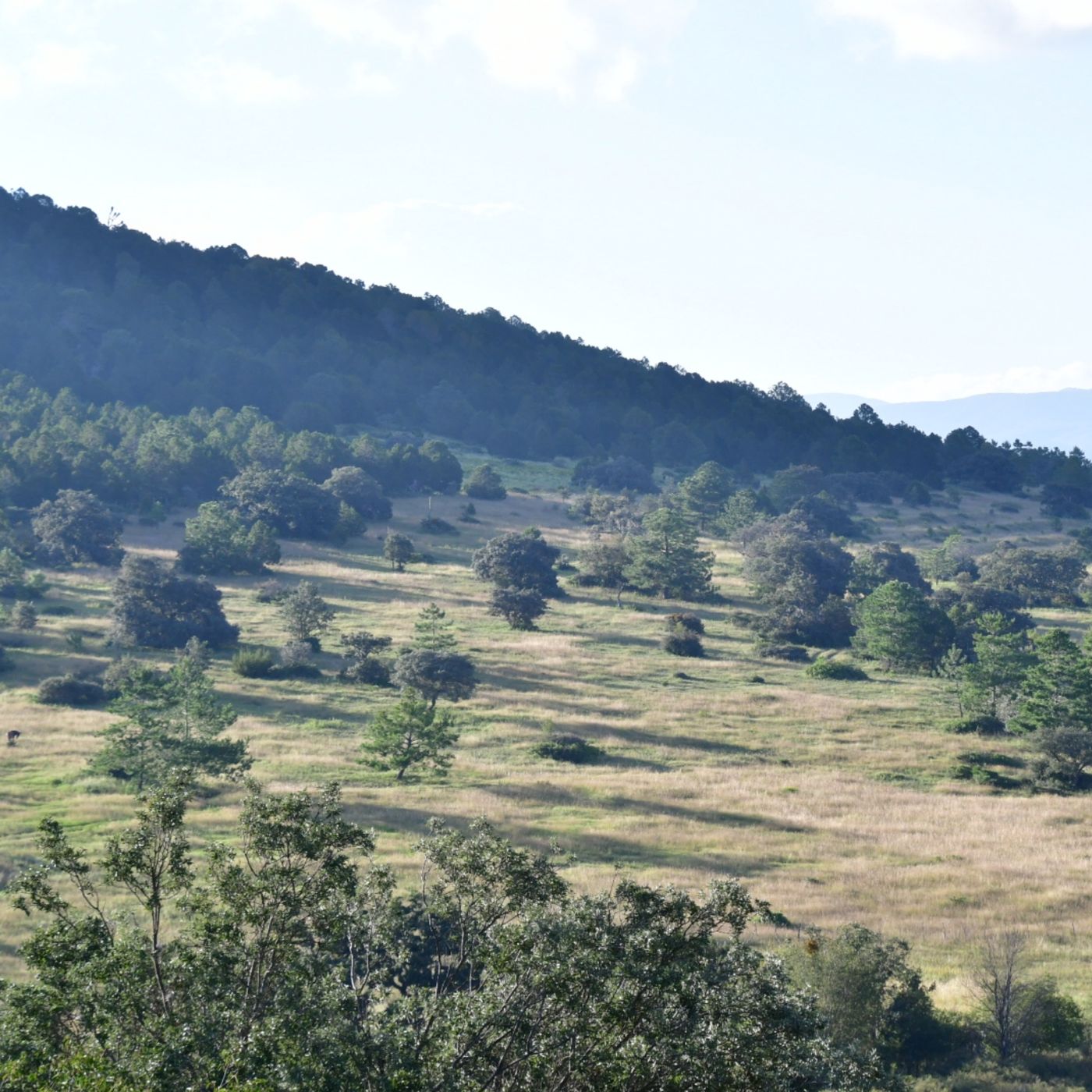
In this episode (after a 30 minute societal rant) we talk about Dioon edule and cycads of the foothills of the Sierra Madre, why hemiparasitic members of the paintbrush family frequently have red leaves, Mexican Oak Diversity, Tillandsia usneoides in Oak woodlands, Calochortus marcellae, Malacomeles denticulata ecotypes, why Crotalus morulus (Tamaulipan Rock Rattlesnake) possibly one of the coolest members of the genus
Ad-Free Episodes of the Crime Pays podcast are available on the Patreon at :
https://www.patreon.com/CrimePaysButBotanyDoesnt
FLORA OF NUEVO LEON CHECKLIST PDF : https://drive.google.com/file/d/1ukTNSvThl65KUlKpm0wLzUTRklvZiBc_/view?usp=drive_link
CONCRETE BOTANY (Out April 2026) PRE-ORDER :
https://geni.us/ConcreteBotany
Ad-Free Episodes of the Crime Pays podcast are available on the Patreon at :
https://www.patreon.com/CrimePaysButBotanyDoesnt
FLORA OF NUEVO LEON CHECKLIST PDF : https://drive.google.com/file/d/1ukTNSvThl65KUlKpm0wLzUTRklvZiBc_/view?usp=drive_link
CONCRETE BOTANY (Out April 2026) PRE-ORDER :
https://geni.us/ConcreteBotany
2025-09-03
134 min
Transcript
Available Results
Generated results are saved to the knowledge database for reuse and search.
No generated results are available for this episode yet.
Extract Knowledge
Pick what you want extracted first. Model, scope, and chapter options appear after a template is selected.
Generated results for public episodes are saved to the knowledge database so they can be reused and searched later.
Transcript
<v Speaker 1>So I found out three port Heaven help being for
<v Speaker 1>his grave. He read to sign on barm doom, says
<v Speaker 1>the good Lord Jesus saves.
<v Speaker 2>But I don't think Jesus knows him. Calls he in
<v Speaker 2>the Jesus Kind.
<v Speaker 1>He's a late back country picker with the lead back
<v Speaker 1>country mine.
<v Speaker 2>He gave the books.
<v Speaker 1>It's a good show after three Port colis Sin. They
<v Speaker 1>all heard he his dying, so they all come out
<v Speaker 1>to see him. Friends and neighbors make him happy.
<v Speaker 2>Lord the snuff queens streaming kind.
<v Speaker 1>He's a late back country picker with the leads back
<v Speaker 1>country mine, a first down owners turned around. He's pictive
<v Speaker 1>of the lady that his.
<v Speaker 2>Old troubles keep on swimming.
<v Speaker 1>Calls are too damn mean to drown, and he keeps
<v Speaker 1>looking for an answer that I know he'll never find.
<v Speaker 2>He's a lead back.
<v Speaker 1>Country bicker with the lead back.
<v Speaker 2>God. It's a good fucking whaling song, isn't it. You
<v Speaker 2>know you gotta listen to some of the classic country
<v Speaker 2>sometimes I think it's good. It's good for you. Wailing
<v Speaker 2>with Nick very problematic. He was never really curse through
<v Speaker 2>a lot of his material, and I found that he
<v Speaker 2>was actually he he wasn't very problematic. He was an
<v Speaker 2>ally wailing with an l A.
<v Speaker 1>Vibert yeah up, says he really turns her angy. It
<v Speaker 1>really makes you want old dancing when the DJ lades.
<v Speaker 2>Sorry, isn't there sock, It's a good sock. I'm getting
<v Speaker 2>the strap.
<v Speaker 1>You can see somebody loves him, or at least they
<v Speaker 1>did one time. He's a lead back country picker. You're
<v Speaker 1>the lead back country matter. Bubbers downers, turned arounds, picked
<v Speaker 1>him up the lad and down his old troubles, keep
<v Speaker 1>on swimming, calls it too damn mean to drown.
<v Speaker 2>He keeps looking in full mentioned clift down the stream
<v Speaker 2>port already but going to foul. I think he's did.
<v Speaker 2>I think I'm a little lazy that came here. I
<v Speaker 2>put the song in walk Away Country miner, big whiteles pick.
<v Speaker 2>It's like fetching or like what he is that I
<v Speaker 2>don't get it.
<v Speaker 3>White.
<v Speaker 2>He's way seeing that he's like fetching something. All right,
<v Speaker 2>there we go. It's good anyway. Hi, everybody, welcome to
<v Speaker 2>the crime pace. And body doesn't podcast. We're doing nice
<v Speaker 2>over here. We're doing good. It's one hundred degrees. I
<v Speaker 2>just retired for the evening. For the afternoon, I be
<v Speaker 2>you know, I like being crepuscular. The less I have
<v Speaker 2>to see of the human world, the less, you know,
<v Speaker 2>fucking hateful and terrible. I feel not even hateful. It's
<v Speaker 2>more like it's a kin. When I go out into public,
<v Speaker 2>like where I live, you know, or any anywhere that
<v Speaker 2>there's a lot of human infrastructure, I generally it's like
<v Speaker 2>my battery starts straining five times as fast. It's like
<v Speaker 2>a vampire. You know. I can't go out in the sun.
<v Speaker 2>Maybe you could take a little bit of sun, but
<v Speaker 2>they'll burn. That's kind of how I feel. I feel
<v Speaker 2>like I'm getting the life sucked out of me. Like
<v Speaker 2>as good as it feels to be standing on a
<v Speaker 2>mountain top with the breeze blowing through your hair, standing
<v Speaker 2>on a cliff looking out at like a vast expanse
<v Speaker 2>of desert. You know, if you're up in like a
<v Speaker 2>sky island somewhere, you know, or like West Texas, like
<v Speaker 2>standing on a butte in West Texas looking out at
<v Speaker 2>just this wonderful landscape with no human development whatsoever, or
<v Speaker 2>in a cloud forest and uh in Wahaka, you know
<v Speaker 2>you've got like a Vistla. You got a mirror door.
<v Speaker 2>You can look out on the on the forest, and
<v Speaker 2>there's there's very few human developments, certainly no no freeways
<v Speaker 2>or plastic signs or the fucking you know, any of
<v Speaker 2>the shit that's just the death cult, the you know,
<v Speaker 2>like the heat Island, basically like the fast expanses of
<v Speaker 2>parking lot, used car dealership, big lots, dollars, all this shit,
<v Speaker 2>just this useless garbage. As as as good as it
<v Speaker 2>feels being in these places that don't have any of that,
<v Speaker 2>it feels five times worse on the opposite side of
<v Speaker 2>the spectrum when I have to exist in those places,
<v Speaker 2>like when I have to be around them, just being
<v Speaker 2>around them, having them in my visual sphere. And even
<v Speaker 2>if I couldn't see, if you blindfolded me and took
<v Speaker 2>me in a car and drove me down the frontage
<v Speaker 2>roads and some of the thirty thirty five Corridor in Texas,
<v Speaker 2>I would still feel it, Like it's so it's such
<v Speaker 2>a powerful anti human it's such a negative piece of
<v Speaker 2>spiritual fucking hell. I would still feel it even if
<v Speaker 2>I couldn't see it. You'd probably smell it to you
<v Speaker 2>can hear the sounds of the engines and tires and shit,
<v Speaker 2>and you know, people honking at each other, you know,
<v Speaker 2>mostly miserable people, which you can't blame them, you know,
<v Speaker 2>the consumer farm like it kills me. So I just
<v Speaker 2>try to avoid it as much as possible. And I've
<v Speaker 2>got this nice little green dome around my immediate sphere
<v Speaker 2>and then you know, I'm just living. This is where
<v Speaker 2>I'm living now for family reasons. But it's not ideal,
<v Speaker 2>but whatever, and make it work, you know. But it
<v Speaker 2>kills me, It really does. There's not one bit of
<v Speaker 2>the landscape around me that I find attractive at all.
<v Speaker 2>It all kills, it all killed. God, he's so negative.
<v Speaker 2>Why has he? I just I don't know who this
<v Speaker 2>guy is. He's just negative. He's so negative. That's what.
<v Speaker 2>That's what drives me nuts, too, is a fucking We've
<v Speaker 2>been through this before, you know, I really started. I
<v Speaker 2>started off kind of hot today. I think that's fine.
<v Speaker 2>I'm not personally angry. I'm just philosophically angry. And if
<v Speaker 2>you're not, you're a moron. No offense. But you know
<v Speaker 2>that's that's uh, that forced positivity thing fucking kills me.
<v Speaker 2>You gotta be able to, because then you just make
<v Speaker 2>people lie to themselves like it is pretty terrible. But
<v Speaker 2>I don't want to mention it because that makes me
<v Speaker 2>feel I don't want to be negative, so I'll just
<v Speaker 2>I'll pretend it's not there. I'll try to Well, let's
<v Speaker 2>just focus on the positive. Let's just focus and we
<v Speaker 2>won't even think about the negative. Well, this focus on
<v Speaker 2>the positive and what makes me happy. It's canned. It's phony.
<v Speaker 2>Focus on the negative and find a way to transcend
<v Speaker 2>it and make fun of it and fucking jab it
<v Speaker 2>and laugh at it, you know, don't deny it. Transcend
<v Speaker 2>it with humor and lightheartedness, keeping in mind that it's
<v Speaker 2>all the blink of an eye in our existential reality.
<v Speaker 2>It's all a blink of an eye, and we'll all
<v Speaker 2>be gone soon. That's what I do. Anyway, Welcome to
<v Speaker 2>the to the podcast. There we I just got back
<v Speaker 2>from the Asian Food Market. This is why I'm talking
<v Speaker 2>about this, because it fucking made me die going out
<v Speaker 2>there and being right and then it's all just so
<v Speaker 2>fucking hot too. But I just got back from the
<v Speaker 2>Asian Food Market. I got some fucking back CHOI you know,
<v Speaker 2>got some kimchi. You're all gonna slap myself around with
<v Speaker 2>the kim chi later, you know, my little sling. Wait,
<v Speaker 2>it's see. I can't tell if he's joking or not. Anyway,
<v Speaker 2>got a big fucking half gallon of green tea. It's
<v Speaker 2>that Asian food market opening up near my house. Is
<v Speaker 2>really it's a game changer. It really opened up some
<v Speaker 2>doors from We got some shittaki mushrooms and shit, had
<v Speaker 2>some fucking tofu. I'll cook the shit out of They
<v Speaker 2>don't got I don't know if they have any meats.
<v Speaker 2>You eat some meats. They know, not too much, but
<v Speaker 2>I don't know if I would want to get it
<v Speaker 2>from an Asian food marketing offense. Yeah anyway, Uh but
<v Speaker 2>uh but yes, so here we are. Uh. There was
<v Speaker 2>another mass shooting yesterday. You know you listen to this. Yeah,
<v Speaker 2>it's it's gets kind of grim, but I promise it
<v Speaker 2>gets better. We're gonna talk about plants. It gets better.
<v Speaker 2>It was a mass shooting yesterday and it was, uh,
<v Speaker 2>it's some fucking idiot in Minneapolis. Who is fucking It
<v Speaker 2>was like you look at this guy's because you're always
<v Speaker 2>curious who is it? Like you always know it's going
<v Speaker 2>to be a white dude, which it was, but you
<v Speaker 2>look at the fucking idea. I just you're curious, like
<v Speaker 2>where was their angle? Like why did they do? Why'd
<v Speaker 2>they shoot up a fucking school? Why'd they shoot up this?
<v Speaker 2>You know, what was the ever? You know, most people,
<v Speaker 2>a lot of people, you see, not most, I would
<v Speaker 2>say a lot of people are filled with hate and
<v Speaker 2>they're miserable and they're alienated more so because of these phones.
<v Speaker 2>But what was his angle, Like, what was the mixture
<v Speaker 2>of ideology that this more unisposed espoused. Excuse me? And
<v Speaker 2>so you look at it and I couldn't. And of course,
<v Speaker 2>you know, each political side of the spectrum is trying to, like,
<v Speaker 2>you know, put him in the camp of the other side.
<v Speaker 2>This guy did. He had a diverse array of views.
<v Speaker 2>He was trans, he was a Jew hater, and and
<v Speaker 2>what else? He wanted to kill Trump and he wanted
<v Speaker 2>to I don't know, there was It was just it
<v Speaker 2>was like an ideological word salad of all this bullshit
<v Speaker 2>from the twenty twenties Internet. Just someone who's perpetually online, alienated, isolated,
<v Speaker 2>probably doesn't have very many friends, very very narrow view
<v Speaker 2>of the world probably hasn't had a lot of life experience.
<v Speaker 2>I don't know how old he was, but uh, you know,
<v Speaker 2>it's fucking it's nuts, man. It's like, uh, this is
<v Speaker 2>our now. And of course I mentioned this because the
<v Speaker 2>answer to this is to just get away from all
<v Speaker 2>of this uh shit, the online culture. It really is
<v Speaker 2>just it's the fucking scrolling and you go outside, take
<v Speaker 2>a walk and and uh, look at some life forms,
<v Speaker 2>you know, some other life forms that will give you
<v Speaker 2>They recharge your battery. You know, I'm gonna need a
<v Speaker 2>recharge after just having to go out into the shopping
<v Speaker 2>slums of the the Heat Island where I live. You know,
<v Speaker 2>it's just, ah, it kills the soul. It's funny too
<v Speaker 2>that people. I mean, you think that stuff doesn't affect you,
<v Speaker 2>It certainly does. Like having to see scenery like that,
<v Speaker 2>that's subconscious. It subconsciously affects you. Absolutely, It's it's there,
<v Speaker 2>it's in the background. It's just it's making you feel terrible.
<v Speaker 2>You're not insane for for fixating on it like I do.
<v Speaker 2>But maybe I'm insane. I don't know. I'm a little
<v Speaker 2>I'm a little off, you know, I had to I
<v Speaker 2>was going to pick my daughter up from school the
<v Speaker 2>other day, and like some of the other parents go by,
<v Speaker 2>you know, and they're whatever they're but there there's definitely,
<v Speaker 2>you know, there's like a normy, square thing that I
<v Speaker 2>don't fit into there where I live, obviously, And and
<v Speaker 2>it was funny because you know, some of these people
<v Speaker 2>might I don't know, they might have been I don't
<v Speaker 2>know whether maybe they're Trump boaters, or maybe they're just
<v Speaker 2>you know, the genteels, or maybe they're uh, you know,
<v Speaker 2>they're well to dose. I've got the very clean homes
<v Speaker 2>and they smell like, you know, expensive fragrances, and they're
<v Speaker 2>very clean, and I don't know. And some lady got
<v Speaker 2>mad at me for parking in the wrong spot, and
<v Speaker 2>I was like, lady, it's gonna be three minutes, man,
<v Speaker 2>I'm gonna be here, and then I'm gonna just grab
<v Speaker 2>my kid. We're gonna get out of here. And then
<v Speaker 2>I started thinking, I'm like, if only this woman knew
<v Speaker 2>that you know, I've been, you know, I what I do.
<v Speaker 2>What my yard looks like, which is completely overgrown, ornately
<v Speaker 2>overgrown and eloquently kept. I keep it very neat and tidy.
<v Speaker 2>And then like the I'm approaching the primary secession or
<v Speaker 2>the excuse me, the secondary or third secessional stages of
<v Speaker 2>ecological secession in my yard. And so I've got like
<v Speaker 2>this nice little cactus garden gone with an understory, you know,
<v Speaker 2>nice open understory and a shady canopy off top. And
<v Speaker 2>then you know, and then there's the compost shitting thing,
<v Speaker 2>which I've been really hyping lately because I like how
<v Speaker 2>it vibes the members of the square community. Out said,
<v Speaker 2>only if this lady know that, like earlier today, I
<v Speaker 2>was shitting. That was shitting on a pile of pine
<v Speaker 2>shavings in a compost bin. That was that was, you know,
<v Speaker 2>almost the entirely colonized by soldier fly Larva. You know,
<v Speaker 2>if only she knew, it would blow her mind. I mean,
<v Speaker 2>I said, wow, and then I started talking to her
<v Speaker 2>about C four photos. This is I'm just kidding. I
<v Speaker 2>wouldn't even try, but uh, but yeah, it was. It
<v Speaker 2>was uh you know, it could definitely be alienating where
<v Speaker 2>I left, could be isolating. It's it's it's weird down here.
<v Speaker 2>It's nineteen fifties culture a little bit. But anyway, back
<v Speaker 2>to the mas, so back to the mess shooting. It's
<v Speaker 2>it's fucking terrible. God, well, how is this a reality? Wow?
<v Speaker 2>How did this happen? But I, you know, looking at
<v Speaker 2>this guy's uh there was you know, I follow that
<v Speaker 2>Instagram page popular front and they had a uh some
<v Speaker 2>of screenshots that is fucking idiots, you know. Whatever he
<v Speaker 2>was into, I don't know, but it really made me think, like,
<v Speaker 2>this is this guy it was it was an ideological
<v Speaker 2>word solid. It was like if you took all this
<v Speaker 2>shit from both sides of the political dumb shit from
<v Speaker 2>both sides of the political spectrum, all this fucking nonsense
<v Speaker 2>like national inquiry, bottom of the brainstem, lowest common denominator.
<v Speaker 2>This ship they pair it, you know, from the left
<v Speaker 2>to tell and blah blah and whatever they're fucking ranting
<v Speaker 2>about as l ship and whatever. And then from the
<v Speaker 2>riot like a Democrat controlled cities. It's all the Democrat
<v Speaker 2>controlgy that's what cause is the Democrat control like the
<v Speaker 2>talking points, you know, and you just look, you look
<v Speaker 2>at this and you look at the fucking you pour
<v Speaker 2>it in the same blender, and it's it looks horrible.
<v Speaker 2>It looks horrific. It's like looking at it something you
<v Speaker 2>scooped out of the sewage treatment plant ideologically, and you're like,
<v Speaker 2>this is just there's not I mean, I guess there's
<v Speaker 2>maybe kernels of truth barely and some of this stuff,
<v Speaker 2>or kernels of originality, but it's really just you just realize,
<v Speaker 2>no one there's no critical thought whatsoever. There's no intellect,
<v Speaker 2>there's no critical thought. It's just it's mean culture. It's
<v Speaker 2>parroted talking points. It's just it's the culture war of
<v Speaker 2>modern America, which of course is good for keeping people
<v Speaker 2>in line and keeping them following rules and keeping them
<v Speaker 2>stupid and keeping them voting against their own interests and
<v Speaker 2>that kind of thing. And it helps the billionaires and
<v Speaker 2>oligarchs keep doing what they're doing. And you know, while
<v Speaker 2>we continue to just just destroy our home and ship
<v Speaker 2>where we eat and you know, cause them six mass
<v Speaker 2>extinction in biosphere, collapse everything, and no one's thinking, like,
<v Speaker 2>there's no critical thought in any of this. Then this
<v Speaker 2>is something I would always hear when I'd get into
<v Speaker 2>arguments with people strangers, you know, in the comments section,
<v Speaker 2>they leave comments on my place, some dumb shit wherever right,
<v Speaker 2>right and left, and I would say, I think, like
<v Speaker 2>you know, I would think to myself, like I've heard
<v Speaker 2>this nine thousand times. This person's telling me as if
<v Speaker 2>I've never heard it before, like they're educating me, or
<v Speaker 2>like this is something like is this person aware that
<v Speaker 2>like this? And then you realize, holy shit, this person
<v Speaker 2>isn't even aware that I can see. This isn't their
<v Speaker 2>own thought. They're literally just repackaging something, or not even
<v Speaker 2>most of the time, they're not even repackaging it. They're
<v Speaker 2>just parroting something that they saw in a fucking meme
<v Speaker 2>or they saw someone else say. And then you just
<v Speaker 2>realize there's like no one's working with original material anywhere,
<v Speaker 2>you know. And I'm not saying, you know, the next
<v Speaker 2>mass shooter, you know, if they have some original material,
<v Speaker 2>it would make me feel but I'm not saying that
<v Speaker 2>I'd rather of course the mass shootings don't happen at all,
<v Speaker 2>But you just realize, like the fucking the stuff we're
<v Speaker 2>working with here, the personas, the personalities, the citizenry, there's
<v Speaker 2>very you know, there's very little intellect, there's very little
<v Speaker 2>and like there's very little critical thought. Everyone it's just again,
<v Speaker 2>it's just parroting and repeating. Share share share share repost
<v Speaker 2>repost repost and this is how, you know, social media
<v Speaker 2>cultures ruined their minds, all of us, and we have
<v Speaker 2>to be scrolling all the time. It's like, does anyone
<v Speaker 2>just take in the information anymore and then put the
<v Speaker 2>phone down and then think about it, you know, while
<v Speaker 2>they're doing the fucking dishes, the laundry, while they're out there,
<v Speaker 2>you know, slow uttering a lawn or whatever, you know,
<v Speaker 2>or better yet, do it at your job. Waste time
<v Speaker 2>at your job doing it daydreaming, that's a great thing,
<v Speaker 2>and just thinking about things. You know, does anybody does
<v Speaker 2>that happen anymore? Like original just original thoughts, because it's
<v Speaker 2>it's just trying to make sense of this world, like
<v Speaker 2>we're all just these animals that again that we give
<v Speaker 2>ourselves too much credit and the free will and sentience department.
<v Speaker 2>I really don't think. I don't think that shit's an eight. Obviously,
<v Speaker 2>it has to be taught. Intellect has to be taught,
<v Speaker 2>critical thinking has to be taught. I don't know where
<v Speaker 2>I'm going with this. I guess I just started thinking,
<v Speaker 2>this is where I go, you know, with the next
<v Speaker 2>you know, bleak and depressing turn of world events. This
<v Speaker 2>is where I go. Is what I start thinking about so,
<v Speaker 2>you know, God, but looking at the fucking kids, looking
<v Speaker 2>at the shit he was about, you know, just reading
<v Speaker 2>about it, it's like Jesus, He's all over the place,
<v Speaker 2>and it's just it's just it's the miserable fuck who
<v Speaker 2>just never found any kind of solace. And I don't
<v Speaker 2>know what the fuck man. And mental illness, of course,
<v Speaker 2>but you know how much mental illness is genetic, and
<v Speaker 2>how much is kind of a product of the culture
<v Speaker 2>and the lifestyle and the disconnection from the living world
<v Speaker 2>and living in places that look like the frontage road
<v Speaker 2>on the I thirty five corridor. You know, I don't know.
<v Speaker 2>I don't know, but it's something to think about. Maybe
<v Speaker 2>it's just maybe it's half and half, huh. In other news,
<v Speaker 2>I've had a lot of pepsis, the tarantula, hawk wasp
<v Speaker 2>showing up to the yard lately, beautiful creatures, terrifying though.
<v Speaker 2>I was outside in my front yard smoking a cigar
<v Speaker 2>last night. I get these little cigars you don't inhale,
<v Speaker 2>of course, you just taste it and blow it out.
<v Speaker 2>I'll get mouth cancer, but not cancer or the lungs
<v Speaker 2>at least, like the lungs are the last thing you
<v Speaker 2>want to fuck with. You want to be able to
<v Speaker 2>run and go upstairs and go up hills and stuff. Anyway,
<v Speaker 2>if you do smoke, you should really quit, all right,
<v Speaker 2>and do something to quit anyway. But they've been hanging
<v Speaker 2>out a lot lately, and they were pollinating some crow
<v Speaker 2>and sickness that I got in my yard. Wonderful species
<v Speaker 2>of croton, the thorn scrub crowton about I don't know
<v Speaker 2>eight gets eight feet tall. It's a woody perennial shrub.
<v Speaker 2>I always try to get the seeds because I want
<v Speaker 2>to give them the mic heap so we can grow them.
<v Speaker 2>But I think, I think, like a lot of u forbs,
<v Speaker 2>they are explosively the hissing. So once the seed matures,
<v Speaker 2>the outer the outer line of tissue on the seed
<v Speaker 2>drives and contracts and squeezes the seeds out and they
<v Speaker 2>they shoot. You know, it's like a night as Skullus
<v Speaker 2>does that night a Skullus Texana night of skulls is
<v Speaker 2>a big genus, but Texano is the one we get here.
<v Speaker 2>It's only two feet tall, but night of Skullus. The
<v Speaker 2>stinging plant malamu here they call it, can get upwards.
<v Speaker 2>Some of them are like ten fifteen feet tall, and
<v Speaker 2>some are edible. But yeah, a lot, a lot of
<v Speaker 2>eu forbes do that, a lot of euphobias do that.
<v Speaker 2>They got explosively the hissing seeds, jet tropha, same thing,
<v Speaker 2>but the pepsis the wasps were on those, and you know,
<v Speaker 2>I love seeing them. They don't have any interest in you.
<v Speaker 2>It's supposed to be a very painful sting if you do,
<v Speaker 2>if you do get a hold of them. But then
<v Speaker 2>there was one hanging out last night when I was
<v Speaker 2>smoking this cigar up by the light, so I turned
<v Speaker 2>the porch light off and the fucker didn't leave. It
<v Speaker 2>was and that's I love them again. But there, when
<v Speaker 2>there's that close, it looked like he was drunk, like
<v Speaker 2>he was intoxicated or something. And that's what kind of
<v Speaker 2>vibed me out. I said, listen, I don't want you know,
<v Speaker 2>I don't want you to like sit on the tree
<v Speaker 2>stump that I sit on, you know, or take a
<v Speaker 2>break and the tree stump that i'm that I sit on,
<v Speaker 2>then I sit on you and you know, you sting
<v Speaker 2>me in my you know, scrot them or something that
<v Speaker 2>would be very painful. And I don't want to do that.
<v Speaker 2>I have utmost respect for you, but I'm not trying
<v Speaker 2>to go there with you right now. Right now, maybe
<v Speaker 2>at some point later, you know, if I need a
<v Speaker 2>good metaphor for for pain, you know, like how it
<v Speaker 2>feels going on the frontage road in the I thirty
<v Speaker 2>five quarridor you know, if I need and maybe then
<v Speaker 2>I would sit on a tarantula hawk and get you know,
<v Speaker 2>a tyrantula hawk a pepsis stinger in my scrotum. It's
<v Speaker 2>a good analogy for it. But I'm not there yet.
<v Speaker 2>I can always I can imagine what it feels like.
<v Speaker 2>So he was hanging out last night, and I think
<v Speaker 2>the reason that they the reason that they're around especially
<v Speaker 2>is because of this other arthropod that I love seeing.
<v Speaker 2>It's harmless to people. Well, I probably could bite you
<v Speaker 2>a little bit, but it's not going to really mess
<v Speaker 2>up too bad. U Tenisa Relatta. The trapp door spiders.
<v Speaker 2>They build what looks like a condom in the ground
<v Speaker 2>and they look kind of like tarantulas. I guess they
<v Speaker 2>can live for like a decade or two. But these
<v Speaker 2>were out during the rain a few days ago, like
<v Speaker 2>crawling around the park and of course there's the fucking
<v Speaker 2>you know people, I'm sure to just step on them.
<v Speaker 2>You have no respect, is why you got to build
<v Speaker 2>a culture that respects this shit. You know, it's the
<v Speaker 2>only way to do it. Put it out there, you know,
<v Speaker 2>culturally speaking. But anyway, so you know, the tarantula hawks
<v Speaker 2>will go hit these things, parasitize them with the larvae,
<v Speaker 2>lay eggs in them, and then is it the legs
<v Speaker 2>in them or on them. I'm obviously not an entomologist,
<v Speaker 2>but you know these that's what they use these spiders for.
<v Speaker 2>So that's what they're doing. And I actually dug one
<v Speaker 2>up nearby in a yard where I was planting a
<v Speaker 2>bunch of stuff. I planted some Bulcarnia, which you know
<v Speaker 2>is colloquially known as the ponytail palm, no relation to
<v Speaker 2>palms whatsoever. It's a monocot, but it's they're great fucking
<v Speaker 2>trees or yeah, I guess they're a tree. They got
<v Speaker 2>a massive swollen cattex looks like an hour glass with
<v Speaker 2>with a bunch of really long narrow hairs coming off it.
<v Speaker 2>They're great, but we can grow them outside down here
<v Speaker 2>in South Texas. And so I was planting one of
<v Speaker 2>those and some other stuff. And in somebody's yard down
<v Speaker 2>the block who you know, they don't have a lot
<v Speaker 2>of money, and they had a barren fucking lawn and
<v Speaker 2>I planted. I asked them if I could plant in
<v Speaker 2>a gave like eight months ago, and they said, yeah, sure.
<v Speaker 2>And then after that they said, you know, we really
<v Speaker 2>like that. Can you do some more? And I said
<v Speaker 2>I can. I absolutely do some more. This is what
<v Speaker 2>I do. And so I went out and just started planning.
<v Speaker 2>Now they're getting all kinds of shit, you know, until
<v Speaker 2>they tell me to stop. But I made sure I checked.
<v Speaker 2>I said, is this okay? I'm going a little over board.
<v Speaker 2>I know this is beyond what you asked for. But
<v Speaker 2>they said, oh, it's fine. So now I'm gonna start
<v Speaker 2>planting some ebony trees in the backyard and planting it up.
<v Speaker 2>And you know, they say thank you, and it's yeah, sure, thanks,
<v Speaker 2>But this is entirely selfish because now I get to
<v Speaker 2>see this stuff. And again, it works as a medicine
<v Speaker 2>against the fucking spiritual pain the scrotum sting from a
<v Speaker 2>pepsist wasp of having to look at the I thirty
<v Speaker 2>five corridor or any other commercial shit anywhere. I mean,
<v Speaker 2>really anyway, I say I thirty five quarter because that's
<v Speaker 2>what's near and dear. You know, that's my chosen hell
<v Speaker 2>when I start thinking of what's the most terrible human
<v Speaker 2>landscape in the first world? But for you, you might
<v Speaker 2>have your own if you live in whether you live
<v Speaker 2>in Des Moines, or whether you live in It's or
<v Speaker 2>It's of Portland, or whether you live in Southern caliph
<v Speaker 2>or Southern California's got a lot of this kind of disgusting,
<v Speaker 2>puke worthy habitat that people attempt to love. I think, well,
<v Speaker 2>you know what, let's go. I'm gonna go to this
<v Speaker 2>George Carlin quote. This is one of my favorite bits.
<v Speaker 2>I remember seeing this bit he did when I was
<v Speaker 2>like sixteen, and I said, who is this man? He's
<v Speaker 2>amazing so and then I actually met him when I
<v Speaker 2>was nineteen or twenty. Man, I was nineteen, got a
<v Speaker 2>photo of us together. But this is one of my
<v Speaker 2>favorite George Carlin. But say, let's let's listen to it.
<v Speaker 2>People are fucking dumb. Okay, that's not original. You can
<v Speaker 2>say what you want about this, but you and I
<v Speaker 2>love you, guys. I know I've played this for you. Before.
<v Speaker 1>I love it.
<v Speaker 3>I love that I.
<v Speaker 2>Love it when I.
<v Speaker 3>Didn't take a fucking catastrophe to get us to care
<v Speaker 3>for one another. I love the fact that we're on
<v Speaker 3>camera all the time from all angles. But you know what,
<v Speaker 3>you can say what you want about American and I say,
<v Speaker 3>I love this place. I wouldn't have it any other way.
<v Speaker 3>We wouldn't live in any other time in history and
<v Speaker 3>any other place. But say what you want about from
<v Speaker 3>Land of the Free, home of the brave. We got
<v Speaker 3>some dumb ass motherfuckers.
<v Speaker 2>Never forget fuck it, ugliest landscape in the first world.
<v Speaker 3>Now, obviously that doesn't include this audience. I understand that
<v Speaker 3>you seem intelligent and perceptive, but the rest of them,
<v Speaker 3>Holy jump, just get.
<v Speaker 2>To the point yards.
<v Speaker 3>Come on, let's get to the pint tum more than
<v Speaker 3>a second coat of paint.
<v Speaker 2>I never understood that.
<v Speaker 3>And this ain't just ranting and raven, this ain't just
<v Speaker 3>blowing off steam. I got a little evidence to support
<v Speaker 3>my claim.
<v Speaker 2>It just seems to me.
<v Speaker 3>Seems to me that only a really low IQ population
<v Speaker 3>could have taken this beautiful continent, this magnificent American landscape
<v Speaker 3>that we inherited. Well, actually we stole it from the
<v Speaker 3>Mexicans and the Indians. But hey, it was nice when
<v Speaker 3>we stole it. It looked pretty good. It was Christine paradies.
<v Speaker 2>Have you seen it lately?
<v Speaker 3>Have you taken a good look at it lately? It's
<v Speaker 3>fucking embarrassing. Only a nation of unenlightened half wits could
<v Speaker 3>have taken this beautiful place and turned it into.
<v Speaker 2>What it is today.
<v Speaker 3>A shopping mall, a big fucking shopping.
<v Speaker 2>There you go. I'll never forget. That's all you got.
<v Speaker 3>That's all you've got here, folks, mile after mile of
<v Speaker 3>mall after mall, many many malls, major malls and mini malls.
<v Speaker 3>They put the mini malls in between the major malls,
<v Speaker 3>and in between the mini malls they put them mini marks.
<v Speaker 3>And in between the mini march you got the car lots,
<v Speaker 3>gas stations, muffler shops, laundro match cheap.
<v Speaker 2>General book stories, four viewership.
<v Speaker 3>Of one big trans continental commercial cesspool. And how did
<v Speaker 3>the people feel about all this? How did the people
<v Speaker 3>feel about living in a coast to coast shopping mall. Well,
<v Speaker 3>they think it's just fucking dandy, all right, They think
<v Speaker 3>it is cool as can.
<v Speaker 2>All right them all? And then he just starts talking
<v Speaker 2>about fat people, which you know, I don't think that's necessary.
<v Speaker 2>We don't need that. You know, a lot of people
<v Speaker 2>are just products of what. It's not their fault. You know,
<v Speaker 2>there's shit food. You know, there's there's it's not it's
<v Speaker 2>not their fault. For Fox's sake, you know. But if
<v Speaker 2>you can get you can get into doing one hundred
<v Speaker 2>push ups a day or something, you should do it.
<v Speaker 2>I it's not gonna be that bad, you know. Just
<v Speaker 2>set a little timer, do push ups for twenty seconds,
<v Speaker 2>take a twenty second, rist do push ups for another
<v Speaker 2>twenty seconds. As many as you can do, take another
<v Speaker 2>twenty second. Rist it'll be good for you. And if
<v Speaker 2>you get tired of doing push ups and do some squats,
<v Speaker 2>it's just about getting your cardio going, you know. It's
<v Speaker 2>what I would do. And I was in the locomotive
<v Speaker 2>cab at the railroad because guy, that was fucking horrible.
<v Speaker 2>Sitting still is pain. It's terrible, it really is. Sitting
<v Speaker 2>still is is hard. And I'm worried about that with
<v Speaker 2>my kid too, because she gets I know, she's she's
<v Speaker 2>already got the add so to, you know, for learning
<v Speaker 2>things like that. There's got to be a dope to
<v Speaker 2>for learning things. When you get you got to get
<v Speaker 2>a dopamine drip. It's got to be something you're really
<v Speaker 2>stoked on. And she's not going to be good at
<v Speaker 2>just following rules and being forced to memorize stuff. And
<v Speaker 2>I think that's a good thing. So anyway, I did
<v Speaker 2>a native plant install. Somebody hit me up and they
<v Speaker 2>seen my friends another install that I did, and they said,
<v Speaker 2>I want that. And I was surprised because not a
<v Speaker 2>lot of people do down here, but you know, they
<v Speaker 2>want the lawn plants are messy. They want the Saint
<v Speaker 2>Augustine grass. But I said, okay, I will do this,
<v Speaker 2>and I said, here's what we do. He gets you
<v Speaker 2>prep it. I told her to prep it. She had nothing.
<v Speaker 2>She had just bermute everywhere. I said, get you know,
<v Speaker 2>order thirty cubic yards of mulch. Get three thirty dollars
<v Speaker 2>rolls of irrigation tubing half inch whole space twelve or
<v Speaker 2>eighteen inches apart. Get the adapter so you can hook
<v Speaker 2>it up to the hose, and then get someone to
<v Speaker 2>if you know a guy you know who can lay
<v Speaker 2>it for you. You know a guy who can lay
<v Speaker 2>it for you, you know, get the mulch dumped, laid
<v Speaker 2>on the irrigation tubing, spread the mulch out over it
<v Speaker 2>thicker than you think you'll need, like four to six inches,
<v Speaker 2>and then let me know when it's all done. I'll
<v Speaker 2>come back with a truckload of plants. That's what I did,
<v Speaker 2>and it's it's still brutally hot out today, so I
<v Speaker 2>showed up at like eight thirty pm, you know, with
<v Speaker 2>a truckload of plants and a nice sharpshooter. By the way,
<v Speaker 2>I updated the crime base of Botany doesn't dot Com
<v Speaker 2>the website and gave a tutorial it's like a step
<v Speaker 2>by step easy lawn kill because people kept asking me.
<v Speaker 2>But anyway, it's on the website, along with our tour
<v Speaker 2>dates for our upcoming tour for me an Else tour
<v Speaker 2>and Peggy Notabart Nature Museum in Chicago September tenth. I'll
<v Speaker 2>be there. It's fucking great. It's after hours, you know,
<v Speaker 2>and there's not going to be you know, the kids
<v Speaker 2>aren't going to be around, so I can curse. But
<v Speaker 2>I told them I can chill out a little bit
<v Speaker 2>with the profanity, but they said, don't even worry about it.
<v Speaker 2>It's gonna be six, you know, don't worry. So because
<v Speaker 2>normally you go there's a bunch of screaming kids around,
<v Speaker 2>which is good. I love that. That's good to get
<v Speaker 2>the kids into nature. The Peggy Notabard Nature Museum is
<v Speaker 2>right there on beautiful Lake Shore Drive, right there on LSD,
<v Speaker 2>just north of the Alfred Caldwell Lily Pond, which I
<v Speaker 2>would go. I would go there sometimes and you'd see
<v Speaker 2>like Chinese ladies rolling up with buckets going to be
<v Speaker 2>like get the turtles out of the fucking pond, presumably
<v Speaker 2>to cook them. But they had a don redwood in
<v Speaker 2>that lily pond too, which is like or they have
<v Speaker 2>I think it's still there, which is actually like sixty
<v Speaker 2>seventy feet tall. Maybe it's a beautiful tree. It's a
<v Speaker 2>nice spot to lurk, you know. And if you can
<v Speaker 2>hop the fence after hours when a gates are locked,
<v Speaker 2>you get the whole spot to yourself. You know. You
<v Speaker 2>can go in and smoke a doobie, you know, or
<v Speaker 2>just hang out whatever you're doing, you know, get some
<v Speaker 2>night nice peace and quiet. But anyway, where was it
<v Speaker 2>we were talking about long killing? So all that stuff's
<v Speaker 2>on the website along with the tour dates. But so
<v Speaker 2>we were So I show up at eight thirty with
<v Speaker 2>this truckload of plants and just start planting. Got a
<v Speaker 2>sharp shooter shovel. Of course, the long narrow shovels never
<v Speaker 2>bother with the spade shaped shovel. It's a fucking I
<v Speaker 2>don't know why they do that. It's for like grave
<v Speaker 2>digging in mafia movies. You don't you don't actually use
<v Speaker 2>those for planting stuff, Okay, they're just props. And so
<v Speaker 2>within like three it took me three hours, But within
<v Speaker 2>three hours I planted god, I don't know, sixty to
<v Speaker 2>seventy different plants, and like a diverse array of stuff too.
<v Speaker 2>You know Sydney attenu, a folia skeleton leaf I got.
<v Speaker 2>You know, Texas eBones. I got tepawahes, which is probably
<v Speaker 2>one of the fastest growing trees we have down here.
<v Speaker 2>You plant a one gallon pot, it'll be twenty feet
<v Speaker 2>tall in two years if you can irrigated. It's very
<v Speaker 2>lightweight wood. But if you need like immediate cover, it
<v Speaker 2>grows fast as hell, and then you don't have to
<v Speaker 2>worry about cutting it down later on because they grow
<v Speaker 2>so fast, and you know they'll start my I planted one,
<v Speaker 2>a one gallon pot. It's already twenty feet tall. I'm
<v Speaker 2>already getting seeds out of it. Then I save the
<v Speaker 2>seeds and I can grow more. It's such a great
<v Speaker 2>fucking plant. You know, it's mimosoid. It's mimosoid legumees. So
<v Speaker 2>it's got little white powder puff flowers. I presume it's
<v Speaker 2>a pioneer species. I mean, because I'll see them in
<v Speaker 2>alleys sometimes too. But you know, in your area, figure
<v Speaker 2>out what the pioneer species are, the native pioneer species.
<v Speaker 2>That's what you use, and those you just you know,
<v Speaker 2>if you're starting with like a barren, open lot, you
<v Speaker 2>know it's a process. You got to respect the process.
<v Speaker 2>It's ecological secession. Pioneer species first, secondary secession species that
<v Speaker 2>maybe grow a little bit slower, take a little bit
<v Speaker 2>longer to get established, need that microclimate of humidity, and
<v Speaker 2>maybe can't take full sun right away. Only when they're
<v Speaker 2>you know, older, right, and those start growing in the
<v Speaker 2>climax species whatever so ebonies are like a secondary or
<v Speaker 2>climax species. Secondary session or climax climax species. But you know,
<v Speaker 2>you if they're larger, you can plant them in full sun,
<v Speaker 2>they'll do okay. And she already had the irrigation, so
<v Speaker 2>so it was great. And that was the thing, like
<v Speaker 2>prepping the site, like I would do that from now on. First,
<v Speaker 2>Like I would just lay the mulch in the fucking
<v Speaker 2>irrigation tubing, which doesn't take you know, again, it's cheap.
<v Speaker 2>It's like thirty bucks for one hundred foot roll in
<v Speaker 2>this half inch irrigation tube. You can use rainburd you
<v Speaker 2>can use whatever, and then you got to buy the
<v Speaker 2>couplers to put it together. But it's really simple. I
<v Speaker 2>think I I think I went into it on the
<v Speaker 2>Round Rock, Texas lawn kill episode on the crime Pace YouTube.
<v Speaker 2>But you do that, and then digging the hole is
<v Speaker 2>so much easier too, because the ground's not baked to shit.
<v Speaker 2>It's not like digging into dry clay and then stuff
<v Speaker 2>just thrives because the whole soil horizon's already moist. And
<v Speaker 2>so that's what I did, and yeah, I just it
<v Speaker 2>went great. Man, I just soaked in. Yeah, I mean
<v Speaker 2>in three hours to plant that much, I must have
<v Speaker 2>planted I don't know how many hundreds of square feet,
<v Speaker 2>but and then it was at night too, so I
<v Speaker 2>was just you had a headlamp so I wasn't roasting
<v Speaker 2>in the sun, so I could go longer too. It
<v Speaker 2>was great, It was really fucking wonderful. And so now
<v Speaker 2>I'm stoked to go back and see because this lady's
<v Speaker 2>got a lot of land. You got a lot of
<v Speaker 2>land to replant. So now I'm stoked to go see
<v Speaker 2>how it turns out. And then I told her, you know,
<v Speaker 2>let it grow. It might be a little dense right now,
<v Speaker 2>but you can take stuff out in two years. Again,
<v Speaker 2>it's a process, right And she's and she showed me
<v Speaker 2>a picture on her phone. She's like, this is what
<v Speaker 2>we have at the monthly. This is what we have
<v Speaker 2>at the ranch. I don't want it to look like that.
<v Speaker 2>And I said, well, why do you live here? Like
<v Speaker 2>this is what we got, you know, this is what
<v Speaker 2>you know it's and it was like a thick brush,
<v Speaker 2>you know. And I'm like, that is a stage. That's
<v Speaker 2>not the end stage. That's one stage. Your yard's gonna
<v Speaker 2>look like that for a second, well for like a
<v Speaker 2>year or two, and then you know, in two years,
<v Speaker 2>as the canopy gets taller, you can thin that shit out,
<v Speaker 2>remove some trees, make it really inviting and you know,
<v Speaker 2>wonderful to be in. And it'll be easy. Everything will
<v Speaker 2>recover from pruning and maintenance and all that shit easily
<v Speaker 2>because the whole I mean, you've basically created this microclimate
<v Speaker 2>that is, you know, ten to fifteen degrees cooler than
<v Speaker 2>you know, the next the barren lot next door, and
<v Speaker 2>the soil has you know, five times as much moisture
<v Speaker 2>in it, and the soil is you know, rich and
<v Speaker 2>full of life because the roots are acting as scaffolding
<v Speaker 2>for all the beneficial microbes. You got all this stuff
<v Speaker 2>going already, you know, compared to like a barren lot
<v Speaker 2>next door, or a fucking mode piece of turf grass,
<v Speaker 2>which people can't really do it on here. They try,
<v Speaker 2>but it just ends up looking like shit anyway because
<v Speaker 2>it's just too hot. You know. Especially, I think you
<v Speaker 2>can maybe you can do it if you keep the lawn,
<v Speaker 2>if you cut it high, like four inches, you know,
<v Speaker 2>which is what people do with Saint Augustine. But otherwise
<v Speaker 2>it just that it gets baked, and of course, irrigate
<v Speaker 2>the hell out of it. God, it's so sick, it's
<v Speaker 2>so fucking deranged. But but that's It's just again I
<v Speaker 2>say this all the time too, but it's the same thing.
<v Speaker 2>It's like, why do people not realize, like how that's
<v Speaker 2>how the fucking land heals, like the benefits, especially in
<v Speaker 2>a hot area, the benefits of having plant cover, Like
<v Speaker 2>come on, man, wait, what do you want? You just
<v Speaker 2>want it open and hot. There's like no concept of
<v Speaker 2>what would that be thermal dynamics. I guess of just
<v Speaker 2>heat and sun. Anyway, But while I was out there,
<v Speaker 2>I uh, I gotta find out what species of antis
<v Speaker 2>was because the mulch is everywhere and I was digging.
<v Speaker 2>I think the ants were in the malt and they're
<v Speaker 2>probably invasive because I mostly encounter them in people's in
<v Speaker 2>areas where the lands and cleared and you know, in
<v Speaker 2>people's yards whatever, or the land's been clear and the
<v Speaker 2>human infrastructure has been set up. But they're these little
<v Speaker 2>black ants. And they went all up my arm and
<v Speaker 2>stung me like twenty times. I feel like I got
<v Speaker 2>like it's like chiggers, and it hurts and radiates pain
<v Speaker 2>for a few hours and then it starts itching, and
<v Speaker 2>then it itches for like two days. It got so
<v Speaker 2>itchy that I had to go put my arm under
<v Speaker 2>the hot water, you know, to chill out the histamine response.
<v Speaker 2>It was fucking brutal man. And I don't know what
<v Speaker 2>species it is. I'm so curious, you know, I don't.
<v Speaker 2>I would imagine it's not native, you know, because like
<v Speaker 2>the harvest the ants, a little red harvest the ants,
<v Speaker 2>you know, the food for the Texas horned lizards. They'll
<v Speaker 2>sting too, but they're actually pretty docile, like they don't
<v Speaker 2>at least in my experience. I've been stung once or twice,
<v Speaker 2>like when I'm like standing on their nest and not
<v Speaker 2>paying attention, and you're like, ah, fucking it hurts. It
<v Speaker 2>hurts bad, but it's not horrible. Well these man, these
<v Speaker 2>were just fucking they come right at you. They come
<v Speaker 2>right at you. I still remember those, uh those they
<v Speaker 2>call them jumping jacks, those deadly ants in Tasmania. There's
<v Speaker 2>an ante in Tasmania that I guess like thirty percent
<v Speaker 2>of the population is like scared, like frighteningly allergic to,
<v Speaker 2>like where you have to go get like an epiephri
<v Speaker 2>and pen you have to go to the hospital. But
<v Speaker 2>they call them jumping jacks, but they're really fucking aggressive ants.
<v Speaker 2>They'll actually jump at you, and they form these big nests.
<v Speaker 2>And so when me and whatdy were down there, we'd
<v Speaker 2>fuck with him because they would, you know, their dicks,
<v Speaker 2>h And so you poke the nest a little bit
<v Speaker 2>and then you see him jump at you and whatever.
<v Speaker 2>I mean, we didn't go overboard, you know, just a
<v Speaker 2>couple jabs here and there. But but and they're large.
<v Speaker 2>They're like an inch long. You know. These were like
<v Speaker 2>tiny little ants, the ones that stung me in a
<v Speaker 2>mulch the other day. But my whole arm it it
<v Speaker 2>feels like chicken pox on it. Now. God, it's brutal.
<v Speaker 2>I mean, what is that. It's got to be invasive.
<v Speaker 2>If anybody knows, send me an email. Okay, I think
<v Speaker 2>I figured it out what that was after talking to
<v Speaker 2>my friend Clint. It's fire ants, which I know, you know,
<v Speaker 2>I hear the word fire ants all the time in Texas,
<v Speaker 2>but I had never I guess I had never really
<v Speaker 2>seen one, or or at least I was not aware
<v Speaker 2>of what they looked like. But man, this is it
<v Speaker 2>finally went away after four days of itching. But uh,
<v Speaker 2>you know, yeah, they're fucking terrible. They're I guess they've
<v Speaker 2>been eradicating them in Australia using some sort of hot
<v Speaker 2>water injection method, Like they roll up to the nest
<v Speaker 2>with this long tube, like a two foot long prod
<v Speaker 2>that they stick in the nest and then just inject
<v Speaker 2>uh what a like ninety degrees celsius water into the
<v Speaker 2>nest and that tends to kill them. But that's a
<v Speaker 2>physical method, you know, so it takes having to go around.
<v Speaker 2>It's better than chemical though, because there's it doesn't there's
<v Speaker 2>no bycatch. You're not killing all the other native insects. Anyway,
<v Speaker 2>I just got back from Nuevo Leone. I took a
<v Speaker 2>little break between starting its recording and now, and we
<v Speaker 2>waited in the borderline for like three hours yesterday at
<v Speaker 2>the bridge, which I guess was all on the Mexican
<v Speaker 2>side too, because the Mexican military is doing some sort
<v Speaker 2>of weaponized incompetence, you know, as a response to the
<v Speaker 2>Trump tariffs. Just fucking more more. Just tangerine man, you notice,
<v Speaker 2>tangerine pig. It's very very frustrating. We're all feeling the
<v Speaker 2>effects of it. But anyway, so we I mean we
<v Speaker 2>waited like literally three hours and we moved a quarter
<v Speaker 2>of a mile and then suddenly at eate thirty, you know,
<v Speaker 2>because this is on a Monday night, eight thirty, the
<v Speaker 2>line just all of a sudden, you just moved. I
<v Speaker 2>mean we moved a quarter of a mile in three hours,
<v Speaker 2>and then we moved three miles because it's a long bridge,
<v Speaker 2>in a matter of ten minutes. So and then we
<v Speaker 2>when we went by the Mexican border station, we saw
<v Speaker 2>all the you know, the Mexican military in their fatigues
<v Speaker 2>walking home, which was funny. So it was like literally
<v Speaker 2>they were just like, okay, we're down he Harry, this
<v Speaker 2>is getting late and scap and then it was just like,
<v Speaker 2>you know, not these geopolitical borders, they get so frustrated sometimes,
<v Speaker 2>but Nuevo Leone was just it was just a fucking
<v Speaker 2>incredible experience. It's so nice. I learned so much. Every
<v Speaker 2>one of these trips, I learned so much. This was
<v Speaker 2>like a four or five day trip, and it was
<v Speaker 2>with a bunch of herpers. I was with a bunch
<v Speaker 2>of friends, three friends that are all reptile nerds. One
<v Speaker 2>of them works at the zoo, two of them work
<v Speaker 2>at the zoo, the other you know, just really good
<v Speaker 2>buddies and they know their shit when it comes to reptiles,
<v Speaker 2>and so they know the habitat, they know where to look.
<v Speaker 2>They were actually setting out ten They brought sheets of tin.
<v Speaker 2>They call it tin, it's just sheet metal to set
<v Speaker 2>out in habitat and create habitat for these snakes and
<v Speaker 2>then they'll come back in six months or a year
<v Speaker 2>or whenever. And checked them and they were looking for
<v Speaker 2>two main species tom a leap and rock rattlesnakes, which
<v Speaker 2>are so fucking cute, I mean, just immensely tiny snakes
<v Speaker 2>and they've got a uh they do this thing called
<v Speaker 2>coat alluring, which is we've probably seen it in videos
<v Speaker 2>of vipers, and I know there's like a famous viper
<v Speaker 2>in Iran that the whole snake is camouflage, but its
<v Speaker 2>tail is like a bright color and it lures in
<v Speaker 2>its prey and then uh, you know, goes for it.
<v Speaker 2>So that's what these these snakes do. I forget what
<v Speaker 2>they mainly ate. I think it was lizards. I think
<v Speaker 2>they're mainly going for for lizards, but uh, but they've
<v Speaker 2>got this like kind of bright orange tail. They're not
<v Speaker 2>that big, they're very small, like a two foot long
<v Speaker 2>one would be a large adult. But we were looking
<v Speaker 2>for them, and then we were looking for Scaloperis minor.
<v Speaker 2>You know, Scloperis the genus offense lizards. Scalaperus minor is
<v Speaker 2>like a god, it's this beautiful fucking it's it's beautiful
<v Speaker 2>blue lizard, at least the males are. We saw a
<v Speaker 2>few other Scaloperas species, Scloperis spinosis, which is massive, really
<v Speaker 2>large for a fence lizard. And we were looking for
<v Speaker 2>a king snakes for what is it. Lampropeltis leonis really
<v Speaker 2>beautiful king snake. Feisty little guys too. You know, they're
<v Speaker 2>just biting. They're just constantly biting you. It can't relax.
<v Speaker 2>Totally harmless of course, And so we would go out
<v Speaker 2>into habitat and then I'm just you know, I'm like
<v Speaker 2>the plant guy out there, just going nuts, trying to
<v Speaker 2>photograph everything, get multiple photos, because that's the record of
<v Speaker 2>a species that I'll encounter and then make a log
<v Speaker 2>of and then you know, nowhere to place it on
<v Speaker 2>my own phylogenetic tree that I keep in my mind
<v Speaker 2>and on the eye naturalist app and uh and then
<v Speaker 2>study it and just have a record of it and
<v Speaker 2>also good documentation and et cetera.
<v Speaker 1>It was.
<v Speaker 2>Yeah, it was a great fucking trip. I mean we
<v Speaker 2>spent the whole week at elevations of like sixty five
<v Speaker 2>hundred feet, perfect temperature, just like you know, just these
<v Speaker 2>these little farming communities, essentially Galliano, the town of Galliano
<v Speaker 2>was was a little hot. I hadn't been there in
<v Speaker 2>a while, but you could tell there's been some gang activity.
<v Speaker 2>So you know, it's just just you just get these
<v Speaker 2>you know, a certain vibe you know that I'm well
<v Speaker 2>accustomed to. So uh but yeah, I mean we were
<v Speaker 2>in these mountains. You know, you've got the rain, you
<v Speaker 2>get the Sierra Madre oriental right there, which goes from
<v Speaker 2>north to south this mountain range, and uh, it goes
<v Speaker 2>from you know, you get the Gulf on the eastern side,
<v Speaker 2>and all that hot those warm ocean currents lead to
<v Speaker 2>lots of evaporation, and that all that moisture then moves
<v Speaker 2>west over the mainland and as it gets as the
<v Speaker 2>mountains rise, it gets squeezed up, it gets uplifted and
<v Speaker 2>and and uh condensed at higher elevations, and so that
<v Speaker 2>leads to lots of rain and lots of water vapor
<v Speaker 2>in the air as well. Even when it's not raining,
<v Speaker 2>lots of fog. And you can tell because when you
<v Speaker 2>go up into these oak forests, these pine and oak forests,
<v Speaker 2>the oaks are all covered in Spanish moss. They're all
<v Speaker 2>covered in Tulanzia oos nioides, a very silver ecotype, much
<v Speaker 2>more so than you might encounter in you know, southern Louisiana.
<v Speaker 2>And it is just it's a fucking phenomenal place. There's
<v Speaker 2>you know, agave montana everywhere. There's like thirty five oak
<v Speaker 2>species in the state of Nuevo Leon alone. You know,
<v Speaker 2>Mexico is the epicenter of diversity for oaks. I think
<v Speaker 2>it's the most diverse. I think it is, it's the
<v Speaker 2>most diverse region for oaks. But you know, the we
<v Speaker 2>were recount of everything from small scrub oaks to large
<v Speaker 2>spreading trees, just these fucking gorgeous trees, just all draped
<v Speaker 2>in Tulanzia. I saw Aby's vaharii, which is a a
<v Speaker 2>fur species you get up to like seven sixty five
<v Speaker 2>hundred and seven thousand feet. There's abs up there. Those
<v Speaker 2>were covered Intlanzia too. There's our Beutis halapentus. Of course,
<v Speaker 2>the madrone I mean you get an idea of what
<v Speaker 2>Texas might have looked like Central Texas and West Texas
<v Speaker 2>in the Pleistocene when temperatures were cooler, and some of
<v Speaker 2>these lineages probably occurred in Texas, you know, like when
<v Speaker 2>do that abies last occur in Texas? Was it there
<v Speaker 2>in the Pleistocene? Maybe who knows, you know, it's some
<v Speaker 2>of the Davis Mountains or something. It was just I
<v Speaker 2>feel intoxicated with the amount of things I saw and
<v Speaker 2>the amount of things I learned as well. And I also,
<v Speaker 2>I mean, I also learned I guess I've known this
<v Speaker 2>for a while, but you know, Mexico frequently their landscape
<v Speaker 2>is not as trashed as the United States one is,
<v Speaker 2>and namely, I mean, you go to some areas, there's
<v Speaker 2>fucking litter and all the there's you know, garbage dumping
<v Speaker 2>in all the arroyos or whatever. It looks like shit.
<v Speaker 2>But their sprawl is so much less. They don't have
<v Speaker 2>sprawl like the United States does, which is what I
<v Speaker 2>spent you know, the first ten minutes of this podcast
<v Speaker 2>ranting about and what I probably rant about in every
<v Speaker 2>podcast episode I do, because it's such a it's just
<v Speaker 2>such an eyesore, you know, it's just spiritual eyesore as well.
<v Speaker 2>It's so depressing to see just ugliest landscape in the
<v Speaker 2>first world. Mexico doesn't have that. Why because the industry
<v Speaker 2>of development is not as big there, and also because
<v Speaker 2>of something called the Ihido system, which was enacted put
<v Speaker 2>into place after the Mexican Revolution. And I don't I'm
<v Speaker 2>not an expert on it, but it basically placed large
<v Speaker 2>tracts of land into collective ownership of indigenous and peasant
<v Speaker 2>farmer communities, and so it can be a huge pain
<v Speaker 2>in the ass for any single entity, whether it's an
<v Speaker 2>individual developer or a corporation, to come in and buy
<v Speaker 2>up a big tract of land and put you know,
<v Speaker 2>strip mall garbage, shitty condos, apartment complexes, you know, can
<v Speaker 2>sumer retail whatever there. It just is not as widespread,
<v Speaker 2>and neither is this culture of just driving fucking everywhere,
<v Speaker 2>even if it's only like a quarter mile away. So,
<v Speaker 2>you know, it's you get to see what the US
<v Speaker 2>could be and could have been had we had we
<v Speaker 2>proceeded differently. But of course it's you know, it's individual ownership.
<v Speaker 2>It's it's that's too socialists. So we have what we
<v Speaker 2>have which is just every little bit of land, every
<v Speaker 2>last little bit of land is gonna get gobbled up
<v Speaker 2>and turned into garbage.
<v Speaker 4>You know, except that, well, we've got the national parks
<v Speaker 4>of the state parks.
<v Speaker 2>Okay, this is none of this is state park. I mean,
<v Speaker 2>this is all. The Ahito thing is pretty cool. I
<v Speaker 2>have a friend who was she does surveys, I think
<v Speaker 2>it was I think she was in Hakumba and they
<v Speaker 2>were working on the Mexican side for some sort of
<v Speaker 2>transmission line that goes from the United States and then
<v Speaker 2>crosses the Mexican border at California at Hkumba or thereabouts
<v Speaker 2>and goes to the Mexico And they were gonna build
<v Speaker 2>some transmission line and the developer, who is the company
<v Speaker 2>or the corporation behind it, ended up just saying fuck
<v Speaker 2>it because they couldn't work with the Ahito system. They
<v Speaker 2>couldn't get everyone in the Ahiito to agree to sell
<v Speaker 2>the land that was needed for this transmission lines. For
<v Speaker 2>better or worse. I think it's pretty good, but you
<v Speaker 2>know that that's a major stall to development. So it's
<v Speaker 2>not like Mexico naturally protects its land or like there's
<v Speaker 2>any more respect for the living world there. It's just
<v Speaker 2>it's mainly the Ajiito system, and then of course there's
<v Speaker 2>other things that come into play, like zoning laws and poverty.
<v Speaker 2>You know, you build these massive strip malts that who's
<v Speaker 2>going to go? You know, that kind of thing. But
<v Speaker 2>it's it's certainly preserved a lot more of the living world,
<v Speaker 2>and it certainly looks less ugly. I didn't see billboards
<v Speaker 2>for four days. Now we get back, you know, because
<v Speaker 2>we weren't in the cities either, and then of course
<v Speaker 2>getting back into like more developed there as use, the
<v Speaker 2>billboards start popping up, and you know, right on the
<v Speaker 2>border the billboards come. I mean that all that visual pollution,
<v Speaker 2>that mental pollution. It's it's when you go without it
<v Speaker 2>for a while, you really notice it when you get
<v Speaker 2>back to it, and then it's it's such a it
<v Speaker 2>clears your head. Man. I don't think people realize how
<v Speaker 2>much just having billboards around fox with them it's really hideous.
<v Speaker 2>And down here in South Texas people love the led billboards.
<v Speaker 2>I don't understand that either. What kind of fucking you know,
<v Speaker 2>what kind of degenerate mindset do you need to have
<v Speaker 2>where the night sky is no longer sacred? Being able
<v Speaker 2>to see stars is no longer sacred. How are led
<v Speaker 2>billboards legal? Especially some of these they're fucking bright as all.
<v Speaker 2>They look like yard lights in a prison. It's it's horrible.
<v Speaker 2>Hopefully somebody shoots them out. That is what that is
<v Speaker 2>what a AR fifteen is made for, you know, shooting
<v Speaker 2>out billboards, right, and occasionally pigs. So you know, given
<v Speaker 2>how ugly the landscape of the human built landscape of
<v Speaker 2>South Texas can be, all the retail slums, you know,
<v Speaker 2>it just looks like the I thirty five quarter between
<v Speaker 2>Austin and San Antonio, or probably in Dallas. I mean
<v Speaker 2>really these are places of course that this is most
<v Speaker 2>of what the United States is now. Given how ugly
<v Speaker 2>that is, it's so easy to forget that. The mountains,
<v Speaker 2>the Sierra Madre is literally three hours over the border,
<v Speaker 2>two hours maybe, and it would be closer if you know,
<v Speaker 2>you can go faster on the roads. We were actually
<v Speaker 2>Kyle was driving pretty goddamn fast, and the way back
<v Speaker 2>it was, you know, I was jarring. It was scary,
<v Speaker 2>but you know it's it's it's closer than San Antonio
<v Speaker 2>and then you start getting elevation and with that elevation,
<v Speaker 2>you start getting drastic change ups in the plant communities
<v Speaker 2>and and you know, at three thousand feet, so you know,
<v Speaker 2>you cross the border, you drive through all the shitty
<v Speaker 2>border towns are depressing the bleak. It's just just you know,
<v Speaker 2>it's a it's as you would expect. It's all sorts
<v Speaker 2>of you know, economic and political aspects today. And then
<v Speaker 2>you're driving through what looks like the scrublands of I
<v Speaker 2>guess Star County, like the Paote gardens. It looks like that.
<v Speaker 2>And you can't really see what any of that looks
<v Speaker 2>like around the McCallen or Brownsville area because it's all
<v Speaker 2>been destroyed either for agriculture or for strip malls. And
<v Speaker 2>so you're driving through these kind of undulating hills with
<v Speaker 2>Helietta part of a flora, the member of rutesi to
<v Speaker 2>citrus family. That's pretty rare, all these plants that only occupy,
<v Speaker 2>you know, the Northern Mexico South Texas region. It's a
<v Speaker 2>very special region near and dear to my heart, at
<v Speaker 2>least floristically, not so much culturally. And you go through
<v Speaker 2>this and it's you know, I'm sure there's tons of
<v Speaker 2>payote in these scrub lands and this thorn scrub that
<v Speaker 2>you're going through, and tons of astrophytem and asterious and
<v Speaker 2>all kinds of other cool cactus species. And then slowly
<v Speaker 2>you start to gain up elevation a thousand feet, two
<v Speaker 2>thousand feet, and then you hit three thousand feet and
<v Speaker 2>when you're driving towards you know, eatthrbide going into the
<v Speaker 2>mountains of the Sierra Madre, which again, you know, these
<v Speaker 2>these bedding planes that were originally deposit horizontally in the
<v Speaker 2>ocean floor in the mid Cretaceous one hundred million years
<v Speaker 2>ago have been flipped up almost vertically, and they've created
<v Speaker 2>just these incredible landscapes. I mean, that's why you get
<v Speaker 2>these sheer cliffs that are basically you know, horizontal ocean
<v Speaker 2>floor flipped up almost ninety degrees vertical, and you get
<v Speaker 2>all these incredible rock dwelling plants. I mean, the terrain
<v Speaker 2>is so drastic. There was there were still new species
<v Speaker 2>being described there as recently as when was a gayve
<v Speaker 2>albo pelosa described twenty years ago or something, And so
<v Speaker 2>you know, you go from this really hot, just unbearably
<v Speaker 2>hot thorn scrub plant habitat, which is much like our
<v Speaker 2>conservation property thorn Scrubs sanctuary where it's got all these
<v Speaker 2>nurse plants, the blackbrush, the vicelias, all these legumes. Uh,
<v Speaker 2>you know Castilla erecta, solo feminists, Spinosis Texas, snake eyes, helietta.
<v Speaker 2>You know, these these shrubs to small trees. And then
<v Speaker 2>underneath that is of course all the peote and the
<v Speaker 2>astrophied the other cool plants. You know, Cora phanta, macro maris,
<v Speaker 2>a kindo serious any of Cantu's a kind of serious posegai,
<v Speaker 2>a kind of serious penthalopis. And you start going up
<v Speaker 2>in elevation and you hit these mountains, and not only
<v Speaker 2>are you going up in elevation, but the mountains create
<v Speaker 2>these micro climates because they shade these canyons. And then
<v Speaker 2>you've got all the water running through the canyons. It
<v Speaker 2>goes right off the mountain sides, is funneled into these
<v Speaker 2>little canyons, and you start getting more interesting plants. You
<v Speaker 2>start getting Nahuatlia hypo luca, which is like a shrubby
<v Speaker 2>member of the the Astaacei. There's I don't think there's
<v Speaker 2>any other members of that subfamily in the United States.
<v Speaker 2>We've got some thorn scrub, really bright white undersize to
<v Speaker 2>the leaves. You know, it gets ten feet tall, needs
<v Speaker 2>full sun, happy as a pig and shit in full sun.
<v Speaker 2>Beautiful plant, white flowers that look like many discoid sunflower floorrets,
<v Speaker 2>you know, and it always gets butterfly crack. It's always
<v Speaker 2>covered in butterflies. When it's blooming. Starts seeing that around
<v Speaker 2>you start seeing there was another really cool member of
<v Speaker 2>rutasi that we don't get in South Texas, and I
<v Speaker 2>wish we did. I wonder if you could grow it here,
<v Speaker 2>it would probably die back in a freeze. Decatropis by color.
<v Speaker 2>I think they've got it growing it. You see Berkeley
<v Speaker 2>at the Botanic Gardens there. But it's got these like
<v Speaker 2>rusty undersides, pinnate leaves, and then when it flowers, I
<v Speaker 2>think the flowers are like little white flowers. And of
<v Speaker 2>course if you crush up the leaves, you know, typical rutasi,
<v Speaker 2>it's got a pungent smell to it, and it's got
<v Speaker 2>like this rusty pubescence on the stems as well. It's
<v Speaker 2>a fucking gray plant. And I wish, I wish it
<v Speaker 2>was available in horticulture, but it's not, of course. Oh yeah,
<v Speaker 2>the flowers because I only saw it flowering from the road.
<v Speaker 2>The flowers are incredible, like these spikes of you know,
<v Speaker 2>small inch inch wide white flowers, and it's a dominant shrub.
<v Speaker 2>It's likes these hotter elevations. You start going up and
<v Speaker 2>then that's when you start seeing other really cool and
<v Speaker 2>weird plants like diune edgily, which is a pycad. You know,
<v Speaker 2>it's a gymno sperm. Cycads are those really weird. I
<v Speaker 2>call them conifers, but they're technically gymno sperms. If you
<v Speaker 2>want to really get down to it, if you want
<v Speaker 2>to be a pedantic snob about it, they you know,
<v Speaker 2>the cycads are an old lineage. They produce cones. You
<v Speaker 2>get the encephalardos in South Africa, psychis revoluta quote unquote.
<v Speaker 2>The sago palm is a psychad. You know, you probably
<v Speaker 2>see that like your granny's yard in Florida, you know,
<v Speaker 2>planted with the Saint Augustine grass. They're common in the
<v Speaker 2>home dust bit kind of a horticultural atrocity, but kind
<v Speaker 2>of cool. They're just overplanted, but you know, with no context.
<v Speaker 2>They're native to Asia. But then the New World pycads
<v Speaker 2>like the Zamias. There's that rare Zamia from the Miami
<v Speaker 2>Pine Rocklands. It's I think the only cycad that occurs
<v Speaker 2>in the United States. And I've got a couple of
<v Speaker 2>those growing in my friend yard from when we filmed
<v Speaker 2>Kill your Lawn, because they they'll grow in South Texas too.
<v Speaker 2>That's Zamia and Tegrafolia, and then Zamia for Forasia, it
<v Speaker 2>can be somewhat common too, but that's more Mexican one.
<v Speaker 2>And of course they've got the corlloid roots with the
<v Speaker 2>nitrogen fixing cyanobacteria in the root nodules. You know, got
<v Speaker 2>to convert that N two in the atmosphere into NH
<v Speaker 2>three so it can be used by plants. And that's
<v Speaker 2>what the cyanobacteria do. Of course they're photosynthetic bacteria, but
<v Speaker 2>they also produce nitrogeny enzymes that that can do the
<v Speaker 2>work turning atmospheric nitrogen into usable NH three. So anyway,
<v Speaker 2>but so I knew there was dione in this this air,
<v Speaker 2>but you know, I'd never seen them before, and so
<v Speaker 2>when we were rolling through these cliffs, I was just
<v Speaker 2>rubber neck and hard. I wasn't driving, thank God, because
<v Speaker 2>I would have driven us off the fucking road. We're
<v Speaker 2>going through these forested well woodland, thorn scrub forest, thorn
<v Speaker 2>forest lowlands in these narrow canyons, and I'm looking up
<v Speaker 2>at this limestone seeing all the cool of gaves and
<v Speaker 2>all the cool shit whatever, and I see the fucking
<v Speaker 2>pinnate leaves of this diune and I say stop, stop, stop,
<v Speaker 2>you know, we gotta go, gotta go back. You know,
<v Speaker 2>these are all herpers too, So I appreciate this because
<v Speaker 2>they have no interest in plants whatsoever. Kyle does a
<v Speaker 2>little bit, but Clinton Chris, I don't think. Well, Chris
<v Speaker 2>had some interest either way, you know, that's their main jan.
<v Speaker 2>It's like if I was, you know, going on like
<v Speaker 2>a plant expedition, I brought a reptile nerd with me
<v Speaker 2>and he was like, oh, stop stop, I gotta see that,
<v Speaker 2>you know. So I really appreciate it. They were kind enough.
<v Speaker 2>So we go back and I just been geeking out
<v Speaker 2>over this this diune that's growing eighty feet above the
<v Speaker 2>road out of a limestone cliff in full sun. And
<v Speaker 2>it's you know, that's another thing. It's like, why is
<v Speaker 2>this not grown more like these? These would do great
<v Speaker 2>in South Texas where they're and they're actually you know,
<v Speaker 2>native into this region. They probably occurred in South Texas. God,
<v Speaker 2>I don't know, a million years ago. Maybe the or
<v Speaker 2>the ancestor of them occurred in South Texas million years ago.
<v Speaker 2>You got to think about I'm always thinking about that,
<v Speaker 2>how these distributions shift according to climatic change over you know,
<v Speaker 2>over expanses of time that while still short and still
<v Speaker 2>relatively recent, they still dwarf a human lifespan. You know,
<v Speaker 2>it just just wild. And that's what I was thinking about,
<v Speaker 2>Like how many you know, I mean, madrones still occur
<v Speaker 2>in the Edwards Plateau and in the Austin area. But
<v Speaker 2>what was it like when they were like a dominant
<v Speaker 2>tree species there? And how long ago was that? Five
<v Speaker 2>hundred thousand years ago, a million years ago? What else
<v Speaker 2>grew there that doesn't grow there anymore and can now
<v Speaker 2>only be found in the higher elevations of the Sierra
<v Speaker 2>Madre further south right like we were in we were
<v Speaker 2>in fucking Hickory forests Man Hickory and Aby's Vaharii for
<v Speaker 2>us in some of these spots seven thousand foot elevation,
<v Speaker 2>you know, the feet to meters calculation, right, it's tie.
<v Speaker 2>It's not divide by three, it's multiply feet by three
<v Speaker 2>and then move a decimal point over to the left.
<v Speaker 2>You know, so like six sixty two hundred feet would
<v Speaker 2>be what's three times sixty two one hundred and eighty six,
<v Speaker 2>it'd be eighteen sixty meters. So anyway, so so I
<v Speaker 2>saw this dayun and I'm just theirding out there. There's
<v Speaker 2>this one section where they're all over the road. They're
<v Speaker 2>right on the road. And when I say right on
<v Speaker 2>the road, I mean they're on you know, it's it's
<v Speaker 2>a road that's basically carved into the side of a mountain.
<v Speaker 2>You got a canyon one hundred and twenty feet below you,
<v Speaker 2>and you got you know, however, many hundreds of feet
<v Speaker 2>of cliff above you. And they're coming out of the
<v Speaker 2>rock wall. But you know, these these pinnate, kind of
<v Speaker 2>spiny blue green leaves that look like almost like a
<v Speaker 2>giant plastic you know, coriaceous fur leaves like you know,
<v Speaker 2>like emanating from a central rosette. And these things are
<v Speaker 2>of course call lessened, so they can get the you know,
<v Speaker 2>they can get a stem on them, they can get
<v Speaker 2>a trunk, and so that was really cool. And then
<v Speaker 2>I saw Helietta growing there too, which is again it's
<v Speaker 2>another rare plant that's really only known from a couple
<v Speaker 2>of these lomas in South Texas and doesn't get very
<v Speaker 2>far north of the border. But then it's everywhere between
<v Speaker 2>South Texas and these foothills, basically the foothills of the
<v Speaker 2>Sierra Madre, where you've got all these really cool cliffs
<v Speaker 2>and rock formations. And if you were to look at
<v Speaker 2>these cliffs, these mountains in a cross section, of course,
<v Speaker 2>they look from west to east like you know, an
<v Speaker 2>accordioned rug, like an accordioned throw rug. Like imagine a
<v Speaker 2>throw rug, you know, like a ten foot you know,
<v Speaker 2>ten foot by three foot throw rug on a hardwood floor,
<v Speaker 2>and if you push it from one end, you know,
<v Speaker 2>would it would accordion up up against the wall that
<v Speaker 2>you pushed you And that's what these it's the word
<v Speaker 2>for that is a full thrust belt. But that's what
<v Speaker 2>the Sierra Madre look like. And they've just created some
<v Speaker 2>of the most spectacular wild ass habitat, you know. And
<v Speaker 2>part of the reason that a gave wasn't discovered for
<v Speaker 2>so long is because it doesn't grow on the ground.
<v Speaker 2>It grows on these cliffs, you know, in this one
<v Speaker 2>section of canyon, and most of the population is like
<v Speaker 2>three hundred feet above the ground, you know. So it's
<v Speaker 2>just it's it's fucking wild man. So anyway, so you
<v Speaker 2>go up and you start seeing more diversity, and then
<v Speaker 2>at some point you start seeing pines scattered here and there,
<v Speaker 2>and oaks scattered here and there, and more flora that
<v Speaker 2>starts to resemble the Edwards Plateau west of Austin. You know,
<v Speaker 2>you start seeing at one point there's a madrone like
<v Speaker 2>right over the road, and it's just there, it is.
<v Speaker 2>And then there's of course, you look across this canyon
<v Speaker 2>that the road is near, and there's just these epic
<v Speaker 2>it looks like a staircase because of the way that
<v Speaker 2>the limestone has eroded, these horizontal strata layers, which are
<v Speaker 2>now a flip up at seventy degrees you know in
<v Speaker 2>some places ninety degrees and some almost ninety degrees in
<v Speaker 2>some places. But and it just gets better from there,
<v Speaker 2>and you start seeing more diversity, and the decatropis eventually
<v Speaker 2>tapers off. In the guck Nadia now Nahuatlia Hypeluca astraraci.
<v Speaker 2>That trouble to tell me about that that eventually tapers
<v Speaker 2>off and suddenly you're up at six thousand feet elevation
<v Speaker 2>and you start seeing just incredible shit. There's pinion pines,
<v Speaker 2>there's oaks, there's I mean, where we ended up was
<v Speaker 2>basically like an oak savannah. It was like hilly oaks savannah,
<v Speaker 2>and parts of it looked like northern Inland, northern California,
<v Speaker 2>like some of those oak woodlands that you see where
<v Speaker 2>they're not super dense, they're open. There's dense parts, but
<v Speaker 2>but there's uh, you know, there's there's these woodlands where
<v Speaker 2>the trees are relatively scattered. It's like a grassland with oaks.
<v Speaker 2>And you know, that was where I saw the calacordas.
<v Speaker 2>Calacordas is a really cool genus of lily. If you,
<v Speaker 2>you know, you do botany in California or Oregon, you're
<v Speaker 2>really familiar with them because there's Caloricordas everywhere. They're all
<v Speaker 2>incredibly beautiful. There's some really rare ones that only grow
<v Speaker 2>on serpentine, like Abyspoensis or the one that grew tiberon
<v Speaker 2>Ensis that grows in Tiberat and Marin County. But it's
<v Speaker 2>you know, the epicenter of diversity. Of course, like many
<v Speaker 2>things is in California. For the genus Caloricordus, there's a
<v Speaker 2>few Mexican ones, and it was Calicordus Marcille that I
<v Speaker 2>saw in those oak woodlands. But you know, it's just
<v Speaker 2>it's it's just wild. It's it. And you're closer to
<v Speaker 2>South Texas than San Antonio, so it's really you know,
<v Speaker 2>being in those habitats too, especially, I really realized, wow,
<v Speaker 2>Texas is just Mexico. I mean I've always been saying
<v Speaker 2>that for the last you know, five ten years, but
<v Speaker 2>Texas is just Mexico Floristically, it's just Mexico. And this human,
<v Speaker 2>this ephemeral human mask that we've put on everything really
<v Speaker 2>fucks things up. You know, you really want to get
<v Speaker 2>an accurate perception of the land. Look at the biology
<v Speaker 2>that occurs on it, and you'll see, Yeah, this whole
<v Speaker 2>border region is just it's it's all the same plants
<v Speaker 2>on either side, and it's similar lineages on either side.
<v Speaker 2>Then you think back what was going on the places,
<v Speaker 2>seeing what was going on five hundred thousand years ago,
<v Speaker 2>you know, the same lineages have been in the region
<v Speaker 2>for millions of years, and they've just had different shifts
<v Speaker 2>of their distribution as the climate changes. You know, they
<v Speaker 2>move up in elevation, or they move south, or they
<v Speaker 2>move north or or whatever. And of course this takes,
<v Speaker 2>you know, amounts of time that dwarf a human life span.
<v Speaker 2>But it's it's again, it's all about zooming out and
<v Speaker 2>having that that that perspective of something larger than yourself. Okay,
<v Speaker 2>I'm back. I took a little break. You know, my
<v Speaker 2>neighbor is getting ballsy. I'm just kidding. He's a sweet
<v Speaker 2>he's a sweet old man, but he's asking. He just
<v Speaker 2>asked me to cut his grass for him. He let
<v Speaker 2>me plant some shit in his front yard. So I said, fine,
<v Speaker 2>I see what's going on. You're trying to You're trying
<v Speaker 2>to make this like a business interaction, and I'm okay
<v Speaker 2>with that. I'll pay you. I'll cut your fucking grass.
<v Speaker 2>I still have an electric lawnmower, avenused in like a
<v Speaker 2>year and a half, which I got. It's Skill brand, uh,
<v Speaker 2>which is all the tools I use. Skill. I'm trying
<v Speaker 2>to get them to fucking throw me an extra battery
<v Speaker 2>or something, some sort of sponsorship because I I amp
<v Speaker 2>them up so much. I just hate fucking with gas.
<v Speaker 2>It's a pain in the ass. And you don't use
<v Speaker 2>something that clogs the fucking filter. You don't use something
<v Speaker 2>for a month and a half, you know, you fuck
<v Speaker 2>up the fuel oil mixtures. It's a pain in the ass.
<v Speaker 2>And then starting those fucking weed whackers with the with
<v Speaker 2>the you know, especially if you haven't used it in
<v Speaker 2>a while, and it takes forever and you just out
<v Speaker 2>there sweating like a pig. At least I am, because
<v Speaker 2>it's ninety eight degrees all the fucking time. I hate
<v Speaker 2>gas and they're just loud and fucking. The electric shit's
<v Speaker 2>just so much easier. But you know what they say
<v Speaker 2>about electric electrics, pussies, like electric cars are totally away
<v Speaker 2>at the future. I mean, not designing cities to be
<v Speaker 2>car slums. Is there real way of the future. But
<v Speaker 2>if you're gonna do that shit anyway, electric cars are
<v Speaker 2>away in the future because internal combustion engines just have
<v Speaker 2>too many you know, there's just too many. It's just
<v Speaker 2>not efficient. A lot of energy is lost in heat.
<v Speaker 2>The electric cars fucking you know, you don't need oil
<v Speaker 2>to you just got to change a whole bunch of infrastructure.
<v Speaker 2>But you know, you do it once and anyway, but
<v Speaker 2>you know the US will never do that because electric
<v Speaker 2>cars like reading are for pussies, and knowing things that's
<v Speaker 2>for pussies too. Anyway. Okay, so what the fuck was
<v Speaker 2>I talking about? So my neighbors, So I went back
<v Speaker 2>and I moticed. I said, yeah, what the fuck, I'll
<v Speaker 2>cut your grass. You know, it's better than you hire
<v Speaker 2>these guys. I don't know what they charge. Everything's a
<v Speaker 2>ripoff down here because everybody's on the hustle. They're gonna
<v Speaker 2>charge you eighty bucks to mow your fucking lawn. And
<v Speaker 2>you're an old guy. He's like an old veteran. You
<v Speaker 2>know his daughter. I don't know what she did. There's
<v Speaker 2>they're fucking sweet man, and and they you know, they
<v Speaker 2>tolerate my overgrown yards, So what the fuck I owe
<v Speaker 2>it to them anyway. And then this way, I can
<v Speaker 2>leave the entire back half of the yard, which is
<v Speaker 2>not grass anyway, it's all Solena malagna folium, which is
<v Speaker 2>a pioneer species here, wonderful solenum species. Ask the bumblebees.
<v Speaker 2>And so I can leave the whole back half and
<v Speaker 2>that's what I told him too. I was like, yeah,
<v Speaker 2>just leave the back half. Actually, I think I offered
<v Speaker 2>the cut his grass a month ago, and so I
<v Speaker 2>think he's just taking me up on the offer. Anyway,
<v Speaker 2>So I was hyping up Nuevo Leon and that's where
<v Speaker 2>we'll return to. So I uh, so we're rising up
<v Speaker 2>into the foothills past Decatropis by color, which for some reason,
<v Speaker 2>we don't get in Texas. I'm sure it was here
<v Speaker 2>at some point in the last five hundred thousand years.
<v Speaker 2>I don't know what happened to it. Someone should certainly
<v Speaker 2>be growing it down here in the Rio Grande Valley.
<v Speaker 2>It's a beautiful member of rutace pinnate leaves rusty, that
<v Speaker 2>fucking rusty orange pubescence. Oh but that's crazy though too,
<v Speaker 2>because they grow it at UC Berkeley, which is a
<v Speaker 2>much different climate, and then it also grows here in
<v Speaker 2>like ball busting heat with GK. Nadia, with Nihualia and
<v Speaker 2>all the thorn scrub blackbrush. But anyway, I don't know. Anyway,
<v Speaker 2>it's a it's a really cool species. I saw an
<v Speaker 2>LCLO biosphere reserved too. See what I'm doing, really doing,
<v Speaker 2>I'm getting paid by the cartels to hype up northern
<v Speaker 2>Mexico so that more people go there, and then that
<v Speaker 2>creates a market for kidnapping and robbing. I'm just kidding.
<v Speaker 2>Just get oh god. But really some of these places
<v Speaker 2>that we went to and the herpers, I can't reveal
<v Speaker 2>any of the exact locations because the herpers, my friends
<v Speaker 2>don't want me to to say, because herpers are vicious.
<v Speaker 1>Man.
<v Speaker 2>First off, it's it's like eighty percent mail, and so
<v Speaker 2>that puts this like competitive you know, because we are apes.
<v Speaker 2>It puts this this competitive dynamic in it, like male chimps,
<v Speaker 2>and so you know, they all it gets weird, It
<v Speaker 2>gets really weird, and some people will try to Like
<v Speaker 2>Kayaway was telling me, people try to gank his spots,
<v Speaker 2>and it's just about gang his spot. It's like not
<v Speaker 2>about it's like getting like a bucket list. It's like
<v Speaker 2>a more aggressive form of birding. It's weird. But they're
<v Speaker 2>making fun of birders too, because that's something geriatrist. I'm not. Hey,
<v Speaker 2>they'll kill the messenger. I got nothing with birds. I
<v Speaker 2>like birds, you know, I mean, all this stuff is
<v Speaker 2>really just trying to find something else to look at.
<v Speaker 2>But besides the human tumor that makes you want to
<v Speaker 2>puke and die, which is what I feel most of
<v Speaker 2>the time. Well, he's the negative anyway. So but the
<v Speaker 2>Herper's man, there's some of them, you know, It's it's
<v Speaker 2>just one of those things. I think that at some
<v Speaker 2>point it becomes for some people, it becomes less about
<v Speaker 2>conservation and the dopamine rush you get from seeing wonderful
<v Speaker 2>things in beautiful places and more about like collecting, even
<v Speaker 2>if you're just collecting, uh, you know, photographs and like
<v Speaker 2>a bucket list, you know, type of I don't know,
<v Speaker 2>I don't get it, but I like seeing fucking snakes
<v Speaker 2>and cool lizards. So that's what we were there for.
<v Speaker 2>And if I can inject them with a little bit
<v Speaker 2>of botanical none Kyle, Kyle's already on a train, you know,
<v Speaker 2>he's already on it's getting he getting it on a train.
<v Speaker 2>He knows what he's looking for. I don't think any
<v Speaker 2>of them noticed the wonderful KLi chorda species we were
<v Speaker 2>seeing in these grasslands, these oak savannahs. It's sixty five
<v Speaker 2>hundred feet. God fuck, I can't take it. It was
<v Speaker 2>so nice. It's so fucking nice, and it's like just
<v Speaker 2>these little farming communities, you know, these little fucking farming communities,
<v Speaker 2>and everyone is chill, like just these fucking you know,
<v Speaker 2>they're they're maybe not rich, but they're just fucking It's
<v Speaker 2>like Steinbeckian in a way almost. And what's amazing is
<v Speaker 2>that they haven't fucked their landscape in the ass, right.
<v Speaker 2>I mean, there's development, there's agriculture. It's not like they're
<v Speaker 2>they have this innate respect for this innate indigenous respect
<v Speaker 2>in stewardship for nature because they're part indigenous, not like that.
<v Speaker 2>It's just it feels like going back in time, you know.
<v Speaker 2>In some places, I met a donkey I fell in
<v Speaker 2>love with, fucking such a nice guy. He had some
<v Speaker 2>weird scabs on his head I felt batter for and
<v Speaker 2>some the flies were kind of hanging out at but
<v Speaker 2>other that he was clean. And then I went and
<v Speaker 2>hung out with him. And some of the donkeys are dicks,
<v Speaker 2>like they'll they'll freak out, but this guy was super chill.
<v Speaker 2>And I went over there because I wanted to look
<v Speaker 2>at There was circle circocarpus mountain mahogany rose family Rose si,
<v Speaker 2>which is also micro rhizo, which I was surprised to
<v Speaker 2>know some members of the rose family also have nitrogen
<v Speaker 2>fixing bacteria in the genus Frankie in their roots. When
<v Speaker 2>were they go look at Circocarpus, the Malacoma les was
<v Speaker 2>going off, which is also in the rose family. And
<v Speaker 2>I just discovered yesterday that this and Malacomis can be
<v Speaker 2>very very variable, very variable you go up the higher elevations.
<v Speaker 2>It's got white pubescents on the undersides. Might even be
<v Speaker 2>a different species ovate leaves.
<v Speaker 3>Uh.
<v Speaker 2>And then the most distinctive thing about it, of course,
<v Speaker 2>are the flowers. At flowers in spraying, the fruits are
<v Speaker 2>ready now. The fruits are like this hot pink magenta
<v Speaker 2>with little orange slice shaped seeds in it. Probably the
<v Speaker 2>birds love it, I would assume. But that's another plant
<v Speaker 2>that's like got that'd be fucking great, like in West Texas,
<v Speaker 2>even in Austin, you know. And that's someone commented because
<v Speaker 2>I found Salvia darcii too, which is I'll get into
<v Speaker 2>that later. But someone had commented on a post Facebook
<v Speaker 2>is a toilet. I've heard the amount of men. Most
<v Speaker 2>it's always men that got triggered by the invasion biology
<v Speaker 2>post I did. Somebody had made the comment that you
<v Speaker 2>know they have a nursery in Austin, and they were like, yeah,
<v Speaker 2>Salvia darcii because it's common in Texas horticulture. But no one.
<v Speaker 2>You can't find pictures of it in habitat. You can't
<v Speaker 2>find herbarium records of it from habitat. There's three on
<v Speaker 2>signet Southwest Biodiversity dot org or sw Biodiversity dot org.
<v Speaker 2>Great site. There's pictures of it on sign it, but
<v Speaker 2>they're from a cultivated setting. It's really it's such a
<v Speaker 2>great species. It gets like three to four feet tall.
<v Speaker 2>It's hummingbird crack, smells like minty strawberries. And I found
<v Speaker 2>it growing in this limestone wash at sixty two hundred feet.
<v Speaker 2>The type specimen was reportedly collected from nine thousand feet
<v Speaker 2>west of Galleiana, which I don't know if I believe that.
<v Speaker 2>Basically on Sarah Poto c which is the big hill
<v Speaker 2>west of Gallean. It's a wonderful hill. Pinus hertweggii forest,
<v Speaker 2>a guy of a gentry eye, cool Euphorbia species, and
<v Speaker 2>the understory all sorts of wonderful things. Garya. You should
<v Speaker 2>go visit it some time. Wonderful cobblestate made a nice
<v Speaker 2>cobblestone path. It's probably three hundred years old. It goes
<v Speaker 2>all the way to the top, and then there's cast
<v Speaker 2>the lay of Bella up top. I think it's it Belle.
<v Speaker 2>It's the Dwarf one whatever that is. They got a
<v Speaker 2>Doppler system up there. You'll go take pictures in front
<v Speaker 2>of the doppler. Anyway, someone to comment that I stopped.
<v Speaker 2>I don't offer Salvia Darcie because it's not native, and
<v Speaker 2>I get where they're coming from. But it is native.
<v Speaker 2>It's native three hundred miles south. And if it's that
<v Speaker 2>close to lineage is close enough and it was probably
<v Speaker 2>here at some point last five hundred thousand years, this
<v Speaker 2>is my rationale, or relatives of it were, or it's
<v Speaker 2>and so you know, it's close enough that it's it's
<v Speaker 2>not going to be invasive, and it's I think the
<v Speaker 2>benefit to the wildlife especially is fucking great. It's close enough,
<v Speaker 2>it's not going to be invasive. It's basically the lineage
<v Speaker 2>is native to the region. You know, you got to
<v Speaker 2>again think beyond the span of a human life. Some
<v Speaker 2>strict native people may not want that, and I totally
<v Speaker 2>respect that. You know, some some native ecotype, but it's
<v Speaker 2>basically I mean, it was here at some point and
<v Speaker 2>relatives of it were all these all these again, all
<v Speaker 2>these plant communities all there are so many affinities with
<v Speaker 2>Central Texas and West Texas. And that's what I love seeing,
<v Speaker 2>is like West Texas, Central Texas, the Sierra Madre. They're
<v Speaker 2>basically you get you stop looking at those stupid geopolitical
<v Speaker 2>boundaries which are only a few hundred years old, and
<v Speaker 2>you look at a topographic map or a map of
<v Speaker 2>the watersheds and you're like, oh, these are the same.
<v Speaker 2>This is the same fucking place, right, And how have
<v Speaker 2>plant distributions shifted over time? Take that long term approach.
<v Speaker 2>You know, it was only fourteen thousand years that the
<v Speaker 2>mamoson in ground slots anyway, So but anyway, but this
<v Speaker 2>guy was like, well, now that I see where it grows,
<v Speaker 2>and it's really like, as the crowfly is not that far,
<v Speaker 2>maybe I'll start offering it. And it doesn't behave invasively
<v Speaker 2>in a garden. It doesn't. It's just a fucking great plant.
<v Speaker 2>It spreads rhizominously. It's probably in cultivation in California. I
<v Speaker 2>guess the guy who discovered it was a brit You
<v Speaker 2>discovered it in ninety one? Was it Compton? I don't know.
<v Speaker 2>There's a paper in Q magazine that I've been trying
<v Speaker 2>to get my hands on. I guess you can create
<v Speaker 2>a free account on Jaystore. Now they went ahead and
<v Speaker 2>did that because so many people were just stealing stealing
<v Speaker 2>papers on jay store anyway, via sy Hub. Did you
<v Speaker 2>know India banned sy Hub? What the fuck? It's okay
<v Speaker 2>they get off the hook because I got a friend
<v Speaker 2>who's in India now and she said that they're they
<v Speaker 2>basically fund science. There are people in India botanists getting
<v Speaker 2>paid to write floras. Can you imagine a country as
<v Speaker 2>stupid as the United States doing that? No way, now
<v Speaker 2>we're defunding science, buddy. But if you want to go
<v Speaker 2>into business, god damn, go into business and open up
<v Speaker 2>a franchise. That's the best thing you can do with
<v Speaker 2>your life. No offense to anyone that's opened up a franchise.
<v Speaker 2>I'm just saying it's you know, our values in the
<v Speaker 2>United States here are pretty deranged and twisted. So that's
<v Speaker 2>why we're creating this, you know, nation of dumb fatties.
<v Speaker 2>No offense to anybody who's I love the fatties. I'm
<v Speaker 2>just saying, you know, you eliminate walking in human movement
<v Speaker 2>from a landscape. That's just what's gonna happen. You know,
<v Speaker 2>you move to South Texas, you gained thirty pounds. Happened
<v Speaker 2>to me. But I've been doing a push ups, do
<v Speaker 2>one hundred push ups today, got the squats and everything.
<v Speaker 3>You know.
<v Speaker 2>The dogs look at me like I'm fucking nuts. They
<v Speaker 2>do that anyway. Jack's been puking a lot in the uh,
<v Speaker 2>the carpet. I think he's gonna go soon, poor guy.
<v Speaker 2>I'm gonna be crying all over to fucking play, crying,
<v Speaker 2>cry all the time. You gotta let it out.
<v Speaker 1>Crying.
<v Speaker 2>Crying is the new shitting? No is it? Shitting is
<v Speaker 2>the new crying? What was the phrase people used to say?
<v Speaker 2>I don't know either way. I'm gonna be crying when
<v Speaker 2>he's gone. I'm gonna get a Jack tattoo. But he
<v Speaker 2>pukes every now and then, and you'll just find these
<v Speaker 2>like puddles of like dog bio. We don't need to
<v Speaker 2>get into it anyway. So, but Salvia darcii was discovered
<v Speaker 2>in ninety one. The paper that described it came out
<v Speaker 2>in nineteen ninety six. It's been misidentified on I Naturalist
<v Speaker 2>as Salvias SCHAFNERAI. And when you go to the tax
<v Speaker 2>on page on I Naturalists and you look at the photos,
<v Speaker 2>you realize all the photos that are quote research grade
<v Speaker 2>of Salvia DARCIAI aren't even all of the same species.
<v Speaker 2>There's Salvia fulgens in there. And it turns out Salvia
<v Speaker 2>schafter eye is a synonym of fulgens. I went down
<v Speaker 2>the wormhole last night looking at this. I mean, Salvia
<v Speaker 2>is a huge genus and in Mexico it's hyper diverse
<v Speaker 2>and there, I mean, it's such a big genus. There
<v Speaker 2>are entire sections and sub gen eera of this clade,
<v Speaker 2>and it's a fucking great claide. I got obsessed with
<v Speaker 2>the Mexican salvia is when I was living in the
<v Speaker 2>SF Bay Area, and so many of them because they
<v Speaker 2>grow in these high elevation kind of you know, really
<v Speaker 2>cool temperate forests in Mexico at mid elevations to high
<v Speaker 2>elevations six thousand to ten thousand feet there. They do
<v Speaker 2>well in the Bay Area climate and so they and
<v Speaker 2>they go fucking nuts over Selva's out there. I tell
<v Speaker 2>you it's if. To be a hummingbird in the Bay
<v Speaker 2>Area has got to be a wonderful thing because you've
<v Speaker 2>really got your choice of what, you know, what to
<v Speaker 2>eat for nectar. I mean, howeybirdsy bugs, of course, but
<v Speaker 2>they're also going for nectar, and there are so many
<v Speaker 2>fucking and then they plant a ton of aloes in
<v Speaker 2>the Bay area too. None of the aloes that I
<v Speaker 2>know of are very invasive, which is cool because as photolists,
<v Speaker 2>which is an allo family, is one of the worst
<v Speaker 2>invasives ever. I got into it with someone who turned
<v Speaker 2>out to be a permaculture bro, which is not surprising
<v Speaker 2>about the s photalist post I put up, because it's
<v Speaker 2>one of the worst invasions I've seen, probably as Photolis fistulosis.
<v Speaker 2>It's everywhere. It's everywhere in northern Mexico. My friend Carlos
<v Speaker 2>told me about it when I was first down there
<v Speaker 2>five years ago. He said, we saw some in the
<v Speaker 2>Sierra Madre in some of those uplifted fold thrust belt canyons,
<v Speaker 2>and he said, this is one of the worst invasive
<v Speaker 2>plants we have, and I realized, wow, it's not only
<v Speaker 2>one of the worst invasive plants you have. It's one
<v Speaker 2>of the worst invasive plants. It's invasive in South Africa,
<v Speaker 2>where there are already members of that family. South Africa's,
<v Speaker 2>of course, is still three thousand miles away from where
<v Speaker 2>as Photolis is native in like the Mediterranean region of Spain.
<v Speaker 2>But anyway, but to be a hummingbird in the Bay
<v Speaker 2>Area to go back, I'm really leading you all over here.
<v Speaker 2>The fucking eighty of these bad today. But to be
<v Speaker 2>a hummingbird in the Bay Area has got to be
<v Speaker 2>a wonderful thing because there are so many different salvia species.
<v Speaker 2>Annie's annuals that it's which is a cool nursery in Richmond.
<v Speaker 2>I remember during COVID, they were just fucking punishing people.
<v Speaker 2>It's outdoors, and they were like making you wait because
<v Speaker 2>it's under new ownership now. They were like making you wait.
<v Speaker 2>And people were wearing masks outside and shit, you know,
<v Speaker 2>the Bay Area whatever, it's it's fucking it's like people stuff. Now,
<v Speaker 2>if you're doing crime, I could understand wearing a mask.
<v Speaker 2>There was a there was a you know, at one point,
<v Speaker 2>a Toyota Corolla rolled up with two large men inside
<v Speaker 2>and to steal my friend Travis's catalytic converter. And they
<v Speaker 2>had masks on, you know, like these little they looked
<v Speaker 2>like the last people that would be Oh yes, masking.
<v Speaker 2>Masking is a form of protection for both me and you.
<v Speaker 2>They had masks on the windows rolled down and they
<v Speaker 2>were it was in Oakland. They were like these big,
<v Speaker 2>burly dudes and they had those fucking COVID masks on.
<v Speaker 2>This was like two years post pandemic too, and uh.
<v Speaker 2>And I was like, oh, those guys are committing crime.
<v Speaker 2>And I just didn't think anything of it. And then
<v Speaker 2>I came back outside after I heard the saws all
<v Speaker 2>and I was like, I saw him driving off and
<v Speaker 2>I was like, yep, that's all right. Fuck that sucks.
<v Speaker 2>And then I went I told my friend Travers, I'm like, yeah,
<v Speaker 2>they just jacked your catalytic converter. He had one of
<v Speaker 2>these like old ass toyotas that was lifted by some
<v Speaker 2>humble weed.
<v Speaker 1>Lord.
<v Speaker 2>He's not like, you know, he's not someone that would
<v Speaker 2>drive a lifted truck because they're pretty fucking stupid. But
<v Speaker 2>unless you're actually using it for, you know, what it's
<v Speaker 2>made for. But he bought it off some humble weed
<v Speaker 2>lord he had been working for and he came out
<v Speaker 2>and he was like fuck fuck And then like this
<v Speaker 2>rich anarchist kid that lived on the other side of
<v Speaker 2>the block, this is this is really this is Oakland
<v Speaker 2>and like the twenty twenties, you know, this is a
<v Speaker 2>horrible time for for Oakland. Was like, oh, wow, yeah,
<v Speaker 2>I guess they really must have needed it. And they
<v Speaker 2>like they were like shaming us for fucking being pissed
<v Speaker 2>that this this crack edd died. Well I think he
<v Speaker 2>was a crackhead. He's on some I don't know crack.
<v Speaker 2>He was a little hefty for a cracket but you know,
<v Speaker 2>you said, yeah, I must have really needed it, Like
<v Speaker 2>why are you upset that they they like it's going
<v Speaker 2>to the collective because they really needed that kind of
<v Speaker 2>little converter. They you're kind of like occupying this neighborhood anyway.
<v Speaker 2>And they by the way, I'm from Arinda, which is
<v Speaker 2>a rich which is a rich suburb of Oakland. But
<v Speaker 2>it's always the fucking I mean, I peep a lot
<v Speaker 2>of people just fit into their It's it's predictable. That's
<v Speaker 2>what's always depressing. They're just predictable. You meet like the
<v Speaker 2>old fucking old Hankeys. They're gonna be you know, bitter,
<v Speaker 2>angry Trumpers who've been propaganized by Fox News. You meet
<v Speaker 2>the fucking you know, twenty four year old day of them.
<v Speaker 2>It's no offense. If that's any anybody here, I'm not.
<v Speaker 2>I'm just saying you still be friends. You know, they
<v Speaker 2>get the septum piercing and the blue hair and are
<v Speaker 2>going to be ranting about the same fucking talking points
<v Speaker 2>and buzzwords and it just gets depressing after awhile, can't
<v Speaker 2>you just does anyone just break the stereotype? Fuck? But anyway, yeah, so,
<v Speaker 2>uh but anyway, So Annie's annuals had a bunch of
<v Speaker 2>these Salvias species. They had a great fucking inventory of stuff,
<v Speaker 2>and so I would That's when I became. I fell
<v Speaker 2>in love with all these Mexican cloud forests, Salvias and Colombian.
<v Speaker 2>There's a lot of higher elevation Central American ones. Where's
<v Speaker 2>Wagniana KARWINSKII all these species, I think those might be Mexican,
<v Speaker 2>but you know, and if you go to the forests,
<v Speaker 2>the Hespirocyprus, Lusitanica forests, the Mexican cypress, true cypress not
<v Speaker 2>like taxodium, not like bald cypress. You go to these
<v Speaker 2>forests at high elevations, you will see a lot of
<v Speaker 2>wonderful Salvia species, my friend purple's reds blues. Some of
<v Speaker 2>them are fifteen feet tall, forming multi stemmed, you know,
<v Speaker 2>perennial shrubs. Just it's fucking wild. This genus has been
<v Speaker 2>extremely successful in the high elevation tropics, mid to high
<v Speaker 2>elevation tropics where there are a lot of hummingbirds and
<v Speaker 2>bumblebees as well. Bumble bees can keep warm at those
<v Speaker 2>higher elevations where the air is thinner and the night's
<v Speaker 2>cool off, but you know a lot of other solitary
<v Speaker 2>bees can't. And so the cool thing about some of
<v Speaker 2>these salvy is if you cut that they've got two statements.
<v Speaker 2>If you cut these corollas open, you could see this
<v Speaker 2>really cool lever mechanism that looks like the little bird dipper,
<v Speaker 2>you know, the little bird dipper, paperweight, little desk, novelty chingada,
<v Speaker 2>you know, you know what I'm talking about. And that's
<v Speaker 2>basically what they do. Is like the point of it is,
<v Speaker 2>they've got this lever in the back that looks like
<v Speaker 2>a paddle. This really weird shape to these statements. It's
<v Speaker 2>not just a simple strand. It's like a strand with
<v Speaker 2>like a boomerang in the the filament. It's like a
<v Speaker 2>filament with a boomerang two thirds of the way back.
<v Speaker 2>And that's triggered by something going in there, like a
<v Speaker 2>hummingbird beak or whatever. And at that point it causes
<v Speaker 2>the stamens, which are pointed up at a forty five
<v Speaker 2>grand agle, to come down and deposit pollen on the
<v Speaker 2>back of a pollinator's head. And and that's what they do,
<v Speaker 2>and you can it's a little lever mechanism. It's really cool.
<v Speaker 2>And it's the hummingbird ones have that especially so that
<v Speaker 2>when a hummingbird sticks its beak in there to get nectar,
<v Speaker 2>that it gets a dollop of pollen on its head.
<v Speaker 2>And then the style is up there too. And I
<v Speaker 2>assume this style probably matures at a different time to
<v Speaker 2>avoid a cross pollination. I think it's like a biffed
<v Speaker 2>style style and stigma, a biffid stigma, the Biffed Stigmas.
<v Speaker 2>It's a nice name for a band, you know, Biffed Stigmas.
<v Speaker 2>And so that that comes and deposits pollen on the
<v Speaker 2>hummingbird's head. And then that's how these things get paint
<v Speaker 2>it and it works great for them. And then they smell.
<v Speaker 2>They all smell fucking wonderful. Of course they smell wonderful
<v Speaker 2>to humans, but to things like deer, and it's they don't.
<v Speaker 2>They're not gonna like that. That's a that's a yucky
<v Speaker 2>that's a yucky taste for a deer. And I didn't.
<v Speaker 2>I didn't find Salvia darcii until the second until last day,
<v Speaker 2>and these were all, you know, we're going to snake spots, right.
<v Speaker 2>They were looking for Curdalus marulus, which is the tomal
<v Speaker 2>leap in rock rattlesnake, beautiful little guys uh And and
<v Speaker 2>they were you know, you can hold those with welding
<v Speaker 2>glove because they just the fangs aren't big enough. You
<v Speaker 2>would never do that with a snake that was larger,
<v Speaker 2>because these are these are tiny. These are tiny snakes, man,
<v Speaker 2>They're tiny rattlesnakes. They're like the size of massasaugas. And
<v Speaker 2>they were looking for Lampropeltus leonis, which I guess is
<v Speaker 2>a highly coveted species among herpers. And because of that,
<v Speaker 2>I put all my observations to private. I didn't even
<v Speaker 2>put them obscured, you know, because I didn't they the
<v Speaker 2>the herpers were asking me to put it on private.
<v Speaker 2>I said, fine, you know, this is your guys the trip.
<v Speaker 2>You just didn't were kind enough to invite me along.
<v Speaker 2>And it was it was fucking cool being down there too,
<v Speaker 2>because two of the three people I was with work
<v Speaker 2>at a zoo. Kyle is in organic chemists, so it
<v Speaker 2>was just, you know, they really knew their shit and
<v Speaker 2>they're just for the love the love of the uh
<v Speaker 2>of the animals. So it's a it's a you know,
<v Speaker 2>it's like going out with like really really knowledgeable mycologists.
<v Speaker 2>It's the same thing like going out with Alan and Mandy.
<v Speaker 2>It's it's I learn a lot about something I'm interested
<v Speaker 2>in but not obsessed over like I am with plants.
<v Speaker 2>But but anyway, so we're driving through, yeah, this canyon,
<v Speaker 2>and I saw on the other side of this rock
<v Speaker 2>wall it was a bunch of cobbles that were held
<v Speaker 2>together by that fencing material in the shape of a
<v Speaker 2>cube to basically protect the river when it rages, because
<v Speaker 2>during a hard rain, I'm sure they're dry. Arroyo just
<v Speaker 2>fucking rages, and the and it was up against the
<v Speaker 2>wall and the salvia. You know, it was like four
<v Speaker 2>feet tall, but the salvia was so tall. It was
<v Speaker 2>on the other side in the wash. It was so
<v Speaker 2>tall I could see the flowerheads. And I said, fuck,
<v Speaker 2>I was already looking for salvia Darcy. It was already
<v Speaker 2>on my radar. I said, holy fuck, stop the car.
<v Speaker 2>You know, I got out frothed at the mouth, and shit,
<v Speaker 2>they're laughing at me, and I just went I jumped
<v Speaker 2>the fucking thing. I was like, this is fucking salvia Darcy.
<v Speaker 2>I man, this is so cool to do you have
<v Speaker 2>any idea like this. There's no photos of this in situ.
<v Speaker 2>There's no photos of this in habitat. I don't know
<v Speaker 2>where the type specimen is that Compton collected, if it's
<v Speaker 2>at Q. If someone is at Q, can you look
<v Speaker 2>that up for me? Where the fuck? Where is the
<v Speaker 2>type specimen? And how did I mean? I've read the paper.
<v Speaker 2>You could read it on jstore in that issue of
<v Speaker 2>Q magazine, but there's no there's no like description of habitat,
<v Speaker 2>and it just you know, the type specimen occurs three
<v Speaker 2>thousand feet higher than this and nine thousand feet you
<v Speaker 2>know in Nuevo Leone is pretty fucking kai. It's high
<v Speaker 2>and chili and it's it doesn't seem like that. I mean,
<v Speaker 2>I guess this could grow up there, but nine thousand
<v Speaker 2>feet is like those Pinus Hartweggii forests with loopin and
<v Speaker 2>a guy ve a gentry eye, and anyway, I almost
<v Speaker 2>don't believe it. I think maybe I don't know who
<v Speaker 2>the fuck knows, But either way, the guy who discovered this,
<v Speaker 2>we got some a bunch of seeds and introduced introduced
<v Speaker 2>it to horticulture, and salvia are all self fertile anyway,
<v Speaker 2>So you get one plant, you're gonna get a ton
<v Speaker 2>of seed. And so that's how this plant is everywhere
<v Speaker 2>and horticulture and then little known in the wild. But
<v Speaker 2>apparently this is a new location of it, and there
<v Speaker 2>are some other observations of it on eye naturalists that
<v Speaker 2>are misidentified as Salvias schafnarai. But Salvia schaffner i reportedly
<v Speaker 2>is only known from Hidalgo and San Luis Poto Sea,
<v Speaker 2>and you know farther west and south so and it
<v Speaker 2>has Salvias schafnari has bracts that subtend the flowers. Salvia
<v Speaker 2>darcy i doesn't you know, they're they're different, clearly different species.
<v Speaker 2>So there's a book on Salvi's what is it, uh, Salvius,
<v Speaker 2>A New World, A World of Salvius. I don't know.
<v Speaker 2>I had it at some point. It's like a gardening
<v Speaker 2>book though it's not like a scientific monograph. But it's
<v Speaker 2>got some good info in it. It's got some good
<v Speaker 2>dope anyway. But so I said, you stop. So I
<v Speaker 2>jumped the fucking the fucking rock wall, looked at this thing,
<v Speaker 2>and there's honte Mania if you Maria folio grown there too,
<v Speaker 2>which is only known from the Big Bend area where
<v Speaker 2>it grows in Tallis, basically on the river. Mike Easton
<v Speaker 2>found that population and you have to hike through like
<v Speaker 2>brutal desert to find it, to get to it, and
<v Speaker 2>it said only at like two thousand feet elevation. It's
<v Speaker 2>fucking hot and uh. And it was growing with Berkelia lesciniata,
<v Speaker 2>which of course we get in very common pioneer species
<v Speaker 2>in uh in Texas, like from Junction area West, you know,
<v Speaker 2>loves limestone washes. It's all over, it's all over. Uh.
<v Speaker 2>I mean, it's a really really common plant Upatoya tribe
<v Speaker 2>this Stevia tribe, and it was growing with what else
<v Speaker 2>was there? Oh yeah, Chilopsis, which was kind of weird chill.
<v Speaker 2>I mean, Chilopsis is so you know, it occupies a
<v Speaker 2>ride of different habitats from like really hot desert washes
<v Speaker 2>to where we were, which was like six thousand foot
<v Speaker 2>elevation in these pine forests, and all the pines and
<v Speaker 2>oaks are draped, and Tilansia oose and the oidies, which
<v Speaker 2>is just fucking It's such a cool such a create
<v Speaker 2>such a cool habitat, you know, and that Telansia probably
<v Speaker 2>helps retain a lot of moisture and create this microclimate.
<v Speaker 2>The oak diversity was just fucking nuts. There were so
<v Speaker 2>many species of oaks, and I mean oaks can already
<v Speaker 2>be so phenotypically plastic, you know, the same species can
<v Speaker 2>have drastically different kinds of leaves. Good luck trying to
<v Speaker 2>figure out you know, I don't know. It's one of
<v Speaker 2>those places that you could do research there for fucking
<v Speaker 2>three months, like collecting herbarium specimens, taking photographs, keeping notebooks
<v Speaker 2>of locations, descriptions of habitat, and you would still be
<v Speaker 2>scratching the surface. So but anyway, yeah, but I was.
<v Speaker 2>I was totally excited to see that Salbi. I couldn't
<v Speaker 2>fucking believe it, man, I was. I didn't think I
<v Speaker 2>would ever see it and sit to that's nice. One
<v Speaker 2>of my friends just texted me he heard I was
<v Speaker 2>gonna be in Chicago. He said, hey, you filthy prick,
<v Speaker 2>are you gonna come see me when when you get
<v Speaker 2>in town. He's nice, you know, he thought. I like
<v Speaker 2>it when he talks to me. He comes with some
<v Speaker 2>really creative names to call me. It's you know, we
<v Speaker 2>known each other a long time. He's living on SSI
<v Speaker 2>in a fucking nursing home, even though he's like forty four.
<v Speaker 2>I don't know what his deal is. He can't function
<v Speaker 2>in a real world. You know. He's a writer and
<v Speaker 2>uh and I know him from I knew him from
<v Speaker 2>military school. We were both thrown in military school together.
<v Speaker 2>You know, some of the kids ended up there by
<v Speaker 2>the courts. I got kicked out, I got asked not
<v Speaker 2>to come back after two years, which I think that's
<v Speaker 2>I'm proud of that, because it's a fucking reform school.
<v Speaker 2>If you can find a way. It's like getting asked
<v Speaker 2>not to come back to jail. It's like like jail
<v Speaker 2>is already for bad kids. If you can find a
<v Speaker 2>way to be so bad that they won't let you
<v Speaker 2>back into the jail, now you really, you know anyway, Yeah,
<v Speaker 2>so I'm gonna go. I'm gonna visit when he and
<v Speaker 2>she's on the north side. He's living in a fucking
<v Speaker 2>nursing homes andwhere on the north side. It's all you
<v Speaker 2>never know how he's doing. Sometimes he's good, sometimes he's rough.
<v Speaker 2>I think he's generally kind of rough, but he's had
<v Speaker 2>a hard life anyway. Uh yeah, So anyway, I'm the
<v Speaker 2>one of the first spots going back. We're getting away
<v Speaker 2>from Salviatarcia here, going back. Once we finally ascended the mountains,
<v Speaker 2>past the staircases of limestone that are the inverted stratigraphic
<v Speaker 2>layers of the Sierra Madre Oriental, we ended up. We're
<v Speaker 2>at six thousand feet and we're just through these driving
<v Speaker 2>through these farming communities and and we you know, you
<v Speaker 2>start seeing a lot of it's like a mixture of
<v Speaker 2>West Texas flora higher elevation West Texas flora. Nice cool breeze,
<v Speaker 2>blowing temperatures are perfect. Sun's a little intense because you're
<v Speaker 2>you know, at the mid elevations, like eighteen hundre two
<v Speaker 2>thousand meters and we stopped at some kind of rundown farmhouse.
<v Speaker 2>It was like someone's property and and uh, the guy,
<v Speaker 2>the property owner rolled up on us three days later,
<v Speaker 2>and it's like anywhere in I school. He's just like,
<v Speaker 2>what are you doing? Super nice, not freaked out. Explained
<v Speaker 2>to him, we're looking for snakes. I got a big camera. Man,
<v Speaker 2>it's obvious, like what we're doing. And he's like, oh, okay, cool,
<v Speaker 2>you know, just in Spanish, and he's okay, cool, Yeah,
<v Speaker 2>I just you know, just curious. And he said there's
<v Speaker 2>a lot of snakes here, and we're like, yeah, you know,
<v Speaker 2>we like to photograph them. And I told him I'm
<v Speaker 2>a botanist. It's their thing. Really nice guy didn't tell
<v Speaker 2>us to get off whatever, and and yeah it was chill.
<v Speaker 2>It was fucking chill. But it's funny because these are
<v Speaker 2>like relatively degraded areas. They're not places I would be
<v Speaker 2>going to look for plants necessarily, but I still find
<v Speaker 2>a lot of great shit there. And this was just
<v Speaker 2>a it was a cleared area for a house and
<v Speaker 2>a small pasture and then the the the monte, the scrubland,
<v Speaker 2>pinion woodland was you know, just just yonder. It was
<v Speaker 2>a right on the edge of the property, and I
<v Speaker 2>saw Salvia cama driorites. Speaking of salvias, which is again
<v Speaker 2>I think it only occurs in the United States in
<v Speaker 2>the Chizos Mountains. But it's a fucking pioneer species. I
<v Speaker 2>did not know that it's a pioneer species. It is common,
<v Speaker 2>it's everywhere. It's got, you know, small blue ovate leaves.
<v Speaker 2>They smell fucking delightful opposite, of course, because it's a salvia.
<v Speaker 2>It's not alternate leaves, its opposite. You always remember that
<v Speaker 2>when you're so and these little blue flowers. And it's
<v Speaker 2>actually planted somewhat commonly, I mean among the small group
<v Speaker 2>of native plant people that live in West Texas. I
<v Speaker 2>think it's planted in the Austin area too, would probably
<v Speaker 2>do great there. It likes limestone, it can take the heat.
<v Speaker 2>I've got it in West Texas, and it grows like
<v Speaker 2>a fucking weed once it's established and spreads rhizominously, gets
<v Speaker 2>about eighteen inches tall if that maybe like twelve inches
<v Speaker 2>tall with the leaves, but then with escape with these
<v Speaker 2>beautiful blue, small blue salvia flowers on it gets a
<v Speaker 2>ten inches tall and it you know, you could propagate
<v Speaker 2>it by cutting really easily. There's definitely something that should
<v Speaker 2>be planted more. You know. I just hope that there's
<v Speaker 2>someday I can roll into like a bleakue strip mall
<v Speaker 2>in the Austin or San Antonio area and see plants
<v Speaker 2>that I know from habitat, from these wonderful places that
<v Speaker 2>I drink up like a tall glass of medicine. That
<v Speaker 2>will be the antidote for when I'm driving through the
<v Speaker 2>ugly shitholes, the ugly commercial automobile slum shitholes that constitute
<v Speaker 2>most of human development in places like Texas and many
<v Speaker 2>other places in the United States. So you know, it'll
<v Speaker 2>ease the pain a little bit of having to be there,
<v Speaker 2>because really I start I start dying. I start dying
<v Speaker 2>on the inside, having you know, contractions of my heart.
<v Speaker 2>I start getting heart palpitations, I start getting you know,
<v Speaker 2>my blood pressure raises. I'm angry. I just hate there's
<v Speaker 2>someone trying to sell me some shit I don't want.
<v Speaker 2>At every turn, there's you know, ambulance chasers telling me
<v Speaker 2>they're going to make me millions if I get in
<v Speaker 2>a car. I mean, it's just it's a horrible, horrible place.
<v Speaker 2>It's just the lowest common denominator attributes of humanity, just
<v Speaker 2>so much wasted potential in these places. It's just the
<v Speaker 2>consumer farm. Okay, let's move on. I won't. I'll probably
<v Speaker 2>mention another nineteen times before the podcast is over, but
<v Speaker 2>my fucking hate for these But it's the death of art,
<v Speaker 2>the death of biology, the death of ecology, the death
<v Speaker 2>of one. Okay, anyway, sorry, So we're at this clear
<v Speaker 2>pasture with this kind of rundown house. There's an Opunthia
<v Speaker 2>species that I never bothered identifying, but it's fucking beautiful
<v Speaker 2>and it's got these big red fruits on it, and
<v Speaker 2>and what else did we have there? There was? Yeah,
<v Speaker 2>that salvy was everywhere. There's scrub oaks. I think it
<v Speaker 2>was Corcus striatula striatula, which kind of looks like Corcus moriana,
<v Speaker 2>which is another like scrub oak. The you know, two
<v Speaker 2>to four feet well six feet in some cases that
<v Speaker 2>you encounter in West Texas. Pubesten's on the leaves and
<v Speaker 2>the acorns on this Corcus striatula have extriations on them.
<v Speaker 2>Very small little acorns. I wonder if you can eat
<v Speaker 2>them like some of those scrub oaks have, you know,
<v Speaker 2>very delicious, edible acorns that don't even need to be treated.
<v Speaker 2>I know Qurcus vaccinioides or was it Vexcina foia, whatever
<v Speaker 2>the one is that grows in the mountains of northern California,
<v Speaker 2>like the Klamath Mountains, et cetera. Is you can just
<v Speaker 2>eat those right off the right, off the tree or
<v Speaker 2>the bush rather. But I was stoked to see that
<v Speaker 2>salva everywhere. That was really surprising. Again, I didn't know
<v Speaker 2>it was a pioneer species. It's everywhere. It was fucking
<v Speaker 2>everywhere at these elevations. And another common plant that we
<v Speaker 2>encountered a lot which also had opposite leaves, but was
<v Speaker 2>in the Joe pieweed tribe, the Stevia tribe the jupatore
<v Speaker 2>was Agoratum corumbosum, which another be another great candidate for
<v Speaker 2>Texas native plant horticulture. It's it's got it looks like
<v Speaker 2>a conoclinium, kind of like purple flowers, very very common,
<v Speaker 2>very abundant. There was berlandierra like rotta. There the chocolate daisy,
<v Speaker 2>which is another common it's related to Sylphium that was
<v Speaker 2>all over. Dichondra argentea, the little podifoot whatever that I
<v Speaker 2>think is the name, which is stupid common. It's a
<v Speaker 2>pody foot. It looks like a body foot. It's like
<v Speaker 2>a groundcover convolvulece member morning glory family member. And then
<v Speaker 2>there was a really cool member of the Oroban case,
<v Speaker 2>the paintbrush family that I saw fucking everywhere, and this
<v Speaker 2>was really cool. This was cool because you can tell
<v Speaker 2>some of those hemi parasitic members of the paintbrush family
<v Speaker 2>Oroban case. I think everything in oroban case, except for
<v Speaker 2>some of the more basal genera which is not very
<v Speaker 2>men's like two or three, are parasitic. They're either hemi parasitic,
<v Speaker 2>which means they produce chlorophyll, but they also have historial
<v Speaker 2>roots hostorial roots knights that tap in to their host
<v Speaker 2>plant or their hollow parasites, meaning they don't produce any
<v Speaker 2>chlorophyll all their obligate parasitic species. But there was this plant,
<v Speaker 2>Simeria scabra s. E. Y ri a tiny yellow flowers.
<v Speaker 2>It almost looks like like an Hermannia from Malvasi. The
<v Speaker 2>flowers do like they're probably I don't know, I would
<v Speaker 2>say a centimeter long, but you know, it's very obviously
<v Speaker 2>not malvasi. The leaves are kind of lanceolate, linear, fascicled,
<v Speaker 2>and it's got this multi stem, you know, herbaceous perennial
<v Speaker 2>to maybe two feet tall. And when you look at
<v Speaker 2>the the flowers are yellow, the kalses are red. When
<v Speaker 2>you look at the foliage, you realize, wow, this looks
<v Speaker 2>like Pendicularis or paintbrush or both of which are genera
<v Speaker 2>and orobanc case that produce very red foliage anthocyanin rich foliage.
<v Speaker 2>And of this, it turns out, of course, is a
<v Speaker 2>synapomorphy or a trait. I don't know if it's a snapmorph,
<v Speaker 2>if it's a trait that you commonly encounter in the
<v Speaker 2>paintbrush family. And it's directly tied to the parasitism, the
<v Speaker 2>parasitism of the family and the fact that these plants, well,
<v Speaker 2>these genera at least like Pendicularis and Castillaa and Symeria,
<v Speaker 2>while they're photosynthetic and they produce chlorophyll, they're not a
<v Speaker 2>chlorophylis lacking chlorophyll. They're photosynthetic, they can produce some of
<v Speaker 2>their own chlorophyl. They're partially autotrophic. It's because of that
<v Speaker 2>parasitism that they're able to produce these red pigments which
<v Speaker 2>grant them. You know, these anthocyanins can be expensive to produce,
<v Speaker 2>but when you're stealing and tapped into a host plan anyway,
<v Speaker 2>it's not that big of a deal. It doesn't take
<v Speaker 2>that much. And so it's a direct trait of their parasitism.
<v Speaker 2>So sometimes you know, and there's other there's other lineages
<v Speaker 2>that kind of do this, Like there's some members of
<v Speaker 2>there's some partially parasitic, partially mycoheterotrophic members of gentianac that
<v Speaker 2>I believe do this as well, that you'll encounter in
<v Speaker 2>the neotropics at higher elevations. Being hemi parasitic means that
<v Speaker 2>you're acquiring a surplus of water and minerals, quote for
<v Speaker 2>free from your host. Right, so you face a different
<v Speaker 2>set of constraints. It's not water and minerals, it's now
<v Speaker 2>it's just carbon you can't get you're not getting carbon
<v Speaker 2>from your host. Some of these hemi parasites are not
<v Speaker 2>or not enough, so the limiting factor is no longer
<v Speaker 2>water and minerals. But it's carbon, and so the plant
<v Speaker 2>needs carbon to build its structures, which it gets through photosynthesis.
<v Speaker 2>So it's it's to build it to make its own food.
<v Speaker 2>It's getting that carbon through photosynthesis. The water and minerals
<v Speaker 2>aren't a problem. And because you're using a hostorial route
<v Speaker 2>to tap into a host, you don't need to build
<v Speaker 2>an extensive root system. But you're limited in carbon, and
<v Speaker 2>so what do you do? I mean, the chlorophyll, you know,
<v Speaker 2>is obviously how you're getting the carbon, but you the
<v Speaker 2>chlorophyll has constraints too, And if you're growing in somewhat
<v Speaker 2>exposed places like many casteleia are, you've got to use
<v Speaker 2>a sunscreen. You've got to use some sort of sunscreen
<v Speaker 2>to make the car the photosynthesis more efficient than prevent
<v Speaker 2>the chlorophyll from the grating from sunburn, et cetera. And
<v Speaker 2>that is where the red pigments come in. Because the
<v Speaker 2>red pigments are basically plant sunscreen. They're stress pigments, right.
<v Speaker 2>They can also protect against cold, and some species like
<v Speaker 2>Cryptomarria japonica or other conifers Junipers virginiana does that as well.
<v Speaker 2>Eastern red cedar produces anthocyoni pigments. You know, if you look,
<v Speaker 2>Eastern red seed are very common. It's it's a ruteral
<v Speaker 2>plant in in the Midwest and in parts of the
<v Speaker 2>East coast. And if you look at them in winter
<v Speaker 2>and other members of cooper Sacy as well, you'll see
<v Speaker 2>they turn kind of an orangeish red. Why is that?
<v Speaker 2>So those red pigments help protect against both sunburn and
<v Speaker 2>freeze damage. There's stress pigments. They're protective pigments, and so
<v Speaker 2>that's why. And but more so they can be metabolically
<v Speaker 2>expensive to make, and so that's why you know you're
<v Speaker 2>gonna produce those to protect the nitrogen rich chlorophyll beneath
<v Speaker 2>from photo inhibition, from sunburn, protected from the grade. And
<v Speaker 2>so that's what these plants are doing. And because they're
<v Speaker 2>not limited in how much they can produce, because again
<v Speaker 2>they're stealing it from their host plant. Like paintbrush, castallias
<v Speaker 2>technical usually parasitizes grasses, particular parasitize shrubs. What is Samaria
<v Speaker 2>parasitize Sameria probably you know hemi parasitizes grasses or nearby shrubs.
<v Speaker 2>I didn't really see any large shrubs growing around it.
<v Speaker 2>But because you're parasitizing, you could just create these these
<v Speaker 2>anthocionin pigments. No big deal. It's it's not as you're
<v Speaker 2>not as limited as a non parasitic plant. And so
<v Speaker 2>that's why a lot of them can flush red. It's
<v Speaker 2>again it's protection for the chlorophyll, and it makes them
<v Speaker 2>much more photosynthetically efficient. And so that's a good giveaway
<v Speaker 2>that a plant is hemi parasitic. If it's got the
<v Speaker 2>flower structure of ooral bank case and it's got this ripe,
<v Speaker 2>you can automatically not okay, that's probably oorbank case, I
<v Speaker 2>mean the flower structure alone, but definitely it's it's interesting
<v Speaker 2>to know that trade paintbrush does the same thing. Look
<v Speaker 2>at castilla, look a look at paintbrush. They got the
<v Speaker 2>same fucking red tones to the pigment. But in paintbrush again,
<v Speaker 2>some of those red bracts are also acting as attracted
<v Speaker 2>It's like red bracts at subten the flowers. They're also
<v Speaker 2>acting as as flags for pollinators like hummingbirds and butterflies
<v Speaker 2>to make those those flowers more efficient, but not efficient,
<v Speaker 2>more conspicuous. Excuse me, So anyway, after this, after this, uh,
<v Speaker 2>this guy's this gentleman's land that we were looking for
<v Speaker 2>stuff on just flipping tin flipping checks. It's sheets of
<v Speaker 2>sheet metal and blogs and other stuff looking for snacks.
<v Speaker 2>We didn't find any there. We went to another spot
<v Speaker 2>that was kind of along this cutty road that paralleled
<v Speaker 2>a rock out cropping for a good length of it,
<v Speaker 2>and I saw Mirandiella, a species of Mirandiella vine, or
<v Speaker 2>was it I think it was Mirandia. Actually it was
<v Speaker 2>a fucking stunner though, the big red, big purple flowers,
<v Speaker 2>you know, Morandiella. Of course we get in Texas. The
<v Speaker 2>snap drag advibe is the common name for it. It's
<v Speaker 2>actually a great fucking vine. This was. This was large though.
<v Speaker 2>This was a large flowered vine growing directly out of
<v Speaker 2>a crack in a limestone cliff face. And this whole
<v Speaker 2>rock out cropping was cool. It was covered in there
<v Speaker 2>was a ringium, lounge of folium relative of rattlesnake master
<v Speaker 2>looks like, you know, it looks like a bromeliad almost,
<v Speaker 2>and then it's got a scape coming up from it,
<v Speaker 2>leave long you know, rosettes of long leaves. It's like
<v Speaker 2>a bromeliad or a kind of floppy a gave companula
<v Speaker 2>or Tundafolia was abundant. There penstemen species that the God
<v Speaker 2>still not sure I couldn't find it. It'll go through
<v Speaker 2>the The way I identify a lot of this stuff
<v Speaker 2>is going through the checklist, the Nueva aon checklist. I'll
<v Speaker 2>put a link in this podcast episode description to a
<v Speaker 2>Google Drive link to the floor of Nuevo aon checklist.
<v Speaker 2>The taxonomy is bad on some of it, like OORL
<v Speaker 2>bank Casey. You know that that's got way less species
<v Speaker 2>in this checklist because it wasn't the checkl is from
<v Speaker 2>like two thousand and five, so a lot of that
<v Speaker 2>shit was in scrofulary ac. It hadn't been placed in
<v Speaker 2>orbit in cac yet. There's you gotta kind of, you know,
<v Speaker 2>genera names are different. You gotta kinda you won't be
<v Speaker 2>able to find things as easily. You have to kind
<v Speaker 2>of remind yourself what the old family they were grouped
<v Speaker 2>in is. But it's still helpful. So I would go
<v Speaker 2>through this and I know something as a family or genus,
<v Speaker 2>and I would just have to check everything. And that's
<v Speaker 2>kind of what I prefer. I prefer using checklists because
<v Speaker 2>some floras are just fucking garbage and They're just a headache.
<v Speaker 2>They're a headache to sort through because what is a flora?
<v Speaker 2>It doesn't give you a description of habitat I mean
<v Speaker 2>some do, some really good ones do. It doesn't give
<v Speaker 2>you description of where this thing grows, the elevations that's at.
<v Speaker 2>It just tells you these whatever whatever descriptive factor is
<v Speaker 2>that someone who's working in an iparium and may not
<v Speaker 2>get out much and it's only looking at or barium
<v Speaker 2>specimens and doesn't know the habit tet. It's just based
<v Speaker 2>on what they are able to tell from characters they're
<v Speaker 2>able to see in the herbarium. So it's not always helpful.
<v Speaker 2>And sometimes the traits are you know, not in season,
<v Speaker 2>they're phenologically discordant. When you're out there in the field
<v Speaker 2>looking at it, like you need to reference seed size
<v Speaker 2>or or whatever. You'll know something's an areagonum, but it's
<v Speaker 2>you have to be able to have flowers on you
<v Speaker 2>don't have flowers on it. You know the and the
<v Speaker 2>you know the leaves will be you know, it'll say
<v Speaker 2>one to five one to five centimeters and then the
<v Speaker 2>next species that it's closely related to is like two
<v Speaker 2>to six centimeters. Fucking phone call sorry, so you know
<v Speaker 2>it'll it'll say it's you get my point. I mentioned
<v Speaker 2>this before the floor, A dichotomist key is not always
<v Speaker 2>the most helpful. The checklist is helpful. And then going
<v Speaker 2>through if you know something's already in a genus or family,
<v Speaker 2>which again this is when knowing systematics and plant textonomy
<v Speaker 2>come in and being familiar with the traits of a
<v Speaker 2>genus or family, and then you can just go through
<v Speaker 2>and check. You know, some checklists. What checklist was I
<v Speaker 2>using that had just had elevation descriptions in it, like
<v Speaker 2>it was a checklist and it gave you know, arranged
<v Speaker 2>by family and then genus, and then it would describe,
<v Speaker 2>you know, what elevations something occurred at. Was it Costa Rica?
<v Speaker 2>I think it was Costa Rica. That was fucking great.
<v Speaker 2>And it's not always right with the elevations. There's you know,
<v Speaker 2>sometimes it's wrong. You'll find something growing higher or lower
<v Speaker 2>then it's listed in the in the checklist, but Jesus
<v Speaker 2>Christ it was, you know, it really helps narrow it down.
<v Speaker 2>So a checklists all the way, and they're much easier
<v Speaker 2>to reference, and they're shorter too. You get a PDF
<v Speaker 2>of a checklist on your phone or something, and then
<v Speaker 2>you'll you know, again, you might have to go cross
<v Speaker 2>reference it with or barium collections on a website or
<v Speaker 2>something and see. But it's got it so much easier
<v Speaker 2>than using floras. Man, they could just be a fucking
<v Speaker 2>pain in the ass, because again, it's all it depends
<v Speaker 2>on the flora. Maybe it's written by some desk jockey
<v Speaker 2>that doesn't get out much, no offense to them. Sometimes
<v Speaker 2>it's written by someone who's very has an intimate familiarity
<v Speaker 2>with the plants of a region and the habitats that
<v Speaker 2>they occur in. You know, you get the ladder, you're
<v Speaker 2>that's great, You get the former, You're fucked. Okay. So anyway,
<v Speaker 2>so we're going along this road cut seeing a bunch
<v Speaker 2>of interesting shit and I'm just I'm just waiting. I'm
<v Speaker 2>just like, god, I just need the look of it.
<v Speaker 2>We're gone by it and try I can't get out
<v Speaker 2>the car and I'm like, ah, fuck, I need to
<v Speaker 2>see it. And then we finally park in this pine
<v Speaker 2>and oak forest. It was just so beautiful. Rich Duff.
<v Speaker 2>On the ground, there's fucking mushrooms everywhere. The fungal diversity
<v Speaker 2>here is insane. Wish I had Alan and Mandy with me.
<v Speaker 2>I just there was hypomyces everywhere. That parasitic mushroom. What
<v Speaker 2>is that is it? Is it the lobster mushroom? Ushold?
<v Speaker 2>I should notice I think it is a lobster mushroom. Yeah, yeah,
<v Speaker 2>it is. It's it's a fungus that parasitizes Russolas or Lactarius,
<v Speaker 2>both of which are micro rhyzels. So because of these
<v Speaker 2>pines and oaks, all of which are draped in telanzioos
<v Speaker 2>and theoides and covered in cool bromeliad other talanzias, and
<v Speaker 2>and you know they were telansi it was nets higher up,
<v Speaker 2>but on the trunks they were covered in pleopeltis, and
<v Speaker 2>you know the fern and uh and and other like
<v Speaker 2>rosette forming Talanzia species. And so I mean, just looking
<v Speaker 2>at the mushrooms alone, I was going nuts. It was God,
<v Speaker 2>it was fucking great. There was Chaptalia texano there, which
<v Speaker 2>is it's a mutissioid composite, so subfamily mutissioid e. It's
<v Speaker 2>got the different shaped floor. It corollas mostly South American clay,
<v Speaker 2>but of course it's we Chaptalia trixis Acordia. Those are
<v Speaker 2>the members that we tend to get in Texas in
<v Speaker 2>different places and also throughout the Southwest into California. Lots
<v Speaker 2>of cool accordias. And it was a really cool accordia.
<v Speaker 2>And what is the time where people do the shove
<v Speaker 2>crystals up their asks? What is it town? Oh Hi? Yeah,
<v Speaker 2>there's a lot of cool accordios in the woodlands around Ohi.
<v Speaker 2>I remember. It's where the the you know, the ladies
<v Speaker 2>were the wide brimmed hats and they people do herbal
<v Speaker 2>colonics and stuff, you know, and it's like fucking five
<v Speaker 2>thousand dollars to rent the room the size of a closet.
<v Speaker 2>What is it? What is OHI? What do I do
<v Speaker 2>over there? They got stuff over there. You can get
<v Speaker 2>like a nine dollars latte and a fucking get slapped
<v Speaker 2>around by someone where with the oak leaves, and you know,
<v Speaker 2>you pay them three hundred dollars. They slap you around,
<v Speaker 2>They do some chiatzu on your back and stick a
<v Speaker 2>crystal up your ass and slap you around, send you
<v Speaker 2>on your way out the door. Ah, there you go.
<v Speaker 2>Your chakra's fucking fine for the next two weeks. Come
<v Speaker 2>back in two weeks, I'll charge you double fucking wow. Yeah,
<v Speaker 2>I think really cool. It's fucking great. I love a high.
<v Speaker 2>I think amitting All right, Uh well, let's see why
<v Speaker 2>I'm going through my fungal photos. Oh, I had this
<v Speaker 2>nice little bull eat. I found a cute little bully.
<v Speaker 2>I took a little sliver of it, dried it out,
<v Speaker 2>and I was using the Alan Rockefeller method of dehydrating specimens.
<v Speaker 2>You know, you put them on the dash with the
<v Speaker 2>defrosters blowing, which makes the fucking it's it's just makes
<v Speaker 2>it ridiculously hot. But you know that's okay. You need
<v Speaker 2>that airflow and this bully. Yeah, I took a specimen.
<v Speaker 2>I'm gonna send it to the FUNDUS because they've got
<v Speaker 2>that guy. Where's that guy, he's in Ohio. You could
<v Speaker 2>send him mushrooms that are connected to an EYG naturalist
<v Speaker 2>observation and he'll sequence the DNA and so perhaps we
<v Speaker 2>might have a new species. I don't know, because a
<v Speaker 2>lot of stuff is undescribed still, or it's just lumped
<v Speaker 2>in with European species and the same genus because it's
<v Speaker 2>just that's assumed what it is. And again with you're
<v Speaker 2>somewhat limited, and how how much you can examine the
<v Speaker 2>fruit of a fungus, which is the mushroom, you know,
<v Speaker 2>So there's the characteristics. There might be drastic differences in
<v Speaker 2>DNA or stark differences in DNA sequences, but you can't
<v Speaker 2>really see in the fruiting bodies, or you can somewhat
<v Speaker 2>see in the fruiting bodies, but they're subtle. Again, my my,
<v Speaker 2>after seeing some plants and seeing just different ecotypes different,
<v Speaker 2>I've really loosened up my idea of what a species is.
<v Speaker 2>And so that's why I can't even take it seriously
<v Speaker 2>in some cases. And I just you know, I just
<v Speaker 2>get something down to genus if I'm out there in
<v Speaker 2>the field identifying stuff for a video or some because
<v Speaker 2>there's just you know, there's there's so much variation, and
<v Speaker 2>every different habitat is sculpting via natural selection a different
<v Speaker 2>ecotype or potentially a different species. So who knows, man,
<v Speaker 2>it's you know, it could be cryptic species. There could anyway.
<v Speaker 2>And in this woodland, once you got outside of the
<v Speaker 2>woodland in the cleared areas, there was a gave Montana
<v Speaker 2>everywhere too, which is a great fucking species. Just so beautiful. Ah,
<v Speaker 2>the waxy imprints left by the prior round of leaves,
<v Speaker 2>you know, on the underside of these massive two foot
<v Speaker 2>long foot wide leaf blades. You know that just that
<v Speaker 2>waxy toothed margin that's left is the they're all coming
<v Speaker 2>out of bud. You know. I'd love to see a
<v Speaker 2>time lapse photo of and agave growing. It's got to
<v Speaker 2>be beautiful the way that the leaves. I wonder if
<v Speaker 2>they come out in a spiral or what like the
<v Speaker 2>way that they unfurl from bud. Anyway, there was Ipomea
<v Speaker 2>or azabensis that was a common ipomea everywhere. There was
<v Speaker 2>really cool seatums. I think just got it. I think
<v Speaker 2>one of them just got listed as righty eye, but
<v Speaker 2>ide'da is right eye, but I don't think it is.
<v Speaker 2>And there's cool likeen in Tolanzia on everything not though
<v Speaker 2>scored and bivalve was there too, And anyway, and assaustrates
<v Speaker 2>all limestone, it's limestone talus everywhere here. Glandelaria there was
<v Speaker 2>like a hot pink Glandelaria that was abundant here as well.
<v Speaker 2>There was an abundance of Stevia's species. I think it
<v Speaker 2>was Stevias serrata, and then there was a pink one. Again.
<v Speaker 2>I haven't I haven't gone through the checklist yet and
<v Speaker 2>seen what's there. What's listed is growing in Nueva Leone.
<v Speaker 2>But you know, the stevia is they can look like agritinas,
<v Speaker 2>but the capitulum, the flower head generally only has four
<v Speaker 2>to five florets, and Stevia it has fewer florets. And
<v Speaker 2>then they just got a gestalt to him. I think
<v Speaker 2>Stevia serata occurs in West Texas too, but it's somewhat limited.
<v Speaker 2>It's in the higher reaches of the Davis Mountains which
<v Speaker 2>are slowly drying out and dying. There was a spot
<v Speaker 2>we went to later, and this is what blew my
<v Speaker 2>mind is at one of these locations, I think it was.
<v Speaker 2>We were at seven thousand feet now in these incredible
<v Speaker 2>can you hear my neighbor's dogs park and he fucking
<v Speaker 2>never lets him in.
<v Speaker 4>It's horrible.
<v Speaker 2>I gave one of them a fucking h flea medication
<v Speaker 2>the other day because people just torture the shit out
<v Speaker 2>of dogs down here. It's sad, and I don't think
<v Speaker 2>they think it's cure. I think I think it's just normal.
<v Speaker 2>It's fucking horrible anyway, really makes me mad. And this anyway,
<v Speaker 2>that first pineoak force is where he found the first
<v Speaker 2>uh you know, Crodalus marulus and some of the other
<v Speaker 2>cool say I think there was a Sciloporus miner. We
<v Speaker 2>saw there as well, tons of Michael Riizel fungus diversity,
<v Speaker 2>just fucking mind blowing. Anyway, the next spot we went
<v Speaker 2>to was up at seven thousand feet and this was
<v Speaker 2>like beautiful. I mean, you could have thought you were
<v Speaker 2>in some place in the rocky mountains, like these undulating
<v Speaker 2>hills valleys that are grasslands flanked by like pinion oak woodland.
<v Speaker 2>And uh, there was fucking Monarta, Citrio Dora there, Monarda
<v Speaker 2>and Solidago. I mean there were these lineages that you
<v Speaker 2>expect to see generally the same longitude, but maybe ten
<v Speaker 2>or you know, fifteen or twenty degrees latitude further north.
<v Speaker 2>At fifteen, I guess it was fucking wild to see.
<v Speaker 2>I didn't expect to see Monarda here, you know, these
<v Speaker 2>these and god that it was just beautiful clouds, perfect temperature,
<v Speaker 2>just fucking wonderful. Oh, there was penstem In leonensis there too.
<v Speaker 2>Penstem In the Nuevo leon penstemen just fucking oh god,
<v Speaker 2>it was such a Again, it's like drinking a tall
<v Speaker 2>glass of medicine. Just you remember these places when you
<v Speaker 2>have to go to, these these human shittles we've created,
<v Speaker 2>these these despair and futility ridden uh cadavers land the
<v Speaker 2>cadavers of the landscape. Oh, there was a pine snake
<v Speaker 2>to a Mexican pine snake Pittuophus depii that we came across.
<v Speaker 2>That is a fucking beautiful snake, beautiful snake. Ah. And
<v Speaker 2>then there was a it was a clear there was
<v Speaker 2>a cleared area that had you know, that was in
<v Speaker 2>the first stages of primary secession, and it was covered
<v Speaker 2>into Thnia tuberform us, which looks like a sunflower, but
<v Speaker 2>the stem just beneath the capitulum, you know, it's a
<v Speaker 2>it's an annual, it's an herb. They can get five
<v Speaker 2>to six feet tall and so no woody tissue. But
<v Speaker 2>the stem below the flower head like swells out like
<v Speaker 2>it's it looks it's like funnel shaped. And then the
<v Speaker 2>whole thing is pubescent covered in hairs. And then there
<v Speaker 2>was bunch of Dysodia species which I think we only
<v Speaker 2>get a few the dysodias we get in the which
<v Speaker 2>is Marigold Tribe d y sso d Ia, and it smells.
<v Speaker 2>The leaves smell incredible. They got the glands on a
<v Speaker 2>Marigold tribe. Everything in the Marigold tribe basically smells has
<v Speaker 2>leaves that smell really nice, whether it's Nickelletia or or Tegidi's,
<v Speaker 2>et cetera. And there was Dsdia everywhere, but there was
<v Speaker 2>there was much larger Dysodia species there as well, and
<v Speaker 2>some that were like, you know, two feet tall. They're
<v Speaker 2>all annuals, I believe, but two foot tall. And then
<v Speaker 2>there was Biden's. There was a white Biden species. I
<v Speaker 2>think it was Biden's Odorata uh as well. But God, Diamond,
<v Speaker 2>I don't want to hear your Biden agenda. The Biden agenda,
<v Speaker 2>Joe Biden voters coming across the border boten for fuck
<v Speaker 2>you Biden. So uh. And there were fields of this
<v Speaker 2>ship going off, I mean, just like intoxicating California Stupeblum
<v Speaker 2>style fields of Biden's and Desodia and just nobody around. Nothing.
<v Speaker 2>There was no fucking road and it was just such
<v Speaker 2>a like take it in. Take it and take it
<v Speaker 2>and take it and take it in. I can go
<v Speaker 2>back to these, you know, I can go back to
<v Speaker 2>the terrible places. Now it's a way. This is what
<v Speaker 2>I need to last, you know. And and so, and
<v Speaker 2>there was a kind of a gave striata too, which
<v Speaker 2>used to be a gave striata until when the DNA
<v Speaker 2>was looked at on the phylogeny, a kind of a
<v Speaker 2>gave and gave bractiosa as well, which I think that
<v Speaker 2>was Paleoa. Gave came out on the other side of
<v Speaker 2>man Freda from a gave, and so they split it
<v Speaker 2>up and they created these other two genera, and then
<v Speaker 2>man Freda was able to stay man Freda and not
<v Speaker 2>be lumped into a gave like some dufas wanted to
<v Speaker 2>do no offense to him, and it would have been
<v Speaker 2>a really bad idea. You know what they did to
<v Speaker 2>do to Kathion. They lumped in with premium. That was
<v Speaker 2>pretty shit for brain too.
<v Speaker 4>Well, actually we've got we've got a foul a rolls
<v Speaker 4>potactic lubblic later. So you rather they create the other
<v Speaker 4>genera that are flipper from prebula, well you think it
<v Speaker 4>to just loved this completely different, Jedith, that's different in
<v Speaker 4>pollination syndrome and flora or fality with the rough to
<v Speaker 4>privile that's what you gonna do. Anyway, that's my own
<v Speaker 4>personal beat, so h.
<v Speaker 2>But anyway, uh. And then so this is like these
<v Speaker 2>it's like these islands of lowland vegetation that have been cleared,
<v Speaker 2>possibly for cattle pasture at some point, and then they're
<v Speaker 2>margined by these pine woodlands, pinion pine woodland. And there's
<v Speaker 2>also yucca carnurosana growing there as well, beautiful yucca. And
<v Speaker 2>that was where I saw something that was really cool.
<v Speaker 2>I saw the orchid dicromanthis cinebarinus, which is not uncommon
<v Speaker 2>in these higher elevation areas of Nuevo Leone, beautiful red orchid,
<v Speaker 2>hummingbird and lepidopter and pollinated obviously with those long, bright orange,
<v Speaker 2>conspicuous floral tubes. But it frequently occurred. I saw it
<v Speaker 2>probably five times. Only once did I not see it
<v Speaker 2>growing with the kino agave striata, which makes sense. It's
<v Speaker 2>kind of a companion planting they do. And I wonder
<v Speaker 2>if there's any anything going on down below root wise,
<v Speaker 2>like not parasitism, of course, but if there's some sort
<v Speaker 2>of mutualist if this relationship is more than just the
<v Speaker 2>akino agave protects the dicromanthis from being eaten, or if
<v Speaker 2>there's like some sort of other mutualism, because it was,
<v Speaker 2>it was an affiliation I saw quite frequently. Mathis Cinnabarinus,
<v Speaker 2>the orchid growing with a kind of a gave striata,
<v Speaker 2>which I actually just planted a kind of a gave
<v Speaker 2>down here in South Texas in my yard. There was
<v Speaker 2>some nursery selling them. They had Dasilearian longisimum too, which
<v Speaker 2>I was, that's wild to see, but uh, because that's
<v Speaker 2>a really cool Dasileian. It's like a colescent sodaal. It's
<v Speaker 2>like a tall growing sodaal that looks like the Australian
<v Speaker 2>grass tree. It looks like Kenya Australis. But anyway, so
<v Speaker 2>there was dicromanthis cinnabarinus growing there, and that was just like,
<v Speaker 2>it was a fucking lovely thing to see this spot.
<v Speaker 2>And then we were there right at sunset too, and
<v Speaker 2>so the sun's going down. I didn't have any time
<v Speaker 2>to really do a thorough floristic inventory here because everybody
<v Speaker 2>wanted to go. But uh, you know, I I'll go back.
<v Speaker 2>It was just it was fucking gorgeous. Though, man Like,
<v Speaker 2>I'm so glad that places like that still exist and
<v Speaker 2>haven't been destroyed. And again, I think it's largely well
<v Speaker 2>as a number of factors, but especially the ihido system.
<v Speaker 2>You know, if some shitbag developer wanted to come in
<v Speaker 2>and buy that up in the United States, they would
<v Speaker 2>just find the owner and purchase it from him and
<v Speaker 2>then build a shitty condo there or some resort or
<v Speaker 2>whatever the fuck you want to do that. In Mexico,
<v Speaker 2>you've got to negotiate with the whole collective. You've got
<v Speaker 2>to negotiate with the whole community, and it's a pain
<v Speaker 2>in the ass. And then of course there's other factors too,
<v Speaker 2>you know, poorer, populous, not as much development, but it's
<v Speaker 2>just not as much incentive for development. But I mean,
<v Speaker 2>so much of Mexico it just looks so much better
<v Speaker 2>then the United States. There's just suburban sprawl isn't really
<v Speaker 2>a thing in Mexico, and that suburban sprawl, that tumor,
<v Speaker 2>that cancerous growth is such a huge part of America now,
<v Speaker 2>of the United States. It's it's just so you can't
<v Speaker 2>escape it. It's fucking everywhere, just sprawling suburban sprawl, sprawling
<v Speaker 2>suburban s. I guess that's redne what I mean. Anyway,
<v Speaker 2>that's two hours. I'm gonna cut it there. I could
<v Speaker 2>go on, but holy fuck. You know, but you know,
<v Speaker 2>the russolas in that oak forest did look nice. Russela,
<v Speaker 2>the ectomycorrhizo, mushrooms. Oh, salvia, himejime hintoniana. It's the rare
<v Speaker 2>salvia that I saw there as well. Uh, just epic diversity.
<v Speaker 2>And I probably took I must have taken four thousand photos.
<v Speaker 2>I think that's what is what my phone was telling me,
<v Speaker 2>because I take photos and then they're uploaded to my
<v Speaker 2>phone automatically through the Nikon snap bridge app. I was in.
<v Speaker 2>I was in the field and discovered that my fucking
<v Speaker 2>macro lens, the uh diaphragm flaps I control the aperture,
<v Speaker 2>I just fucking totally come apart and ship all over
<v Speaker 2>the inside of the camera. It sucked. So I'm like,
<v Speaker 2>one of my most important lenses, especially for you know,
<v Speaker 2>taxonomy and floral morphology, was just useless. I couldn't use it.
<v Speaker 2>It was fucked and I normally carry it like an
<v Speaker 2>little holster in my waistband. But and I just had
<v Speaker 2>to thing repaired like five months ago, and they did
<v Speaker 2>a half assed job. Now Nikon's gonna charge me four
<v Speaker 2>hundred bucks or something probably to recharge. Yeah, I fucking yeah,
<v Speaker 2>getting tired of this shit. That was a bummer anyway.
<v Speaker 2>So the Church of the Living World tours coming up
<v Speaker 2>will be starting. The first show is on September tenth,
<v Speaker 2>whereas I gotta look at this again. First show is
<v Speaker 2>on September tenth at the Peggy Notobart Museum just north
<v Speaker 2>of Fullerton there at Lake Short Drive, right on the
<v Speaker 2>lake north of the Alfred Caldwell Lilypool. Then we're doing
<v Speaker 2>September eleventh, the Possibility Placed Nursery and Beautiful Money, Illinois.
<v Speaker 2>I don't think I've ever been to Money, did I
<v Speaker 2>ever drive through MONI uh, And so that'll be cool.
<v Speaker 2>I've always wanted to check that nursery out. Haven't gotten
<v Speaker 2>a chance that all the tour dates are available on
<v Speaker 2>the Crime Pays website Crime pays at BONDI doesn't dot com.
<v Speaker 2>It should be a fun time, it'll be nice. I
<v Speaker 2>think I think you'll enjoy it. Come out and you
<v Speaker 2>will enjoy it. Have a good wholesome, family fun entertainment,
<v Speaker 2>just kidding. And what else is September thirteenth at the
<v Speaker 2>Hideout on Wabangia, which is that's like a shell space,
<v Speaker 2>you know, it's like a show space in bar. Probably
<v Speaker 2>smells like wood, wood and beer and bleach for the countertops,
<v Speaker 2>which I do. I do like bars. You know, I
<v Speaker 2>don't like hanging around drunks too much. But you know,
<v Speaker 2>you go in there. You can't smoke in her anymore.
<v Speaker 2>It's been twenty years since the Maybe I'll smoke a
<v Speaker 2>stogy outside and drinking NA beer, non alcoholic beer. And
<v Speaker 2>then we're doing the fourteenth September fourteenth at Pizzos Nursery
<v Speaker 2>three pm. And there it's a wholesale nursery and they're
<v Speaker 2>gonna have plugs and plants for sale, which is great
<v Speaker 2>because they're one of the best nurseries in the Midwest
<v Speaker 2>and they're mostly wholesale. But I think, you know, obviously
<v Speaker 2>this will be open to the public. That's three pm
<v Speaker 2>on a Sunday at Pizzos and we start the actual
<v Speaker 2>tour four days later. So the Chicago dates, we still
<v Speaker 2>got to sell out some of the Chicago dates. The
<v Speaker 2>Peggy Note of Art Museum, which is a great museum.
<v Speaker 2>That's that's a Wednesday. I think that's the one on
<v Speaker 2>what is it the tenth? Is it the tenth? And
<v Speaker 2>then you have Possibility Place that's their thing. I think anyway,
<v Speaker 2>it's come out. It'll be nice, it'll be a good time.
<v Speaker 2>And then uh, yeah, and they we're doing Milwaukee, Saint Paul, Omaha, Lincoln,
<v Speaker 2>Kansas City, and the quad cities over there, so I
<v Speaker 2>hope to see you there. I'll have books for sale,
<v Speaker 2>We'll have shirts for sale. I'm printing to shirts in
<v Speaker 2>a garage right now. If Buddy Drew helped me press them,
<v Speaker 2>heat set them. It'll be a fun time. And I
<v Speaker 2>think y'all might sing. We'll sing a couple ditties, you know,
<v Speaker 2>we'll sing a couple folks songs in the style of
<v Speaker 2>the Frogs, you know, maybe with less not as crude,
<v Speaker 2>but you know, I feel good tune with lyrics that
<v Speaker 2>really help you swallow the turd of modern reality a
<v Speaker 2>little bit easier. Yeah, but yeah, it'll be good to
<v Speaker 2>come out, and uh and I think that's it. It
<v Speaker 2>suggested donation. No one turned away for lack of funds,
<v Speaker 2>but definitely. Please. We're on fucking tour man. If you
<v Speaker 2>if you can help us, it'd be cool. So yeah,
<v Speaker 2>that's it. Anyway, have a good rest of day, and
<v Speaker 2>and remember, oh you know what I want to I
<v Speaker 2>want to close with this, uh this bit by the
<v Speaker 2>late the late George Hinton. No, no, it was Jerry. No,
<v Speaker 2>it was Jerry. Jerry Risadowski. Hitten's still alive. I think
<v Speaker 2>I'm sorry. Yeah. Yeah. This is from the paper Diversity
<v Speaker 2>and Origins of the Phanero orgamic Flora of Mexico phener
<v Speaker 2>organics like a old school Spanish and Portuguese word for
<v Speaker 2>angiosperm basically, but diversity that he or heene is de
<v Speaker 2>la florida organica de Mexico by the late Jerry Risadowski.
<v Speaker 2>It says Jersey here is it is that correct? I
<v Speaker 2>think his name was Jerry. That's okay anyway. It's all
<v Speaker 2>in Spanish, but the English translation is. On the other hand,
<v Speaker 2>it is important to remember that the geographic distribution of
<v Speaker 2>organisms generally ignores the political divisions that a planet's crust.
<v Speaker 2>It is, however, frequently linked to the delimitation of natural
<v Speaker 2>regions defined by physiographic climatic edaphic that means soil, et cetera. Conditions.
<v Speaker 2>To be consistent with such circumstances, and to account for
<v Speaker 2>many true endemisms, it will be necessary in this chapter
<v Speaker 2>to extend the country's borders, and thus the term Mega
<v Speaker 2>Mexico will be used when including parts of the arid
<v Speaker 2>zones of Sonora, Chihuahua, and Tamilipis, which belonged to the
<v Speaker 2>United States of America, the term Mega Mexico two when
<v Speaker 2>covering the Central American territory up to northern Nicaragua, and
<v Speaker 2>the term Mega Mexico three to include both areas see
<v Speaker 2>maps in figure two. So right there he's saying it.
<v Speaker 2>It's Mega Mexico. Texas is Mega Mexico. Parts of the
<v Speaker 2>West are just Mega Mexico. Meke America Mexico. Again, I
<v Speaker 2>mean not politically, but just recognize that's what all the
<v Speaker 2>flora of these regions is the same. There are no
<v Speaker 2>these geopolitical borders we've made up our bullshit. Sure they're
<v Speaker 2>great for fucking getting people to vote for your or
<v Speaker 2>whatever you're having different but whatever. But when you look
<v Speaker 2>at when you scrape away the thin veneer of human bullshit,
<v Speaker 2>and you look at all the living things in a region,
<v Speaker 2>and you look at something like a watershed map or
<v Speaker 2>a topographic map that that doesn't have any geopolitical borders
<v Speaker 2>on it. So it really starts to click and you realize,
<v Speaker 2>these things have been here for much longer than us,
<v Speaker 2>and they will be here much longer than us. Some
<v Speaker 2>of them will not the ones we drive to extinction
<v Speaker 2>through invasive species and extensive land clearance and building strip
<v Speaker 2>mall hell like Texas loves to do. And so that
<v Speaker 2>really gives you some perspective. And that's what I like
<v Speaker 2>thinking about, and that's why I like going to these
<v Speaker 2>places that remind me both of the Edwards Plateau and
<v Speaker 2>the Davis Mountains of West Texas or Elephant Mountain in
<v Speaker 2>West Texas, but are instead, you know, six hundred miles
<v Speaker 2>five hundred miles south and have also they've got all
<v Speaker 2>these floristic affinities, all these species, but they've also got
<v Speaker 2>all these incredible new species and variations, and the land
<v Speaker 2>is just in better condition and not owned by some
<v Speaker 2>rich freak who will let you on it to look
<v Speaker 2>at some plants, so, you know, make Texas Mexico again
<v Speaker 2>and just have a long term as more zoomed out
<v Speaker 2>perspective on life and on the land that you live on.
<v Speaker 2>Because this stuff, I mean, this stuff's been there a
<v Speaker 2>lot longer than us, and you could see it. And
<v Speaker 2>that's why I love. That's what I love saying. I
<v Speaker 2>love seeing these places. They give me an idea of
<v Speaker 2>what parts of like the western region of Austin may
<v Speaker 2>have looked like seven hundred years ago before it was spoiled,
<v Speaker 2>or what you know, what god, parts of West Texas
<v Speaker 2>might have looked like before they started getting really really dry.
<v Speaker 2>And when you find those madrones in Pecos County, you know,
<v Speaker 2>growing in these relictual areas, like in the wash of
<v Speaker 2>a desert, and you can see what it might what
<v Speaker 2>it might have looked like in the Pleistocene. That's when
<v Speaker 2>you start connecting the dots. You know, you're like an
<v Speaker 2>ant finally realizing what's around you and finally realizing that
<v Speaker 2>you're just living in this tiny little crack and what
<v Speaker 2>is this much larger landscape with all these different connecting factors.
<v Speaker 2>You know, it's much larger than yourself. So anyway, that's
<v Speaker 2>nice to think about. Anyway, that's like a heavy grocery day,
<v Speaker 2>Go fuck you, up by
Chapters
No chapters available.