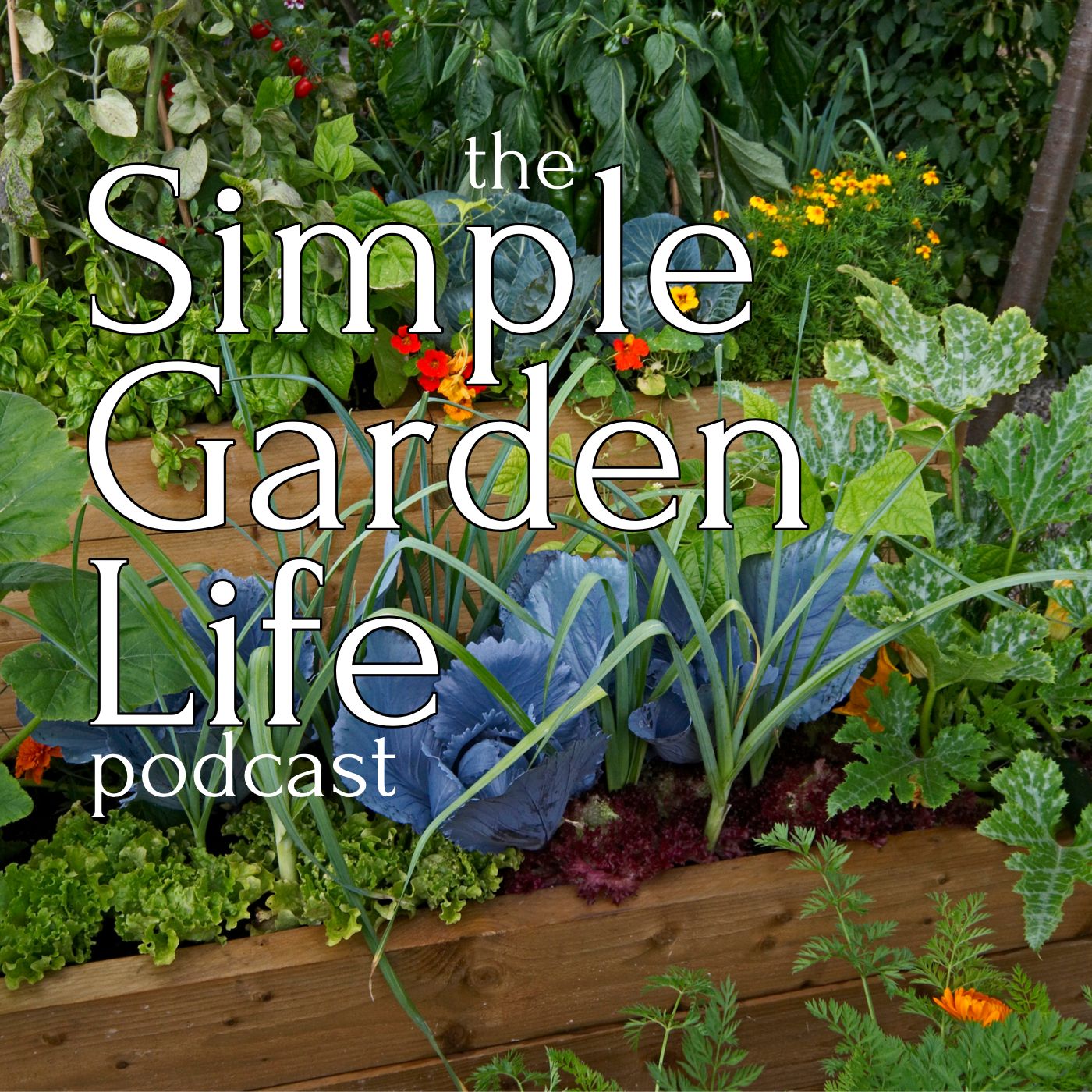
How To Fill Your Raised Beds With The Right Soil Mix!
When it comes to growing healthy, productive vegetables and flowers in raised beds – success all begins with filling your raised beds with the perfect mix of soil! The soil you put into your raised beds matters. To grow great plants it needs to be lightweight, full of nutrients – and also drain well. Which is exactly why how you fill them up matters!
It’s important to think of raised beds just as you would a container or potted plant. This is because they both have limited soil capacity. To be successful, a potted plant needs to have great drainage as well as be loose and lightweight. In addition, it also needs to packed with nutrients.
That is exactly the same formula for success when growing in raised beds. The soil has to drain excess water away in quick fashion. If it doesn’t, plants will struggle to grow and can easily rot out in the soil.
On this week's episode, Jim & Mary take a look at the best method for filling up your beds, and why simply loading them full of just plain soil is not good for your plants – or your raised beds life and longevity either.
It’s important to think of raised beds just as you would a container or potted plant. This is because they both have limited soil capacity. To be successful, a potted plant needs to have great drainage as well as be loose and lightweight. In addition, it also needs to packed with nutrients.
That is exactly the same formula for success when growing in raised beds. The soil has to drain excess water away in quick fashion. If it doesn’t, plants will struggle to grow and can easily rot out in the soil.
On this week's episode, Jim & Mary take a look at the best method for filling up your beds, and why simply loading them full of just plain soil is not good for your plants – or your raised beds life and longevity either.
2026-04-15
20 min
Transcript
Available Results
Generated results are saved to the knowledge database for reuse and search.
No generated results are available for this episode yet.
Extract Knowledge
Pick what you want extracted first. Model, scope, and chapter options appear after a template is selected.
Generated results for public episodes are saved to the knowledge database so they can be reused and searched later.
Transcript
<v Speaker 1>Welcome to the Simple Garden Life podcast, a program dedicated
<v Speaker 1>to keeping the yard of gardening simple, fun and always rewarding.
<v Speaker 1>Now Here are your hosts, Jim and Mary Competti.
<v Speaker 2>Hello and welcome everybody to another episode of Simple Garden Life.
<v Speaker 2>I'm your host, Jim Competty, along with my co host
<v Speaker 2>and wife, Mary Competti. I'm not laughing, Mary, I'm just
<v Speaker 2>laughing because I always have to start it off that way.
<v Speaker 3>I know, I know, I know.
<v Speaker 2>So we are talking gardening once again today, well into
<v Speaker 2>our sixth season. Hard to believe it, but what a
<v Speaker 2>great topic we have because there's nothing really hotter the
<v Speaker 2>last few years than raised beds. Raised beds are becoming
<v Speaker 2>just huge for a lot of reasons. I mean, first
<v Speaker 2>of all, people in apartments or small areas can still
<v Speaker 2>grow if you don't have a lot of land, If
<v Speaker 2>you don't have a lot of area or soil, you
<v Speaker 2>can do it.
<v Speaker 4>And they're also far easier to take care of.
<v Speaker 3>Yeah, the order I get, the more I appreciate Rae's
<v Speaker 3>bed gardening, and.
<v Speaker 2>Will have you know that the raised beds surface area
<v Speaker 2>and our test garden here has doubled over the last years.
<v Speaker 4>As Mary says, this but very very true.
<v Speaker 2>But they do offer so many great ways to garden,
<v Speaker 2>you know, not bending down as far, not near the
<v Speaker 2>weeds in a raised bed. But the real question with
<v Speaker 2>raised beds becomes how much can you grow in them?
<v Speaker 2>What types of things can you grow them? And how
<v Speaker 2>productive can they be? And honestly, a lot of that
<v Speaker 2>all comes down to what today's topic is, which is
<v Speaker 2>how to fill your raised beds with the right soil
<v Speaker 2>mix and create great soil for your raised beds.
<v Speaker 3>Right, And I think we should also clarify this is
<v Speaker 3>not just for vegetable gardening.
<v Speaker 2>No, No, we put a lot of flowers into our
<v Speaker 2>raised beds as well. You can do perennials and raised.
<v Speaker 3>Beds, so a lot of our herbs and it really does.
<v Speaker 4>Matter with that soil that you put into it. So
<v Speaker 4>as we always like to do.
<v Speaker 2>In the beginning of the podcast, remind everybody that you
<v Speaker 2>can always email us at the farm at owgarden dot com.
<v Speaker 2>You can also catch all of the episodes on Simplegardenlife
<v Speaker 2>dot com. And if you want to know more about
<v Speaker 2>our farm and all of our websites and all the
<v Speaker 2>cool things we have going on here, make sure you
<v Speaker 2>go to ow garden dot com and check it out.
<v Speaker 4>We have all of our.
<v Speaker 2>Websites listed there as well as the forty six acred
<v Speaker 2>farm now that we've turned into.
<v Speaker 4>As we like to tell people, we grow fun.
<v Speaker 3>Right, that's right, not go vegetables, vegetables, flowers and fun.
<v Speaker 4>That's right. That's right. So okay, let's get into today's podcast.
<v Speaker 4>That's what we're here for. So how to fill your
<v Speaker 4>raised beds? Right? It's not as simple as everybody thinks.
<v Speaker 2>I mean when you come down to it, you know,
<v Speaker 2>just as in a garden setting, that soil is what's
<v Speaker 2>going to drive your plant growth and your productivity, whether
<v Speaker 2>it's flowers or vegetable plants.
<v Speaker 3>Right, and what you put in your raised bed is
<v Speaker 3>not only going to determine how well your plants or
<v Speaker 3>flowers grow this year, but also for years to come.
<v Speaker 2>And much do you have to think about that? You know,
<v Speaker 2>you have to think of raised beds kind of like
<v Speaker 2>a potted plant. I mean that's really what it is,
<v Speaker 2>an oversized potted plant. It's because you have limited soil capacity,
<v Speaker 2>you're not going to be able to have, you know,
<v Speaker 2>just a massive garden that you're going to put stuff
<v Speaker 2>in all the time it's a limited soil, you're filling
<v Speaker 2>it up, and to be successful, you know, that has
<v Speaker 2>to have the same soil qualities that a hanging basket
<v Speaker 2>or a container or your garden have, and that means
<v Speaker 2>it has to be able to drain well. It has
<v Speaker 2>to be loose, it has to be light weight and
<v Speaker 2>allow for those roots to grow and absorb things great, and.
<v Speaker 3>Also has to be packed with nutrients because it can't
<v Speaker 3>get extra nutrients from the natural soil on the ground.
<v Speaker 2>You're absolutely right, and so it's that same formula for
<v Speaker 2>success that works with raised beds as it does in
<v Speaker 2>hanging baskets, as it does in a garden. It has
<v Speaker 2>to drain excess water away. If it doesn't, the plants
<v Speaker 2>are going to struggle, they can rot out. It has
<v Speaker 2>to have that power, like you talked about, the nutrients,
<v Speaker 2>and it also has to be able to last a
<v Speaker 2>little bit longer.
<v Speaker 4>Since it's in that raised setting.
<v Speaker 2>So you know it really it really all starts with
<v Speaker 2>people say, well, should I just go out and get
<v Speaker 2>hundreds of bags of potting soil.
<v Speaker 4>Well, I mean that's a pretty expensive.
<v Speaker 2>Venture if you're going to do that, and it's not
<v Speaker 2>always going to create the best raise beds right.
<v Speaker 3>And then there's on the contrary, should I just fill
<v Speaker 3>it with garden soil or soil for.
<v Speaker 4>My yard, And that would be a big no.
<v Speaker 3>That would be a big note. Not only is that
<v Speaker 3>super heavy, it compacts, it doesn't allow the roots to
<v Speaker 3>grow and develop, and it actually can even break your
<v Speaker 3>raised bed system because it just will help the sides
<v Speaker 3>will blow out, and you know, for long term, that's
<v Speaker 3>definitely not a good answer.
<v Speaker 2>Especially if they're made from plastic or thin metal or
<v Speaker 2>you know, light lightweight wood.
<v Speaker 3>And you can get raised beds all over the place
<v Speaker 3>and all over different farm and garden stores online. You know,
<v Speaker 3>there's really ones that are really good and there's there
<v Speaker 3>are better ones.
<v Speaker 4>Yeah, we're going to.
<v Speaker 2>Talk about that today and we're going to talk about
<v Speaker 2>how to make sure that what you're putting in there
<v Speaker 2>is strong enough and fertile enough and lightweight enough. And
<v Speaker 2>there's actually some great materials that we're going to go
<v Speaker 2>through that can really ensure all that. But it's not
<v Speaker 2>and this is really key, not just about soil. It's
<v Speaker 2>about what you put down on the base, what's at
<v Speaker 2>the bottom. And we talk about filling raised beds. That
<v Speaker 2>drainage at the bottom is as, if not more important,
<v Speaker 2>and what you're putting to the next levels as is
<v Speaker 2>the soil that's going up.
<v Speaker 4>So let's start marry with this raised beds. How big
<v Speaker 4>do they have to be? How thick do they have
<v Speaker 4>to be? Boy, it really depends on what you're growing.
<v Speaker 2>There's some great raised beds out there that are six
<v Speaker 2>to eight inches off the ground. Now that's because they
<v Speaker 2>might have soil underneath them. Six to eight inches by
<v Speaker 2>itself not really good enough to grow a lot of things.
<v Speaker 3>No, and we're talking about six eight inches off the ground.
<v Speaker 3>That means the bottom is open to the soil below.
<v Speaker 4>Yeah, it's on concrete on gravel, yeah, right?
<v Speaker 3>Or does it have a plastic bottom that you know
<v Speaker 3>that the roots can't get more nutrients?
<v Speaker 2>Absolutely, so you really want to always make sure you're
<v Speaker 2>having twelve to eight inches.
<v Speaker 4>Of workable soil.
<v Speaker 3>I think twelve to eighteen, Yes, eight, I think that's okay, twelve.
<v Speaker 4>Eighteen that's exactly you definitely need that. And why is that?
<v Speaker 2>Think about a tomato plant when you pulled up at
<v Speaker 2>the end of the season, or up pepper plant flower
<v Speaker 2>that's going to go down six to ten inches just
<v Speaker 2>with its roots, and you want to have enough that
<v Speaker 2>it can.
<v Speaker 4>Reach out and gain power and gain foothold.
<v Speaker 2>If it's only six inches, those rich are gonna be
<v Speaker 2>very shallow, they're gonna spread out, they're going to dry
<v Speaker 2>out quickly. And no matter what you grow, I mean,
<v Speaker 2>unless you're growing annual flowers with a very small rebol,
<v Speaker 2>you're right, twelve to eighteen inches you have to have that.
<v Speaker 3>Right and anything less, especially for larger vegetable plants. Not
<v Speaker 3>only that they can absorb the nutrients, they're actually going
<v Speaker 3>to topple over in a strong wind even if they
<v Speaker 3>are supported. You know, it's just not ideal. So twelve
<v Speaker 3>to eighteen inches is what you're looking for.
<v Speaker 2>Yeah, let's cover some of the things to avoid when
<v Speaker 2>it comes to soil. We've talked about a few, but
<v Speaker 2>let's just kind of go over them so we know.
<v Speaker 2>So the very first thing, you know, don't don't just
<v Speaker 2>use regular soil. We talked about that, it's way too heavy.
<v Speaker 2>And then basic top soil people say, well, what if
<v Speaker 2>I can get some pulverized top soil. Top soil in
<v Speaker 2>of itself is very heavy. It's more of a it's
<v Speaker 2>not a potting soil. Can you use sum in it?
<v Speaker 2>Yeah you can if you lighten it up. We'll get
<v Speaker 2>to that, but you want to avoid those two. It's
<v Speaker 2>the best really to layer in organic materials and other
<v Speaker 2>soil boosters as you build these raised beds. And we
<v Speaker 2>talked about the potting soil again, Yes you can, but
<v Speaker 2>sometimes it's a little too lightweight or too much expense
<v Speaker 2>to fill. You know, if you have a thirty six
<v Speaker 2>inch high raised bed and it's eight feet long, you're
<v Speaker 2>going to spend more than fortune, more than you can
<v Speaker 2>grow vegetables for the next twenty years.
<v Speaker 3>Right story, And eventually that potty story will pack down
<v Speaker 3>as well if there's not other materials in with it.
<v Speaker 4>That's a really great point.
<v Speaker 2>Even when you're potting up hanging baskets, and I think
<v Speaker 2>sometimes people think, oh, it's just all potty tool. It's
<v Speaker 2>going to pack down too because it's so fine and
<v Speaker 2>loose and it's going to get together. So it's really
<v Speaker 2>better and we're going to get to this here to
<v Speaker 2>fill that bottom third. Now we're talking these these are
<v Speaker 2>raised beds that have at least twelve to eighteen eighteen
<v Speaker 2>inches in height. The bottom third of your container shouldn't
<v Speaker 2>be soil at all. It should not be at all.
<v Speaker 4>No, not at all, It.
<v Speaker 2>Should be a large organic material. And so we're like, okay,
<v Speaker 2>what does that mean. Well, we're going to talk about
<v Speaker 2>it when we come back from a break. But what
<v Speaker 2>it means is putting in some other things that over
<v Speaker 2>the next two or three years are going to slowly
<v Speaker 2>break down, but they're going to help you fill some
<v Speaker 2>of that void so you're not using so much just
<v Speaker 2>straight up potting soil, but it also allows channels and
<v Speaker 2>areas for water and nutrients to get down through.
<v Speaker 3>And that draining is just super important when you're potting
<v Speaker 3>and raised.
<v Speaker 4>Beds, it really is.
<v Speaker 2>So we'll take a quick break and we'll be right
<v Speaker 2>back and we'll start talking about how to fill your
<v Speaker 2>raised beds for success, not just for this.
<v Speaker 4>Year, but for years to come.
<v Speaker 2>All Right, we are back talking about how to fill
<v Speaker 2>those raised beds to perfection so that you have great
<v Speaker 2>years of growth, not just this year, but for years
<v Speaker 2>in advance. So we're talking about filling them starting at
<v Speaker 2>the bottom, Marry, And it's kind of funny. One of
<v Speaker 2>the best ways to fill that bottom can kind of
<v Speaker 2>be done for free.
<v Speaker 3>Actually, if you walk around our farm, anyone can fill
<v Speaker 3>their raised beds for free.
<v Speaker 4>That's right.
<v Speaker 2>So we look here when we fill ours for small sticks, twigs,
<v Speaker 2>even small logs.
<v Speaker 4>Again hardwood.
<v Speaker 2>You want to stay away from any wood species like
<v Speaker 2>a buckeye tree or a walnut tree that can cause
<v Speaker 2>problems down the road.
<v Speaker 4>But small twigs are.
<v Speaker 2>Fantastic, even pine cones, anything that's going to have some
<v Speaker 2>loose organic matter. I like the twigs the best because
<v Speaker 2>they really break down like a hardwood mult wood to
<v Speaker 2>give your soil power.
<v Speaker 3>Right, and I think think about the old school game
<v Speaker 3>of pickup sticks. That's kind of what you want at
<v Speaker 3>the bottom of your raised bed.
<v Speaker 4>That's right, about six six inches, Like we said about
<v Speaker 4>a third. So if you have, you know, twenty four
<v Speaker 4>inch beds, you're gonna use eight inches. If you have
<v Speaker 4>eighteen inch beds, you know you're gonna do six inches.
<v Speaker 4>I know you're impressed with.
<v Speaker 3>My math, Yeah, but seriously, don't don't go out and
<v Speaker 3>put a ruler. Just do just eye. It doesn't have
<v Speaker 3>to be an exact science exactly.
<v Speaker 2>So these sticks do a lot of things. First, they
<v Speaker 2>help fill you up, so you're not using so much soil.
<v Speaker 2>But what they really do is they provide some great
<v Speaker 2>drainage at the bottom of that areas for excess water
<v Speaker 2>to give out. They also as they break down and decompose,
<v Speaker 2>they have lead channels in that soil where roots can
<v Speaker 2>fill in and grow. So, you know, we also some
<v Speaker 2>other things, you know, large bark pieces. Bark is great.
<v Speaker 2>We go into our forest here and take the bark
<v Speaker 2>that has fallen off some of the old dead trees.
<v Speaker 2>And you don't have to worry about stacking these neatly.
<v Speaker 2>You talk about picked up sticks, you're just putting them
<v Speaker 2>there almost.
<v Speaker 4>Like a weave.
<v Speaker 3>Right, it's gonna be random. So when you think about
<v Speaker 3>stacking your wood inside of your raised beds, don't do
<v Speaker 3>it like you're stacking a wood pile for firewood. What
<v Speaker 3>you want to do is you want random crisscross patterns.
<v Speaker 4>That's right. That's right. We actually have if you really
<v Speaker 4>want to see this, if you go on.
<v Speaker 2>Our Overal Garden YouTube channel, we have a video on
<v Speaker 2>how we filled our beds, and we start with the
<v Speaker 2>bottom and show it all so it'll kind of show
<v Speaker 2>you how we stack them in for smaller and less
<v Speaker 2>deep beds. You know, use smaller sticks and twigs. It's
<v Speaker 2>a very common sensical thing. Again, you're looking to fill
<v Speaker 2>that bottom third. We leave that leaves enough soil death
<v Speaker 2>really for growing anything and everything you want. If you're
<v Speaker 2>talking about that twelve to eighteen inch you know minimum
<v Speaker 2>when selecting the wood, maple, pine, oak, beech, fruit trees.
<v Speaker 2>Almost all non nut trees are really good. Again, you
<v Speaker 2>just want to avoid those chestnut, walnut, anything that prohibits growth.
<v Speaker 2>And then if you don't have that sister wood scraps,
<v Speaker 2>you know, there's mulch. I mean, mulch is a great one,
<v Speaker 2>especially if you have a sol mill multch like we.
<v Speaker 3>Have right and we have a podcast about using hardwood
<v Speaker 3>mulch in your flower beds. Same type of mulch you
<v Speaker 3>can use in your raise beds.
<v Speaker 4>Yeah, and just a little side tip. We'd like to
<v Speaker 4>give little.
<v Speaker 2>Hents and tips here and for this one we use
<v Speaker 2>in our hanging baskets. That's exactly in our big potted
<v Speaker 2>plants around the farm. We fill them usually six six
<v Speaker 2>inches for the large pots and eight inches at the bottom.
<v Speaker 4>All with wood chips. That's what we do.
<v Speaker 2>We put them in the bottom of wood mulch Basically
<v Speaker 2>that's great because you know we've all been there. People say, well,
<v Speaker 2>I like to use rock or I like to use
<v Speaker 2>pine nuggets. Well, at the end of the year, when
<v Speaker 2>we're putting those under our compost file and you have
<v Speaker 2>stones in there, it's so hard to get the stones
<v Speaker 2>out and get the soil out and separate them. When
<v Speaker 2>you use hardwood mulch, it's almost decomposedment in the year
<v Speaker 2>and by next year it's gone.
<v Speaker 3>In the common right we use in all of our
<v Speaker 3>large potted plants.
<v Speaker 2>Yeah, now you're not gonna be taking this out since
<v Speaker 2>it's a raised bed, so it's a little different, but
<v Speaker 2>it gives that same power. So now you have the
<v Speaker 2>bottom field. So what's next. So once your layer of
<v Speaker 2>sticks are in and your wood and bark is in place,
<v Speaker 2>it's time to add the long term power. And it
<v Speaker 2>can be really accomplished with a couple of materials. We
<v Speaker 2>like to mix and match, and again there is no
<v Speaker 2>set formula. I can't stress that enough, can't I. No,
<v Speaker 2>you just want to mix what you have, what do
<v Speaker 2>you have access to. They're all going to work hard
<v Speaker 2>and big, and I'm pretty sure we just had a
<v Speaker 2>large bird hit the seed.
<v Speaker 4>It's spring.
<v Speaker 2>We are just as a side note, I think we
<v Speaker 2>spend every four or five hours outside right now checking
<v Speaker 2>to see what bird has built a nest where we're
<v Speaker 2>trying to so.
<v Speaker 4>But let's get back to the subject.
<v Speaker 2>Compost, straw, glass, kip clippings, and even age manure. They're
<v Speaker 2>all incredible for this next layer. If you only have
<v Speaker 2>access to one or two, you know, that's great. If
<v Speaker 2>you have even at this point you're buried down enough. Hey,
<v Speaker 2>even works, Mary, I mean, it's gonna be fine. Because
<v Speaker 2>the seeds are buried way way below. There's no doubt
<v Speaker 2>about it that you can use anything you want to.
<v Speaker 2>Just get some organic material that's small enough to work
<v Speaker 2>down in between the hardwood. But and then together with
<v Speaker 2>those sticks, they'll allow for great drainage and as they
<v Speaker 2>break down, great nutrients. Right.
<v Speaker 3>And as you go to fill up your raised bed
<v Speaker 3>with these materials, some you know a lot of it's
<v Speaker 3>going to fall in between those sticks, and that's okay.
<v Speaker 3>You want to make sure that you get as much
<v Speaker 3>as in there. You don't need to compact it, just
<v Speaker 3>pour it in and then just layer it on top.
<v Speaker 2>Yeah, and you're right, you don't need to be pushing
<v Speaker 2>down super hard. Can you lightly tampa to get you through?
<v Speaker 2>That's that's excellent. But Mary makes a really good point
<v Speaker 2>there that you don't want to be, you know, getting
<v Speaker 2>a sledgehammer out and pushing down on it, trying to
<v Speaker 2>smash this all down. Let the aeration work in your favor. Yes,
<v Speaker 2>over time, your level's going to drop a few inches
<v Speaker 2>this year. It's not going to hurt your plants. In fact,
<v Speaker 2>it's going to help them. And then next year you
<v Speaker 2>can add a little bit more soil. So now we've
<v Speaker 2>got the stick layer, we have the drainage layer at
<v Speaker 2>the bottom. We have that organic layer which could be compost,
<v Speaker 2>it could be age, manure from your chicken, coupe, grass clippings,
<v Speaker 2>all of that.
<v Speaker 3>Combination of items.
<v Speaker 2>Ye. Now it's time to add that soil. And here
<v Speaker 2>is where you need that layer to be lightweight and
<v Speaker 2>power filled and almost like an ultra potting soil mix.
<v Speaker 3>Right, this is where that potting mix comes into play.
<v Speaker 4>Yeah.
<v Speaker 2>Really, there's so many great potting soils that are available
<v Speaker 2>for purchase. I mean, you know, the key is to
<v Speaker 2>look for ones that are lightweight and filled with organic power.
<v Speaker 2>Avoid ones that have substitute fertilizers to put in or
<v Speaker 2>it just don't work long term, and you want natural
<v Speaker 2>driven power that you can grow your plants in. I
<v Speaker 2>mean there's all kinds. You know, we use a lot
<v Speaker 2>and people always ask us like what do you like?
<v Speaker 2>You know, s Bomat makes a great organic race bag
<v Speaker 2>and mix that's all organic, but there are also all
<v Speaker 2>kinds of ones that might beat your local feed store
<v Speaker 2>or you can find. You just want to get something
<v Speaker 2>that's lightweight. It should not be top soil. It's got
<v Speaker 2>to be more of a potting soil with a very
<v Speaker 2>light feel.
<v Speaker 3>Right. Look for potting soil that has a mixture of
<v Speaker 3>some composts in it and some per lite, those little
<v Speaker 3>white specks that you see in pot of plants. That
<v Speaker 3>just helps more drainage and keeps it light weight. If
<v Speaker 3>it has worm casting, even a bigger bonus.
<v Speaker 2>Yeah, vermiculite, pearlite, both of those, and they know they're
<v Speaker 2>not styrofoam. They are actually an organic material. Perlite is
<v Speaker 2>you know, made from popping volcanic rock from ancient times
<v Speaker 2>and it pops into like a popcorn style and it's
<v Speaker 2>great because it keeps that soil light so here's the
<v Speaker 2>good news.
<v Speaker 4>You filled two thirds of your.
<v Speaker 2>Raised beds with organic material that can almost or if
<v Speaker 2>not always, be free, whether it's grass, clipping sticks, you know,
<v Speaker 2>the manure, so it can really save on the cost
<v Speaker 2>of adding that final ingredient. And let me tell you
<v Speaker 2>that final ingredient is what makes the difference for great
<v Speaker 2>raised beds. So Mary talked about it. So you're putting
<v Speaker 2>this pile in, if you feel the soil is a
<v Speaker 2>little thick, that is where getting an extra bag of
<v Speaker 2>vermiculite or perlite and mix it into that soil. We
<v Speaker 2>like to you know, I'd say every five gallon bucket
<v Speaker 2>of soil, we like two cups and that's a good ratio. Again,
<v Speaker 2>thought to be perfect for this, but it will kind
<v Speaker 2>of loosen it up. And then I think your best one,
<v Speaker 2>no matter what you do, no matter what you buy,
<v Speaker 2>even if it has some in it, get yourself a
<v Speaker 2>bag of worm castings. They're amazing, they are. And you know,
<v Speaker 2>again for every five gallons of soil that are in there,
<v Speaker 2>anywhere from two to four cups is an amazing addition.
<v Speaker 2>Worm castings are just the perfect fertilizer from nature. You know,
<v Speaker 2>worms work their way through the soil, consuming all kinds
<v Speaker 2>of things in the soil, and they're what comes out.
<v Speaker 2>The other end of the worm is the casting, and
<v Speaker 2>it is absolutely it will not burn plants, it will
<v Speaker 2>lighten soil, It will power up soil and really make
<v Speaker 2>a big difference.
<v Speaker 3>And it's really a slow release fertilizer, so it's going
<v Speaker 3>to keep your plants being fed for many months.
<v Speaker 2>Yeah, and so here's a few other things that we'll
<v Speaker 2>just kind of go over and talk about that are
<v Speaker 2>really big before we will let you go today on
<v Speaker 2>this podcast.
<v Speaker 4>Eggshell powder another great addition.
<v Speaker 2>You know, if you have a lot of eggshells, grind
<v Speaker 2>them into the fine powder as you can, as fine
<v Speaker 2>as powder as you can with your coffee. You can
<v Speaker 2>use anything, a coffee grinder, you can grind them my hand.
<v Speaker 2>But the finer you grind them, the more they're gonna
<v Speaker 2>absorb into their coffee grounds. We throw our whole filter
<v Speaker 2>and coffee grounds in when we're building them, or the
<v Speaker 2>just the ground.
<v Speaker 4>They're all gonna biodegrade into there and make.
<v Speaker 3>Great soil spent coffee grounds, yes not newcast. Crate the
<v Speaker 3>coffee first, then use the coffee grounds.
<v Speaker 2>Little formula for your fresh coffee grounds. Lots of the
<v Speaker 2>acid spent coffee grounds really good for your soil, very
<v Speaker 2>little acid, so great point. So last, but not least,
<v Speaker 2>we always like to leave people with a final tip.
<v Speaker 2>People fill these raised beds and they think they got
<v Speaker 2>to fill them right to the top. Why don't you
<v Speaker 2>do that? For a couple of reasons. One, it's gonna
<v Speaker 2>settle anyway, so let it go and let it settle
<v Speaker 2>before you add more. But most importantly, you have to
<v Speaker 2>leave room for mulch. Yeah, you know, people forget this.
<v Speaker 2>I think they think sometimes with raised beds it's just
<v Speaker 2>the soil. But when you leave that soil exposed and
<v Speaker 2>it rains and it hards, it comes down, it washes
<v Speaker 2>nutrie sound. But mulch, to me, is just as if
<v Speaker 2>not more important, in a raised bed setting or a
<v Speaker 2>potted plant or a hanging basket. You know, it doesn't
<v Speaker 2>have to be the four to six inches obviously we
<v Speaker 2>do in flower beds, but it can be you know,
<v Speaker 2>an inch covering. It'll protect that soil, it'll protect it
<v Speaker 2>from washing out, and it also makes your beds look really,
<v Speaker 2>really nice. There's no doubt that mulch is the final
<v Speaker 2>key to it all. So let's just kind of recap.
<v Speaker 2>You know, you have your raised beds. You want to
<v Speaker 2>fill the bottom, make sure you have good drained to
<v Speaker 2>the bottom. Make sure that bottom of the water is
<v Speaker 2>going to come out. You have to drill a few
<v Speaker 2>holes in the bottom so it does do so. But
<v Speaker 2>then you want to put in a one third layer
<v Speaker 2>of sticks and you know, any kind of bark, even
<v Speaker 2>some wood chunks if they're big enough. Then you want
<v Speaker 2>to put that organic material, right Mary, I mean, that's
<v Speaker 2>that's the key, really, that second layer, right.
<v Speaker 3>The second layer is one's going to feed your plants,
<v Speaker 3>whether it be annuals, vegetables, anything. Just make sure you
<v Speaker 3>get that layer in there, that's right.
<v Speaker 2>And then that third and final layer, that one third
<v Speaker 2>is going to be the potting soil. And then you're
<v Speaker 2>gonna mix things like wormcare, castings and perlite and coffee grounds,
<v Speaker 2>anything you can to power up that soil. So remember
<v Speaker 2>this is great, this is fantastic, but come this fall,
<v Speaker 2>you either need to cover that with some compost of
<v Speaker 2>manure or some straw to protect it, or even we
<v Speaker 2>use oats and ours, Yeah, we use oats and ours
<v Speaker 2>to help build that power for next year, and then
<v Speaker 2>over the winter be adding things like those crushed egg
<v Speaker 2>shells and the coffee grounds, and then next spring you
<v Speaker 2>can put some more worm castings in and that way,
<v Speaker 2>year after year you'll have great raised beds. So we
<v Speaker 2>have our raised beds now. We moved to this our
<v Speaker 2>new farm in twenty twenty. Twenty twenty one was our
<v Speaker 2>first garden year. Have the same raised beds out there
<v Speaker 2>with the soil we started, and it's it's more fertile
<v Speaker 2>than it ever was even back then. Absolutely, So there
<v Speaker 2>you go. So get out there, grow with those race beds.
<v Speaker 2>Fill them right, fill them for long term success.
<v Speaker 3>And save your back and see your back.
<v Speaker 2>So all right, well for Mary and myself, we hope
<v Speaker 2>you enjoyed this episode, and happy guardening, every happy gardening.
<v Speaker 5>We hope you've enjoyed this episode. Subscribe to the Simple
<v Speaker 5>Garden podcast on iTunes, Apple Podcasts, Spotify, or most of
<v Speaker 5>your favorite podcast apps. You can also head over to
<v Speaker 5>simplegardenlife dot com where you can listen and read all
<v Speaker 5>of the show notes to every episode and if.
<v Speaker 3>You have any questions, any ideas for show topics, or
<v Speaker 3>if you want to share your favorite garden tip email
<v Speaker 3>us at the Farm at Owgarden dot com.
<v Speaker 5>Until next time, Thanks everyone,
Chapters
No chapters available.