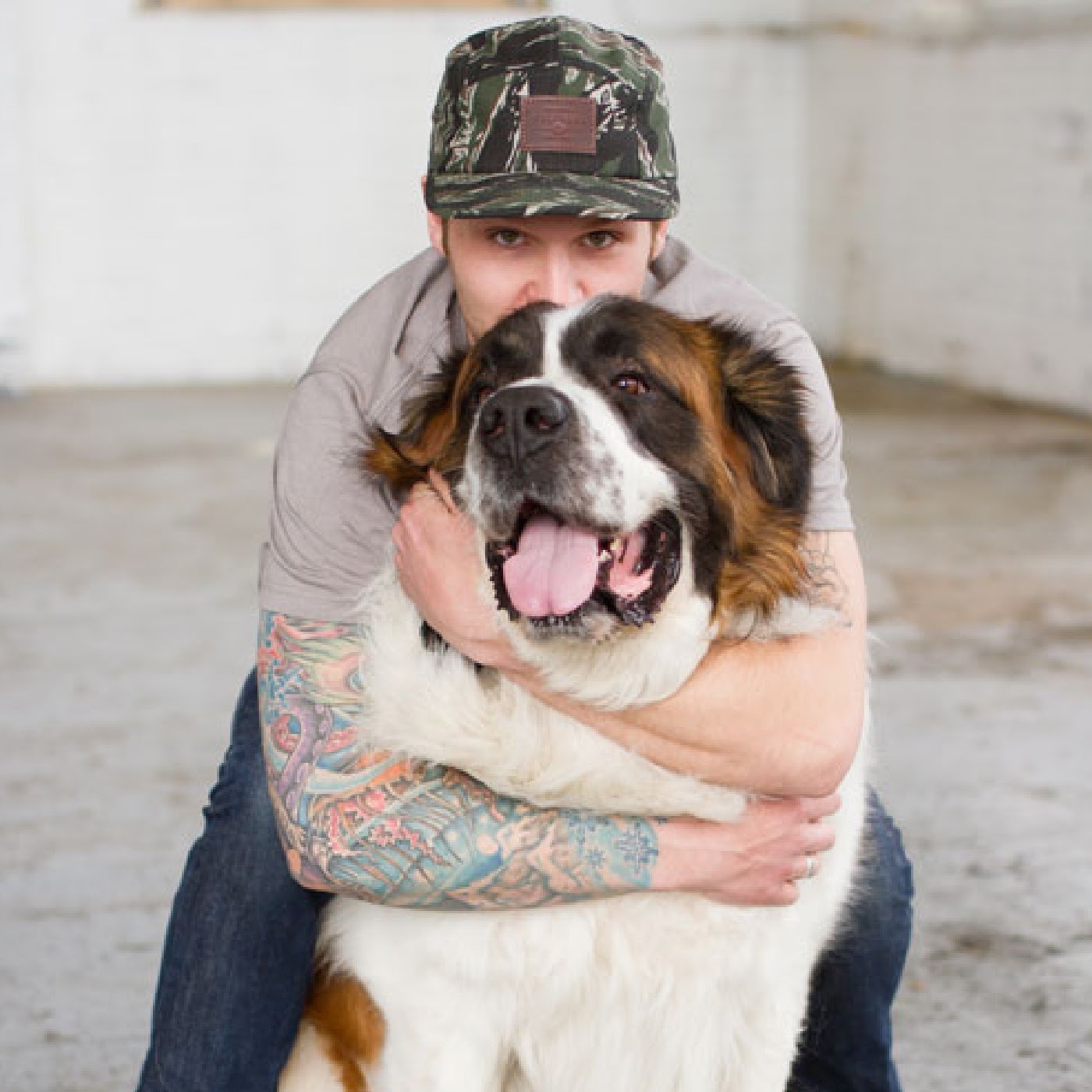
E336- The Moment My Dog Turned Into a Mature Dog — Everything Changed
I talk about my Dog Burleigh and his entering his mature stage in life, and how you can prepare for your dog's change.
Advertising Inquiries: https://redcircle.com/brands
Privacy & Opt-Out: https://redcircle.com/privacy
2026-01-19
35 min
Transcript
Available Results
Generated results are saved to the knowledge database for reuse and search.
No generated results are available for this episode yet.
Extract Knowledge
Pick what you want extracted first. Model, scope, and chapter options appear after a template is selected.
Generated results for public episodes are saved to the knowledge database so they can be reused and searched later.
Transcript
[SPEAKER_00]: What is going on no bad dog army welcome back to the no bad dogs podcast?
[SPEAKER_00]: Well, today I'm going to talk a little bit about actually a lot about my dog burly he is He is just turned two in December and I wanted to talk about some things that I'm seeing with him because I think it would be really helpful and valuable For you guys and as you guys know and if you don't know he is an intact which means he's unaltered Which means he's not neutered which means he has his balls
[SPEAKER_00]: And he is a borbol, so there's a South African mastiv, and he is a big protective breed.
[SPEAKER_00]: Okay, now that I've caught everyone up to speed, let's talk about what I'm seeing.
[SPEAKER_00]: So right when he turned about two, I started to see some really big reactions towards intact males.
[SPEAKER_00]: So if you guys listen to my podcast long enough, you will, you have heard me call this out, talk about this, consult this with many of my clients on this podcast.
[SPEAKER_00]: And so this is something that with him, I'm seeing much later just because of his maturity.
[SPEAKER_00]: He is a very immature dog.
[SPEAKER_00]: So a lot of, normally you'll see this between the eight month mark and the 14 month mark for normal dogs.
[SPEAKER_00]: But because he is maturing much later, because that's just what he is.
[SPEAKER_00]: I'm starting to see this.
[SPEAKER_00]: huge humongous reaction towards other dogs and I want to break this down.
[SPEAKER_00]: So first and foremost why this happens, testosterone starts to just go crazy in dogs who are intact.
[SPEAKER_00]: They start hitting the sexual maturity, they start basically going through puberty, they start acting like a big boy dog, right?
[SPEAKER_00]: So he's been big for eight months, but now he's actually fully mature.
[SPEAKER_00]: fill out until he's about three depending on if I get him fixed or not, which is kind of the topic of this discussion.
[SPEAKER_00]: So he has a dog that and I've done a couple podcasts with some veterinarians on this and I'm looking forward to booking some more veterinarians on this particular subject.
[SPEAKER_00]: So you have to just stay tuned for that.
[SPEAKER_00]: But his reactivity right when he had to just explode it with other intact males.
[SPEAKER_00]: I mean day and night,
[SPEAKER_00]: black and white, he would be able to walk past this intact mail completely fine in now of a sudden it is insane, which so it doesn't surprise me necessarily just because I knew that he was getting close to that full maturity rate and I was always thinking in my head like how is he going to turn out.
[SPEAKER_00]: And of course,
[SPEAKER_00]: As you guys know, it really is a flip of a coin, but, I mean, realistically, you never really know, you can just help.
[SPEAKER_00]: And so, the good thing is, is his personality and his behavior and his demeanor at home has not changed, which is awesome.
[SPEAKER_00]: So sometimes what I'll see with dogs like this in conjunction with this huge reactivity to other dogs being what they call in the UK Bobby big ballics is The dog to start to start to challenge other dogs in the house like Lakota my other female dog he hasn't.
[SPEAKER_00]: I know that because she, he was laying outside of his crate, she went, and these are things I'm looking, I'm actively searching for, he's in here and he just farted, so if you guys can hear me probably can't, because this mic is a professional mic, but you just let out a
[SPEAKER_00]: Crazy dog.
[SPEAKER_00]: I also have a lot of updates on his gut biome that just came back and he is in rough shape So we're gonna talk about that another time but Let's let's get back to why we're here.
[SPEAKER_00]: So his reactivity towards other intact males on the leash has has has gone up a hundred percent His behavior in the house is the same so again things that I'm actively looking for at this age and I've been looking for for the last couple months because I knew it was coming
[SPEAKER_00]: It has been his demeanor and his reactions towards my other dog in the house, Lakota.
[SPEAKER_00]: And again, big, big triggers for dogs who start to fill in the fruit of their loins if you will and start to become like, hey, you know what, I'm not going to take this.
[SPEAKER_00]: I'm not going to tolerate this before I may have rolled over like a puppy and not cared, but now I'm actually going to stick up for myself.
[SPEAKER_00]: is resource carding.
[SPEAKER_00]: So you might find this to kind of correlate with the sectional maturity with resource carding or just fighting with another dog in the house.
[SPEAKER_00]: Again, I have so much evidence and so much data to support that.
[SPEAKER_00]: How many times have you guys listened to this podcast, and I've talked to, I mean, if you just go through my latest episodes in the last six months, you'll see how to stop two dogs from fighting in the house, why two dogs are fighting in the house?
[SPEAKER_00]: Can they ever, you know, be friends again?
[SPEAKER_00]: I mean, these are things I talked to my clients all the time on.
[SPEAKER_00]: And so the other day, Lakoto went into his crate, he was outside of the crate, and I'm just watching, and I'm just prepared, right?
[SPEAKER_00]: So she, and just so you know, he eats inside of that crate.
[SPEAKER_00]: So that's where his bowls are, that's his space.
[SPEAKER_00]: It's the only space in the house that is his.
[SPEAKER_00]: And so if there's going to be a problem, it's going to happen right there.
[SPEAKER_00]: So I'm kind of on standby just like, okay, let's see how this goes and he could care less.
[SPEAKER_00]: These eyes were like falling back in the head, going back to sleep.
[SPEAKER_00]: I'm like, okay, great.
[SPEAKER_00]: So this is good.
[SPEAKER_00]: This is good.
[SPEAKER_00]: So again, because of his genetics, you can hopefully rely on your breeder to tell you what you're going to get.
[SPEAKER_00]: And in this case, that's the case with him.
[SPEAKER_00]: Again, it's something that I really wanted with a big protective dog for my family, but also
[SPEAKER_00]: And me and his breeder also talked about having a female, and so he already told me like if you had another male in the house, probably things probably wouldn't work out the same.
[SPEAKER_00]: And that's, I would agree.
[SPEAKER_00]: And so I'm starting to see these behavioral changes, but I'm also starting to see how he handles pressure differently.
[SPEAKER_00]: And so my, my equipment change up has been, has changed a little bit.
[SPEAKER_00]: I first noticed him,
[SPEAKER_00]: And so, what that means is, right now he's on a two, no, he's on a 3.0, herm spring or prong collar, safety clip, and it was just a backup, and a flat collar.
[SPEAKER_00]: And so, I mean, all of a sudden, this dog that he had seen his whole life, really.
[SPEAKER_00]: And like I said, if you guys have followed me long enough on any platform, you know, kind of my saga and my neighborhood, we have eight.
[SPEAKER_00]: Golden retrievers six in which are cream golden retrievers and there's a couple of them that have gone after him since he was a puppy and so his He's a little racist towards golden retrievers and so anyway this this golden that was walking He just exploded on it really took took me back.
[SPEAKER_00]: I was really surprised that he did.
[SPEAKER_00]: I was like, whoa, what's the deal?
[SPEAKER_00]: And so at that point, he was too, and I've talked about this before, and I'm always candid with you guys.
[SPEAKER_00]: I'm always up front with you guys.
[SPEAKER_00]: I'm not going to be that guy that's like, oh, yeah, I have perfect dogs.
[SPEAKER_00]: I'm a dog trainer.
[SPEAKER_00]: That's bullshit.
[SPEAKER_00]: No dog trainer has a perfect dog.
[SPEAKER_00]: That's not realistic.
[SPEAKER_00]: It's not even something to shoot for unless you're in competitive obedience, which then still you're building.
[SPEAKER_00]: It's not realistic, right?
[SPEAKER_00]: So anyway, I just always hear that in my comments.
[SPEAKER_00]: it's so good to see like dog trainers have imperfections with their own dogs, it's like of course I do and any dog trainer that you know where you fall also has imperfections, rather than that they want to admit it or people can tell people is another thing, but for me I don't really care.
[SPEAKER_00]: So and also you know I've made this post an Instagram, I don't have much to say about how he feels.
[SPEAKER_00]: The only thing I can really do is predict and hopefully change and modify how he acts, right?
[SPEAKER_00]: So what he wants to do, I have nothing to do with.
[SPEAKER_00]: This is his dog.
[SPEAKER_00]: This is who he is.
[SPEAKER_00]: This is his personality.
[SPEAKER_00]: And I've talked about this for years.
[SPEAKER_00]: It's kind of my no bad dog, mantra.
[SPEAKER_00]: And so anyway.
[SPEAKER_00]: Once he locks in, you know, on this intact mail, and he did it a couple times at my facility, too, when we were just recently away, and I was keeping tabs on with my staff, just kind of saying, hey, are you seeing anything?
[SPEAKER_00]: Because I'm seeing stuff.
[SPEAKER_00]: They said, yeah, actually, they said, no, he's been great.
[SPEAKER_00]: I'm like, okay, maybe it's just my neighborhood.
[SPEAKER_00]: Because I was under the oppression.
[SPEAKER_00]: I was under the assumption that it was intact mails because that's where he freaked out for no reason It's too much to my eyes, right?
[SPEAKER_00]: I was like, wow, what the happened?
[SPEAKER_00]: And then I bring it to my facility.
[SPEAKER_00]: It said nope, he said my own finest, okay?
[SPEAKER_00]: Maybe it's just my neighborhood and then I say nope.
[SPEAKER_00]: He reacted to an intact mail.
[SPEAKER_00]: I go, okay.
[SPEAKER_00]: Good.
[SPEAKER_00]: So kind of nails it down and that's really
[SPEAKER_00]: You know, as a dog trainer, and obviously with my dog, it's really what I want to nail down, is if I can nail down consistency, I really don't have a, I don't have an issue really.
[SPEAKER_00]: There is no, there is no, um, a question marks, and that's always my job, you know, and sometimes, you know, when I'm working with my clients, I, you know, my job is to try to check off the boxes and help people,
[SPEAKER_00]: it's not always to change DNA right like I can't like oh my golden retriever just won't stop jumping in the lake and grabbing stuff maybe whatever so with him you know he started to be a little redirective and and look at me and
[SPEAKER_00]: Clap back at me and get a little aggressive and so this started recently happening with this With this the reaction to an intact male and so I'm changing up his equipment a little bit This is really helpful for you guys and I've talked about this many times many times and One of the podcasts recently was always something along the lines of let me look it up So you guys can reference it because it's a it's a really important
[SPEAKER_00]: episode to kind of reinforce this is your dog reactive protective or aggressive.
[SPEAKER_00]: Now that's that's episode two or sorry three thirty six.
[SPEAKER_00]: Now if your dog like for Burley for an example and I I consulted with a couple of my friends.
[SPEAKER_00]: And when I can tell with my dog trainer friends, guys, and again, you know, I made a video of me calling one of my buddy's forced Mickey, and I was like, hey, what do you think of this and so many people like, oh, it's so cool to see it's like guys, I don't know, you know, who, who you think other dog trainers are, but every dog trainer out there, they should be looking for other pieces of advice.
[SPEAKER_00]: They should be looking for different perspectives.
[SPEAKER_00]: I know for me,
[SPEAKER_00]: When I'm working on a dog, I have all these creative insights that pop into my head to help people right and break them through to the next the next level next step in their life.
[SPEAKER_00]: That's my job.
[SPEAKER_00]: But when it's your own dog, you can't really see clear the mud, the water is really muddy.
[SPEAKER_00]: I can just I just go, okay, we're hitting that age.
[SPEAKER_00]: This is what's happening.
[SPEAKER_00]: And so, so I consulted with a couple of my friends just talking about genetics, talking about these this breed, talking about this drive, and one of the things that my friends had said was, my friend forest, because he's been one of my best friends in the industry for over a decade, and kind of how I started really getting into dog training really is seeing what he does and something, somebody, it's somebody I trust, but it's also somebody that respect.
[SPEAKER_00]: And so I reached out to Forrest and what do you think of this like because here's what I think and I just told him I think that He's coming into that age and and now he's starting to take things very seriously and he my friend Forrest who has a lot of experience in working line malin was and some other breeds
[SPEAKER_00]: Australian chapards and border collies and really familiar with with dryvy dogs and obviously this dog isn't as dryvy as though those dogs and a prey perspective but in a protective perspective he's just as dryvy which means if you have a border collie or a melon wall that really wants to eat a ball
[SPEAKER_00]: Grab a ball, bite a ball, put their mouth on the ball, chase the ball, and that drive is 10 out of 10, right?
[SPEAKER_00]: And then I bring burly that drive, it may be 6 out of 10.
[SPEAKER_00]: But then if you go to the protective side, he's going to outperform if not match the mal and wall and all the other big protective dogs.
[SPEAKER_00]: Naturally.
[SPEAKER_00]: So, you know, one of the things that Forrest was saying is like, look, you know, he's You can't really, you can't speak to him when he's in that state of mind.
[SPEAKER_00]: He gets into a I And this is something I've talked about too, and it's really nice to hear other people Kind of Confirm these ideas as you're working through it
[SPEAKER_00]: Is he's just saying like look this dog actually thinks that you guys are under attack His his innate in his primal instinct is kicking in and he's like you're you're permitting me from from doing my job You're permitting me from doing the thing that I was Born and raised and bred to do and he takes it pretty seriously and so that's what we're dealing with and so we kind of talked about some different things
[SPEAKER_00]: been a, you know, a good friend of mine, a colleague of mine for again over a decade.
[SPEAKER_00]: I don't have a lot of dog friends in the industry just because I kind of put my head down and focus on, you know, what I'm doing, but there are a couple that I really trust and I look forward to reaching out to it to pick their brain on.
[SPEAKER_00]: he kind of said the same thing and they both kind of agreed on maybe switching out some equipment to see if that's going to be helpful and these are things that I've talked about previously before but it's it's just tough to put it into perspective so a couple of things that they recommended was switching to a dominant dog collar.
[SPEAKER_00]: And for me, it did pop into my mind, but they also have never handled this dog.
[SPEAKER_00]: So it's all, you know, theory, it's like, okay, well, download a dog collar or a slip leash for those of you don't know, kind of the same thing.
[SPEAKER_00]: What that does is it limits the amount of pressure or a
[SPEAKER_00]: Let's walk through this.
[SPEAKER_00]: See a dog that Broly doesn't like, he locks in, boom, he flocks at the end of the leash.
[SPEAKER_00]: He's big, he's powerful, he's about 160 pounds of 100% muscle, there's zero fat on him, he is low to the ground, he's stalky, and he means business.
[SPEAKER_00]: Now, again, to give people context, this dog is never bitten, anything in his life, he's never...
[SPEAKER_00]: Showed any aggression towards other dogs.
[SPEAKER_00]: He has dog friends.
[SPEAKER_00]: He has dog friends that are intact, but up into this point I'd be interested to see how he does with his intact friends now Interested I doubt it would be anything else, but this dog is a lot of all a lot of dog and Everything about the breed and everything about the dog has been I need to be big and scary And I need to shove this thing out of the the picture so everyone's safe
[SPEAKER_00]: So it's like a bodyguard doing bodyguard things, I'm not going to hurt you, I'm not going to punch you, I'm not going to hit you, I'm just going to get you out of here, right, kind of like a hurting dog, except for these guys, you know, they're objective is to look big powerful and scary because they are actually supposed to be fighting off lions in different parts of the South Africa.
[SPEAKER_00]: So this is what I'm seeing and I just want to be clear because, you know, as I've had a couple people over in the last six months, especially over the holidays,
[SPEAKER_00]: and they were terrified of him because of what they've seen of him online.
[SPEAKER_00]: And I felt bad, part of me was like, oh, I kind of deserved that.
[SPEAKER_00]: But then I kind of felt bad for him because I don't want to paint him out to be a big nasty dog because he's not.
[SPEAKER_00]: He's a big protective dog.
[SPEAKER_00]: He is scary.
[SPEAKER_00]: He's loud.
[SPEAKER_00]: He's big.
[SPEAKER_00]: He's strong.
[SPEAKER_00]: But he's obedient, and he listens, and he's never heard of fly.
[SPEAKER_00]: And I remember my friends came over, and they had another, they had a boy, the same age as my son.
[SPEAKER_00]: And they were playing in the room, and barely just kind of like, dropped in.
[SPEAKER_00]: and i think they were really like holy shit what do we do and then i was like oh guys like he's he loves like he's good and i'm he's good like he loves kids he's great with the boys like super like and they were kind of like uh and and that was my fault because i think i've just i've part of me you know to be frank with you guys has been i don't want anybody to get this breed and i was really insecure about that when i got him
[SPEAKER_00]: Because of what I do for work, I was like, there's no way I can just keep this dog from my community and from the internet.
[SPEAKER_00]: Like, I just can't, right?
[SPEAKER_00]: It's like, oh, who's that?
[SPEAKER_00]: What's that big giant?
[SPEAKER_00]: Oh, he's just a friend's dog.
[SPEAKER_00]: And no.
[SPEAKER_00]: So part of like my initial,
[SPEAKER_00]: I guess advertisement or publicity, if you will, or content around this dog, I was just hoping people never got.
[SPEAKER_00]: I mean, that was my biggest worry is they saw a really obedient, big, protective family dog and people are like, that's exactly what I want.
[SPEAKER_00]: And so I've, and I might have like overcorrected and told everybody how, how, how.
[SPEAKER_00]: Dangerous they can be how powerful they owe how reactive and aggressive they can be on how how I am This dog didn't really big challenge for me as a dog trainer and that was like a big part of me It's I didn't want anybody going out getting this dog because I got one or because they because they are beautiful and big and just it's a dog's dog like they're
[SPEAKER_00]: They're very rare.
[SPEAKER_00]: They're exotic.
[SPEAKER_00]: And that was a big push for me in the beginning as I didn't want.
[SPEAKER_00]: I didn't tell anybody to the breeder.
[SPEAKER_00]: I was like, don't get one.
[SPEAKER_00]: Here's why they're going to ruin your life.
[SPEAKER_00]: And I'm very clear about that.
[SPEAKER_00]: So that's just to give context, you know, for everyone out there.
[SPEAKER_00]: Is that is a big part of my branding, if you will, with him, as I've just been, don't get, I've been telling everybody all the bad things about this dog.
[SPEAKER_00]: But the reality is I mean I'm looking at him right now this tongue hanging out curled up on a pillow and he's sleeping
[SPEAKER_00]: He's a great dog, and he's lovely.
[SPEAKER_00]: He has never shown an ounce of actual aggression or I'm gonna bite somebody towards anybody or towards any dog.
[SPEAKER_00]: And in fact, he's been attacked by other dogs, and he's got his ass kicked by my dutchie who lives with us many times, and he just lays down.
[SPEAKER_00]: Like, he doesn't know what to do.
[SPEAKER_00]: So, you know, when push comes to shove,
[SPEAKER_00]: I don't know what he would do, meaning if somebody actually did try to threaten me or my family or come into my house unannounced or unenvited, I don't know what he would do.
[SPEAKER_00]: And I don't know, I mean that's that's the unknown, but that's why I got him.
[SPEAKER_00]: But to be honest, you're coming to my house, you knock on my door, you see this dog.
[SPEAKER_00]: you're terrified, and that's, that's his job.
[SPEAKER_00]: So I just, I just want to be clear with, and that could change, that's the thing, like, and I've been very, very, very, very, very upfront with this, since I got this dog, and I've had open conversations with this with many people.
[SPEAKER_00]: Like, look, if this is a big dog and he's a powerful dog and he could do severe damage because of his size and because of his power.
[SPEAKER_00]: Like, I wrestle him all the time and he, I can lay on his back and he can get up and walk around with me on it.
[SPEAKER_00]: Like, he's a monster beast of a dog, right?
[SPEAKER_00]: But again, he plays with the neighbor's kids.
[SPEAKER_00]: He's outside like rolling her over.
[SPEAKER_00]: He's he he he is a good dog.
[SPEAKER_00]: And I don't I want to paint a picture of like Him being aggressive or mean because he's not and he doesn't he's just no reason for that To be out there outside of me just really telling people not to get this dog because that's my biggest
[SPEAKER_00]: like worry right so but but again like and I've talked to the breeder since day one and I've told the breeder since they went look If we grow up and this dog isn't fit for my family, he's gonna go right back to the breeder and The breeder and I have had multiple conversations over the years and it's that that is what a relationship should look like
[SPEAKER_00]: And I've seen like people online talk about like and I have I have lots of dog friends in the industry I mean for us to Mike Mike Jones the people that I've been talking to they re-home dogs all the time Because it just isn't right fit for them right they don't necessarily publicly announce it and they say hey this is what's happening
[SPEAKER_00]: but just so you know like a lot of dog trainers re-home dogs all of the time because they're looking for a particular dog to do a particular thing and sometimes it doesn't add up right so these are working dogs and I think and this could be like a separate podcast but I think a lot of pet owners don't understand that like when you get a dog for a particular thing right a working dog a protection dog
[SPEAKER_00]: a dog that's going to do ring sports or even agility and they have a messed up leg or they don't have the drive they they re-home these dogs like that's that's like the normal like they some working some working like especially kennels who are selling dogs to police departments they change dogs like they change underwear like they're just getting rid of dogs nope nope yep nope yep nope
[SPEAKER_00]: It's like a normal thing and pet owners who are listening to this podcast that may be surprising to you, but that is not surprising in the dog world.
[SPEAKER_00]: And if you have a good relationship with your breeder, in my contract and in most contracts, it should be, like, hey, if this doesn't work out between you and this dog, we get the dog back.
[SPEAKER_00]: You know, and that happens all the time with respectable breeders, like if it, again, let's say, let's say, let me give you an example.
[SPEAKER_00]: Let's say him and Lakota start fighting and he starts going after Lakota.
[SPEAKER_00]: For whatever reason, I don't know.
[SPEAKER_00]: And then I go on in.
[SPEAKER_00]: I travel a lot.
[SPEAKER_00]: I really, I got this dog to stay at home and my family to protect my family, not cause more damage.
[SPEAKER_00]: That would be a conversation of, hey, breeder.
[SPEAKER_00]: Would you want this dog back right like I if I'm in another country my wife calls me with two babies at home and says hey You know, Burley, you know, and a God forbid knocking what I don't even like saying this out loud But Burley attack Lakota or whatever for no reason for me that's an immediate like hey Nope, this can happen in my house.
[SPEAKER_00]: This is not what I signed up for now publicly
[SPEAKER_00]: And I don't know how we got down this conversation, but I can make this a whole other one, but I just say like, I think pet owners don't understand like the purpose of working dogs.
[SPEAKER_00]: When you get a dog, like let's say I have a, I had a friend that bought a person protection dog for about $60,000, which is a low-end personal protection dog.
[SPEAKER_00]: Most of them are double that one more, okay?
[SPEAKER_00]: personal protection dog ended up having a bad hip.
[SPEAKER_00]: It wasn't life threatening, wasn't going to, and he had the dog's name as megan.
[SPEAKER_00]: He had the dog for probably a year or so.
[SPEAKER_00]: German Shepherd, beautiful dog, great with kids, whole family, everybody loved him.
[SPEAKER_00]: Well, something happened with this hip.
[SPEAKER_00]: Gave him right back to the breeder, got another one.
[SPEAKER_00]: because he's a working dog, right?
[SPEAKER_00]: You buy something from Amazon.
[SPEAKER_00]: It doesn't work.
[SPEAKER_00]: You send it back, okay?
[SPEAKER_00]: And again, pet owners might be like, oh man, like, that's brutal.
[SPEAKER_00]: And it can be, like, nobody wants to do that.
[SPEAKER_00]: But at the end of the day, like, I bought this dog for a particular reason.
[SPEAKER_00]: And if it ends up being something that I can't use, then those are conversations.
[SPEAKER_00]: And so anyway, anyway, anyway, that's all other conversations, but it's just something.
[SPEAKER_00]: So, let's get back to, to Berlin.
[SPEAKER_00]: I don't know how we got down that rabbit hole, but, um,
[SPEAKER_00]: So, Burley is starting to get really protective, and so we're starting to have a conversation.
[SPEAKER_00]: I call this breeder and I said, hey, what do you think about nudering him?
[SPEAKER_00]: He said, ah, you know, he's at that age right now where all the benefits of keeping him intact or there, his bone density, his fulfillment, but he's a lot of dog, so his testosterone's peaking, he's getting really bold, he's getting really confident, he's just over, he's overdoing it, right?
[SPEAKER_00]: And so if I had him on a property, protecting like, like if he lived outside and had the fight wolves and lions and coyotes and bears, I'd keep him intact.
[SPEAKER_00]: No doubt I would want that power.
[SPEAKER_00]: I would want that push.
[SPEAKER_00]: I would want that aggression.
[SPEAKER_00]: but right now it might be just a little, so we are, might be just a little too much for my family, so we are taught and it could make things worse, it could make things better or it could not do anything at all.
[SPEAKER_00]: But these are conversations that were openly happening and that's why I wanted to, you know, kind of put it out there because I think this dog is such a good learning experience for me and for all of you guys out there.
[SPEAKER_00]: That's why it's one of two reasons why I got this dog.
[SPEAKER_00]: First reason is as you guys know to protect me to protect my family when I'm traveling I'm out and he does a hell of a job at that God bless Second reason is is because it's one of the hardest breeds I have ever worked with in my life And I thought if I can get this dog and get him to be a house dog
[SPEAKER_00]: It's going to help a lot of people because I know I'm going to go through a lot of trials and a lot of tremulation.
[SPEAKER_00]: Tremulation?
[SPEAKER_00]: Is that the word?
[SPEAKER_00]: A lot of problems.
[SPEAKER_00]: Let's say.
[SPEAKER_00]: A lot of issues.
[SPEAKER_00]: A lot of trying to figure out what to do with this big, powerful, protective dog and that's what we're doing.
[SPEAKER_00]: And so anyway, so we're having that conversation.
[SPEAKER_00]: I have a couple of veterinarians coming on in the next couple of months.
[SPEAKER_00]: We're going to be talking about it.
[SPEAKER_00]: The benefits, we're just going to walk through that with you guys.
[SPEAKER_00]: And I think that that's helpful.
[SPEAKER_00]: So that's what's going on.
[SPEAKER_00]: So I think going back to the equipment, like the prom collar once, and I've said this many times, a lot of times with a big protective dog, it can be a detonator.
[SPEAKER_00]: Right, so the dog gets, let's say the dog queues up.
[SPEAKER_00]: Oh, let me walk you through the point of view from, from Burley, or a big protective dog.
[SPEAKER_00]: There's a dog.
[SPEAKER_00]: I In the intact part, guys, like they can smell it, they know it, and it becomes this, like, National Geographic, Alpha Wolf, like, I'm big, no, I'm big, no, I'm big, no, I'm big, no, I'm big,
[SPEAKER_00]: Type thing and that's a real thing that does happen, okay?
[SPEAKER_00]: So that that's what that's what can happen, but here's here's the reality is when he goes, hey, hey There's an animal that could enter my world and cause us damage even though this golden retriever is the last thing It's gonna hurt me or my family.
[SPEAKER_00]: That's not what he thinks.
[SPEAKER_00]: So Burley
[SPEAKER_00]: Goes in to I need to eliminate the threat.
[SPEAKER_00]: I need to go up.
[SPEAKER_00]: I need to push this dog out I need to go investigate.
[SPEAKER_00]: I need to be big and scary.
[SPEAKER_00]: I need to do all the things it big protective dogs do, right?
[SPEAKER_00]: So he gets on the leash.
[SPEAKER_00]: He starts to pull.
[SPEAKER_00]: I say leave it.
[SPEAKER_00]: He goes f off.
[SPEAKER_00]: I'm not leaving it.
[SPEAKER_00]: You don't understand.
[SPEAKER_00]: So at this point We have to understand the ob just like we talk about when we do positive reinforcement only
[SPEAKER_00]: When you say, hey, I got a cookie over here and the dog says, I'm a golden retriever.
[SPEAKER_00]: I am a labored or retriever.
[SPEAKER_00]: I don't care about that cookie.
[SPEAKER_00]: I'm chasing the duck across the street.
[SPEAKER_00]: Same thing with Burley.
[SPEAKER_00]: I don't care about your leave it because I'm going to protect you.
[SPEAKER_00]: I'm going to protect us.
[SPEAKER_00]: The other thing I talk about often is that's his neighborhood he thinks.
[SPEAKER_00]: Like, when you go out for a walk with your dog, especially if they're in tact, it's why they're peein' on everything.
[SPEAKER_00]: Like, that's their neighborhood.
[SPEAKER_00]: They've claimed, like, this is my space, this is my neighborhood, it's basically like, bring it in the other dog into your house.
[SPEAKER_00]: You go, boy, that would be bad.
[SPEAKER_00]: Well, that's what's happening out on walks.
[SPEAKER_00]: Your dog goes for the same walk, two to three times a day, peein' the same stuff every day.
[SPEAKER_00]: That's their neighborhood, they think.
[SPEAKER_00]: They don't know that that's not your neighborhood and that, oh, you didn't pay for that property.
[SPEAKER_00]: They don't know that.
[SPEAKER_00]: They just know where they sleep and where they eat, but when they go out for a walk, that's their neighborhood and other dogs in their neighborhood.
[SPEAKER_00]: Not going to fly with a big protective dog.
[SPEAKER_00]: Right?
[SPEAKER_00]: So that's where you get that immediate rush of, oh, I got to go.
[SPEAKER_00]: I say leave it.
[SPEAKER_00]: Nope, doesn't care.
[SPEAKER_00]: And you guys know I've been talking about this for over a decade.
[SPEAKER_00]: I say this a lot.
[SPEAKER_00]: Like your obedience is really helpful.
[SPEAKER_00]: on tell it's not, right?
[SPEAKER_00]: So then you start leaning on corrections, but then you've got to be careful because it could detonate things, and then you start leaning on avoidance, and so all these things are happening at once.
[SPEAKER_00]: And I'm thinking about getting a 360 camera to put on my chest to just walk you guys through this because it's a very interesting.
[SPEAKER_00]: Explosive experience with such a big dog, nothing, you know, it's something I do in the regular with my clients, but with him because he is so innately protective, the outcomes are always different, right?
[SPEAKER_00]: So when he flies at the end of the leash and he feels that pressure from the prom collar, he's getting so conflicted.
[SPEAKER_00]: First of all, you can't reach him because he's basically, he's basically like think about this guys.
[SPEAKER_00]: You're loved one, think you're loved one right now, okay?
[SPEAKER_00]: Somebody you love more than your spouse, your kids, whatever, okay?
[SPEAKER_00]: Let's say there's just somebody picking on them across the park and then they start crying and they push this kid down, push this person down.
[SPEAKER_00]: You can see the person you love the most getting hurt by somebody else.
[SPEAKER_00]: What are you going to do?
[SPEAKER_00]: You're going to go over there and do everything you can to depends on the type of person you are.
[SPEAKER_00]: If you're jujitsu guy, you're probably going to jump in their back, take their back and over your naked.
[SPEAKER_00]: I don't know.
[SPEAKER_00]: You know, you got, I'm joking, but you guys know what I'm saying.
[SPEAKER_00]: You're going to go up there and say, hey, hey, hey, what's going on?
[SPEAKER_00]: You're going to stick up for that person that you love.
[SPEAKER_00]: Now imagine somebody holds you back.
[SPEAKER_00]: What are you going to do?
[SPEAKER_00]: You're going to fight?
[SPEAKER_00]: You're going to kick, you're going to hit, you're going to scream, you're going to get off.
[SPEAKER_00]: I got to go save my brain, right?
[SPEAKER_00]: You're going to do all that stuff.
[SPEAKER_00]: Now, that's what Burley's going through, okay?
[SPEAKER_00]: So when he sees this other dog, I go, hey, hey, it's just Roger, relax.
[SPEAKER_00]: Oh my, there's somebody, we got it, blah, blah, blah, blah, blah, blah, blah, blah, blah, blah, blah, blah, blah, blah, blah, blah, blah, blah, blah, blah, blah, blah, blah, blah, blah, blah, blah, blah, blah, blah, blah, blah, blah, blah, blah, blah, blah, blah, blah, blah, blah, blah, blah, blah, blah, blah, blah, blah, blah, blah, blah, blah, blah, blah, blah, blah, blah, blah, blah, blah, blah, blah, blah, blah, blah, blah, blah, blah, blah, blah, blah, blah, blah, blah, blah, blah, blah, blah, blah, blah, blah, blah, blah, blah, blah, blah, blah, blah, blah, blah, blah, blah, blah, blah, blah, blah, blah, blah, blah, blah, blah, blah, blah, blah, blah, blah,
[SPEAKER_00]: It's like a wrecking ball and so just being mindful of that and being aware of that is really important like he's serious He thinks this dog who's just going on his walk in the morning to take a poop is out to get us and he needs to
[SPEAKER_00]: Protect us and this dog is a threat.
[SPEAKER_00]: I mean, these are all things that he actually thinks, right?
[SPEAKER_00]: So I can't really blame him for going through this in his head, but when you try to physically correct him, right?
[SPEAKER_00]: It's
[SPEAKER_00]: it's really important to understand like what that's going to do and so for him he gets he gets pretty ticked off you know he gets upset there's all this stuff that goes through his head and then you might get some redirection right so for him it's like get off me I got to go and that's what can happen so sometimes redirection is that I'll get so worked up they don't know where to put it so they redirect sometimes they dog it so worked up they're going get off me I need to protect us
[SPEAKER_00]: And so he can get a little snappy, and so it's just an interesting thing to go through.
[SPEAKER_00]: And I've been watching him over the years, I've been working obviously training him over the years, the last two years, and just how he's developing and how he's changing.
[SPEAKER_00]: And it's such a good example, guys, of no bad dogs, right?
[SPEAKER_00]: My home mantra, because so many people will call me, go out of nowhere in my dogs.
[SPEAKER_00]: This is huge, guys.
[SPEAKER_00]: This is why I'm making this.
[SPEAKER_00]: redirecting on me right now started to get reactive you have to understand the way that dogs mature the way that dogs all of these things evolve right all these things change and all these things matter right so when this happens to me I'm not scratching my head I'm not confused as frustrating I was it didn't happen but it doesn't surprise me that these things are happening
[SPEAKER_00]: It catches me off guard the first time it happens because it's like you've passed this dog a hundred times without an issue, right?
[SPEAKER_00]: But now that we're two years old and blah, blah, blah, blah, and so there's all these things that kind of go through my head when these things happen, but I just want to bring it to everyone's attention as I work through it because I know it's going to help you.
[SPEAKER_00]: And that's why if you don't follow me in Instagram should because I've been kind of diving into these things a little bit more in depth.
[SPEAKER_00]: at Tom Davis and so yeah so I'm just going to work through these things but know your equipment so that what the slip collar does and the dominant dog collar does is it it it it minimizes the amount of pressure you're giving when the dog explodes forward and it's hard for me to talk about because it's
[SPEAKER_00]: It's very granular on why you would want that.
[SPEAKER_00]: But for most dogs, you would want the prom collar because it's safer, because they, oops, sorry, my bad, out of line, I'll get back in line.
[SPEAKER_00]: But for some dogs, I would say three to five percent of dogs, it could detonate things and make it worse, right?
[SPEAKER_00]: So they get so ticked off.
[SPEAKER_00]: And I've seen it go super super super super protective or super super super super fearful.
[SPEAKER_00]: using prong callers or even e-callers sometimes can detonate a dog to actually make things worse.
[SPEAKER_00]: And of course, there's no question.
[SPEAKER_00]: It does happen.
[SPEAKER_00]: I talk about all the time.
[SPEAKER_00]: I think some people, especially like in the stupid politics of dog training, which I don't get into, but what I do see sometimes,
[SPEAKER_00]: when I'm just scrolling through social media, is some people like, oh, well, prone colors can make dogs worse.
[SPEAKER_00]: And a lot of times that argument is, if you correct the dog when they're doing something around the thing that they're doing it, they're not going to like that thing.
[SPEAKER_00]: And that is ridiculous.
[SPEAKER_00]: Like that's not how that is not how that works.
[SPEAKER_00]: That's like bringing your kid to Disneyland, and they start running across the parking lot, you grab, you grab their shirt, they fall down and they cry.
[SPEAKER_00]: They go, does the land cause this?
[SPEAKER_00]: No, dude, you run across the parking lot cause this.
[SPEAKER_00]: That is ridiculous.
[SPEAKER_00]: I don't think any logical person believes that, but that is a narrative that some people try to pull on uneducated people.
[SPEAKER_00]: But that's not the same thing we're dealing with.
[SPEAKER_00]: We're dealing with real drive, real protectiveness, and it kind of morphs and evolves into other things.
[SPEAKER_00]: It's kind of a really deep dive into dog behavior and drives and personalities and breeds and genetics
[SPEAKER_00]: So anyway, I just wanted to make this podcast a lot of everybody know what I'm dealing with and just understand that your equipment could absolutely detonate these things and you know, I've talked about a lot of times and I just wanted to make kind of a separate podcast on how your equipment can make things worse.
[SPEAKER_00]: Especially even with my dog.
[SPEAKER_00]: So we are gonna start switching over the only problem is is when you switch over to a slip It could make things less comfortable and reduce the risk of the dog redirecting Burley But it doesn't give me the control that I need Because now is just choking himself out which and most cases could be much safer than trying to get your dog to Snap out of things and so it's a whole other conversation and we're gonna I'm not gonna
[SPEAKER_00]: I want to give you actual, hey, this is what happens when I go out and I work on these things.
[SPEAKER_00]: So that podcast will be in the future.
[SPEAKER_00]: And once I start kind of working through these different pieces of equipment and what works.
[SPEAKER_00]: And obviously what doesn't, but I just wanted to, I thought this was a good.
[SPEAKER_00]: a really good topic for you guys to understand, and of course we're at with Mr. Burley.
[SPEAKER_00]: So anyway guys, these sleepin' me snoring, he's good, but these are things that we're actively working on.
[SPEAKER_00]: And I know it's going to be helpful for you guys, and probably really, really label.
[SPEAKER_00]: So hopefully you guys are super well, and we'll talk to you in the next podcast.
[SPEAKER_00]: Okay, bye.
Chapters
No chapters available.