Ep 32: 10+ Ten Frame Activities
Making Number Sense Make Sense: A Math Podcast for Early Elementary Teachers
Do your 10 Frame centers need a refresh? In this episode, I share 10 plus warm-ups, math stations, and print-and-go activities involving 10 frames! If you want to know more about the benefits of 10 frames you can check out episode 30, All About 10 Frames!
Helpful Links
2024-03-18
7 min
Transcript
Available Results
Generated results are saved to the knowledge database for reuse and search.
No generated results are available for this episode yet.
Extract Knowledge
Pick what you want extracted first. Model, scope, and chapter options appear after a template is selected.
Generated results for public episodes are saved to the knowledge database so they can be reused and searched later.
Transcript
1
00:00:00,000 --> 00:00:03,360
Last episode we talked all about 10 frames and their usefulness,

2
00:00:03,360 --> 00:00:08,480
and here I'm back today to share even more things that you can use 10 frames for in your classroom.

3
00:00:15,760 --> 00:00:21,280
Hello and welcome to Making Number Sense Make Sense, a podcast for elementary teachers,

4
00:00:21,280 --> 00:00:26,640
specifically early elementary teachers, looking to really make an impact in the number sense of their

5
00:00:26,640 --> 00:00:33,280
students. If you want to learn more about what 10 frames are and how to use them, I will have my

6
00:00:33,280 --> 00:00:38,000
all about 10 frames episode linked in the show notes, but today it's all about the activities,

7
00:00:38,000 --> 00:00:42,560
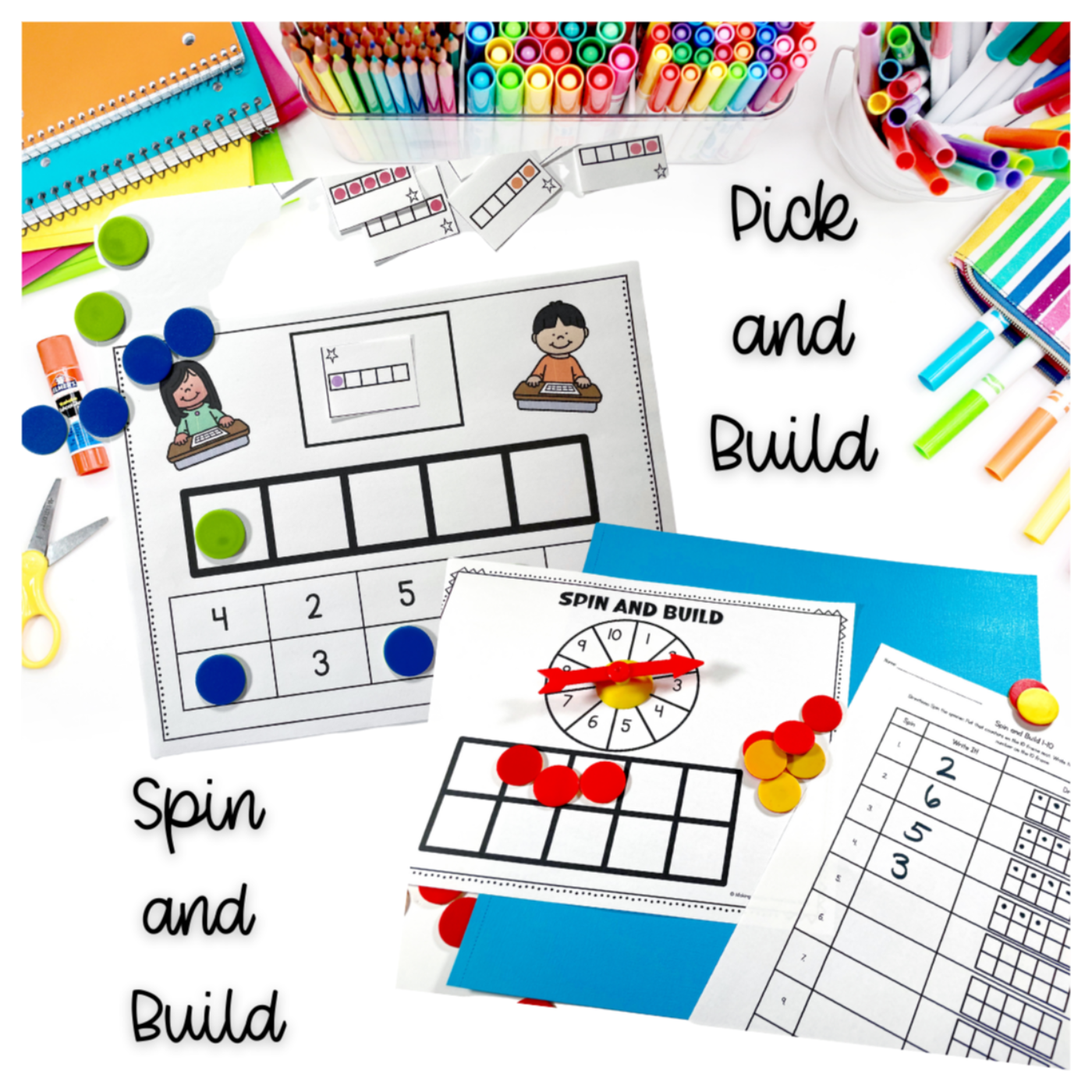
it's all about how you can actually use these amazing tools in your classroom. So I've kind of

8
00:00:42,560 --> 00:00:49,040
split it up into warm-ups, center activities, or just print and go activities. Now for me personally,

9
00:00:49,600 --> 00:00:55,120
I really like things that I can use again and again, so I will take the time to actually,

10
00:00:55,120 --> 00:00:59,520
you know, laminate these things or create these things, but sometimes it just doesn't work that

11
00:00:59,520 --> 00:01:04,240
way. You just got to do what you got to do. So I also have some print and go activities near the

12
00:01:04,240 --> 00:01:09,920
end. So my first one I talked about last time is quick images, and quick images is a number sense

13
00:01:09,920 --> 00:01:14,880
routine that you can use to build a concept of 10, and the way that it works is you have your

14
00:01:14,880 --> 00:01:19,520
10 frames filled out with a certain number of counters, you show it to your students really

15
00:01:19,520 --> 00:01:25,360
quick, and then hide it, and your students have to figure out how many was on the 10 frames. It can

16
00:01:25,360 --> 00:01:30,720
really elicit some interesting strategies about figuring out how far or close numbers are from 10,

17
00:01:30,720 --> 00:01:36,880
maybe they might see five and a few more, which is also building on an anchor to five to 10. So quick

18
00:01:36,880 --> 00:01:42,320
images, it's old faithful, I love it, use it all the time. Another number sense routine you can use

19
00:01:42,880 --> 00:01:48,320
is say it, build it. So that is exactly how it sounds like. You say a number and then your students

20
00:01:48,320 --> 00:01:52,720
need to build it on their 10 frame. You can get through a lot of numbers really quickly,

21
00:01:52,720 --> 00:01:57,200
talk about the strategies that they're using, if they have to take all of their counters off

22
00:01:57,200 --> 00:02:03,360
for the new number, or if they can just add or take away from the numbers they already had on

23
00:02:03,360 --> 00:02:08,800
their 10 frame. Makes this activity really variable for a lots of different students in the level that

24
00:02:08,800 --> 00:02:14,480
they're at, and gives them the opportunity to really share about their reasoning and how they're

25
00:02:14,480 --> 00:02:18,800
thinking of things, which can help the other students when they hear their thinking. I can't

26
00:02:18,800 --> 00:02:24,000
tell you how many times I have explained something to the kids, tried everything I can, and then a

27
00:02:24,000 --> 00:02:29,440
student says basically what I just said, and then the student who I was trying to explain it to goes,

28
00:02:29,440 --> 00:02:34,720
oh that makes so much more sense. So it is so valuable to have kids share their thinking and

29
00:02:34,720 --> 00:02:38,960
their reasoning, and then they can build off each other. For say it and build it, you can just say a

30
00:02:38,960 --> 00:02:44,480
number, you can pick numbers out of a hat, you could also use a number randomizer to spice it up a

31
00:02:44,480 --> 00:02:48,880
little bit. So first one is called spin count and cover. So it's exactly what it sounds like. Your

32
00:02:48,880 --> 00:02:53,600
students have a 10 frame spinner, like a spinner with all the 10 frames on it, and then they have

33
00:02:53,600 --> 00:02:57,760
to spin, and then when they figure out how many were on that 10 frame they need to cover it on

34
00:02:57,760 --> 00:03:04,480
their mat until their entire mat is full. Similar to that we have spin and build. So they would spin

35
00:03:04,480 --> 00:03:09,680
a number or a 10 frame depending on how difficult you want it. So if you're if they're just spinning

36
00:03:09,680 --> 00:03:14,960
a 10 frame and creating the same the same 10 frame, then they're creating a matching set.

37
00:03:14,960 --> 00:03:21,520
But if you want to have them start to match numerals to values, then they would spin a number 10 frame

38
00:03:22,480 --> 00:03:29,200
and then build it on their mat. And there's five frame, 10 frame, or 20 frame versions of that game,

39
00:03:29,200 --> 00:03:34,080
so it can really meet the needs of a lot of your students no matter where they are. The next game

40
00:03:34,080 --> 00:03:39,280
is called pick, build, and cover. So your students would again pick a 10 frame or a numeral card,

41
00:03:39,840 --> 00:03:45,600
build it on the 10 frame, and then cover it until all of their numbers are covered. Now you'll see

42
00:03:45,600 --> 00:03:51,040
in a lot of these games the concept is the same. They're getting a lot of practice, but you just

43
00:03:51,040 --> 00:03:56,080
tweak one thing about it and then all of a sudden it's a brand new game. And like I said before,

44
00:03:56,080 --> 00:04:01,440
adding a different manipulative just makes the game brand new. So maybe one day you're using cubes,

45
00:04:01,440 --> 00:04:06,000
the next day you're using bare counters, the next day you're using double-sided counters,

46
00:04:06,000 --> 00:04:11,760
so students can keep practicing without getting bored because it feels fresh. Next game is called

47
00:04:11,760 --> 00:04:17,040
roll a rainbow graph. So if you are also doing graphing in your stations, you can do roll a

48
00:04:17,040 --> 00:04:22,320
rainbow graph. So the way that this works is they have their numerals on the bottom, so it might be

49
00:04:22,880 --> 00:04:27,200
five frames, 10 frames, or 20 frames, and each one has been assigned a color. And your students

50
00:04:27,200 --> 00:04:33,280
would be able to tell because the number on the bottom is in the color that they're supposed to

51
00:04:34,240 --> 00:04:40,560
color. So they would roll their dice and color in one square and keep going until one of their

52
00:04:40,560 --> 00:04:45,120
colors reaches the top. And by the end it's rainbow colored. So the first one's red,

53
00:04:45,120 --> 00:04:50,160
an orange, yellow, green, blue, and purple. So by the end they have rainbow colors on their paper.

54
00:04:50,160 --> 00:04:54,800
They love that one because I have yet to meet a five-year-old who does not love a rainbow.

55
00:04:54,800 --> 00:05:02,240
The next game is a twist on the classic go fish, but instead of using normal go fish cards,

56
00:05:02,240 --> 00:05:06,720
they have 10 frames on them instead so they can kind of see their numbers that way. And I have found

57
00:05:07,280 --> 00:05:12,960
for a lot of my students who are especially who are still developing one-to-one correspondence,

58
00:05:12,960 --> 00:05:18,240
they wanted to play, but it took them a long time to actually count them out. So doing a game like

59
00:05:18,240 --> 00:05:23,920
go fish feels like a lot of fun because we're playing a game, but seeing their numbers organized

60
00:05:23,920 --> 00:05:29,760
on a 10 frame can help them start to internalize the numerals faster and they'll have lots of

61
00:05:29,760 --> 00:05:35,360
different opportunities to work on their one-to-one correspondence with scattered groups. So 10 frame

62
00:05:35,360 --> 00:05:41,680
is just an organizational tool that they can use. Next activity is play-doh maps. So they could pick

63
00:05:41,680 --> 00:05:47,840
a mat, figure out what the number is, and create the numeral with their play-doh. So maybe they're

64
00:05:47,840 --> 00:05:53,520
doing number 12, they make a 12 with the play-doh, and then they would also fill in a 10 frame that

65
00:05:53,520 --> 00:05:58,880
goes with it. So they'd make 12 little play-doh circles with it. Play-doh is a great way to work

66
00:05:58,880 --> 00:06:04,000
on their fine motor skills and is a great way to work on students fine motor skills but have that

67
00:06:04,000 --> 00:06:09,040
math element in with it since they're trying to make numbers. And similar to that, a more tactile

68
00:06:09,040 --> 00:06:14,960
way to make numbers or practice numbers is with wiki stick numeral cards. So that has the numeral

69
00:06:14,960 --> 00:06:20,400
on it with the matching 10 frames so kids can start to associate numerals with a value and they

70
00:06:20,400 --> 00:06:25,360
can use their wiki sticks to build the numbers. Next one is roll and write or spin and write. So

71
00:06:25,360 --> 00:06:29,440
they work the same way. The only difference is with one you're spinning a spinner, the other you're

72
00:06:29,440 --> 00:06:35,920
rolling a dice. So they would roll or spin and then write down the number that they rolled or spun.

73
00:06:35,920 --> 00:06:41,440
You can make that as challenging as you need to with a 5, 10, or 20 frame and that's a great

74
00:06:41,440 --> 00:06:46,160
print and go activity. You just print the recording sheet and you're good to go. The next is 10 frame

75
00:06:46,160 --> 00:06:52,800
mystery word match. So your students would have to match a number to a 10 frame drawing a line

76
00:06:52,800 --> 00:06:58,240
and the cool thing about this is they draw a line through a letter so by the time they finish,

77
00:06:58,240 --> 00:07:02,080
they're going to write down all of the letters that they found and see if they can unscramble

78
00:07:02,080 --> 00:07:09,840
it and find the mystery word that was hidden in all of their activity. So that can be a motivator

79
00:07:09,840 --> 00:07:14,240
for kids to actually finish their word because they want to find out what the mystery number is.

80
00:07:14,240 --> 00:07:20,240
Next we have a bonus activity that is not just 10 frames but lots of teen number representations

81
00:07:20,240 --> 00:07:25,200
and this is teen color by code. And so color by code is pretty self-explanatory. They figure out

82
00:07:25,200 --> 00:07:30,960
what number it is and color it in but in this teen number color by code, they have 10 frames as well

83
00:07:30,960 --> 00:07:37,840
as base 10 blocks, numerals, and rec and recs or number recs. So they're seeing lots of different

84
00:07:37,840 --> 00:07:42,960
representations of teen numbers and really start to internalize those and bring them together.

85
00:07:42,960 --> 00:07:48,000
So I hope this gave you some ideas of 10 frame activities that you can do in your classroom.

86
00:07:48,000 --> 00:08:14,080
I will have a link with images in the show notes. I will talk to you next time.
Chapters
No chapters available.