Ep 27: The 100’s Chart Games, Centers, and Missing Number Activities
Making Number Sense Make Sense: A Math Podcast for Early Elementary Teachers
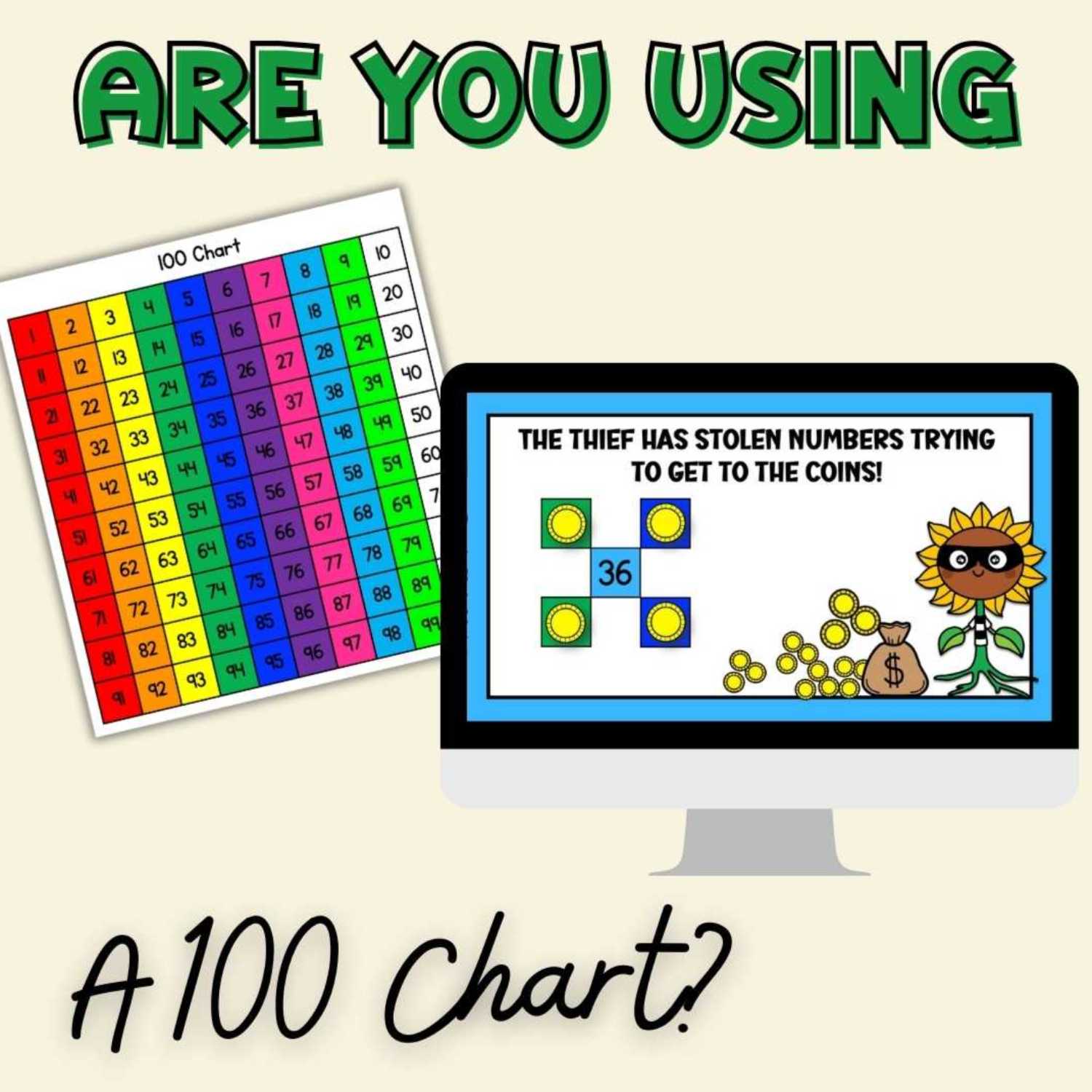
Do you have a 100’s chart collecting dust up on your wall? I did too but it was a mistake! The 100s chart is a great tool for developing number sense! In this episode, I get into games you can play with the 100s chart, problem-solving tasks, hands-on math center, no prep math centers, and more all with the 100 and 120 charts!
Have a topic you want me to discuss? Fill out the Google Form!
Timestamps
My history with the 100’s Chart
2:40 100’s Chart Morning Meeting and Group Games
5:43 Problem Solving With the 100 Chart
6:28 100 Chart Centers and Activities
8:08 Bonus!
Helpful Links
Blog Post
YouTube Video
Choral Counting Podcast Episode
100 Chart Fill in the Chart Worksheets
Let's Connect!
Available Results
Generated results are saved to the knowledge database for reuse and search.
Extract Knowledge
Pick what you want extracted first. Model, scope, and chapter options appear after a template is selected.
Transcript
1
00:00:00,000 --> 00:00:03,140
The hundreds chart is an amazing tool for building number sense

2
00:00:03,140 --> 00:00:07,600
I'm gonna talk to you about how you can use it in morning meeting how you can use it at centers how you can use it

3
00:00:07,600 --> 00:00:12,760
For problem-solving the possibilities really are endless and stay tuned for the end for something

4
00:00:12,760 --> 00:00:16,580
I didn't even know about until I was doing research for this episode

5
00:00:24,180 --> 00:00:29,880
Hello and welcome to making number sense make sense a podcast for elementary teachers

6
00:00:29,880 --> 00:00:35,660
Specifically early elementary teachers looking to really make an impact in the number sense of their students

7
00:00:36,040 --> 00:00:39,000
Gonna start off with my hundreds chart journey

8
00:00:39,120 --> 00:00:42,880
So when I first started I had the hundreds chart pocket chart

9
00:00:42,880 --> 00:00:47,480
They had it color-coded so all of the first row was red all of the second one was yellow

10
00:00:48,060 --> 00:00:55,220
My team liked everything rainbow colored so I was like cool and they told me alright flip them all over and each day each day

11
00:00:55,220 --> 00:01:01,120
School you flip one over and it creates some mystery around what the next number is you can talk about the number

12
00:01:01,120 --> 00:01:05,160
I was like cool. I did it liked it and that was kind of the end of it

13
00:01:05,160 --> 00:01:09,400
I didn't really do that much with the hundreds chart fast forward

14
00:01:09,400 --> 00:01:16,080
I asked the kids if they had any questions about the hundreds chart and they had some really interesting questions

15
00:01:16,080 --> 00:01:19,320
They asked me things like well, why are all of those numbers red?

16
00:01:19,960 --> 00:01:22,700
Why do all of those numbers end in twos?

17
00:01:22,700 --> 00:01:31,040
Why do all of those numbers start with one and then they really started to notice things about the hundreds chart that I didn't necessarily

18
00:01:31,800 --> 00:01:35,040
Point out but because they were seeing it so much

19
00:01:35,160 --> 00:01:40,240
They started to be curious about it and then I was like this is really a tool

20
00:01:40,240 --> 00:01:47,960
I need to look more into and really utilize more and so in using it and counting, you know when you're

21
00:01:47,960 --> 00:01:53,720
Working with younger kids like you might be working on counting to 10 working on counting to 20 and for a kid

22
00:01:53,720 --> 00:01:57,860
They know that 20 is a big number because they've been working and counting to 20

23
00:01:57,860 --> 00:02:04,580
That seems like a really big number a hundred seems like a huge number, but they don't necessarily understand how much bigger

24
00:02:05,360 --> 00:02:08,400
100 is than 20 and that's because they don't

25
00:02:08,600 --> 00:02:11,720
Necess they haven't necessarily built up that relationship yet

26
00:02:11,720 --> 00:02:17,360
So when they're looking at a hundred chart and working with numbers that way they can see how many they can physically see

27
00:02:17,360 --> 00:02:23,560
How many more rows it is not that they need to be able to count a hundred objects yet in kindergarten

28
00:02:23,560 --> 00:02:25,080
But they can start to see it

29
00:02:25,080 --> 00:02:30,880
They start to see patterns in the hundreds chart and you can really leverage that curiosity

30
00:02:31,320 --> 00:02:37,740
With centers and morning meeting games and problem-solving activities to develop a great number sense

31
00:02:37,740 --> 00:02:45,000
So some things that you can do in your morning meeting to work with the hundreds chart is counting around the circle to 100

32
00:02:45,000 --> 00:02:50,480
So that with for this activity the first student starts counting one the next student starts counting two

33
00:02:50,480 --> 00:02:54,280
I would be careful with this one though because if student gets nervous they might forget

34
00:02:54,360 --> 00:03:00,120
You're gonna want to decide how much help you want to offer or if that's something you want to reserve for maybe a smaller group

35
00:03:00,120 --> 00:03:04,220
Of kids versus a larger group of kids along the counting route

36
00:03:04,220 --> 00:03:11,000
You can do like group counting that we coral count together from 1 to 100 can also take a long time

37
00:03:11,000 --> 00:03:15,720
You might want to spice it up a little by doing some movement counting in there

38
00:03:15,720 --> 00:03:21,240
So you do the same movement from 1 to 10 and then do a different movement from 11 to 20

39
00:03:21,240 --> 00:03:25,680
So you might be jumping from 1 to 10. You might be clapping from 11 to 20

40
00:03:25,760 --> 00:03:29,240
You might be hula hooping with not a real hula hoop

41
00:03:29,240 --> 00:03:37,040
Just make it the motion or maybe pretending you're throwing a basketball from 20 to 30 to keep it fresh get the kids moving

42
00:03:37,040 --> 00:03:41,320
But also have them hearing what the numbers sound like when you count that high

43
00:03:41,600 --> 00:03:47,560
One thing I will say about rope counting is it's very good to for students to be hearing what numbers sound like

44
00:03:48,120 --> 00:03:51,520
However, you do want to keep an eye out for students who are not necessarily

45
00:03:52,280 --> 00:03:58,560
participating in the actual coral count because those are the students who probably need it the most and might feel nervous about

46
00:03:58,960 --> 00:04:04,720
Counting even if it's corally and might not be doing it. So that's when a coral count can really come in

47
00:04:04,720 --> 00:04:12,000
Handy can really be helpful. I'll leave a link to my blog post and podcast episode about coral counting specifically

48
00:04:12,000 --> 00:04:18,520
But that's great on honing in on tricky number sequences or when you want to highlight a specific number pattern

49
00:04:18,520 --> 00:04:25,960
Coral counting is a great number sense routine to use for that purpose a really easy game is guess my number

50
00:04:26,000 --> 00:04:30,920
So for guess my number you can say to your kids. I'm thinking of a number between 1 and 100

51
00:04:30,920 --> 00:04:35,120
I'm thinking of a number between 1 and 20 and kind of like a 20 questions type thing

52
00:04:35,120 --> 00:04:39,280
They can ask you what your number is so they might say is it 50?

53
00:04:39,280 --> 00:04:45,280
Is it a hundred and those quickly realize that asking just random numbers is not a great way

54
00:04:45,480 --> 00:04:46,920
To figure out what your number is

55
00:04:46,920 --> 00:04:53,280
especially if they're working for with numbers to 100 what you might encourage them to do or what they might realize is

56
00:04:53,600 --> 00:04:57,320
It might be a more efficient strategy to say well

57
00:04:57,320 --> 00:05:01,280
Does your number end in a zero is your number?

58
00:05:01,800 --> 00:05:08,160
bigger than 50 is your number smaller than 20 and then from there they can really start to

59
00:05:08,480 --> 00:05:14,000
Eliminate numbers that don't fit that criteria and if you do have a hundreds pocket chart

60
00:05:14,000 --> 00:05:17,760
You can even turn around the numbers that don't fit that criteria for them

61
00:05:17,760 --> 00:05:22,380
So they can start to see the numbers that are left that game is a lot of fun to play too

62
00:05:22,380 --> 00:05:29,900
You can even play that in the hall if you're waiting for special if you're waiting for recess if you're waiting in between lunch and recess

63
00:05:30,240 --> 00:05:33,680
Even if you don't have a hundreds chart, they can still get the same idea

64
00:05:33,680 --> 00:05:41,320
especially if they've played that game before or done that activity before to start to think about numbers in relation to each other as

65
00:05:41,480 --> 00:05:42,960
far as

66
00:05:42,960 --> 00:05:45,720
Problem-solving with the hundreds chart. I created a

67
00:05:45,720 --> 00:05:52,480
a series of hundreds chart problems called the hundreds chart thief and in it there are several different

68
00:05:52,600 --> 00:05:55,640
Thieves who steal the numbers in a different pattern

69
00:05:55,640 --> 00:05:59,320
so the first one I will link below that you can get for free and

70
00:05:59,760 --> 00:06:07,240
In it this thief steals his numbers in a pattern that kind of looks like the 10 more 10 less and

71
00:06:07,440 --> 00:06:10,800
Number before and after pattern so the kids will get one or two numbers

72
00:06:10,800 --> 00:06:17,280
Left and then the kids have to figure out what the other missing numbers are and that problem is already thin-sliced with the other

73
00:06:17,280 --> 00:06:23,880
Pieces of the puzzle that he's taken and check your understanding problems already so they can try and get the numbers back that that thief

74
00:06:23,880 --> 00:06:28,880
Has stolen so I'll leave that link for you below and in terms of centers and activities

75
00:06:28,880 --> 00:06:31,280
There are so many things that you can do with the hundreds chart

76
00:06:31,280 --> 00:06:38,440
I'm just gonna give you some ideas hundreds chart puzzles are really simple if you want to you can just print out a hundreds chart and

77
00:06:38,440 --> 00:06:45,400
Laminate it and then cut it up and have the kids put it back together now the bigger the pieces the easier it is

78
00:06:45,520 --> 00:06:52,000
You can cut every single number and then it's literally a hundred piece puzzle that they can try and put back together that will take

79
00:06:52,000 --> 00:06:54,960
Them a while if you're working with younger kids, so be aware of that

80
00:06:54,960 --> 00:06:57,240
But you can definitely do that to make it easier

81
00:06:57,240 --> 00:07:02,560
You can just cut it up their columns or across the the rows and then you can start to make it a little more

82
00:07:02,680 --> 00:07:07,800
Complicated make the pieces smaller or larger if you want to try and change the level of difficulty

83
00:07:07,800 --> 00:07:12,120
Another game that you can play that kind of goes along with the hundred start puzzle is called

84
00:07:12,320 --> 00:07:16,220
Missing numbers spin and fill and for that one they have two spinners

85
00:07:16,220 --> 00:07:20,400
They have a 10 spinner and a ones spinner so they would spin one of the tens

86
00:07:20,400 --> 00:07:26,280
So let's say they got 50 and they would move their spinner over and spin one of the ones that they got 51

87
00:07:26,400 --> 00:07:29,920
So they would put 51 wherever they want in the little puzzle

88
00:07:29,920 --> 00:07:35,480
And then they have to figure out what the other numbers would be around it in that little puzzle piece and they can write it

89
00:07:35,480 --> 00:07:40,240
On a recording sheet if you want the kids to do that and then they would erase it if you have it in a dry erase

90
00:07:40,440 --> 00:07:44,840
Sleeve or you laminated it and move on and there's lots of different puzzle piece arrangements

91
00:07:44,840 --> 00:07:50,840
They can do and that again is really good for having them think about where the numbers go and it starts to really work with

92
00:07:50,840 --> 00:07:56,860
Place value to like what goes in the tens place and what goes in the ones place and if you're looking for something even less prep

93
00:07:56,860 --> 00:08:02,720
There's also tons of no prep recording sheets or no prep worksheets that you can use just filling in the hundreds chart

94
00:08:02,720 --> 00:08:07,760
I wouldn't do those all of the time. But if you need something quick, that's something you can definitely do and

95
00:08:08,280 --> 00:08:14,360
As promised my bonus when I was doing my research on the hundreds chart to see if there's anything big I was missing

96
00:08:14,360 --> 00:08:17,400
I came across this little factoid I guess about the hundreds chart

97
00:08:17,400 --> 00:08:24,680
Did you know that if you draw a rectangle on any point of the hundreds chart and add the two numbers in?

98
00:08:25,000 --> 00:08:27,380
the corners on the diagonal

99
00:08:27,380 --> 00:08:33,340
Then they'll both equal the same number. So if I drew a rectangle around 1 2 3

100
00:08:34,540 --> 00:08:39,920
13 23 22 21 and 11 if I add on the diagonal

101
00:08:39,940 --> 00:08:48,140
so if I add 1 and 23 it equals 24 and if I add 3 and 21 it also equals 24 any

102
00:08:48,860 --> 00:08:52,680
Rectangle you draw on the hundreds chart will have the same effect

103
00:08:52,680 --> 00:08:58,960
So say I did a bigger one if I did 1 7 and then 27 to 21 and back

104
00:08:59,320 --> 00:09:04,280
1 plus 27 is 28 7 plus 21 is also 28

105
00:09:04,280 --> 00:09:11,160
It works every time and I had never thought about that before I never noticed that before and I was like, huh

106
00:09:11,680 --> 00:09:13,200
No way

107
00:09:13,200 --> 00:09:17,880
You might have known that before I didn't I would love for you to ask your students

108
00:09:17,880 --> 00:09:20,920
Why they think that is and see what responses they get

109
00:09:20,920 --> 00:09:25,120
I just thought it was really interesting and never seen it before and I wonder what series

110
00:09:25,240 --> 00:09:30,080
They might have and feel free to send me a message on Instagram and let me know what they say

111
00:09:30,080 --> 00:09:32,300
I hope this gave you some ideas of how to use your

112
00:09:32,300 --> 00:09:51,580
Hundreds chart and I hope that you use it more if you hadn't been using it yet