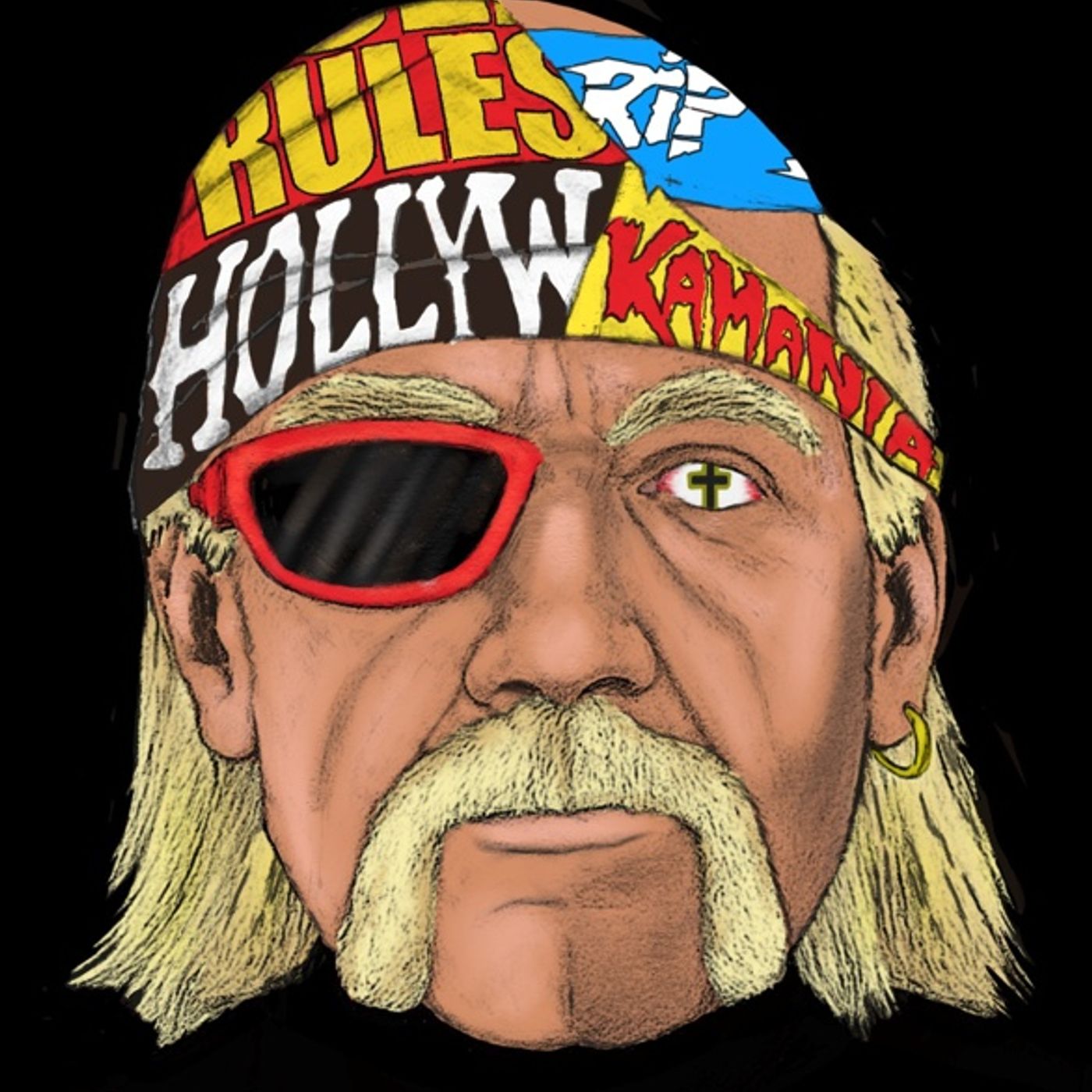
The Complete Hulk Hogan | An Interview with Michael St. John, Voice of 'The Hulk' Memphis Vignette
2026-02-04
66 min
Transcript
Available Results
Generated results are saved to the knowledge database for reuse and search.
No generated results are available for this episode yet.
Extract Knowledge
Pick what you want extracted first. Model, scope, and chapter options appear after a template is selected.
Generated results for public episodes are saved to the knowledge database so they can be reused and searched later.
Transcript
<v Speaker 1>It's The Lapsed Fan Wrestling podcast special report. The Lapsed
<v Speaker 1>Fan presents the Complete Hull Cogan, a real American story
<v Speaker 1>brought to you by Garage Pierre.
<v Speaker 2>Well Boss before we leave Memphis on the Complete Hull Cogan.
<v Speaker 2>You know, it's always appropriate that that we do some outreach,
<v Speaker 2>isn't that Isn't that correct? Yes? I think that's Listen.
<v Speaker 3>If we're going to be the Complete Hull Cogan, this
<v Speaker 3>is the only way you can be complete.
<v Speaker 2>And we're trying to bring voices in who you know,
<v Speaker 2>aren't just the wrestlers that Hogan shared the ring with,
<v Speaker 2>but folks that kind of observed the phenomenon takes shape
<v Speaker 2>from a unique vantage point or two. If we can
<v Speaker 2>and man on the Memphis stop, do we have just
<v Speaker 2>the person Michael Saint John, an absolute Alabama broadcast legend
<v Speaker 2>who was, as we discussed on the episode, the gentleman
<v Speaker 2>who voiced over the famous Hulk vignette that Jerry Jarrett
<v Speaker 2>put together to unveil Well to reintroduce, let's say, Terry
<v Speaker 2>Boulder to Memphis wrestling fans in the summer of seventy
<v Speaker 2>nine as the brother of the besieged ed Boulder, The
<v Speaker 2>Hulk is coming and he's coming here, and Michael Saint
<v Speaker 2>John is here to take us back to putting that
<v Speaker 2>whole thing together. Michael, welcome to the Lapsed Fan and
<v Speaker 2>thank you so much for giving us the time.
<v Speaker 4>Well, first of all, it is my honor that you
<v Speaker 4>would to reach out to me and ask me. I'm
<v Speaker 4>thrilled to death to join you guys, and we've made
<v Speaker 4>some connection from a period of time right before all
<v Speaker 4>that came down with the Hulk Hogan video, when I
<v Speaker 4>was in Hartford by God, Connecticut for a year programming.
<v Speaker 1>And yes, up in New England in.
<v Speaker 4>A wonderful, beautiful area of the country. I'm a born
<v Speaker 4>and brad Southern boy and to have the opportunity to
<v Speaker 4>program in New England and get to know those wonderful
<v Speaker 4>people that are in New England. You know, you get
<v Speaker 4>a bad rap in the South, yes, but I've lived
<v Speaker 4>it and there's no bad rap to be you guys.
<v Speaker 4>You guys are wonderful people. And the weather, the cold
<v Speaker 4>weather makes you warm or hearted. So I love New
<v Speaker 4>England and just thank you very much for the opportunity.
<v Speaker 2>Oh it's a two way exchange, you know, Michael. We're
<v Speaker 2>learning so much about Alabama, Tennessee, Florida, by going intensely
<v Speaker 2>deep in our research on Terry Boli's upbringing from you know,
<v Speaker 2>really the late fifties in Tampa. He went to Alabama
<v Speaker 2>as his first sort of wrestling territory and then and
<v Speaker 2>then made his way over to Memphis. So the cultural exchange,
<v Speaker 2>if you can call it that here in the North
<v Speaker 2>and South is very much intact. But yes, what would
<v Speaker 2>love to I don't know. Just start with the video
<v Speaker 2>and I'm sure we'll work our way in. This is
<v Speaker 2>the famous hul cogn vignette that so many people have
<v Speaker 2>seen by now thanks to the wonders of YouTube. Is
<v Speaker 2>it survives from I guess someone taped it off television
<v Speaker 2>back in seventy nine, and there it is. But perhaps Michael,
<v Speaker 2>you could explain to our listeners how you even got
<v Speaker 2>involved with Jerry Jarrett so that the phone call came
<v Speaker 2>to you when it came time to voice this thing over.
<v Speaker 4>Well, it goes back a little bit before being involved
<v Speaker 4>with Jerry. I was the last commentator for Gooli's Welsh
<v Speaker 4>Wrestling in the Southeast. And I'm a radio I'm a
<v Speaker 4>lifer radio wise, I just celebrated my fifty eighth anniversary
<v Speaker 4>of my first broadcast in radio back in nineteen sixty
<v Speaker 4>in nineteen sixty nine, just two days ago, and well,
<v Speaker 4>thank you, thank you very much, guys. But anyway, I
<v Speaker 4>was always a big wrestling fan. I grew up in Huntsville, Alabama,
<v Speaker 4>which was the first city really in this part of
<v Speaker 4>the country to have what was known as cable television.
<v Speaker 4>But back then, all that meant was a cable came
<v Speaker 4>into your house and connected to your TV, and it
<v Speaker 4>was a community antenna, and they brought in twelve different
<v Speaker 4>signals from twelve different well from four different markets into Huntsville,
<v Speaker 4>and you were able and at a very young age,
<v Speaker 4>from like nineteen sixty four on, I could watch wrestling
<v Speaker 4>live studio wrestling out of Nashville, Chattanooga, Birmingham.
<v Speaker 1>There was a small show here in Huntsville, a half.
<v Speaker 4>Hour show at four thirty in the afternoon at channel
<v Speaker 4>channel nineteen, and occasionally about once a month get the
<v Speaker 4>Memphis show from Channel thirteen to Memphis. So I sort
<v Speaker 4>of got the feel of professional wrestling, even though I
<v Speaker 4>wasn't smart to the business. I guess I was technically
<v Speaker 4>smarted up to the business because of that, and I
<v Speaker 4>got an opportunity to work for Nicholas in his final years,
<v Speaker 4>starting in February of nineteen seventy seven in Nashville, and
<v Speaker 4>the show was syndicated or sent around on a bicycle
<v Speaker 4>tape as they called it, to nine other markets, uh,
<v Speaker 4>some small, some medium sized markets in the Southeast. And
<v Speaker 4>when Jerry bought Nick out, they started taping.
<v Speaker 1>We were taping.
<v Speaker 4>Nick was taping his show for the bicycle on Wednesday
<v Speaker 4>nights at the Fairgrounds Arena Nashville. And I was running
<v Speaker 4>radio station Kicks one oh four back then out of
<v Speaker 4>Nashville and actually out of Gallaton, Tennessee.
<v Speaker 1>And uh, I met up with George Goulis, of all people,
<v Speaker 1>and uh we got.
<v Speaker 4>To be friends, and he invited me down to h
<v Speaker 4>to the matches one night and asked me if I'd
<v Speaker 4>be the guest ring announcer for the evening and I did,
<v Speaker 4>and for whatever reason, they decided to put me on
<v Speaker 4>the mic to call to call a match, and mister
<v Speaker 4>Goulis liked what he heard. And Tom Ronesto was his
<v Speaker 4>former assassin, was his common at the time and his booker.
<v Speaker 1>And he wanted to get Tom involved in.
<v Speaker 4>The matches back as a wrestler, and I came along,
<v Speaker 4>I guess, at the right place, right time. When Jerry
<v Speaker 4>bought out Nick in late seventy eight early seventy nine,
<v Speaker 4>I was sort of the odd man out because they
<v Speaker 4>took the TV tapings to Memphis at that time Channel
<v Speaker 4>thirteen later Channel five and with Lance Russell and Dave Brown,
<v Speaker 4>who perhaps the greatest tag team wrestling commentators in.
<v Speaker 1>The history of the world.
<v Speaker 4>And I was the third guy, and I was the
<v Speaker 4>guy that when they would tape a match in an arena,
<v Speaker 4>or if they would every week, I would go to
<v Speaker 4>Randy West House, which was right on the same property
<v Speaker 4>where Jerry Jared had his house in Hendersonville. I lived
<v Speaker 4>literally less than five minutes away, and would go and
<v Speaker 4>record all the promos for the upcoming matches in the
<v Speaker 4>upcoming towns and the spot show towns, and then voiced
<v Speaker 4>over any of the video that had been shot in
<v Speaker 4>an arena that doing play by play. And I had
<v Speaker 4>already had a history of high school play by.
<v Speaker 1>Play football and baseball, and a.
<v Speaker 4>Little bit of a little bit of college but anyway,
<v Speaker 4>so one day Jerry calls me up. Jerry Jared called
<v Speaker 4>me up at the radio station. He said, is there
<v Speaker 4>a chance you could come by the house around two
<v Speaker 4>o'clock today? And I said, sure, I can come down.
<v Speaker 4>So drove down to Hendersonville from my office in Gallatin
<v Speaker 4>and I got there and he says, I've got a
<v Speaker 4>guy coming in I want.
<v Speaker 1>You to see. He says, we're going to shoot a video.
<v Speaker 1>And he said, I just want you to see him.
<v Speaker 1>Get an idea, because I'm going to tell you what
<v Speaker 1>I want and you write it up and you know,
<v Speaker 1>we'll I want.
<v Speaker 4>You to record it and we're gonna put it behind
<v Speaker 4>this video. So I'm standing at the kitchen window with
<v Speaker 4>his wife, Debra, and this pretty small car and I
<v Speaker 4>want to say it was like a Maverick. Maybe it
<v Speaker 4>wasn't a Pincho, but it was one of those kind
<v Speaker 4>of cars.
<v Speaker 1>And it drove up in front of his.
<v Speaker 4>House and out starts coming this very large person, and
<v Speaker 4>I can remember he kept coming out of the car
<v Speaker 4>and kept coming out of the car, and Deborah Jeric
<v Speaker 4>turned to me and went, Michael, I have never seen a.
<v Speaker 1>Human being that big in all my life.
<v Speaker 2>God.
<v Speaker 4>And he was quite an imposing figure, a very quiet person,
<v Speaker 4>very much yes, sir, no, sir. Spent maybe twenty minutes
<v Speaker 4>with him and Jerry. They were talking, I was making
<v Speaker 4>notes and at the end Jerry said, well, I'm going
<v Speaker 4>to get him with Randy and lets you and I
<v Speaker 4>go over your notes and what are you've written down?
<v Speaker 4>And then he said, I want you to, you know,
<v Speaker 4>make it sound like this is the Incredible Hulk coming
<v Speaker 4>to wrestle.
<v Speaker 1>He said, that's, you know, the field we want out
<v Speaker 1>of it.
<v Speaker 4>So I drove back to Gallatin, which is about fifteen
<v Speaker 4>minutes away, and I went to the production room, got
<v Speaker 4>the track, wrote well, wrote the wrote the copy of pretty.
<v Speaker 1>Much had it in my head what we wanted to
<v Speaker 1>say and what Jerry wanted to say.
<v Speaker 4>So wrote it and got the production room in about
<v Speaker 4>a twenty minute period of time, cut the track and
<v Speaker 4>put it on a five inch reel to reel, and
<v Speaker 4>it's time to go home in the evening, so I
<v Speaker 4>just took the tape, dropped dropped it back off to
<v Speaker 4>Jerry's house, which was, like I said, only five minutes
<v Speaker 4>away from where I lived in Indian La Forest in Hendersonville.
<v Speaker 4>And I did not see the finished video or even
<v Speaker 4>the actual video without the audio track at that point
<v Speaker 4>in time. And it was actually the next day that
<v Speaker 4>I had to go down to Randy westshouse to voice
<v Speaker 4>over some some matches and to cut some promos, some
<v Speaker 4>you know, one minute cards and spot show commercial type
<v Speaker 4>thing m type things. Yeah, And I saw it then
<v Speaker 4>and it was you know, I don't think the key personally.
<v Speaker 1>I don't think the key.
<v Speaker 4>To the video is my voice necessarily, or my or
<v Speaker 4>the track. It's the outstanding, tremendous photography that Randy West provided,
<v Speaker 4>and he was one of the best videographers I ever
<v Speaker 4>come across in my life before and since. And I
<v Speaker 4>think that, you know, did.
<v Speaker 1>My voice lead credence to it? I might admit to.
<v Speaker 4>That, But as far as the track selling the video,
<v Speaker 4>I think it was the opposite way around.
<v Speaker 1>I think the video sold the track.
<v Speaker 2>I love that Randy West tell us a little bit
<v Speaker 2>more about him. He's like you like you sort of
<v Speaker 2>mentioned an under celebrated part of putting this thing together.
<v Speaker 2>What was his story.
<v Speaker 4>Randy West was actually the brother in law of Jerry
<v Speaker 4>Jarrett's Jerry's wife, Deborah and Randy's wife were sisters, and
<v Speaker 4>when Jerry built as they call it, the Big House,
<v Speaker 4>on the hill off Cumberland.
<v Speaker 1>Hills Drive in Hendersonville.
<v Speaker 4>There was another house at the base of the driveway
<v Speaker 4>that went up that had its own house. You are
<v Speaker 4>a very nice little place, and Randy had a studio
<v Speaker 4>in his upstairs there in his house, and that's where
<v Speaker 4>a lot of the post production or the videos and
<v Speaker 4>that kind of thing we're all put together. And Randy
<v Speaker 4>is a very one of the nicest people you'll ever
<v Speaker 4>be around and meet, very easy to work with, but
<v Speaker 4>really knows his game.
<v Speaker 1>So if you were voicing something over and he didn't.
<v Speaker 4>Like it, he'd bust it and say, Okay, do that
<v Speaker 4>over and I want more of this or I want
<v Speaker 4>less of this or whatever. And he was very he
<v Speaker 4>had a director's mind, he had a videographer's eyes that
<v Speaker 4>sort of made magic for what Jerry was doing back then.
<v Speaker 2>That's really terrific. Take us if you could Michael through
<v Speaker 2>the thing.
<v Speaker 3>I want to ask one thing quickly, because something so
<v Speaker 3>they they when they they specifically said, or Jerry specifically said,
<v Speaker 3>I want you to make it seem like the Incredible
<v Speaker 3>Hulk is coming to Memphis.
<v Speaker 1>You said that, Yeah, that was that was the instruction.
<v Speaker 1>That was one of the instructions that I have, and
<v Speaker 1>of course you.
<v Speaker 4>Wanted to you know, he wanted he wanted to asking
<v Speaker 4>to wait and he noticed there's a lot of uh,
<v Speaker 4>there's a lot of uh backs and figures, if you
<v Speaker 4>would the size of the of the you know, all that,
<v Speaker 4>the size of the fists they are, the size of
<v Speaker 4>the biceps and the waist and all that.
<v Speaker 1>He wanted that accentuated.
<v Speaker 4>He mentioned that and he said, make it sound like
<v Speaker 4>he said, I want it to sound like the the
<v Speaker 4>the video needs to sell. It's like the incredible Hulk
<v Speaker 4>of professional wrestling.
<v Speaker 1>Is coming to Memphis. And that's what we did.
<v Speaker 2>Yeah, that's that's That's been something that we've spent a
<v Speaker 2>lot of time trying to get our arms around. It
<v Speaker 2>is one exactly was Terry Bolea first called the Hulk,
<v Speaker 2>And to what degree was like you're saying, Michael, it's
<v Speaker 2>sort of a message to the fans that, you know,
<v Speaker 2>a sort of live version, a wrestling version of the
<v Speaker 2>character lu Frigno was playing, was coming to a town
<v Speaker 2>near you. And it's fascinating to hear Jerry go for that.
<v Speaker 2>I'm not sure the degree to which you were familiar
<v Speaker 2>with Terry before he came to Memphis. Did you know
<v Speaker 2>that he was? He was the Hulk and Ron Fuller's
<v Speaker 2>Pensacola slash Mobile Dothan, Alabama Territory for about four months
<v Speaker 2>before coming to Memphis.
<v Speaker 4>At that point in time, I did not I know
<v Speaker 4>that Louis Toillette had given Jerry a call regarding him
<v Speaker 4>and said, we got this guy and he's green, but
<v Speaker 4>I think you could use him, and I think he
<v Speaker 4>could turn into something.
<v Speaker 1>And he came into Memphis.
<v Speaker 4>You know, his stay in Memphis was short lived because
<v Speaker 4>shortly thereafter, you know, he went to vern but his
<v Speaker 4>coming was it.
<v Speaker 1>Was you know, that was the magic I think of Jerry.
<v Speaker 4>Jarrett though always that he could take I've always said
<v Speaker 4>that he could take Plato and turn it into bread
<v Speaker 4>and meaning money.
<v Speaker 1>Yeah, it was really.
<v Speaker 4>Good at that, and I think that's that was one
<v Speaker 4>of his strongest suits.
<v Speaker 2>That's wonderful. So there's this apocryphal tale Hulk told it.
<v Speaker 2>It's probably it's almost definitely a tall tale. But how
<v Speaker 2>he was in a studio one time when Lou Forigno
<v Speaker 2>was also there for a TV show or radio show,
<v Speaker 2>and the host compared Lou to Terry and said you know,
<v Speaker 2>you look more, you look bigger than the Hulk. Does
<v Speaker 2>they call you the hulk or something like that, And
<v Speaker 2>that's where the name came from. The timeline does not
<v Speaker 2>line up at all. He said it happened in Memphis.
<v Speaker 2>He was already being called the Hulk before then. Do
<v Speaker 2>you remember hearing that story at all, that there was
<v Speaker 2>actually a moment where Lou Forrigno and Terry Bulea were
<v Speaker 2>in the same setting and that's where the name came from.
<v Speaker 4>I heard it on some and I think I saw
<v Speaker 4>it on some interview that uh that Hall did later
<v Speaker 4>long after. Yes, but I'm aware of the story, but
<v Speaker 4>not at that period of time.
<v Speaker 2>Sure, we always have to do our diligence right JP
<v Speaker 2>and make sure there's going to say there's not somebody
<v Speaker 2>who was in the room who can actually say it
<v Speaker 2>happened that way.
<v Speaker 3>Also, I mean it was there. I mean, as far
<v Speaker 3>as you knew, was there was there any was there
<v Speaker 3>any local, uh locally produced television program talk show that
<v Speaker 3>would that would have the clout to bring in a
<v Speaker 3>figure like Lou Ferrigno at the time, who was such
<v Speaker 3>a such a a pop culture icon at the time.
<v Speaker 3>I mean that that's That's always the best part of
<v Speaker 3>the story to me, is that there's this local local
<v Speaker 3>TV station that's got this guy. And I don't know
<v Speaker 3>is that is that was there any Was there any
<v Speaker 3>TV show that had that kind.
<v Speaker 4>Of cloud, Well, in Nashville, it would be He Hall,
<v Speaker 4>But I think that's the wrong type of character you'd
<v Speaker 4>bring for He at that time has had a Memphis
<v Speaker 4>had had a pull or a reputation or a draw.
<v Speaker 1>I actually programmed WNPS.
<v Speaker 4>In Memphis for a year and Memphis is the biggest
<v Speaker 4>city in Mississippi. First of all, don't confuse it with
<v Speaker 4>the Tennessee city. And the culture of Memphis is very
<v Speaker 4>blue collar and uh mixed raced community. It's not even
<v Speaker 4>when I go back to Memphis today, I don't get
<v Speaker 4>the field that I'm in a metropolitan area like I
<v Speaker 4>would when I would go to Nashville or you go
<v Speaker 4>to uh, of course Atlanta or or Jacksonville or up
<v Speaker 4>in your area.
<v Speaker 1>You know, Boston has a field, Properbs has a field.
<v Speaker 4>You know, Memphis gives you that you're you're you know,
<v Speaker 4>set your clocks back half a century. And I'm not
<v Speaker 4>knocking Memphis. I think I think Memphis is a wonderful city,
<v Speaker 4>and the people in Memphis are fabulous. But Memphis is
<v Speaker 4>sort of I won't say behind the times, but the
<v Speaker 4>clock rolls a little slower on the delta down and
<v Speaker 4>that's a Rivertown. And I programmed two Rivertown. I programmed
<v Speaker 4>in Saint Louis Radio on Saint Louis, and believe it
<v Speaker 4>or not, Saint Louis a little bit more upscale, but
<v Speaker 4>very much, like, very much has that same vibe to it. Louisville, Louisville,
<v Speaker 4>for God's sakes, very very akin to Memphis. I think
<v Speaker 4>that one of the reasons I think Memphis wrestling went
<v Speaker 4>over was over so good in Louisville was number one.
<v Speaker 4>Jerry Jarret's mother, Teeney, ran the.
<v Speaker 1>Town, yes, and number two. The two cities are very
<v Speaker 1>much akin to each other.
<v Speaker 2>That's fascinating to get. You're naming hotbeds of wrestling from
<v Speaker 2>Saint Louis across. Wrestling plays well where the clock moves
<v Speaker 2>a bit slower, perhaps down in that part of the country,
<v Speaker 2>and it's been fascinating to learn about. I did want
<v Speaker 2>to ask you on the incredible whole point. As you
<v Speaker 2>may know, Michael as Terry Bullay went on to become
<v Speaker 2>you know, the household name Hulkogan and the ww IF,
<v Speaker 2>they had to cut a deal with Marvel Comics where
<v Speaker 2>they sort of share royalties because they had the rights
<v Speaker 2>to the incredible whole trademark, and as he became a
<v Speaker 2>national sensation, that became a little bit of an issue.
<v Speaker 2>But in these earlier days, these earliest days, it was
<v Speaker 2>an uncommon right to just hear top forty songs being
<v Speaker 2>used on a wrestling show without any permission or licensing
<v Speaker 2>or anything like that. Do you remember that being part
<v Speaker 2>of the conversation, like if we call this guy the
<v Speaker 2>Hulk and frame them in this video the way they're
<v Speaker 2>doing it, that that might actually be like a like
<v Speaker 2>a lawsuit waiting to happen. Or was that not even
<v Speaker 2>on anybody's mind back then.
<v Speaker 4>You know? And to be honest with you, I've never
<v Speaker 4>heard that brought up prior to you know, not that
<v Speaker 4>you guys have brought it up first.
<v Speaker 1>Because I'm as a radio owner, I have to pay these.
<v Speaker 4>People that have this quote unquote licensing scam going, And
<v Speaker 4>that's how I look at it.
<v Speaker 2>If I touched a sore spot there, Michael.
<v Speaker 4>Well My point is just this, Why should I place
<v Speaker 4>it on somebody that's dead? Royalties and I run old
<v Speaker 4>these stations in seventy five percent of the artists I
<v Speaker 4>play are dead, So you know that's.
<v Speaker 1>Sort of it's a sticky wicket for me. But I
<v Speaker 1>don't want to go there, but that in the times
<v Speaker 1>I was.
<v Speaker 4>Around where anything was being conversed around Hogan or his
<v Speaker 4>character or anything like that, I could never I never heard.
<v Speaker 1>That come out. And to be honest with you, just
<v Speaker 1>knowing Jerry as.
<v Speaker 4>I did, and I knew him, you know, got to
<v Speaker 4>know him even better after this, but knowing him prior
<v Speaker 4>to this, I don't think that ever crossed his mind.
<v Speaker 2>Yeah, yeah, that's.
<v Speaker 4>And I have a philosophy, and you'll probably hate me
<v Speaker 4>for saying this, but my philosophy is it's easier to
<v Speaker 4>get permission than it is to get it's easier to
<v Speaker 4>get forgiveness, and it is permission.
<v Speaker 1>And you know, you run, you run ninety miles.
<v Speaker 4>An hour with a radar detector, but if you get caught,
<v Speaker 4>you're sorry and you.
<v Speaker 1>Pay the fine. So you know, that's that's sort of
<v Speaker 1>my take on life. So we're getting away from the subject.
<v Speaker 2>It's tangentially related, but I appreciate you going there for us,
<v Speaker 2>if I've followed you correctly. So Terry shows up at
<v Speaker 2>Jerry's house that day, and it sounds like you sort
<v Speaker 2>of sat around in the kitchen with Terry and then
<v Speaker 2>they went to shoot the video. But you didn't see
<v Speaker 2>the video shoot. You had left by that point. Did
<v Speaker 2>I get that right?
<v Speaker 1>That is correct?
<v Speaker 2>Okay?
<v Speaker 4>I was only at Jerry's house maybe for twenty minutes,
<v Speaker 4>twenty five minutes.
<v Speaker 1>I was there about five minutes before you got there.
<v Speaker 4>And once that, you know, it was sort of laid
<v Speaker 4>out and Jerry was asking him about his size. And
<v Speaker 4>I know Jerry was was cautious. He wanted to embellish it,
<v Speaker 4>but he didn't want to make it sound stupid where
<v Speaker 4>when people sat I said, ah, that ain't true. So
<v Speaker 4>Jerry was always very cautious of that with all of
<v Speaker 4>his talent.
<v Speaker 2>Oh yeah, he was cautious for sure. Now as Jerry's
<v Speaker 2>going through it, is he making notes like, you know,
<v Speaker 2>literally how wide are your biceps and chest? And is
<v Speaker 2>he getting real dimensions? Is that what the conversation's like.
<v Speaker 2>I'm trying to figure out how you ended up with
<v Speaker 2>what you said on the page there.
<v Speaker 4>I was making the notes, to be honest with Jerry
<v Speaker 4>was asking the questions and I was just taking notes, and.
<v Speaker 1>Which is not in common.
<v Speaker 4>I'd been in interview situations with other people before, where
<v Speaker 4>you know, there there's if I'm writing a story about him,
<v Speaker 4>or I'm writing a script about him, or I'm putting
<v Speaker 4>together a promo about him or whatever I'm doing, take
<v Speaker 4>notes and then try to piece it all together into something.
<v Speaker 1>And I was, and I'm I'm lucky.
<v Speaker 4>Like I said, my major, I'm a major in psychology
<v Speaker 4>and a minor in English in college.
<v Speaker 1>And I was able to put that to good use.
<v Speaker 2>That's wonderful. Okay, so we're on our way. There was
<v Speaker 2>a food order that we had a lot of fun
<v Speaker 2>talking about because when Jerry Jarrett remembers this, this occasion
<v Speaker 2>in his kitchen, I mean, that's a big guy and
<v Speaker 2>he was hungry and he had his wife go get
<v Speaker 2>some burger king and it sounded like quite an order.
<v Speaker 2>I guess you didn't partake, but it sounded like many whoppers.
<v Speaker 1>That was after I left.
<v Speaker 2>Yeah, you missed out. It's a huge meal. Do you do?
<v Speaker 2>You do you now? He was so big one of
<v Speaker 2>another thing Jerry remembered about Terry, And maybe this wasn't
<v Speaker 2>appearent just in twenty minutes. Maybe it was was that,
<v Speaker 2>you know, he when you're that big and you perspire
<v Speaker 2>very easily. You know. He used to always, of course,
<v Speaker 2>wear like sleeveless shirts and you know, wide open like
<v Speaker 2>pants that you maximize the airflow like a lot of
<v Speaker 2>these bodybuilders. Do you remember him just being like this
<v Speaker 2>glistening like mass into Jerry's kitchen or was that maybe
<v Speaker 2>later in the day as they got shooting.
<v Speaker 4>He was sweating when he got there was and I
<v Speaker 4>think and part of it I don't know how much
<v Speaker 4>of it was his size and how much of it
<v Speaker 4>was nervousness.
<v Speaker 2>Is that right? He sense to you said he was nervous.
<v Speaker 1>Huh, yeah, I got this. And like I said, he
<v Speaker 1>was very He was very quiet. And he wasn't one
<v Speaker 1>of somebody that knocked on the door and came.
<v Speaker 4>Home and hey, I'm you know, I'm knowing, yes, ma'am, yes, sir.
<v Speaker 1>Nice thing.
<v Speaker 4>Well, you you know it was you know, you could
<v Speaker 4>you could tell he was I won't say I don't
<v Speaker 4>think he was on his best behavior.
<v Speaker 1>I just think he was he was.
<v Speaker 4>You know, he was now in front of at that
<v Speaker 4>point in time, somebody that was very well known in
<v Speaker 4>the territory days uh from his wrestling booking and creating
<v Speaker 4>stars that you know, a lot of good talent came
<v Speaker 4>in and out of Memphis, and I think I think
<v Speaker 4>that Jerry realized that he had an opportunity to come
<v Speaker 4>to literally start class stepping and taking another step.
<v Speaker 1>Up the ladder.
<v Speaker 4>Absolutely, And that's not to and that's not to shun
<v Speaker 4>Ron Vuller, because Ron Vuller and his Continental in that
<v Speaker 4>whole group on the on the on the Pensacola Coast,
<v Speaker 4>the Mobile Coast, had a great They had a great
<v Speaker 4>run from Tallahassee, Dothan right on over into the Mississippi towns.
<v Speaker 2>So help me follow, Michael. What was your involvement with
<v Speaker 2>with the with the Memphis office beyond the voiceover work?
<v Speaker 2>Was this pretty much all you did for Jerry or
<v Speaker 2>were you in would you go to WMC studios? Did
<v Speaker 2>you watch any of Terry's matches in the Mid South Coliseum.
<v Speaker 4>No, Primarily, like I said, I was, I was the
<v Speaker 4>third man of the broadcast crew, but I was most
<v Speaker 4>of the time, I was right here and there.
<v Speaker 1>I saw some of Hulk's.
<v Speaker 4>Matches from the Mid South Colosseum that were tay, and
<v Speaker 4>I saw some of the TV of course in the
<v Speaker 4>weeks that followed. But as far as going on site
<v Speaker 4>during that period of time, there were a couple of
<v Speaker 4>times that I would, but not when when Jerry was
<v Speaker 4>on the card.
<v Speaker 1>In fact, I think he'd already left before I started
<v Speaker 1>doing that.
<v Speaker 2>Okay, yeah, fair enough. It's hard for us, you know,
<v Speaker 2>decades later to recollect what it was like to just be,
<v Speaker 2>you know, your average Memphis wrestling fan watching the television
<v Speaker 2>week to week, and suddenly this Ed Boulder shows up,
<v Speaker 2>and this then this Terry the Hulk Boulder shows up
<v Speaker 2>and there's wrestling shoulder to shoulder with Jerry Lawla right
<v Speaker 2>out of the gate. They pushed him pretty prominently. If
<v Speaker 2>you didn't see him live in person, did you at
<v Speaker 2>least get a flavor of how seriously Jerry, Jared and
<v Speaker 2>Jerry Lawler wanted to push him. Did they sort of
<v Speaker 2>sense that maybe he was too green to go all
<v Speaker 2>the way with? Did did you get a flavor for that?
<v Speaker 1>Well?
<v Speaker 4>I know, you know, and Jerry had talked about this
<v Speaker 4>a couple of times after the fact that he was
<v Speaker 4>pretty green, and Jerry I think took him down to Tupelo.
<v Speaker 4>Jerry Jared I think took him down to Tupelo and
<v Speaker 4>they had the rings set up there at the Tupelo
<v Speaker 4>Uh Arena, the armory there and and and you know,
<v Speaker 4>they're trying to figure out what his finishing move would be.
<v Speaker 4>And Jerry said, are you comfortable with this? Very comfortable
<v Speaker 4>with that, And finally he said, well, we should be
<v Speaker 4>able to teach you to do a leg drop.
<v Speaker 1>And and I think they.
<v Speaker 4>Took as I as the story goes, and I wasn't
<v Speaker 4>there to witness it, but that Jerry took a folding
<v Speaker 4>chair and made him do leg drops on a folding
<v Speaker 4>chair until he hurt. And and then when he started hurting,
<v Speaker 4>he started learning how to do the leg drop. And
<v Speaker 4>then Jerry said he took the chair away, and he
<v Speaker 4>said he put his The first time he hit him,
<v Speaker 4>he knocked the air out of him.
<v Speaker 1>The first time that Holgan dropped the leg on Jerry
<v Speaker 1>Jaredy did.
<v Speaker 4>Not the wind out of him, and said after that
<v Speaker 4>he sort of learned how to how to do it
<v Speaker 4>without punishing the person taking it.
<v Speaker 1>If you would, yeah, and so that's how the leg
<v Speaker 1>drop came to be. And and I can.
<v Speaker 4>Like I said, I wasn't there in person, but I
<v Speaker 4>know that's that's the legit story on that.
<v Speaker 2>That's great to know. Yeah, I always wondered about that
<v Speaker 2>because he does. There really is so little tape of
<v Speaker 2>what he did in Alabama. There's just an angle he
<v Speaker 2>did with Andre on television and a squash match that
<v Speaker 2>he had and he uses the bear hug as his finish.
<v Speaker 2>It's really hard to be able to piece together when
<v Speaker 2>he started doing a leg drop. It feels like it
<v Speaker 2>was in Memphis. Certainly there's some footage of it, and
<v Speaker 2>there's a fair amount of still photography of him doing
<v Speaker 2>in Memphis. So that would make a lot of sense
<v Speaker 2>if he'd really didn't come to Memphis with that move
<v Speaker 2>and started started to do it there. That's fascinating to
<v Speaker 2>hear that he learned it that way potentially, Now when
<v Speaker 2>it came to putting putting the video together, so you
<v Speaker 2>laid down the track and you know, how long did
<v Speaker 2>it take to make television? Was it like two days
<v Speaker 2>before the show aired or a week out or a
<v Speaker 2>month out?
<v Speaker 4>I want to say this was Tuesday, Wednesday, Thursday kind
<v Speaker 4>of thing. And I want to say they debuted the
<v Speaker 4>Memphis the Now again. Okay, if they taped at TV
<v Speaker 4>on Memphis and Memphis like they taped this coming Saturday,
<v Speaker 4>it would not be seen in the rest of the
<v Speaker 4>towns on the bicycle if you was sending the tape
<v Speaker 4>around until the following Saturday.
<v Speaker 2>I see.
<v Speaker 4>So if the Hogan video, if we were to create
<v Speaker 4>it today or tomorrow Wednesday in time for Memphis TV,
<v Speaker 4>and they do debuted on Memphis TV Saturday, Memphis would
<v Speaker 4>be hip to it Saturday, but Nashville, Louisville, Evansville, two
<v Speaker 4>plow Florence, those city wouldn't have it until a week
<v Speaker 4>after that.
<v Speaker 1>So if you're shooting an angle with him.
<v Speaker 4>On TV Saturday, they would then show the results of
<v Speaker 4>the angle on Monday at the Mid South Coliseum, but
<v Speaker 4>TV for the rest of the markets wouldn't even get
<v Speaker 4>the angle until the following Saturday, and then in the
<v Speaker 4>arena shows the week after then the culmination or the
<v Speaker 4>angle or the angle would be worked on at that
<v Speaker 4>point in time.
<v Speaker 1>So you're really working seven to.
<v Speaker 4>Eight days behind in all of your territory except your
<v Speaker 4>host market.
<v Speaker 1>Which was Memphis.
<v Speaker 2>That's great, very clear. So as you're putting the verbiage
<v Speaker 2>together for the vignette, how much inspiration did you draw
<v Speaker 2>it sounds like at the direction of Jerry Jarrett a
<v Speaker 2>fair amount, but from what Lou Frigno was doing. We
<v Speaker 2>spent some time watching the Incredible Halt pilot episode. Right,
<v Speaker 2>would you just come out shortly around the time Terry
<v Speaker 2>got back into the business, and was it sort of
<v Speaker 2>like because when you watch that vignette, Michael, it seems
<v Speaker 2>the sounds, first of all, I'd like to ask you
<v Speaker 2>about where the sounds came from. Those really create that
<v Speaker 2>sci fi feel. It's like, that's the most like clear
<v Speaker 2>cut sort of indication. And tell to me that you
<v Speaker 2>guys really were going for the Incredible Hult because it
<v Speaker 2>almost feels with the lighting and the sounds and the
<v Speaker 2>nature of the voice that it could have been a
<v Speaker 2>commercial for the Louf Rigno show in some way.
<v Speaker 1>Right, Yeah, I mean I was aware of the show.
<v Speaker 4>Of course, pop culture is a big part of broadcast
<v Speaker 4>Top forty broadcasting, in which that was part of mine.
<v Speaker 4>That was what I was doing back then, and so yes,
<v Speaker 4>you know, I yes, that was by intent that, you know,
<v Speaker 4>we didn't want to steal from that pilot of that show,
<v Speaker 4>but we wanted to make it sound close. And we
<v Speaker 4>had back then, I mean, in the in the radio
<v Speaker 4>business creating commercials, you had what they called sound libraries
<v Speaker 4>of just tracks that were not licensed by ASKAP or
<v Speaker 4>BMI or whatever.
<v Speaker 1>But they were just generic tracks.
<v Speaker 4>If you would, of all genres and natures and sounds
<v Speaker 4>and you know, everything from the Hauntist and something that
<v Speaker 4>you would you know, hear played in an elevator, I mean,
<v Speaker 4>and everything in between. And we had several of those
<v Speaker 4>libraries bought and paid for it Kicks one O four.
<v Speaker 4>And I was pretty familiar with what Jerry's instruction were
<v Speaker 4>and what he was describing the video to be like,
<v Speaker 4>and that he wanted to, you know, to make it
<v Speaker 4>sound like that the Incredible Hulk of Wrestling was coming
<v Speaker 4>to Memphis.
<v Speaker 1>That I knew that that's the kind of sound we wanted.
<v Speaker 1>And it didn't take me. I pulled out the.
<v Speaker 4>Disc that was of that genre and started dropping the needle,
<v Speaker 4>and on about the third track, I went, that's it, love,
<v Speaker 4>then that's what we used.
<v Speaker 2>Great, that's great, excellent, that's fantastic. Yeah, because it's like
<v Speaker 2>this sort of like I don't know, JP, how would
<v Speaker 2>you describe it. It's almost like intergalactic sounding.
<v Speaker 3>It's like, you know, yeah, I mean it feels very
<v Speaker 3>I Fi comic Bookie, the whole thing. I mean, you're
<v Speaker 3>it's it's obvious where you guys are are are trying
<v Speaker 3>to like show where he's coming from.
<v Speaker 1>Well, I'm gonna give you, guys.
<v Speaker 4>I must tell you, guys a little secret, a little
<v Speaker 4>inside secret. And the next time you watched the video,
<v Speaker 4>I want you to play close attention to the music
<v Speaker 4>because about fourteen thirteen seconds in that tape goes for
<v Speaker 4>a second as if somebody took an old piece of
<v Speaker 4>bilar tape and stretched it. And what happened was that again,
<v Speaker 4>I produced it at the studio.
<v Speaker 1>That was brand new.
<v Speaker 4>APEX tape, right off of a fresh reel. Nothing had
<v Speaker 4>ever been put on it, It had never been erased.
<v Speaker 4>It was actually how it came out of the factory.
<v Speaker 4>And I put it together and had the leader tape
<v Speaker 4>on the front end of the back end and took
<v Speaker 4>it to Jerry Jared's house to what you gave it
<v Speaker 4>to Randy West at some point when it was being
<v Speaker 4>up on a real to reel machine at Randy's house.
<v Speaker 4>There was a stretching of the tape, whether it was
<v Speaker 4>in the rewind process or he was looking for a point,
<v Speaker 4>and it wasn't enough to take away from the actual
<v Speaker 4>but actually added to the verbs, the vibe of the
<v Speaker 4>of the of the background, like you say, a sort
<v Speaker 4>of eerie kind of thing. And at one point that
<v Speaker 4>tape you hear, it stretched just a little bit.
<v Speaker 1>And I think most people would never would never.
<v Speaker 4>Pay attention to it because they thought, well, it's just
<v Speaker 4>part of the track. But indeed what it was was
<v Speaker 4>the tape got stretched at one point in time and
<v Speaker 4>I offered to I said, I can recreate this. I
<v Speaker 4>mean I could recreate this in a heartbeat, and he said, no,
<v Speaker 4>it's fine.
<v Speaker 2>So that's a great it. That's awesome. Yeah, that would
<v Speaker 2>I wouldn't have noticed that either. That's great. There's little
<v Speaker 2>little nuggets that we live for. So thank you for this. Indeed,
<v Speaker 2>get a lap Fan Wrestling podcast, you know, Michael, I'd
<v Speaker 2>love to get your opinion on something. As a true
<v Speaker 2>veteran of the broadcasting game who saw this era take
<v Speaker 2>shape as it did, working in both television and radio,
<v Speaker 2>we sit here in twenty twenty six and decry the
<v Speaker 2>fact that so little of you know, Terry Bullay's earliest
<v Speaker 2>days in the wrestling business survived on videotape. Like I said,
<v Speaker 2>I think we only see what we see from Memphis
<v Speaker 2>because folks in the market had some of the earliest VCRs,
<v Speaker 2>and those tapes survived as far as masters I know,
<v Speaker 2>Jerry did a lot of different business ventures over the years,
<v Speaker 2>making a lot of his archives available and stuff. I'm
<v Speaker 2>not sure that we have everything that that Terry Boulder
<v Speaker 2>would have done on Memphis television somewhere on video. And
<v Speaker 2>we've talked to folks who said, you know, the tapes
<v Speaker 2>used to be so expensive and you would tape over
<v Speaker 2>them instead of ordering new ones. And certainly no one
<v Speaker 2>conceived of the value of the archives one day. But
<v Speaker 2>then I hear you talk about, you know, having quite
<v Speaker 2>quite a deep archive in the radio studios for production purposes.
<v Speaker 2>Maybe that's just sort of b roll stuff. But what's
<v Speaker 2>your opinion on that? I mean, do you think that
<v Speaker 2>so it wasn't it wasn't it? Was it truly a
<v Speaker 2>rule that no one thought that it was worth saving
<v Speaker 2>this stuff? Or should we really wring our hands here
<v Speaker 2>and decry the fact that no one saved this stuff.
<v Speaker 4>Well, hide sight's twenty twenty, guys, and uh, you know,
<v Speaker 4>and I've worked for Nick Goolus prior to that for
<v Speaker 4>two and a half years.
<v Speaker 1>And none of his were saved.
<v Speaker 2>To sign it.
<v Speaker 4>Yeah, yeah, there's one tape of a match where Harley
<v Speaker 4>came to town and Russell George's son that they kept
<v Speaker 4>because George wanted it. But the takes that Nick had
<v Speaker 4>and there were some mild standing stars, you know, with
<v Speaker 4>Roy Welch. And we've started getting more insight on Roy Welch.
<v Speaker 1>Which is long overdue.
<v Speaker 4>I know, Tony Richards and Jerry Prisco and Layfield. They've
<v Speaker 4>just done a tremendous series, including Ron Fuller in it
<v Speaker 4>regarding his granddaddy Roy Welch. And I think it's awesome
<v Speaker 4>that that we're saying, or you know, before Ron gets
<v Speaker 4>toold that we're getting at least some of that story back.
<v Speaker 1>But those the videos from those era.
<v Speaker 4>Of that era, and it was done purely and simply
<v Speaker 4>not saved for economic reasons. The territories weren't making a
<v Speaker 4>lot of money. You know, Memphis was making good money,
<v Speaker 4>Lobell was doing. Okay, Nashville never made the money that
<v Speaker 4>Nashville should have made. I mean there was a lot
<v Speaker 4>that went into that, and everything was low budget.
<v Speaker 1>Hell, I was a low budget announcer. I don't mind
<v Speaker 1>telling you that.
<v Speaker 4>You know, me making twenty five dollars for that video,
<v Speaker 4>that was tenth of the salary that I made when
<v Speaker 4>I did a play by did the play by play
<v Speaker 4>for a whole show, you know, sure, and so you know,
<v Speaker 4>and then a different era, different day in time. Had
<v Speaker 4>we had the foresight to realize, had I had the
<v Speaker 4>foresight to realize, heck, I could take these on my
<v Speaker 4>VCR at home and just archive them from now on
<v Speaker 4>and I'd have them forever until somebody wants them or
<v Speaker 4>somebody actually finds them.
<v Speaker 1>I would have done.
<v Speaker 4>It, but never thought about it, never never gave us
<v Speaker 4>a second thought.
<v Speaker 2>Yeah, that makes that makes that makes sense. Unfortunately, it
<v Speaker 2>does make sense.
<v Speaker 1>You know.
<v Speaker 2>I'm grateful that you brought up Nicholas because I wanted
<v Speaker 2>to get your opinion on something. Do you think if
<v Speaker 2>Terry Bulea happened to come along, what five six years
<v Speaker 2>earlier than he did, do you think Nicholas would have
<v Speaker 2>pushed him, or do you think that he really benefited
<v Speaker 2>from the fact that Jerry Jarrett was kind of a
<v Speaker 2>young guy trying to make a difference, you know, trying
<v Speaker 2>to be more creative maybe in the business.
<v Speaker 4>Well, first of all, I think Jerry Jarrett was an
<v Speaker 4>extremely creative uh person when it came to creating talent
<v Speaker 4>and telling stories. Jerry Jarrett was very well read, and
<v Speaker 4>so much of Jerry's he was deep in knowledge when
<v Speaker 4>it came to He'd read book after book after book.
<v Speaker 1>And I'm not just saying about wrestling.
<v Speaker 4>I'm talking about He'd read about the generals in the
<v Speaker 4>in the Civil War, he'd read about presidents, he'd read
<v Speaker 4>about biographies on you know, the Mayo Brothers or whatever.
<v Speaker 1>He well read, well read, and.
<v Speaker 4>I think that really bed his passion and his his
<v Speaker 4>ability to create stories.
<v Speaker 1>And yeah, you know, human human uh situations create great stories.
<v Speaker 4>Because you tell him on wrestling joke and he was
<v Speaker 4>he was a master line of that. Nick was more
<v Speaker 4>of a and I have so much respect a lot
<v Speaker 4>of people knock Nick. You will never hear me knock
<v Speaker 4>Nick because I got to know him very very well,
<v Speaker 4>and he was solid. He was a solid He was
<v Speaker 4>again a very smart man, but in a different sense.
<v Speaker 1>He was a P. T. Barnum.
<v Speaker 4>He was a guy that would would push something and
<v Speaker 4>make something work that a lot of other promoters would
<v Speaker 4>probably pass by on. So that being said, I think
<v Speaker 4>if Hogan and I've seen this happen with Nick, with
<v Speaker 4>people like Bobby Eaton, with the Fabulous free Birds, you know.
<v Speaker 1>Terry Gordy.
<v Speaker 4>I called Terry Gordy and Michael Hayes's first tag team
<v Speaker 4>match for Nick lewis when Terry Gordy was fifteen years
<v Speaker 4>old and lied about his age to get a license.
<v Speaker 4>Said look, yeah, I mean, unfortunately it doesn't exist.
<v Speaker 1>But you know Nick had.
<v Speaker 4>A way of making stars and they would move on.
<v Speaker 4>And the ones that stayed with Nick, that Jackie Farcos,
<v Speaker 4>the Tojo Yamamotos, the Lynn Rossis, even the Jerry Jerts,
<v Speaker 4>to the point where you know, until Jerry took the territory,
<v Speaker 4>knew that they were stars.
<v Speaker 1>It's the old It's the old.
<v Speaker 4>Antage that I learned from Johnny Randolph at Wacky and Radio,
<v Speaker 4>Wacky Radio and VOIS when I was at college at
<v Speaker 4>Vanderbilt and would drive up on Fridays just to sit
<v Speaker 4>with with Johnny and watch him do programming and talk
<v Speaker 4>to record guys and how he added records and how
<v Speaker 4>he formatted his station. Johnny Randolf used to say, here's
<v Speaker 4>the deal. You're either a big fish in a small
<v Speaker 4>pond or a small fish in a big pond. And
<v Speaker 4>I think that's that's what a lot of the wrestlers
<v Speaker 4>in the territory and in the Mid South and in
<v Speaker 4>the National Territory. They became big fish in a small pond.
<v Speaker 4>Some went on to become big fish in big ponds,
<v Speaker 4>like Randy Savage for instance.
<v Speaker 1>And and that's good and more power to him.
<v Speaker 4>But I think my personal opinion, and this is just
<v Speaker 4>me talking, if Terry would have come to Nick in
<v Speaker 4>seventy five, he would have got as big of a
<v Speaker 4>push and as big of a I guess push is
<v Speaker 4>the right word, as big as of a program to
<v Speaker 4>work within as he did with Jerry Jerrett. But I
<v Speaker 4>think his timing was impeccable that coming when he did yes,
<v Speaker 4>and like when he left, it was timing was impeccable.
<v Speaker 1>That he went on to burn Yeah and then ultimately
<v Speaker 1>to Nick. I mean to Vince, do you.
<v Speaker 2>Remember it kind of being Buzzworthy that Terry had left Memphis.
<v Speaker 2>I mean, he did make an impact, obviously, but he
<v Speaker 2>wasn't there all that long. Was it a big deal
<v Speaker 2>when he left or kind of just someone noticed he
<v Speaker 2>wasn't there one week?
<v Speaker 4>You know, I think that they had not worked their
<v Speaker 4>magic to the program to the point where people were
<v Speaker 4>going to absolutely ring their hands and cry about the
<v Speaker 4>fact that he was leaving or had left. I think
<v Speaker 4>it was getting to that point, but was not there yet.
<v Speaker 4>And I think people said, oh, look, my god, he left,
<v Speaker 4>but he went, you know, he went to a bigger whatever.
<v Speaker 4>And I forget what they or how they covered it with.
<v Speaker 1>Lance and Dave on TV. But I'm sure we could
<v Speaker 1>go watch that at some point.
<v Speaker 4>Sure, but I think that I don't think it had
<v Speaker 4>gotten to the point of, oh my god, we just
<v Speaker 4>lost Hulk Hogan got it.
<v Speaker 2>Yeah, certainly with Eddie there as well. There's been interesting
<v Speaker 2>commentary over the years, like Jimmy Hart talked about in
<v Speaker 2>his book, Jerry Lawler talks about it in his book
<v Speaker 2>and interviews and things like that. You know, there seems
<v Speaker 2>to be a bit of disagreement about the agree to
<v Speaker 2>which Jerry Lawler really saw something in Hulk, or if
<v Speaker 2>he just if Eddie had to come along for everything
<v Speaker 2>and they soured on it because of Eddie, or if
<v Speaker 2>you know, Hulk had threatened to be too big of
<v Speaker 2>a potential babyface over there, and that something that Jerry
<v Speaker 2>wasn't interested in. Jimmy Hart swears at one point Lawler
<v Speaker 2>said that you know, Terry just won't be a star
<v Speaker 2>in this business, or some kind of thing that you know,
<v Speaker 2>in retrospect you definitely don't want to admit to ever
<v Speaker 2>having said. But to your point, I mean a lot
<v Speaker 2>of people called him green in the very beginning, he
<v Speaker 2>certainly was. Did you remember picking up any kind of win, Michael,
<v Speaker 2>about you know, if Jerry Lawler saw a lot in Hulk,
<v Speaker 2>or if he saw just sort of like a ceiling
<v Speaker 2>for him and Edie and Eddie for that for that matter.
<v Speaker 4>I think to answer that question we sort of have
<v Speaker 4>to put it in a timeline perspective, and that was
<v Speaker 4>a timeline that in seventy nine they were Jerry was
<v Speaker 4>really starting to feel his power, if.
<v Speaker 1>You would, in the nWay.
<v Speaker 4>You know, he had Eddie Graham as a very close
<v Speaker 4>confident on in friend, and Eddie was very powerful and
<v Speaker 4>in Sam munchticks a year, and I think that in
<v Speaker 4>the in retrospect, I think Jerry Lawler probably saw Hal
<v Speaker 4>Coogan as another stepping stone to go through a program
<v Speaker 4>to win. You know, now he's beaten one of the
<v Speaker 4>biggest strongest men in professional wrestling, and now he's even
<v Speaker 4>more deservant of a shot at the NWA World Heavyweight Championship.
<v Speaker 4>But the backstory on that is that Jerry Lawler would
<v Speaker 4>have Jerry Lawler.
<v Speaker 1>How can I say this? I think Jerry Jerry.
<v Speaker 4>Wanted Jerry Lawler to be the World Heavyweight Champion in
<v Speaker 4>the NWA more than Jerry Lawler wanted to be the
<v Speaker 4>NWA World Heavyweight Championship for one reason only, and that is,
<v Speaker 4>at that point in time.
<v Speaker 1>Jerry didn't want to leave Memphis.
<v Speaker 4>He didn't want to leave a place where literally, once
<v Speaker 4>Elvis Presley died, he was the king and probably still
<v Speaker 4>is to this day. But I think I think the
<v Speaker 4>travel requirements of a world heavyweight.
<v Speaker 1>Champion at that point with.
<v Speaker 4>The NWA was a little little bit more than Jerry
<v Speaker 4>Lawler wanted to partake in.
<v Speaker 2>That's great answer, Very interesting you mentioned Elvis. We have
<v Speaker 2>to bring it up right JP because we had a
<v Speaker 2>lot of fun with this. Oh yes, God, God bless
<v Speaker 2>Hull Kogan. But man, when he said that Elvis used
<v Speaker 2>to come watch him wrestle, and Elvis had already been
<v Speaker 2>dead for like a few years, two years, two years
<v Speaker 2>he'd been dead. Do you remember any word about the
<v Speaker 2>original King of Memphis coming to the matches? Ever?
<v Speaker 4>He did, and I will tell you that he used
<v Speaker 4>to go to the Ellis Auditorium.
<v Speaker 2>Yes, that's right.
<v Speaker 1>I programmed.
<v Speaker 4>I programmed WNPS and Memphis from Oh Lord in seventy six.
<v Speaker 4>And back then, of course Rusting was on Channel thirteen
<v Speaker 4>and it was And I'm not saying that in nineteen
<v Speaker 4>seventy six he went to matches, but prior to that,
<v Speaker 4>and there were fans and there were people around there
<v Speaker 4>that said, yes, Elvis had come to wrestling matches.
<v Speaker 1>Elvis, I understand.
<v Speaker 4>And again that I wasn't around to who witnesses, but
<v Speaker 4>I understand he was a huge fan of sput mcmnroe
<v Speaker 4>and spot Nick was a huge, huge figure in Memphis wrestling.
<v Speaker 4>And so you know, put two and two together, and
<v Speaker 4>I would I would say definitely ironically, you know, guys,
<v Speaker 4>I was telling you I programmed in Hartford, Connecticut at
<v Speaker 4>WTICFM back in nineteen seventy. I was hired in August
<v Speaker 4>from nineteen seventy seven. I was hired the day Elvis
<v Speaker 4>Presley died, Oh my goodness, and was actually I was
<v Speaker 4>in the general manager's office Perry Uri, with their consultant
<v Speaker 4>Mike Joseph, when the news director Walt Gibble, who was
<v Speaker 4>Rob Bibble of the Cincinnati Reds pitching fame Daddy, ran
<v Speaker 4>into the office and said, hey, guys, Elvis Presley just died.
<v Speaker 4>And right away all of us, all three of us
<v Speaker 4>in the office swung into action that I had just
<v Speaker 4>been hired, I mean minutes before had accepted the job,
<v Speaker 4>and we went to My duty was to go to
<v Speaker 4>the record library and pull all the Elvis records out
<v Speaker 4>and bring him the studio I got and we went
<v Speaker 4>all Elvis immediately for like two and a half days.
<v Speaker 2>Wow, that's quite a first day on the job. So
<v Speaker 2>great exactly stuff there. So to bring it back here
<v Speaker 2>as we wrap up, Michael, to the vignette to the video.
<v Speaker 2>You did such a good job painting the picture, even
<v Speaker 2>just in twenty minutes. So many things I think impressed
<v Speaker 2>upon you. Because how massive this guy was, but still
<v Speaker 2>shy and you know, sort of still coming out of
<v Speaker 2>his shell. Was he can you kind of describe more
<v Speaker 2>as far as like, was he dressed casually? Did he
<v Speaker 2>come in a suit? I don't think he did, but
<v Speaker 2>you know what I mean, Yeah, what did he look like?
<v Speaker 4>As I remember he was in in a shirt. I
<v Speaker 4>don't think it was a tank top. It could have
<v Speaker 4>been a tank top, but it was a shirt like
<v Speaker 4>you said, with the cut off sleeves kind of thing.
<v Speaker 4>Had a pair of shorts, looked like Jim shortz or
<v Speaker 4>maybe dressed Jim shorts, if there is such a thing.
<v Speaker 4>Had sandals on sandals yep, yep. And so I mean
<v Speaker 4>he was he was who he was. And I never
<v Speaker 4>thought when he got out of the car anything about
<v Speaker 4>his tire other than the thing. The thing, just like
<v Speaker 4>Deborah Jarrett said, oh my god, I've never seen a
<v Speaker 4>man that big in all my life.
<v Speaker 1>And that was pretty much where had. I had the
<v Speaker 1>same type.
<v Speaker 4>Of impression, although I had actually done and called play
<v Speaker 4>by play of a couple of matches that Andre the
<v Speaker 4>Giant were in in Nashville for Nick Gulison in early
<v Speaker 4>seventy seven and in March, I want to say seventy seven.
<v Speaker 4>And I know and I remember that vividly because Andre
<v Speaker 4>had flown in from New York. Evince Senior had leased
<v Speaker 4>him out to Nick for a week and he arrived
<v Speaker 4>at the Nashville airport and he had.
<v Speaker 1>Somehow or another, had missed his flight in New York.
<v Speaker 4>And at five point thirty in the afternoon on a
<v Speaker 4>Wednesday night, we had matches starting at seven thirty at
<v Speaker 4>the Nashville Fairgrounds arena. I was asked, Hey, have you
<v Speaker 4>got a car big enough to pick up.
<v Speaker 1>Andre the Giant?
<v Speaker 4>And I'm like, I'm in a Ford nineteen seventy six
<v Speaker 4>Crown Victoria, which is half the size of my house.
<v Speaker 4>And I drove out to the airport and sure enough,
<v Speaker 4>picked him up, went inside and he's sitting on a
<v Speaker 4>bench by himself. Nobody was bothering him, and I said, Andrea,
<v Speaker 4>I'm Michael, come on see and took him to the fairgrounds.
<v Speaker 1>He didn't say a whole lot in the car.
<v Speaker 4>Andre didn't talk a lot, but he thanked me, thank you,
<v Speaker 4>appreciate you. And then I was the commentator for the
<v Speaker 4>night and.
<v Speaker 1>He was big.
<v Speaker 4>Don't get me wrong, he was big, but Hulk there
<v Speaker 4>was just something I guess to describe it. Andre was massive,
<v Speaker 4>Hulk was big. If you guys get the context there.
<v Speaker 2>Well, it's great that you had that appreciation for Andre having,
<v Speaker 2>you know, work for Nick, because one of the things
<v Speaker 2>that really jumped off the page to us going chronologically
<v Speaker 2>through Hulk's earliest years is I mean, he has a
<v Speaker 2>few matches in seventy seven in Florida, and then he
<v Speaker 2>quits the business for a year, goes to Cocoa Beach
<v Speaker 2>with ed Leslie, works in a bar and in a gym,
<v Speaker 2>and then he comes back to the business in seventy
<v Speaker 2>nine in March I think it was, and he goes
<v Speaker 2>to work for Ron Fuller and Michael. Within three weeks
<v Speaker 2>he's in the ring with Andre the Giant. Andre happened
<v Speaker 2>to be coming through. Louis Toilette said, you know, it
<v Speaker 2>makes sense for you guys to work together, and he's
<v Speaker 2>like packing this Houston County Farm Center in Dothan against
<v Speaker 2>Andre with essentially no experience as Terry Boulder in the
<v Speaker 2>wrestling business at all, and having been on the shelf
<v Speaker 2>for so long. I mean, can can you help our
<v Speaker 2>listeners understand as someone who appreciated what Andre meant in
<v Speaker 2>seventy nine. How big that is that that Hulk got
<v Speaker 2>the chance to work with Andre right away pack a building,
<v Speaker 2>And perhaps that the role that may have played in
<v Speaker 2>getting Jerry Jarrett to say, yeah, let's let's get this guy.
<v Speaker 1>I think it did probably play a role.
<v Speaker 4>But also I look at it from this perspective. Guys,
<v Speaker 4>Andre was so big it was very difficult as he
<v Speaker 4>traveled around the country to find opponents that didn't look
<v Speaker 4>like midget's.
<v Speaker 1>Wrestling his.
<v Speaker 4>And so when you have a big guy like a
<v Speaker 4>John Studd come along, or a Crusher Blackwell or somebody
<v Speaker 4>big that could get in the ring, and you know,
<v Speaker 4>even though they weren't as big as Andre, look a
<v Speaker 4>lot bigger than whoever their number one baby face or
<v Speaker 4>their number one heel was in that territory who was
<v Speaker 4>probably you know, Andre could make two two and a
<v Speaker 4>half of him. It gave more credibility to actually challenging
<v Speaker 4>the size of a man that massive. And I think
<v Speaker 4>when you got to New York with Hulk, the Hulk
<v Speaker 4>Andre thing was automatic. I think Vince had that in
<v Speaker 4>mind from day one. But also he brought in people
<v Speaker 4>that were kind of on the not as big as
<v Speaker 4>but close to as big as. Whether it be John
<v Speaker 4>stud whether it the uh the guy.
<v Speaker 1>That went into the computer. I'm having a senior moment here.
<v Speaker 1>Guys helped me out.
<v Speaker 2>Here that went into the computer.
<v Speaker 1>You said, you get into the computer business.
<v Speaker 4>After he got out of Rust, he sold computers on
<v Speaker 4>TV as a commercials.
<v Speaker 1>God, I can't think of his name.
<v Speaker 4>I can see him have a bald head round a
<v Speaker 4>big guy, bald bald headed guy, huge, massive guy.
<v Speaker 1>Uh before before Big Show.
<v Speaker 4>Uh No, No, he wasn't that big.
<v Speaker 1>Bundy. That's him, Thank you, Bundy. But you you had
<v Speaker 1>guys that were.
<v Speaker 2>He was in ads.
<v Speaker 4>Yeah, he did ask for like Gateway computers. But but
<v Speaker 4>those kind of guys and and you know, I think
<v Speaker 4>I think that I think I think that Vince went
<v Speaker 4>after those kind of guys partially because they were big,
<v Speaker 4>but partially to you know, when they would work a
<v Speaker 4>program with and they wouldn't look like a midget.
<v Speaker 2>And bringing this home, Michael, I think one of the
<v Speaker 2>things JP and I were kind of delighted and in
<v Speaker 2>one case, kind of horrified to find out is that
<v Speaker 2>there were other vignettes in Memphis that you provided the
<v Speaker 2>voiceover for we say horrified because I don't tell us
<v Speaker 2>the story about the apocalypse vignette, because I think JP
<v Speaker 2>is still having nightmares about that one.
<v Speaker 3>Listen, the indivisuals of that one are still you know,
<v Speaker 3>I wake up in the middle of the night and
<v Speaker 3>all of a sudden, I see that face.
<v Speaker 4>Blame Blame Randy West on that one, guys. Okay, the
<v Speaker 4>video on that, my my audio on that was. I
<v Speaker 4>saw the video and he said, we gotta make this
<v Speaker 4>scary as well. This is Randy West Dog and he said,
<v Speaker 4>you want to make this scary as well, And so
<v Speaker 4>I just sort of let's just let's.
<v Speaker 1>Put some things together.
<v Speaker 4>Randy by the Beast, Randy And and that actually the
<v Speaker 4>audio portion of that was cut right there in Randy's studio.
<v Speaker 1>Uh. People, people come back at me with that one.
<v Speaker 4>Was you know that that And I appreciate you guys
<v Speaker 4>saying it was scary, because that's.
<v Speaker 1>What it was meant to be.
<v Speaker 4>But uh, the one that the other one that people
<v Speaker 4>really think that I did a good job on and
<v Speaker 4>I'm flattered by it, it was the Kamala Yeah, and
<v Speaker 4>and uh and to me, this is just me and
<v Speaker 4>I'm a critic of myself, and you won't find I
<v Speaker 4>have an ego, but I don't let it show. But
<v Speaker 4>uh in my humble opinion, and in some other folks
<v Speaker 4>humble opinion like my wife, who I've credit. She knows
<v Speaker 4>me better than anybody. My cat just turned on the
<v Speaker 4>board here in the studio.
<v Speaker 1>Uh.
<v Speaker 4>But but I thought that my best work of all
<v Speaker 4>of them was the Kamala video.
<v Speaker 1>And uh, the drums, the drums, the drums.
<v Speaker 2>You had to go and find those drum sounds, I
<v Speaker 2>take it.
<v Speaker 4>Oh yeah, yeah, And that's a and that track was
<v Speaker 4>literally put together. That was like three different needle drops
<v Speaker 4>on three different dists that was put together for that
<v Speaker 4>and and and I did that, and I can remember
<v Speaker 4>working on the audio on that particular uh piece.
<v Speaker 1>Uh.
<v Speaker 4>And that took me a few hours, to be honest
<v Speaker 4>with you, because I wanted it to be right. And
<v Speaker 4>and and they shot I mean when I when I
<v Speaker 4>see that video, and I closed my eyes and I
<v Speaker 4>could see Jerry Jared's backyard and I know exactly where
<v Speaker 4>it was shot. And they threw uh, they threw uh
<v Speaker 4>uh ice into the pond and to make it smoke,
<v Speaker 4>you know, they they they they did packing ice and
<v Speaker 4>they threw it in the pond to make that that
<v Speaker 4>smoking effect. And then Kamala with the with the paint
<v Speaker 4>that Jerry Jerry Jerry Lawler had painted on his stomach
<v Speaker 4>and the move that that moon and then that mask.
<v Speaker 4>That hell that that mask was in Jerry Jarrett's office
<v Speaker 4>behind his house hanging on a wall. Somebody like gave
<v Speaker 4>it to him and the young and up there because
<v Speaker 4>it was a neat looking mask and the next thing
<v Speaker 4>you know, it's Kamala's mask.
<v Speaker 1>So so you saw.
<v Speaker 4>I really I see that as my if you had
<v Speaker 4>to ask me to grade my videos, my audios for
<v Speaker 4>the videos, I would make that my number one.
<v Speaker 2>Well what was it like to see basically, you know,
<v Speaker 2>the sound, the look, the feel make it to WWF.
<v Speaker 2>I mean a couple of years later, you're literally watching
<v Speaker 2>the soundtrack of the drums and everything and pretty much
<v Speaker 2>what the aesthetic that you observed there in Jerry's backyard
<v Speaker 2>on national television for Vince.
<v Speaker 1>I'm flattered. I'm flattered to this day.
<v Speaker 2>It's great. JP. Did you have something there? I did? Yeah,
<v Speaker 2>I was curious.
<v Speaker 3>You know when we were watching the one for Apocalypse,
<v Speaker 3>there was I I got the vibe there was to
<v Speaker 3>be a lot of at least to me, inspiration from Apocalypse.
<v Speaker 2>Now the movie. Is that accurate in saying that?
<v Speaker 4>Or oh my god, yes, yeah, you hit the nail
<v Speaker 4>on the head. Absolutely, and that was And I'll be
<v Speaker 4>honest with you, you know that's not a horror movie. But
<v Speaker 4>to me, that was one of the curiest things I
<v Speaker 4>think ever watched.
<v Speaker 1>In a theater.
<v Speaker 2>Oh for sure. Oh my god.
<v Speaker 1>I was of the Vietnam era war. You know, I
<v Speaker 1>stayed in college.
<v Speaker 4>I made good grades at Vanderbilt so I could wouldn't
<v Speaker 4>be drafted, And not that that was the reason I
<v Speaker 4>went to college, but it was a by product at
<v Speaker 4>that point in time.
<v Speaker 2>I can assure you, well, were you on site for
<v Speaker 2>the Apocalypse shoot like you were the Kamala one, No, sir, okay,
<v Speaker 2>got it? Yeah, because that came together frighteningly. So we'll
<v Speaker 2>we'll leave leave folks with this, if you could, Michael
<v Speaker 2>Saint John, and we're extremely grateful that you took the
<v Speaker 2>time to reflect on this. It was I'm sure, in
<v Speaker 2>the grand spectrum of things you've done throughout some decades
<v Speaker 2>in broadcasting. This this twenty minute sit down with Terry
<v Speaker 2>Bullay turned into something that echoes to this day. What
<v Speaker 2>was your what was your reaction when you heard about
<v Speaker 2>his passing relatively young, you know, and having made such
<v Speaker 2>an impact. Where did your mind go when when you
<v Speaker 2>heard about the loss of Hulk Hogan this past summer?
<v Speaker 4>Well had I had had heard word not through the
<v Speaker 4>social media sources, but through a wrestling source out of
<v Speaker 4>Memphis from Randy Hales a few weeks before that he.
<v Speaker 1>Had been more.
<v Speaker 4>He had been more ill if you would than was
<v Speaker 4>led to believe. Bubba the Love Sponge is a friend
<v Speaker 4>of mine, in fact, tried twice to come to work
<v Speaker 4>for me.
<v Speaker 1>And I love Bubba. I think it's a tremendous talent.
<v Speaker 4>But if I brought him to Alabama, one or two
<v Speaker 4>of us would end up from a tree, and I
<v Speaker 4>I'm not sure it wouldn't have been me. So despite
<v Speaker 4>the fact of my respect and love what he and
<v Speaker 4>he's one of the greatest shotga you know, Howard Stern
<v Speaker 4>could learn a lot of.
<v Speaker 1>Shock jock stuff from Bubba the Love.
<v Speaker 4>Sponge and I think one he's one of the true,
<v Speaker 4>the best, one of the best talents to ever come
<v Speaker 4>across the radio. Now I'm here talking to the man
<v Speaker 4>that hired Glenn back at a Dayton, Ohio and put
<v Speaker 4>him on the air at WHY ninety five and Phoenix
<v Speaker 4>at KOY with Tim Patrick at a Top forty morning show,
<v Speaker 4>and so.
<v Speaker 1>Uh you know.
<v Speaker 4>But uh, but to that regard, I I just uh,
<v Speaker 4>I was.
<v Speaker 1>I was hurt. I mean not hurt. I was. I
<v Speaker 1>took it hard. I took it hard when Randy Savage
<v Speaker 1>uh was killed.
<v Speaker 4>I had had the opportunity back in the seventies early
<v Speaker 4>eighties to uh work one of his independent adventures with
<v Speaker 4>his dad and with the lannie that we ran.
<v Speaker 1>They ran Harland and.
<v Speaker 4>Princeton and Hazard, Kentucky and up in the Upper Upper East,
<v Speaker 4>in the Sea in southern Kentucky up through Appalachian and
<v Speaker 4>we taped at Channel seventeen in Nashville. And I always
<v Speaker 4>had an utmost respect for Angelo Poffo.
<v Speaker 1>He was a brilliant man.
<v Speaker 4>And Randy I thought, I'm a big baseball guy. I
<v Speaker 4>do play by play for football. Around here, people think
<v Speaker 4>I'm a football guy, and I love football. I'm sitting
<v Speaker 4>here wearing an Alabama sweatshirt right now, But I'm a
<v Speaker 4>baseball guy from day one, and Randy and I would
<v Speaker 4>talk wrestling and we would talk baseball. When I was
<v Speaker 4>in Phoenix, the WWE came to our WWF came to
<v Speaker 4>Phoenix to play the Madhouse on mcdell where the Phoenix
<v Speaker 4>Suns played the arena there in the Fairgrounds and the
<v Speaker 4>Veterans Memorial Coliseum. And Randy had called me and he said,
<v Speaker 4>I'm coming to the Phoenix. Do you need me to
<v Speaker 4>do anything? And I said, you want to play some radio?
<v Speaker 1>Oh? Man, yeah, you know.
<v Speaker 4>So he came and he was with Glenn and Tim
<v Speaker 4>for the morning show.
<v Speaker 1>And stayed with me.
<v Speaker 4>We took him to school for an appearance. We had
<v Speaker 4>lunch together and then he I said, well, you.
<v Speaker 1>Need to get to the ring. What time you have
<v Speaker 1>to be Oh, I'll be there.
<v Speaker 4>If I'm there about six o'clock, I'm good. Can I
<v Speaker 4>be on the afternoon show? So he and Bobby Knight
<v Speaker 4>did half the afternoon together. So it was sort of
<v Speaker 4>an all day Randy Randy fest, which was awesome and
<v Speaker 4>Randy Stown. I mean, we grade him and we judge
<v Speaker 4>him on his talent in the ring, but kid you not.
<v Speaker 4>Randy Savage was a very deep, warm individual that absolutely
<v Speaker 4>loved children.
<v Speaker 1>Would just stop in his tracks for a.
<v Speaker 4>Kid and would sign an autograph for a little kid
<v Speaker 4>before he'd sign an autograph for me or you, and
<v Speaker 4>UH and I had. I had the same feeling when
<v Speaker 4>when I heard the news on a haulk. In fact,
<v Speaker 4>I got a call from Randy Hales. He called me
<v Speaker 4>up and said, I don't know if you know this.
<v Speaker 4>It's not out yet in the media, but hul Cogan died.
<v Speaker 4>He had just talked to Jimmy Hart and I was
<v Speaker 4>listening to the radio. In fact, I was on my
<v Speaker 4>way between my stations in Alabama to my station's in
<v Speaker 4>Middletonnessee when I found out.
<v Speaker 1>And then it broke new you know, there was.
<v Speaker 4>Breaking news on Fox News about it, and then about
<v Speaker 4>a half hour later, my phone started blowing up and
<v Speaker 4>I was.
<v Speaker 1>On I was on the.
<v Speaker 4>The Serious XM Wrestling Channel one fifty four UH with
<v Speaker 4>their guy.
<v Speaker 1>I was on uh UH.
<v Speaker 4>I got a call from Dek director del Greco's people,
<v Speaker 4>but I never got to connect with him. I had
<v Speaker 4>an audio shot at Channel five and in Nashville and
<v Speaker 4>one with Channel five in Memphis.
<v Speaker 1>I had to do a stand.
<v Speaker 4>Up with the the ABC affiliate here in Huntsville, at
<v Speaker 4>Channel thirty one when I got back to town.
<v Speaker 1>So I had I fell.
<v Speaker 4>On fielded probably half a dozen of these kind of
<v Speaker 4>calls and and I was sorry. I think we lost
<v Speaker 4>him way too young. Uh but you know, and this
<v Speaker 4>is no knock on Hulk or anybody else. And bodybuilders,
<v Speaker 4>I think are pension to use enhancements to get that bodybuild.
<v Speaker 1>Look yep.
<v Speaker 4>And I think that in the long run that damaged
<v Speaker 4>the heart in a lot of the internal organs that
<v Speaker 4>may come back to bite you.
<v Speaker 1>And I'm afraid that may have been what happened with
<v Speaker 1>Hulk Cogan.
<v Speaker 2>Yeah, that's part of the legacy for sure. It must
<v Speaker 2>be said final one Jerry Jarrett. I mean, we are
<v Speaker 2>going to march along here as we go through Hulk's career,
<v Speaker 2>just to stop at Memphis. We've talked about a lot
<v Speaker 2>of territories over the years on the show, but this
<v Speaker 2>was really the most in depth we got in understanding
<v Speaker 2>what Jerry Jarrett did, how we took the territory, what
<v Speaker 2>the state of the territory was before and after he
<v Speaker 2>took over, and offering up opportunities to people that were
<v Speaker 2>on their way to superstardom, like the aforementioned savage, but
<v Speaker 2>even more so in some ways to Hulk Hogan. Jerry
<v Speaker 2>Jarrett passed away in twenty twenty three at the age
<v Speaker 2>of eighty, and he was always there. He was always
<v Speaker 2>that link to the past, you know. He was always
<v Speaker 2>sitting for interviews, he wrote a book, and now you
<v Speaker 2>can't tap that resource anymore. I remember seeing him on
<v Speaker 2>Vice for Tales from the Territories. One last word here,
<v Speaker 2>if you could for our listeners anything you want to
<v Speaker 2>say about the loss of Jerry Jarrett, who, as we've
<v Speaker 2>learned today you worked with very closely.
<v Speaker 4>Brilliant man, his son and if Jeff and I are
<v Speaker 4>still very good friends to this day. Of course, you
<v Speaker 4>guys know Conrad to or no off Conrad Thompson. Conrad
<v Speaker 4>and I are very close. In fact, Conrad lives fifteen
<v Speaker 4>minutes from where I do down at Gunners'll Lake now
<v Speaker 4>and listens to my radio station religiously, and he will
<v Speaker 4>call me and tell me.
<v Speaker 1>A we're healthier in fact in times.
<v Speaker 4>And Conrad has made a tremendous impact on our business
<v Speaker 4>and has made it has made a pathway for a
<v Speaker 4>lot of great great audio and video in our business.
<v Speaker 4>And I'm thankful to people like yourself and people like
<v Speaker 4>him that continue this.
<v Speaker 1>But it was when I found out Jerry died.
<v Speaker 4>It was again. It was not because I knew it
<v Speaker 4>had been battling cancer.
<v Speaker 1>Is but it was a moss without Adella loss.
<v Speaker 4>And I was at his funeral and Dave Brown of
<v Speaker 4>course spoke at his funeral, and Dave and I were
<v Speaker 4>sitting together.
<v Speaker 1>And at the end of the funeral, Dave and I
<v Speaker 1>were standing there talking.
<v Speaker 4>And a man in a very beautiful full link coat
<v Speaker 4>walks up to us, a sort of a sharp guy,
<v Speaker 4>dark curly hair, and here came up to me, and
<v Speaker 4>Dave acknowledged him, and he looked at me and he said,
<v Speaker 4>you're Michael st.
<v Speaker 1>John. I went, yes, sir. He says, I'm Tony Kahan.
<v Speaker 1>It's an honor to meet you.
<v Speaker 4>And I just stopped in my tracks because I was
<v Speaker 4>I may not agree with everything that that he w does,
<v Speaker 4>but I think Tony Kahn has been a I'm not
<v Speaker 4>going to say a life saver, but somebody that has
<v Speaker 4>brightened the beacon of professional wrestling worldwide. And I want
<v Speaker 4>him to succeed well, whether the style is different or
<v Speaker 4>unique or whatever. I want Tony con to succeed in
<v Speaker 4>business and then the wrestling business as big as he
<v Speaker 4>wants to and to have that that moment and for
<v Speaker 4>him to literally offer his hand to shake mind was
<v Speaker 4>a very rewarding and very gratifying point in my life.
<v Speaker 4>So you know, with that in mind, getting back to
<v Speaker 4>Jerry Jarrett, there will never be anybody before him or
<v Speaker 4>like him, because he was so brilliant and thought one
<v Speaker 4>step beyond what we think about when watching or talking
<v Speaker 4>about wrestling. And I think that was his creativity and
<v Speaker 4>that foresight that he had and possessed will forever be
<v Speaker 4>his legacy.
<v Speaker 2>Yeah, to help us see the marketing potential of this
<v Speaker 2>massive bodybuilder Terry Boley in a lot of ways, and
<v Speaker 2>you provided the soundtrack, So thanks for doing it and
<v Speaker 2>thanks for deeming us worthy of the time. Michael Saint John,
<v Speaker 2>A pleasure to get to know you here on the show,
<v Speaker 2>and all the best to you.
<v Speaker 1>God bless you. It's an honor to be with you. Guys.
<v Speaker 4>I know you have quite a following and have been
<v Speaker 4>doing this for quite a long time.
<v Speaker 1>Please continue to do it.
<v Speaker 4>Do a fabulous job, and our business is better for
<v Speaker 4>what you guys do. And I appreciate the opportunity and
<v Speaker 4>anytime you want to talk to you have my number.
Chapters
No chapters available.