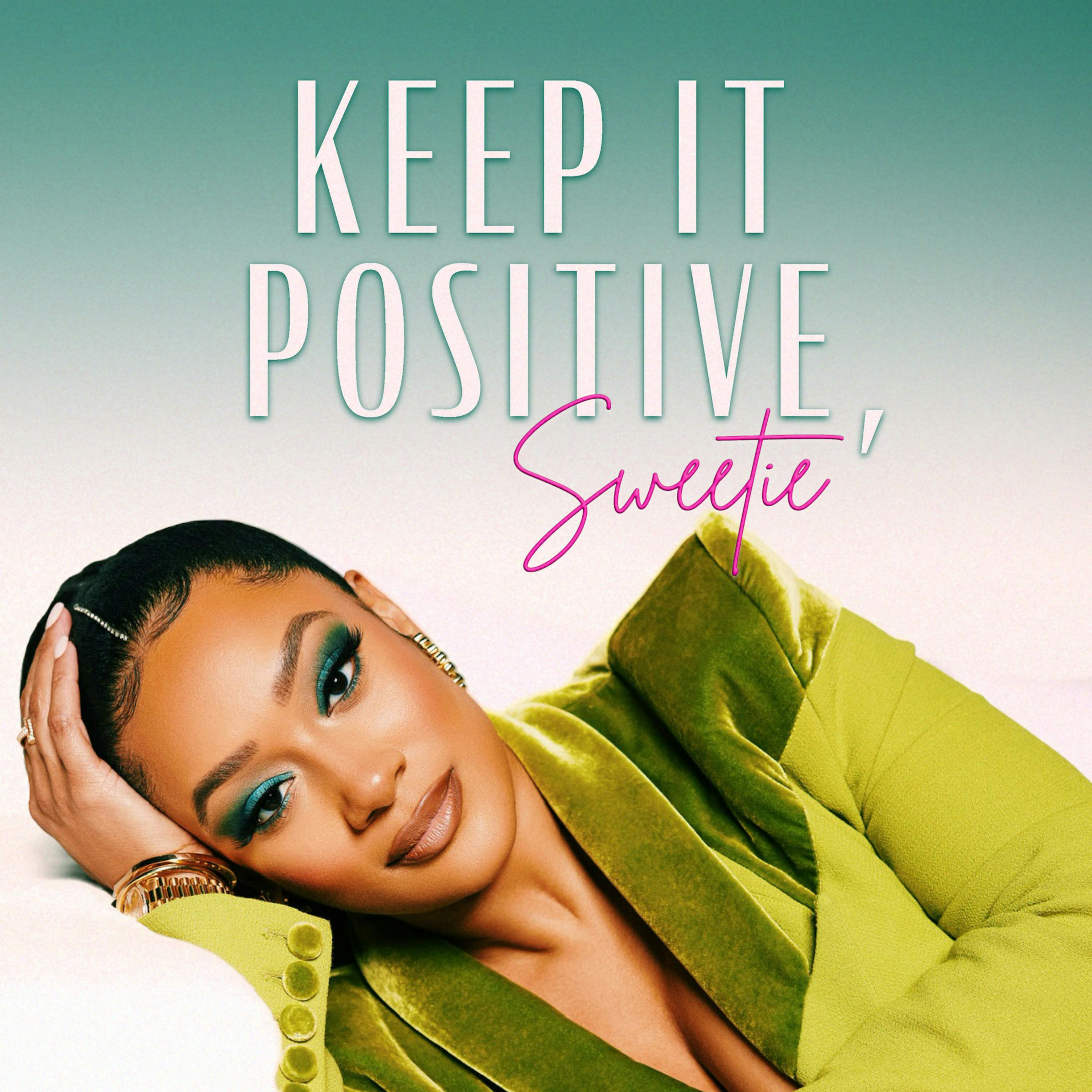
Navigating Anxiety
Season 1 Episode 7 | In today's society, we are going through so much and a lot of us are going through it alone and in silence. Our anxiety has gotten worse since the pandemic and we're coping the best we know how. Come join my therapist @delenazimmermantherapy and I on my couch as we discuss how to navigate anxiety. Y'all get a glimpse into our therapy sessions and let me tell you...Delena keeps it REAL and gets me right together! I hope this episode blesses you the way it blessed me.
See omnystudio.com/listener for privacy information.
2023-07-18
57 min
Transcript
Available Results
Generated results are saved to the knowledge database for reuse and search.
No generated results are available for this episode yet.
Extract Knowledge
Pick what you want extracted first. Model, scope, and chapter options appear after a template is selected.
Generated results for public episodes are saved to the knowledge database so they can be reused and searched later.
Transcript
00:00:09
Speaker 1: Hi, and welcome to this episode of Keep It Positive, Sweetie. Today we are talking about something that I personally have been really dealing with a lot lately, and it is navigating anxiety. And when I think about anxiety, I think about the scripture Philippians four six through seven, and it says, do not be anxious about anything, but in every situation, by prayer and petition, with thanksgiving, present your request to God. And in this season of my life, I have been dealing with a lot of anxiety. So I am super excited to have my therapist, Miss Delana Zimmerman, who is going to help all of us. I'm sure a lot of people are dealing with it in different ways, and you may not even know that you're dealing with it or be able to pinpoint what is this feeling that I'm feeling.

00:00:59
Speaker 2: But today we're gonna.

00:01:00
Speaker 1: Talk about some things and share some things that I'm going through and that you've helped me with, Delena.

00:01:07
Speaker 2: So first let's get into.

00:01:12
Speaker 1: How can people pinpoint like what anxiety is, because I know for me, like now that I know what anxiety is, I'm able to pinpoint it. But I didn't realize I didn't have an anxiety pretty much all my life, but I didn't realize it.

00:01:28
Speaker 3: Yeah, I thank you for having me.

00:01:32
Speaker 4: You know, anxiety has now become a household language, like it's late person language. It's really interesting that we're now speaking out of the diagnostic manual.

00:01:43
Speaker 3: You know, in our homes. But we used to call anxiety worry.

00:01:50
Speaker 2: Wow.

00:01:51
Speaker 4: Right, that's what our mothers called. It's what our grandmothers said. You know, I'm worried about you. Yes, I'm worried.

00:01:58
Speaker 3: And so anxiety is the response.

00:02:02
Speaker 4: In the body. We feel it in our body, so we're sure that it's real. And what in fact it is is fear. I'm afraid. I'm afraid that I'm not going to have what I need. I'm afraid that you're not going to have what you need. I'm afraid that things aren't going.

00:02:16
Speaker 3: To go well in the future. You know. Yeah, but anxiety is not a virus. It's not in the air. You aren't catching it.

00:02:25
Speaker 2: A mindset, it's a mindset.

00:02:27
Speaker 1: I want to talk about my recent anxiety attack that I had, and I was I had just talked to you.

00:02:35
Speaker 2: It literally, I may have talked to you. I literally talked to you the day before I was leaving.

00:02:39
Speaker 1: The day before it happened, I talked to you and I was just telling you, like things that I was worried about, and you, like, Chris, so what are you worried about?

00:02:46
Speaker 2: What is the fear? Right down? What you're worried about? And let's talk about it.

00:02:50
Speaker 1: And it boiled down to fear of losing it all, fear of not being able to keep up this life that I've built for myself because I've seen so many people be at the top of the mountaintop and just career booming and things going great and literally hit rock bottom, and I was like, God, I don't want that to be me, you know, and so many people depending on me, and.

00:03:15
Speaker 2: That gets really, really heavy.

00:03:17
Speaker 1: And something that stood out to me in that moment, you say, Crystal, you have everything you need and you lack nothing. And I was like when we got the phone that day and I was like, I feel so much better. And within less than twenty four hours, I landed in Los Angeles and it felt like somebody was literally squeezing my heart and it was pumping as hard as it could to keep pumping, and I was like.

00:03:41
Speaker 2: Am I having a heart attack?

00:03:43
Speaker 1: What is happening right now, and my vision was blurred like I would be looking if I was looking.

00:03:48
Speaker 2: Straight at you. You were moving like. It was the craziest experience I had ever had.

00:03:54
Speaker 1: And I started looking up symptoms of a heart attack, like I was looking up all these things, and I'm like, am I dying right now?

00:04:01
Speaker 2: Do I need to go to the hospital?

00:04:02
Speaker 1: And when it I was pinpointing things, I was like, Oh, that's not it.

00:04:06
Speaker 2: This isn't it.

00:04:07
Speaker 1: And then it the anxiety attack came up, and I was like, Wow, this is all all the boxes checked off. I said, this is my first realized anxiety attack that I was having. And I got back and I told you about it, and I was just like, I don't know what is happening. And it was just in that moment that I realized, I've got to figure out how to deal with this. Can we talk about that a little bit?

00:04:32
Speaker 3: Sure?

00:04:33
Speaker 4: So the way that the body is designed, you know, God and this infinite wisdom made us in a way that we would be able to handle threats in our lives. So it's involuntary. We don't have a choice if there's a perceived threat, whether it be saber toothed tiger or I'm gonna lose it all.

00:04:53
Speaker 3: It's the same thing.

00:04:55
Speaker 4: The mind says there's a threat, and the body begins to go into it an involuntary thing. It releases cortisol, it releases adrenaline from the adrenaline glands, and it also releases epopenetlin. And now the body's under the influence of very strong chemicals.

00:05:12
Speaker 3: That's why you feel it in your chest, you throat, your heart speeds up because you got a big adrenaline boost.

00:05:18
Speaker 4: I mean literally, you're ready to fight a saber tooth typer. You're ready to run or lift a car to get a child from underneath it. Your body is under it is ready to go, but except it's not a real threat. So there's nowhere to put the energy your body is just giving you.

00:05:37
Speaker 2: Yeah, there was nowhere to put it.

00:05:38
Speaker 1: I didn't know what was going on, and I tried to lay down to try to and I tried breathing techniques, and I was like, just calm your heart beat down, Just calm down. And I was like, even when I laid down, it seemed like it started beating faster. I'm like, I'm trying to rest, you know, and trying to do things to take my mind off of it, and it.

00:05:55
Speaker 2: Was not stopping and it lasted for hours. Yeah.

00:06:00
Speaker 4: So so now I'm anxious about being.

00:06:03
Speaker 3: Anxious, Yes, literally, right, So that's what happens.

00:06:09
Speaker 4: And it's a continuum. It's a threat. I feel like I'm going to die.

00:06:12
Speaker 3: So now I'm going to seeing more of the same system.

00:06:15
Speaker 2: Into my life to my body. Right.

00:06:17
Speaker 3: And what does it do?

00:06:19
Speaker 4: It defers what it is you need to do that day, It delays purpose, It gets in the way of what it is that God intended for you to do that day.

00:06:27
Speaker 3: It just it's a block.

00:06:30
Speaker 4: Now, it's perfect for real threats, but when you're in your mind and you don't have trust the scripture, you read like gratitude is where you could be. I'm so grateful for this opportunity and the opportunities that come behind it. I know that I have everything that I need and I lack nothing. What is there to worry you?

00:06:54
Speaker 2: That is so powerful right now? And the future right that is so powerful?

00:06:59
Speaker 1: And I have to remind myself daily that I have everything I need, I like nothing, and that's helped me so much since then. And can we talk about some of the things that when I told you about that, like, this is crystal you need, This is what you need to do, This is how you need to move past this. These are things you need to put into practice because I feel like a lot of people are living in a state of anxiety and they don't know how to deal with it. So if you could, like talk, let's have that dialogue how we do when we're in the therapy sessions, so that people can get the tools, because I know what you've done for me has helped me tremendously, even on the perspective of like digging deeper and understanding why where this root's from.

00:07:42
Speaker 2: Let's talk about that.

00:07:44
Speaker 4: Sure, I really love that you read a scripture first. It is very, very scary living a life, this life, in this world without knowing that you're going to be sustained, not really understanding what your source is. You know, being a human, you know that you're limited. There's only so much you can do. There's almost your mind can come up with.

00:08:12
Speaker 3: So there has to be a.

00:08:14
Speaker 4: Source of power that I rely upon completely. And it can't be me, and it can't be my job because they're humans too.

00:08:23
Speaker 3: It can't be these things.

00:08:24
Speaker 4: So it has to be something greater than me, and we are struggling because we don't have real, safe and healthy ideas of God and our creator and our relationship to it.

00:08:38
Speaker 3: A lot of us are living in shame.

00:08:40
Speaker 4: We have taboo. We can't talk about the shame and doubt we have with our relationship with God. Our performance is not what we think it should be in order for God to really really continue to bless us. Where sinful kids, sinful teenagers, and sinful adults we get this good thing and we think it's just luck because we can't turn our lives around in the secrets of our life. Then we think it's just a matter of time before this God snatches it away. And of course that's where the feary is. That's where a lot of the fearis. Yeah, I don't trust that I really deserve the thing that I have to have a worth.

00:09:20
Speaker 3: Issue, So.

00:09:27
Speaker 4: I have to know that I'm good enough intrinsically, not good enough on stage, not look good enough, intrinsically. I was good enough when I came to the planet when God created me, and.

00:09:42
Speaker 3: I remain good enough, yes, and that I'm never separate from this God.

00:09:47
Speaker 4: Doesn't matter what you call it, how you worship it or what times you pay to it, it's just knowing that I am one with it always, no matter what my behavior is.

00:09:58
Speaker 1: And that's when you touch on that that since a child, like one of the sc first scriptures I ever remember was children, obey your parents and the Lord for this is right, that your days may be.

00:10:09
Speaker 2: Long on the earth.

00:10:10
Speaker 1: And that is it translated to me, as a child, do what your mom and daddy tell you to do, or you're gonna die.

00:10:17
Speaker 2: You know what I'm saying.

00:10:18
Speaker 1: So if I don't, and then it translates to as an adult, it translates to if I don't do what God says, like he's not gonna bless me, or things aren't gonna happen for me. So like you, you do have that shame of the things that you've done as a kid as an adult and wondering like is God ashamed of me?

00:10:36
Speaker 2: And you see that he's continuing to bless you.

00:10:38
Speaker 1: And you said, Crystal, God is not your magical genie in the sky, like he's not like, Okay, God, I'm gonna do this right thing and he's gonna got you. There's another blessing. He doesn't do that, and I thought about it. I was like, Wow, you're right. And what you always say that God is like oxygen, Like he's just there. He's everywhere when you're when you having sex when you shouldn't be, when you're in there watching porn when you shouldn't be.

00:11:02
Speaker 2: God is there.

00:11:03
Speaker 1: And I'm the most shameful situations where you finish and you're like, dang, like I know I shouldn't have done that. God is He's He's everywhere. He doesn't pick and choose the moments that he's going to be in. And it's in the I would say for me, it's in just the trying to pursue a life of excellence and live, you know, saying practice excellence because the Bible always says practice excellence in all you do. And we talked about me trying to be perfect all the time and portray this perfect life, and let's talk about that. We dug deeper and where that comes from? You ask me, like, Crystal, where does that come from? And I had to think about it. I was like, where does this whole thing I have to be perfect all the.

00:11:48
Speaker 2: Time come from? And when we got to the bottom of it, I.

00:11:51
Speaker 1: Realized it came from my childhood, and we talked about things I had been through my childhood, and it was the fear of getting in trouble. So I always felt like I had to be perfect. And it gets a little controversial because that's when you take it from.

00:12:07
Speaker 2: The Bible, what the Bible.

00:12:09
Speaker 1: Says, how your parents translated, how it's taught to you, and then that same fear like it's put into you and it carries on to your entire life until you meet a delay a Zimmerman who helps you unpack it and unlearn it and learn what the true meaning of that was. Yeah, and that was a very hard conversation being a child.

00:12:30
Speaker 3: Where your mom is gonna get your daddy's gonna get you.

00:12:32
Speaker 4: Guys gonna get you, The dad's gonna get you, the bo's gonna get you. Of course you have anxiety by the time you're twenty thirty years old. Everything's gonna get you. Or's your safe place? Where do you find refuge? You are not perfect.

00:12:45
Speaker 3: You can't pull it off. No one can. We came to this life to live it, to learn and the living and to practice the lessons.

00:12:56
Speaker 4: Without mistakes, without falling short.

00:13:00
Speaker 3: What do we learn we can't learn and only joy and bliss.

00:13:03
Speaker 2: Yeah, mistakes and the failures. Yeah, that's right.

00:13:07
Speaker 4: We learn in a mess, right, We learn in a mess because and the mess is where the nutrients are. Right, people go out and buy poop, They go out and buy it to fertilize their grass, because that's what the nutrients are. We learn and develop through the mess. We should be ashamed of the mess.

00:13:26
Speaker 3: We should learn from the mess. It takes humility to learn from the mess.

00:13:29
Speaker 2: It does.

00:13:31
Speaker 3: So if we're practicing perfection, which is like being in an abusive.

00:13:35
Speaker 4: Relationship because you're never good enough, you're making up what good.

00:13:41
Speaker 3: Enough is in the first place.

00:13:43
Speaker 4: It's prideful because you're concerned about what other people are going to say.

00:13:47
Speaker 3: It's a projection that you give.

00:13:49
Speaker 4: You know, you think other people are seeing in a particular way. So you have to pretend to be that. That's where this anxiety is coming. You can't be your authentic self. You can't have laws.

00:13:59
Speaker 3: Yeah, making speak cause you.

00:14:00
Speaker 2: Have more humility, Yeah, you have.

00:14:02
Speaker 1: That was another thing that you have to be humble and have humility to be able to not try. I mean, if you're trying to be perfect, that is a very powerful and egotistic character.

00:14:11
Speaker 3: Trait, and it makes you accepted and a liar.

00:14:15
Speaker 2: Cause nobody's perfect.

00:14:17
Speaker 4: No, you have to hide everything, and it puts you in that shame based place, that guilt based place, and.

00:14:23
Speaker 3: There's an anxiety that you're going to be found out.

00:14:25
Speaker 2: Yep.

00:14:27
Speaker 1: And I think because I live in my life is like under such a microscope. You see my every any I can get like I have control over certain things, but a lot of things I don't have control over. And we live in such a judgmental world where sometimes I'm afraid to be like this myself that I am around my closest friends.

00:14:51
Speaker 2: It's like I show the world a filtered crystal.

00:14:54
Speaker 1: You know, you see what I want you to see, But I may not show you me drunk ass up, face down, twerkin on the yacht.

00:15:02
Speaker 2: You know, you might not see that side of me.

00:15:05
Speaker 1: So I feel like net comes from like the fear of being judged, the fear of oh, like she can't be a Christian and worship God and be doing those things. You know, Like I am growing and getting stronger in my faith in my walk, and I.

00:15:23
Speaker 2: Feel like that looks different for everybody.

00:15:25
Speaker 1: You know, there are some people that like literally, like, don't listen to secular music, don't have sex, don't hang in the wrong places.

00:15:36
Speaker 2: But I know what I'm saying.

00:15:38
Speaker 1: I listen to what I want to listen to. But I still wake up every morning, take my time with God, journal to God, listen to my church music, set the tone for the day. And when I get in my car, I maybe listening to jay Z, you know. And that doesn't make me less of a Christian than the next person, or doesn't make me less a person or less perfect or like nobody's perfect, but it doesn't make me value. My value isn't less because I'm not living this rigid Christian life. You know that we've been taught to live well.

00:16:09
Speaker 4: Some people are living a rigid Christian life and are two hundred pounds overweight talking about the center, you know, glut me right?

00:16:20
Speaker 2: So oh that's good?

00:16:23
Speaker 3: I mean, what which one?

00:16:25
Speaker 2: Yeah? Right?

00:16:27
Speaker 4: You know, if we're if I have a thousand people in a room and I.

00:16:30
Speaker 3: Ask everyone to close their eyes and consider God.

00:16:33
Speaker 4: Close your eyes and consider God, there's going to be a thousand different considerations.

00:16:37
Speaker 2: Wow.

00:16:38
Speaker 4: Yeah, a thousand different images, a thousand different feelings. Because the relationship with God is personal. Nobody knows why you came to this planet, Crystal.

00:16:47
Speaker 3: Nobody knows why I came to this planet.

00:16:49
Speaker 1: Yeah.

00:16:50
Speaker 3: So anyone that's.

00:16:50
Speaker 4: Sitting from whatever seat they're in and judging what your experience should be is insane. Who gave them the measuring stick? No one knows what your lessons are supposed to be.

00:17:04
Speaker 3: When you came here.

00:17:06
Speaker 4: If you'd have seen me twenty five years ago, you think, oh my god, what a mess. But nobody understood that the mess was required.

00:17:14
Speaker 1: Yeah, well, all things.

00:17:20
Speaker 2: For the good.

00:17:22
Speaker 3: You understand of those, Yes, all things.

00:17:28
Speaker 4: So I say, everyone, have the experiences you need to have live this life, learn what it is for you in the mess, and then practice the lessons in the next day.

00:17:42
Speaker 3: And as you keep living, you have so many.

00:17:45
Speaker 4: Lessons that you've learned that you're now practicing, that you're now mastering.

00:17:50
Speaker 3: We came here to evolve this soul.

00:17:52
Speaker 4: We are not our bodies, and so to live your life only based on that. The world sees the image of your body is insanity. It's not even who you are a boy.

00:18:07
Speaker 3: You picked it up and you're gonna leave it here.

00:18:10
Speaker 2: Yep. M.

00:18:12
Speaker 3: So you use the.

00:18:13
Speaker 4: Body to evolve the spirit and the soul while you're here again, you're never separate from God. Ever, how can the creation be separate from the creator? Can you see it in the baby when the baby's born and handed it.

00:18:30
Speaker 3: When the doctor hands the baby to the mother, you.

00:18:33
Speaker 2: Said, oh, my lord, my lord, Yes.

00:18:36
Speaker 3: That baby has on the scales you order ten. That baby is a tan. That baby is good enough to find.

00:18:42
Speaker 4: Yes. So when does the baby lose his value? When does your daughter lose her value? When does your son lose his value?

00:18:49
Speaker 2: Yeah?

00:18:50
Speaker 4: Just going around the sun make you lose your value, your oneness with God.

00:18:55
Speaker 3: The divinity and God.

00:18:57
Speaker 2: Right, it doesn't.

00:18:59
Speaker 3: No, you don't lose your value.

00:19:02
Speaker 4: Yeah, you fall under the indoctrination that your value is outside of you, and.

00:19:08
Speaker 3: The people who are.

00:19:09
Speaker 4: Teaching you they believe their values.

00:19:11
Speaker 3: Outside of them, and the people who taught them believe that.

00:19:15
Speaker 4: Go back far enough, you'll see where somebody handed somebody a live version of God, Santa.

00:19:21
Speaker 3: Clause, God, magical Daddy, magical Genie in the sky.

00:19:26
Speaker 2: Yep.

00:19:28
Speaker 4: And so then that's how we've lost our identity in Christ.

00:19:31
Speaker 3: That's how we've lost our oneness with God.

00:19:34
Speaker 4: That's that's how can we're afraid all day, every day, and what you think about me. No, the problem is what I think about myself. If I have a low value concept of myself, I'm going to project my low value concept of myself onto you.

00:19:50
Speaker 3: I'm going to think that you think that thought.

00:19:52
Speaker 4: About me, and I'm going to feel insecure and anxious and social, anxietty.

00:19:59
Speaker 3: And all these.

00:20:01
Speaker 4: But when I change my idea about myself based on what I know, I am and my ononess was God. I am good enough because God created me, sent me to this planet. I belong here. Every room I walk in.

00:20:13
Speaker 3: I belong in, and the experience I have is mine. This life is my journey.

00:20:18
Speaker 4: When I begin a standing that truth have everything that I need, I like nothing. Then that's the idea that I project on to you. And so I know when you see me, you see the one who sent me.

00:20:29
Speaker 2: I love that. I love that.

00:20:31
Speaker 1: Something I took away from that from that session was you said, Crystal, everything grows and shit everything.

00:20:38
Speaker 2: So if you're going through shit, grow through it.

00:20:42
Speaker 1: And I was like, oh my goodness, because you don't think about like how you talk to you put that use the analogy like they take the cabinure or for mulch to grow plans to grow veggies. Everything grows in the shit. And I was like, I didn't even think of it like that. And it's in the mess that we grow. And I just I love that that analogy that you used.

00:21:04
Speaker 2: I want to get into some statistics.

00:21:08
Speaker 1: It says that statistics prove that anxiety disorders are the most common mental health disorder in the United States. Data shows that for black women, anxiety is more chronic and the symptoms are more intense than their white counterparts. Why do you feel that black women are the ones that are experiencing And I know some obvious reasons why black women are experiencing anxiety over white female parts, I mean white white female parts, over white over our white counterparts, But why do you feel that.

00:21:41
Speaker 4: Well, we cannot ever ignore or evade blackness in America. It's you know, we all come from descend from enslavement. Whether it was Latino, Afro, Latino, Afro Caribbean, Afro American, it doesn't matter.

00:21:58
Speaker 3: There's a thing that happened, then is a thing that happened.

00:22:03
Speaker 4: So in this country we are like the stress of what our beauty is is We're in patriarchy.

00:22:12
Speaker 3: We're swimming in it, yes.

00:22:13
Speaker 4: As an odorless, colorless gas. So not only is it patriarchy, is white patriarchy, and so we are We don't our beauty is compared to something.

00:22:23
Speaker 3: That we're not. Right, Yeah, we have to be careful not to be We're so strong, right.

00:22:31
Speaker 4: One of the conditions of enslavement made us the strongest on the plantation, not physically but emotionally.

00:22:39
Speaker 3: We have to watch our children.

00:22:40
Speaker 4: Be taken from us. We had to watch our men be breed other women. We had to watch so much. And the way that the slave was made was through the woman. When the woman became docile enough that slavery could continue.

00:23:00
Speaker 3: So she had to be strong.

00:23:01
Speaker 4: She has to teach her daughters be strong because she can't rely upon what her life is going to be looking for a man. Since to teach her daters be strong because her sons may be killed.

00:23:10
Speaker 3: So she has to teach her She still has to teach.

00:23:12
Speaker 4: Her daughters, you got to get it for yourself. You can't rely upon anybody. So she has to be strong.

00:23:18
Speaker 3: It's just you and God.

00:23:19
Speaker 4: It's a message is still being taught from the plantations of North America to south central Los Angeles where I live, And so of course I'm anxious because I can get in the workplace, I can get in the career place where a black man can't even get and then I have to be this thing that colde switches all the.

00:23:44
Speaker 3: Time and come home and potentially raise my.

00:23:46
Speaker 4: Children by myself, just because of the conditions we can look at, right, the pipeline prison pipeline.

00:23:53
Speaker 3: Is a real thing.

00:23:54
Speaker 4: Yes, the crack epidemic really decimated the black families.

00:23:58
Speaker 3: It happened. That's the only thing.

00:24:01
Speaker 4: I mean, There's so many variables as to why I'm afraid that I have one emergency from poverty, from homelessness, from my car.

00:24:13
Speaker 3: Not not being paid.

00:24:16
Speaker 4: I hope this man is the man so I can finally behold and have value and get married. Sure gave me, you know, like yeah, I mean I can go on, yeah.

00:24:31
Speaker 3: On and on as to why she struggles.

00:24:34
Speaker 2: No, that is so good, and I feel like.

00:24:37
Speaker 1: It is like a generational curse that we have to break, Like it's generation of that's with a lot of things that we still deal with today, trying to figure it out like the root of it, and it goes that far back and even further, oh and even further.

00:24:52
Speaker 4: But I mean, if we're talking about comparative to a counterpart. In America, black women are only married twenty seven th percent.

00:25:00
Speaker 3: Of the time, whereas white women are married seventy percent of the time.

00:25:04
Speaker 4: So if we just look at those stats, that means that potentially, I'm a black woman who is working hard. I may be single parenting or maybe alone, and I may be fornicating, right, and then I have this magical daddy guy and this guy who's judging me, and I'm.

00:25:21
Speaker 3: Just trying to get on the right path.

00:25:23
Speaker 4: But you know, I mean I'm anxious because I can't. I don't have access in the entitlement to access to what other people have.

00:25:32
Speaker 2: Yeah, access too.

00:25:34
Speaker 3: You know, young white boys are.

00:25:35
Speaker 1: Taught to marry, they are young white girls are taught to do the same thing and be ready.

00:25:41
Speaker 4: And be ready and to have resources when they get to the wedding, right right, that part or I'm anxious, yeah wow.

00:25:51
Speaker 1: Research and history tells us that there are three basic images that exists. The strong black woman, which we talked about, the angry black woman, and the Jezebel video vixen. A strong black woman is hard on herself all while striving for perfection, even when she knows she's to stop placing her mental and physical health at risk. I feel like I'm in the strong black woman category right now at this phase of my life where I was striving for perfection. And something that you said that was so profound to me in the last session was that crystal perfection is like a cancer. Stop trying to be perfect, start pursuing excellence because with excellence you can make mistakes and learn and grow from it. And I was like, wow, that was powerful because I didn't realize that I was trying to be perfect all the time, but I am. I'm like, I do everything myself like I have to. You know, it's like who else is going to do it? Nobody else is here. It's all on me. And it gets hard, you know, it gets really hard trying to do everything myself and not having someone else to lean on.

00:26:57
Speaker 2: And I feel like a lot of black women feel like that. It Yeah, it is. It is an epidemic.

00:27:05
Speaker 1: And for me personally, I have so much going on and I don't have all the health that I need, like when it comes like day to day stuff and personal stuff, and it got to a point where I was like super stressed out, like how have I got to handle all this? And in the midst of all that, then an audition comes. I got to stop what I'm doing and mentally prepare for this, tap into a whole different person, you know, and then tap back into myself.

00:27:29
Speaker 2: And it's like it's really hard.

00:27:32
Speaker 3: So how does she take care of herself? How does she manage her mental health? What is her mental health? Where is she in her body?

00:27:38
Speaker 4: And she's using her old skill sets that she's suppressed and compartmentalized.

00:27:44
Speaker 2: Cause that's what I would do.

00:27:44
Speaker 3: Yeah, Wow, to feel weak or sad.

00:27:48
Speaker 2: Or don't have time.

00:27:49
Speaker 3: Go on?

00:27:52
Speaker 2: Can you tell that to right now? I have you.

00:27:55
Speaker 1: But before I literally was suppressing everything, and and that came from my childhood of the whole. There's something in the black family, not sh I can't speak for white households, but there's something in the black family where what happens in this house stays in this house. I don't care what just happened. You go out there and you put a smile on your face. Don't be telling our business, don't talk about it. So you learn at a very young age, I don't care if you just got your ass beat. When you we walk out of tid, you gotta put a smile on your face like nothing ever happened.

00:28:27
Speaker 2: I don't care if I just cussed you out or slap the shit out of you. You better walk.

00:28:31
Speaker 1: Out here and smile like nothing happened and keep our business in this house.

00:28:35
Speaker 2: And that in.

00:28:37
Speaker 1: Turn turned into suppressing anything that was hurting me because I couldn't talk about it.

00:28:43
Speaker 4: Delivers the message that I what your experiencing doesn't matter.

00:28:49
Speaker 3: And you know, children who.

00:28:51
Speaker 4: Did not get their emotional needs mat become adults that did not get their emotional needs mat mm. And we did not learn language to express how we felt.

00:29:05
Speaker 3: We weren't loud. Just gratitude. You just better be grateful.

00:29:11
Speaker 4: I brought you home from the hospital, and you're gonna be grateful our feet like like just grateful.

00:29:17
Speaker 3: And a lot of times we were. What we experienced as love was provision. Wow, I don't really care. I don't find out what that is inside of you. It makes us grow up in a family as strangers. They don't know us. Yeah, look like they know it's on our report card. They know what we do well, they know what we do don't do well.

00:29:40
Speaker 2: Yeah, in our hearts, they don't.

00:29:43
Speaker 1: And I express to you how nobody knew this until I really started to open up about my childhood, that there were moments where I wanted to commit suicide and my parents still this. They don't know that, you know, like I've never talked about it. It wasn't something like how are you how it's affecting you?

00:30:01
Speaker 2: Like therapy wasn't.

00:30:02
Speaker 1: And we did go to family therapy because I went through a phase my life where I was very rebellious, and I think it was a point for me where I had gone through so much at a young age that when I got a little old enough, I was like, I'm not.

00:30:17
Speaker 2: Taking this shit no more.

00:30:19
Speaker 1: And it was like an act of rebellion where like I was just like not having it, and it from their point of view, it looked like this is just a badass child, you know, and the threats of like I'm sending you to boarding school, like you need some discipline, you need something different, and it was more of an act of one defense but also an act of I'm putting my foot down, you know.

00:30:43
Speaker 4: And so that's how you become or we become the angry black woman, Hell, you were mad?

00:30:50
Speaker 3: Knew us? At what point in our lives? Did anybody know us?

00:30:55
Speaker 2: Yeah?

00:30:56
Speaker 4: See us, honor us, protect us, cover us, make it safe.

00:31:01
Speaker 3: Of course, I think feel emote, become ourselves.

00:31:05
Speaker 4: Yeah, we're all a lot of us just replicas of brokenness. Oh, we don't know how to say. We're avoiding disappointment, you know, seeking pleasure and avoiding punishment, like you talk about, you know, avoiding punishment. The perfectionism comes out of avoiding punishment.

00:31:29
Speaker 2: Yeah, you know.

00:31:30
Speaker 4: And so then I avoid punishment. I seek pleasure and that becomes my lifestyle. So I don't I don't matter be in a relationship with people. Vulnerability becomes lost. We call it trust issues, but it's really I lack the ability to be intimate with people because I don't trust.

00:31:51
Speaker 3: I don't ever want to feel disappointment again.

00:31:53
Speaker 4: I don't ever want to feel a broken heart again.

00:31:56
Speaker 3: But I'm here to say.

00:31:58
Speaker 5: People that are listening, it's okay to feel negative emotion. Yeah, it's okay to feel disappointment. It perfects you. It's okay to feel frustration, it perfects you.

00:32:12
Speaker 4: It's okay to feel all of the things you need to feel in your living. It perfects you, It evolves you, It stretches you. It turns you into the thing that God intended.

00:32:22
Speaker 3: You're gonna be able to.

00:32:23
Speaker 4: Use it later when you deliver your gift.

00:32:26
Speaker 3: Because your resiliency, power.

00:32:29
Speaker 4: Depth, texture, breath, don't avoid you won't know yourself. Get in relationships so you can mirror yourself and find.

00:32:39
Speaker 3: Out what it is and you that needs to evolved.

00:32:41
Speaker 4: Go and become lean in two difficult places so you can perfect your gift while you're here on the planet, and so that the world is better because you're in it.

00:32:53
Speaker 3: Do not run from your story, Like peace with your story now, even make peace with it.

00:33:01
Speaker 4: Yeah, less station the rape, make peace with it. You do not have to live from a narrative of you know, disease and wo goodness and always you know, I'm always healing. You will always be evolving, becoming and healing. You don't have to live from the dark place. Yeah, the darkness was purposeful.

00:33:25
Speaker 2: You're out of it now, walk in the light, walk in it. Yeah.

00:33:29
Speaker 1: Something that you said earlier was that I have a worth issue when I talk about my fear of losing it all. Can you expand on that, Like, what do you mean when you say I have a worth issue.

00:33:43
Speaker 6: So growing up in a family where what you think and feel doesn't matter, it's a worth issue because you can't see it.

00:33:55
Speaker 3: I don't matter.

00:33:56
Speaker 4: I don't care what I think. Nobody asked me what was for dinner or what we're going on vacation. It's like you don't matter. That's one thing. That's one variable. The other variable is not understanding that you belong to God, period like full stop. That your value on a scale of zero to ten is ten. It's never seven, it's never eleven. There are no elevens. Yeah, there's only ten and good enough. If you don't recognize that you're good enough, you're going to feel that you're less.

00:34:29
Speaker 3: Than good enough, which means, right, I'm not good enough. A nine is not good enough.

00:34:37
Speaker 2: Wow.

00:34:37
Speaker 4: So I have my my I have to set my dial always to good enough. So if I am less than that, then I have a worth issue. I don't know my value. I don't know my worth right. And here's here's the lynchpin from age birth to twelve. The way that the brain works. It's just recording information. You can't negotiate it. On have what's called abstract thinking. Yet to just take the world as it is. The way that you see life is greater than less than an equal to period. That's the logic of a child, right, right, So if I believe at home I'm not good enough because I have this relationship with my mother or my sibling or my dad. If I believe that I'm not good enough in the classroom because I can't raise my hand and answer the question on the board, or that I peed on myself for God's sake, or you know, or if I don't feel like I'm good enough on the yard in elementary school because I'm not good at tether ball, or I'm being bullied, right, or I don't have friends, right, that is that is a in my program. I literally don't think I'm good enough. And then I turned twelve, go to your high school, and so now I'm trying to cover up what if a near this.

00:35:51
Speaker 3: Is not not good enough?

00:35:52
Speaker 4: To try to cover it up with achievement, you know, doing well in school, sexy, smoking weed, drinking, alcohol, athleticism, I've got to cover up I'm not.

00:36:03
Speaker 3: Good enough with something violence. Yeah, I'm twelve.

00:36:09
Speaker 4: If I don't get any treatment or therapy or discover my actual work. Yeah, then I am using my veneer for the rest of my life until I'm not good enough continues to pop through and I keep trying to cover it with drugs, alcohol, sex, shopping and gucci.

00:36:26
Speaker 2: Don't do that. That don't come for me.

00:36:30
Speaker 1: Because I do, Like I have a bad habit of doing retail therapy, Like that's the real thing. I really do that, And I'll go and send all this money on clothes and then I'm happy for like that moment, and then I go to my closet.

00:36:44
Speaker 2: I'm like, I have nothing to wear, and then I'm not good and I'm not good enough. It's like you's got.

00:36:49
Speaker 3: To cover for the next day.

00:36:52
Speaker 4: So what we're trying to do is shift the mindset I'm not good enough to I am good enough every day no matter what's happening. Learning how to forgive ourselves the choices that we make that are not in.

00:37:04
Speaker 3: Our best interest. It's doing our best to forgive ourselves after we do it again.

00:37:10
Speaker 4: Like it's really about self love, loving myself, connecting to the inner child who did not have anyone to connect to that, loving myself, forgiving myself, taking accountability, taking care of my emotional needs, not looking for someone in the world to take care of them for me, which leads us desperate and codependent to really really build a healthy relationship with God. Seeing God is a loving continuum, always present all the time, sustaining you.

00:37:43
Speaker 3: Whether you're aware of it or not.

00:37:44
Speaker 4: You can't negotiate it withhold it from you. It's just even in your sleep, in your sin, in your drunkardness and everything.

00:37:53
Speaker 3: God is sustaining you know what I.

00:37:56
Speaker 4: Mean, Like, just really really having a healthy relationship with God allowed you to have a healthy relationship with yourself, relationship in the world.

00:38:05
Speaker 3: And so your career.

00:38:06
Speaker 1: Yeah, no, that's so true, right, And I think it's something that Christians forget. The world puts so much emphasis on certain sins. It's just a very few sins that they put so much info song with. There's so many sins that God is like, no, this is a sin too, you know, like lying is a sin, but if you go kill somebody, the world's like, oh, that's really bad. But in God's eyes it's the same thing. He's like, it's no big sin or little sin. So some people look like, well I lie or I eat too much, but you out here for n Kayden, So you going to hell, you know, and like we've been taught certain things and we forget. We see people that we look up to as kids lying or were like, look, don't tell them that we going here, and you learn to lie at a very young age and learn to think that, oh, that's not a sin, like I've been raised to do that, you know what I'm saying that so everybody does. But if I go have sex before marriage, then I'm sinning. You know what I'm saying, that's a real siner. If I go kill somebody, which you know, I'm just.

00:39:09
Speaker 3: These are the things that break our hope.

00:39:11
Speaker 4: It breaks our hope at a very young age that will ever be good enough for God?

00:39:15
Speaker 3: Is the way that the church teaches these things.

00:39:18
Speaker 4: And I know the church is trying to protect us, trying to have us make our best choices. You know, the church is trying to really protect the life of the person. So they're no salvation.

00:39:26
Speaker 3: I get it.

00:39:27
Speaker 4: I was raised very Pentecostal, you know. And but what happens is it almost broke my spirit. It almost caused me to kill myself because I was never good enough for God and never good enough for the idealized Christian perception.

00:39:41
Speaker 3: Nobody's pulling it off. Everybody lying. I'm telling you that straight up.

00:39:44
Speaker 2: Now.

00:39:46
Speaker 3: I talk to a lot of people and everybody is like, if it's supposed to be this, then how come I be? And it's like, that's not real. That is not a real thing. It is a is a guide. It is it is a It is what you want to compare or you know, let that be your standard. It is your standard. But in this life, you have this body.

00:40:11
Speaker 4: Yeah, you have this body, and we are indoctrinated with a major lie about pursuit of happiness.

00:40:23
Speaker 3: Wow, I'm gonna say this.

00:40:28
Speaker 4: Do your best every day, learn more and the word about what the standard is, and practice spiritual principles. If you practice spiritual principles like honesty right, yes, like hope, like faith, like courage, like justice, right, brotherly love, right, your life will be better. If you practice admission and forgiveness, your life will be better.

00:40:58
Speaker 3: The lessons that you need to learn every day.

00:41:01
Speaker 4: In order to forgive someone, right, you have to have the situation.

00:41:04
Speaker 3: In order to forgive.

00:41:06
Speaker 4: Yeah, the person has to fall short of the mark in order to get forgiveness.

00:41:10
Speaker 3: Like, we can't practice spiritual principles. If everybody's perfect.

00:41:14
Speaker 2: That's a nugget. That's good.

00:41:17
Speaker 3: So let's let that go. Take yourself off the hook and let yourself be human.

00:41:23
Speaker 4: Yeah, let this version of life grow, evolve and become without you killing it with cortisol, adrenaline and eperpenethrone. Your body can't handle it. You're gonna have high blood pressure, diabetes. That's got to be a sin.

00:41:40
Speaker 2: Yeah.

00:41:41
Speaker 4: So if I don't trust God, and it just looks like I talk about faith, hallelujah, Amen, you someone on the front round pan Ama time. But I don't have a real relationship with a God that sustains I don't have. I have doubt and prejudice with God. So when I'm worried, I eat. Now, weigh three hundred and twenty five pousand, and I have high blood pressure and diabetes.

00:42:04
Speaker 3: Where's the sin.

00:42:07
Speaker 2: In the doubt and in the glutting.

00:42:09
Speaker 3: It's a doubt, right, I don't believe that I have everything that I need. I lack nothing.

00:42:16
Speaker 4: So I'm eating to calm the anxiety in the body, understaying yes.

00:42:22
Speaker 3: That's what it's does. Food will do that. And so now this is my new process. It's how I handle life. Am I taking care of the body that God gave me?

00:42:33
Speaker 4: No right? So how you see, Like, it's the same thing as if I doubt and I don't trust God, and I have sex, I doubt, I don't trust God and I shot. I doubt, I don't trust God right, and I over exercise, I doubt, don't trust God, and all I do is work. I don't do nothing else. Yeah, it's all the same thing. And we can call it sin, but it's really the opportunity for us to trust God, to connect to our one is with God.

00:43:01
Speaker 3: That's the sin duality.

00:43:03
Speaker 4: Believing that I am not one with God, Believing that there's some power.

00:43:07
Speaker 3: We can call it the devil if you want to. That is that that there's God and something else. There's just God. God can't be all powerful except for what a devil stand.

00:43:17
Speaker 4: God can't be everywhere present at the same time except for what a devil stand. God can't be all knowing and all you know, all these omnipotents and all these omni things on the action, except for what a devil stand.

00:43:28
Speaker 2: Wow, I'm the only devil I ever met. Ain't that?

00:43:34
Speaker 3: Wow? The ain't no dude in the red suit and popped off in my life.

00:43:39
Speaker 4: Yeah, it has only been my thinking and my separation, the idea that I am separate from God because of my behavior.

00:43:47
Speaker 3: I realize God sent us all to this planet and we cannot be separate.

00:43:51
Speaker 4: You can see it in the tree. Is a tree separate from God? Is the ant separate from God? It's the hawk separate from God? Is my dog separate from God? I can see it, and everything else is on me. That means there's something wrong with my mindset. Yeah, so Christopher, we go back to the original thing we talked about. Anxiety is a mindset, and it is the mindset that I am separate from God, that I do not have access to the power, that God is not my source I tap into the world is my source, but it can't be. God is so all the time, no matter what, no matter what, if I'm crying about the last Man, you know.

00:44:30
Speaker 2: What I'm saying.

00:44:31
Speaker 3: God is my source.

00:44:33
Speaker 2: Yeah. Wow, So that.

00:44:38
Speaker 3: Is the basis of anxiety. And I don't care who you are and what part of the world you live.

00:44:43
Speaker 2: So for people, because I know for me, I didn't know what the signs of anxiety were.

00:44:50
Speaker 1: Can you tell us a few of the signs that where people can be like, okay, where they can pinpoint, Oh, I'm dealing with anxiety right now.

00:44:57
Speaker 4: So it's it's like fullness in the throat. That's where it happens for many people. Increase heart rate. I would like to call it like the roller coaster in your stomach, perspiration on your hands. It's another way we experience it. And it's tightness in the body. Shoulders of women really carry a lot here.

00:45:22
Speaker 1: I do my massage service. I was like, girl, what is going on? Like she has to work so long on my shoulders because I hold and the body.

00:45:29
Speaker 4: And then the fact because remember all those chemicals have been releasing the body and it is absolutely affecting your blood, vessels, kidneys and causing adrenal fatigue. You are going to kill yourself. Not connected to God. With the mindset that you are not connected to God. So easy, practical ways. When you began to notice anxiety, don't let you can't let it build up. When you begin to notice it, I want to ask yourself, Oh, observe it, not my anxiety.

00:46:01
Speaker 3: You don't have to own it and get it a doggy bag. Start observing anxiety. The anxiety.

00:46:08
Speaker 4: Oh, I feel the fullness in my throat. Ask yourself, what am I afraid of?

00:46:13
Speaker 3: It's time for us to.

00:46:13
Speaker 4: Begin to get language by what we think it feel, getting rid of I feel some kind of way, and starting to be very specific and precise about what is worth feeling. It is courageous to identify what it is you're afraid of. It is not weak, It is courage.

00:46:34
Speaker 3: I am afraid right that they are not going to accept me.

00:46:38
Speaker 4: It is a mature way of knowing who you are, giving language to what it is you're feeling.

00:46:45
Speaker 3: We aren't allowed to do that in our childhood, and it's time to develop it now. I don't know. You're the only one that knows. Stop being a grown person talking about I don't know what I feel. I don't know.

00:46:57
Speaker 4: No, make it up, you know, put some configure, some words together and give it language.

00:47:05
Speaker 3: That's how you take the power out of it. I'm afraid they're not going to accept me. So what's the truth?

00:47:13
Speaker 2: Yeah?

00:47:14
Speaker 4: What am I afraid of?

00:47:15
Speaker 3: What's the truth? I have everything that I need. Take a deep breath hold it, so yeah, deep breath.

00:47:34
Speaker 4: Hold it.

00:47:41
Speaker 3: And repeat for as long as you need to, and it will clear and move that thing. The adrenaline.

00:47:47
Speaker 4: It dilutes the chemicals and the bloodstream, the deep breathing.

00:47:53
Speaker 3: So that it's not as strong.

00:47:54
Speaker 2: Yeah, even those breaths, it doesn't feel a strong. Yeah strong.

00:48:01
Speaker 3: Notice. Become self aware people, Yes, I throw it some my stomach. What am I afraid of? Examine yourself, Scan yourself for the truth? Know yourself. You're talking about doing of the mind. That's what we're doing right here.

00:48:15
Speaker 2: Yeah, and it does.

00:48:19
Speaker 3: That's right? Is it true? Question it?

00:48:24
Speaker 2: Yes, affirm the truth.

00:48:27
Speaker 3: I have everything that I need. I lack nothing. I don't need them to accept me. I need to accept me. Let me walk into this room.

00:48:36
Speaker 4: Wow.

00:48:39
Speaker 2: Yeah, it's so good.

00:48:41
Speaker 3: Raize to move the body and walk in the.

00:48:43
Speaker 2: Room, walking room. I love that.

00:48:46
Speaker 1: And ever since you've made me look in the mirror and really pinpoint what those issues are, I'm able to have clarity, I'm able to move differently, and my perspective is different.

00:48:57
Speaker 2: It really is.

00:48:58
Speaker 1: And I tell people the since I've been talking to you, that therapy has become something that is more popular than it has been in the past, especially in the black community. And I'm always like, no, like it really works when you get the right one. You may have to go through a few to find your one, but when you get with the right one, it changes everything.

00:49:20
Speaker 2: It really does. So thank you for that. I appreciate it right now. It's my favorite part of the show.

00:49:25
Speaker 1: It's called Positive Outcomes, where our listeners write into us and ask for advice, and for this week, she says, Hi, Crystal, He've inspired me to continue to dream and to work them into reality. I am twenty one years old, first generation college junior. I've been having trouble finding my rhythm in life and just balancing good mental and physical health. I went to college over a thousand miles from home, and I only and the only support system I've ever known. I battle with depressions, suicidal ideations, the anxiety. I being a full time student and working full time this past year, I've taken the time to get to know myself and find things I love. However, I am now unpacking some things I haven't healed from my childhood, and I want to seek professional counseling, but I'm afraid of what I may unpack. I'm currently in a good mental space. Do you have any advice on just taking that leap of faith to seek help and how do you remain positive and faithful when it seems like your back is against the wall?

00:50:31
Speaker 2: Ooh for me, I know that. I'll tell you this.

00:50:36
Speaker 1: There are times where I thought I was in a good mental space because I got so good at suppressing things.

00:50:41
Speaker 2: But if you're finding that.

00:50:45
Speaker 1: Even having fear that when you talk to someone that you're gonna unpack some things that you may not be ready to, that's when you know you need to talk to somebody because you're holding on to something that is pushing you down. It's probably holding you back from progressing. And sometimes when you are pulled away from your safety net because you said you were pulled away from your support system, that's the time that God can really work on you without the influences of the people that you used to getting advice from all the time. So I would say, definitely lean into getting therapy, seeking help, and yeah, I know it's helped me. So that's what I would say.

00:51:20
Speaker 2: What about you, doctor Dulada?

00:51:22
Speaker 4: That letter was everything that we talked about, Everything that we talked about. Yeah, she's on the prespace of her successful life, right, She's got all that stuff that we just talked about I always encourage getting help teasing out the stories that you continue to play in your mind. Once you say them out loud, then they have different meaning. You can organize them in a way that won't It won't annihilate you to hear your story out loud. In fact, it'll help give you another perspective. Cannot heal from the mind where the problem is like, you have to do it at another level. So absolutely seek the professional help. Get a culturally competent therapist that you don't have to explain things to that understands the nature of the black family and sometimes how the mother is emotionally unavailable. So it's your opportunity to set a foundation that you'll be able to springboard the rest of your life from.

00:52:25
Speaker 2: Oh I love that. That is so good.

00:52:27
Speaker 1: Now we're going to do what I'm going through and what I'm growing through and for me in this season of my life, especially as it pertains to therapy and unpacking a lot of things from my childhood and into my adulthood, I would say that I am going through unpacking some very hurtful things and learning to release those things. And I'm also growing through having empathy and understanding that everything that happened to me was for a reason, and having that empathy for myself and the people that may have inflicted that on me, and also growing through the idea that I have a perfect in practicing excellence instead of perfection.

00:53:17
Speaker 3: Yeah, that's very powerful.

00:53:19
Speaker 4: I love what you said, and this is one of my models, is that nothing is happening to you.

00:53:25
Speaker 3: Everything is happening for you. It takes me back to the thing we mentioned earlier that no one knows why you came to this planet. It is being revealed to you day by day.

00:53:39
Speaker 4: That's somebody lesson, experienced by experienced conversation with the Holy Spirit, and you're continuing to be given the information that you need as to why you came to this planet, what your next steps are.

00:53:51
Speaker 3: So lean into your.

00:53:53
Speaker 4: Stories of the past, let their information to help you understand the areas in your life that need to heed, evolve and grow. How to use that piece or an asset so that it doesn't remain a liability.

00:54:07
Speaker 2: Oh wow, I love that. Thank you. That's so good. Do you have anything that you're going through and growing through?

00:54:18
Speaker 3: Yeah? Absolutely, that's constant for me.

00:54:23
Speaker 4: One, I'm on the I'm in the publishing process for this book that.

00:54:28
Speaker 3: I wrote thirteen years ago.

00:54:30
Speaker 2: Wow.

00:54:30
Speaker 4: And the reason why it's taken me thirteen years to publish it is because I felt I played small, played small for thirteen years in a particular relationship, and it wasn't until I had many situations, health situations, the ending of the relationship that I decided.

00:54:54
Speaker 3: To be obedient and listen to the still small voice.

00:54:58
Speaker 4: And the book is in published right now. I'm about to push the print button in a moment.

00:55:03
Speaker 2: Oh my goodness, that is amazing. I love that. Thirteen years, Wow.

00:55:07
Speaker 4: Thirteen years of evolution to get to this point. But this version of me is a version of me that needs to stand in front of the words.

00:55:16
Speaker 3: That I put on paper.

00:55:18
Speaker 7: So when I have encourage and self love and taking responsibility for my place on the planet and in life, it is the things that I am growing from.

00:55:32
Speaker 2: I love that. Congratulations. Are you able to tell us the name of the book.

00:55:38
Speaker 3: The name of the book is Do These Wings Make Me Look fat? Ah? I love it.

00:55:44
Speaker 2: That's so good.

00:55:47
Speaker 4: It's an unapologetic approach to spirituality and positive manial.

00:55:55
Speaker 2: I love it. I can't wait to read it. I love it.

00:55:57
Speaker 4: I love it.

00:55:59
Speaker 2: Oh my goodness. That's all.

00:56:00
Speaker 1: So the last thing we do is keep it blank, sweetye, and we feel in the blank, and I'll start off. I'm gonna say for this one, keep it excellent and not perfect, sweetie.

00:56:10
Speaker 2: That's what I'm gonna tell you.

00:56:13
Speaker 4: For this one.

00:56:15
Speaker 3: I'd love to say, keep it peaceful and not chaotic. Sweetie.

00:56:25
Speaker 2: I love that. Yes, I love it. I love it. I love it.

00:56:28
Speaker 1: Thank you so much for taking the time out to do this. I know it's gonna bless so many people and help a lot of people. I'm grateful to have you in my life, so I just wanted to share you with the world for a minute, and thank you for allowing me to do that. I really appreciate it. Yes, guys, I hope you guys enjoyed this episode. Thank you guys for joining. If you want to write in, please write in to our positive outcomes at keep it Positive Sweetie at gmail dot com. Make sure you stay tuned. We have more great things coming. I'll see you guys soon. You can follow me on all platforms. A love Chris Reinee. That is l u V Chris do Renee and Miss Delana. Do you have Instagram, Twitter, Facebook, or anywhere that they can find you or contact you if they need help, because people need help.

00:57:12
Speaker 4: Well, there's two places I have my website, it's Delena Zimmerman Therapy dot com and that's d E L E n A. And of course on.

00:57:21
Speaker 3: Instagram at Dealna Zimmerman Therapy.

00:57:24
Speaker 2: Awesome.

00:57:24
Speaker 1: Please tap me with you, guys. I promise you you will not regret it. Guys, thank you so much again. We'll see you next week and in.

00:57:31
Speaker 2: The meantime, you know what to do. Keep it positive.

00:57:34
Speaker 3: Sweet yeah.

00:57:36
Speaker 2: Wow,
Chapters
No chapters available.